







-1.webp)
-1.webp)
-2.webp)











































How Glassic Redefines Supply Chain Agility for Vape Brands
Transitioning from “Forecast-Driven” to “Demand-Driven” Operations
In the North American cannabis vaporization market, extreme SKU proliferation and rapidly shifting consumer trends have trapped brand owners in a dangerous cycle: best-sellers are perpetually out of stock, while niche products sit idle in warehouses.
For seasoned brand operators who understand the underlying industry logic, inventory is not just an asset—it is a risk. The challenge is clear: How do you maintain a “Premium” brand position while achieving rapid inventory turnover? This is no longer just a production hurdle; it is a matter of business survival.
The Three Pillars of Inventory Pain
Traditional hardware supply models are straining brand cash flow through three primary bottlenecks:
-
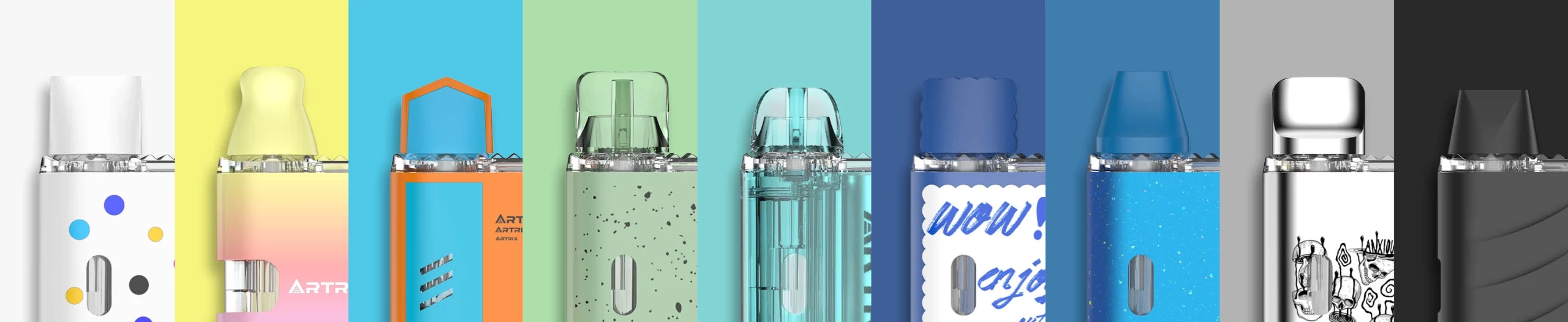
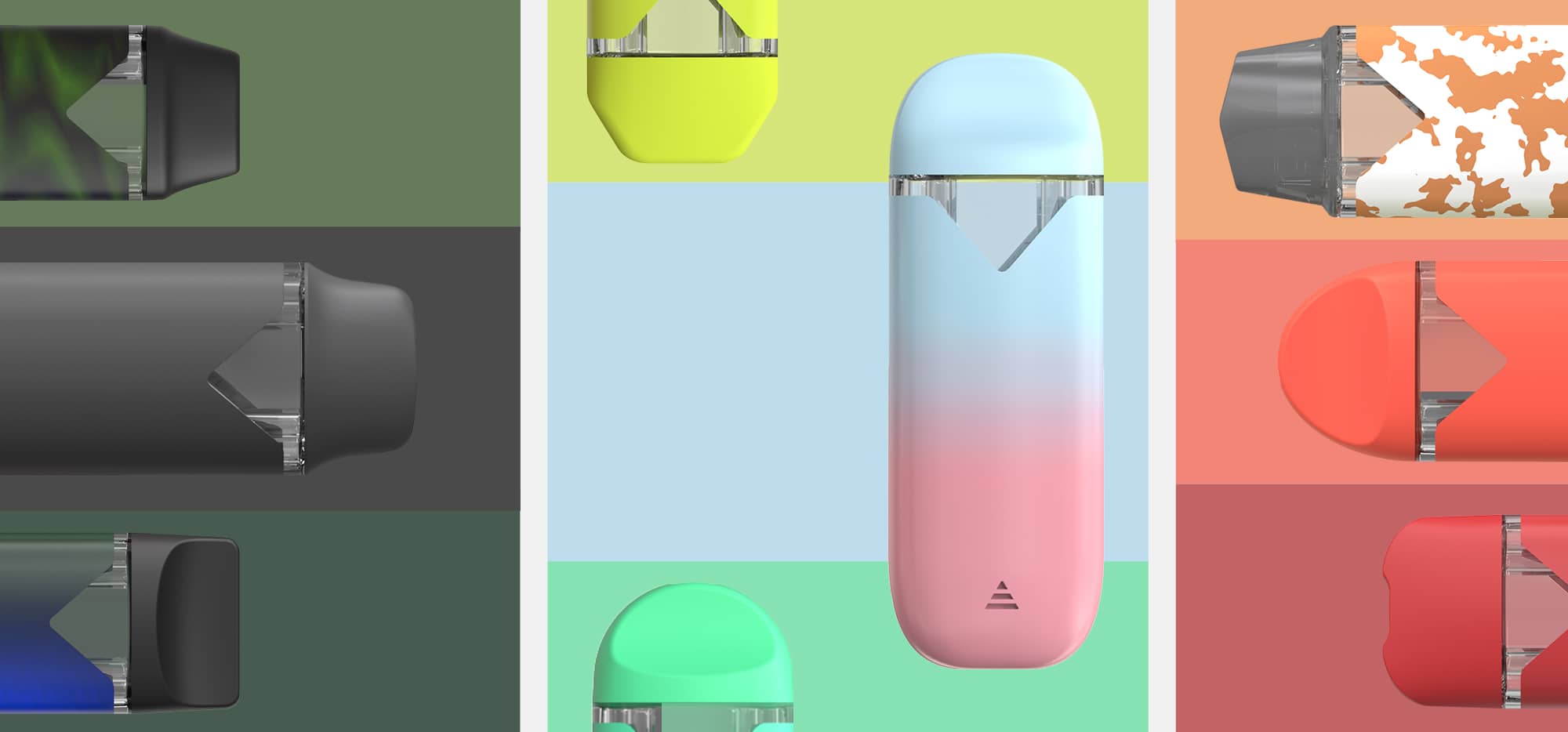
- The Necessity of Visual Differentiation: On the consumer side, “visual variety” is a hard requirement. Connoisseurs often carry multiple strains simultaneously—a Sativa for daytime and an Indica for the evening. If the hardware looks identical across all lines (no CMF differentiation), the user experience suffers, leading to a loss in brand loyalty.
-
- The “Capital Deadlock” of Forecasting: To satisfy the need for differentiation, brands traditionally lock in hardware aesthetics (custom silk-screens or colors) at the point of production. If a specific strain underperforms, that dedicated hardware becomes “dead money”—locked capital that cannot be repurposed.
-
- The Agony of Customization Lead Times: A typical custom order—including sampling, production, and customs clearance—takes 4 to 8 weeks. In a market where flavor trends shift weekly, this lag ensures brands are always chasing trends rather than leading them.
Strategic Innovation: Hardware Standardization & Brand-Neutrality

Solving the inventory puzzle requires a Postponement Strategy. The prerequisite for this strategy is hardware that possesses extreme versatility and brand-neutrality.
This is where Glassic delivers its core business value. Brands can stock large volumes of brand-neutral hardware without committing to a specific strain or aesthetic at the point of purchase. By decoupling the hardware from the final branding, brands can concentrate their capital on versatile assets, hedging against customs delays and supply chain volatility.
-
- Minimal Cost of Error: Even if pre-ordered strain stickers do not align with actual inventory, or if market feedback shifts unexpectedly, there is no need to scrap hardware.
-
- “One-Click” Physical Updates: You can update product identifiers in the warehouse as easily as deploying a software patch. This flexibility grants brands an exceptional ability to course-correct in the face of customs inspections or logistics disruptions, significantly optimizing safety stock levels.
Case Study: The “Peel ‘n Stick” Wisdom of Jetty Extracts
When discussing rapid conversion, Jetty Extracts provides a masterclass in efficiency: Standardized Hardware, Individualized Labeling.
Jetty pioneered the “Peel ‘n Stick” model. Instead of permanent silk-screening, they use high-quality stickers to identify strains. This move unlocked massive operational energy:
-
- Instant Turnover: Brands only need to maintain one premium, uniform hardware SKU. If a specific strain goes viral, existing neutral stock can be labeled and shipped within hours.
-
- Retention Value: The design creates unique engagement—consumers often peel off these artistic labels to collect them on phones or laptops. While the hardware is eventually discarded, the brand identity lives on in the user’s daily environment.
Industrial Ingenuity: The Recessed Groove — Solving the Conflict Between Utility and Quality
While labeling is flexible, applying stickers to traditional flat surfaces often results in peeling or fraying edges, making a premium product look cheap and unprofessional.
Glassic solves this engineering pain point through “Inlay Protection”:
-
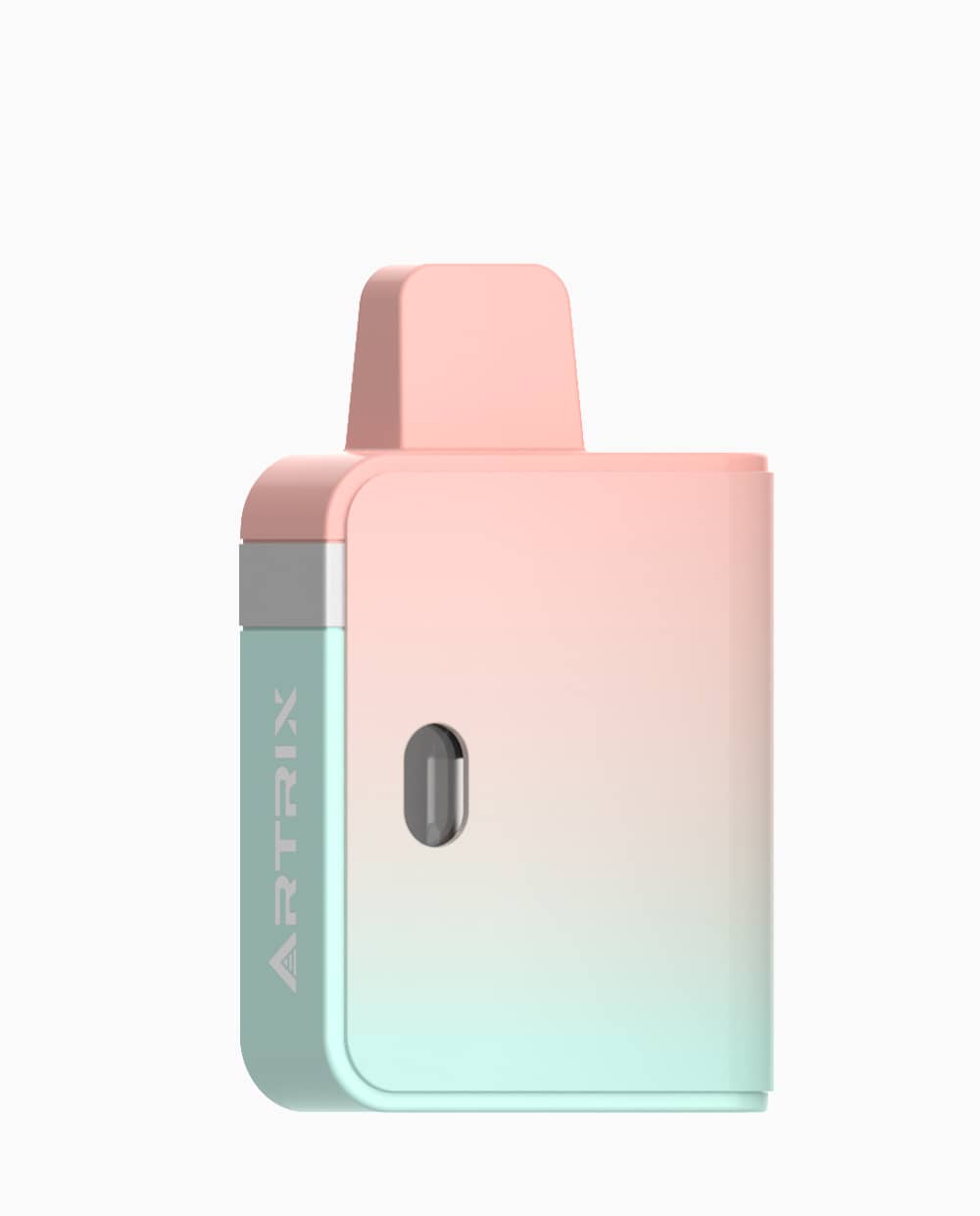
- The Recessed Groove: Glassic features a dedicated, precision-engineered groove on the hardware surface. This isn’t just for alignment; it is for physical protection.
-
- Eliminating Edge Peeling: The sticker edges are physically “tucked” beneath the surface plane. Even with frequent pocket friction or handling, external objects cannot catch the edges of the label. This ensures the device maintains a professional, “lab-grade” aesthetic throughout its lifecycle.
-
- Supporting White Label & Co-packer Ecosystems: This design is ideal for Co-packers and White Label partners. They can run continuous, high-speed filling lines for neutral hardware and finalize the brand identity (Strain on the front, Logo on the back) during the packaging stage, maximizing facility throughput.
Conclusion: In an Uncertain Market, Choose a Certain Delivery System
As product marketing leaders, our job is not just to define the product, but to define the profit margins.
In a flavor-driven market, agility is the ultimate competitive advantage. Adopting an all-glass weed hardware system like Glassic—which supports rapid conversion through thoughtful industrial details—is essentially an insurance policy for your supply chain.
“Don’t lock your capital in a specific strain; lock it in a premium system that adapts to the speed of the market.”
Choose Glassic. Eliminate inventory anxiety and achieve “On-Demand Production” to win the market.