


-1.webp)
-1.webp)
-2.webp)






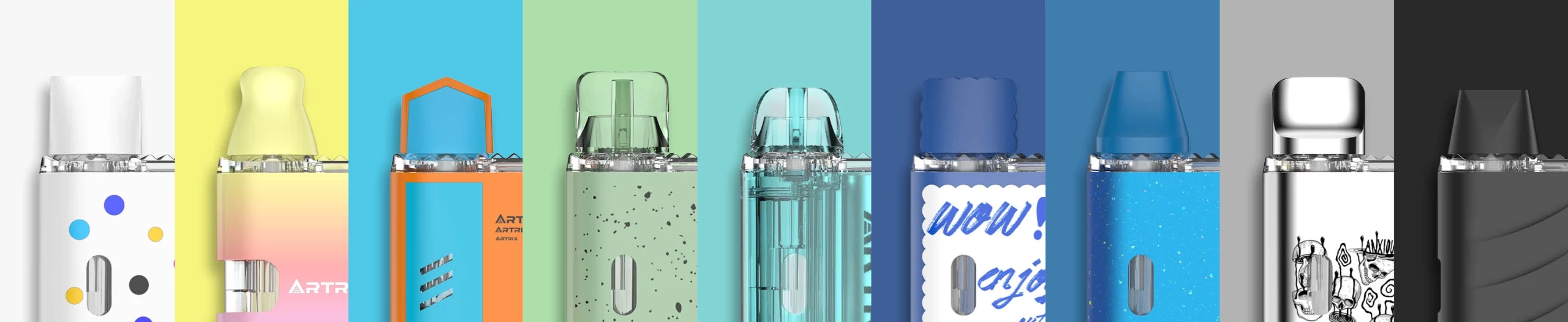
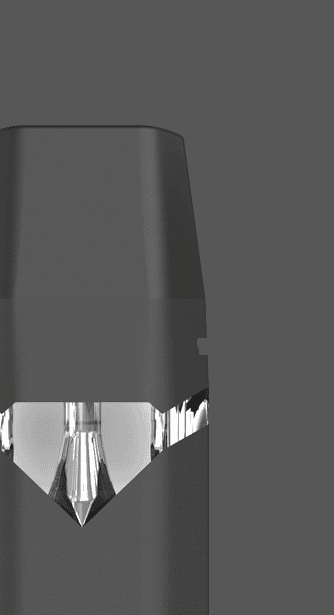

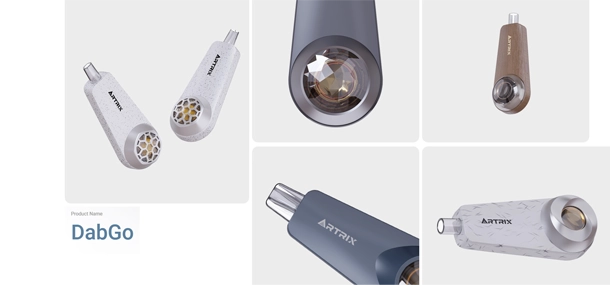
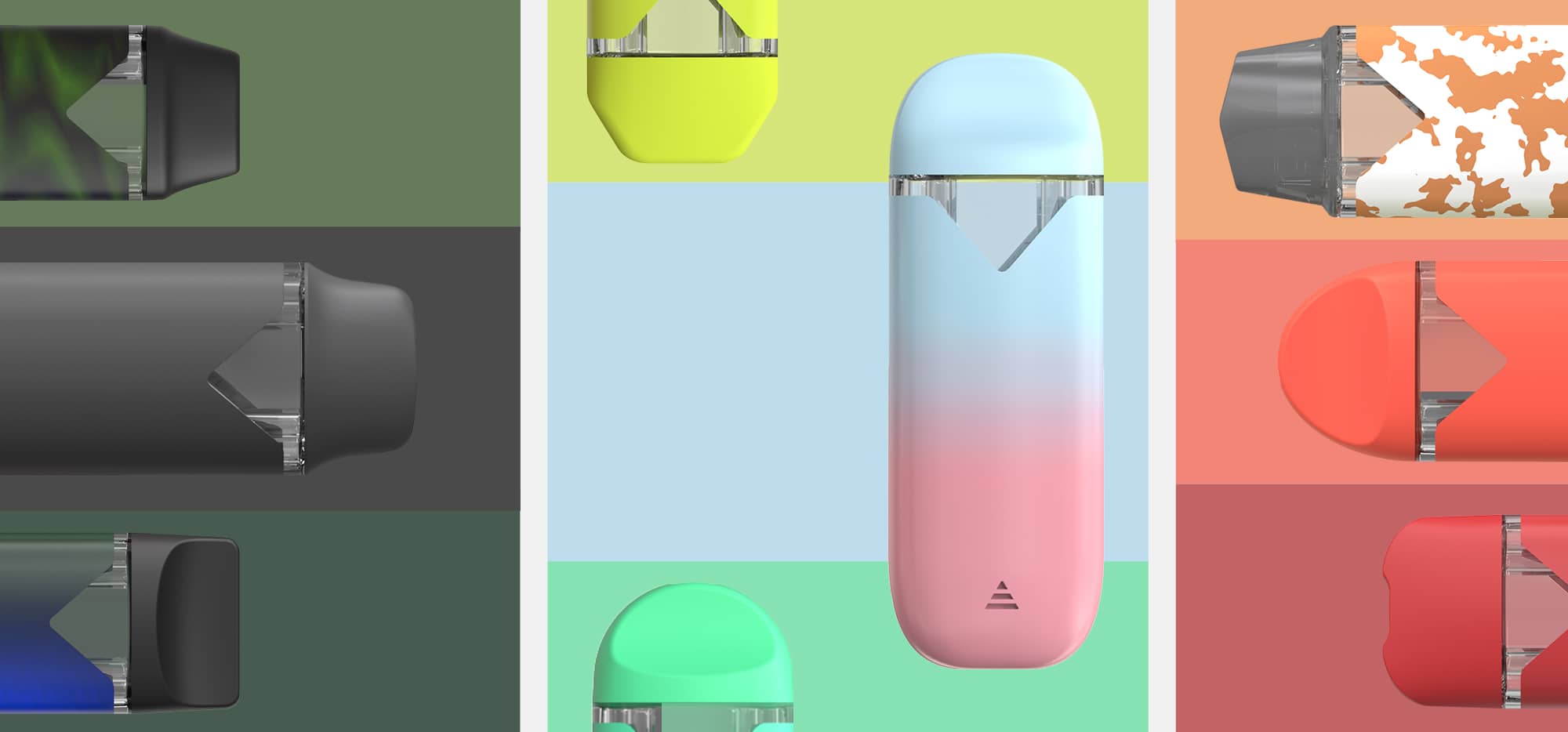



































Artrix Box Vapes 2026 Ultimate Buying Guide: From Hardware Engineering to Peak User Experience
Choosing an artrix box vape should solve three problems at once: match the hardware to the extract, make feature differences easy to understand, and reduce the risk of buyer’s remorse after launch or purchase. That is why this guide focuses less on hype words and more on fit: which Artrix box device works best for distillate, live resin, rosin, or thicker premium oils, and why.
This guide is for adults in regulated markets only. In California, adult-use cannabis purchases are restricted to people age 21 and older, and buying through licensed channels matters because licensed products must meet the state’s testing and regulatory rules. At the federal level, marijuana still sits in a legally unsettled position in the U.S. until a final federal rescheduling rule is completed. California DCC: What’s Legal U.S. DOJ rescheduling notice
[1-Minute Index] The 2026 Artrix Box Vapes Quick Selection Matrix
| Product | Core Selling Points | Best-Match Oil Types | Target Buyer | Why It Prevents Buyer’s Remorse |
|---|---|---|---|---|
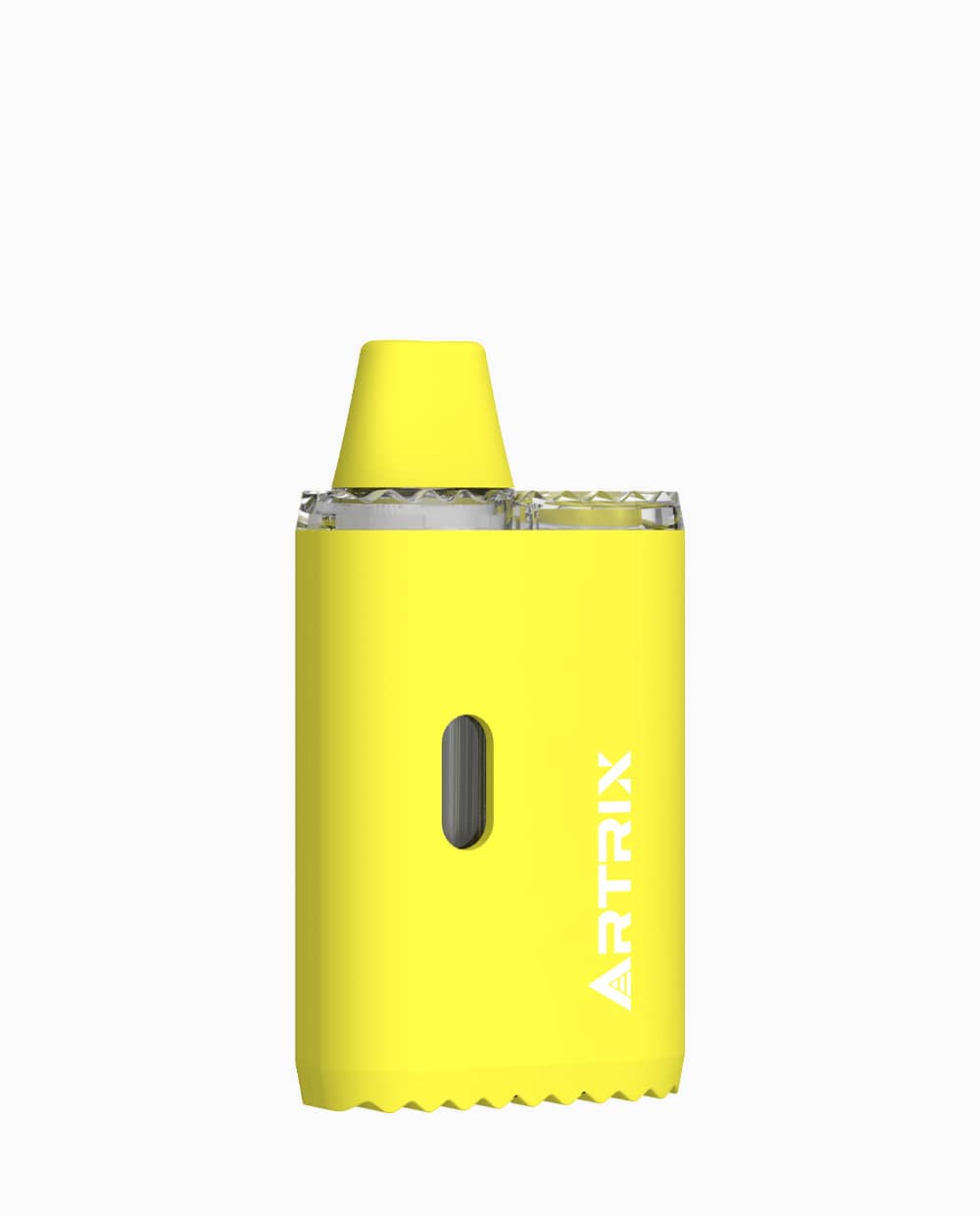
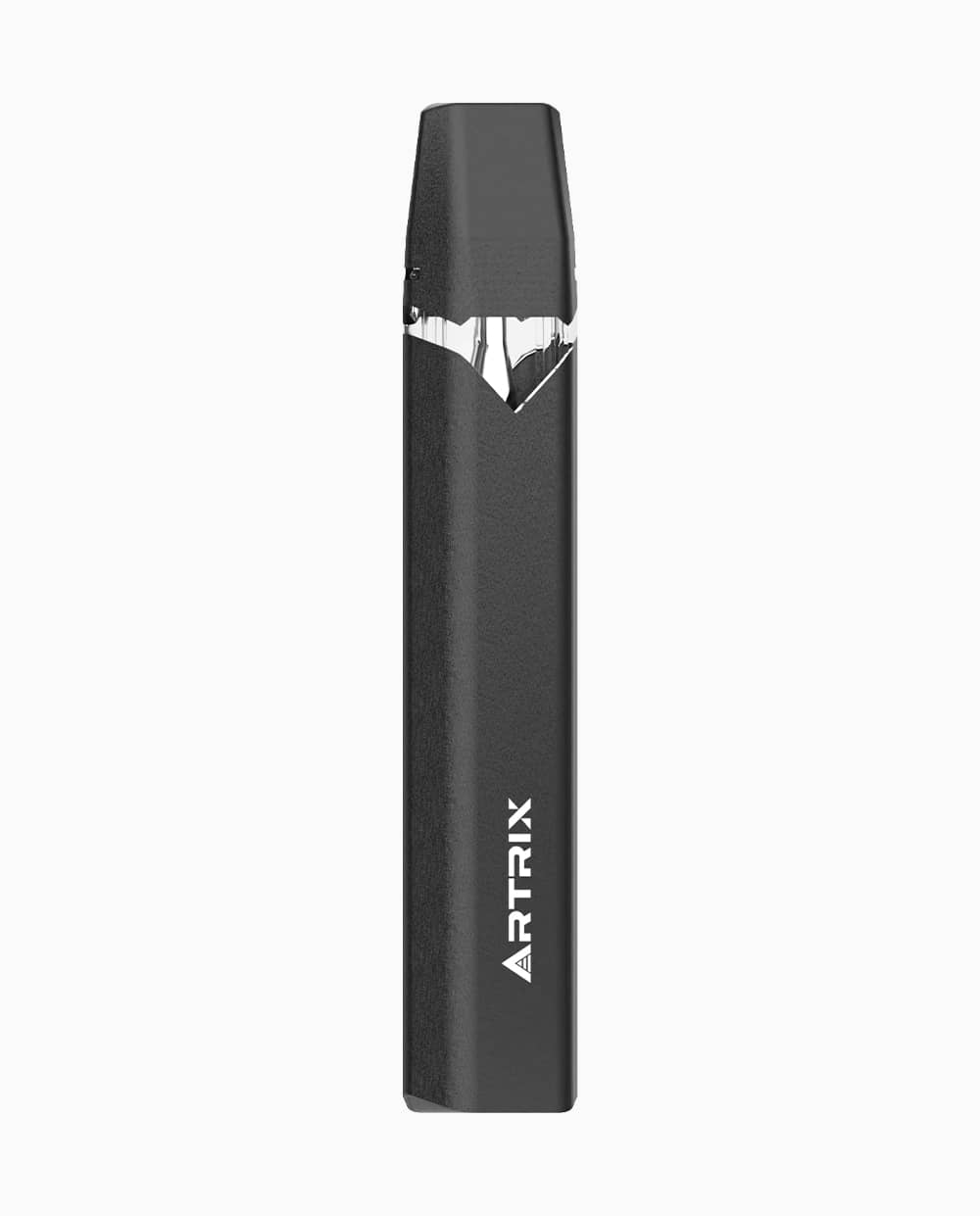
| Cubox | 1mL/2mL, 300mAh, 7.8W, no-button use, compact cube body, live resin compatibility | Distillate, mainstream D9/D8/CBD/HHC/HTE, light-to-medium live resin programs | B2B volume brands, simple B2C users | Easy to use, easy to scale, low learning curve |
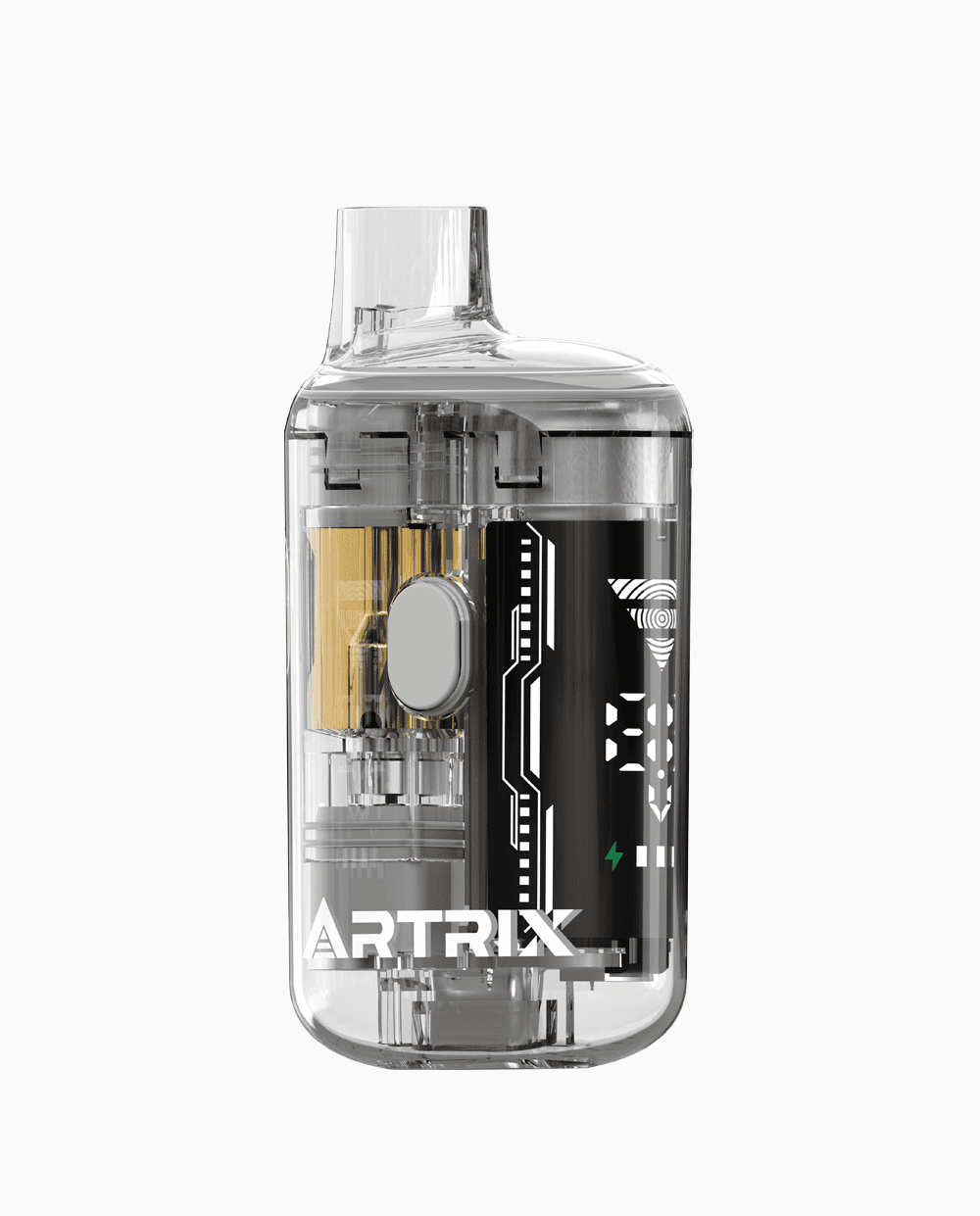
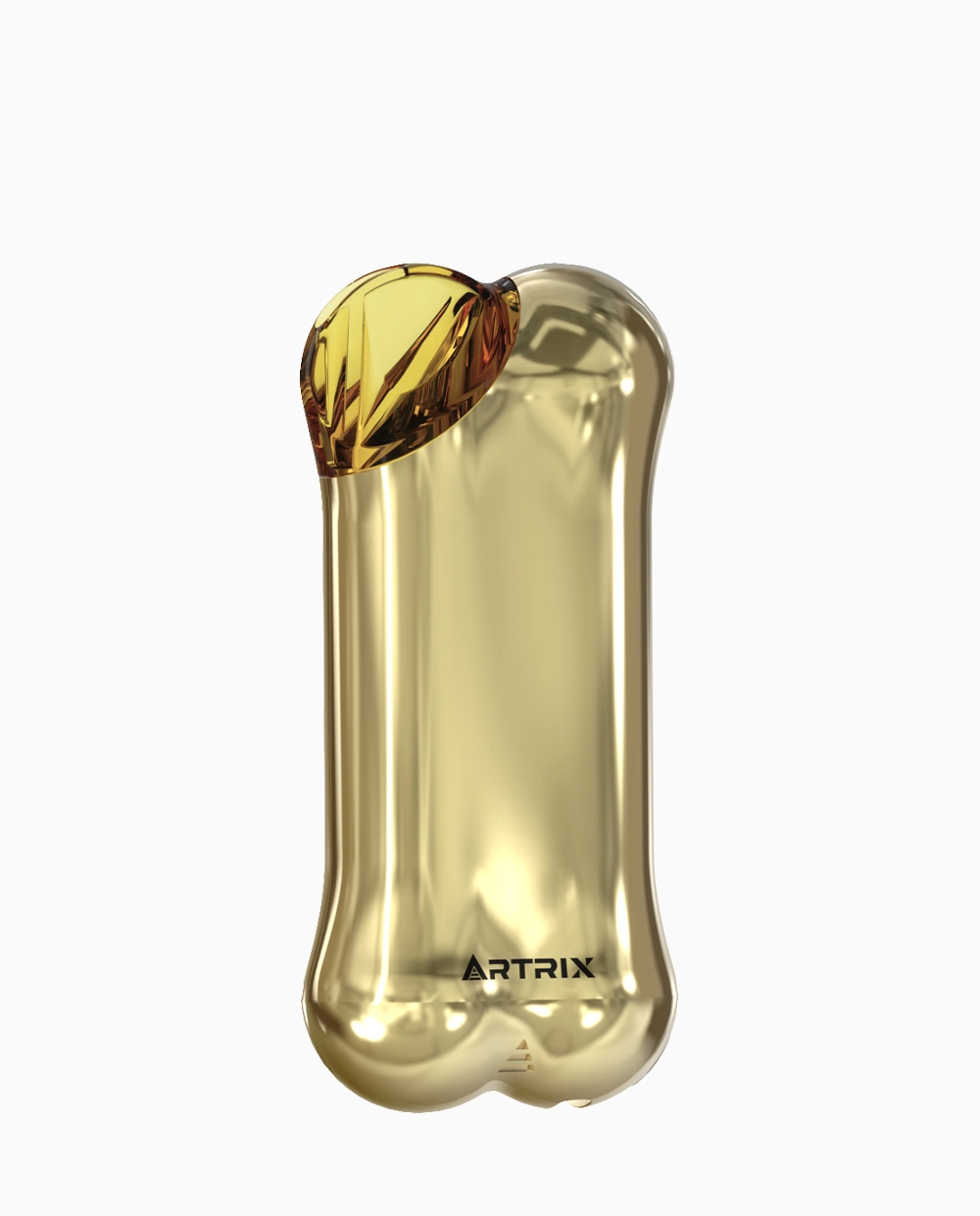
| Retro Pro | Transparent body, screen, preheat, 3 voltage levels, 10-second protection | Thick oils, colder-environment use, premium live resin or connoisseur distillate | Premium brands, design-led SKUs | Gives users more control and reduces wrong-voltage frustration |
| Lilmon | 1mL/2mL/3mL, 9.4W, dual air pathway, bottom filling, faster capping workflow | Distillate, HTE blends, high-output everyday oils | Operators optimizing throughput | Best choice when line efficiency matters as much as consumer experience |
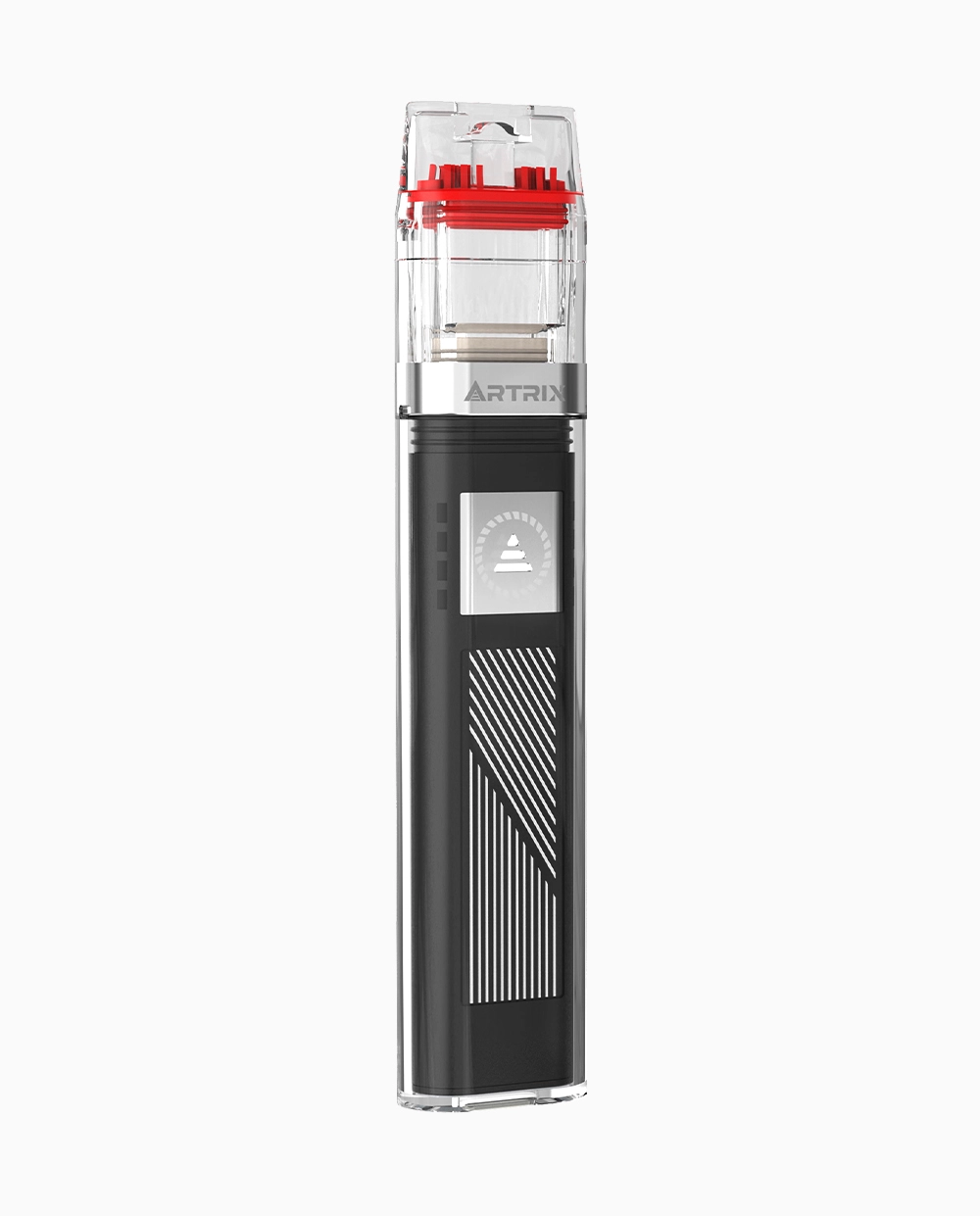
| Lilmon Vision | 0.9-inch full-screen LED, all-in-one controls, 2.6/2.8/3.2V, all-oil positioning, no-center-tube design | Distillate, live resin, rosin, mixed premium lines | Brands needing stronger UX and shelf impact | Screen lowers user anxiety around settings and readiness |
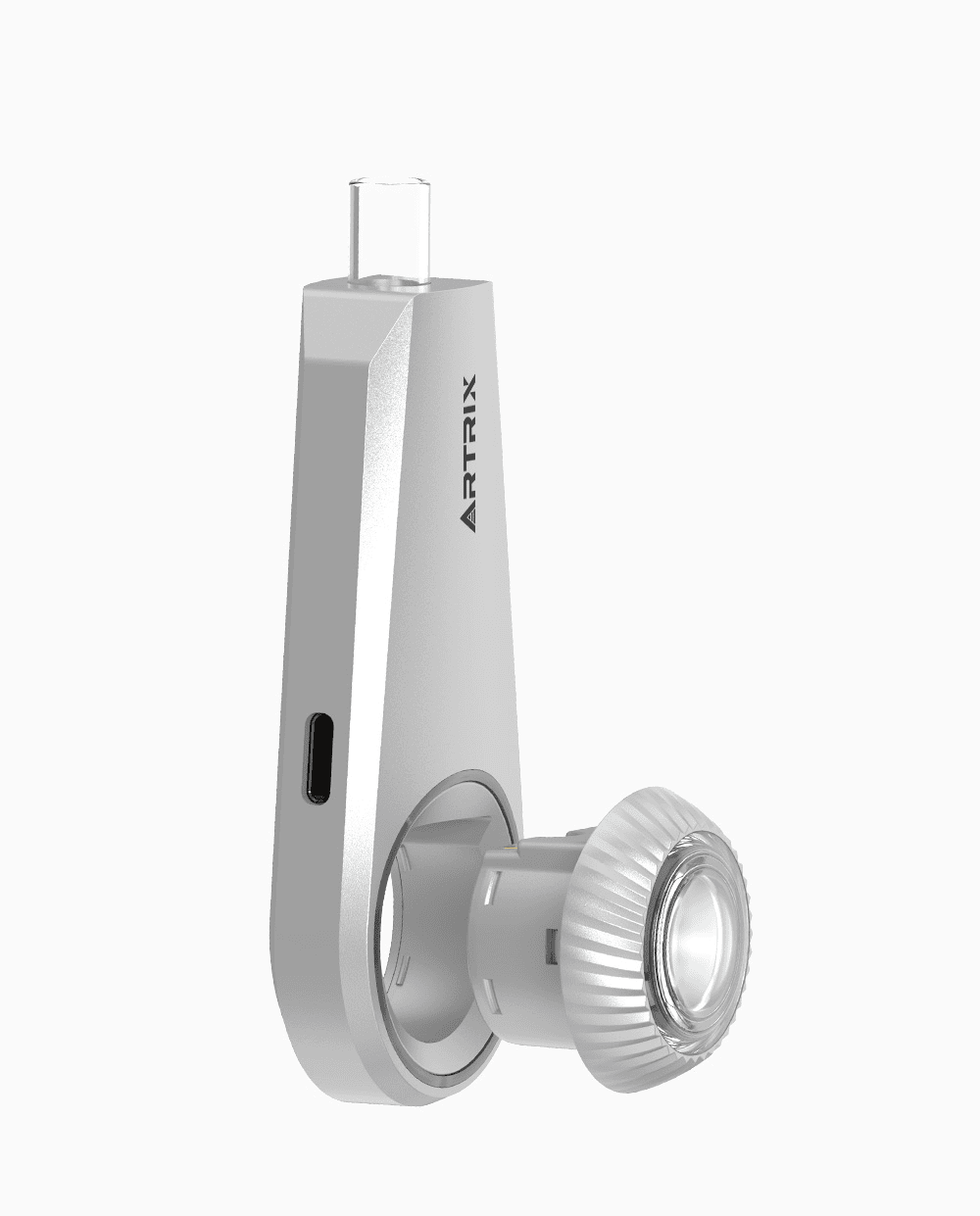
| Lilcube | Postless design, TerpMax ceramic, aluminum alloy body, dual airflow, customizable output | Live rosin, live resin, liquid diamond, rosin oil, premium distillate | High-terp extract brands, discreet premium users | Built specifically for flavor-sensitive premium extracts |
Why Are Box Vapes Dominating the 2026 Market?
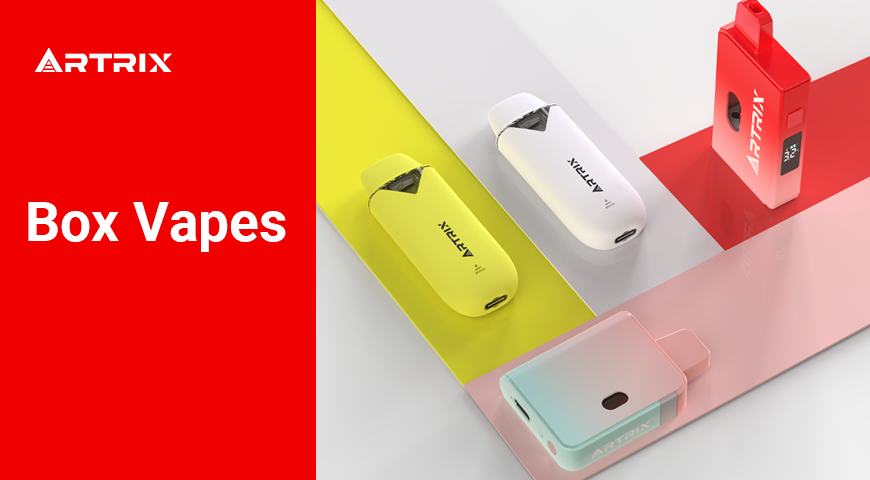
From a hardware perspective, the rise of the box vape is not just a style trend. It is an engineering answer to several old pain points in oil vaping. A box form factor protects the tank better than a more exposed pen-like silhouette, especially during shipping, pocket carry, or daily use. That matters for both breakage risk and perceived product quality.
It also gives engineers more room to manage heat, airflow, and control logic. A wider chassis can separate components more intelligently and create more thermal redundancy around the oil path. In practice, that means less crowding around the heating zone and more flexibility for airflow routing, preheat behavior, and power tuning. Lilcube pushes this logic furthest in the current Artrix lineup with its aluminum alloy housing and positioning around premium, high-terp oils.
The form factor also changes social behavior. Cubox explicitly leans into concealment and palm-friendly handling, while Lilcube and Retro Pro make the device feel more like a refined consumer electronic than a fragile lab cartridge. That helps explain why box vapes now dominate both B2B product planning and B2C daily-carry use.
The Real Buying Question: Which Specs Match Which Extract?
This is where most buyers make their mistake. They buy based on shape, not formulation. The smartest purchase starts by asking what the oil needs from the hardware, not what the hardware looks like on a shelf.
| Extract Type | What the Hardware Needs | What Happens If You Mismatch It | Best Artrix Fits |
|---|---|---|---|
| Standard distillate | Simple operation, stable everyday power, dependable airflow | Over-engineered hardware can raise cost without adding real value | Cubox, Lilmon |
| High-terp live resin | Cleaner flavor path, gentler heating behavior, good clog resistance | Burnt flavor, terp loss, metallic or off notes, clogging | Lilcube, Lilmon Vision |
| Live rosin or rosin oil | Strong heat conductivity, refined ceramic behavior, better thermal dissipation | Weak vaporization, residue buildup, flavor flattening | Lilcube |
| Thick or cold oils | Preheat, stable voltage options, visible readiness cues | Hard starts, clogging, user frustration after the first few sessions | Retro Pro, Lilmon Vision |
| Multi-SKU B2B portfolio | Oil flexibility, simplified filling, scalable production setup | Too many hardware platforms, slower operations, inconsistent QA | Lilmon, Cubox, Lilmon Vision |
That table is the shortest path to avoiding buyer’s remorse. If your extract is simple and scalable, do not overcomplicate the hardware. If your oil is premium and terpene-rich, do not underbuy the heating architecture.
3 Parameters You MUST Check Before Buying
1. Heating Elements and Internal Architecture
Traditional center-post designs still have a place. Lilmon uses a straight 316L stainless steel central post and pairs it with strong vapor output plus a dual air pathway, making it practical for mainstream, high-volume programs. Retro Pro also uses a central-post architecture but offsets that with voltage choice and preheat control.
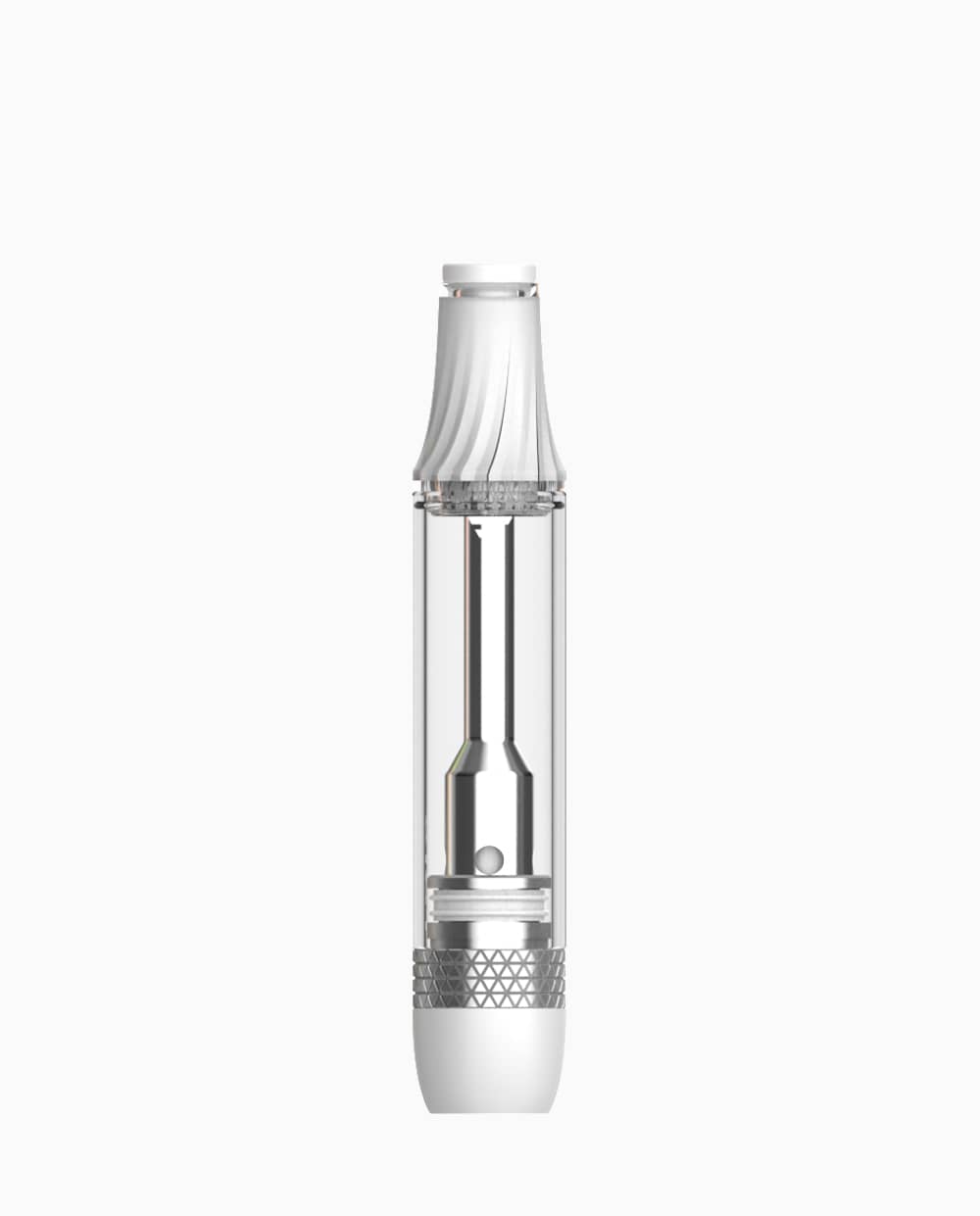
But for high-terp extracts, postless design has a more compelling story. Lilcube’s postless layout removes the central tube and reduces direct metal contact in the vapor path, which is exactly why it is positioned for live rosin and live resin. That matters not only for flavor purity but also for risk management. Recent peer-reviewed cannabis-vape research found evidence that device components can contribute metals to vape liquids and aerosols in some products, which is why minimizing unnecessary metal exposure in the oil path is a meaningful design advantage.
2. Voltage Curve Management
Variable voltage is not enough by itself. The real question is whether the output is well chosen for the oil and stable enough to preserve taste over the full battery cycle. Retro Pro gives users 3.1V, 3.4V, and 3.7V. Lilmon Vision offers 2.6V, 2.8V, and 3.2V, which is a softer and often smarter range for terpene-sensitive oils.
This matters because higher power can change aerosol chemistry fast. A 2020 peer-reviewed study found that carbonyl emissions increased as power increased and rose sharply once devices were pushed beyond recommended ranges. That is why anti-scorch behavior, bounded power choices, and sensible voltage steps are more valuable than simply advertising stronger hits.
3. Airflow Dynamics
Airflow is what turns a spec sheet into an actual user experience. A tight, discreet draw usually suits mainstream distillate users better. More open airflow and faster saturation become more important when the oil is thicker or the brand wants a denser, more immediate hit.
Cubox uses an air-channel system that replaces the traditional central tube, helping it stay compact and easy to conceal. Lilmon’s dual air pathway is designed for stronger vapor and faster response. Lilcube’s dual airflow design aims at clog resistance and smoother premium-oil delivery. The rule is simple: if the oil is demanding, airflow matters more than the marketing copy.
The Artrix Star Lineup: Spotlights on 5 Must-Read Products
Cubox: Minimalist Design, Ultimate Portability
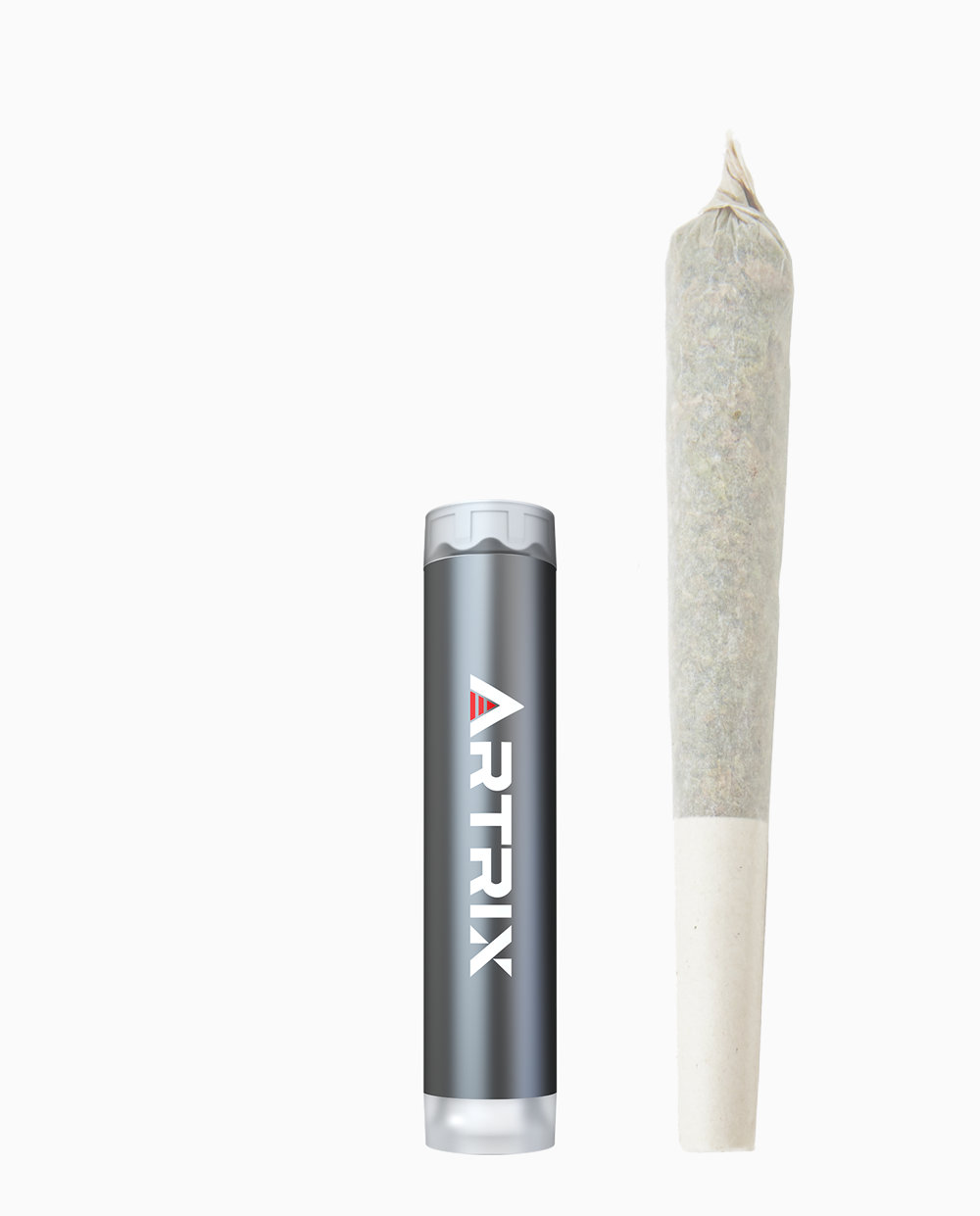
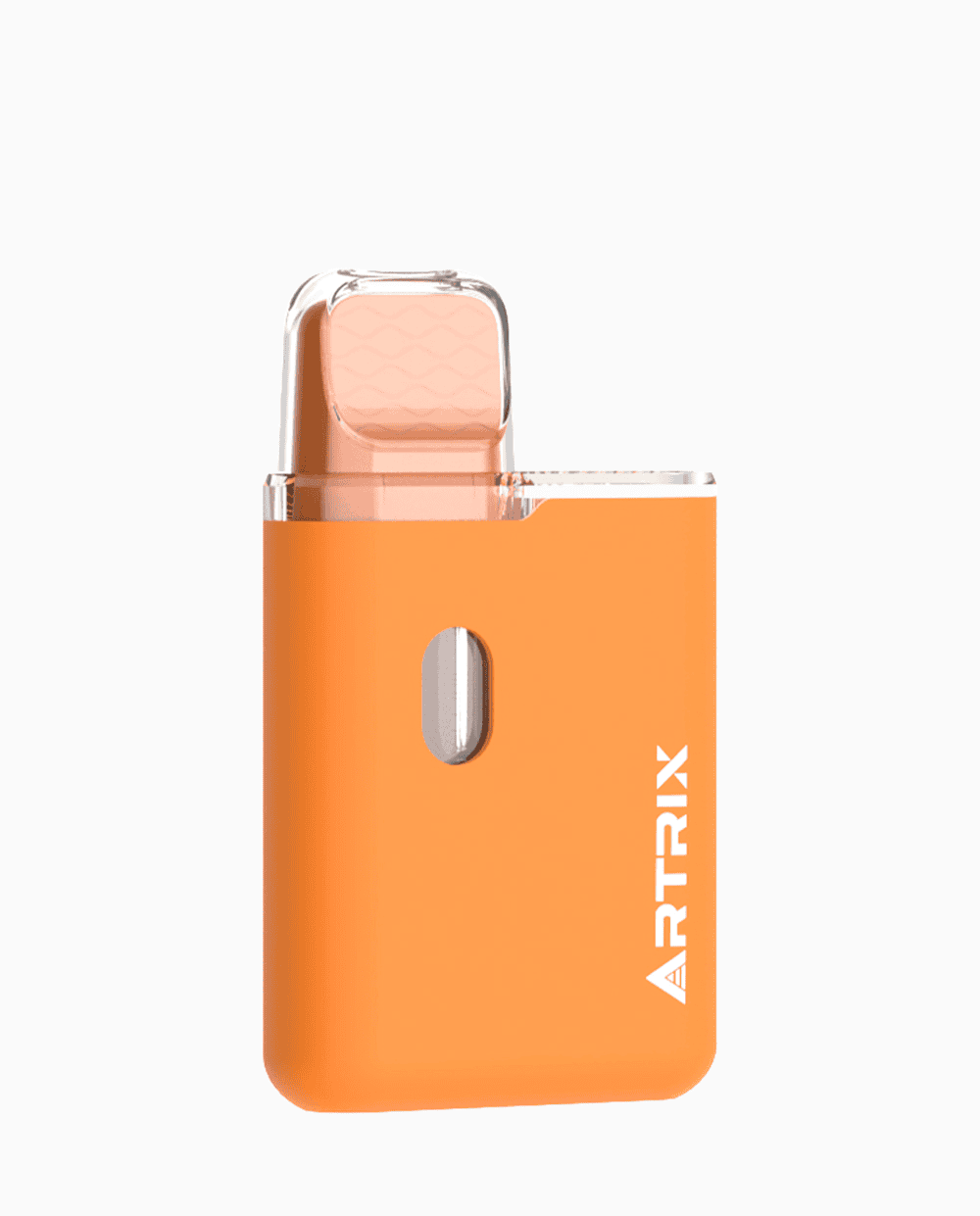
Cubox disposable vape is the most straightforward answer for brands that want a compact, dependable artrix box vape without extra complexity. It offers 1mL and 2mL options, 300mAh capacity, 7.8W output, live resin compatibility, and a no-button design. For B2B, its biggest strength is that it scales cleanly: it is simple to explain, simple to use, and strong for white-label programs thanks to its 1+9 design program and customization potential.
Retro Pro: Where Vintage Aesthetics Collide with Modern Performance
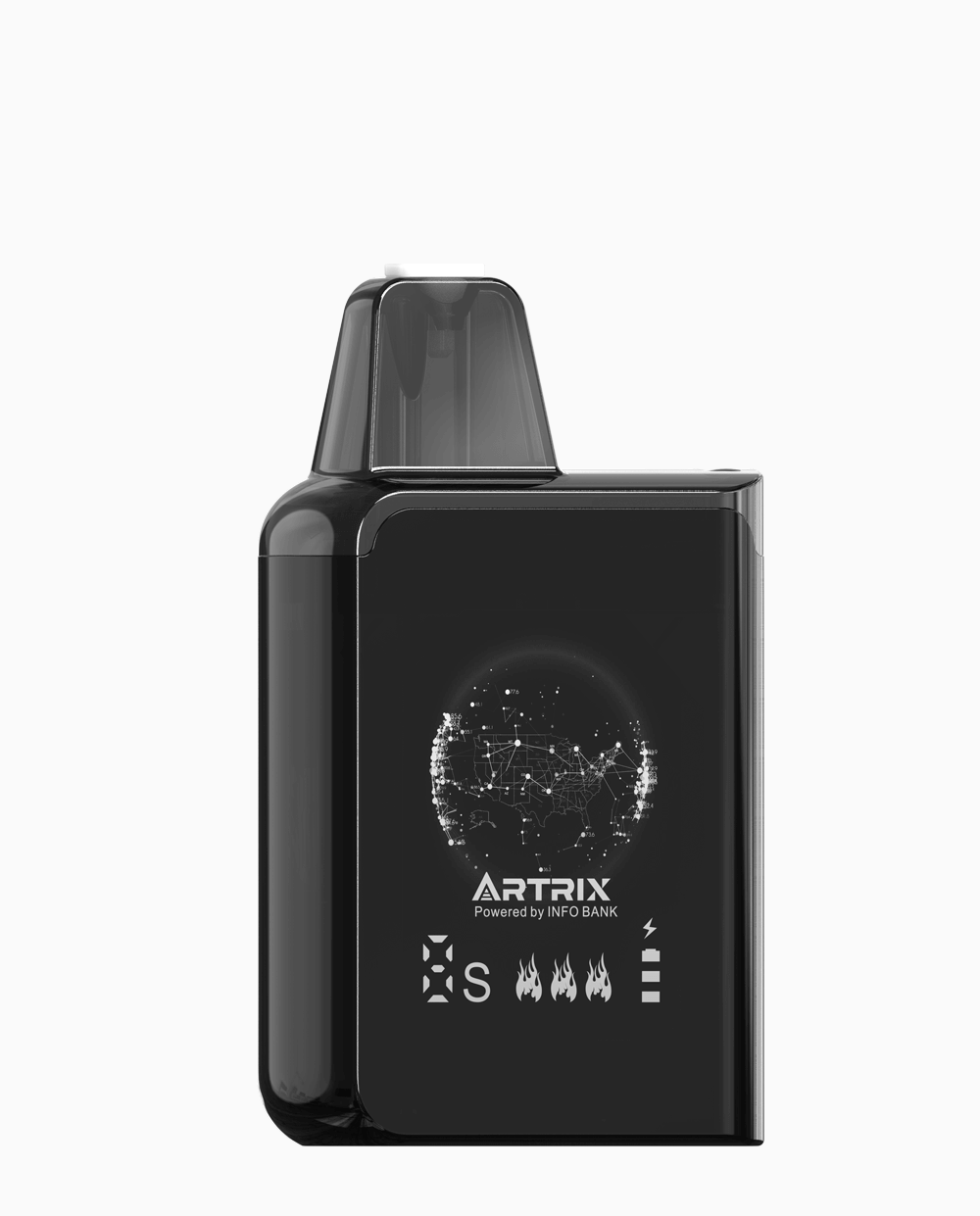
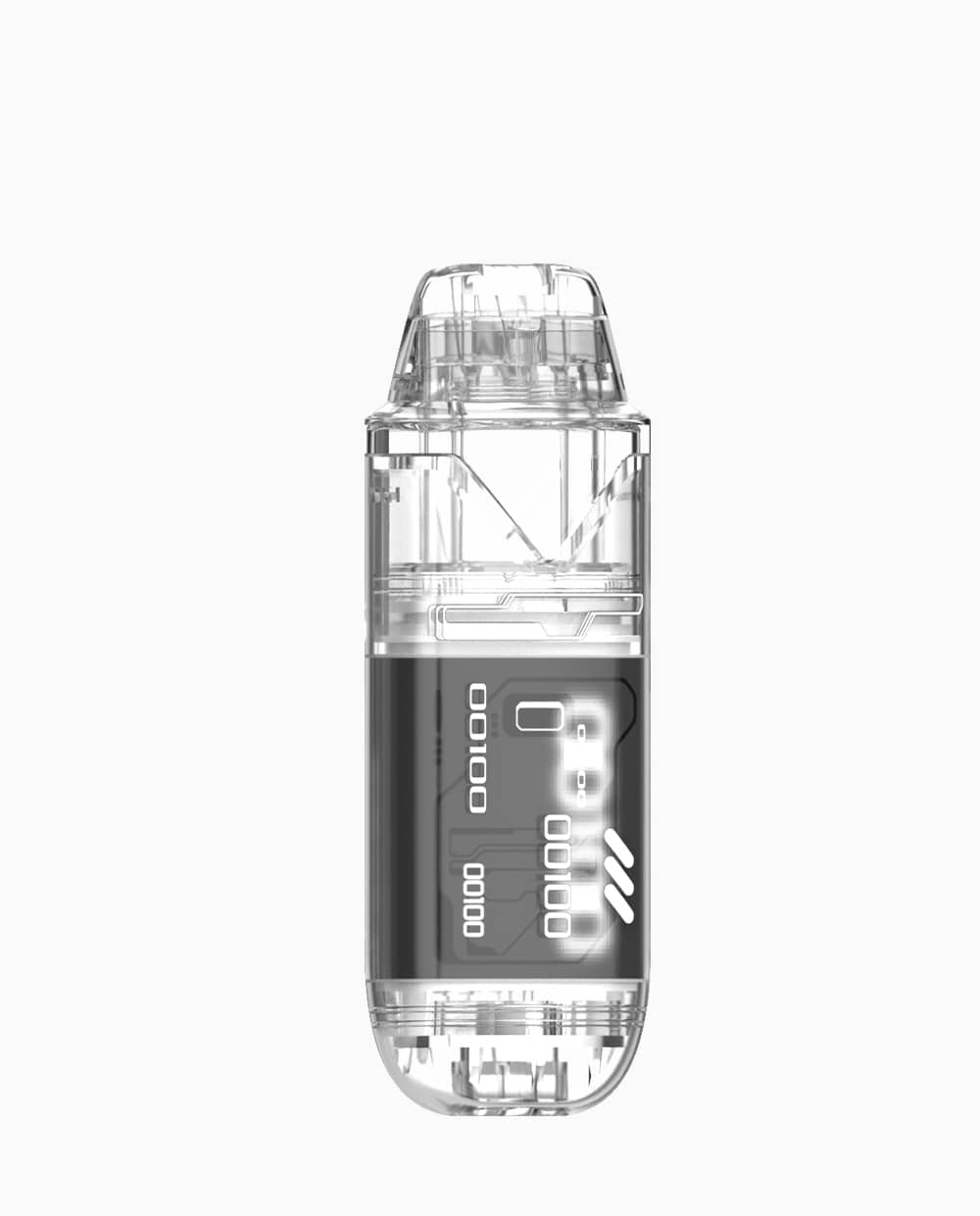
Retro Pro disposable vape is for premium lines that want the oil itself to be part of the experience. The transparent body, smart screen, preheat, 3-step voltage control, and 10-second session protection make it the most interactive box device in the group. If your customer is likely to worry about thick oil, weak first pulls, or whether the device is working, Retro Pro solves more of that anxiety than a simpler fixed-output platform.
Lilmon and Lilmon Vision: Throughput vs. Visibility
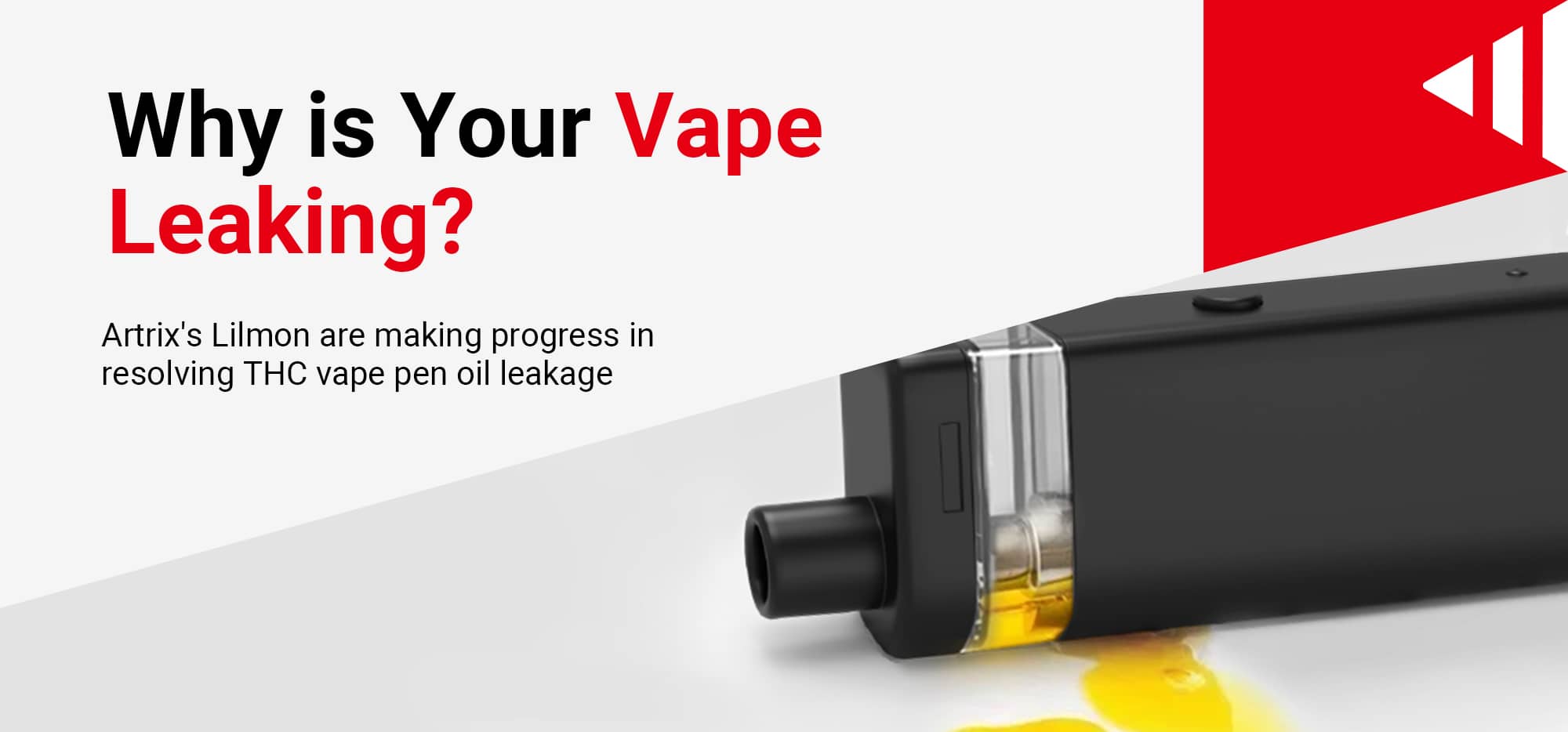
Lilmon disposable vape is the operator’s choice. With 1mL, 2mL, and 3mL formats, 9.4W output, dual air pathway design, and a bottom-filling plus dedicated capping workflow, it is built to remove friction from production. If your main problem is line speed, leakage risk, or running multiple capacities without reinventing the platform, Lilmon is one of the smartest options in the lineup.
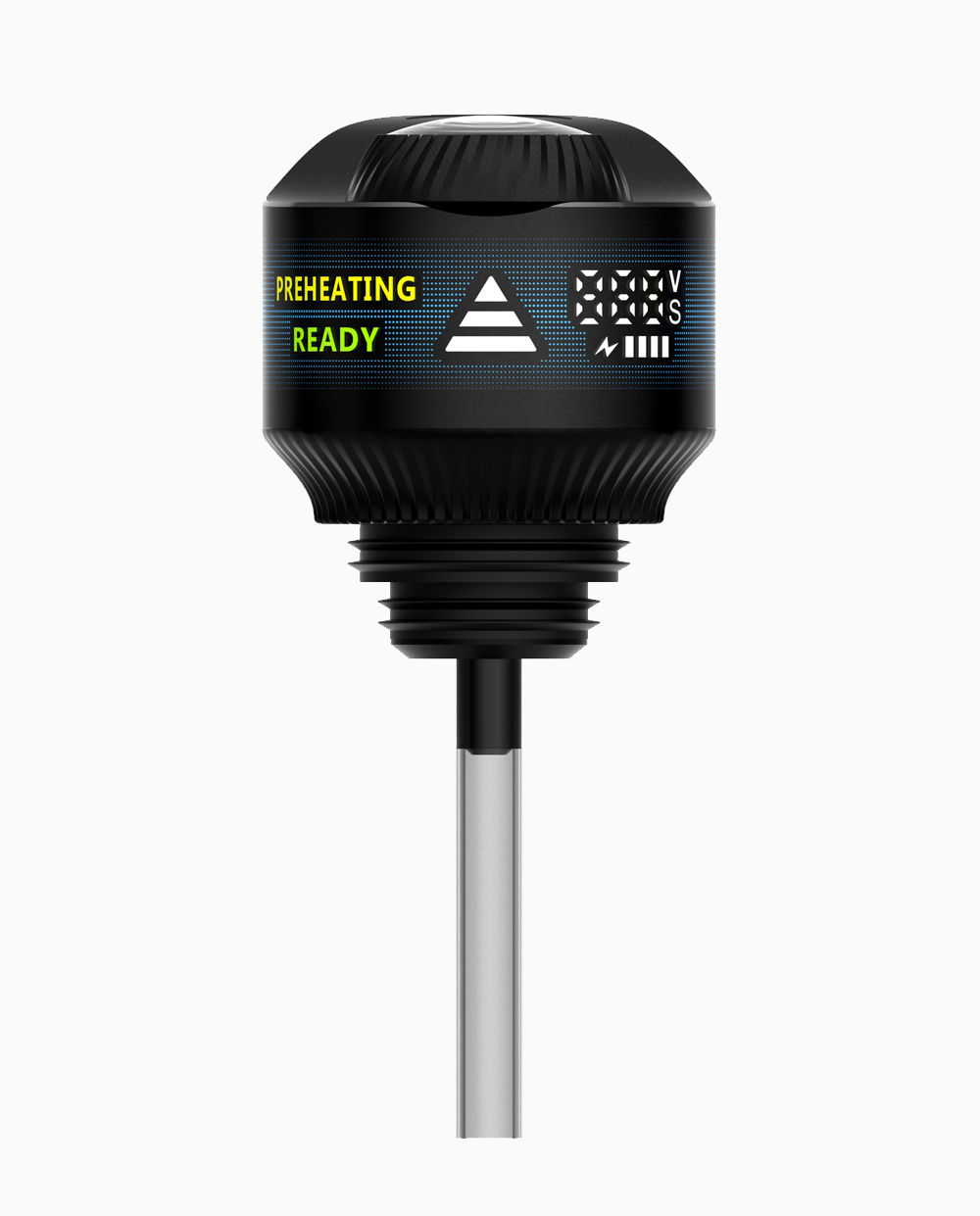
Lilmon Vision disposable vape takes that practicality and adds premium UX. The 0.9-inch full-screen LED, integrated controls, and all-oil compatibility make it the easier sell when a brand wants both broad extract flexibility and stronger shelf presence. Its screen also addresses a subtle but real buyer’s-remorse trigger: users hate not knowing whether the device is charged, activated, or properly set.
Lilcube: Ergonomics Meets Ultimate Discreetness
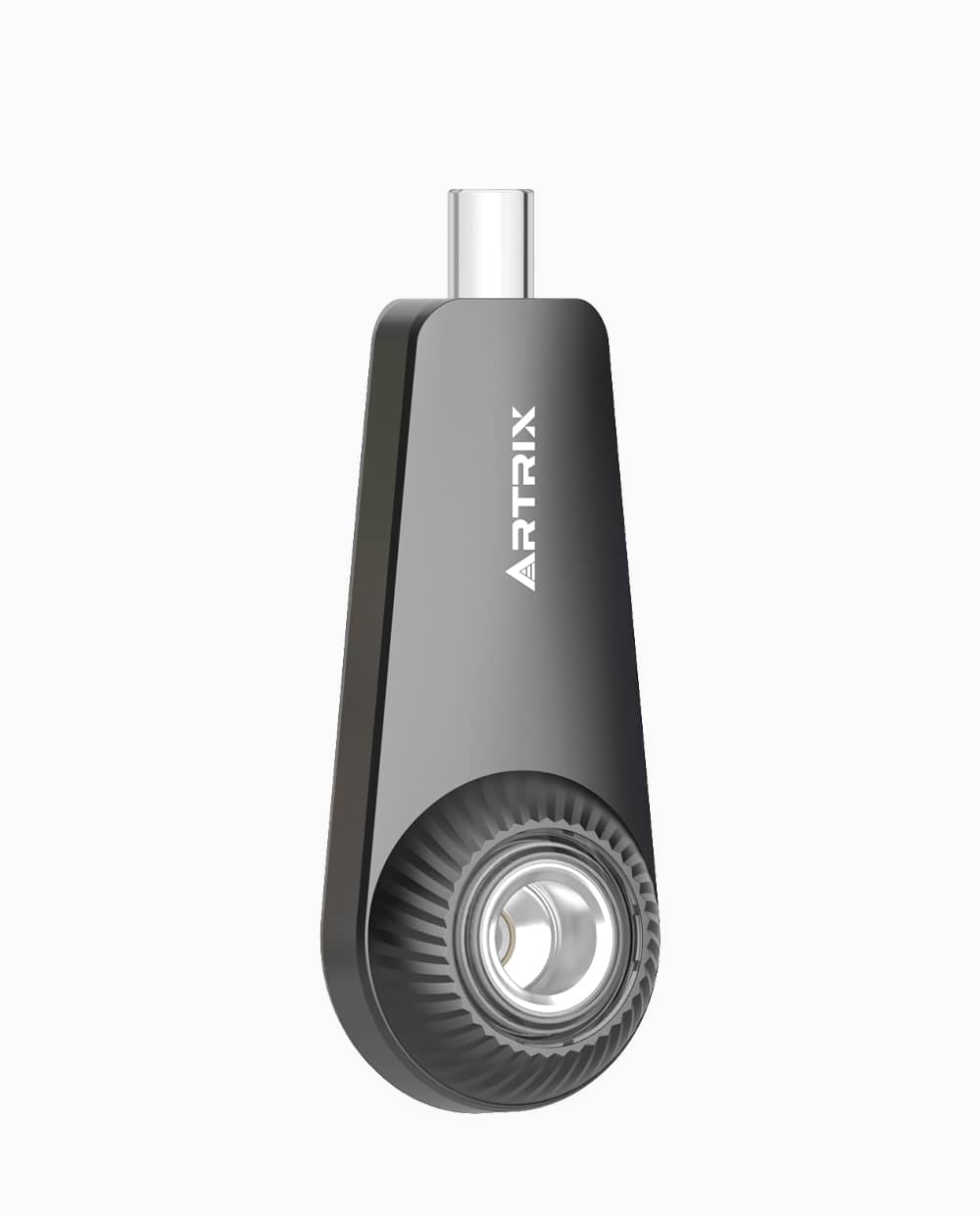
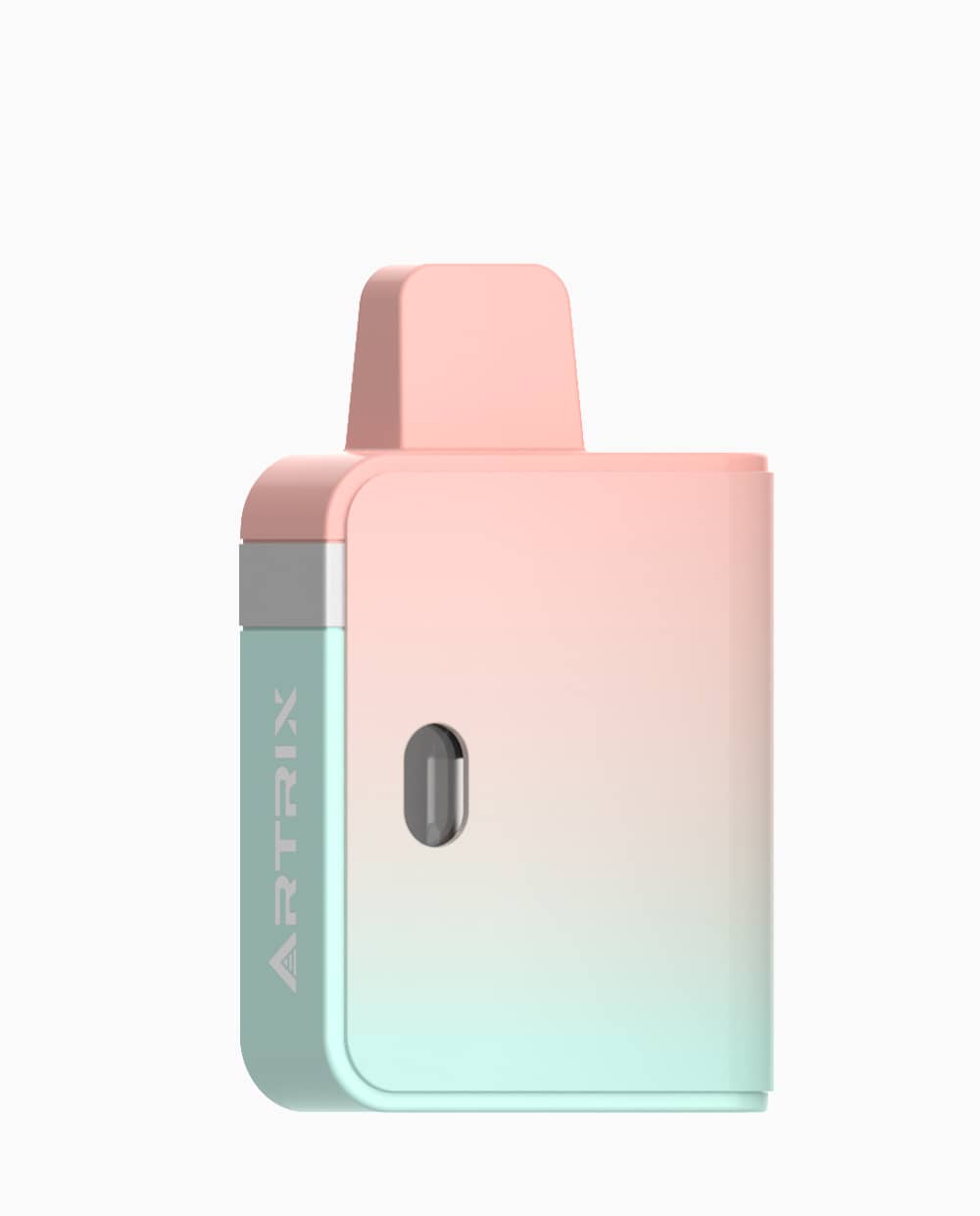
Lilcube disposable vape is the most specialized and arguably the most extract-driven device here. It is explicitly positioned for solventless and high-terp oils, with a postless design, TerpMax ceramic heating core, customizable output based on oil type, and an aluminum alloy body for faster heat dissipation. If the goal is to preserve the character of live rosin, live resin, or liquid diamond while keeping the device slim and palm-friendly, Lilcube is the clearest match in the Artrix box family.
B2B Special: Why Do Brand Operators Prefer Artrix Box Hardware?
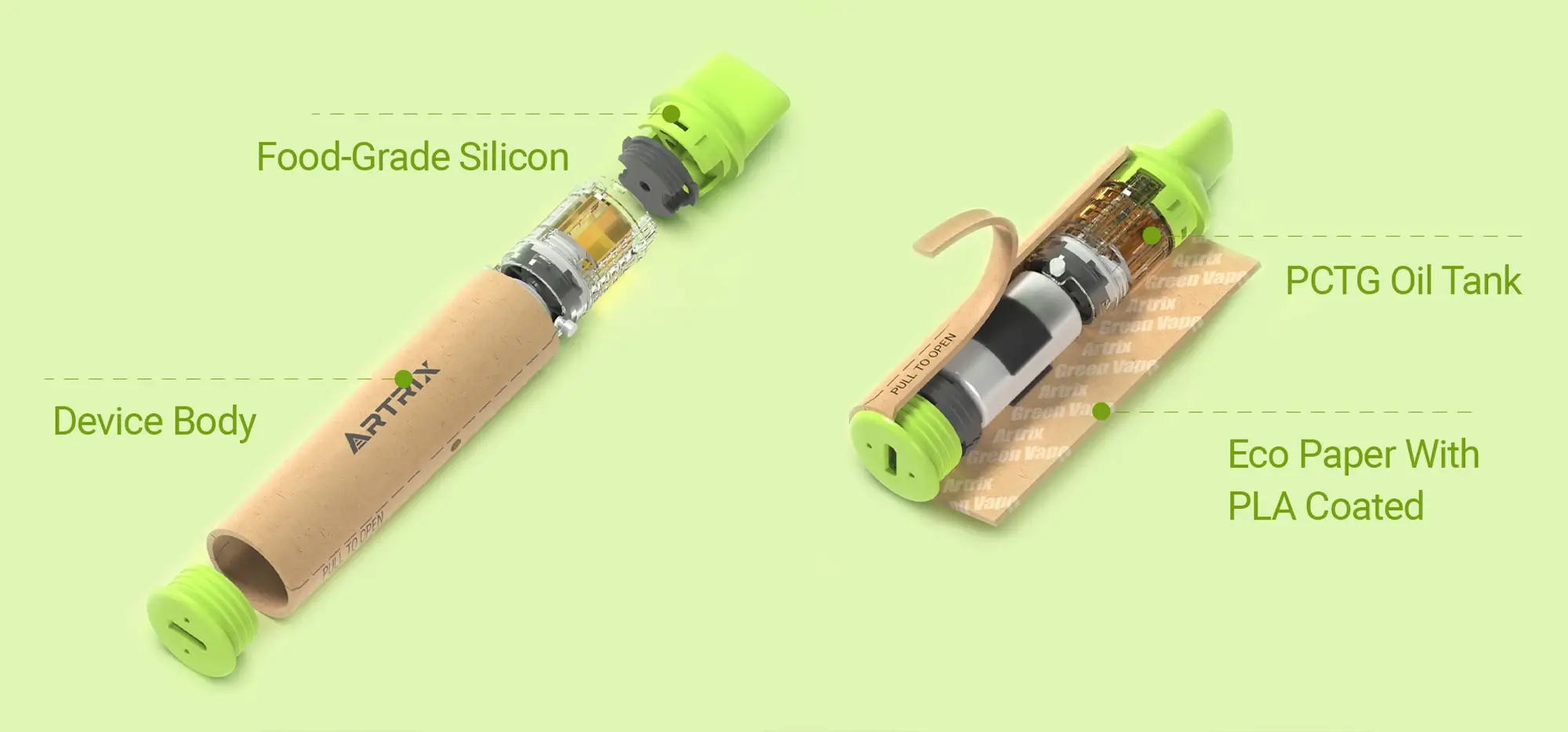
For operators, hardware is not only about the puff. It is about defect control, filling speed, and brand margin. Artrix’s own quality-standard emphasizes 100,000-level GMP workshops, automated manufacturing, strict material selection, and food-grade PCTG. Those are the kinds of details B2B buyers look for when they need repeatability rather than guesswork.
Lilmon’s bottom-filling design is especially important from an operations point of view because it directly addresses throughput. Cubox, meanwhile, is attractive because its design language is easy to customize and easy to commercialize. Retro Pro and Lilmon Vision support premium pricing by making the hardware itself feel more valuable at retail. Good industrial design does not guarantee higher margins, but it gives a sales team a much better reason to ask for them.
Usage & Maintenance: How to Extend the Lifespan of Your Box Vape?
Use preheat strategically, not constantly. If the oil is thick or the environment is cold, a short preheat cycle can help restore flow before the first draw. That is particularly useful on Retro Pro and Lilmon Vision, which make preheat status more visible to the user.
Keep contact points clean. Many bad-hardware complaints come from debris, oil residue, or charging-point contamination rather than true hardware failure. A simple cleaning routine often restores consistency.
Store the device upright when possible and keep it away from extreme heat. Excess heat can thin the oil too much, increasing the risk of leakage and making performance less consistent. Just as important, buy through licensed channels in regulated markets.
Conclusion: Your Next Star Hardware Product
The smartest artrix box vape choice is not the one with the loudest feature list. It is the one whose heating design, airflow, voltage behavior, and ergonomics match the extract you actually plan to sell or use.
If you want the short version: choose Cubox for scalable simplicity, Retro Pro for premium control, Lilmon for production efficiency, Lilmon Vision for visual UX and broad oil flexibility, and Lilcube for premium terpene-rich extracts. That is how you turn hardware selection into a better user experience, a better brand story, and far less buyer’s remorse.