

-1.webp)
-1.webp)
-2.webp)


















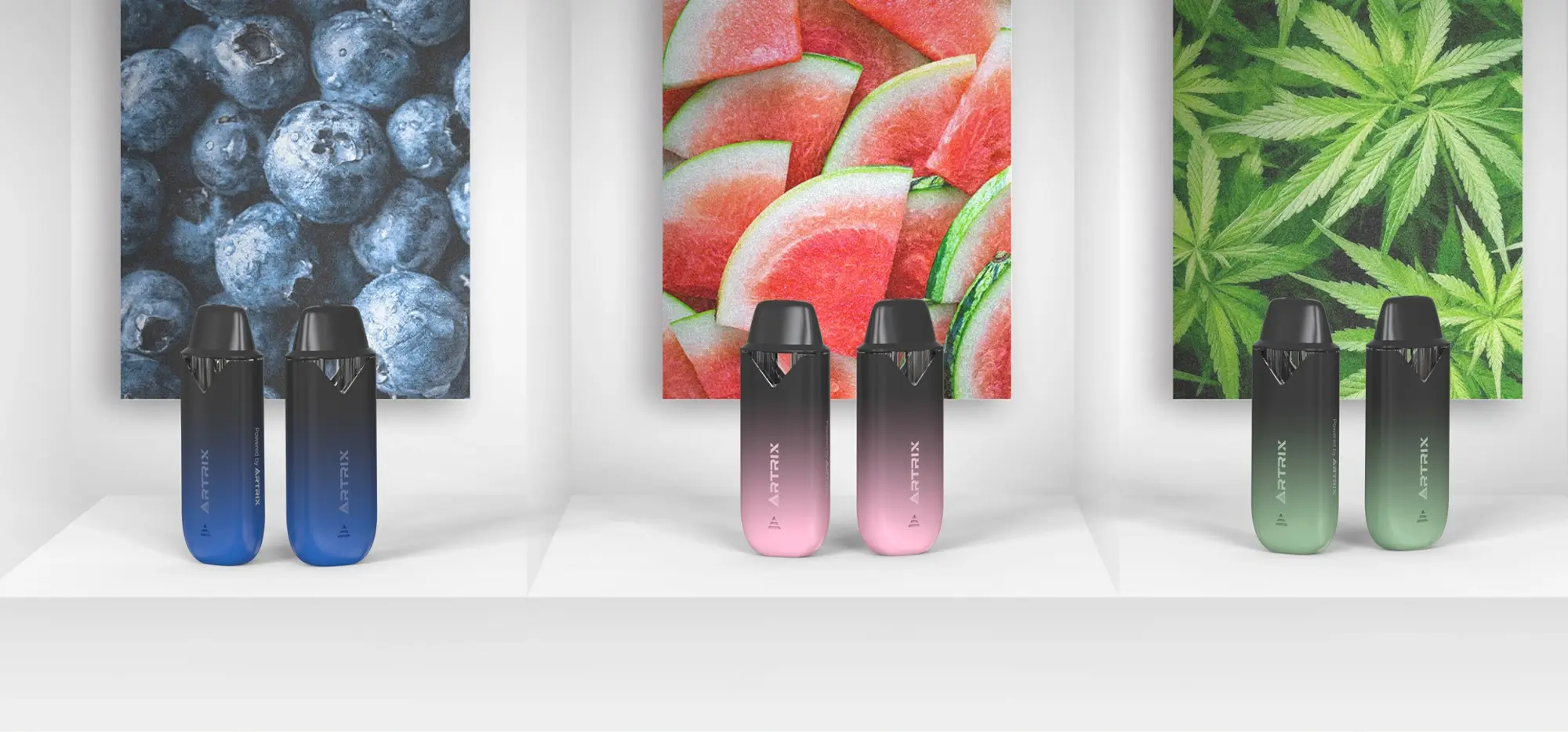



How to Use a Dab Rig to Create Your Own Original Taste
The perfect dab is not just about potency. For many concentrate lovers, the real pursuit is flavor: the bright citrus lift at the start, the earthy body in the middle, and the clean finish that makes a blend feel personal. Creating your own “Original Taste” is a little like building a signature cocktail. The concentrate matters, but so does the glass, heat, airflow, surface material, and timing.
The Hardware Foundation: How Your Rig Dictates Taste
A dab rig is more than a delivery tool. It is the flavor engine. Even the most aromatic concentrate can taste flat, harsh, or burnt if the heated surface is dirty, the airflow is chaotic, or the temperature is too high. Before blending concentrates, make sure the rig itself is helping the flavor instead of fighting it.
Banger Materials and Heat Retention
Quartz is popular for flavor-focused dabbing because it heats cleanly, responds quickly, and does not add much of its own character when properly maintained. The goal is to vaporize the concentrate, not scorch it onto a carbonized surface. Residue from old dabs can create a bitter, smoky layer that overwhelms delicate citrus, floral, or herbal notes.
If you are blending expensive live resin, rosin, sauce, or budder, a dirty banger is the fastest way to erase the point of the experiment. Swab after each dab, avoid overheating, and replace heavily clouded or damaged components when flavor starts to fade.
The Airflow Factor
Airflow determines how vapor moves from the heated surface to the mouthpiece. Too much airflow can thin out vapor and make the flavor feel scattered. Too little airflow can make the hit dense but hot, muting the top notes. Water level matters too: more water and complex percolation can cool vapor, but too much diffusion may soften sharper flavor details.
Decoding the Terpene Profile: Your Flavor Palette
Terpenes are aromatic compounds that help shape the sensory profile of cannabis concentrates. They do not work like simple “flavor drops,” but they do give you a vocabulary for planning blends. If one concentrate leans lemony and another leans woody or spicy, you can think in terms of top notes, middle notes, and base notes.
The boiling points below refer to isolated compounds under listed laboratory conditions, not exact device settings. A dab rig heats a mixed concentrate matrix, so the practical “sweet spot” is usually found through controlled testing rather than one perfect number.
| Terpene | Common Flavor Direction | Reference Boiling Point | Blend Idea |
|---|---|---|---|
| Limonene | Citrus, lemon, bright peel | About 177.6°C | Use to lift heavy gas, diesel, or earthy profiles. |
| Myrcene | Earthy, musky, herbal, ripe fruit | About 167°C | Use as a rounder base under sharper fruit notes. |
| Linalool | Floral, soft, lightly spicy | About 198°C | Pair with berry or dessert profiles for a smoother finish. |
| Alpha-pinene | Pine, resin, forest, fresh herbal | About 156°C | Use to sharpen creamy or sweet concentrates. |
| Beta-caryophyllene | Pepper, clove, dry wood, spice | About 256-259°C at 760 mmHg | Use sparingly to add structure to fruit or floral blends. |
Classic “Salad Dabs”: Methods for Mixing Concentrates
A “salad dab” is the simplest way to create a custom flavor. Instead of consuming one concentrate at a time, you load two or more concentrates together so their aromas vaporize in the same pull. The method is simple, but the best results come from pairing with intention.
Perfecting the Salad Dab
-
- Start small: Use tiny portions of each concentrate so you can taste the ratio clearly.
-
- Pair by contrast: Add a fruit-forward live resin to soften a gassy or fuel-heavy shatter.
-
- Pair by continuity: Combine citrus sauce with a pine-heavy budder for a bright forest profile.
-
- Match consistency: Firmer concentrates can anchor the dab, while sauce or diamonds can add terpene intensity.
-
- Record the ratio: A blend that works once is only useful if you can repeat it.
The mistake is treating every concentrate like it has the same intensity. High-terpene sauce can dominate a dab, while a firm budder may sit in the background. Begin with a base concentrate, then add a smaller accent concentrate until the profile feels balanced.
Layering Techniques for a Journey of Taste
Layering is more advanced than mixing. Instead of fully blending the materials, you place one concentrate on or around another. For example, a firm budder can act as the middle note, while a thin ring of high-terpene sauce on the exterior creates a bright first impression.
This creates a staged flavor experience. The top note appears first, the body follows, and the finish may shift as the remaining material moves across the hot surface. If your dab rig has strong directional airflow, layering becomes easier because the vapor path can pull the concentrates through the heated zone in a more controlled way.
Advanced Flavor Blending: Leveraging Hardware Upgrades
Once you understand concentrate pairing, accessories become flavor tools. They are not just visual upgrades. They change how concentrate spreads, heats, aerates, and vaporizes. Better movement usually means fewer burnt edges and more complete flavor expression.
Maximizing Mixes with Terp Pearls and Slurpers
Terp pearls rotate inside a banger when airflow is directed correctly. That rotation helps move melted concentrate across the heated surface, improving mechanical mixing and reducing hot spots. For salad dabs, this can make a meaningful difference because two concentrates with different textures may not melt at the same rate.
Terp slurpers use more complex airflow and surface geometry to pull concentrate upward through heated channels. The effect is not magic; it is applied airflow and heat distribution. When used well, these accessories can help different concentrates meet, mix, and vaporize more evenly.
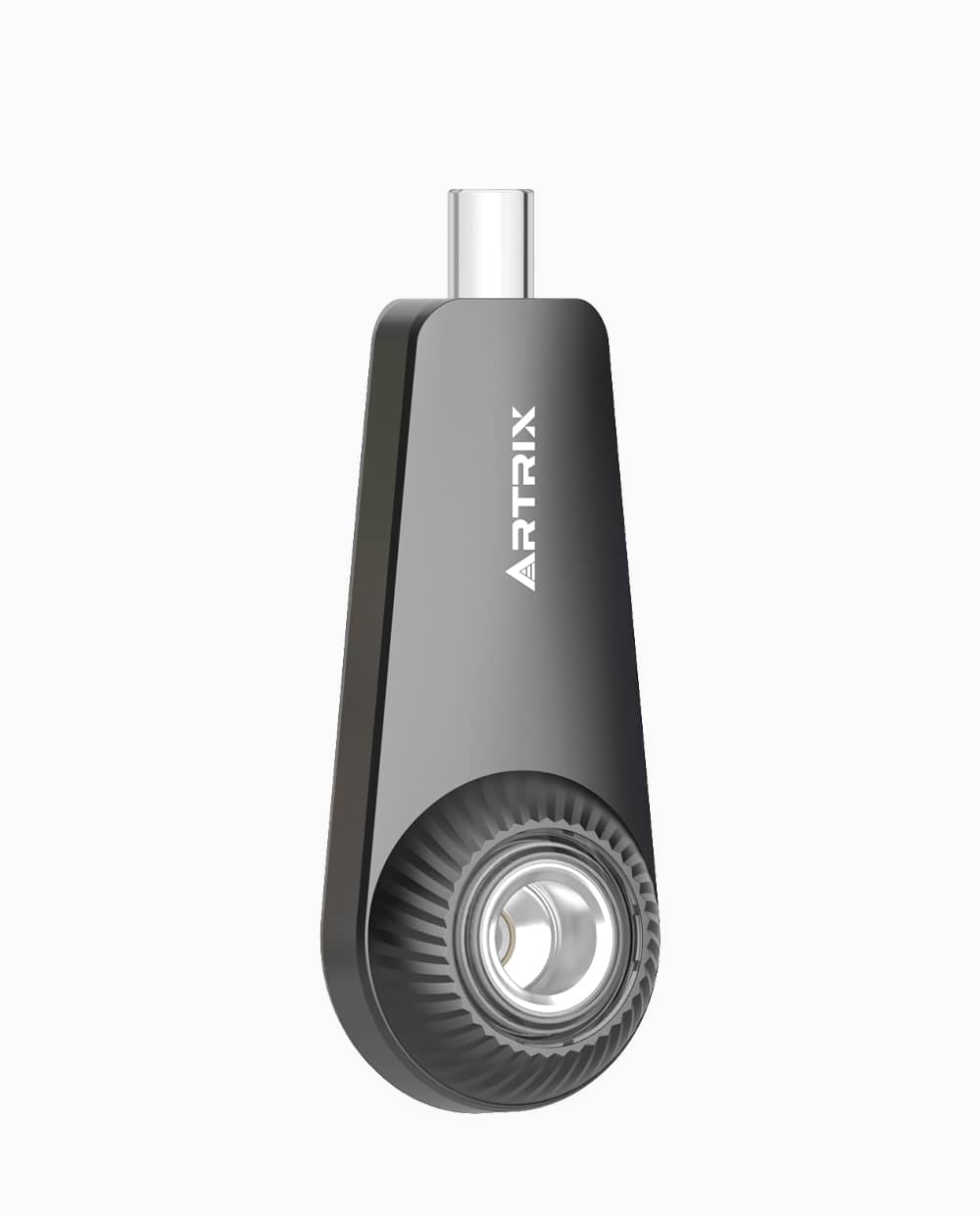
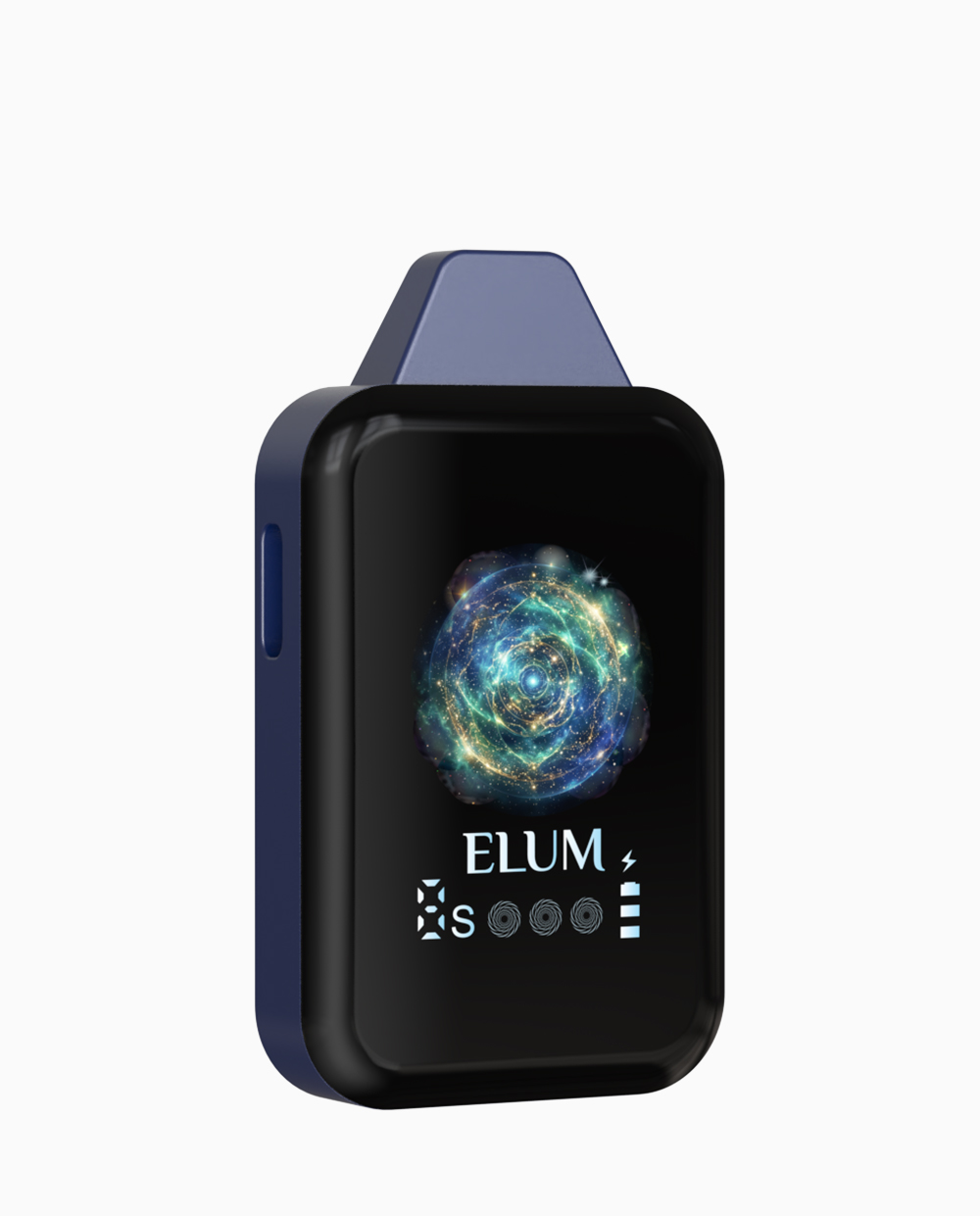
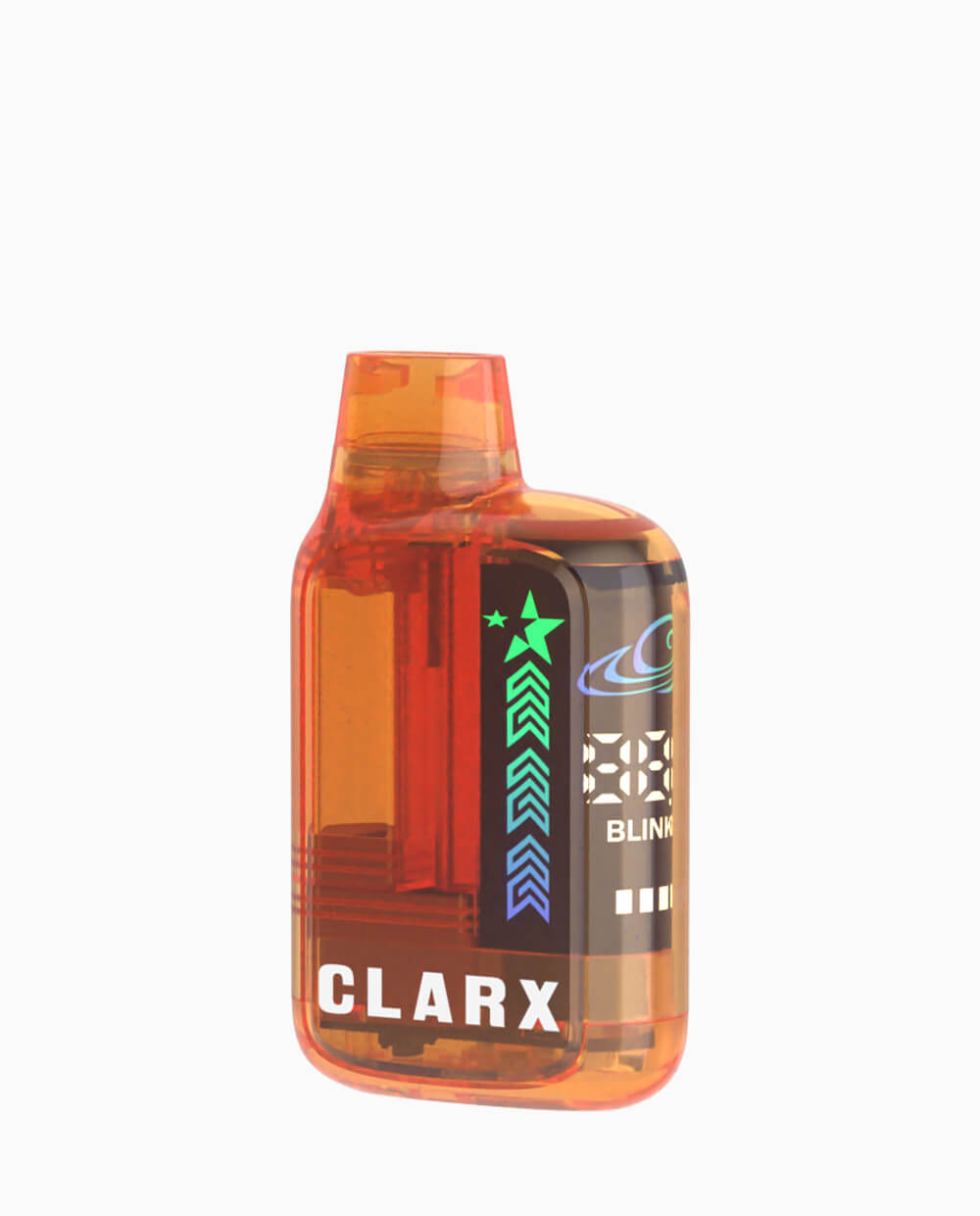
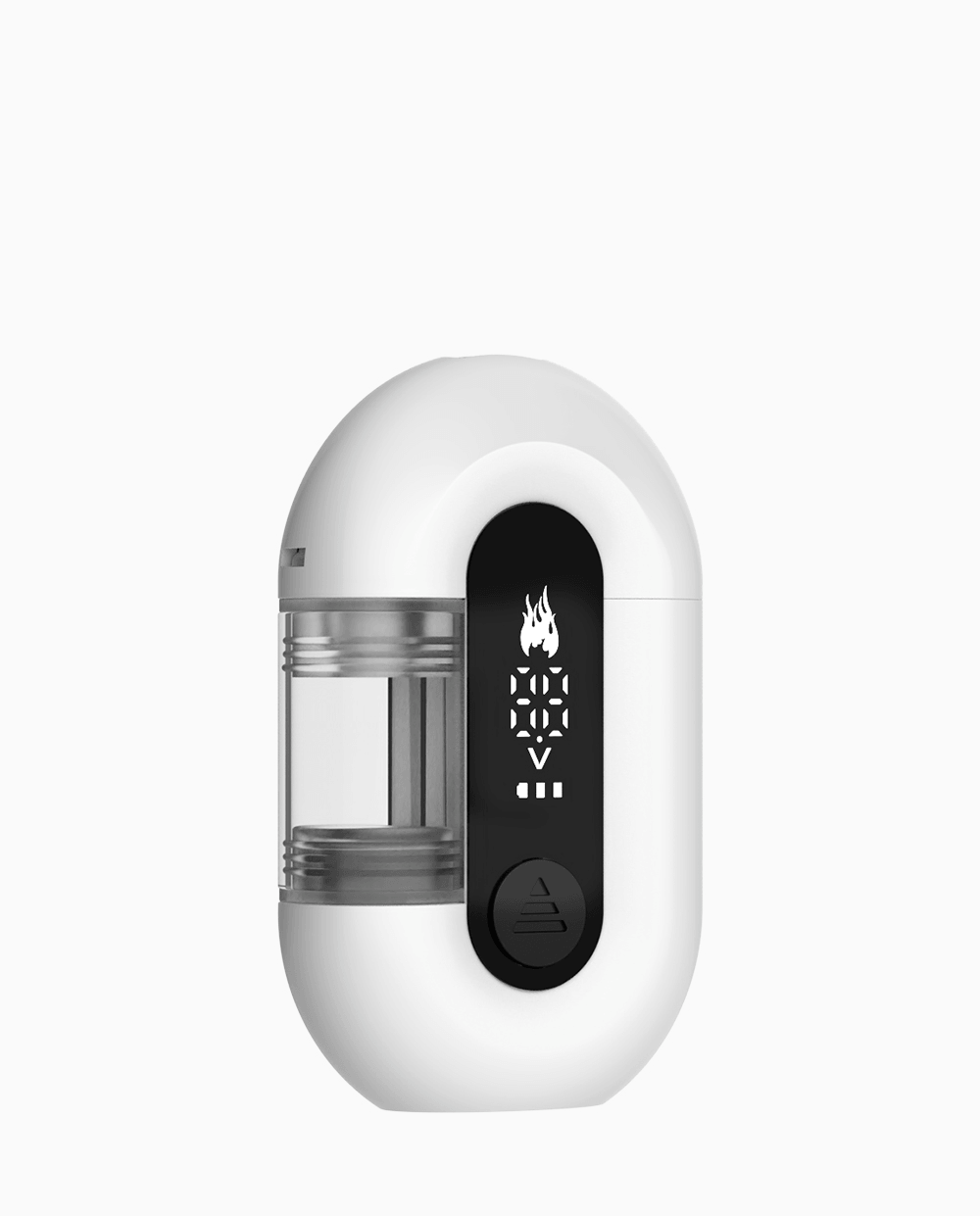
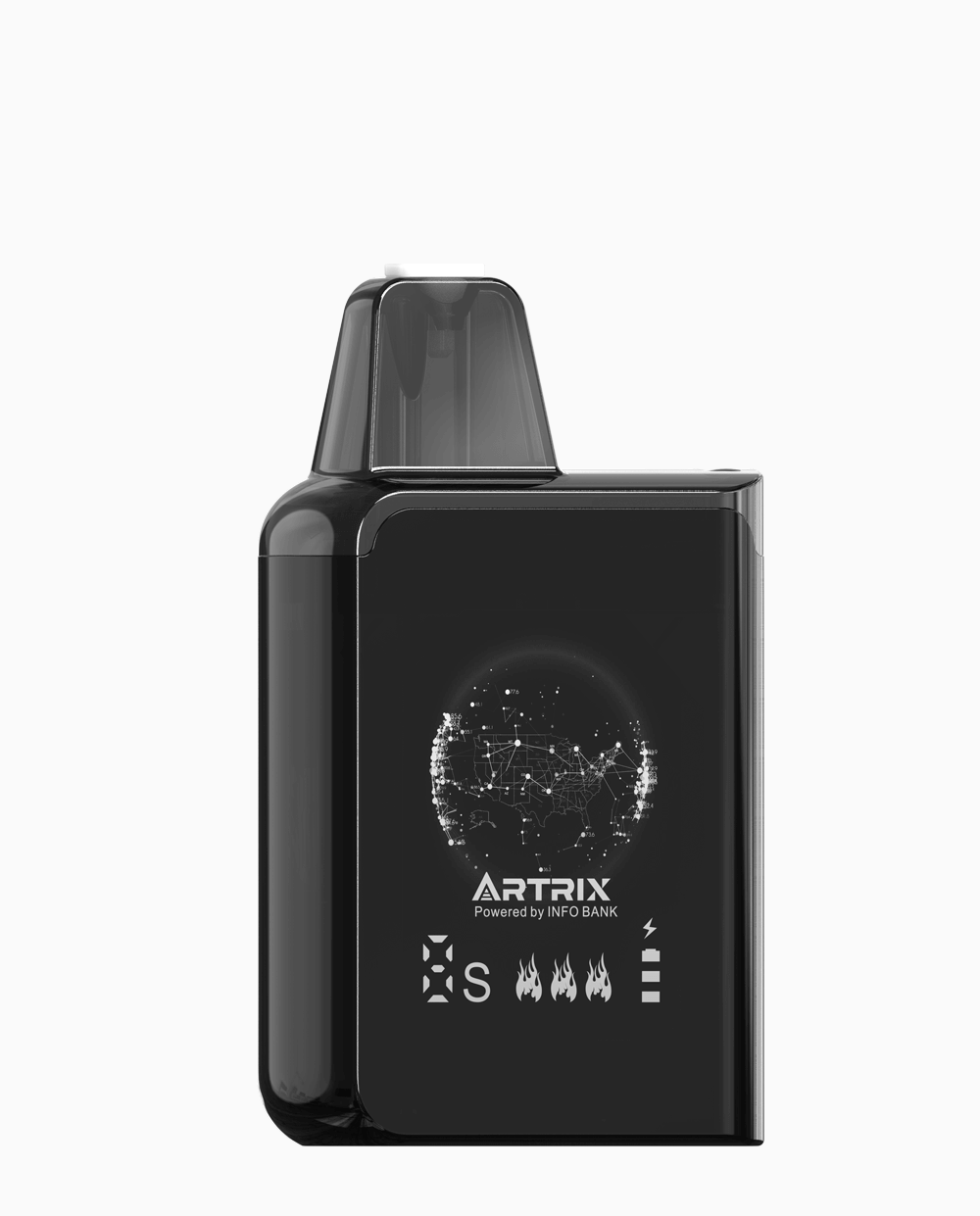
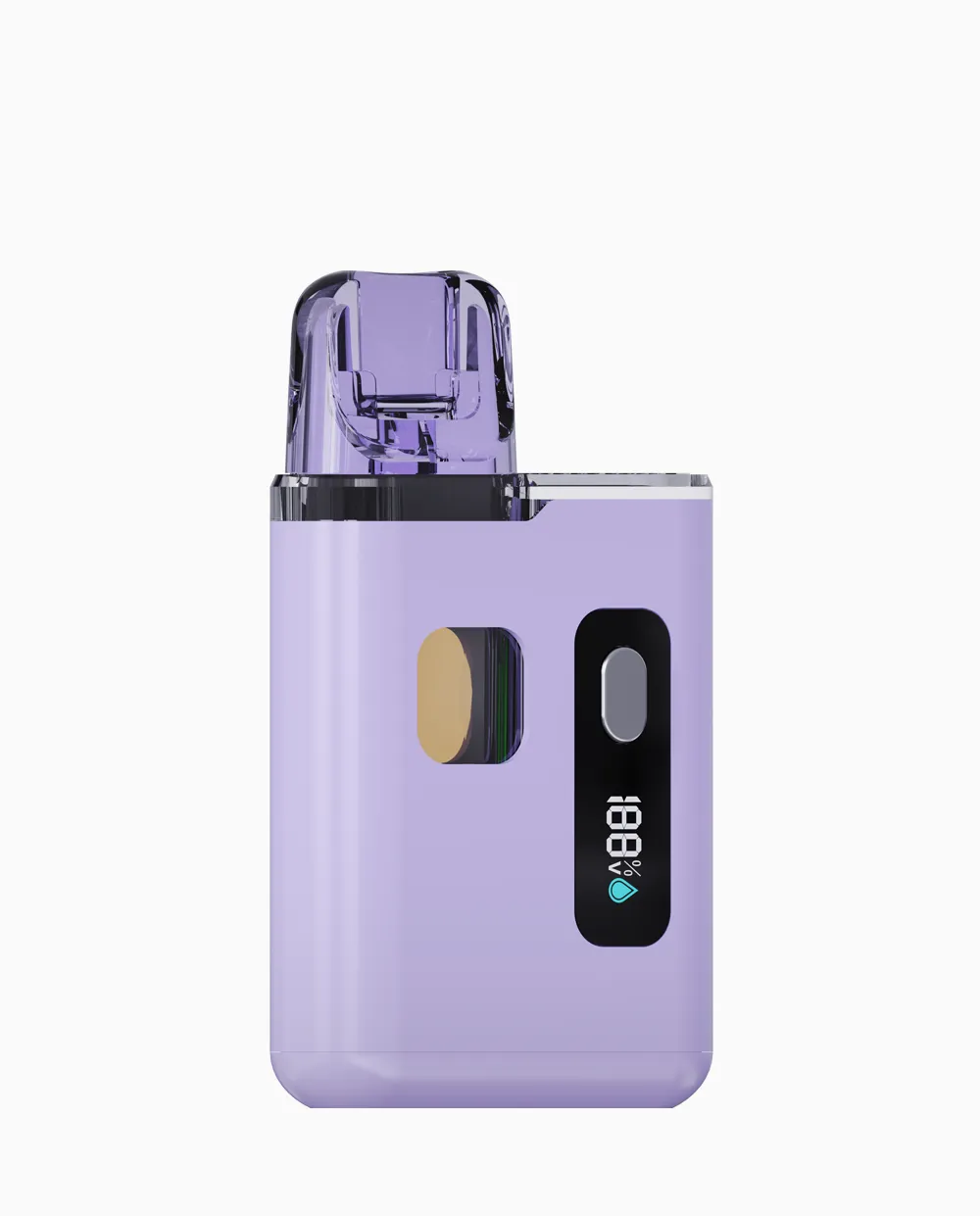
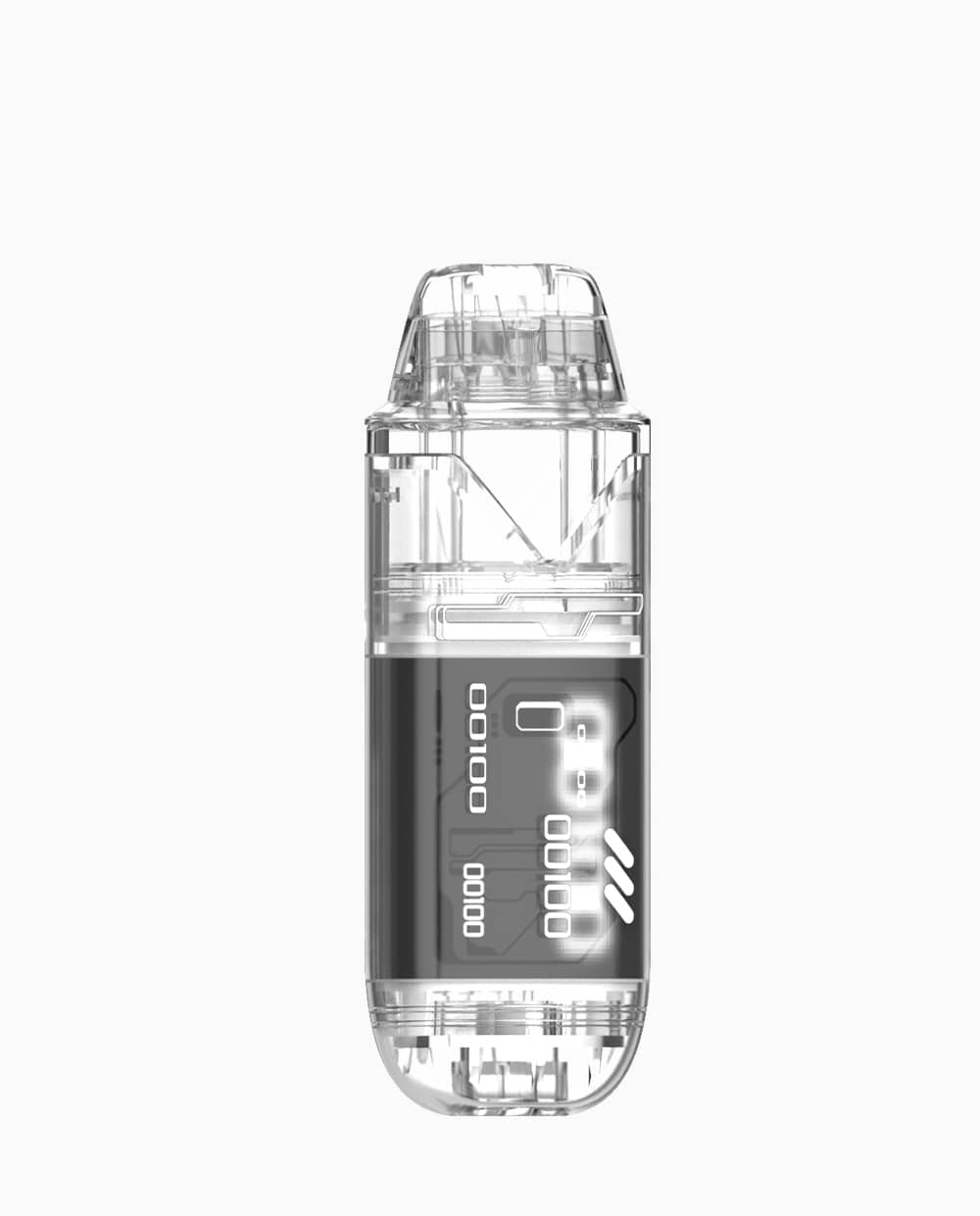
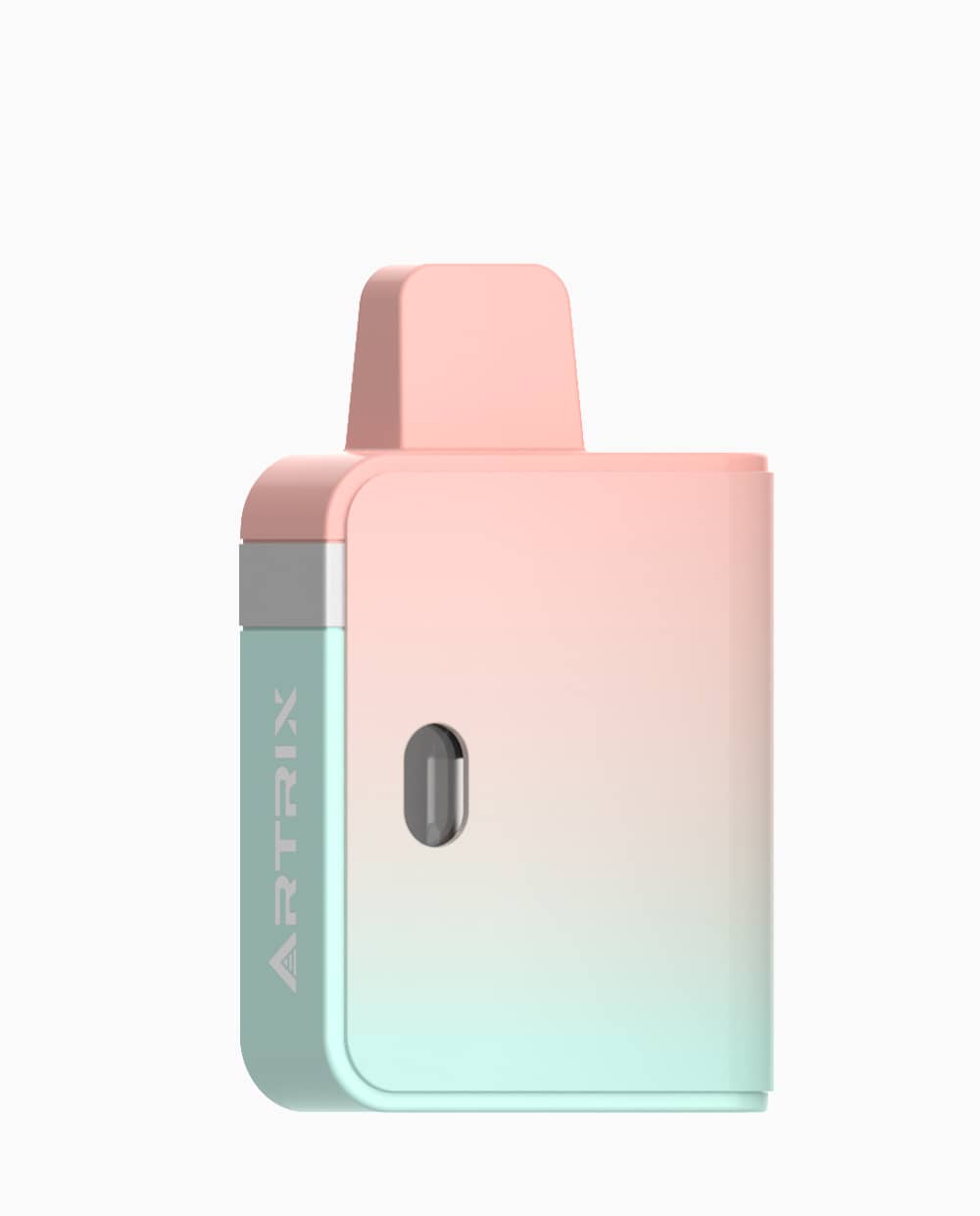
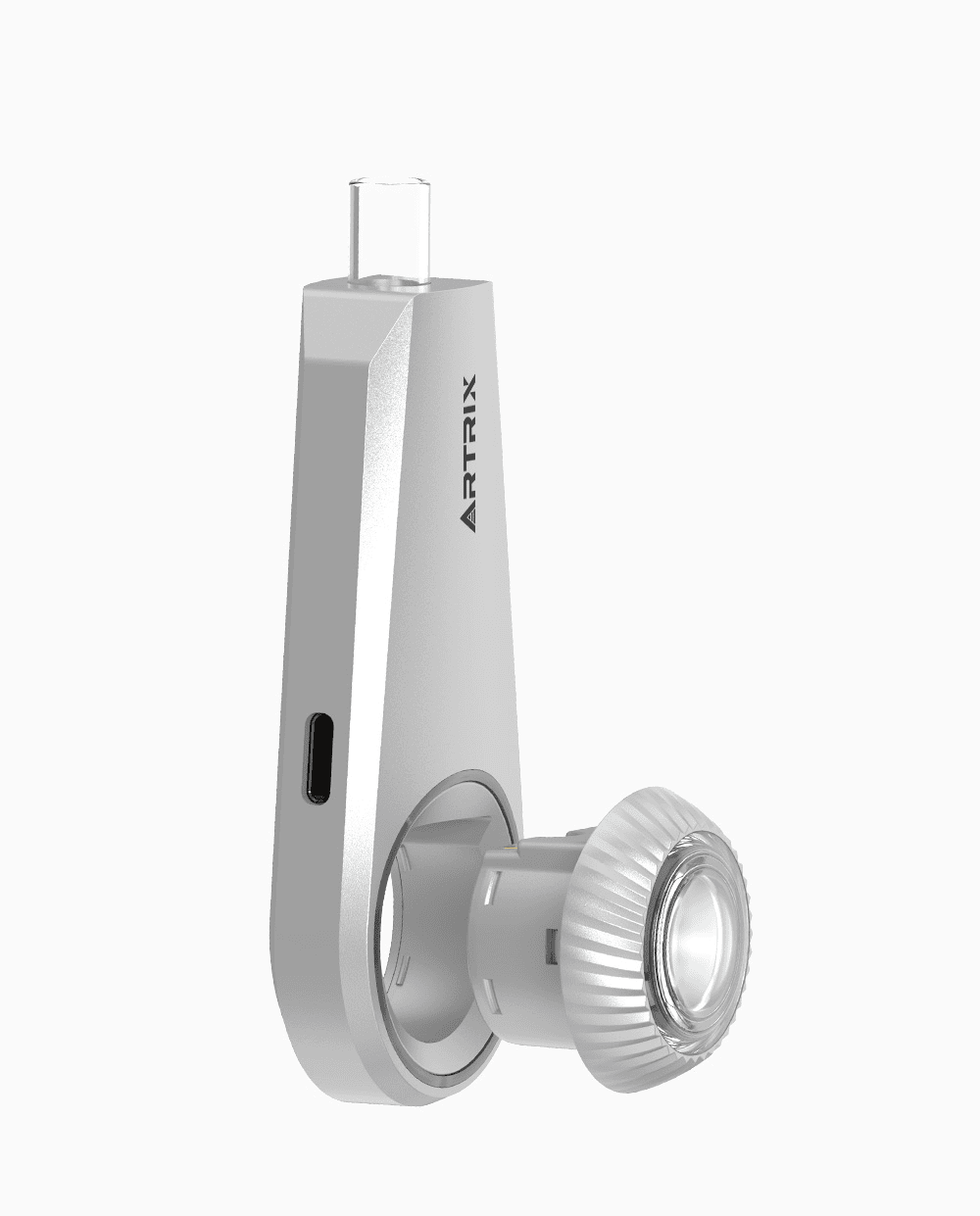
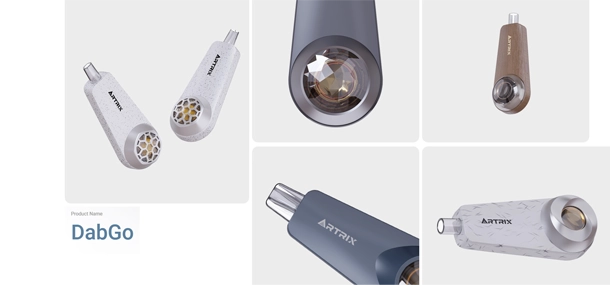
Precision Temperature Control: The E-Rig Advantage
Temperature is where flavor experiments become repeatable. Traditional torches can produce great results, but they depend on timing, surface thickness, and user feel. Small timing changes can push a dab from flavorful to burnt.
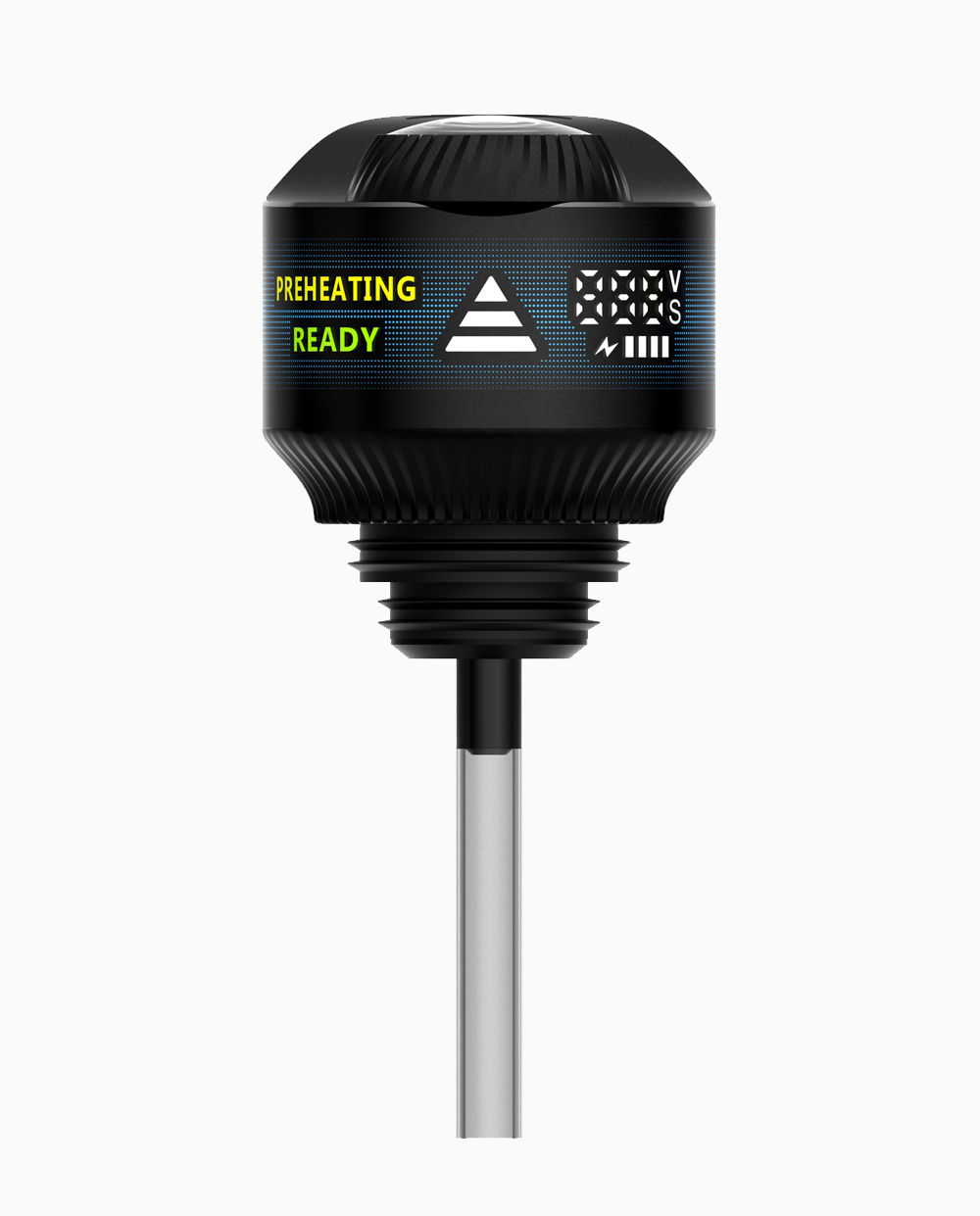
With an electric, the advantage is repeatability. You can test one blend at a lower setting for terpene brightness, then test the same blend slightly hotter for body and vapor density.
Flavor Infusion: The “Bottle-Mix” Filtration Technique
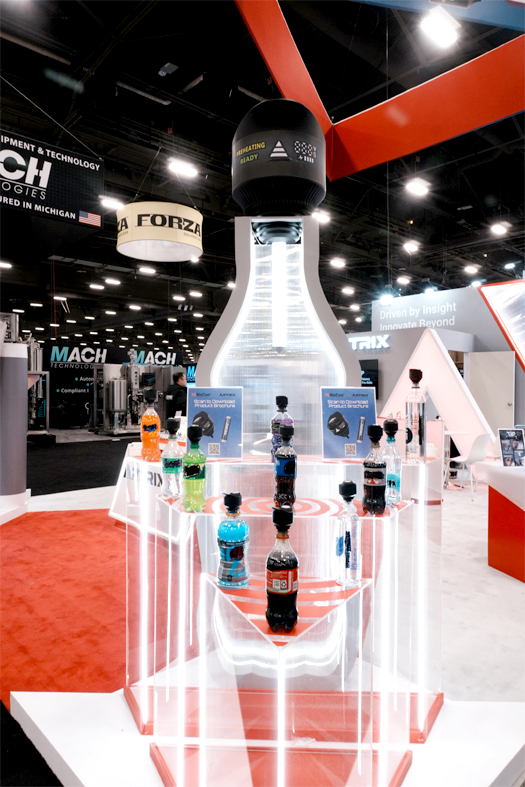
Newest modern eletric rigs have evolved to support versatile filtration setups, allowing users to move beyond standard water and use the filtration vessel as a flavor-mixing chamber. By attaching the e-rig to various bottle types or using flavored infusion liquids, you can create a unique “terpene-plus” profile. Swapping plain water for options like chilled herbal tea or fruit-infused water allows the vapor to pick up subtle aromatic notes during the filtration process. This technique effectively layers the liquid’s base notes with the concentrate’s natural terpenes, offering a highly customizable, multi-sensory session without compromising the purity of the heating element.
The Expert Secret: Flavor Seasoning
“Flavor seasoning” means applying a tiny amount of high-terpene extract just before the main dab. The idea is to lay down a first aromatic layer on the warm surface, then follow with the main concentrate. It is not the same as leaving residue behind; the amount should be small, intentional, and fresh.
This technique works best when the seasoning concentrate has a clear role. A drop of citrus sauce can brighten a creamy rosin. A pine-heavy accent can sharpen a dessert profile. A spicy caryophyllene-rich note can add structure to a sweet blend. The key is restraint: seasoning should frame the dab, not bury it.
Conclusion: Tracking Your Flavor Journey
The best dab rig flavor does not come from one secret setting. It comes from a system: clean hardware, smart airflow, controlled temperature, quality concentrates, and careful note-taking. If you want to create your own Original Taste, start a simple flavor journal. Record the concentrate names, terpene direction, ratio, hardware setup, airflow mode, temperature or voltage setting, and your tasting notes.
Over time, patterns will appear. You may learn that citrus concentrates work best for you at lower temperatures, that floral notes need a cleaner surface, or that water filtration smooths certain blends while dry airflow preserves sharper top notes. That is where the fun begins. A dab rig is not only a device; in the hands of a careful flavor explorer, it becomes a small lab for creativity.