



-1.webp)
-1.webp)
-2.webp)










































How to Stay Profitable During Cannabis Price Compression: 3 Proven Product Strategies
Price compression is no longer a cyclical problem to wait out. In 2026, it is the operating environment. For brands trying to Stay Profitable During Cannabis Price Compression, the winning move is not broader discounting. It is tighter product strategy: lower real operating cost, smarter margin-tier architecture, and stronger value perception at the shelf.
That matters especially in vape and extract-heavy categories, where unit economics can still be protected if hardware decisions are treated as strategic, not administrative. This analysis is intended for licensed cannabis operators serving adult-use markets for 21+ consumers where legal.
Cannabis Market Issues: The Reality of Price Compression
The core reality is simple: price pressure has become structural. California’s 2025 market outlook says licensed businesses have faced challenging conditions since 2021, with inflation-adjusted wholesale prices in Q4 2024 down 57% versus Q4 2020, while retail prices also kept falling through the first half of 2024. Oregon’s 2025 legislative report shows the same pattern: 2024 brought the state’s largest harvest on record, demand was estimated at just 57% of annual supply, and flower hit its lowest retail median price per gram since legalization at $3.75 .
-
- Oversupply: Oregon’s 2024 harvest exceeded modeled demand in most scenarios, and the OLCC explicitly ties that imbalance to lower prices and tighter business margins.
-
- Gray-market and illicit competition: California estimates average annual unlicensed production at 11.4 million pounds, versus roughly 1.4 million pounds of licensed production in 2024. The same report estimates the licensed market captured only about 38% of statewide consumption in 2024.
-
- Rising taxes: California reports that local taxes, fees, and restrictions can push the effective local tax burden above 30% for licensed operators. In Illinois, adult-use cannabis can face purchaser excise tax rates up to 25%, plus the general 6.25% sales tax and additional local cannabis taxes, with municipal and county rate changes taking effect on January 1, 2026.
The takeaway is not that the market is broken. It is that margin now has to be engineered. Brands that keep treating hardware, packaging, and assortment as downstream procurement choices will keep absorbing compression instead of managing it.

Beyond Survival: Developing a Proactive Product Strategy
Complaining about taxes, enforcement gaps, or state-by-state fragmentation does not restore margin. Product strategy does. The brands with the best chance to outperform in 2026 are focusing on two controllable levers: supply-chain efficiency and product-line differentiation.
That shift is especially relevant in inhalable formats. California’s market report shows vape cartridge unit sales rose 15.9% in 2023 even while total retail value fell because prices per unit were dropping. In practice, hardware choice affects more than shelf appeal. It changes filling speed on the line, the frequency of clogging complaints, the amount of oil lost in handling, and how often a brand must replace failed units after sale. Those operational frictions are where hardware decisions directly shape margin
Strategy 1: Efficiency-First — Optimizing the Total Cost of Ownership (TCO)
In a price-sensitive market, the cheapest hardware SKU often creates the most expensive business outcome. A low unit price means little if the platform creates leaks, clogging, breakage in transit, slow filling, or elevated RMA rates. That is exactly the wrong place to lose money when wholesale prices are already compressed and legal operators are carrying higher compliance costs than unlicensed competitors.
A better lens is total cost of ownership. Brands should evaluate hardware against four questions: How fast does it fill? How reliably does it ship? How often does it fail in-market? How much oil is lost across production and post-sale handling? From that perspective, “embracing a price-sensitive market” does not mean racing to the lowest quote. It means protecting gross margin by reducing hidden waste. For a manufacturing partner such as Artrix, the strongest efficiency story is not “lowest piece price.” It is reduced labor time, more stable assembly, safer logistics performance, and less profit leakage across the full production cycle.
Strategy 2: Tactical Diversification — Matching Hardware to Profit Tiers
The smartest operators are not trying to force one device to do every job. They are matching hardware formats to distinct margin roles. That logic is supported by current market behavior: Oregon reports that extracts and concentrates held a stable median retail price of $16.00 per gram in both 2023 and 2024, while flower kept sliding under oversupply pressure . Processed formats can give brands more room to protect pricing, segment customers, and manage inventory risk.
Influx: Protecting the High-End Margins
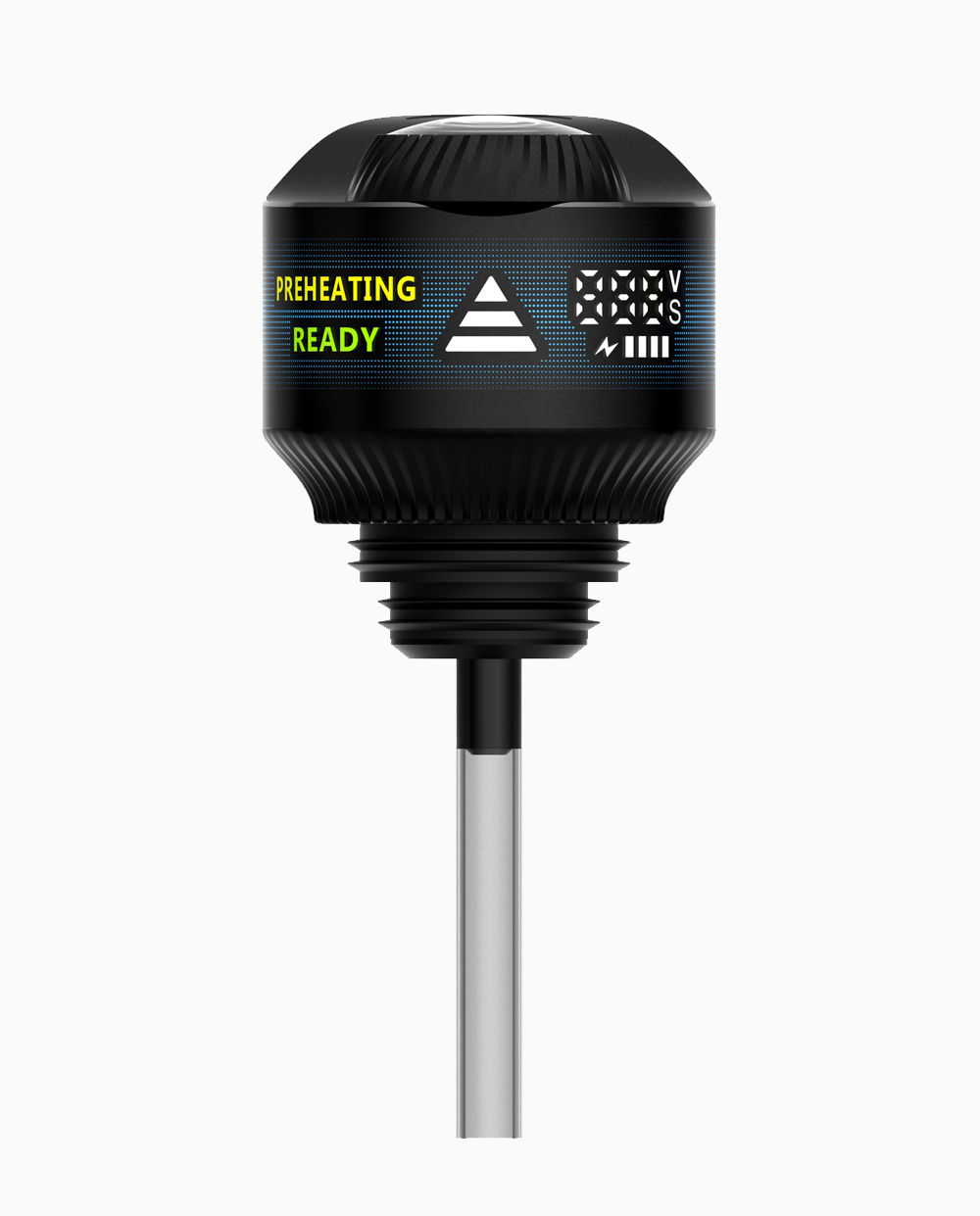
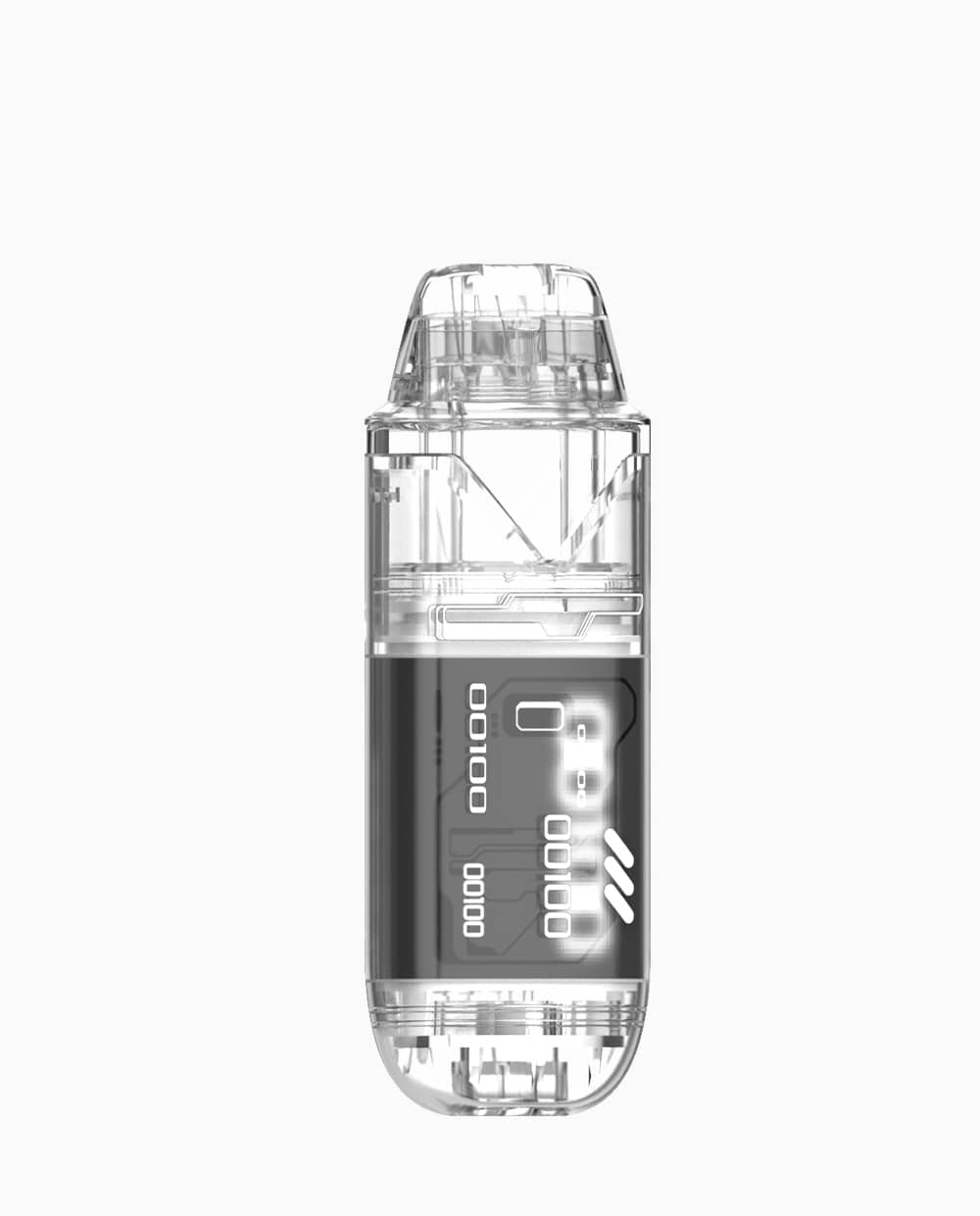
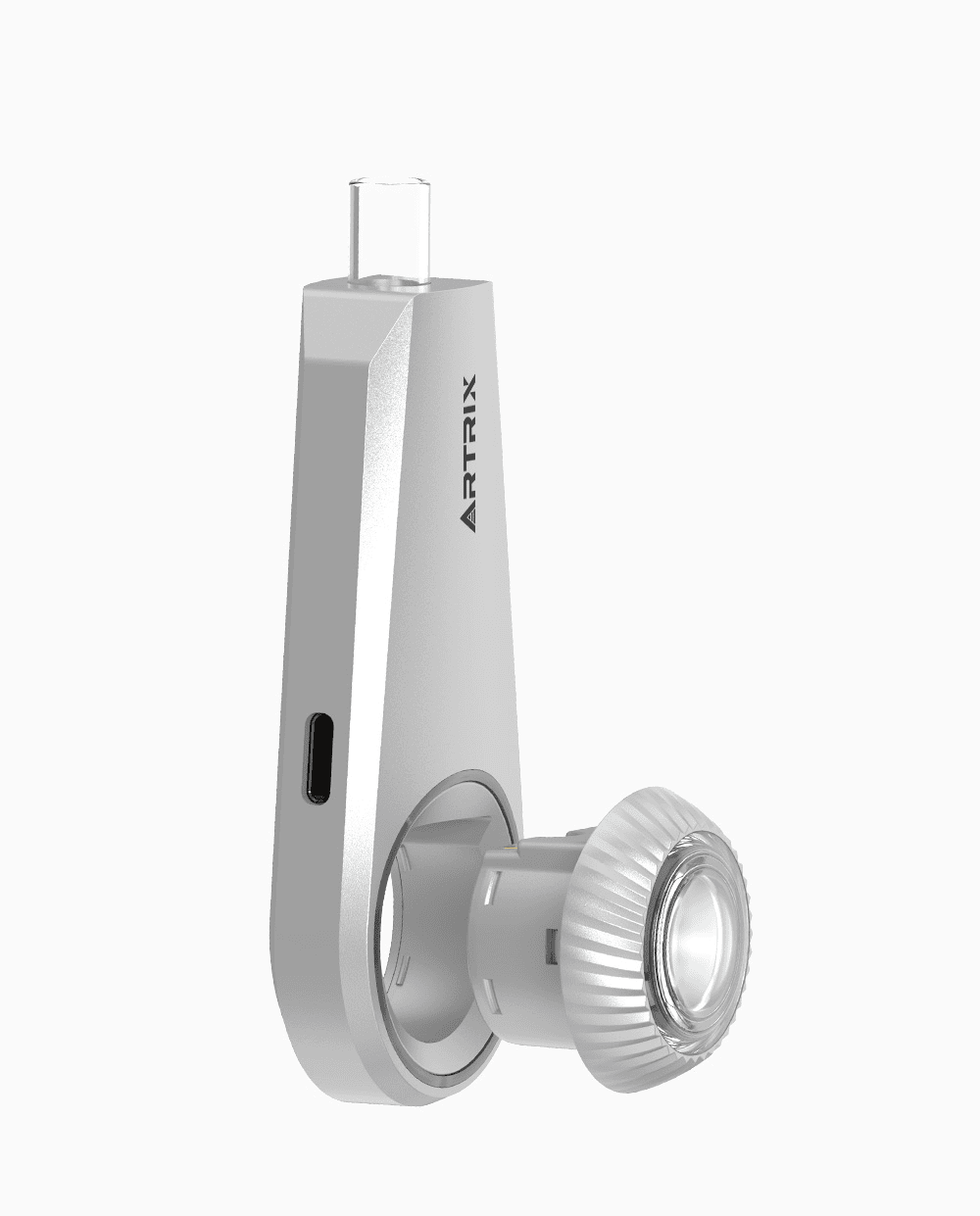
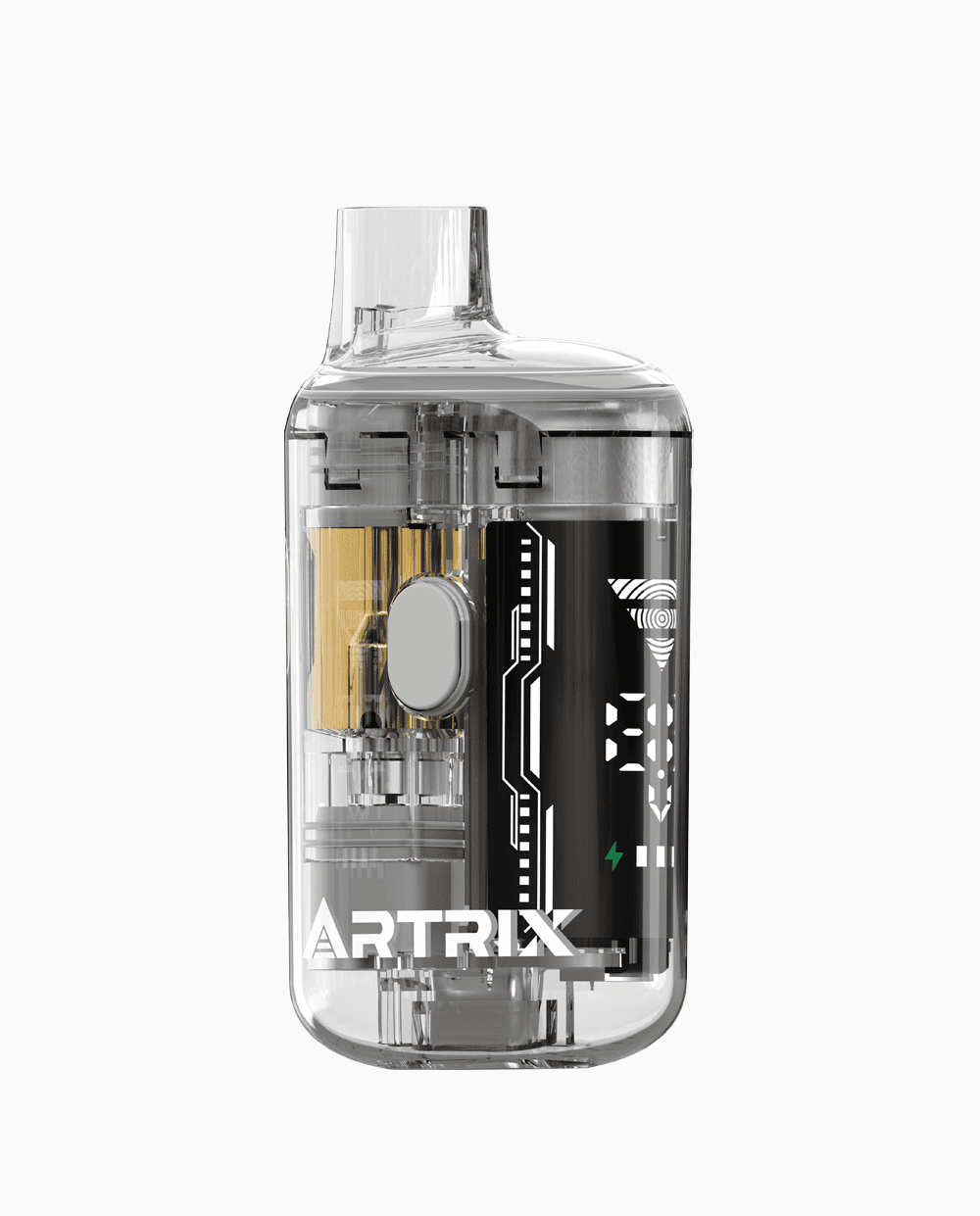
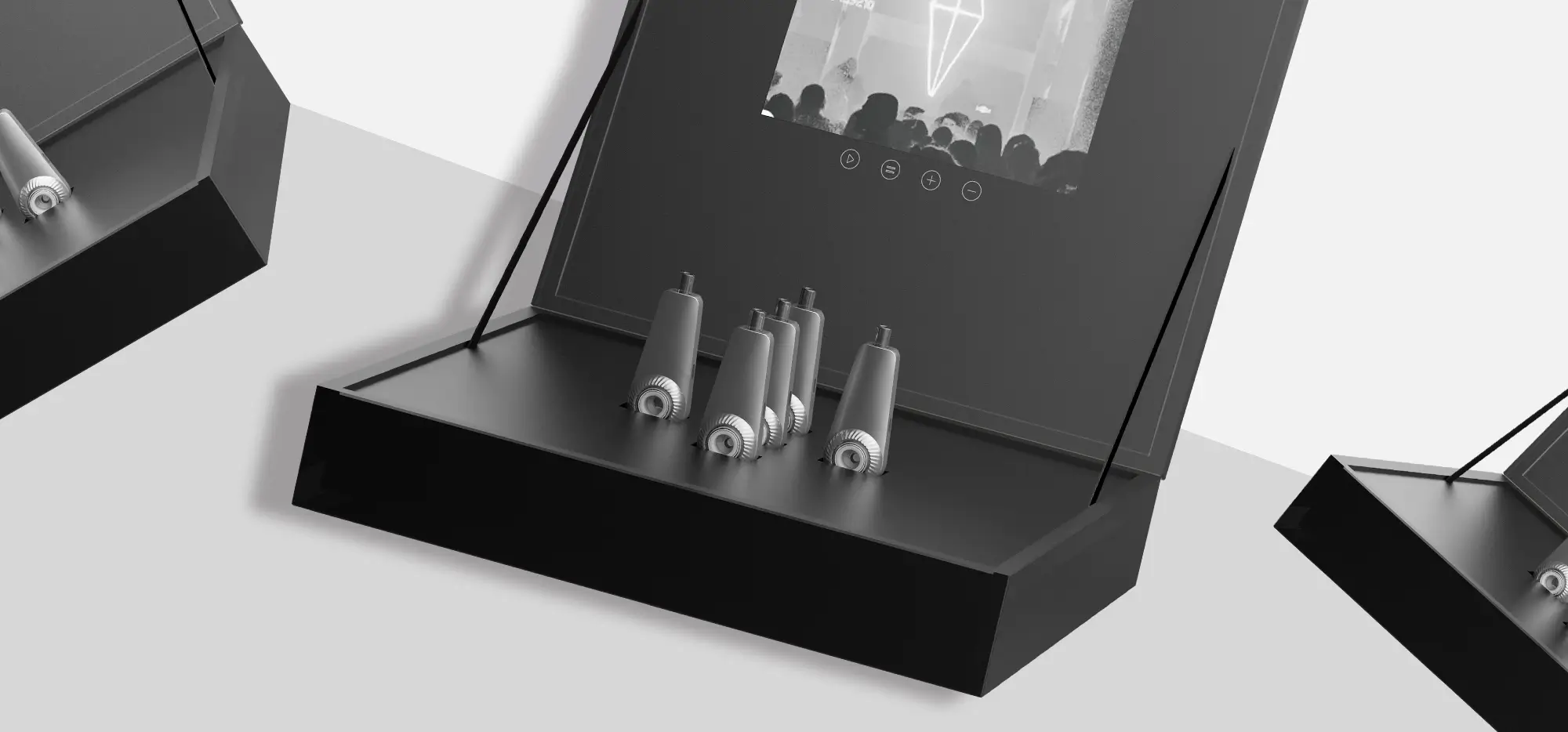
A premium tier is only sustainable if the hardware actively safeguards the integrity of the oil it contains. Artrix Influx provides this protection through its Expanded Ceramic Heating Architecture, which prioritizes surface area over raw heat. By distributing energy across a wider interface, Influx achieves high-density vaporization at the lower temperatures essential for Live Rosin, effectively eliminating the scorched terpenes and ‘burnt hits’ that destroy brand equity. This simplified internal design directly addresses industry pain points by significantly improving clog and leak resistance for high-viscosity extracts. Furthermore, the integrated screen display provides real-time transparency, offering the technical reliability and consistent flavor profile necessary to prove to consumers that every gram is worth the premium price point.
LilCube: Driving Loyalty Through High-Friction Reduction
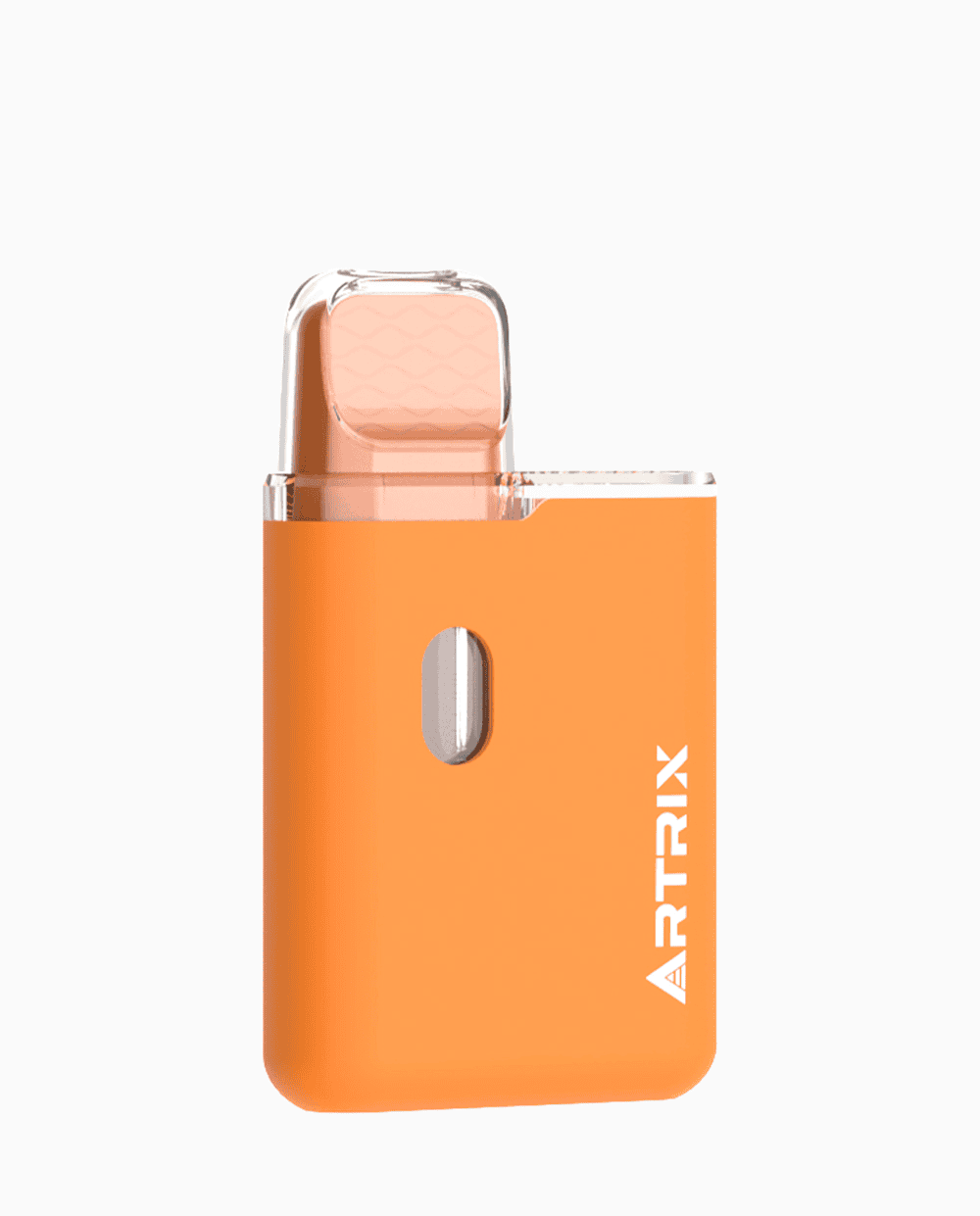
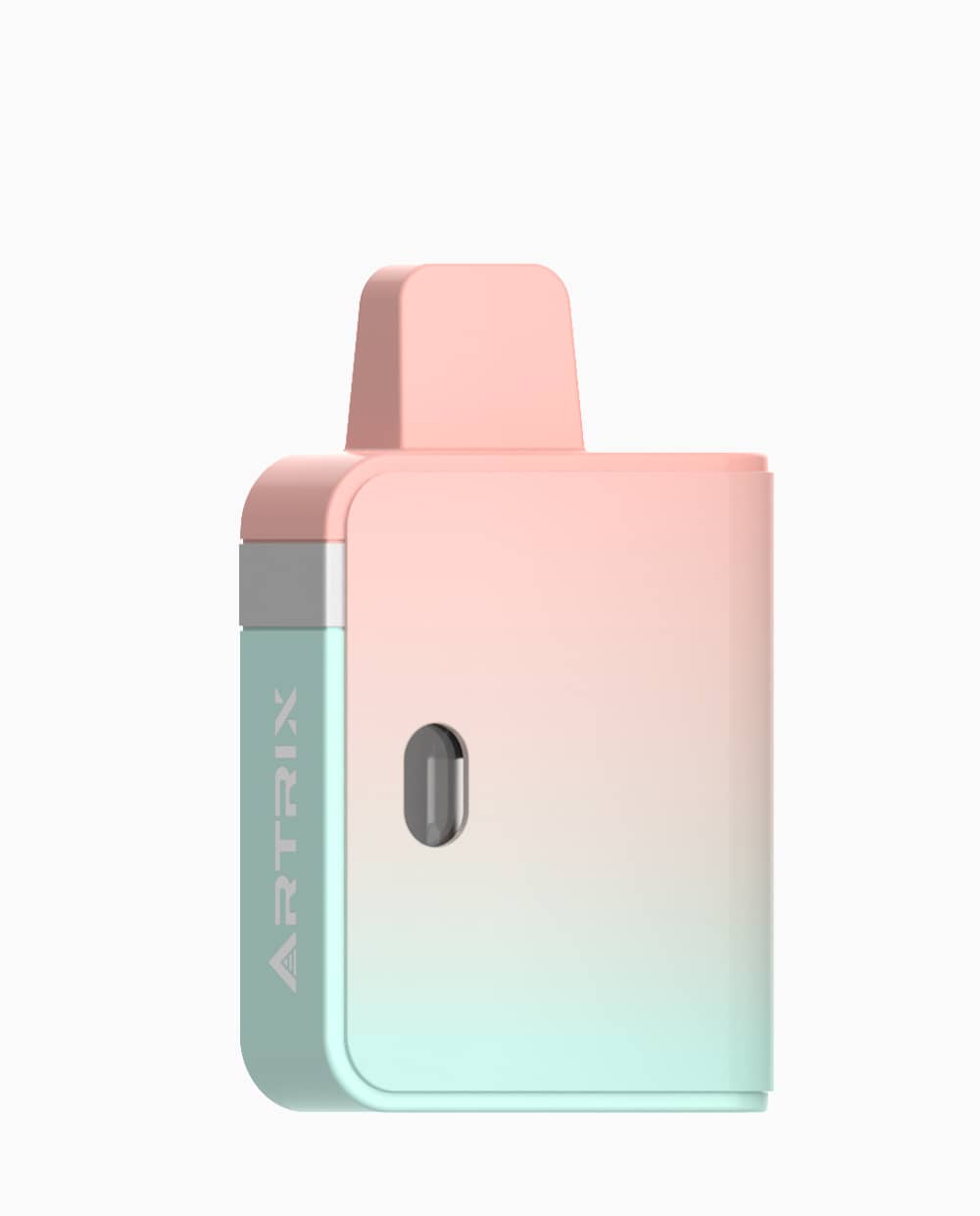
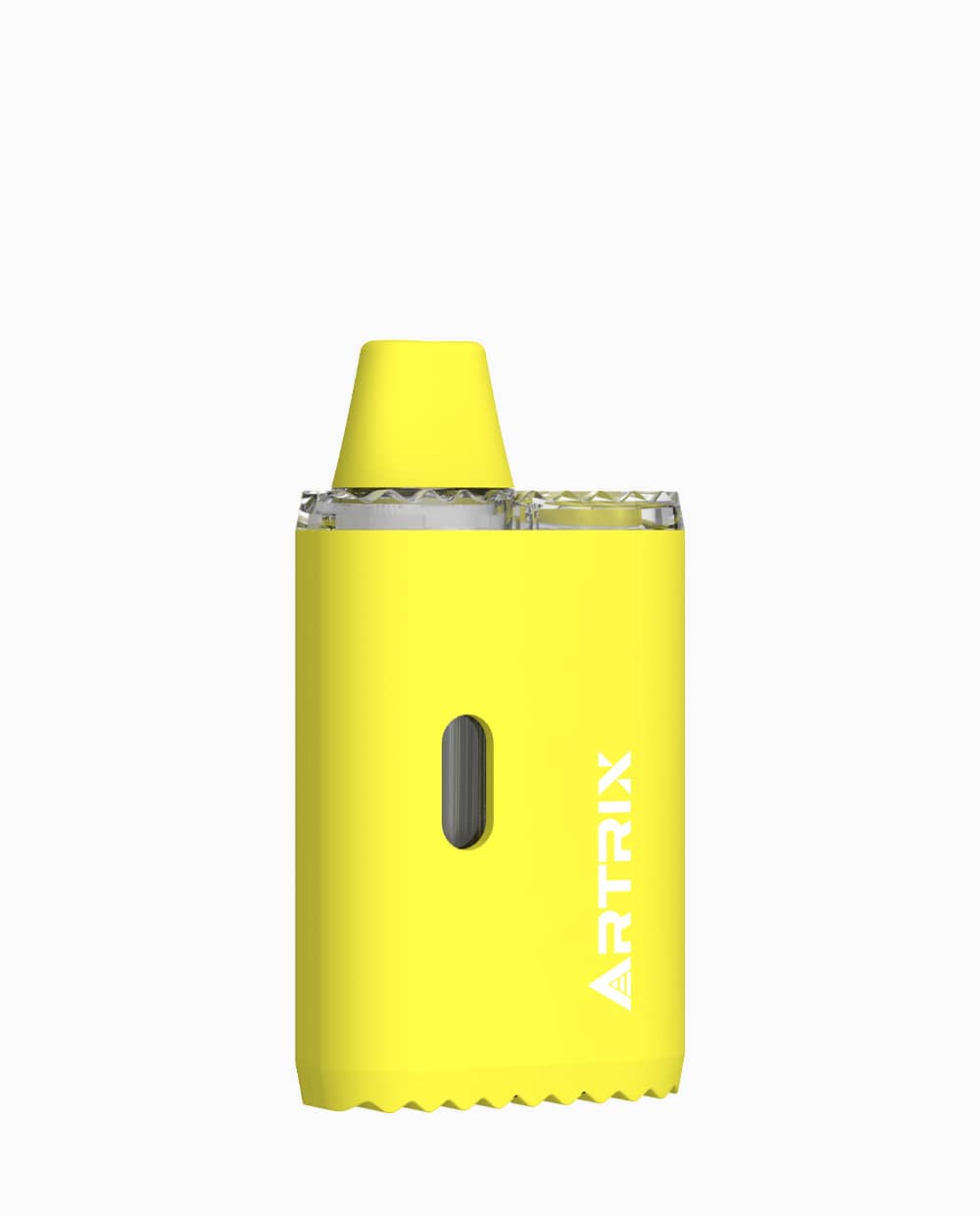
LilCube fits the operator that wants a low-barrier-to-entry model. Its ultra-compact, discreet form factor makes it an ideal “lifestyle” device for the entry-to-mid tier. By focusing on portability and ease of use, brands can shift the profit conversation from one-time device markup to long-term customer lifetime value (LTV). It is the more durable path during price compression: making the product an indispensable part of the user’s daily routine.
Cubox: Leveraging the Stability of 510 Standards
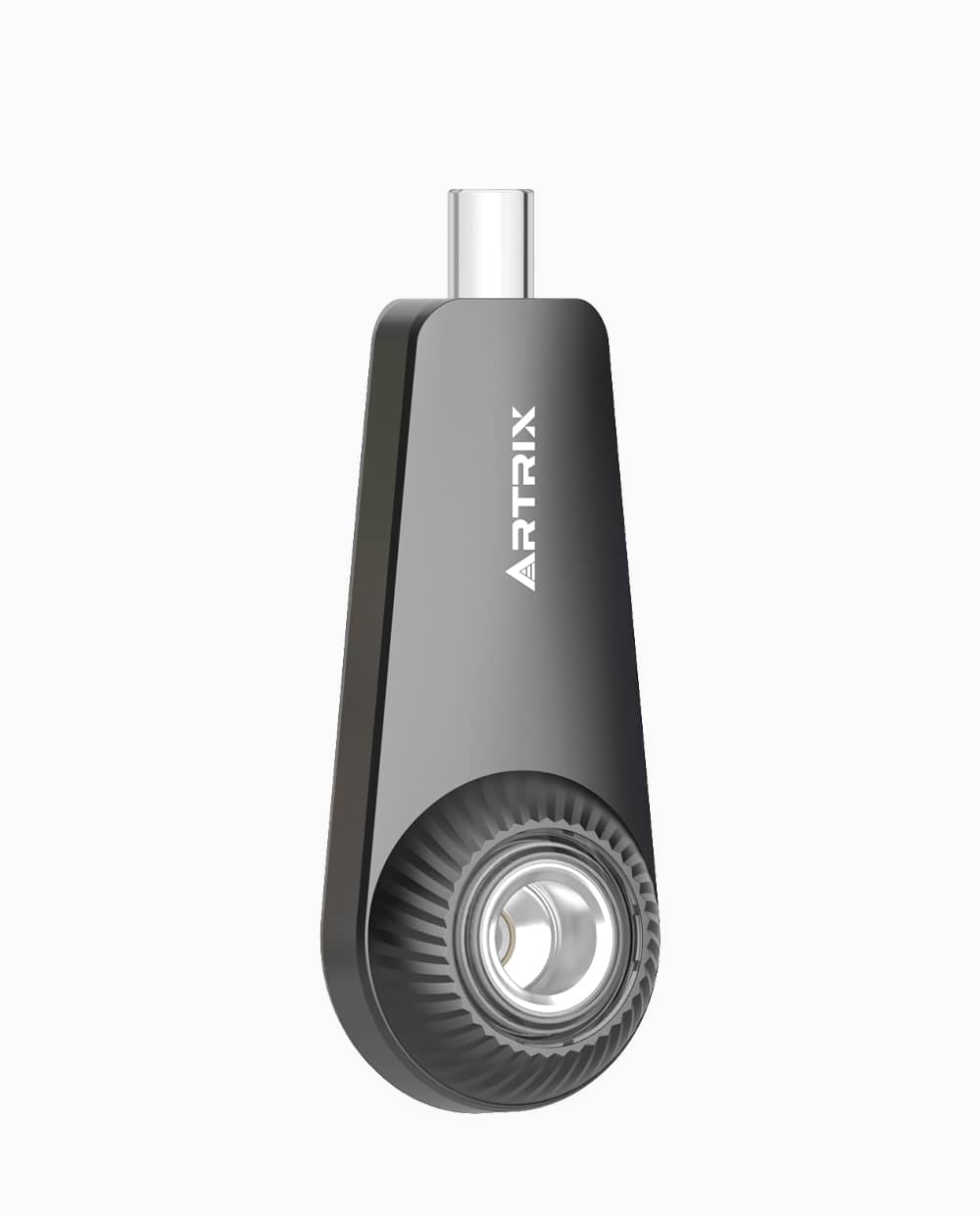
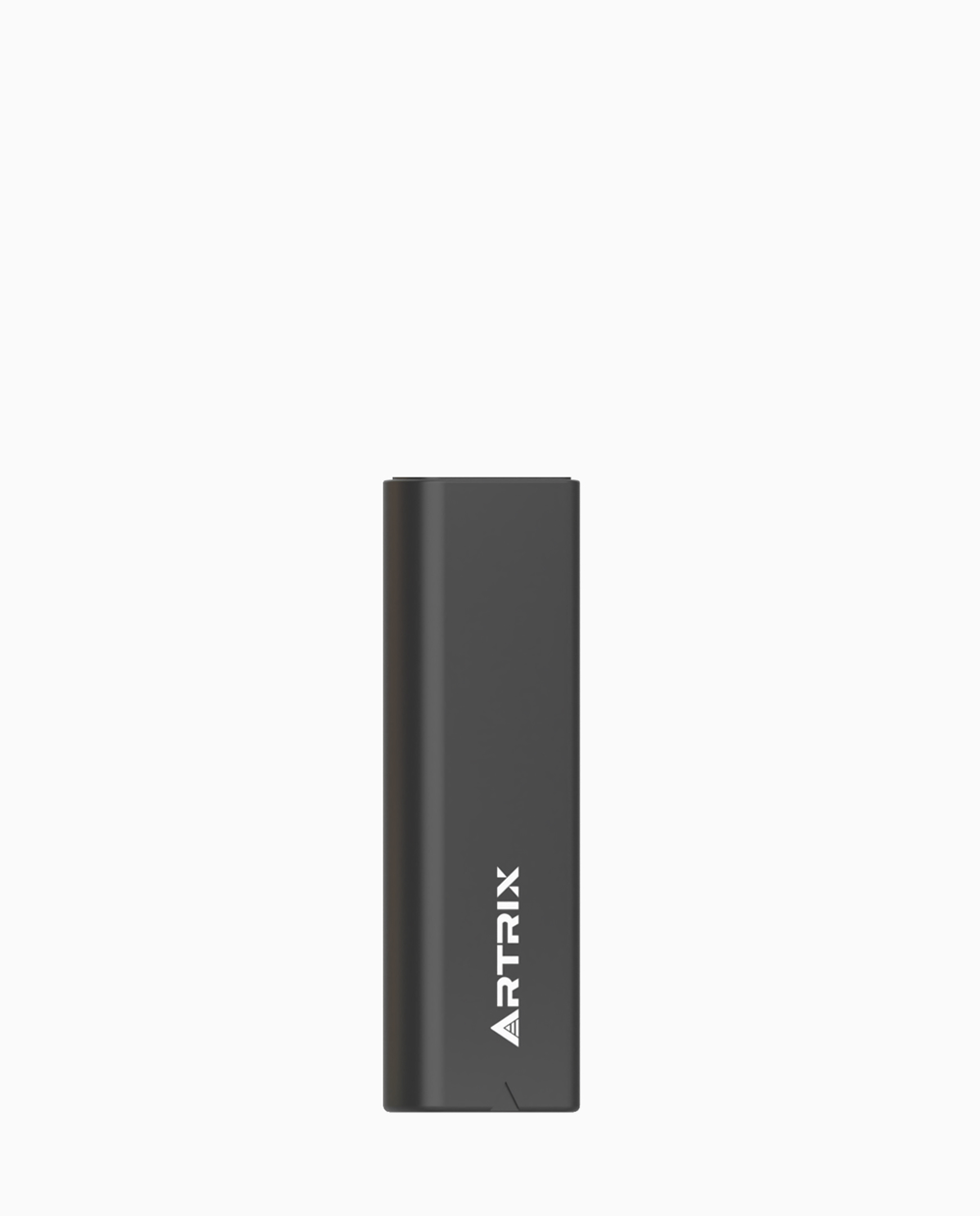
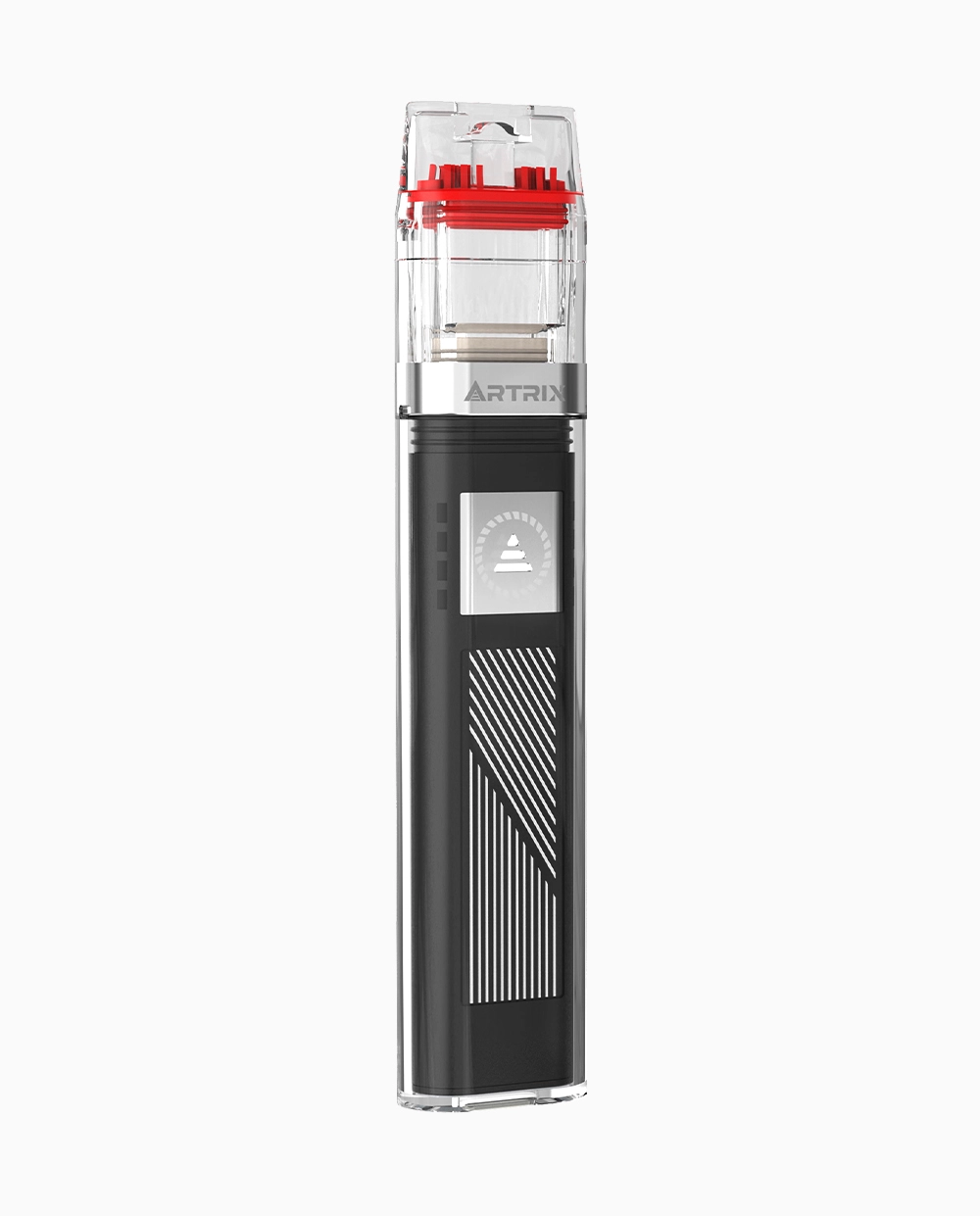
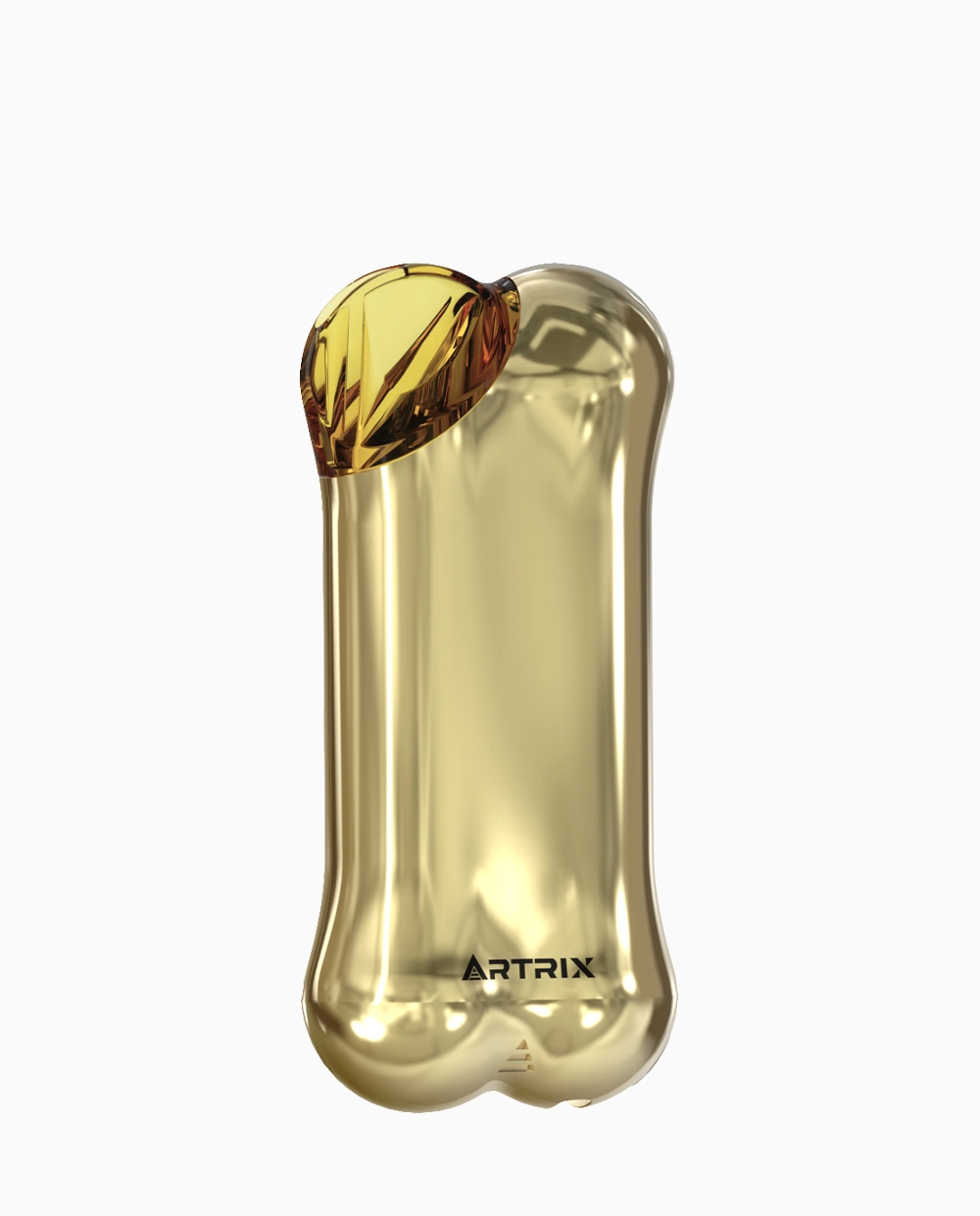
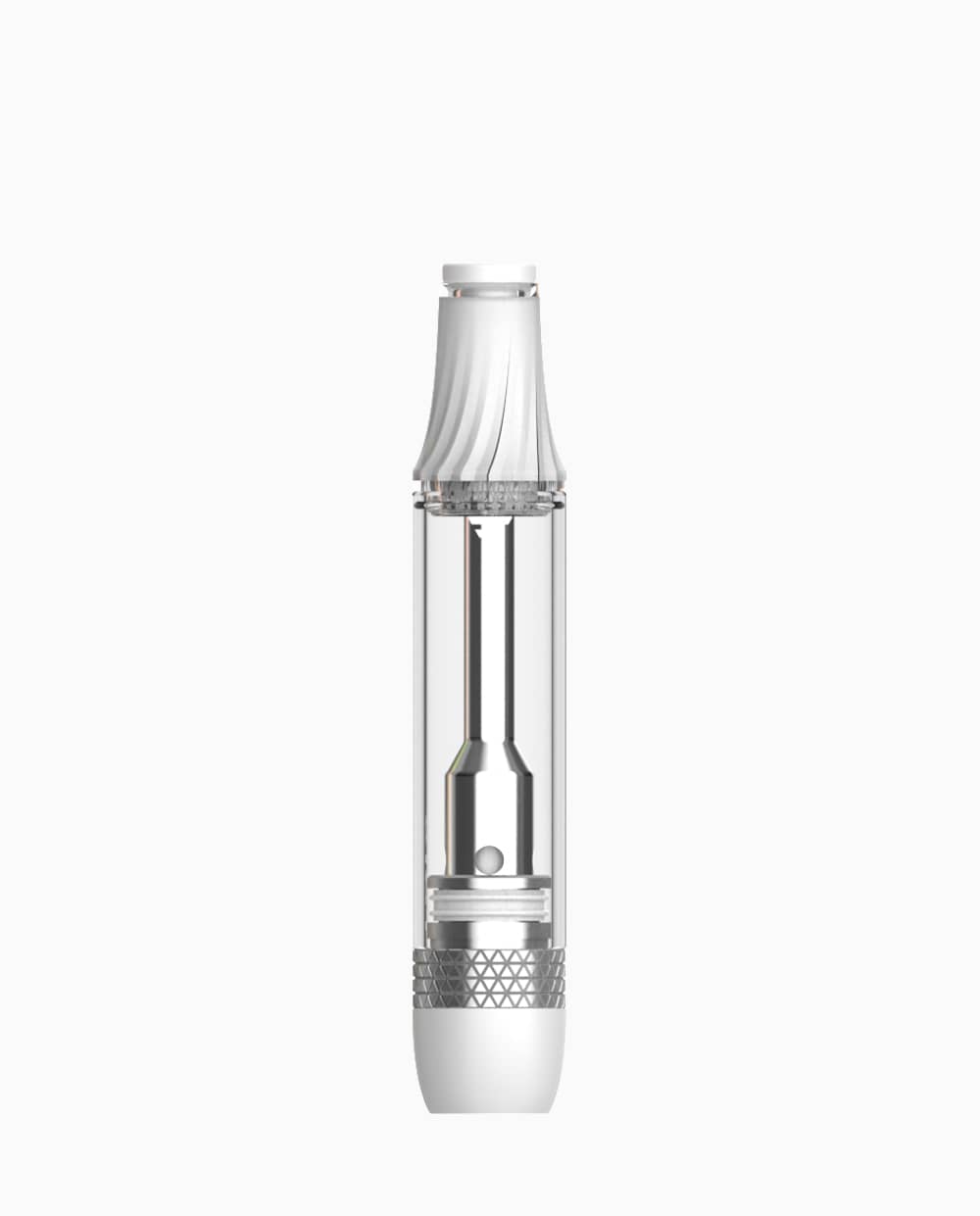
Cubox’s role is the “cash-flow anchor.” The financial advantage of a highly stable, 510-compatible platform is predictability. Because it works with the industry’s most common standard, inventory risk stays lower and forecasting is easier. The Cubox allows for larger-volume purchasing and broader market reach without forcing the brand to reinvent consumer behavior, providing a steady foundation for the brand’s overall revenue.

Strategy 3: Value Perception — Using Design to Break the Price Ceiling
Price wars are hardest on brands that look interchangeable. For Gen Z and younger adult buyers, that is a major risk. McKinsey’s 2025 consumer research found Gen Z is the generation most willing to splurge when an offer feels worth it or “splurgeworthy,” which is the strategic opening for design-led premiumization. Strategic implication: when the product experience is hard to evaluate instantly, CMF and industrial design become fast signals of value.
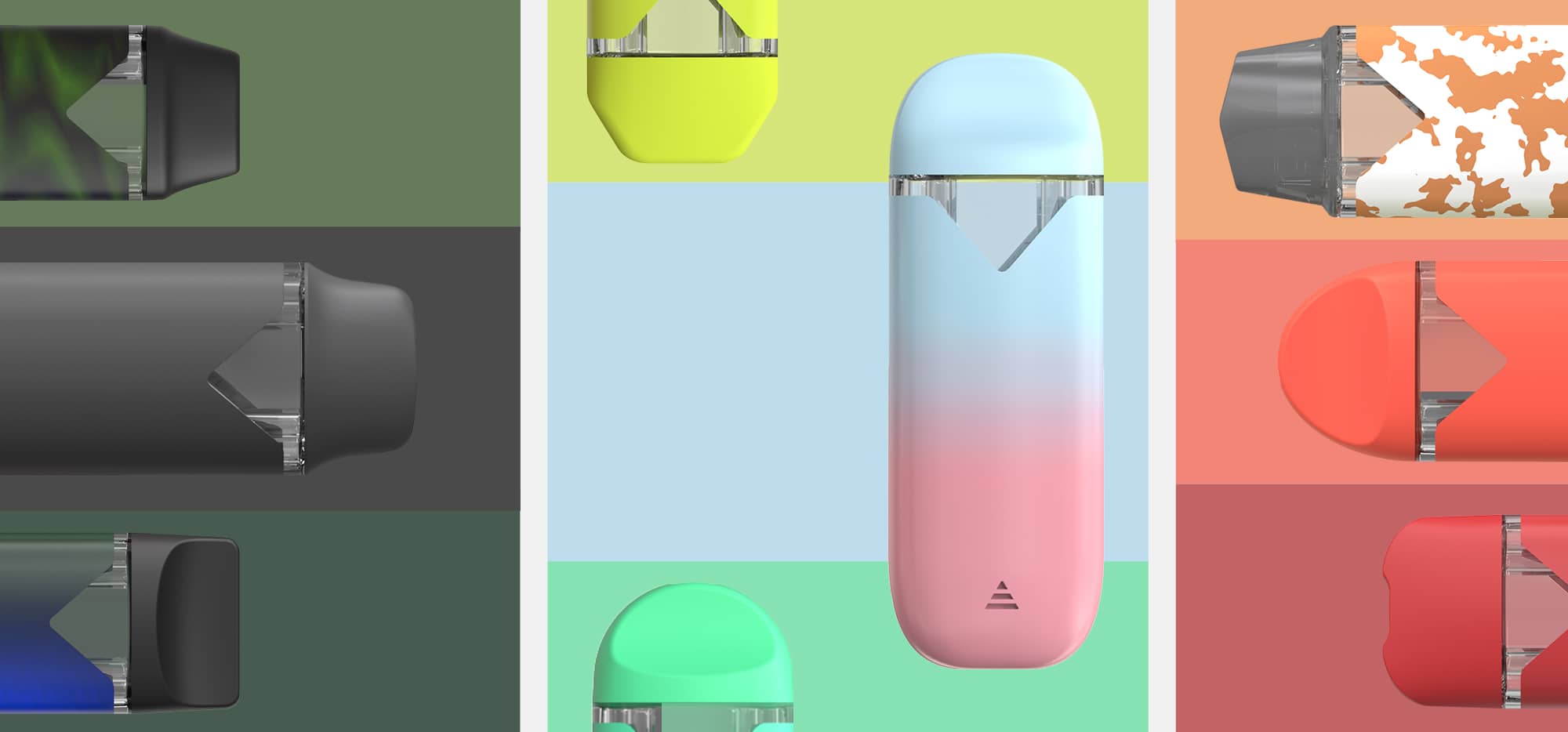
That is why visual language is one of the fastest ways to escape the lowest-price lane. Material feel, finish, translucency, weight balance, and silhouette all shape whether a device looks disposable or desirable. In a crowded case, design can do in one second what discounting can never do: justify a higher reference price before the customer compares numbers.
Three practical directions stand out:
-
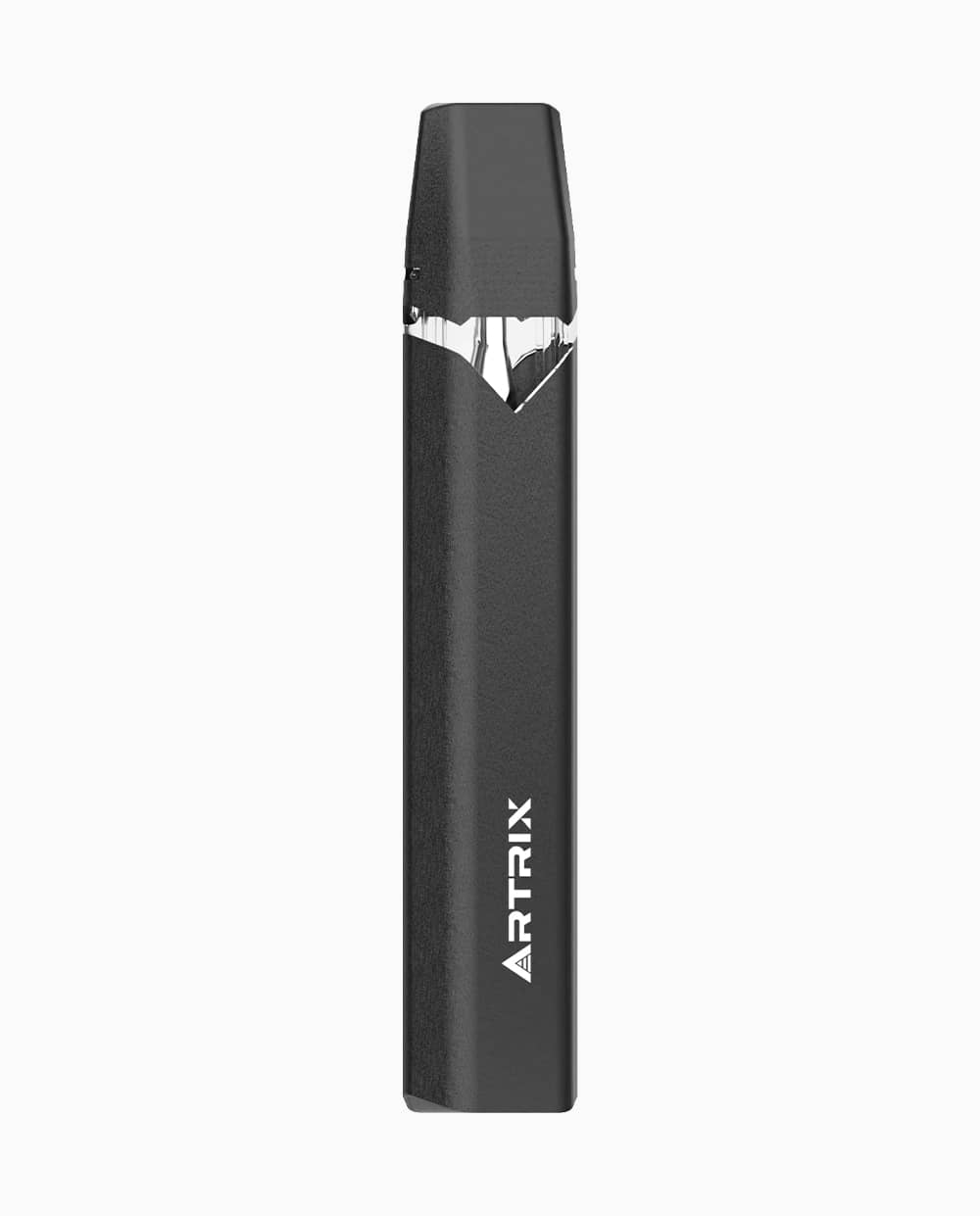
- Soft-touch refinement: skin-feel coatings, warmer neutrals, and lower-gloss finishes that signal comfort and premium tactility.
-
- Translucent industrial styling: semi-transparent shells, visible internal geometry, and technical detailing that make the device feel engineered rather than generic.
-
- Controlled color contrast: bold but disciplined CMF combinations that create instant shelf recognition without drifting into novelty-only branding.
Conclusion: The Strategic Choice for a New Era
To Stay Profitable During Cannabis Price Compression, brands need to stop asking how to survive cheaper markets and start asking how to design for margin inside them. That means choosing hardware based on TCO, building a portfolio with clear profit-tier roles, and using design to support pricing power instead of surrendering it.
In a down-cycle, deep coordination between brands and manufacturing partners becomes a moat. For companies such as Artrix, the real opportunity is not simply to supply devices, but to help operators protect labor efficiency, reduce failure-driven losses, and build hardware assortments that defend margin from entry tier to premium tier. The right hardware strategy is not just about selling more units. It is about keeping more profit in every unit sold.