Last Updated: May 12, 2026
This content is for informational purposes only and does not constitute medical or legal advice. Please consult a licensed healthcare provider before using cannabis products. Comply with your state’s regulations.
This content is intended for audiences 21 years and older, as required by U.S. law.
Cannabis regulations vary by state. Please verify the legal status of products in your area before purchase.
Quick Ways to Unclog a Vape Cart
-
- Use the preheat setting: If your battery has a preheat mode, run one short low-voltage cycle, wait 30 seconds, then test with a slow draw.
-
- Warm the cart gently: Roll it between your palms for 30-60 seconds, or use a hair dryer on low heat for 10-15 seconds while rotating the cart.
-
- Take a slow steady pull: Try one gentle, unpowered draw to check whether airflow returns. Avoid repeated hard pulls.
-
- Clear the mouthpiece carefully: If residue is visible near the opening, use a toothpick or paperclip only at the shallow mouthpiece area.
-
- Clean external contacts: Wipe only the outside threads and battery contact with a lightly dampened cotton swab, then let it dry fully.
Safety Warnings While Unclogging
-
- Do not use open flame: A lighter or torch can overheat the oil, damage seals, and deform the cartridge.
-
- Do not overheat the cart: The cartridge should feel warm, not hot. Stop if it leaks, smells unusual, or becomes uncomfortable to touch.
-
- Do not push tools deep inside: Deep needle or paperclip insertion can damage the coil, center post, or internal airway.
-
- Do not blow into the charging port: Moisture or oil can enter electrical areas and create battery problems.
-
- Stop if there are red flags: Cracks, leaks, burnt taste, chemical smell, or battery misfiring mean the cart should not be forced back into use.
Quick Solutions First: Start With the Safest Fix
When a vape cart suddenly stops pulling, begin with gentle, low-risk fixes before trying heat or tools. The goal is to restore airflow without forcing oil deeper into the coil, damaging the mouthpiece, or stressing the battery connection.
The 30-Second Hand Warming Method
Roll the cartridge between your palms for 30-60 seconds with light pressure. Body heat can reduce oil thickness enough for the oil to move back toward the heating area.
This should be your first step because it does not expose the cart to direct heat, moisture, or tool pressure. If you see small bubbles moving in the oil, the viscosity is beginning to change.
The Gentle Steady Pull Method
Detach the cart from the battery or make sure the device is not firing. Take one slow, steady pull through the mouthpiece for 3-5 seconds. Avoid sharp, repeated puffs.
If airflow does not improve after two or three attempts, stop. Pulling too hard can flood the airway and make a minor clog worse.
Using Your Battery’s Preheat Function
Many quality vape batteries include a preheat mode. Activate it according to the battery instructions, allow the cart to warm briefly, wait about 30 seconds, then test with a normal slow draw.
Use the lowest practical voltage or preheat setting. Overheating can darken oil near the coil, change flavor, and increase the chance of burnt residue forming inside the airway.
Why Is My Cart Clogged? Quick Diagnosis Before You Fix It
Understanding the type of clog helps you choose the right method. A cart that has no airflow needs different handling from a cart that pulls air but produces little vapor.
Airflow Blockage vs. Wicking Problem
Try drawing through the mouthpiece without activating the battery. If air moves through but vapor is weak, the oil may not be reaching the coil properly. If almost no air moves through, residue, thickened oil, or debris may be blocking the airway.
| Symptom |
Likely Cause |
Best First Fix |
When to Stop |
| No airflow |
Physical blockage in the mouthpiece or airway |
Hand warming, then gentle steady pull |
If firm resistance remains after gentle attempts |
| Airflow but little vapor |
Oil is too thick or not wicking properly |
Preheat or indirect gentle warming |
If burnt taste appears |
| Gurgling sound |
Flooded coil or excess oil in the chamber |
Short preheat, then light unpowered draws |
If gurgling continues after several careful tries |
| Cart works only after warming |
Oil viscosity or cold storage issue |
Store upright at room temperature |
If clogging repeats daily |
Visual Check: What to Look For
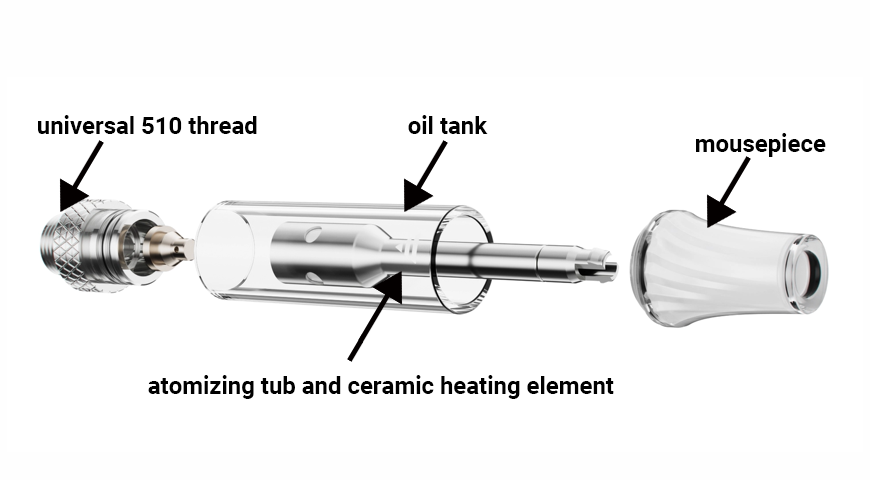
Remove the cart from the battery and inspect it under good light. Look for oil buildup in the mouthpiece, air bubbles near the heating element, residue around the threads, or oil that looks unusually dark near the coil.
Do not continue if you see cracked glass, warped plastic, leaking oil, separated liquid layers, or damage around the center post. Those signs point to a safety or hardware issue, not a simple clog.
Advanced Heat Methods: When Hand Warming Fails
Use heat only as an indirect, controlled method. Never use open flame, boiling water, ovens, microwaves, or direct contact with hot metal.
The Hair Dryer Method
Hold the cartridge at least 6 inches from a hair dryer on the lowest heat setting. Warm it in 10-15 second intervals while rotating the cart so one area does not overheat.
The cart should feel warm, not hot. If it becomes uncomfortable to touch, smells unusual, or leaks, stop immediately.
Place the cart inside a sealed plastic bag, then place the bag in warm water for 2-3 minutes. Keep the water warm, not hot, and dry the cart completely before reconnecting it to the battery.
Only the sealed bag should contact water. Moisture should never enter the mouthpiece, cartridge chamber, threads, battery contact, or charging port.
Common Cart-Unclogging Methods damaged hardware
Some popular online unclogging methods can permanently damage a vape cart. Avoid these if you want to protect the coil, seals, airway, and battery connection.
-
- Using a lighter or torch: Direct flame can overheat oil, damage seals, create pressure inside the cart, and deform plastic mouthpieces.
-
- Putting the cart in boiling water: Excessive heat can loosen adhesives, force leaks, and expose the cart to moisture risk.
-
- Microwaving or oven-heating the cart: These methods heat unevenly and can damage metal, glass, plastic, and oil quality.
-
- Pushing a needle deep into the mouthpiece: Deep tool insertion can puncture the center post, damage the coil, or break the internal airway.
-
- Blowing into the charging port or battery: Moisture and oil can enter electrical areas and create connection problems.
-
- Soaking the whole cartridge in alcohol: Alcohol should only be used lightly on external threads or contacts, never inside the oil chamber or mouthpiece path.
Mechanical Unclogging: Proceed With Caution
Mechanical clearing should be a last resort after gentle warming fails. These methods are more likely to damage the cartridge, so use light pressure and stop at the first sign of resistance.
The Toothpick or Paperclip Method
Use a thin toothpick or paperclip only near the mouthpiece opening. Insert it no more than half an inch and use small, gentle movements to remove visible buildup.
The goal is to clear residue near the mouthpiece, not to reach the heating element. If you feel firm resistance, stop rather than forcing the tool deeper.
Cleaning Air Vents and Connections
Use a cotton swab lightly dampened with 70% or higher isopropyl alcohol to clean only the external threading, air vents, and battery contact points. Let everything dry fully before reconnecting.
Do not drip alcohol into the cartridge, mouthpiece channel, or battery port. Liquid inside the wrong area can create performance problems that look like clogging but are actually electrical or contamination issues.
Prevention: How to Reduce Future Clogs
The best clog is one that never forms. Storage temperature, draw style, oil viscosity, and hardware design all affect how often a vape cart clogs.
The Three Storage Rules
-
- Store the cart upright so oil does not pool in the airway.
-
- Keep it at room temperature, ideally away from cold pockets, hot cars, or direct sunlight.
-
- Use the mouthpiece cap when available to reduce dust and lint entering the airway.
Smart Vaping Habits That Prevent Clogs
Take slower, steadier draws instead of quick hard puffs. Leave 30-60 seconds between hits when using thicker oils, and clear the airway with a short extra draw after releasing the button.
Hard pulls can move too much oil into the center airway. Chain vaping can also prevent oil from rebalancing around the coil, especially with thick distillate or live resin formulas.
Choosing Better Carts Next Time
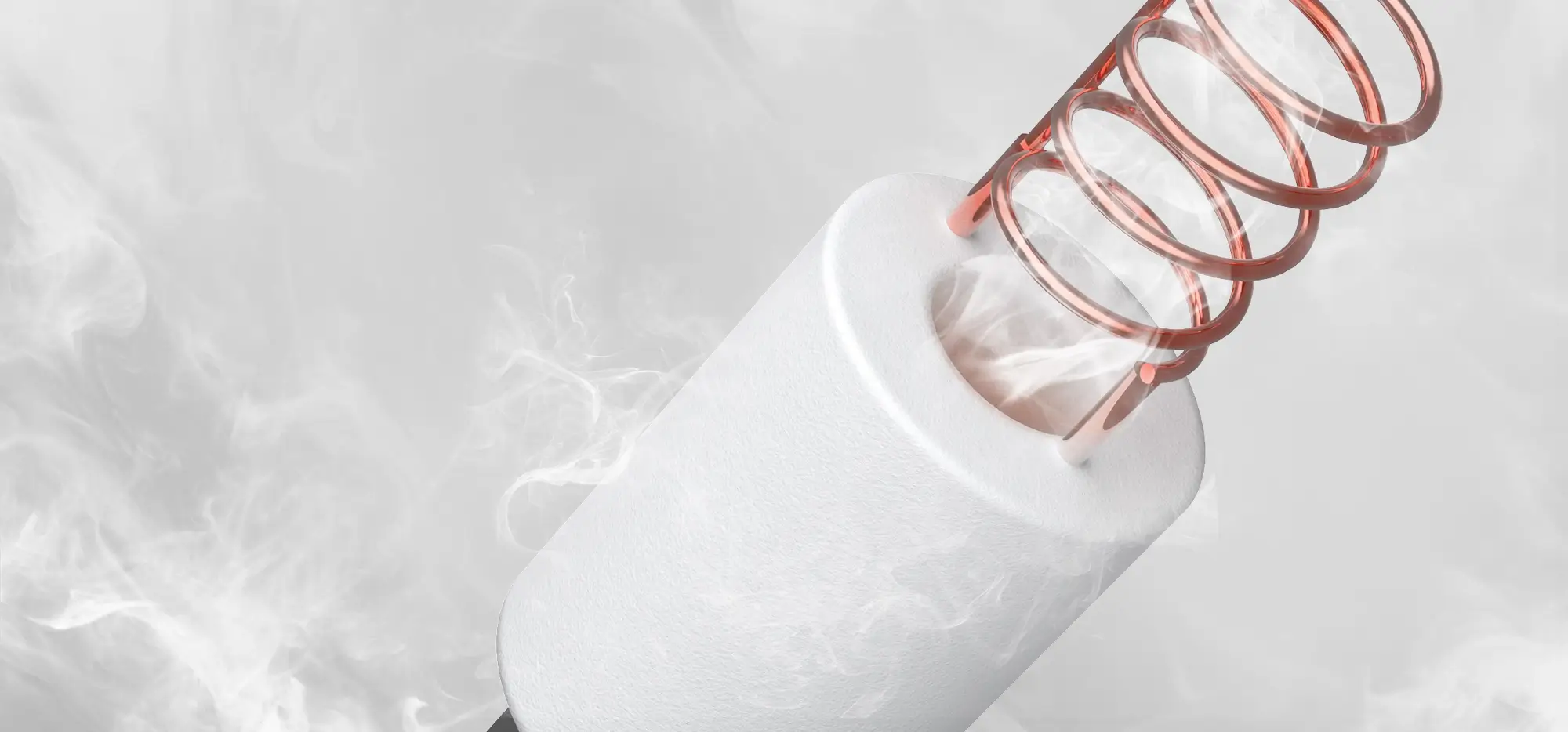
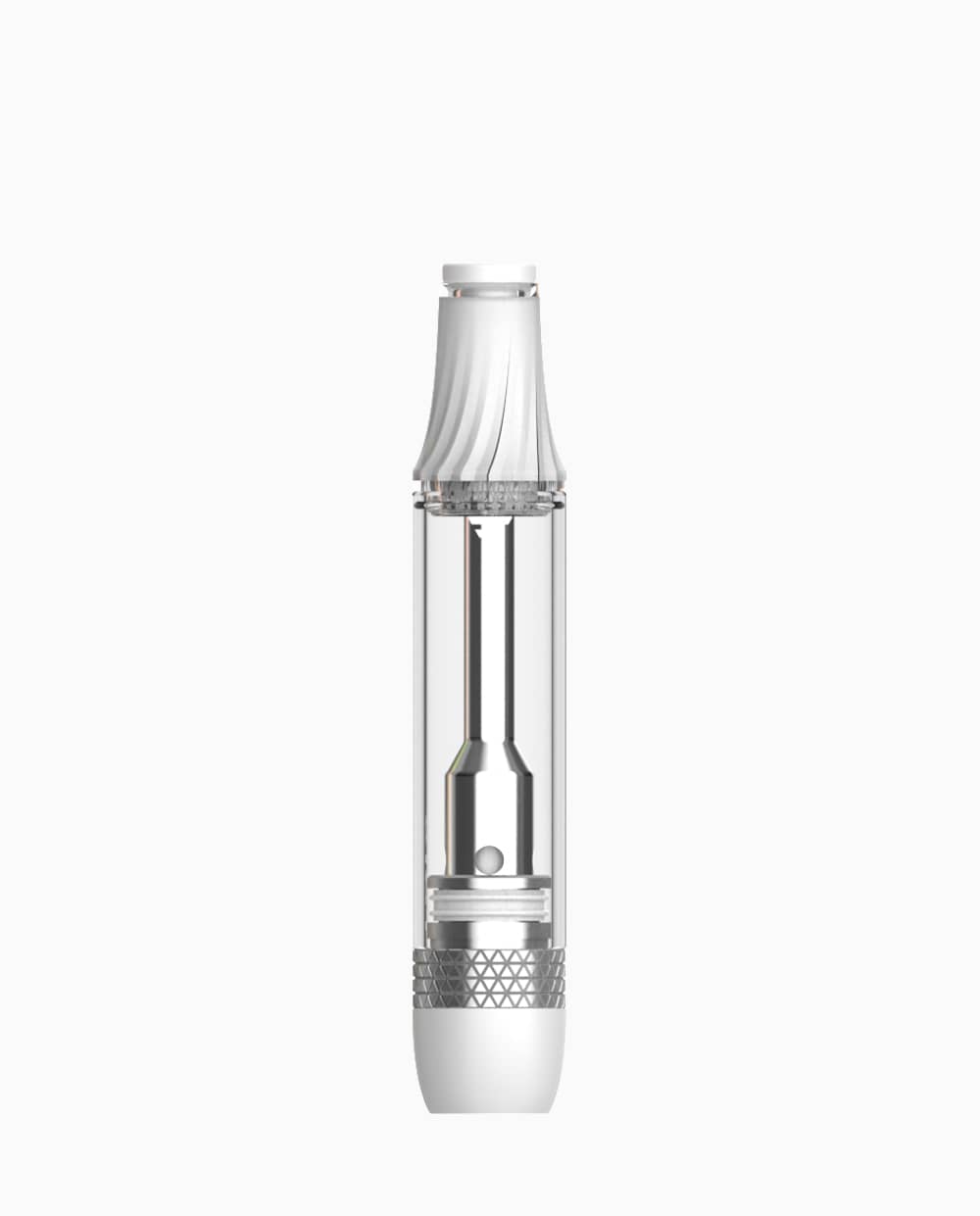
Look for cartridges with ceramic coils, stable airflow design, and hardware that matches the viscosity of the oil being filled.
From a hardware design perspective, repeated clogging is often not only a user habit issue. It can come from a mismatch between oil viscosity, inlet size, ceramic heating consistency, condensation control, and airflow path design.
For thicker cannabis oils, brands should ask whether the cartridge is designed for high-viscosity formulas, whether the ceramic core supports consistent wicking, and whether the airflow structure helps limit condensation buildup.
Troubleshooting Specific Problems
“I Hear Gurgling But No Vapor”
Gurgling often means too much oil has entered the heating chamber. Try a short preheat cycle, then take a gentle unpowered draw. If the gurgling continues, the coil may be flooded.
A flooded coil is different from a simple mouthpiece clog. Forcing stronger pulls can draw more oil into the airway and make the problem worse.
“It Worked Yesterday, Now It Is Dead”
Overnight temperature changes can thicken oil and restrict flow. Start with hand warming, then test airflow before assuming the product is defective.
“Multiple Clogs in the Same Cart”
If the same cart clogs repeatedly, the issue may be thick oil, cold storage, aggressive draw style, or a cartridge design that does not fit the oil formulation.
If a cart needs unclogging more than two or three times, replacement is usually more practical than repeated repair attempts.
When to Give Up: Do Not Risk the Hardware
Knowing when to stop protects both the cart and the battery. If several gentle methods fail, aggressive repair attempts usually create more risk than value.
The Three-Strike Rule
If three different gentle methods do not improve airflow, the clog may be permanent. Burnt taste, no airflow change, or visible damage near the coil are signs that the cart may no longer be usable.
Red Flags to Stop Immediately
-
- Extremely hot cartridge body
-
- Burnt flavor after unclogging
-
- Battery blinking or misfiring only with this cart attached
If any of these signs appear, do not keep testing the cartridge. Replace it or consult the retailer, dispensary, or hardware supplier.
FAQ: Your Specific Questions Answered
Can I use a lighter to heat my cart?
No. Open flame can overheat the oil, damage seals, and create pressure or fire risk. Use only indirect, gentle heat.
How many times can I unclog the same cart?
If you need to unclog the same cart more than two or three times, treat it as a compatibility, storage, or hardware issue.
Why does my cart clog overnight?
Cooler temperatures can thicken cannabis oil. Store the cart upright at room temperature and warm it gently before use.
Is it safe to blow into the charging port?
No. Blowing into the charging port can introduce moisture and residue into electrical areas.
Can I prevent clogs in thick oil carts?
Use lower voltage, take slower draws, store the cart upright, and choose hardware designed for thicker oil viscosity.
What if I taste burning after unclogging?
Stop using the cart. Burnt taste may indicate coil damage or overheated residue.
Should I return a cart that clogs repeatedly?
Yes, if it clogs repeatedly despite proper storage and gentle use. Keep your receipt and explain the symptoms clearly.
Final Thoughts
Most vape cart clogs should be approached with gentle warming, slow airflow testing, and careful cleaning of external areas. The safest method is always the least aggressive one that works.
If a clog keeps returning, think beyond the quick fix. Repeated clogging may point to oil viscosity, airflow design, ceramic heating quality, storage habits, or a mismatch between the formula and the cartridge hardware.
Always prioritize safety over saving a single cart. A damaged cartridge is not worth risking injury, poor vapor quality, or damage to a more expensive battery.


-1.webp)
-1.webp)
-2.webp)