
















50 states + District of Columbia
U.S. Cannabis
Compliance
by State
Understand the policy landscape—then verify the rule that applies to your product, workplace, and jurisdiction.
Built for fast orientation, not final legal decisions.
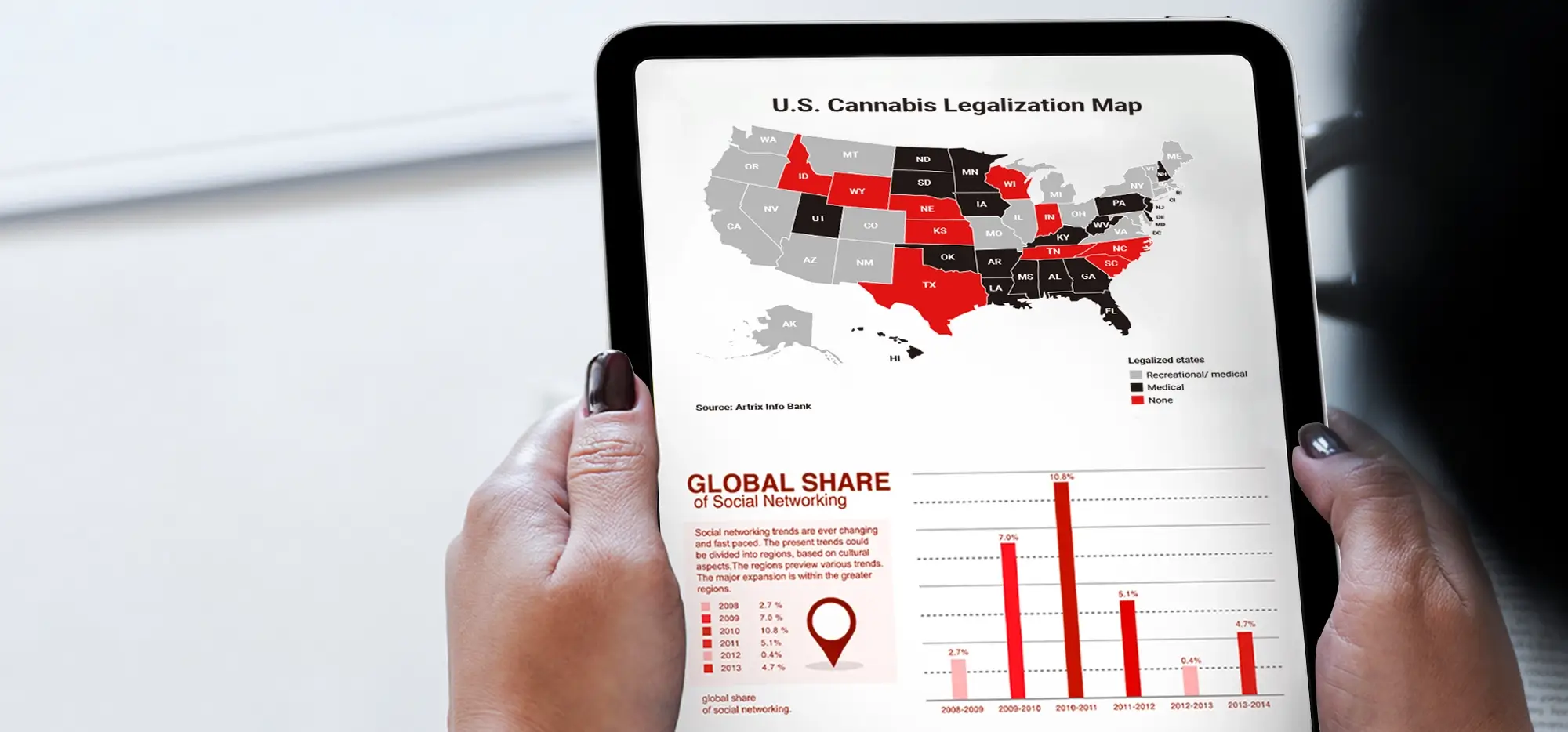
Adult-use (recreational) + medical
Medical
Limited / other
Prohibited
25Adult-use + medicaljurisdictions
17Medicaljurisdictions
4Limited / otherjurisdictions
5Prohibitedjurisdictions
Latest source checkOctober 20, 2026
Transparent by design
Source-driven.
Built for real-world decisions.
We group 51 jurisdictions into four orientation categories and attach a source-check date and primary link to each record. Retail access and legal review status remain separate from the category.
How we classify statesAll 50 states + District of Columbia
State Policy Directory
A normalized orientation layer across all 51 jurisdictions. Adult-use status does not necessarily mean retail sales are open. Open a state for details, then verify the live law and effective date.
Showing 51 of 51 jurisdictions
Decriminalized indicates a narrower penalty treatment, not a general right to possess or sell. Retail status is a separate program fact; verify both against current law.
StateAdult-useMedicalCategoryRetail statusDecriminalizedData checkedSource
No matching jurisdiction.Clear the search or choose a broader program category.
Employer compliance lens
Legal access does not automatically determine workplace policy.
Map every role and testing event to the controlling federal requirement, state protection, local rule, and written company policy.
Read current DOT guidance- 01Identify jurisdiction
Confirm where the employee works and which state and local rules apply.
- 02Classify the role
Separate DOT-regulated, safety-sensitive, and company-authority positions.
- 03Match the test reason
Pre-employment, random, post-accident, and reasonable-suspicion rules can differ.
- 04Document the decision
Keep policies, notices, vendor instructions, and review dates aligned.
Primary references
Verify before
you act.
Policy can change between review cycles. Confirm the current statute, regulator guidance, local rule, and effective date.
Questions that change decisions
Common cannabis compliance questions
Start with the broad answer, then confirm the law that governs your exact scenario.
No. States have different rules for adult use, medical programs, limited programs, possession, and sales. Use the state categories for orientation, then check the current state law and regulator guidance for the activity you have in mind. NCSL state cannabis legislation database.
No. Statutory permission for adults to possess cannabis and regulatory authorization to operate commercial retail stores are separate stages. A jurisdiction may appear in the adult-use category after voters or lawmakers approve possession, while licensed adult-use dispensaries remain unopened or restricted. For example, Virginia permits adult possession while commercial adult-use sales are not yet operating, and the District of Columbia allows limited adult possession under Initiative 71 without authorizing commercial adult-use sales. Always check both the retail status column and the individual state notes before assuming a commercial market is active.
No. A “medical” label alone does not establish patient eligibility, registration requirements, permitted product forms, or rules for visitors. Check the state program before relying on the category. NCSL medical cannabis laws.
No. Decriminalization generally reduces or replaces criminal arrest with civil fines, citations, or lower misdemeanor classifications for specific small-amount possession offenses, but it does not legalize possession, distribution, or cultivation. Depending on the jurisdiction, a decriminalized violation can still result in confiscation, fines, a permanent court record, or misdemeanor charges for repeat offenses—as seen in states such as Louisiana, Mississippi, New Hampshire, and North Dakota. Review the exact statutory threshold and penalty structure in the jurisdiction directory before treating reduced penalties as lawful permission.
No. The map summarizes cannabis program categories; it does not determine the rules for a particular device, shipment, retailer, or local market. Check the requirements that apply to the exact product and transaction before making a distribution decision.
Yes. Commercially available hemp and cannabidiol products may contain trace levels of delta-9 THC or experience labeling variances due to extraction and manufacturing tolerances. Standard workplace drug panels detect THC metabolites rather than distinguishing whether the compound came from state-licensed dispensary products or hemp-derived oils. Because retail product legality and workplace testing standards are separate issues, workers in tested roles should evaluate both label accuracy risks and their employer's testing policy.
Yes. Many adult-use and medical states grant municipalities and counties "local control" or opt-out authority over commercial operations. In markets such as California, Maine, and Montana, state law permits adult possession statewide, but individual cities or counties can prohibit retail dispensaries, manufacturing facilities, or delivery operations within their borders. Operators and distributors must verify municipal zoning ordinances and local licensing status alongside state-level regulations.
Comprehensive medical states license dedicated dispensaries or pharmacies to provide a regulated range of therapeutic products to registered patients, whereas "Limited / other" jurisdictions—such as Indiana, Iowa, Tennessee, and Wisconsin—typically restrict access to narrow cannabidiol preparations or specific low-THC extracts for qualifying conditions. Even within the medical category, states like Texas and Georgia enforce strict THC concentration caps and limit approved delivery formats, meaning standard high-potency vaporizer devices or flower products permitted in other markets may not be authorized.
Federally recognized tribes operate as sovereign jurisdictions that may establish their own cannabis rules under tribal law or state-tribal compacts. As a result, retail availability on tribal land can differ from surrounding state law. For instance, in North Carolina, state law prohibits marijuana retail statewide, while adult-use sales operate within the Qualla Boundary under tribal authority; similarly, Minnesota and Nevada maintain tribal retail channels that are separate from the state regulator's license roster. Possession or transport outside tribal boundaries remains subject to state law.
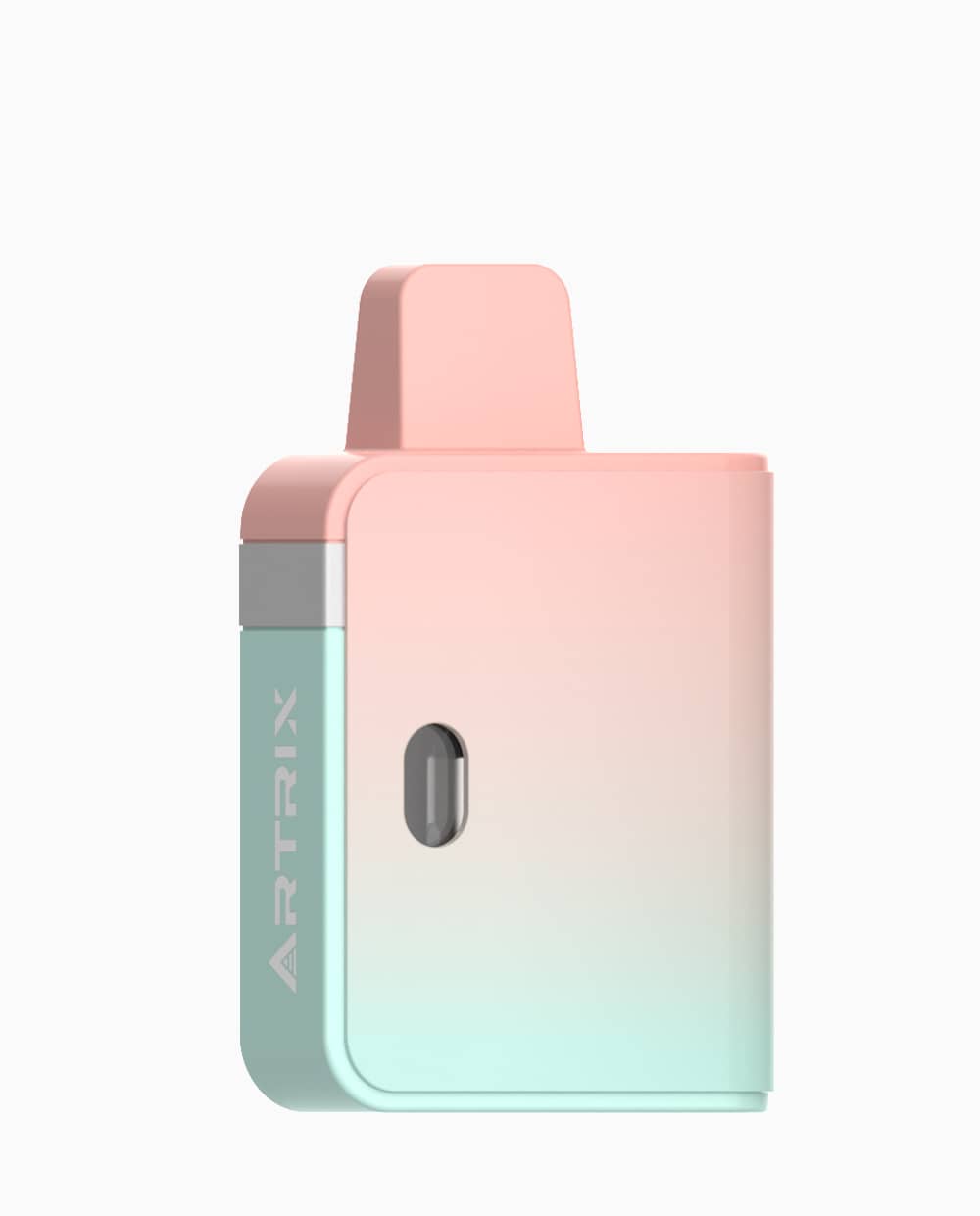
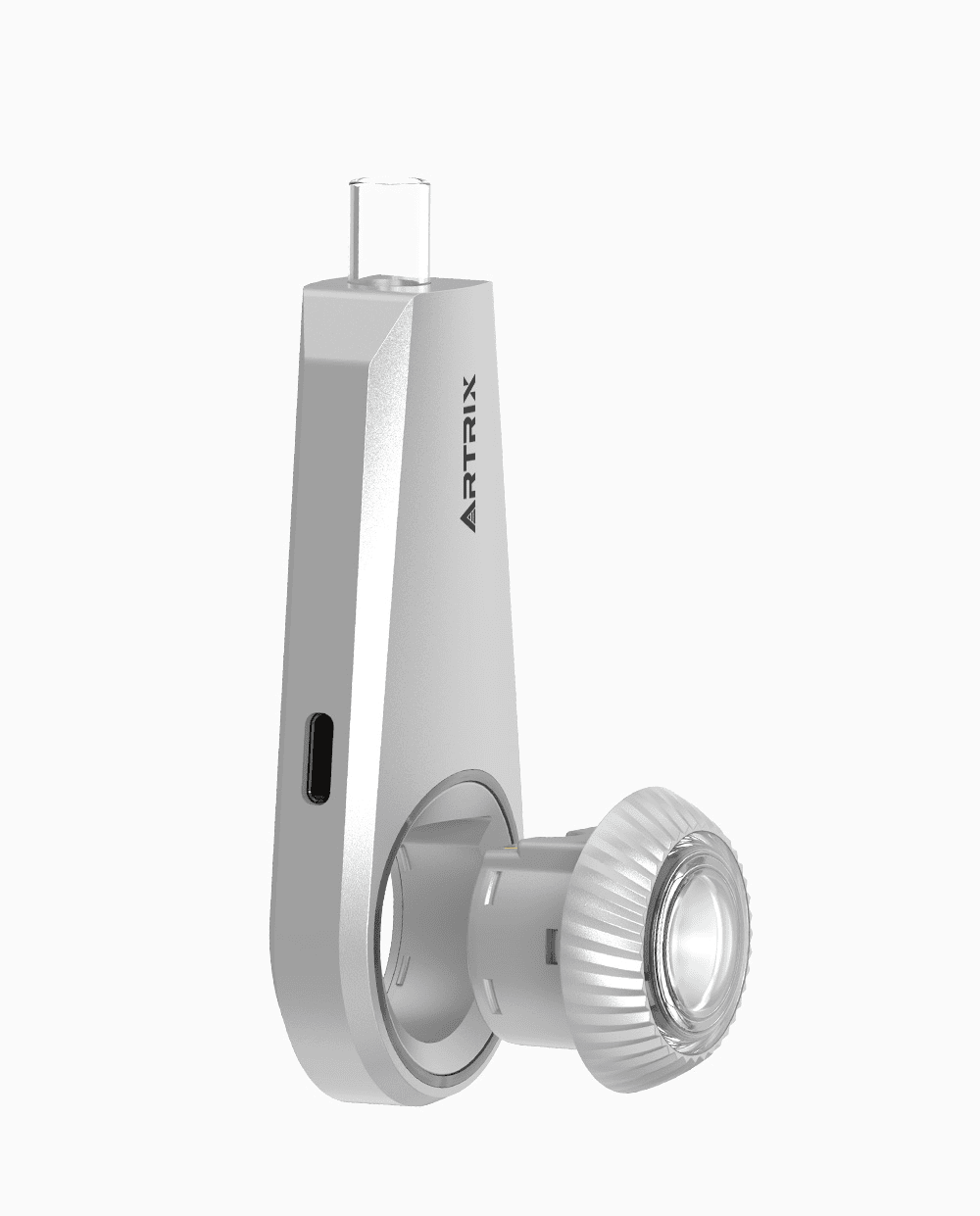
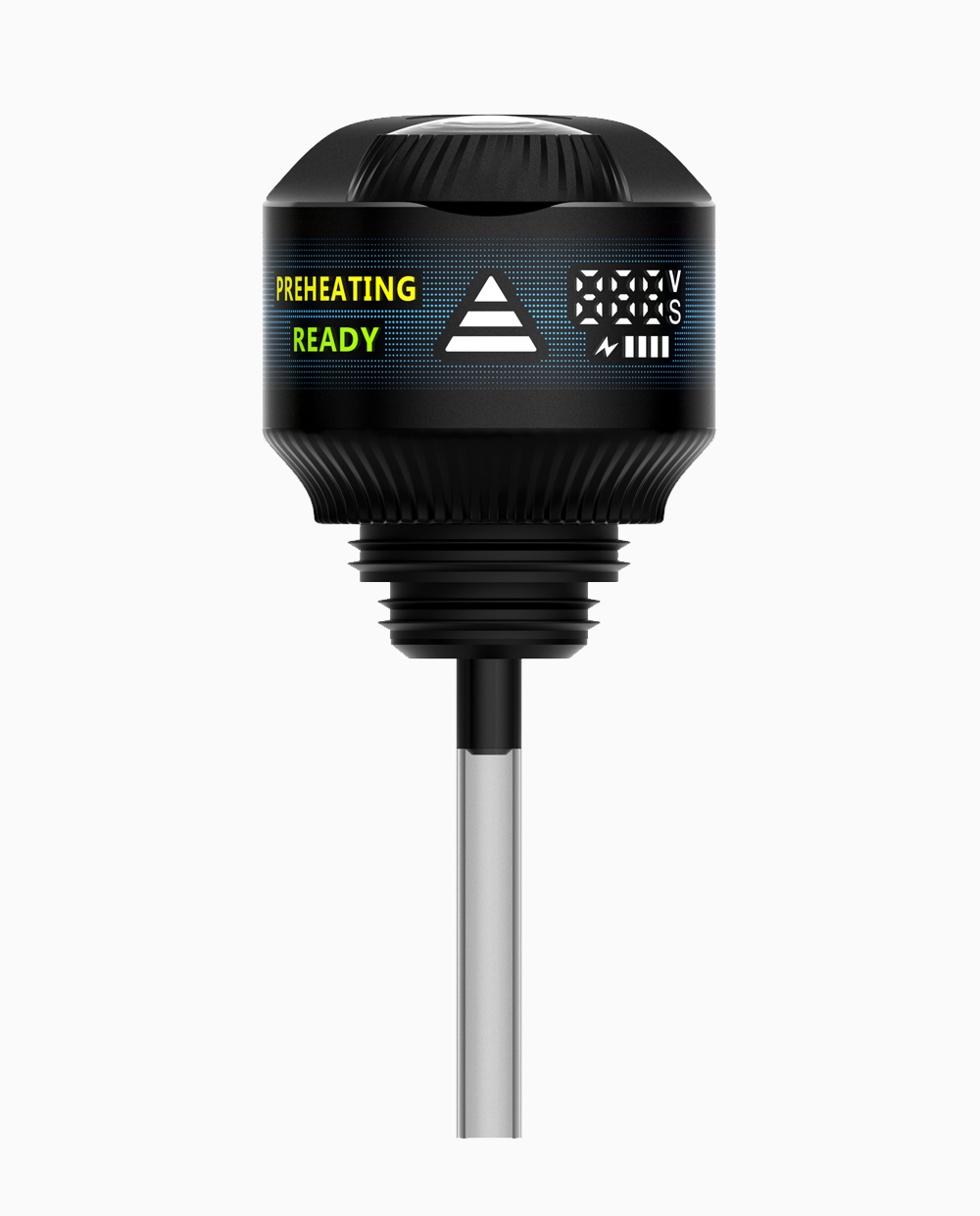
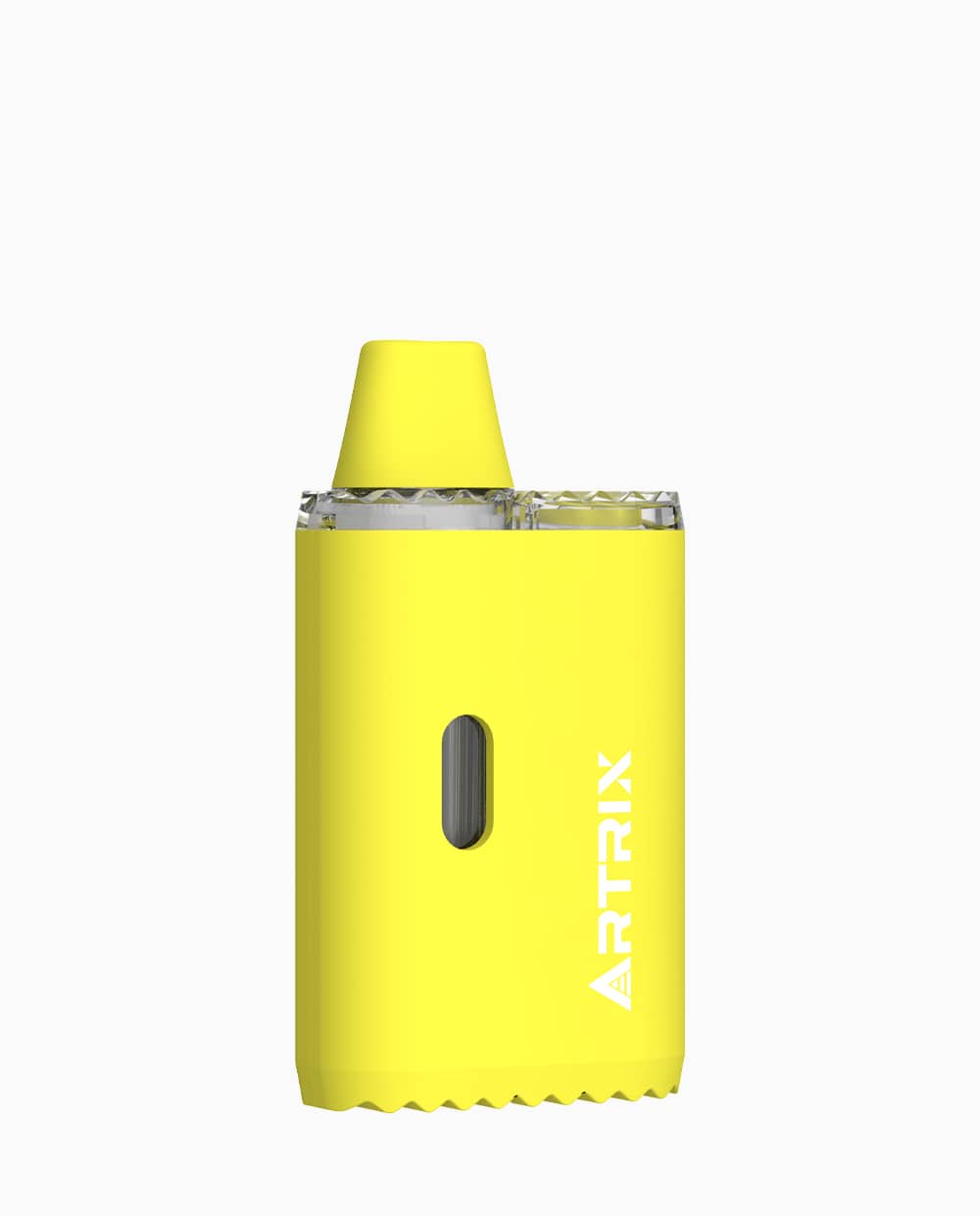
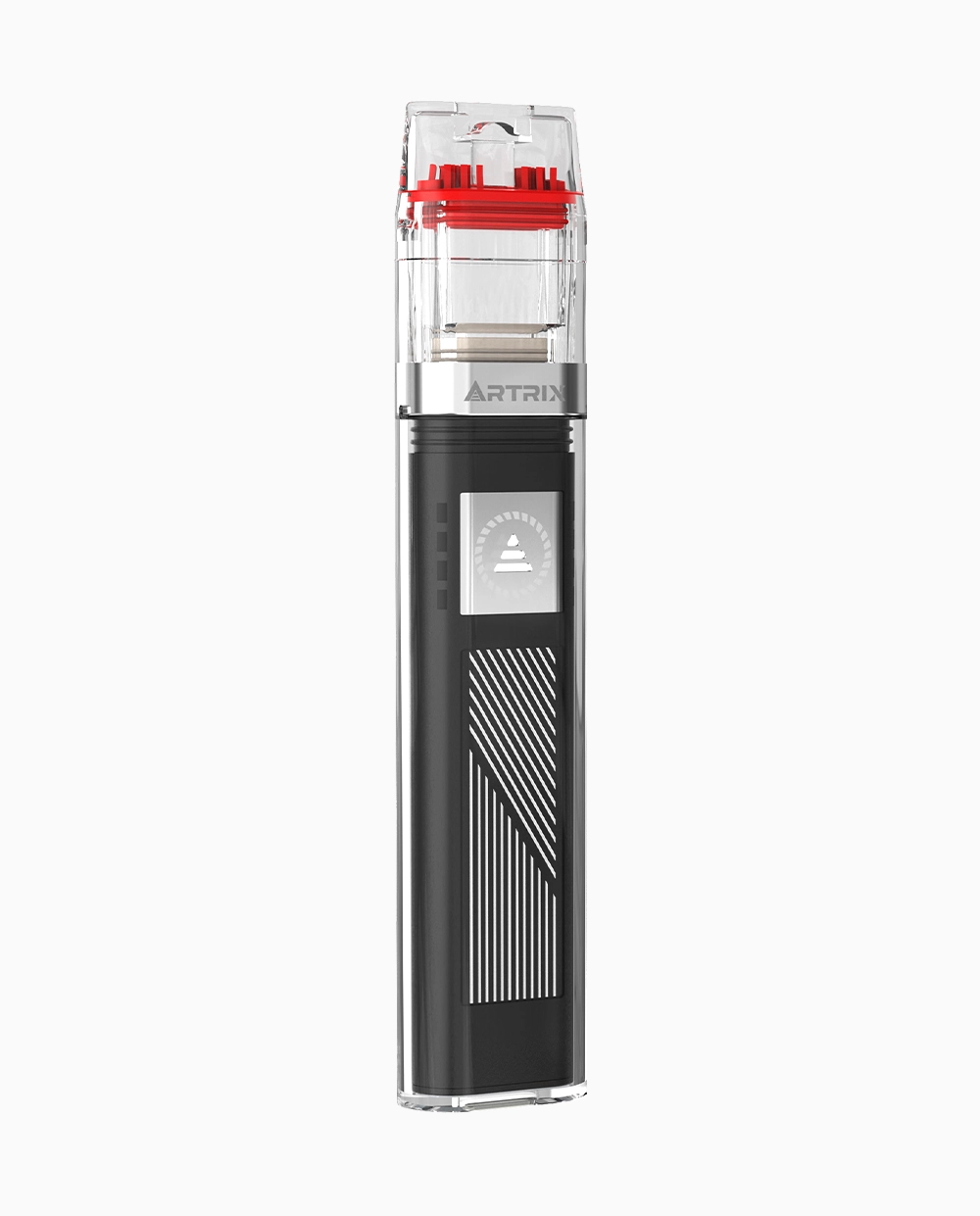
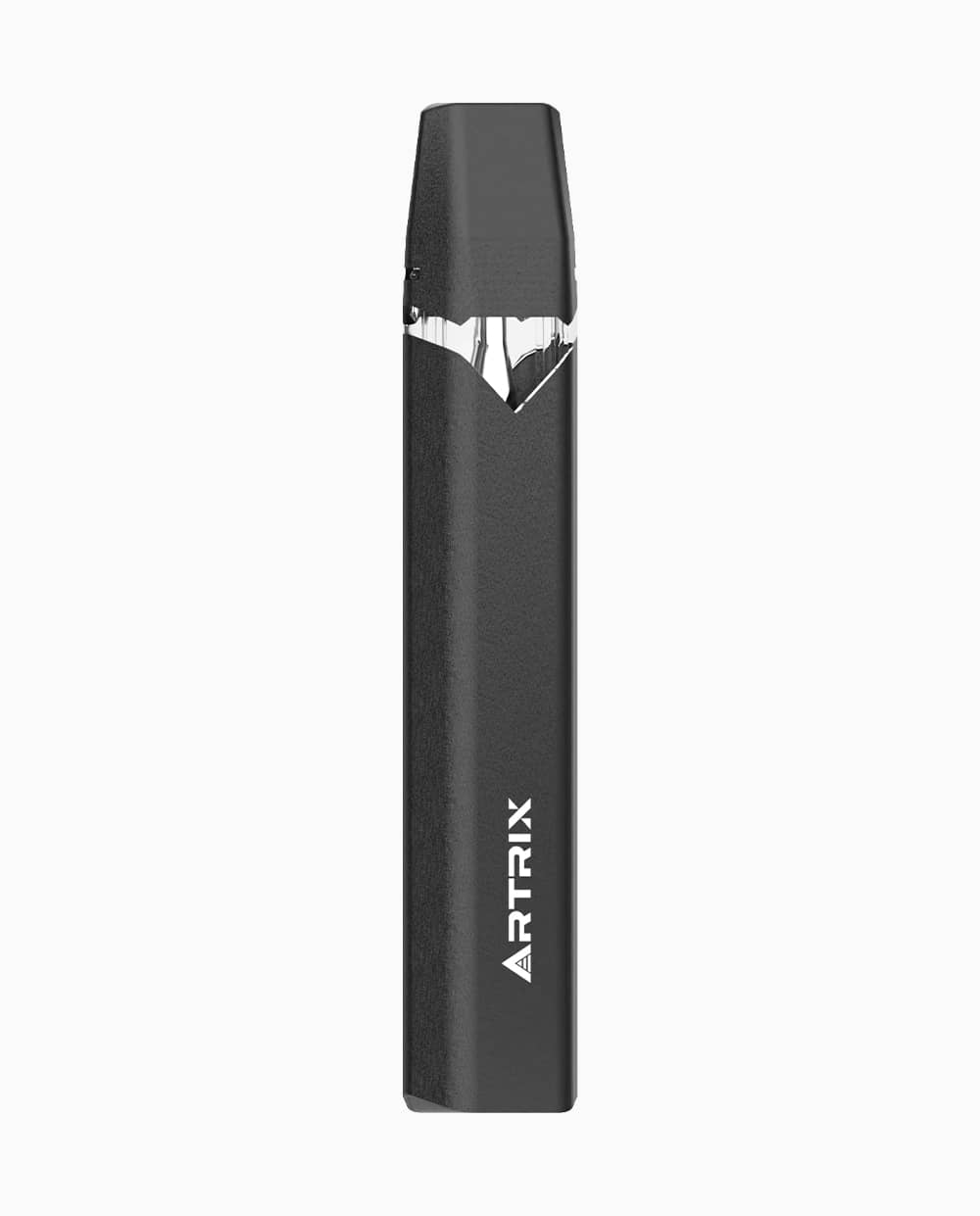
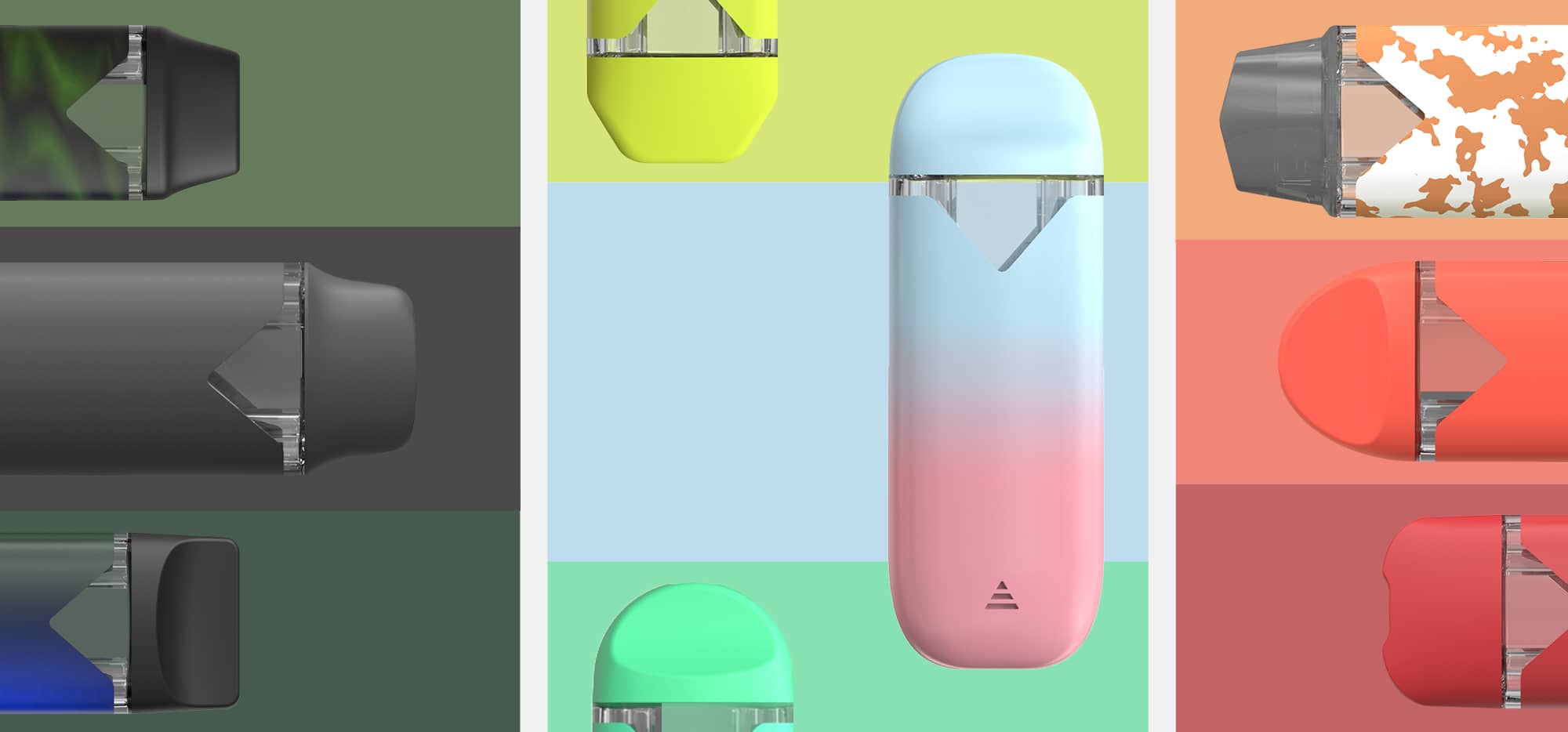
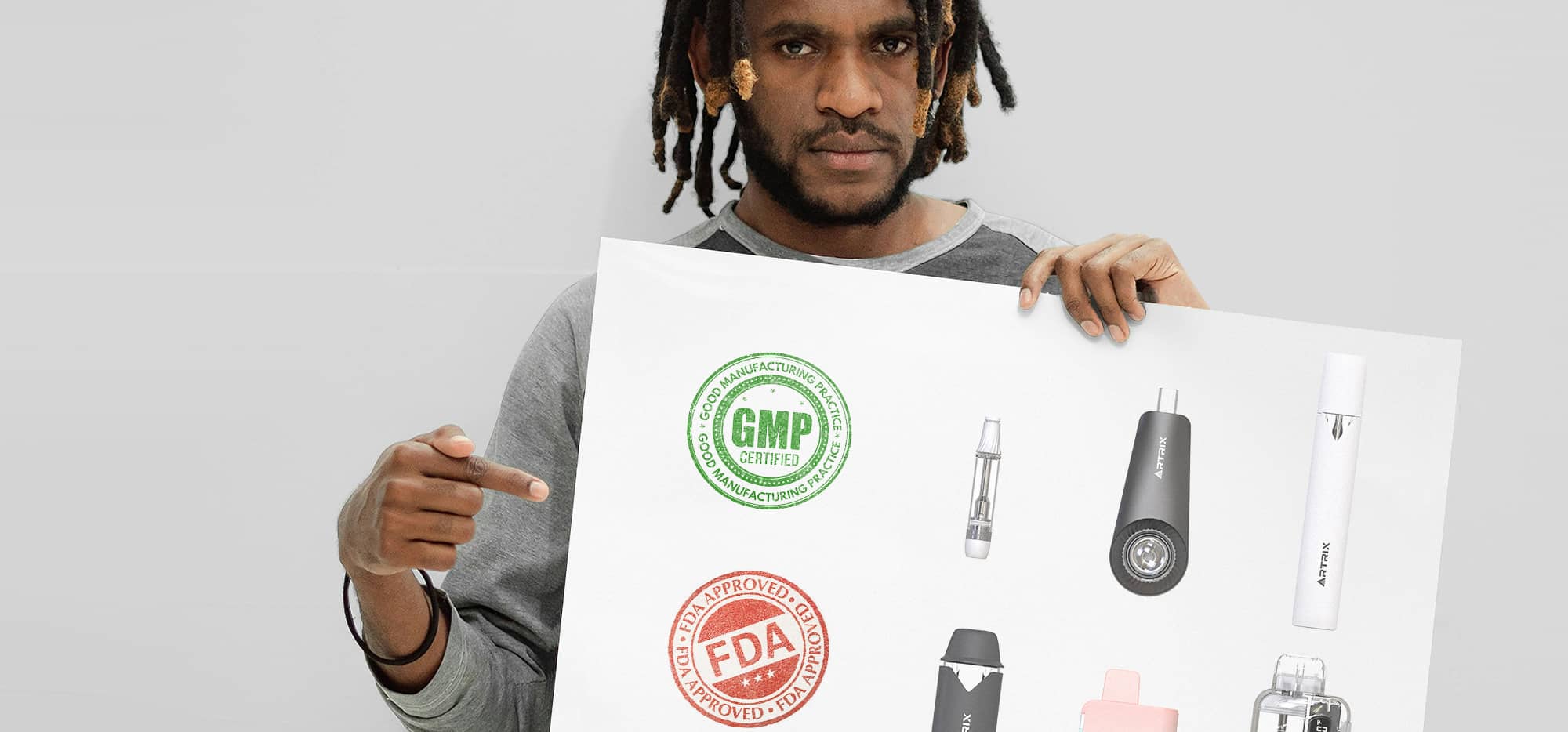
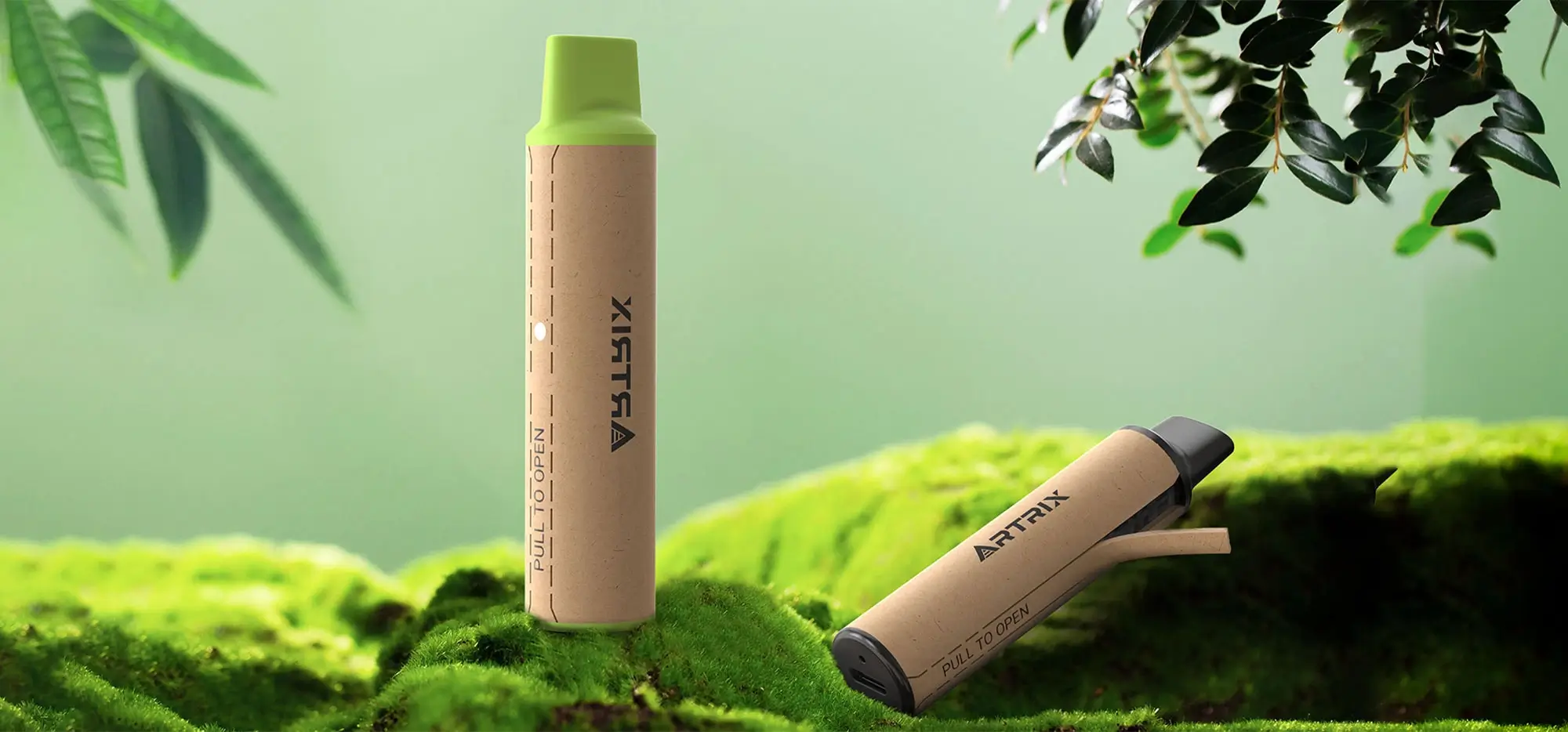
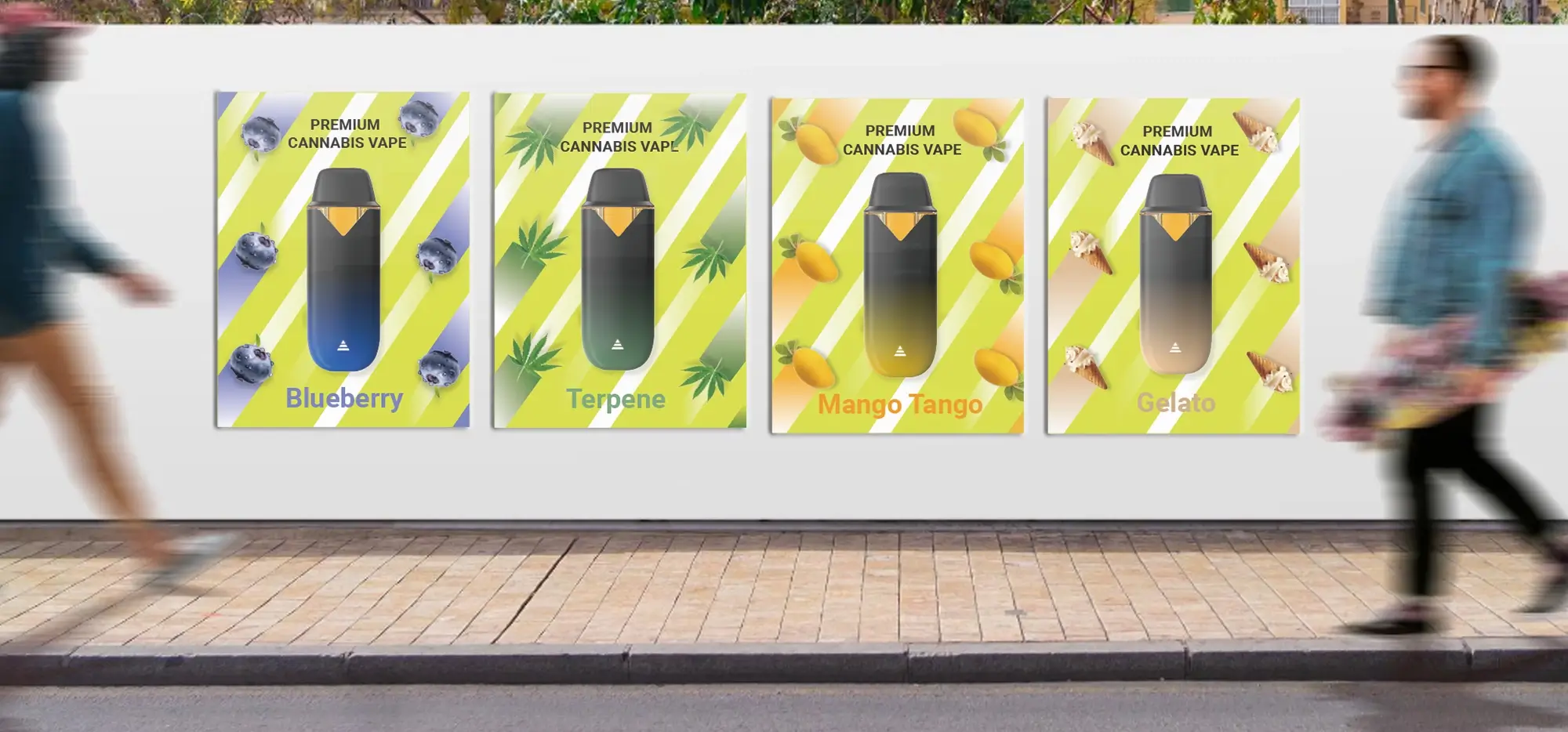
State regulatory frameworks frequently set hardware-level limits that govern vaporizer devices, all-in-one disposables, pod systems, and 510 cartridges. Regulators may cap total package THC milligrams or restrict single-unit tank volume—commonly requiring 0.5mL, 1mL, or 2mL configurations depending on whether the product is sold in medical or adult-use channels. Many states also mandate heavy-metal leach testing on atomizers, restrict specific battery features or additives, and require tamper-evident hardware construction before a batch can pass compliance lab screening.
Contact us
Have a perspective to share?
Have a suggestion about cannabis regulations or the market, a source we should review, or an idea to exchange? We would be glad to hear from you.