-1.webp)
-1.webp)
-2.webp)














Crafting the Ultimate 2-Gram Disposable THC Vape: A Blueprint for Success
Last Updated: Apr 15, 2026
Developing a successful 2g THC vape is not as simple as doubling the oil volume of a 1g device. Larger capacity changes the engineering demands, the quality-control process, the packaging requirements, and the retail value story. A 2g product has to perform over a longer usage cycle, which means every weakness in heating, airflow, battery life, sealing, and oil compatibility has more time to show up.
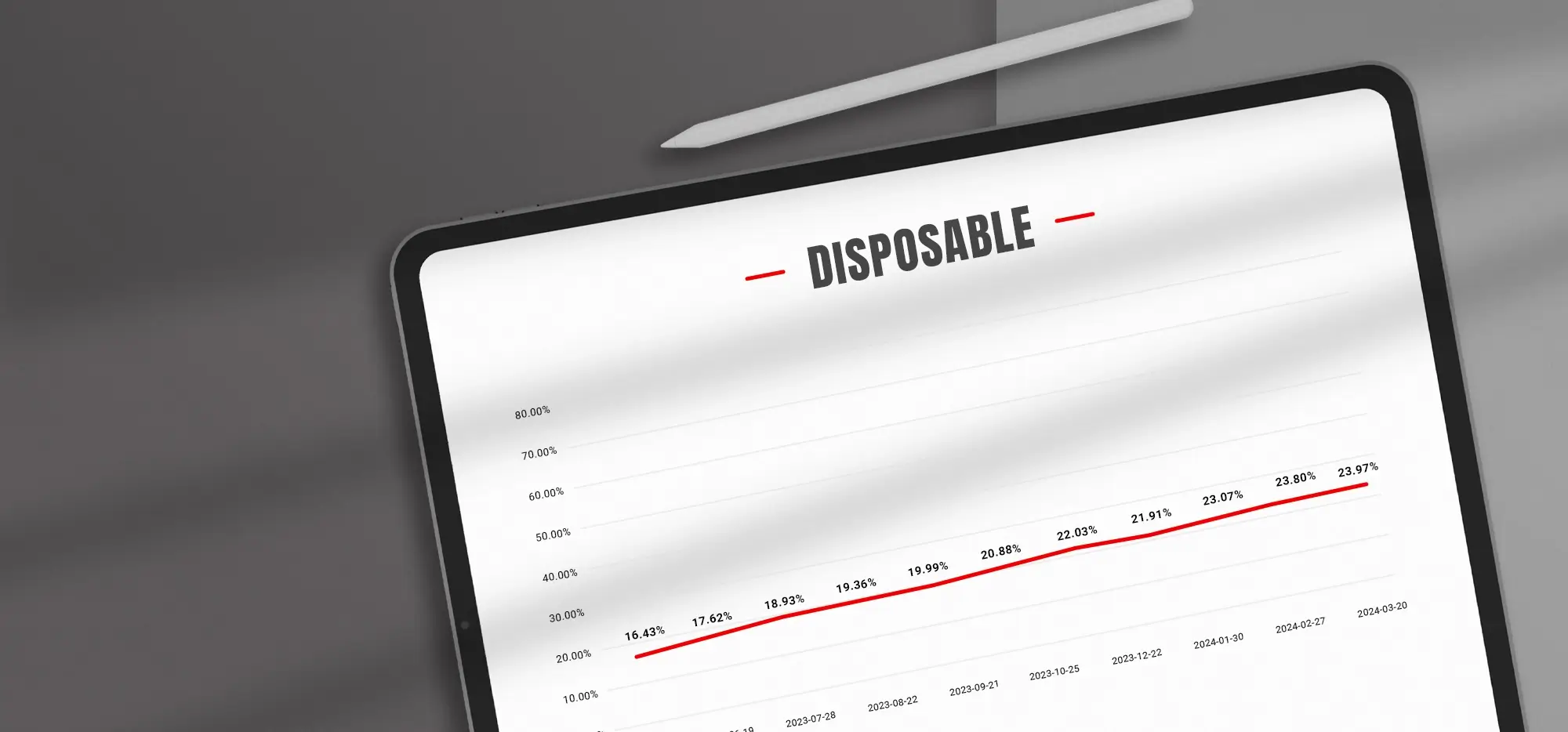
The market opportunity is real, but the development standard is higher than many brands expect. Headset reported that 2g vapor pen units in the U.S. grew 95.8% year over year in 2025, while disposables continued taking share from cartridges inside the vapor pen segment in its 2026 vapor pen report. That growth gives brands a reason to evaluate 2g, but it does not remove the need for disciplined product development.
This article provides a development framework for cannabis brands evaluating a 2g THC vape launch, covering positioning, oil-hardware matching, power design, airflow, compliance, packaging, testing, and ODM collaboration. The framework is most useful for cannabis brand founders, product managers, procurement teams, extraction teams, and compliance managers who need to align product concept, formulation, hardware, and launch requirements before committing to mass production.
Start With the Product Positioning
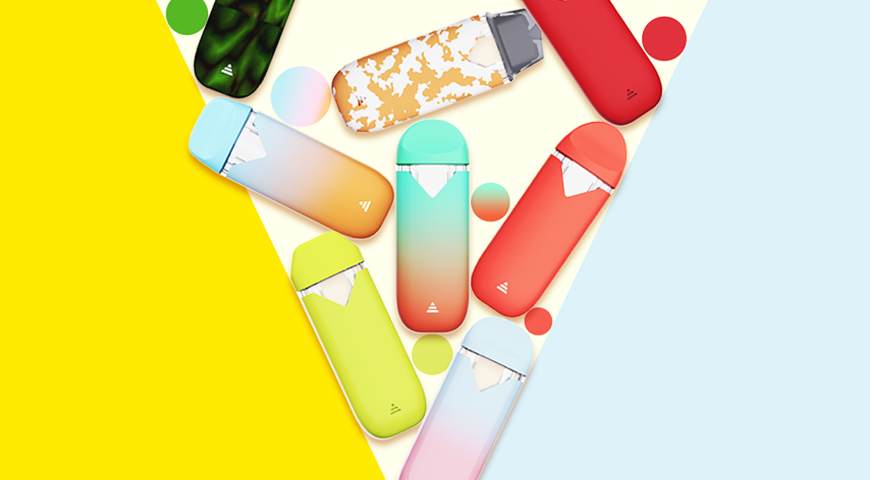
The first decision is not the device. It is the role the product will play in the brand portfolio. A 2g THC vape can be positioned as a value product for frequent adult users, a premium extract product, a high-potency formulation format, or a design-led lifestyle device. Each position changes the acceptable hardware cost, packaging strategy, and consumer expectation.
A value-led product must make the cost-per-use logic easy to understand. A premium live resin or terpene-rich product must protect flavor and temperature consistency across the full oil volume. A lifestyle product needs strong industrial design and shelf presence. A potency-forward product must be especially careful with responsible-use language and age-gated marketing.
Before selecting a hardware platform, brands should prepare a product brief that defines the commercial, technical, and compliance boundaries of the launch.
| Product Brief Element | Why It Matters |
|---|---|
| Target adult consumer | Clarifies whether the product is for frequent users, value buyers, premium extract consumers, or design-led shoppers |
| Oil type and viscosity range | Determines the heating, wicking, and airflow requirements of the device |
| Desired price tier | Shapes the acceptable hardware cost, packaging level, and feature set |
| Device format and features | Defines whether the product needs rechargeability, display, temperature control, or a simpler all-in-one design |
| Target compliance market | Identifies packaging, labeling, testing, and marketing restrictions before production |
| Launch timeline and order volume | Helps align sampling, customization, MOQ, packaging, and production scheduling |
Match the Hardware to the Oil Formula
Oil compatibility is the technical center of a 2g launch. A device can look strong in a sample photo and still fail in market if the heating system does not match the oil’s viscosity, terpene profile, or expected voltage range. Two grams of oil increases the importance of performance consistency because consumers expect the device to work across more sessions.
Brands should validate the oil and device together, not separately. The test plan should include fill testing, storage stability, leakage checks, clogging observation, temperature behavior, charging behavior, and end-of-life performance. The last portion of the oil matters because consumers judge the product by the complete experience, not only the first few draws.
Extract type also affects hardware selection. Distillate remains the leading vapor pen extract type, while premium formulations such as live resin and diamonds are gaining attention within the category. As formulations become more diverse, brands need closer coordination between extraction teams, hardware suppliers, and QA teams.
| Development Variable | Why It Matters in a 2g THC Vape | What to Validate |
|---|---|---|
| Oil viscosity | Affects wicking, vapor consistency, clog risk, and end-of-life usability | Test with the final oil formula, final fill volume, and selected device platform |
| Heating system | Controls flavor, vapor output, oil consumption, and thermal stability | Validate performance at full, mid-level, and near-empty oil levels |
| Terpene profile | Can influence flavor stability, perceived harshness, and formula behavior under heat | Check flavor consistency after storage, repeated sessions, and transport exposure |
| Voltage range | Determines vapor intensity, oil consumption, and potential overheating risk | Confirm the usable range for the specific oil and target consumer experience |
| Reservoir and wicking design | Determines whether oil reaches the heating area consistently throughout the device lifecycle | Observe draw quality and residual oil at the end of use |
Design Battery and Power Around the Full 2g Lifecycle
Battery design is one of the most important differences between a smaller vape and a 2g THC vape. A larger oil volume requires the device to support more total use. If the battery fails before the oil is finished, consumers may feel that the product did not deliver its promised value.
Rechargeability is often part of the 2g solution, but it is not enough by itself. The device must also manage power consistently. If output is too low, vapor production can feel weak. If output is too high, the device can consume oil faster, reduce flavor quality, or create a harsher experience.
Brands should test multiple usage patterns. Light users may store the device for longer periods between sessions. Heavy users may take repeated draws in a short period. Retail products may experience temperature changes during shipping or storage. A robust 2g device should remain stable across realistic use conditions.
Engineer for Airflow, Leakage Control, and Clog Resistance
Airflow becomes more important as product lifespan increases. A consumer using a 2g device expects the draw to remain smooth across the full oil volume. If the airflow tightens, the mouthpiece clogs, or the device requires excessive pulling, the product experience declines quickly.
Leakage control is equally important. Larger-capacity devices hold more oil, so a leak can create greater waste and a more serious complaint. Brands should evaluate how the device performs upright, sideways, in pockets, during transport, and under warmer storage conditions.
Clog resistance should be tested with the actual oil formulation. Terpene content, viscosity, crystallization risk, and storage temperature can all affect draw performance. A hardware platform that works for one formulation may not work equally well for another, which is why formula-specific validation is essential.
Create a Testing Plan That Reflects Real Use
Testing should not stop at appearance, charging, and a few trial puffs. A serious 2g THC vape development plan should include both regulatory testing and functional performance testing. The product must be evaluated as consumers will actually use it: over time, across oil levels, under different storage conditions, and with varied puff behavior.
Regulatory testing
Regulatory testing confirms whether the cannabis good meets jurisdiction-specific requirements before sale. California requires batches of cannabis goods to be tested before sale, and licensed testing laboratories evaluate cannabinoids, terpenes, residual solvents, pesticides, heavy metals, microbial impurities, mycotoxins, moisture content, water activity, and foreign material according to DCC testing laboratory guidance. For vape products, brands should treat this as the compliance floor rather than the full quality system.
Functional performance testing
Functional performance testing confirms whether the device works reliably under real use conditions. It should answer product-specific questions: Does the mouthpiece clog? Does oil migrate during shipping? Does the device deliver consistent vapor at low oil levels? Does the battery remain reliable after repeated charge cycles? Does the device leak when stored upright, sideways, or under heat exposure?
These answers often determine whether a 2g product earns repeat purchase. A product can pass required lab testing and still fail commercially if consumers experience clogging, weak vapor, leaking oil, harsh flavor, or an unusable amount of oil left in the device.
Plan Packaging and Retail Education Together
A 2g THC vape often carries a higher upfront price than a smaller device. Packaging and retail education must explain that value quickly. Consumers should understand what they are buying, why the larger format matters, and what makes the formulation or device different.
The strongest packaging systems connect product identity, extract type, potency information, flavor cues, responsible-use language, and required compliance text without overwhelming the shopper. Retail teams also need simple talking points. A budtender or sales representative should be able to explain whether the product is built around longer use, premium oil, rechargeable performance, flavor stability, or value for frequent adult users.
Brands should avoid unsupported health or safety claims. The FDA has warned against unsafe THC vaping products obtained from illicit sources. A compliant message should emphasize regulated sourcing, tested inputs, adult use, and product quality rather than implying medical benefit.
Use ODM Support Where It Reduces Launch Risk
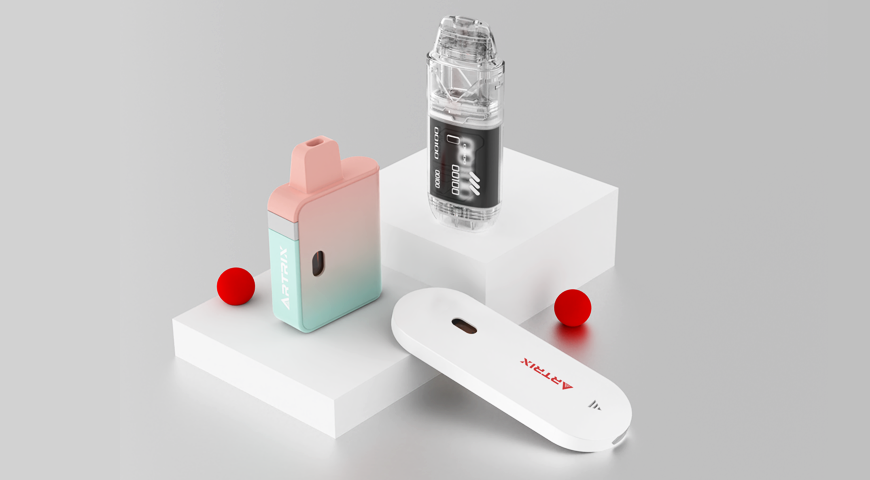
ODM support is most valuable when it reduces real development risk. For a 2g THC vape, that means more than choosing a shell shape. The right ODM partner should help evaluate heating systems, battery requirements, oil compatibility, leak resistance, packaging feasibility, surface branding, and production consistency.
Brands should ask ODM partners specific questions. What oil viscosities have been tested? What battery options are available? What is the defect tracking process? How are samples validated before mass production? Can packaging requirements be integrated early? Which customization options affect lead time or MOQ?
An ODM partner can support the launch in several practical ways:
-
- Hardware platform selection based on target oil type, price tier, and user experience.
-
- Sample testing before mass production.
-
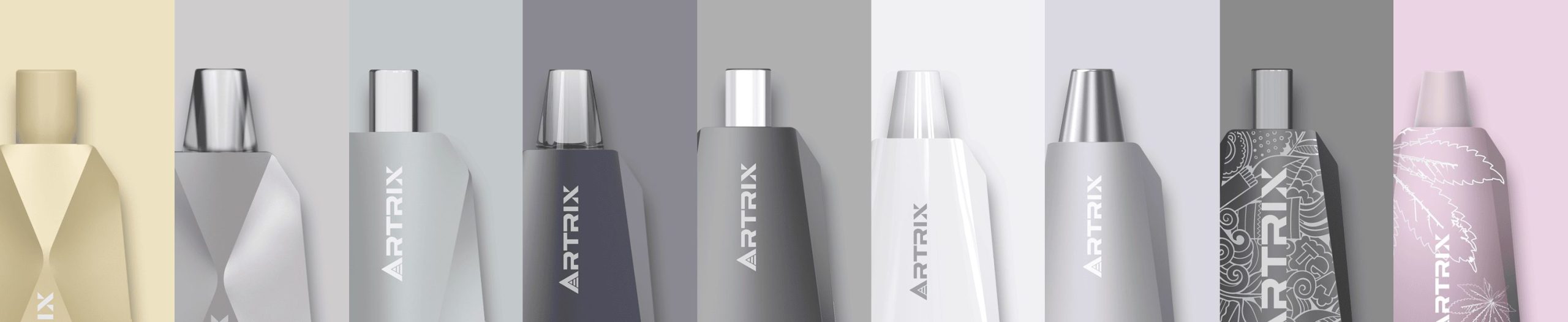
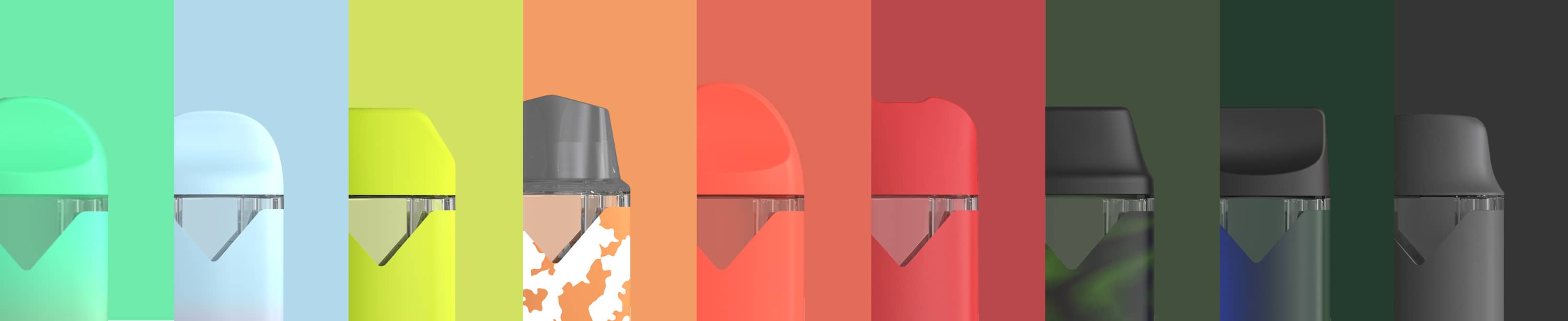
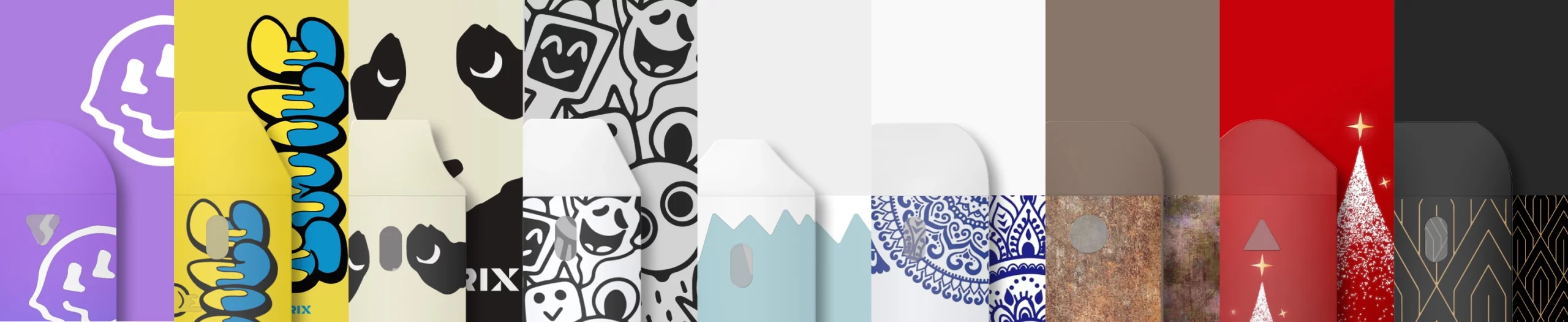
- Device customization, including color, finish, mouthpiece, surface branding, and feature set.
-
- Packaging coordination for compliance, shelf presentation, and product education.
-
- Production scaling from pilot batch to larger commercial orders.
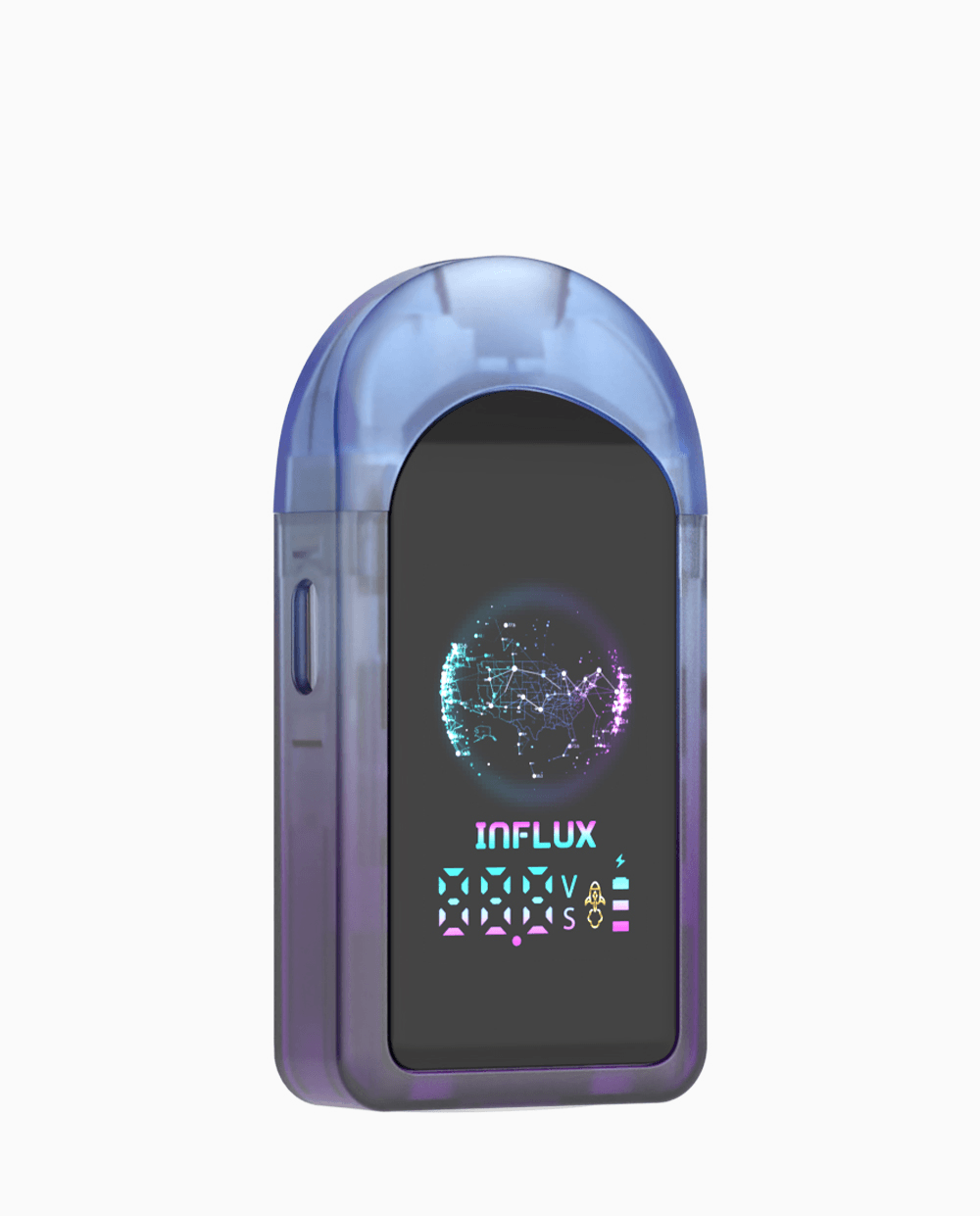
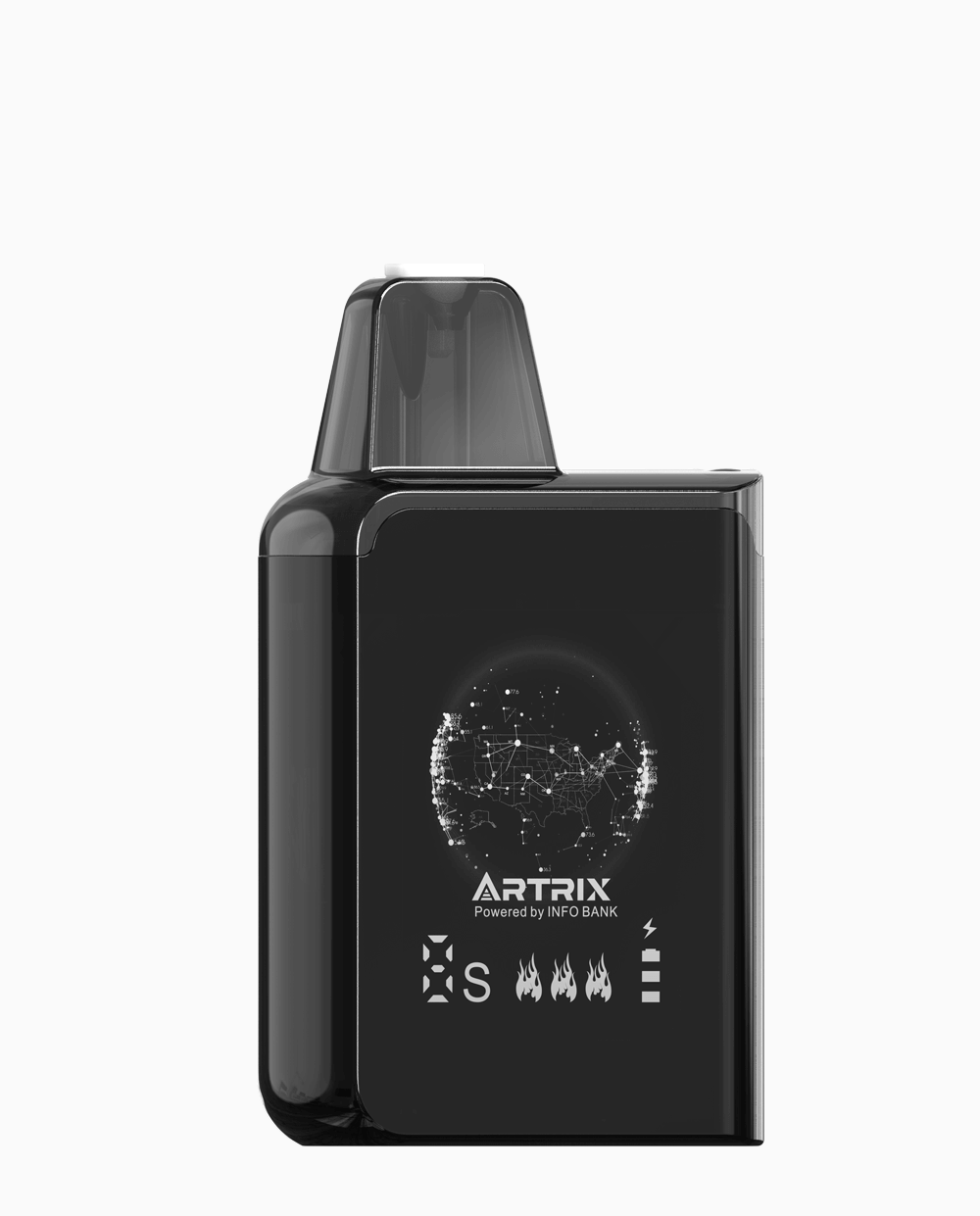
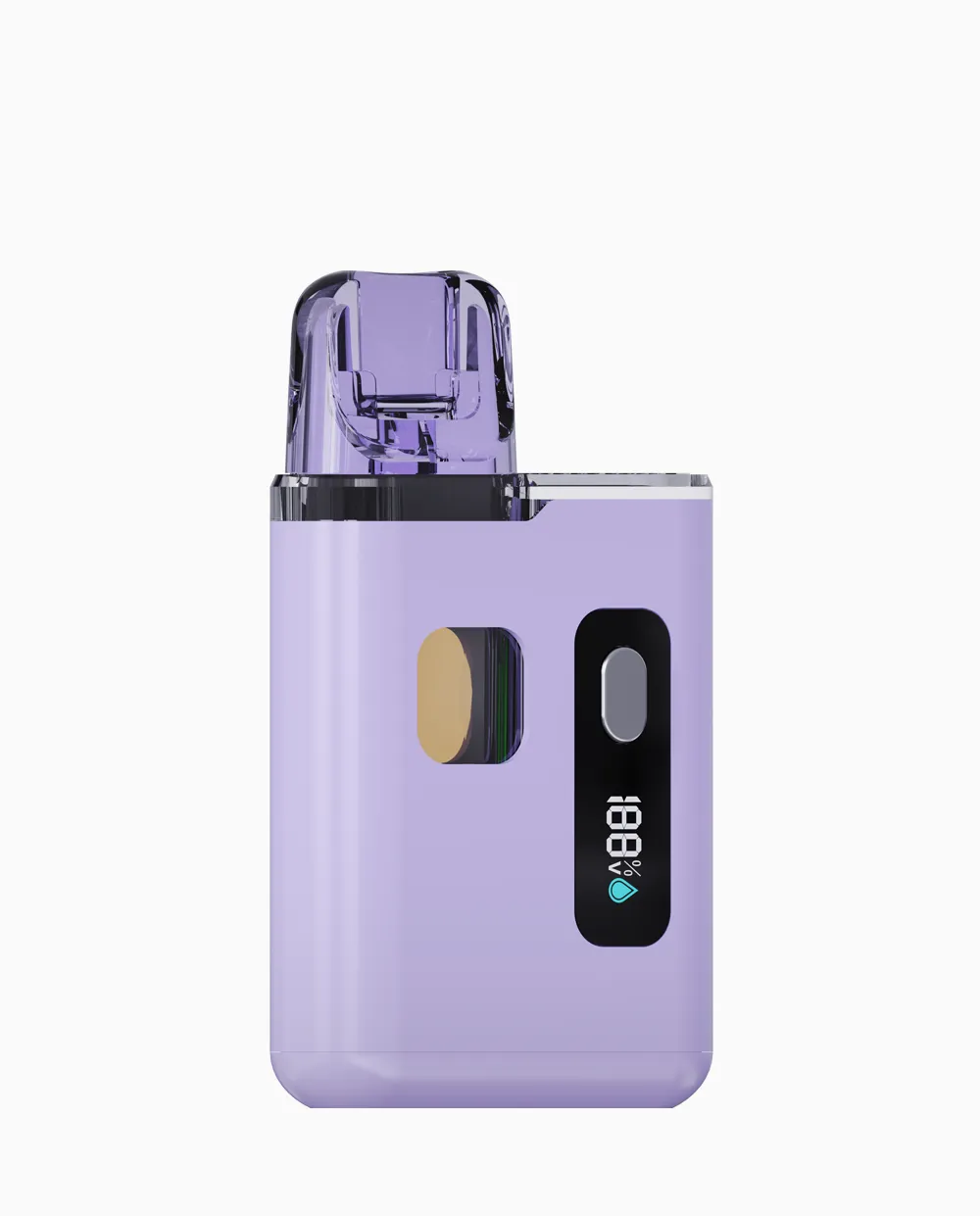
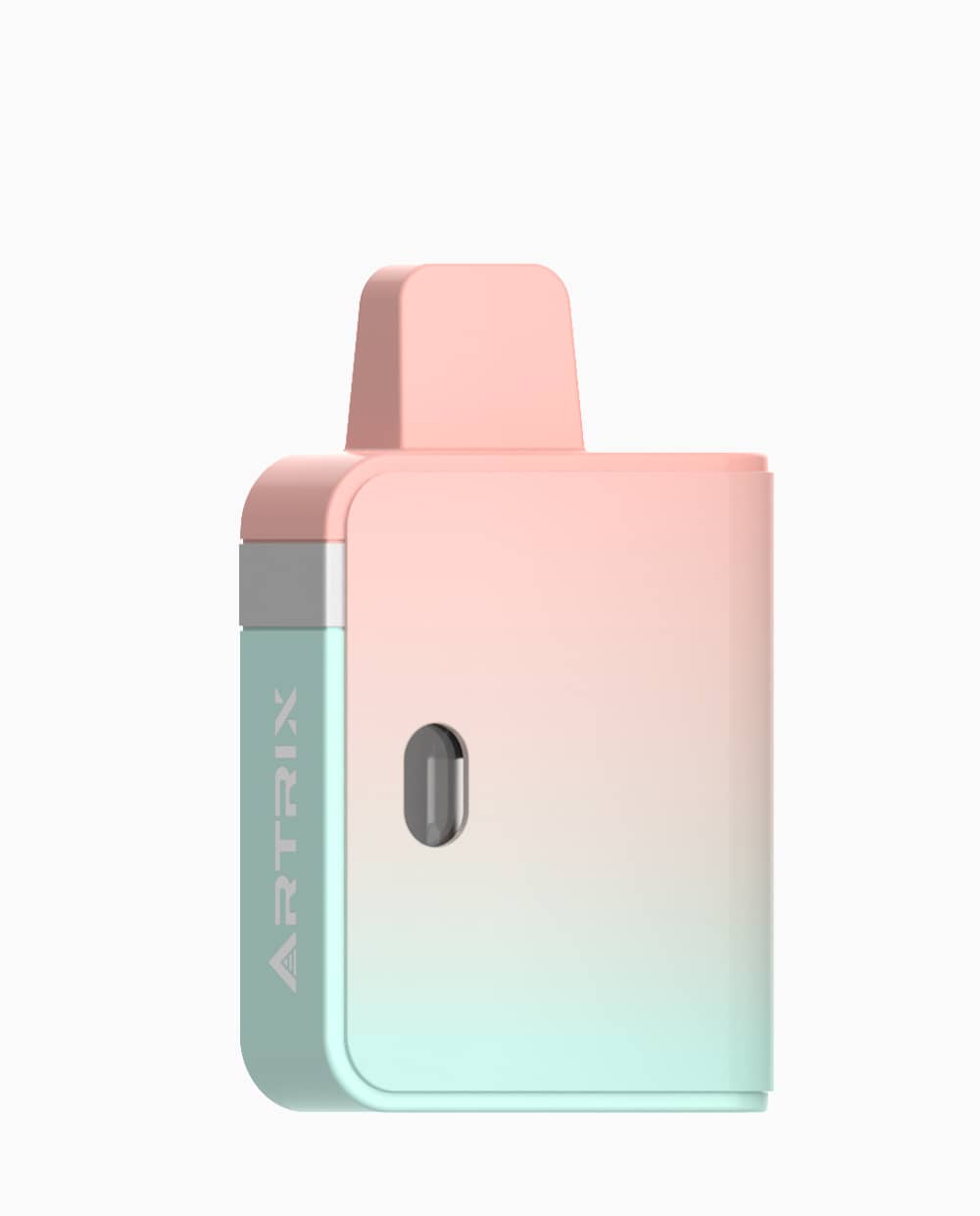
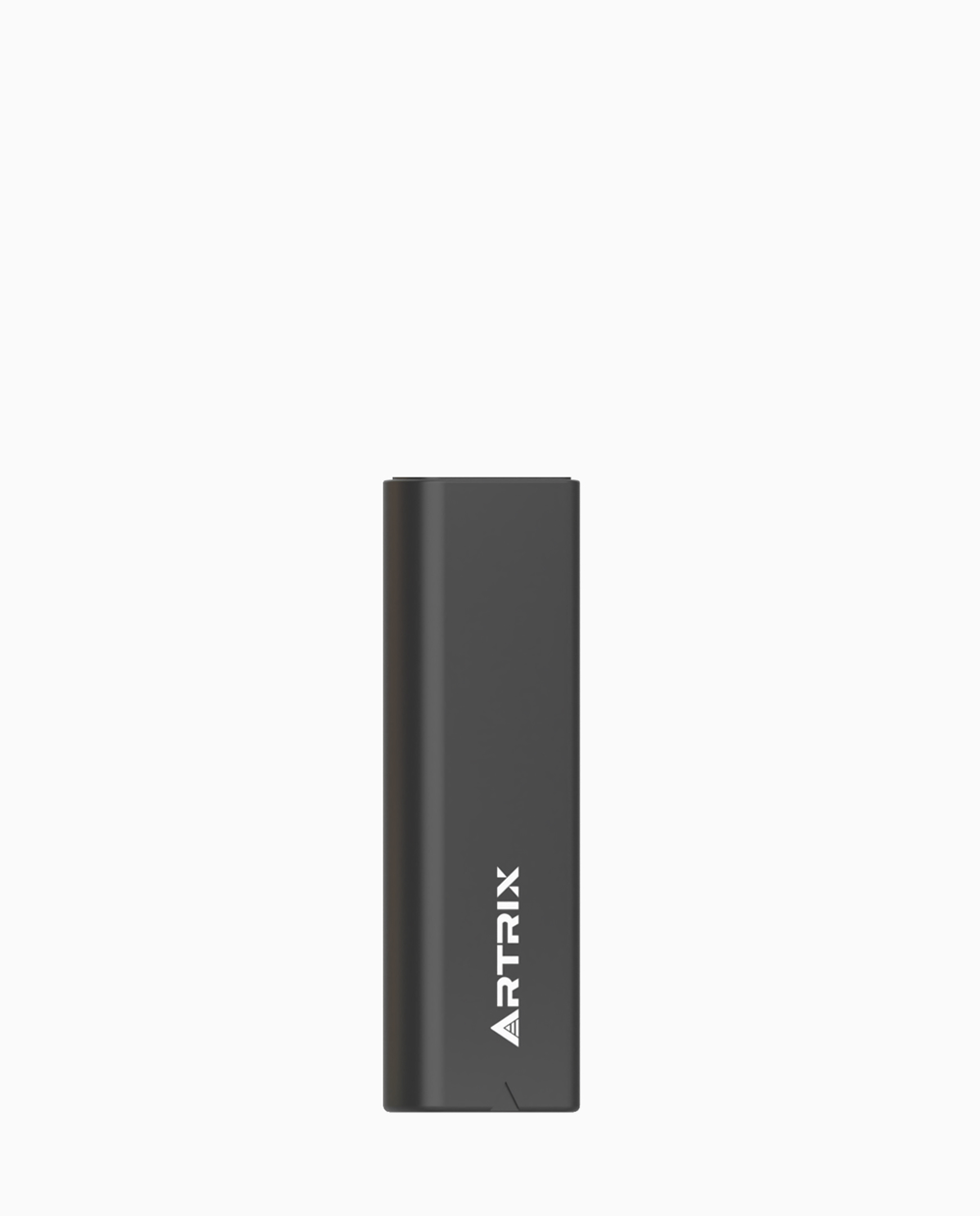
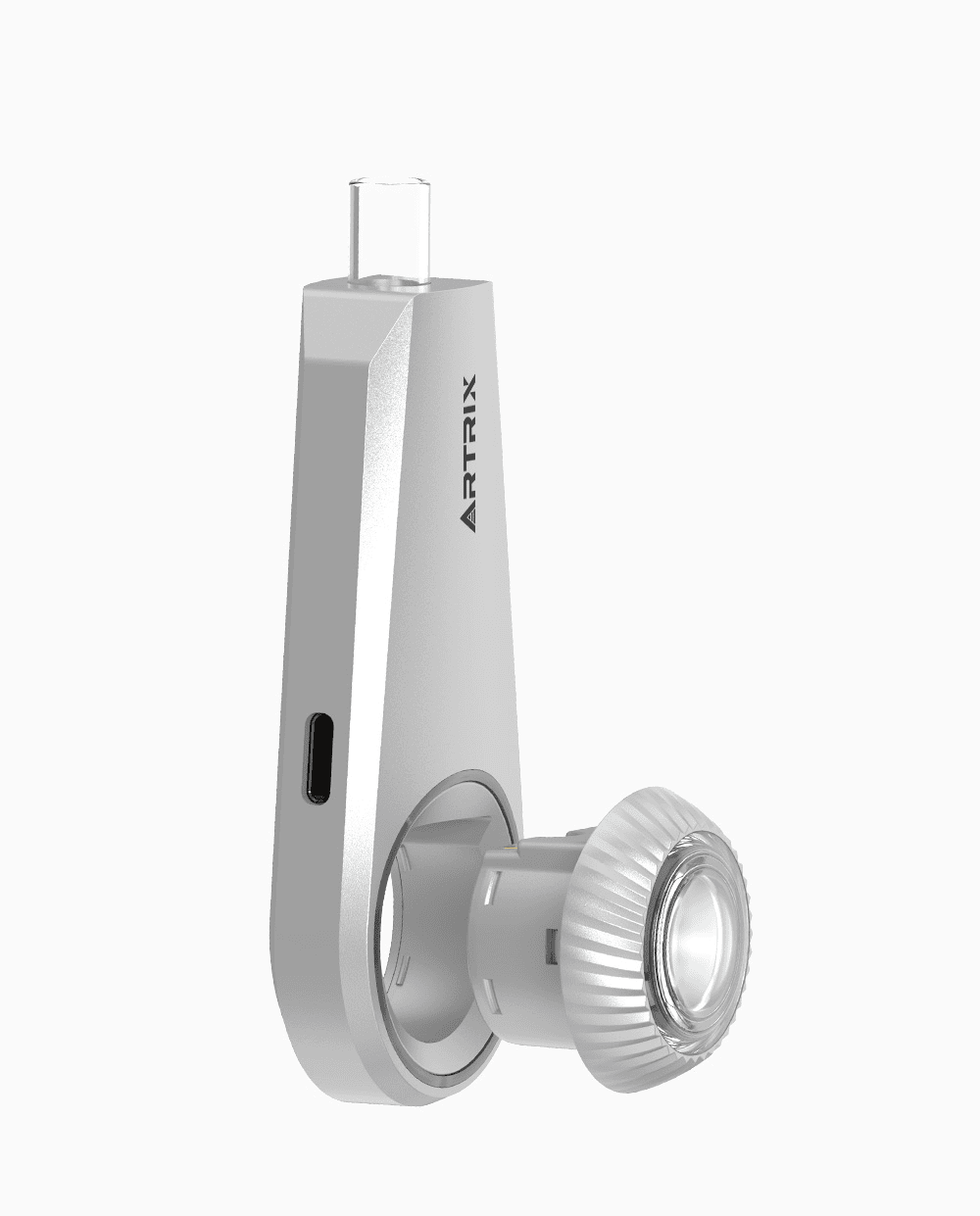
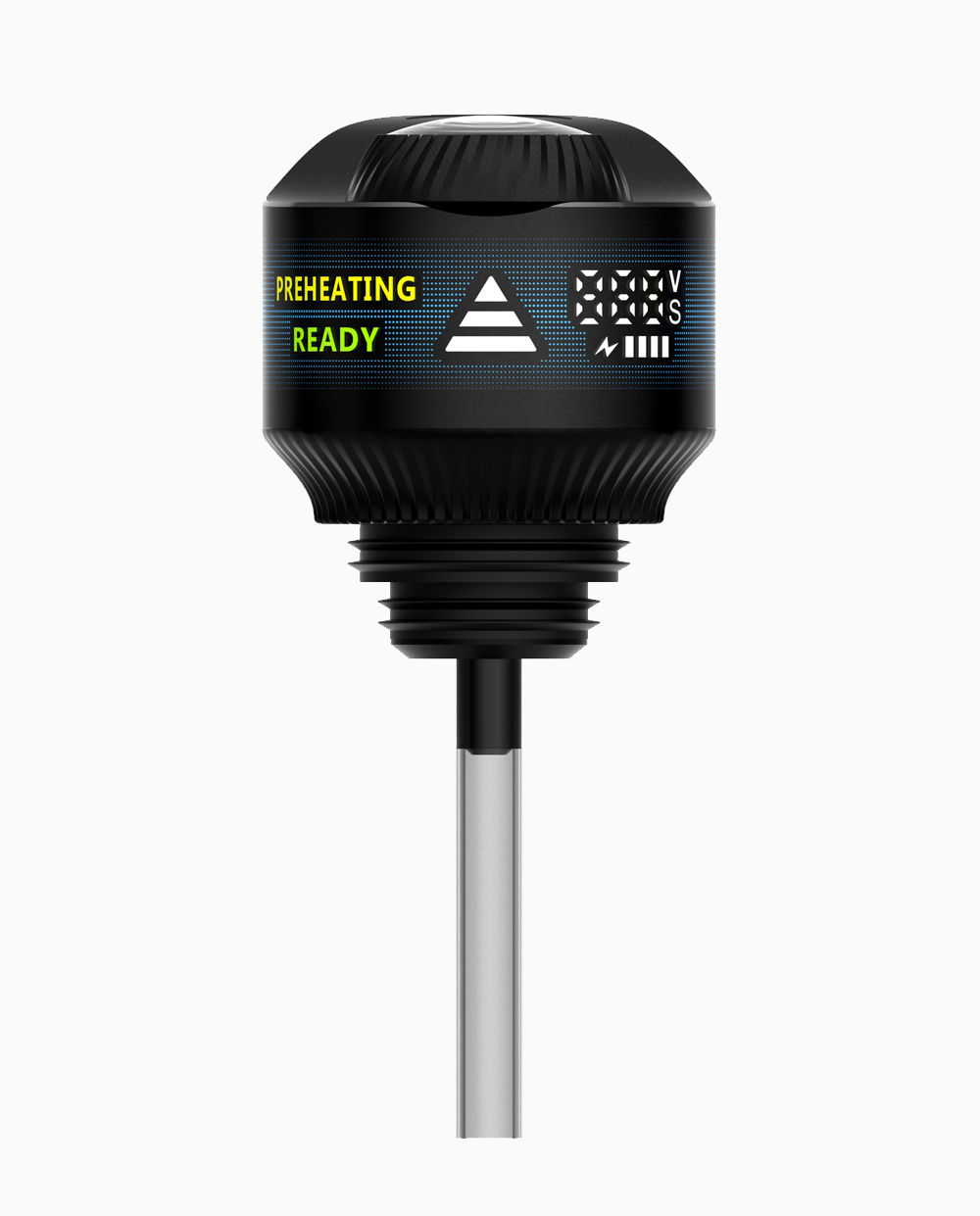
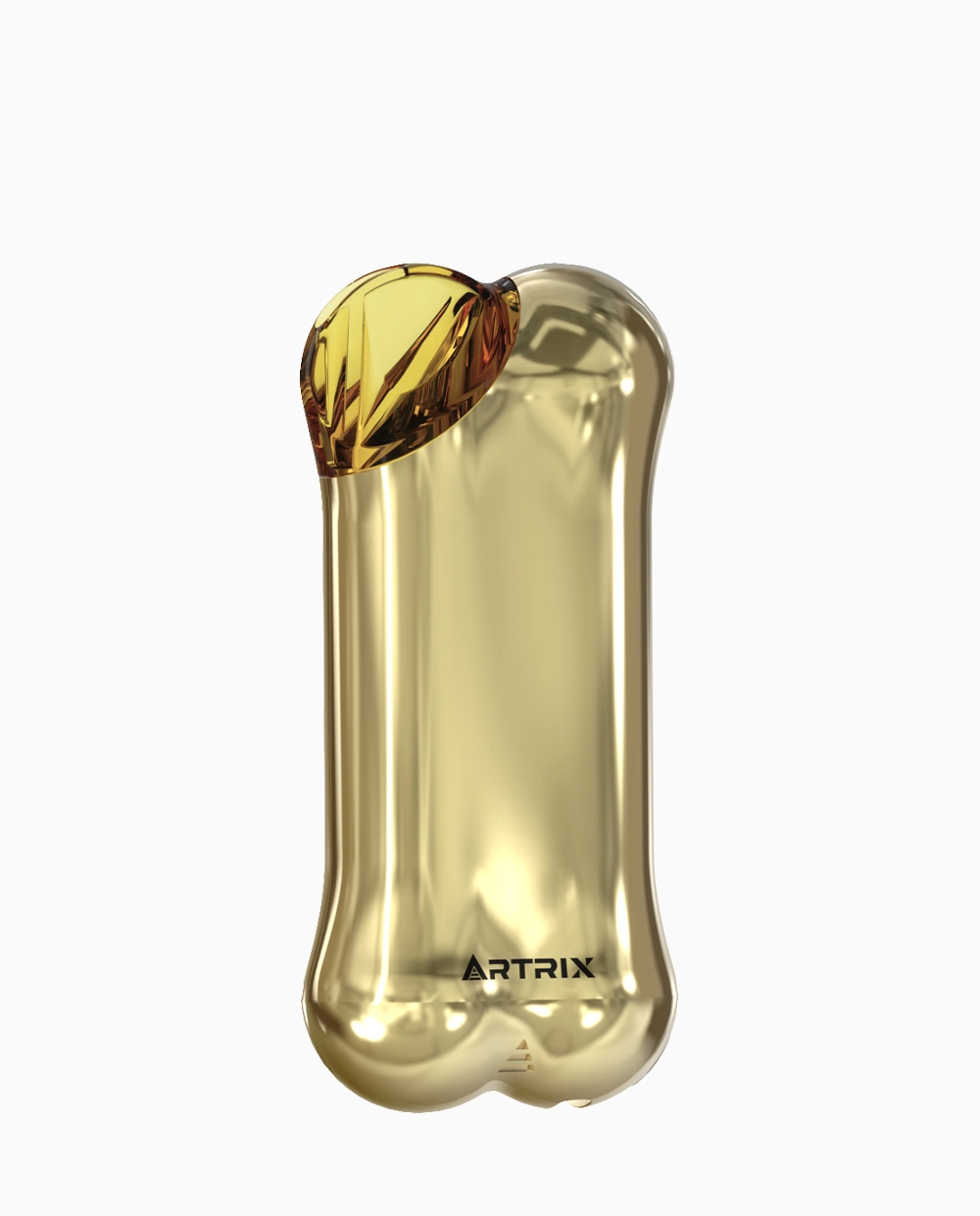
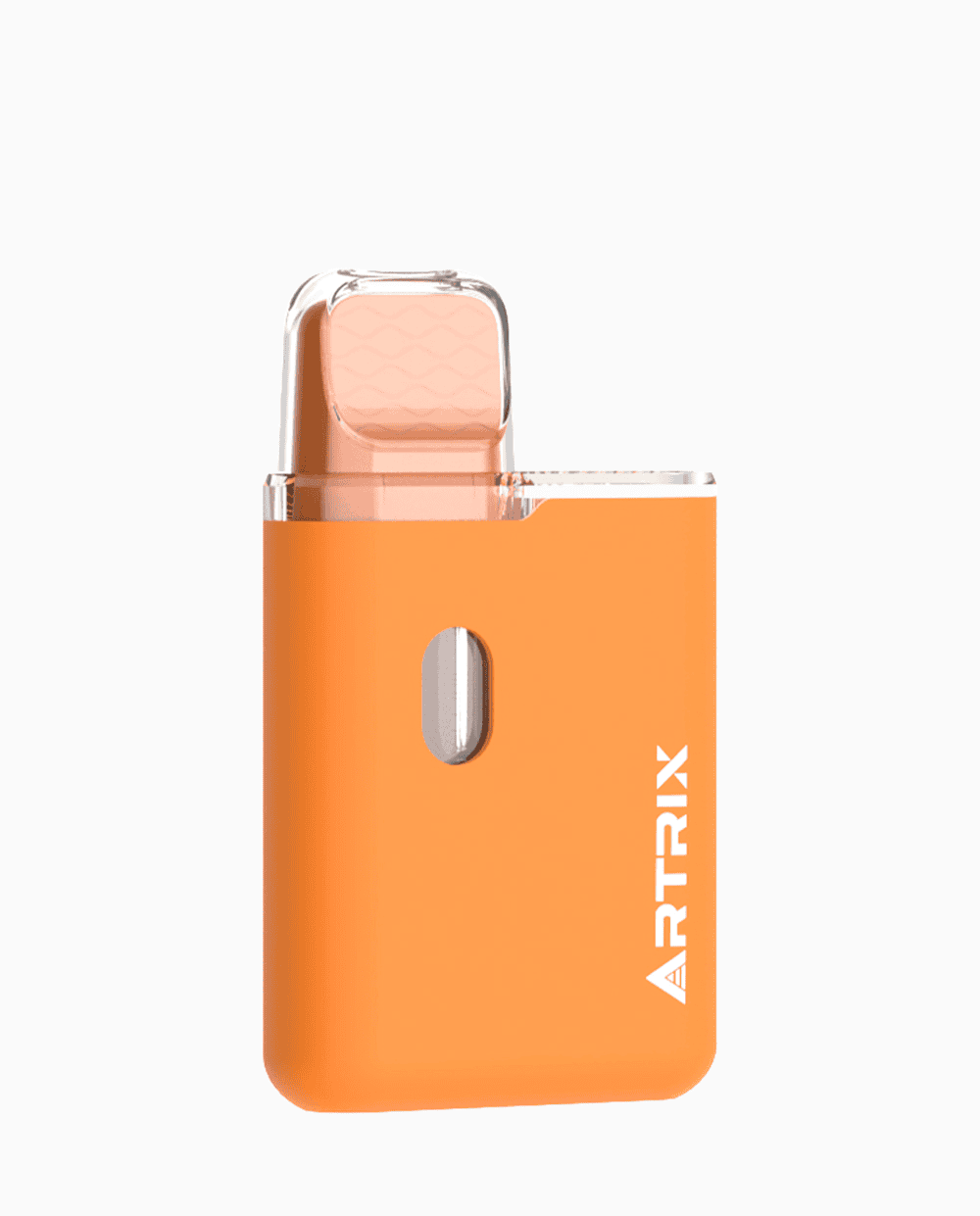
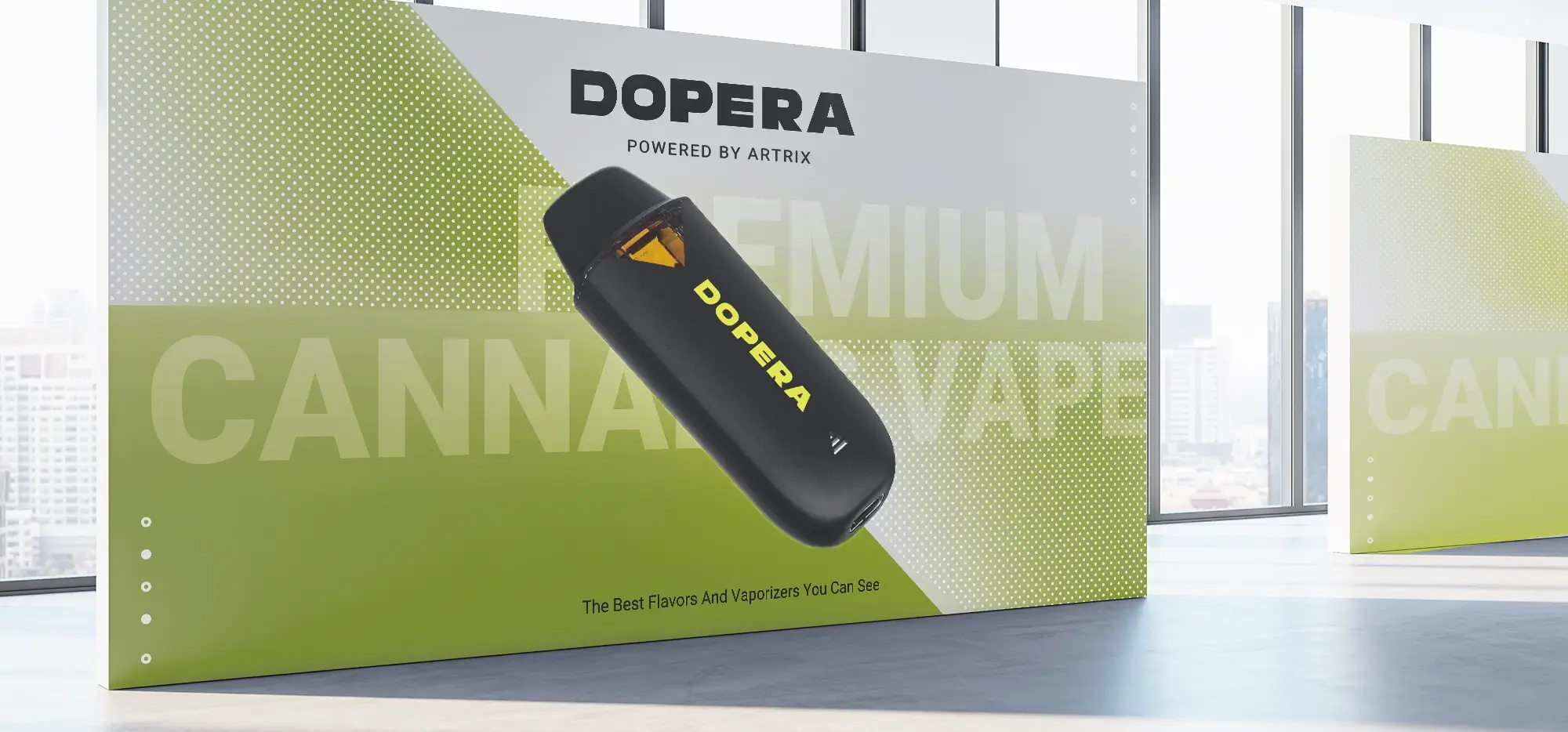
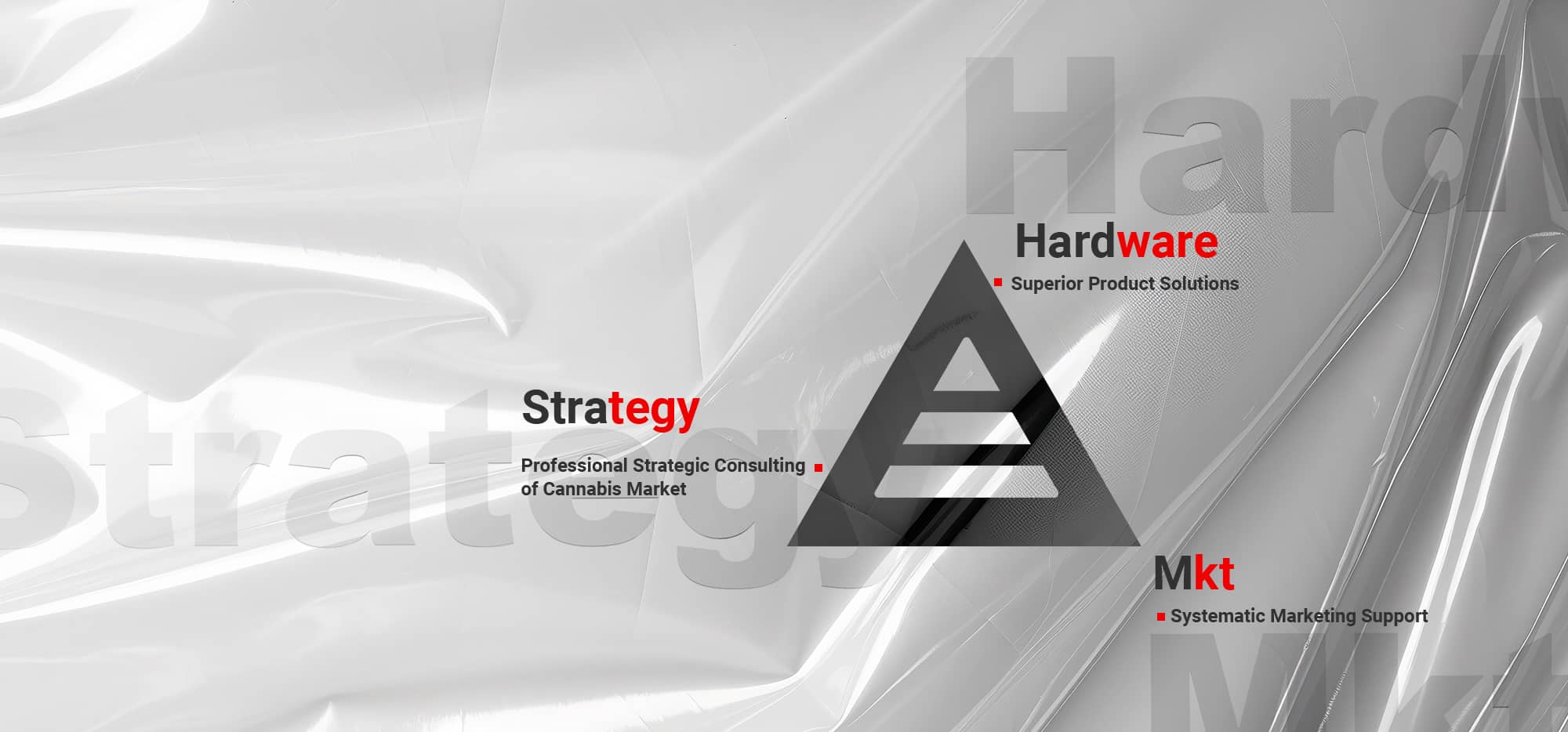
For brands such as Artrix, the opportunity is to support the full product system: hardware platform selection , packaging and brand presentation, and 2g weed devices options on the intended market position. The value of ODM is not only speed. It is reducing the risk that hardware, oil, packaging, and compliance are solved in isolation.
Development Checklist for a 2g Disposable Vape Launch
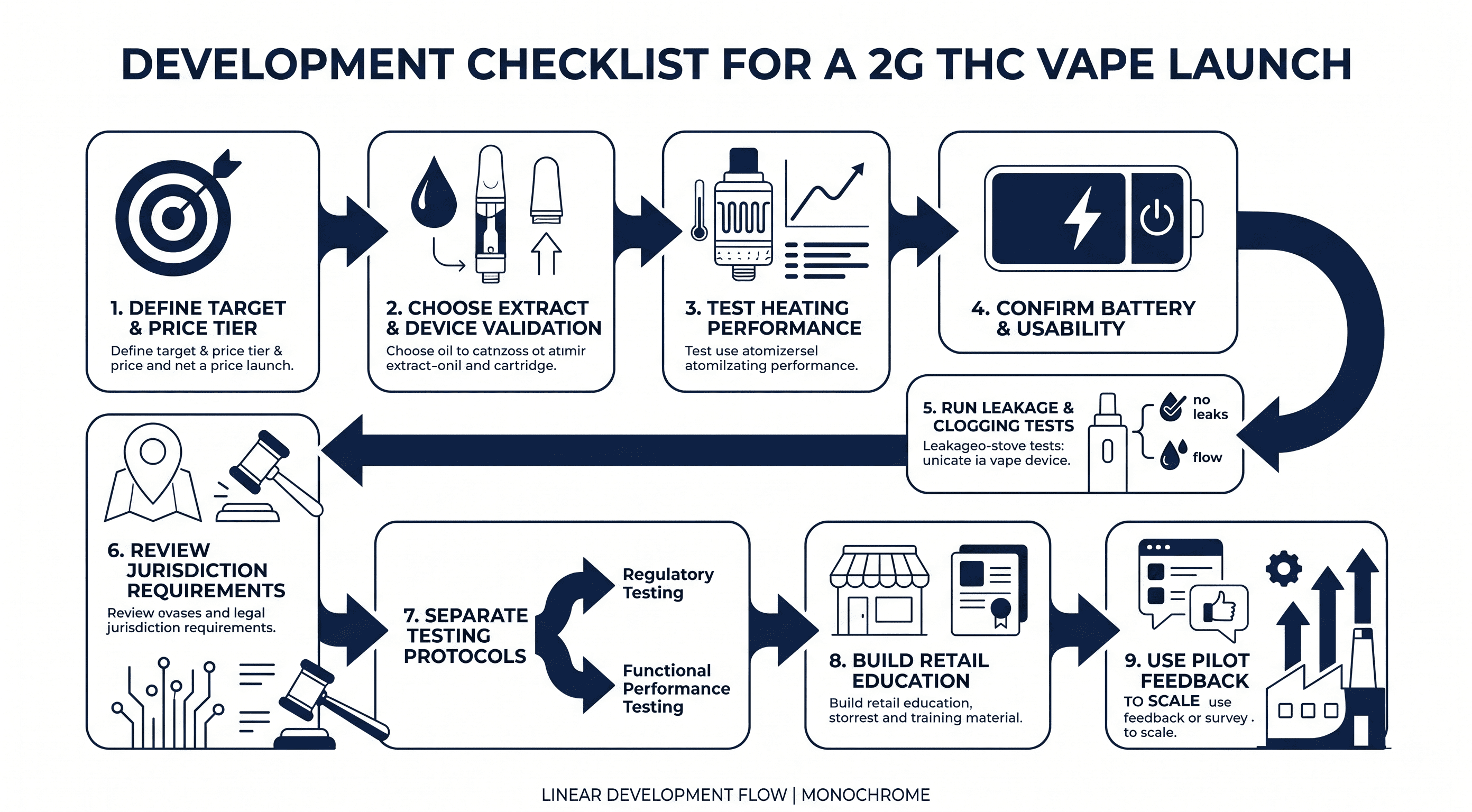
Development Checklist for a 2g THC Vape Launch
-
- Define the target adult consumer and price tier before selecting hardware.
-
- Choose the extract type and validate oil viscosity with the device.
-
- Test heating performance across the full oil volume.
-
- Confirm battery capacity, charging reliability, and end-of-life usability.
-
- Run leakage, clogging, storage, and transport stress tests.
-
- Review jurisdiction-specific packaging, labeling, disposal, and marketing requirements.
-
- Separate regulatory testing from functional performance testing.
-
- Build retail education around value, formulation, and responsible adult use.
-
- Use pilot feedback before scaling to full production.
Conclusion: A 2g Vape Is a Product System
The market case for 2g is strong, but the development standard is higher than many brands expect. Larger capacity gives consumers a stronger value story, but it also magnifies device flaws. If the battery fails early, the oil burns unevenly, or the mouthpiece clogs halfway through, the consumer does not blame the category. They blame the brand.
A high-performing 2g THC vape requires coordinated decisions across formulation, hardware, power, airflow, packaging, compliance, testing, and retail education. Brands that treat those decisions as one integrated system will have a better chance of turning 2g demand into repeat purchase.
For cannabis companies planning a 2g launch, the winning question is not whether the format is popular. The better question is whether the product is engineered, tested, and positioned well enough to deserve the larger format.