
-1.webp)
-1.webp)
-2.webp)




























How to Choose THCa Vape Hardware: A Brand’s Prescreening Guide
Last Updated: Sep 4, 2026
Choosing THCa vape hardware starts with the material you actually have and the product you intend to develop. Those inputs help narrow the hardware categories worth discussing. A model becomes a conditional candidate when its documented specifications match the brief; compatibility remains a separate question requiring evidence for the specific formulation and configuration.
For brands developing a product or reviewing hardware options, this guide leads to two useful outputs: a candidate shortlist and a record of unresolved questions. You can begin before every input is available, provided the missing information stays visible.
Start with the Material and Intended Product Format
Separate your starting information into material inputs, intended product format, and commercial constraints. A name such as “Liquid Diamonds” can start the conversation, but it does not supply a complete formulation specification or identify a suitable device.
-
- Material inputs: supplier description, formulation identifier, available composition records, batch information, and observations about the material’s physical state. Distinguish the supplied ingredient from the planned final formulation.
-
- Product format: a dab-style product, an all-in-one vape, or a pod system; planned fill volume; and the intended interaction with the device.
-
- Commercial constraints: target market, packaging dimensions, budget, customization requirements, and launch timing. Separate requirements from preferences.
Suppose a brief says only “portable Liquid Diamonds product.” It leaves both the final formulation and the device format unresolved. The useful next question is whether the brand intends a dab-style product, an all-in-one vape, or a pod system. Choosing a model from the material name would skip that decision.
Record absent information as “unknown” or “awaiting supplier confirmation.” Do not estimate composition, filling conditions, or stability to complete a worksheet. A clearly identified gap gives the next reviewer something specific to resolve.
Dabbing and Vaping Are Different Screening Routes
Use the intended product experience to establish the initial route. A dab-style concentrate brief points toward discussion of dabbing hardware. A brief for a filled all-in-one vape or pod points toward those respective device categories. Material information then helps the reviewer decide whether that proposed route deserves further investigation.
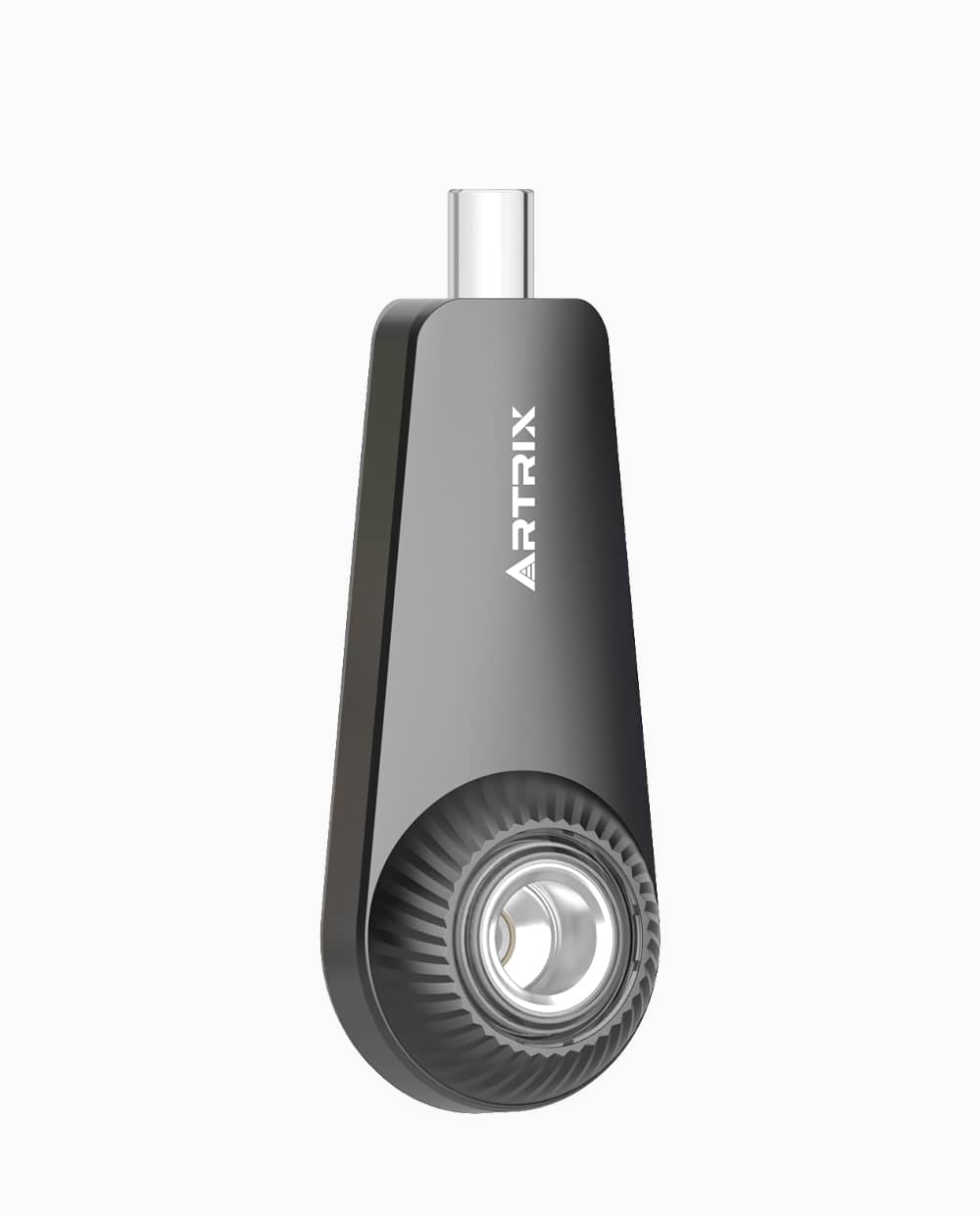
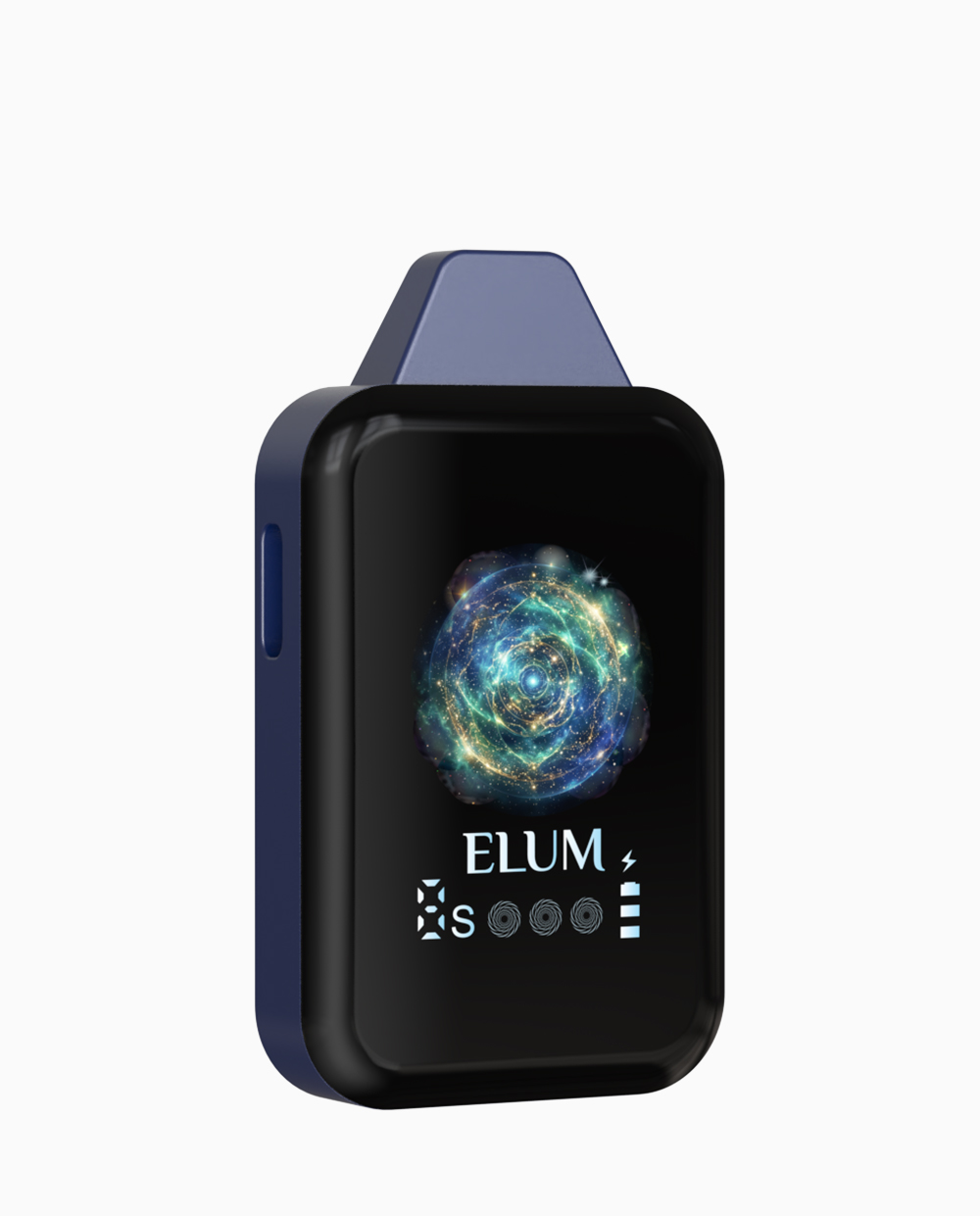
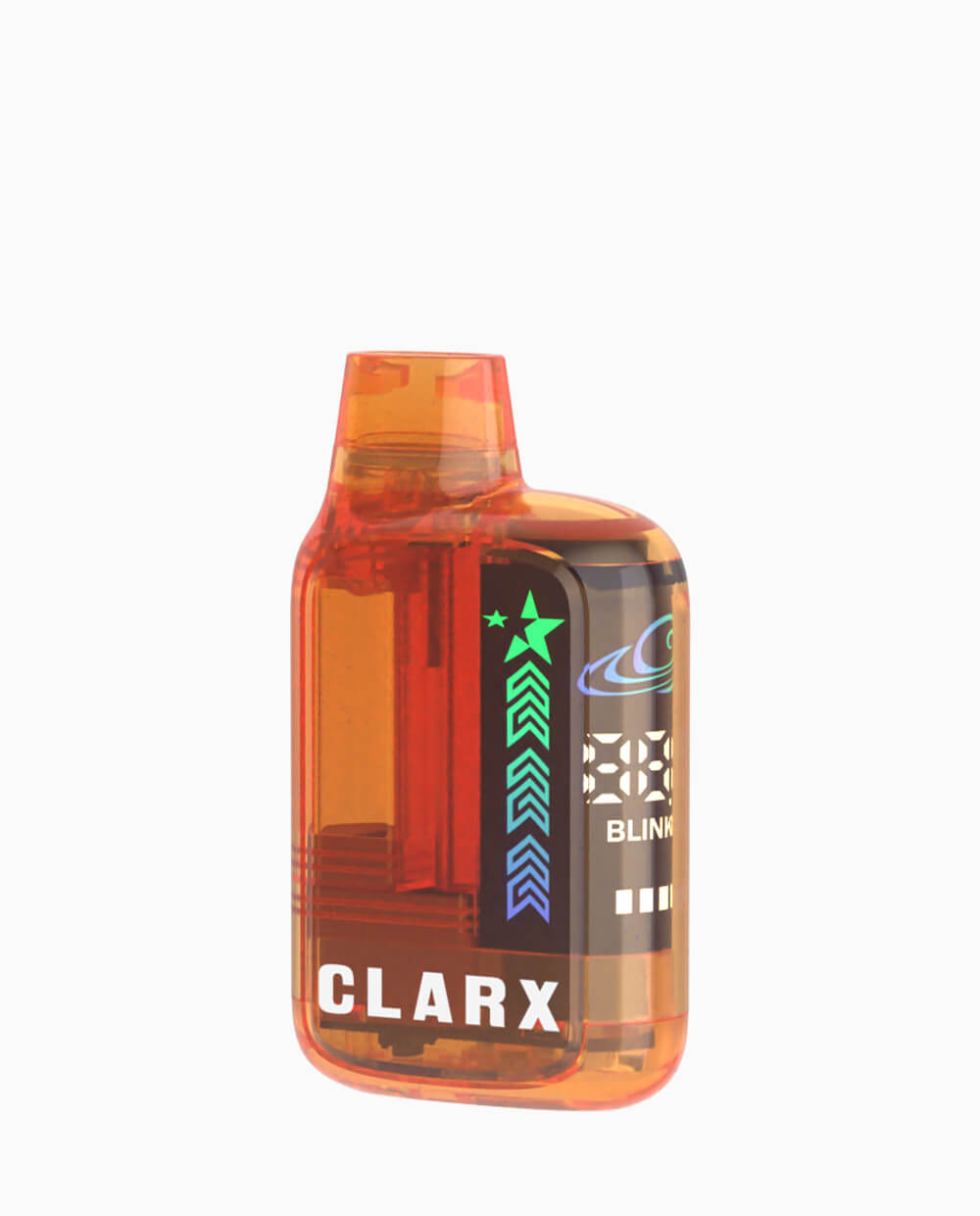
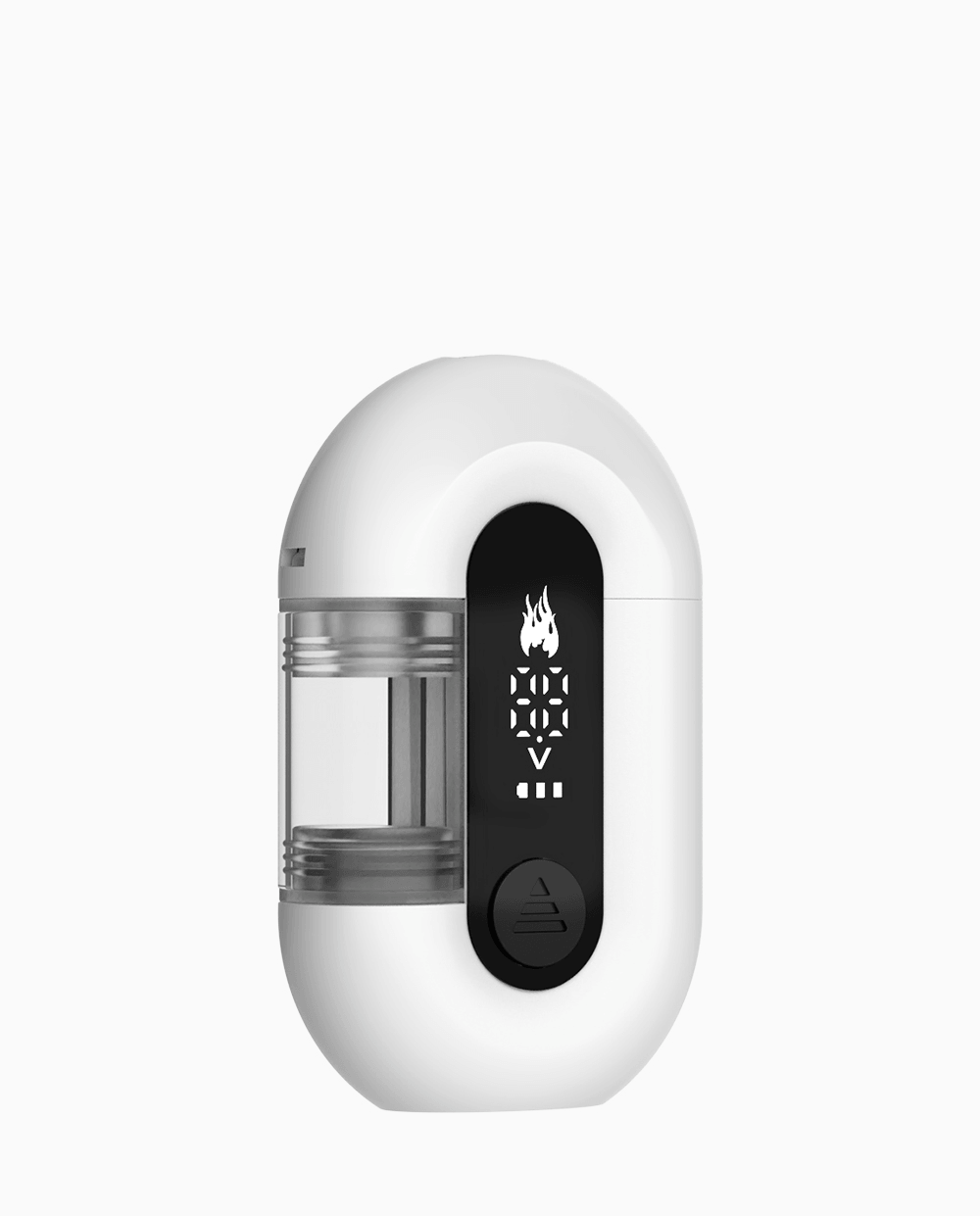
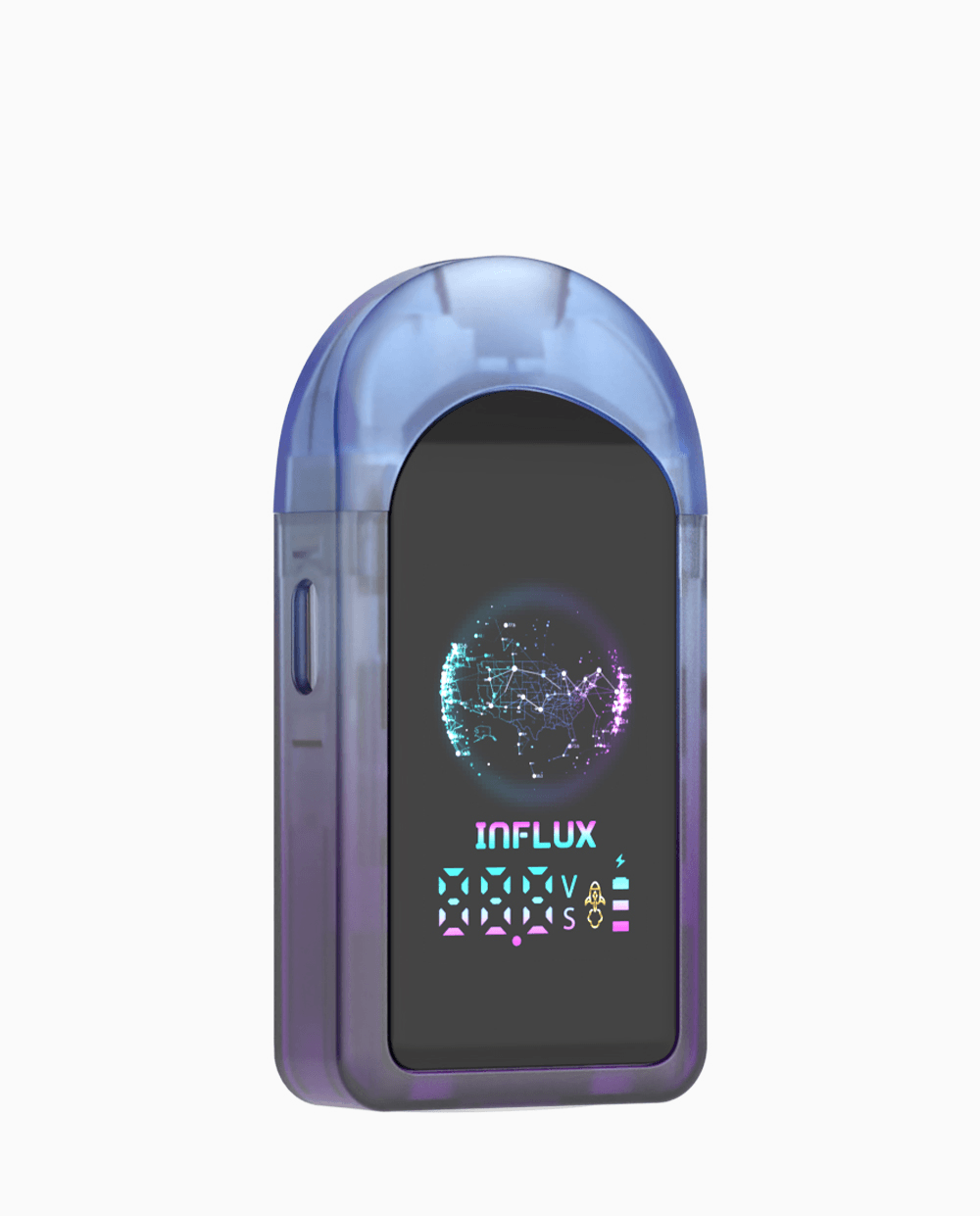
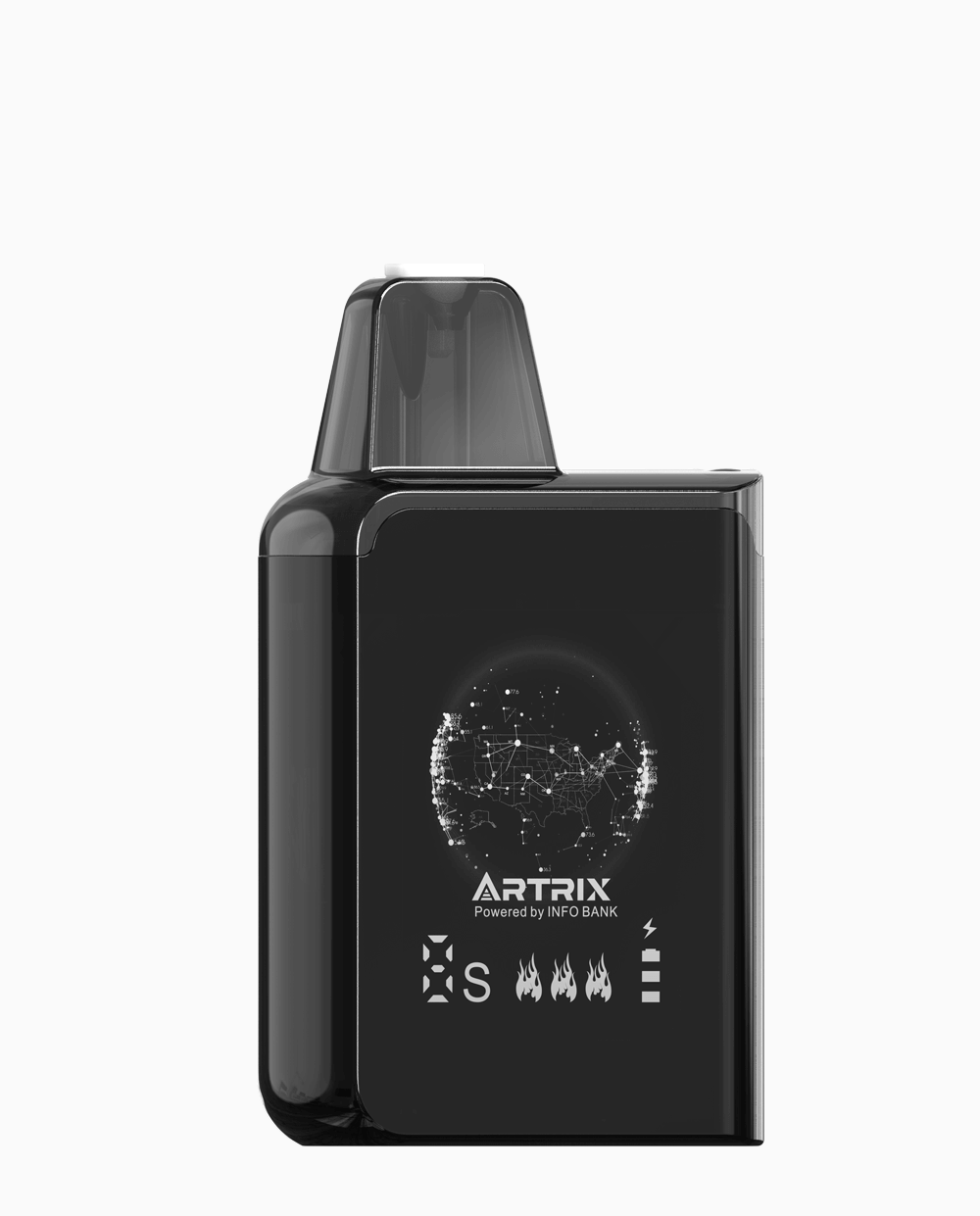
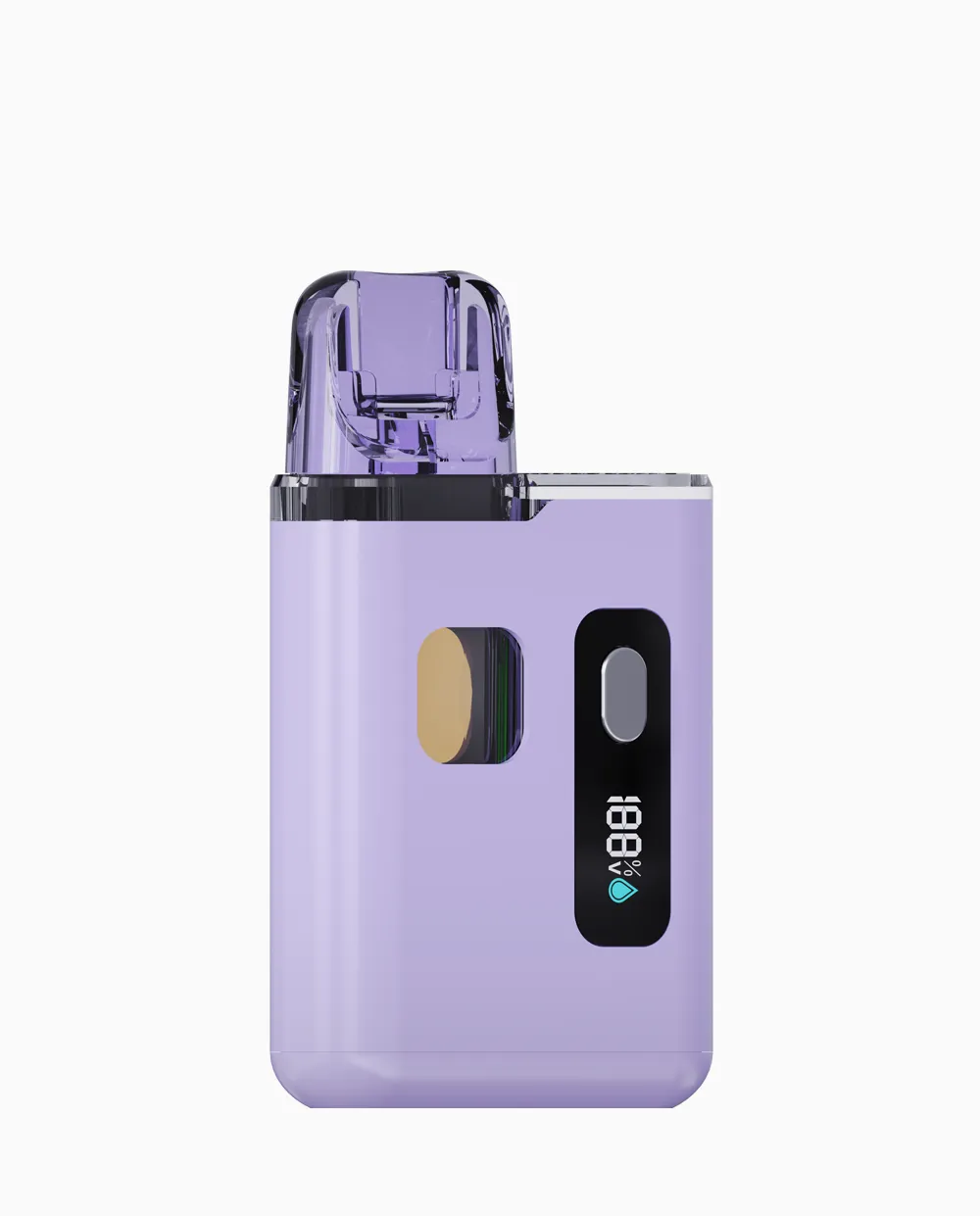
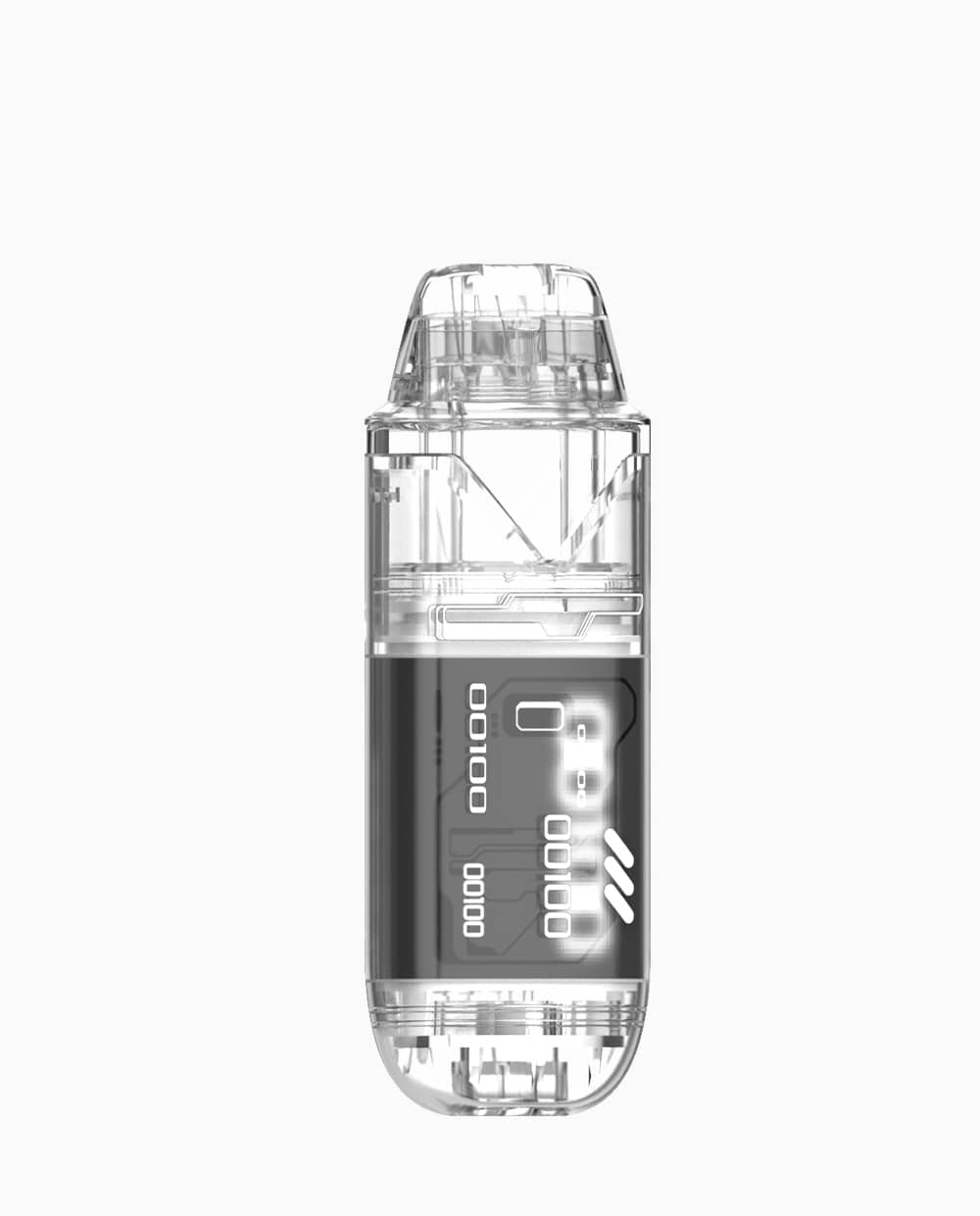
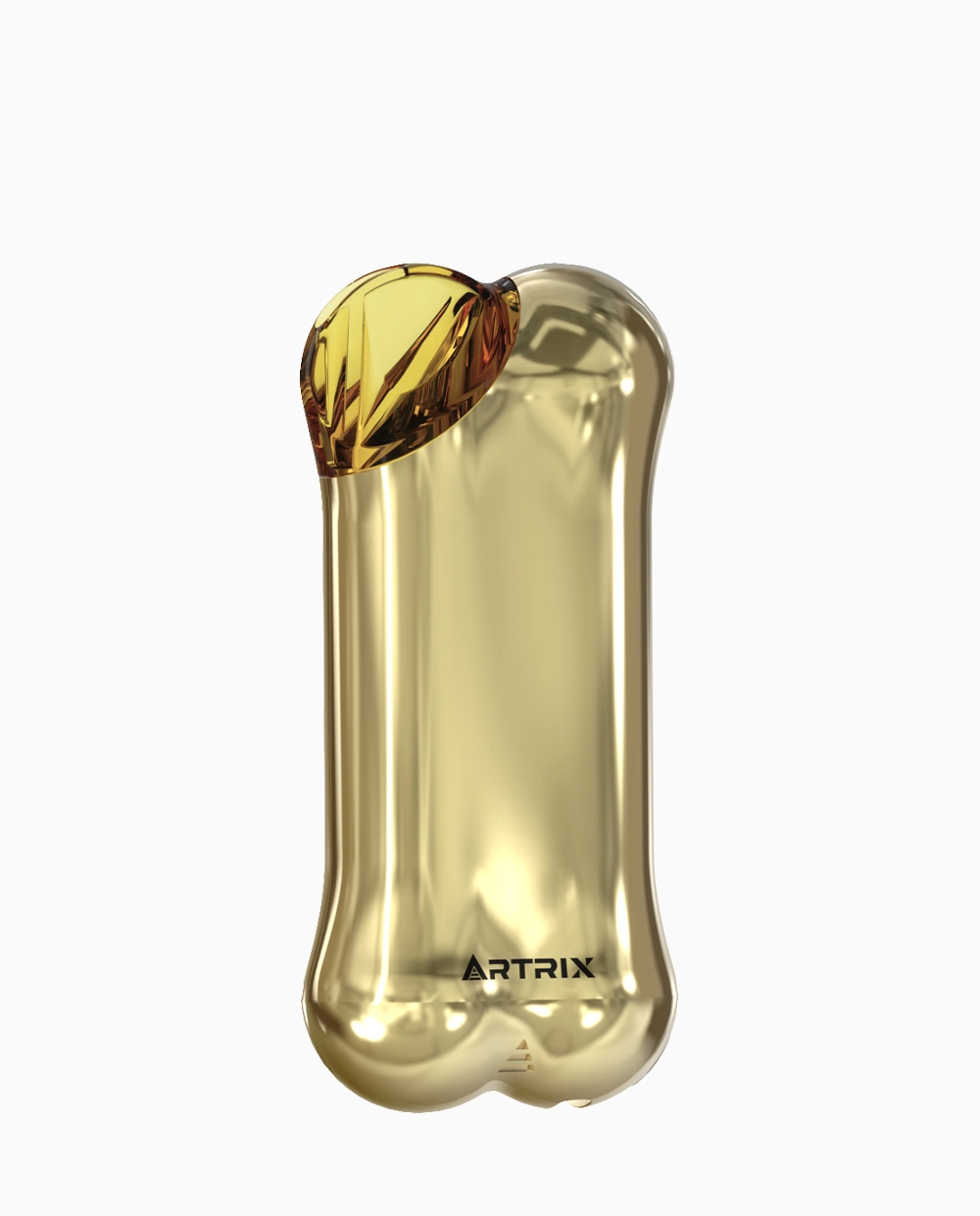
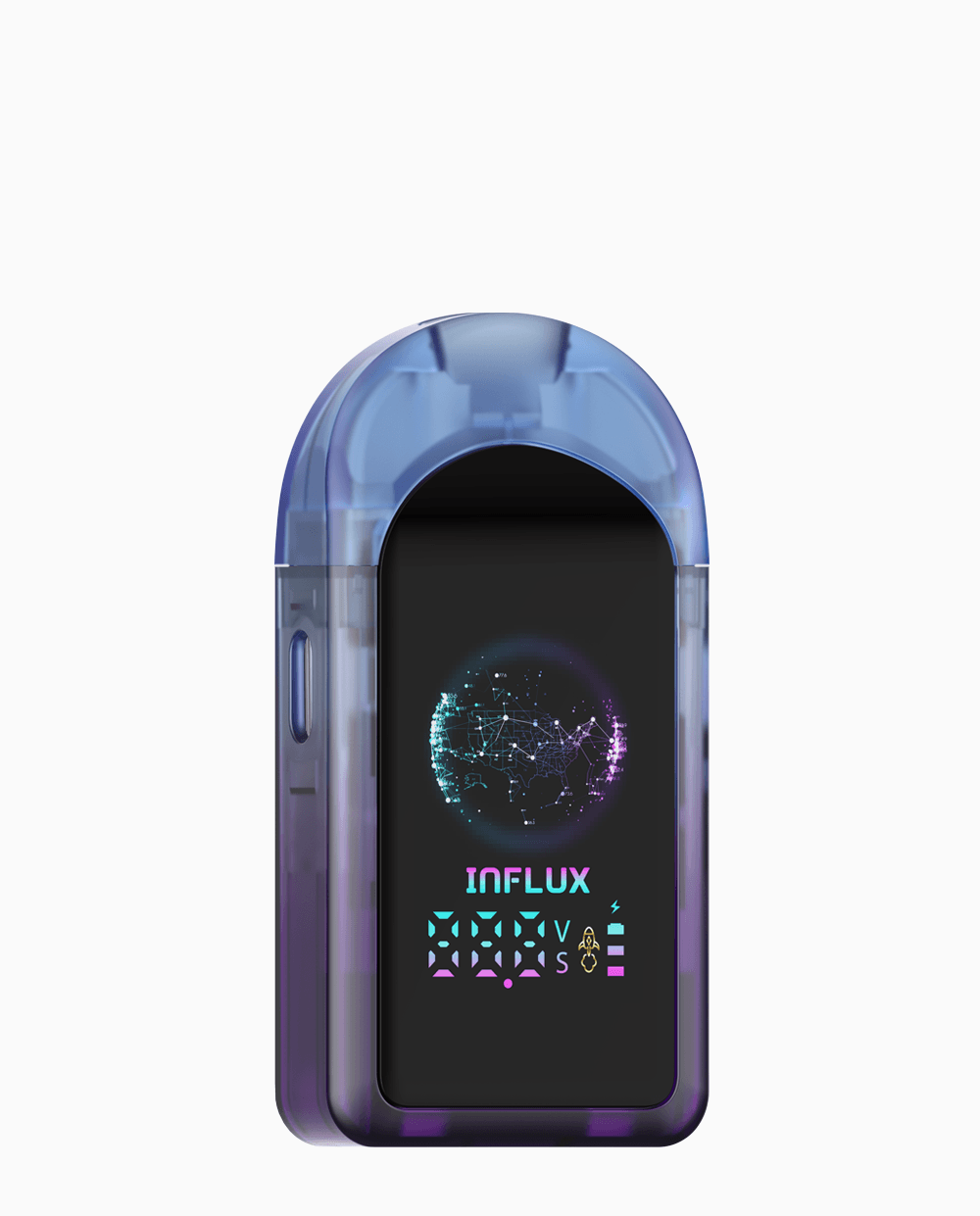
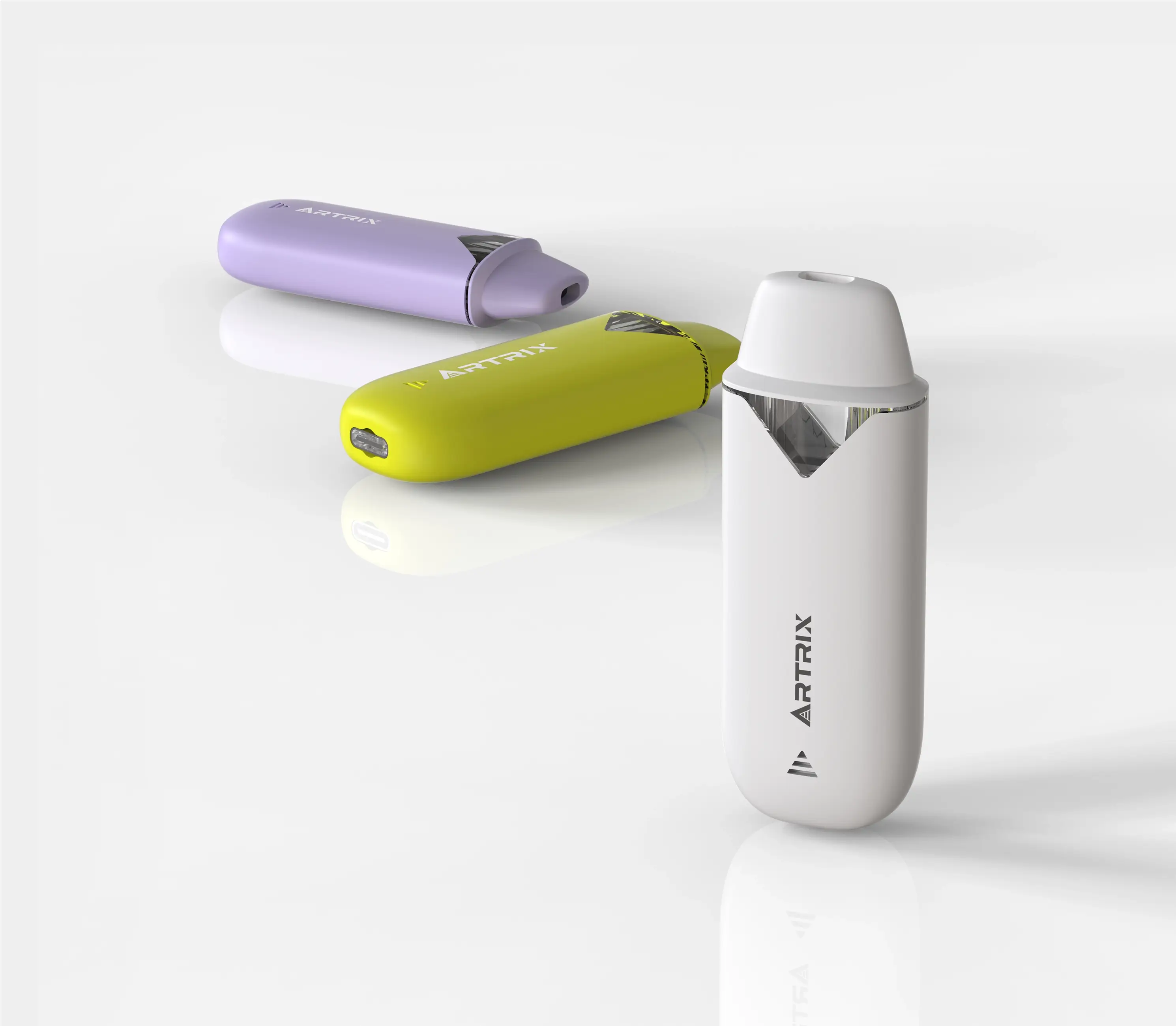
The Artrix THCa Family groups products under dabbing and vaping. Use the page to discover categories and models. Its material labels do not establish that your specific formulation has been evaluated in a listed device.
Portability alone cannot resolve the branch: both a dab-style device and a vape can be portable. If the brief is still ambiguous, retain both routes as questions for discussion. Once the intended format is defined, remove categories that do not meet it without implying anything about their formulation compatibility.
Compare Candidate Hardware Without Assuming Compatibility
Compare documented specifications against the brief, and record formulation test evidence separately. Capacity, construction materials, and interface features help establish which options deserve attention. They do not show how a finished formulation performs in those options.
The examples below use specifications published on Artrix’s product pages. They illustrate category differences rather than rank the models. Confirm the current configuration with the supplier before relying on a specification for a project.
| Model and category | Published specifications | Prescreening relevance | Project evidence status |
|---|---|---|---|
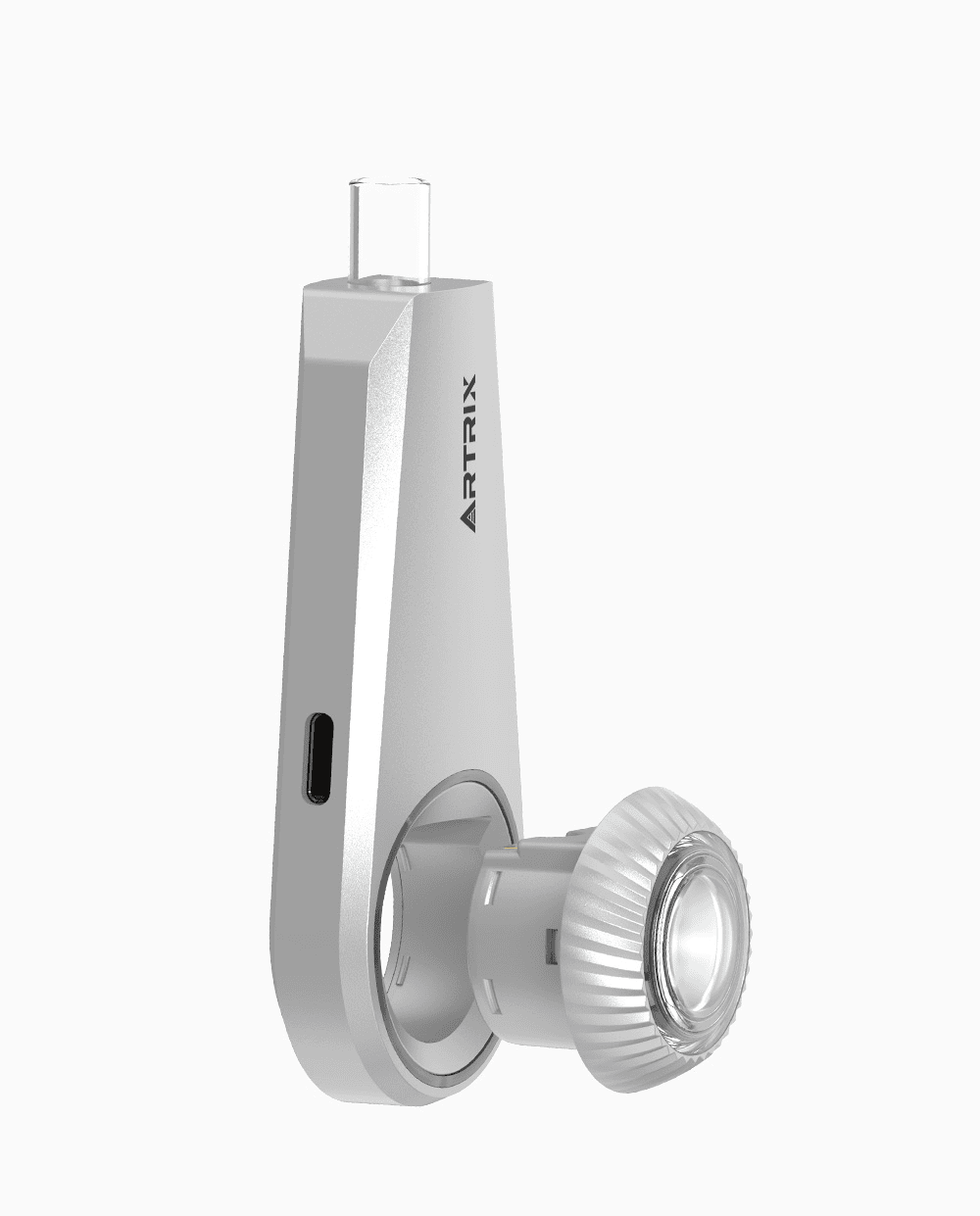
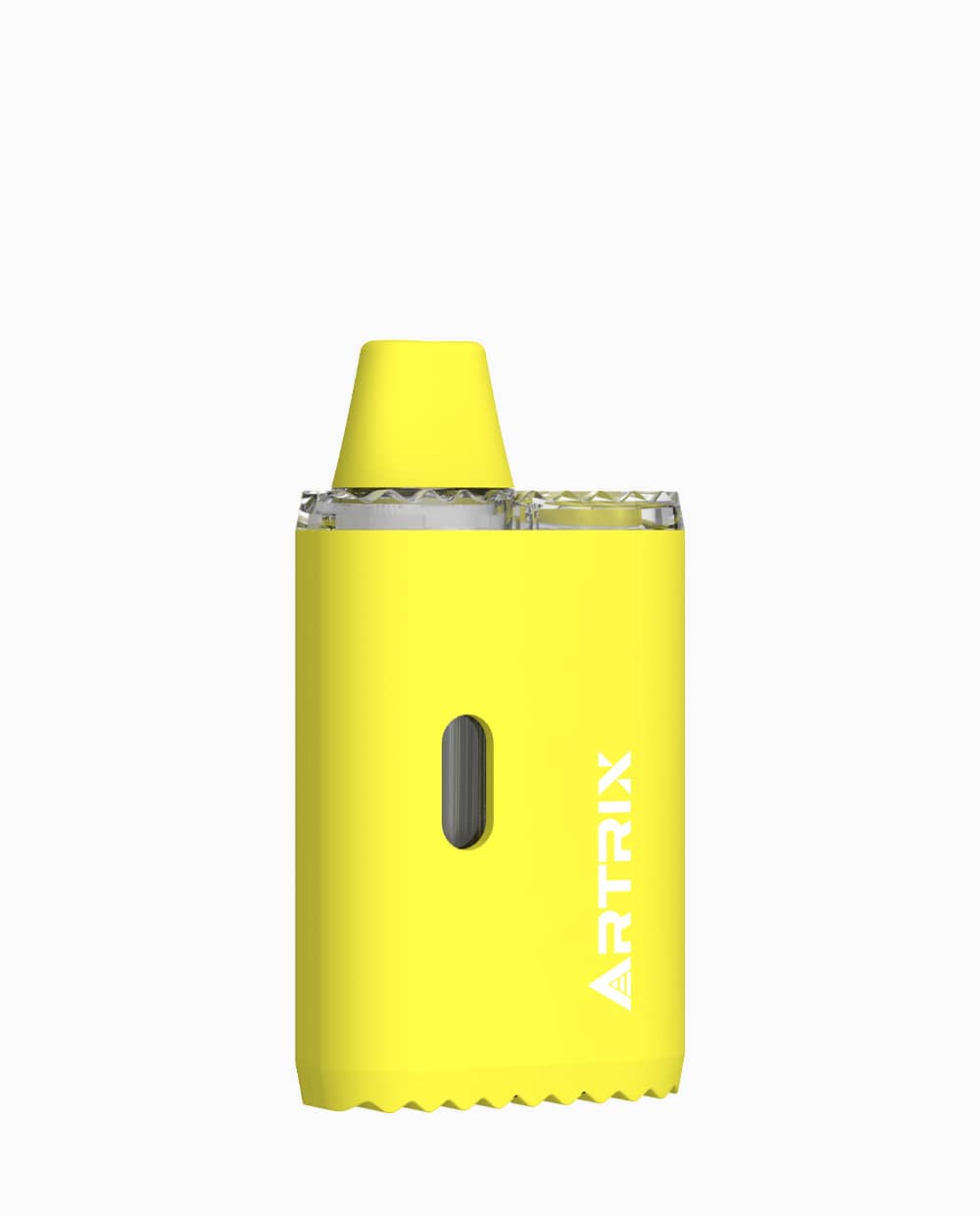
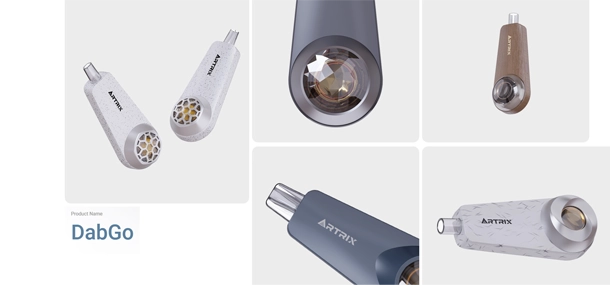
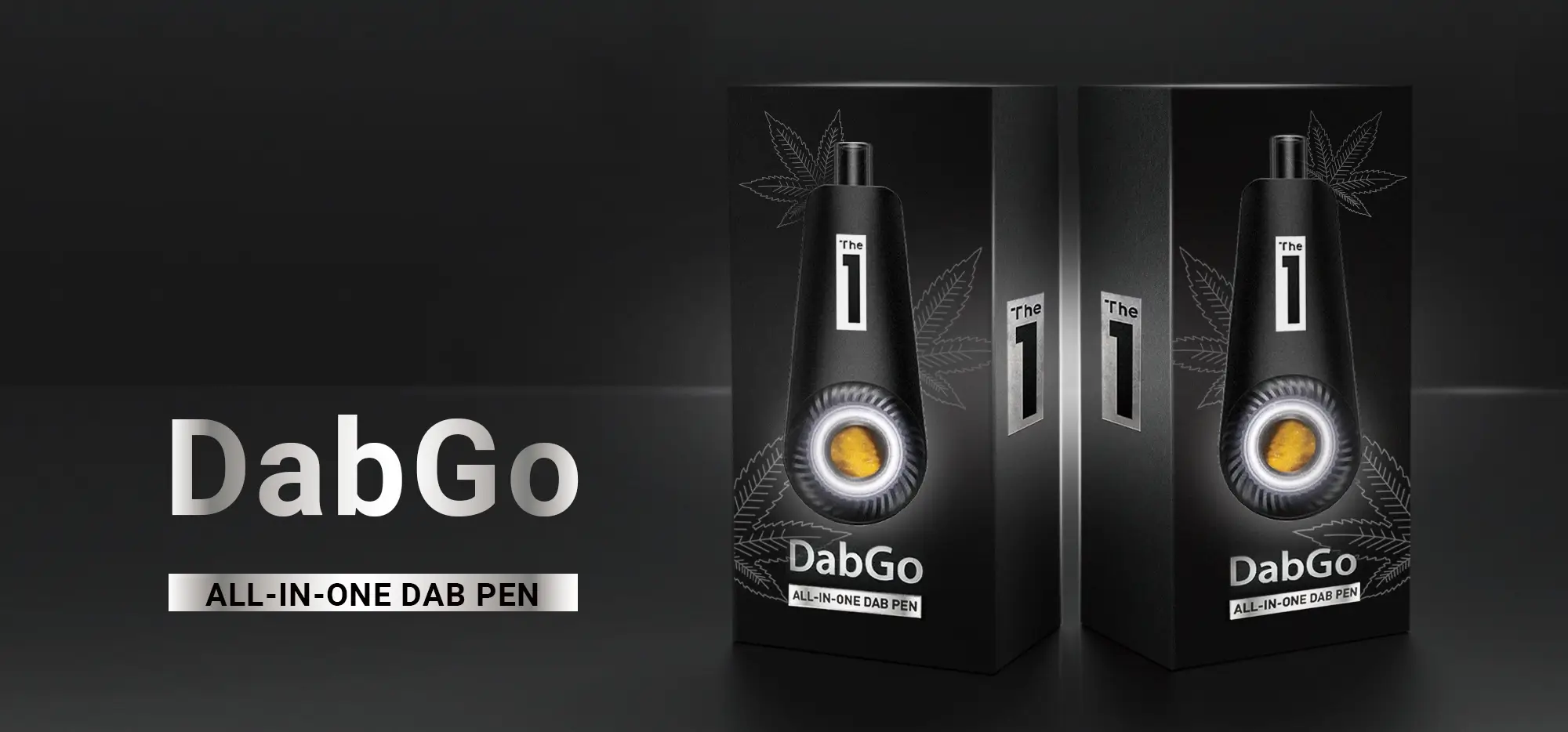
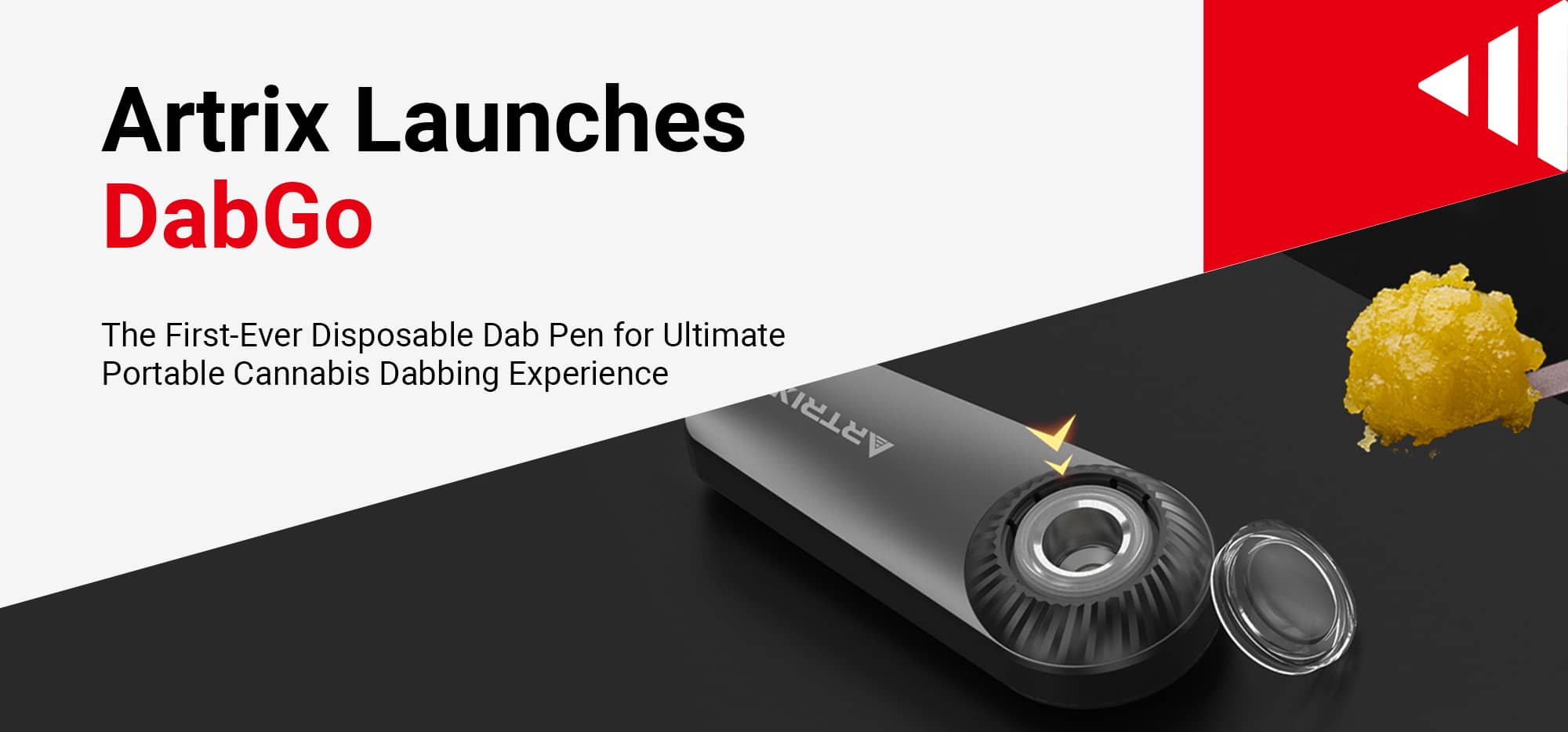
| DabGo: disposable dab pen | 0.5 mL tank; flat mesh ceramic bowl | A format to discuss for a dab-style brief; confirm whether its capacity fits the intended product. | No project-specific test record supplied for this comparison; compatibility remains unconfirmed. |
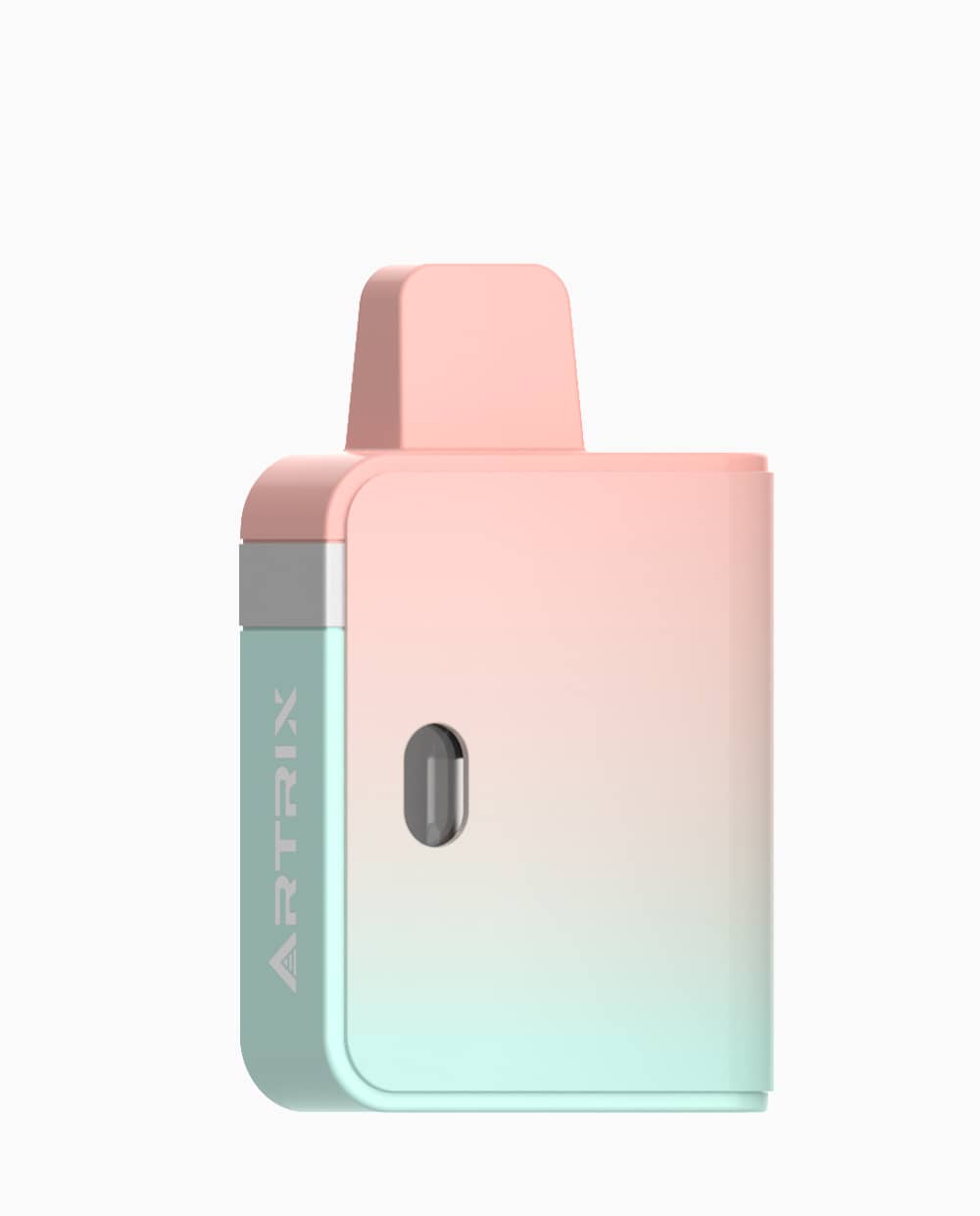
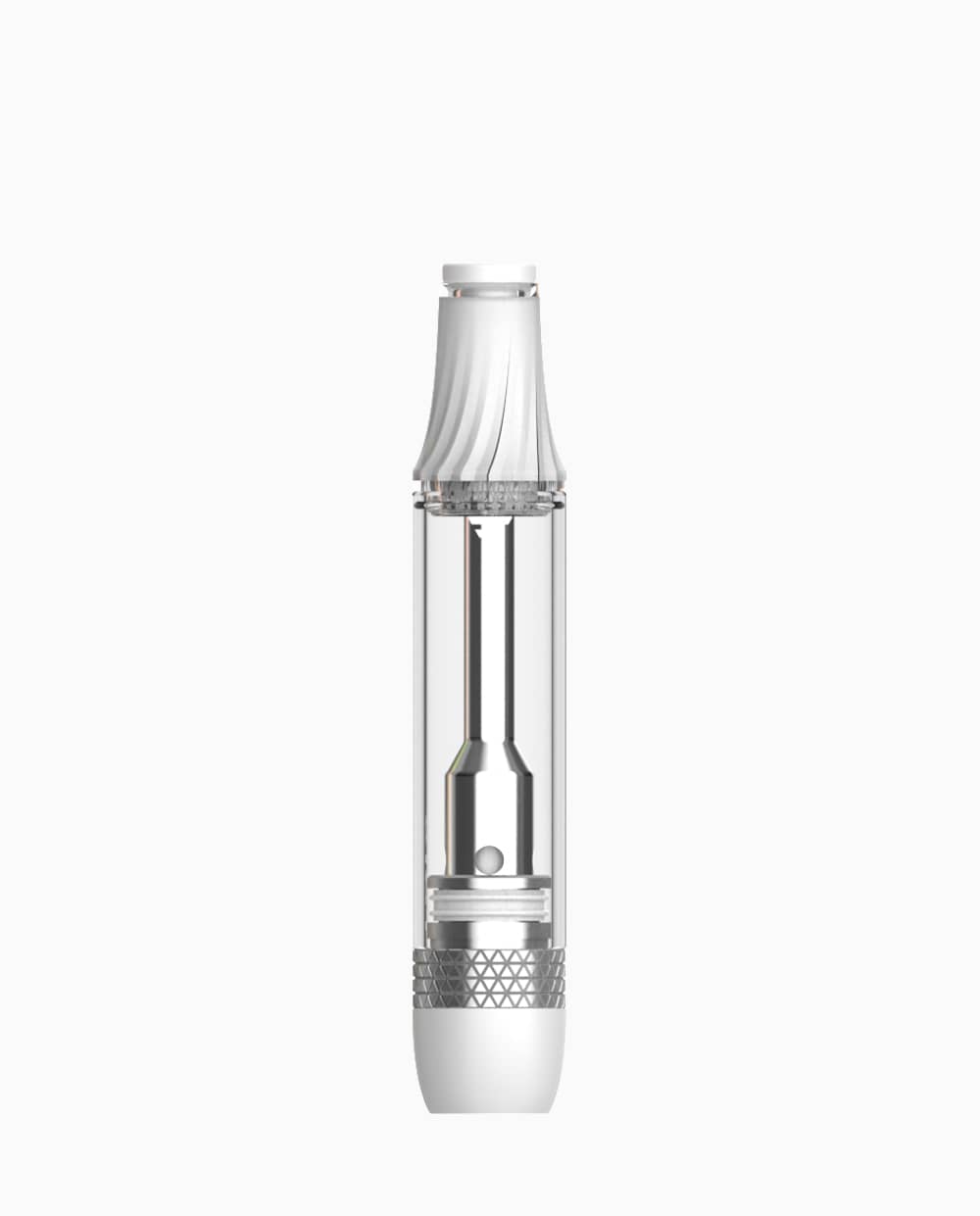
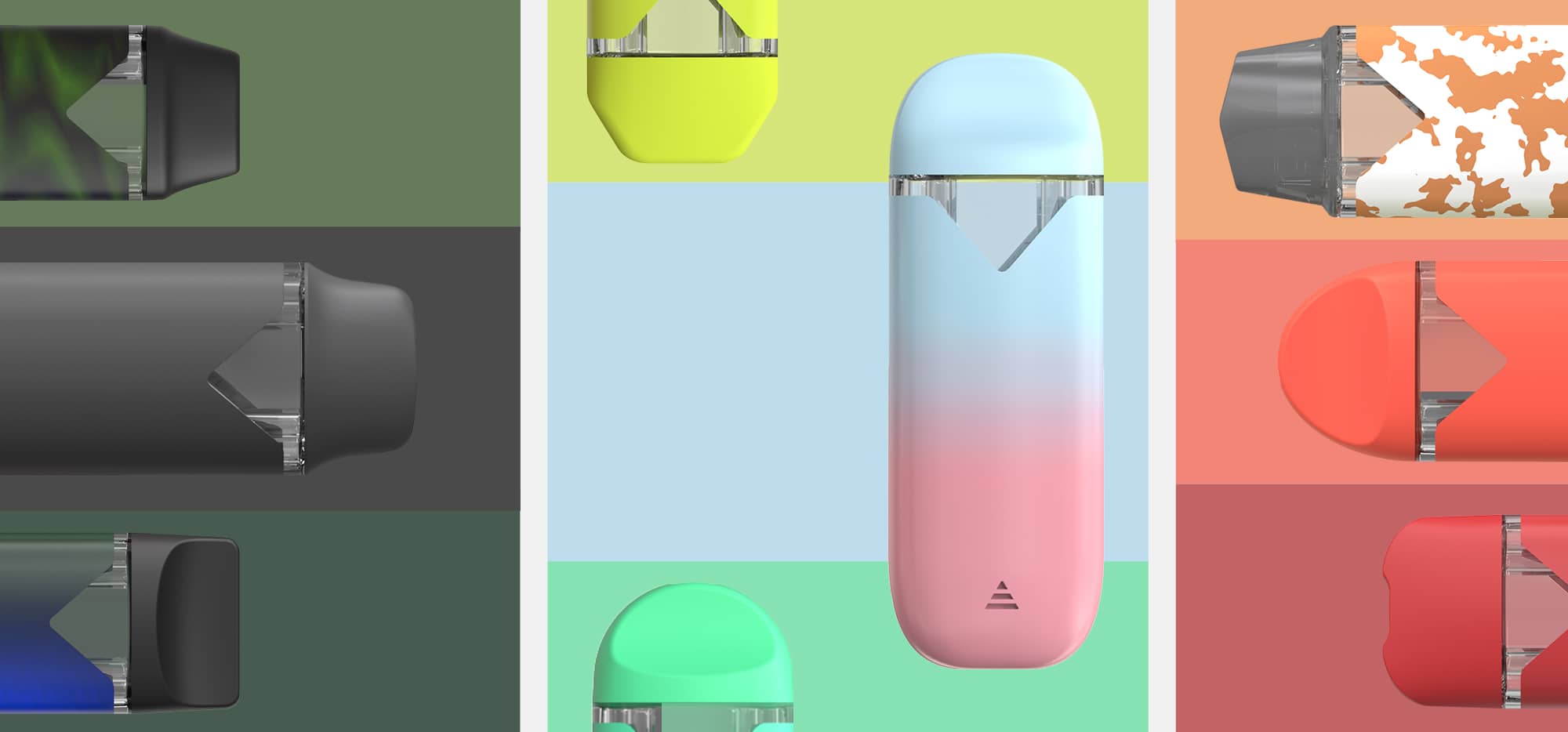
| Cubox: all-in-one vape | 1 mL / 2 mL tank options; PCTG tank; buttonless design | Compare when the brief calls for an all-in-one format and one of the listed capacities. | No project-specific test record supplied for this comparison; compatibility remains unconfirmed. |
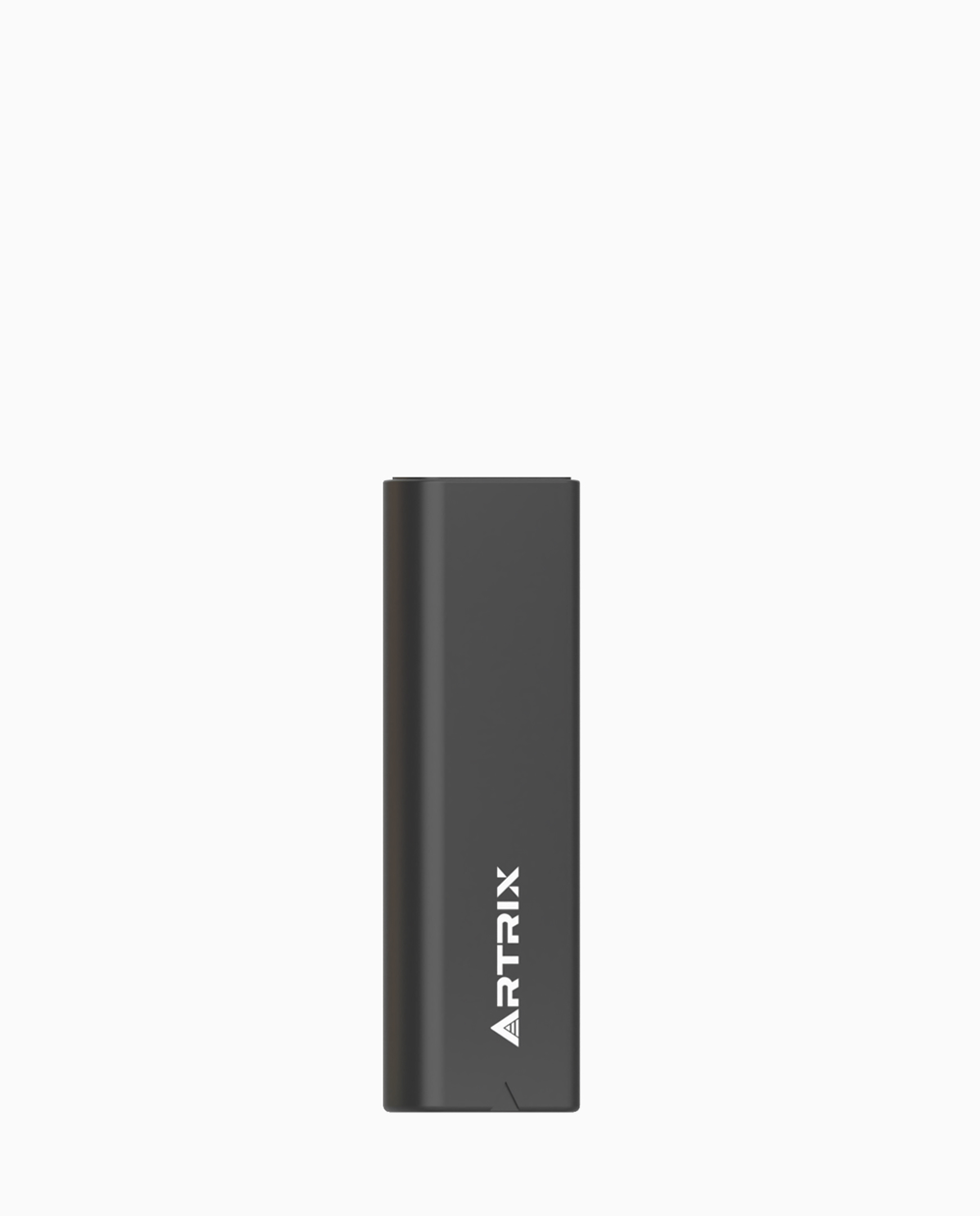
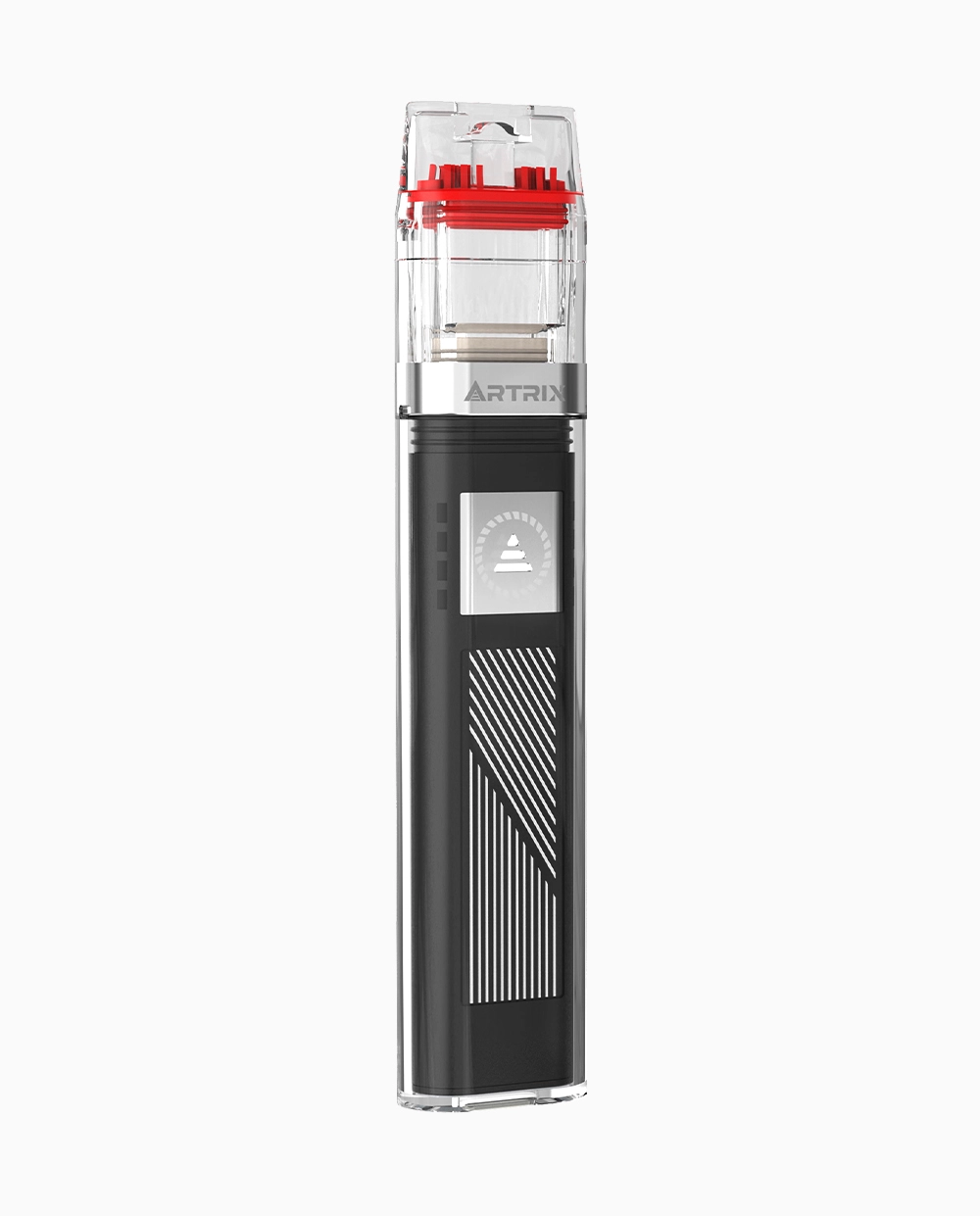
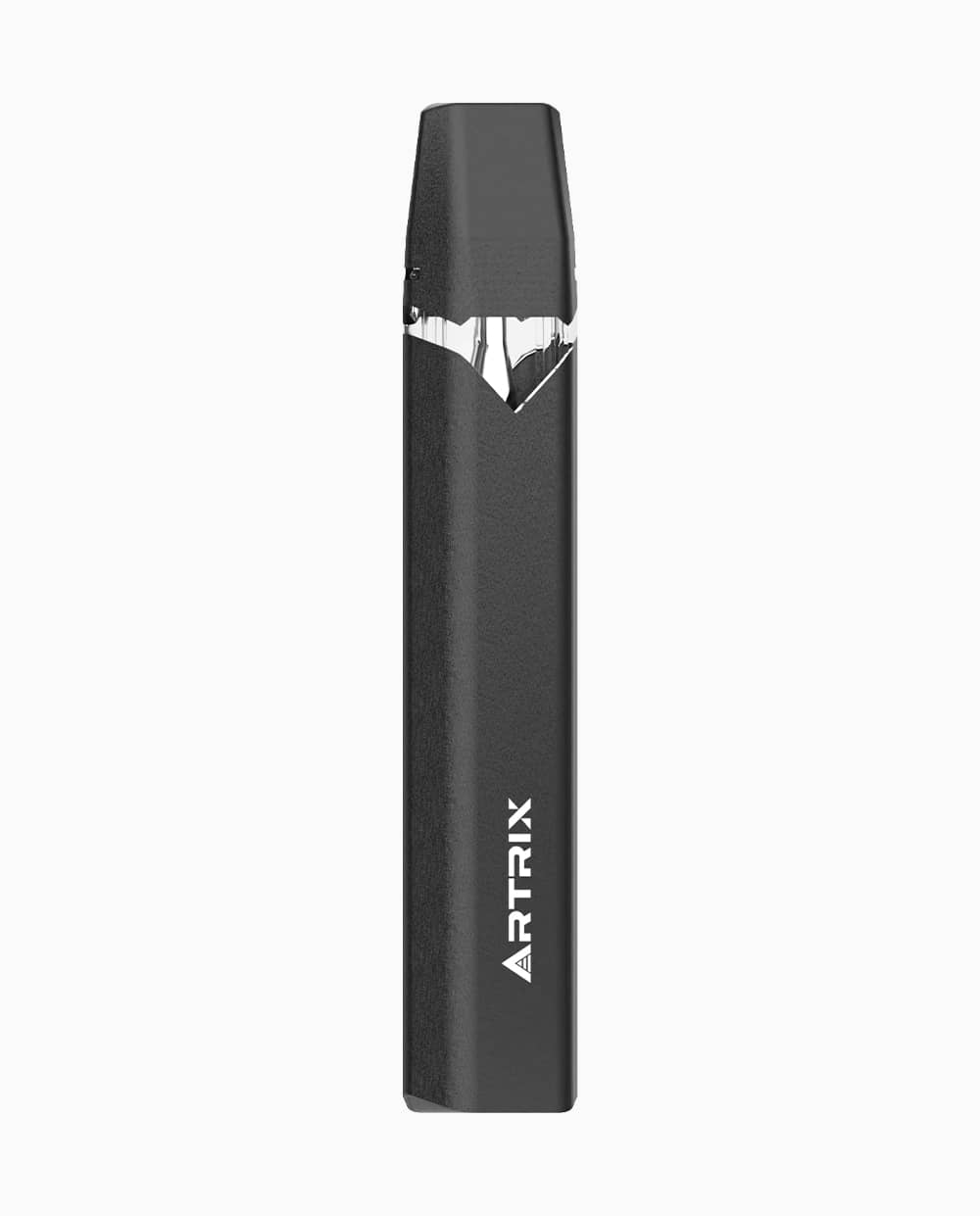
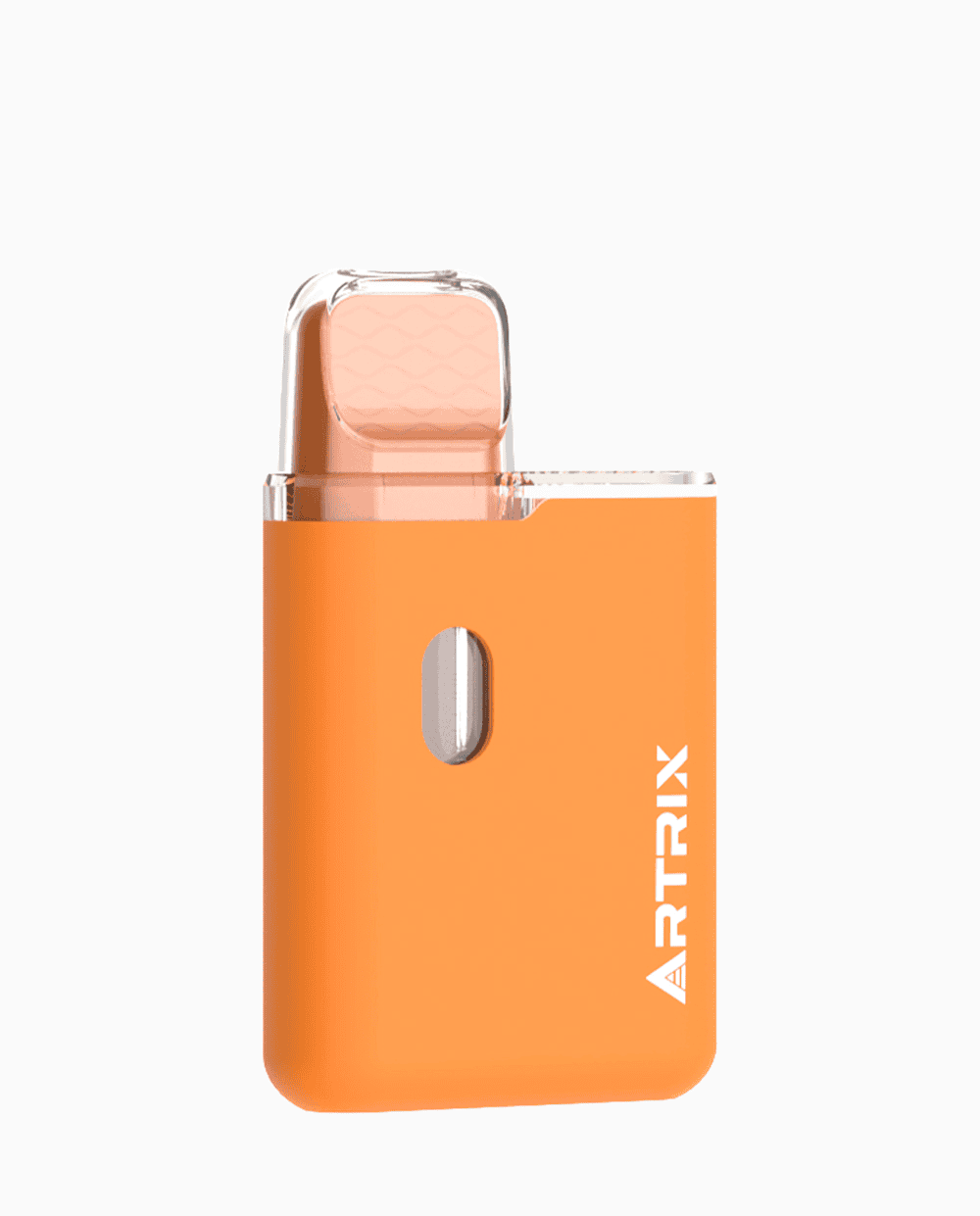
| Xlite: pod system | 1 mL tank; PCTG tank; magnetic connection | Compare when a pod format is acceptable; clarify whether a separate battery and pod fit the intended offering. | No project-specific test record supplied for this comparison; compatibility remains unconfirmed. |
For example, Cubox and Xlite both list a 1 mL option. If the brief requires an all-in-one product, their format difference matters before formulation review. If both formats are acceptable, both may remain under discussion. Their shared capacity does not establish equal performance with the same formulation.
Likewise, a listed tank material identifies a component to review; it does not establish compatibility with every ingredient. Keep distinct records for “specification published,” “test evidence requested,” and “result reviewed for the proposed configuration.” If testing is confirmed not to have occurred, record “not evaluated.” If its status is unknown, record “test status unknown.”
Build a Shortlist—and an Unknowns List
A useful shortlist explains why a category remains under consideration and what prevents a firmer decision. Someone receiving it should understand the project without interpreting a bare list of product names.
Record Known Project Inputs
Attach the source of each known input, such as a supplier brief, formulation record, or product specification. Record who can clarify each unknown. Keep commercial preferences separate from technical observations so “compact packaging” does not become evidence of material suitability.
Keep the Shortlist Conditional
The following teaching example is hypothetical and contains no compatibility result. A brand wants a portable product marketed as Liquid Diamonds. It later specifies an all-in-one format, but has not supplied final formulation, filling, or stability records.
| Candidate category | Known inputs | Unknown inputs | Questions for further review |
|---|---|---|---|
| All-in-one vape: retain for discussion | Portable all-in-one format requested; Liquid Diamonds is the supplied description. | Final formulation identity, target fill volume, filling information, and available stability evidence. | Which records describe the final blend? What fill volume is intended? Is a representative sample available? |
| Pod system: outside the current brief | The brand has specified an all-in-one product. | Whether the brand would accept a separate pod and battery. | Is the all-in-one requirement fixed or negotiable? |
| Dabbing hardware: outside the current brief | A dab-style product has not been requested. | Whether further material clarification will require reconsidering the product concept. | Does the intended finished formulation support the proposed product direction, or does the brief need revision? |
The output is one category for further discussion, with model selection pending clarification. This is useful progress: it narrows the conversation without treating unresolved inputs as confirmed properties.
Prepare Questions for Further Review
Ask which inputs the reviewer needs before identifying models, whether existing evidence covers the proposed formulation and configuration, and whether representative samples are needed. If a candidate is added, record the specification that justified its inclusion and the question still open. Avoid a status such as “approved” when only the format has been screened.
When Prescreening Must Become Formulation Review
Move beyond prescreening when the decision depends on how the actual formulation behaves in a particular device. A specification comparison cannot answer whether the proposed filled product meets its intended performance requirements.
That boundary is reached when a brand needs to confirm filling suitability, behavior after storage, or performance through the intended use cycle. It also applies when someone proposes relying on results from a different formulation, fill volume, or device configuration. Ask the responsible technical reviewer whether those records cover the proposed combination.
Missing formulation information may mean gathering documents first. A question about the actual filled product may require representative samples and an agreed evaluation scope. The reviewer should determine that need; this guide does not prescribe a test matrix, acceptance thresholds, or a sample submission procedure.
Finish prescreening with the intended product, conditional candidates, supporting specifications, and unresolved inputs recorded together. Browse the THCa Family to discover options within that brief, then seek formulation-specific review before treating a candidate as a confirmed match.
Frequently Asked Questions
Can a formulation name prove hardware compatibility?
No. A name starts the discussion but does not identify the complete formulation, device configuration, or applicable test evidence.
Does a product specification count as a test result?
No. Specifications describe the device. A compatibility conclusion needs evidence tied to the relevant formulation, configuration, and evaluation conditions.
What if formulation inputs are incomplete?
Use the knowns-and-unknowns approach above. Keep the shortlist conditional and identify who can supply the missing information.
Should I choose a device before defining the product format?
Define the intended format first. Otherwise, a model may meet an appearance preference while missing a basic product requirement.
When should a candidate go to formulation review?
When the next decision requires evidence about the actual formulation-device combination. See the review boundary above; category fit alone is insufficient.