







-1.webp)
-1.webp)
-2.webp)











































Why Online Channels are Outpacing Traditional Retail in Glass Vape Sales
The vape hardware industry is currently undergoing a fundamental shift in how it connects with both businesses and consumers. While the “brick-and-mortar” dispensary or smoke shop was once the undisputed center of the glass cartridge universe, a new era of digital distribution is taking hold. This transition is being driven by a sophisticated buyer who prioritizes technical specifications, supply chain transparency, and procurement efficiency over simple convenience. As we look at the landscape in 2026, it is clear that e-commerce is no longer a secondary channel—it is the engine driving the category’s growth.
Introduction: The Shift Toward Digital Distribution
Online channels are becoming the primary growth engine in vape hardware by making product discovery, comparison, and reordering faster and more efficient.
Exploring Online Vape Cartridge Sales Trends
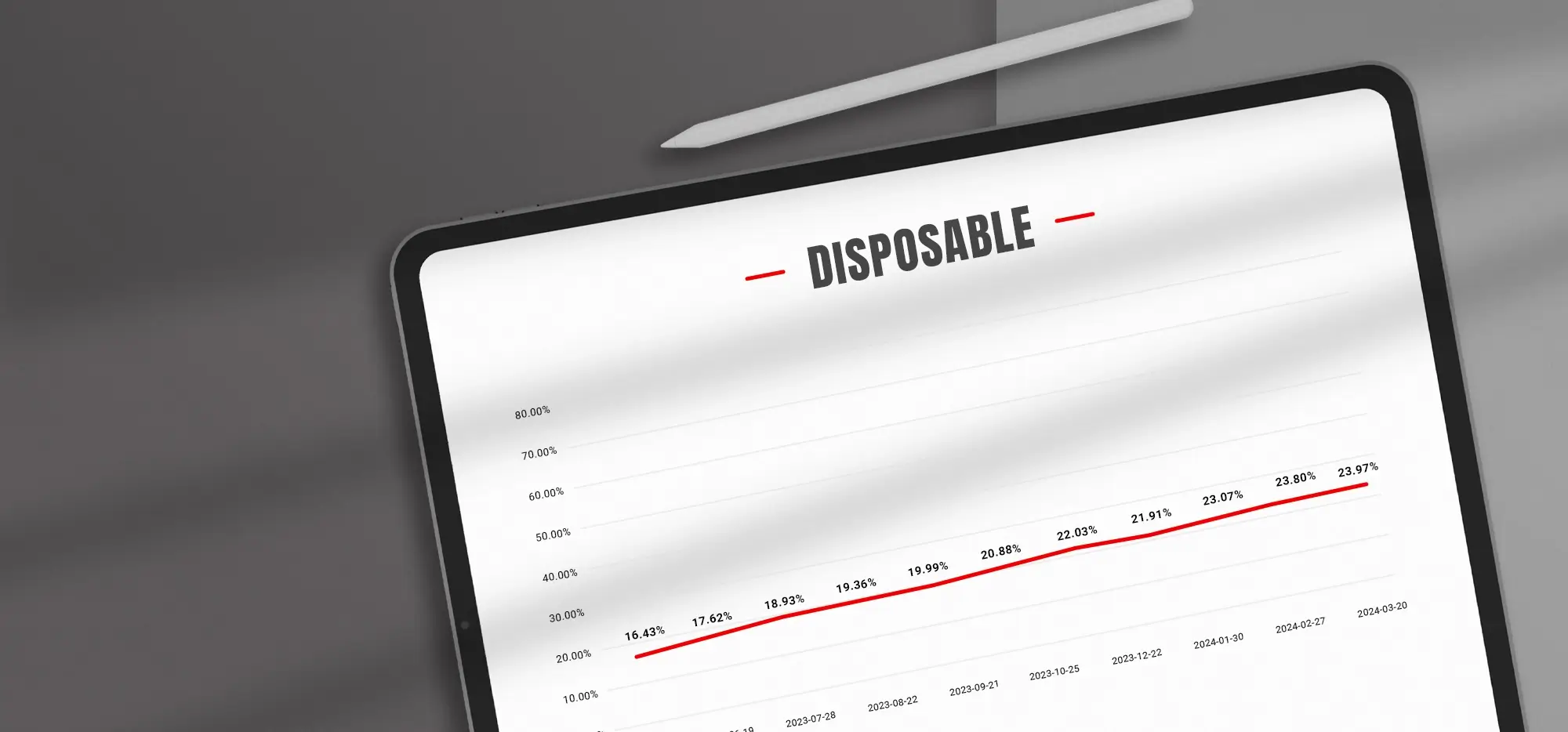
The shift toward digital distribution in glass vape sales is not a short-term spike. It reflects a larger structural move in how buyers discover products, compare specifications, and place repeat orders. In the broader U.S. retail economy, e-commerce sales rose 5.4% in 2025, faster than the 3.5% increase in total retail sales, and e-commerce accounted for 16.4% of total retail sales for the year.
That wider commercial pattern matters because glass vape hardware is a spec-driven category: thread compatibility, fill volume, materials, leak resistance, airflow design, and packaging compliance all reward a search-first buying process.
A syndicated glass vape cartridge report from Data Insights Market projects the category at $2.76 billion in 2025 and explicitly includes online stores as a core application segment alongside supermarkets, convenience stores, and drug stores. The exact forecast should be treated as directional rather than definitive, but the segmentation itself is revealing: online distribution is no longer an edge case in glass vape sales. It is now part of how the category is modeled.
E-commerce vs. Traditional Retail in the Vape Market
Traditional retail still matters. Dispensaries, smoke shops, and specialty counters offer immediate pickup, face-to-face education, and impulse conversion that a product page cannot fully replace. But digital channels increasingly outperform physical retail where the sale depends on comparison, repeatability, and assortment depth. A buyer looking for a glass weed pen compatible with a high-viscosity extract can filter options online in minutes, compare specs side by side, and review MOQ, packaging, and lead times without waiting for a store associate to check the back shelf.
The more rigorous conclusion is not that stores disappear, but that the value chain is moving online faster than the final handoff in many markets. Discovery, education, wholesale sourcing, and reorder behavior increasingly happen on websites, B2B portals, and account-managed storefronts. That shift gives online channels a compounding advantage: once product information is organized digitally, the same listing can sell across more geographies, serve more buyer types, and support faster reordering than a fixed retail footprint.
| Channel | Main strength | Main limitation | Why online is gaining |
|---|---|---|---|
| Traditional retail | Immediate access and in-person guidance | Limited shelf space and local reach | Less efficient for spec-heavy comparison and repeat procurement |
| Online B2C | Convenience, privacy, broader assortment | Compliance and shipping friction | Better for research-led purchasing and discreet adult buying journeys |
| Online B2B | Scale, documentation, fast reordering | Requires disciplined logistics and compliance | Best fit for hardware procurement across multiple regions and accounts |
Accessibility and Reach: Breaking Geographic Barriers
E-commerce expands market access beyond local dispensary limits, helping sellers reach more buyers while offering a wider range of products and configurations.
Overcoming Limitations of Physical Dispensaries
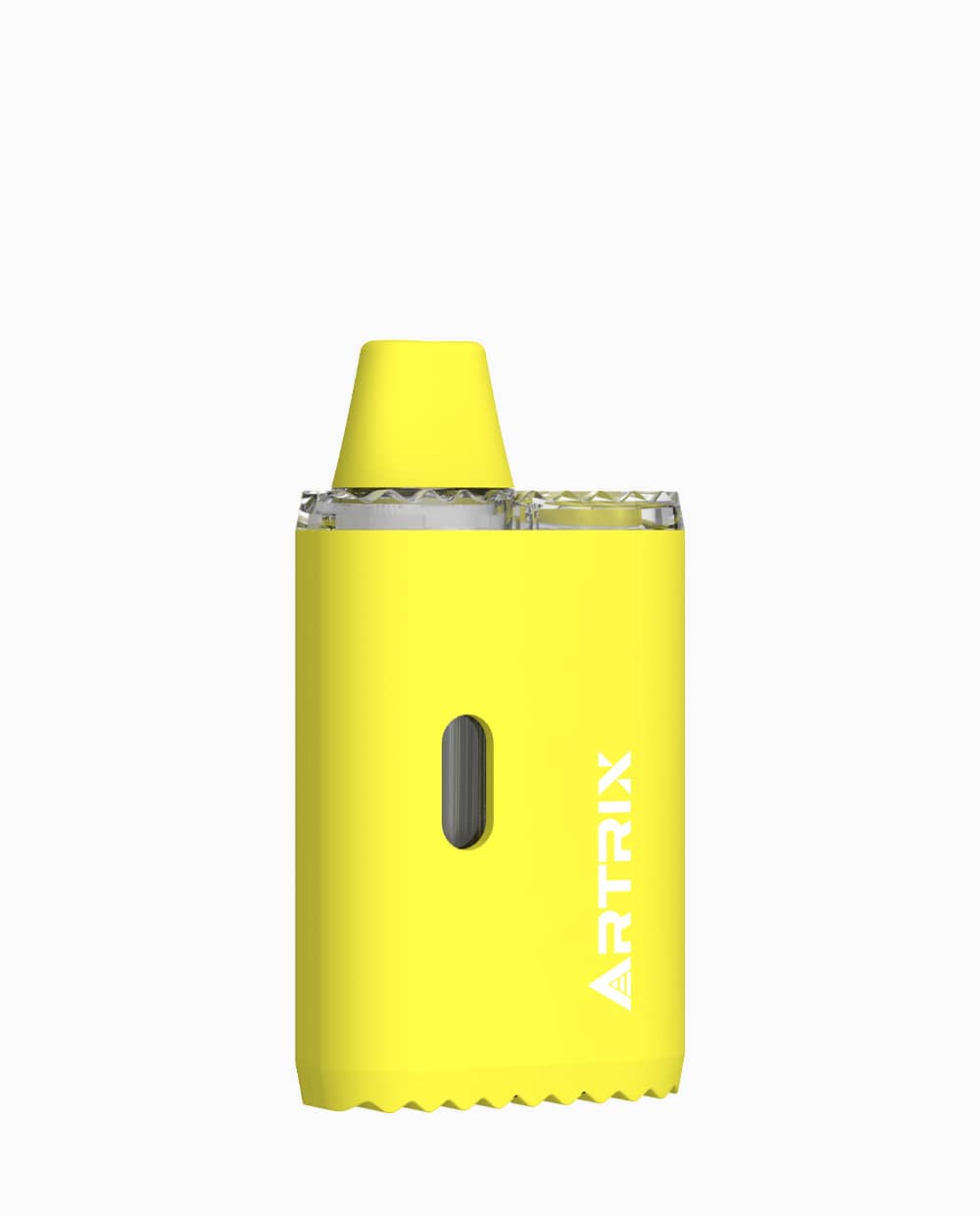
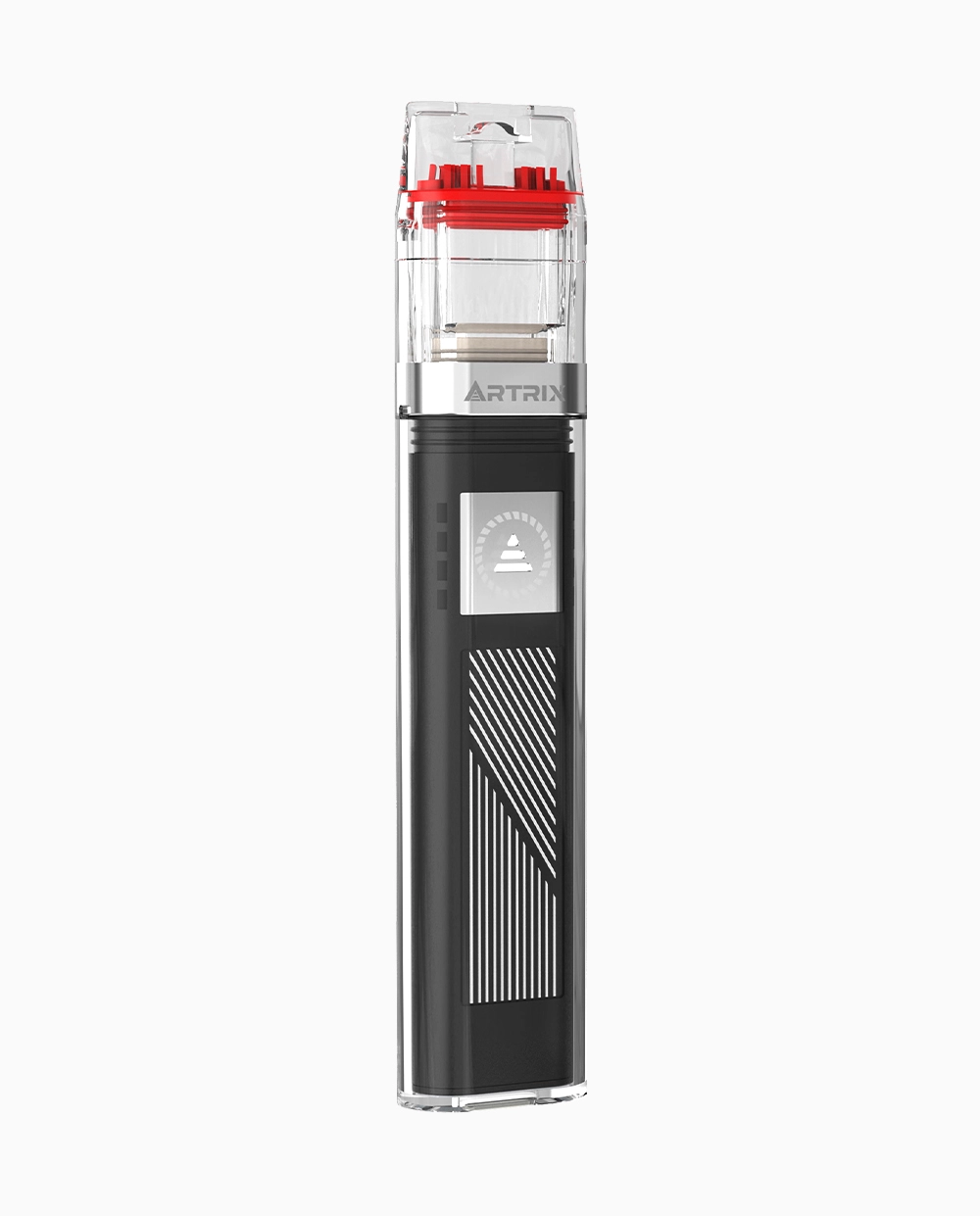
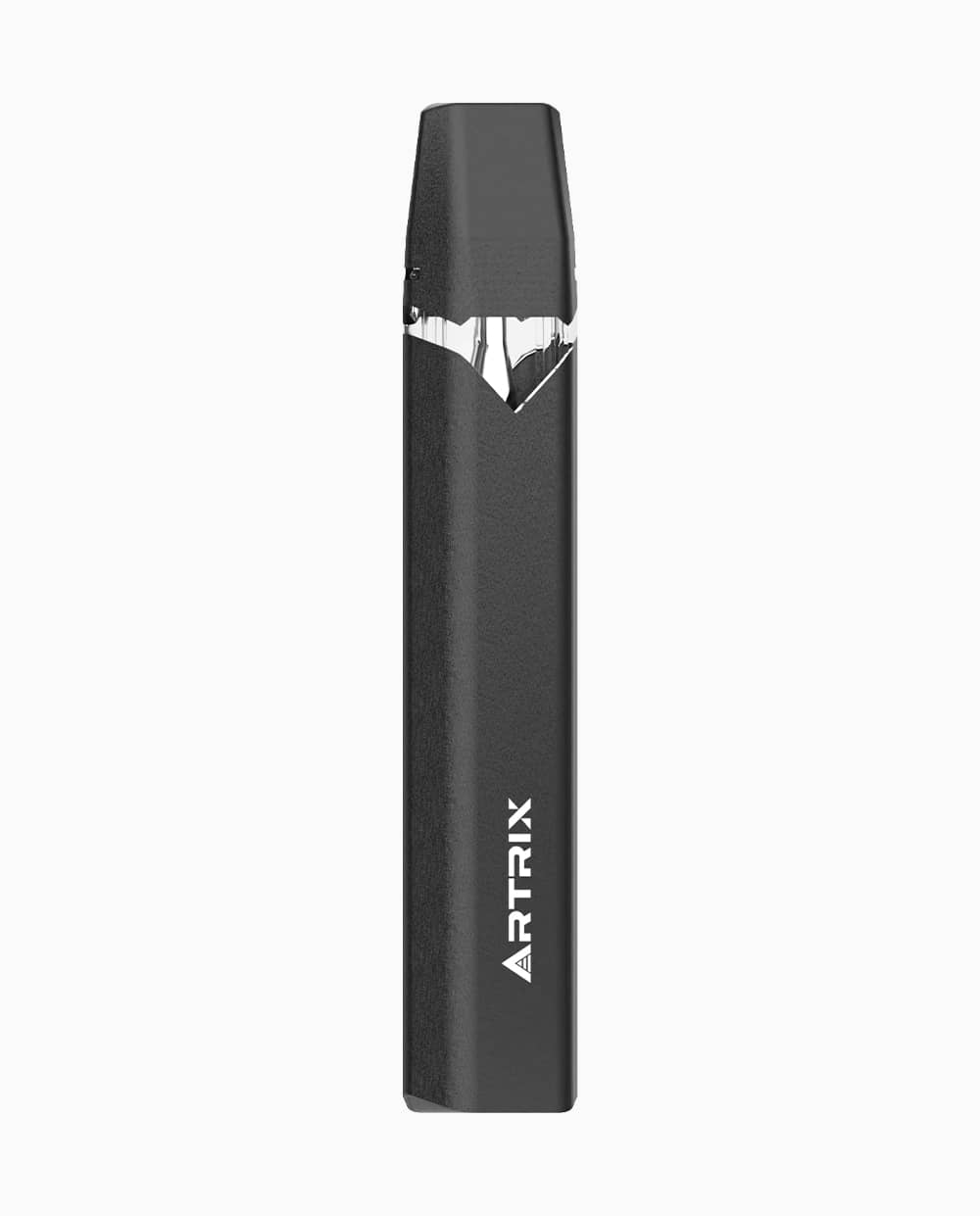
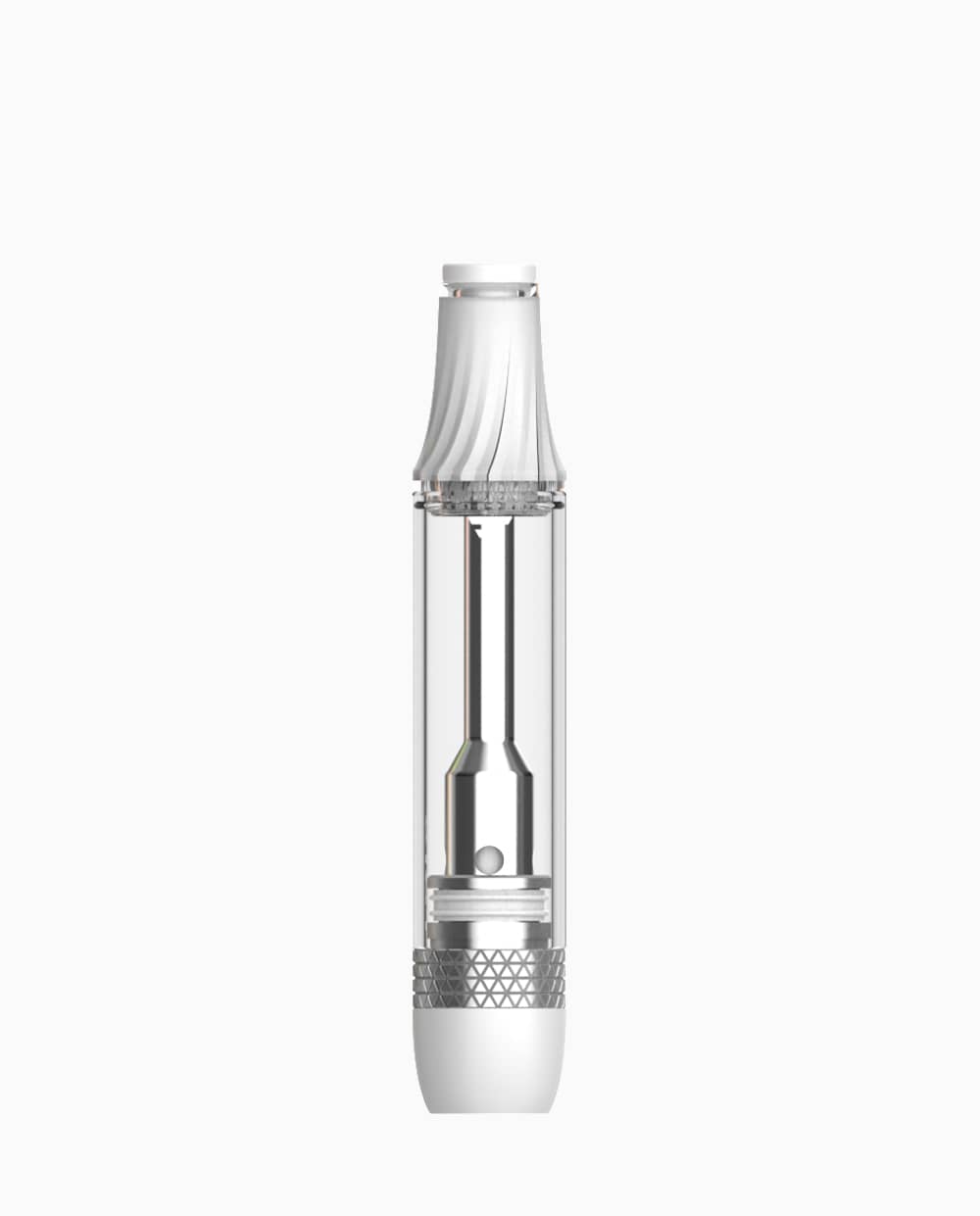
Physical dispensaries and retail stores are constrained by geography, licensing, staffing, and shelf economics. Even strong stores can only stock a narrow set of SKUs, which means buyers often see a curated assortment rather than the full market. Online channels remove much of that constraint. A digital storefront can show multiple cartridge capacities, mouthpiece designs, hardware finishes, resistance options, packaging types, and compliance accessories without sacrificing physical space.
That broader reach is especially important in regulated adult-use categories, where local availability can vary sharply. In the U.S., online sellers of e-cigarettes and other ENDS products must comply with federal age restrictions, and retailers cannot legally sell these products to anyone under 21. The serious operators that build compliant digital systems gain an advantage because they can serve legal adult buyers more consistently than small retailers with fragmented inventory and limited merchandising bandwidth.
The Borderless Growth of B2B Online Vape Stores
The strongest online edge may be in B2B rather than walk-in retail replacement. Manufacturers, distributors, and brand owners increasingly treat websites as procurement infrastructure, not just marketing surfaces. A wholesale buyer can review cartridge materials, request samples, download specifications, compare packaging formats, and place a repeat order across regions without relying on a trade-show meeting or a local distributor visit.
That matters because interstate and cross-market sales reward documentation and process. ATF states that remote sellers dealing in ENDS in interstate commerce must register and comply with reporting, labeling, delivery, and recordkeeping requirements, and the law generally bans mailing of ENDS through the postal system. In practice, that means digital growth goes to operators who can manage compliant carrier strategy, age-gated workflows, and wholesale fulfillment better than local retailers can manage shelf traffic.
Consumer Behavior: The Demand for Privacy and Discretion
Many adult buyers prefer online purchasing because it offers a more private, convenient way to research and buy vape hardware at their own pace.
The Preference for Discreet, Portable Vaping
Glass vape with no metal offers portability, convenience, and discreet consumption, making it a natural fit for the digital buying experience. Whether the end user is a casual purchaser or a repeat cartridge buyer, that product logic favors online search behavior. People buying compact hardware often want to compare quietly, revisit options, and order when they are ready rather than make a public, time-pressured decision at a counter.
For that reason, privacy is not a side benefit of e-commerce in this category. It is one of the conversion drivers. Online channels let adult buyers browse discreetly, compare hardware characteristics, and research oil compatibility without the social friction of asking highly specific questions in a retail environment. In categories that carry stigma, regulation, or simply personal preference for confidentiality, the web often outperforms the store before price is even considered.
Why Confidentiality Drives E-commerce Sales
Confidentiality also improves the quality of the buying process. Instead of rushing through a store visit, a buyer can review dimensions, compliance notes, minimum order quantities, packaging details, and lab documentation at their own pace. That is particularly powerful for first-time brand builders and procurement managers, who may need internal approval before selecting hardware.
At the same time, confidentiality cannot come at the expense of compliance. A 2024 JAMA study of online e-cigarette purchases in San Diego County found that 67.3% of attempted orders were delivered, but only 1.0% of buyers had their ID scanned at delivery; 78.1% reported no interaction with delivery personnel. That finding does not weaken the online channel thesis. It sharpens it. The winning digital sellers in glass vape will be the ones that pair convenience and privacy with visible age-gating, verification, and delivery controls rather than treating compliance as an afterthought.
Product Transparency: Supplying Crucial Information
Digital storefronts give brands room to share specs, certifications, and manufacturing details that build trust and reduce buyer uncertainty.
Meeting Consumer Demand for Manufacturing Transparency
Transparency is where online channels create the widest gap over traditional retail. A shelf tag can show a price and maybe a few features. A well-built product page can show material details, batch information, fill recommendations, certifications, and downloadable documents. That depth matters because vaping is not a risk-free category.
That public-health context helps explain why buyers increasingly want more than a polished photo. They want evidence. They want to know what materials are in contact with oil, how the product is manufactured, and whether the seller can provide meaningful documentation. Serious buyers are gravitating toward documented supply chains and moving away from opaque, low-information channels..
Utilizing Digital Real Estate for Lab Results and Specs
Online channels win because they have room to answer the questions that now determine trust. A manufacturer or distributor can attach material specifications, compatibility charts, leak-test information, packaging certifications, and lab-result summaries directly to the product page. For glass vape products, digital real estate is not just merchandising space. It is a trust-building layer that helps convert cautious buyers and supports repeat orders.
Traditional retail cannot easily match that documentation density. A store can explain a cartridge in person, but it cannot permanently host COAs, manufacturing details, shipping notes, and comparison tools at scale. That is why digital distribution keeps pulling ahead: it sells the product and reduces buyer uncertainty at the same time. For brands, the opportunity is clear. The companies most likely to gain share are the ones that treat online channels as compliance-ready information systems, not merely as checkout pages for adult-use markets.
Conclusion: The Future of Vape Market Distribution
Online channels are outpacing traditional retail in glass vape sales because they solve three problems at once. They extend reach beyond local store footprints. They give adult buyers greater privacy and convenience. And they provide the information density that modern vape hardware buyers increasingly expect. Even where regulation adds friction, digital platforms still capture more of the research, comparison, and reorder journey than physical counters do.