

-1.webp)
-1.webp)
-2.webp)
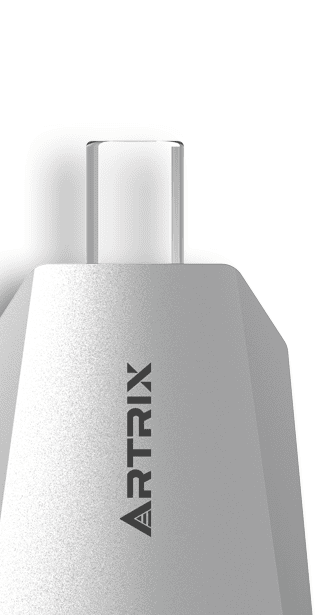
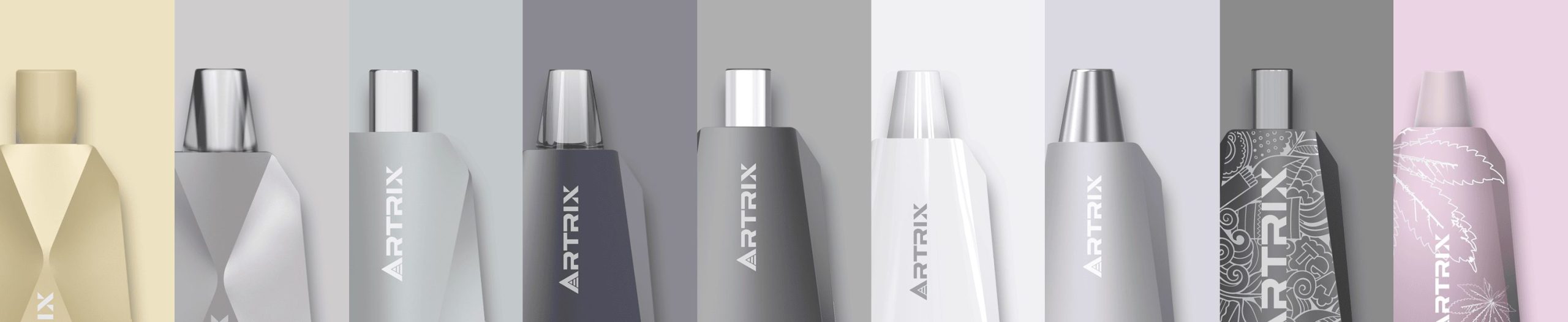
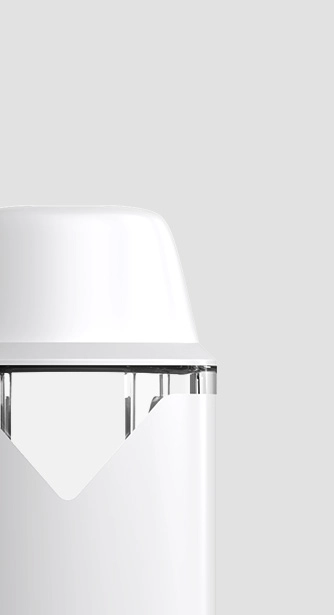
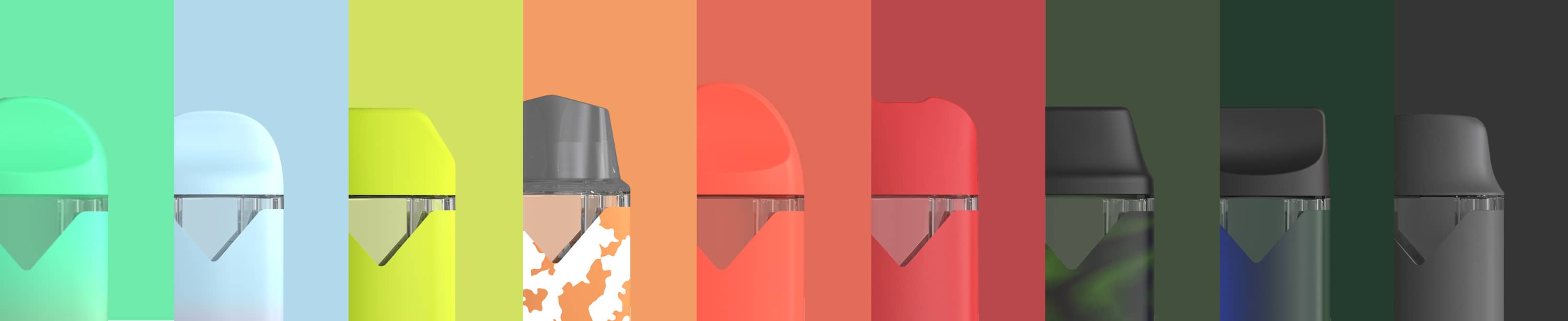



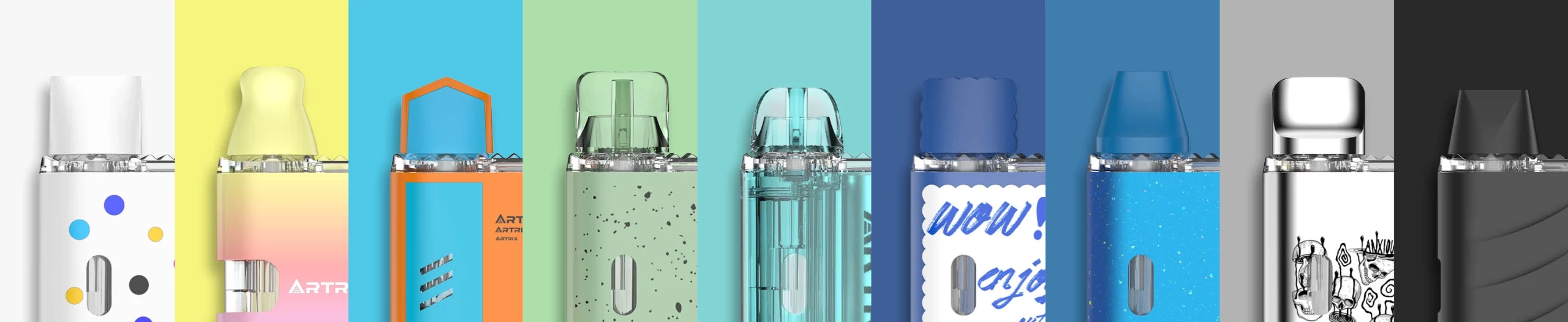
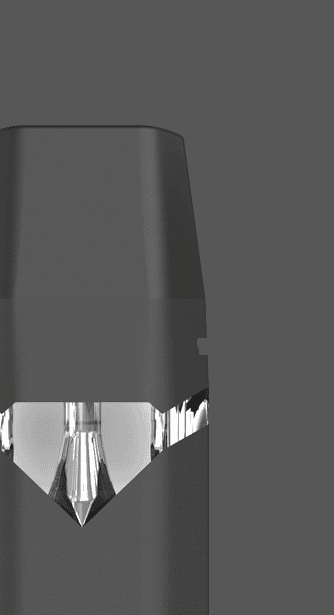
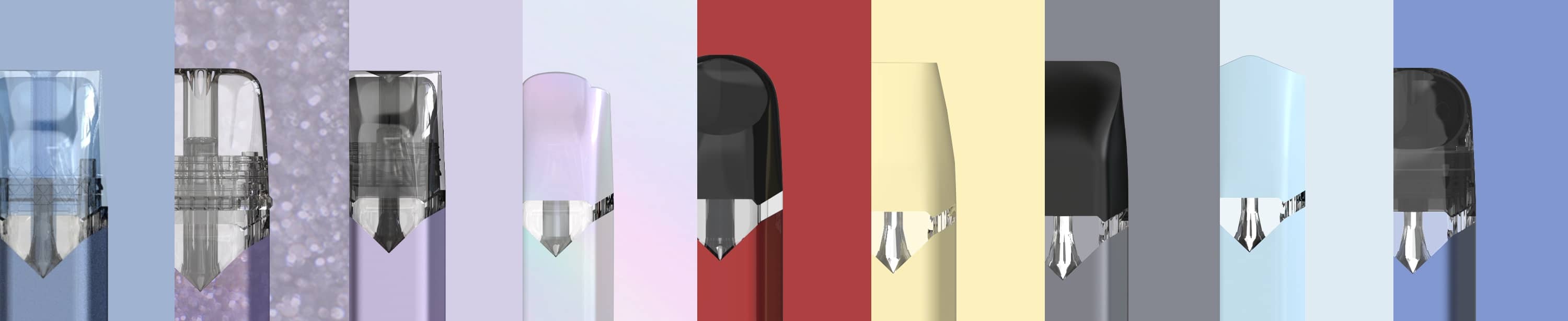
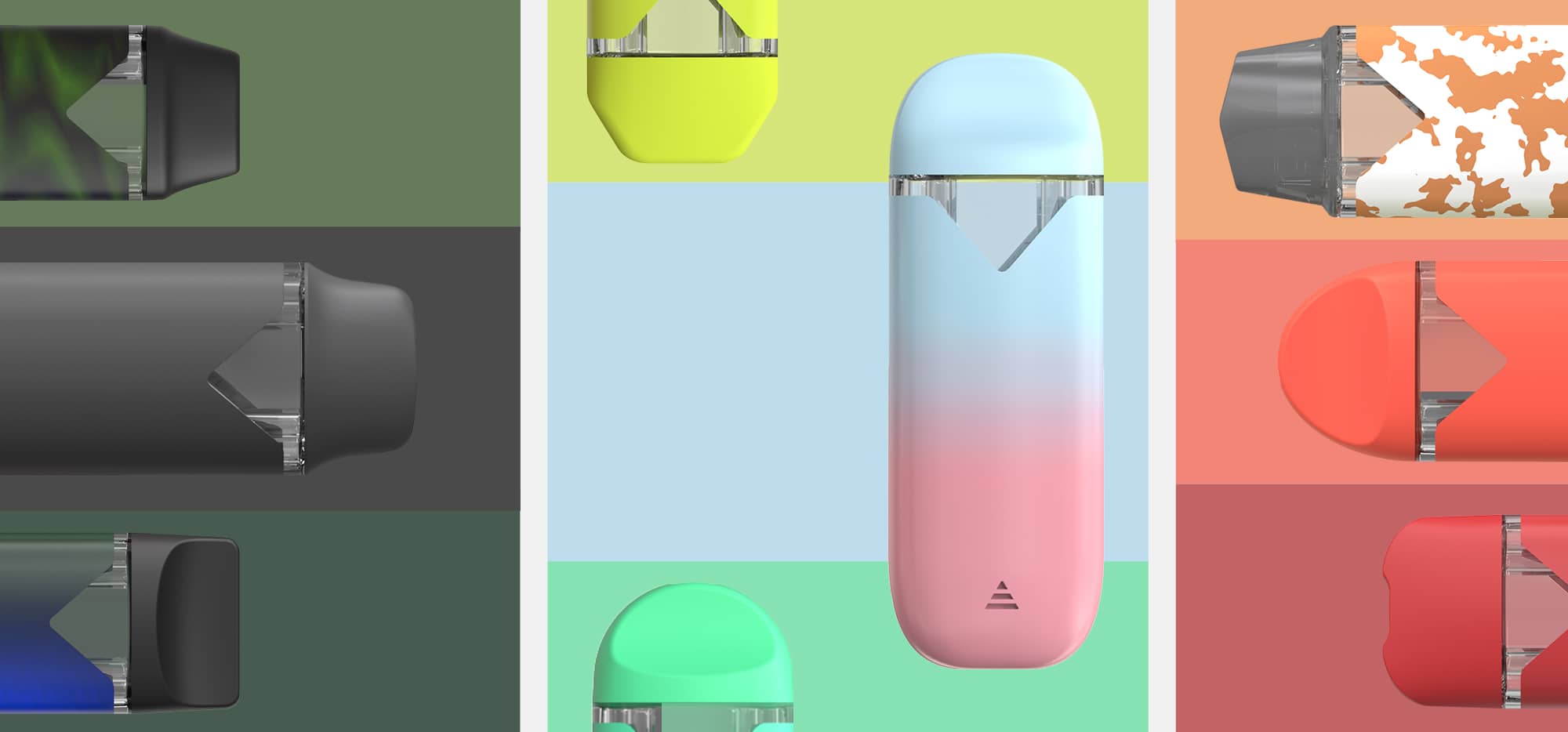

























Glassic vs. Traditional Hardware: Why Architecture Matters in the Era of Premium Extracts
In the rapidly expanding cannabis hardware industry, product homogenization has become a significant barrier to brand distinction. Regardless of market positioning, most hardware continues to rely on the “Universal Atomizer” architecture—a legacy framework inherited from early nicotine vaporization systems.
The development of Glassic was not merely a visual iteration but a systematic reconstruction of hardware architecture tailored for the “Premium Extract” era. As oil quality transitions toward high-purity, high-activity concentrates, the industry must answer a critical question: Should hardware remain confined by legacy industrial frameworks?
Industry Misalignment: Why Legacy Hardware Falls Short for Premium Extracts
Most current cannabis devices rely on legacy vaporization frameworks inherited from nicotine systems. Their core structure typically includes:
-
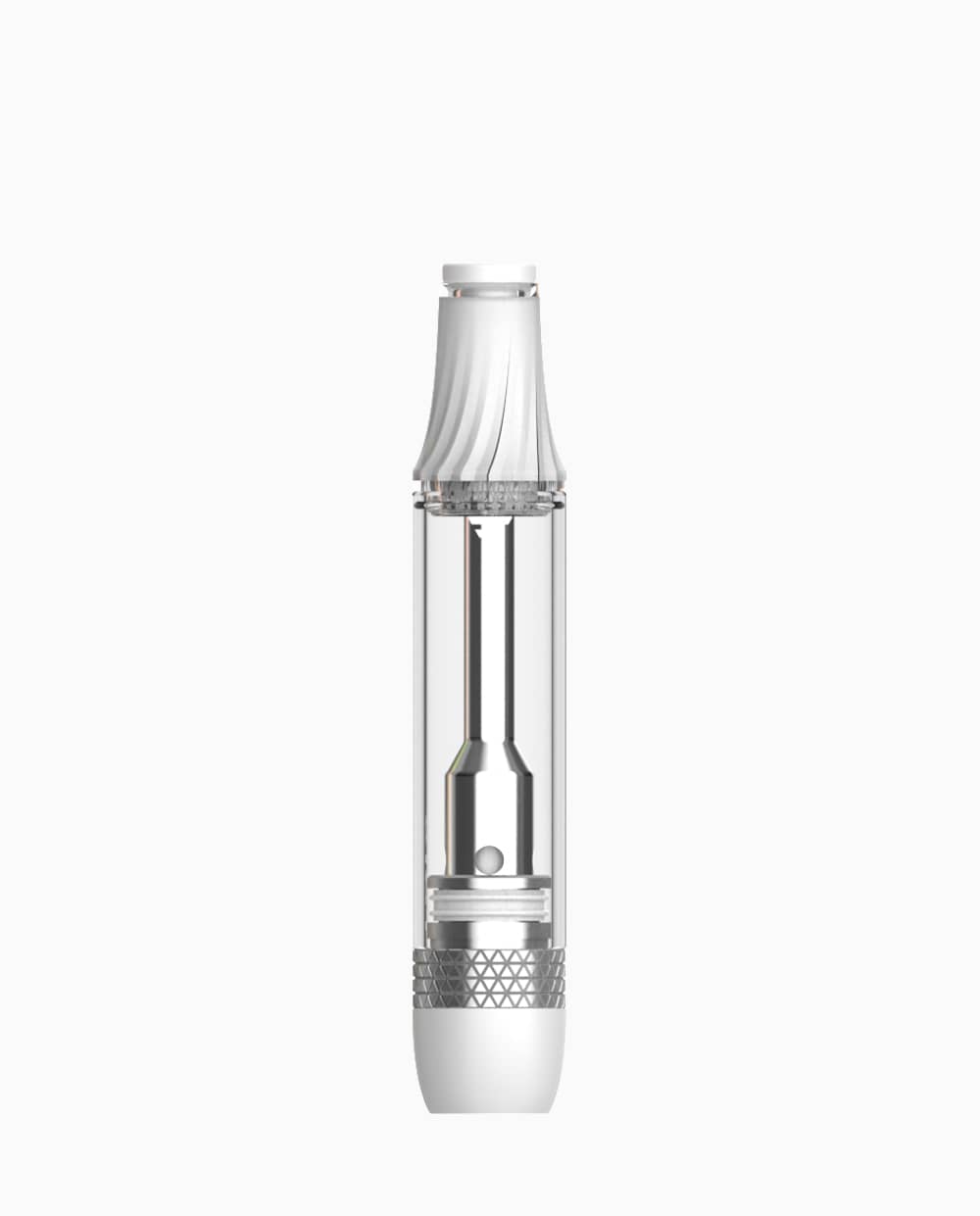
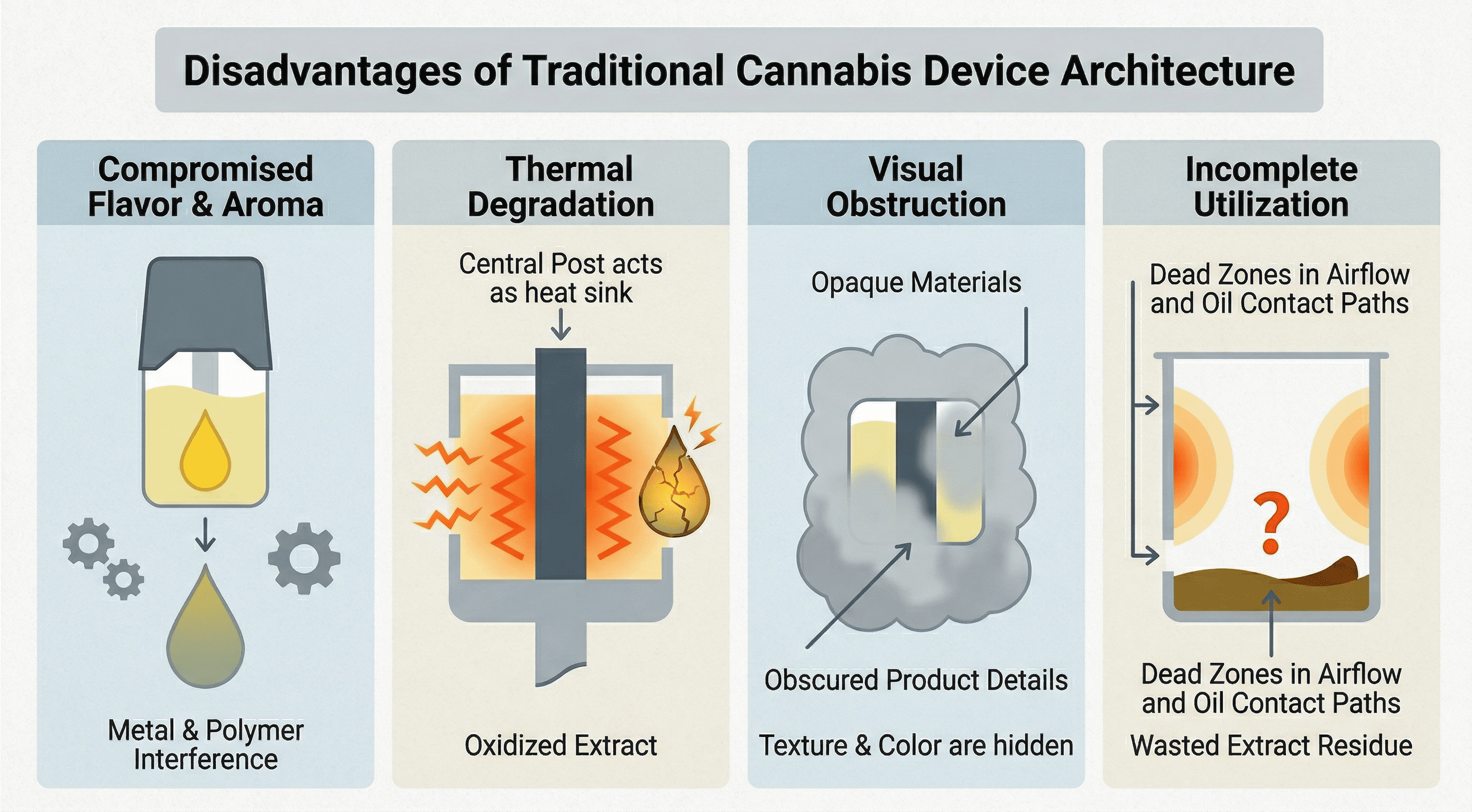
- Central Metal Post: Originally designed to stabilize airflow for low-viscosity nicotine e-liquids. In cannabis hardware, it remains a structural necessity, but it interferes with terpene preservation and flavor clarity.
-
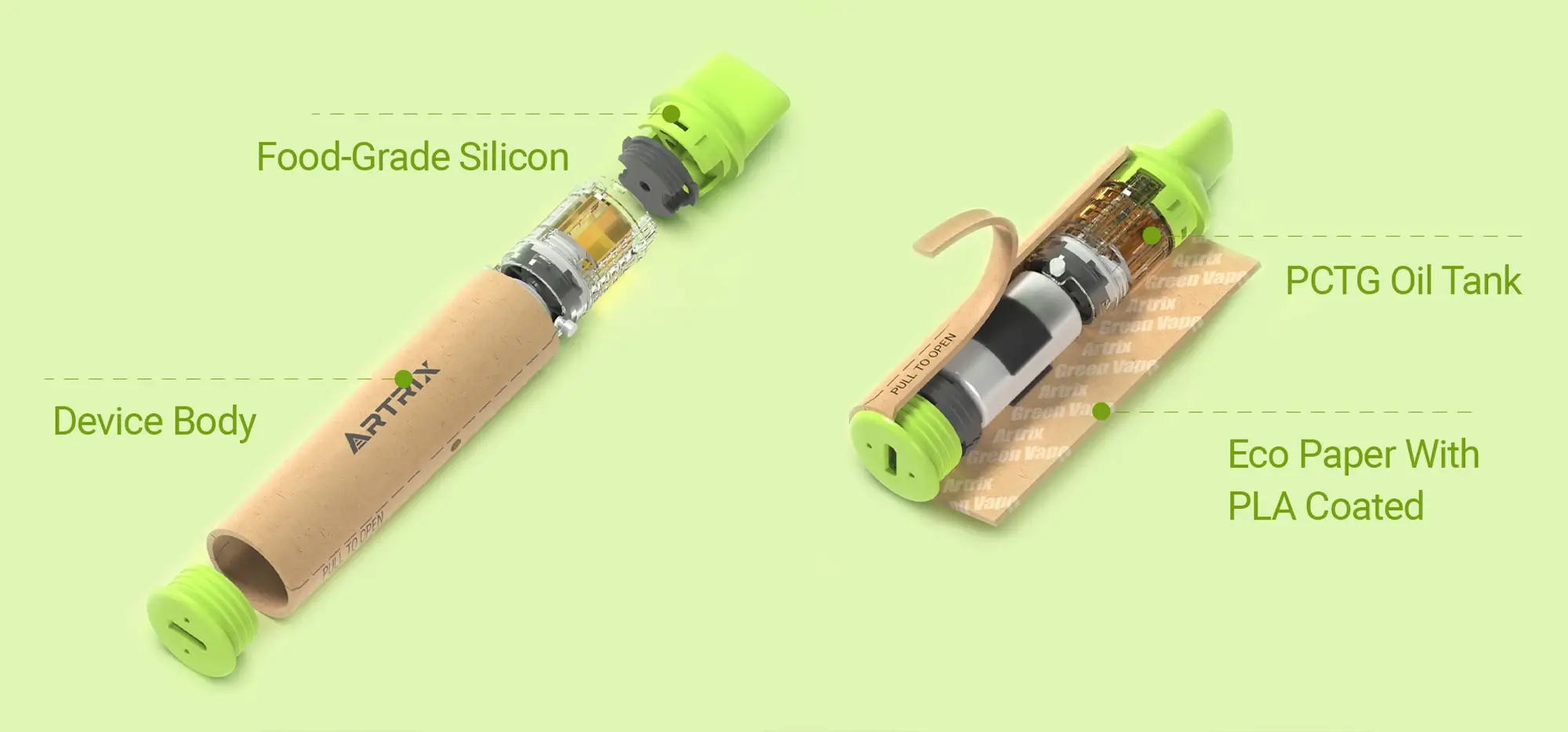
- Polymer (PCTG) Reservoirs: Lightweight and efficient for mass production, but chemically reactive with high-terpene extracts and prone to absorbing flavor compounds.
-
-
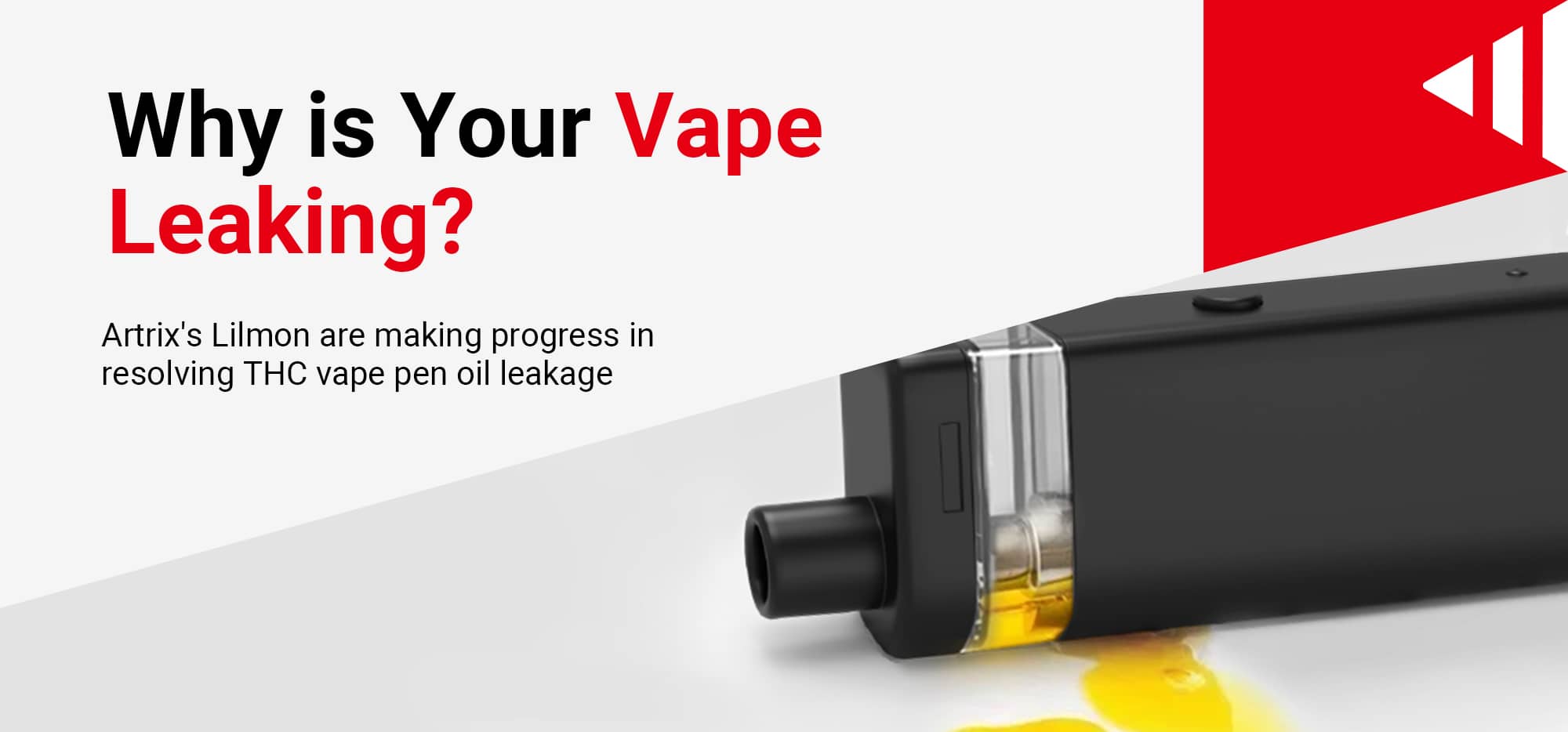
Structural Dead Zones: The traditional internal architecture creates stagnant areas where high-value extract becomes trapped. These “dead zones” prevent full extract utilization, leaving visible residue that cannot reach the heating element. More critically, oil trapped in these zones is subjected to repeated “slow-cooking” from residual heat, leading to oxidative darkening and the bitter, burnt aftertaste common in the later stages of use.
-
While this architecture worked well during the Distillate era—where oils are heat-stable and relatively simple—it reveals significant shortcomings when used with Live Resin or Live Rosin:
-
- Compromised Flavor and Aroma: Metal and polymer surfaces interact with high-terpene oils, dulling the sensory experience.
-
- Thermal Degradation: The metal post can act as a heat sink, slowly oxidizing the extract.
-
- Visual Obstruction: Central posts and opaque polymer reservoirs hide the extract’s texture and clarity.
-
- Incomplete Utilization: Dead zones in airflow and oil contact paths leave precious extract unused.
At the same time, the market is evolving: consumers now demand hardware that delivers:
-
- Authenticity: Materials that do not chemically alter the extract.
-
- Clarity: Unobstructed visualization of texture and color.
-
- Safety Redundancy: De-metallized contact zones to prevent heavy metal migration.
The gap between legacy hardware and premium extract expectations creates a strategic opportunity for brands that can rethink device architecture.To bridge this gap between legacy limitations and consumer expectations, a fundamental shift in engineering is required. It is no longer enough to simply swap plastic for glass; the entire internal physics of the device must be reimagined. This necessitates a move away from static, dated structures toward a purpose-built platform: The Glassic Architecture.
The Evolution of High-End Vaporization: Platform Architecture vs. Traditional Glass Hardware
With the explosion of the Premium Extract market (Live Rosin / Live Resin), glass has become the preferred material for high-end brands due to its chemical stability. This has led to a surge of glass-based products, most notably traditional pen-style disposables (such as the O2Vape Traveler-style architecture).
On the surface, these devices all feature glass oil chambers, and the differences seem minimal. However, what truly determines a device’s performance is not just the material, but the underlying Engineering Architecture. Understanding thermal management, fluid dynamics, and manufacturing scalability can help brands make more stable and forward-thinking decisions during the product planning stage.
1. Design Philosophy: Platform Architecture vs. Static Structure
While both use glass materials, the two types of devices are designed with completely different objectives:
-
- Traditional Glass Disposables: These follow the iterative logic of early Vape Pens. They are built on a Static Design centered around low-cost manufacturing. Their functions and forms are fixed, making it difficult to scale or diversify according to market demands.
-
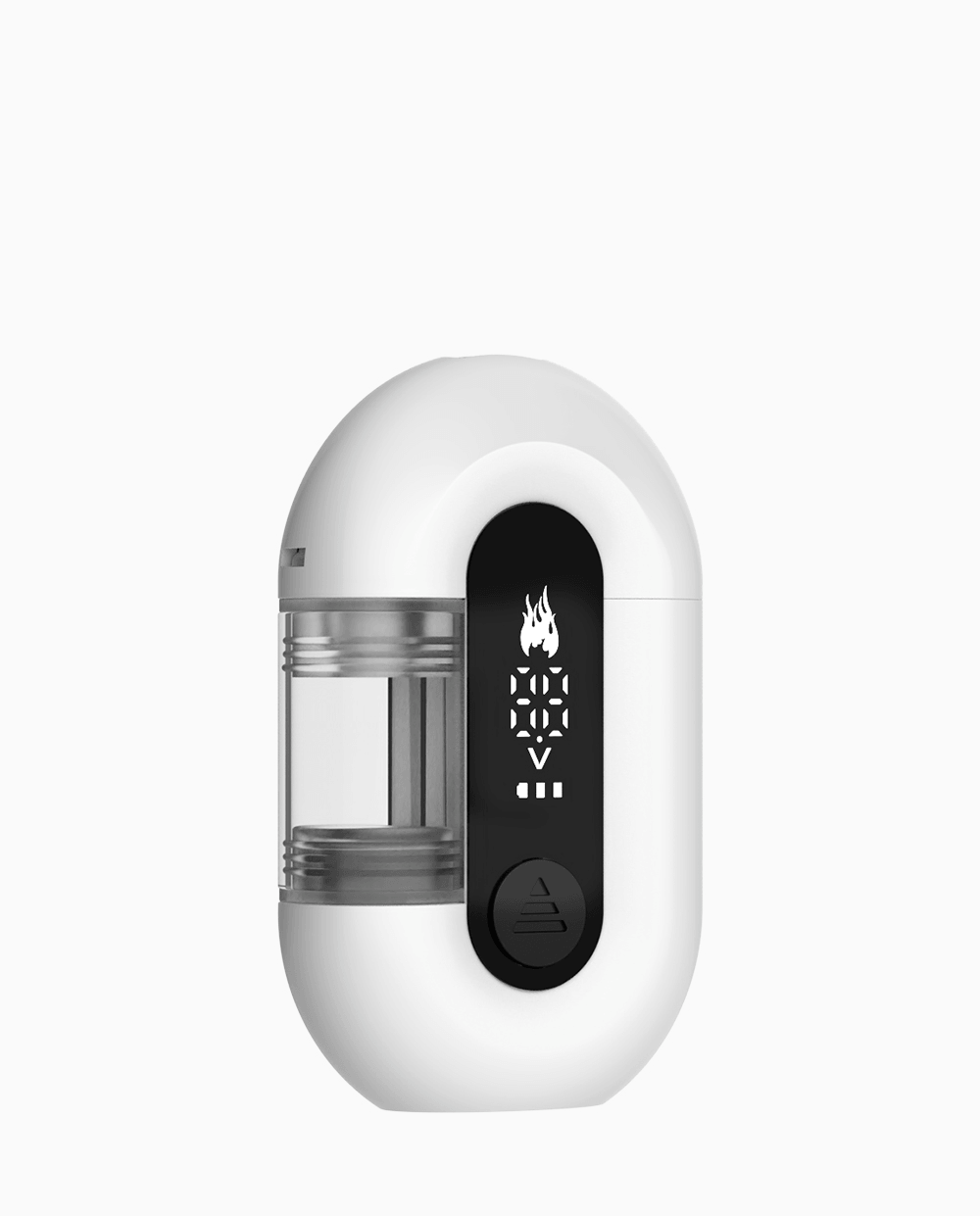
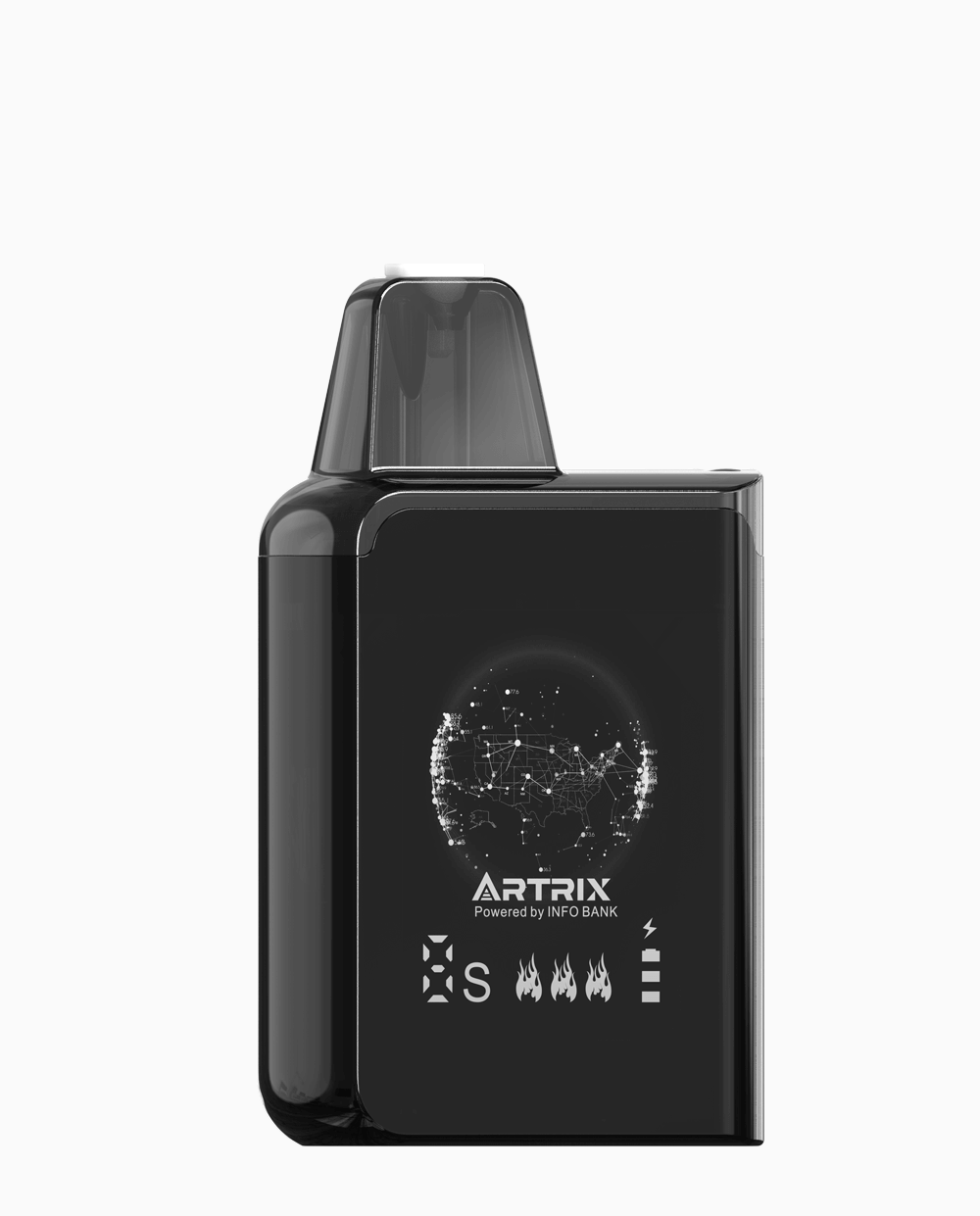
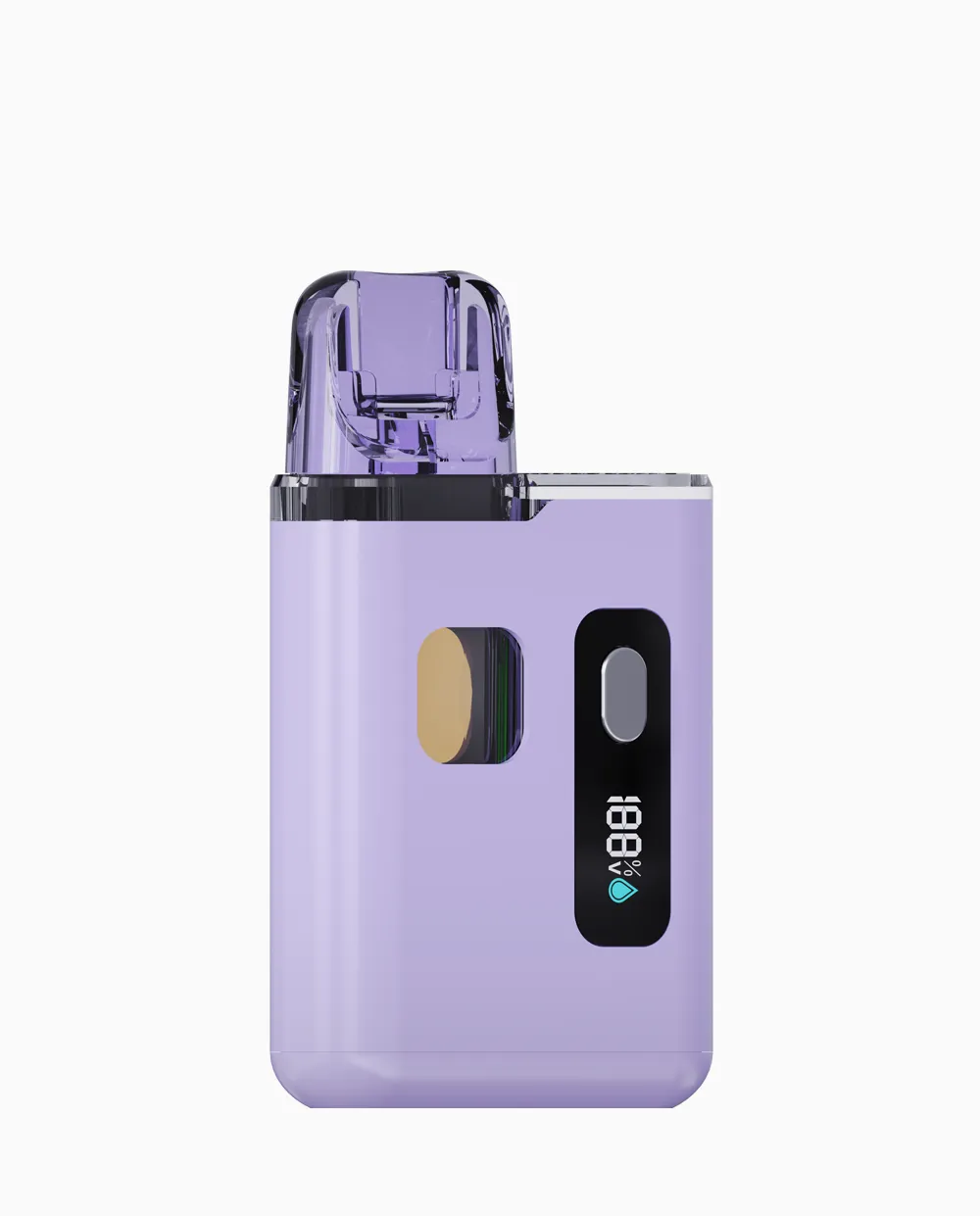
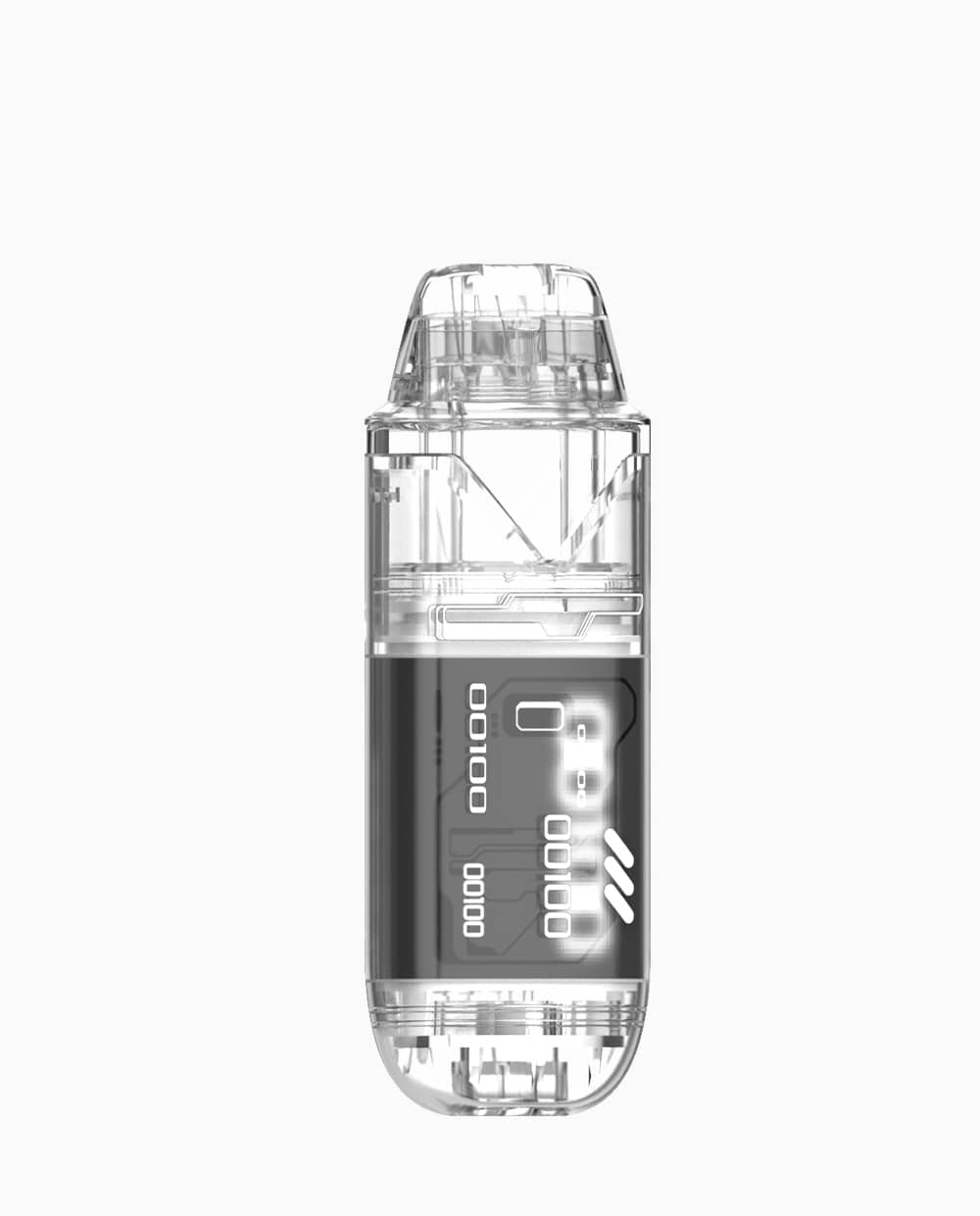
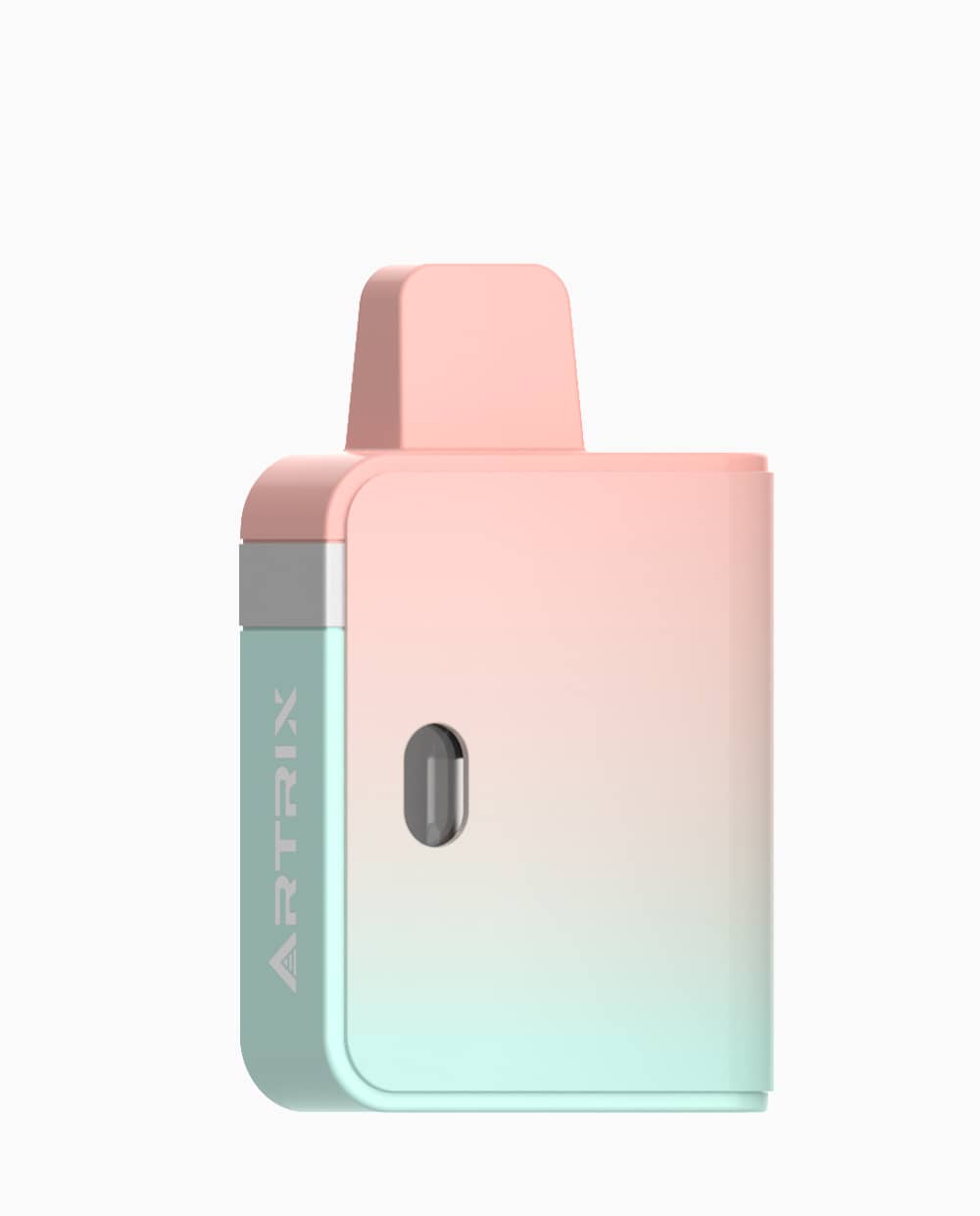
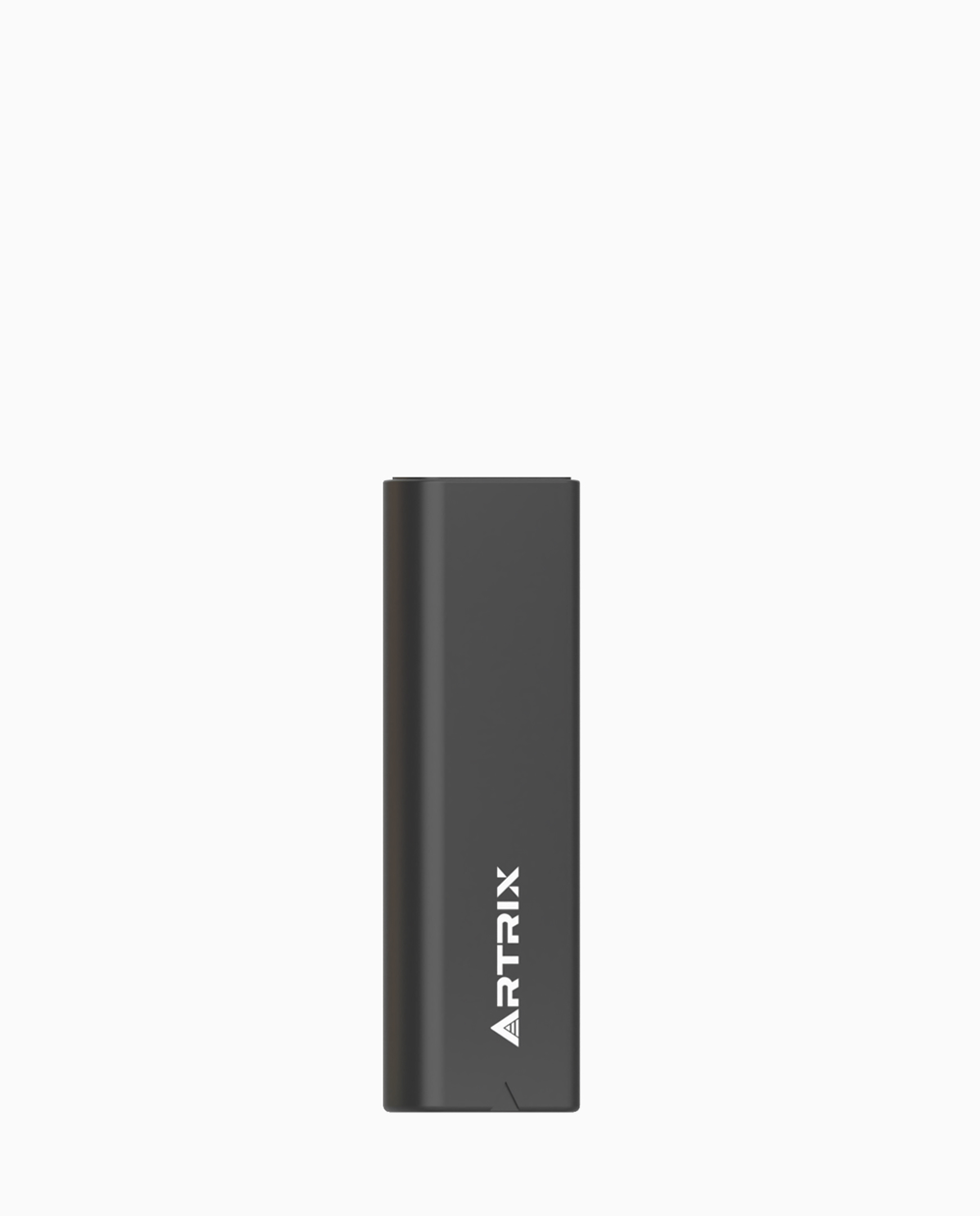
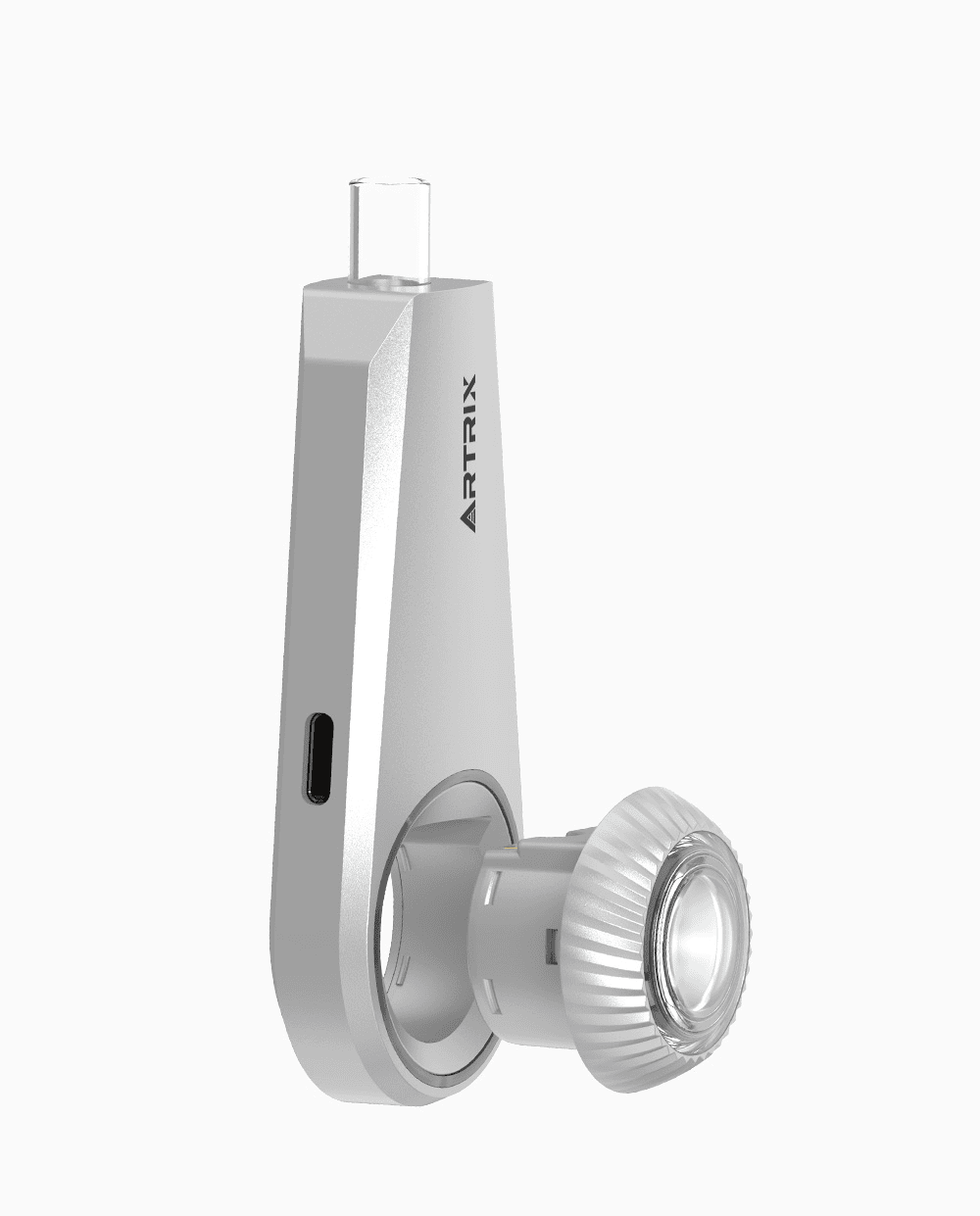
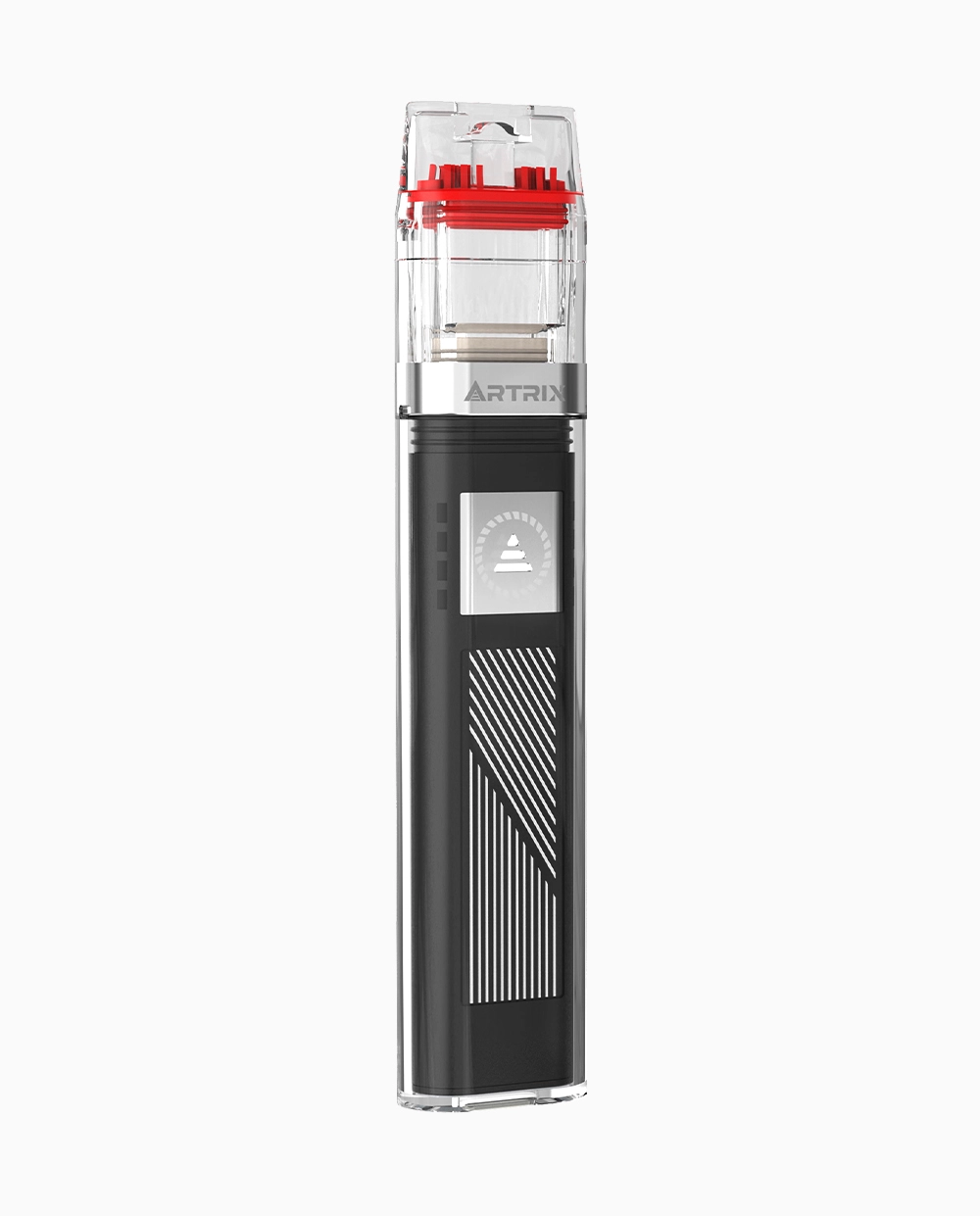
- Glassic: Designed not as a single product, but as a Glass Platform Architecture. From its inception, it has been engineered for modularity, automated assembly, and long-term evolution.
2. Consumer Experience Comparison
Core Logic: How does the hardware environment affect flavor restoration and user interaction for volatile extracts?
| Dimension | Artrix Glassic (Performance Flagship) | Traditional Glass Stick (Legacy Architecture) |
|---|---|---|
| Heating Performance | Flat Ceramic (Cotton-Free): Uniform heating path; eliminates hot spots; High retention of the original terpene flavor. | Cylindrical Ceramic + Cotton: Coil center is prone to local hot spots; degrading cotton fibers introduce off-flavors. |
| Oil Intake | Open Flow Path: Ultra-large intake area designed for high-viscosity Rosin; completely eliminates vacuum air-locks. | Narrow Intake Ports: Relies on fixed small holes; prone to air-locks in thick oil systems, leading to burnt tastes. |
| Durability | 2mm Reinforced Glass + Armor: Drop protection ensures the safety of high-value extracts. | 1.5mm Thin Glass: No external protection; glass surface takes direct impact; highly fragile upon dropping. |
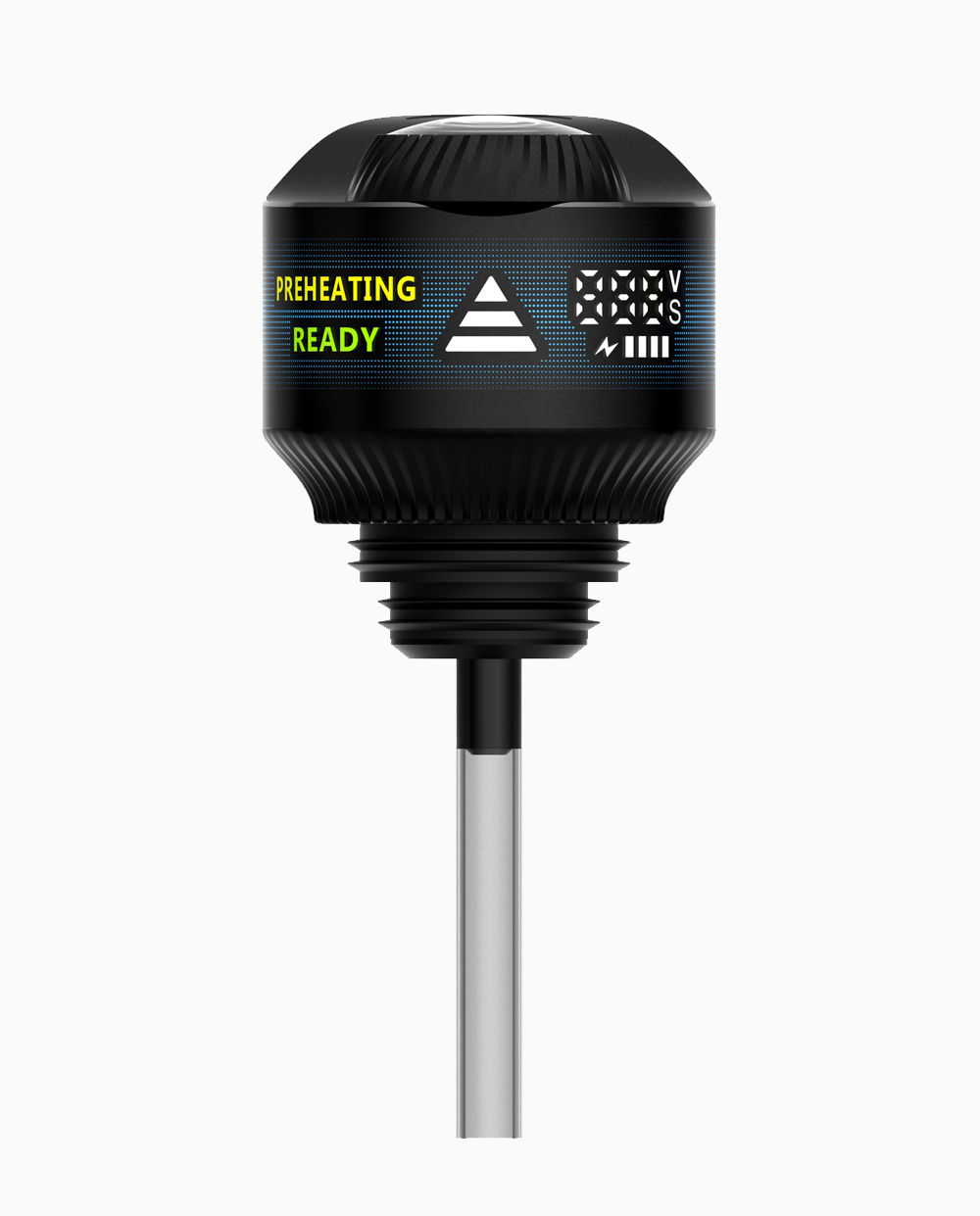
| Interaction Logic | Voltage Control + Preheat + Screen: Precisely fits various oil viscosities; real-time visibility of battery/status. | Fixed Output: No interactive feedback; “blind” operation provides a limited experience for diverse extracts. |
| Flavor Protection | Instant Cooling: Ultra-short flow path with no structural heat retention; prevents residual heat from “cooking” the remaining oil. | Heat Accumulation: The central glass post traps residual heat, causing local temperature spikes that accelerate terpene oxidation. |
Engineering Insight: Glassic is designed for adjustable and visible control, whereas traditional structures simplify electronic components to balance base costs. For complex, heat-sensitive Live Extracts, Glassic provides a far more stable physical environment.
3. Manufacturing & Platform Comparison
Core Logic: How does the hardware architecture impact production efficiency and SKU expansion costs?
| Dimension | Glassic (Modular Snap-Fit Platform) | Traditional Glass Stick (Static Design) |
|---|---|---|
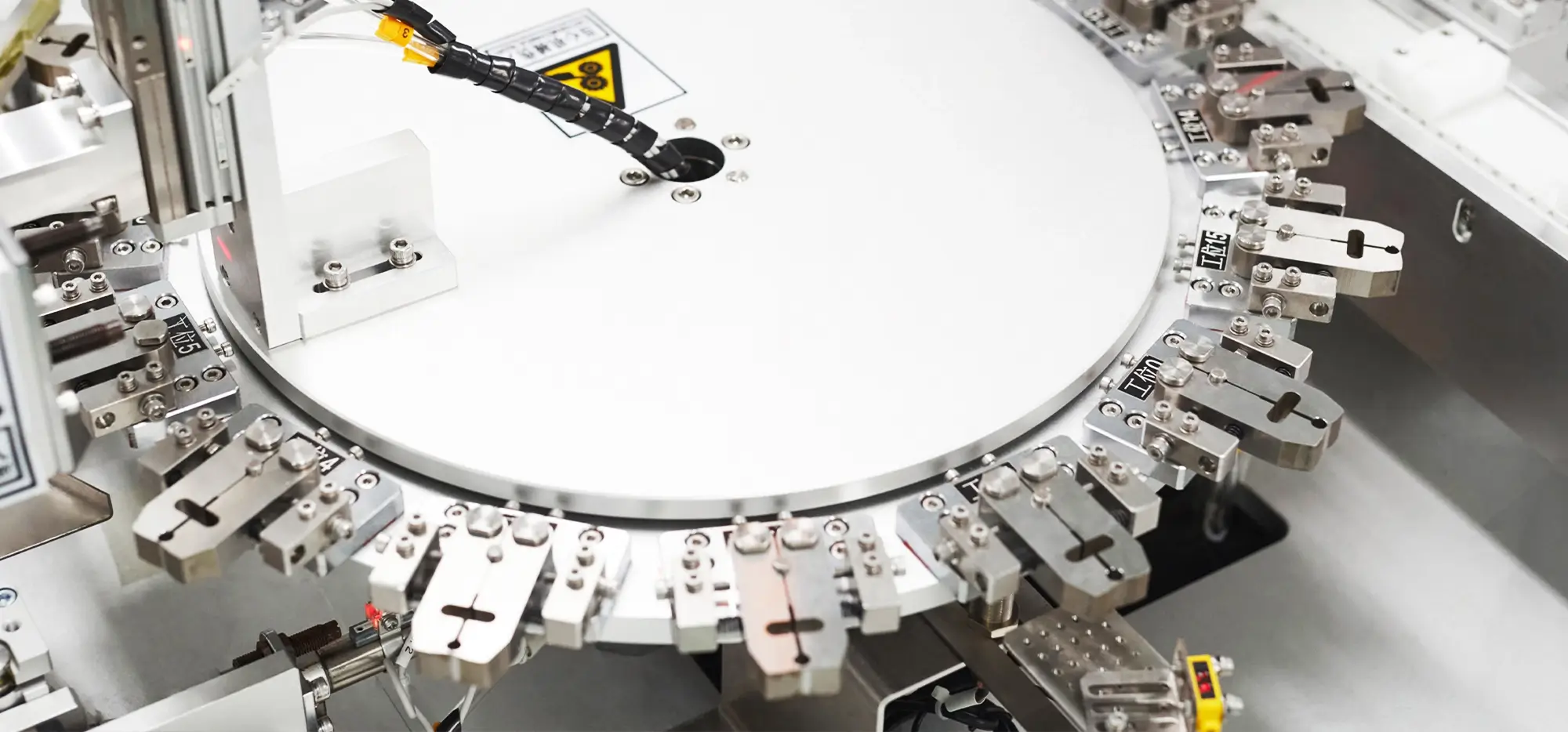
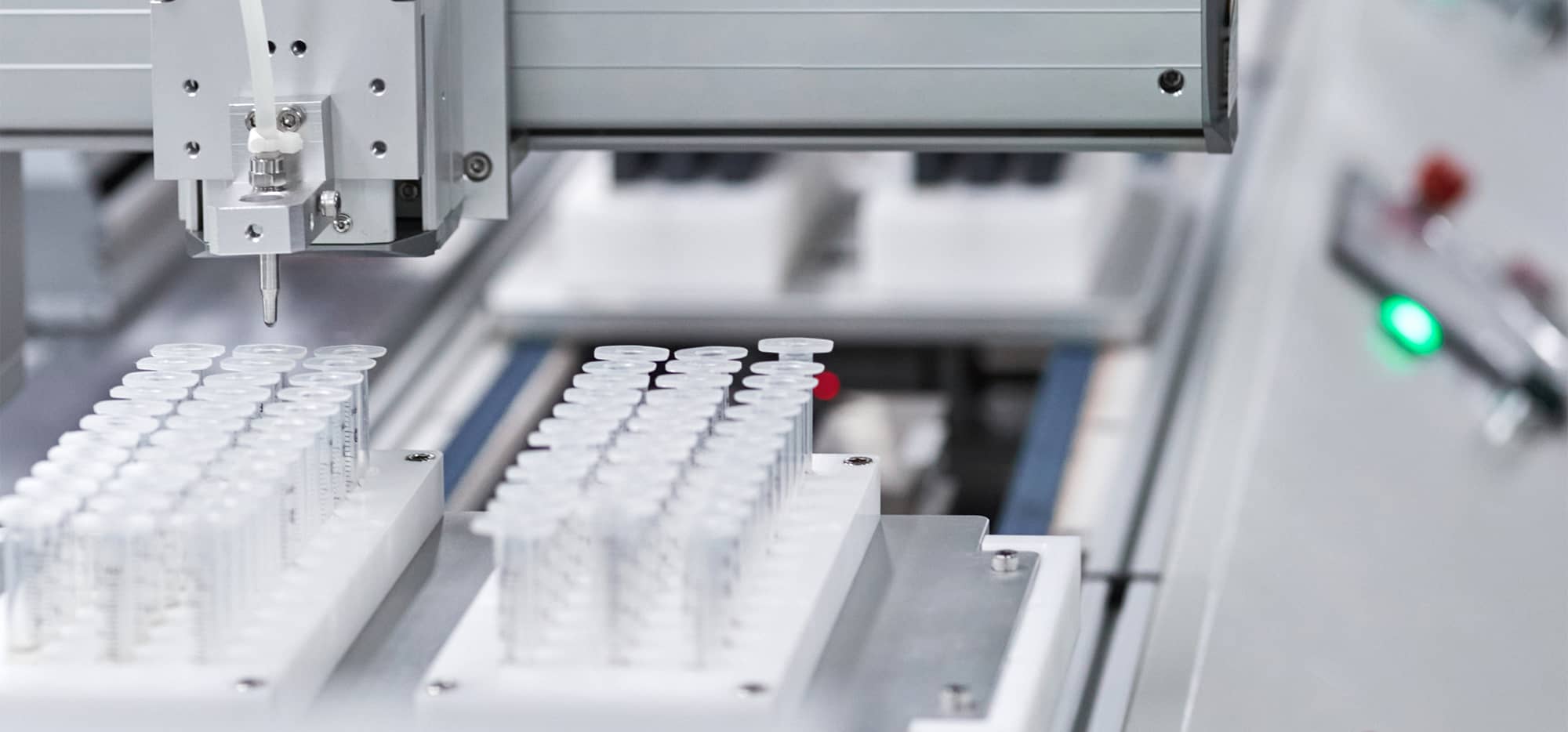
| Assembly Method | Snap-Fit Fast Sealing: Instant sealing post-filling; significantly increases labor efficiency; optimized for high-throughput automation. | Screw-on Fixation: Complex torque control; high labor dependency; prone to causing stress fractures in the glass. |
| Assembly Yield | Post-Free Design: Obstruction-free capping path; physically eliminates the risk of “crushing the center post”; exceptionally high automated yield. | Center Post Design: Brittle glass post; any axial misalignment during capping can easily damage the post or ceramic core, leading to high assembly loss. |
| Customization Space | Identity System: A flat canvas; update brand visuals via decals/shells without the need for new molds. | Monolithic Cylinder: Small branding surface prone to decal wrinkling; visual updates often involve high CMF (Color, Material, Finish) costs. |
| Platform Evolution | Series Scalability: A single core base supports seamless upgrades from decal-only models to LED screen models. | Static Design: Limited internal space with no functional upgrade path; difficult to form a cohesive product matrix. |
Business Value: The platform-based Glassic provides a superior Total Cost of Ownership (TCO) advantage by reducing SKU expansion costs and increasing automated production yields.
4. Deep Dive: Why “Post-Free” Outperforms “Center Post”?
The “Zero Collision” Promise for Production
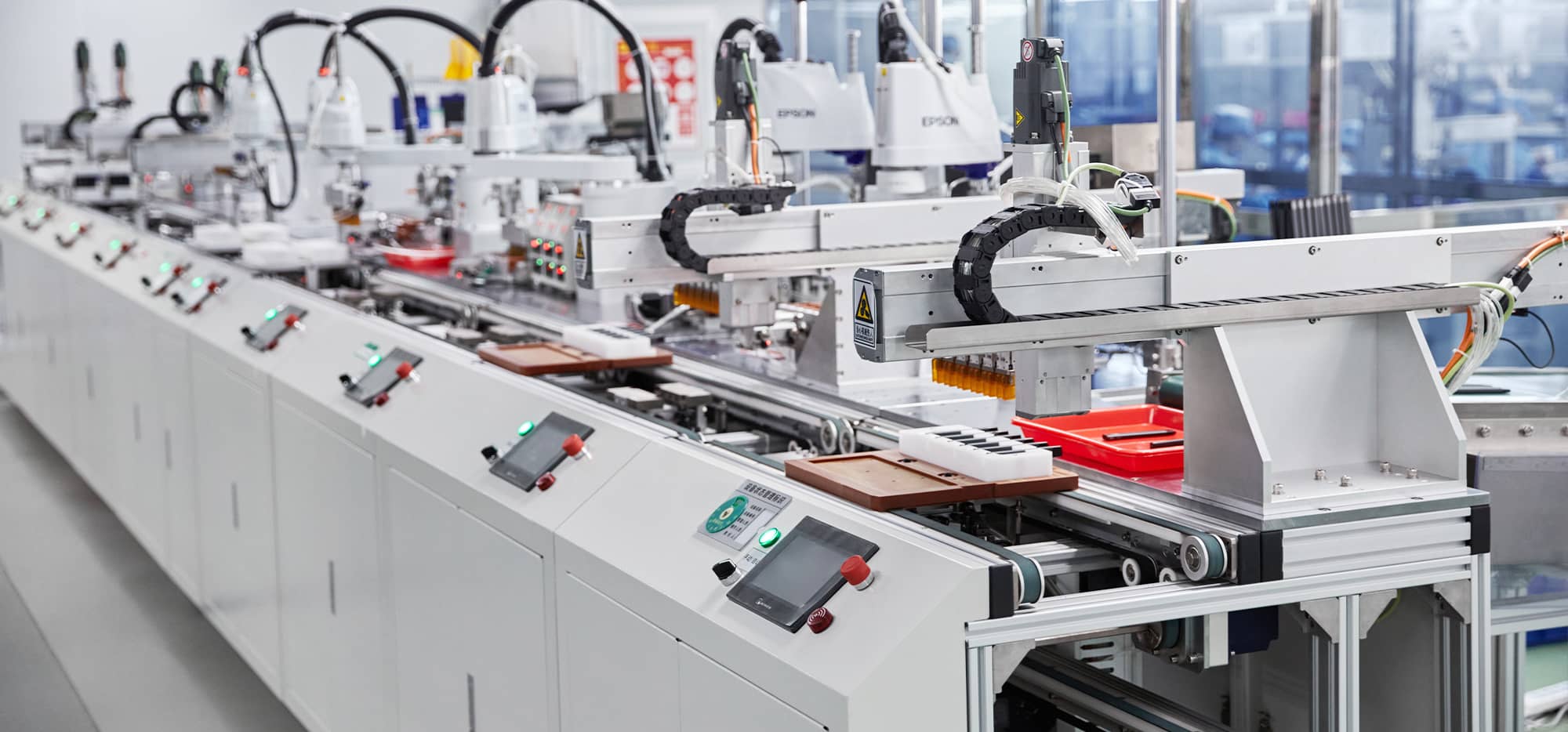
Even with a glass center post, physical structural risks in production cannot be avoided. On automated capping lines, even the slightest mechanical tolerance can cause the capping head to strike the center post. Due to the brittleness of glass, such collisions are often catastrophic. By completely removing the center post, Glassic achieves Zero Collision during the sealing process—a decisive advantage for brands pursuing large-scale production yields.
Thermodynamic “Flavor Locking”
While a glass center post is chemically pure, its structure inevitably causes heat accumulation. Residual heat from the heating element conducts through and stores within the center post, repeatedly “cooking” the un-vaporized oil in the chamber and accelerating terpene oxidation. Glassic’s flat ceramic paired with an open-space architecture dissipates heat rapidly and cools down instantly, ensuring flavor integrity from the first hit to the last.
5. Summary: How to Choose the Right Device?
If you are pursuing standardized mass production: For homogeneous Distillate oils where there is a higher tolerance for assembly yield fluctuations, traditional glass center-post devices serve as a steady transitional solution.
If you are pursuing premium positioning and ultimate efficiency: For high-value Live Extracts requiring maximum automated yields and a long-term product family roadmap—Platform-based Post-Free hardware (like Glassic) is the essential choice for protecting flavor and enhancing commercial flexibility.
Conclusion
Choosing hardware is not just about picking an appearance or a material; it is about choosing a product system. Glassic is dedicated to providing a continuously evolving engineering standard for the Live Extract era.