-1.webp)
-1.webp)
-2.webp)












Why Infused Pre-Rolls Get Harsh at the End
Last Updated: Sep 14, 2026
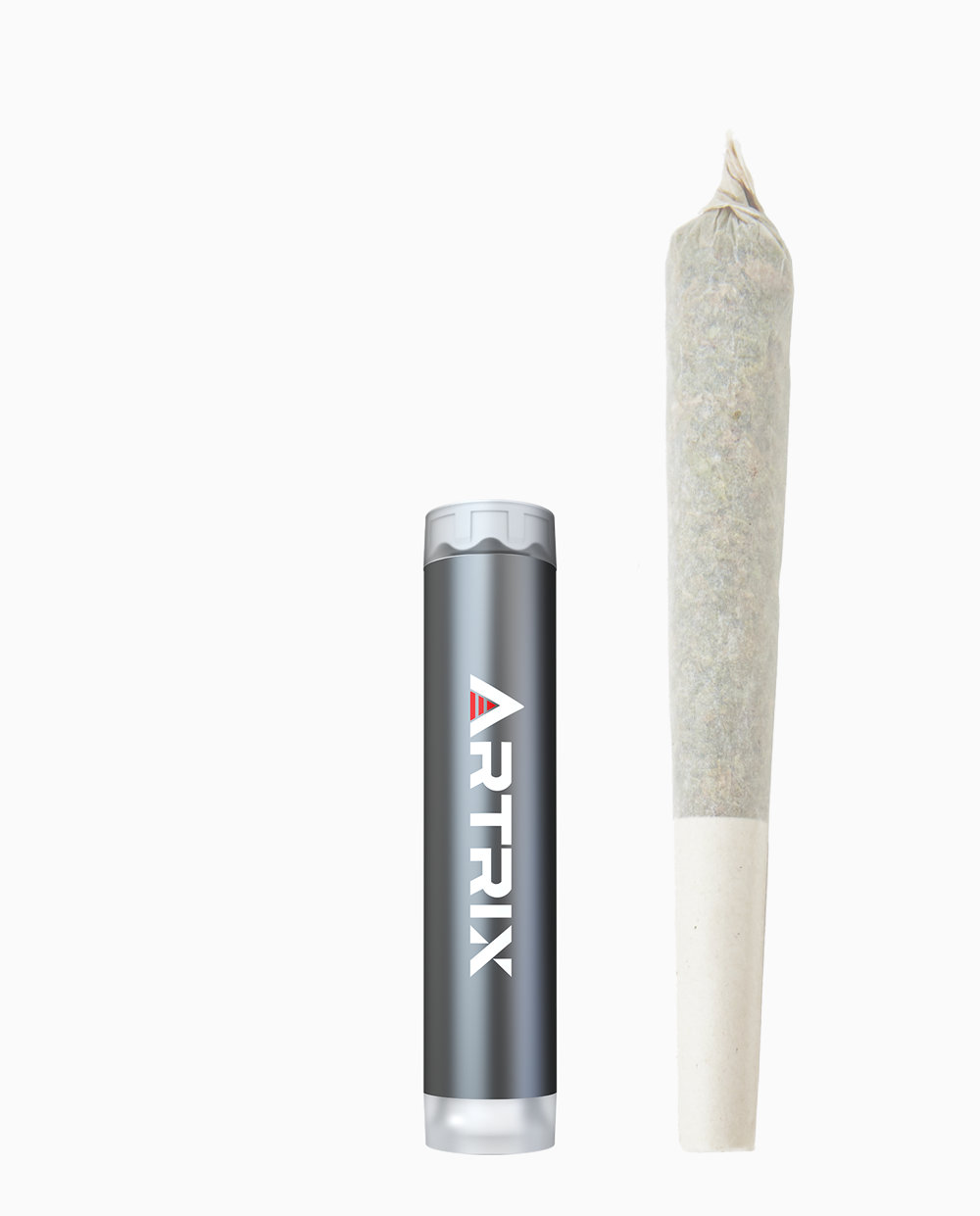
An infused pre-roll should be evaluated across the full session, not only by its first few puffs. In some configurations, temperature, draw resistance, residue, or flavor can change as the burn progresses. The size and cause of that change depend on variables such as concentrate type and placement, flower moisture, packing density, paper, roll dimensions, and puff conditions.
That pattern matters because it changes how a product should be evaluated. For an infused preroll, the real test is not whether the first few pulls feel premium. It is whether the experience remains stable enough that the consumer actually wants the final third. When the session collapses late, premium inputs stop translating into premium value.
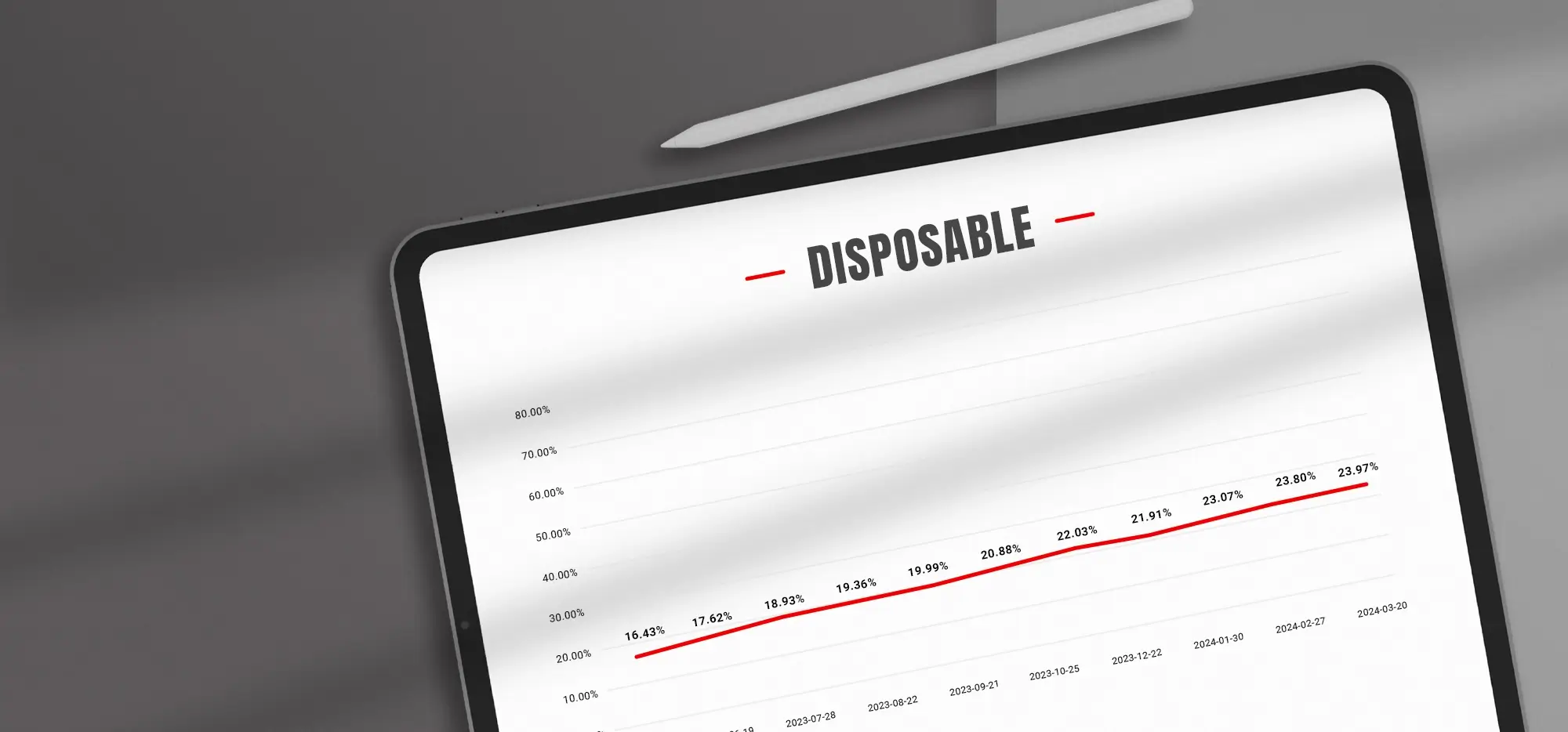
Market demand makes that question commercially relevant. A 2023 Headset report found that Connoisseur / Infused products represented 42.3% of pre-roll sales in the tracked U.S. markets and 32.6% in Canada during the report’s stated period. Current category figures change with the reporting window, so brands should always cite the date and market coverage instead of treating one number as permanent.
The Last Third Is a Product-Development Test Window
The final third is useful because it can reveal changes that an opening-puff evaluation misses. A product may begin with clear flavor and comfortable draw resistance, then become warmer, harder to pull, or less consistent. Those observations do not prove a single universal failure mechanism, but they show where a structured investigation should begin.
The industry often attributes this to user tolerance or smoking habits, but the real problem is not the consumer. It is the physical design of the product itself. More precisely, design is one part of a system that also includes formulation, manufacturing consistency, storage, and use behavior. A defensible evaluation separates those variables rather than assigning every late-session change to potency or user technique.
-
- First third: record initial flavor clarity, mouth-end temperature, draw resistance, and burn-line shape.
-
- Middle third: track whether resistance, residue, relights, or uneven burning begins to increase.
-
- Final third: measure whether the changes are large enough to affect finishability and blind sensory scores.
What Can Change as an Infused Pre-Roll Burns?
Heat can soften or liquefy some concentrate formulations before the surrounding material is consumed. Once mobile, concentrate may redistribute through the porous flower bed under a combination of heat, pressure differences, gravity, and capillary effects. The extent of that movement is product-specific: rosin, resin, distillate, diamonds, and kief do not share one composition or one set of thermal and flow properties.
As combustion progresses, the concentrate liquefies and migrates toward the unburned front end near the filter. This should be treated as a mechanism to test, not as an inevitable path for every product. Brands can examine it by weighing sections before and after a controlled session, photographing the internal residue pattern, and comparing concentrate placement while holding the other variables constant.
The combustion region and the smoke reaching the mouth are also different thermal environments. Published cannabis-cigarette research has described a burning-tip temperature of approximately 800°C under the studied conditions, together with migration of some THC away from the hottest region. That general finding helps explain why heat-driven redistribution is plausible, but it does not establish the temperature profile or concentrate behavior of a particular infused pre-roll.
Hash Holes and Dispersed Infusions Need Different Tests
The defining structure of a hash hole is a long rosin “snake” wrapped in the center of the flower. That centralized placement creates a different flow path from a product in which concentrate is mixed through the flower or applied as an exterior coating. Brands should therefore compare these formats by observed behavior rather than assume they share one failure mode.
In a hash hole, testing should focus on whether the central concentrate softens, redistributes, or coincides with a rising pressure drop near the mouth end. In a dispersed infusion, the priority may be burn uniformity, local residue patterns, and variation from one unit to another. If draw resistance rises, a consumer may pull differently, which can alter oxygen flow and make an uncontrolled session difficult to interpret.
Flavor Decline Requires Measurement, Not a Fixed Temperature Story
Flavor can change as volatile compounds are released, transformed, or lost during heating and combustion, but a single “terpene stability temperature” cannot describe an entire infused pre-roll. Different compounds behave differently, and the relevant exposure depends on time, oxygen, matrix, measurement location, and the product’s formulation. The useful question is not whether one threshold has been crossed; it is how the chemical and sensory profile changes under a defined test.
As a result, expensive terpenes can break down and carbonize before they are even inhaled, producing bitterness instead of flavor. A more precise product claim would require analytical measurements of the emitted compounds and blind sensory evaluation. Without those results, brands can describe late-session bitterness as an observed outcome and thermal degradation as one possible contributor, not the proven explanation for every sample.
What Pre-Roll Brands Should Measure Instead of Just Potency
Product development in this segment still leans too heavily on flower quality, concentrate quality, and headline THC. Those inputs matter, but they do not fully explain whether consumers will enjoy the product from start to finish. For premium brands, the more strategic question is whether the session stays finishable.
A useful protocol controls the product and the puff sequence before comparing outcomes. Teams should document flower batch and moisture, grind size, packing density, paper, roll dimensions, concentrate type, load and placement, storage conditions, puff volume, puff duration, puff interval, and ambient conditions. Temperature readings must also identify the sensor type and location because a combustion-zone value cannot be treated as the temperature at the mouth.
| What brands often optimize | What consumers actually notice | What teams should measure |
|---|---|---|
| THC strength and concentrate load | Whether the last third still feels worth smoking | Temperature stability and end-of-session harshness |
| Premium ingredient story | Whether flavor stays clear past the midpoint | Airflow consistency and residue buildup |
| Visual drama such as oil rings or coatings | Whether the preroll clogs, runs, or overheats | Burn uniformity and draw resistance over time |
Run several units of the same configuration before changing one variable at a time. Divide each session into thirds and record the same measures at the same intervals. This turns “harsh at the end” from a vague complaint into a traceable product signal that can support prototype comparison, supplier qualification, and batch-level investigation.
Why a Filter Alone May Not Resolve Every Cause
A filter or mouth-end component can influence heat transfer, condensation, and draw feel, but its effect must be evaluated alongside the roll itself. If a measurable change begins upstream because of concentrate placement, packing density, paper, or uneven burning, a different filter may address only part of the experience. That makes filter material one design variable, not a universal cure or a useless upgrade.
For a fair comparison, hold the infused pre-roll constant and test each mouth-end design for pressure drop, mouth-end temperature, collected residue, and blind sensory response. Glass, ceramic, paper, and other configurations have different geometry and thermal properties, so results should be attributed to the tested construction rather than to a broad material category.
Where a Separate Vapor Path Fits
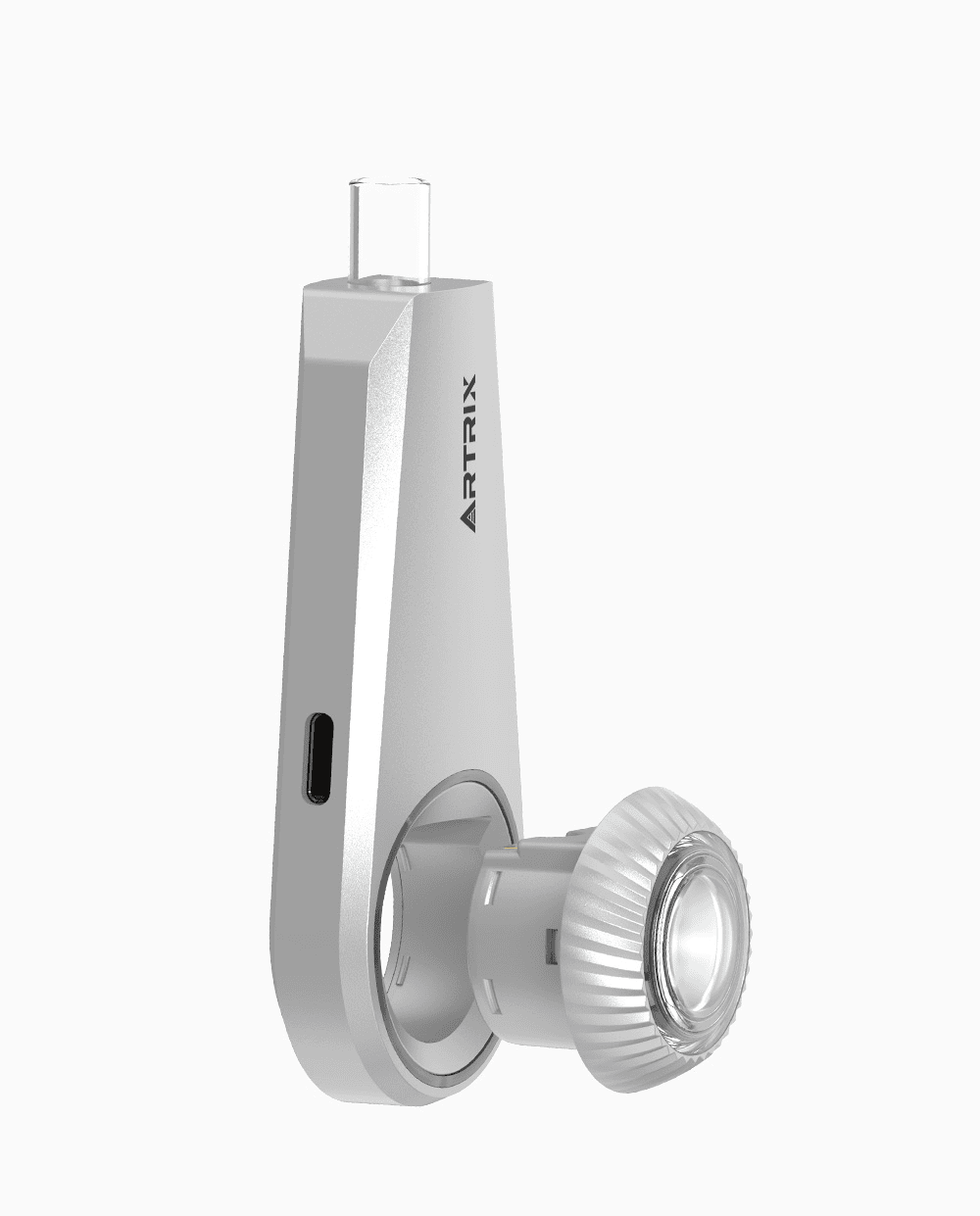
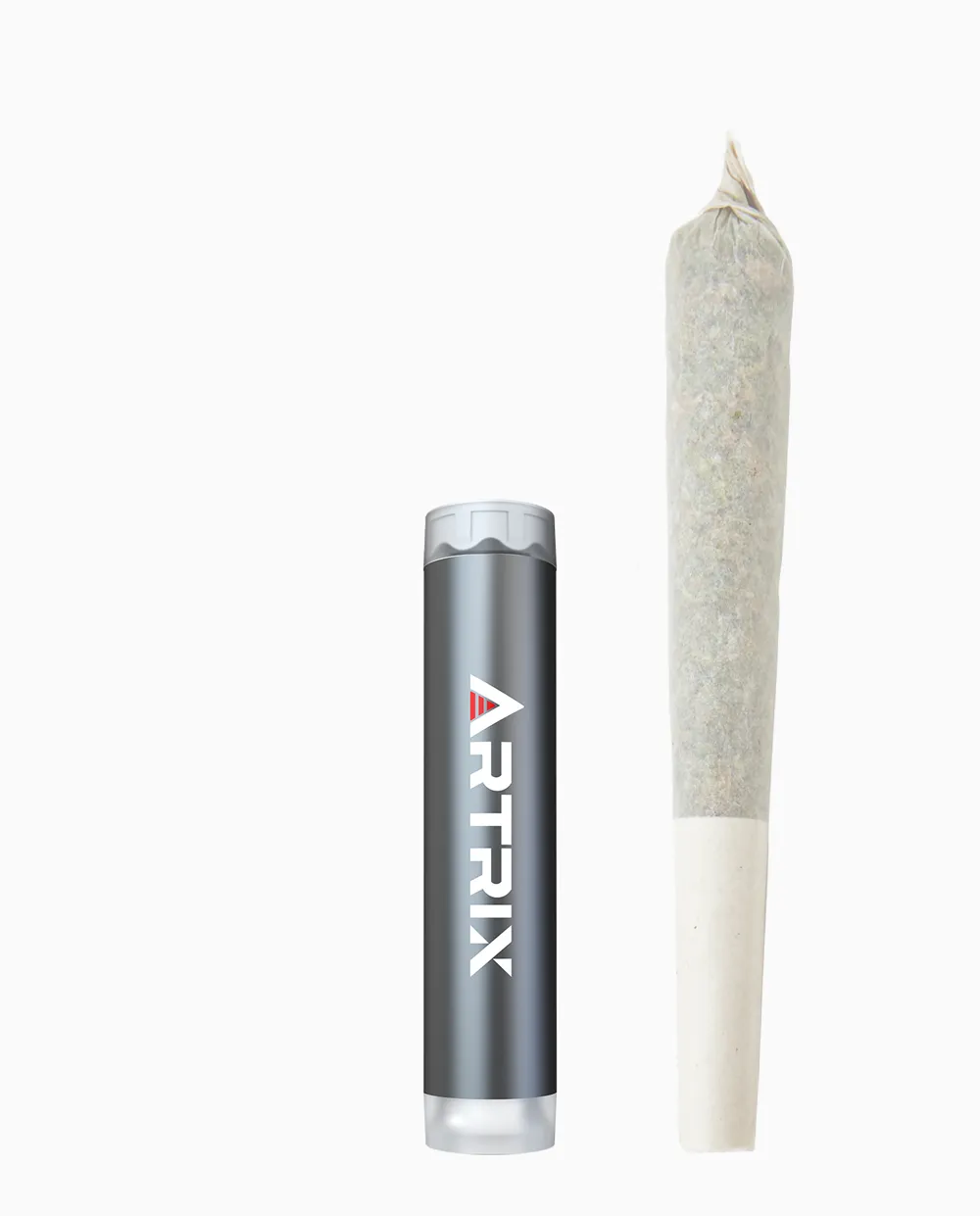
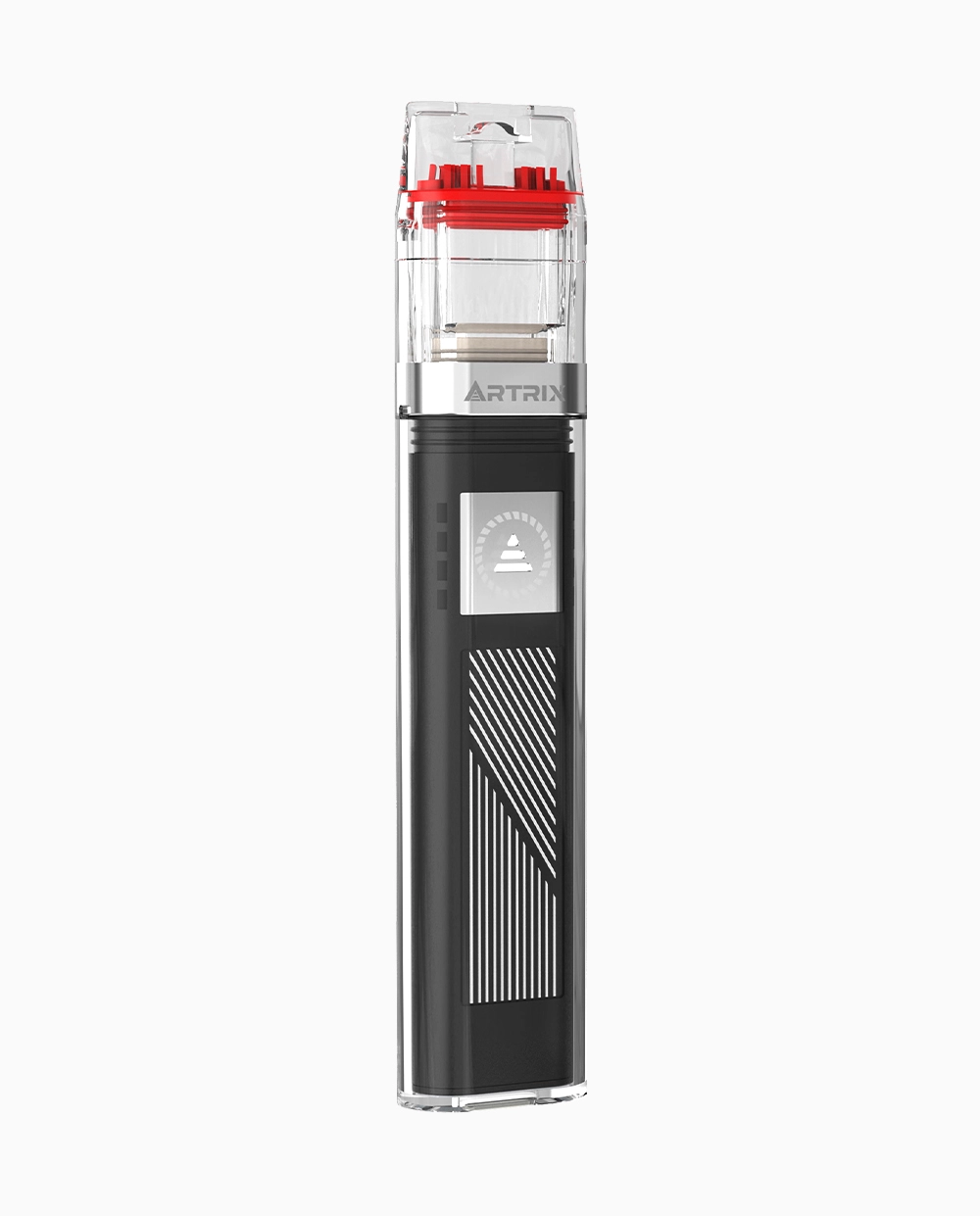
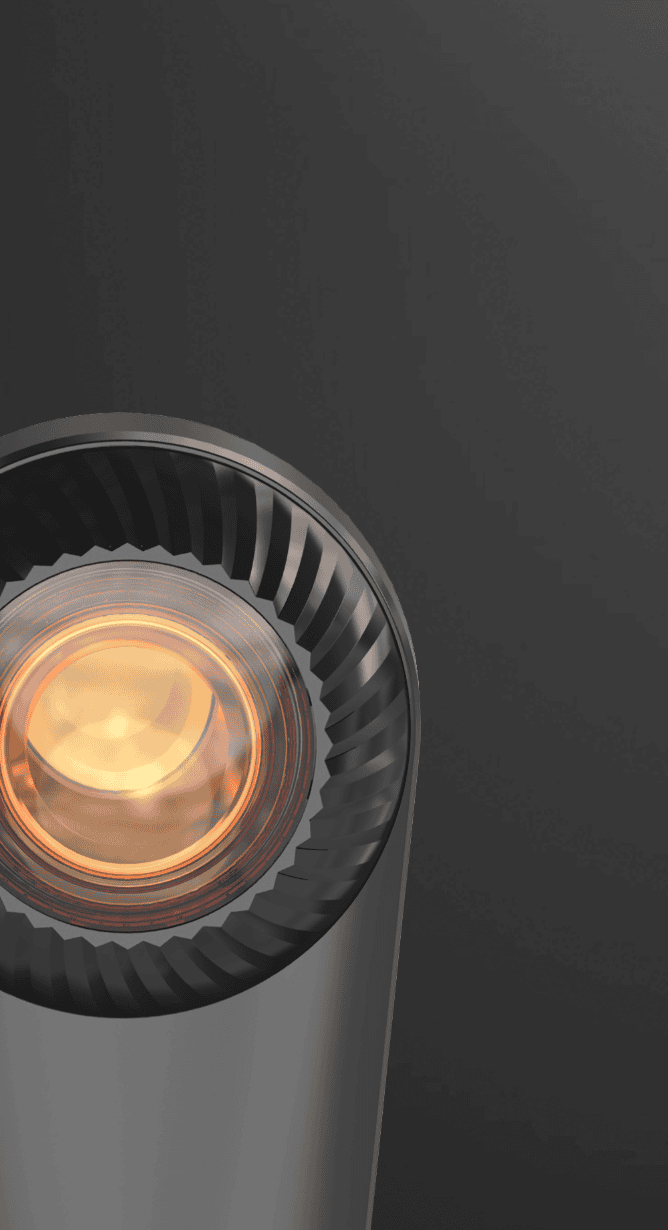
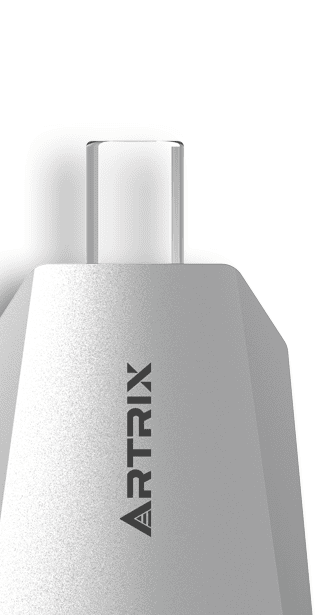
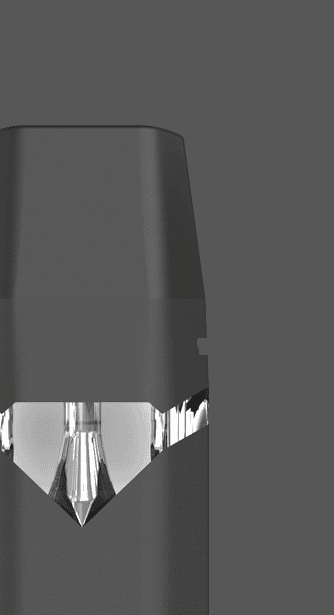
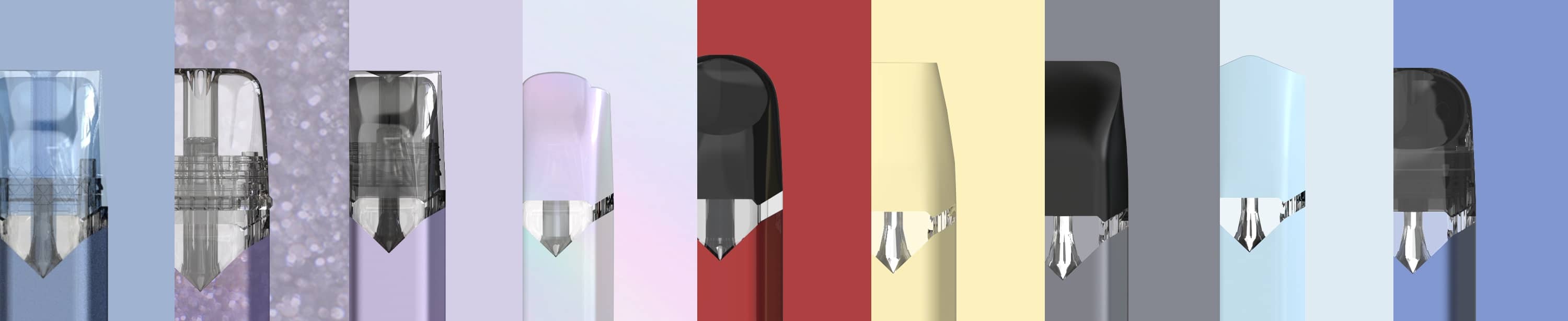
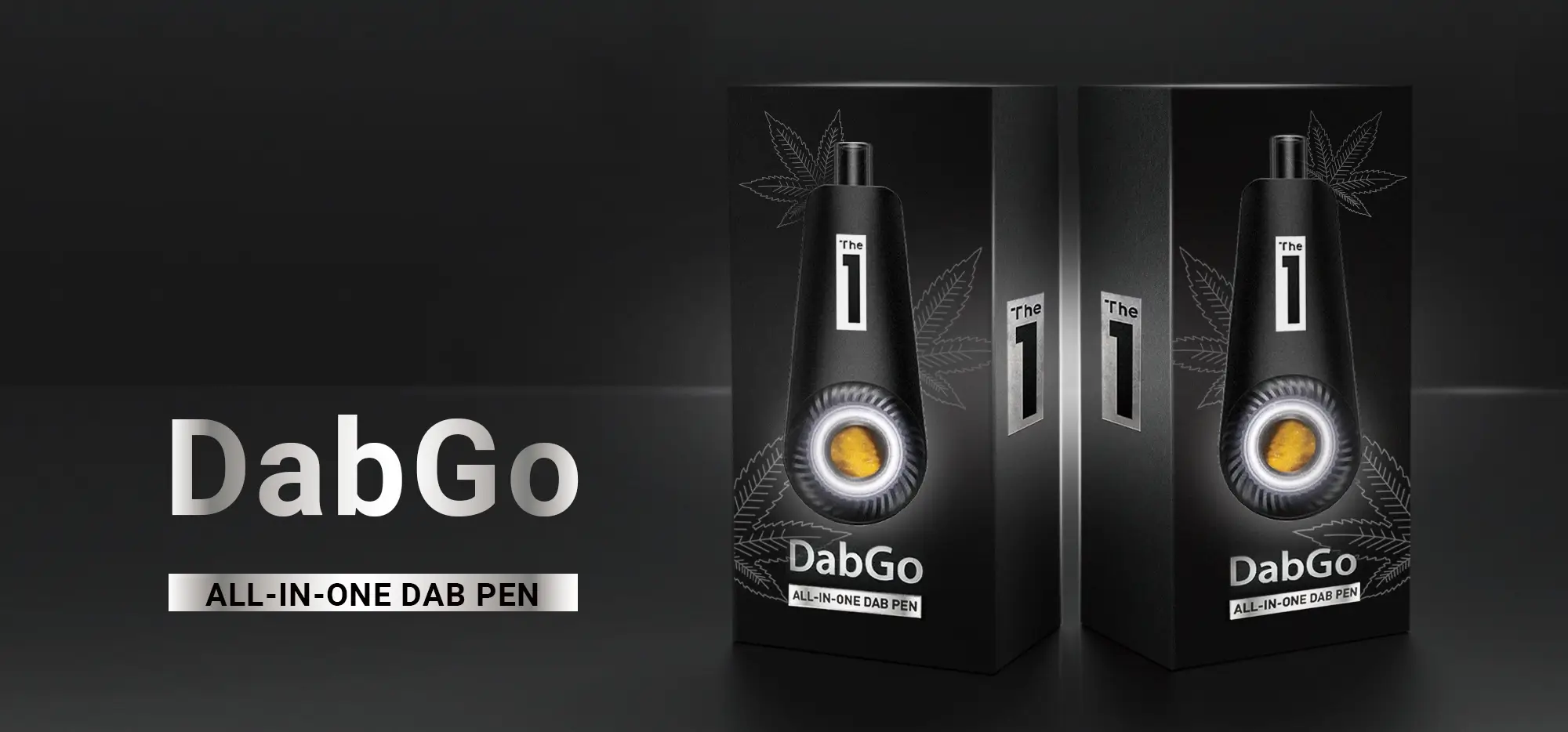
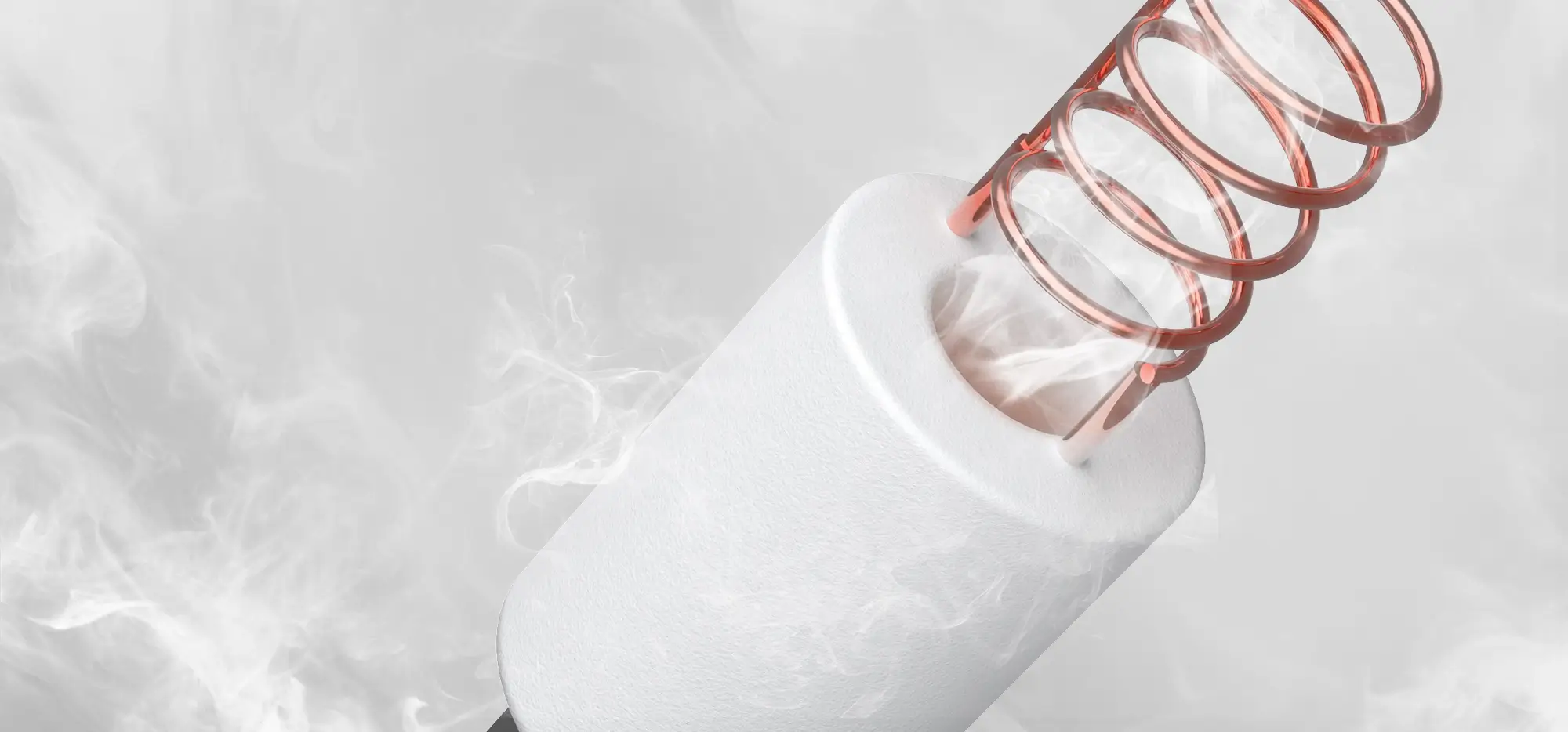
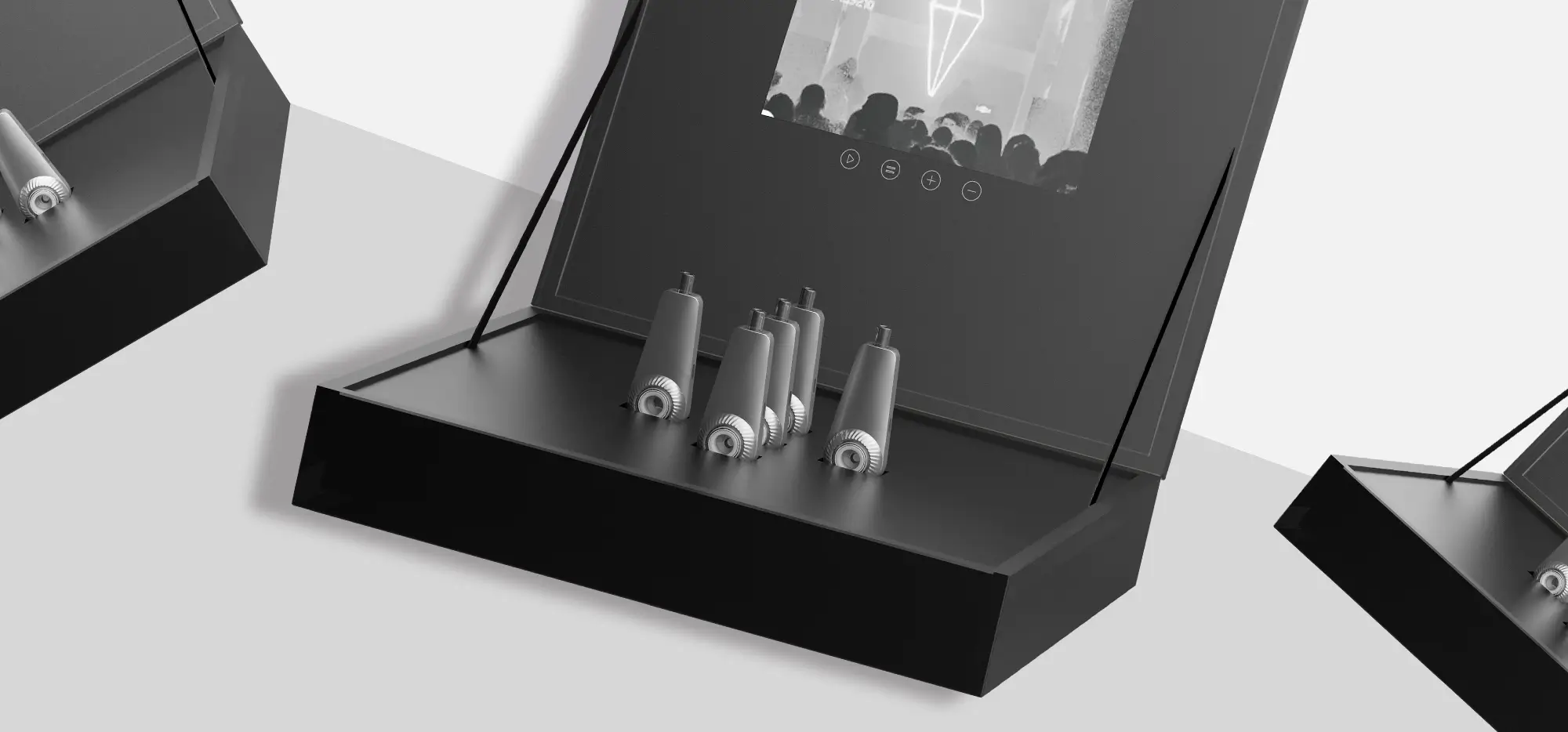
A separate vapor path offers a different architecture to test: part of the extract is delivered outside the pre-roll’s burning flower bed. This changes concentrate placement at the system level and allows teams to compare a conventional infused format with a standard pre-roll paired with a vaporizing component. The practical question is whether that configuration produces a more consistent measured session under equivalent, disclosed conditions.
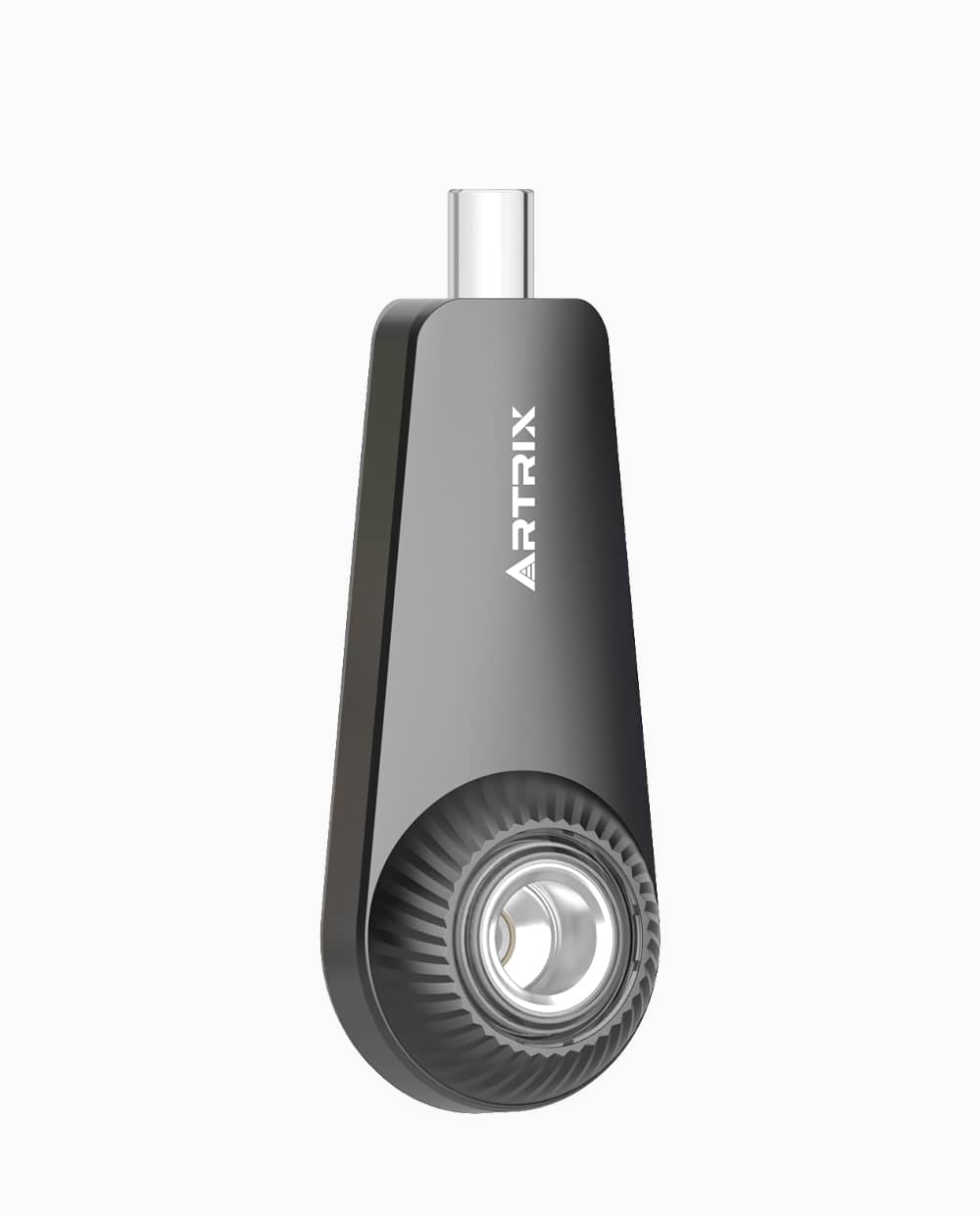
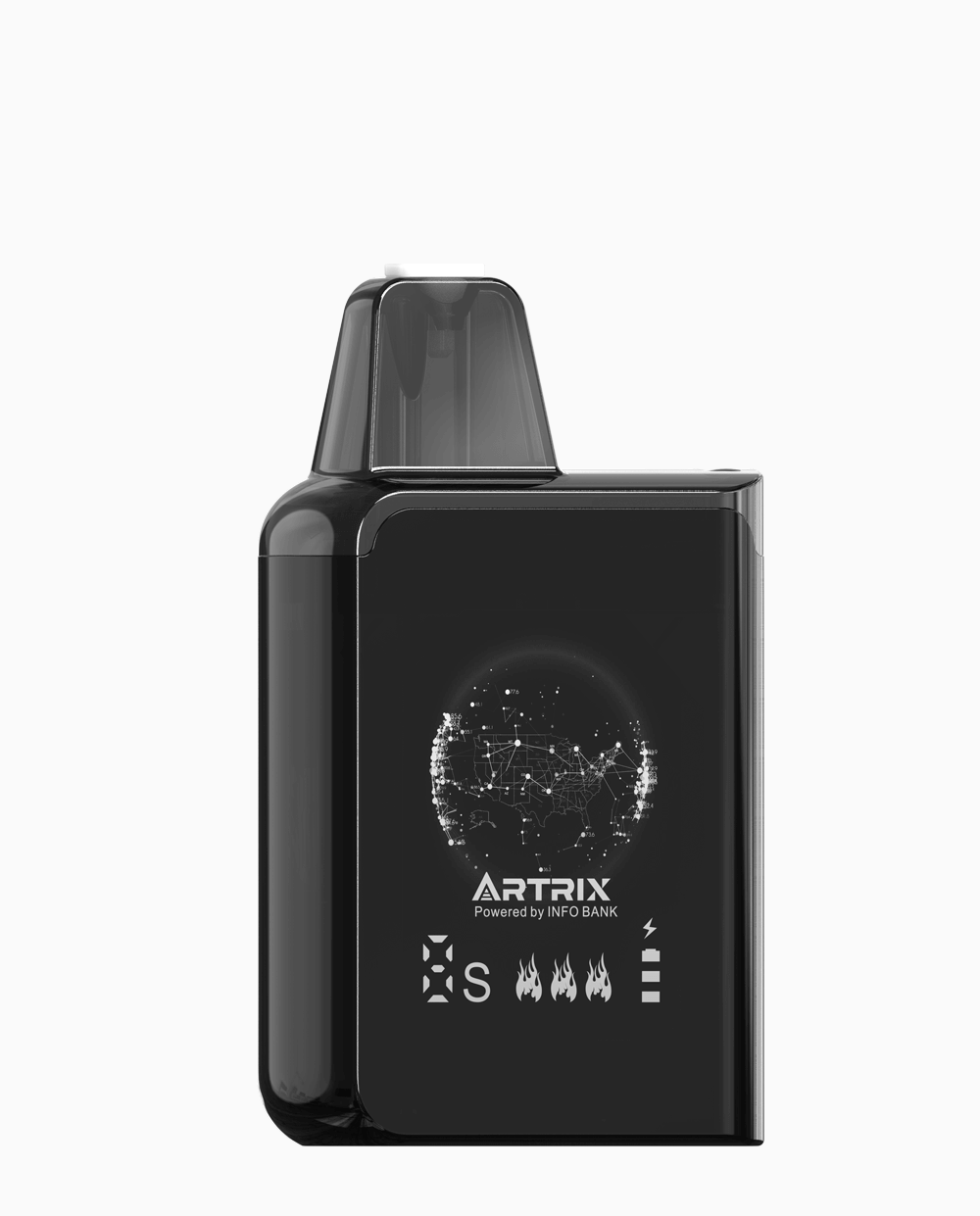
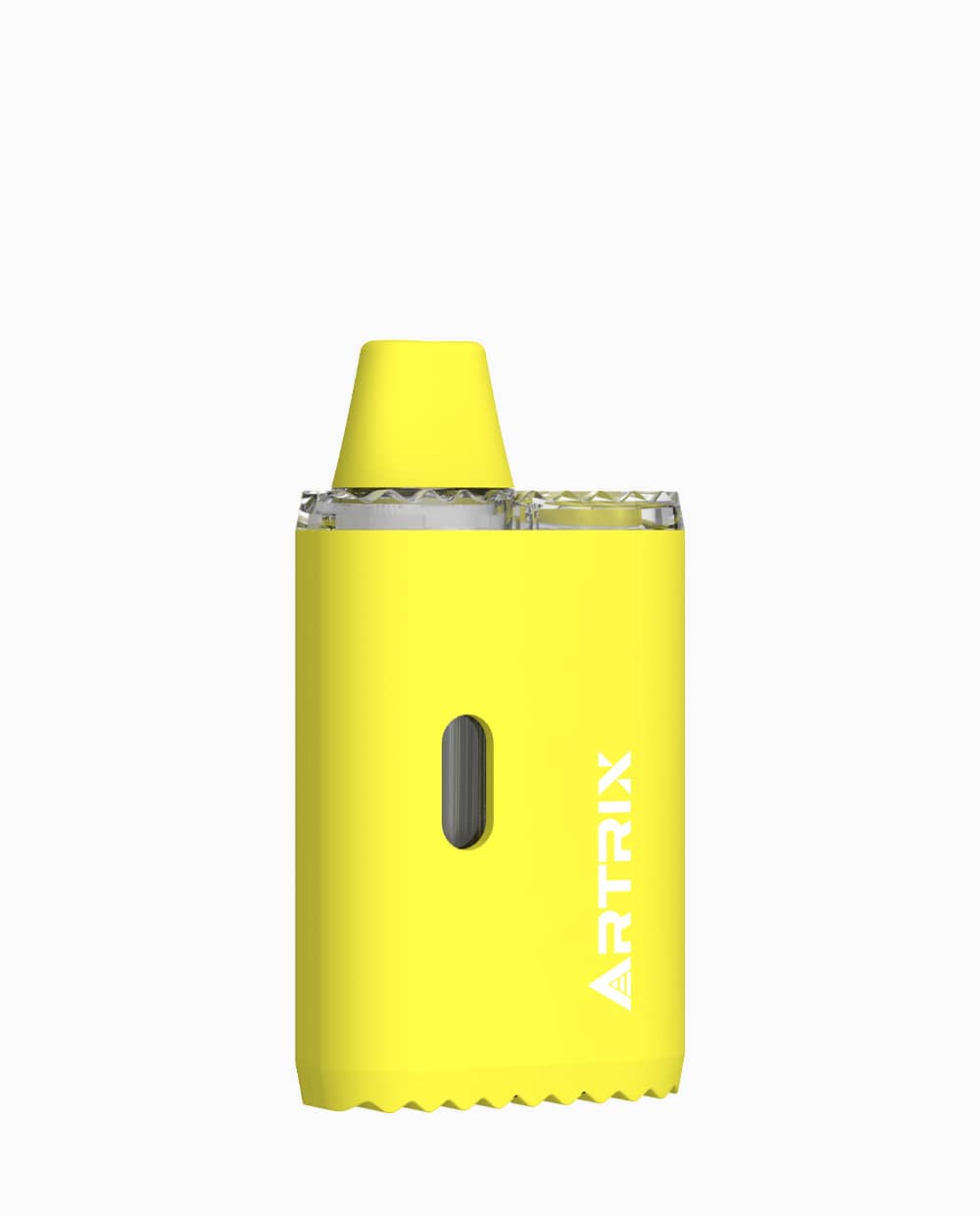
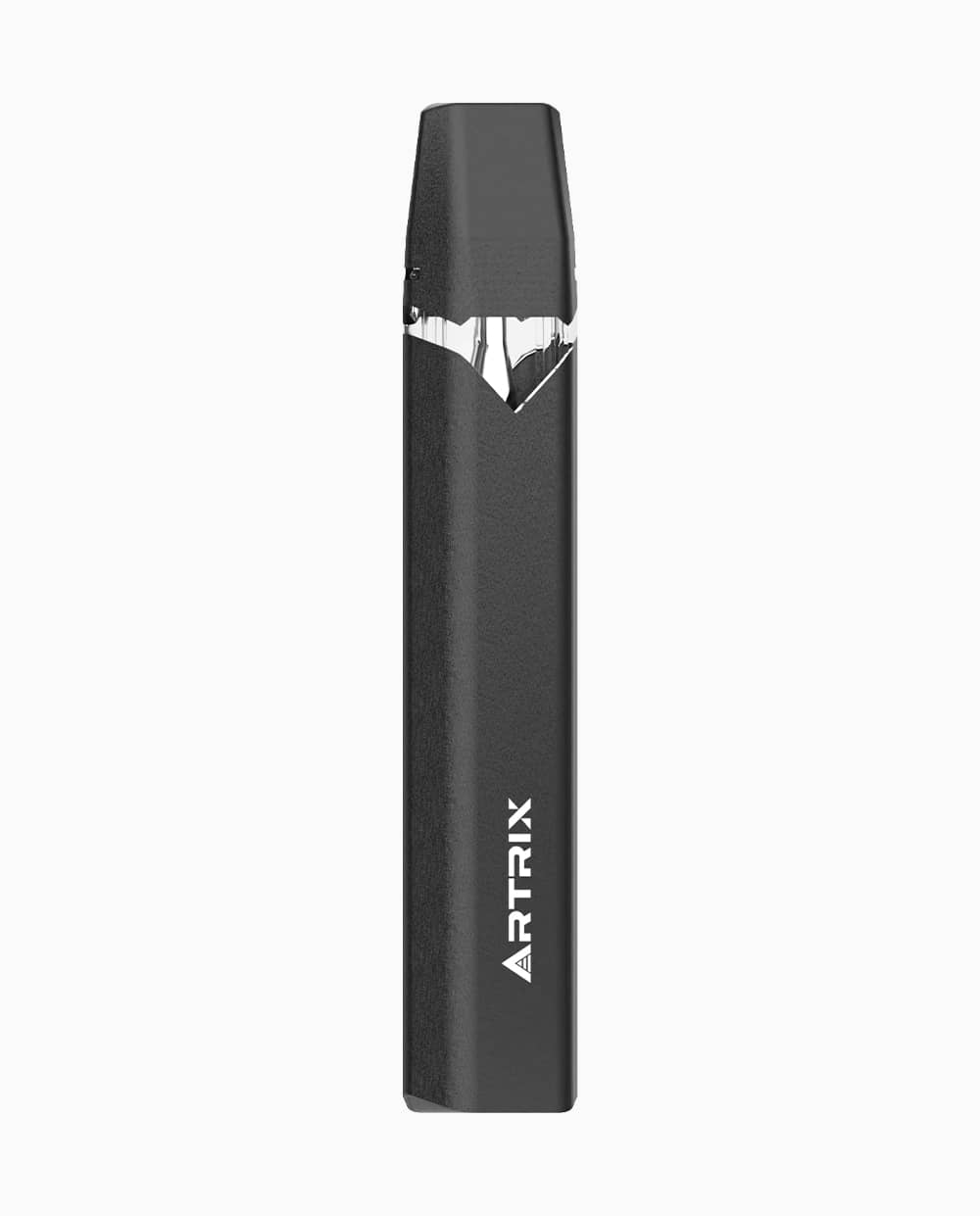
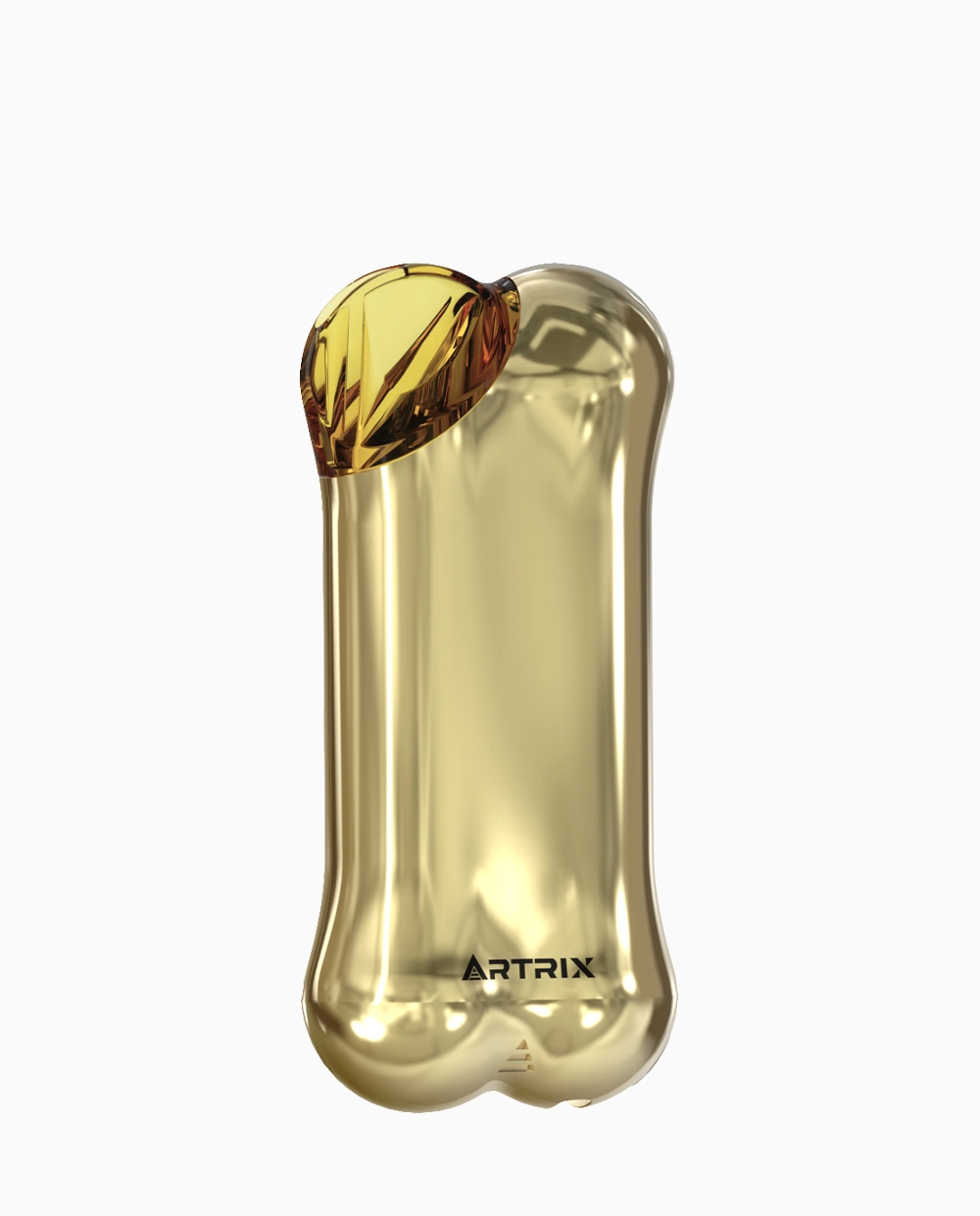
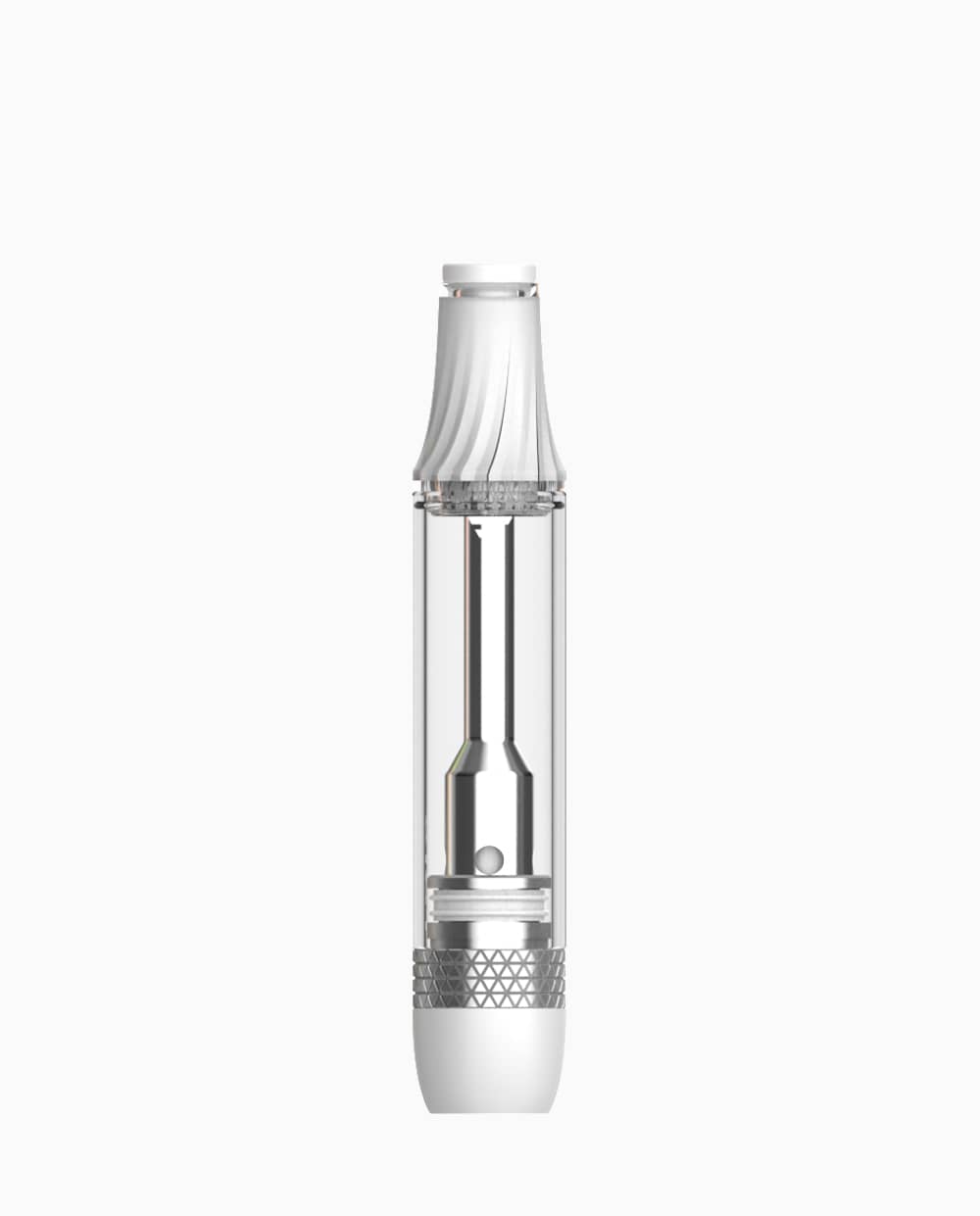
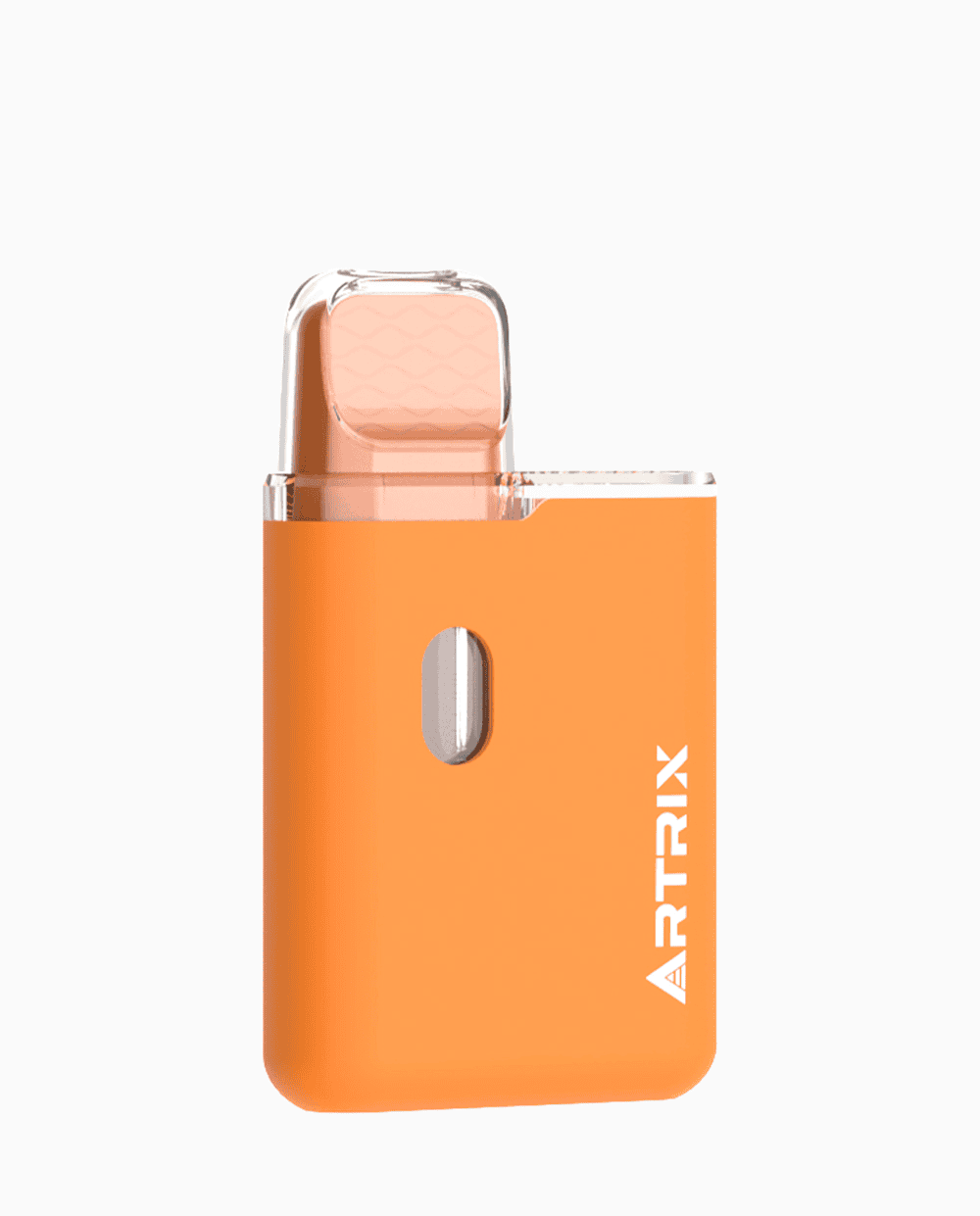
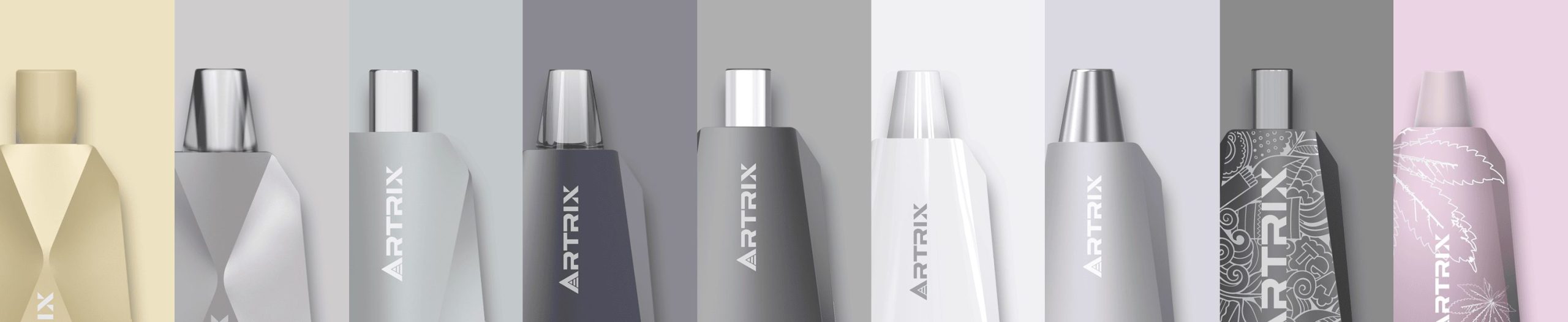
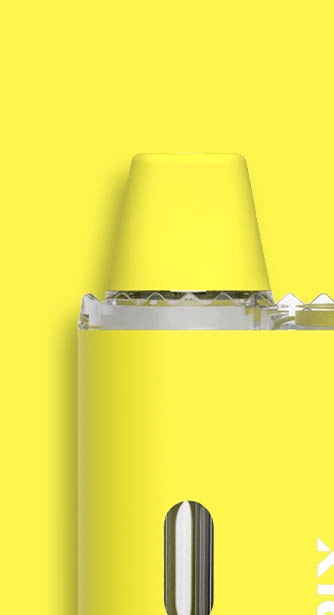
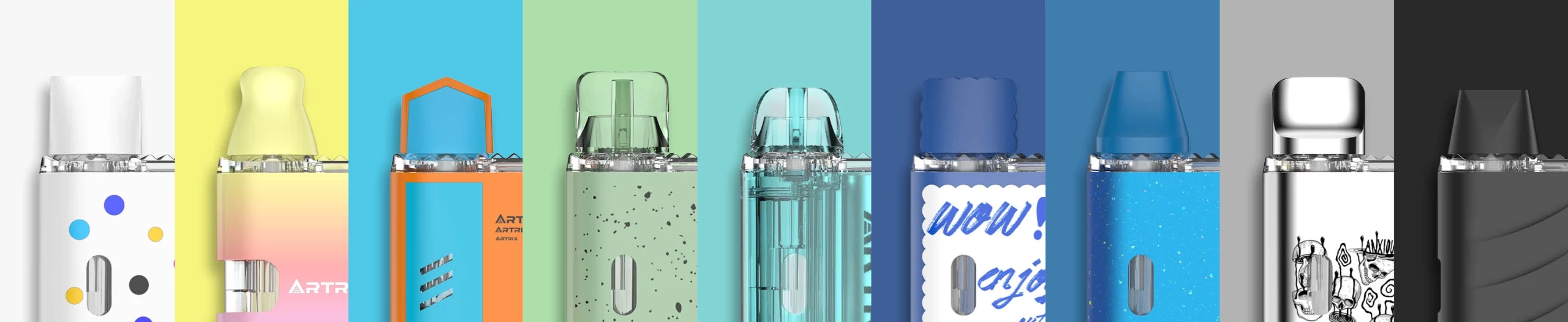
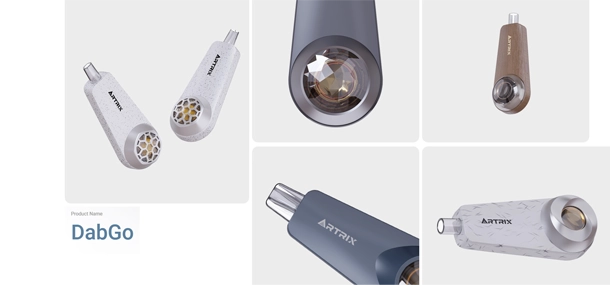
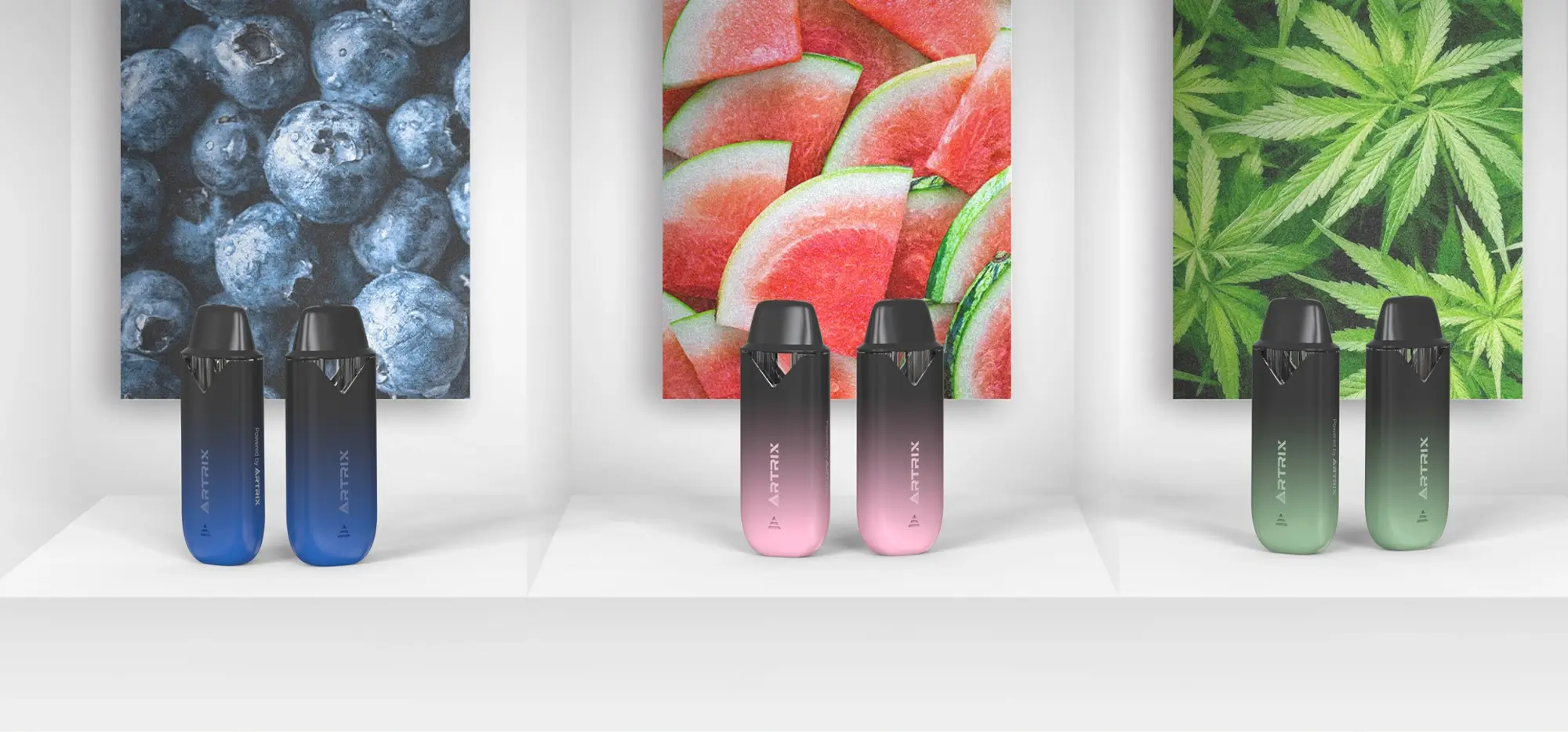
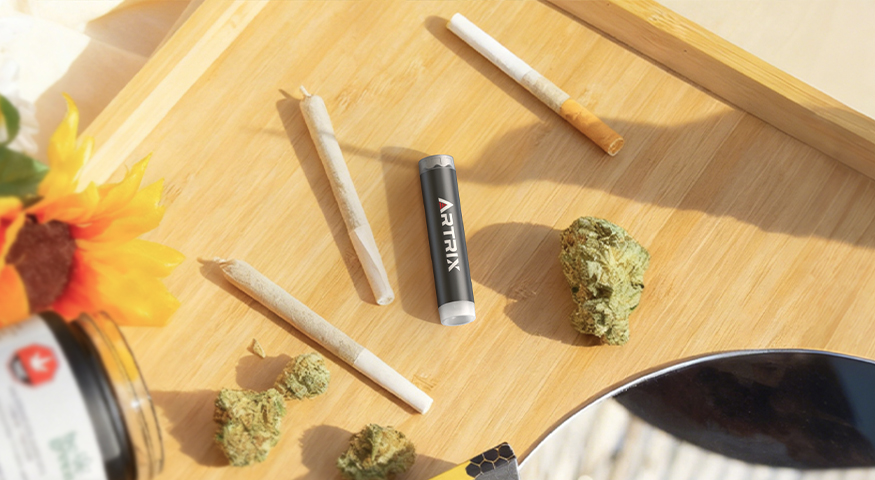
The Artrix Tip product page lists a 0.15 mL tank, flat-mesh ceramic core, 3.7 V output, 5 W power, and compatibility with pre-roll mouthpieces under 8 mm. Those specifications describe the device and its intended operating format. Claims about flavor, smoothness, efficiency, concentrate use, or temperature control should be based on a product-level comparison that discloses the tested pre-roll, extract, puff protocol, sample size, and measurement method.
A useful demo should therefore show more than an opening impression. It should compare temperature, draw resistance, concentrate consumption, residue, and blind sensory scores across the full session. Brands can then judge whether the architecture fits their formulation, audience, manufacturing process, and performance target.
Conclusion: Make Finishability a Measurable Product Standard
The last third should become a defined product-development checkpoint, not an assumed universal defect. By controlling formulation and use variables, measuring each stage, and separating observations from proposed mechanisms, brands can identify where performance changes and which design lever deserves attention.
When the industry stops focusing only on formulation and starts paying attention to airflow architecture and temperature control, pre-rolls can finally move beyond the label of inconsistency. The strongest path forward is evidence: repeatable test conditions, transparent limits, and product claims that match the recorded result.
In the premium segment, a stable experience is the strongest moat a brand can build. For brands evaluating alternative delivery architectures, a controlled demo can turn that ambition into a direct, measurable comparison.
21+ ONLY
Disclaimer
This content is for informational purposes only and does not constitute medical or legal advice. Please consult a licensed healthcare provider before using cannabis products. Comply with your state’s regulations.
This content is intended for audiences 21 years and older, as required by U.S. law.
Cannabis regulations vary by state. Please verify the legal status of products in your area before purchase.