


-1.webp)
-1.webp)
-2.webp)































Pre-Rolls vs. Rolling Your Own: The Complete Guide to Choosing What’s Right for You
For many first-time cannabis buyers, the choice between pre-rolls and loose flower seems simple at first. Pre-rolls look easier, while loose flower looks more flexible. But in a real retail conversation, the better recommendation depends less on the product format and more on the buyer’s intent, comfort level, tolerance, budget, and setting.
A beginner who wants the lowest-effort first purchase may be happier with pre-rolls. Another beginner who wants more control over the amount used may be better served by loose flower, even if it requires a little more preparation. The goal is not to crown one format as better for everyone. The goal is to match the product to the person standing at the counter.
The Real Question Is Not “Which Is Better?”
Most first-time buyers ask a broad question: should I buy pre-rolls or should I roll my own? That question usually hides several smaller questions. Do they want convenience? Do they want to control the portion? Are they buying for themselves or a group? Are they nervous about getting too much? Are they curious about learning the flower itself?
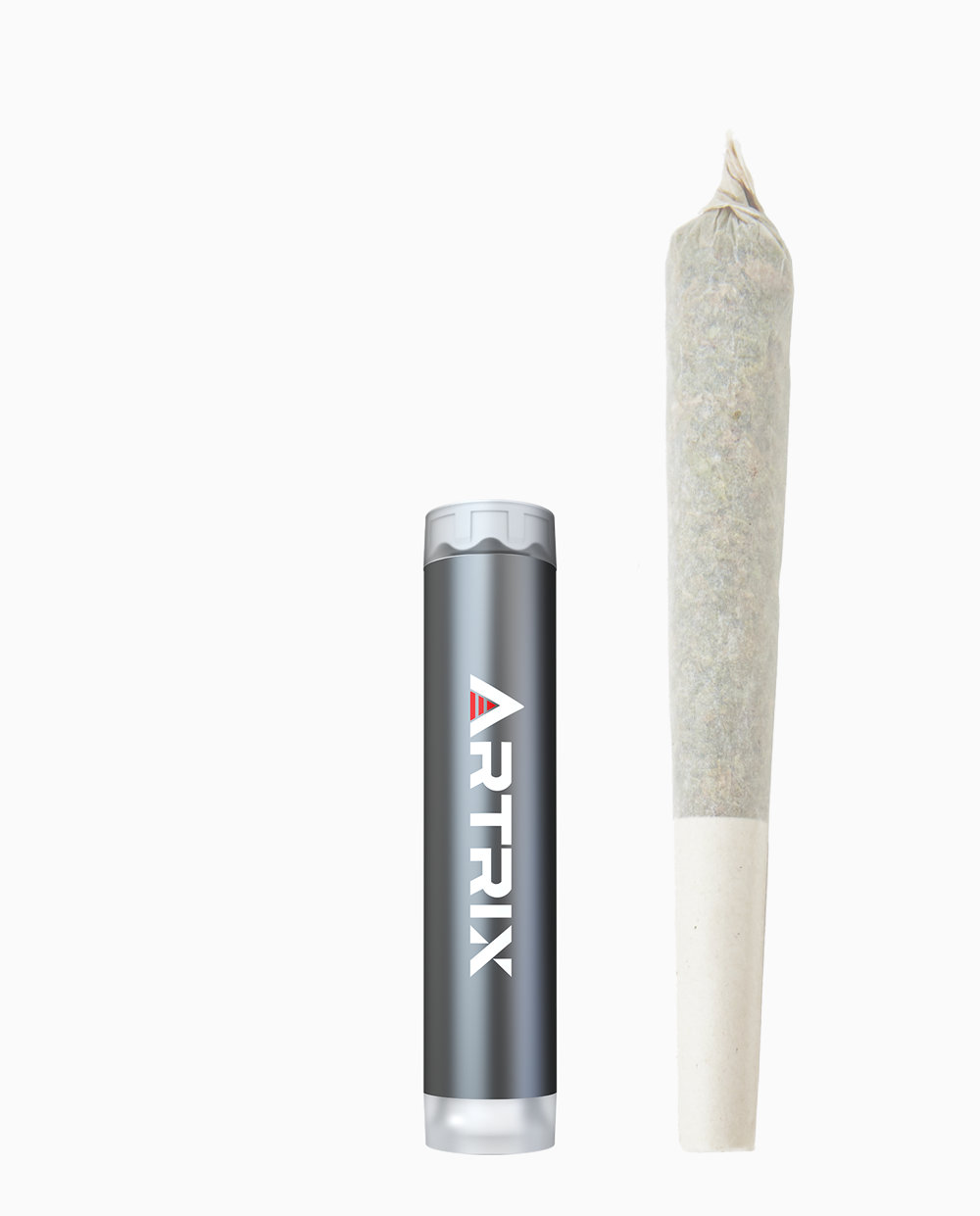
Pre-rolls are often the easiest entry point because they remove tools, technique, and preparation from the process. A buyer does not need papers, filters, a grinder, a tray, or rolling skill. That convenience matters, especially for someone who already feels overwhelmed by strain names, cannabinoid labels, and product categories.
Loose flower gives the buyer more control. They can inspect the aroma, texture, and structure of the flower before use. They can choose how much to grind and how much to roll. For some beginners, that control is reassuring. For others, it creates too many decisions at once.
When We Recommend Pre-Rolls to First-Time Buyers
Pre-rolls are a strong recommendation when the buyer wants a simple, ready-to-use format. This is common with people who are new to cannabis and do not want to invest in accessories before they know what they like. A single pre-roll can feel like a manageable first step compared with buying flower, papers, filters, and a grinder.
Pre-rolls also work well for buyers who are shopping for a specific moment. They may be going to a small gathering, planning an outdoor evening, or looking for something convenient while traveling within legal limits. In those cases, preparation time matters. The product has to fit the occasion, not just the buyer’s curiosity.
Another reason to recommend pre-rolls is decision fatigue. New buyers often face too many choices: strain type, cannabinoid percentage, terpene profile, package size, and consumption format. A well-labeled pre-roll can simplify the decision. The buyer still needs responsible guidance, but the format reduces the number of steps between purchase and use.
When Loose Flower Is the Better First Recommendation
Loose flower may be the better choice when the buyer wants to learn, compare, and control the experience. Some first-time buyers are not only looking for convenience. They want to understand what cannabis flower looks like, how it smells, how moisture affects handling, and how grind texture changes the final roll.
Loose flower also supports smaller portions. A buyer who is cautious about tolerance may prefer to prepare a very small amount instead of committing to a full pre-roll. While a pre-roll does not have to be finished in one session, beginners may still feel unsure about how to pause, store, and relight it. Loose flower allows the buyer to start with less from the beginning.
Budget can also push the recommendation toward loose flower. Pre-rolls include convenience, labor, packaging, and sometimes format-specific pricing. Loose flower can offer more flexibility over multiple sessions, especially for buyers who already have accessories or are willing to learn the process.
Internal link suggestion: cannabis flower storage tips -> blog page about keeping flower fresh after purchase
A Nervous Beginner Usually Needs Simplicity
Some first-time buyers are nervous before they even choose a product. They may worry about buying the wrong thing, using too much, or looking inexperienced. For these customers, the best recommendation often starts with reducing pressure.
Pre-rolls can help because the format is familiar and straightforward. The buyer can leave with one clearly packaged item instead of a collection of accessories. A budtender can explain the basics, remind the buyer to start slowly, and suggest a lower-pressure setting for their first experience.
That said, pre-rolls should still be recommended carefully. A beginner may assume that one pre-roll equals one full serving, which is not always the right mindset. Staff should explain that buyers can take a small amount, wait, and avoid rushing. In cannabis retail, simplicity should never replace responsible guidance.
A Dose-Conscious Buyer May Prefer Loose Flower
Some beginners are less concerned about convenience and more concerned about control. They want to know exactly how much they are using and how to keep the session modest. For these buyers, loose flower may feel less intimidating once the process is explained clearly.
With loose flower, the buyer can prepare a small roll, use a small pipe where legal and appropriate, or save most of the package for later. They are not locked into the size or pack density of a finished pre-roll. This flexibility can matter for people who are cautious, analytical, or sensitive to new experiences.
The challenge is that loose flower requires more education. Staff may need to explain basic storage, grinding, rolling, and portioning. If the buyer welcomes that learning curve, loose flower can be a better first choice. If they do not, pre-rolls may still be the kinder recommendation.
Social Buyers Often Need a Different Recommendation
A buyer shopping for a group has a different problem from a buyer shopping for one private session. They may care about convenience, sharing, quantity, and how easy it is to pass products around. In this case, pre-rolls often become more practical, especially multipacks or smaller individual pre-rolls.
Pre-rolls reduce the need for one person to prepare everything. They also make it easier to bring multiple options to a gathering without carrying loose flower and accessories. For casual social settings, that can be the difference between a smooth experience and a messy one.
Loose flower can still work for social buyers who enjoy the ritual of rolling. Some groups see rolling as part of the experience. But for first-time buyers hosting others, the pressure of rolling correctly in front of a group may not be ideal. The right recommendation depends on whether the buyer values ritual or ease.
Internal link suggestion: pre-roll multipacks -> product category page for pre-roll pack options
Curious Learners Get More From Loose Flower
Not every beginner wants the easiest product. Some want to understand cannabis more deeply from the start. They want to smell the flower, see the bud structure, compare different batches, and understand why freshness and grind matter. For these buyers, loose flower can be more educational than pre-rolls.
Loose flower gives the buyer more sensory information. They can see whether the flower looks too dry or too dense. They can notice aroma before and after grinding. They can learn how texture affects preparation. These details are hidden inside most pre-rolls unless the buyer opens them, which defeats the purpose of the format.
This does not mean loose flower is automatically higher quality than pre-rolls. Quality depends on sourcing, flower grade, storage, production process, and packaging. But loose flower gives the buyer more visibility. For a beginner who wants to build cannabis literacy, that visibility has real value.
Budget-Focused Buyers Need the Full Cost Picture
Price comparisons between pre-rolls and loose flower can be misleading if they only look at the sticker price. Pre-rolls may cost more per gram because the buyer is also paying for convenience and preparation. Loose flower may offer better value over time, but only if the buyer uses it efficiently and already has or is willing to buy accessories.
A first-time buyer who purchases loose flower may also need papers, filters, a grinder, and storage. If they roll poorly at first, they may waste some flower while learning. Those costs and mistakes are part of the real first-purchase experience.
Pre-rolls can be more economical for someone who only wants to try cannabis once or occasionally. Loose flower can be more economical for someone who expects to use it across multiple sessions. The best recommendation should consider not just today’s receipt, but the buyer’s likely use pattern.
A Simple Staff Checklist for Recommending Pre-Rolls or Loose Flower
Retail teams can make better recommendations by asking a few practical questions before pointing buyers toward a format. The goal is not to interrogate the customer. It is to understand the situation well enough to avoid a lazy recommendation.
| Buyer Priority | Better Fit | Why |
|---|---|---|
| Fast and easy first purchase | Pre-rolls | No rolling tools or preparation required |
| More control over amount used | Loose flower | The buyer can prepare a smaller portion |
| Shopping for a casual group setting | Pre-rolls | Easier to share and transport |
| Learning how cannabis flower looks and feels | Loose flower | The buyer can inspect aroma, texture, and freshness |
| Trying cannabis only once or rarely | Pre-rolls | Lower accessory commitment |
| Longer-term value across multiple sessions | Loose flower | More flexible when used efficiently |
This kind of checklist also helps brands and retailers create more consistent customer experiences. A buyer should not receive completely different advice depending on which staff member is working that day. Clear recommendation logic builds trust.
Internal link suggestion: contact our cannabis product team -> contact page for retail or wholesale inquiries
Common Mistakes First-Time Buyers Make
One common mistake is assuming pre-rolls are always the beginner option. They often are, but not always. A buyer who wants tight control, smaller portions, or a more educational experience may be better matched with loose flower.
Another mistake is assuming loose flower is only for experienced consumers. Rolling takes practice, but learning does not have to be complicated if the buyer has good guidance. Some beginners enjoy the hands-on process and feel more confident when they can see exactly what they are using.
A third mistake is focusing only on potency. THC percentage or cannabinoid content should not be the only factor in a beginner recommendation. Format, portion size, setting, tolerance, and comfort level all influence whether the buyer has a good first experience. For legal-age consumers, starting slowly and following local laws should always be part of the conversation.
Conclusion: Match the Format to the Buyer, Not the Trend
Pre-rolls and loose flower both have a place in first-time cannabis shopping. Pre-rolls are often best for buyers who want convenience, simplicity, and a low-effort first purchase. Loose flower is often better for buyers who want control, flexibility, and a closer look at the product itself.
The strongest recommendation comes from understanding the person behind the purchase. A nervous beginner, a social buyer, a dose-conscious customer, and a curious learner may all need different advice. Treating them the same leads to generic recommendations. Asking better questions leads to better first experiences.
For dispensaries, brands, and budtenders, the opportunity is clear: do not just explain the difference between pre-rolls and rolling your own. Show customers how to choose based on their real situation. That is the kind of guidance first-time buyers remember, and it is the kind that earns trust beyond a single sale.