Why Infused Pre-Roll Sales Growth Does Not Always Produce Better Margins
Topics in this article:
prerolls
Last Updated: August 3, 2026
This content is for informational purposes only and does not constitute medical or legal advice. Please consult a licensed healthcare provider before using cannabis products. Comply with your state’s regulations.This content is intended for audiences 21 years and older, as required by U.S. law.Cannabis regulations vary by state. Please verify the legal status of products in your area before purchase.
Infused pre-roll sales are growing while average selling prices are compressing. For brands, that combination makes manufacturing yield, labor time, and delivery efficiency increasingly important—but public sales data alone does not prove that every brand’s net margin is shrinking.
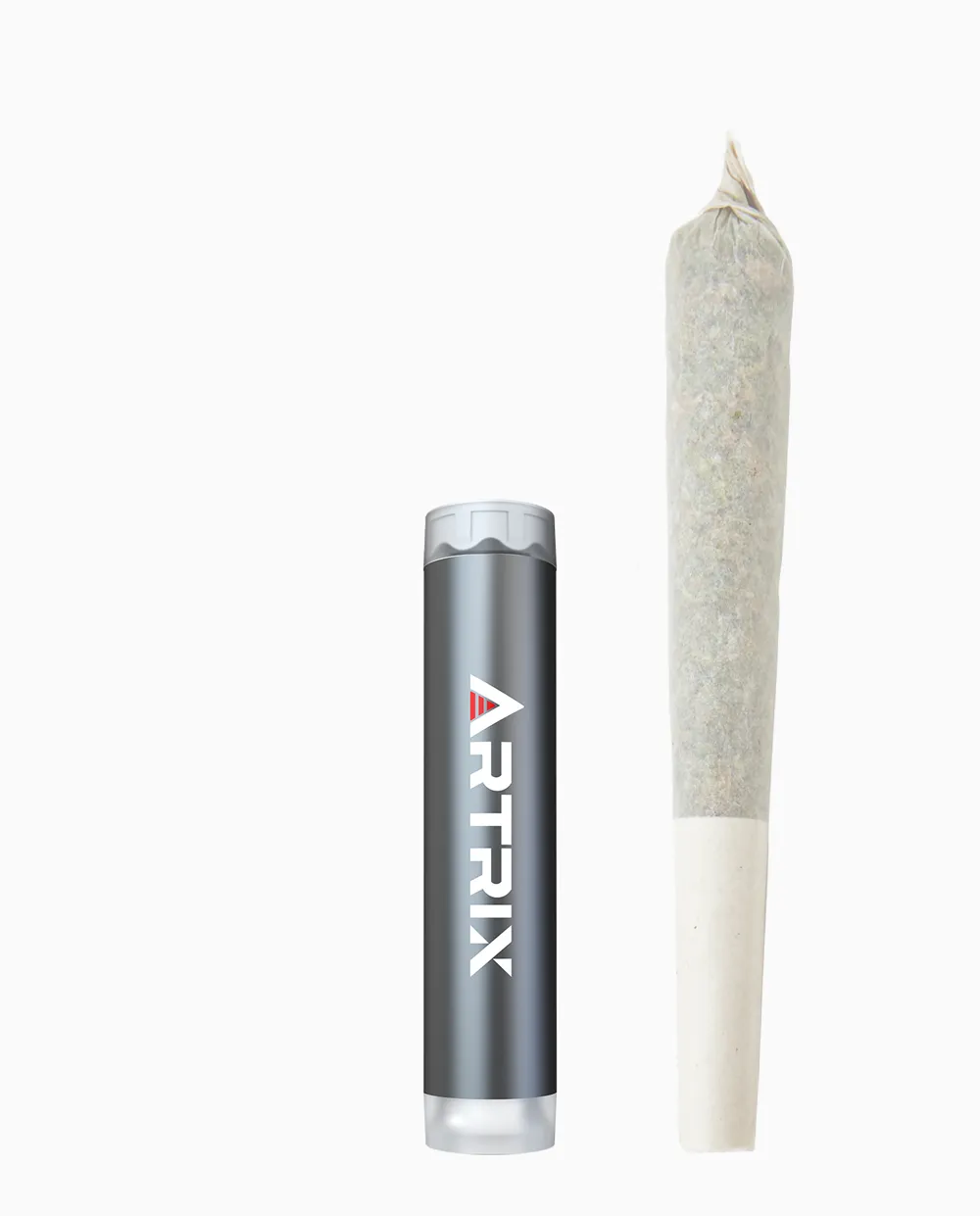
Over the past three years, infused pre-rolls have swept across the North American market. From Hash Holes to Live Rosin infusions, these products have taken over the most prominent display positions at retail counters.
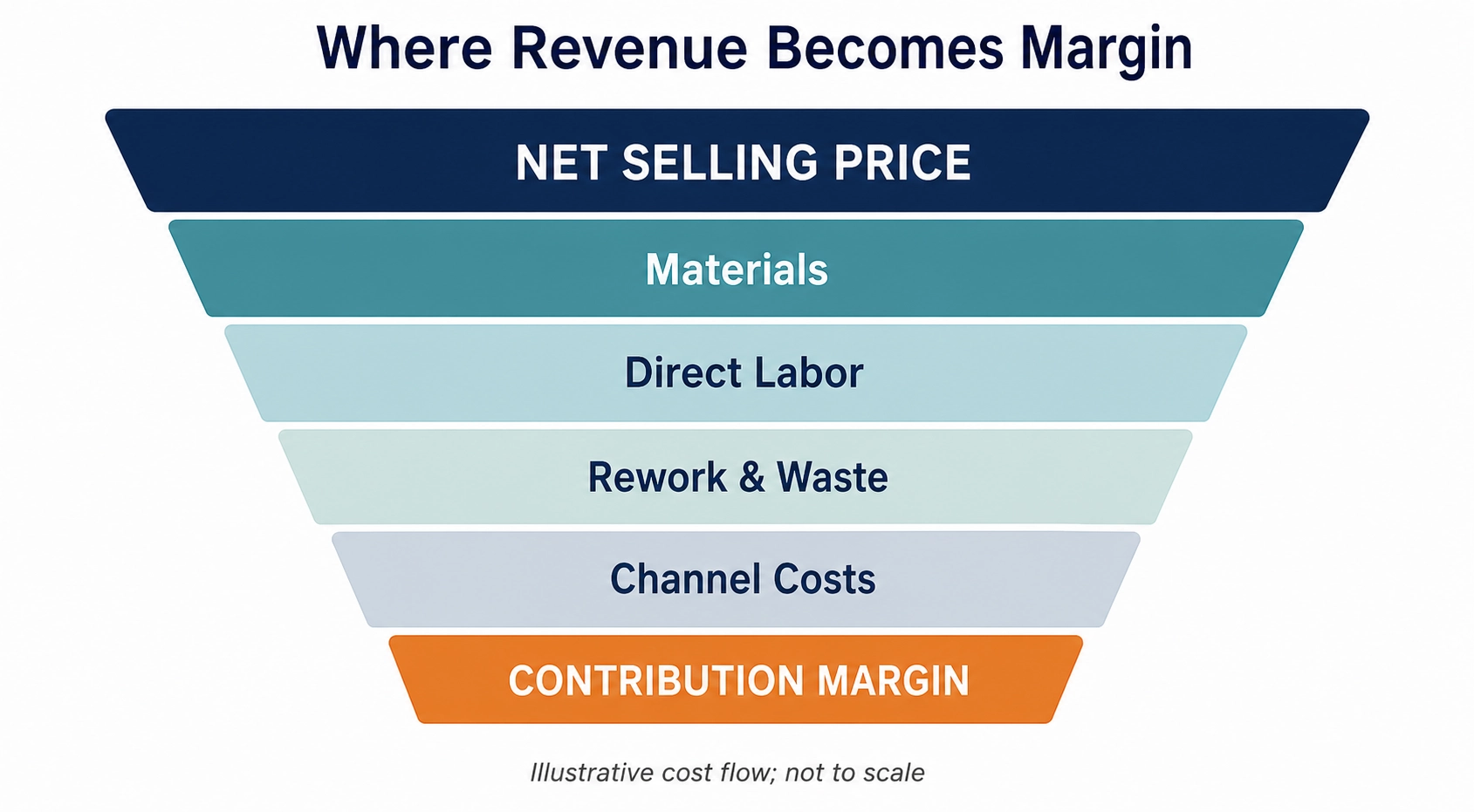
In the eyes of consumers, they represent higher THC, richer flavor, and a more premium status symbol. For producers, however, category growth and SKU profitability are separate questions. Revenue shows demand; contribution margin depends on what remains after materials, direct labor, rework, downgraded units, and channel costs are counted.
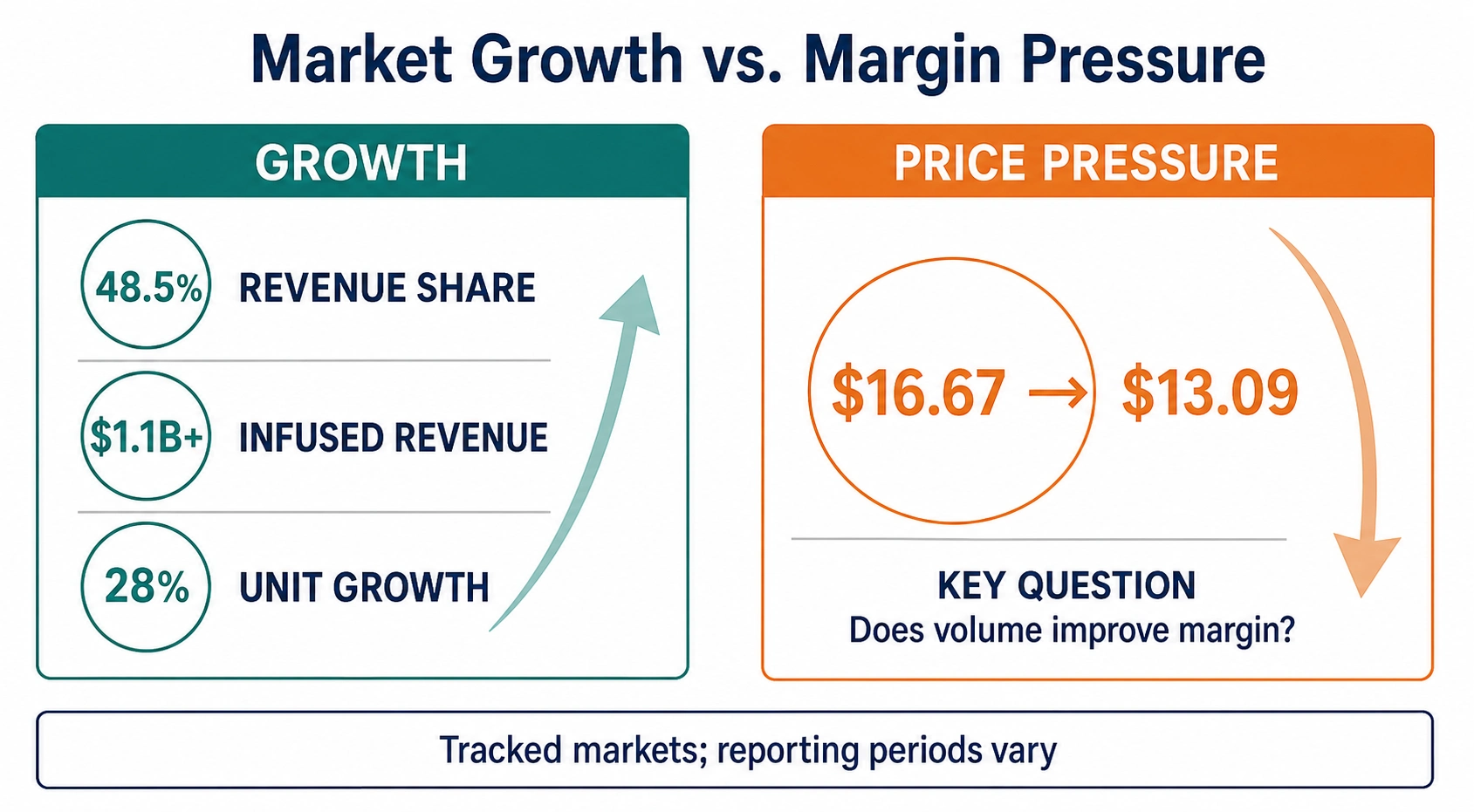
The growth story is not imaginary. It is measurable. In the first ten months of 2025, infused pre-rolls accounted for 48.5% of pre-roll revenue—more than $1.1 billion—across the 13 recreational markets tracked in the cited Headset dataset, representing a 14% year-over-year increase in revenue and a 28% increase in units sold. Those scope limits matter: the figures describe tracked recreational markets, not every U.S. or North American transaction.
Market signal
Reporting period and scope
What the data supports
Nearly $2.8 billion in total pre-roll revenue
First ten months of 2025; 13 Headset-tracked recreational markets
The category has meaningful scale, but the figure does not reveal an individual brand’s profit.
Infused pre-rolls reached 48.5% of pre-roll revenue
First ten months of 2025; same tracked markets
Infused formats are a major revenue segment within the reported sample.
The cited period shows price compression, increasing the importance of cost control.
Infused unit sales increased 28% year over year
First ten months of 2025; same tracked markets
Higher throughput can amplify the financial effect of both efficient and inefficient processes.
That combination matters more than the headline boom. The category is growing, but the average infused unit is also getting cheaper in public market data. As pricing room narrows, a brand needs its own cost and yield records to determine whether growth improves or erodes contribution margin.
The Six Variables That Determine Infused Pre-Roll Unit Economics
A useful margin analysis begins with the cost per sellable unit, not total sales. At minimum, the model should include concentrate cost, flower and paper cost, direct labor, first-pass yield, rework or downgrade cost, and the net selling price received by the brand.
Contribution margin per sellable unit = net selling price − material cost − direct labor − allocated rework and waste − variable fulfillment or channel cost.
Concentrate cost per unit: Record the actual input weight and landed cost for each batch rather than applying one blended estimate to every extract type.
Direct labor minutes: Measure rolling, centering, inspection, rework, and packaging time per accepted unit.
First-pass yield: Define how many units meet weight, construction, draw, and visual standards without correction.
Rework and downgraded inventory: Separate recoverable material from labor already spent and units that must be sold at a lower tier.
Returns and complaints: Track complaint categories such as canoeing, oil migration, restricted draw, and weak late-stage flavor instead of treating all returns as one number.
Net selling price: Use the amount retained after discounts, promotions, and channel terms—not the suggested retail price.
This framework does not assume that all infused pre-rolls have weak margins. It gives each brand a way to test whether its own premium price covers the additional material and process burden.
Hash Hole: An Extremely Fragile Financial Model
As the “ceiling” of this category, the economics of Hash Holes are far more dangerous than most outsiders imagine. A more precise conclusion is that Hash Holes can be financially sensitive because high-value concentrate and labor-intensive construction leave less room for uncontrolled variation.
Material Costs: The Financial Squeeze of Live Rosin
In high-end infused products, Live Rosin is the core source of value. Its cost varies by input material, extraction yield, quality grade, supplier, and market. Brands should therefore calculate concentrate cost at the batch level instead of describing Live Rosin as uniformly expensive. When raw material costs make up too large a share of the total product price, brands are left with virtually zero tolerance for loss.
Production Complexity: The Variables That Must Be Controlled
The biggest hidden cost of infused products is not the material itself, but the labor that machines still cannot replace. The size of that cost must be measured rather than assumed.
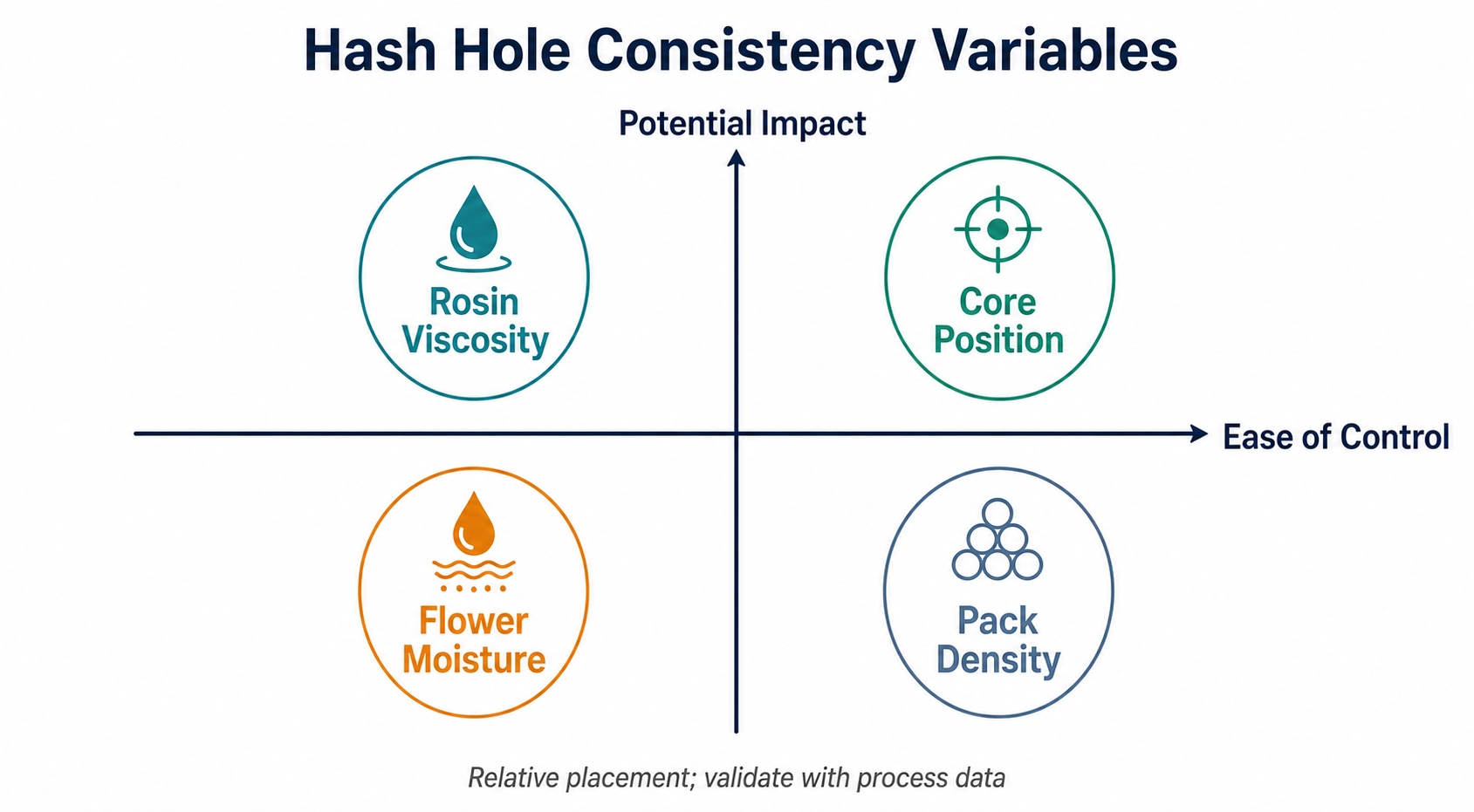
Core position: Standard infused pre-rolls can be blended by machine, but the rosin core in a premium Hash Hole must be placed consistently within the intended geometry. Even a slight positional error can shift the burn path. A production specification should define the acceptable offset and the inspection method.
Material behavior: Slight differences in moisture, rosin viscosity, paper behavior, or pack density can become burn complaints, oil migration, uneven ash, or weak late-stage flavor. The practical control point is a batch record that connects these inputs to first-pass yield and complaint data.
Scaling: This process is highly dependent on skilled rollers. As volume rises, more units are exposed to any uncontrolled variation; that does not mean waste automatically grows exponentially. The outcome depends on process capability, automation, inspection, and acceptance criteria.
Variable
Mechanism
Business metric to monitor
Important limitation
Rosin position
May change how the burn front moves through the product
The relationship requires controlled batch testing.
Flower moisture
Changes combustion behavior and draw characteristics
Moisture range, draw resistance, burn consistency
The appropriate range depends on formulation and packaging.
Rosin viscosity
Changes handling, placement, migration, and heating behavior
Application temperature, rework, oil migration
Viscosity is temperature- and formulation-dependent.
Pack density
Influences airflow and the path of combustion
Unit weight, pressure or density proxy, draw acceptance
Weight alone does not prove uniform density.
What Combustion Can—and Cannot—Tell Us About Extract Loss
Combustion provides plausible mechanisms for extract loss, but an efficiency ranking requires a defined endpoint. A brand may be measuring concentrate left in ash, compounds released between puffs, aerosol composition, sensory consistency, or cost per accepted consumer session. These are related but not interchangeable outcomes.
Side-Stream Loss: The Idle Cost of Passive Burning
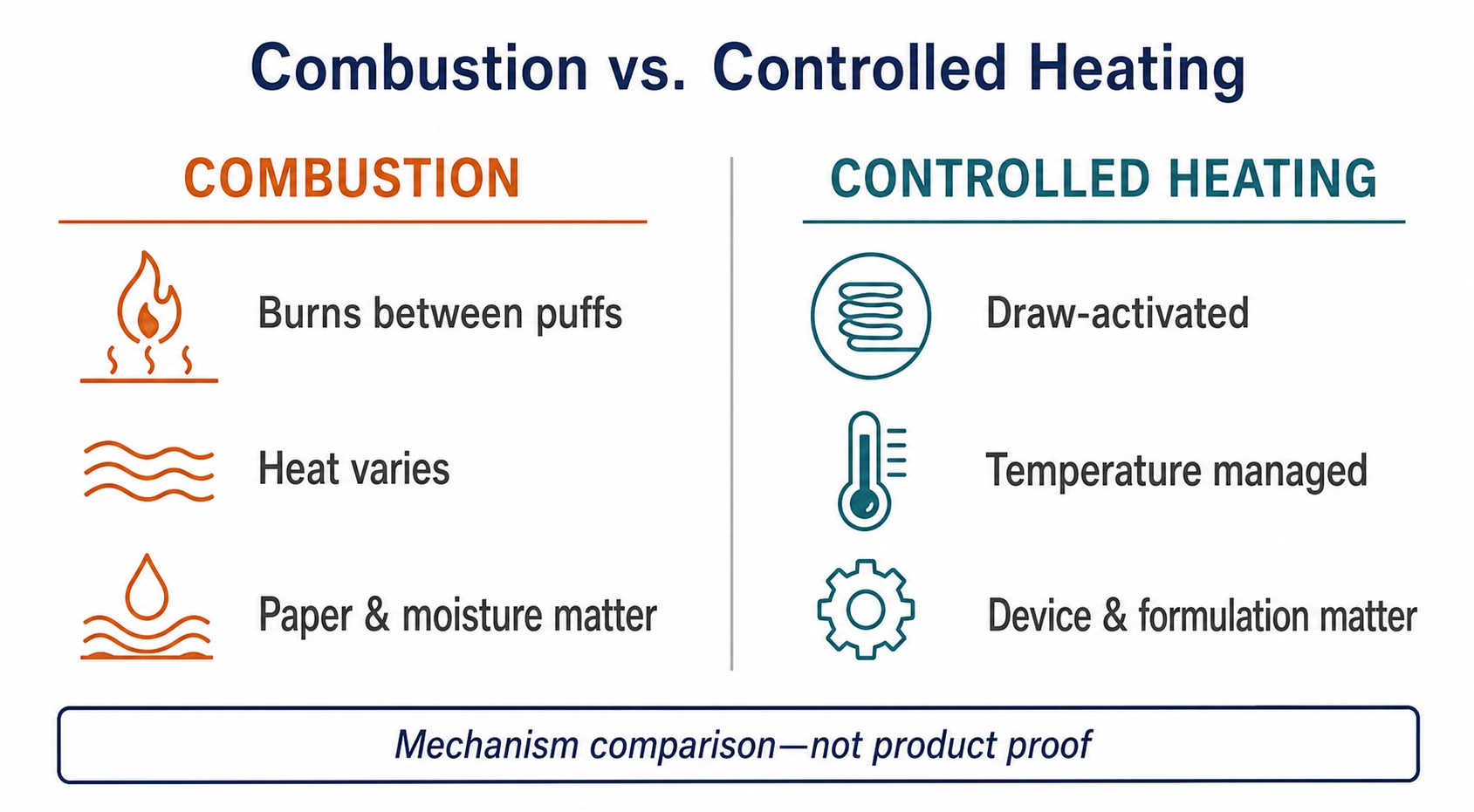
A pre-roll is a linear combustion system that cannot be paused once lit. Between puffs, the burning tip does not stop. That means expensive Live Rosin continues to vaporize in an ongoing “idle burn.” Some smoke and volatilized material can enter the surrounding air rather than the user’s draw, but the proportion depends on product construction, puff interval, airflow, and the analytical method. Without a disclosed test, it should not be described as a “large portion.”
Tunneling and Canoeing: A Multi-Variable Failure Mode
Flower burns through intense oxidation, while the rosin core must first transition from solid to liquid, and then from liquid to vapor. Differences in heat transfer and material behavior may contribute to an uneven burn, but core placement is not the only possible cause. Moisture distribution, particle size, paper porosity, pack density, lighting technique, and ambient airflow can also affect canoeing or tunneling.
Thermal Exposure: What Controlled Heating May Preserve
Cannabis extracts can form thermal degradation products as heating conditions become more severe, and a laboratory comparison found that a temperature-controlled cartridge maintained lower and less variable coil temperatures than the voltage-controlled systems tested.
Why Does Scaling Erode Your Profit Margin?
At small production volumes, premium pricing can conceal low efficiency. But once a brand enters the expansion phase, the profit curve can turn downward very quickly. This is a risk, not a universal scaling law. Higher throughput can also improve margin when repeatable processes, appropriate automation, and stable yields reduce labor and waste per accepted unit.
Production stage
Typical management question
Evidence needed before expanding
Small-scale pilot
Can the formulation be built and consumed consistently?
Batch inputs, construction tolerances, acceptance criteria, preliminary burn observations
Scaling
Which step limits throughput or increases variation?
Cycle time, labor minutes, first-pass yield, rework reasons, equipment capability
Commercial volume
Does higher throughput improve contribution margin?
Cost per sellable unit, downgrade rate, complaint rate, net selling price, batch-to-batch variation
Many brands mistakenly assume that profit pressure comes from market competition. In practice, margin pressure can come from several sources at once: price competition, retailer terms, concentrate cost, labor, yield loss, product design, or an unsuitable combination of these factors. A defensible diagnosis separates each contribution.
A Practical Margin Diagnostic
Choose one SKU and one clearly defined production period.
Calculate concentrate, flower, paper, packaging, and direct labor cost per accepted unit.
Record first-pass yield, rework time, downgraded units, and unrecoverable waste.
Compare contribution margin at the actual net selling price, including discounts.
Repeat the analysis after any equipment, formulation, or delivery-system change.
The Industry Is Solving the Wrong Problem: From What to How
For the past few years, the industry has focused on what gets infused: higher THC, more exclusive extract types, rarer strain pairings, and more solventless prestige. That strategy helped build the category, and the data shows consumers will pay for it. But it still leaves the fundamental delivery architecture mostly untouched.
That is why the category risks over-investing in input quality while under-investing in delivery logic. It is the cannabis equivalent of upgrading to better coffee beans while refusing to improve the brewer. The comparison should not imply that combustion is the only margin constraint. It does show why brands evaluating premium extracts should examine both production repeatability and consumer-stage delivery.
What an Alternative Delivery System Must Prove
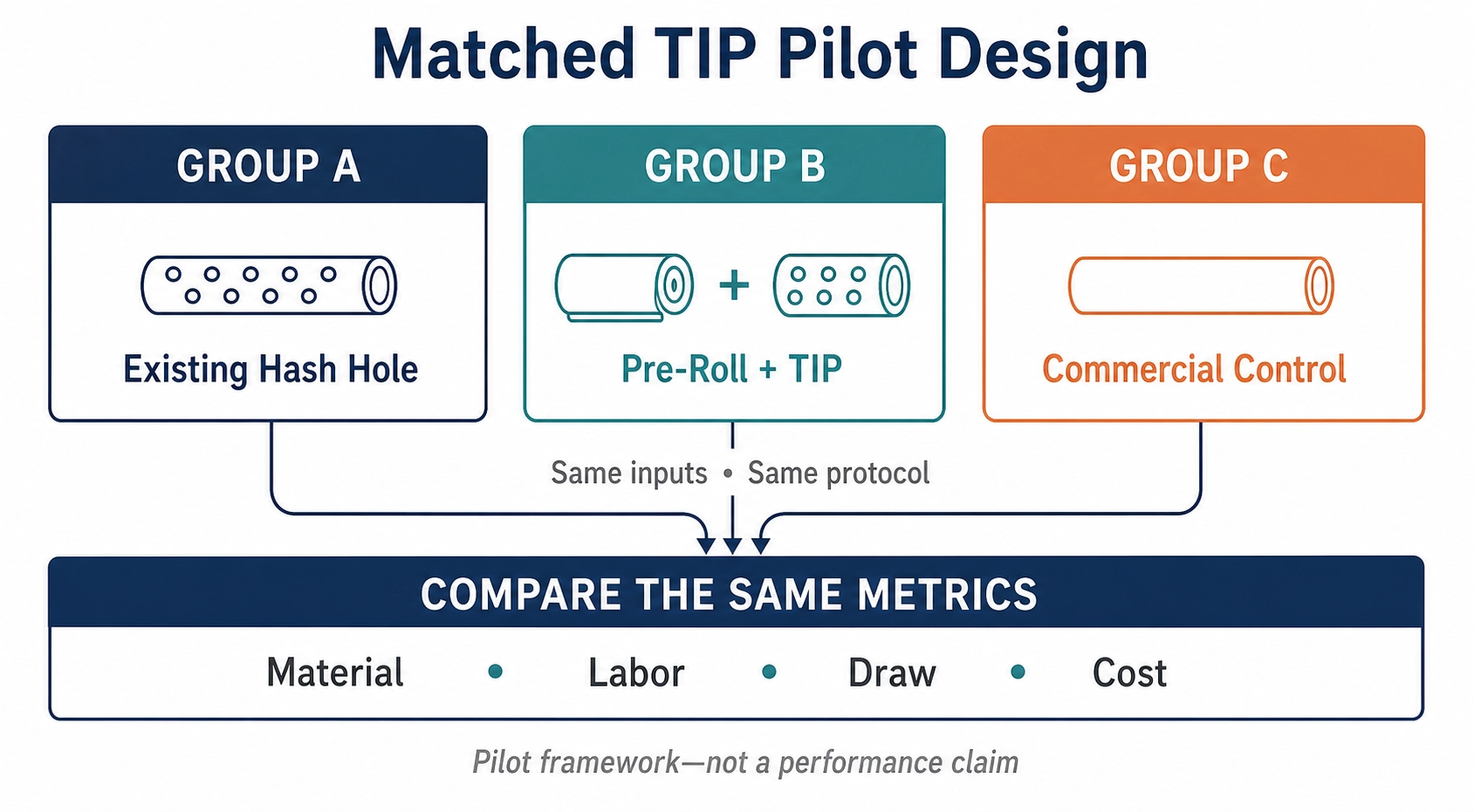
A new architecture is commercially relevant only if it improves a measured outcome without introducing a larger cost or operational burden elsewhere. Before adoption, a brand should require a controlled comparison using the same concentrate batch, equivalent target usage, a disclosed draw protocol, and predefined acceptance criteria.
Concentrate input and residual material after the test
Draw consistency and airflow across the test sequence
Sensory evaluation with a documented panel method
Assembly, filling, inspection, and packaging labor
Compatibility with the brand’s formulation and existing process
Cost per accepted unit and projected contribution margin
Conclusion: Turn the Premium Story Into a Measurable Business Case
The market potential of infused pre-rolls has already been proven. The core challenge now is how to convert high-value raw materials into sensory user experience with high efficiency. For an individual brand, that challenge should be expressed through measurable inputs, yields, labor, complaints, and contribution margin—not industry-wide assumptions.
Combustion-related loss and controlled vaporization are valid areas for investigation, but general research cannot prove what a named product will deliver. A matched pilot is the bridge between a plausible mechanism and a defensible commercial claim.
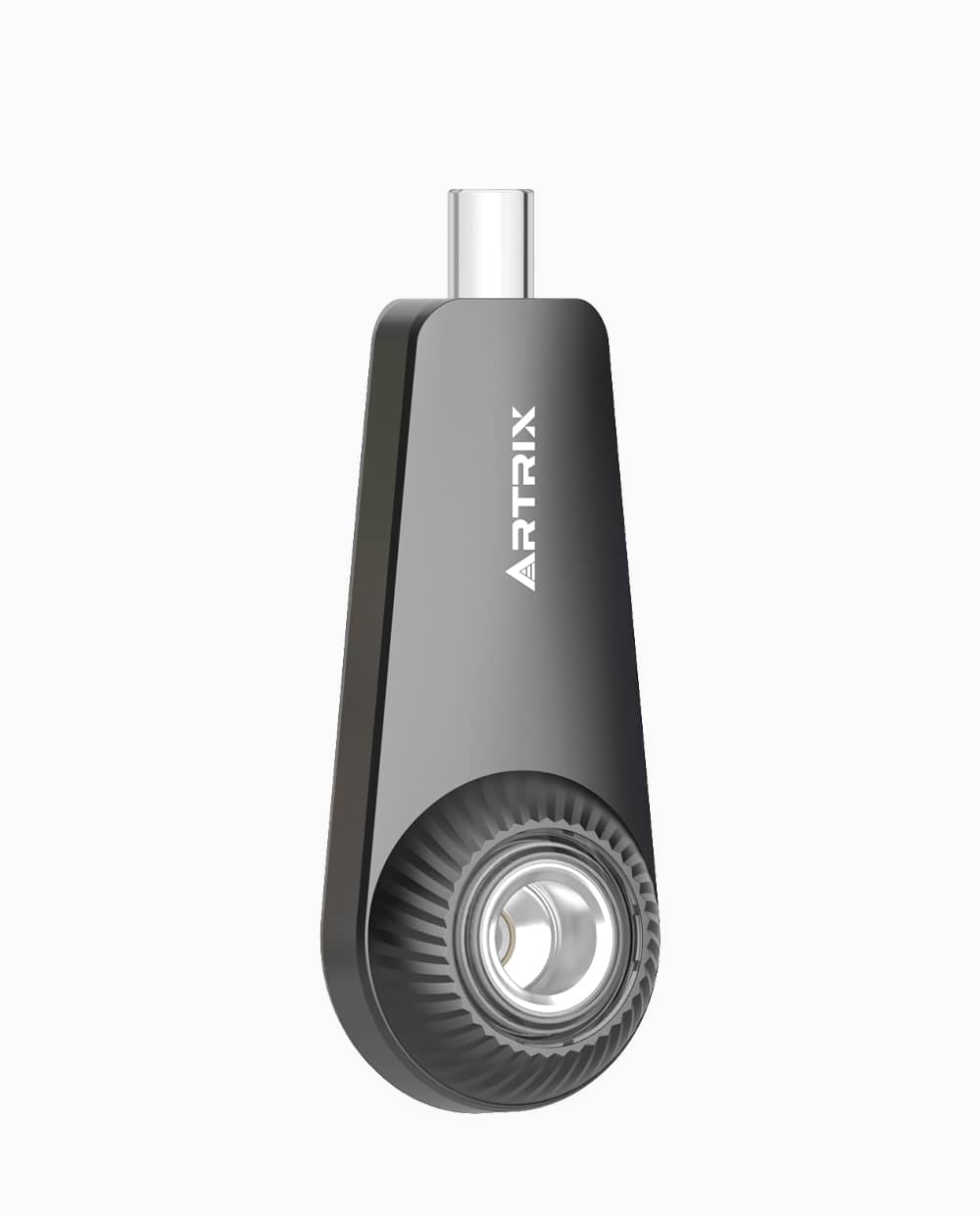
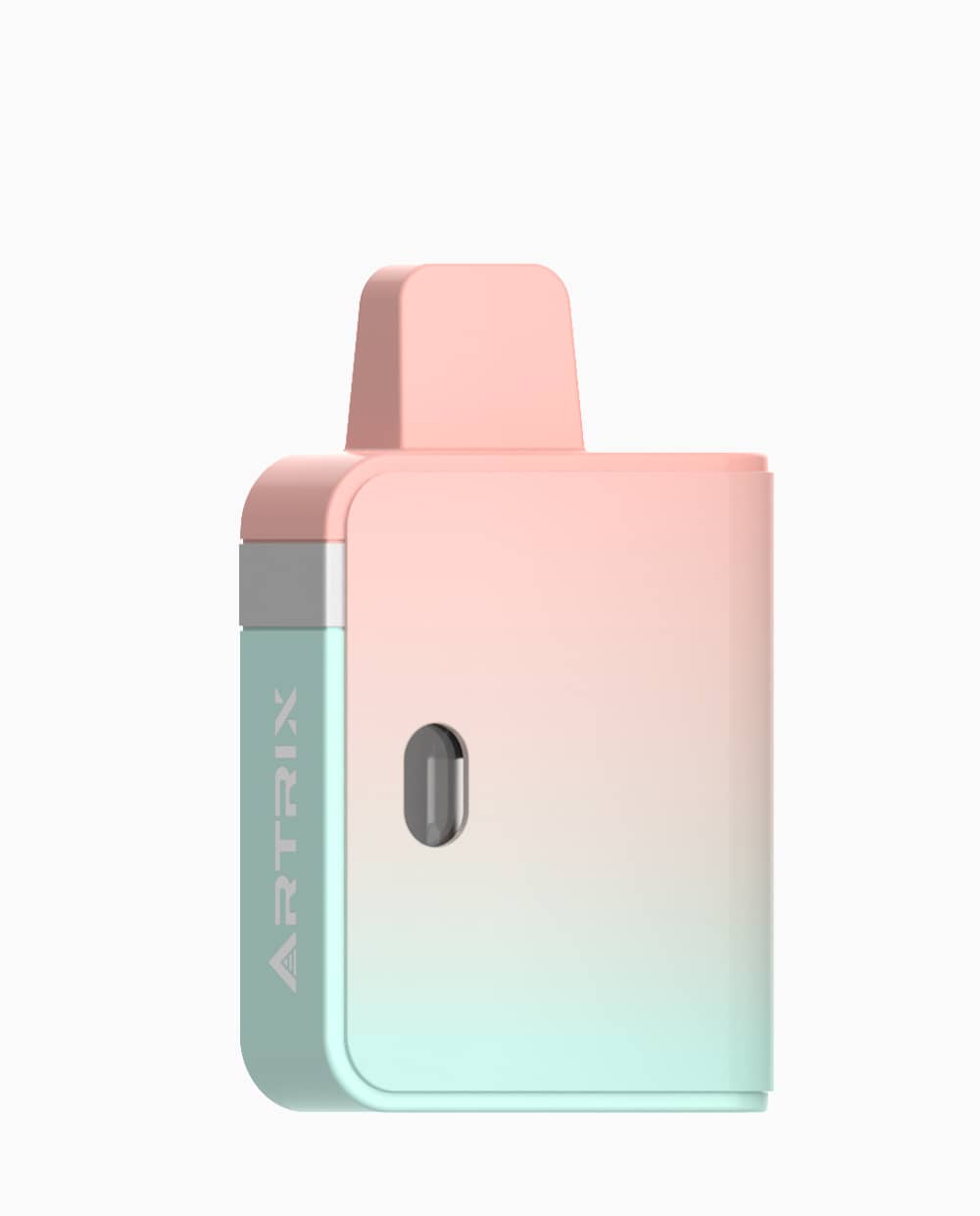
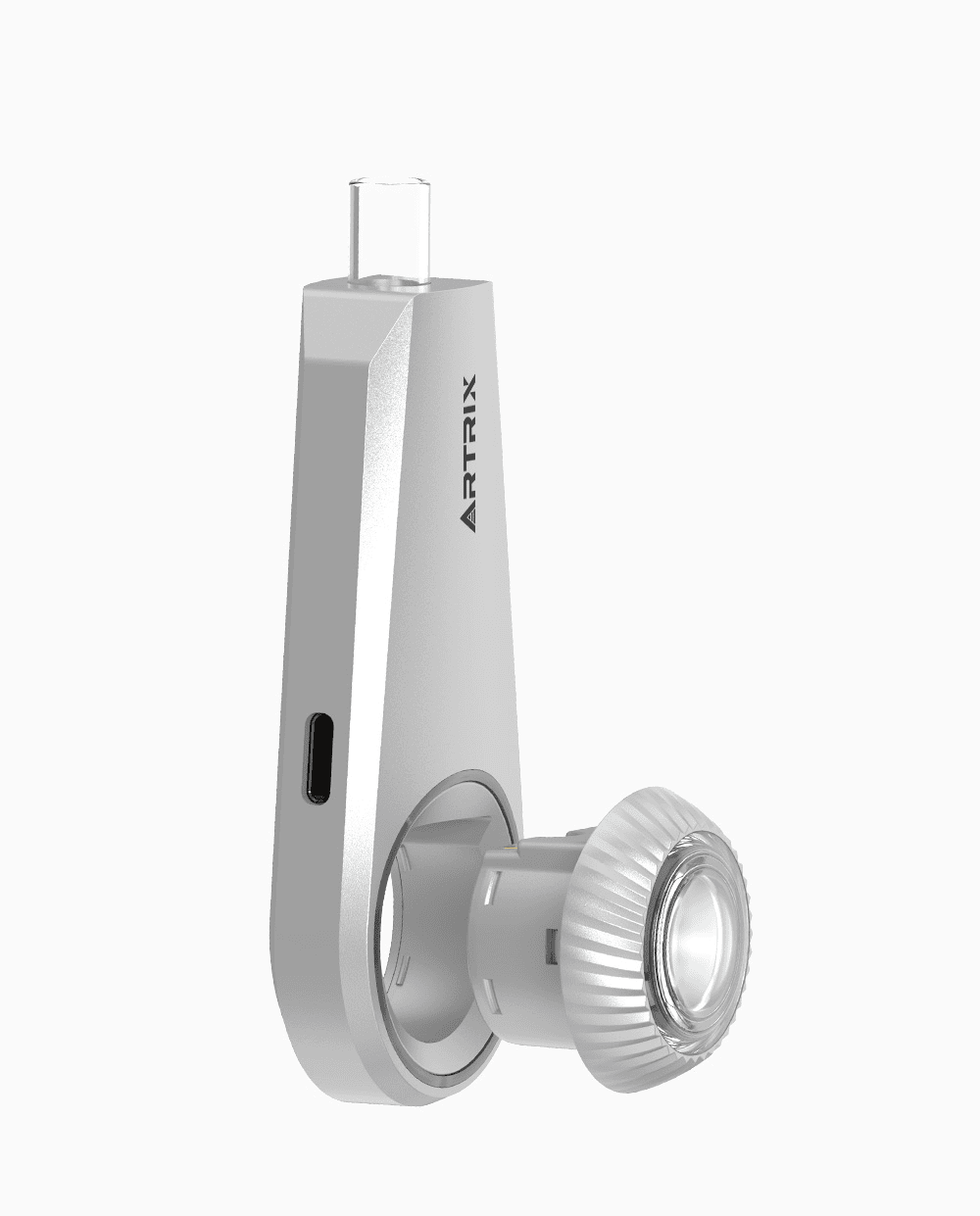
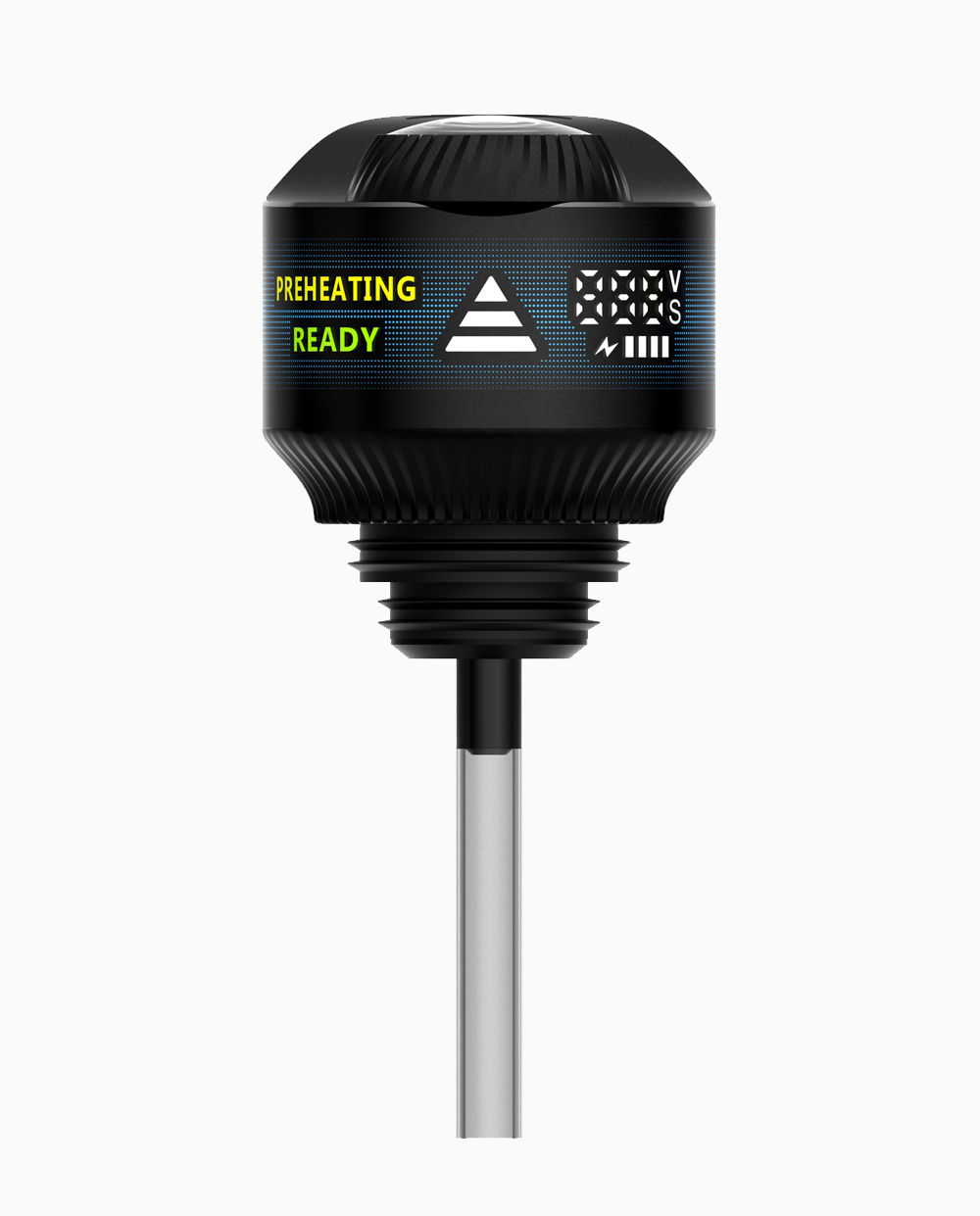
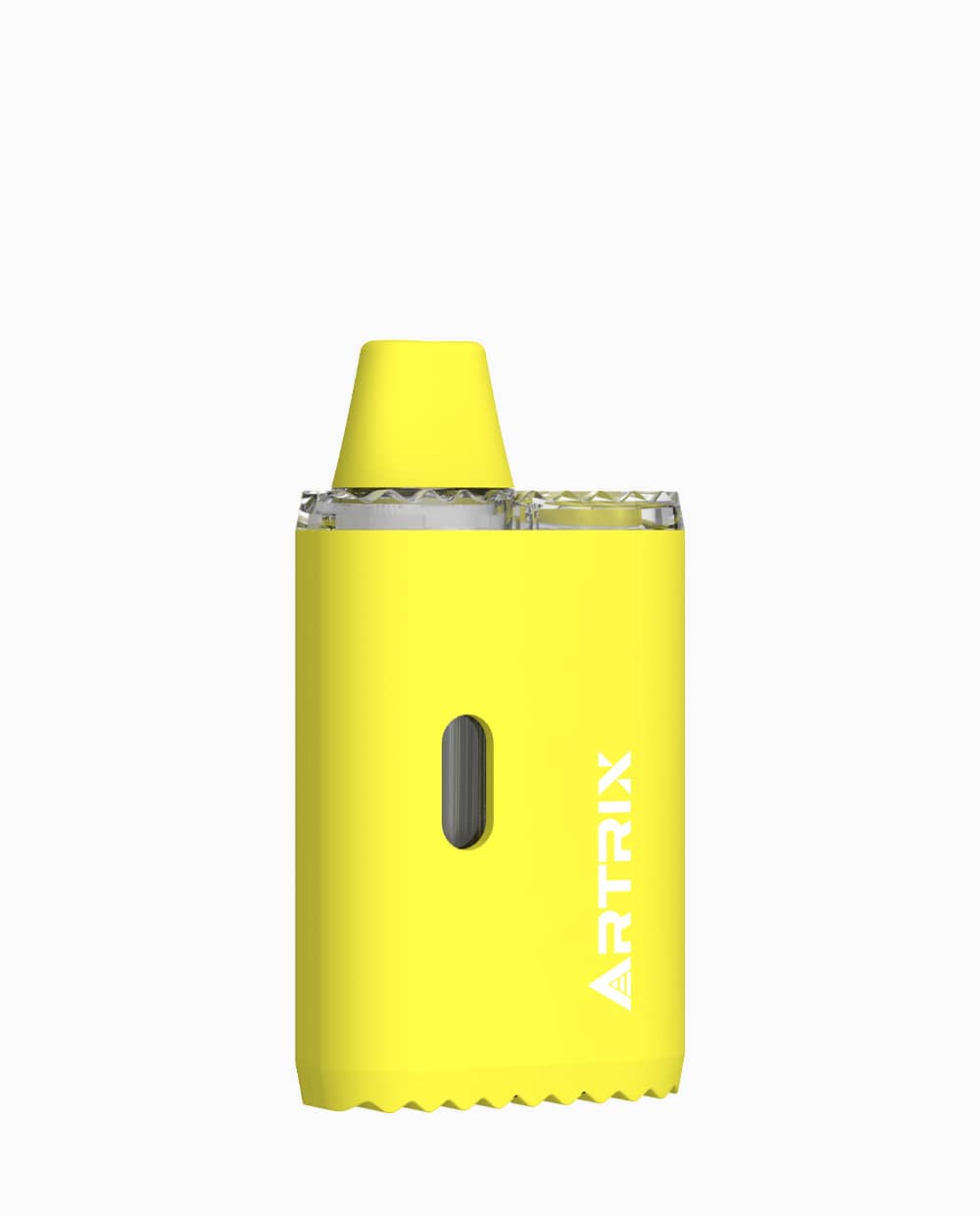
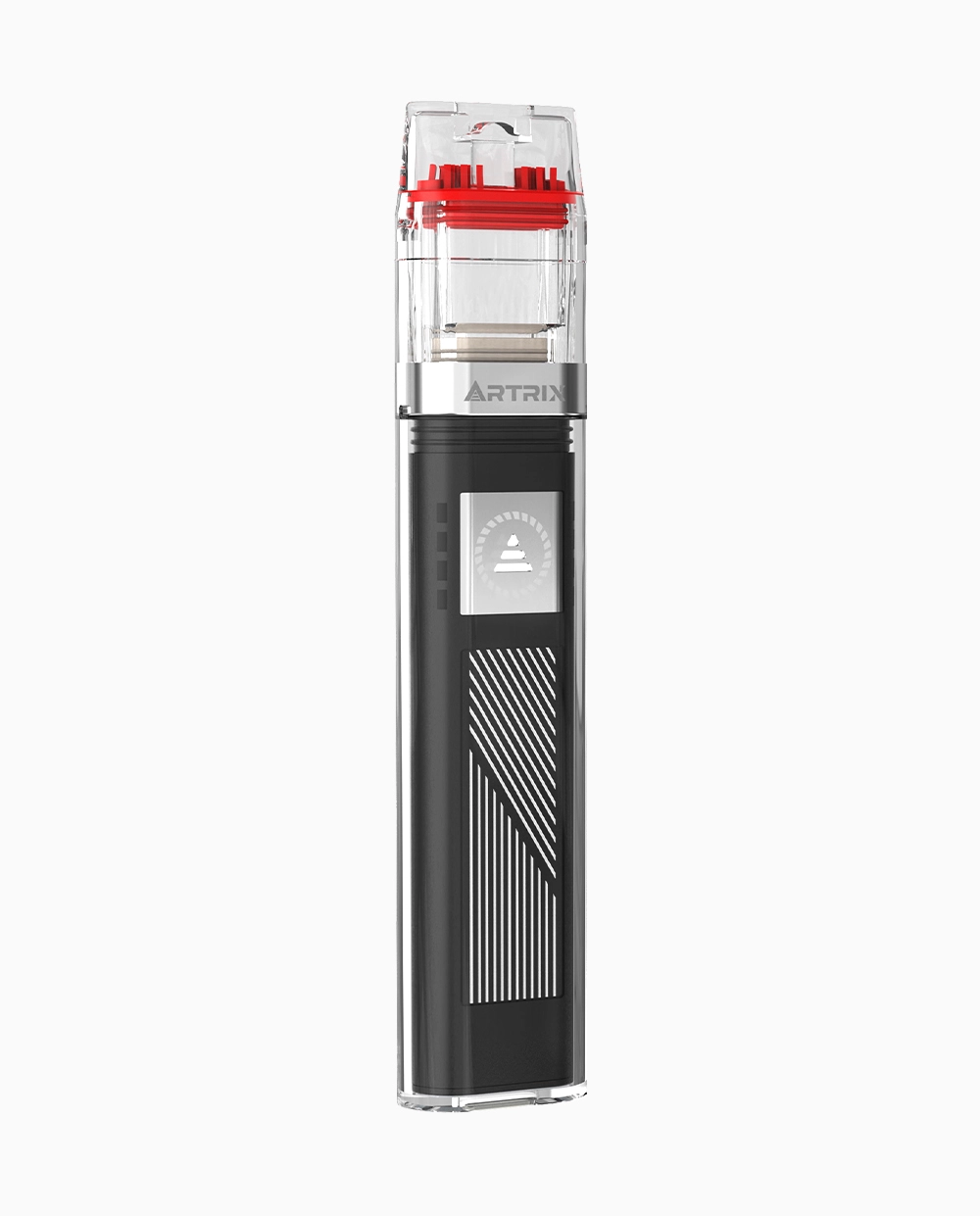
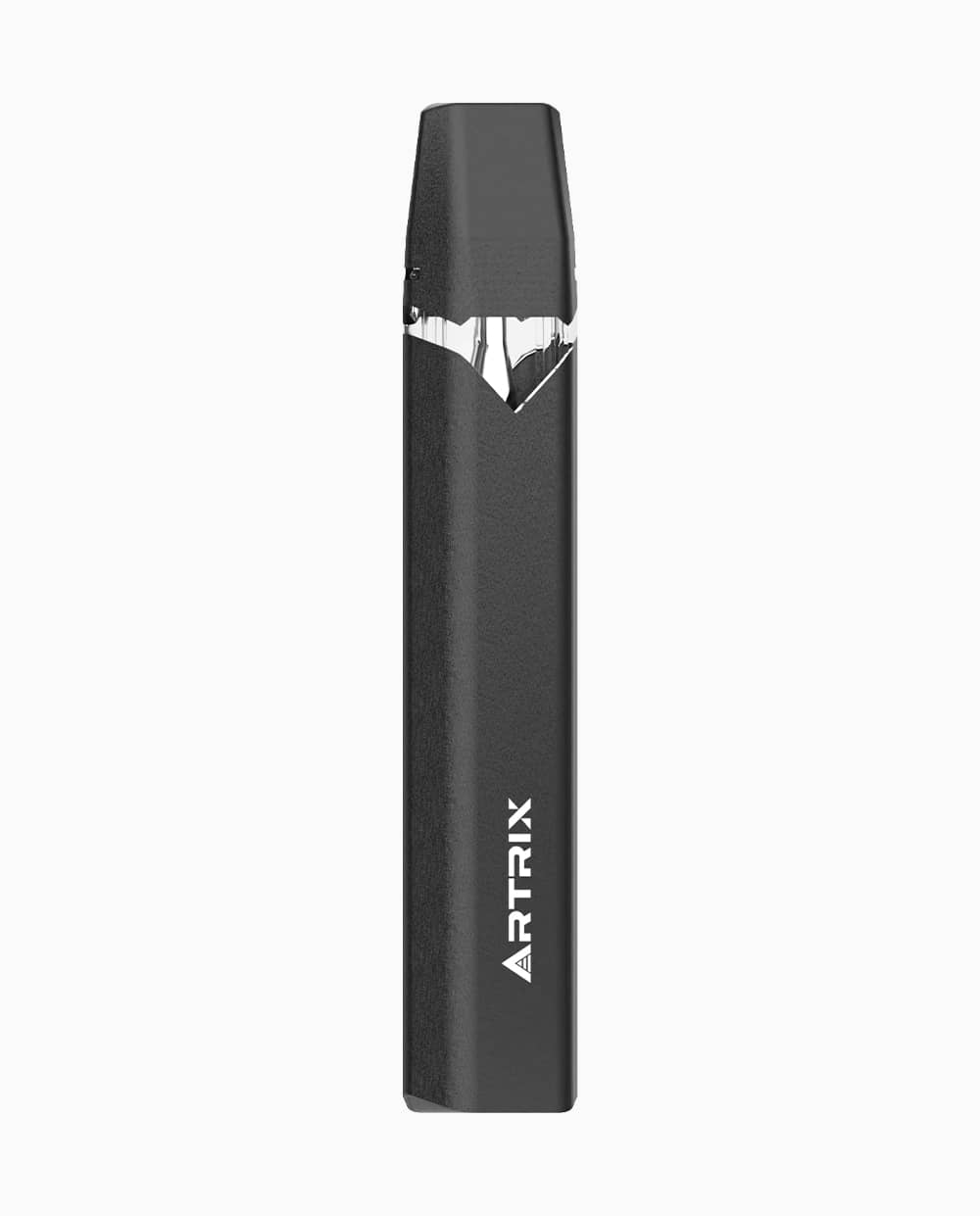
If your team is reviewing high concentrate use, variable construction, or late-stage experience complaints, Artrix can help define a TIP compatibility trial around your formulation and production requirements. Request a TIP compatibility and pilot-production discussion to compare the proposed system against your current SKU using agreed technical and financial metrics.
Sylph Wu Sylph Wu is the digital marketing manager at Artrix. In the cannabis vaporization sector, she has honed her expertise in social media management, SEO optimization, paid advertising, and EDM campaigns. By blending her passion for cannabis culture with strategic marketing efforts, Sylph has driven Artrix’s brand visibility and consumer engagement in line with market trends.






-1.webp)
-1.webp)
-2.webp)