
-1.webp)
-1.webp)
-2.webp)



























Analyzing STIIIZY Pod System: The Triumph of the Pod System in the Cannabis Industry
Last Updated: Apr 15, 2026
STIIIZY is one of the most useful case studies for any cannabis brand evaluating the pod vape market. The point is not that every company should copy its product shape or brand voice. The more important lesson is structural: the STIIIZY business model shows how a pod vape system can combine hardware ownership, extract variety, retail visibility, and lifestyle positioning into a repeat-purchase model.
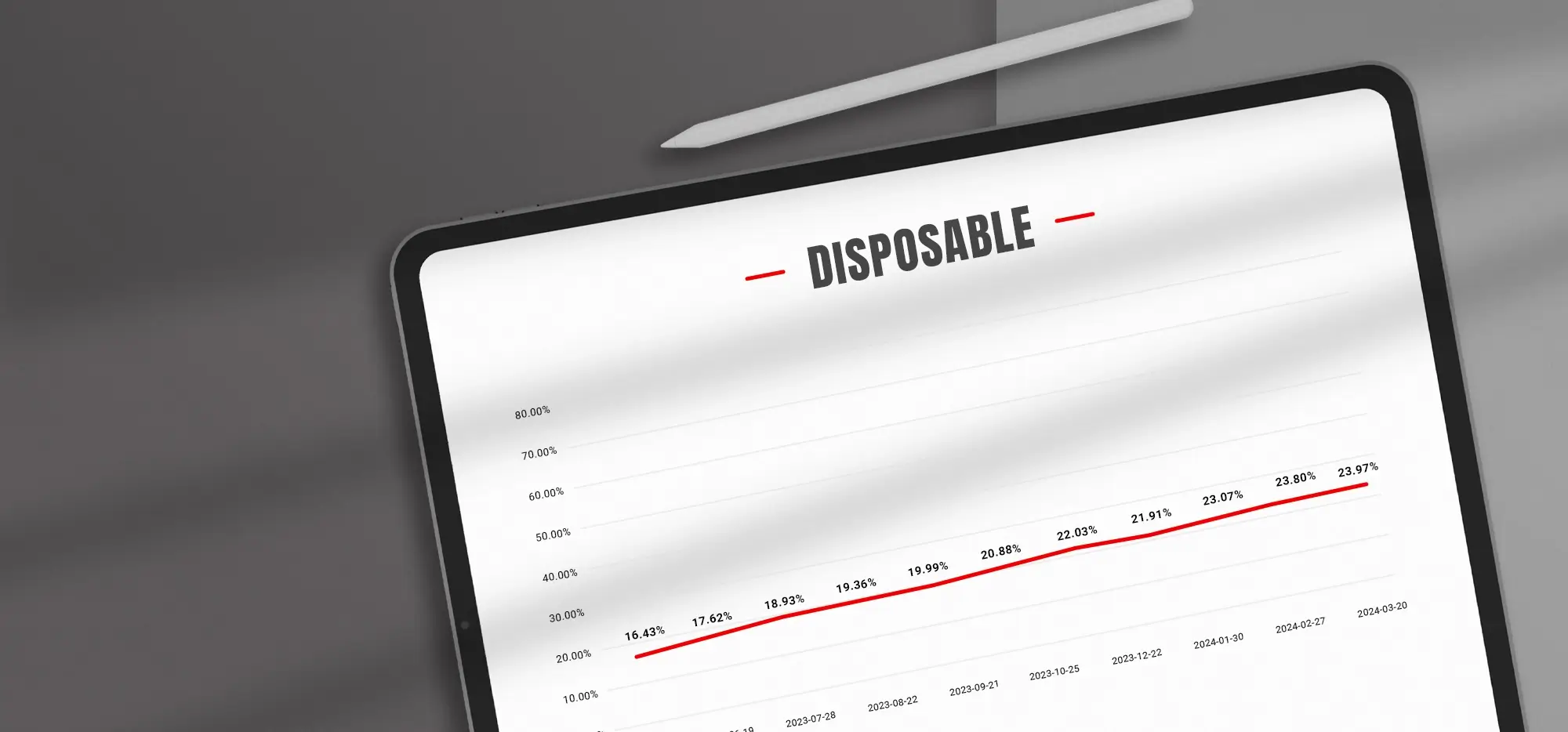
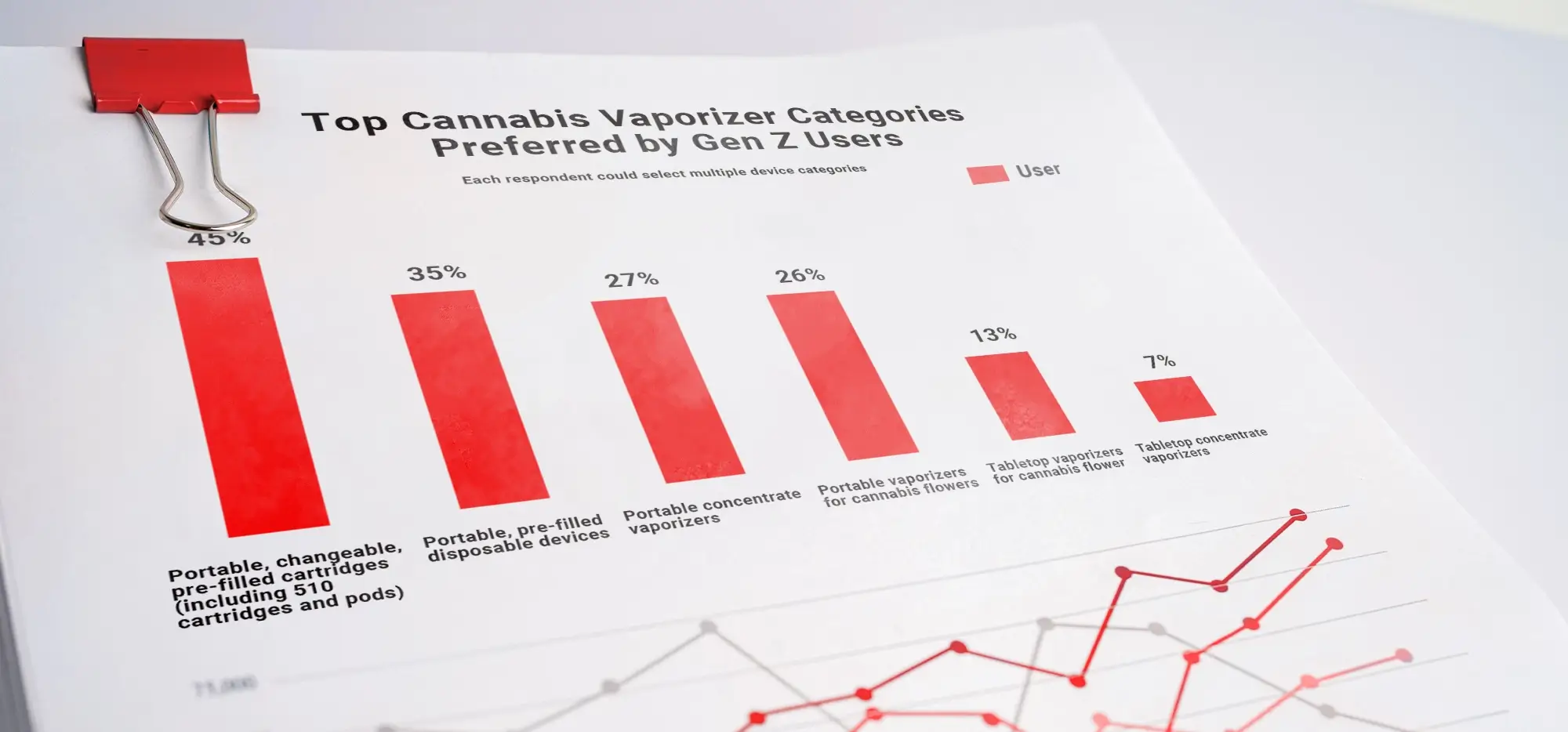
The cannabis vape category is competitive, fragmented, and increasingly shaped by convenience. BDSA reports that vapes continue to hold their position as the second best-selling cannabis form factor, trailing only flower. As of the most recent tracking periods, vapes consistently account for approximately 25% to 27% of total dollar sales across BDSA-tracked markets. STIIIZY’s success makes sense against that backdrop. Its system gives users a simple device, a recognizable battery, and a wide pod portfolio.
The STIIIZY Business Model: Battery First, Pods Second, Community Always
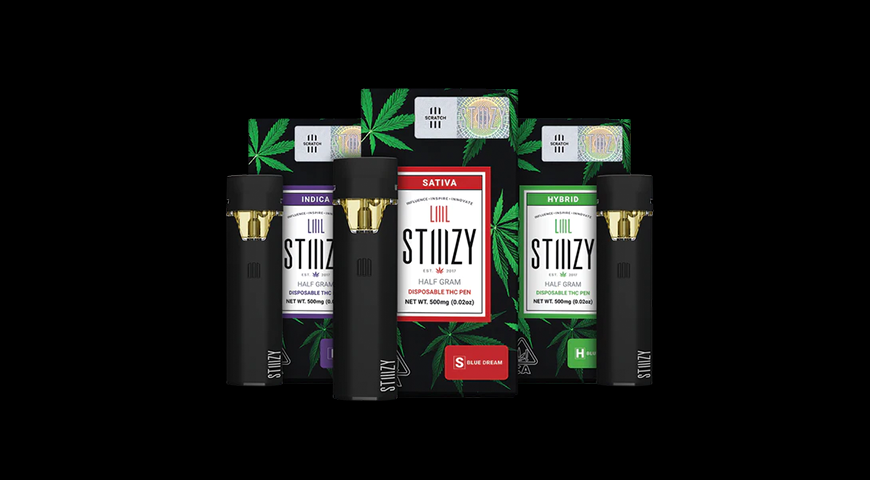
The useful lesson is not to copy STIIIZY’s exact look, voice, or product architecture. The useful lesson is to copy the discipline behind the system: make the first purchase easy, give the battery a reason to stay in the user’s pocket, and keep the pod portfolio active enough to support repeat purchase.
| STIIIZY Entity | Observed Strategic Role | Lesson for Cannabis Brands |
|---|---|---|
| Brand-specific battery | Creates a controlled ecosystem | Battery ownership can support repeat pod purchases |
| Starter packs | Reduces first-purchase friction | Make the first battery purchase easy |
| Pod variety | Gives users reasons to return | Plan extract tiers, not just one SKU |
| Retail visibility | Builds recognition and trial | Support budtender education and display clarity |
| Community and UGC | Turns product use into brand memory | Build adult-market culture without youth-coded claims |
The strongest pod vape brands do not sell only oil. They sell a system. STIIIZY’s product presents pods, batteries, all-in-one devices, starter packs, and multiple extract families, including Original Pods, Cannabis Derived Terpene Pods, Live Resin Pods, Solventless Live Rosin Pods, and THC/CBD Pods. This creates more than a product catalog. It creates a set of reasons for the consumer to remain inside the same hardware environment.
That ecosystem begins with the battery. STIIIZY’s FAQ states that its pods require STIIIZY-specific batteries and are not standard 510-threaded cartridges. This matters commercially because the battery functions as the first loyalty point. Once a consumer owns the battery, every future compatible pod becomes easier to consider than a product that requires a different device.
For emerging cannabis brands, the lesson is not simply “make a closed system.” A closed system can fail if the brand lacks distribution, trust, or product variety. The deeper lesson is that the hardware decision should support a portfolio strategy. A battery without enough pod variety becomes a dead end. A pod portfolio without a reliable battery becomes a quality problem. The system has to work as a whole.
Simplicity Was the Strategic Feature
Many cannabis hardware discussions over-focus on advanced features. Smart controls, app experiences, and data features can add value, but STIIIZY’s case shows that simplicity can be the primary strategic feature. A plug-and-play pod vape system reduces the number of decisions consumers must make at the counter. It also gives budtenders a clear explanation: buy the battery, choose the pod, insert, and use responsibly according to local rules and product instructions.
This simplicity is aligned with broader vape consumer behavior. BDSA’s consumer data found that ease of use was the top reason cited by vape consumers, followed by portability and convenience. A brand does not need the most complex hardware to win if it removes friction better than alternatives.
However, simplicity must be paired with reliability. A simple product that leaks, clogs, or produces inconsistent vapor will not create loyalty. STIIIZY’s visible strength is not just that the device is easy to understand; it is that the brand has built a repeatable consumer ritual around the format. For challengers, the practical takeaway is to make the first experience predictable before adding extra features.

Product Variety Keeps the System Alive
A pod vape battery creates the entry point, but product variety sustains the system. STIIIZY’s public product structure includes multiple pod formats and extract types. This matters because different consumers shop for different reasons. Some want a familiar distillate-style product. Others want live resin, solventless rosin, or balanced THC/CBD options. A brand that supports only one narrow oil type may struggle to create enough repeat-purchase occasions.
The broader market shows why extract strategy matters. BDSA’s latest market analysis reveals that while distillate remains the leading input for disposable vapes as of 2024, there has been a significant surge in premium offerings. Live Resin now represents a substantial and growing portion of the market (approaching 25-30% in mature markets like California), followed by an increasing presence of solventless rosin, high-terpene full-spectrum oils, and specialized inputs like RSO. While this is disposable data, it reflects a wider portfolio logic: distillate can anchor volume, while live resin and rosin can create premium differentiation.
For a pod vape brand, the battery should be designed with this future portfolio in mind. If the brand intends to launch live resin or rosin pods later, it should evaluate heating behavior, leakage resistance, airflow, materials, and compatibility early. A system built only for one oil format may limit brand growth once consumer preferences shift.
Retail Visibility and Starter Packs Reduce Friction
STIIIZY’s starter pack model is important because it solves the most difficult moment in a pod system: the first battery purchase. The brand describes starter packs that combine the original battery with a 1-gram pod at a lower price than buying the battery and pod separately. That is not just merchandising. It is customer acquisition design.
For any pod vape brand, the first-purchase bundle must answer three questions quickly. What device do I need? Which pod should I start with? Why is this worth buying instead of a disposable or a 510 cartridge? A starter kit lowers the psychological and financial barrier to joining the ecosystem.
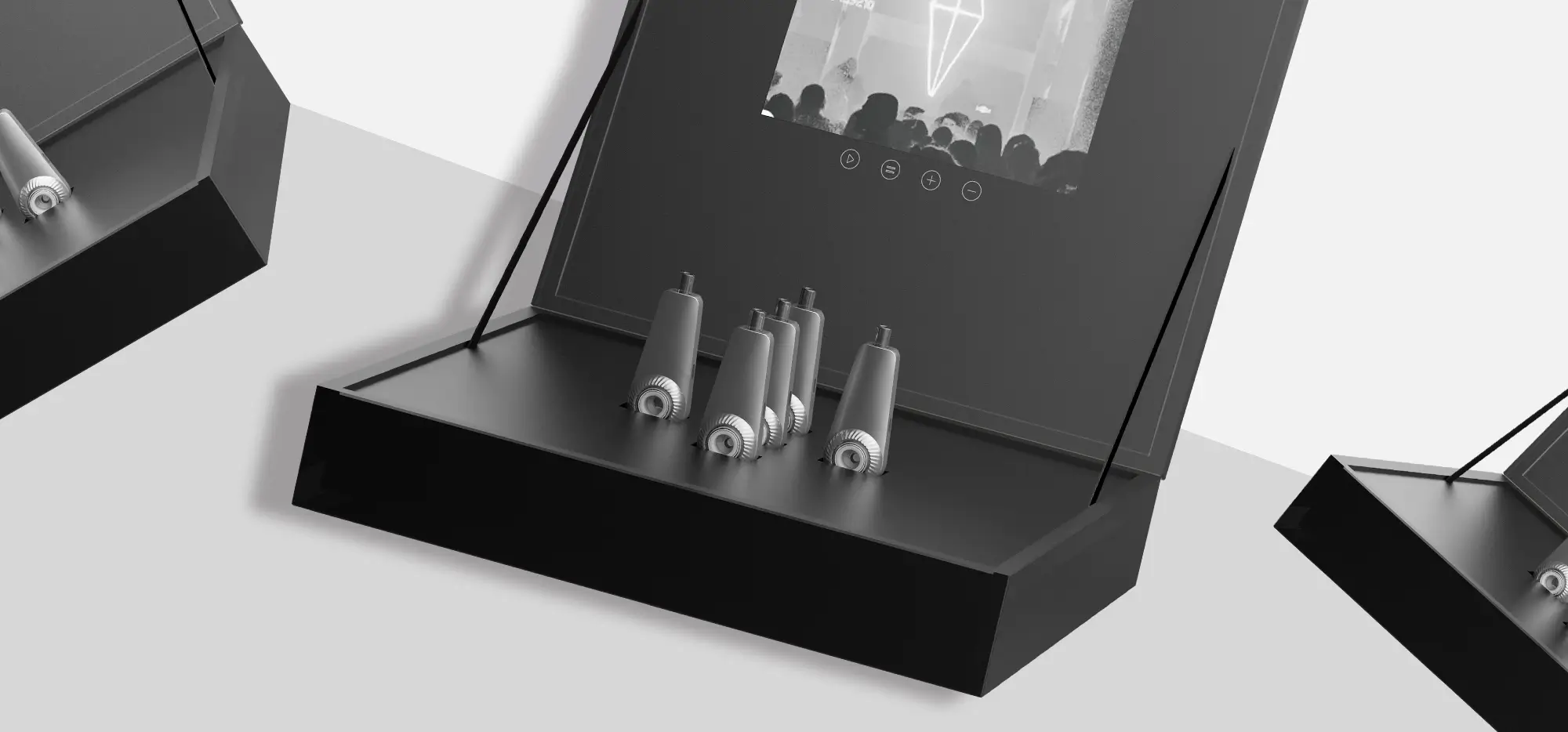
Retail education is equally important. A proprietary pod format asks retailers and budtenders to explain compatibility. If that explanation is unclear, the system creates friction instead of loyalty. Brands should support displays, training cards, simple comparison language, and clear packaging that prevents battery-pod confusion.
Offline Stores, Community, and UGC Build Brand Memory
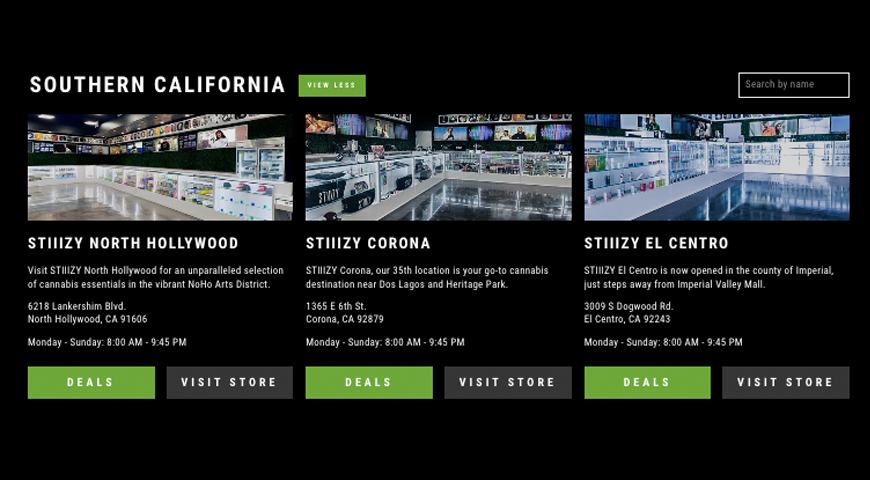
A STIIIZY pod system case study should also look beyond the device. Pod vape loyalty is strengthened when a brand becomes visible in stores, recognizable in local culture, and easy for consumers to talk about online. Offline retail gives the product credibility and repeat exposure. Community activity gives the brand a role outside the display case. User-generated content can turn device ownership into a social signal, especially when the battery and packaging are visually consistent.
For new cannabis brands, the lesson is practical. A pod system should be supported by budtender education, store displays, launch events, customer reviews, and social content that explains the product without making exaggerated claims. UGC should show adult consumers using the product responsibly, not push youth-coded lifestyle imagery. The strongest cannabis pod brand strategy connects product reliability with community trust and repeat retail visibility.
The STIIIZY Model Also Reveals Market Gaps
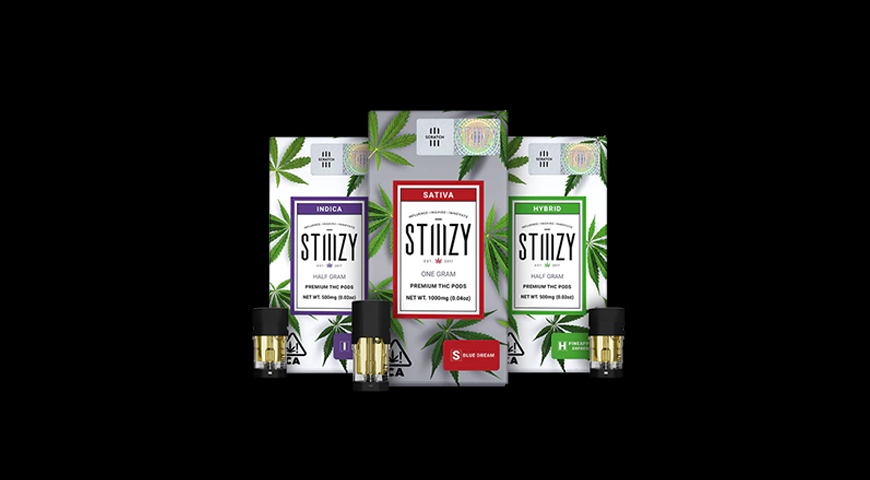
STIIIZY’s strengths point to opportunities for other brands. A simple proprietary system can win wide adoption, but not every user wants the same level of simplicity. Some adult consumers want more control over heat, vapor density, or session feedback. Others want compatibility so they do not have to commit to a new battery. Some brands want a cost-effective pod system without building a full proprietary ecosystem from zero.
This is where the market opens for differentiated hardware strategies. A compatibility-led product can lower switching barriers in markets where consumers already own familiar batteries. A cost-effective pod platform can help brands expand beyond disposables without over-investing. A light smart pod can give consumers visible control without the burden of an app-first system.
STIIIZY should therefore be treated as proof that the pod vape system can work, not as proof that only one format can win. The category has room for closed systems, compatible systems, smart systems, and value-oriented systems. The question is whether each format has a clear consumer reason to exist.
| STIIIZY Lesson | Strategic Meaning | How Other Brands Can Apply It |
|---|---|---|
| Battery ownership | Creates a repeat-purchase pathway | Design starter kits and loyalty programs around the first battery sale |
| Simple use | Reduces adoption friction | Keep instructions and retail explanations short |
| Pod variety | Gives users reasons to return | Plan extract lines around entry, premium, and specialty segments |
| Strong identity | Makes the device recognizable | Build visual consistency across battery, pod, packaging, and display |
How Artrix-Type Solutions Can Respond to STIIIZY’s Market Lessons
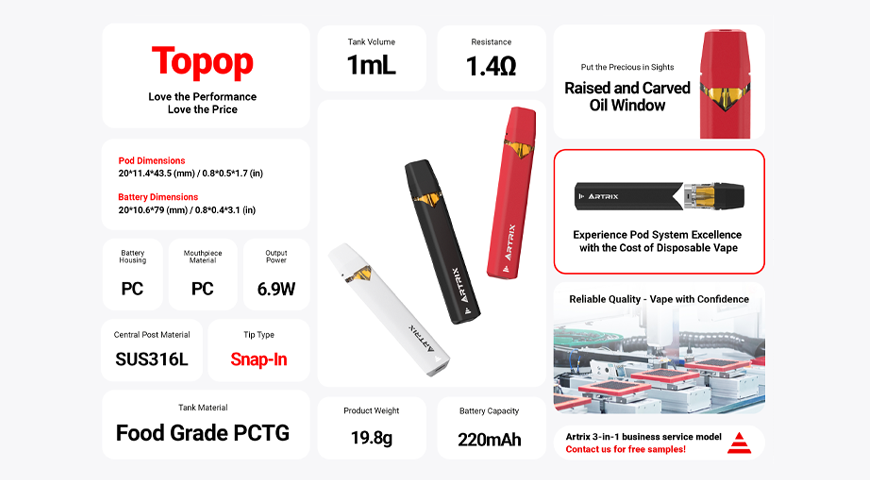
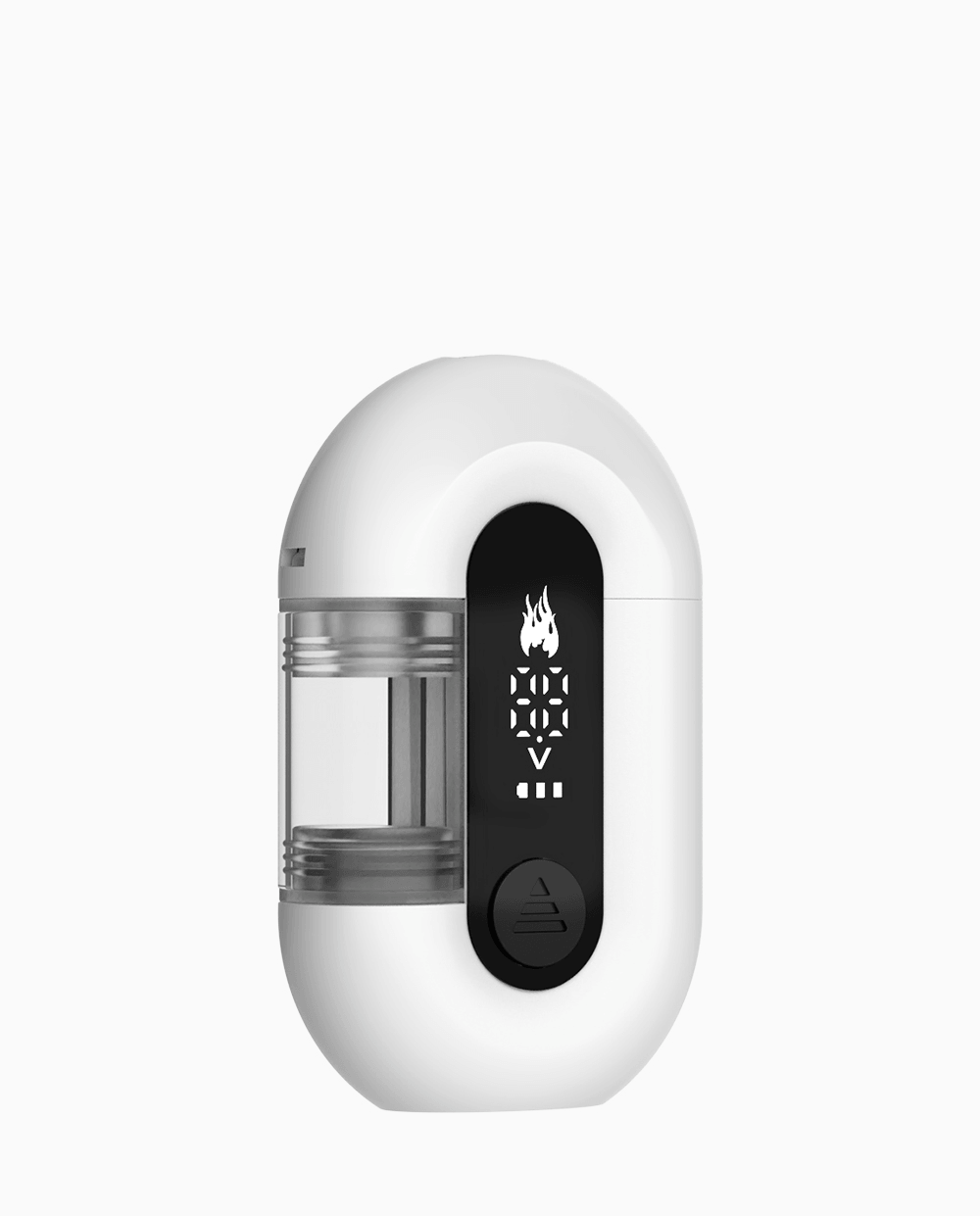
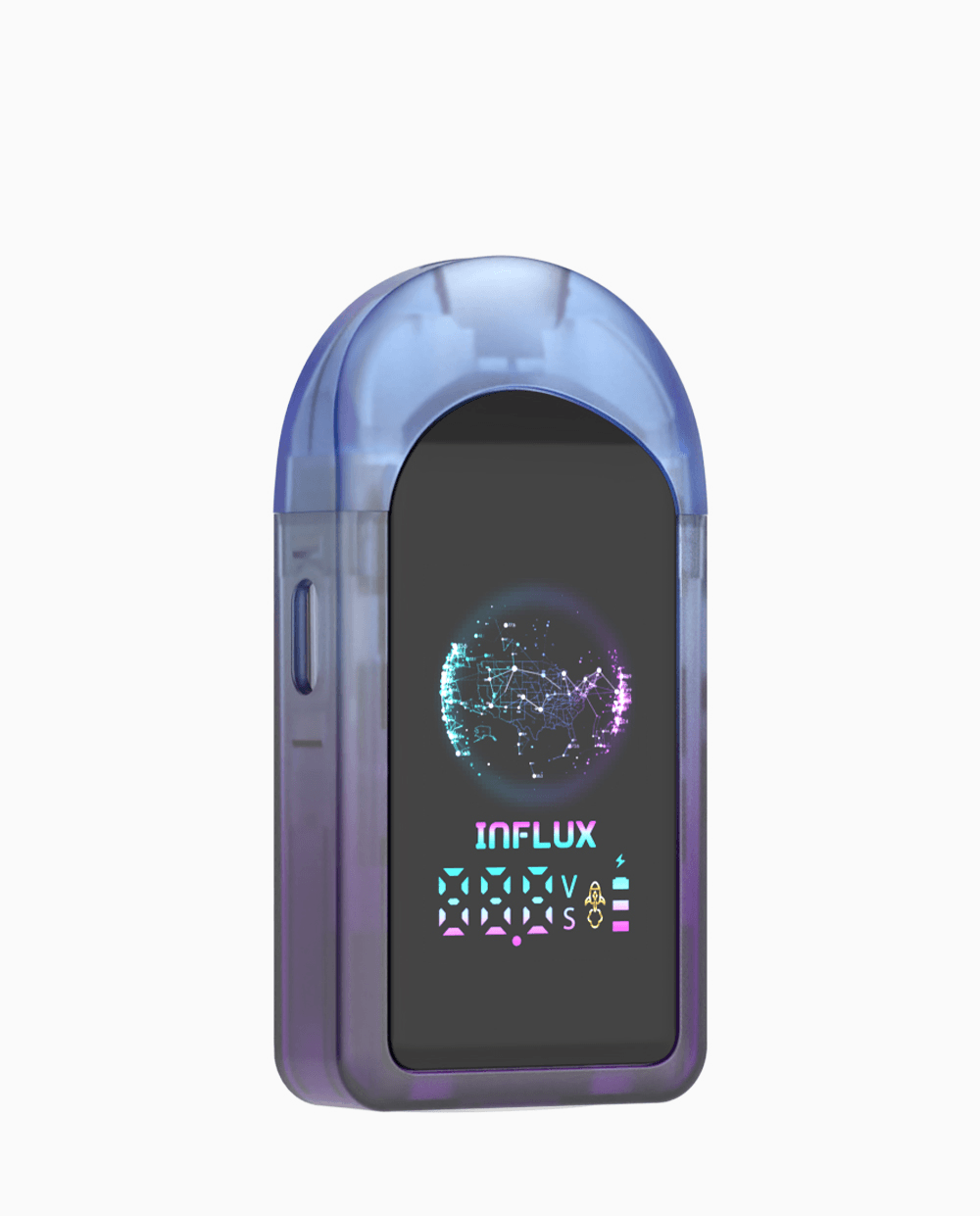
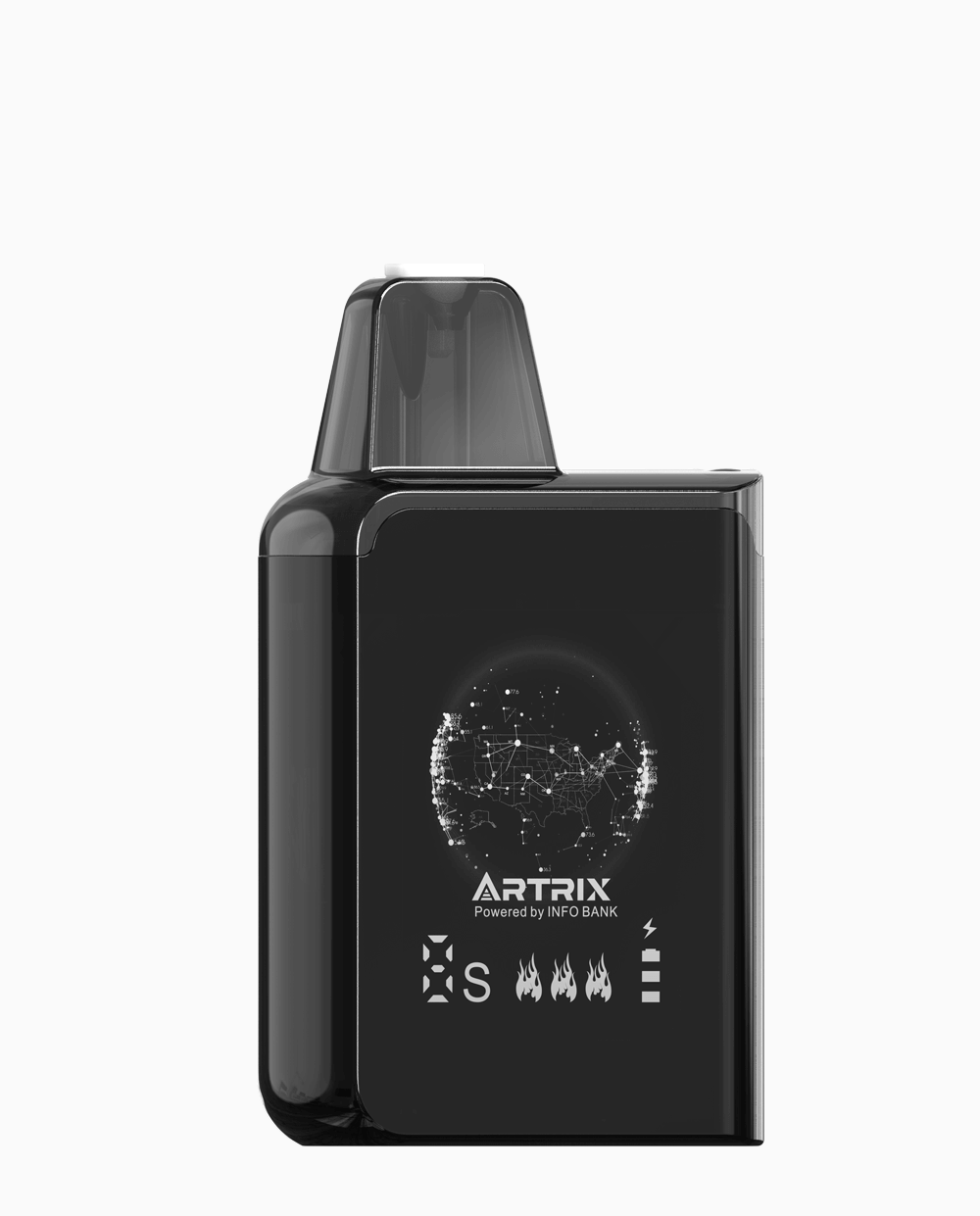
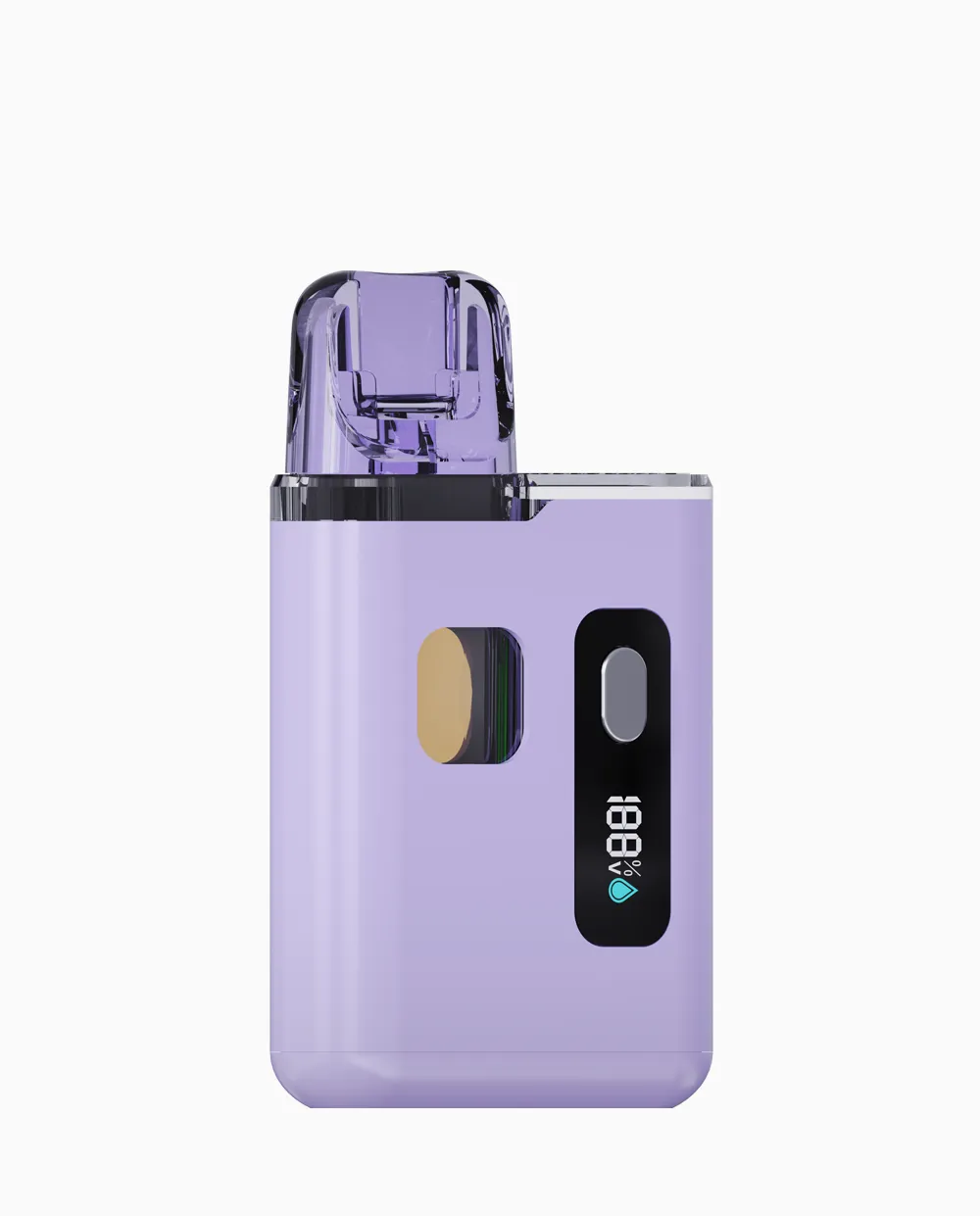
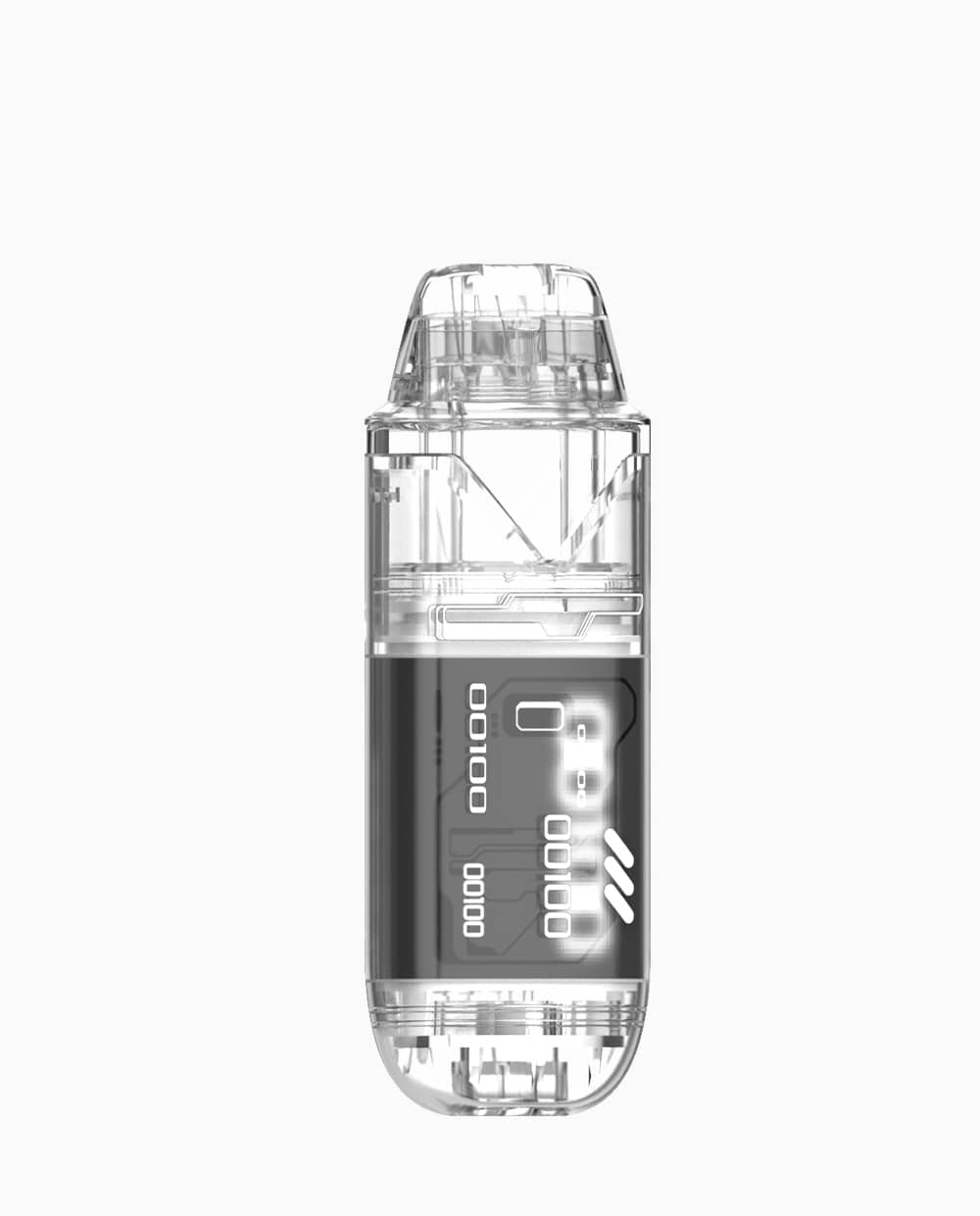
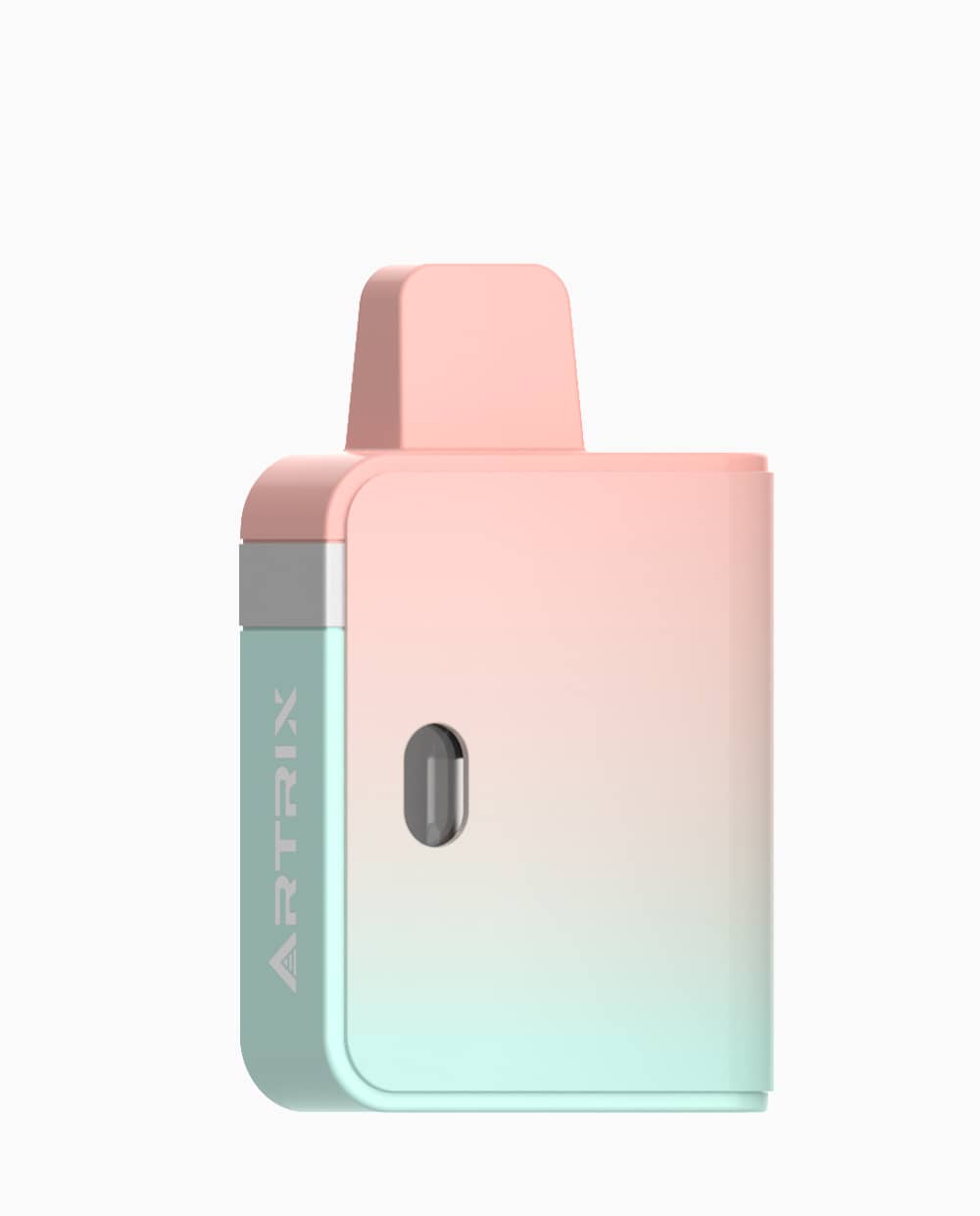
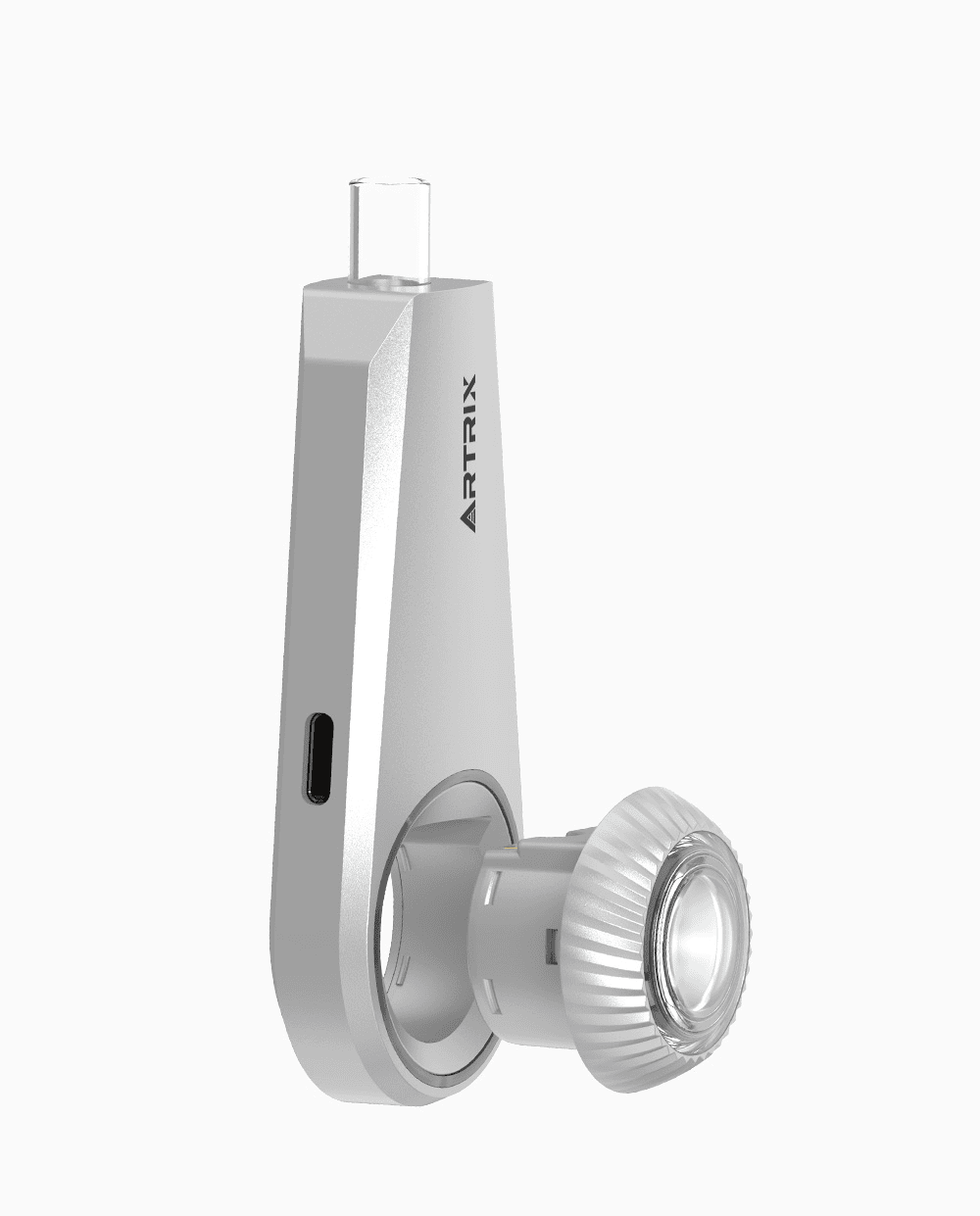
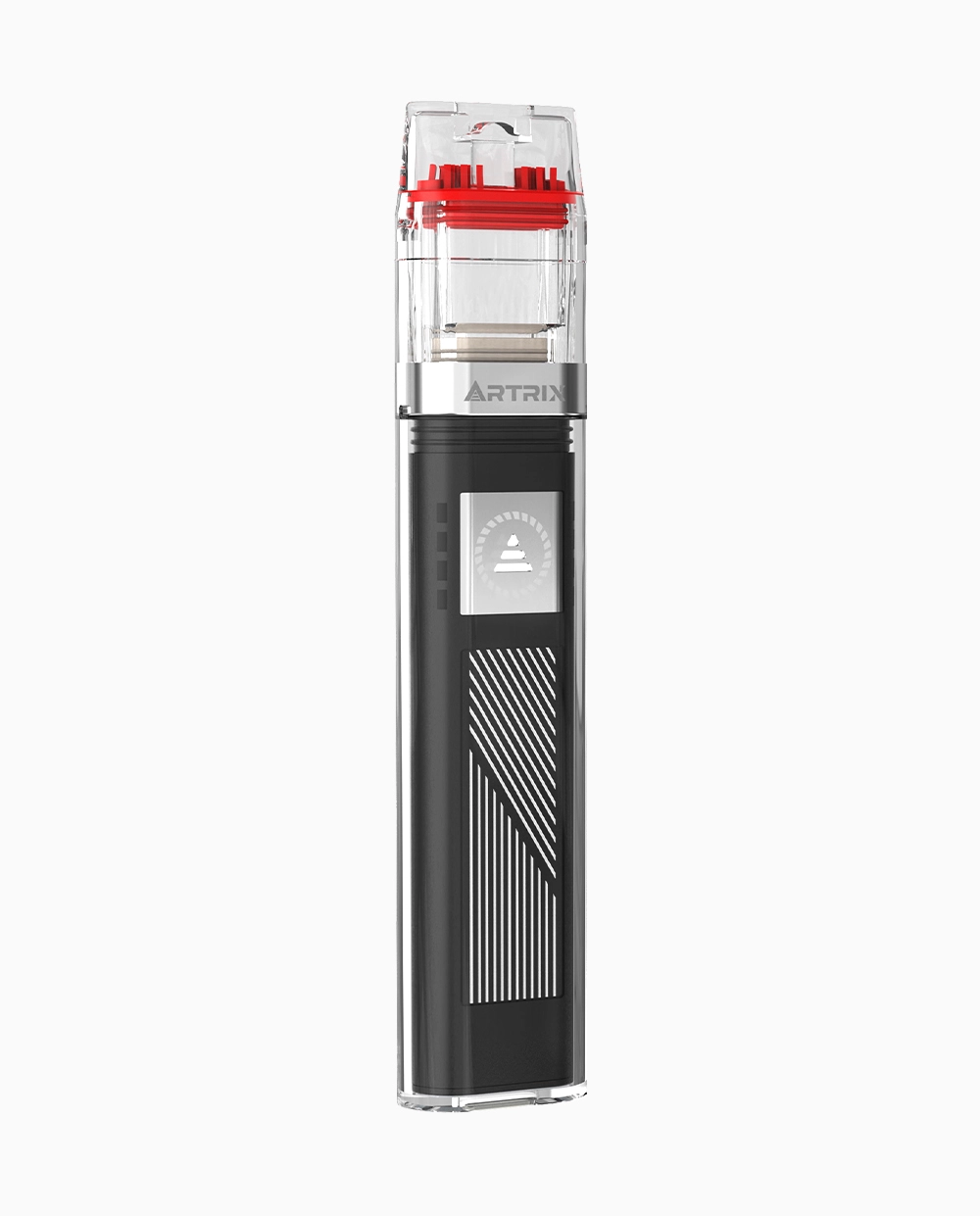
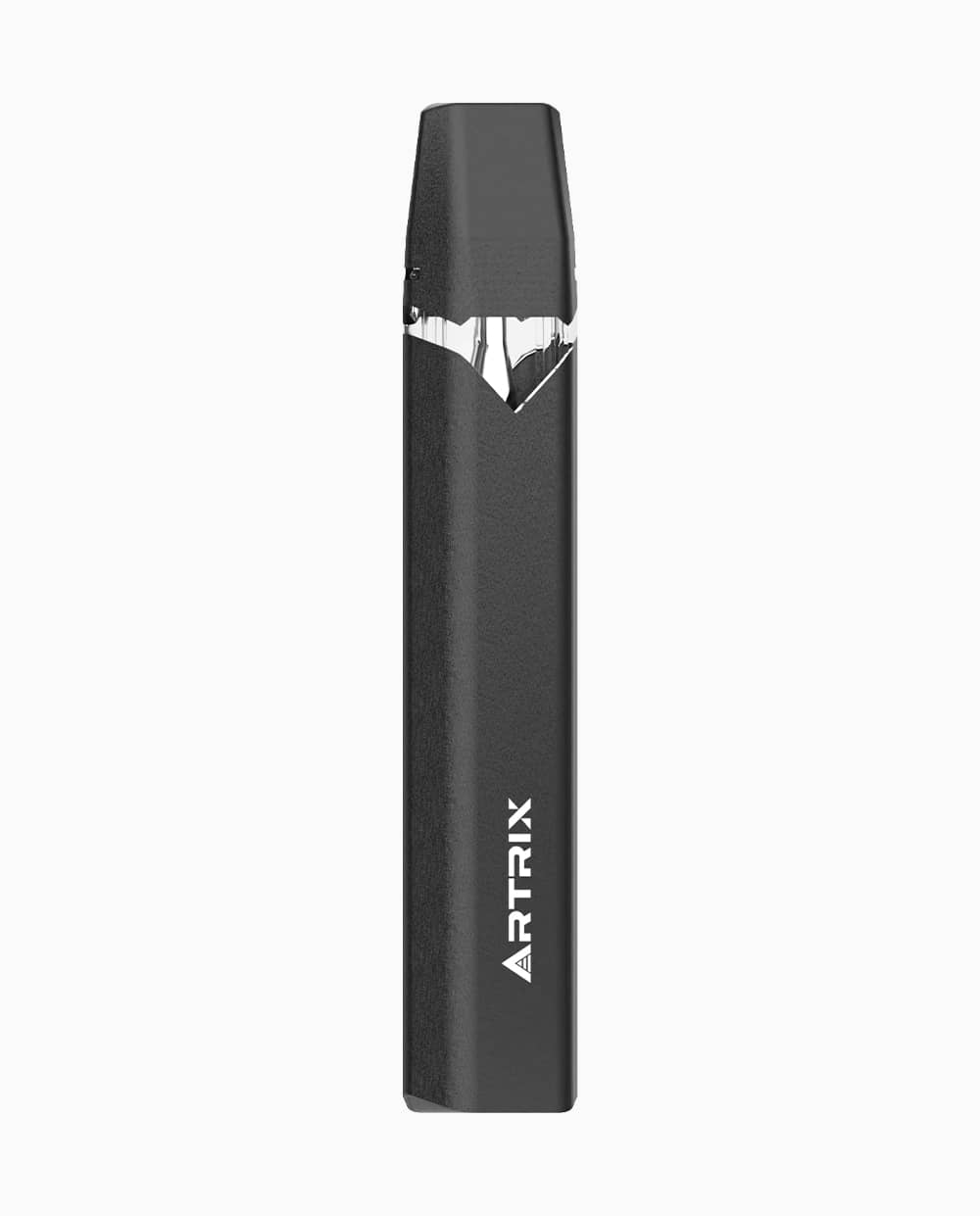
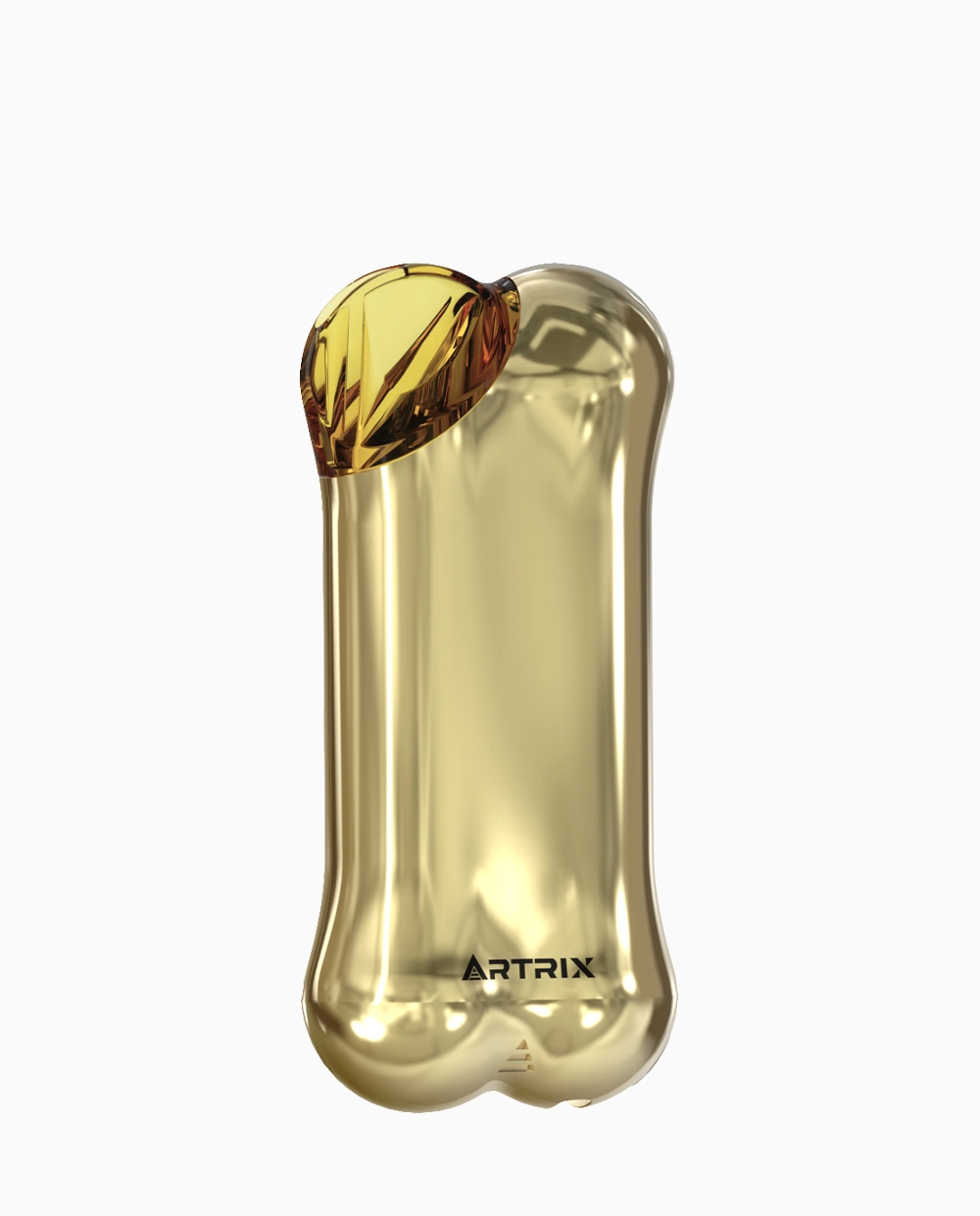
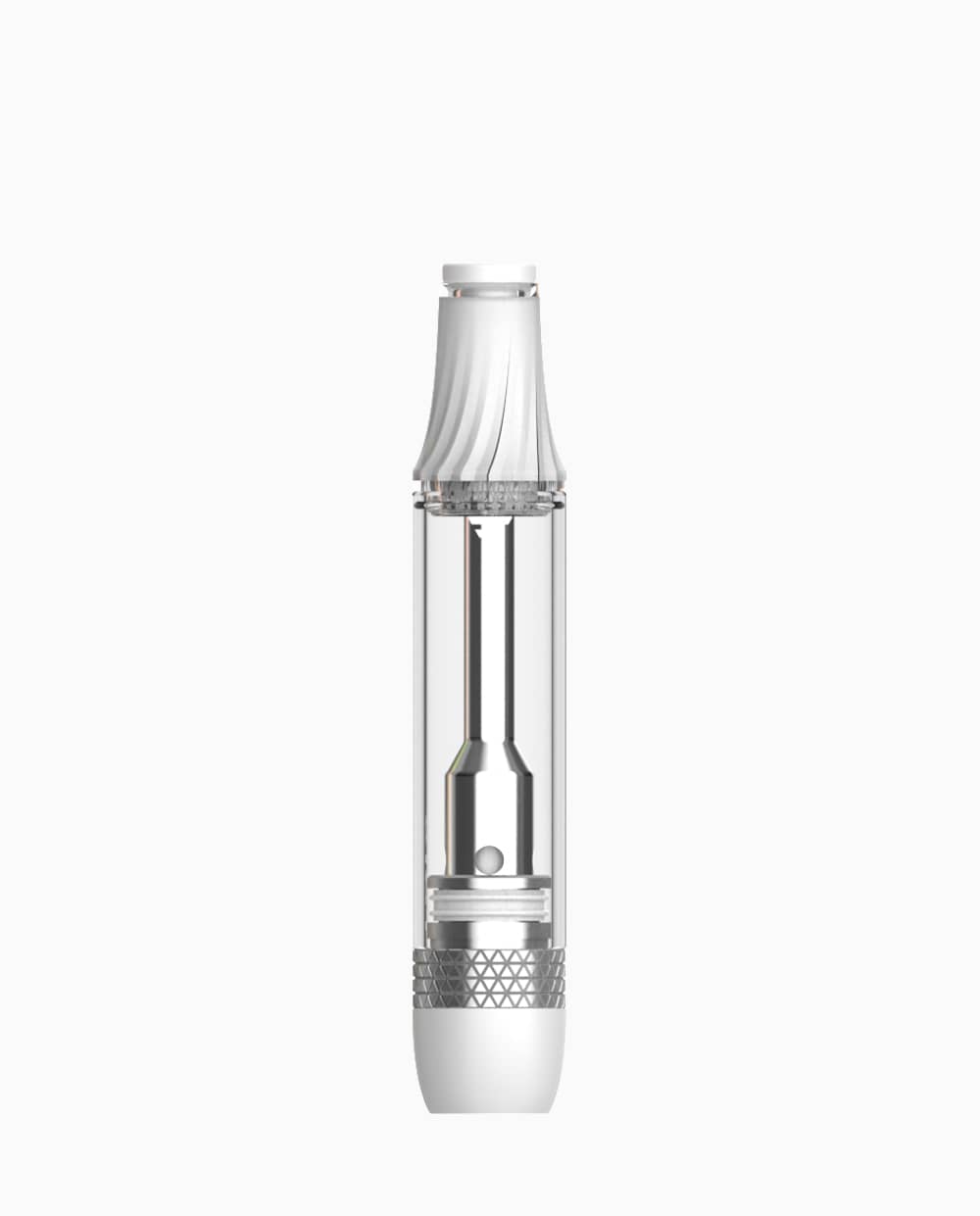
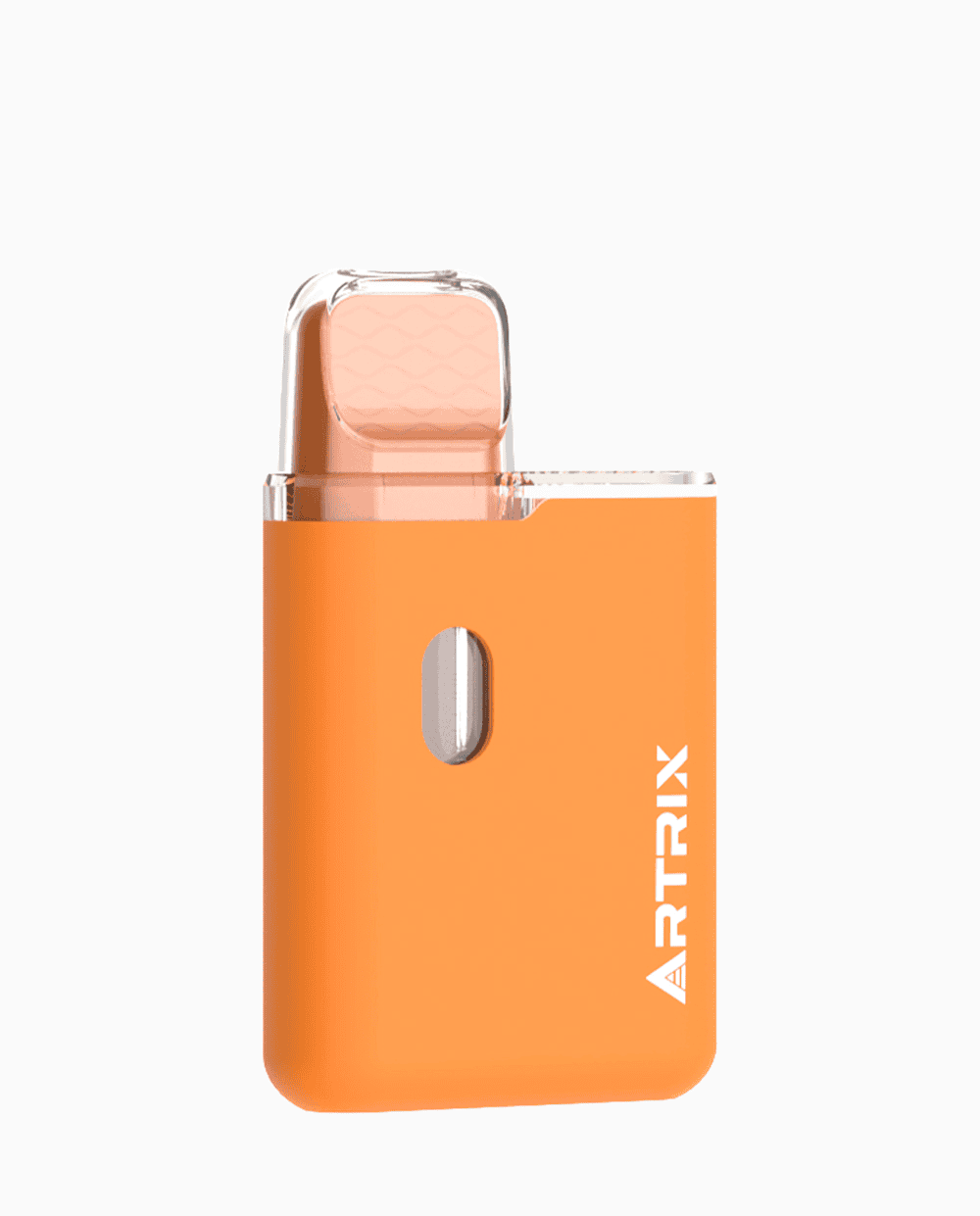
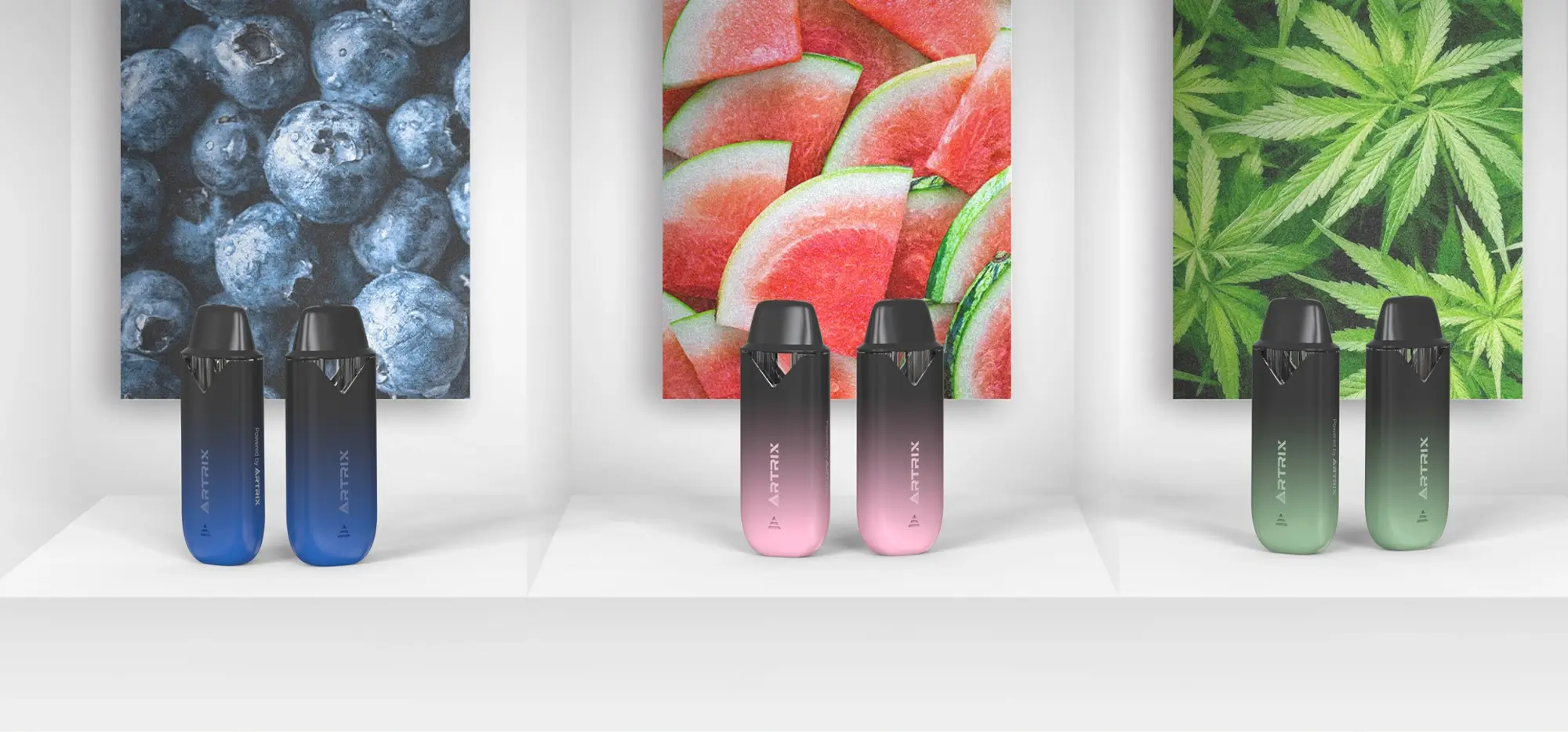
For suppliers and cannabis brands, STIIIZY’s model creates a practical design brief. The market needs systems that are easy to understand, repeatable at retail, and strong enough to support different oil portfolios. Artrix-style product planning can respond through different hardware routes: Topop for cost-effective pod expansion, and Xlite for light smart differentiation.
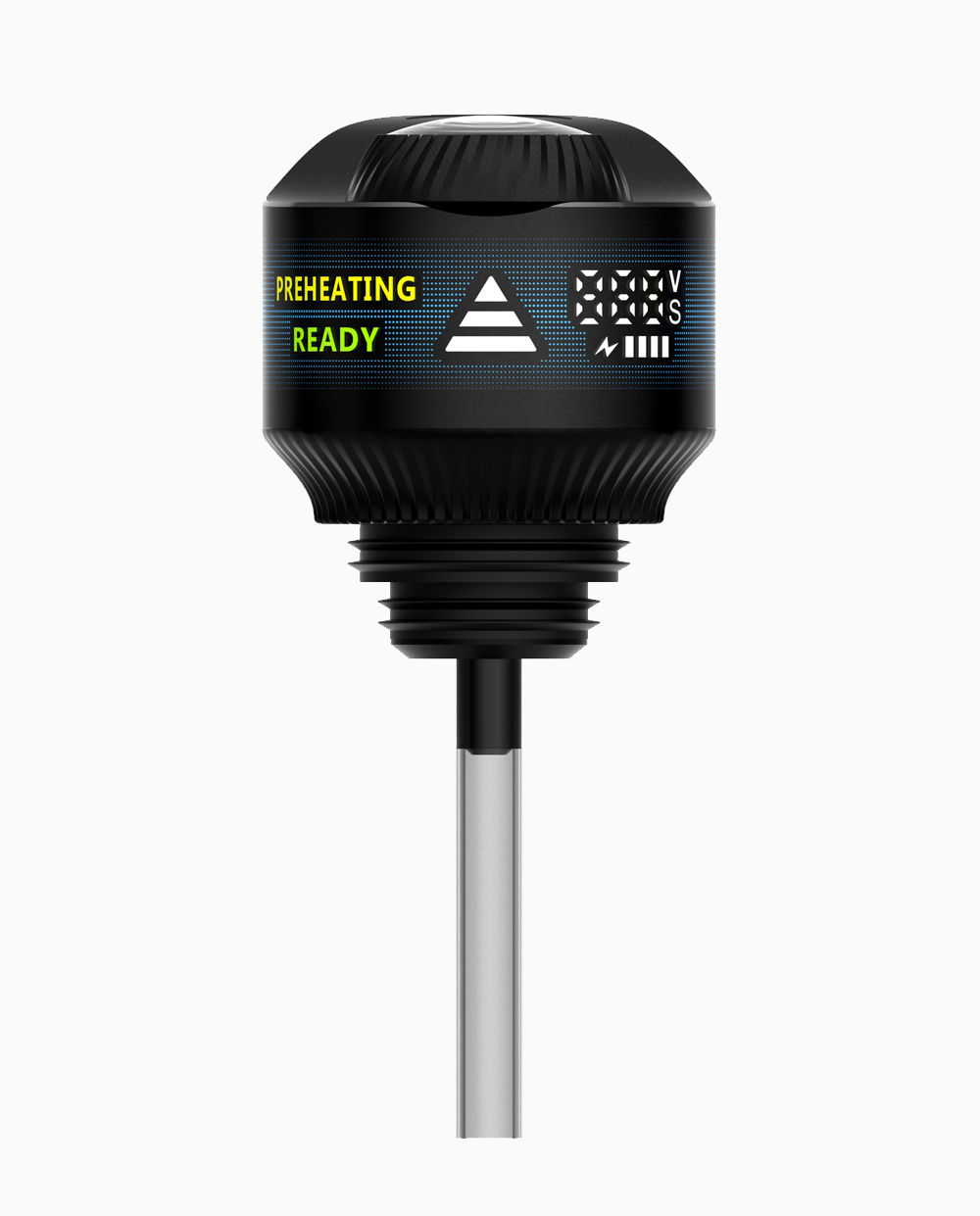
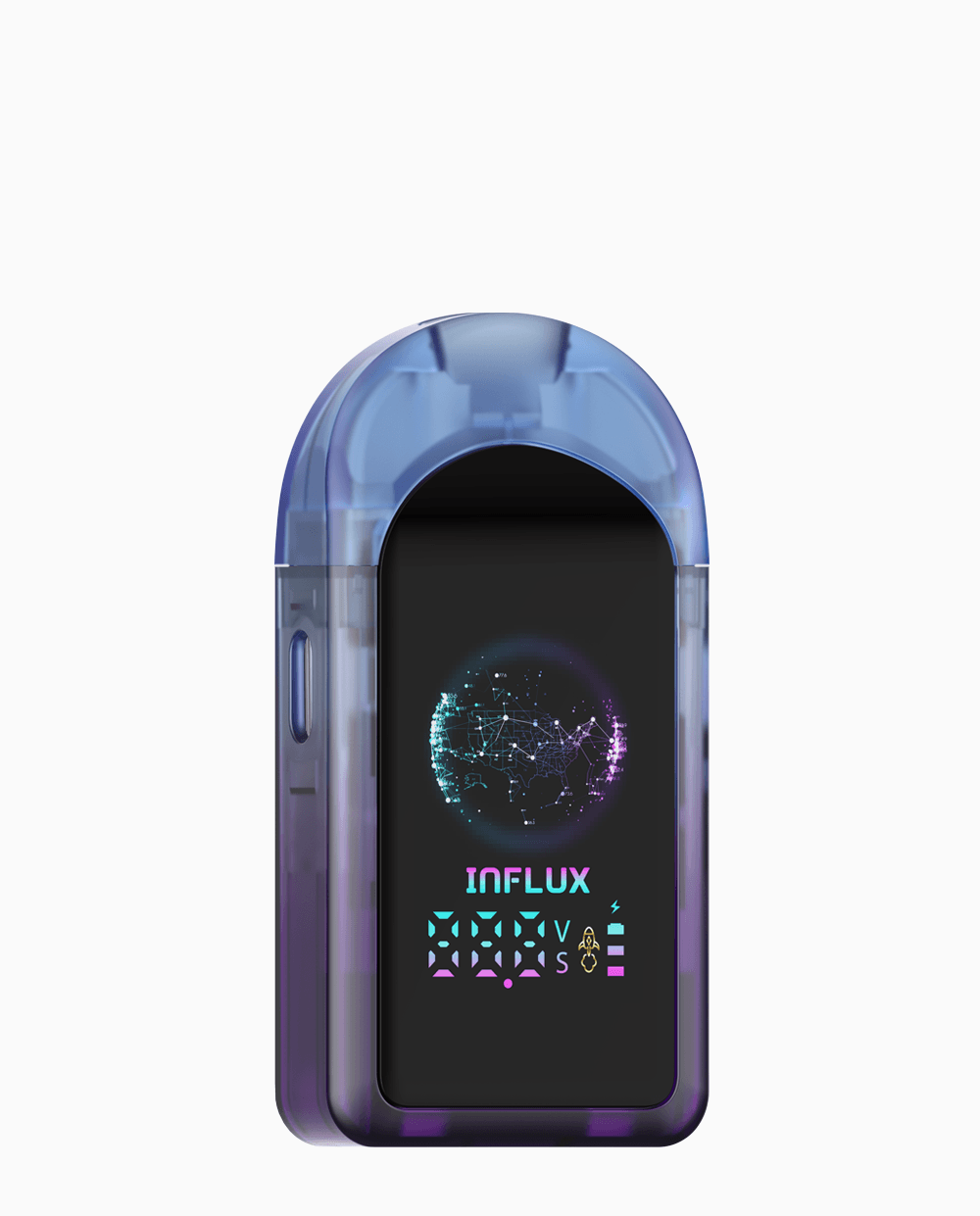
Topop can support brands that need a cost-effective pod system for product-line expansion. Xlite can support brands that want smart interaction, voltage options, and visible feedback without making app complexity the center of the product.
Xlite, for example, offers a different answer from the classic basic pod, as a smart vape pod system with three voltage modes, preheating, simple human-device interaction, and an overdose reminder Artrix. That type of product does not reject the STIIIZY lesson of simplicity; it builds on it by adding visible control for brands that need a more modern story.
Conclusion: Learn the System, Not Just the Shape
The most important lesson from STIIIZY is not the visual form of the battery. It is the system logic behind the brand: a clear device, a compatible pod universe, a simple first purchase, broad product variety, and an identity strong enough to live in retail and culture. That is why STIIIZY remains a useful reference point for pod vape strategy.
For other cannabis brands, the opportunity is to apply the principle without copying the surface. Some will compete through compatibility. Some will compete through better cost performance. Some will compete through smart interaction or premium extract support. For new cannabis brands, the practical lesson is to connect battery ownership, pod variety, retail education, community trust, and hardware differentiation into one repeat-purchase system.