


-1.webp)
-1.webp)
-2.webp)































New York Cannabis Vape Market in 2026: Regulation, Demand, and Product Strategy
Last Updated: August 3, 2026
This content is for informational purposes only and does not constitute medical or legal advice. Please consult a licensed healthcare provider before using cannabis products. Comply with your state’s regulations.
This content is intended for audiences 21 years and older, as required by U.S. law.
Cannabis regulations vary by state. Please verify the legal status of products in your area before purchase.
New York’s legal cannabis market has moved beyond its early rollout phase, but growth alone does not make every vape concept commercially viable. The strongest opportunity belongs to licensed businesses that can connect current retail access, adult-consumer demand, product reliability, and state compliance requirements. Product format matters, but it should follow evidence and operating needs rather than assumptions about youth culture, nicotine-vape migration, or trends imported from another state.
The regulated market has now surpassed $2.5 billion in cumulative adult-use retail sales, and New York’s official verification list currently shows 705 licensed adult-use dispensaries statewide. At the same time, enforcement against unlicensed operators, revised tax rules, and updated packaging and advertising requirements continue to shape how brands enter and compete in the market. New York’s 2025 market report and the current dispensary verification list show that the legal channel is expanding, while also raising the standard for product, labeling, and supply-chain execution.
New York’s Legal Market Is Expanding, but Compliance Still Defines Access
New York’s legal cannabis opportunity is increasingly tied to the licensed channel rather than to the size of cannabis demand in isolation. By the end of 2025, cumulative adult-use retail sales had exceeded $2.5 billion, while licensed storefront access nearly doubled from 261 dispensaries in 2024 to 556 in 2025. The state also reported 2,017 enforcement actions and more than $20 million in illicit cannabis products seized during 2025. These figures indicate simultaneous growth in legal access and continued pressure on unlicensed competition; they do not establish that the illicit market has disappeared.
For a cannabis vape business, wider retail access can create more potential distribution points, but it also makes retailer qualification more important. A product must fit the needs of licensed processors, distributors, and dispensaries, and the parties involved must hold the appropriate New York licenses and registrations. A distributor may not sell adult-use cannabis products to a retailer without a valid Adult-Use Cannabis Certificate of Registration.
 The 9% Distributor Tax Is Now in Effect
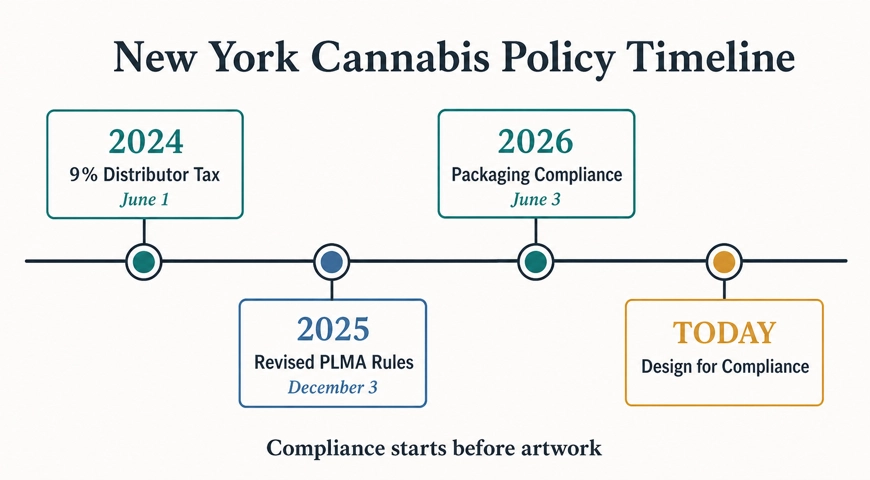
New York replaced its former THC potency tax with a 9% distributor tax for sales and transfers made on or after June 1, 2024. Retail taxes totaling 13% also apply to adult-use retail sales. For registered organizations and microbusinesses selling directly to consumers, the 9% distributor tax is imposed on 75% of the retail charge. The current tax structure can simplify tax calculations compared with a tax based on THC content, but it should not automatically be described as a cost reduction for every operator. The actual effect depends on wholesale price, product category, margins, and supply-chain structure.
Brands should therefore model tax, wholesale pricing, packaging, testing, fulfillment, and retailer margin together. A lower or simpler tax calculation cannot compensate for weak product economics, preventable hardware failures, or a format that does not meet retailer demand.
Consumer Data Supports Adult Demand, Not Every Vape-Market Assumption
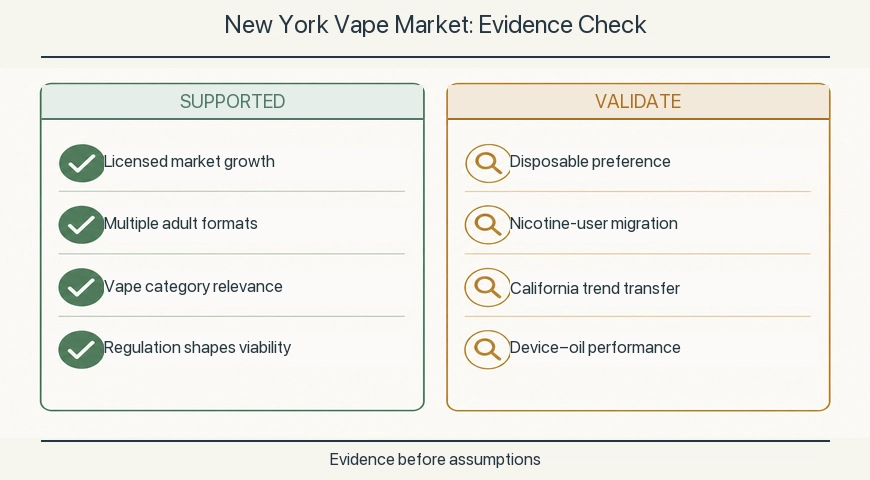
Recent state data confirms meaningful adult cannabis use in New York, but it does not prove that every young adult prefers disposable vapes. In the 2023 Behavioral Risk Factor Surveillance System survey, 14.7% of New York adults aged 18 or older reported cannabis consumption within the previous 30 days. Adults aged 21–24 reported the highest rate among legal-age groups, followed by adults aged 25–34. Smoking was the most commonly reported method, followed by edibles and electronic vaporizing devices. The state consumption report also makes an essential distinction: the survey includes adults aged 18 and older, while legal cannabis purchasing in New York is limited to people aged 21 and older.
This age distinction changes how brands should interpret “Gen Z” demand. A legal-market strategy should focus on adults aged 21 and older, and branding must not appeal to people under 21. Age-group data can help frame research questions, but it should not be used as a shortcut for claims about preferred device shape, flavor, concealment, or willingness to switch from nicotine products.
Nicotine-Vape Restrictions Do Not Prove Cannabis-Vape Migration
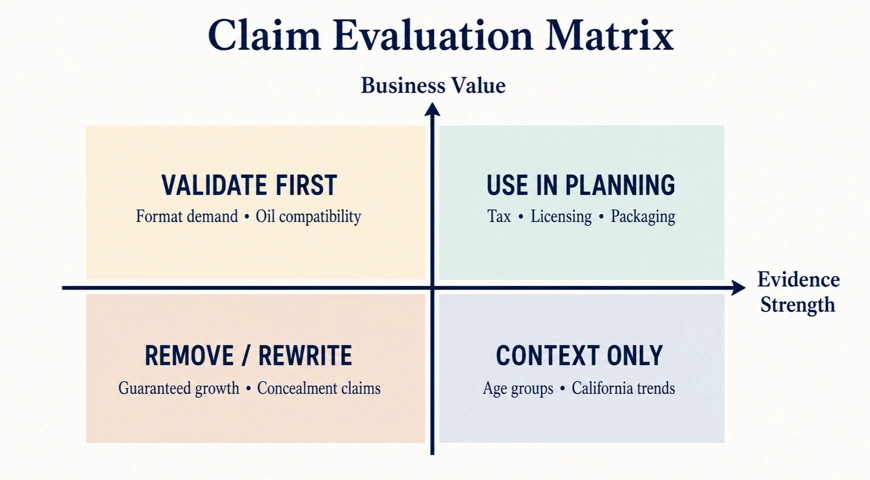
New York has prohibited the sale of flavored nicotine vapor products since 2020, but that restriction does not demonstrate that nicotine users are moving into cannabis vapes. The two categories have different legal frameworks, effects, consumer motivations, and purchase channels. Without sales-panel or consumer-transition research, a claim that the nicotine flavor ban will increase flavored cannabis-vape demand is a hypothesis, not a market fact.
Flavor strategy also faces direct cannabis-specific limits. New York prohibits vaporized or inhaled cannabis products from using certain flavors, including menthol or mint, cotton candy, bubble gum, candy, vanilla, chocolate, ice cream, soda, cereal, dessert, concept flavors, and other flavors the Office of Cannabis Management determines are attractive to people under 21. Part 128 guidance therefore makes compliance review more useful than broad claims that additional sweetness will improve product-market fit.
“California style” is also popular in New York Cannabis Market
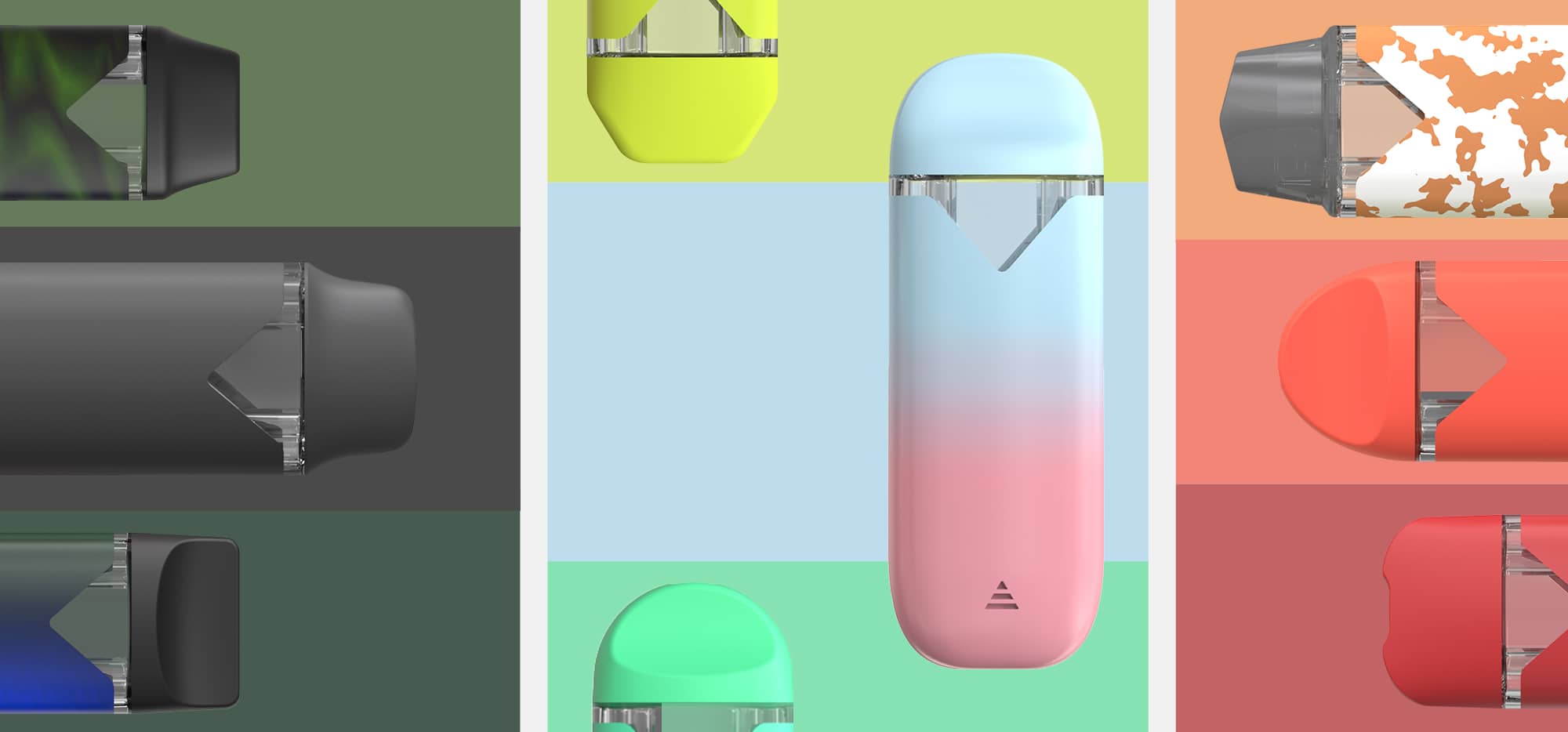
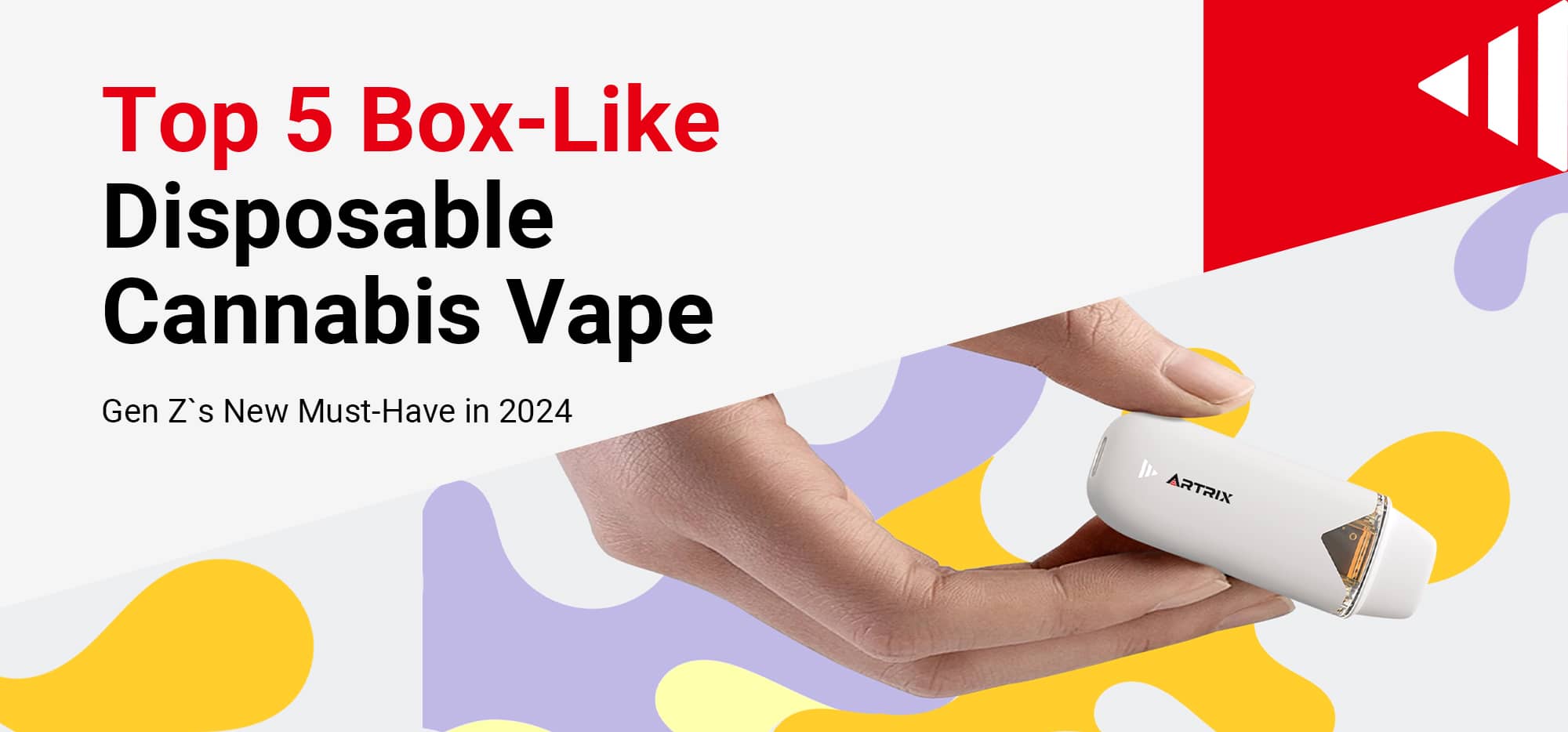
California can provide design references, but popularity in one state does not verify demand in another. New York brands should validate local appeal through licensed retailer interviews, current point-of-sale data, controlled concept testing with adults aged 21 and older, and repeat-order behavior. The previous Micro Bar analysis may serve as a case study in compact, box-shaped design, but it should not be presented as proof that the same format will succeed in New York.
Product Format Should Follow the Use Case and Evidence
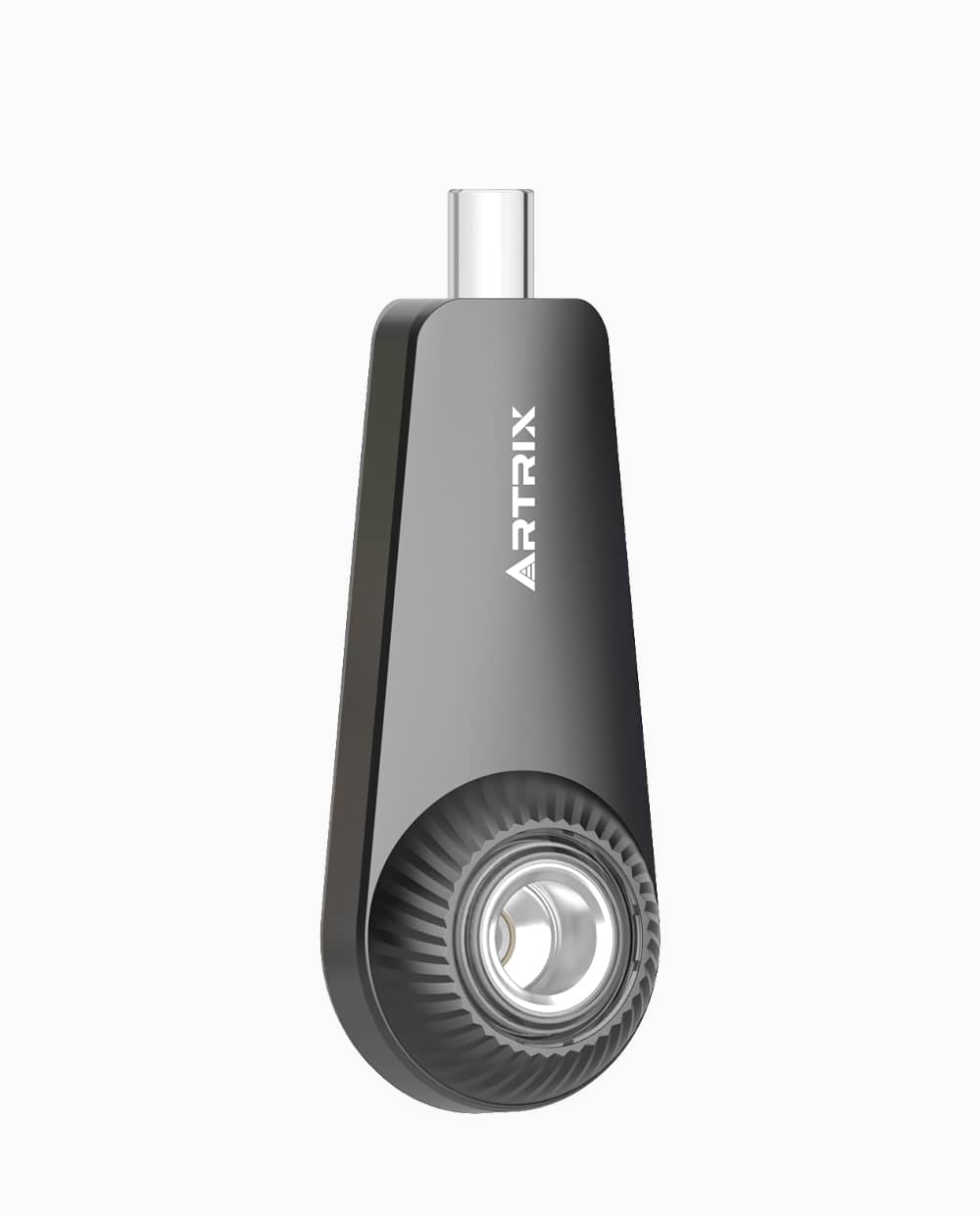
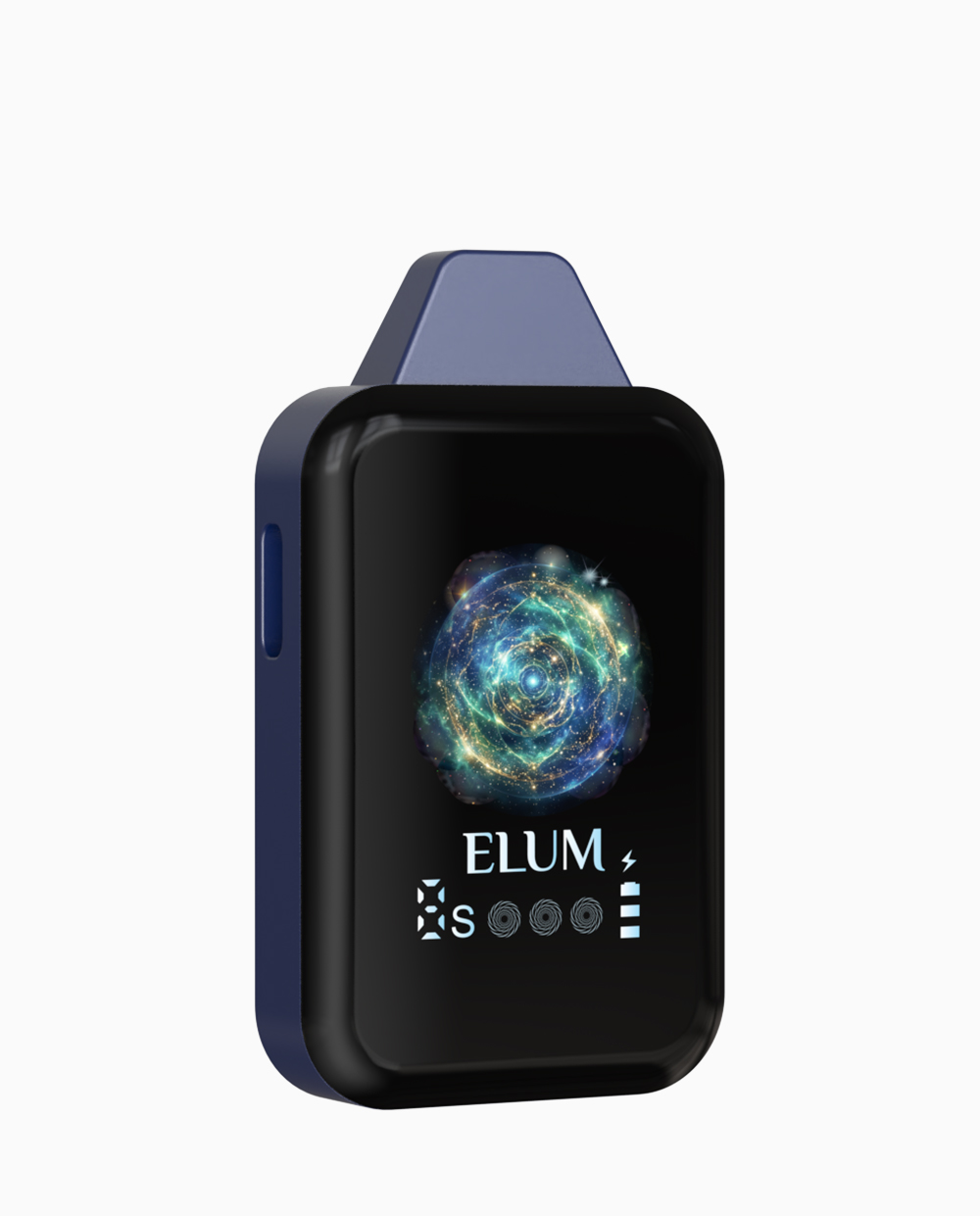
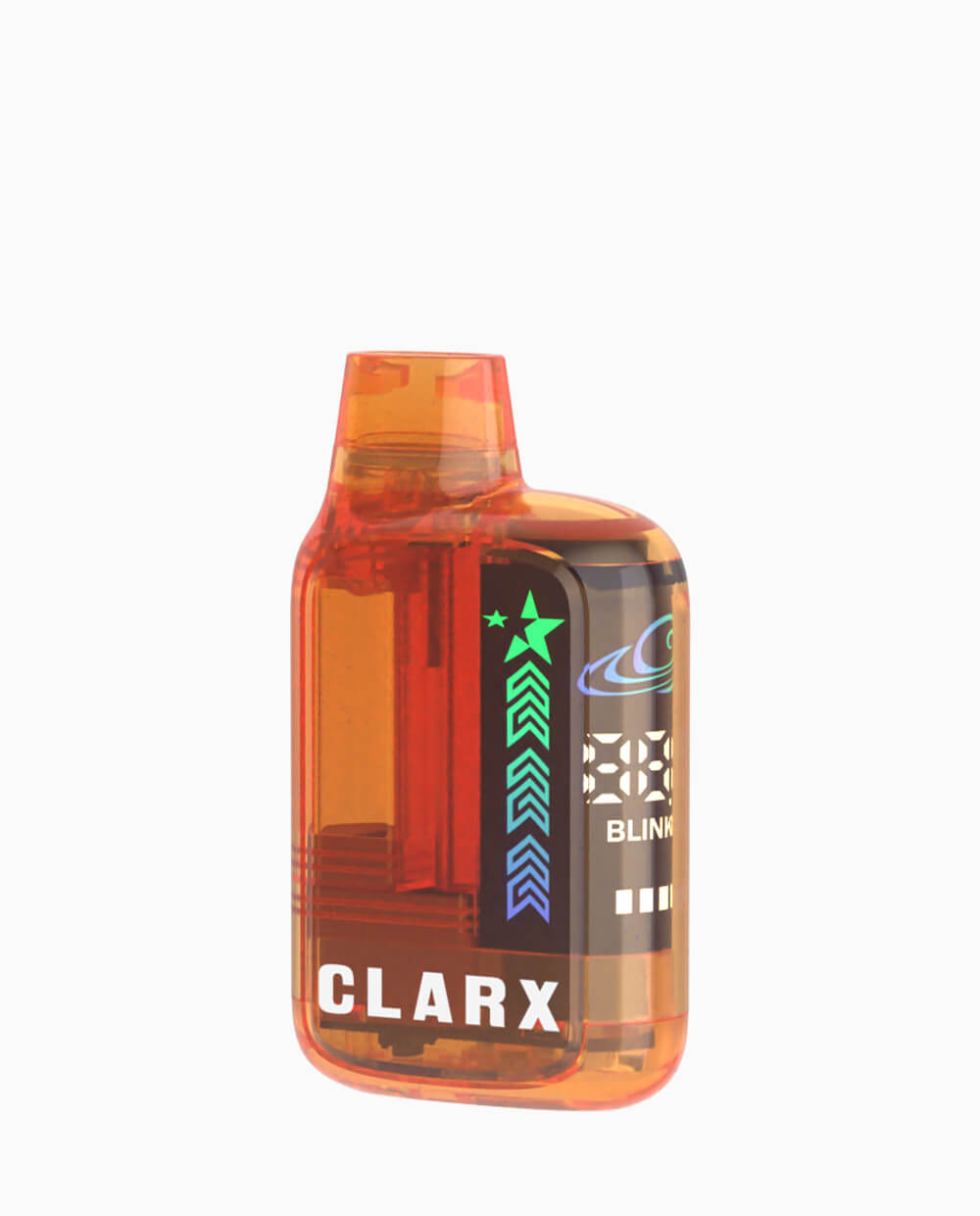
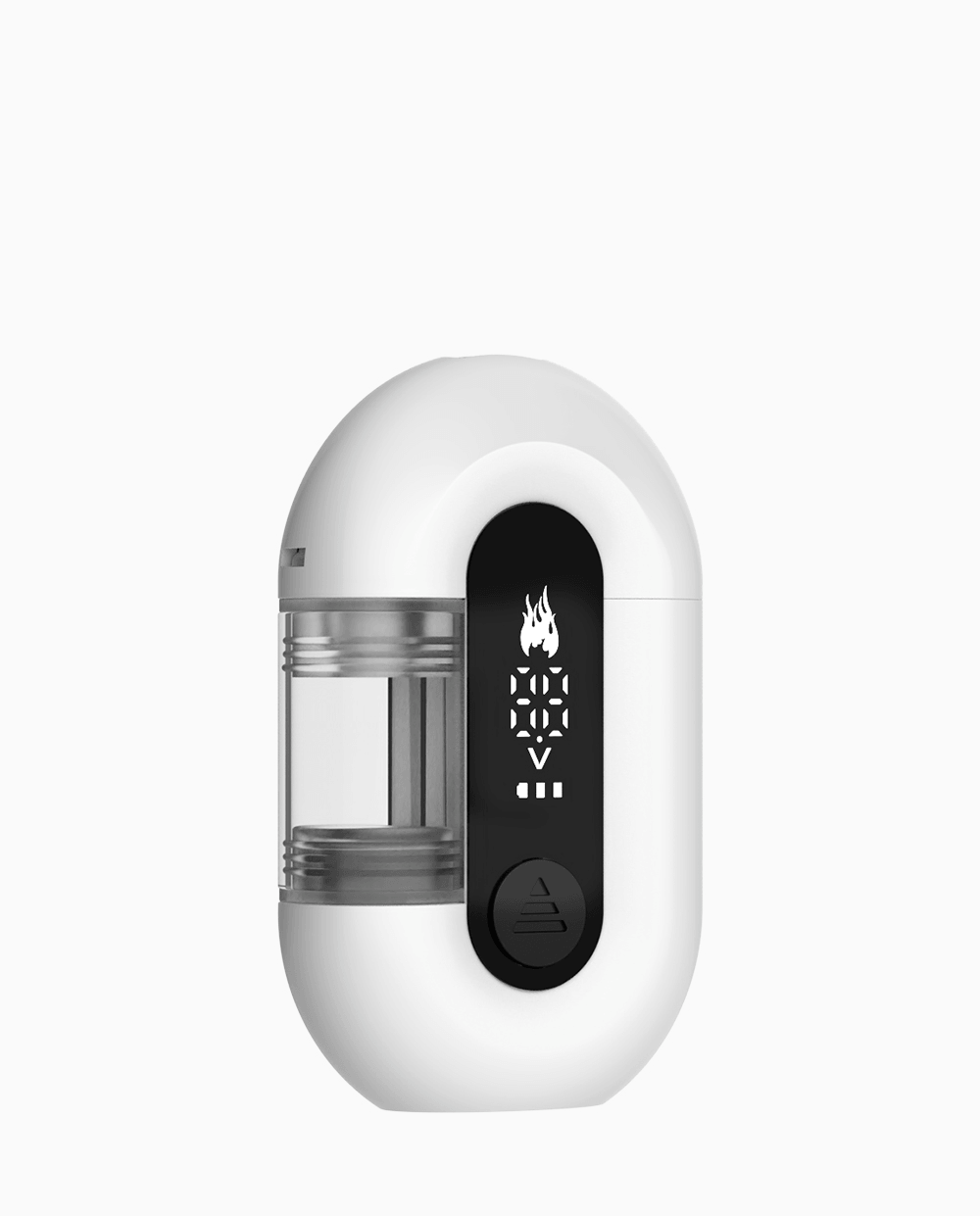
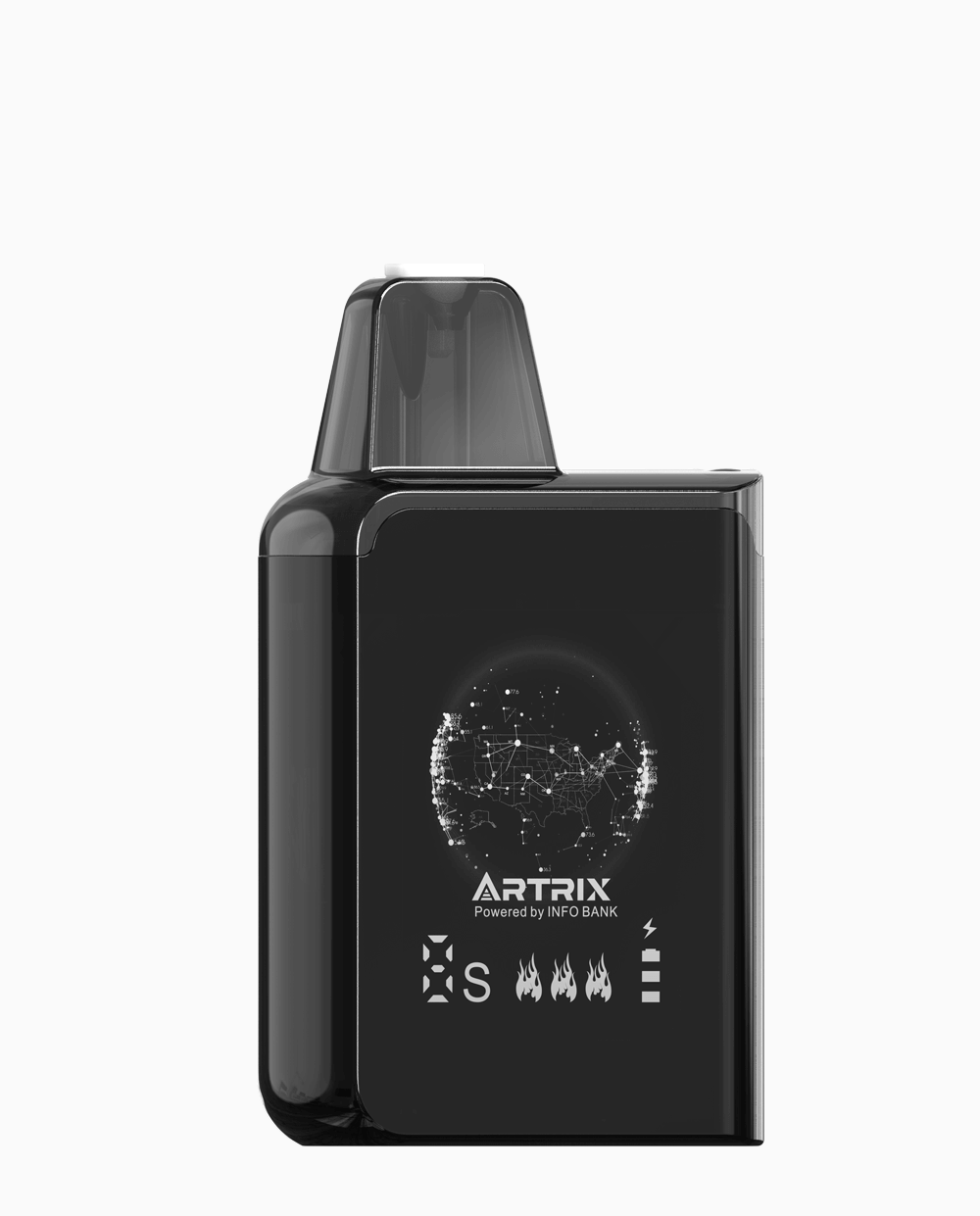
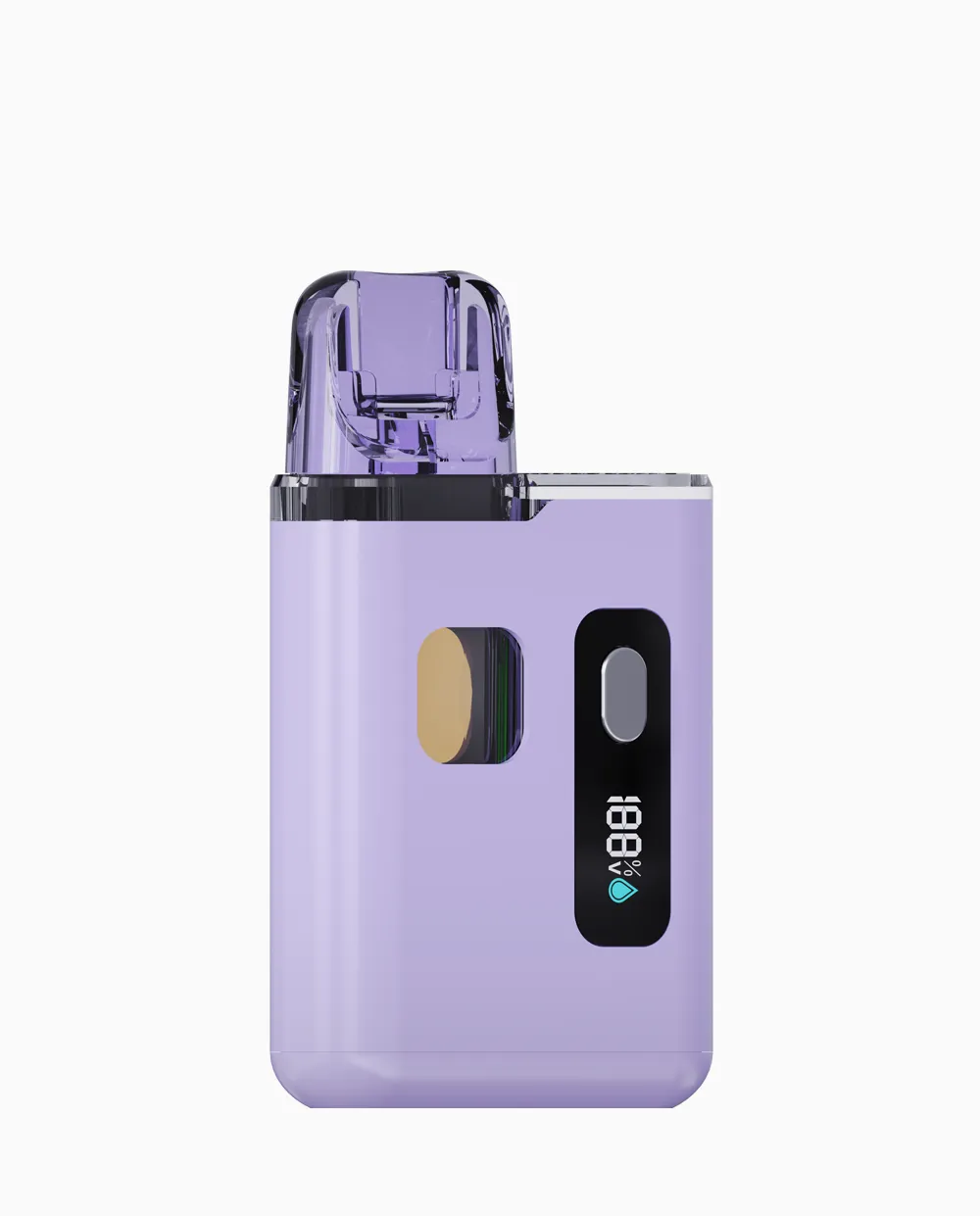
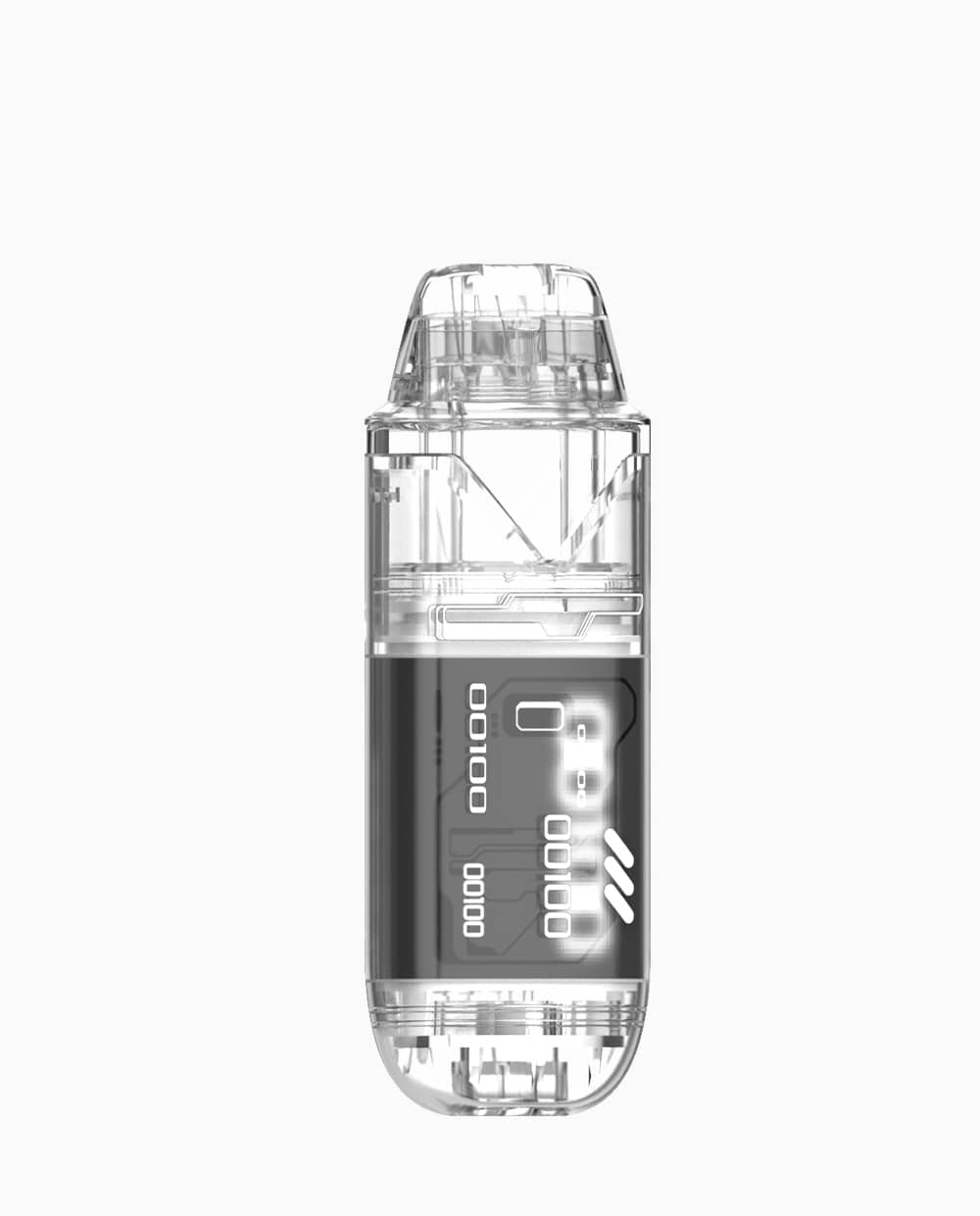
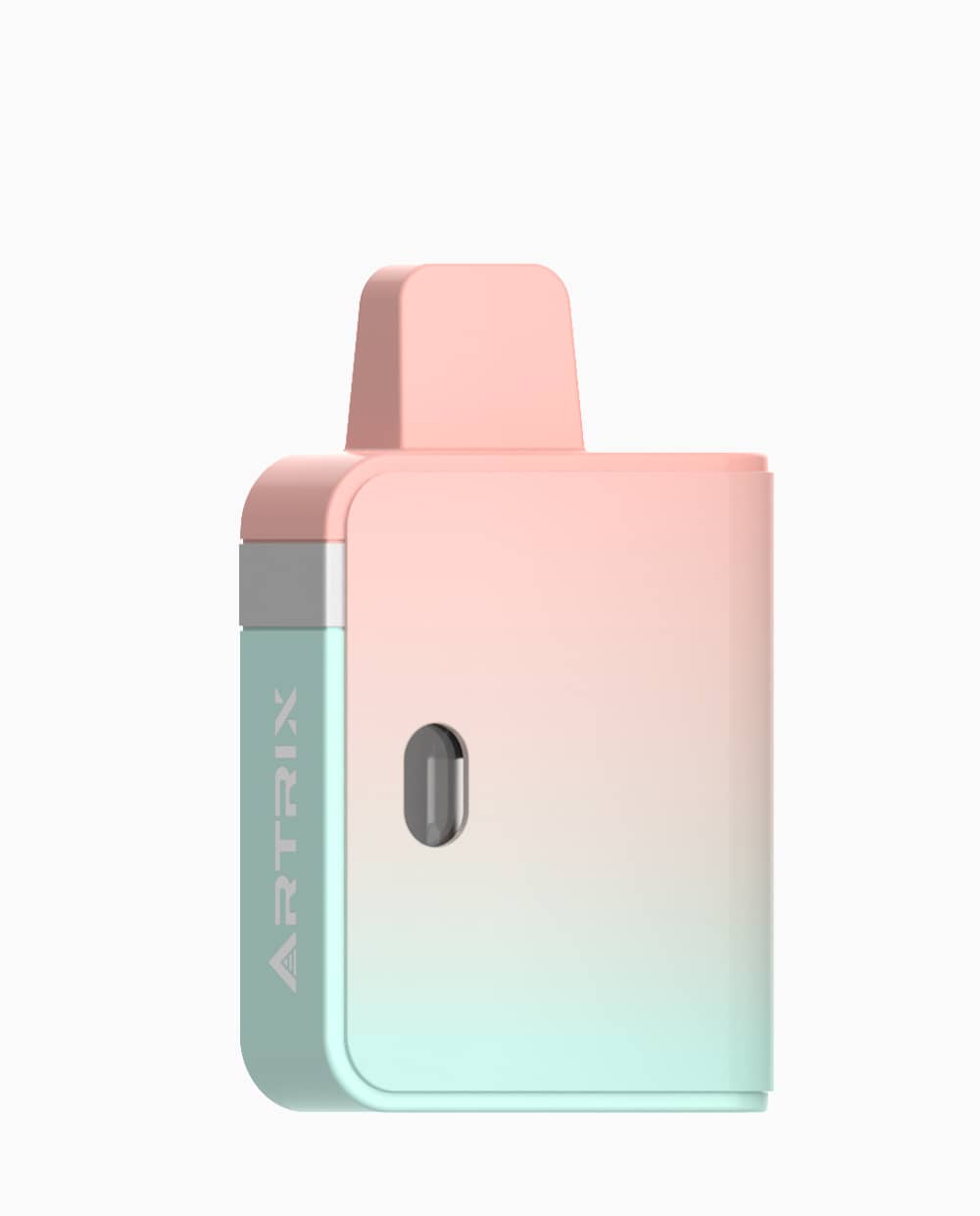
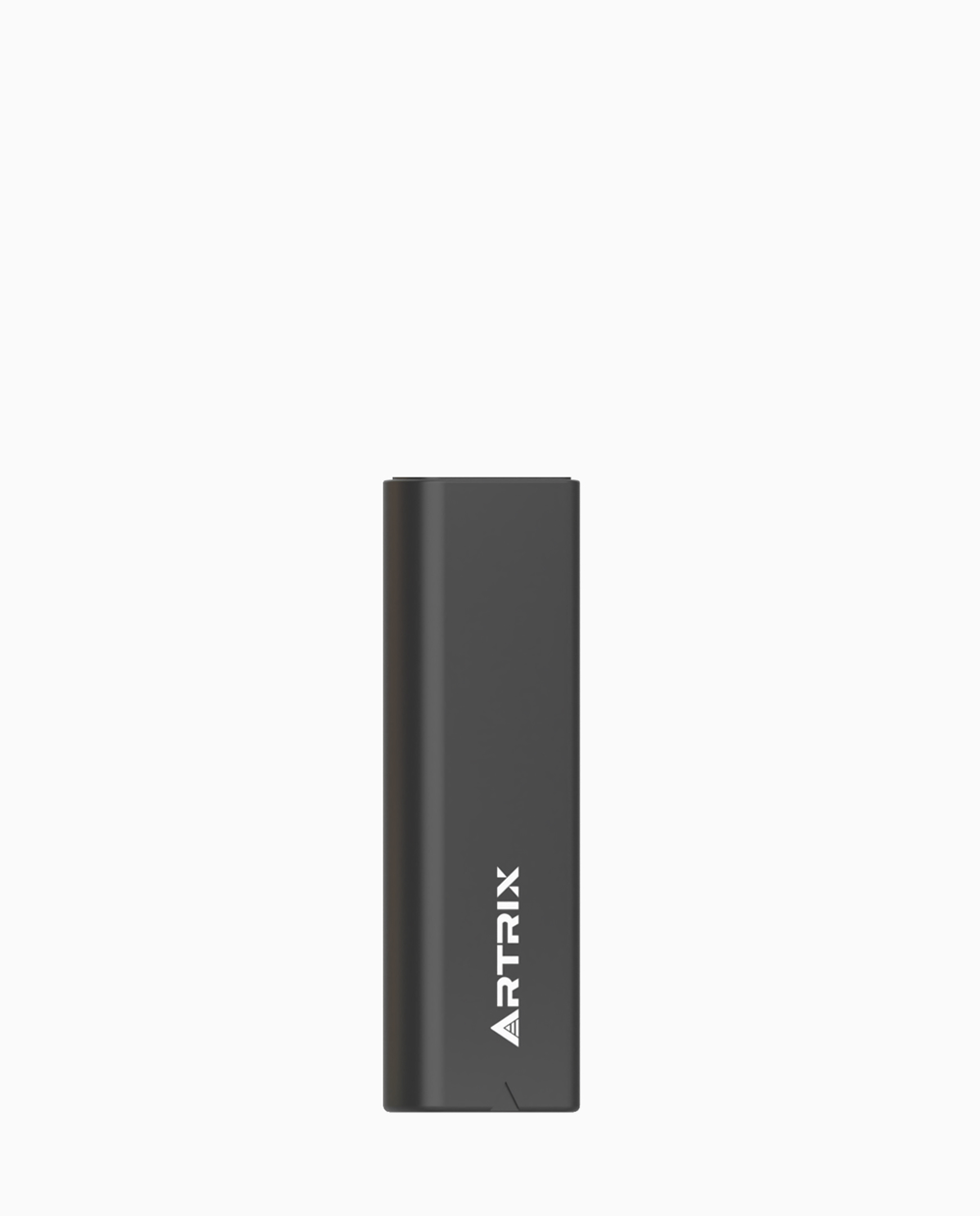
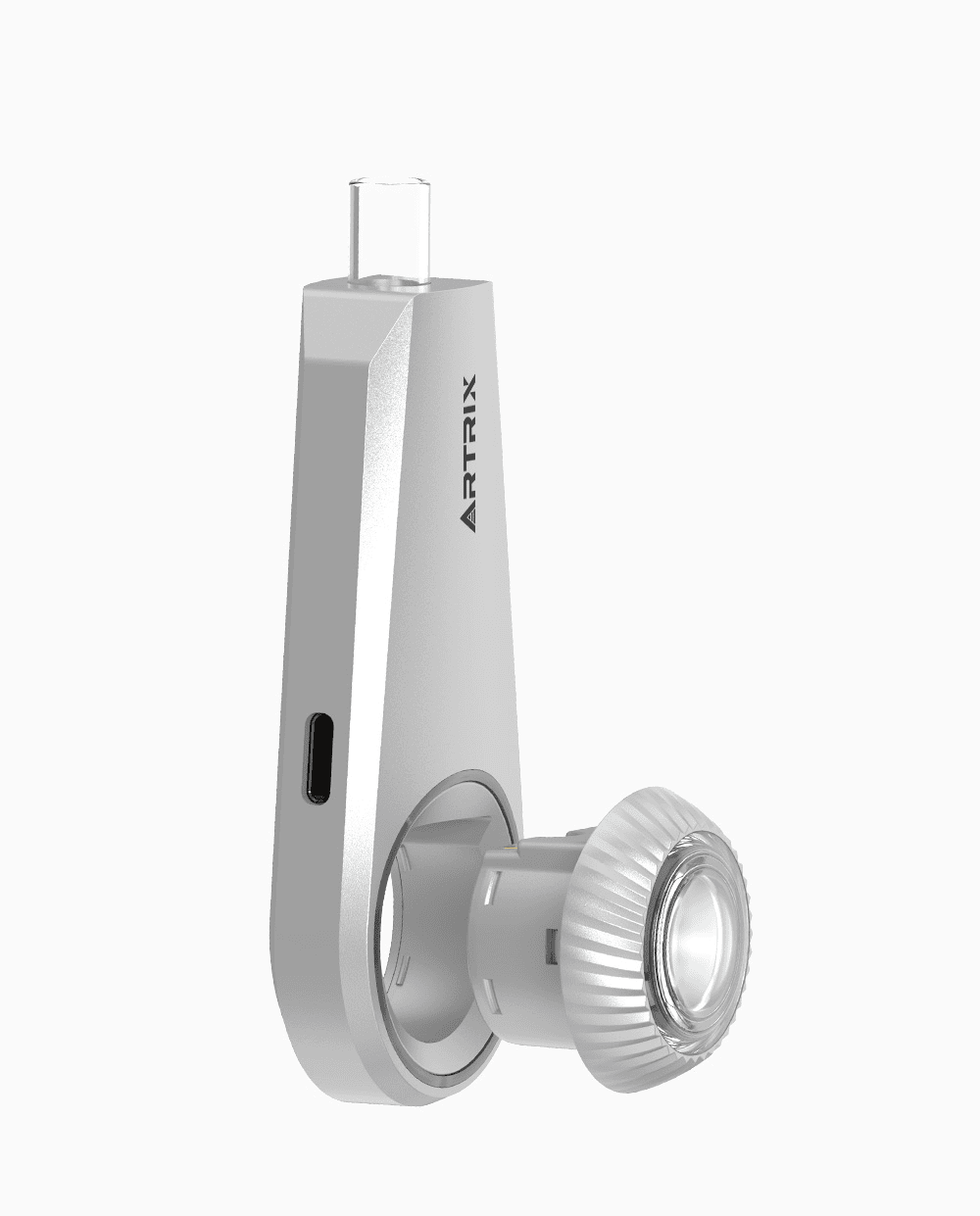
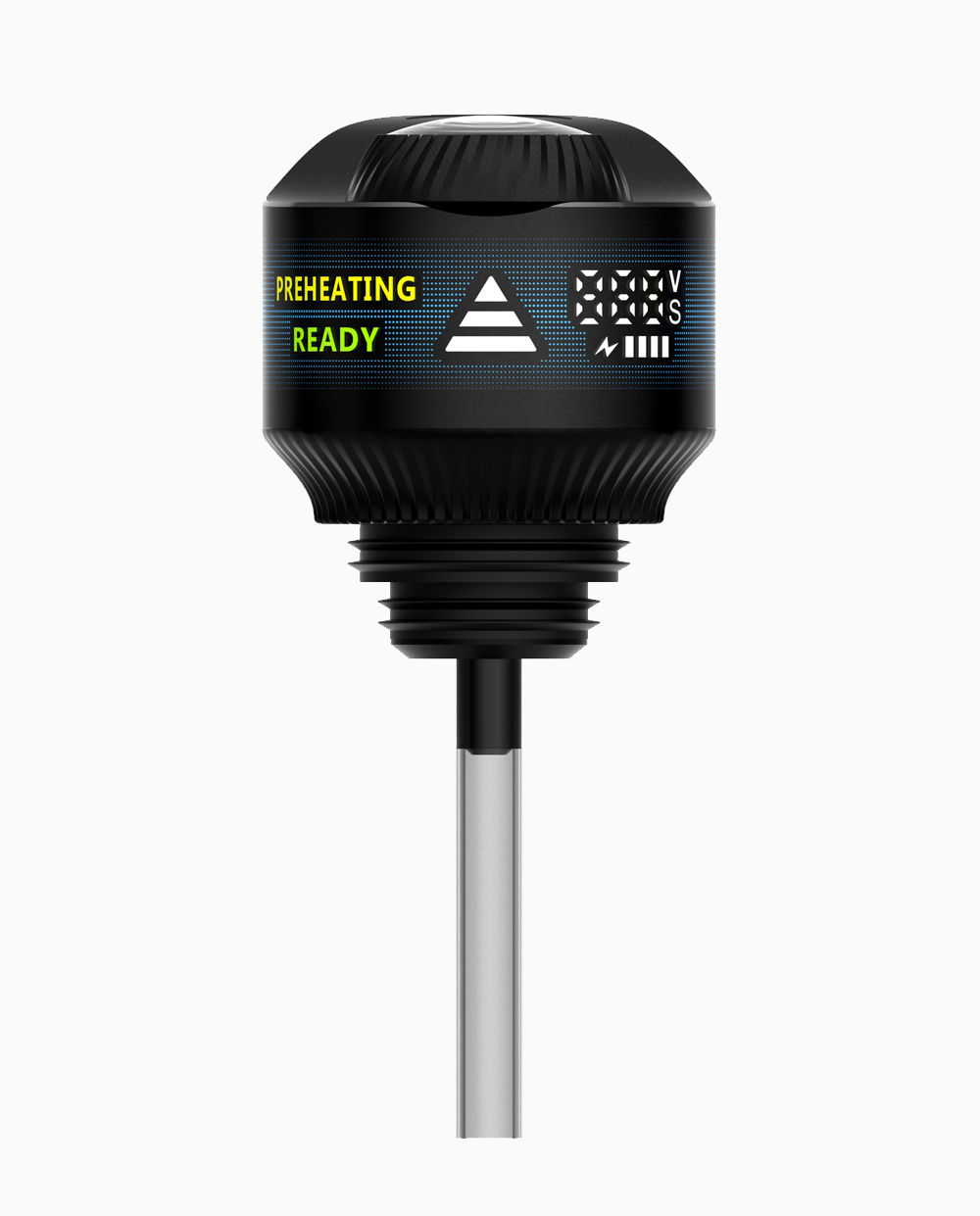
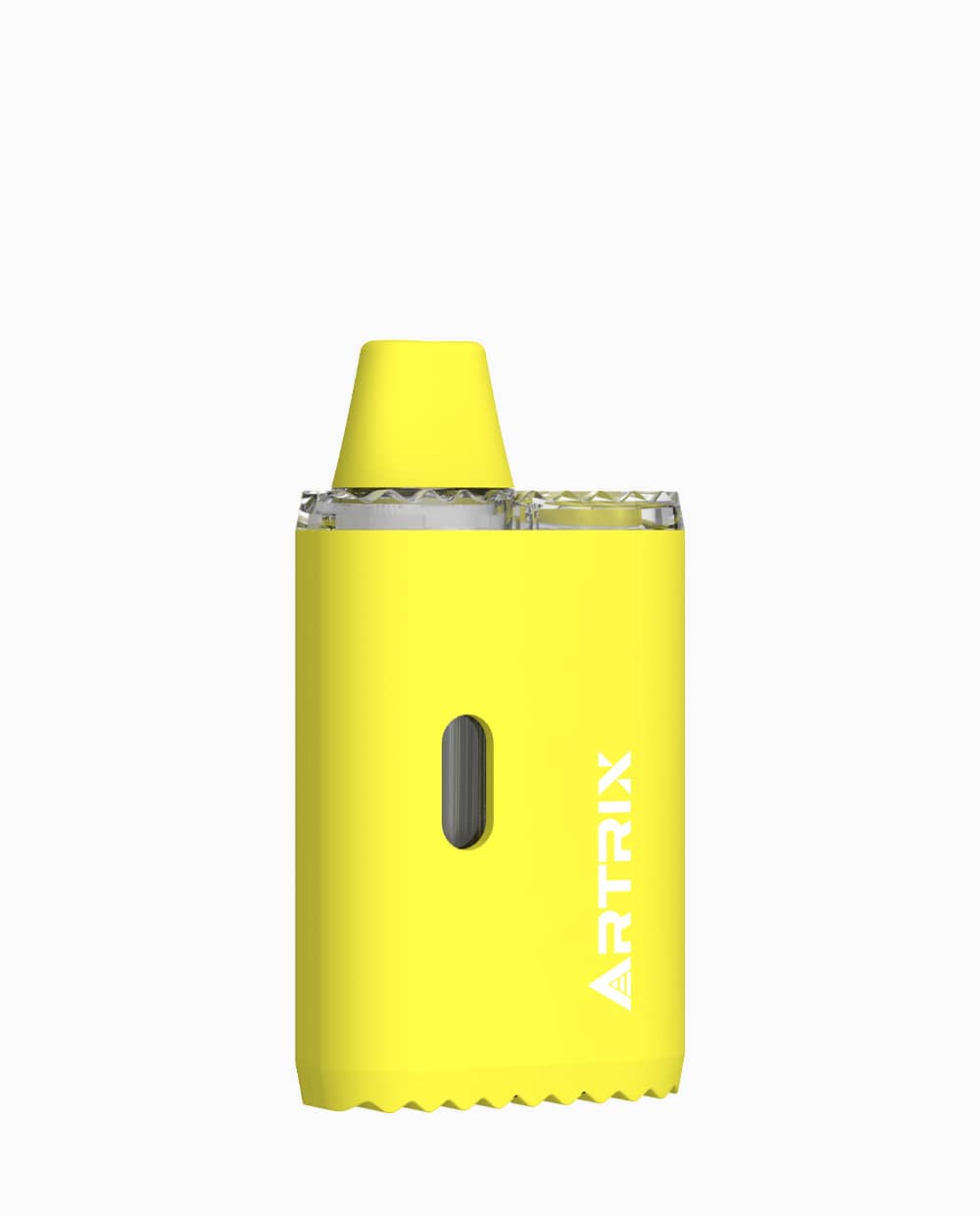
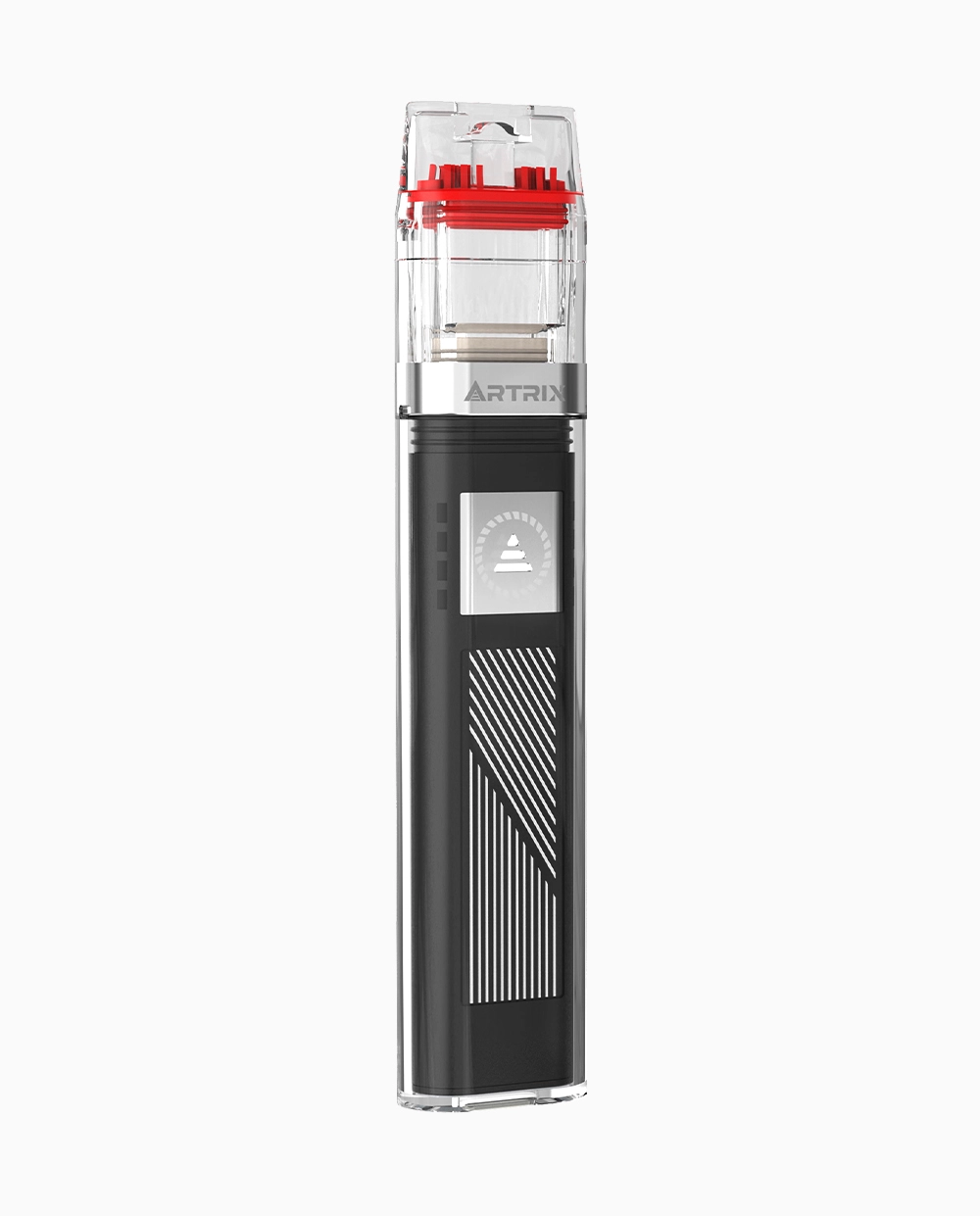
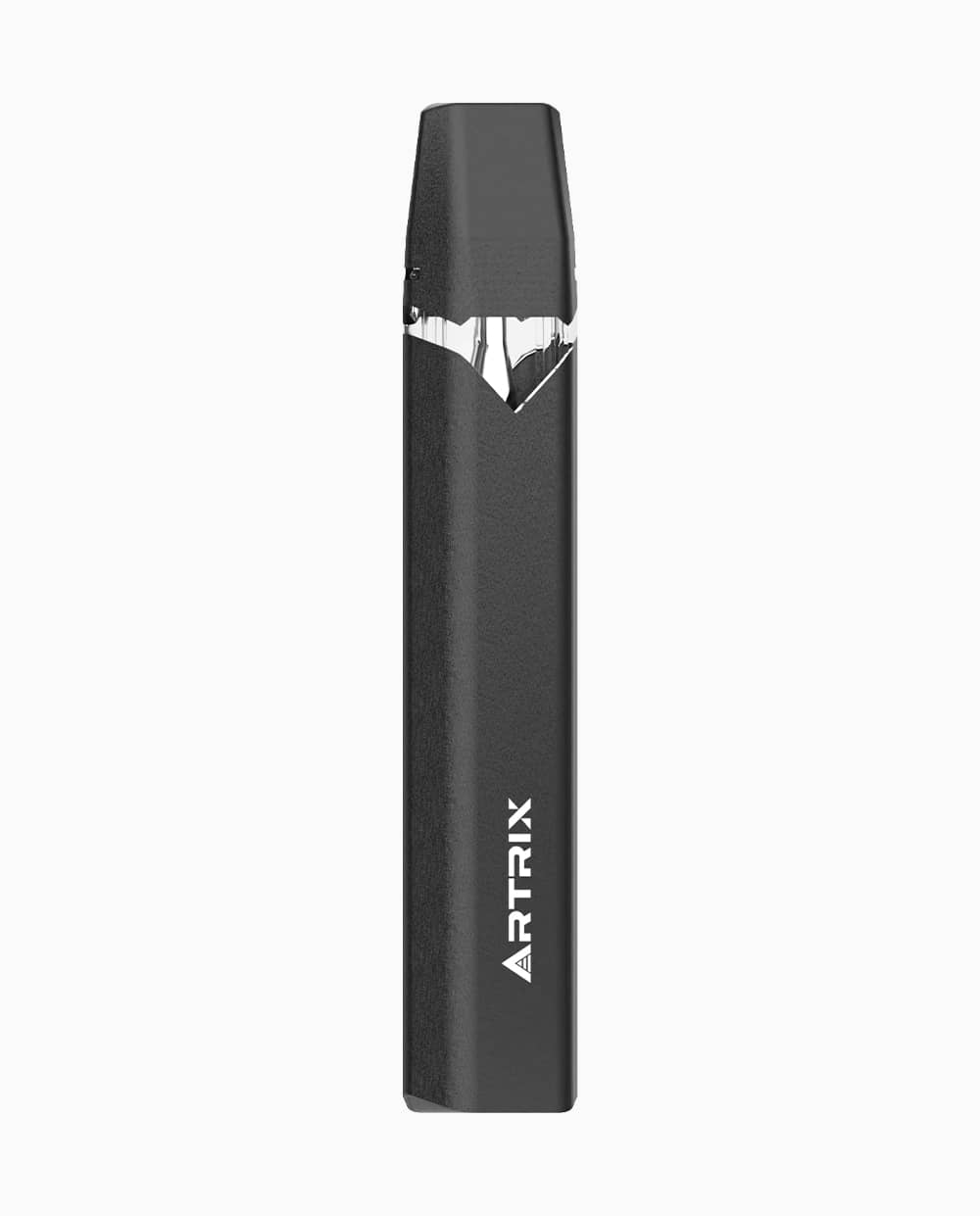
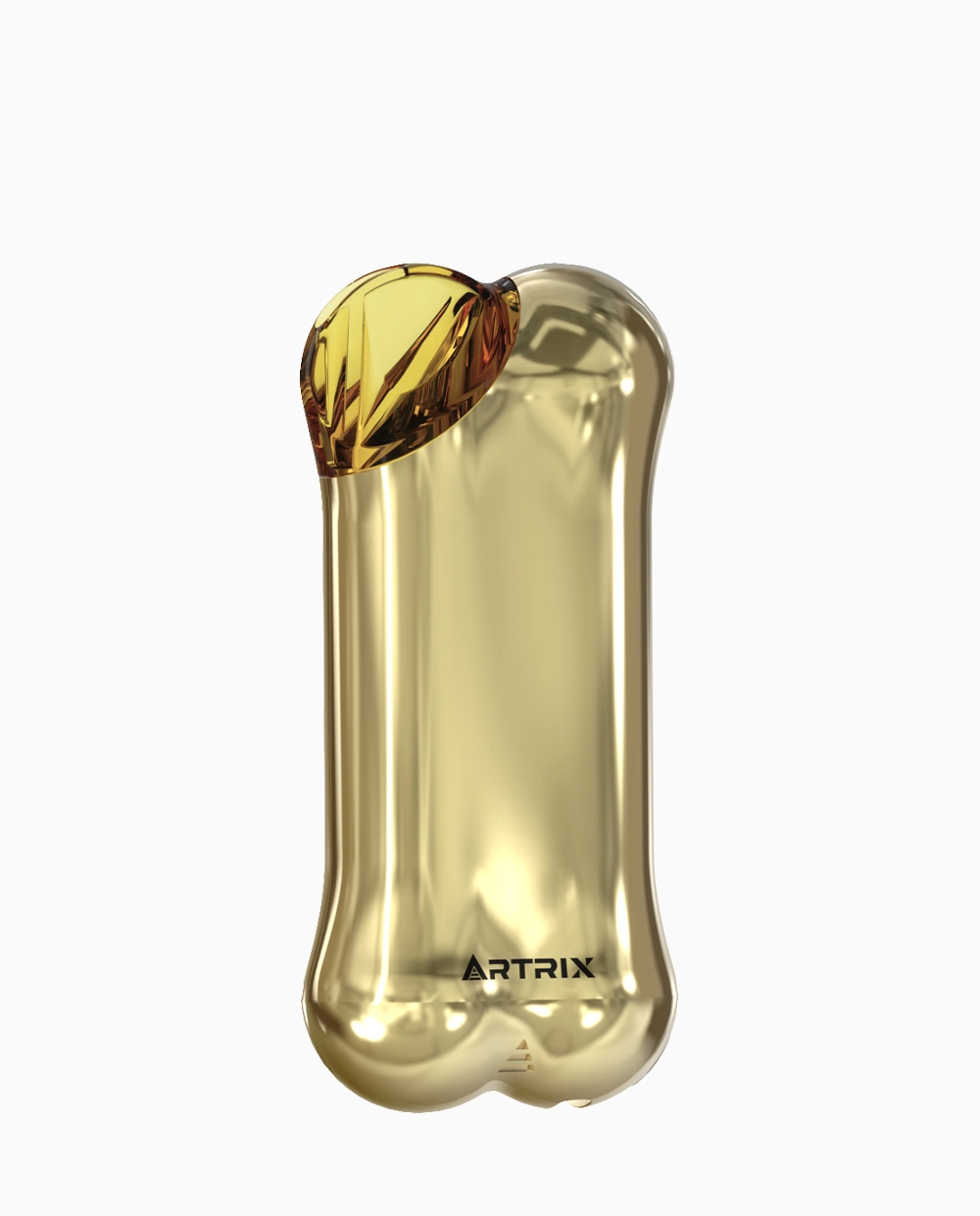
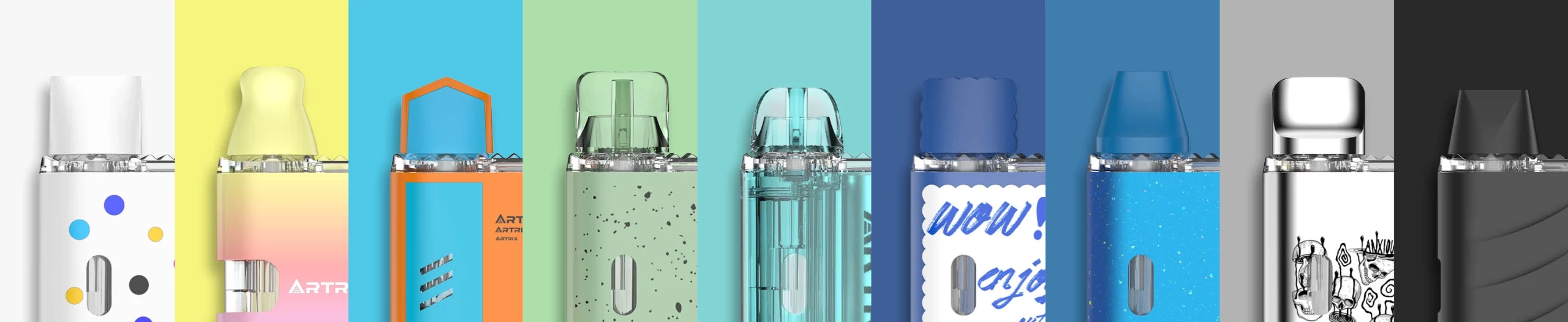
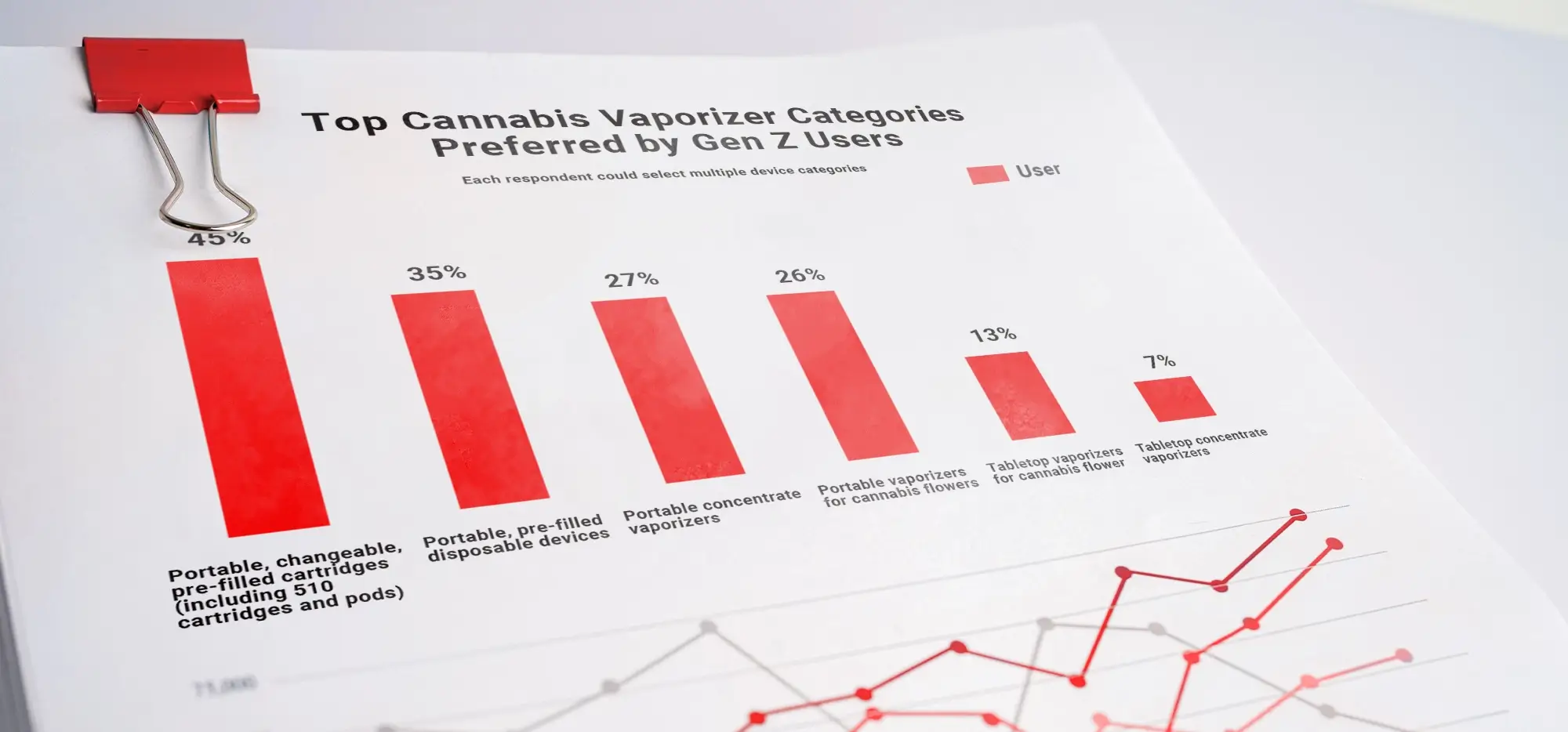
Cartridges, all-in-one disposables, and portable concentrate devices solve different product tasks. None is inherently the best choice for the entire New York market. Brands should compare the format with the concentrate, target retail price, expected usage pattern, packaging obligations, and evidence available from hardware-and-oil testing.
| Product format | What it means in practice | Potential fit | Evidence or limitation |
|---|---|---|---|
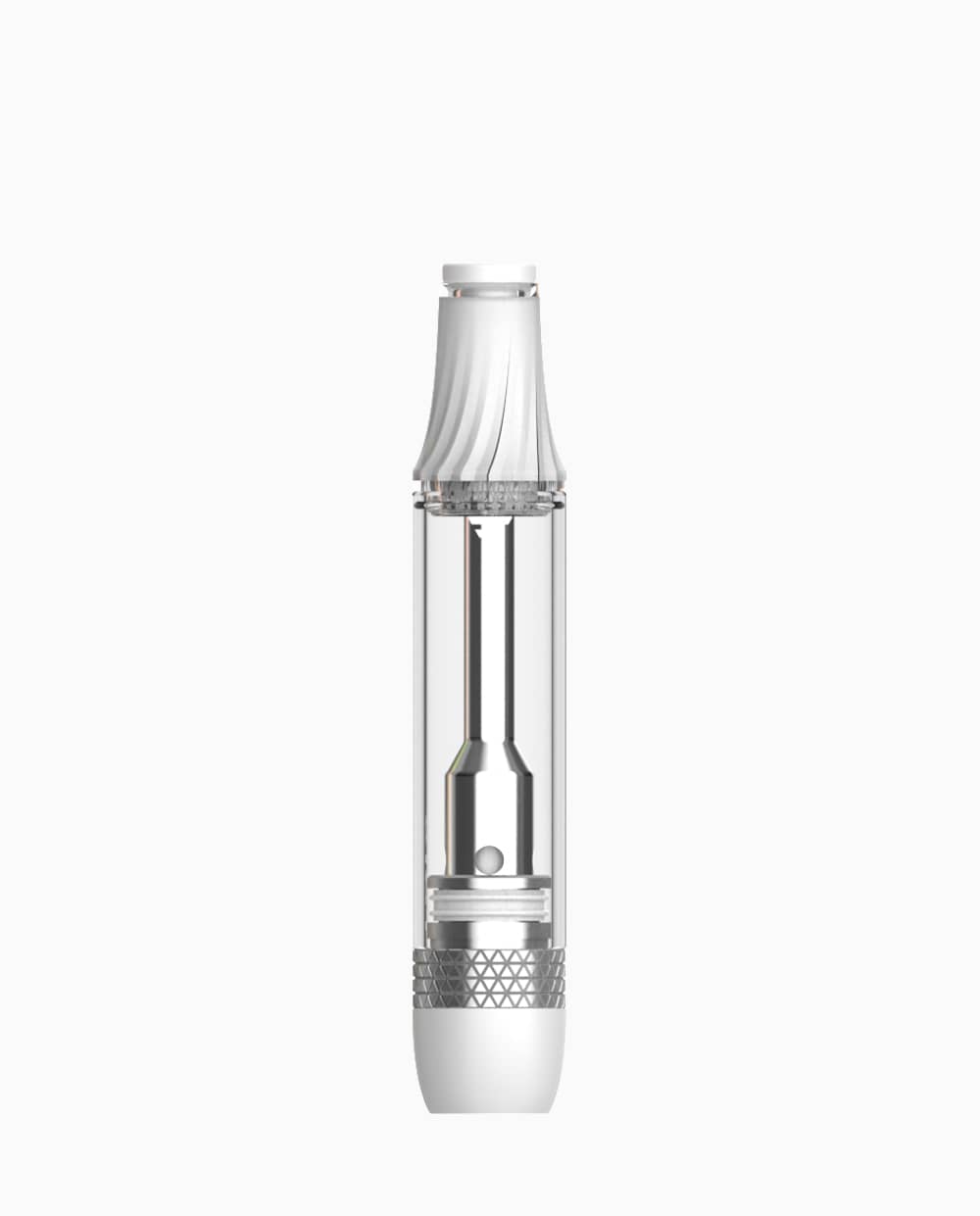
| Cartridge | A replaceable oil container used with a compatible battery | Consumers who already own compatible hardware and value replaceability | Brands must verify electrical compatibility, connection tolerances, oil behavior, and leakage under stated conditions |
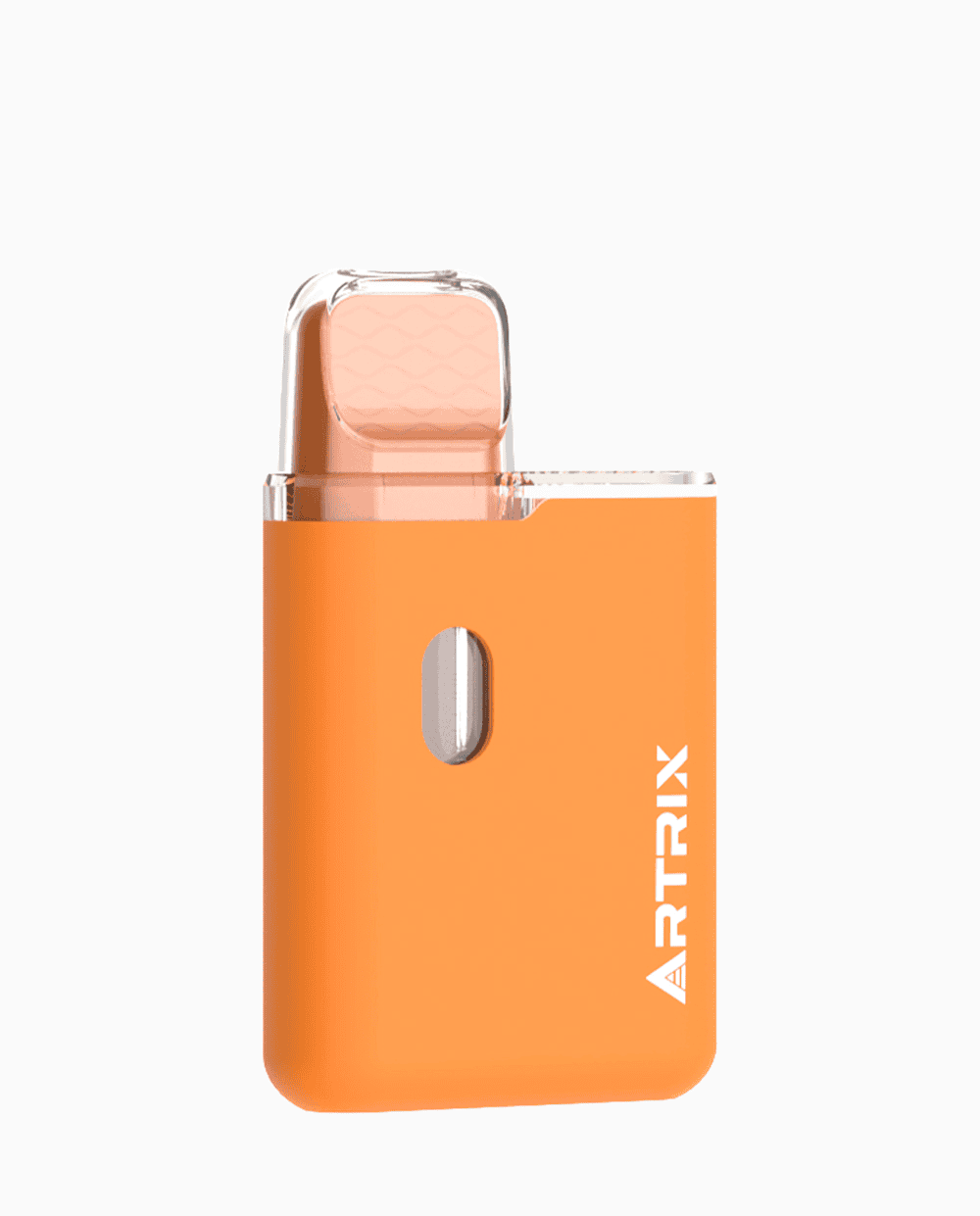
| All-in-one disposable | Battery, heating element, and filled reservoir are integrated into one unit | Consumers who prefer a self-contained format without a separate battery | Convenience does not prove reliability; the complete filled device needs storage, transport, draw, charging where applicable, and end-of-life evaluation |
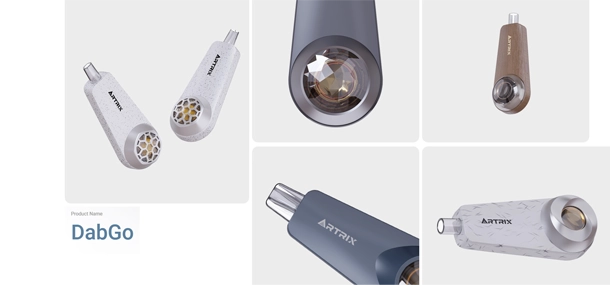
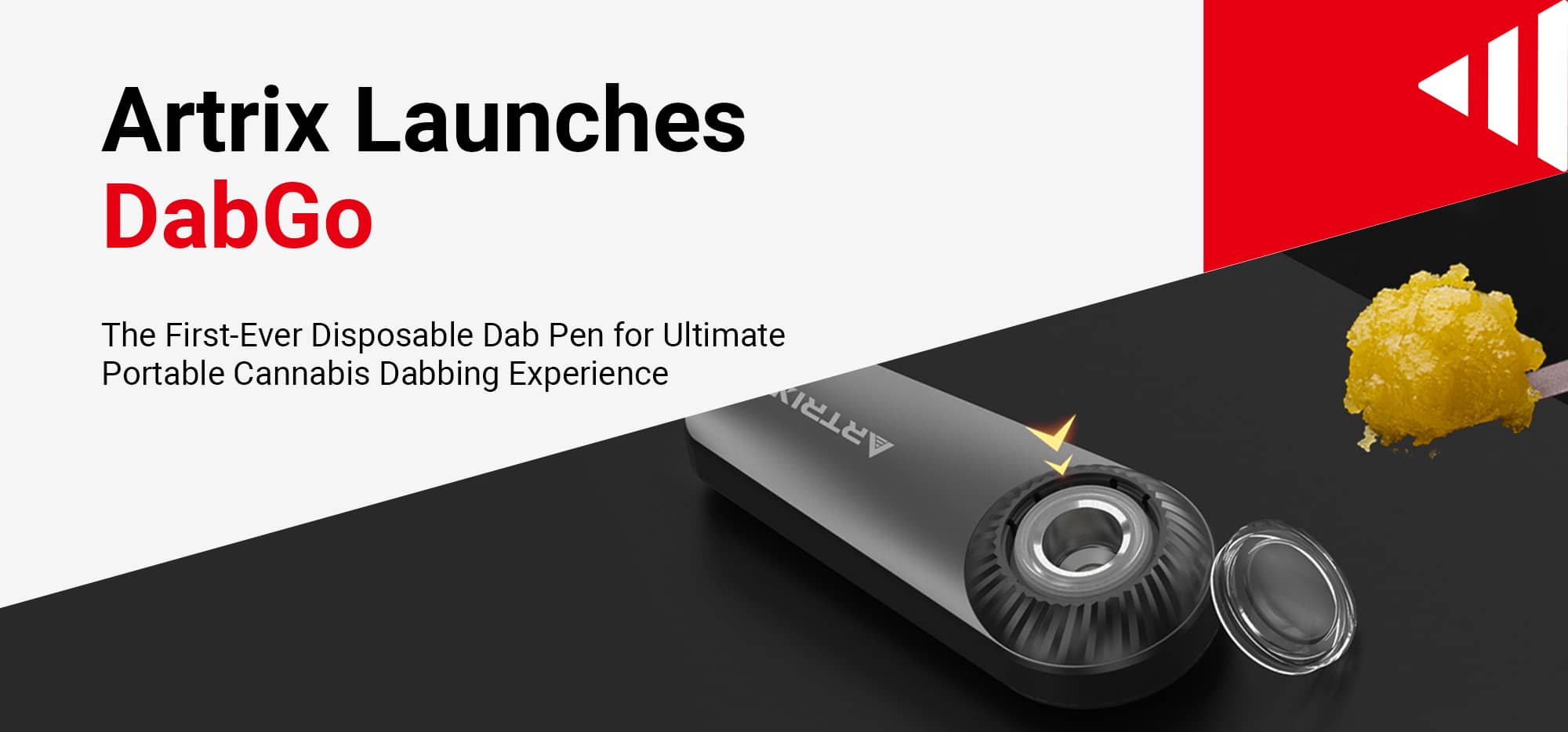
| Portable concentrate device | A reusable device designed for concentrate use, sometimes with adjustable heating levels | Experienced legal-age consumers who prefer concentrates and accept cleaning or setup requirements | Compatibility and aerosol performance vary by concentrate, device setting, loading method, and maintenance; product-specific testing is required |
Compact size can support portability and shelf differentiation, but it should not be marketed as a way to hide cannabis use or make a cannabis product indistinguishable from a nicotine device. New York requires truthful advertising and responsible adult-oriented presentation. A discreet physical format does not change where cannabis consumption is permitted.
Packaging, Marketing, and Manufacturing Are Product-Design Inputs
New York’s revised Packaging, Labeling, Marketing, and Advertising rules became effective on December 3, 2025, with selected packaging and labeling changes requiring compliance by June 3, 2026. The revised PLMA framework means that brands developing products in 2026 should treat compliance as an early design constraint rather than a final artwork check.
Retail packaging must meet requirements that include child resistance, tamper evidence, complete enclosure, protection from contamination and degradation, and required label information. Packaging and labeling may not be false or misleading, make health claims, or appeal to people under 21. Small device packaging also needs enough usable label area for required symbols, warnings, product information, and minimum text-size requirements.
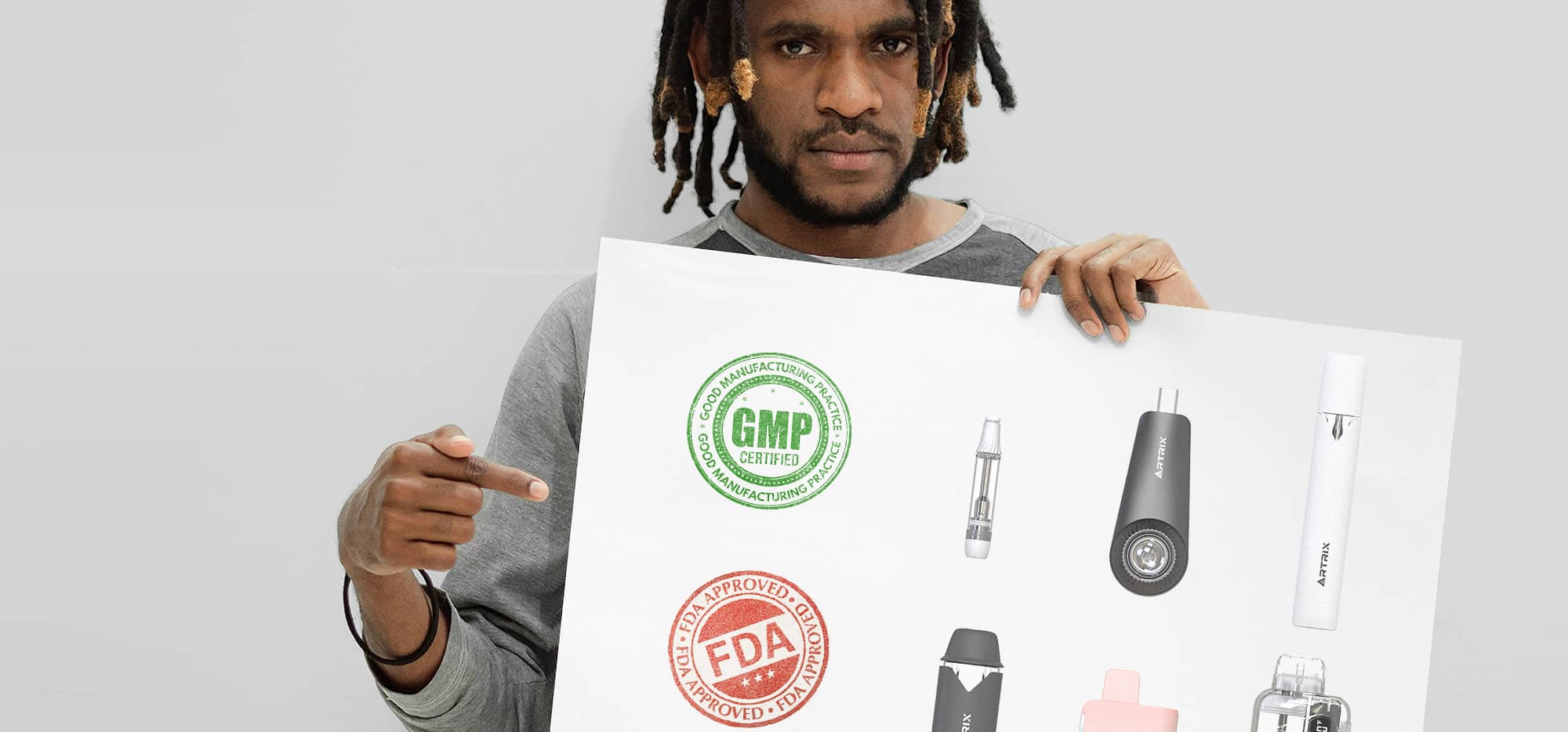
Manufacturing controls are equally important. New York requires adult-use cannabis products to be processed under applicable Good Manufacturing Practice standards, and covered licensees generally must submit proof of a qualified third-party GMP audit within one year of starting licensed operations. The state’s GMP requirements apply to licensed cannabis processing operations; a hardware supplier’s own quality documentation does not replace the licensee’s regulatory responsibilities.
Public-Use Rules Apply to Both Smoking and Vaping
New York generally permits adult cannabis consumption in a private home and in many places where tobacco may be used, while prohibiting it where tobacco smoking is prohibited and in additional locations such as motor vehicles and federal property. Landlords, property owners, and rental companies may also prohibit smoking or vaporizing cannabis on their premises. Official public-use guidance does not support positioning a portable vape or concentrate device as a workaround for place-based restrictions. Responsible product communication should emphasize lawful adult use instead.
A Practical Qualification Checklist for New York Vape Brands
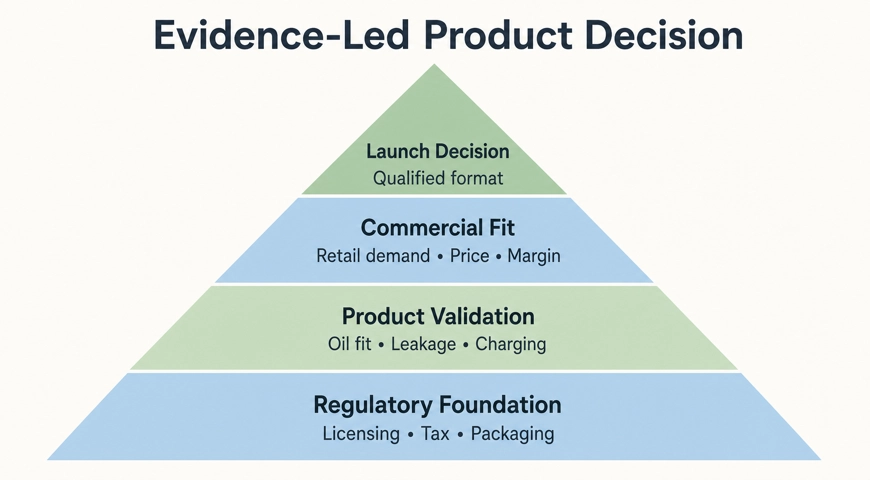
A product concept becomes commercially useful only after the brand translates consumer interest into measurable qualification requirements. Before selecting a cartridge, all-in-one device, or portable concentrate format, a licensed business should define the concentrate, fill volume, target price, packaging system, distribution route, and validation plan.
-
- Confirm which New York licensee will process, package, distribute, and sell the product.
-
- Map the applicable tax, packaging, labeling, marketing, testing, and recordkeeping requirements.
-
- Test the chosen oil and hardware together; general material or component claims do not establish compatibility with a specific formulation.
-
- Define storage time, temperature, orientation, transport, draw, leakage, charging, and repeated-use test conditions before accepting performance claims.
-
- Review adult-oriented product naming, flavor presentation, imagery, warnings, symbols, and available label area before production tooling or packaging approval.
-
- Use licensed-retailer feedback and current sell-through data to validate format demand instead of relying only on national demographics or another state’s trends.
-
- Document who owns each corrective action if testing, packaging review, or retailer feedback identifies a problem.
This process helps separate three different questions: whether a format looks attractive, whether it performs with the intended formulation, and whether it can move through New York’s regulated supply chain. A product should not advance merely because one of those questions has a positive answer.
How an Artrix Project Can Be Scoped
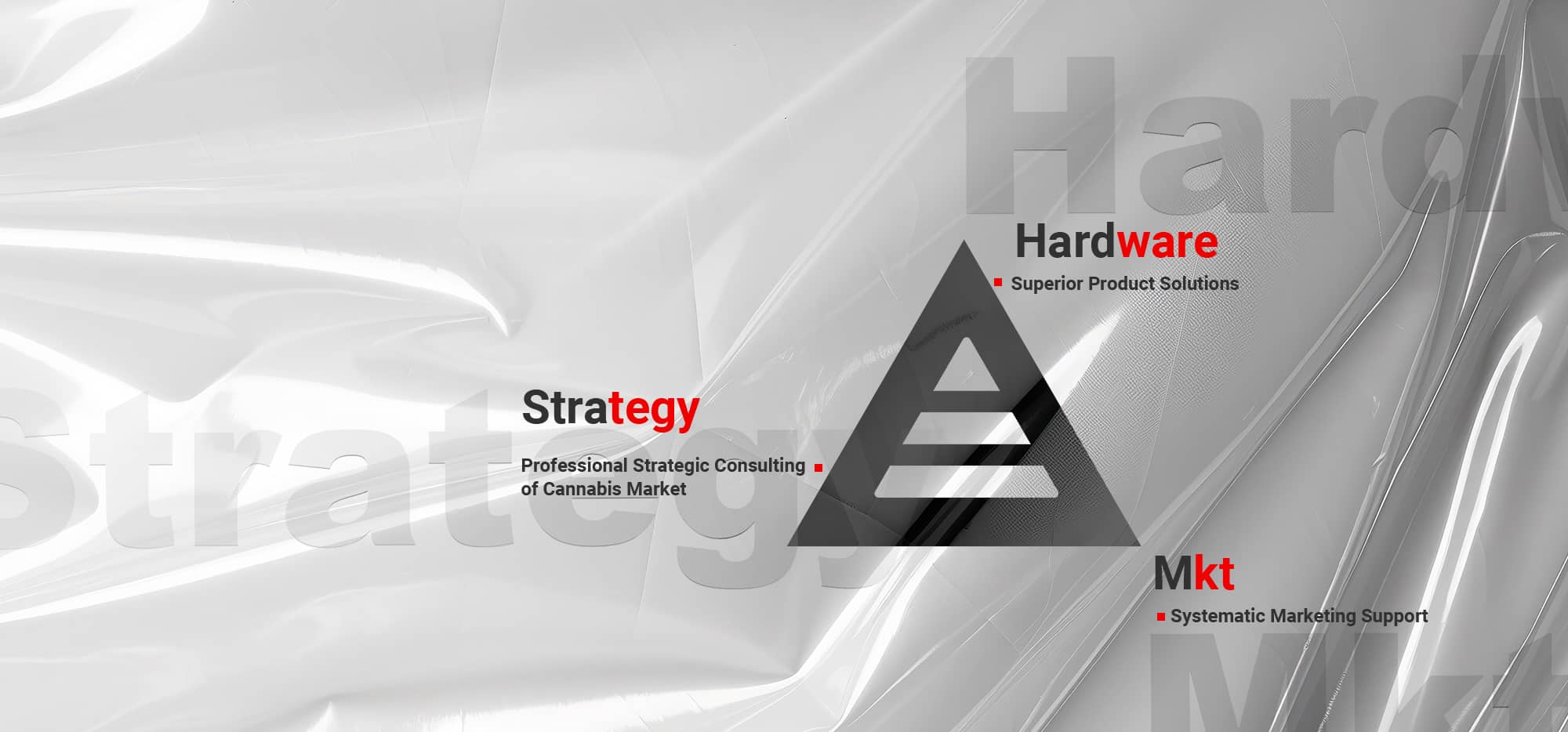
An Artrix engagement can begin with a written product brief rather than a predetermined device choice. The brief can identify the intended concentrate, target fill configuration, preferred form factor, retail positioning, packaging constraints, forecast volume, and validation questions. Artrix can then help the brand compare available hardware directions and define which samples or tests are needed before a production decision. This approach keeps the commercial discussion connected to a specific product task instead of relying on broad market promises.
-
- Product support: compare suitable hardware formats and document the proposed configuration for brand review.
-
- Manufacturing coordination: align sampling, specification confirmation, production planning, and agreed quality checkpoints with the project scope.
-
- Market support: organize product-positioning inputs and launch materials around adult-user needs and the evidence the brand can substantiate.
This service structure does not guarantee regulatory approval, sell-through, or market share. Its commercial purpose is to give the brand and supplier a shared development path, defined decision points, and clearer responsibility for the information required before launch. New York licensees remain responsible for cannabis processing, required testing, labeling, distribution, advertising, and legal-market compliance.
Brands considering the New York market can Contact Artrix to discuss product requirements, concentrate-and-hardware testing needs, packaging constraints, and manufacturing scope. Final regulatory review should remain with the applicable New York licensees and qualified legal or compliance advisers.
Conclusion: Evidence Should Lead the Product Decision
New York’s regulated cannabis market offers more retail access than it did during the early years of legalization, but the opportunity is not simply a forecast that disposable vapes will grow. The defensible conclusion is narrower: legal sales and licensed access have expanded, adult consumers use multiple cannabis formats, and vape products remain one relevant part of the market. A winning product strategy still requires local demand evidence, formulation-specific hardware validation, compliant packaging and marketing, workable economics, and a clear place in the licensed supply chain.
The diverse user demand necessitates cannabis companies in New York to continuously enrich and update their products. The better objective is not to maximize the number of formats, but to select and validate the formats that solve a defined adult-consumer and retailer need. That evidence-led approach gives brands a stronger basis for deciding whether a cartridge, all-in-one disposable, portable concentrate device, or another format belongs in their New York portfolio.