

-1.webp)
-1.webp)
-2.webp)







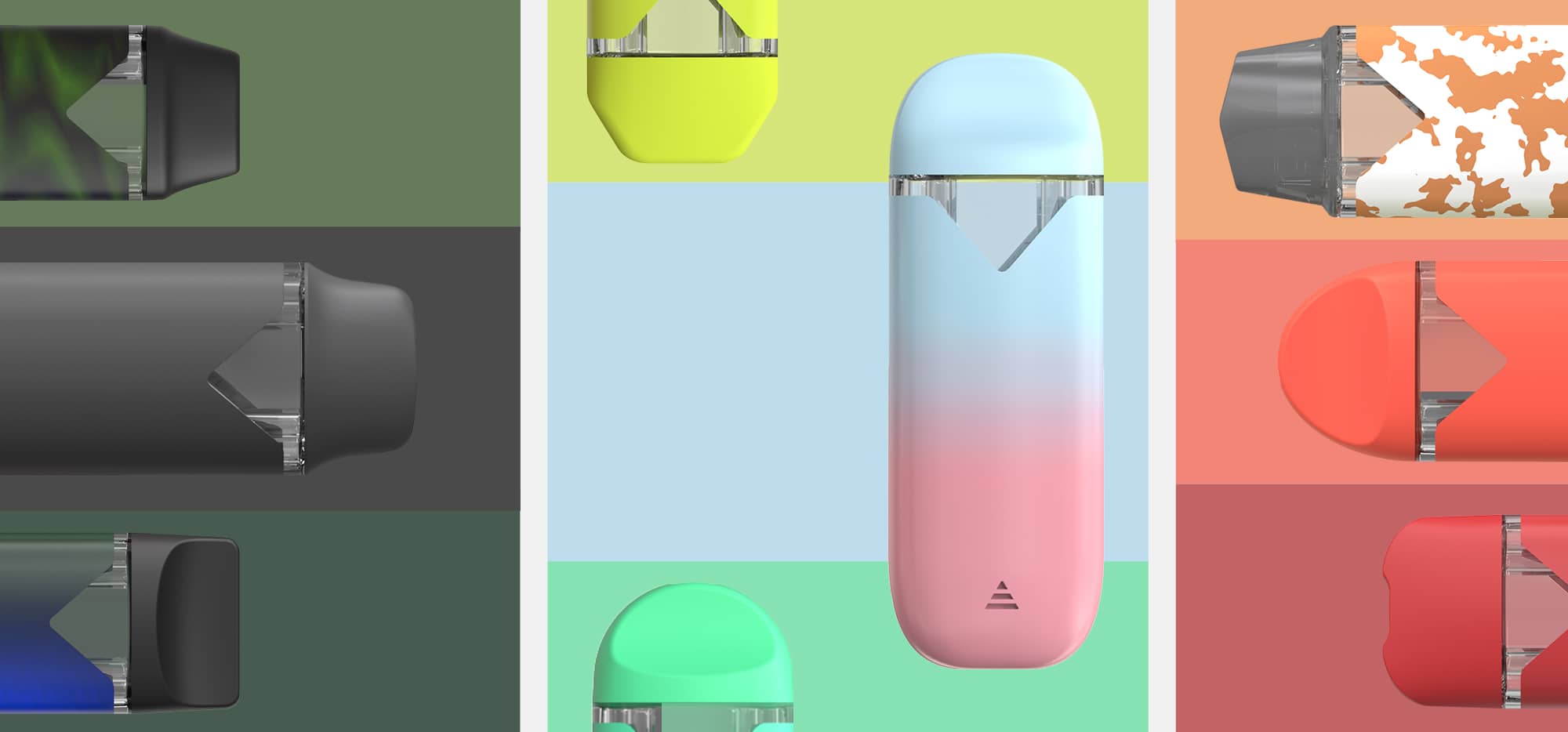























Types of Cannabis Pods: Distillate, Live Resin, Rosin, THCa, and Regular Pod Vape
A pod vape may look simple from the outside, but the pod itself can hold very different types of cannabis oil. Some pods are built for consistent, everyday use. Others are designed around richer flavor, premium extracts, or specialty formulations. For cannabis brands, retailers, and product teams, understanding these pod types is essential before building a pod vape lineup.
This guide explains the main types of cannabis pods, including distillate pods, regular pods, live resin pods, live rosin pods, hash rosin pods, and THCa-oriented pods. The goal is to help brands understand how each pod type fits into a product strategy, what consumers usually expect from it, and why the right pod vape hardware matters as much as the oil inside.
| Pod Type | Typical Positioning | Best For | Key Hardware Need |
|---|---|---|---|
| Distillate pod | Entry-level and volume | Value-focused users | Stable heating and leak resistance |
| Regular pod | Everyday use | Users who want simplicity | Reliable battery fit |
| Live resin pod | Flavor-focused premium tier | Users who care about aroma and strain profile | Controlled heat and airflow |
| Rosin pod | Craft or solventless positioning | Premium buyers and connoisseurs | Careful heat control |
| THCa or specialty pod | Differentiation | Curious or advanced users | Clear labeling and stable performance |
What Is a Cannabis Pod Vape?
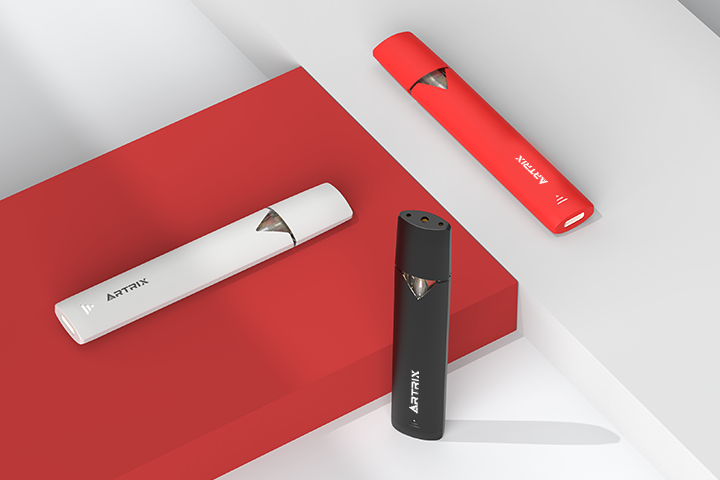
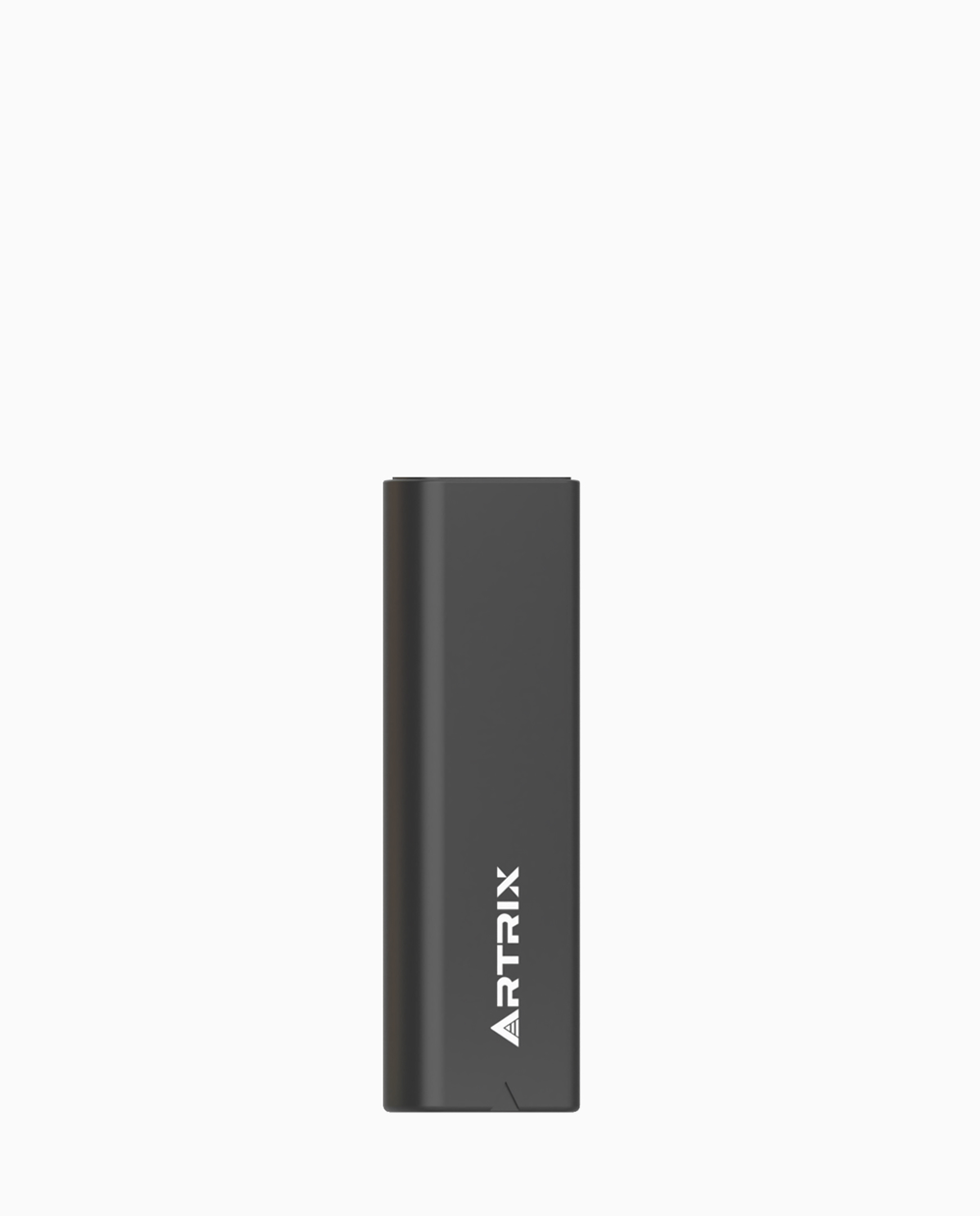
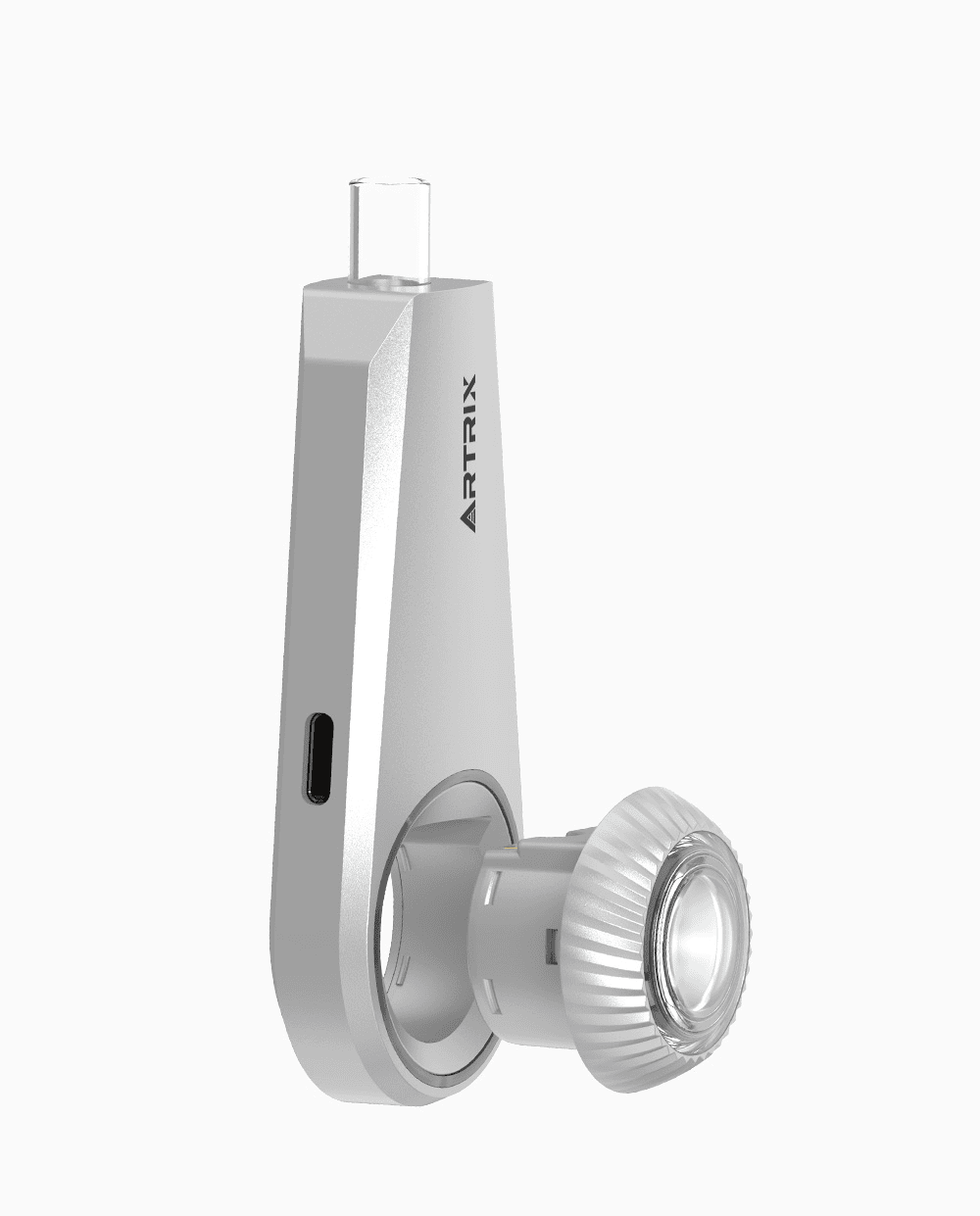
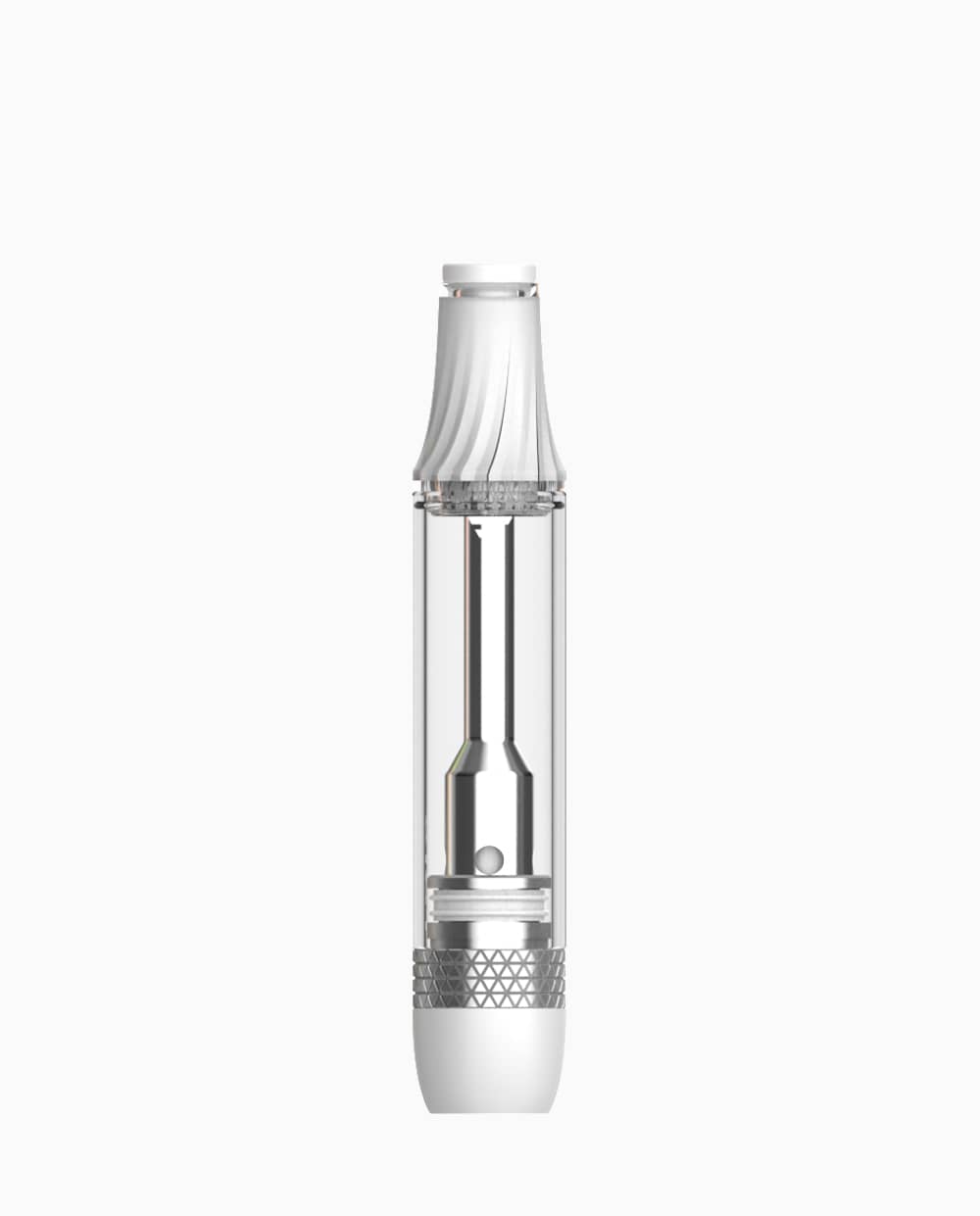
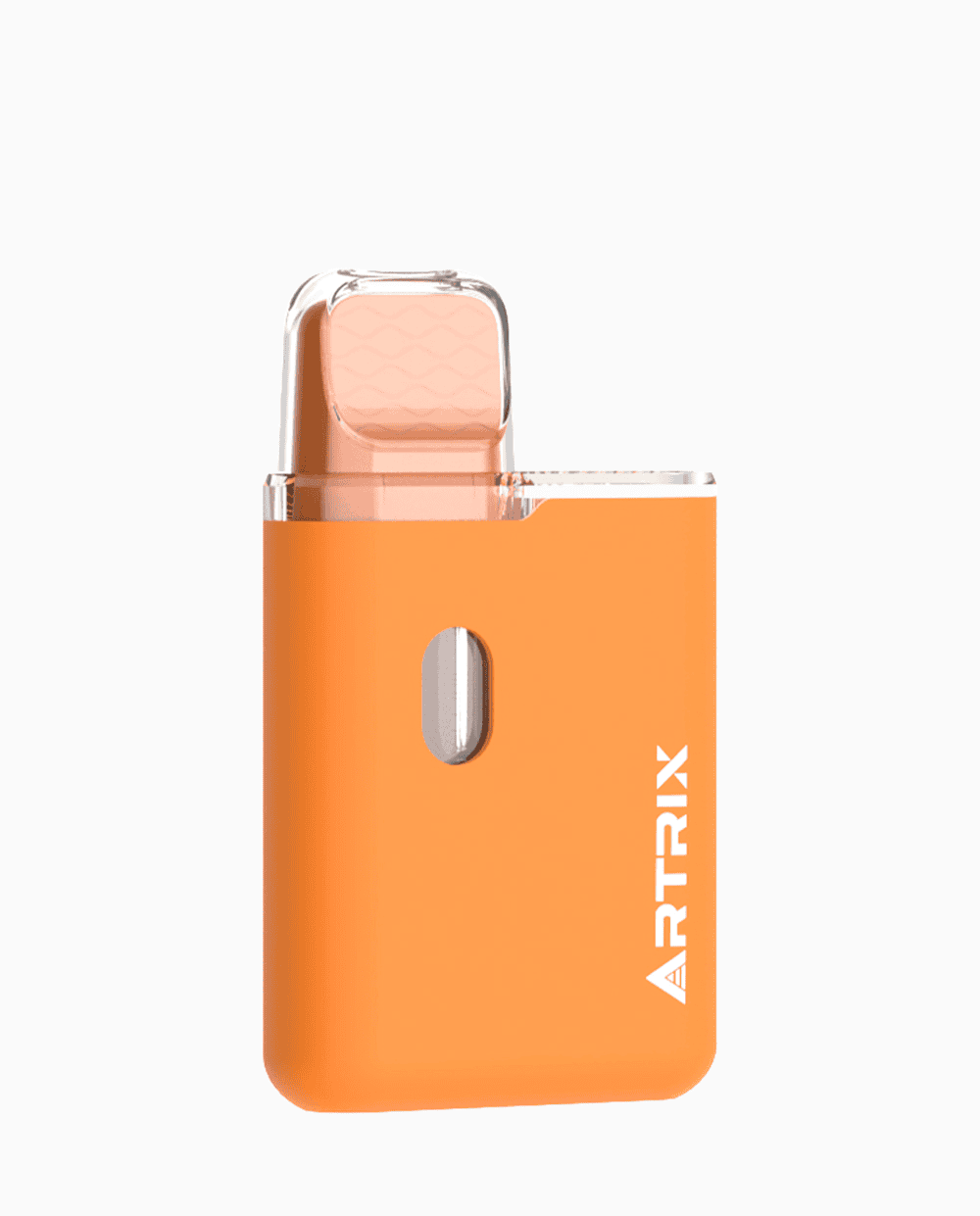
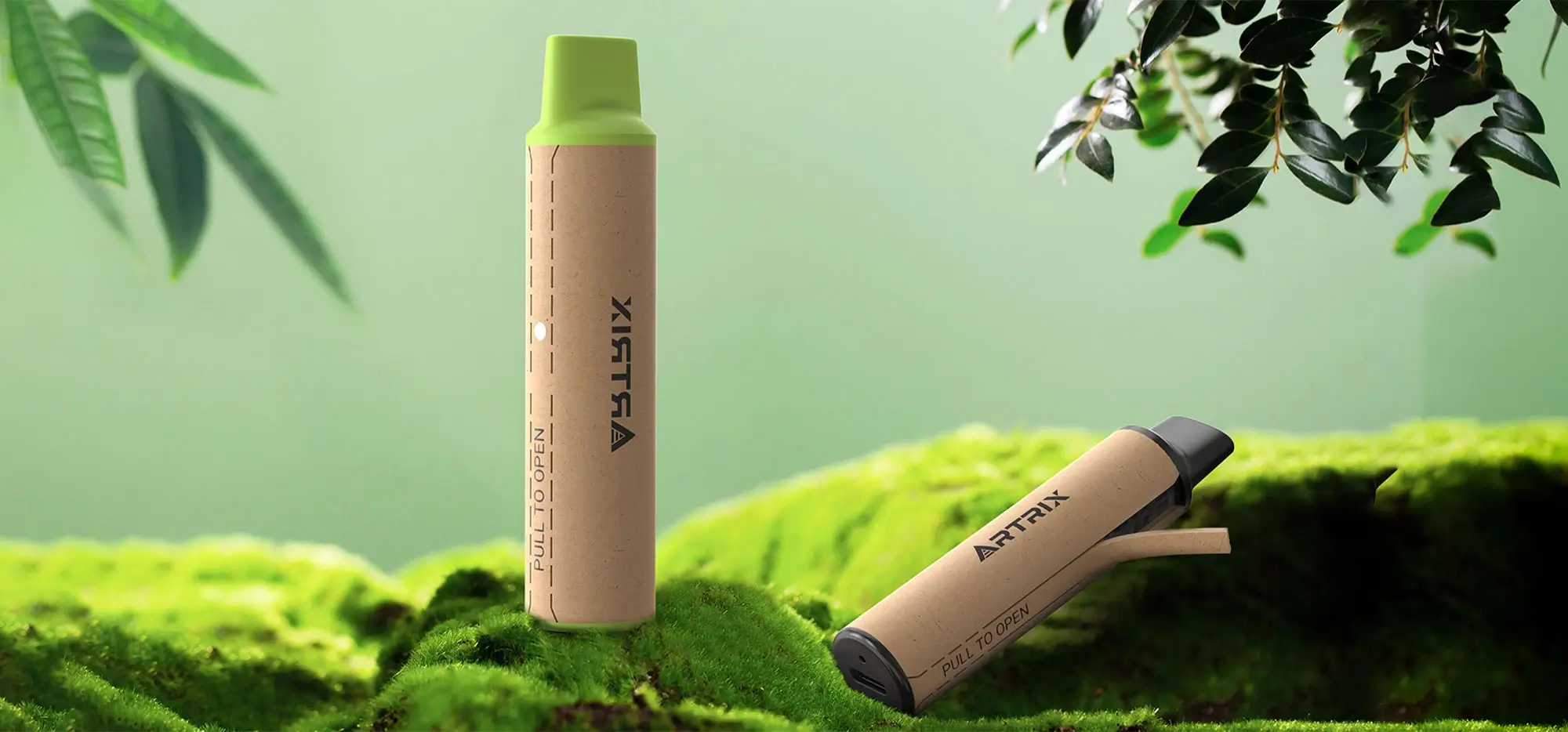
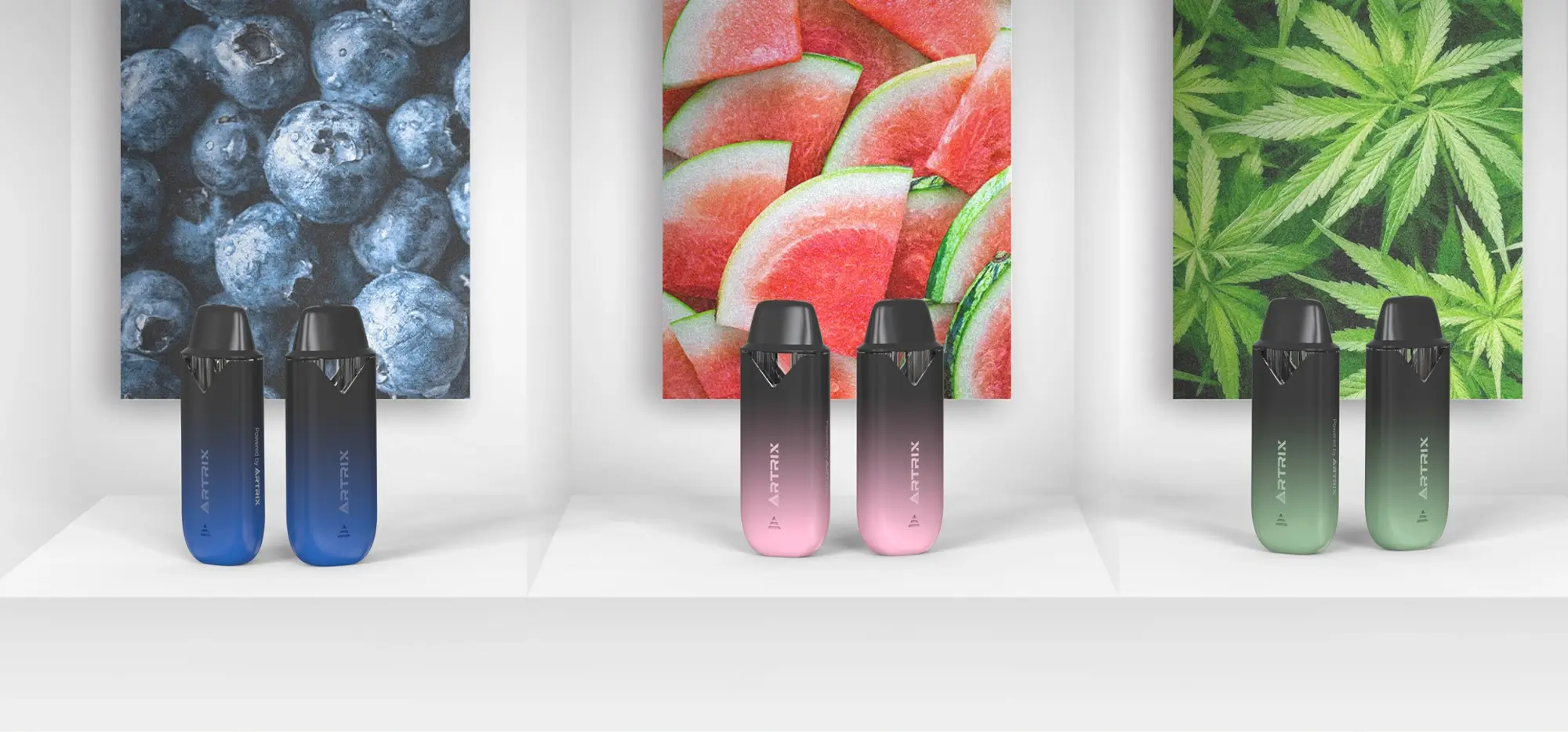
A cannabis pod vape is a vaporizer system that uses a rechargeable battery and a replaceable prefilled pod. The pod contains cannabis oil, while the battery powers the heating element and controls the user experience. Compared with a disposable vape, a pod vape gives the user a reusable device. Compared with a standard 510 cartridge, it can give the brand more control over device design, pod fit, airflow, and repeat purchase.
This is why many cannabis brands view pod systems as more than hardware. A pod vape can become a product ecosystem. Once a customer owns the battery, they are more likely to return for compatible pods. That makes pod type selection important because each extract category can serve a different consumer need.
Why Pod Type Matters
Not all cannabis pods are created for the same purpose. A value-focused distillate pod and a premium live rosin pod can both be sold in a compact pod format, but they answer different consumer questions. One may be chosen for price and consistency. The other may be chosen for flavor, extract process, or premium positioning.
Pod type also affects hardware decisions. Thicker oils may need better preheating. Flavor-sensitive extracts may benefit from more careful voltage control. Premium pods may require stronger leak resistance because customer expectations are higher. If a brand chooses the wrong hardware for the oil, even a strong extract can feel disappointing.
Distillate Pods
Distillate pods are one of the most common cannabis pod types. Distillate is a refined cannabis extract that is often used to create consistent flavor, potency, and pricing. For many brands, distillate pods are the easiest entry point into the pod vape market because they can support broad product lines and predictable user expectations.
The biggest advantage of distillate pods is consistency. A brand can build a stable lineup around popular strains, flavors, or cannabinoid profiles. Distillate pods are also easier to position for consumers who care about value, convenience, and simple product selection. This makes them useful for entry-level pod vape users.
The challenge is differentiation. Because distillate products are common, brands need more than a basic pod to stand out. Device appearance, pod-battery fit, smooth draw, clear packaging, and reliable heating can all help a distillate pod feel more premium and trustworthy.
Regular Pods
The term regular pod is often used in consumer searches to describe standard cannabis pods that are not marketed as live resin, rosin, or another premium extract type. In many cases, regular pods overlap with distillate pods or oil-based pods. They are usually chosen for simplicity, affordability, and predictable performance.
Regular pods are important because they can form the base of a pod vape portfolio. A brand does not need every product to be premium. A reliable regular pod can attract repeat customers, support retail volume, and create the foundation for later premium upgrades.
For brands, the key is to avoid making regular pods feel generic. A clean device design, stable battery, leak-resistant pod, and clear oil description can make a standard pod more competitive. Regular does not have to mean forgettable.
Live Resin Pods
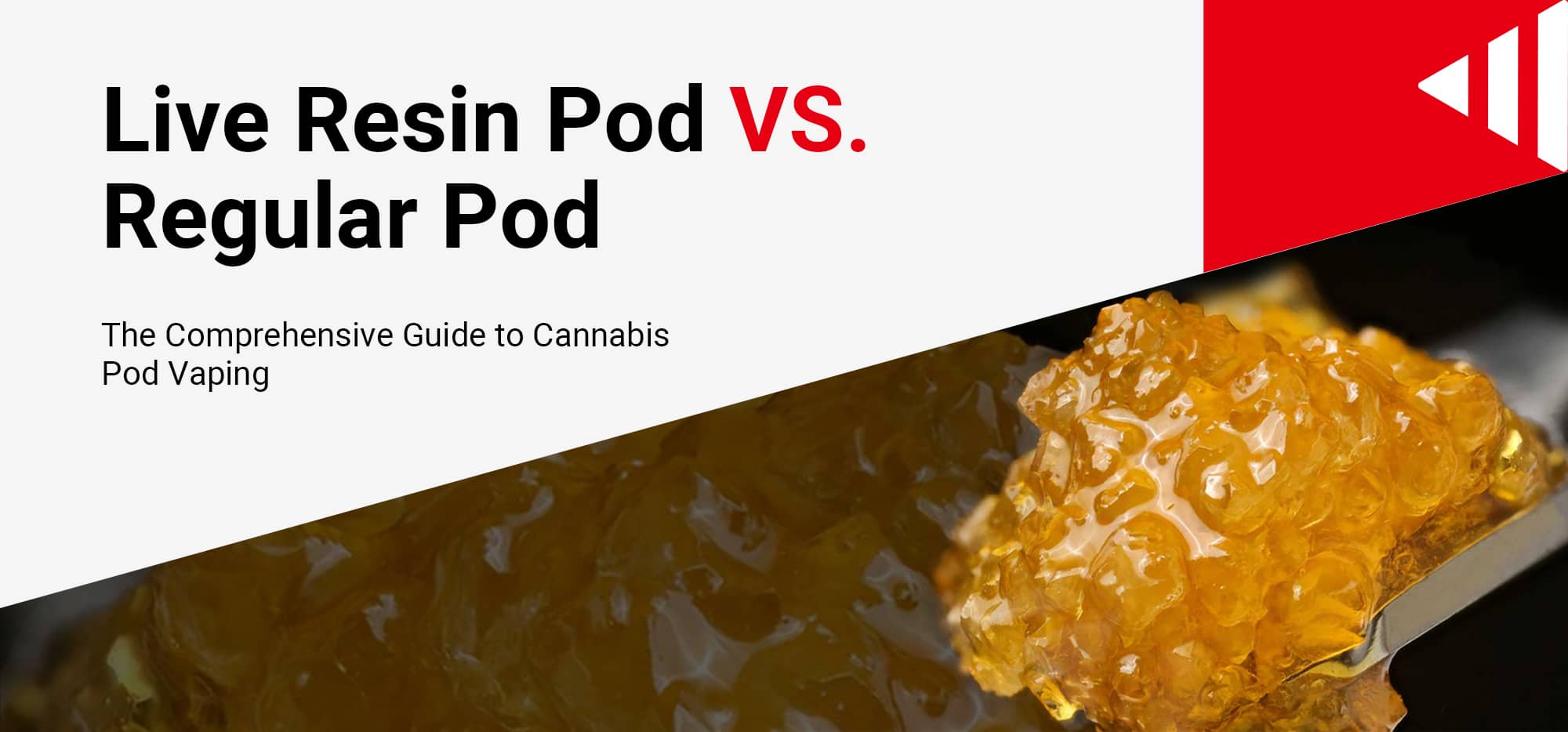
Live resin pods are usually positioned as a more flavorful and premium cannabis pod option. Live resin is commonly associated with preserving more of the plant’s aromatic character, which is why many consumers connect it with richer taste and stronger strain identity. In a pod vape lineup, live resin can help a brand move beyond price competition.
The main appeal of live resin pods is sensory quality. Consumers who choose live resin often care about aroma, terpene profile, and a fuller cannabis experience. For this audience, the pod vape is not just a convenient device. It is a way to enjoy a more expressive extract format.
Hardware becomes especially important here. If the device overheats the oil or creates inconsistent vapor, the premium flavor story can break down quickly. Brands planning a live resin pod should evaluate voltage range, airflow, preheat, and material compatibility before launching.
Live Rosin and Hash Rosin Pods
Live rosin and hash rosin pods usually sit at the premium end of the cannabis pod market. Rosin is often positioned as a solventless extract, which can appeal to consumers who care about craft production, clean-label positioning, and premium cannabis experiences. For brands, rosin pods can create a higher-value product tier inside the same pod vape ecosystem.
Live rosin is often positioned around fresh or frozen source material and terpene preservation, while hash rosin is commonly framed around hash-derived concentrate quality. For consumers, both usually signal a more premium and craft-oriented pod experience.
The strength of rosin pods is brand identity. They can help a product line feel more artisanal and extract-focused. A consumer who already owns the battery may be willing to try a rosin pod as an upgrade, especially if the brand has built trust through regular or live resin pods.
The challenge is performance. Premium extracts can be more sensitive to heat and handling, so the hardware must protect the experience. A rosin pod that clogs, leaks, or tastes burnt will damage brand trust faster than a lower-priced product because the customer expected more.
THCa and Specialty Pods
THCa and other specialty pods are often used for differentiation. These products may appeal to consumers who are curious about cannabinoid-specific formulations or new extract formats. For brands, specialty pods can create attention, but they also require careful education.
The most important rule is clarity. Consumers should understand what the product is, how it fits the legal market where it is sold, and how to use it according to the label. Specialty pod content should avoid medical promises and should not suggest that a pod vape product treats, prevents, or cures any condition.
Specialty pods also need dependable hardware. If the product story is more advanced, the device should feel stable, controlled, and easy to use. Clear instructions and responsible packaging matter just as much as the extract itself.
Live Resin Pod vs Regular Pod
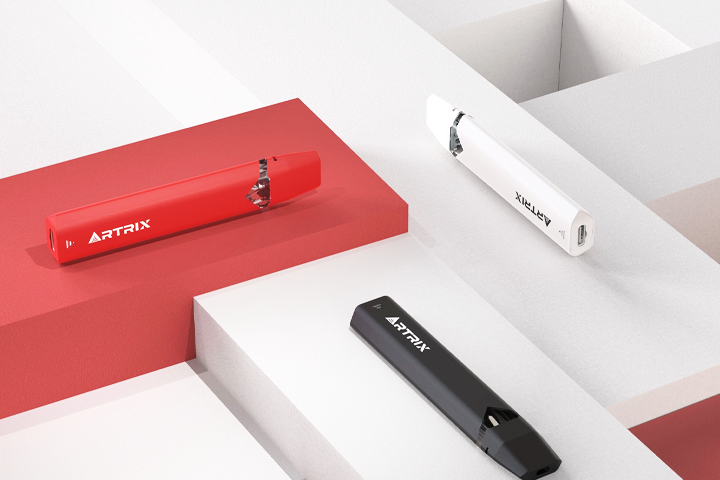
One of the most common pod vape comparisons is live resin pod vs regular pod. A regular pod is usually the better choice for users who prioritize price, consistency, and simple everyday use. A live resin pod is usually a better fit for users who care more about flavor, aroma, and a premium extract experience.
From a brand strategy perspective, both options can work together. Regular pods can build volume and bring new customers into the system. Live resin pods can provide an upgrade path and support higher-margin positioning. The key is to make the difference easy to understand at retail.
In mature markets such as California, this comparison can be especially useful because consumers may already see many marijuana pod choices on dispensary menus. A clear California marijuana pod education page should explain extract type, hardware fit, and user expectation without turning the article into a legal claim or a medical recommendation.
California is useful as a mature-market example because dispensary menus often include many extract formats, but brands should still verify local packaging, labeling, and advertising rules before publishing product claims.
| Pod Type | Best For | Main Selling Point | Hardware Need |
|---|---|---|---|
| Distillate pod | Entry-level and value users | Consistency and affordability | Reliable output and leak resistance |
| Regular pod | Everyday pod vape users | Simple, familiar experience | Stable battery and clear fit |
| Live resin pod | Flavor-focused users | Richer aroma and premium profile | Controlled heating and airflow |
| Rosin pod | Connoisseurs and premium buyers | Craft and solventless positioning | Careful heat control |
| Specialty pod | Curious or advanced users | Differentiated cannabinoid story | Clear labeling and stable performance |
How to Choose the Right Pod Vape Hardware
The right pod type needs the right device. A brand should not select hardware only by appearance or price. It should test how the pod performs with the actual oil, the expected storage conditions, and the intended user behavior. This is especially important for live resin, rosin, and other premium extracts.
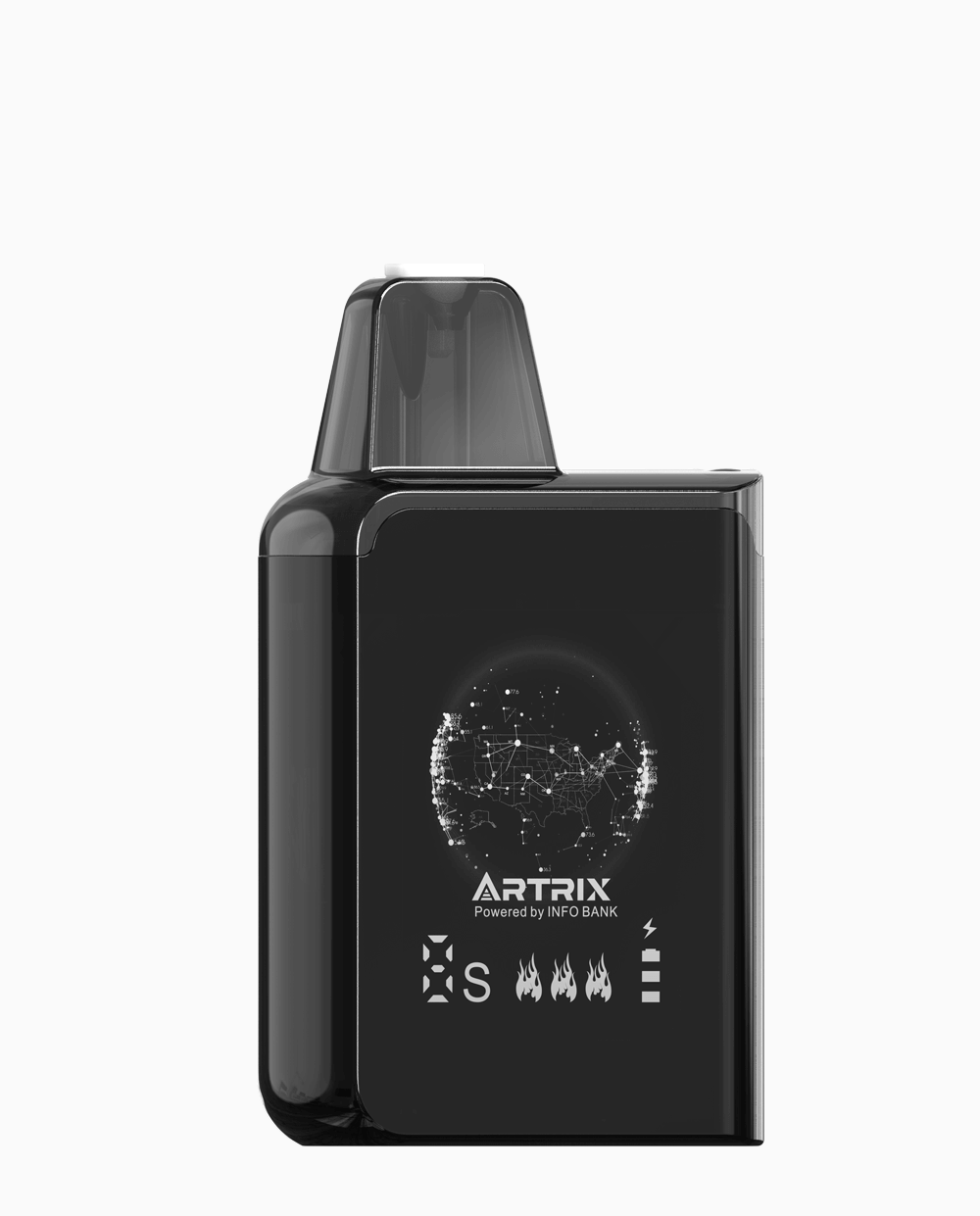
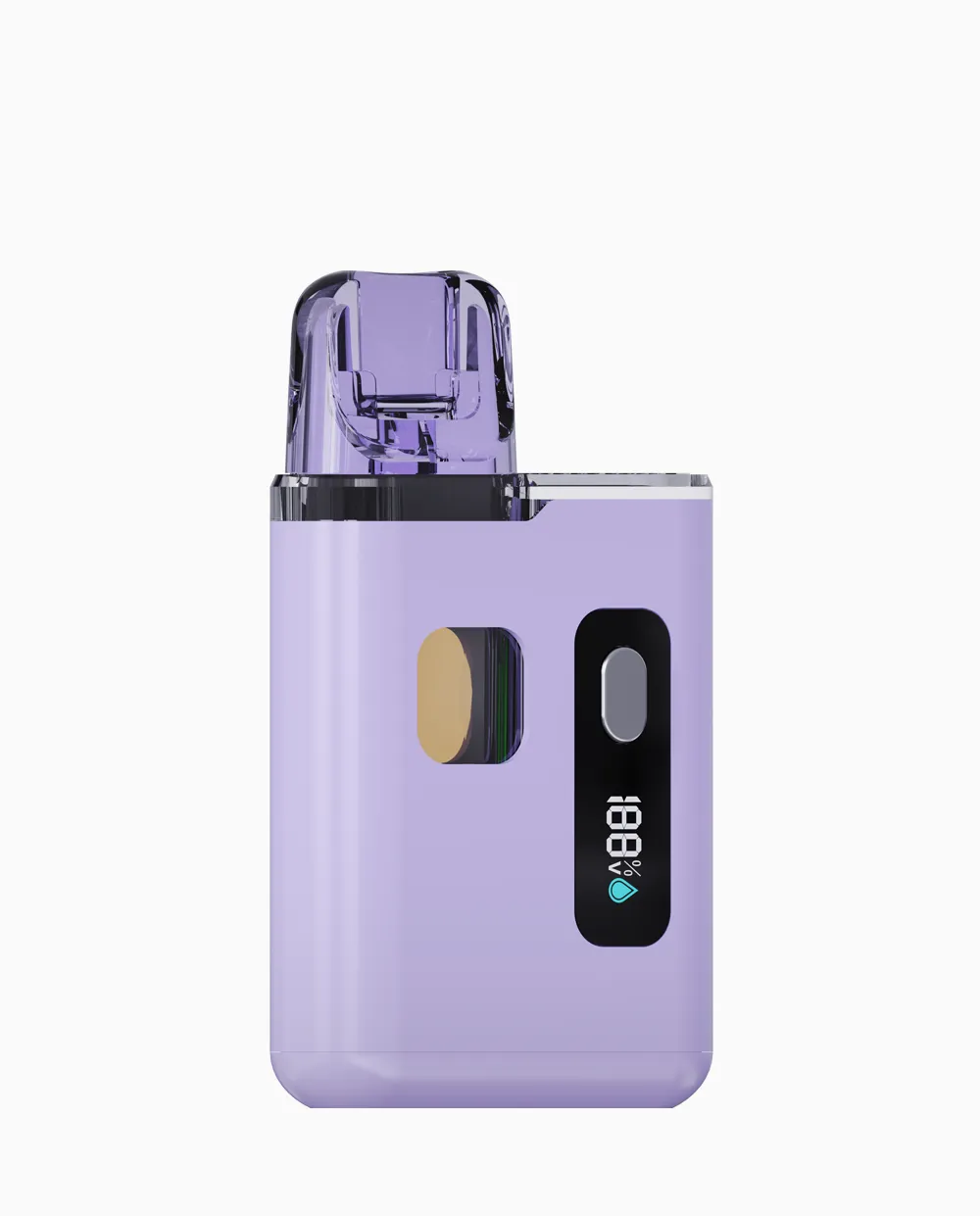
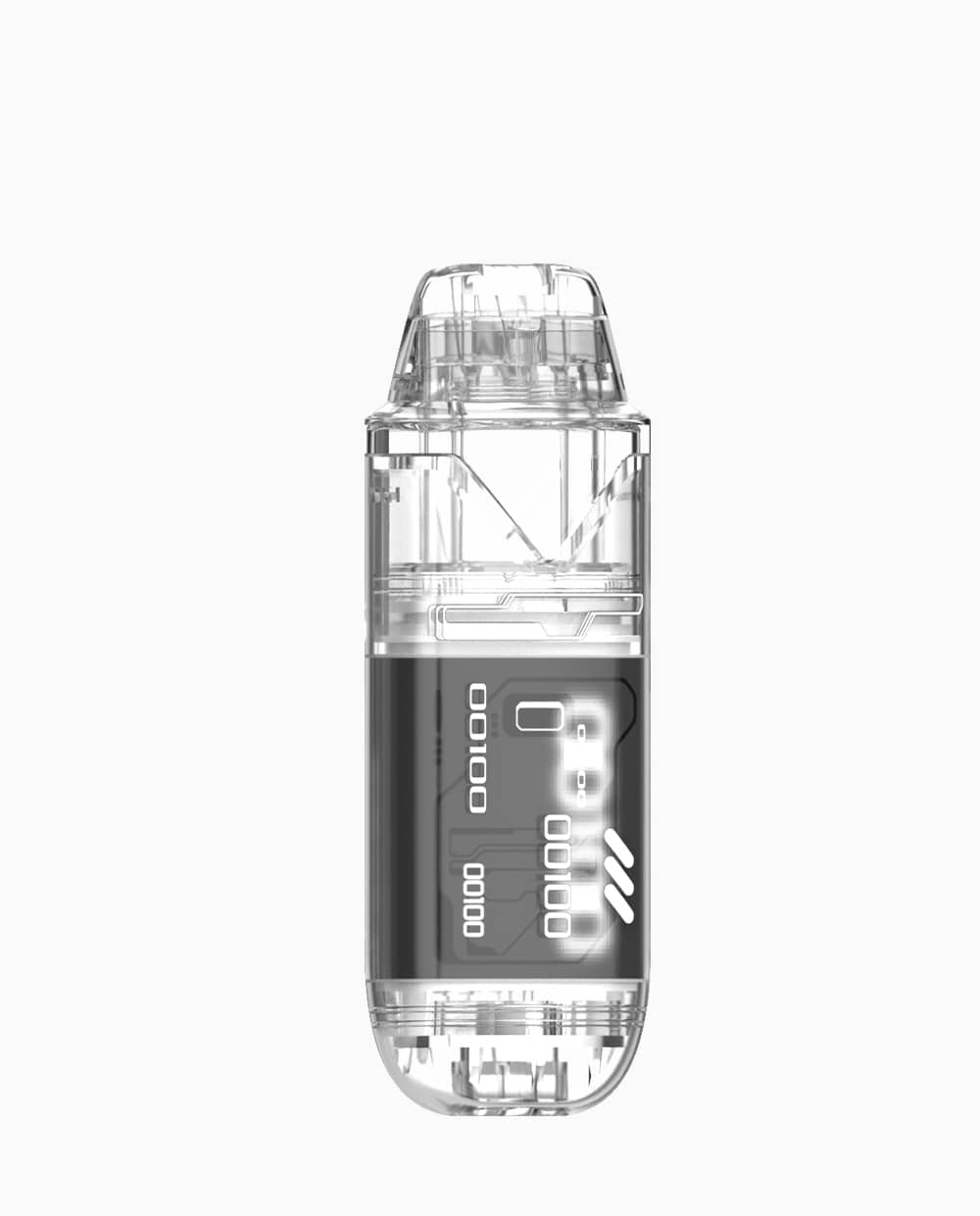
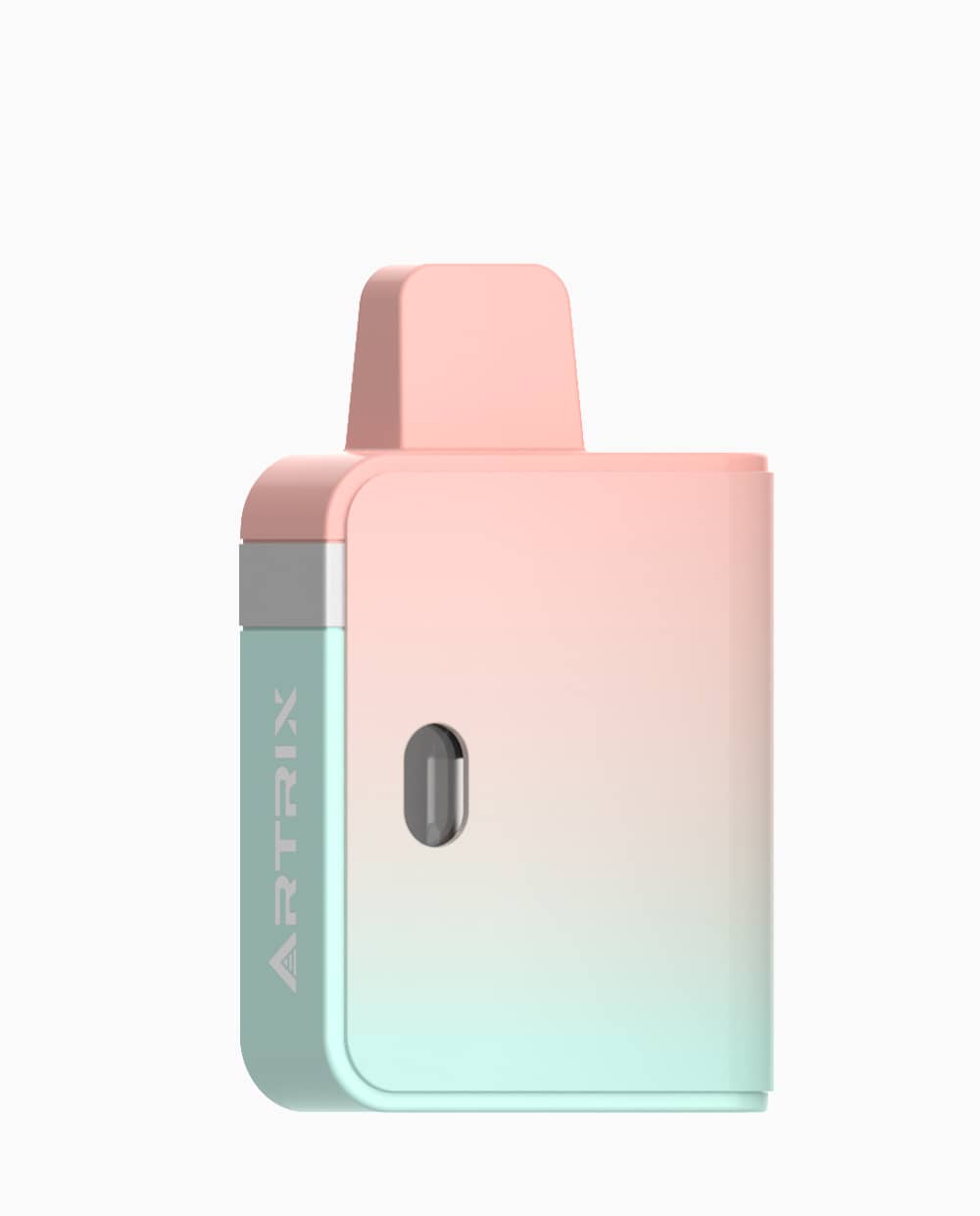
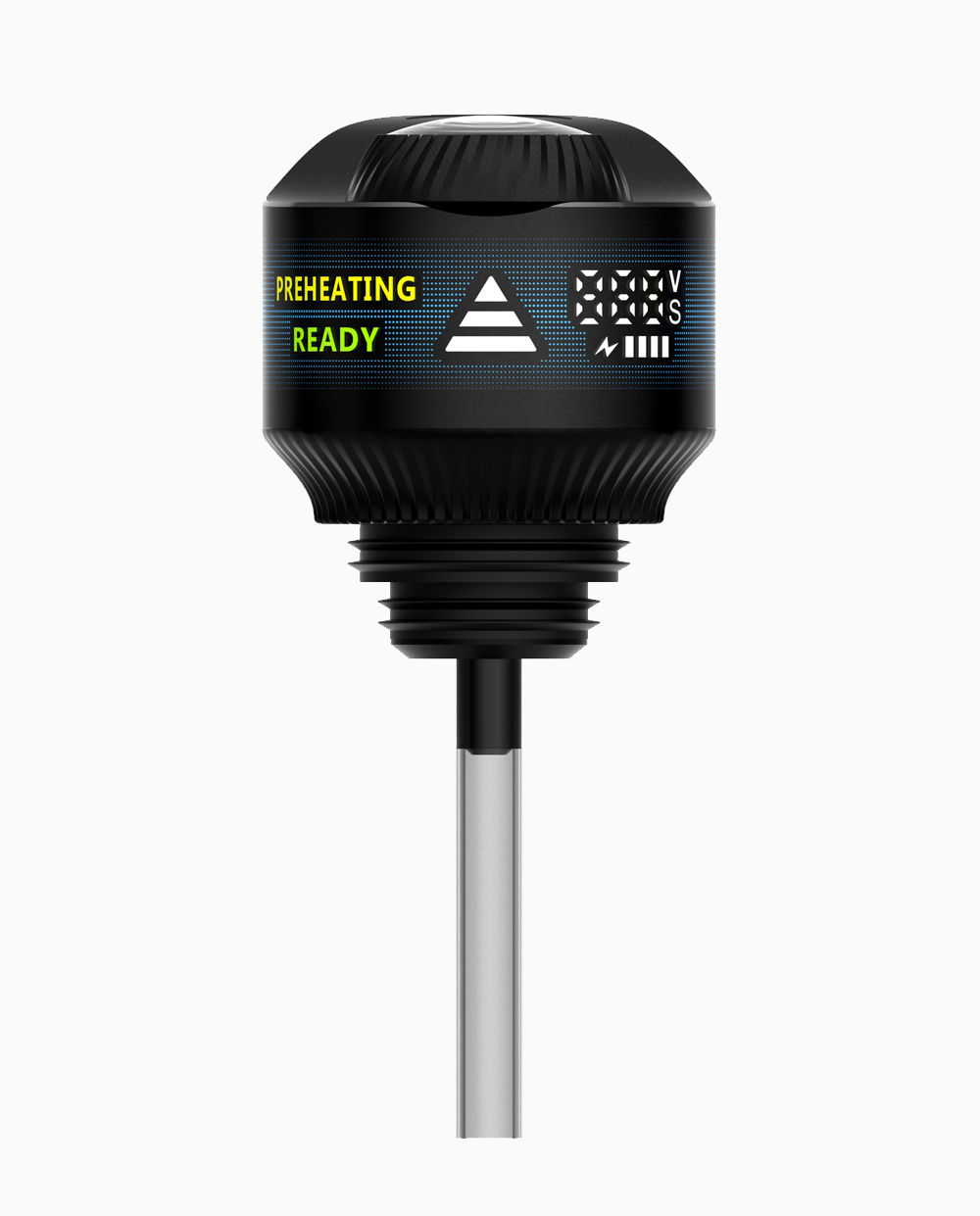
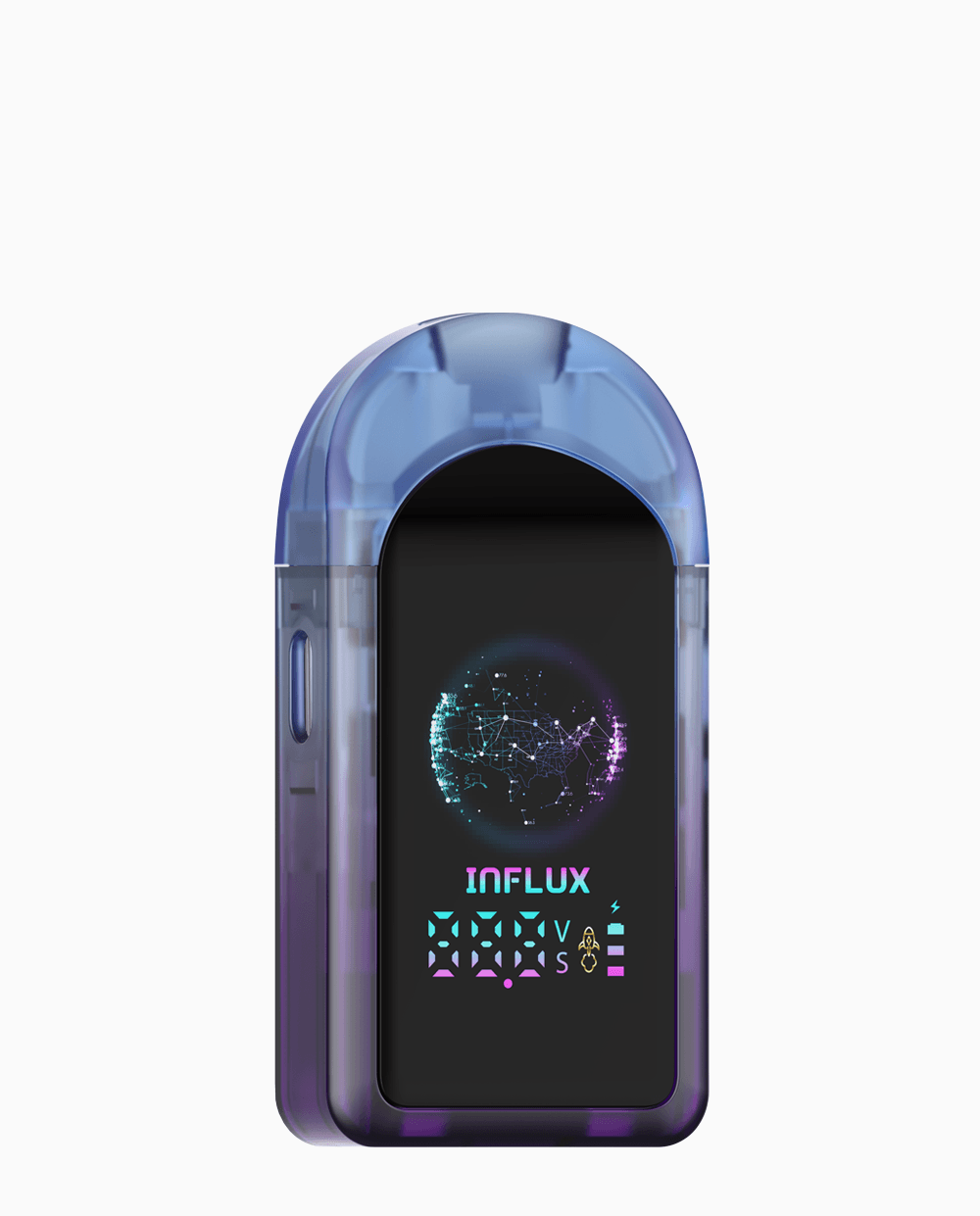
Useful hardware features may include voltage adjustment, preheat, leak-resistant structure, stable magnetic connection, and clear visual feedback. These features can help users understand the device and help brands protect the quality of the oil experience. For example, a light smart pod system can make premium extract use feel more controlled without making the device too complicated.
| Hardware Feature | Why It Matters | Most Relevant Pod Types |
|---|---|---|
| Voltage adjustment | Helps adapt heat intensity to oil type | Live resin, rosin, specialty pods |
| Preheat | Helps with thicker oils or cold starts | Rosin, live resin, specialty pods |
| Leak resistance | Protects user trust and retail satisfaction | All pod types |
| Stable pod-battery fit | Reduces connection problems | All pod systems |
| Visual feedback | Makes device status easier to understand | Smart pod systems |
Conclusion: The Best Pod Type Depends on the Brand Strategy
There is no single best cannabis pod type. Distillate pods can build accessible volume. Regular pods can support everyday repeat purchase. Live resin pods can create a stronger flavor story. Rosin pods can support premium positioning. THCa and specialty pods can help a brand stand out when the education is clear and responsible.
The strongest pod vape strategy connects extract type, device design, price tier, and user expectation. When the pod, battery, oil, and retail message work together, a pod vape becomes more than a product. It becomes a repeatable brand experience.
For brands building a pod vape lineup, the most useful question is not only which types of cannabis pods to offer, but how each pod type supports a clear user need, from regular pods to live resin pod upgrades.