
-1.webp)
-1.webp)
-2.webp)


























How to Reduce the Risks of Vaping Cannabis
Last Updated: March 27, 2026
This content is for informational purposes only and does not constitute medical or legal advice. Please consult a licensed healthcare provider before using cannabis products. Comply with your state’s regulations.
This content is intended for audiences 21 years and older, as required by U.S. law.
Cannabis regulations vary by state. Please verify the legal status of products in your area before purchase.
Risk reduction in cannabis vaping starts long before the first inhale. Device architecture, oil formulation, temperature control, and user behavior all shape exposure. Smoking burnt cannabis is likely the most hazardous inhalation method, while vaporizers and e-cigarette devices may reduce some key risks but are still not risk-free.
That distinction matters. A modern vape can lower exposure to combustion byproducts, but it can also introduce different hazards, including metal contamination, overheated aerosol chemistry, and problems linked to additives or ultra-high-potency oils. For adult consumers in regulated markets, the practical question is not whether vaping is “safe,” but how to make each part of the system less failure-prone.
[Quick Navigation] The 2026 Golden Rules for Safe Vaping
If you only remember three rules, remember these. First, choose hardware that minimizes metal contact with the oil path, because recent cannabis-vape studies found device-origin metal particles in both liquids and the aerosol users inhale. Second, keep heat low and stable, because cannabis aerosol degradants increased sharply as voltage rose in lab testing, and overheated “dry puff” conditions can multiply aldehyde output. Third, use clean, regulated oil with no unnecessary thinning agents or improvised additives, because unregulated products and added diluents were central to past lung-injury investigations.
-
- Choose postless, ceramic-forward hardware: reduce upstream contact between oil and reactive metal parts.
-
- Lock in low-voltage operation: stay in the low end of the device range and avoid burnt, overheated pulls.
-
- Protect oil purity: use regulated, well-tested extracts and avoid unnecessary diluents, cutting agents, or home modifications.
Risk 1: The Invisible Killer—Heavy Metal Leaching
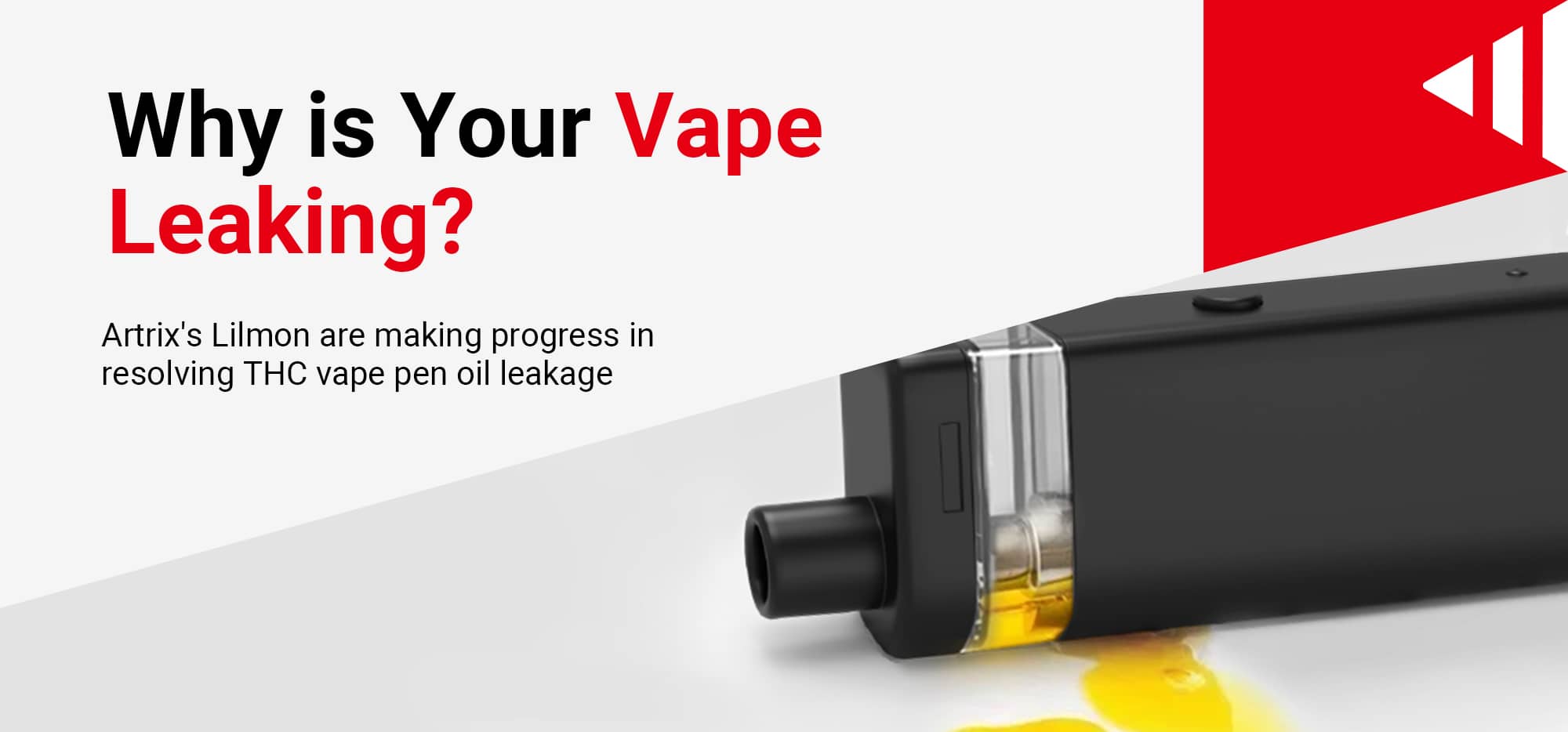
The hardest hardware risk to see is also one of the most important. A 2022 National Research Council Canada study found evidence of copper-, zinc-, lead-, and manganese-bearing particles inside unused cannabis vape liquids, and noted that cannabis vape liquids are thought to have high acidity, with leaching influenced by storage time, temperature, acidity, and the condition of metal components. In other words, a cartridge can become riskier simply because oil sat against the wrong materials for too long.
The 2025 follow-up evidence is even more direct: researchers detected metal particles in cannabis vape liquids and found aerosols containing cobalt, chromium, nickel, lead, tin, and zinc, with the particle composition strongly suggesting the device itself as the source is why the center post, connector pin, solder joints, and other submerged or partially submerged metal elements deserve more scrutiny than marketing copy usually gives them.
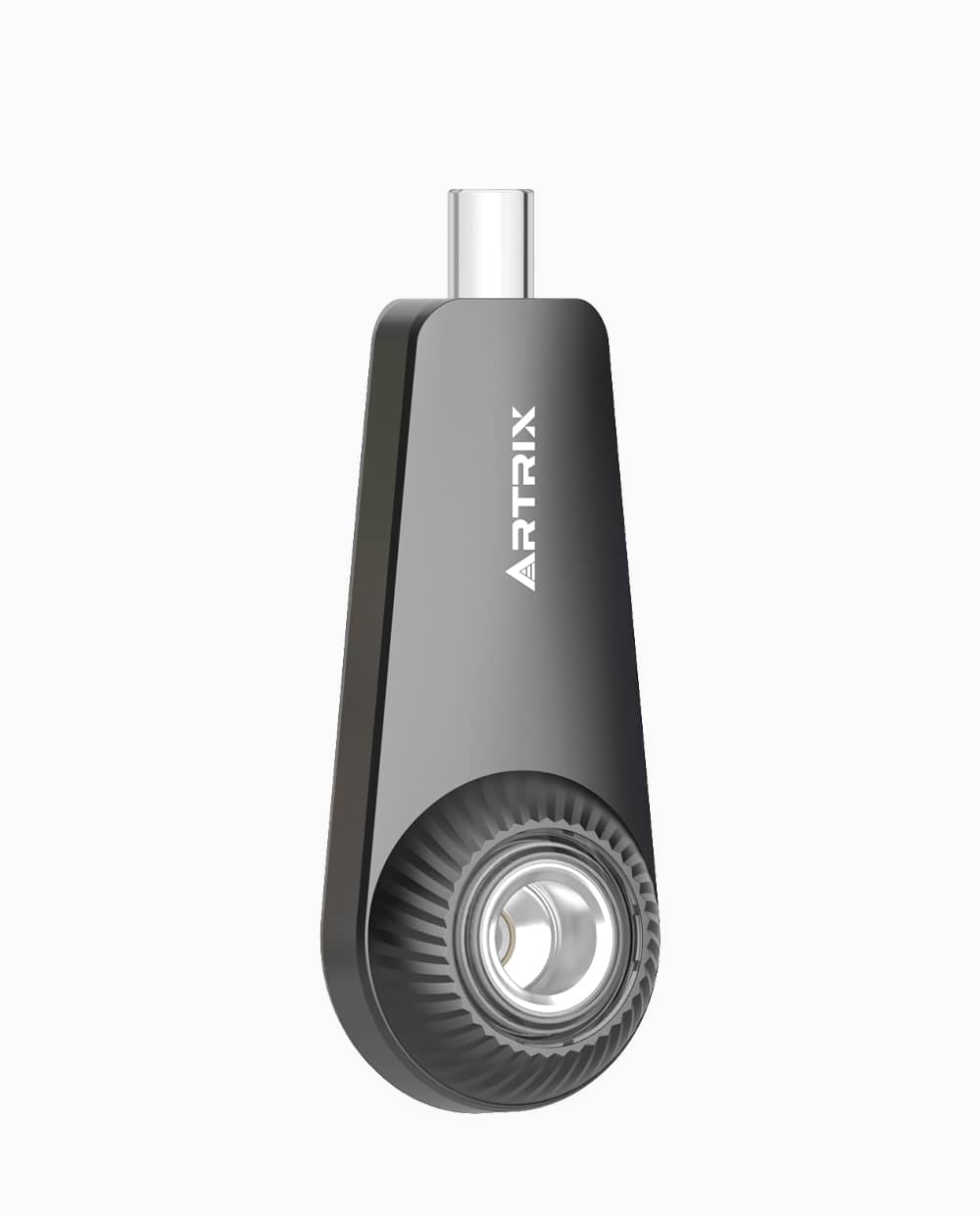
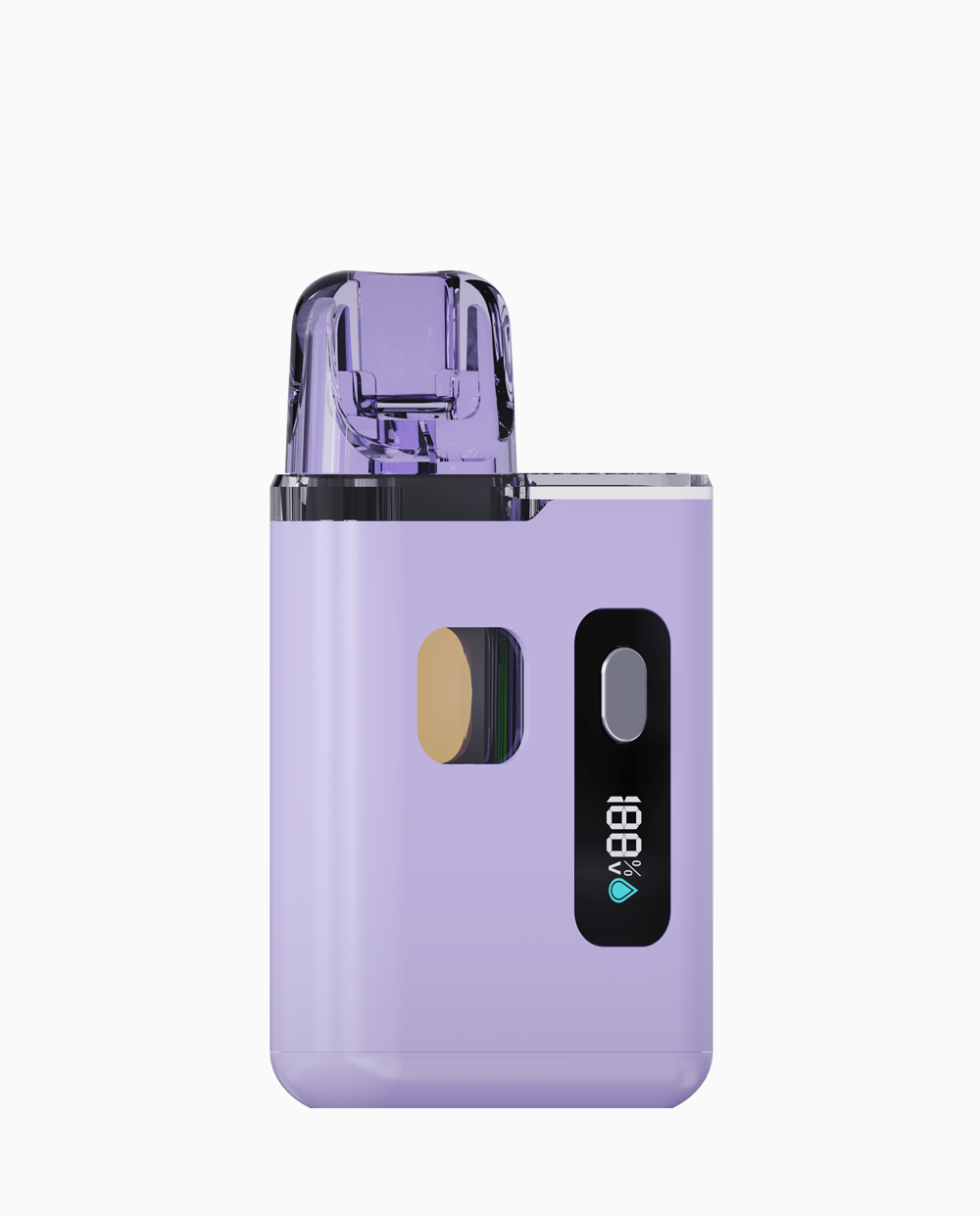
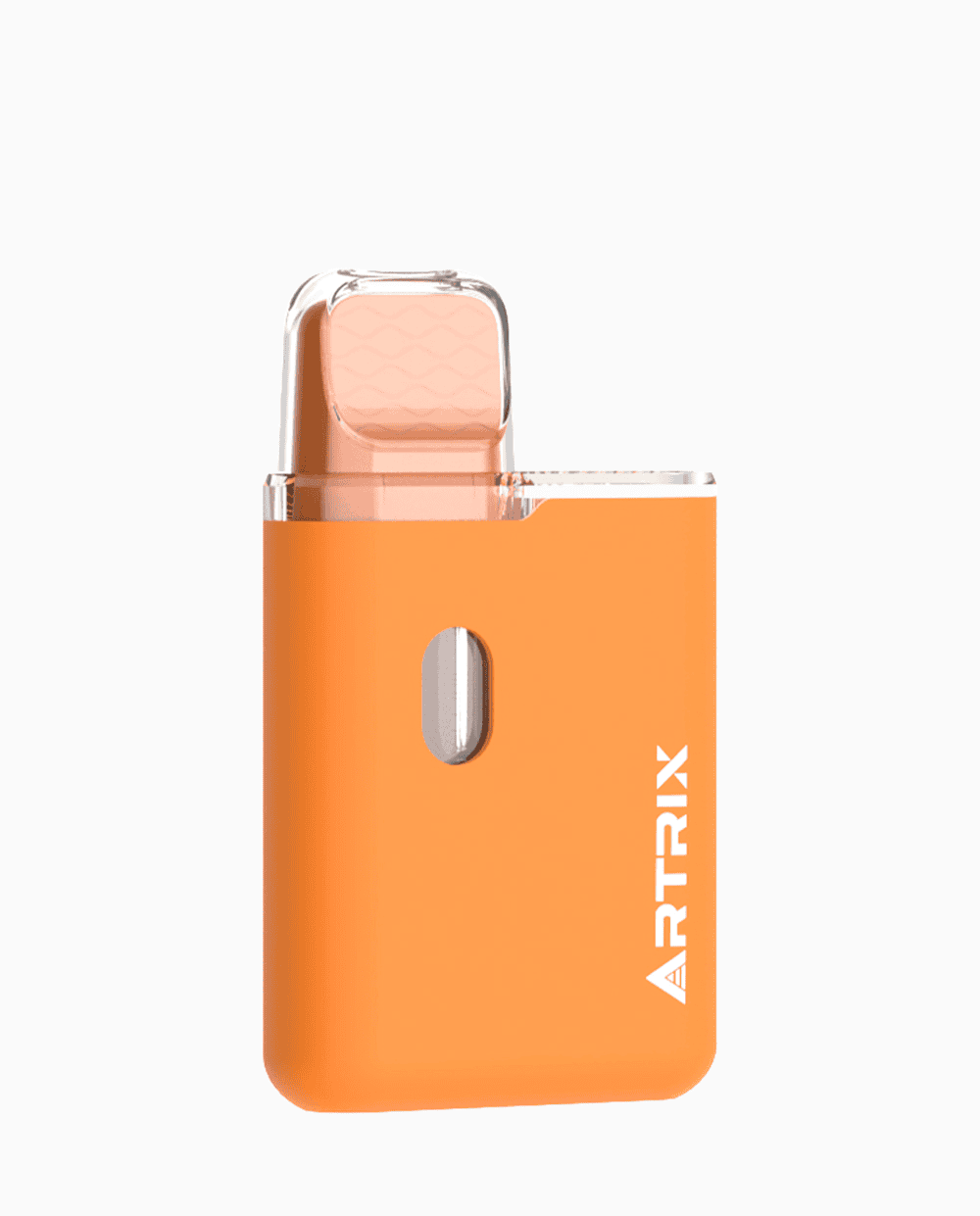
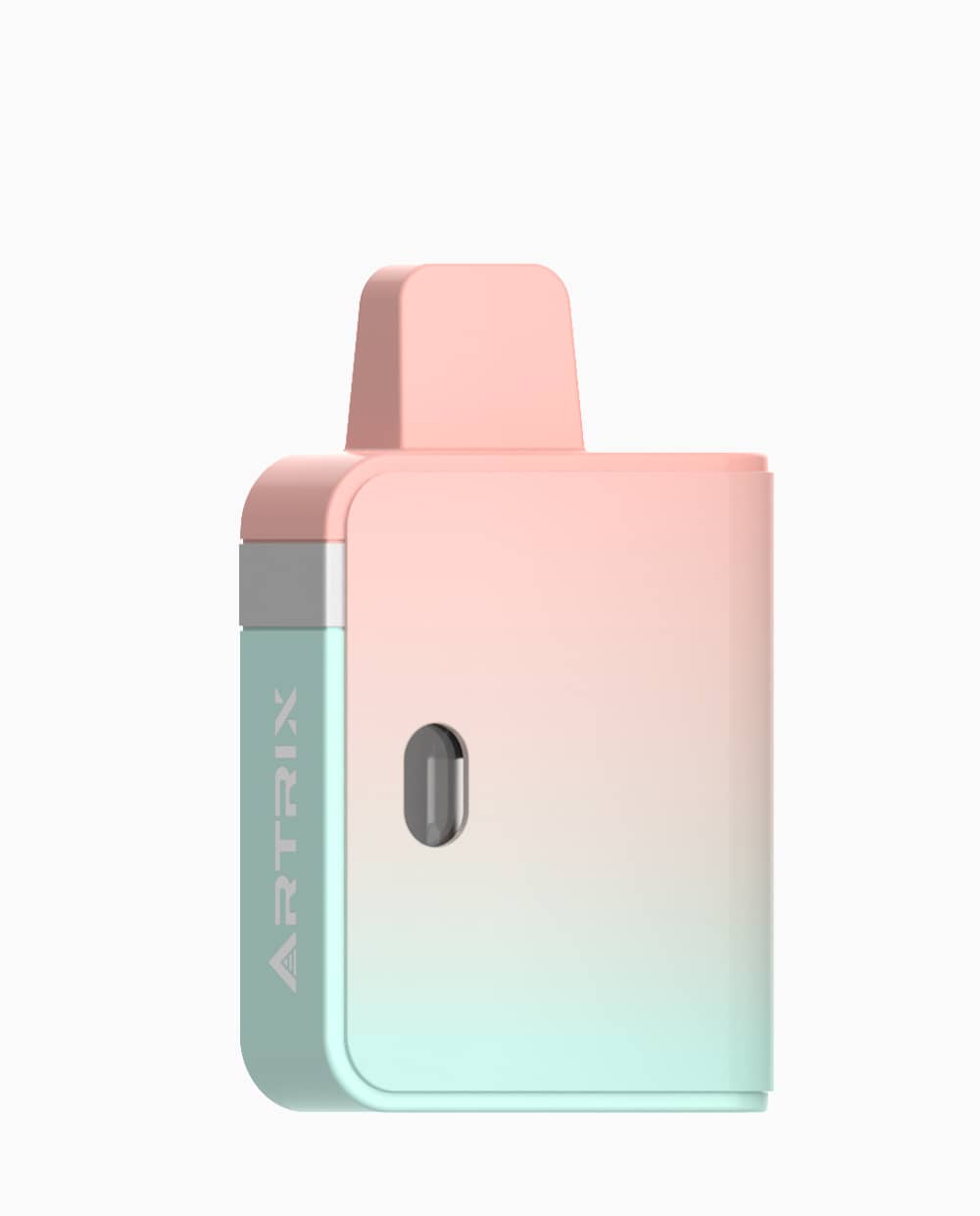
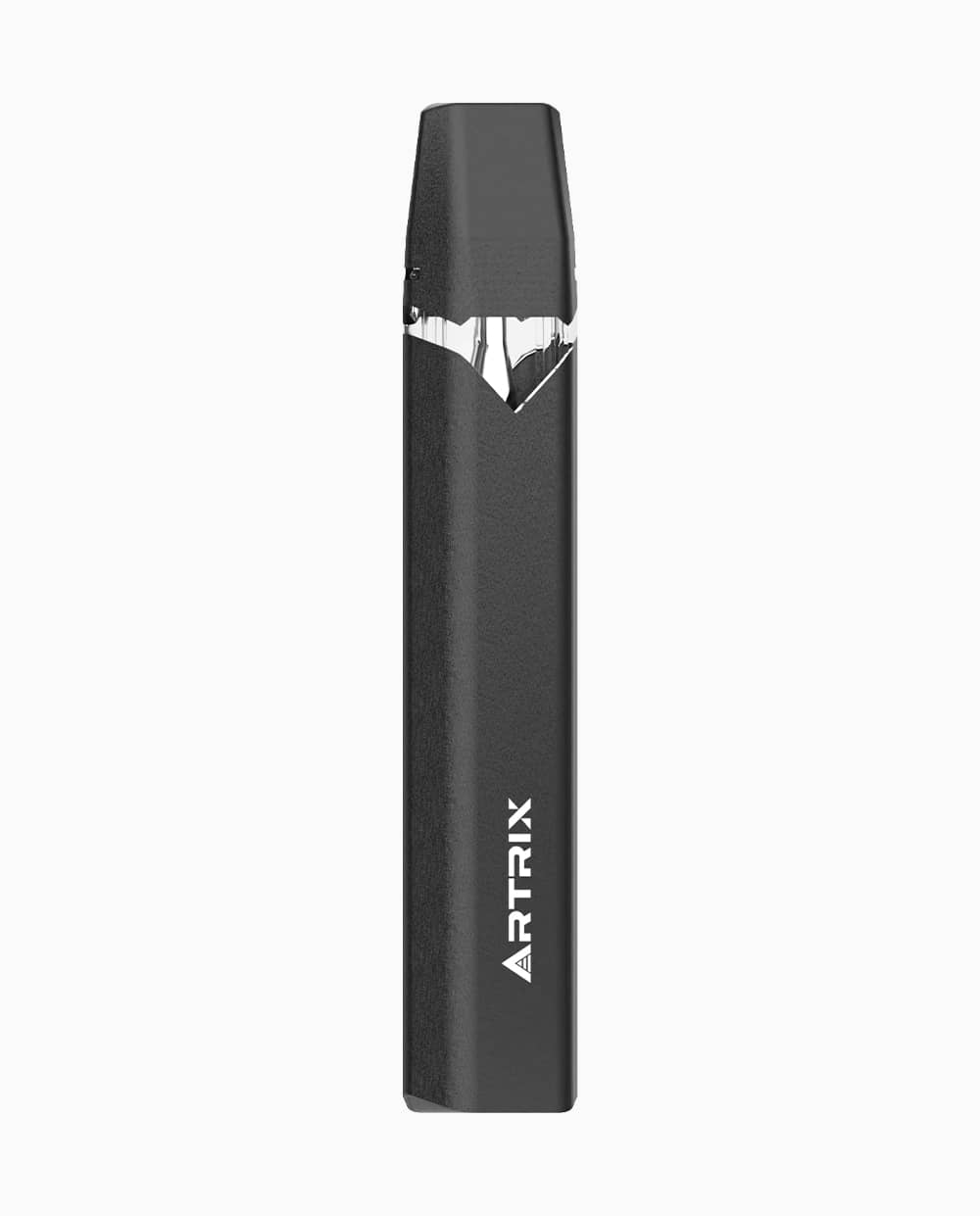
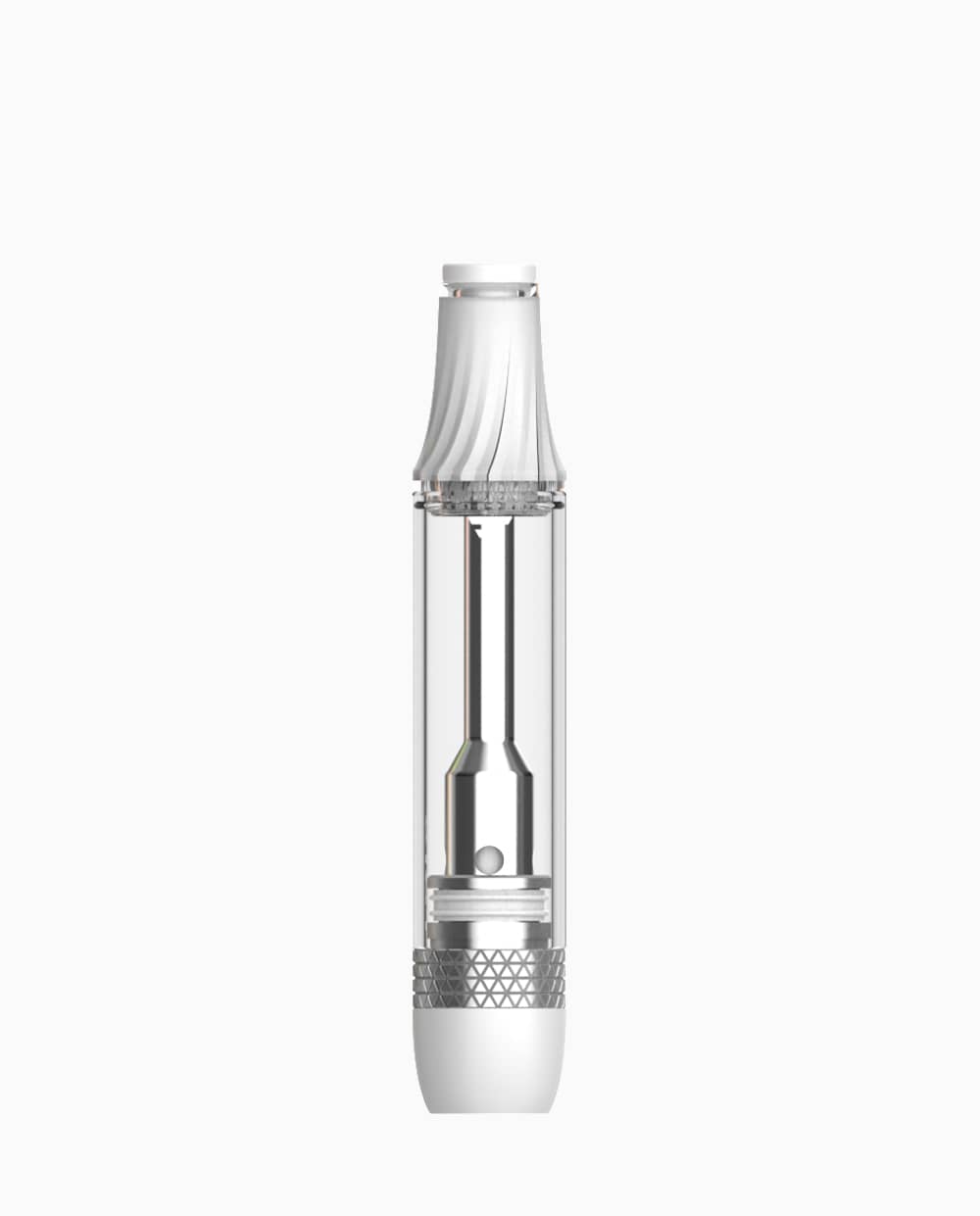
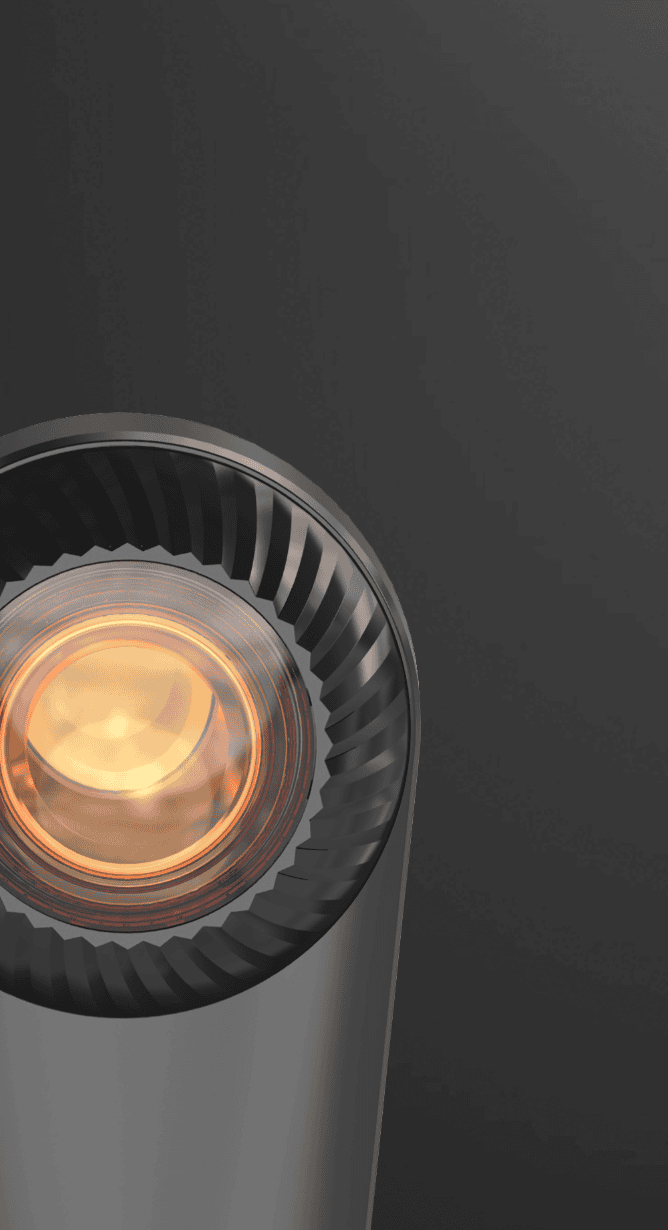
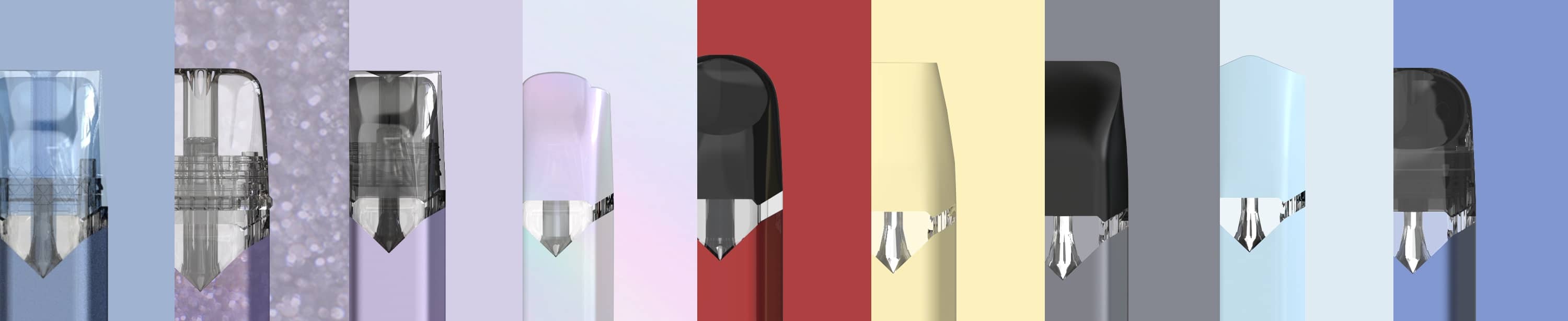
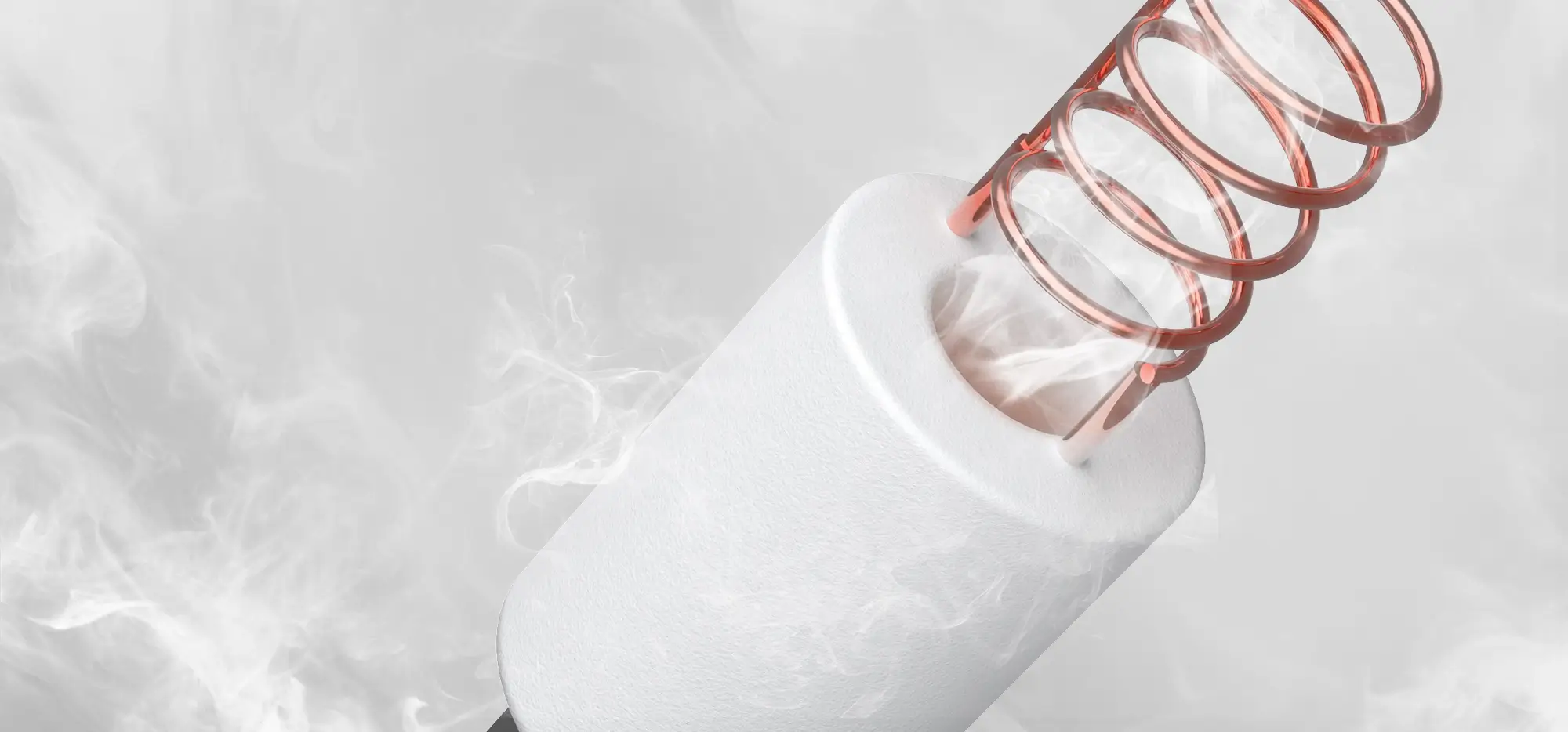
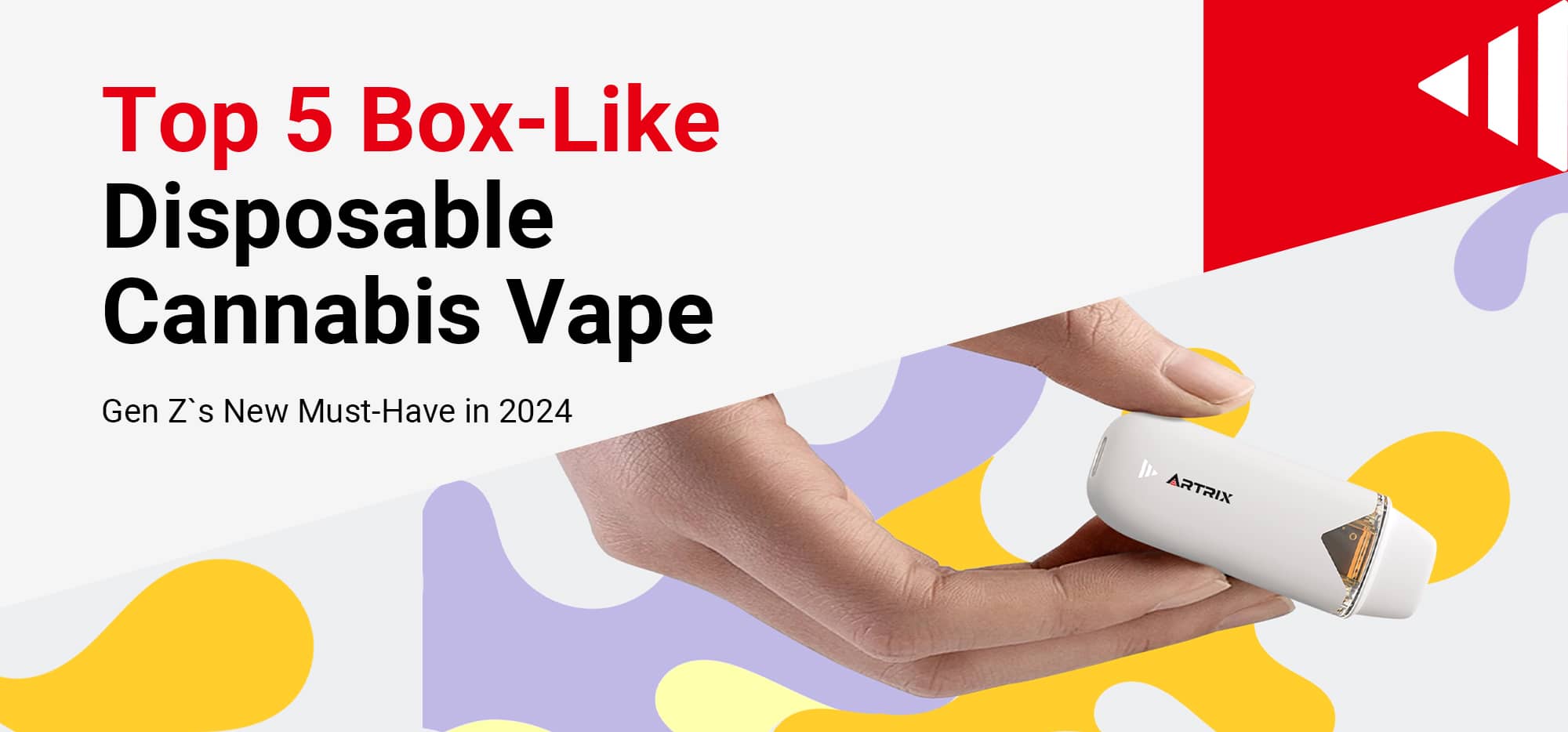
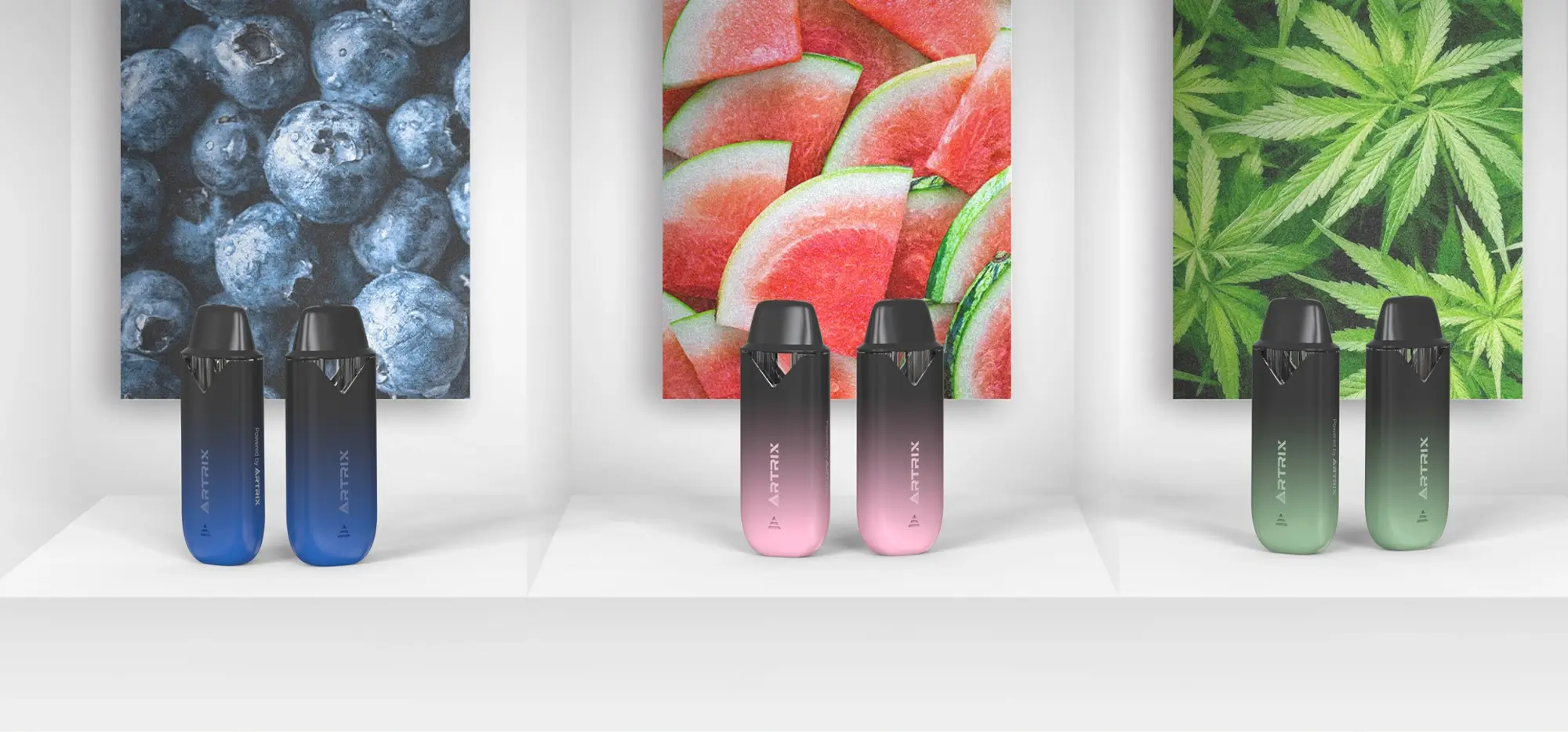
The cleanest engineering response is to remove the exposure pathway instead of merely testing around it. On its Lilcube , Artrix says its postless design eliminates the central tube and metal contact, while its ceramic structure is optimized for high-terpene oils. That does not make any inhaled product risk-free, but it is the right design logic: if a device can keep oil away from reactive metal surfaces, it reduces one avoidable source of contamination at the source.
Risk 2: Thermal Degradation Products—Benzene, Acrolein, and the “Burnt Taste”
Heat is the second major risk multiplier. A cannabis aerosol study found that users may be exposed to degradants such as methacrolein and benzene when using cartridge vaporizers, and the measured benzene output rose from roughly 0.99 ng at 3.2 V to 36 ng at 4.8 V in the tested setup. The lesson is simple: higher power may produce bigger clouds, but it can also push the chemistry in the wrong direction.
Acrolein enters the picture through overheating and poor liquid supply. In a PubMed-indexed dry-puff study, acrolein stayed low under normal conditions but surged in overheated conditions, where aldehyde levels increased by 30 to 250 times and acrolein reached 210.4 micrograms per 10 puffs. That is why the “burnt taste” should never be treated as a minor flavor issue. It is a warning that the wick, coil, or oil flow is no longer operating in a stable zone.
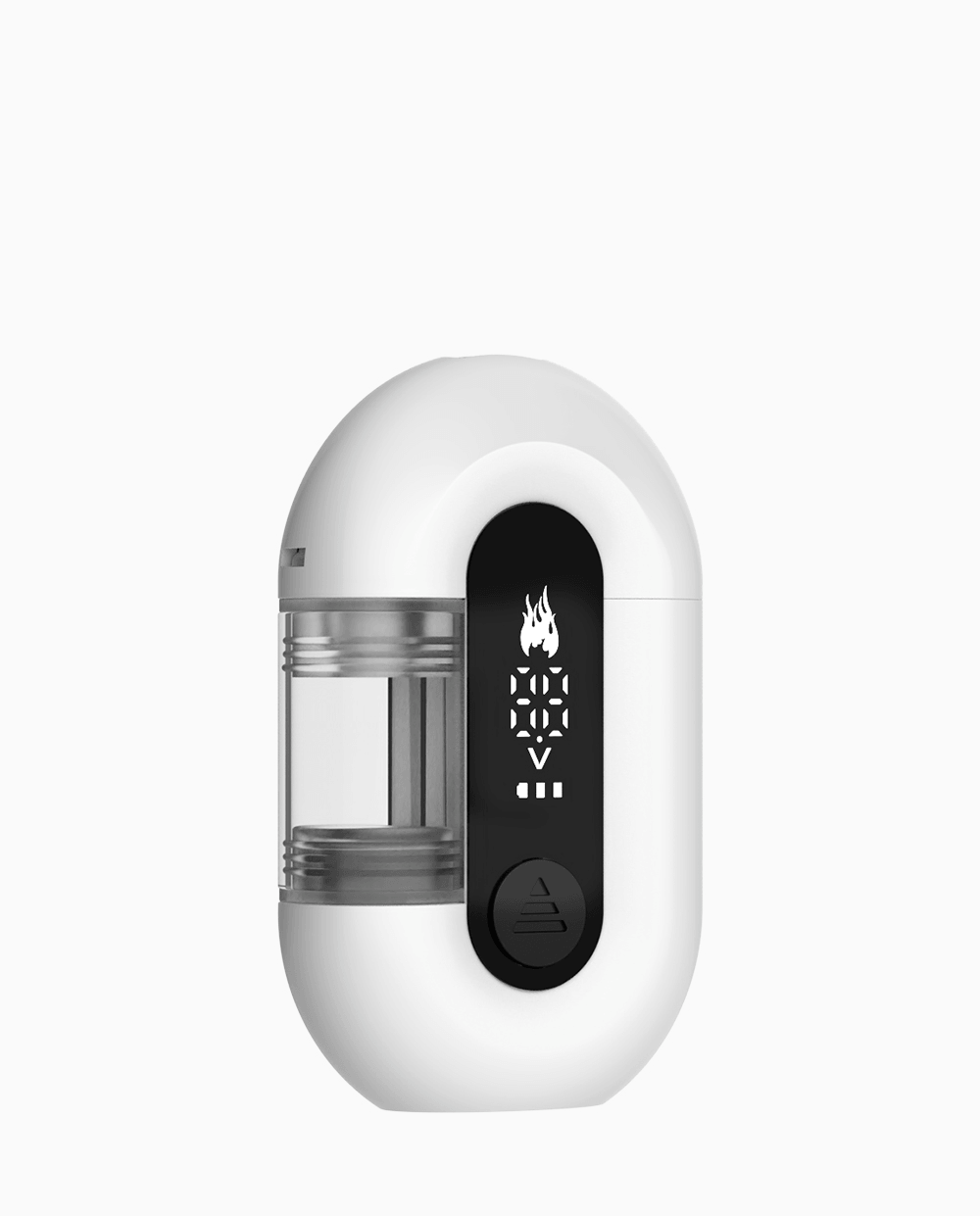
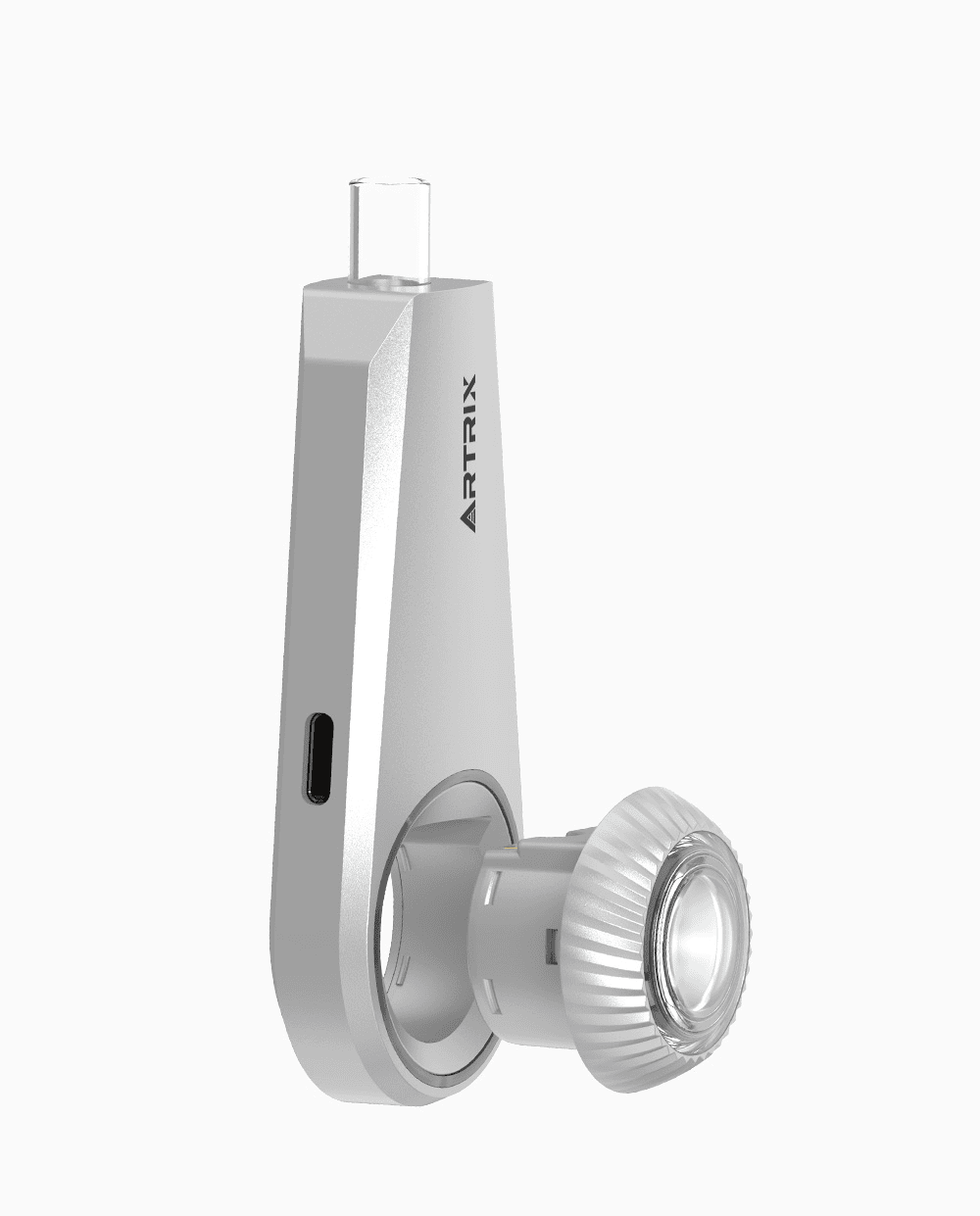
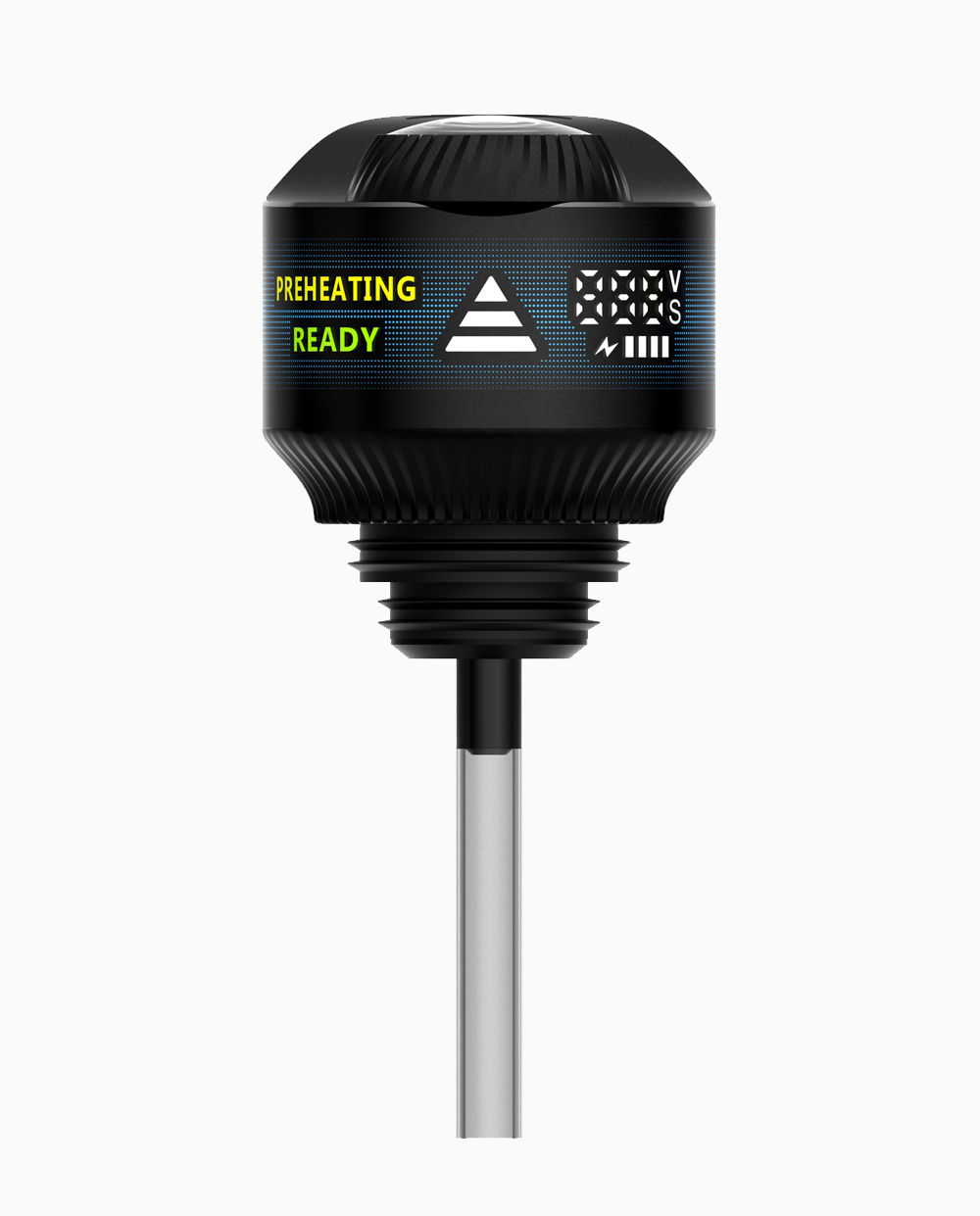
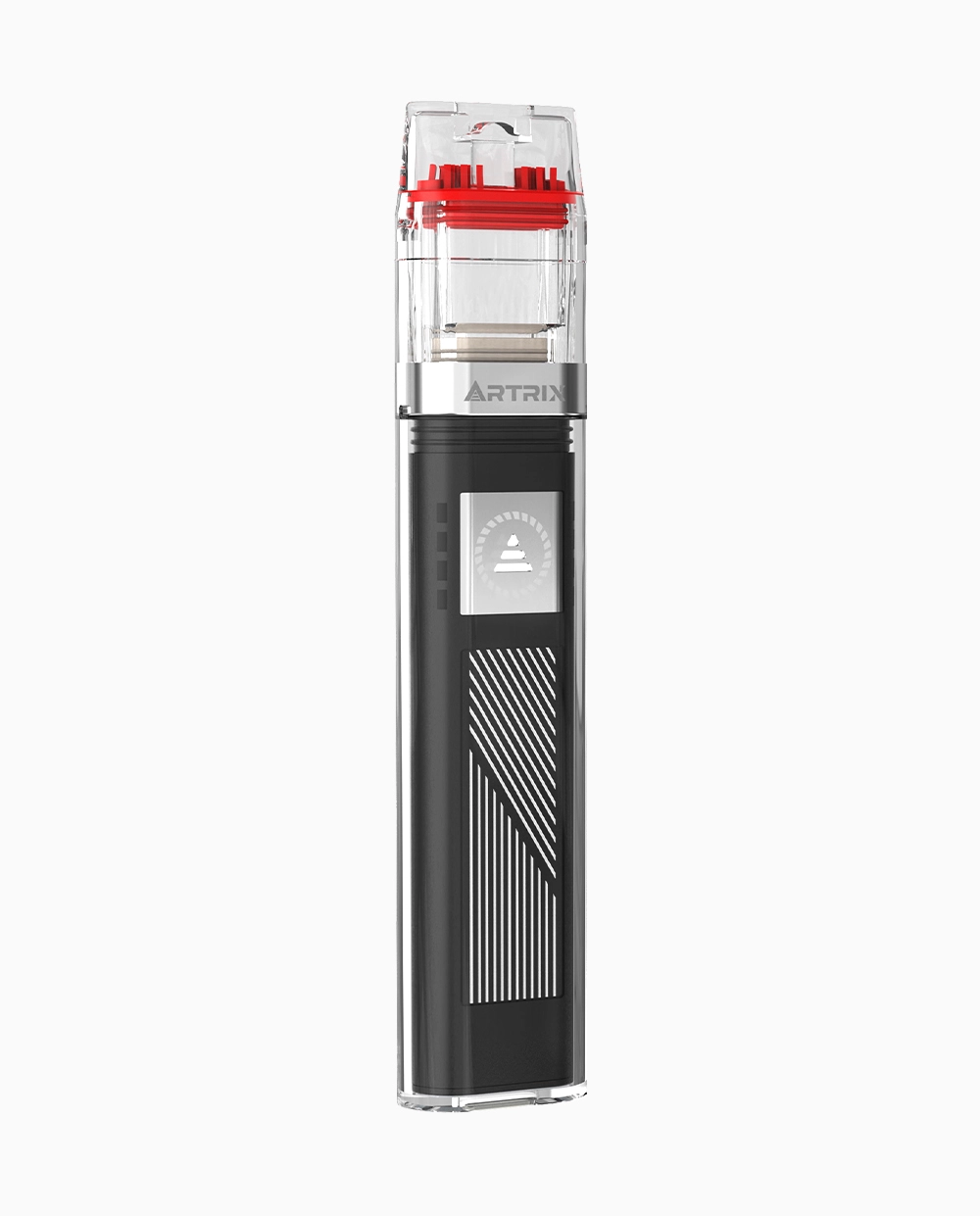
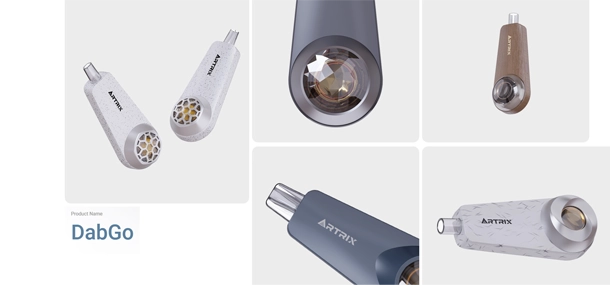
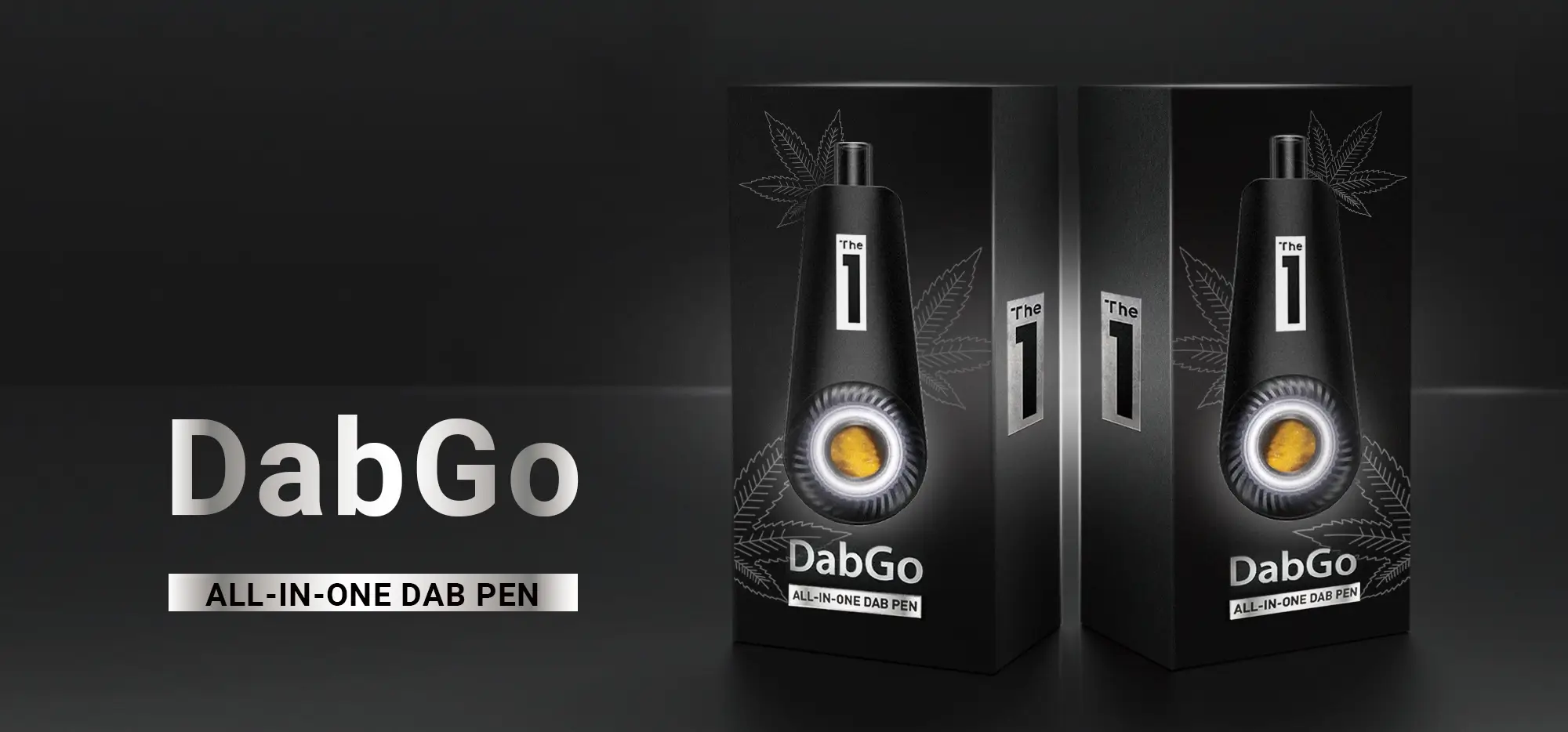
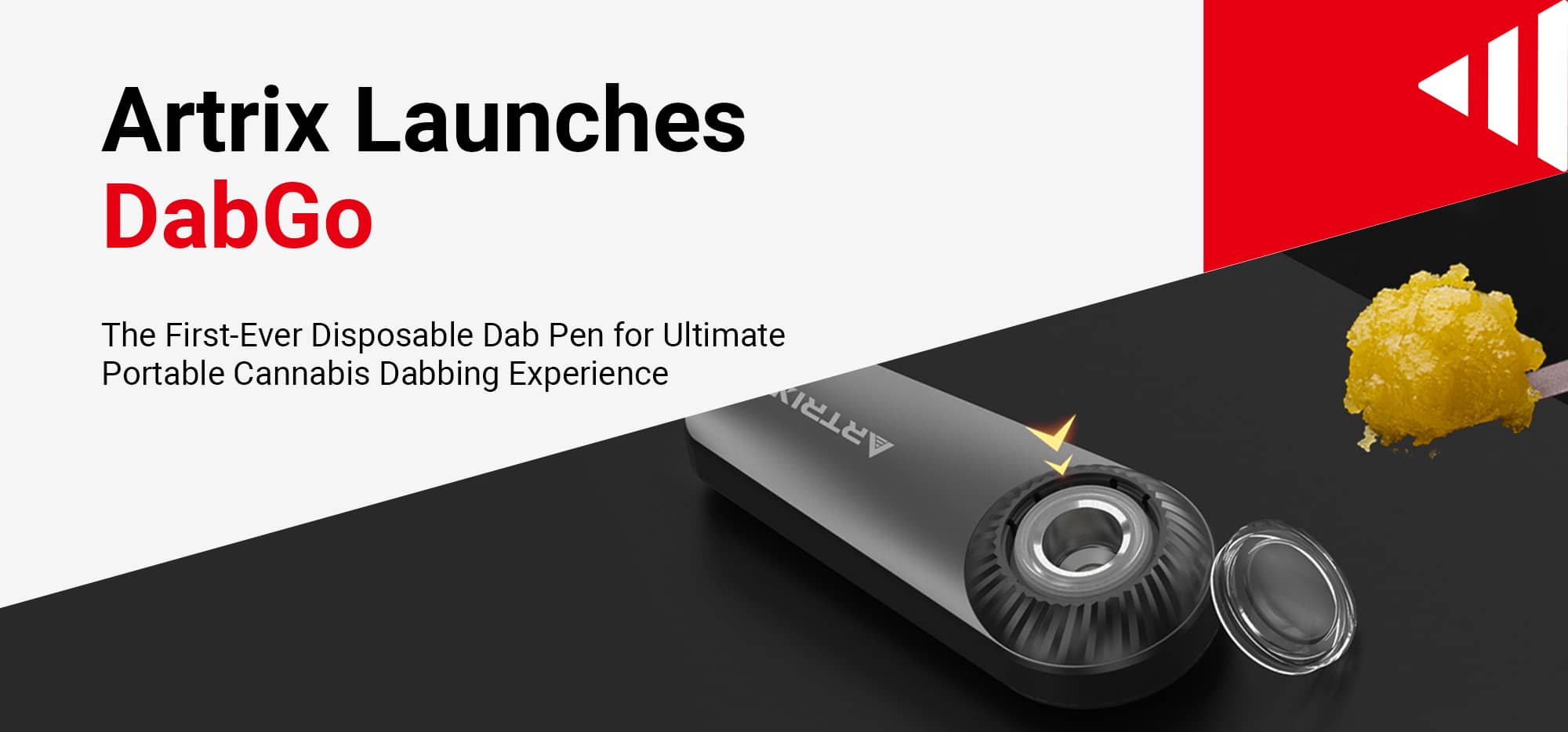
Operationally, low-voltage vaping is the smartest default for terpene-rich oils. For live resin or live rosin, that usually means staying near the low end of the battery’s range, taking shorter draws, and using preheat only to restore oil flow rather than to chase hotter vapor. Artrix’s DabGo highlights staged preheating and progressive heat control. From a risk-reduction perspective, those are not gimmicks; they are behavioral controls built into hardware.

Risk 3: The “Invisible Trap” of Oil Purity vs. Hardware Incompatibility
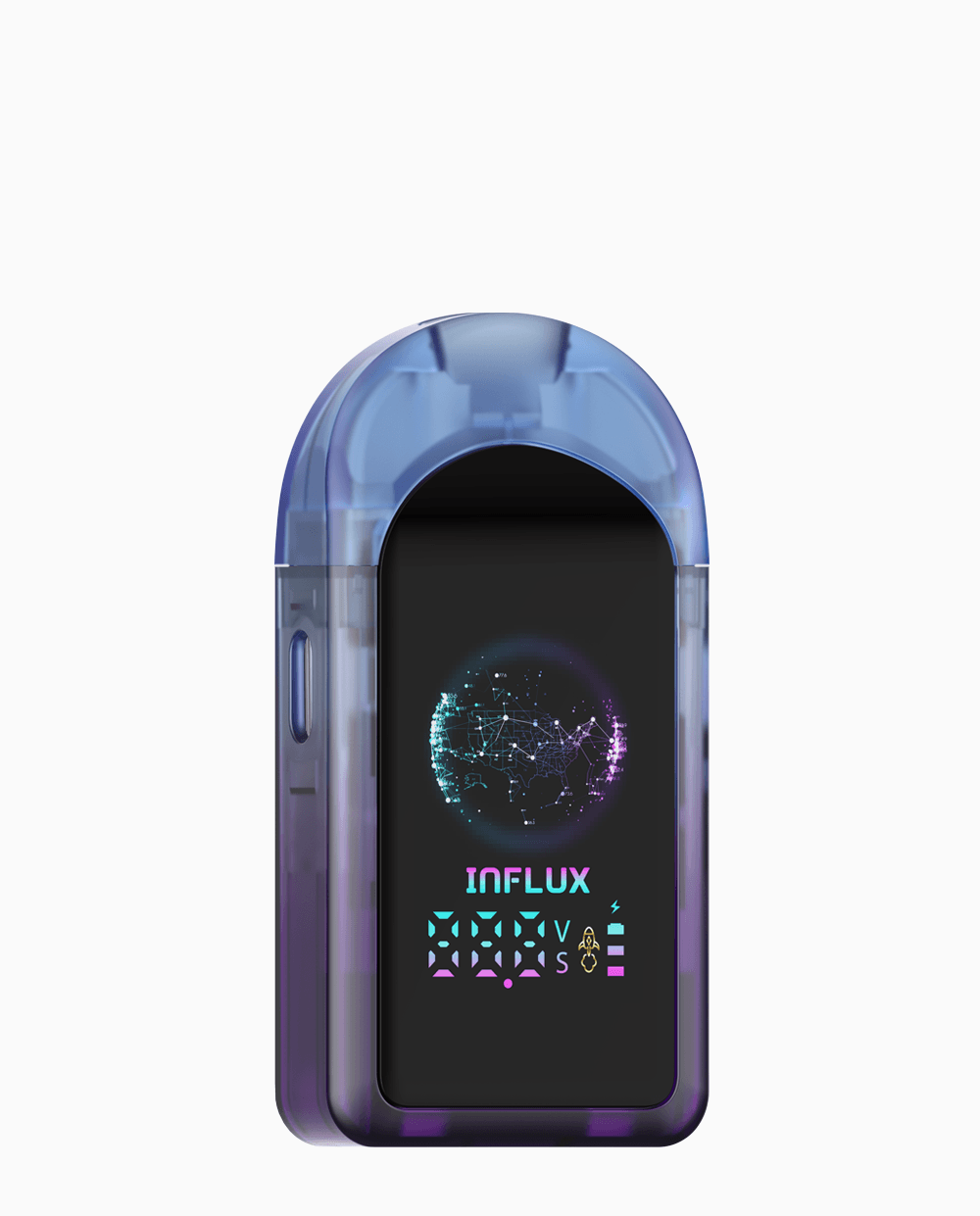
Oil purity matters because hardware cannot rescue a bad formulation. At the same time, pure concentrates are physically demanding. Thick, terpene-rich oils can clog, starve the wick, or encourage users to compensate with longer pulls and higher voltage. That is where compatibility becomes as important as purity. Artrix’s Influx specifically frames its ceramic pore structure as optimized for live rosin and live resin, and its postless design as a way to keep those oils away from metal contact. The broader principle is sound: good hardware should fit the oil, not force the oil to be thinned to fit the hardware.
This is also why “no unnecessary diluents” is a smarter rule than “every oil should look watery.” Some additives have a clear negative history, and others simply add uncertainty. Experimental EVALI research found epithelial barrier damage after exposure to MCT, vitamin E acetate, and counterfeit-cartridge aerosols. The safest procurement logic is straightforward: choose extracts that do not need improvised thinning, and choose hardware engineered to handle their natural viscosity.
Risk 4: Mental Health and Dosage Management
The most overlooked cannabis-vape risk is often not mechanical but behavioral. Health Canada says higher THC potency is strongly related to increased acute and long-term problems, including mental health problems, cannabis use disorder, and injuries, and advises new inhalation users to look for products below 10% THC with equal or higher CBD when possible.
That is why beginners “green out” so easily on concentrates. Many vape oils now sit in a potency range that would have been unusual a decade ago, and concentrated products are commonly treated as roughly 60% to 99% THC exposures. If the oil is 85%+ THC, one impatient second puff can be more consequential than the first user expects. The practical rule is to start with one or two small puffs, wait, and let peak inhalation effects arrive before escalating.
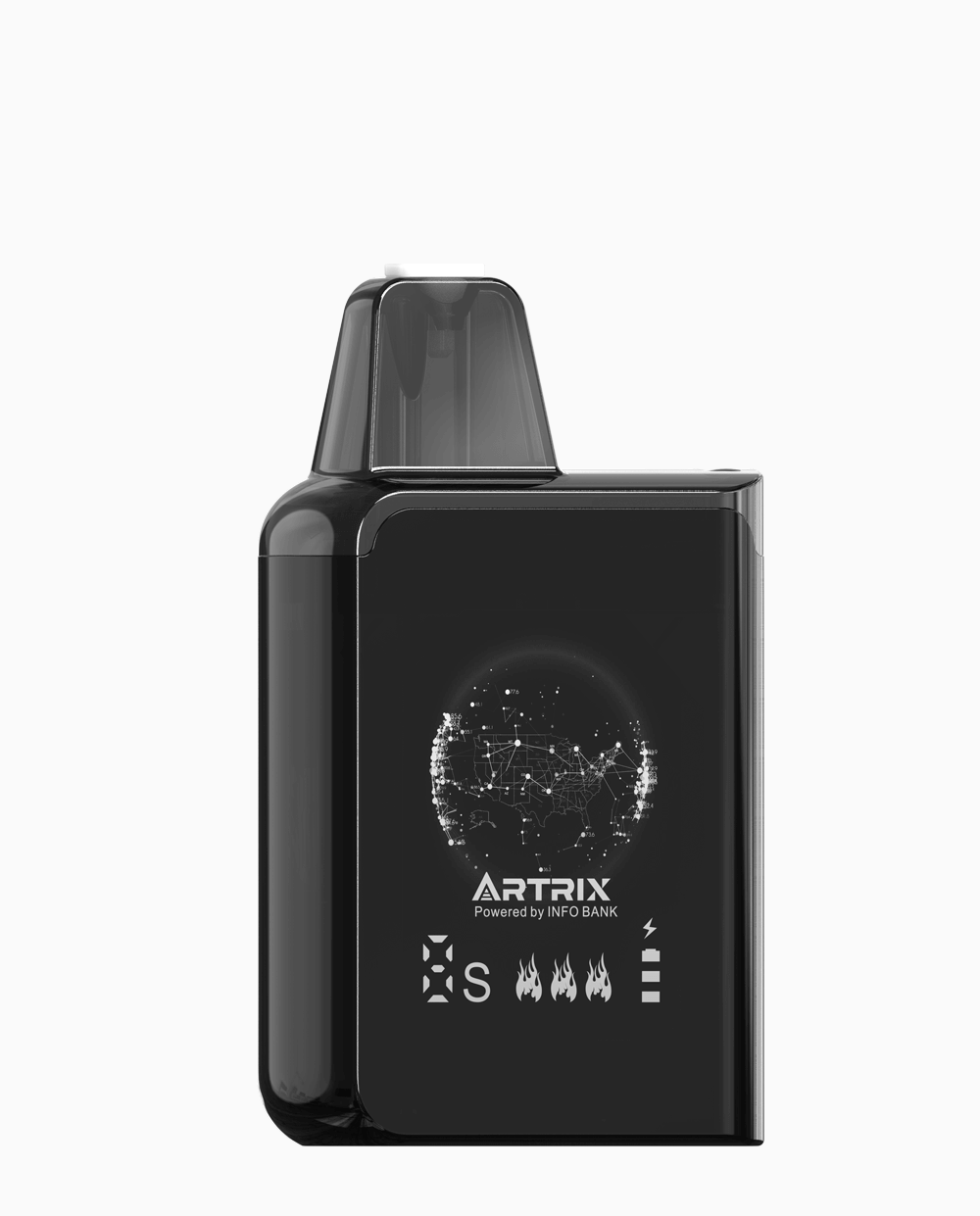
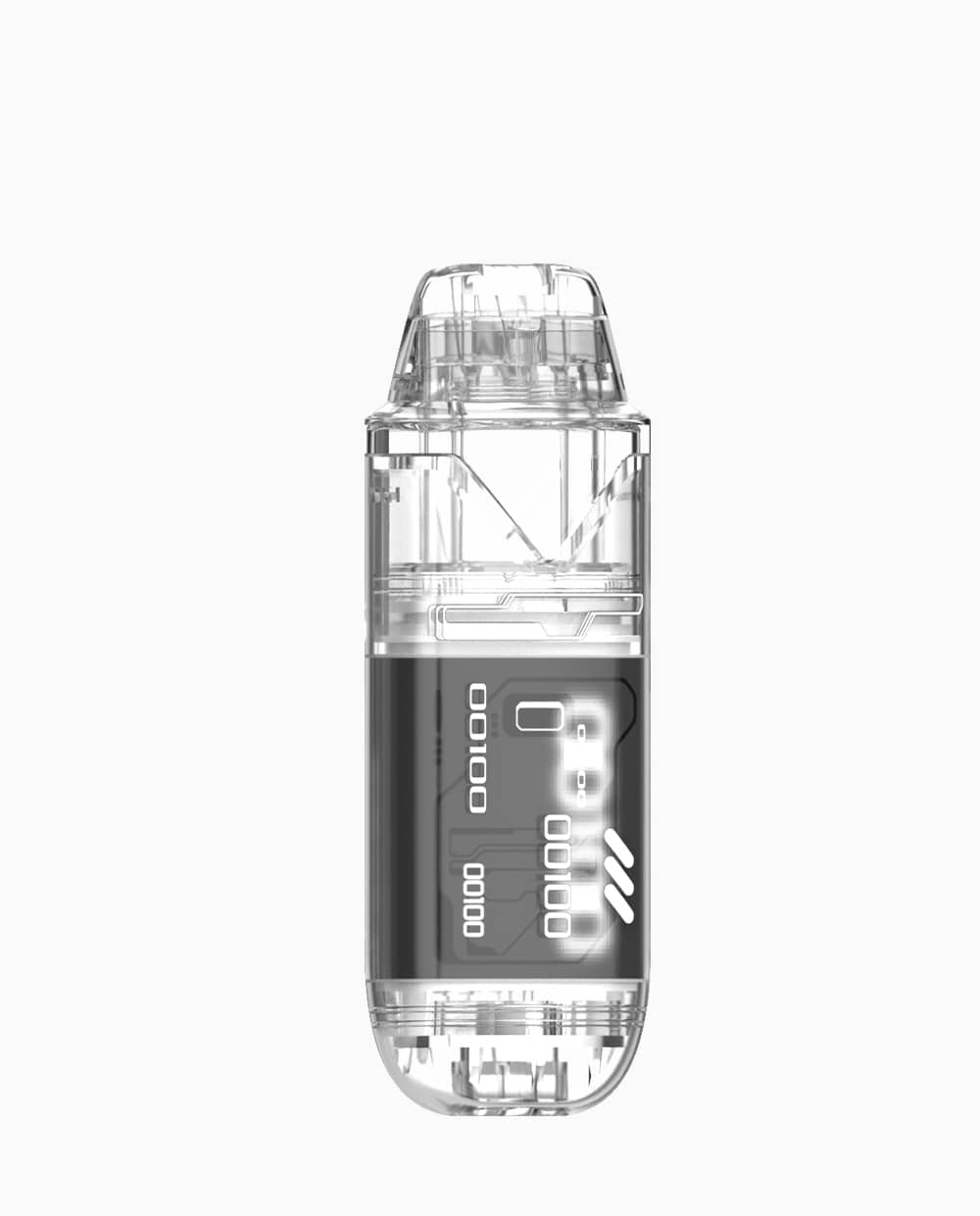
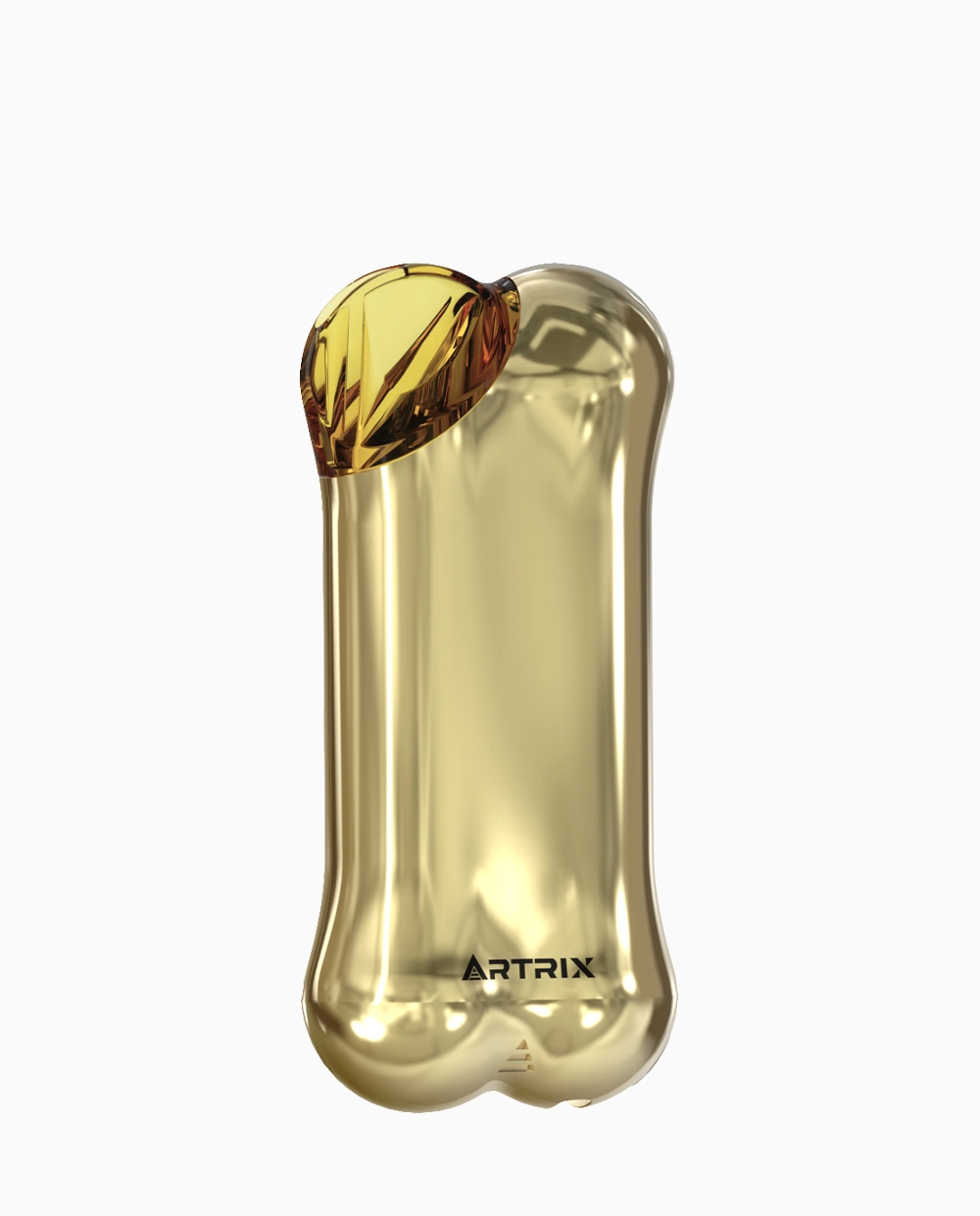
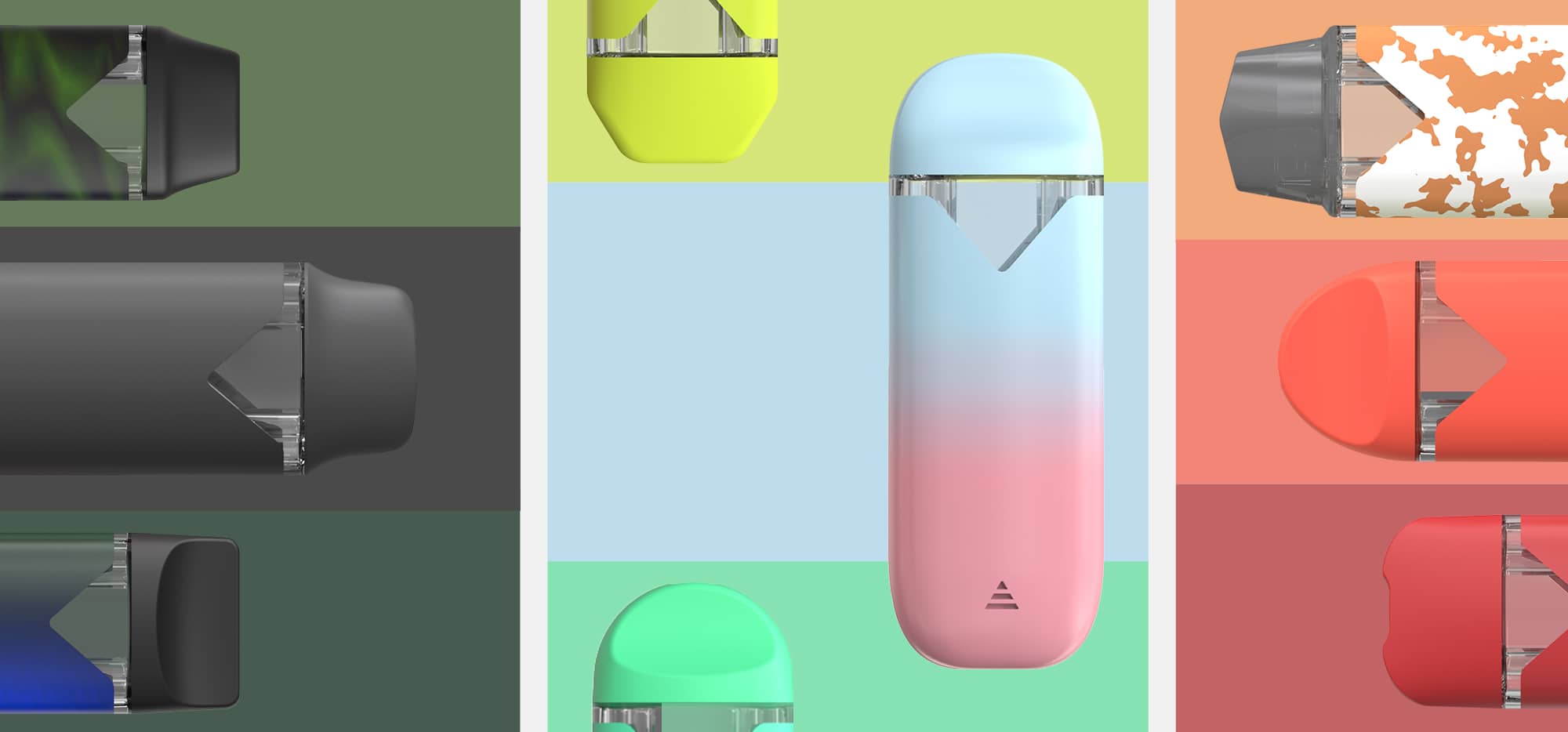
Hardware can help here too. Adjustable voltage, timed inhalation cutoffs, and future-ready features such as draw-duration cues or haptic prompts all support microdosing better than unrestricted cloud chasing. Artrix already markets a 10-second inhalation timeout on Bony and low-voltage options designed to preserve flavor. That kind of hardware does not replace self-control, but it can make good behavior easier to repeat.
Scenario-Based Recommendations: Risk Reduction Matrix for Different Populations
| Population | Main Risk Focus | Recommended Setup | Why |
|---|---|---|---|
| People with respiratory sensitivities | Metal and irritant exposure | Postless, ceramic-forward hardware plus low-voltage operation | This is an engineering inference from evidence on metal particles and heat-generated aerosol byproducts, intended to reduce avoidable exposure pathways rather than guarantee safety. |
| Live resin / live rosin users | Clogging, overheating, terpene degradation | Low-voltage battery, short preheat, ceramic pore structure matched to viscous oils | Thick oils are more stable when the device is built for them, rather than thinned to fit a generic cart. |
| Delta-8 users | Conversion by-products and unknown contaminants | Only COA-backed product from regulated channels, paired with minimal-contact, corrosion-conscious hardware | FDA warns that delta-8 products are typically made by synthetic conversion from CBD and may contain potentially harmful by-products or contaminants. |
| Beginners using high-THC oils | Anxiety, overconsumption, loss of dose control | Low-voltage preset, timed pulls, one- to two-puff start, full waiting period before re-dosing | Higher THC potency is linked with greater impairment and a higher risk of adverse effects, especially for inexperienced users. |
FAQ: Addressing Users’ Most Important Safety Concerns
Why does my vaping taste metallic?
A metallic taste can signal oxidation, corrosion, or damage in the oil path, especially when oil has spent time in contact with metal parts or the connector area is degrading.
Is vaporization really safer than smoking?
It is more accurate to say vaporization may reduce some combustion-related exposures, not that it is safe.
How do I identify an inferior cartridge?
Start with the oil path. Be cautious with carts that expose a metal center post directly to the oil, lack clear material disclosures, or rely on aggressive heating to function. Also be skeptical of products without a recent COA, without regulated-market packaging, or with oil that looks overly thinned for the extract type.
Summary: Safety Stems from Meticulous Hardware Selection
Safe atomization is not luck. It is the result of disciplined choices: minimize oil-to-metal contact, keep temperatures low and stable, match hardware to oil viscosity, and use behavioral controls that reduce overdosing and overheating. The strongest risk-reduction strategy is not one miracle feature, but a stack of small engineering and usage decisions that make failure less likely.
For brands and formulators, that means hardware should be treated as part of product safety, not just packaging. For consumers, it means choosing regulated oils, lower-voltage workflows, and hardware built for the concentrate you actually use.