
-1.webp)
-1.webp)
-2.webp)




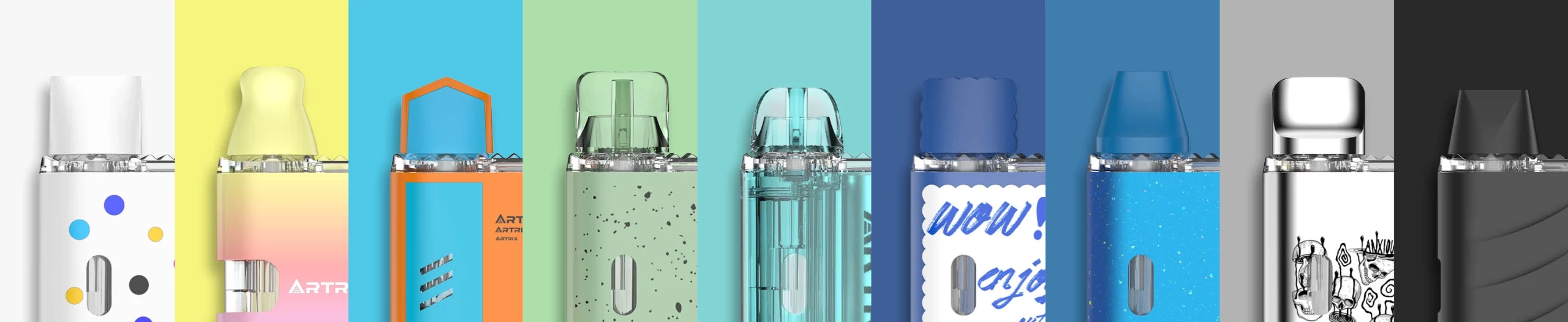



















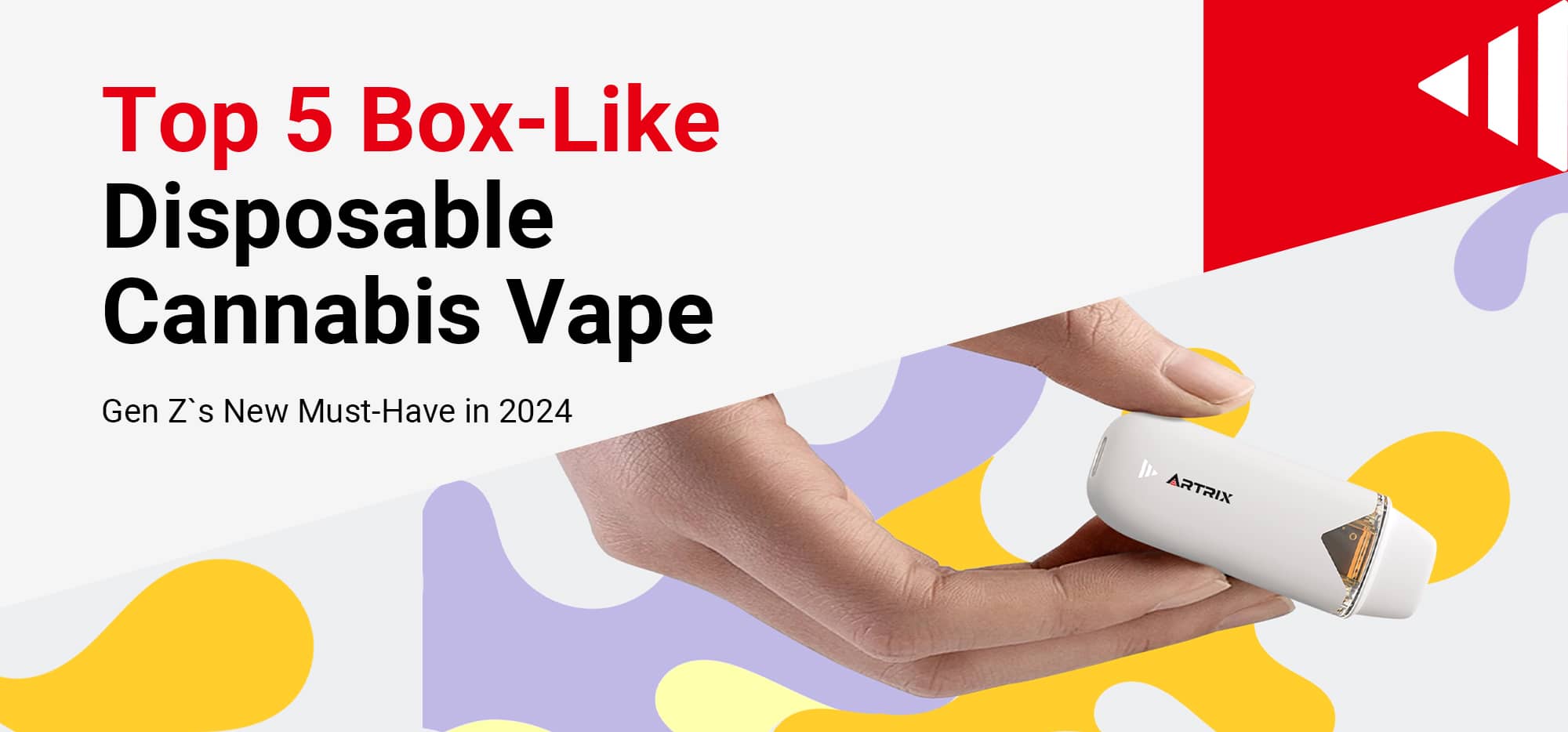

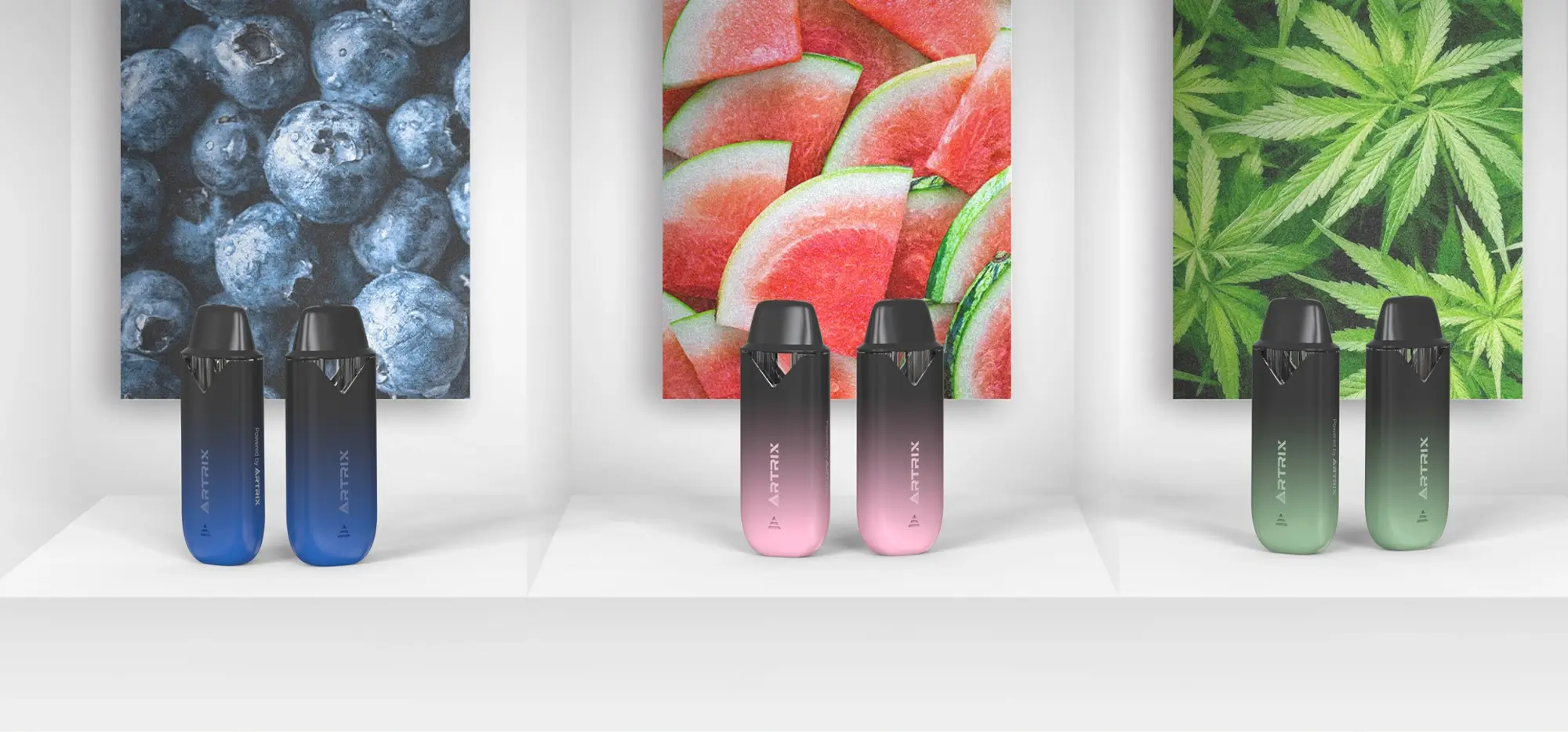




In the realm of CBD vaping, it’s all too easy to make mistakes that can impact both your experience and the product’s effectiveness. In this article, we’ll delve into five common pitfalls encountered by many users, equipping you with the knowledge to enhance your vaping journey and make informed choices.
Before you choose a CBD vape liquid or device, check three things first: the product label, the CBD concentration, and whether the hardware is actually compatible with the formula.
Those checks cannot guarantee a particular effect or eliminate every problem, but they can help you identify unclear potency, unsuitable product formats, unexpected nicotine, and poor formula-to-device matching before use.

Quick Checklist: Are You Making One of These CBD Vaping Mistakes?
| Mistake | How to Spot It | Why It Matters | Better Next Step |
|---|---|---|---|
| Using the wrong concentration | You only compare bottle size or total CBD mg. | You may compare products inaccurately or use more liquid than expected. | Calculate CBD per mL for product comparison, and do not treat concentration alone as a dosing recommendation. |
| Confusing hemp seed oil with CBD oil | The label says “hemp seed oil” but does not list CBD or cannabidiol in mg. | You may buy a product with little or no CBD. | Look for clear CBD content and third-party lab results. |
| Vaping oral CBD oil | The product is made for drops under the tongue, not vaporization. | It is not formulated or labeled for inhalation and may not work correctly with the hardware. | Use only CBD vape liquid formulated for vapor devices. |
| Overlooking nicotine or other label ingredients | The product contains nicotine or other ingredients you did not intend to use. | The session may not match your intended CBD-only routine, and nicotine introduces its own dependence and regulatory considerations. | Read the complete ingredient and warning panels; choose a clearly labeled nicotine-free formula if that is your goal. |
| Using the wrong vaping device | Your device runs too hot, leaks, floods, or burns the liquid. | Poor hardware matching can waste liquid and reduce flavor consistency. | Match the device to formula viscosity, coil type, airflow, and wattage. |
1. Compare CBD Concentration, Not Bottle Size Alone
When purchasing CBD, concentration is crucial. For instance, a 10 ml bottle containing 250 milligrams of CBD has a concentration of 2.5%, while a 100 ml bottle with the same amount only offers 0.25% CBD. Don’t be tempted by larger bottles if the concentration isn’t right—always ensure you’re getting the appropriate level of CBD for your needs.
A more practical way to compare products is to calculate CBD per mL, not just total CBD per bottle. For example, 250 mg in 10 mL equals 25 mg/mL, while 250 mg in 100 mL equals only 2.5 mg/mL. If two products show the same total CBD amount, the smaller bottle may be far more concentrated.
Use the calculation total CBD in mg ÷ total liquid volume in mL = CBD in mg/mL. This compares the liquid concentration; it does not tell you how much CBD a device delivers in one puff or predict how an individual will respond. Puff duration, device output, formulation, and personal factors can all change exposure.
Avoid choosing a concentration on the assumption that a higher number will produce a better result. The FDA notes that CBD can cause side effects, affect other medicines, and remains associated with important CBD safety unknowns, including how different methods of use affect intake. If you take prescription medication, have a health condition, are pregnant or breastfeeding, or are new to CBD, consult a qualified healthcare professional before use.
Bottle concentration is only one part of product comparison. For more context, review this beginner’s guide to CBD vape formats, but discuss personal-use questions with a qualified healthcare professional rather than answering them from bottle concentration alone.
2. Distinguish Hemp Seed Oil, CBD Oil, and CBD Vape Liquid
“Hemp oil” is an imprecise label, so do not use that phrase alone to decide what a product contains or how it should be used. Hemp seed oil, hemp extract, oral CBD oil, and CBD vape liquid are different product categories, and the intended use should be confirmed from the complete label.
| Term on the Product | What to Verify | Do Not Assume |
|---|---|---|
| Hemp seed oil or Cannabis sativa seed oil | Whether CBD or cannabidiol is separately listed in a measurable amount | That “hemp” automatically means the product contains meaningful CBD |
| Hemp extract or CBD oil | CBD amount, ingredients, serving information, intended route of use, and batch details | That an oral or topical product can be placed in a vape device |
| CBD vape liquid | That the product is explicitly labeled for vaporization and compatible with the intended device | That every vape liquid works with every coil, pod, or power setting |
When shopping, look for specific CBD content listed in milligrams on the label. Hemp seed oil products, on the other hand, will list “hemp seed oil” or “cannabis sativa seed oil” in the ingredients without any mention of CBD content.
Also look for a batch-specific certificate of analysis and confirm that its product name or batch number matches the package. A lab report can help you inspect what was tested, but its existence alone is not a guarantee of legality, safety, quality, or device compatibility.
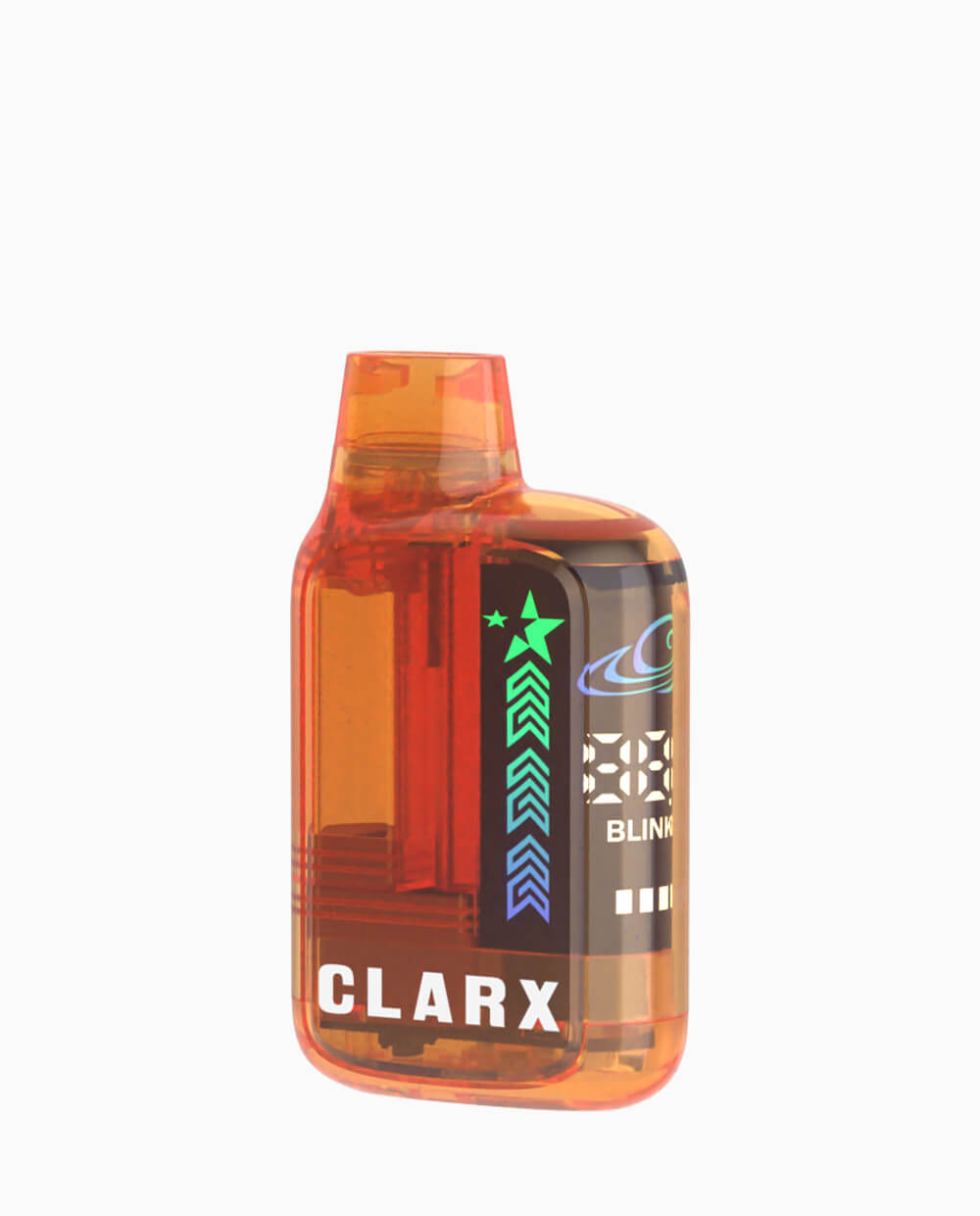
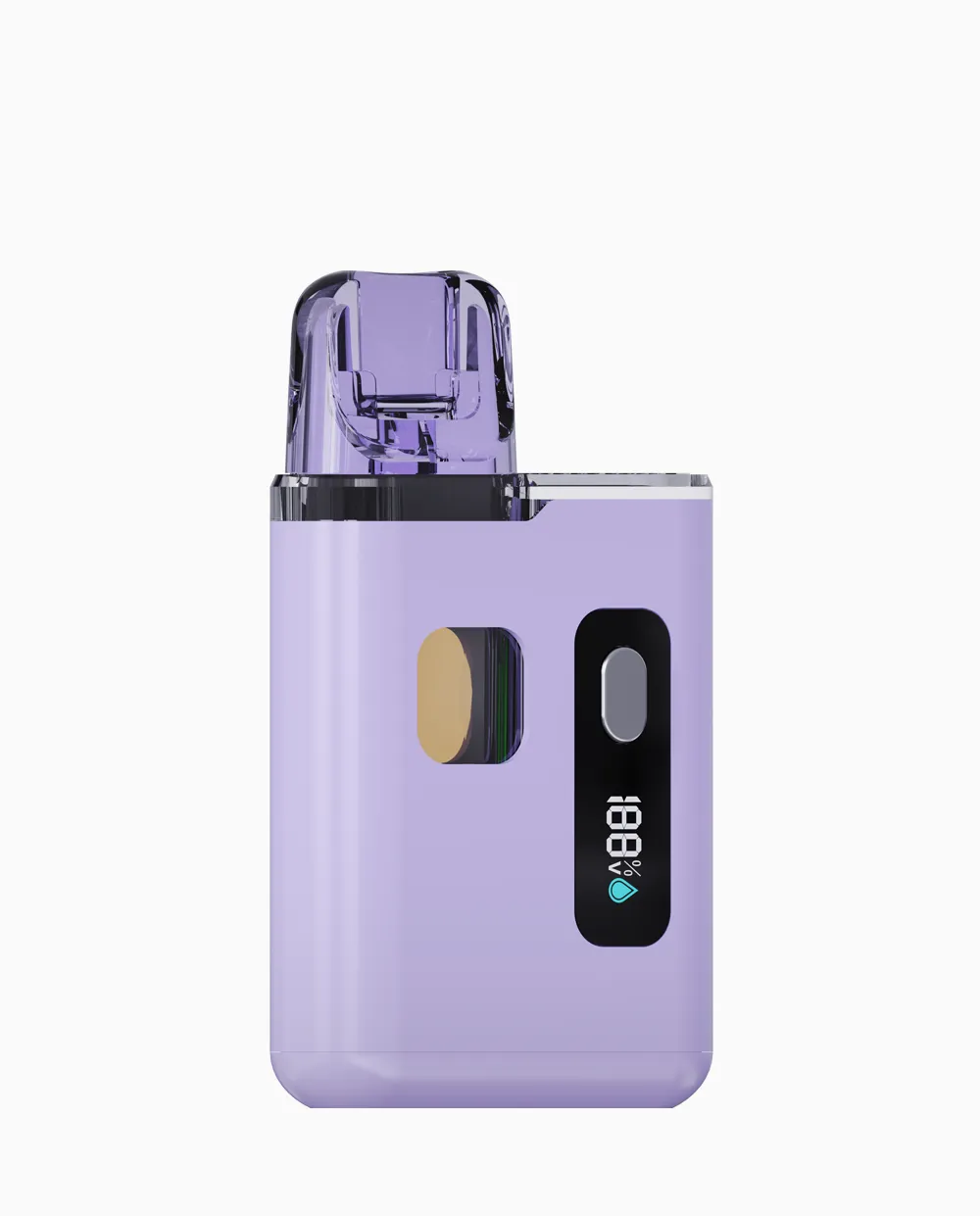
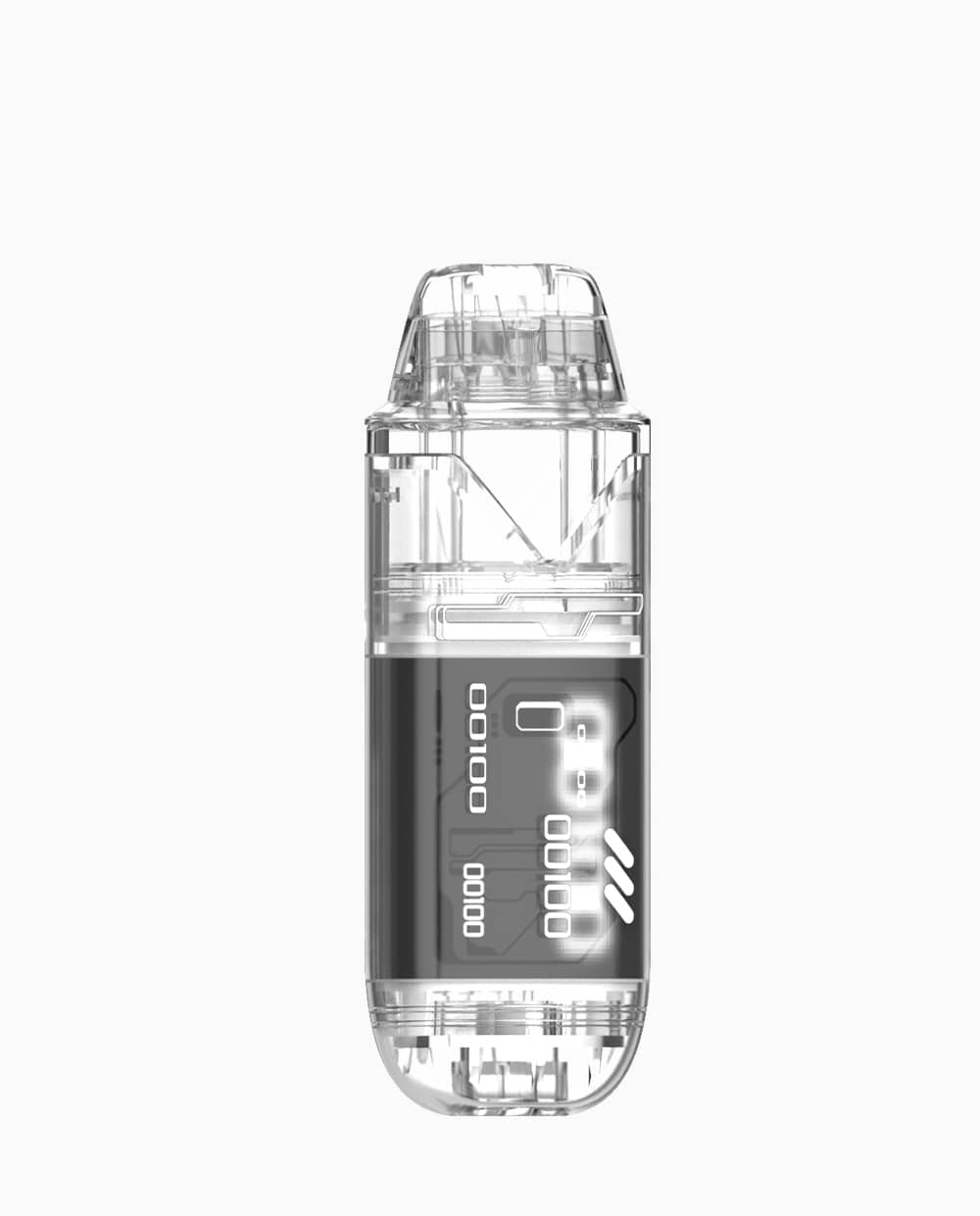
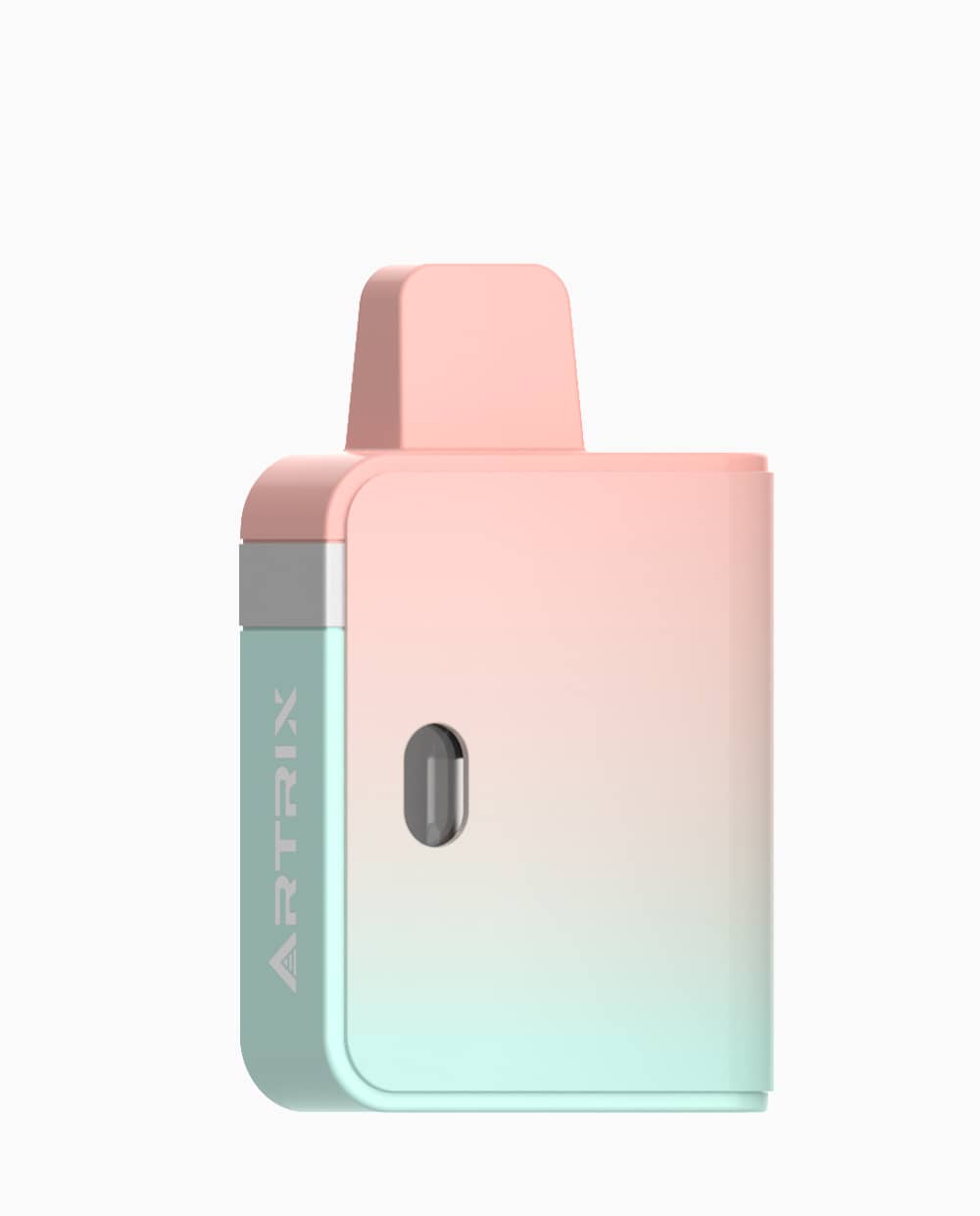
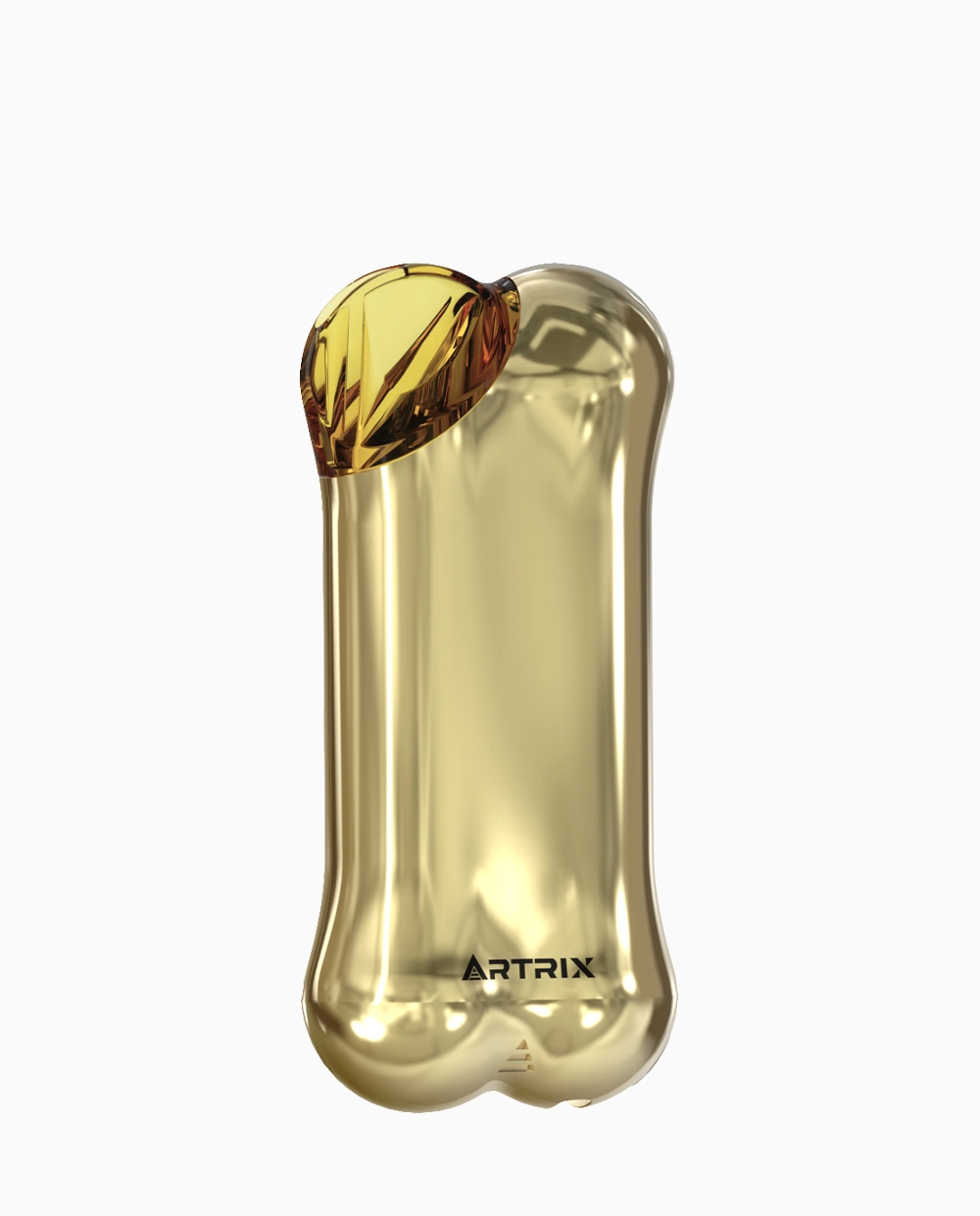
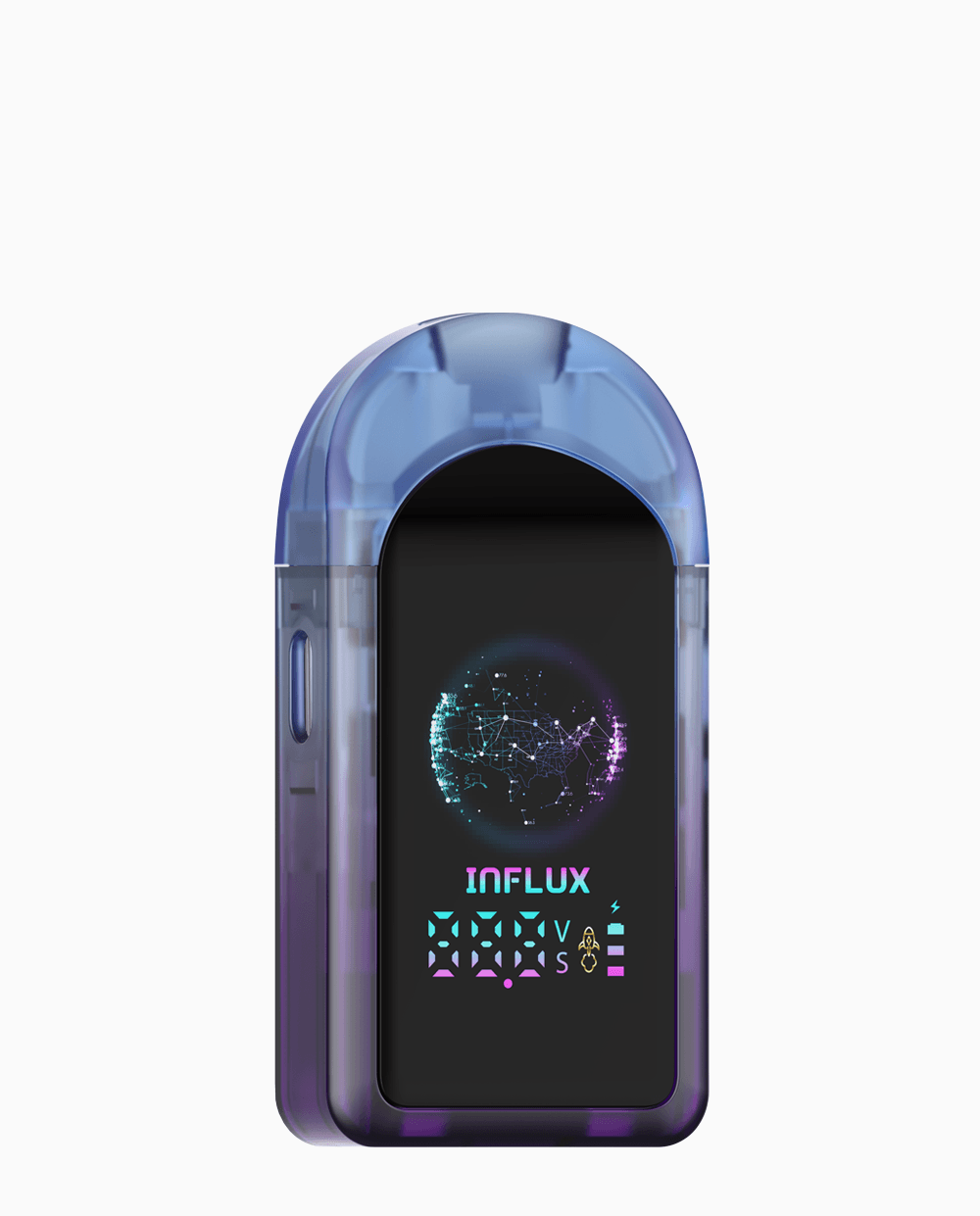
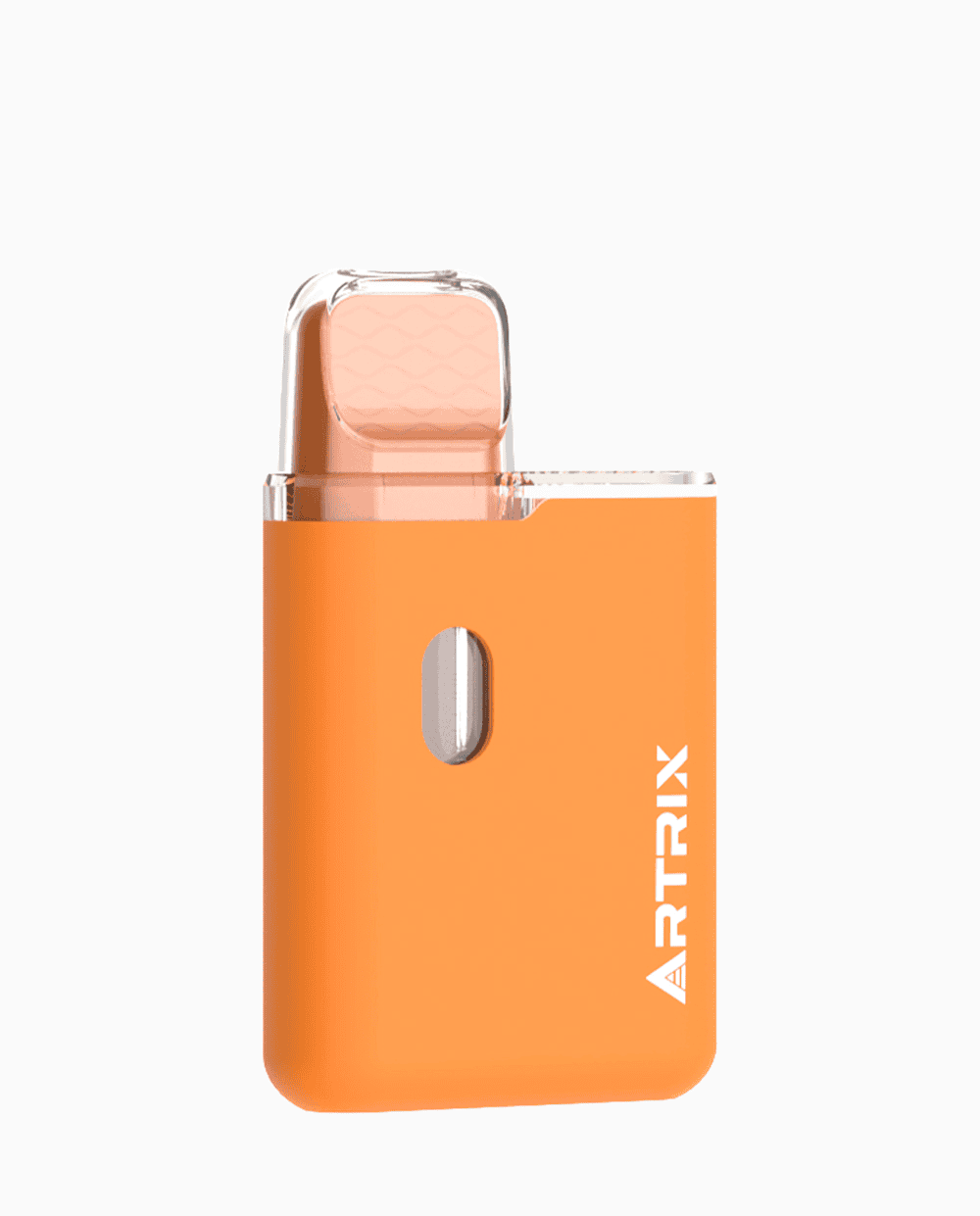
For CBD vape products, the label should also make the intended use clear. A product designed for oral use, topical use, or food use should not be assumed safe for vaping just because it contains hemp-derived ingredients. For hardware examples, readers can review the disposable vape product category.
Product terms can overlap across cannabis categories. It’s also useful to understand cannabis concentrates and formulations before comparing labels.
3. Do Not Put Oral CBD Oil in a Vape Device
Never vape CBD oil, as CBD oil and CBD vape liquid are not interchangeable.
More precisely, do not place an oral CBD oil, tincture, topical product, cooking oil, or product with an unclear intended use into vapor hardware. Use only a liquid explicitly formulated and labeled for vaporization, and follow the instructions supplied with both the liquid and the device.
CBD vape liquids can be formulated with propylene glycol (PG), vegetable glycerin (VG), or other ingredients intended for a particular vapor system. Formula design matters. CBD vape liquids can differ by PG/VG ratio, flavor system, cannabinoid content, and viscosity.
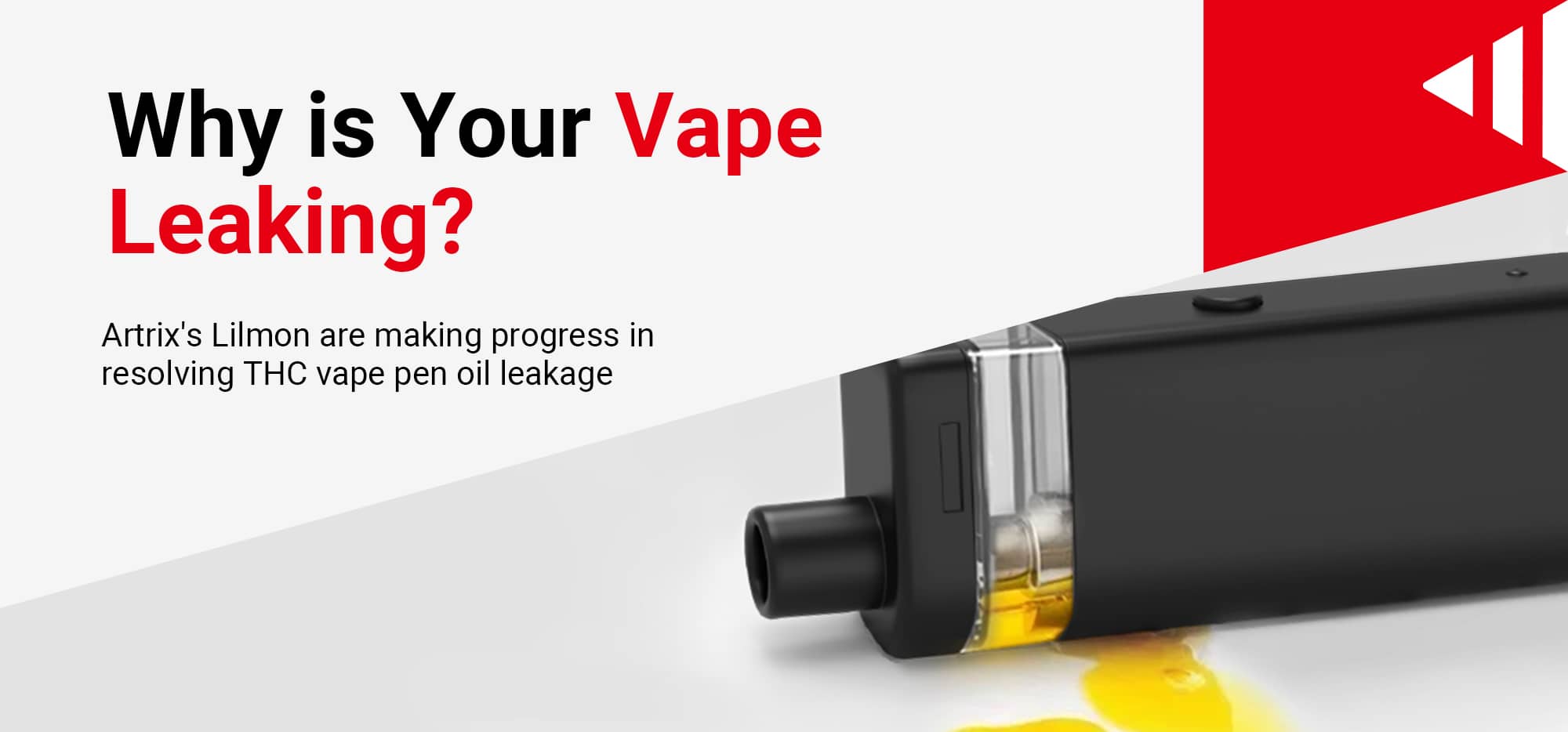
These variables affect how the liquid moves through the wick, how evenly it vaporizes, and whether the device is likely to leak, flood, or burn the coil.
That relationship is a compatibility principle, not proof that a particular formula-device combination is safe or performs well. Product-specific evaluation would need to identify the formula, device, coil, power profile, puff conditions, aerosol measurements, storage conditions, and observed limitations.
The long-term effects of CBD and the effects of different use methods, including vaping, remain incompletely understood. The CDC CBD overview explains these remaining evidence gaps. Stop using a product and seek appropriate medical help if you experience a serious or unexpected reaction.
4. Check Whether the Product Contains Nicotine
CBD and nicotine should not be treated as interchangeable ingredients or automatically combined into one routine. If your goal is to evaluate a CBD product on its own, choose a product clearly labeled as nicotine-free and keep the device, formula, and use pattern consistent.
Research on the endocannabinoid system and nicotine-related reward pathways does not establish a predictable clinical outcome from using CBD and nicotine together. A mechanistic relationship in a review is not the same as evidence that nicotine “cancels,” improves, or reliably changes the effect of CBD in a particular user.
Read the entire ingredient list and warning panel rather than relying only on front-label flavor or cannabinoid language. If a product contains nicotine, federal tobacco-product sales rules may apply, and additional state or local restrictions may also be relevant.
5. Match the Device to the Formula—Not to Wattage Alone
CBD e-liquids can behave differently from standard nicotine vape juices, so the device matters.
Do not judge compatibility by wattage alone. A CBD-compatible device should be matched to the liquid’s viscosity, PG/VG ratio, coil resistance, wicking material, inlet size, airflow, and expected puff style.
No single wattage range, coil label, or material guarantees compatibility across all CBD vape liquids. Begin with the instructions and hardware compatibility guidance supplied by the manufacturers; a brand making product-level performance claims should support them with testing under disclosed conditions.
| Parameter or Feature | Mechanism | What It Means in Practice | Evidence Boundary |
|---|---|---|---|
| Viscosity and PG/VG ratio | Influence how readily liquid reaches the heating area | A mismatch may contribute to flooding, leaking, or insufficient wicking during repeated puffs | Requires testing with the actual formula, pod geometry, temperature, and puff pattern |
| Coil resistance and power output | Influence heat generation and liquid consumption | An unsuitable combination may produce harshness, overheating, or a burnt taste | There is no universal CBD wattage without device- and formula-specific evidence |
| Oil-inlet and wicking design | Control how liquid is supplied to the heating area | Performance can change during long draws, repeated use, storage, or transport | Claims should identify fill level, orientation, storage time, temperature, and test method |
| Airflow and puff style | Affect pressure, cooling, aerosol output, and user draw behavior | A restricted draw may feel different from a high-airflow device, but “better control” depends on the user and system | Do not convert a design preference into a universal performance claim |
| Pod sealing | Helps contain liquid across joints and pressure changes | Seal design matters during handling, shipping, and shelf storage | Leak-resistance claims require defined orientation, temperature, duration, and pass/fail criteria |
Stop-Use Checklist
-
- The product is not explicitly labeled for vaporization.
-
- The liquid or device instructions do not identify a compatible use.
-
- The pod leaks persistently, the device becomes unusually hot, or the vapor tastes burnt.
-
- The ingredient list, CBD amount, nicotine status, or batch information is missing or unclear.
-
- The device or battery appears damaged. Stop using damaged hardware rather than attempting an improvised repair.
For Brands Developing CBD Vape Products
For brands developing CBD vape products, device selection should begin with the formula rather than the hardware catalog. The most important questions are: How viscous is the liquid? What PG/VG ratio is used? Does the formula include terpenes or flavor compounds? What puff volume does the target user expect? How much leakage tolerance is acceptable for retail and logistics?
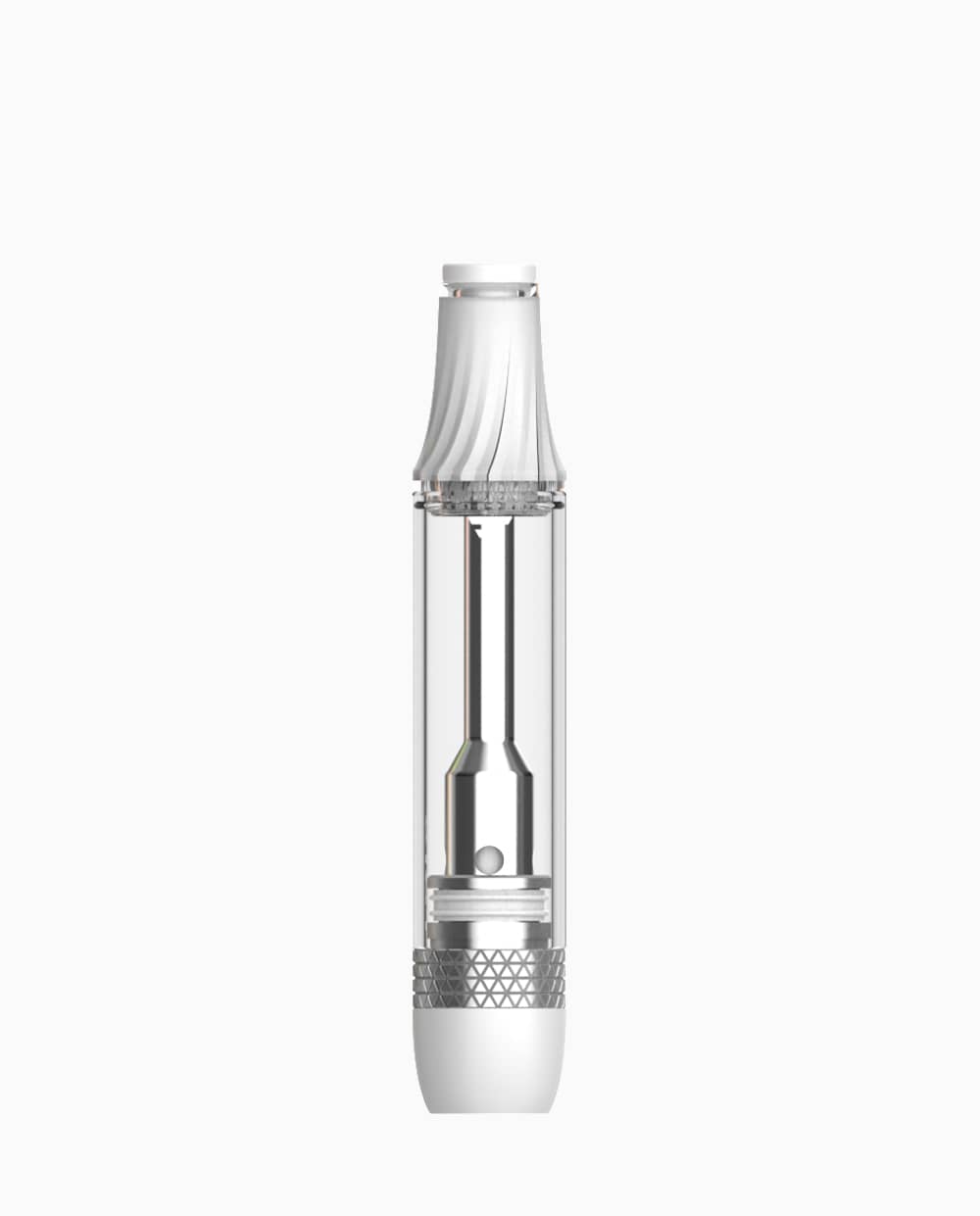
From a hardware perspective, ceramic coil structure, oil inlet design, airflow restriction, battery output, and pod sealing all affect whether the final CBD vape feels stable in real use. A device that works well for a nicotine e-liquid may not automatically perform well with a CBD formulation and hardware pairing.
For B2B buyers, the best device choice is not simply “low wattage” or “ceramic coil.” It is the combination of formula compatibility, leak control, flavor consistency, production reliability, and user experience across the expected shelf life of the product.
The next step is qualification, not a feature-only purchase decision. A useful evaluation plan can compare candidate hardware with the intended formula under defined filling, conditioning, storage, transport, puffing, and temperature conditions. The test plan should also state what counts as leakage, blockage, burnt taste, unacceptable aerosol variation, or another failure so that procurement teams can compare outcomes consistently.
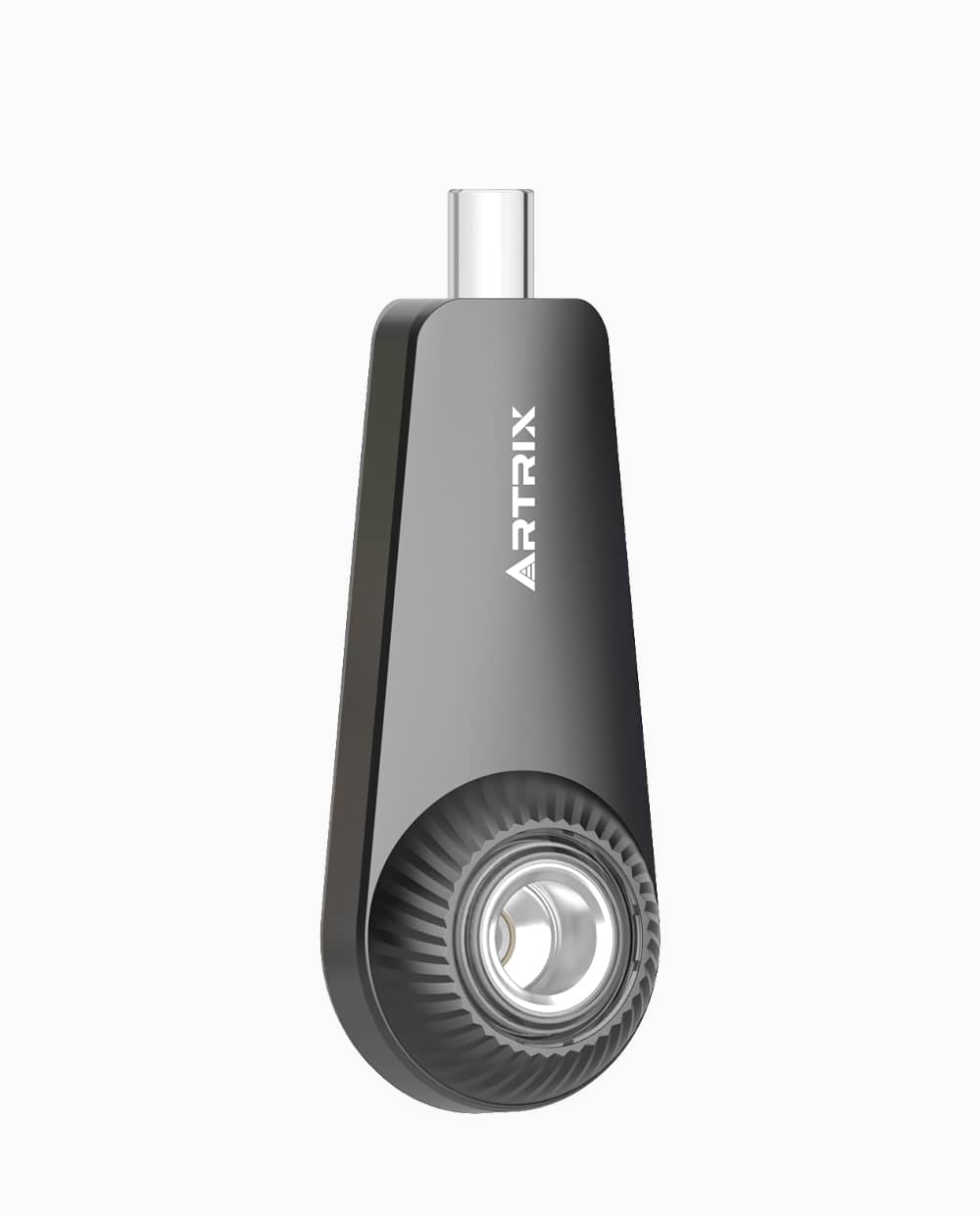
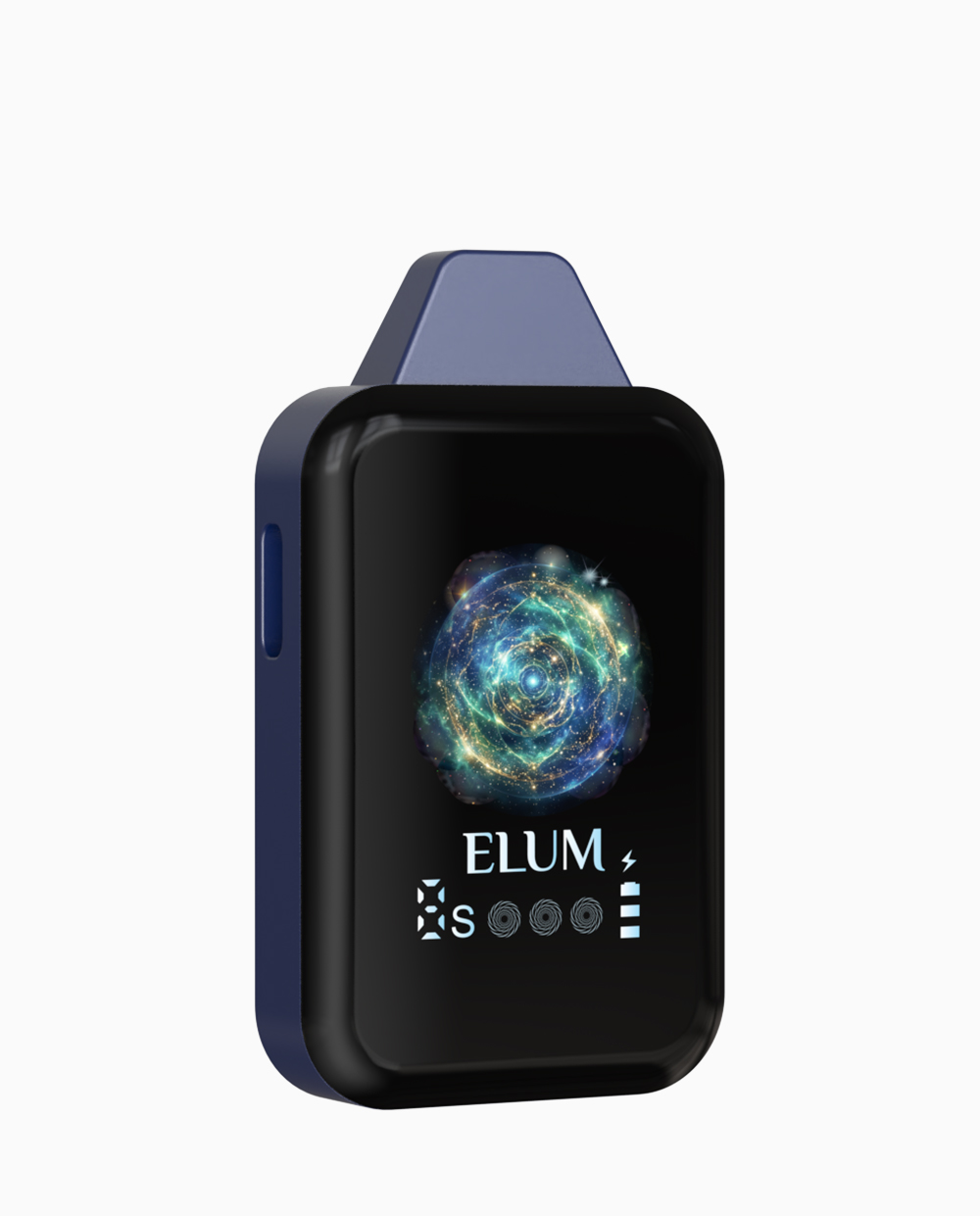
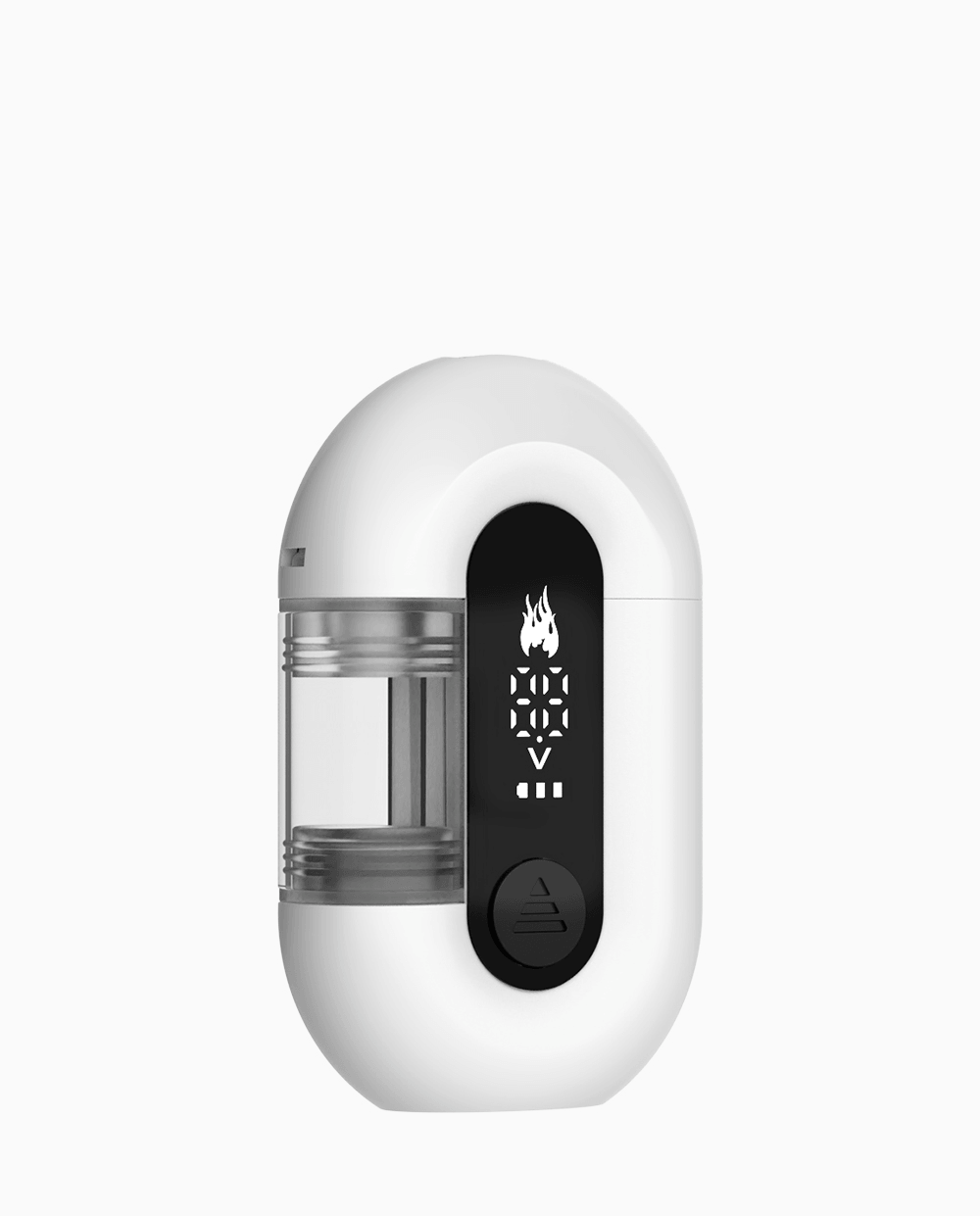
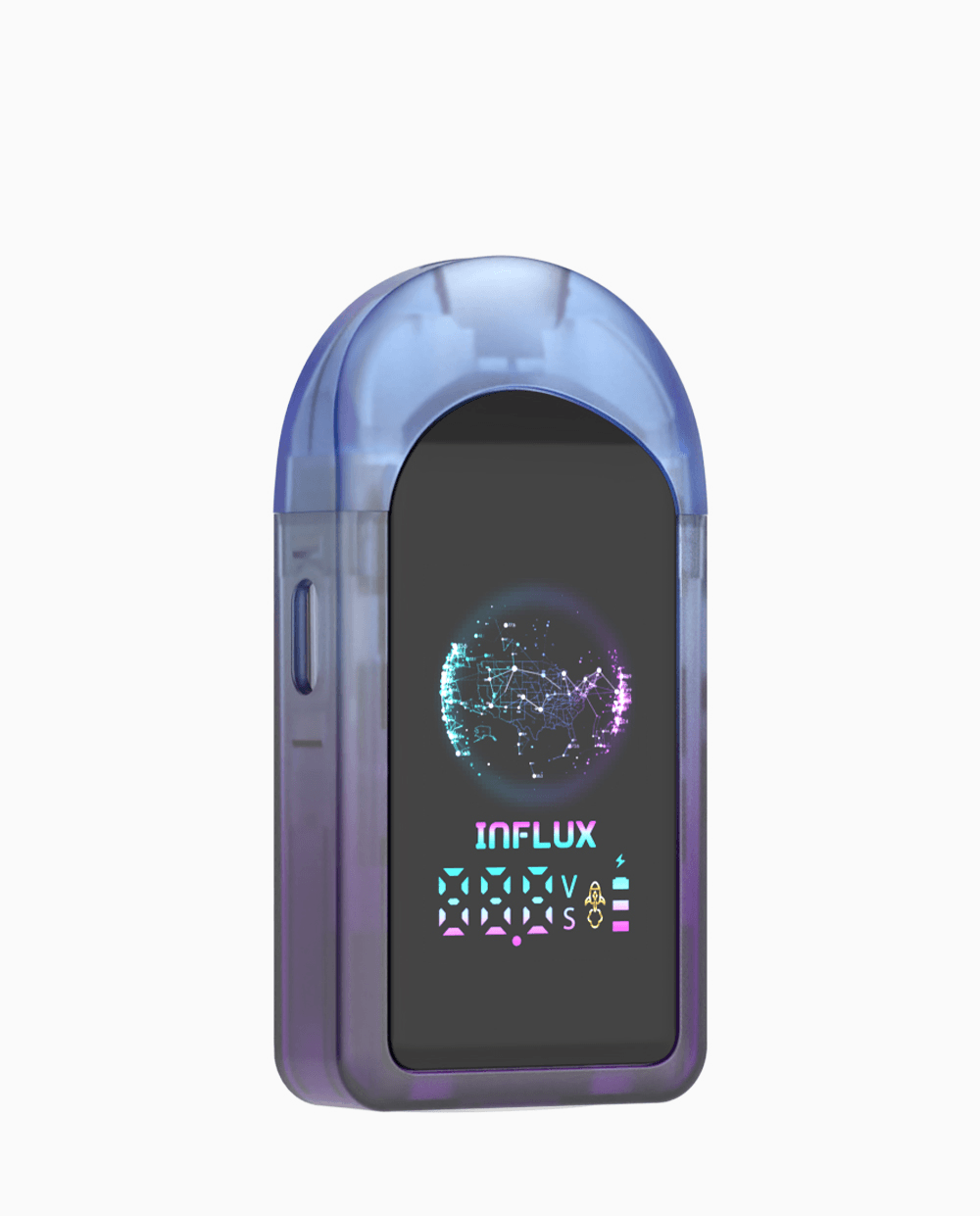
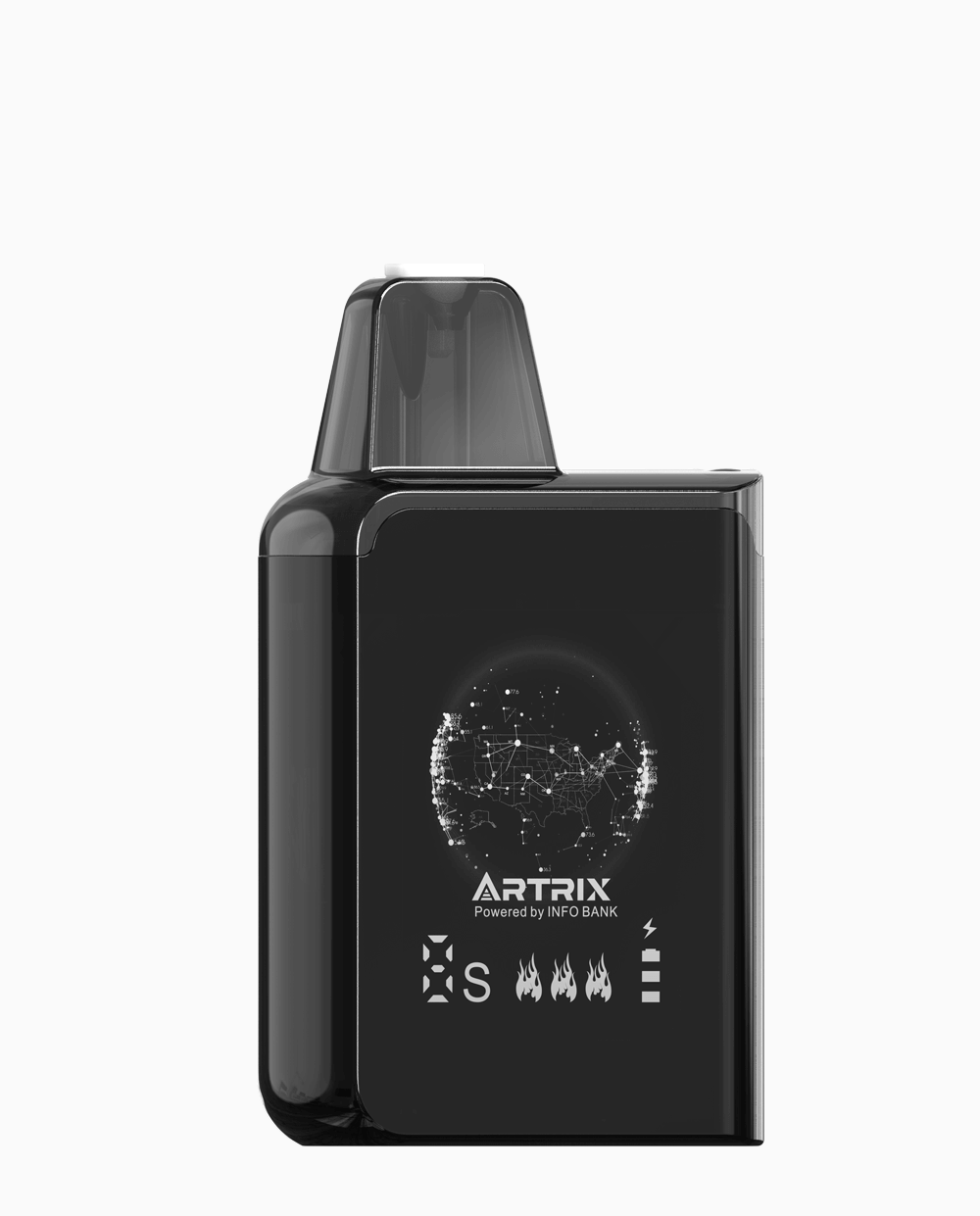
Artrix works with brands exploring vapor hardware for different formulation and market needs. A development discussion can begin with the formula profile, target experience, packaging format, launch market, and validation requirements rather than a predetermined device claim.
Build a More Useful Commercial Hardware Brief
A clear project brief helps a hardware conversation move beyond a generic request for a “CBD device.” Brands can describe the intended formulation, fill volume, target draw, visual format, packaging constraints, distribution environment, and launch schedule. They can also identify which decisions are still open, such as pod capacity, airflow style, device format, or customization scope. This information gives the development team a more concrete basis for selecting prototypes and planning evaluation work.
Commercial planning should also separate three questions: whether a prototype can physically handle the formula, whether the final configuration performs consistently under the agreed test conditions, and whether the finished product meets the requirements of its intended market. Treating those questions separately can make supplier discussions clearer and helps prevent a promising early sample from being presented as a fully validated production result.
For teams comparing options, Artrix can be considered as one hardware-development partner within a broader qualification process. Buyers should request configuration details, define evidence requirements, compare samples using the same acceptance criteria, and complete their own technical, regulatory, and commercial due diligence before committing to production.
-
- Prepare the formula’s viscosity or rheology information and ingredient profile.
-
- Define the target fill volume, puff style, shelf-life expectation, and distribution environment.
-
- Identify required compliance documentation and market-specific restrictions before finalizing the configuration.
-
- Agree on test conditions and acceptance criteria before treating a prototype result as a product claim.
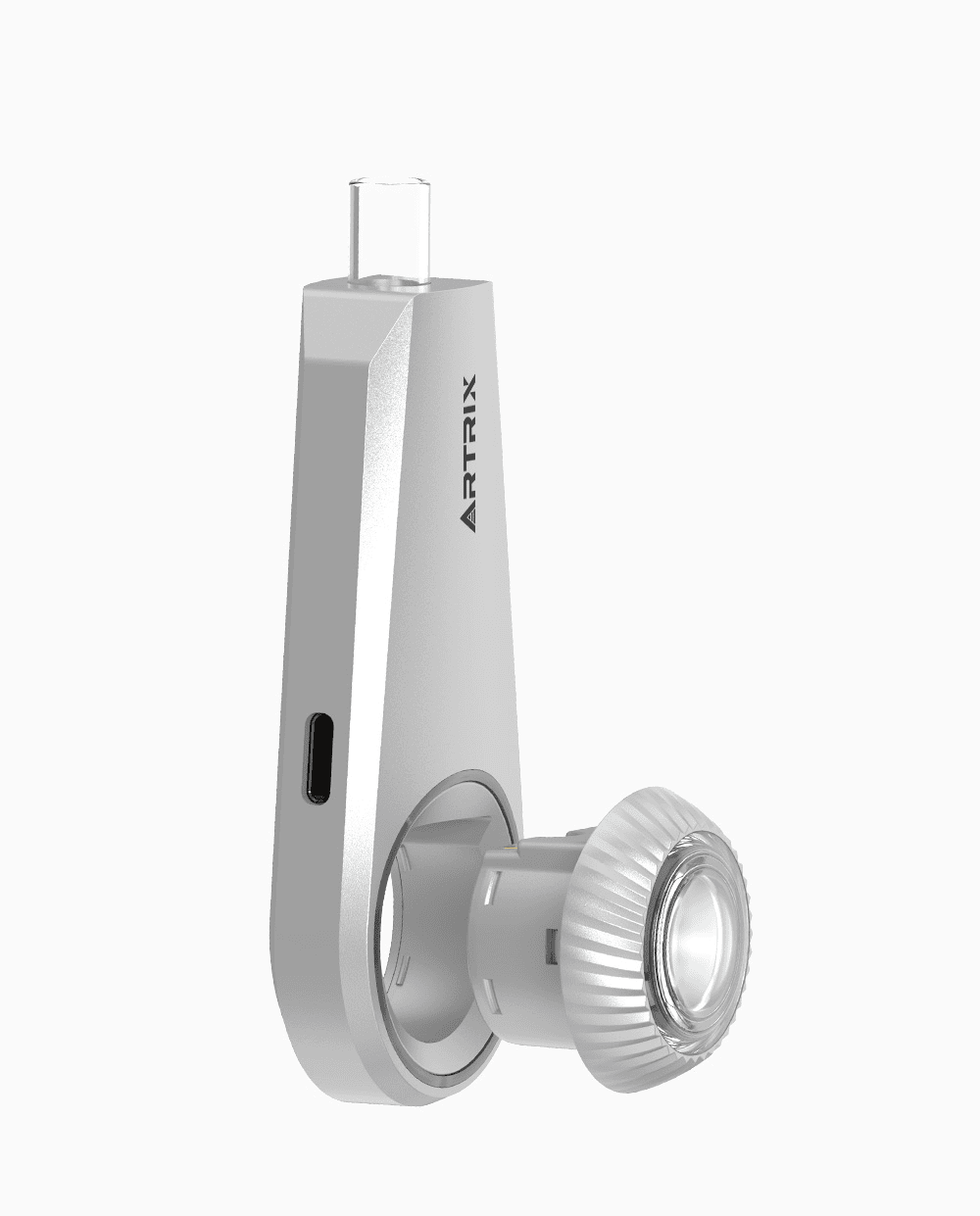
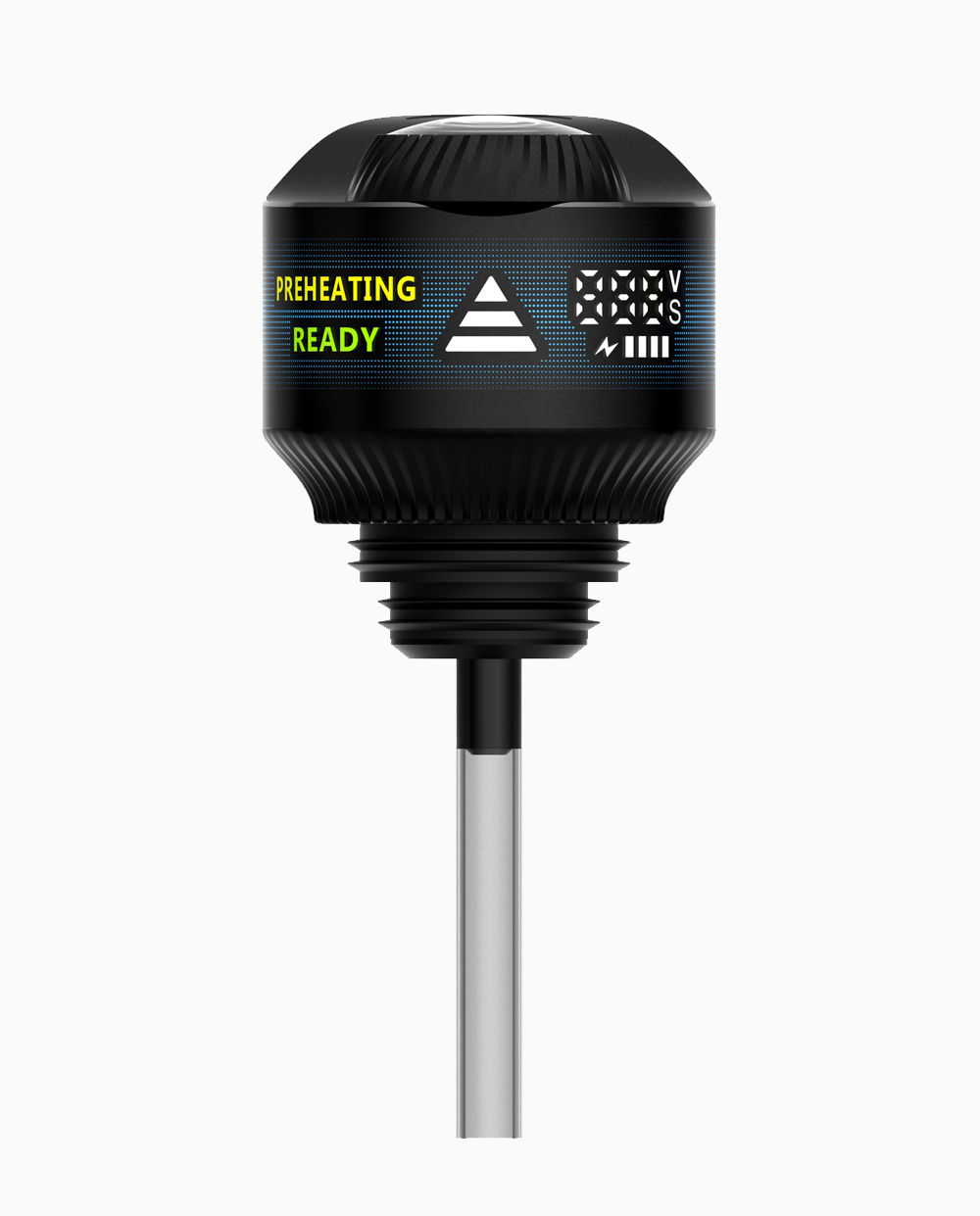
A formula-led hardware evaluation should begin with clear product requirements. Brands can then review the Artrix cannabis vape product range when considering available formats. Compatibility, performance, and compliance conclusions should be based on the final formula, device configuration, test method, and intended market.
Frequently Asked Questions
Can you vape CBD oil?
No. Oral CBD oil, tinctures, and hemp seed oil products should not be used in vape devices. Only use CBD vape liquid that is specifically formulated and labeled for vaporization.
Is hemp seed oil the same as CBD oil?
No. Do not treat “hemp seed oil,” “hemp extract,” and “CBD oil” as interchangeable label terms. Verify whether CBD or cannabidiol is separately listed in milligrams, confirm the intended use, and check whether a matching batch-specific lab report is available.
What wattage is best for CBD vape liquid?
There is no universal wattage for every CBD vape liquid. Use the range specified for the exact device, coil, and compatible liquid, begin at the lowest recommended setting, and stop if the device leaks, overheats, or produces persistent harshness or a burnt taste.
Can CBD cause side effects?
Yes. CBD can cause side effects and interact with other medicines. FDA information identifies possible changes in alertness, gastrointestinal distress, appetite, and mood, while also noting unresolved questions about CBD exposure and different methods of use.
Does a certificate of analysis prove that a CBD vape is safe?
No. A certificate of analysis reports the analytes, methods, and results included in that specific test. Check that it matches the product and batch, but do not treat it as a substitute for intended-use labeling, device compatibility evaluation, manufacturing controls, legal review, or health guidance.
Final Takeaway
Most CBD vaping mistakes come from treating all hemp-derived products and all vape devices as interchangeable. They are not. Read the label, confirm the CBD concentration, use only vape-specific liquids, avoid unnecessary nicotine mixing, and choose hardware that matches the formula instead of forcing the formula into the wrong device.
For consumers, the safest practical boundary is simple: do not improvise with products or hardware whose intended use is unclear. For brands, replace broad claims with formula-specific qualification, disclosed test conditions, and market-specific compliance review.