This content is for informational purposes only and does not constitute medical or legal advice. Please consult a licensed healthcare provider before using cannabis products. Comply with your state’s regulations.
This content is intended for audiences 21 years and older, as required by U.S. law.
Cannabis regulations vary by state. Please verify the legal status of products in your area before purchase.
Quick Answer
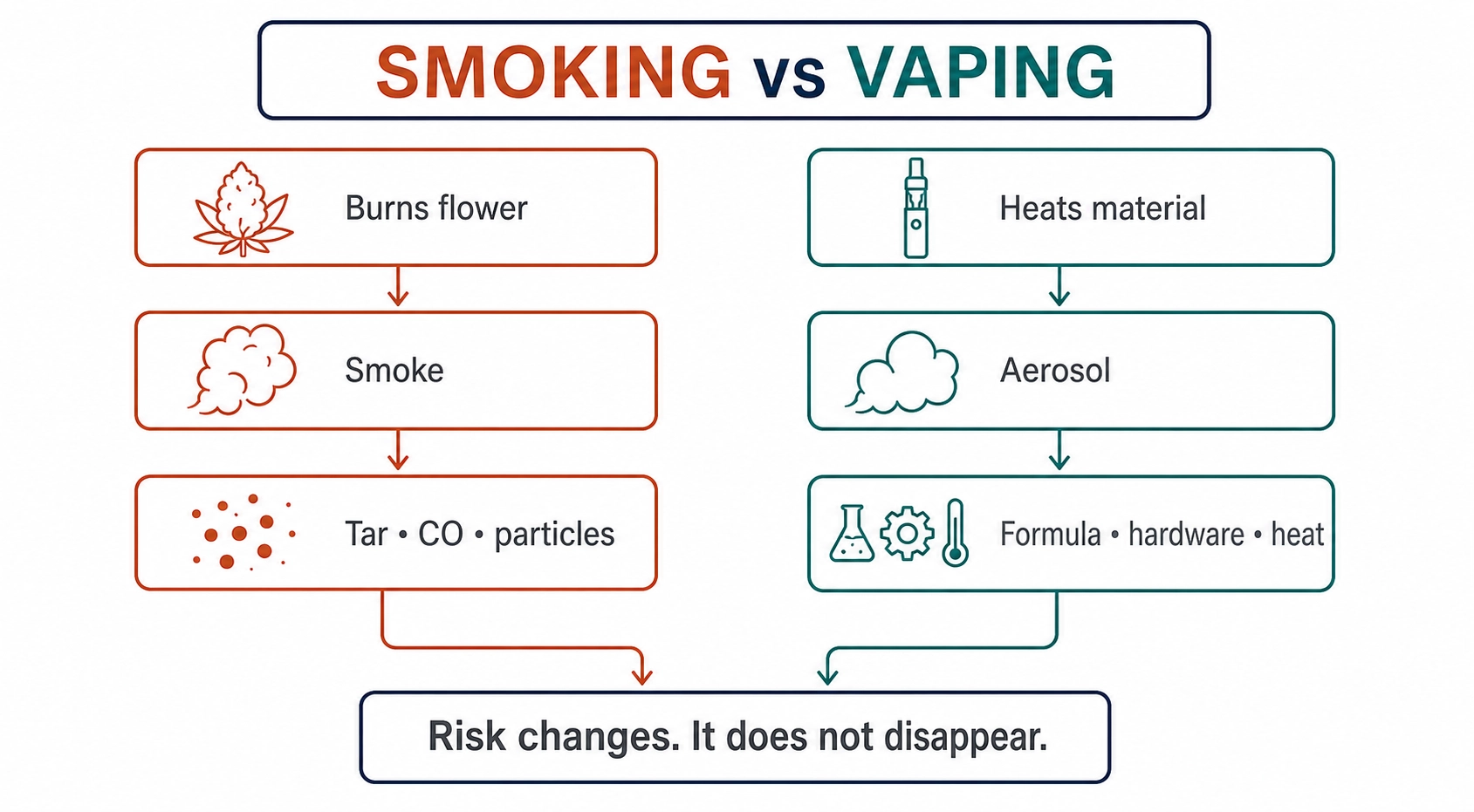
When comparing the two inhalation methods, the biggest difference is combustion. Smoking burns cannabis flower, while vaping heats cannabis flower, oil, or concentrate without an open flame. That change can reduce exposure to smoke-related byproducts such as tar, carbon monoxide, and combustion particles.
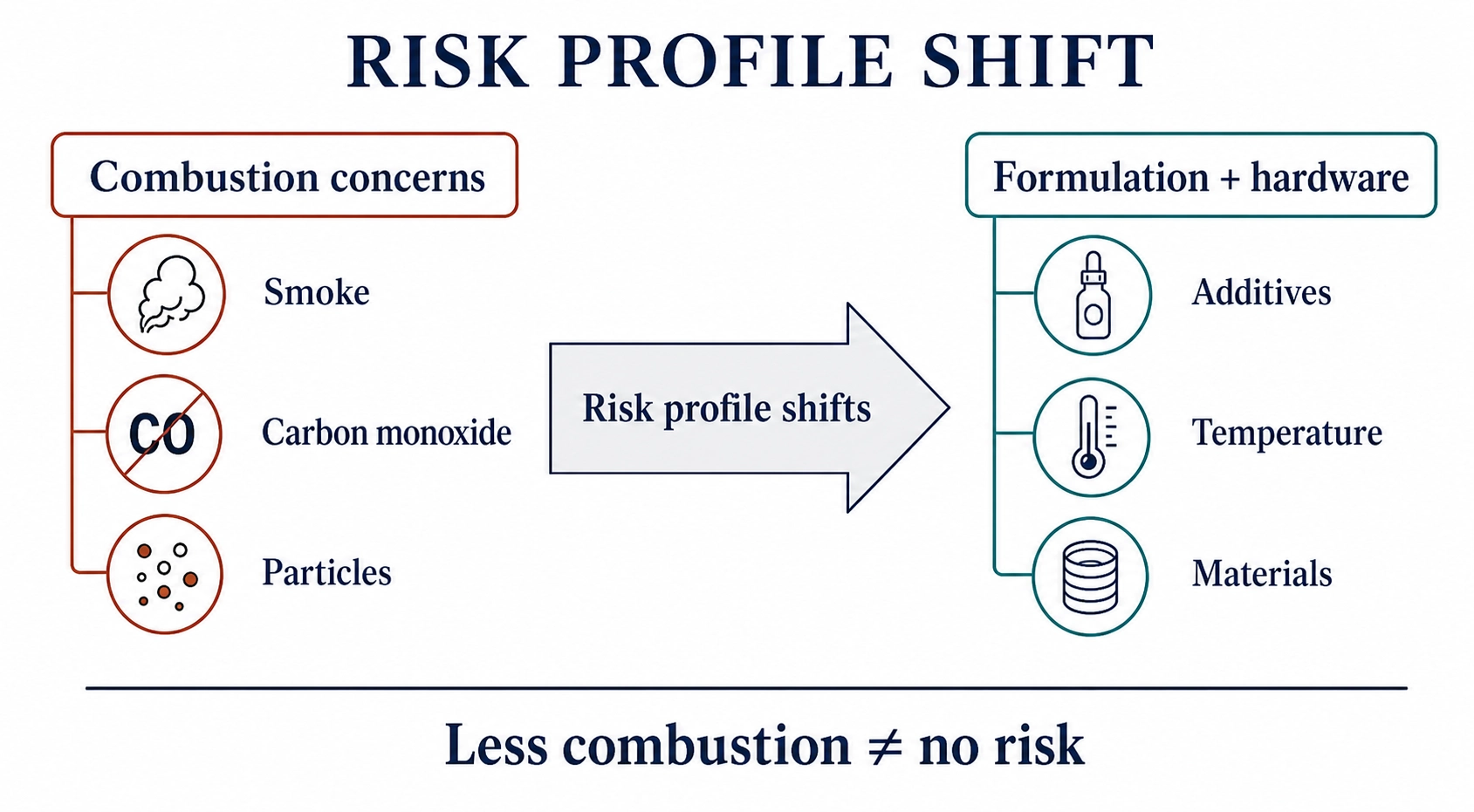
However, “less combustion exposure” does not mean “safe.” Vaping changes the risk profile rather than eliminating risk. The safety of cannabis vaping depends on the device, temperature control, extract quality, additives, contaminants, hardware materials, and the user’s health situation.
The most defensible conclusion is therefore narrow: vaping may reduce exposure to some substances created by combustion, but current evidence does not establish that every cannabis vape is safer than every smoked product or that vaping is harmless. Product source, THC concentration, formulation, hardware behavior, frequency of use, and individual health all affect the comparison.
Method
What Is Heated
Main Exposure Concern
What It Means in Practice
Smoking weed
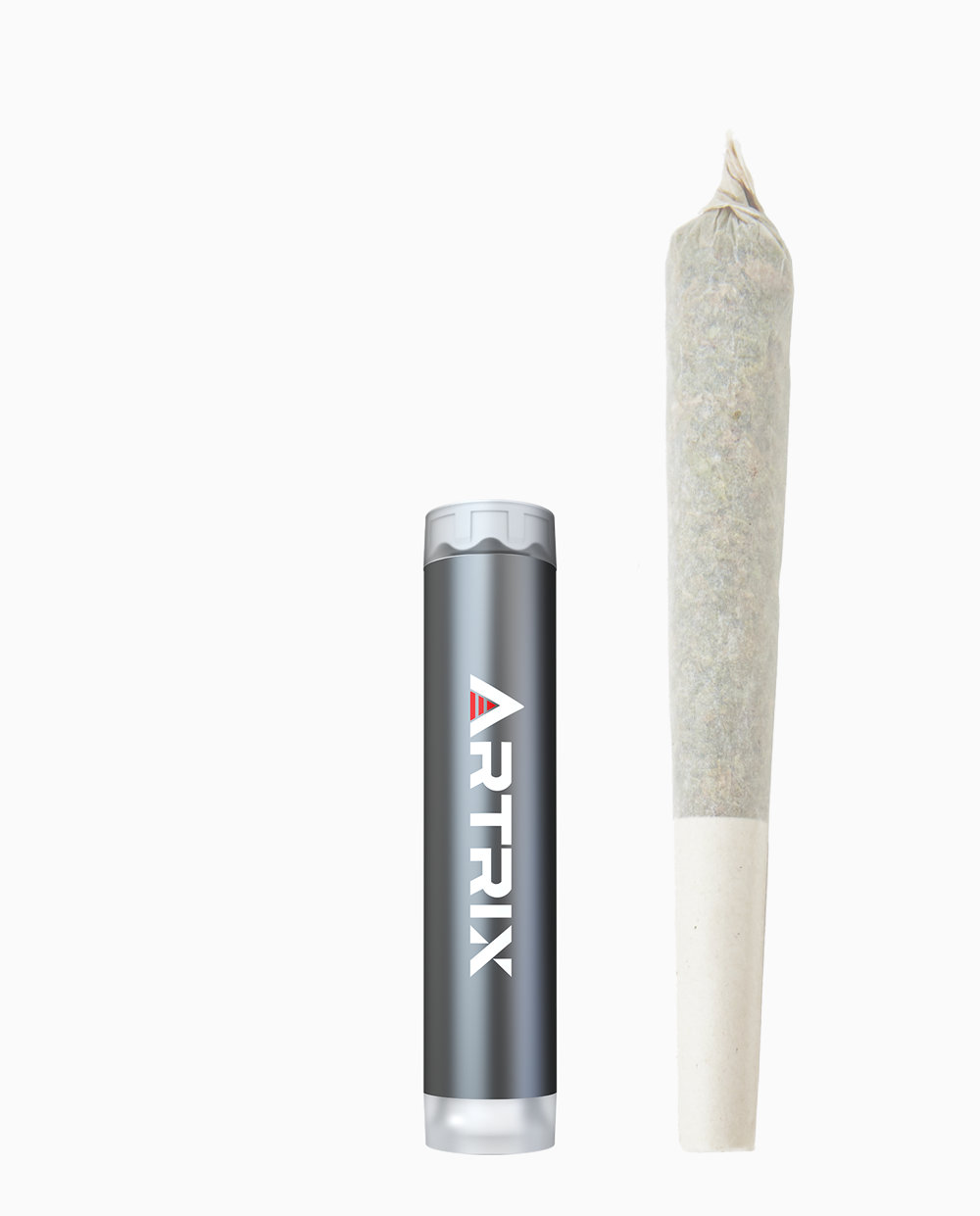
Cannabis flower
Combustion smoke, carbon monoxide, tar, and particles
It has the clearest combustion-related exposure and usually produces ash, stronger odor, and more residue.
Dry-herb vaping
Cannabis flower
Plant quality, heating behavior, device cleanliness, and inhaled aerosol
It removes the flame but still exposes the lungs to an aerosol and still depends on the material, device, settings, and use pattern.
High THC concentration, concentrate purity, heating behavior, and maintenance
A smoother-feeling aerosol can still deliver a strong dose quickly, making potency and pacing important considerations.
The Core Difference: Combustion Smoke vs Cannabis Aerosol
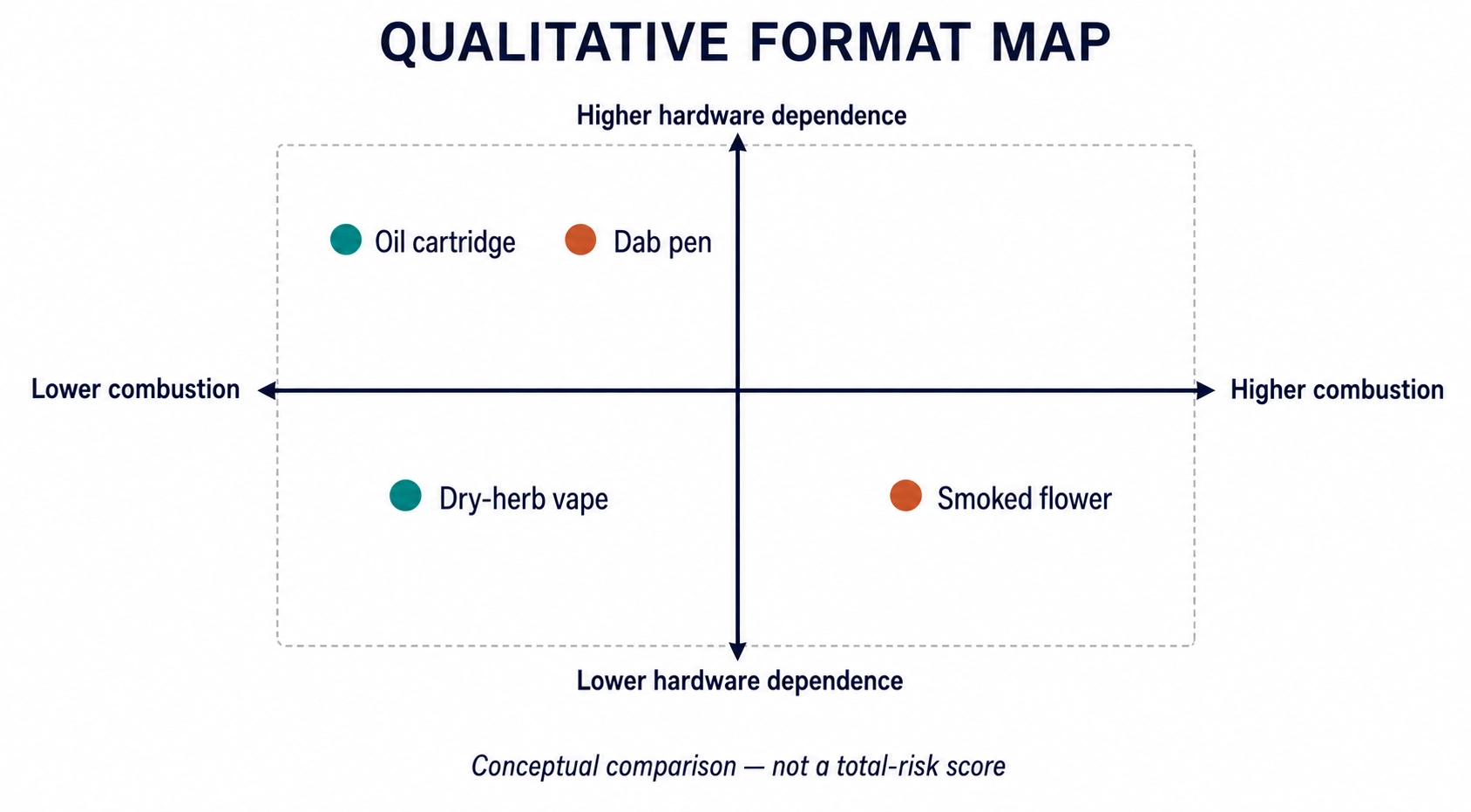
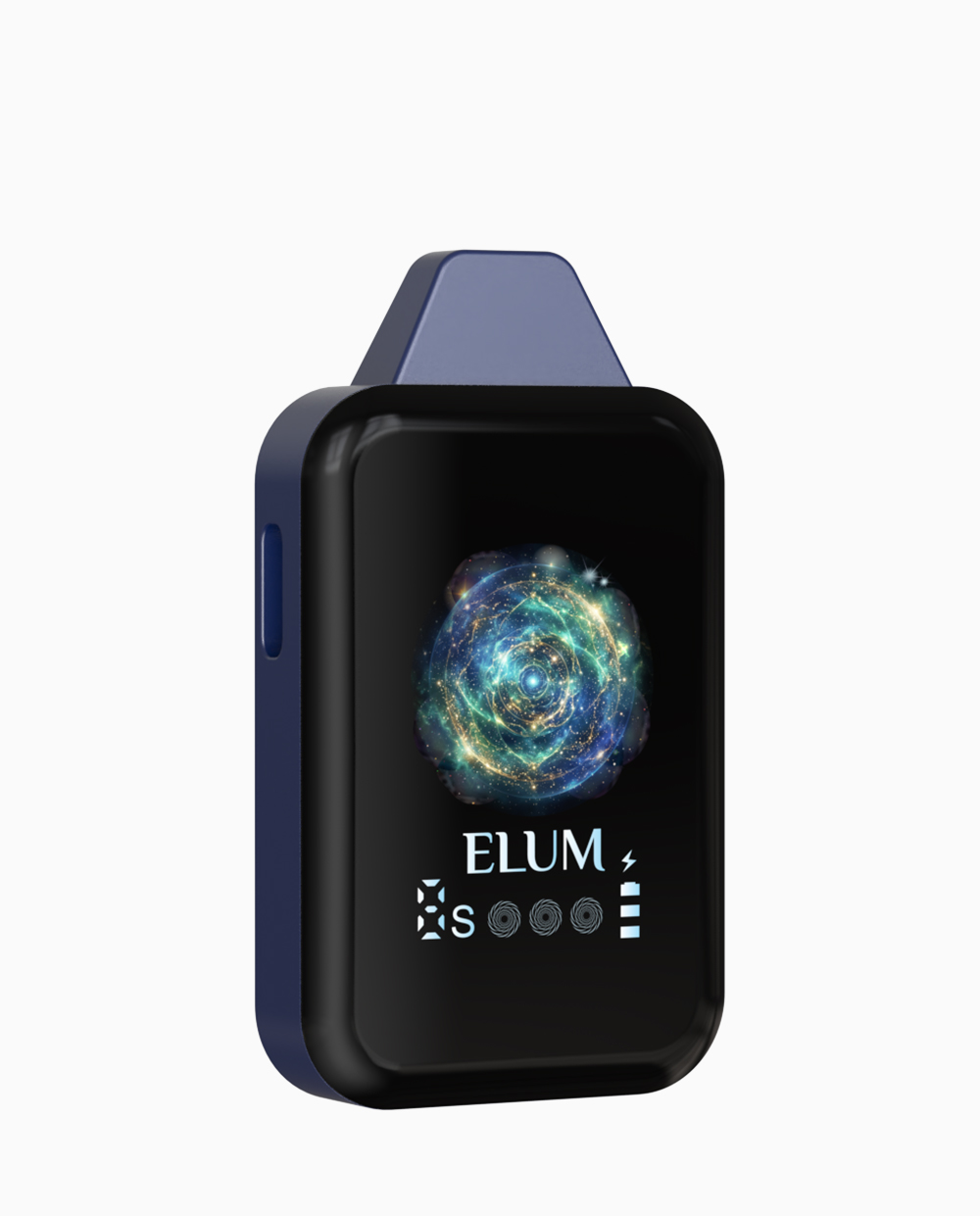
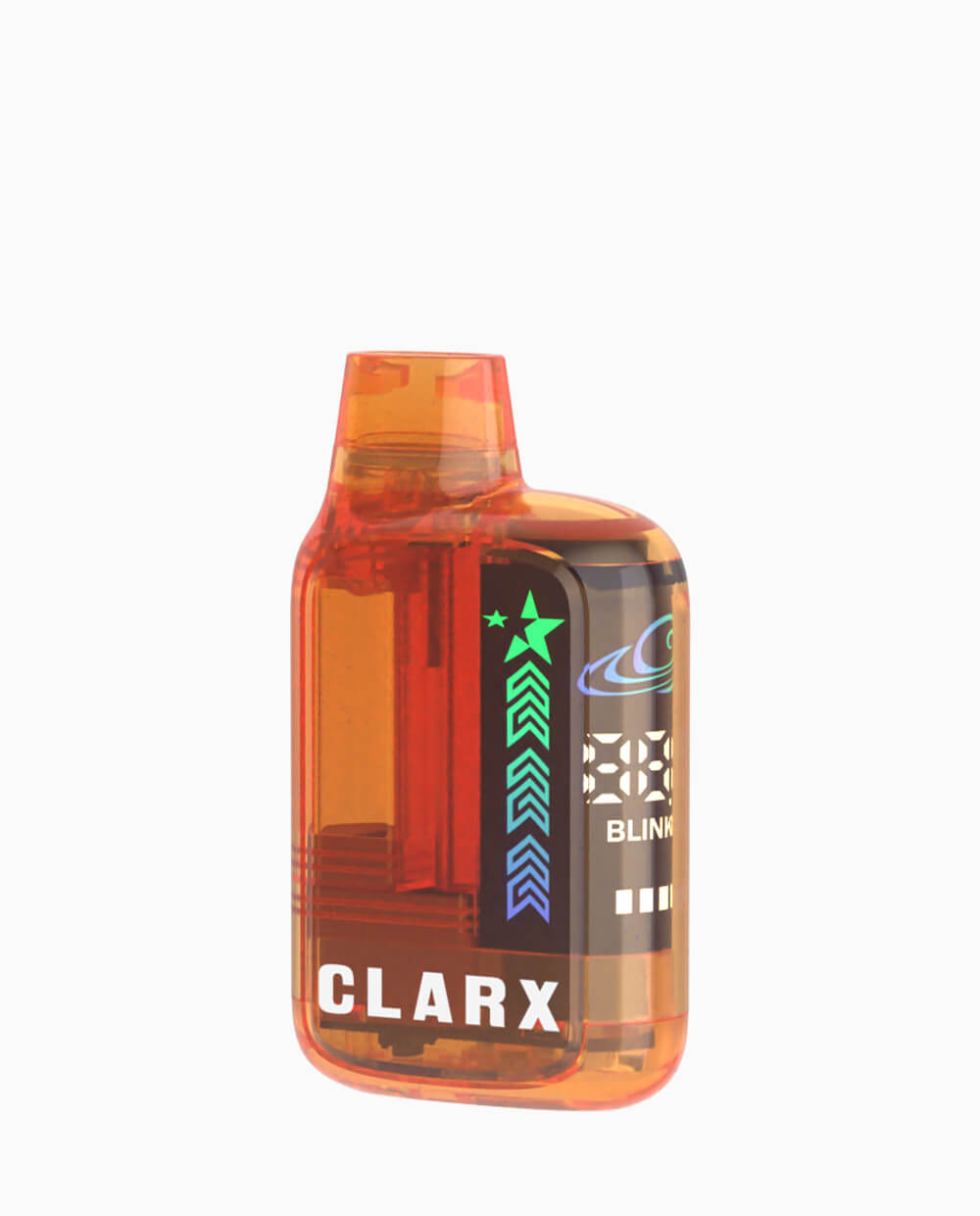
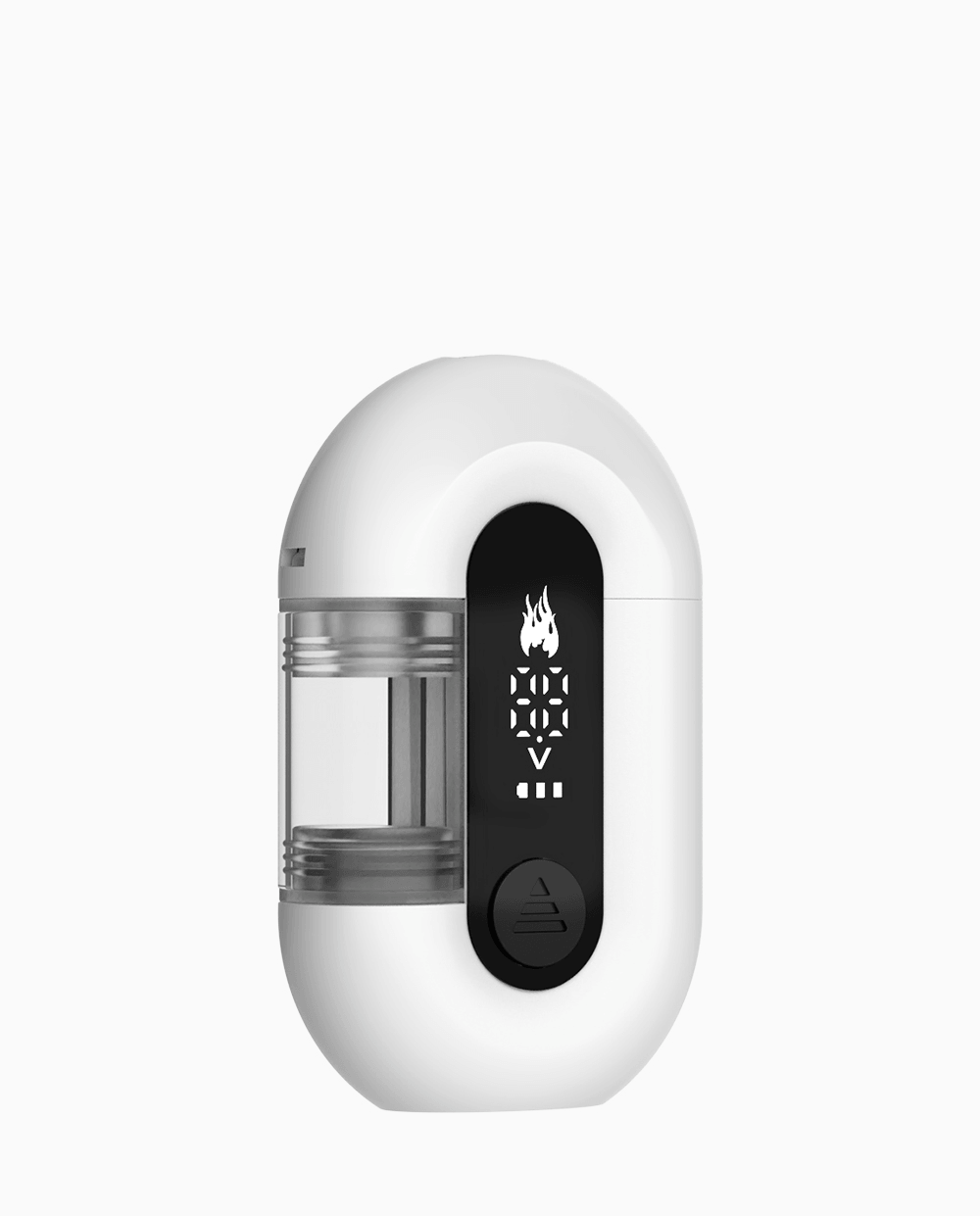
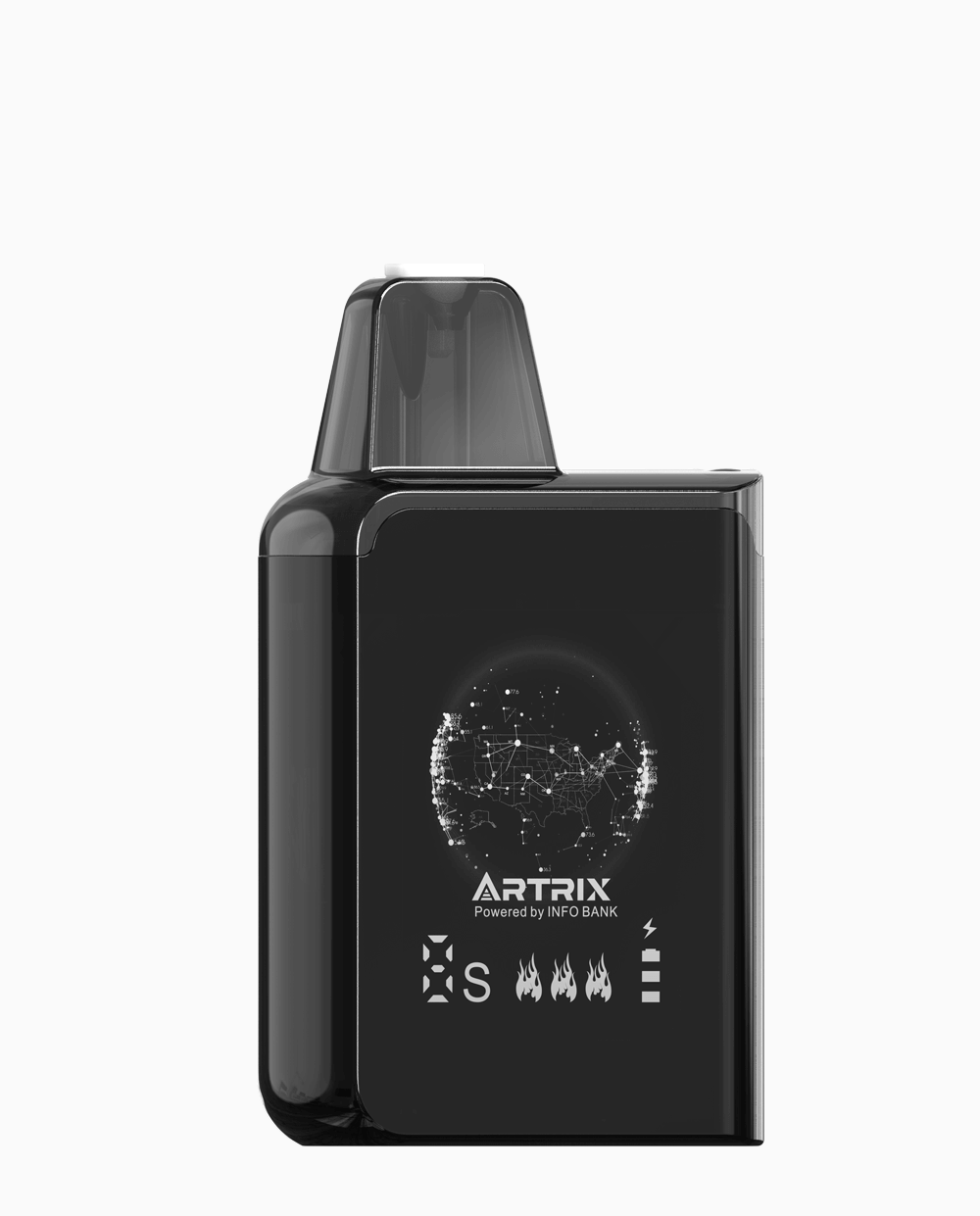
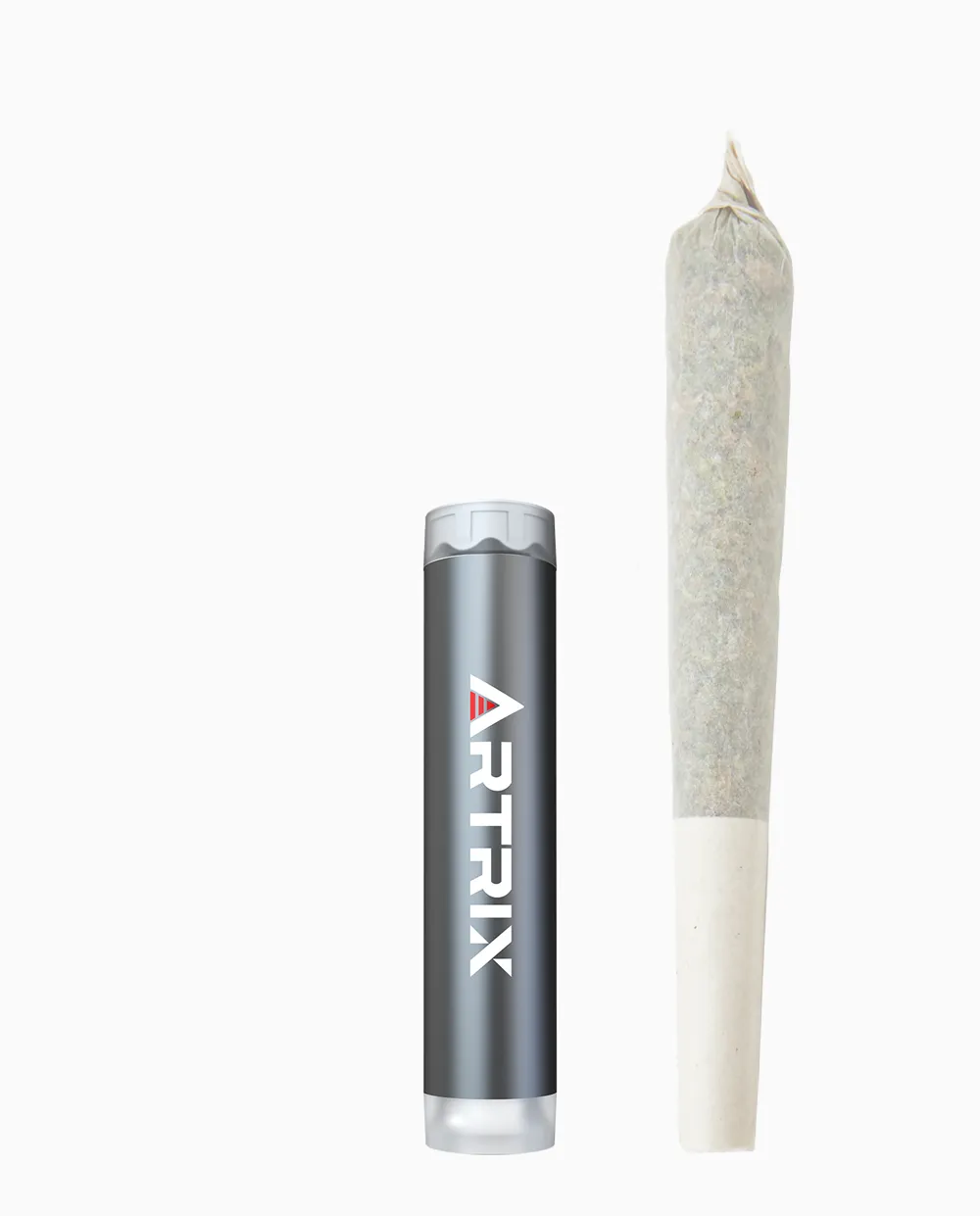
Removing combustion changes what is inhaled, but it does not turn inhalation into a risk-free delivery method. Combustion-based methods, including joints, pipes, bongs, and bowls, all involve burning plant material. Vaping, by contrast, heats cannabis using devices such as dry-herb vaporizers, vape pens, pod systems, or dab pens.
What Combustion Changes When You Smoke Weed
When you smoke cannabis, the plant material burns and creates smoke that carries cannabinoids alongside unwanted byproducts. The high heat destroys the plant structure and produces gases and particles that would not exist in the same form without combustion.
Cannabis smoke contains many of the same toxins, irritants, and carcinogens found in tobacco smoke. This does not mean cannabis and tobacco have identical effects, but it does mean that burning and inhaling plant material introduces smoke-related respiratory concerns. Smoking cannabis is also associated with bronchitis, coughing, and increased mucus production, although more research is needed to define its relationship with lung cancer and other chronic respiratory diseases.
The main issue is not only THC or cannabis itself. It is also the delivery method: hot smoke, fine particles, tar, and combustion gases come with the inhaled dose. That is why removing combustion can meaningfully change the exposure profile.
What Vaping Changes Instead
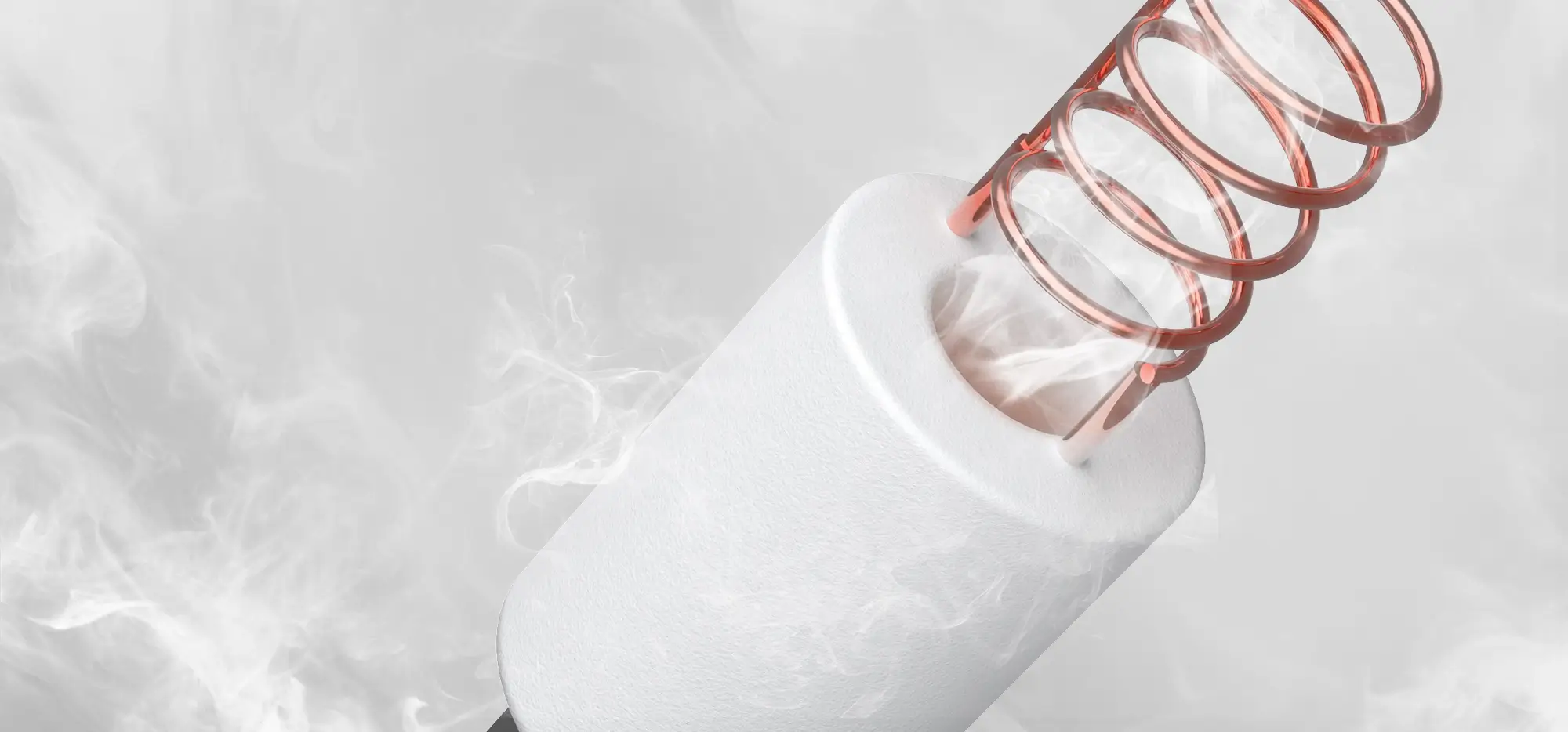
Vaping operates on a different principle. A vaporizer heats flower, oil, or concentrate to form an inhalable aerosol without intentionally setting the material on fire. The actual temperature is not defined by a universal “safe” range: it can vary with the device, power, airflow, heating element, oil viscosity, puff duration, and user behavior.
Temperature control matters because excessive or uneven heating can change the aerosol and degrade ingredients. Laboratory research involving THC cartridges has documented high localized temperatures under some test conditions, but those results cannot be generalized to every device or normal use pattern. A burnt taste, repeated overheating, visible damage, or abnormal leakage should be treated as a product problem rather than as a normal feature of vaping.
Dry-Herb Vape vs Oil Cartridge vs Dab Pen
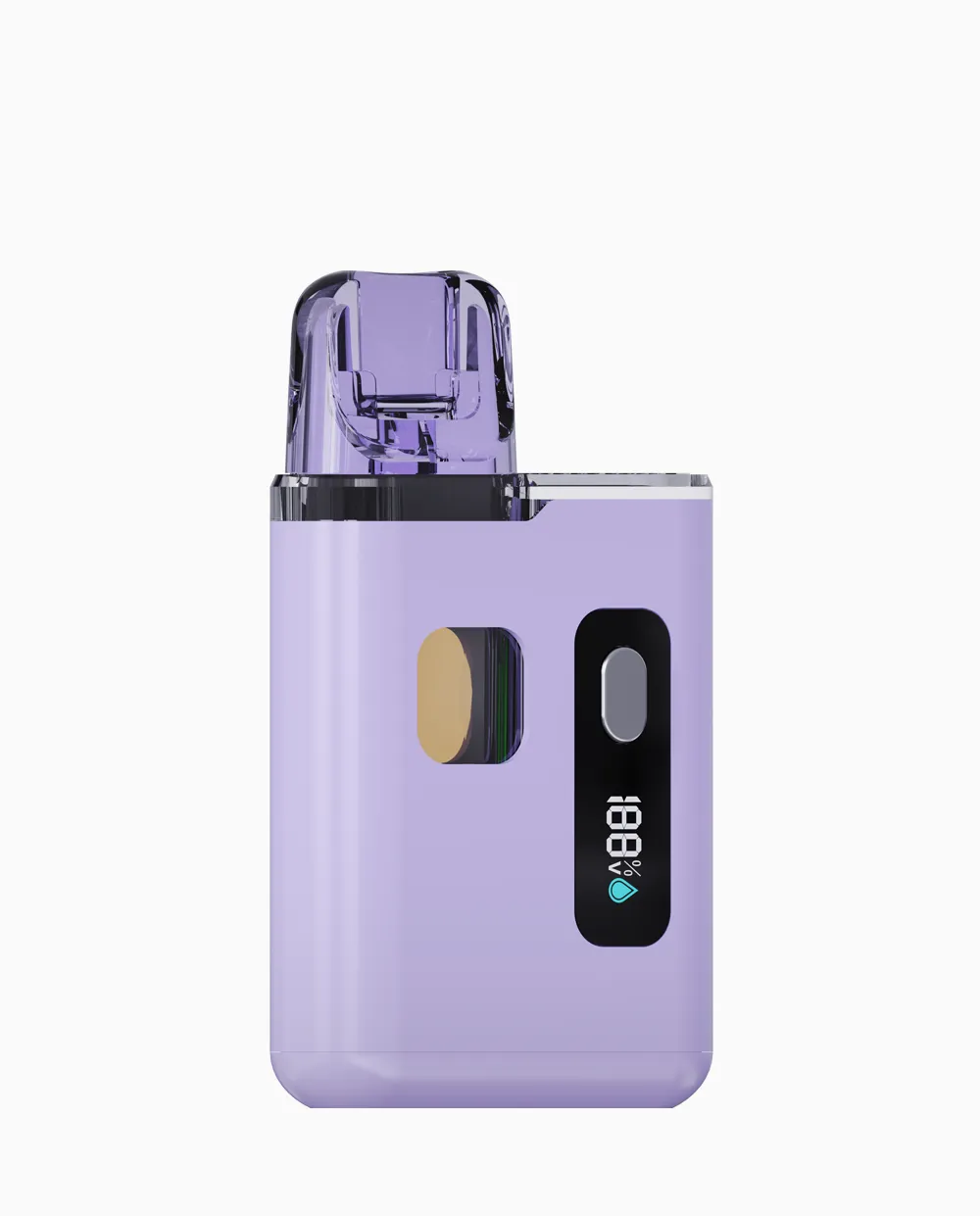
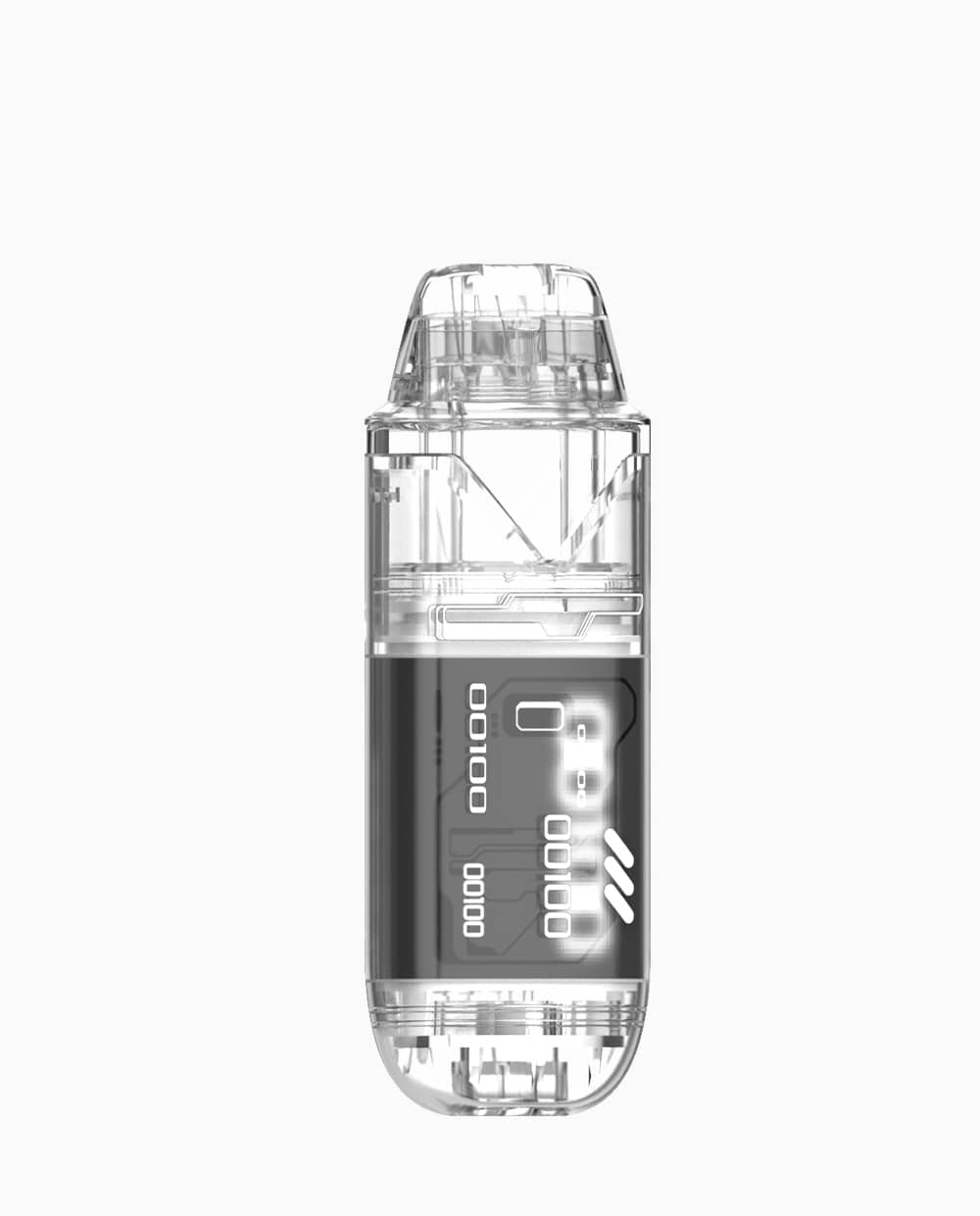
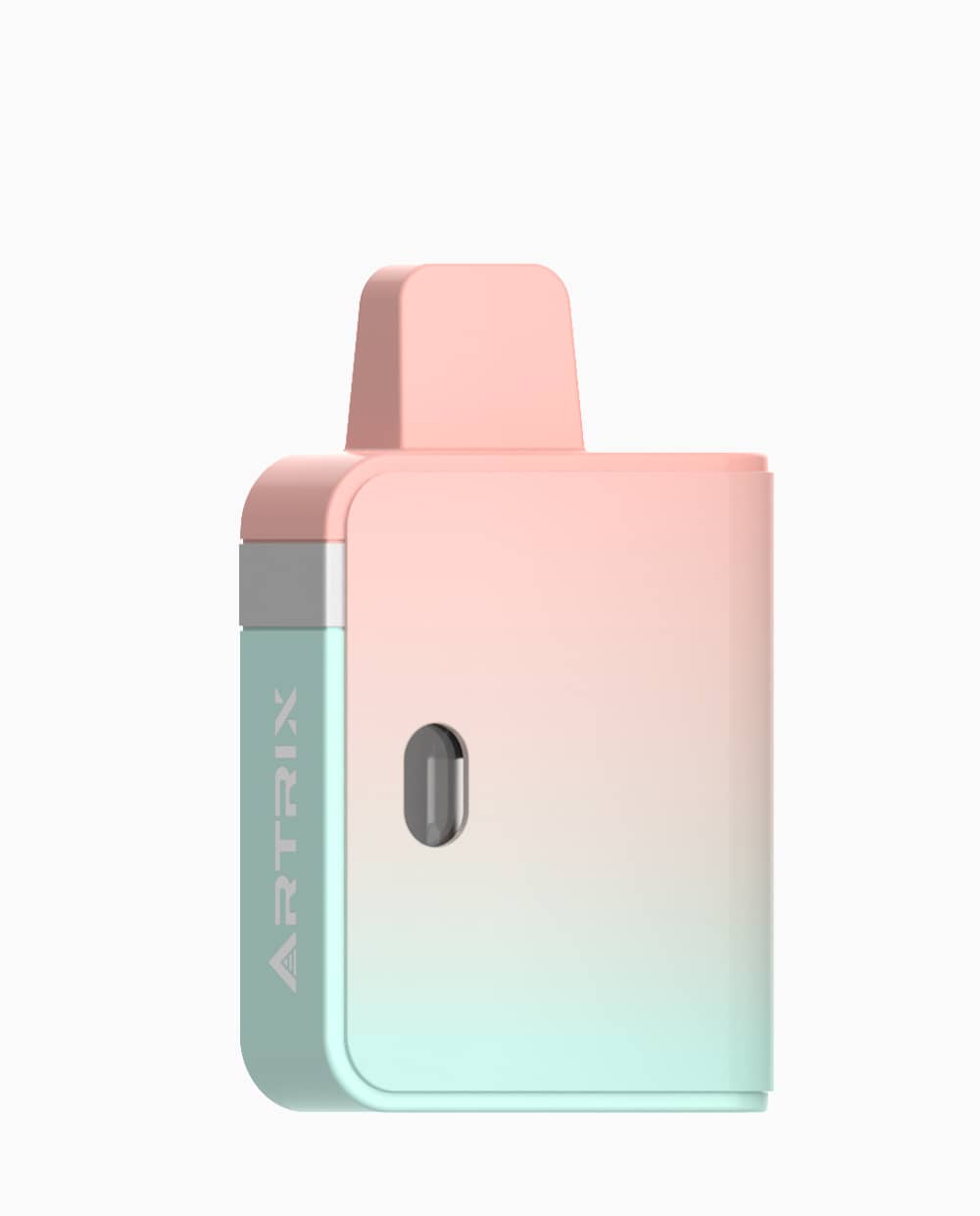
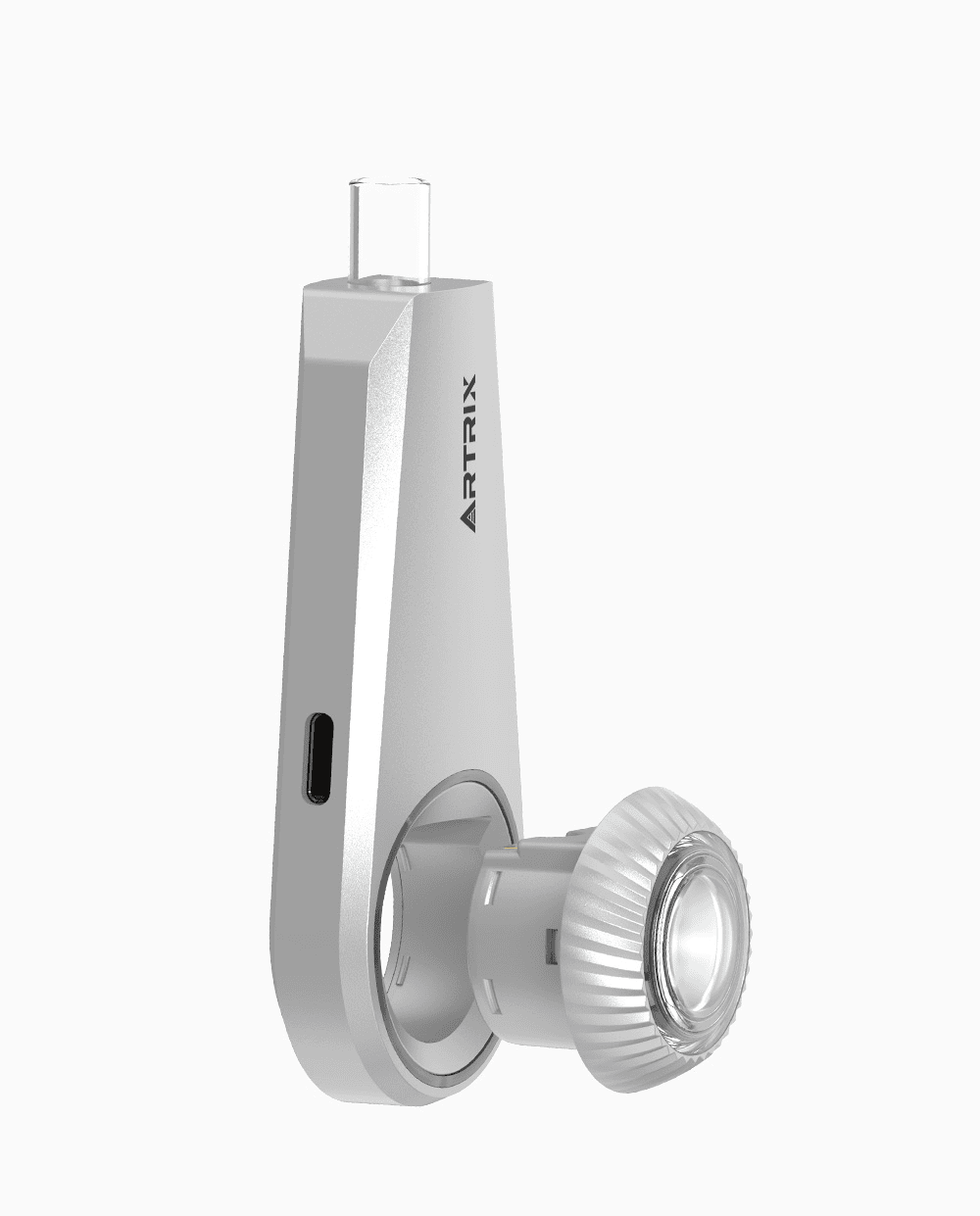
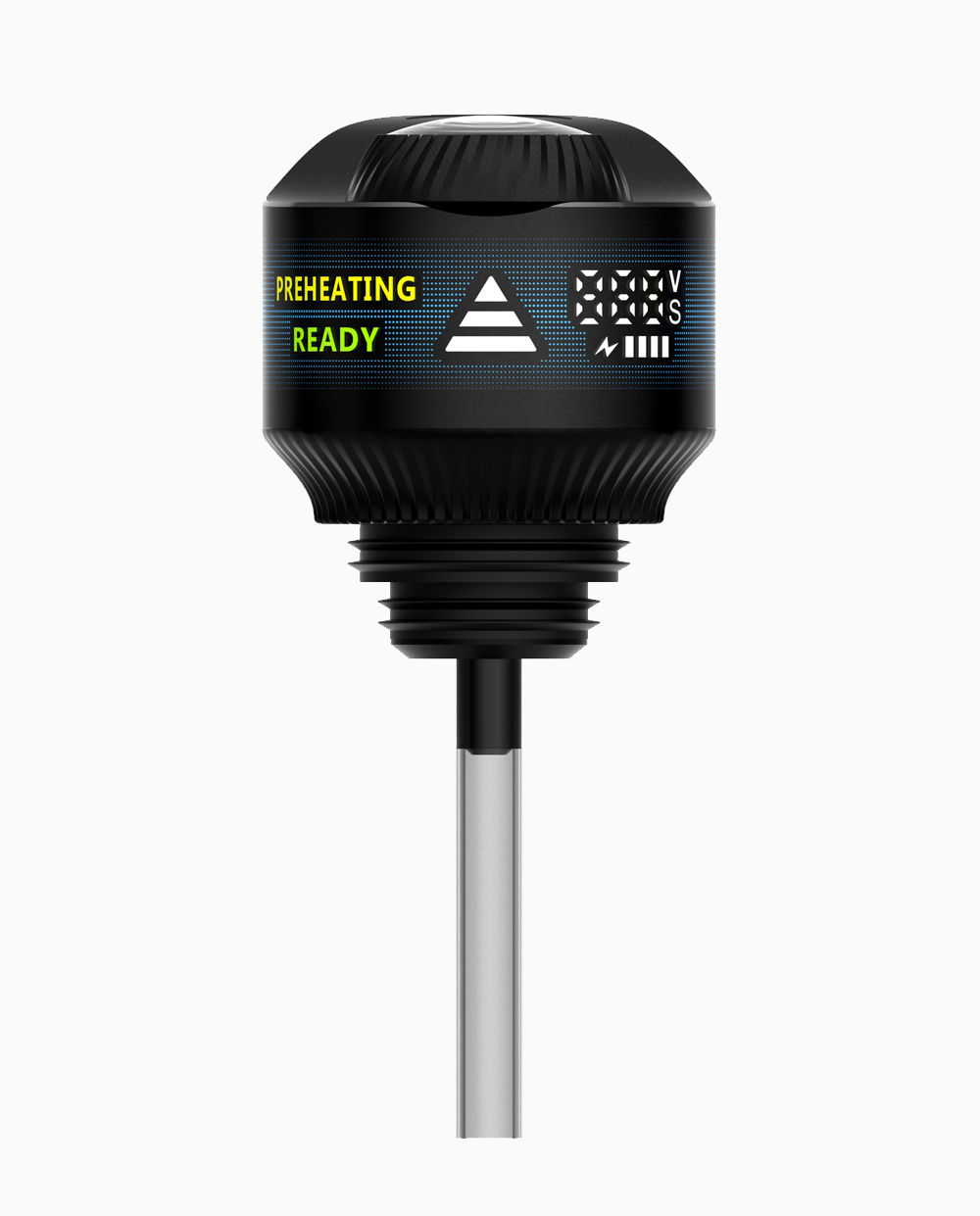
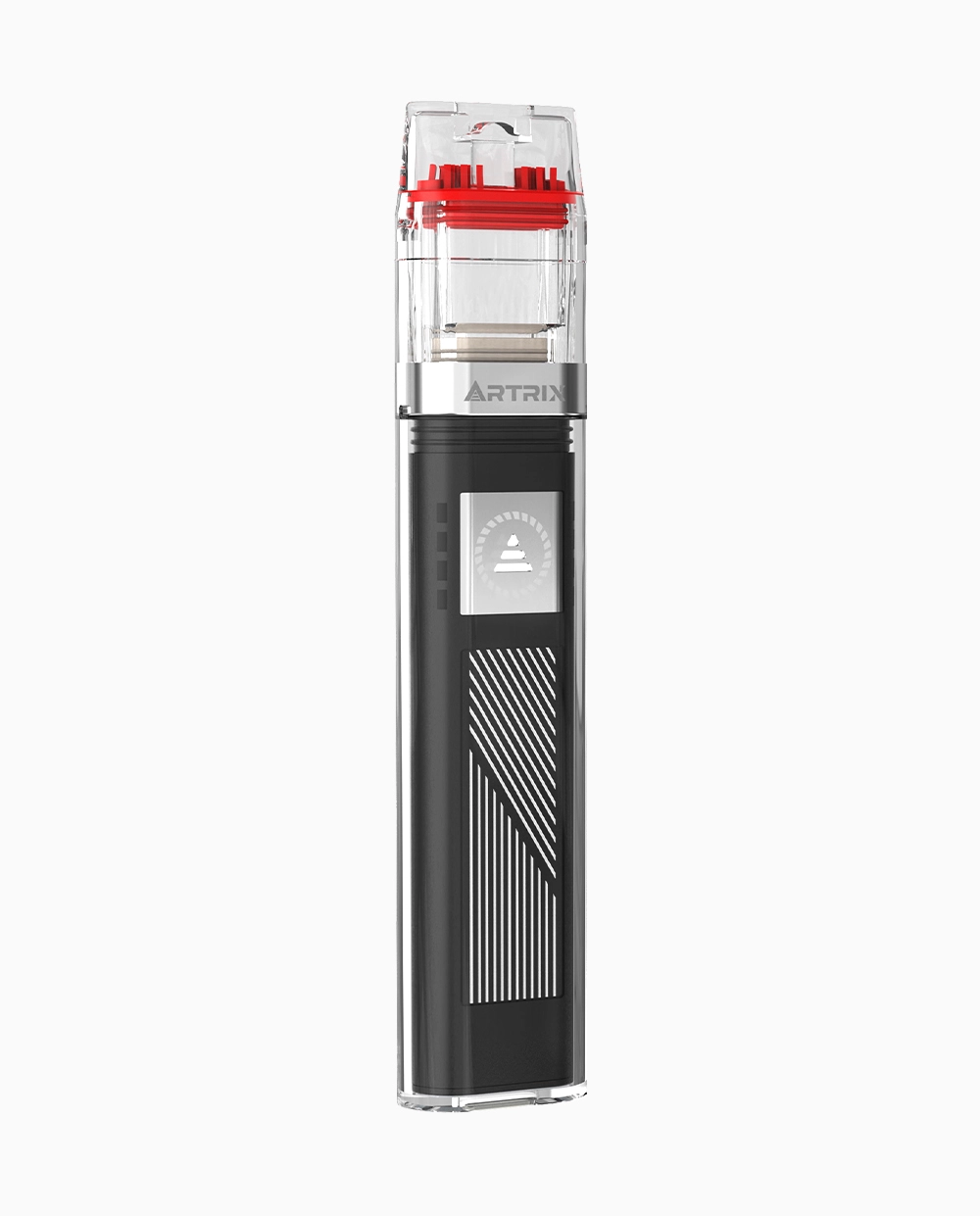
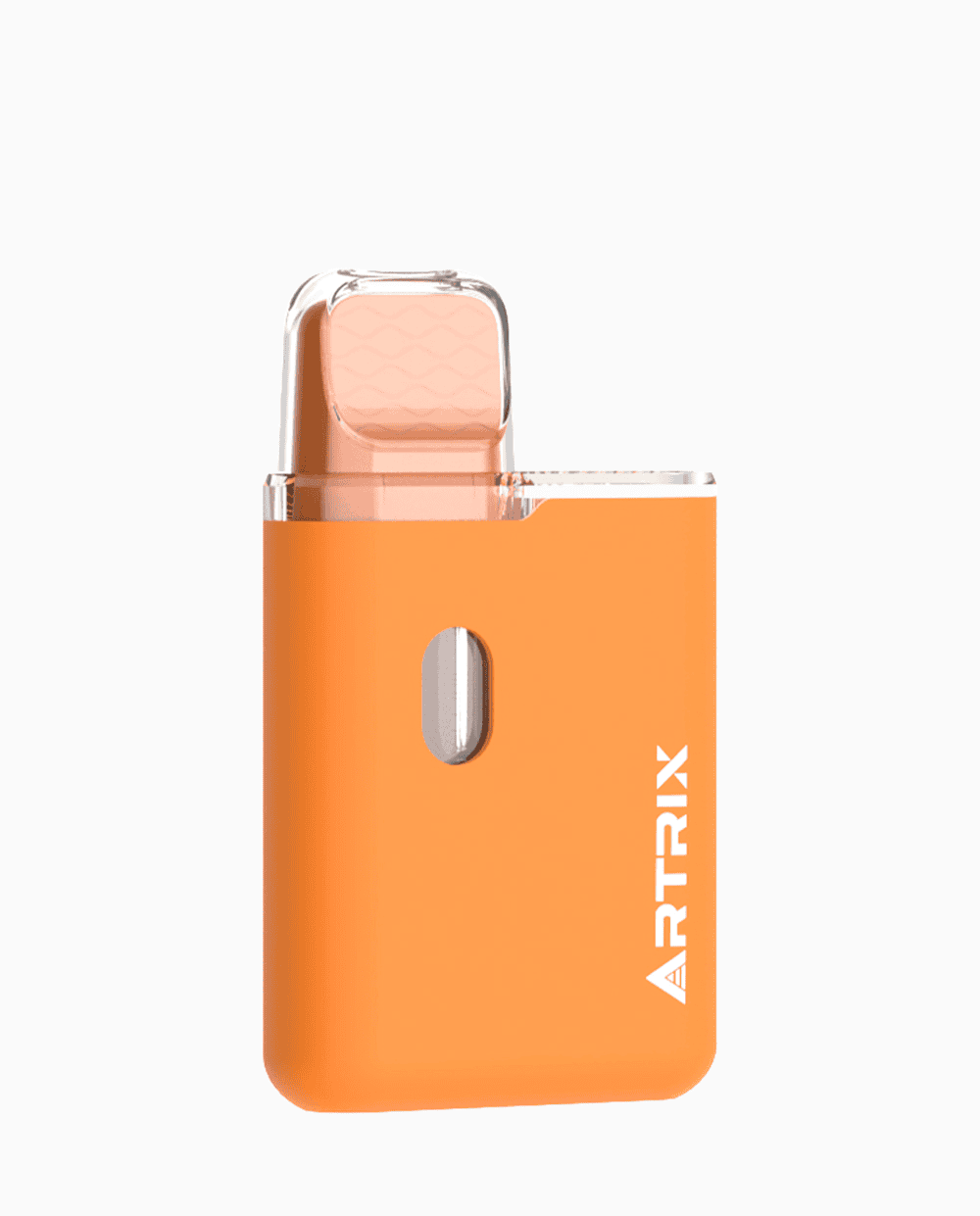
“Vaping weed” describes several different product systems, and their risks should not be collapsed into a single category. A dry-herb vaporizer heats cannabis flower directly. A vape cartridge heats cannabis oil through a coil or ceramic heating structure. A dab pen vaporizes thicker concentrates such as wax, rosin, or resin.
Dry-Herb Vaporizer
A dry-herb vape uses ground cannabis flower in a heating chamber. It may appeal to users who want flower flavor, adjustable heat, and no added vape-oil ingredients. It avoids the formulation questions associated with an oil cartridge, but plant contaminants, device cleanliness, heating consistency, dose, and inhalation exposure still matter.
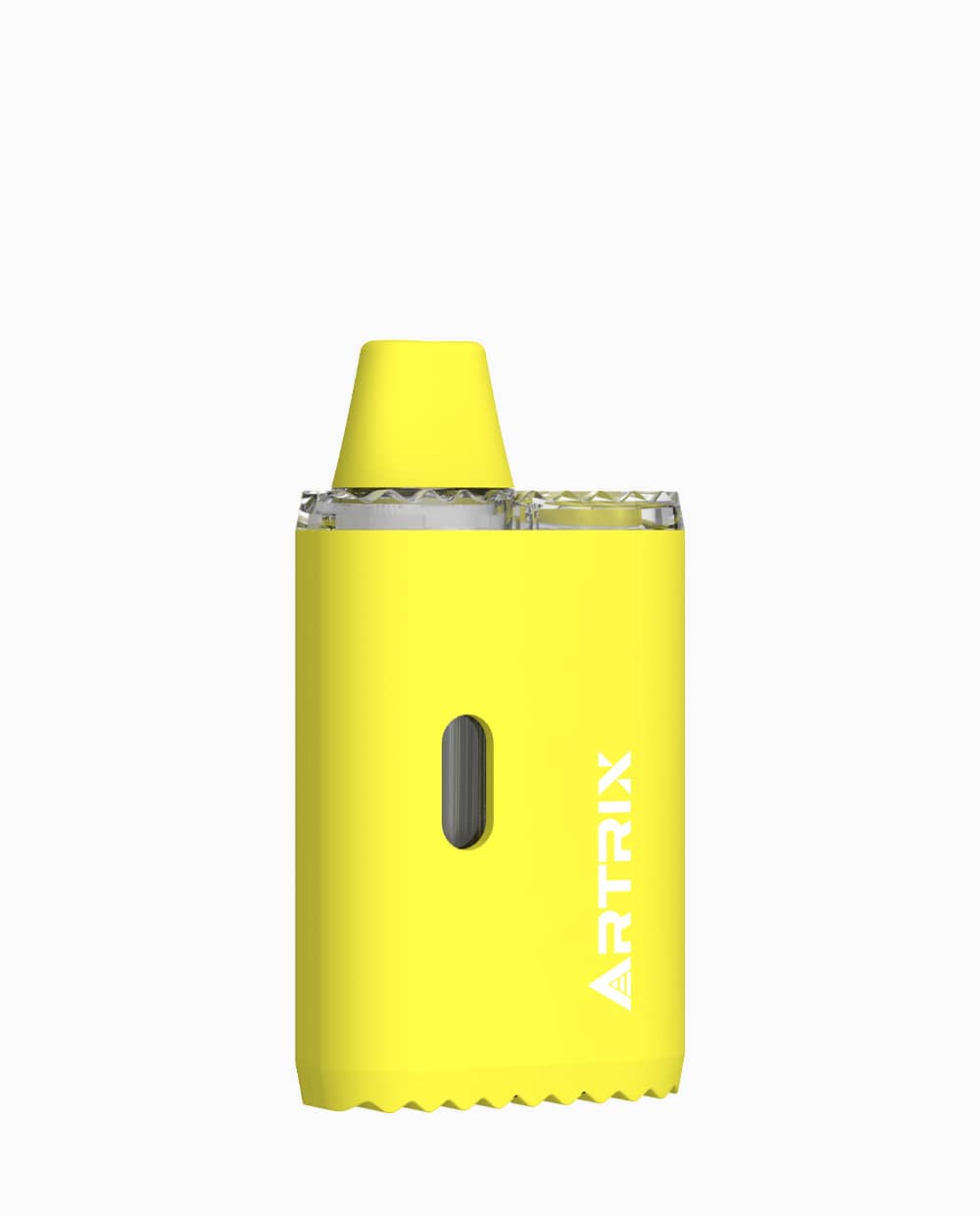
Oil Cartridge
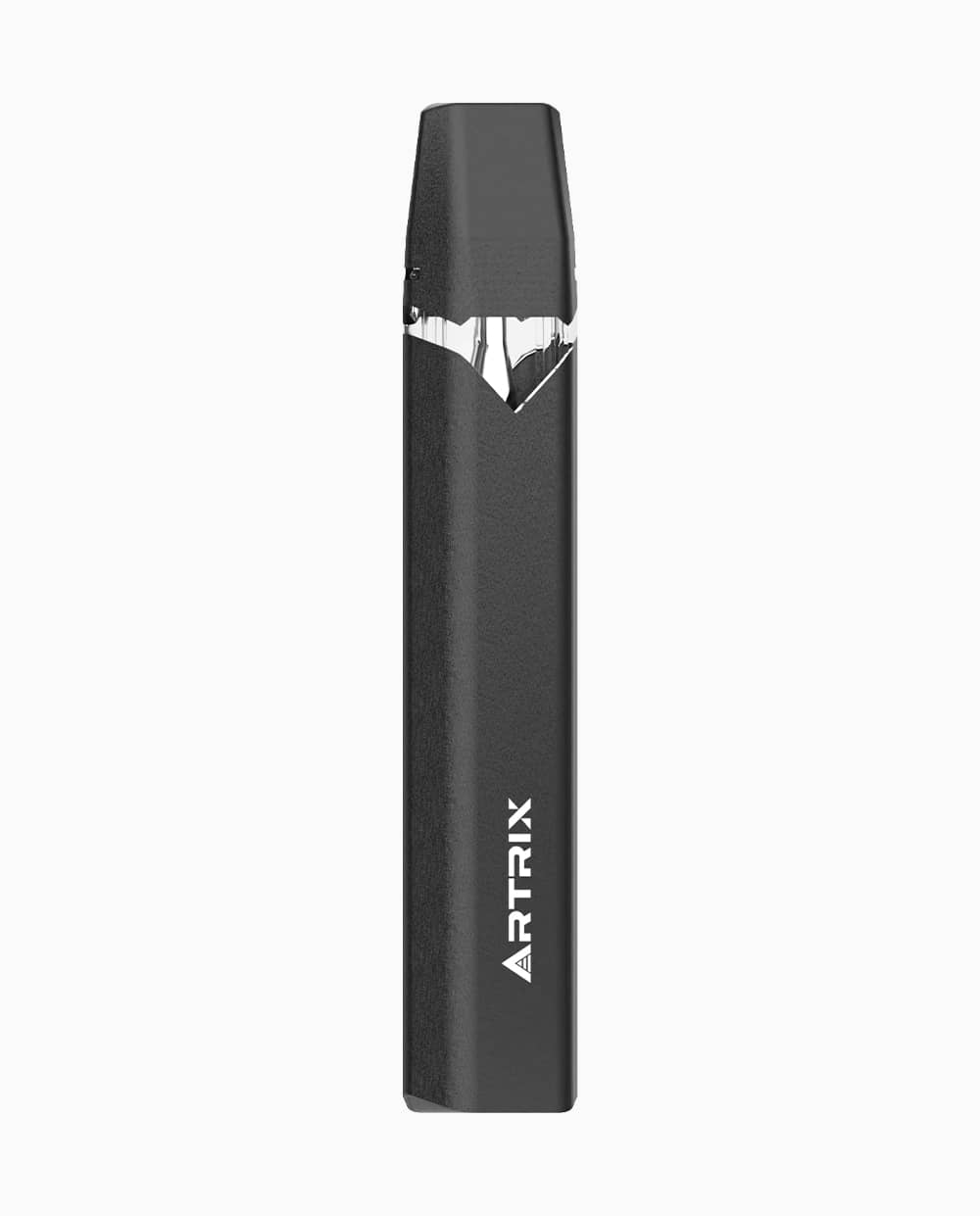
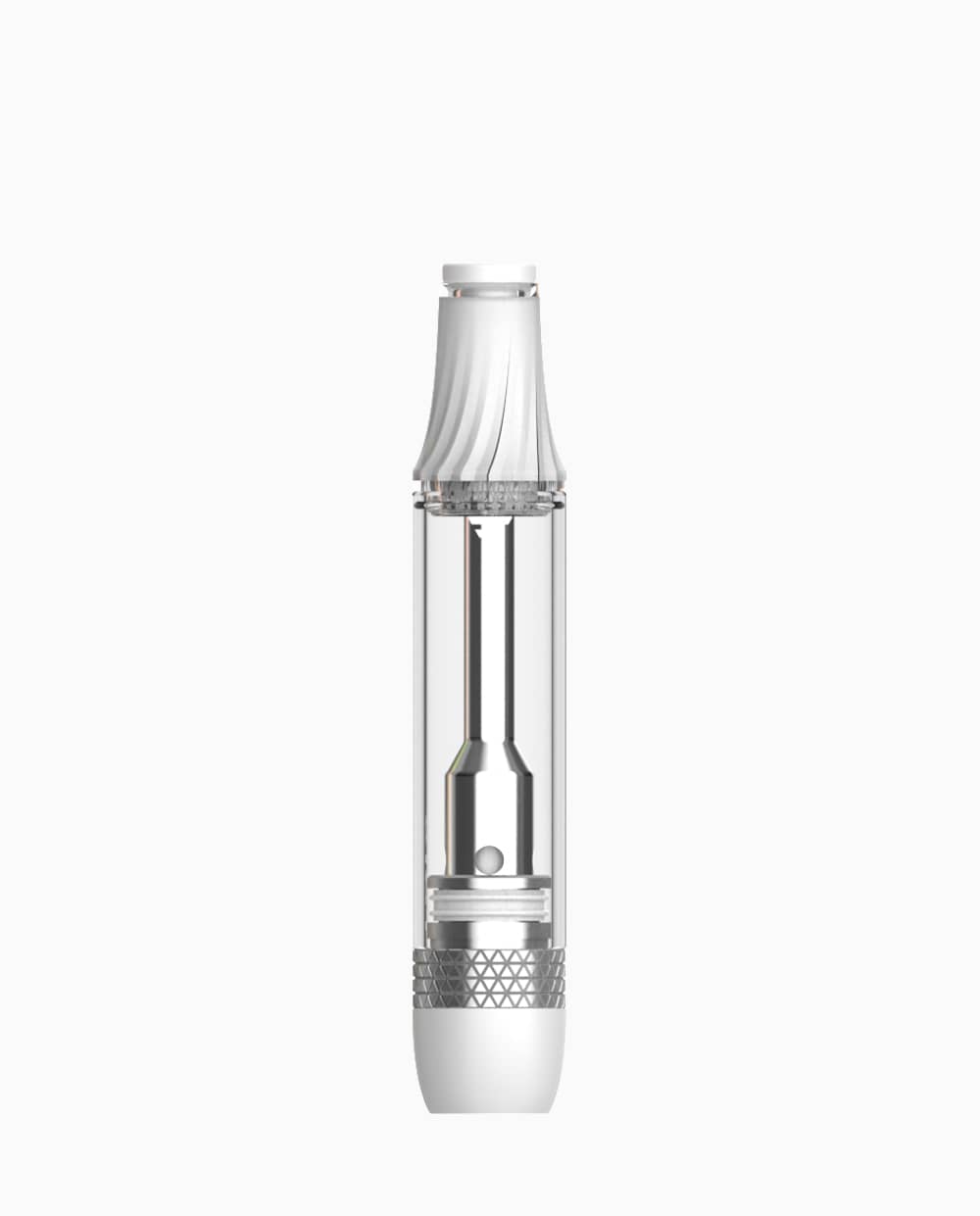
An oil cartridge uses prefilled cannabis oil attached to a compatible battery or integrated device. It is convenient and discreet, but quality depends on the oil formulation, contaminant controls, THC concentration, heating system, and material compatibility. A product label or the phrase “lab tested” is not enough by itself; the report should identify the tested batch, laboratory, date, analytes, limits, and pass-or-fail results required in the relevant jurisdiction.
Dab Pen
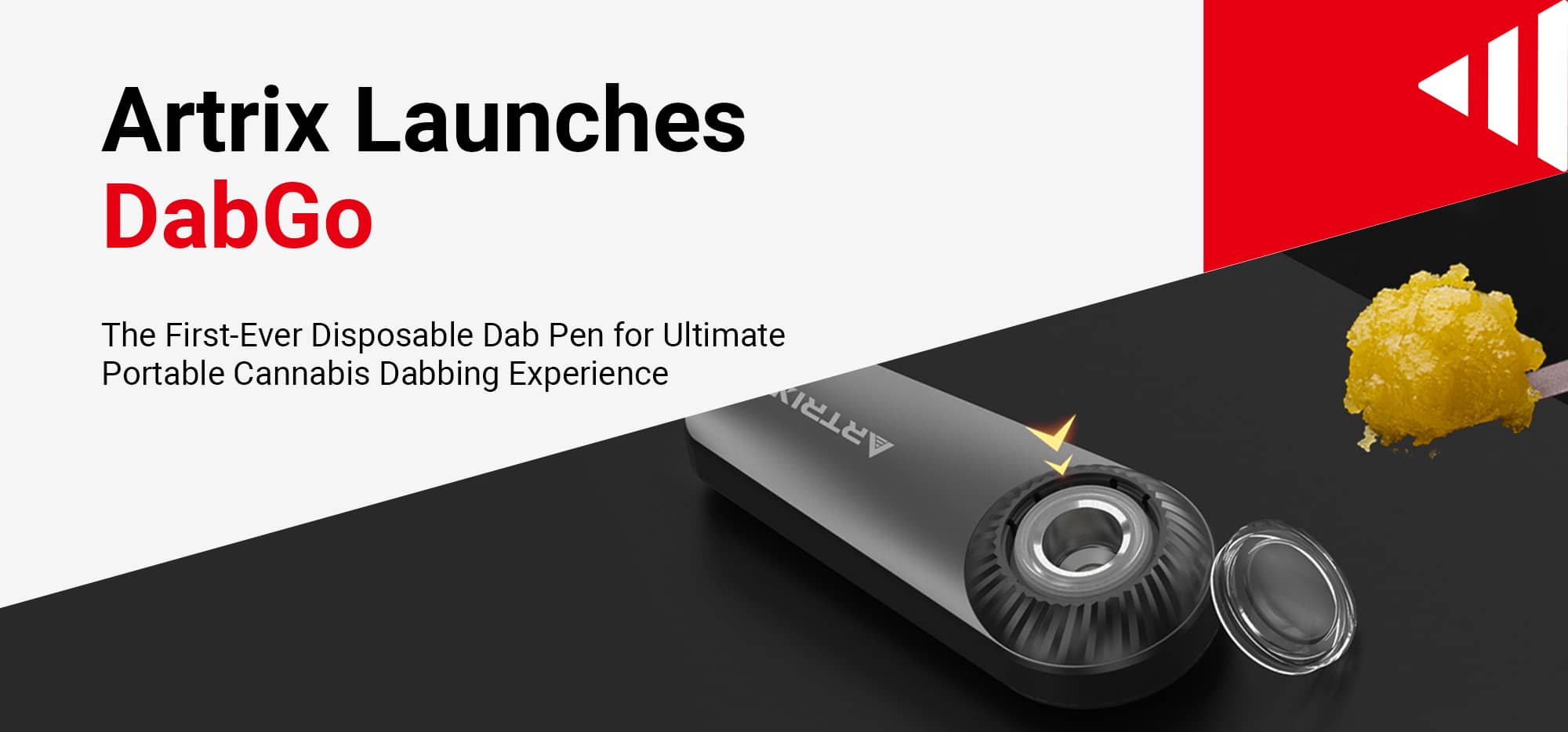
A dab pen uses thicker cannabis concentrates loaded into a chamber or atomizer. It requires more attention to dose, cleaning, heating behavior, and residue. Oil cartridges and concentrates can be much more potent than flower, so a device that feels smooth may still deliver a strong dose quickly, especially when repeated puffs make intake difficult to judge.
What May Be Present in Smoke or Cannabis Aerosol?
Smoke and cannabis aerosol can carry different mixtures of compounds, so “no smoke” should not be interpreted as “only cannabinoids and terpenes.” The composition depends on the starting material, formulation, hardware, operating conditions, storage, and use pattern.
Smoke: Combustion Byproducts
Combustion can create carbon monoxide, tar, polycyclic aromatic hydrocarbons, and other unwanted compounds. These substances do not contribute to the intended cannabinoid effect and may contribute to respiratory irritation or other health concerns with repeated exposure. This is the strongest mechanism-based reason consumers compare vaping vs smoking weed: heating without combustion may reduce exposure to several byproducts created by burning.
Is Vaping Weed Safer Than Smoking?
Current evidence supports a comparison of exposure profiles, not a blanket declaration that cannabis vaping is safe. Research comparing combustion and electronic delivery suggests that removing combustion may lower exposure to some smoke-related substances. The size of that difference, and whether it produces better long-term clinical outcomes, remains uncertain.
What the Current Evidence Suggests
A 2025 study published in Respiratory Research analyzed exhaled breath condensate from tobacco and cannabis users. Combustion-product users had higher levels of certain measured metabolites than e-device users.
What the Evidence Does Not Establish
Current research cannot turn vaping into a risk-free recommendation. Cannabis itself may affect heart rate, cognition, coordination, and mental health in some users, while vape products vary widely in formulation, strength, testing quality, and device performance.
For lung health, avoiding inhalation remains the lower-risk direction. For adults who choose inhaled cannabis anyway, the more responsible comparison is risk reduction and product quality, not a simple “safe vs unsafe” label. People should also avoid driving or operating machinery while impaired, and new or worsening respiratory symptoms warrant medical attention.
Why Product Source and Batch Testing Matter
Product testing can reduce uncertainty only when the report is authentic, current, batch-specific, and relevant to the jurisdiction in which the product is sold. Testing requirements vary, so a certificate of analysis should not be interpreted as a universal guarantee of safety.
The 2019–2020 U.S. EVALI outbreak showed why formulation and source matter. CDC recorded 2,807 hospitalized EVALI cases or deaths as of February 18, 2020. THC-containing products from informal sources played a major role, and vitamin E acetate was strongly linked to the outbreak, although other chemicals could not be ruled out.
For a concrete example of what regulated batch testing may cover, California requires testing for cannabinoids, residual solvents, pesticides, heavy metals, microbial impurities, mycotoxins, moisture or water activity, and foreign material. California’s testing rules do not apply nationally, but they illustrate why readers should check the actual panel and jurisdiction instead of trusting an unexplained “tested” badge.
Match the COA batch or lot number to the product package.
Confirm the laboratory name, test date, sample identity, and pass-or-fail status.
Look for results covering pesticides, residual solvents, heavy metals, microbial contaminants, and potency where required.
Avoid products with unknown additives, unclear origin, altered packaging, or missing batch information.
Do not add oils, diluents, or other substances that the product was not designed to use.
Real-World Tradeoffs: Smoking vs Vaping Weed
The practical difference extends beyond chemistry: potency, smell, maintenance, and product trust can change the user’s real-world experience. These factors do not prove safety, but they can help adults understand why one inhalation format may behave differently from another.
Onset and Intensity
Both smoking and vaping can produce rapid effects because cannabinoids enter the bloodstream through the lungs. Vaping can provide a similar fast onset to smoking, while edibles typically take longer and may feel less predictable for some users.
However, oil cartridges and concentrates can be much more potent than flower. A vape that feels smoother may still deliver a strong dose quickly, especially when users take repeated puffs because there is less smoke harshness. Packaging potency, device output, puff duration, and individual tolerance can all change the amount delivered, so the device format alone cannot predict intensity.
Flavor, Smell, and Residue
Vaping at controlled temperatures can preserve more of the input material’s flavor character than smoking because there is no direct flame. Flavor quality still depends on the flower or extract, formulation, storage, device cleanliness, and heating behavior.
Smoking usually creates stronger odor, more visible smoke, ash, and lingering residue. Vaping often produces less smell and less visible residue, but it can still leave odor, condensed oil, and device contamination over time.
Maintenance, Clogging, and Leakage
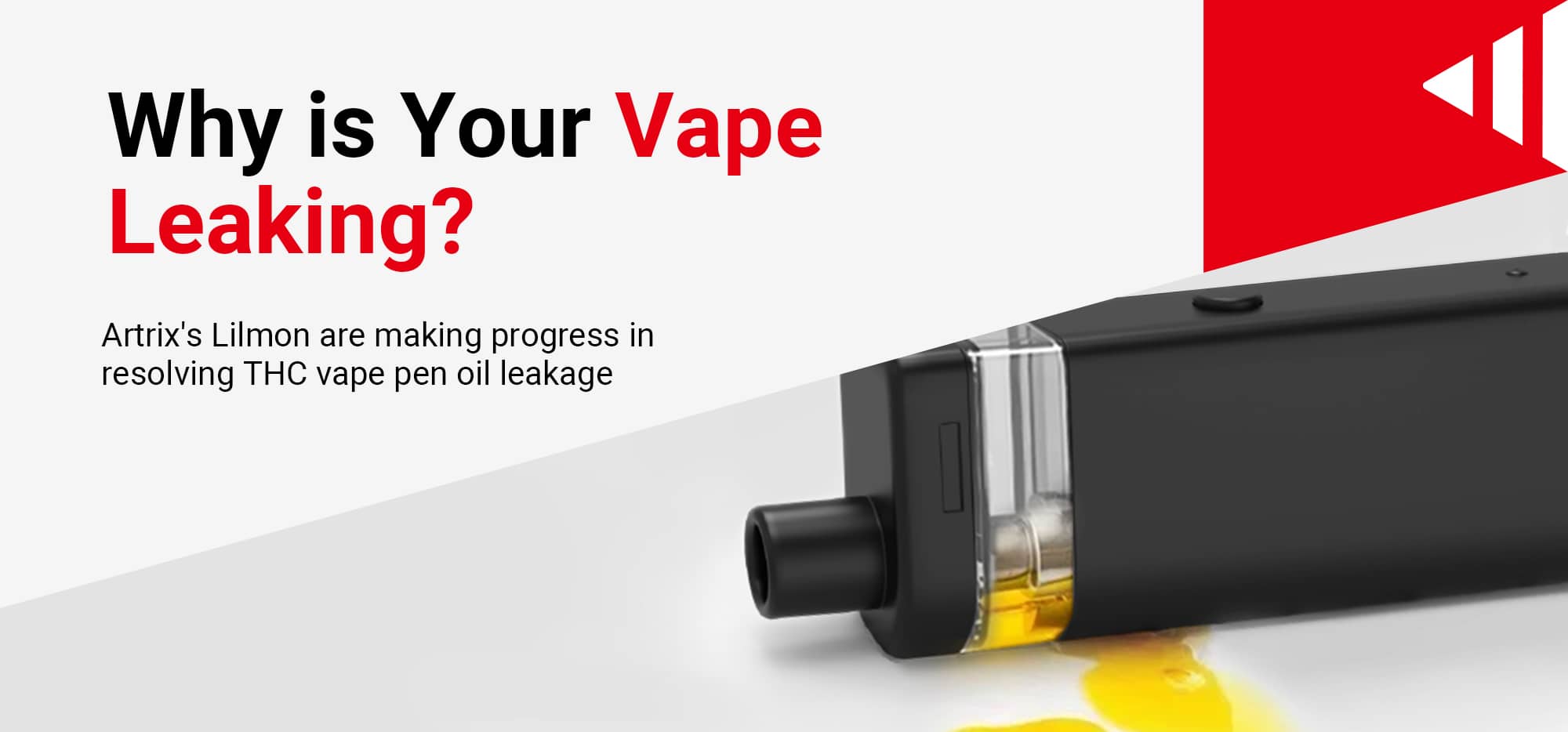
Vaping adds a hardware layer that smoking does not have. Batteries, heating elements, airflow paths, mouthpieces, seals, and oil viscosity can all affect performance. Poorly matched oil and hardware may contribute to clogging, leaking, burnt taste, weak draws, or inconsistent aerosol.
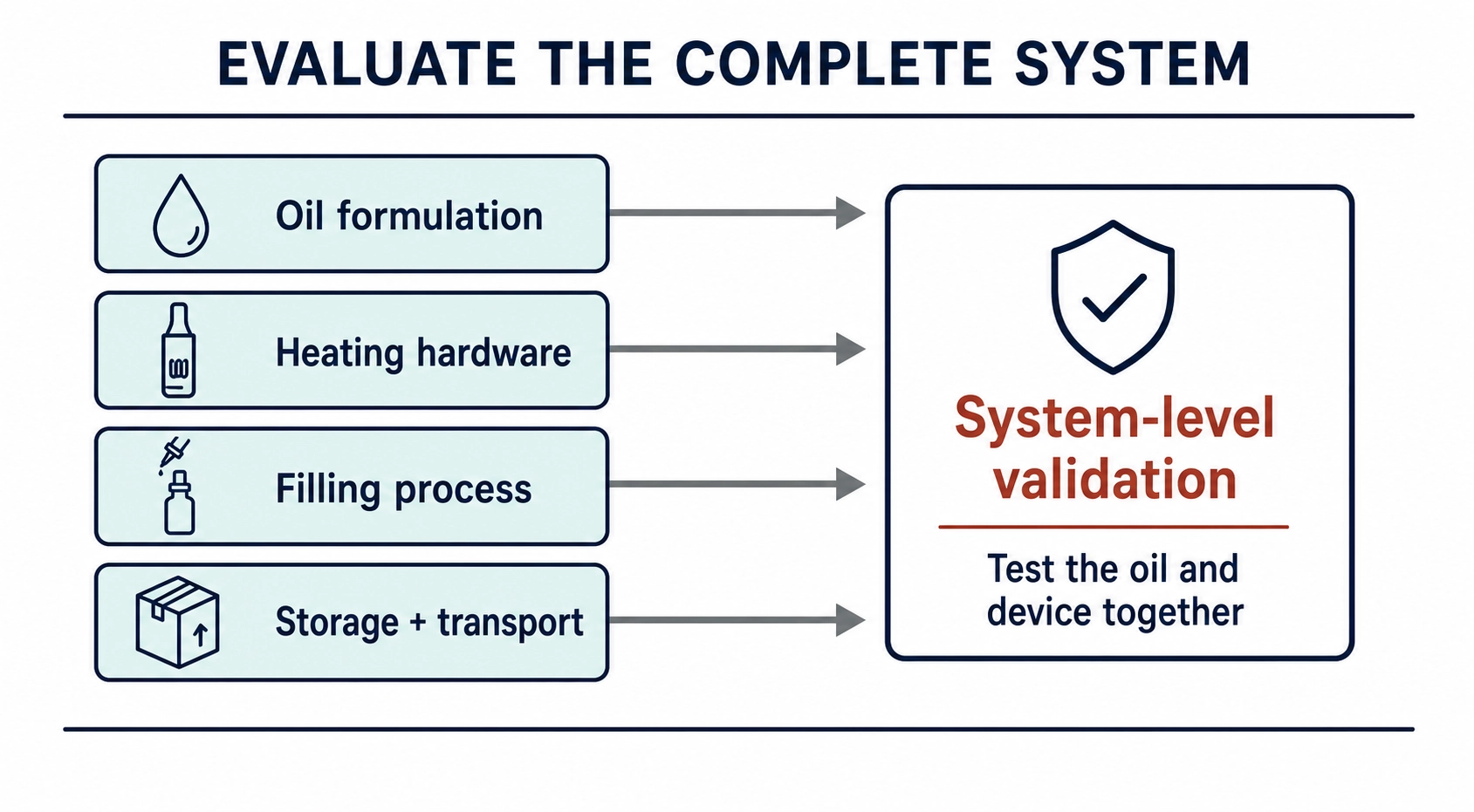
A device designed around the formulation may help reduce avoidable performance problems, but the outcome depends on fill process, oil viscosity, storage orientation, temperature, pressure, user behavior, and manufacturing consistency. Hardware design should therefore be evaluated through disclosed system-level testing rather than through broad “safer device” language.
How to Make a More Informed Choice
No checklist can make inhaled cannabis risk-free, but transparent sourcing and careful product evaluation can reduce avoidable uncertainty. Adults who legally choose cannabis should consider the product, formulation, hardware, and their own health—not only whether the delivery method is called smoking or vaping.
Buy only through sources permitted in the applicable jurisdiction.
Check whether the product has a recent, batch-specific certificate of analysis.
Review the ingredient list and avoid unexplained additives or altered products.
Use only hardware and formulations that the manufacturer identifies as compatible.
Keep the device clean and stop using a cartridge that tastes burnt, leaks, repeatedly clogs, appears damaged, or looks contaminated.
If respiratory symptoms, chest pain, or shortness of breath occur, stop use and seek medical care.
What Hardware Quality Can—and Cannot—Change
For cannabis brands and hardware buyers, quality engineering can address repeatable device functions, but it cannot support a blanket health claim. Relevant procurement questions include whether the oil and device were evaluated together, how temperature behavior was measured, which materials contact the oil or aerosol, and how leakage, clogging, storage, and transport were tested.
A useful supplier discussion should identify the formulation viscosity range, filling conditions, heating configuration, airflow design, storage conditions, test duration, sample size, and pass-or-fail criteria. Statements such as “stable heating,” “material compatibility,” or “clog resistant” become meaningful only when the test method and operating boundary are disclosed. Even then, a performance test does not automatically establish reduced toxicological or clinical risk.
Conclusion: The Risk Profile Changes, but Risk Does Not Disappear
The choice between smoking and vaping is not just about preference. Smoking burns cannabis and creates smoke-related byproducts. Vaping heats cannabis without intentional combustion, which may reduce exposure to some substances created by burning.
But vaping is not automatically safe. It replaces combustion concerns with product-quality, formulation, hardware, temperature, dose, and contamination concerns. For adults who legally choose inhaled cannabis, the most accurate takeaway is this: vaping may reduce certain smoke-related exposures, but real-world risk depends on what is inhaled, how the product was made and tested, how the device behaves, and who is using it.
Sylph Wu is the digital marketing manager at Artrix. In the cannabis vaporization sector, she has honed her expertise in social media management, SEO optimization, paid advertising, and EDM campaigns. By blending her passion for cannabis culture with strategic marketing efforts, Sylph has driven Artrix’s brand visibility and consumer engagement in line with market trends.


-1.webp)
-1.webp)
-2.webp)