
-1.webp)
-1.webp)
-2.webp)


























California 2026: Navigating Newest Regulations on Disposable Vapes and Sustainable Packaging
Last Updated: June 18, 2026
California cannabis vape regulations in 2026 do not simply create a “ban on disposable vapes.” The more practical takeaway is narrower and more important: cannabis cartridge and integrated vaporizer brands must be careful about disposal claims, packaging language, advertising messages, and product architecture. For vape brands, the commercial risk is no longer limited to whether a device works well. It now includes whether the device, package, label, and marketing story can survive compliance review.
The strongest strategy is to separate legal requirements from market direction. California rules already restrict language that suggests cannabis cartridges or integrated cannabis vaporizers are disposable, trash-safe, or recyclable in ordinary streams. At the same time, broader battery-waste policy and retailer expectations are pushing brands toward lower-waste systems, reusable batteries, cleaner packaging claims, and clearer end-of-life instructions.
For cannabis operators, hardware teams, and packaging buyers, the goal is not to chase a vague “eco” message. The goal is to build a vape platform that supports compliant labeling, responsible disposal messaging, child-resistant packaging, adult-use safeguards, and proper consumer communication without overstating legal or health claims.
What California Actually Requires for Cannabis Vape Packaging and Marketing
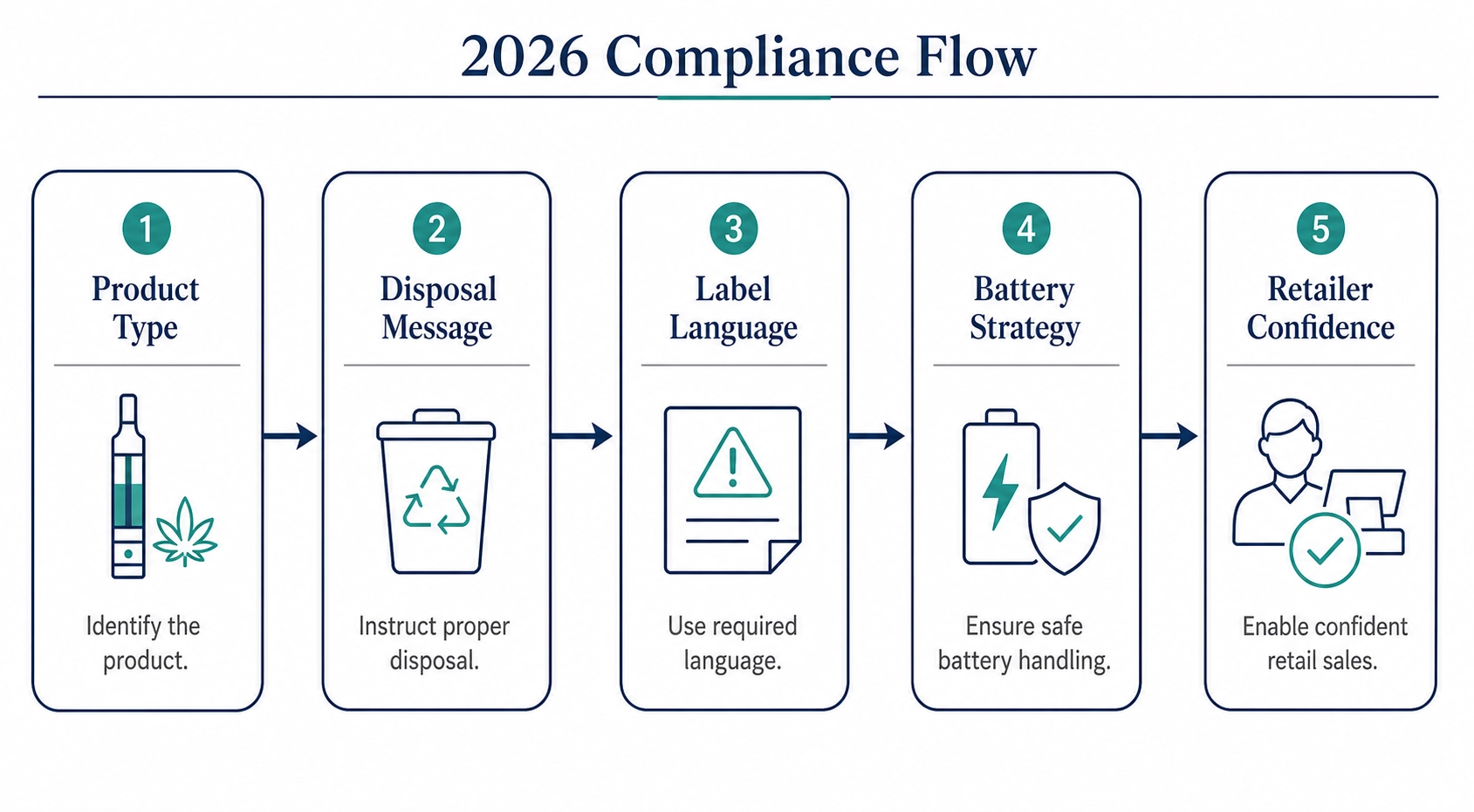
The core requirement is that cannabis cartridge and integrated vaporizer marketing must include proper disposal messaging, while packaging and labeling must not imply ordinary disposal. California’s Department of Cannabis Control explains that advertising and marketing materials for cannabis cartridges and integrated cannabis vaporizers must display specific disposal information, and that packaging and labeling cannot suggest the items are disposable, trash-safe, or appropriate for recycling streams. This is the practical compliance center of vape advertising and packaging requirements.
That distinction matters. A brand may still sell a single-use-style integrated vaporizer where permitted, but it should avoid presenting the product as something a consumer can casually throw away. The word “disposable” can create risk when it appears on the device package, a product page, a retailer asset, a social post, or a sales deck without proper disposal context.
The required message is also specific. For integrated cannabis vaporizers, California guidance says the consumer-facing message should direct proper disposal as hazardous waste at a household hazardous waste collection facility or another approved facility. That means the compliance task is not only design-related. It is also a copywriting, packaging, and channel-management task.
What Is Law, and What Is Market Inference
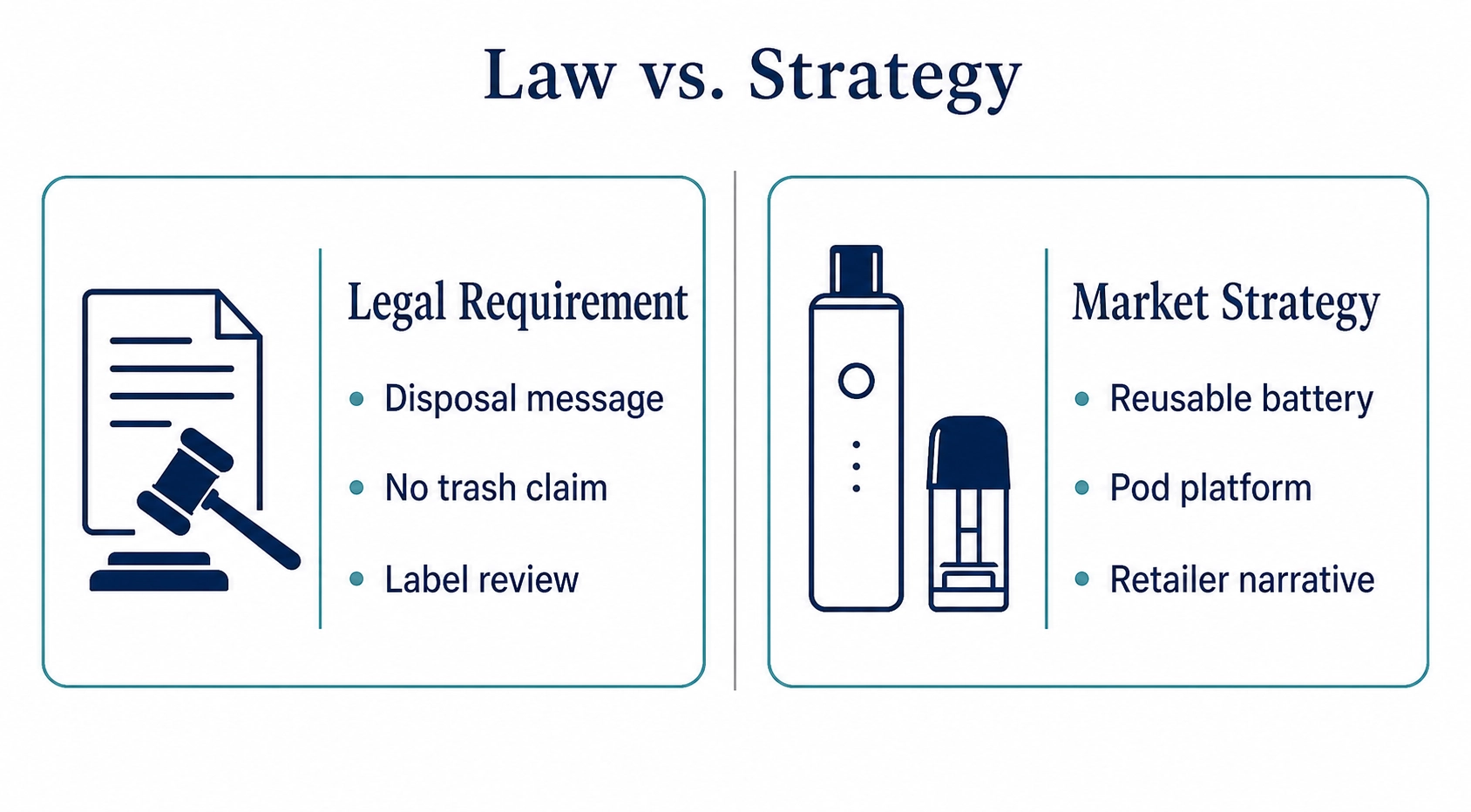
The safest interpretation is to treat disposal messaging as law and reusable platform design as market strategy. California guidance does not appear to require every cannabis vape to be disassemblable, modular, or reusable. However, the direction of travel is clear: products with embedded batteries, unclear disposal pathways, or “throwaway” positioning face more scrutiny from regulators, retailers, and environmentally aware buyers.
California’s SB 1215 framework adds covered battery-embedded products to the state’s Covered Electronic Waste Recycling Program, while also listing certain exclusions, including electronic nicotine delivery systems. CalRecycle’s overview notes that covered battery-embedded products are products containing batteries not designed to be easily removed by users with common household tools, and it outlines a 2026 timeline for fees, labeling, and collection claims in the covered battery-embedded products program.
For cannabis vape brands, the key point is not to overstate SB 1215 as a direct cannabis-vape product ban. The better editorial and business framing is this: battery-embedded products are receiving more policy attention, and cannabis vape brands should expect retailers and compliance teams to ask harder questions about battery duplication, disposal instructions, and waste positioning.
| Topic | What Is Clearly Required | What Brands Should Infer |
|---|---|---|
| Disposal language | Do not imply cannabis cartridges or integrated vaporizers can be thrown in trash or ordinary recycling. | Avoid “disposable” as a casual selling point across packaging, ads, and retailer content. |
| Advertising message | Display proper hazardous-waste disposal messaging for cannabis cartridges and integrated vaporizers where applicable. | Audit every sales asset, product page, and trade-show handout for consistent language. |
| Battery design | No blanket rule requires all cannabis vapes to be reusable or disassemblable. | Reusable batteries and pod systems may reduce waste-positioning pressure. |
| Packaging | Final-form cannabis goods must meet packaging requirements before retail sale. | Design sustainability claims around compliance first, not aesthetics first. |
Why Disposable Positioning Creates Commercial Risk
The commercial problem is that “disposable” now communicates the wrong thing in California cannabis. Even when the hardware format is familiar to consumers, the language can suggest casual disposal, simple recycling, or a lower-risk end-of-life path than the rules allow. That creates exposure across packaging, retailer education, and brand reputation.
Retailers do not want a product that creates preventable compliance friction. A package that says “disposable” too loudly, a website that omits hazardous-waste disposal language, or a sell sheet that implies curbside recycling can slow review, trigger revisions, or weaken buyer confidence. The product may still be technically strong, but the go-to-market story becomes harder to defend.
Consumer communication also matters. California vape compliance is not only a back-office issue. If the product is easy to use but hard to dispose of responsibly, the package needs enough plain-language instruction to guide adult consumers without making unsafe or unsupported claims. The best packaging copy is direct, compliant, and restrained.
Packaging Compliance Must Come Before Sustainability Claims
Sustainable packaging is useful only if it still meets cannabis packaging rules. California’s DCC states that all cannabis goods must be sold in child-resistant packaging, and vape cartridges are included under single-use child-resistant packaging guidance. The agency also notes that child-resistant packaging is designed to be difficult for children under five to open, and licensees remain responsible for making sure the package meets child-resistant packaging requirements.
This means a lower-waste package cannot simply be thinner, softer, or easier to open. It must still protect the product, show tamper evidence where required, and fit the product’s serving and use pattern. For cannabis vape brands, the practical sequence should be compliance first, then material optimization.
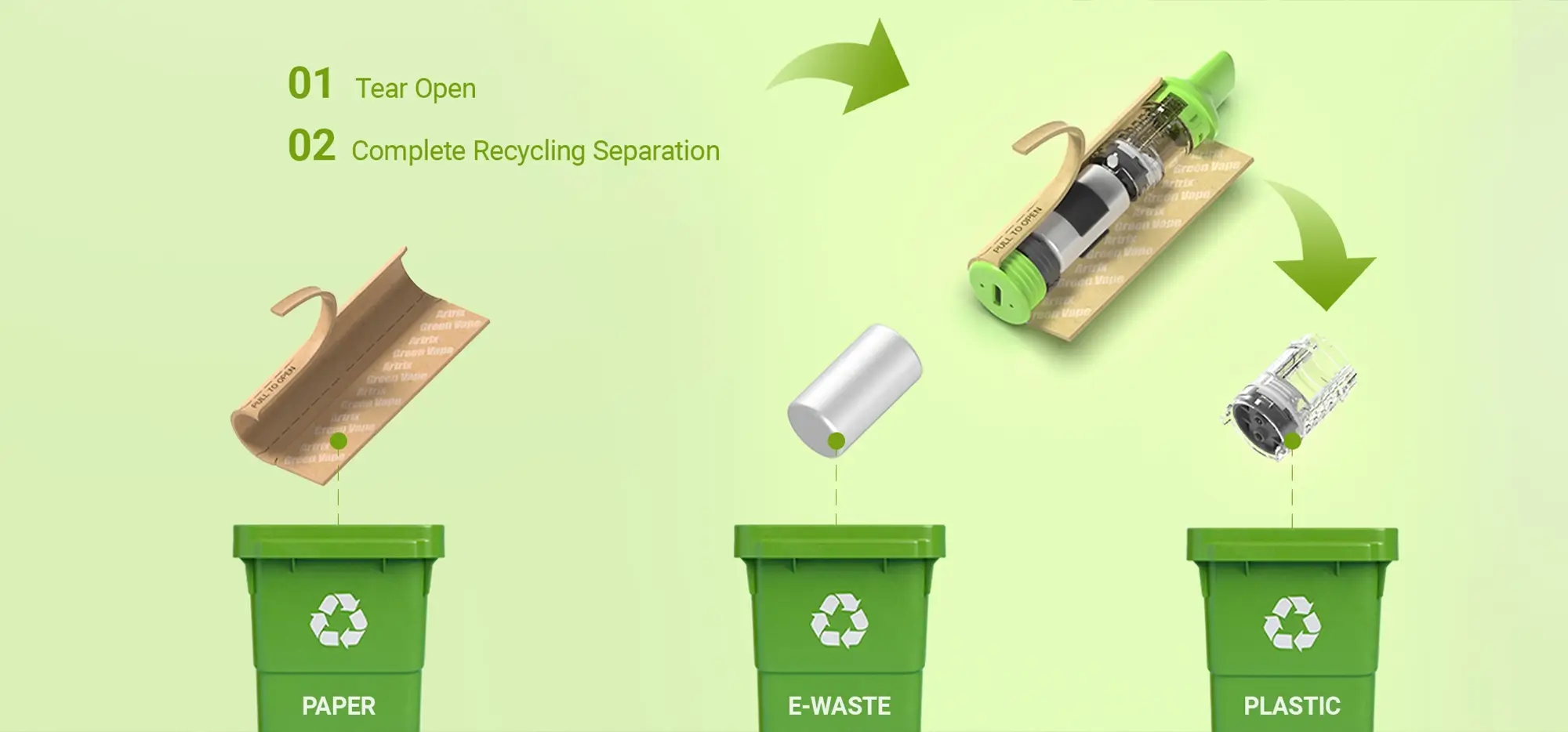
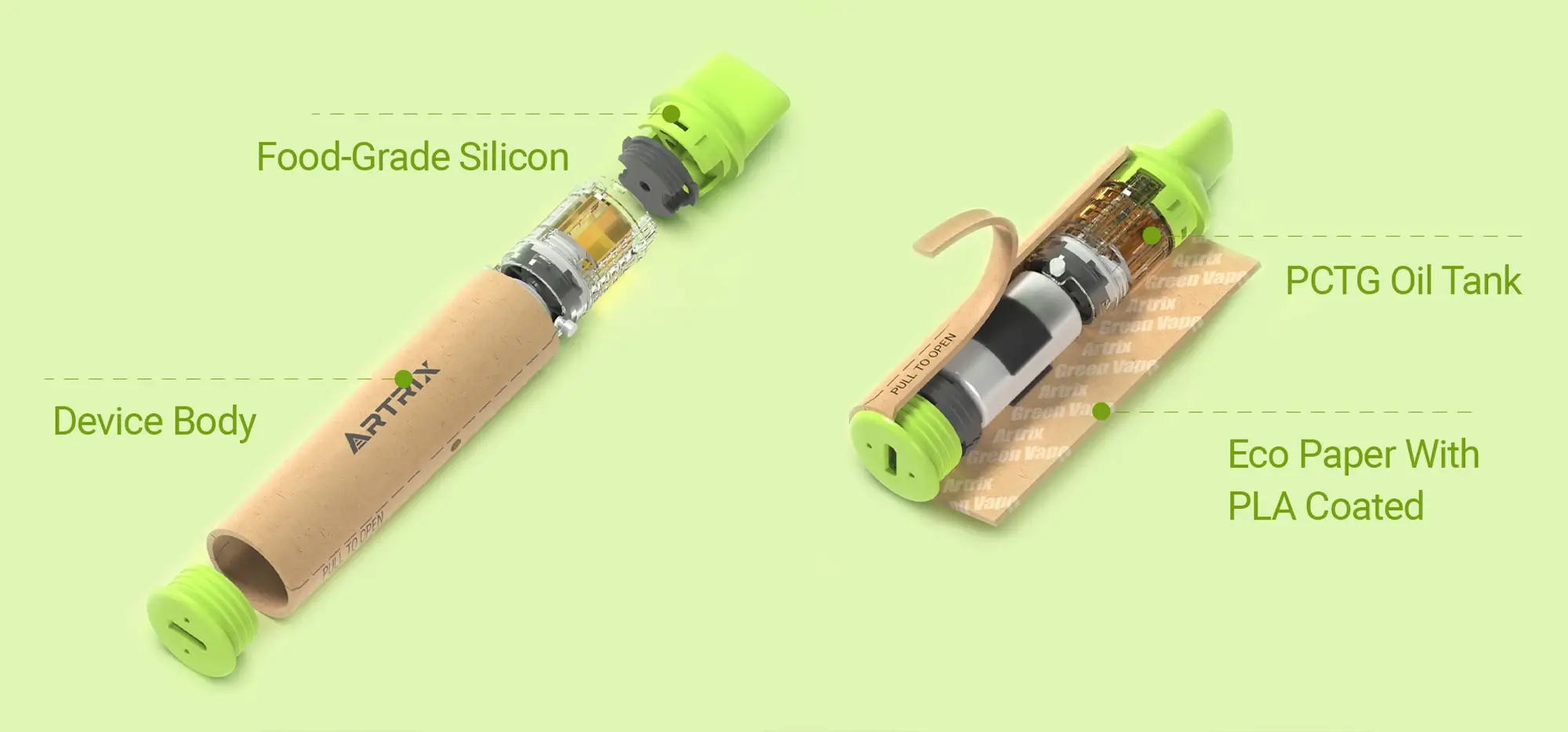
PCR materials, smaller cartons, paper-based components, and simplified inserts may support a lower-waste position, but they should not weaken child resistance, tamper evidence, product protection, or label readability. Teams evaluating cannabis cartridge packaging should treat material choice as one part of a full compliance review, not a shortcut around it.
-
- Confirm whether the package needs single-use or multiple-use child-resistant performance.
-
- Place required disposal language where consumers and reviewers can see it clearly.
-
- Avoid “recyclable,” “trash-safe,” or “disposable” phrasing unless legal review supports the claim.
-
- Test whether smaller packaging still protects the cartridge, pod, or device during distribution.
-
- Keep sustainability language factual, narrow, and easy to substantiate.
Reusable Batteries and Pod Systems Create a Cleaner Compliance Story
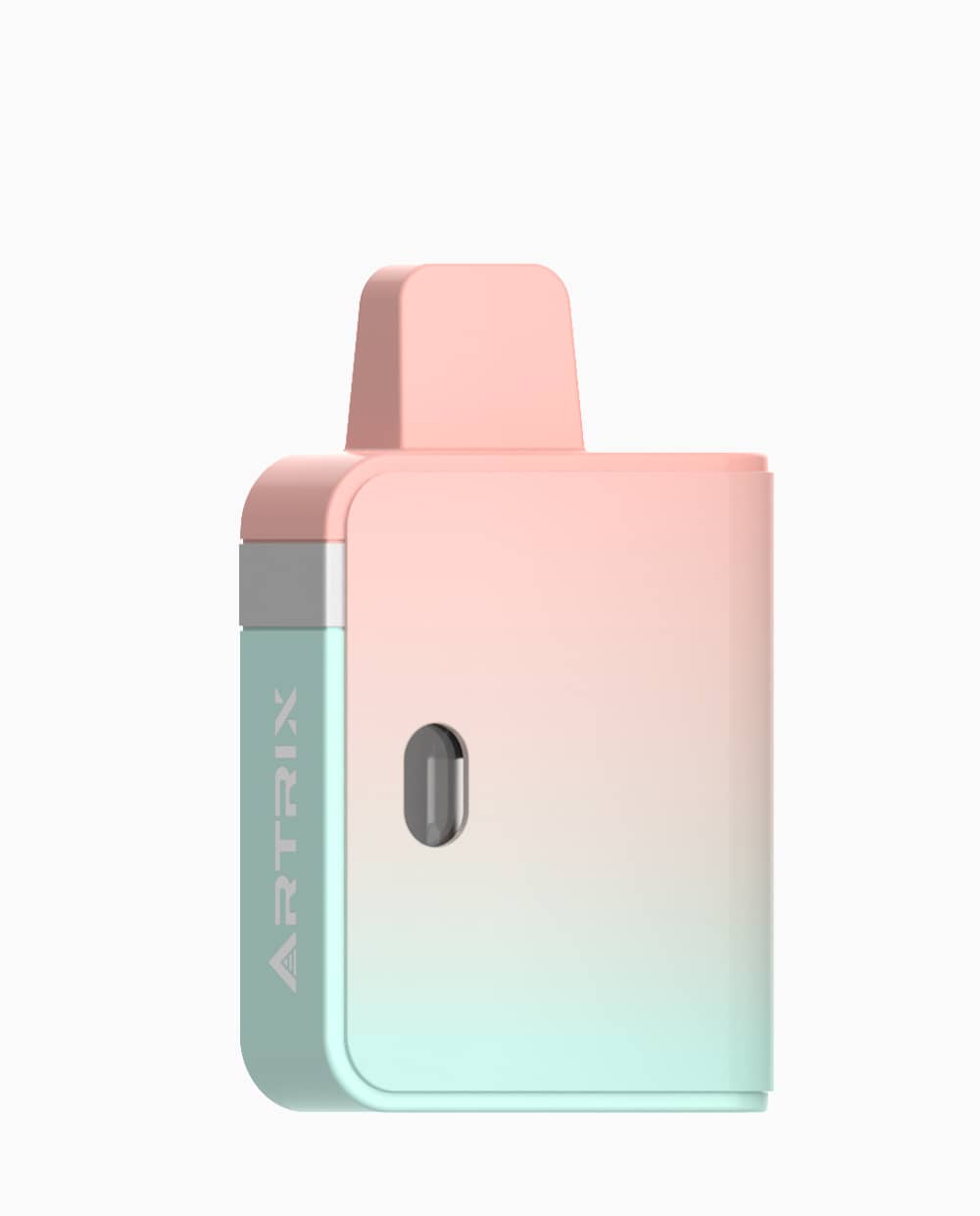
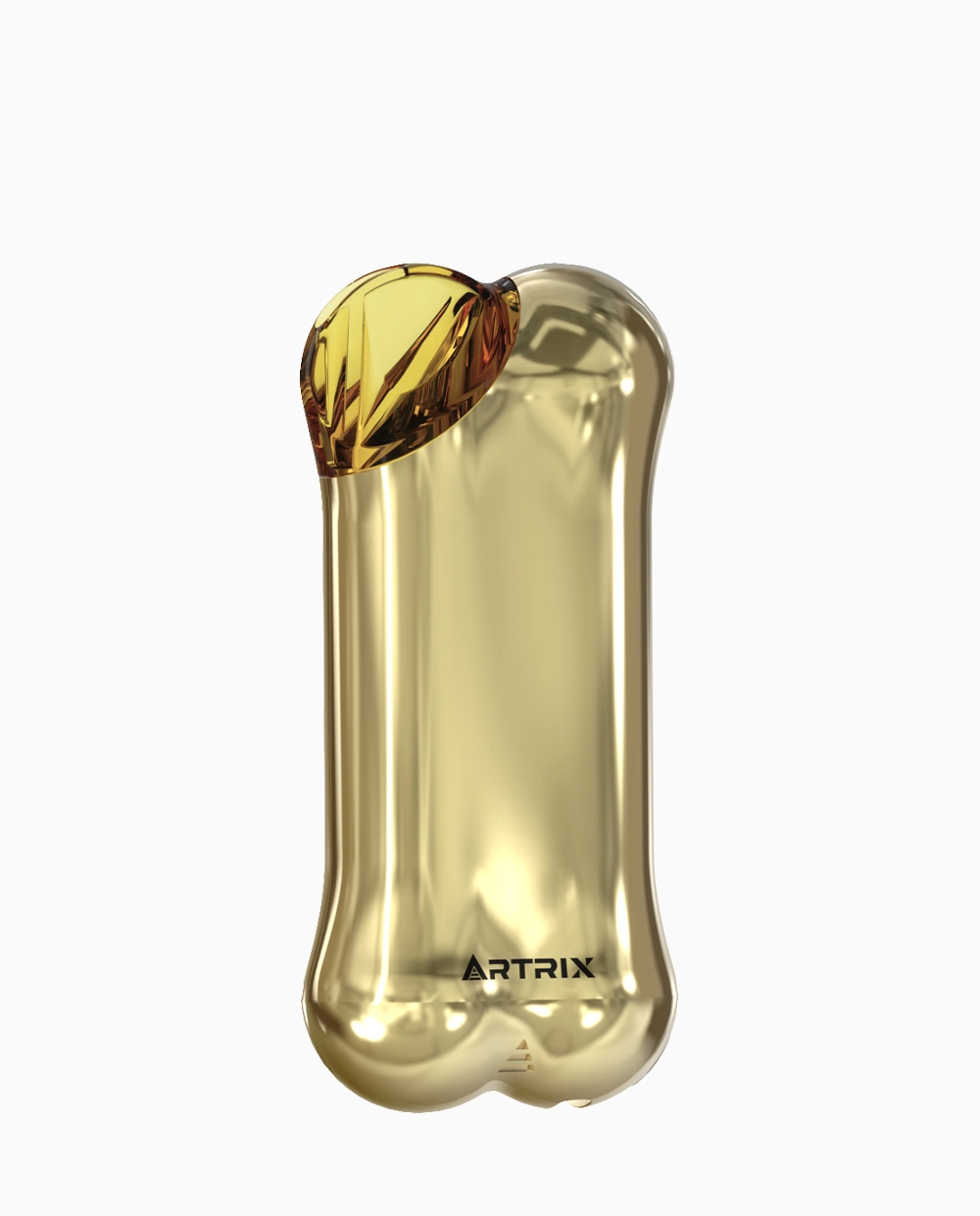
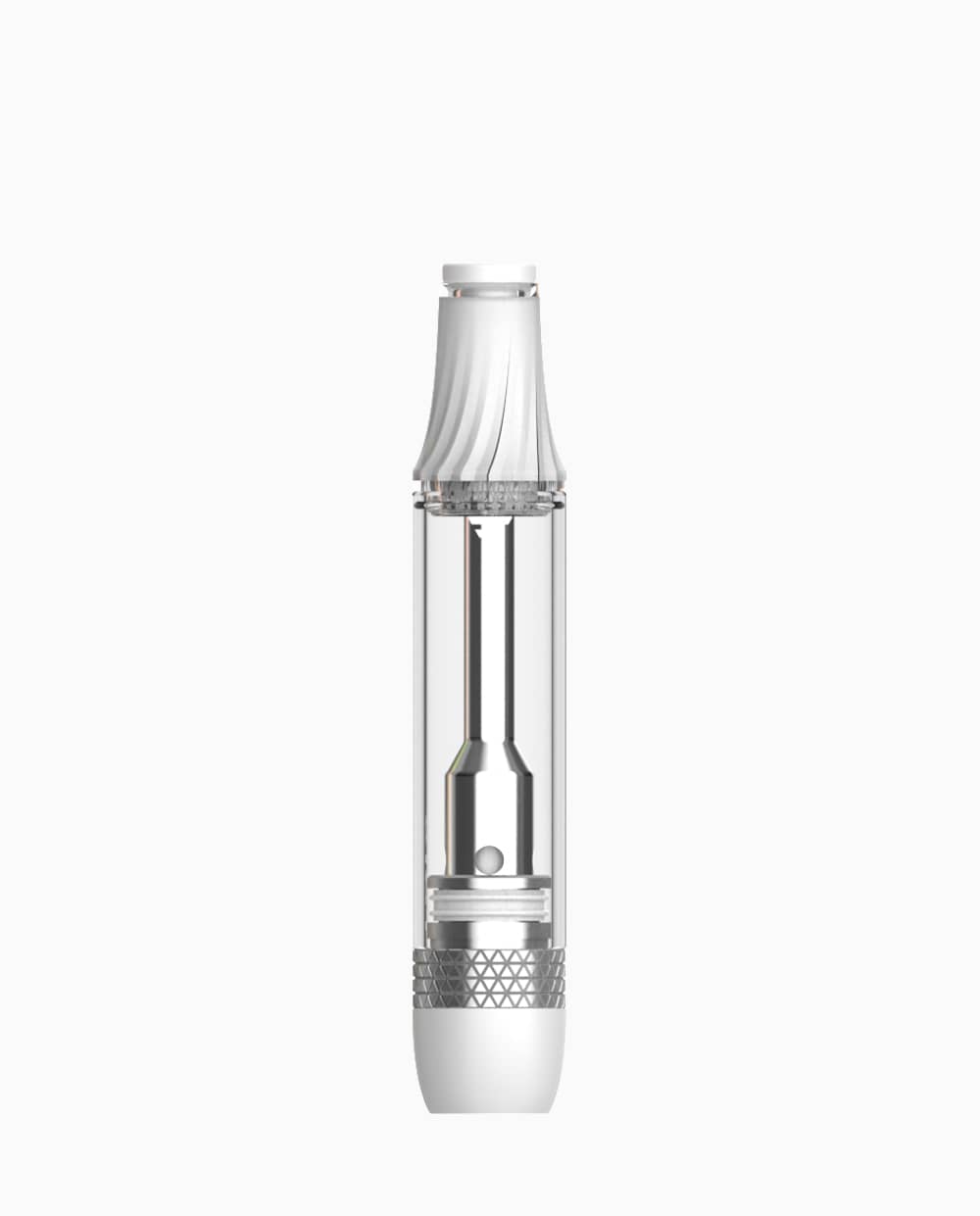
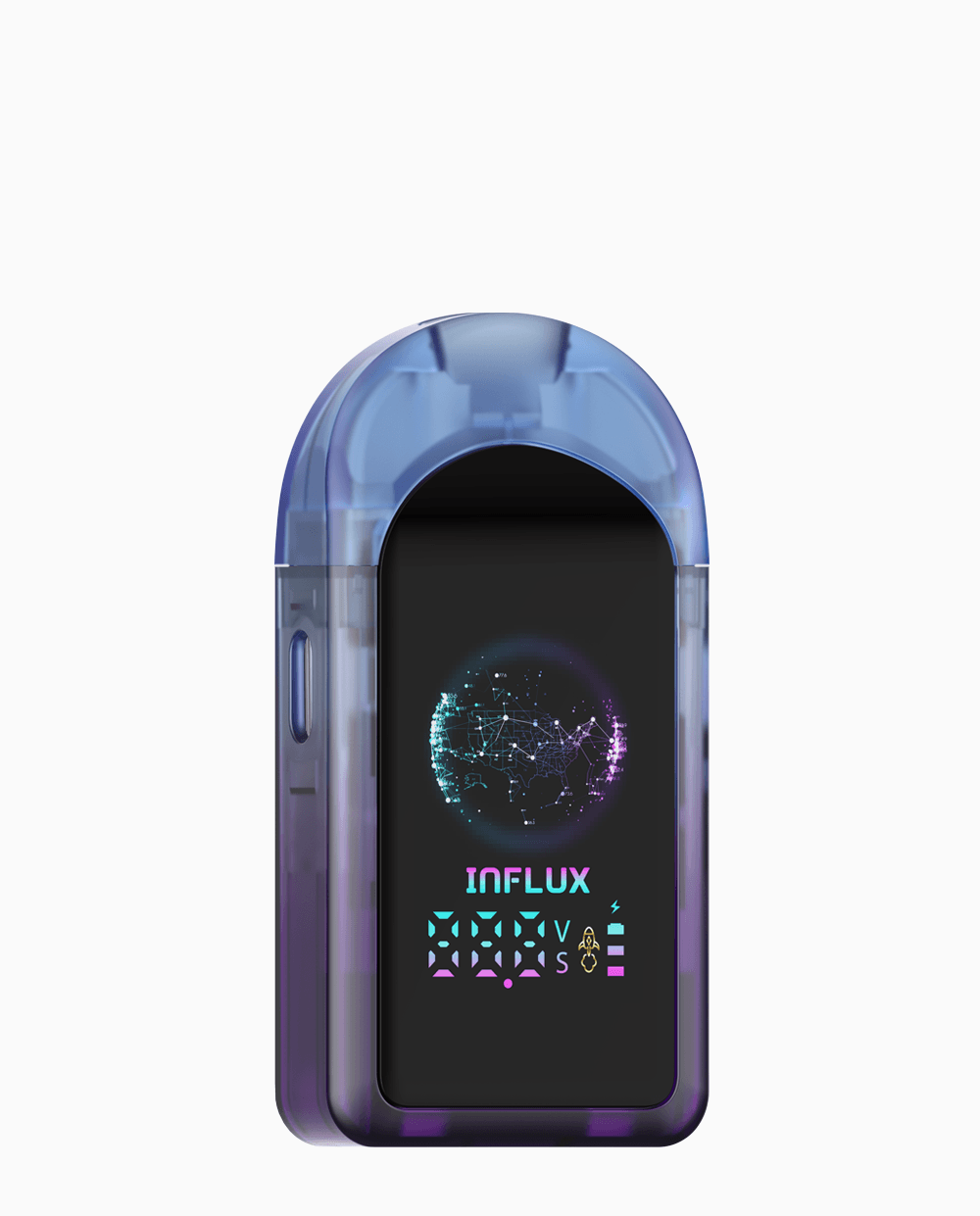
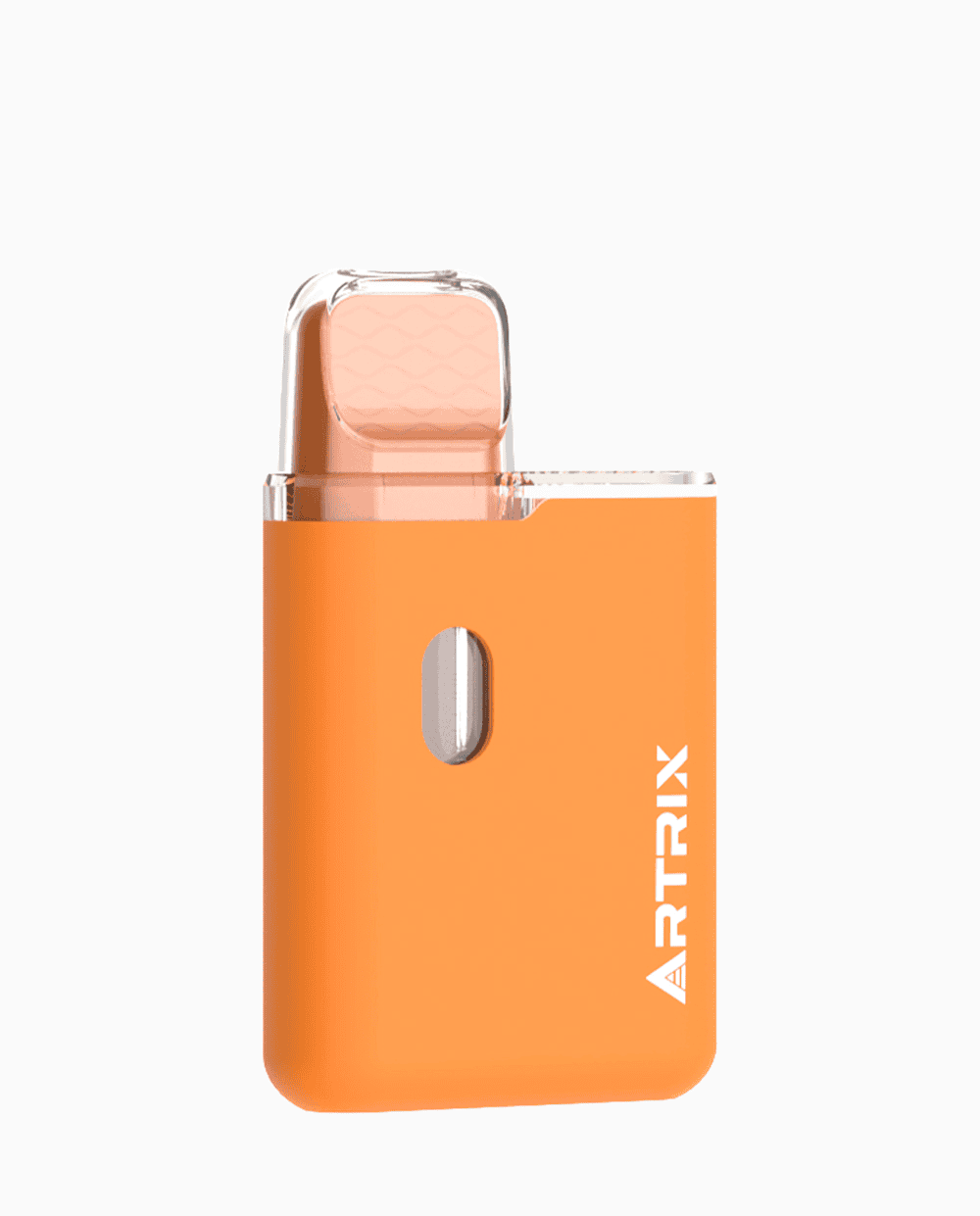
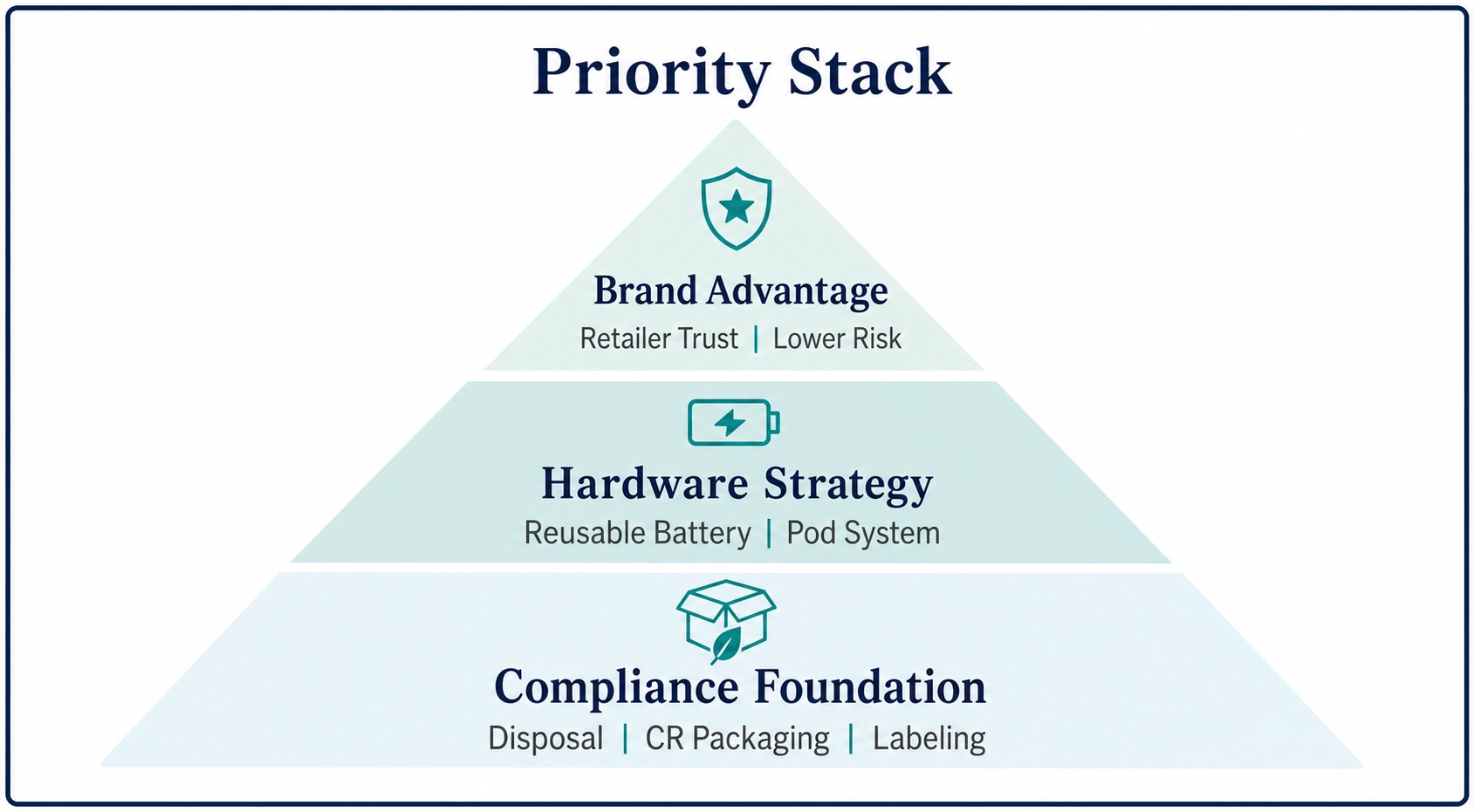
A reusable battery or pod-based platform can make the compliance story easier because it separates the power unit from the oil-containing component. That does not automatically make the system compliant, sustainable, or legally superior. It does, however, give brands more room to reduce repeated battery disposal, clarify consumer instructions, and position the product around refill or replacement behavior instead of throwaway convenience.
For California cannabis vape planning, the most useful hardware question is not “Is this device disposable?” The better question is: “What part becomes waste after use, and how clearly can the consumer identify the correct disposal path?” Brands comparing THC pod vs cartridge formats can use that question to connect hardware design with disposal communication.
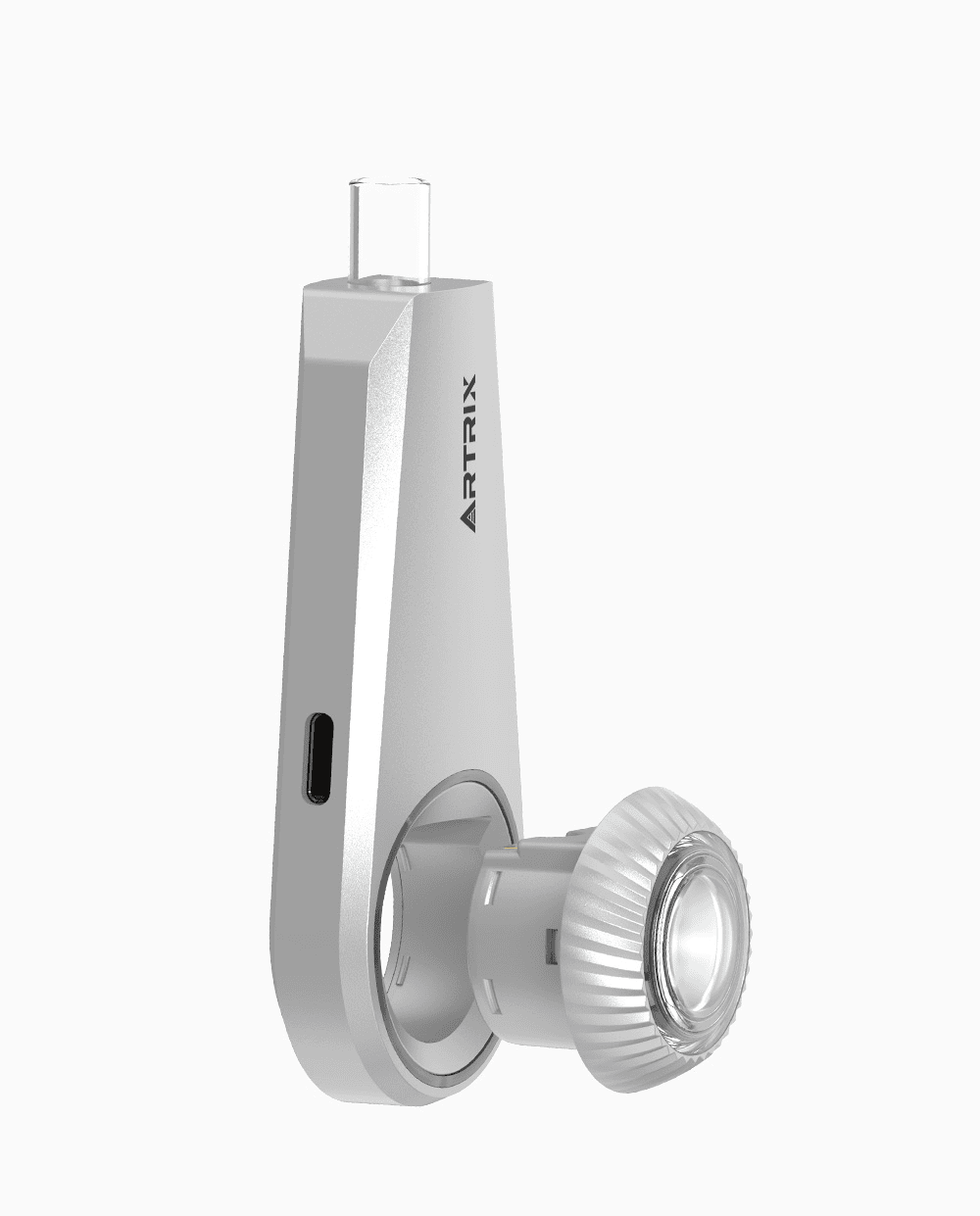
Semi-open systems can also help balance convenience and waste reduction. Consumers still get a controlled format, while brands can reduce repeated battery use and build a clearer accessory ecosystem. For B2B buyers reviewing pod systems, that can support a stronger retailer pitch: fewer batteries per repeat purchase, more consistent device experience, and a compliance narrative that does not depend on casual disposal language.
Health and Safety Language Needs Extra Caution
California cannabis vape content should avoid implying that vaping is risk-free or medically safer unless that claim is directly supported and legally reviewed. Public-health agencies treat vaping claims carefully, and the CDC states that no tobacco products, including e-cigarettes, are safe, while also noting that scientists continue to study short- and long-term effects. Even though cannabis vapes are regulated differently from tobacco e-cigarettes, this public-health context makes broad “safe vaping” language risky in adult-use cannabis marketing and education. Use cautious language around health effects of vaping.
A stronger approach is to talk about responsible adult-use safeguards, regulated sourcing, compliant packaging, age-gated distribution, product testing where applicable, and proper disposal. These claims are more specific and easier to support than vague statements about safety. They also align better with how compliance teams review cannabis content.
For example, “safe vaping with cannabis” can be softened into “responsible cannabis vape product design for adult-use markets.” That phrase still supports the reader’s intent, but it avoids promising a health outcome. It also keeps the article focused on what hardware and packaging teams can actually control.
2026 Compliance Checklist for California Cannabis Vape Brands
The best 2026 checklist connects the device, package, label, website, and retailer asset into one review process. Compliance gaps often appear when each team works separately: engineering chooses the device, packaging adds the claim, marketing writes “disposable,” and sales sends a retailer deck without disposal language. A single checklist reduces that fragmentation.
-
- Review every use of “disposable,” “single-use,” “recyclable,” “trash,” and “eco-friendly” across packaging and marketing.
-
- Add required hazardous-waste disposal messaging for cannabis cartridges and integrated vaporizers where applicable.
-
- Confirm child-resistant packaging status, including whether the product uses single-use or multiple-use CRP.
-
- Check tamper-evident structure and label readability before approving final packaging.
-
- Separate legal requirements from sustainability goals in internal approval notes.
-
- Evaluate whether a reusable battery, pod, or semi-open system would reduce waste-positioning pressure.
-
- Keep adult-use and age-restriction safeguards visible in brand education and retailer materials.
-
- Send all compliance-sensitive language through legal or regulatory review before publication.
This checklist should be used before product launch and again before major website, packaging, or retailer-content updates. California guidance can change, and packaging claims that felt harmless in one sales cycle may become a problem in the next. Teams choosing cannabis vape products should review hardware, packaging, and copy together before launch.
Conclusion: Build the Device, Packaging, and Disposal Story Together
The winning approach to California cannabis vape regulations in 2026 is not panic, and it is not greenwashing. It is integration. Brands need a device architecture, package structure, label language, disposal message, and retailer story that all say the same thing.
For integrated vaporizers, that may mean tighter copy control and clearer hazardous-waste disposal instructions. For pod systems or reusable battery platforms, it may mean using the hardware format to support a lower-waste business model without overstating what California law requires. For packaging teams, it means treating child resistance, tamper evidence, and disposal language as design inputs from the first prototype, not final-stage fixes.
California is pushing cannabis vape brands toward more responsible communication and more defensible product systems. Brands that respond early can reduce revision cycles, improve retailer confidence, and build a stronger compliance narrative for adult-use markets.