

-1.webp)
-1.webp)
-2.webp)















Pre-Rolls vs. Rolling Your Own: The Complete Guide to Choosing What’s Right for You
Quick Decision Guide
Quick Answer: If you smoke less than once a week or value convenience above all else, pre-rolls are your friend. If you smoke regularly and want the freshest, most cost-effective experience with full control, learn to roll your own.
| Factor | Buy Pre-Rolls | Roll Your Own |
|---|---|---|
| Best For | Beginners, on-the-go, convenience seekers | Regular users, budget-conscious, customization lovers |
| Cost | $8-15/gram (premium) | $5-10/gram + supplies (~$20 one-time) |
| Time Investment | 0 minutes | 2-5 minutes per joint |
| Skill Required | None | Moderate (1-2 weeks to learn) |
| Customization | Limited | Complete control |
| Freshness | Variable | Guaranteed |
| Best Situations | Concerts, travel, trying new strains | Home sessions, daily use, sharing with friends |
Introduction: The Age-Old Cannabis Conundrum
Picture this: It’s Friday evening, you’ve survived another demanding week, and you’re ready to unwind. You reach for your stash and face the eternal question—grab a pre-roll from the dispensary haul, or take a few minutes to craft your own?
This isn’t just about convenience versus effort. It’s about your relationship with cannabis, your budget, your lifestyle, and what kind of experience you’re actually looking for.
The good news? There’s no wrong answer. Both options have evolved dramatically over the past few years, and understanding the trade-offs will help you make smarter choices based on your actual needs—not marketing hype or outdated assumptions.
Let’s break it down honestly.
What Exactly Are Pre-Rolls?
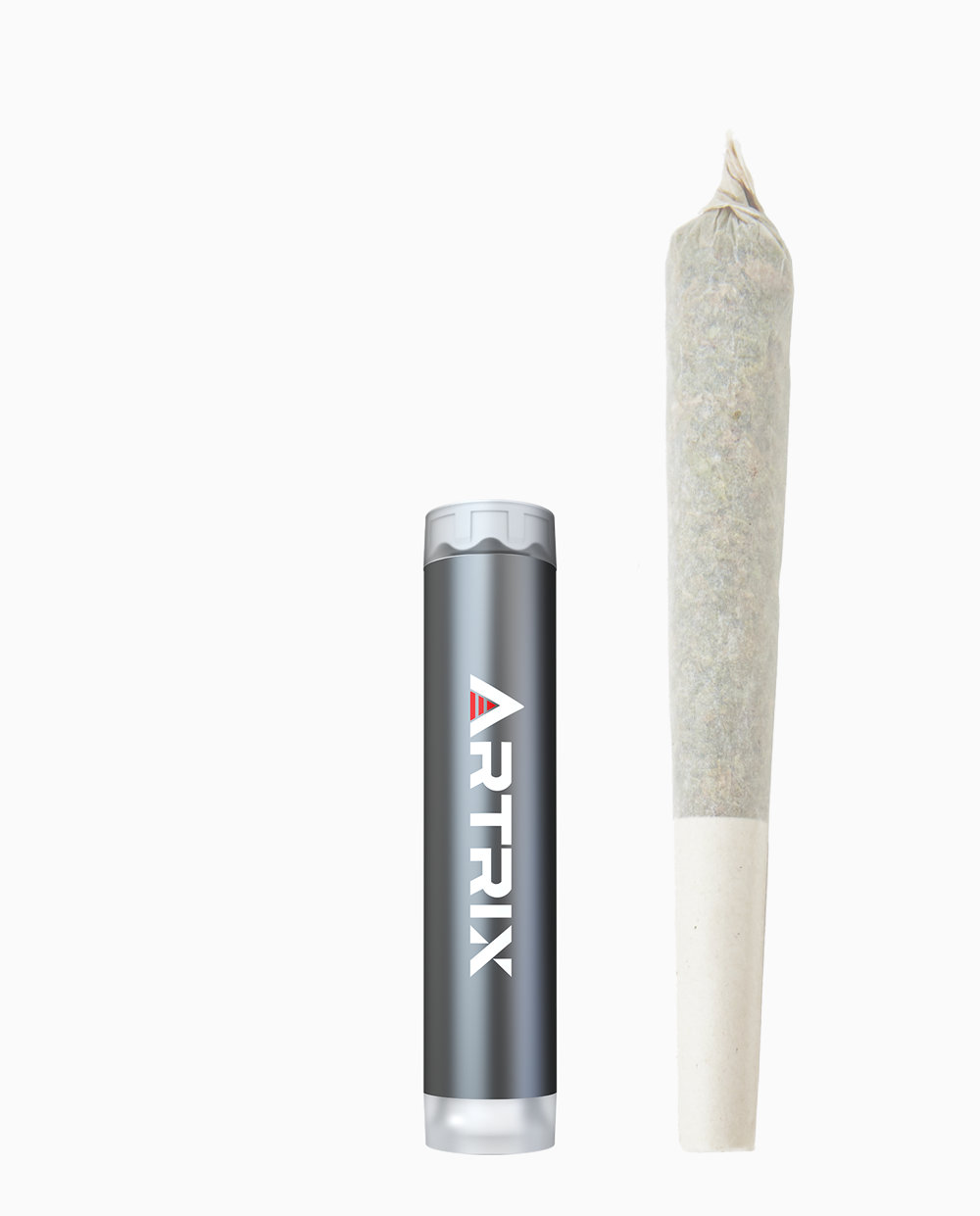
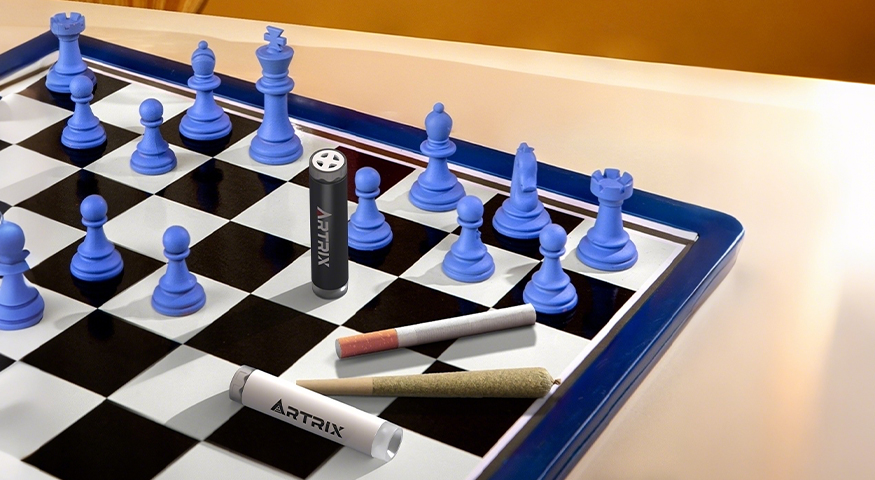
Pre-rolls are ready-to-smoke joints that come pre-packaged from dispensaries or brands. They typically contain three components: ground cannabis flower, rolling paper (or a wrap), and a filter (also called a crutch or tip) at the mouthpiece end.
The concept is simple—someone else did the work, so you just light up and enjoy.
The Evolution of Pre-Rolls
Pre-rolls have a complicated reputation. In the early days of legal cannabis, they were notorious for being stuffed with “shake”—the leftover crumbs, stems, and trim that accumulated at the bottom of storage containers. Dispensaries used pre-rolls to move product they couldn’t sell otherwise.
That reputation stuck, and for good reason—it was often true.
But here’s what’s changed: competition forced quality improvements. Premium brands now use the same whole flower you’d buy in a jar. Machine-rolling technology has improved consistency. Infused options (with kief, concentrates, or live resin) have turned pre-rolls into a legitimate product category rather than a dumping ground.
That said, quality still varies wildly. Knowing what to look for matters more than ever.
Types of Pre-Rolls Available Today
The pre-roll market has exploded with options:
By size:
-
- Minis/dogwalkers (0.3-0.5g): Quick solo sessions
-
- Standards (0.75-1g): The classic single-serve
-
- King-size (1-1.5g): Extended sessions or sharing
-
- Cannons/XL (2g+): Party-sized or heavy tolerance
By contents:
-
- Single-strain: One specific cultivar
-
- Blends: Multiple strains mixed together
-
- Infused: Enhanced with kief, hash, live resin, or distillate
-
- Full-spectrum: Designed to preserve the complete terpene profile
By packaging:
-
- Singles: Try before you commit
-
- Multi-packs (3-7): Better value for regular buyers
-
- Variety packs: Sample different strains
The Real Benefits of Buying Pre-Rolls
Let’s be honest about what pre-rolls actually deliver well—and skip the marketing fluff.
Unmatched Convenience
This is the obvious one, but it’s worth emphasizing just how convenient pre-rolls are. No grinding, no papers, no filter folding, no technique required. You open the package and you’re ready.
This matters most when:
-
- You’re at a concert, festival, or social event
-
- You’re traveling and can’t bring rolling supplies
-
- You’ve had a rough day and want zero friction between you and relaxation
-
- You’re sharing with friends who don’t know how to roll
-
- Your hands aren’t steady (medical patients especially appreciate this)
The value of convenience isn’t laziness—it’s recognizing that sometimes the ritual of rolling enhances the experience, and sometimes it’s just an obstacle.
Consistency (When You Buy Quality)
Pre-rolls from reputable brands deliver the same experience every time. The density is uniform, the airflow is predictable, and you know exactly what you’re getting.
Compare this to hand-rolling, where even experienced rollers have off days. A pre-roll eliminates the variable of your own skill and energy level.
Low Barrier to Entry
If you’re new to cannabis or returning after a long break, pre-rolls let you participate without learning a new skill first. You can focus on understanding how different strains affect you rather than worrying about technique.
This also makes them great for sampling. Want to try that new cultivar everyone’s talking about? A single pre-roll costs less than committing to an eighth and lets you test before you invest.
Portability and Discretion
A tube of pre-rolls fits in a pocket. It’s sealed, relatively odor-proof, and doesn’t require you to carry a grinder, papers, filters, and loose flower.
For anyone who consumes away from home—whether that’s hiking, camping, visiting friends, or just sitting in your backyard—the portability factor is significant.
The Honest Downsides of Pre-Rolls
Here’s what the dispensary staff might not volunteer.
The Cost Premium Is Real
Let’s do the math that matters.
A decent pre-roll runs $8-15 for a single gram at most dispensaries. Premium or infused options can hit $20-25.
Meanwhile, an eighth (3.5g) of comparable flower might cost $30-45. That same amount, rolled yourself, yields 5-7 joints depending on your preference.
-
- Pre-roll: $8-15 each
-
- DIY (from $40 eighth): $5.70-8 each
If you smoke a few times a week, that difference adds up to hundreds of dollars annually. Pre-rolls are essentially paying a convenience tax.
Quality Remains a Gamble
Despite improvements, not all pre-rolls are created equal. The fundamental problem persists: you can’t see what’s inside until you’re smoking it.
Warning signs of low-quality pre-rolls:
-
- Burns unevenly or “canoes” (one side burns faster)
-
- Tastes harsh, like hay, or has no flavor at all
-
- Goes out repeatedly while smoking
-
- Produces dark ash instead of light gray or white
-
- Feels too tight (hard to draw) or too loose (burns too fast)
-
- Has a paper taste that overpowers the cannabis
Some dispensaries still use pre-rolls to move old inventory. That flower sitting in storage loses terpenes and potency over time. A pre-roll from last month’s harvest won’t match freshly ground flower.
Freshness Is Out of Your Control
Cannabis is best consumed fresh. Terpenes—the compounds responsible for flavor and many effects—degrade over time, especially when the flower has been ground.
Pre-rolls are pre-ground by definition. Even if they were rolled with excellent flower, they’ve been sitting pre-ground for days, weeks, or sometimes months before you light up.
You might not notice the difference if you’re new to cannabis. But once you’ve experienced truly fresh flower, the staleness of some pre-rolls becomes obvious.
The Case for Rolling Your Own
Now let’s examine what the DIY approach actually offers beyond the romantic notion of “craft.”
Complete Control Over Your Experience
Rolling your own means every variable is yours to decide:
Strain selection: Use exactly what you want. Mix two strains for a custom blend. Try that “sleepy Sunday special” combination someone mentioned online.
Grind consistency: Finer grinds burn faster and hotter. Coarser grinds burn slower with more airflow. You dial in what works for you.
Density: Pack it tight for a slow burn, or keep it loose for easier draws. Your call.
Size: Roll pinners for microdosing or fatties for sharing. No manufacturer telling you what “standard” means.
Paper choice: Rice papers, hemp papers, ultra-thins, flavored wraps—each burns differently and affects taste. Find your preference.
This level of customization isn’t just about being picky. It’s about optimizing your experience over time as you learn what you actually like.
Long-Term Cost Savings
The upfront investment for rolling supplies is roughly $20-40:
-
- Quality grinder: $15-25 (metal with kief catcher recommended)
-
- Rolling papers (100-300 pack): $3-8
-
- Filter tips: $3-5
-
- Optional rolling tray: $10-20
After that, your ongoing cost is just flower and papers—both significantly cheaper per session than pre-rolls.
For regular consumers, this translates to substantial annual savings. Someone smoking 3-4 times weekly could save $400-600 per year by rolling their own.
Freshness You Can Guarantee
When you grind flower immediately before rolling, you’re consuming it at peak freshness. Those terpenes that degrade in pre-ground product? They’re fully intact.
The difference is noticeable in:
-
- Flavor: More pronounced, complex taste profiles
-
- Aroma: That distinctive strain smell actually comes through
-
- Effects: Many users report fuller effects from fresh flower
This is perhaps the strongest argument for DIY rolling that doesn’t get discussed enough. You’re not just saving money—you’re getting a better product.
The Ritual Has Real Value
This sounds intangible, but don’t dismiss it.
The process of grinding, arranging, rolling, and sealing creates a natural pause before consumption. It’s a few minutes of focused, hands-on activity that transitions your mind from work-mode to relaxation-mode.
For many regular consumers, the ritual becomes as much a part of the experience as the consumption itself. It’s meditative, intentional, and centering.
There’s also the social dimension. Rolling a joint to share with friends creates a moment of anticipation and connection. Passing around something you made yourself carries different energy than opening a manufactured product.
Reduced Waste
Experienced rollers maximize their flower. Every bit gets used. The kief that collects in your grinder becomes a bonus—sprinkle it on top for an enhanced session or save it for special occasions.
Pre-rolls, by contrast, often have ash fallout during transport and handling. That flower that spills out the end when you light up? You paid for it but didn’t smoke it.
The Genuine Challenges of Rolling Your Own
Let’s not pretend DIY rolling is for everyone.
The Learning Curve Is Real
Rolling a good joint takes practice. Your first attempts will likely be:
-
- Too loose (burns fast, falls apart)
-
- Too tight (can’t draw smoke through)
-
- Uneven (lumpy, canoes when burning)
-
- Wasteful (flower spilling everywhere)
Most people need 10-20 practice sessions before achieving consistently good results. During that learning period, you’ll waste some flower and have some frustrating experiences.
This is the hidden cost of rolling your own that math comparisons don’t capture. If you ruin half a gram learning to roll, that changes the economics significantly.
Time and Setting Requirements
Rolling requires:
-
- A stable, flat surface
-
- Reasonably clean hands
-
- 2-5 minutes of uninterrupted time
-
- Decent lighting (helps you see what you’re doing)
These requirements are trivial at home but become significant obstacles elsewhere. You can’t roll a quality joint while standing at a concert. You probably don’t want to roll in a public park. Windy conditions make it nearly impossible.
The DIY approach works best for home consumption and planned sessions—not spontaneous situations.
Supplies Need Managing
Rolling your own means tracking multiple items:
-
- Flower supply
-
- Grinder cleanliness
-
- Paper stock
-
- Filter availability
Run out of papers? No joint tonight unless you improvise. Grinder getting sticky and clogged? Your grind quality suffers.
This is minor compared to the friction of fully manufactured products, but it’s real. You’re taking on logistics that pre-rolls handle for you.
It’s Not Always Practical
Some situations genuinely call for pre-rolls:
-
- Travel where you can’t bring supplies
-
- Events where you want to stay present, not preparing
-
- Sessions with beginners who’d be waiting on you
-
- Times when your hands aren’t cooperating
Recognizing when rolling makes sense versus when it’s just adding friction is part of becoming a thoughtful consumer.
The Middle Ground: Options You Might Not Know About
The pre-roll vs. DIY debate creates a false binary. Several middle-ground options exist.
Pre-Rolled Cones
These are empty paper cones with filters already attached. You simply grind your flower and pack it in—no rolling technique required.
Pros:
-
- Uses your own fresh flower
-
- No rolling skill needed
-
- Much faster than hand-rolling
-
- Still cheaper than pre-rolls
Cons:
-
- Less customization than hand-rolling
-
- Still need to grind and pack
-
- Cone quality varies by brand
Pre-rolled cones are excellent for people who want fresh flower without learning traditional rolling.
Rolling Machines
Small devices that mechanically roll joints for you. You load ground flower and paper, and the machine does the work.
Pros:
-
- Consistent results
-
- Minimal technique required
-
- Works with any paper
Cons:
-
- Limited size flexibility
-
- Another item to maintain
-
- Can over-pack if not careful
Good for regular rollers who want consistency without developing hand technique.
The Hybrid Approach
Many experienced consumers use both pre-rolls and DIY rolling depending on context:
-
- At home: Roll your own for freshness and ritual
-
- Traveling: Pre-rolls for convenience
-
- Trying new strains: Single pre-rolls to sample
-
- Daily drivers: Bulk flower rolled yourself
This isn’t indecisive—it’s smart. Match your method to the moment.
How to Identify Quality Pre-Rolls
If you’re buying pre-rolls, know how to spot the good ones.
Before Purchase
Check the brand reputation. Some brands are known for using whole flower while others still fill with shake. Online reviews and community discussions reveal patterns.
Look at the packaging date. Fresher is better. Pre-rolls older than a few months have likely lost significant terpene content.
Ask about contents. Reputable dispensaries can tell you whether pre-rolls contain whole flower, trim, or shake. If they can’t answer, be cautious.
Inspect if possible. In some states, you can examine products before purchase. Look for visible flower quality through the paper.
While Smoking
The burn test: Quality pre-rolls burn evenly without requiring constant relighting or rotation. “Canoeing” (one side burning faster) indicates uneven density or low-quality flower.
The taste test: First puff should have clear flavor. If it tastes like hay, lawn clippings, or just generic “weed,” the flower quality is poor.
The ash test: Light gray to white ash indicates properly cured cannabis. Dark black ash suggests problems with the cure or contaminants.
The honey halo: Look for a ring of amber-colored oil forming just below the burning cherry. This indicates sufficient cannabinoid content being released properly.
Quick-Start Guide: Learning to Roll
If you want to try rolling your own, here’s how to get started without wasting too much flower.
Essential Supplies
Must-haves:
-
- Metal grinder with kief catcher (~$20)
-
- Rolling papers—Raw brand is forgiving for beginners
-
- Filter tips (pre-cut or make from business cards)
Nice-to-haves:
-
- Rolling tray (contains mess)
-
- Packing tool (a pencil works fine)
-
- Storage container for finished joints
Basic Technique Overview
-
- Grind your flower. Aim for consistency—not powder-fine, not chunky. About the texture of dried oregano.
-
- Create your filter. Fold a small piece of cardstock into an accordion pattern, then roll it into a cylinder. This creates airflow channels.
-
- Load the paper. Paper adhesive strip should face you, at the top. Place filter at one end. Distribute flower evenly along the paper—use more than you think you need (you can always remove excess).
-
- Shape the joint. Roll the flower back and forth between your fingers to form a cylinder. Take your time here.
-
- Tuck and roll. Tuck the non-adhesive side of the paper around the flower, then roll upward. Lick the adhesive strip and seal.
-
- Pack and twist. Gently pack the open end with a pencil or packing tool. Twist the excess paper to close.
Tips for Beginners
Start with more flower than you need. It’s easier to remove excess than to add more mid-roll.
Practice with cheaper flower. Don’t learn on your premium stash. Budget flower works fine for technique development.
Use a crutch/filter every time. It makes rolling easier by giving you something solid to roll around.
Watch tutorial videos. Seeing the motion helps more than reading descriptions. Look for multiple tutorials—different techniques work for different people.
Expect to fail. Your first several attempts won’t be great. That’s normal. A loose, ugly joint still smokes
Making Your Decision: A Framework
Rather than declaring one option “better,” consider these questions:
Choose pre-rolls if:
-
- You smoke occasionally (once a week or less)
-
- Convenience significantly improves your quality of life
-
- You’re frequently consuming away from home
-
- You’re new and want to focus on effects, not technique
-
- Your hands aren’t steady due to medical conditions
-
- You genuinely don’t enjoy hands-on preparation
Choose rolling your own if:
-
- You smoke regularly (several times weekly)
-
- Budget is a meaningful consideration
-
- You value freshness and can taste the difference
-
- You enjoy ritual and hands-on activities
-
- You want complete control over your experience
-
- You’re consuming primarily at home
Choose both if:
-
- Different situations call for different approaches
-
- You want convenience options for travel but prefer DIY at home
-
- You’re still figuring out your preferences
Frequently Asked Questions
Are dispensary pre-rolls filled with shake?
Some still are, but quality has improved significantly. Premium brands now use whole flower. Always check brand reputation and ask staff about contents. If they can’t answer specifically, assume the worst.
Is rolling your own actually cheaper?
Yes, substantially—but only after accounting for learning curve waste. Once you’re competent, expect to save 30-50% compared to pre-rolls of equivalent quality.
Do pre-rolls get you less high?
Not inherently. Potency depends on the flower inside, not the format. However, old or poorly stored pre-rolls with degraded cannabinoids will be less effective than fresh flower.
How long do pre-rolls stay fresh?
In sealed packaging, 1-3 months before noticeable degradation. Once opened, consume within a few days for best experience. Store in airtight containers away from light and heat.
Can I improve cheap pre-rolls?
Somewhat. If a pre-roll is too tight, gently massage it to loosen the pack. If it’s dry, store it with a humidity pack for 24 hours. But you can’t fix fundamentally low-quality flower.
What’s the easiest way to roll for beginners?
Pre-rolled cones. You get fresh flower benefits without needing rolling technique. Just grind, pack, and smoke.
Final Thoughts
The pre-roll versus DIY debate isn’t really about which is objectively better—it’s about which fits your life, your priorities, and your relationship with cannabis.
Pre-rolls offer genuine convenience that has real value. For occasional consumers, travelers, or anyone who simply doesn’t want another hobby, they’re a perfectly legitimate choice. Just buy quality and check freshness.
Rolling your own offers cost savings, superior freshness, and a level of customization that manufactured products can’t match. For regular consumers who enjoy the process, it’s the clear winner on most practical metrics.
But the truly smart approach might be keeping both in your toolkit. Pre-rolls for convenience when you need it, DIY rolling when you want the full experience.
What matters most isn’t the format—it’s the quality of what you’re consuming and whether the experience enhances your life. Everything else is just preference.