
-1.webp)
-1.webp)
-2.webp)























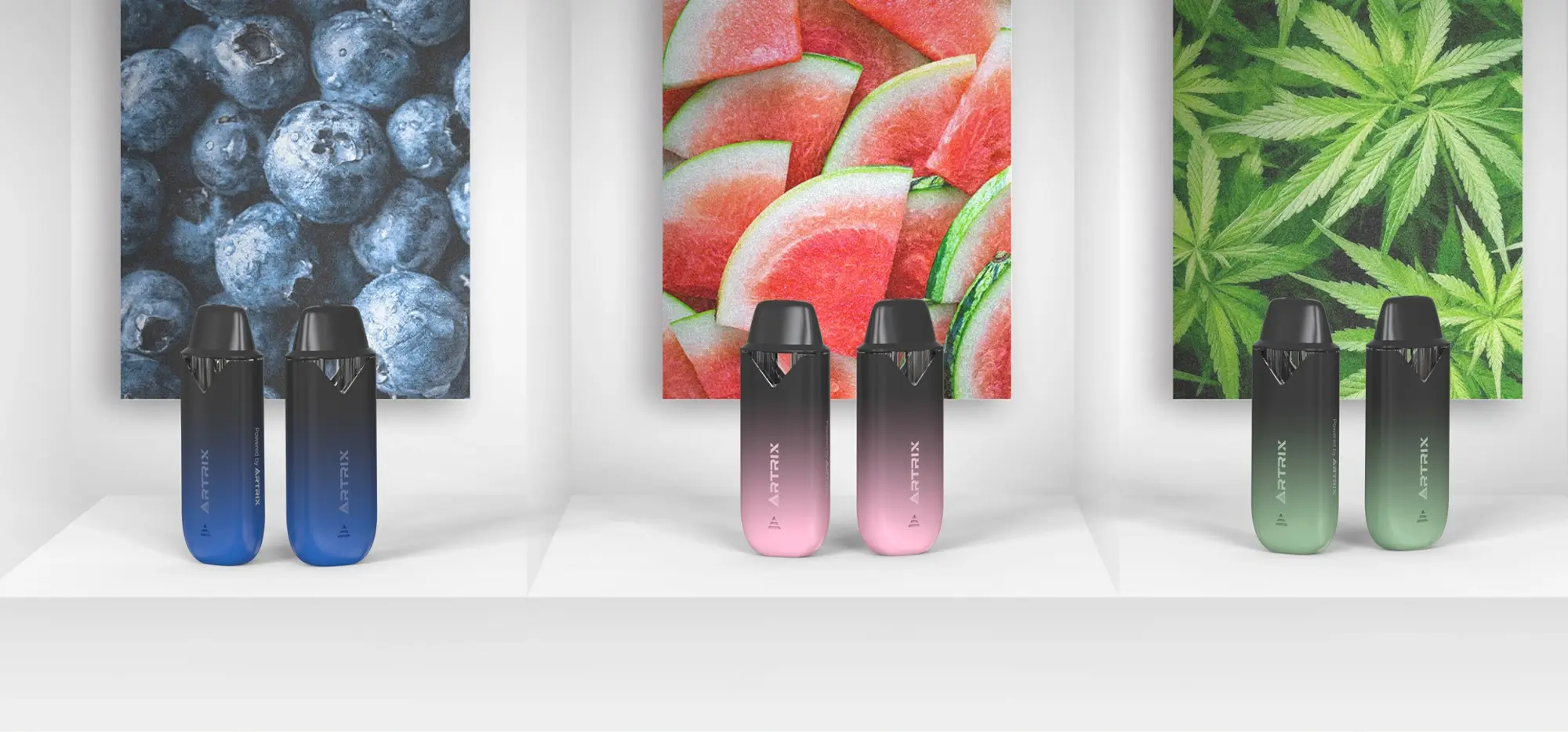



California 2026: Navigating Newest Regulations on Disposable Vapes and Sustainable Packaging
Last Updated: March 15, 2026
In California’s 2026 cannabis vape market, the real compliance shift is not a new blanket ban, but the tightening overlap between anti-disposable positioning rules, hazardous-waste messaging, and battery-related sustainability pressure. The bigger reality is that California already prohibits cannabis cartridges and integrated cannabis vaporizers from being marketed as as “disposable” or “single-use”, and those rules are now shaping how brands think about hardware, packaging, and end-of-life messaging. For companies competing around the search intent of Safe Vaping with Cannabis, the opportunity is not to overpromise that vaping is harmless. It is to show that compliant hardware, disciplined labeling, child-resistant packaging, and better waste practices create a more responsible product ecosystem for adults 21+.
That shift matters because California is applying pressure from several directions at once. The Department of Cannabis Control requires cannabis goods sold at retail to use child-resistant and tamper-evident packaging, and multi-serving packages must also be resealable. Vape cartridges are specifically addressed in state guidance, while labels and marketing cannot make unproven health claims or present products in ways that appeal to children. At the same time, California’s broader battery and waste framework is making sealed, one-and-done device design harder to defend commercially. In 2026, the brands most likely to stay competitive are the ones treating compliance, sustainability, and product architecture as one connected strategy.
The 2026 Regulatory Landscape: What’s Changing in California?
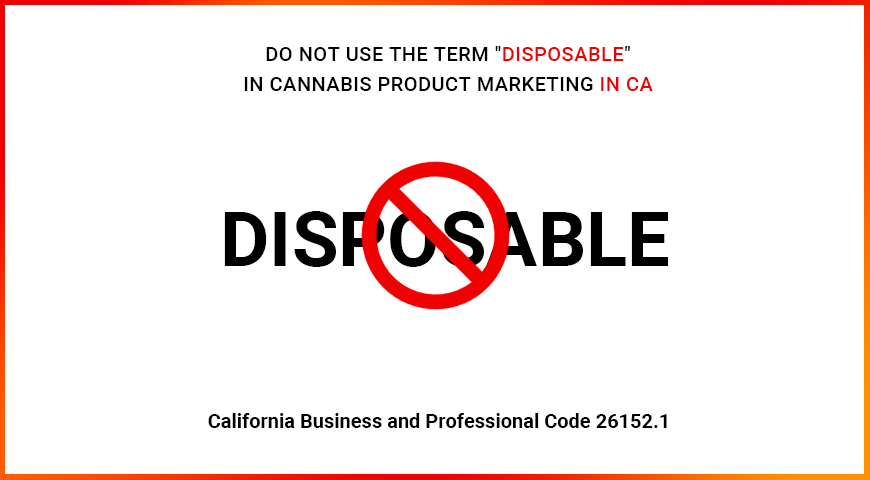
The most important point to put first is this: California already expects cannabis vape brands to move away from throwaway positioning. Under California Business and Professions Code section 26152.1, advertising and marketing for cannabis cartridges and integrated cannabis vaporizers must include hazardous-waste disposal language, and those products cannot be labeled, advertised, or marketed in a way that indicates they are disposable or may be discarded in the trash or recycling. Those provisions became operative on July 1, 2024, but their commercial impact is becoming more visible in 2026 as brands refresh packaging, retail messaging, and hardware strategy.
The broader 2026 shift is the implementation of California’s battery-recycling fee framework, which began on January 1, 2026 for covered battery-embedded products. CalRecycle’s SB 1215 program began applying a recycling fee to covered battery-embedded products on January 1, 2026, and the state’s CEW program page says that fee is 1.5% of retail price, capped at $15. At the same time, SB 1215 excludes “electronic nicotine delivery systems,” and the federal ENDS definition is broad enough to include devices that deliver “nicotine, flavor, or any other substance.” That means cannabis operators should not automatically assume every cannabis vaporizer is directly covered by the fee. But the policy direction is still important: California is putting more structure around battery waste, and products that reduce sealed battery disposal are becoming easier to justify long term.
| Topic | 2024 Baseline | 2026 Planning Reality |
|---|---|---|
| “Disposable” positioning | From July 1, 2024, cannabis cartridges and integrated vaporizers cannot be marketed as disposable or implied to belong in trash or recycling. | Still fully relevant in 2026, so brands relying on throwaway language are building against the rule, not around it. |
| Disposal messaging | Advertising and marketing must include hazardous-waste disposal instructions for cartridges and integrated vaporizers. | Compliance teams now expect disposal language to be part of the product story from launch. |
| Packaging standard | Cannabis goods sold at retail must be child-resistant and tamper-evident; multi-serving goods must also be resealable. | Sustainability initiatives in 2026 still have to fit inside CR and tamper-evident performance requirements. |
| Battery policy pressure | No consumer-facing CBEP fee at point of sale. | From January 1, 2026, California charges a fee on covered battery-embedded products, while excluding ENDS. Even so, reusable power architecture is becoming a more defensible strategic choice. |
Why “Green Practice” is No Longer Optional for CA Brands
In California, green practice is no longer just a brand value. It is becoming part of compliance logic. The DCC requires disposal language for cannabis cartridges and integrated vaporizers, while CalRecycle says hazardous waste cannot be thrown in the trash and identifies batteries as a fire risk in waste and recycling systems. That means sustainability is now tied to public safety, battery stewardship, and clearer consumer instructions, not just to environmental marketing.
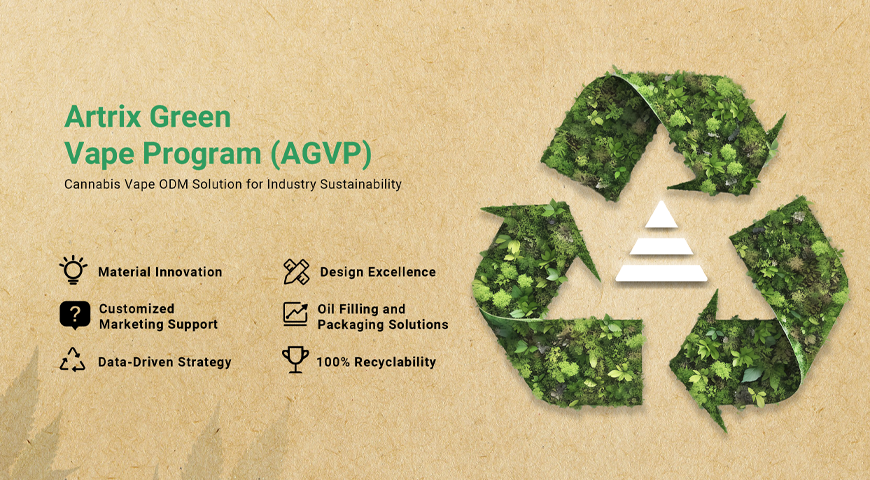
For hardware brands, that creates a real shelf-risk issue. Products that still look and sound like sealed, throwaway devices are harder to defend in retailer reviews, packaging audits, and regulatory conversations. Even if California has not enacted a blanket cannabis-only ban on integrated devices, the market is already sending a signal that one-and-done battery hardware is a weaker long-term position. Green practice has effectively become a market-access tool because it affects three concrete business moments: retailer line review, packaging compliance approval, and post-sale consumer disposal questions. Brands that can answer all three clearly are easier to list, easier to defend, and easier to scale in California.
There is also a claims issue. California’s DCC says labels cannot make unproven health claims, and U.S. health agencies continue to warn that vaping is not risk-free. So brands should avoid vague “healthy” or “wellness” framing and instead focus on sourceable facts such as licensed manufacturing, tested products, compliant packaging, and proper disposal. That is the safer way to approach a keyword like Safe Vaping with Cannabis.
Hardware Evolution: From Disposable to Sustainable Pod Systems
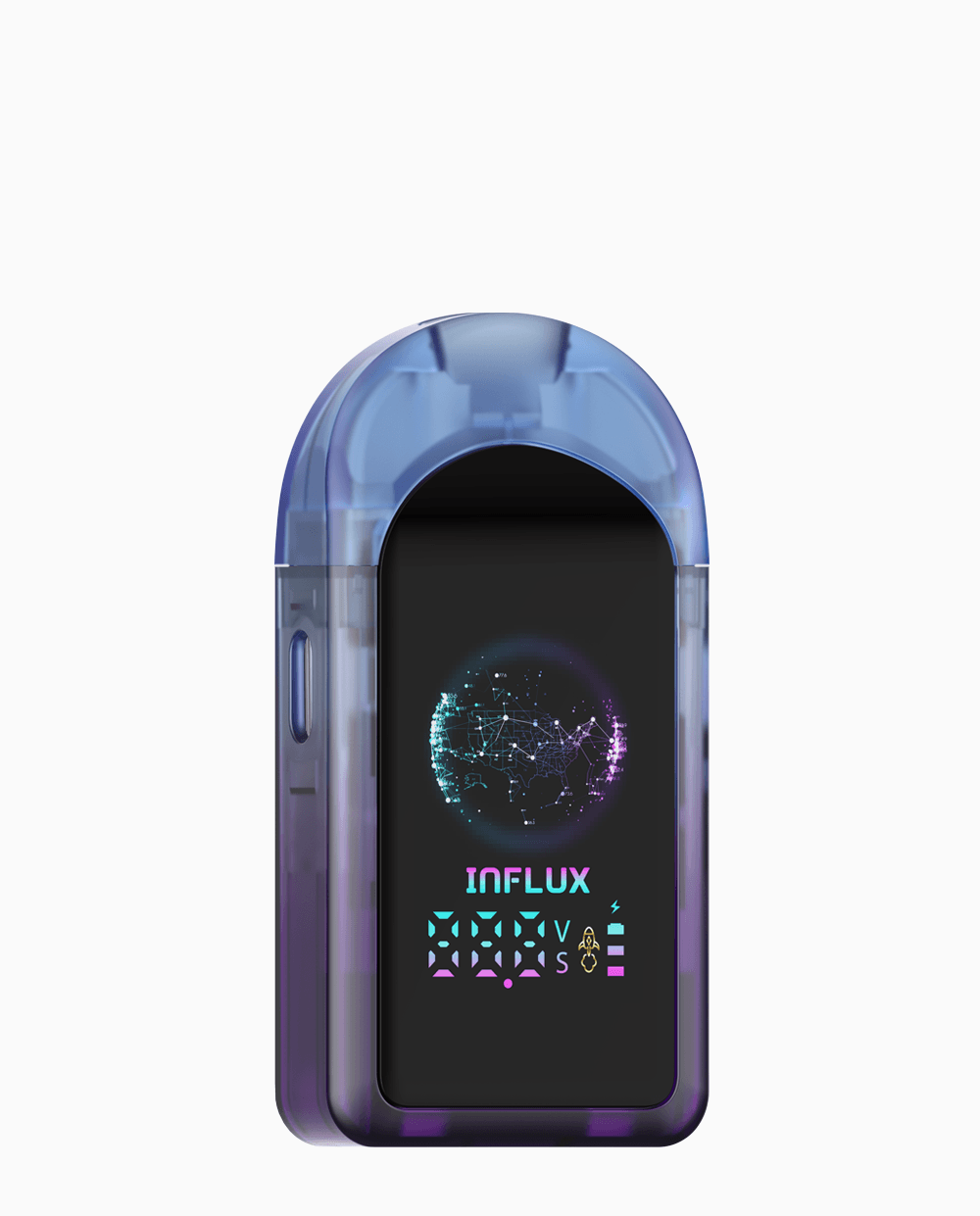
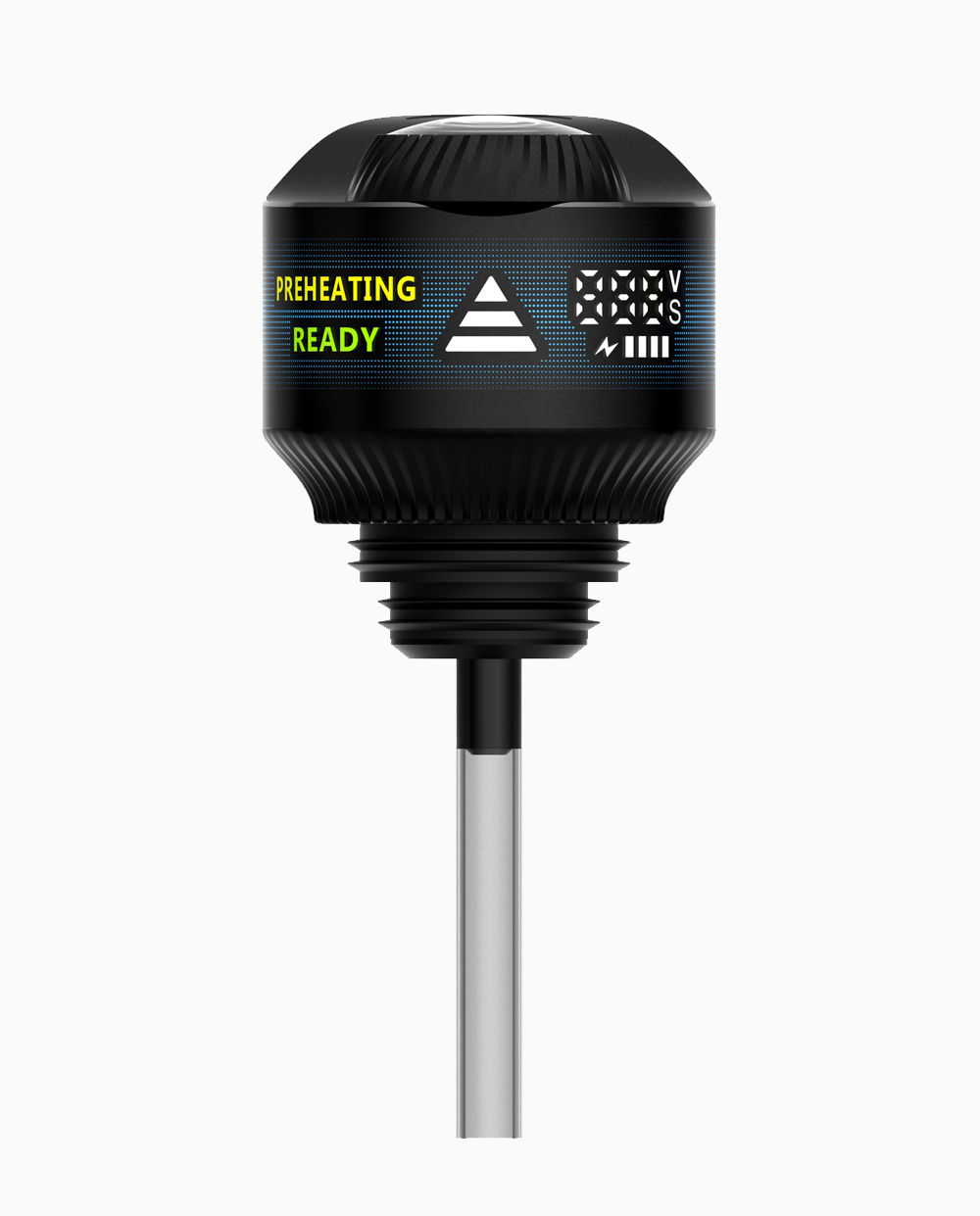
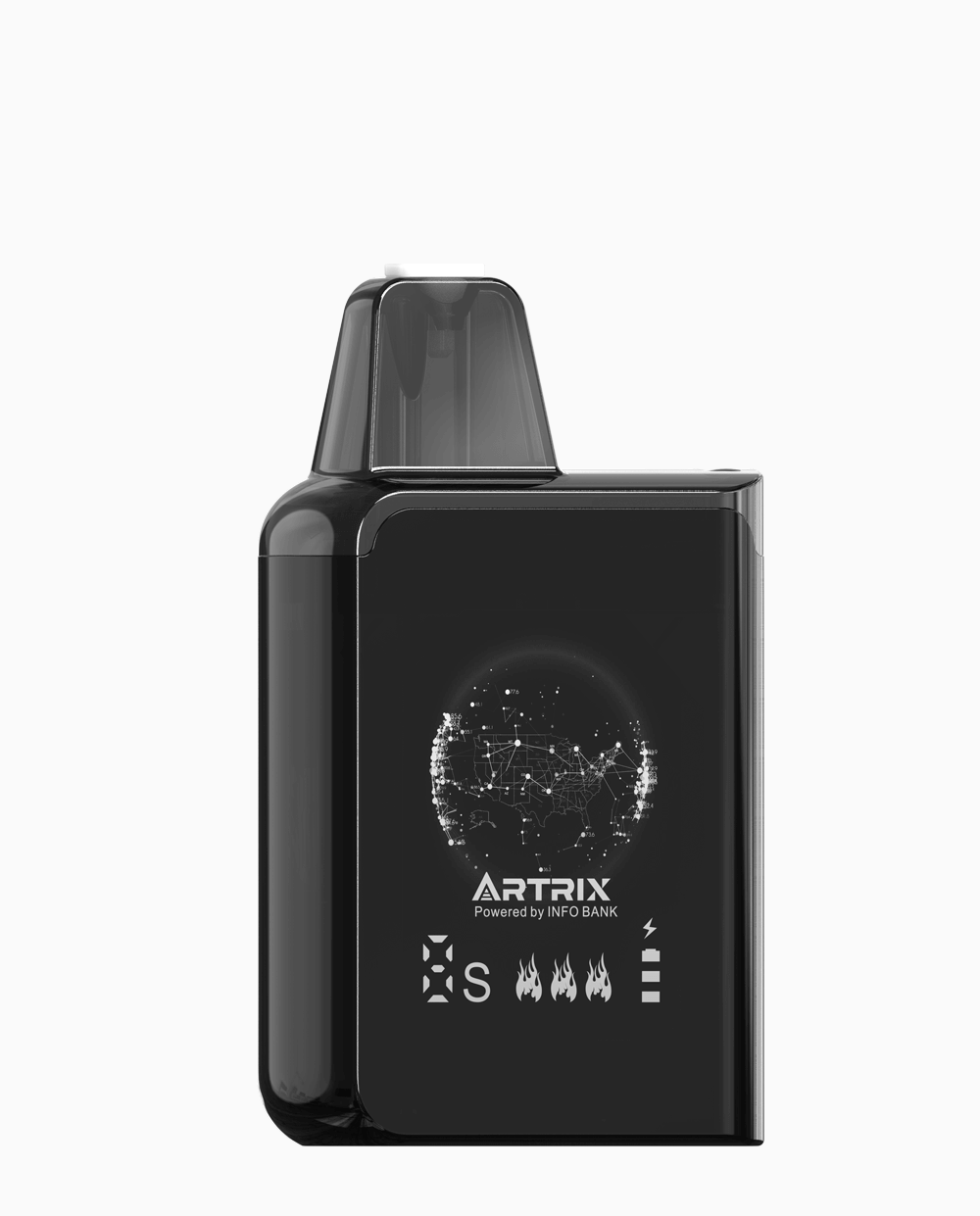
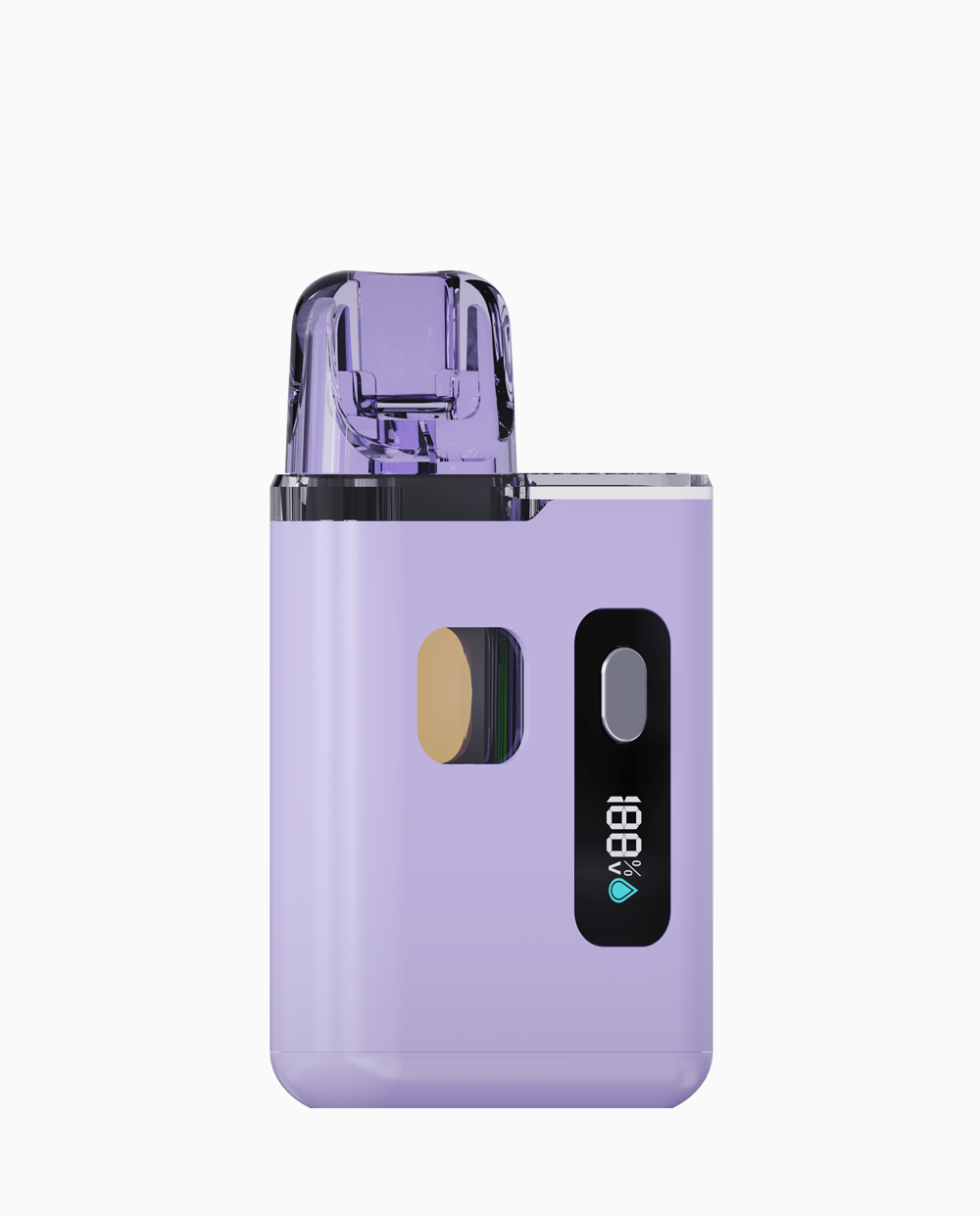
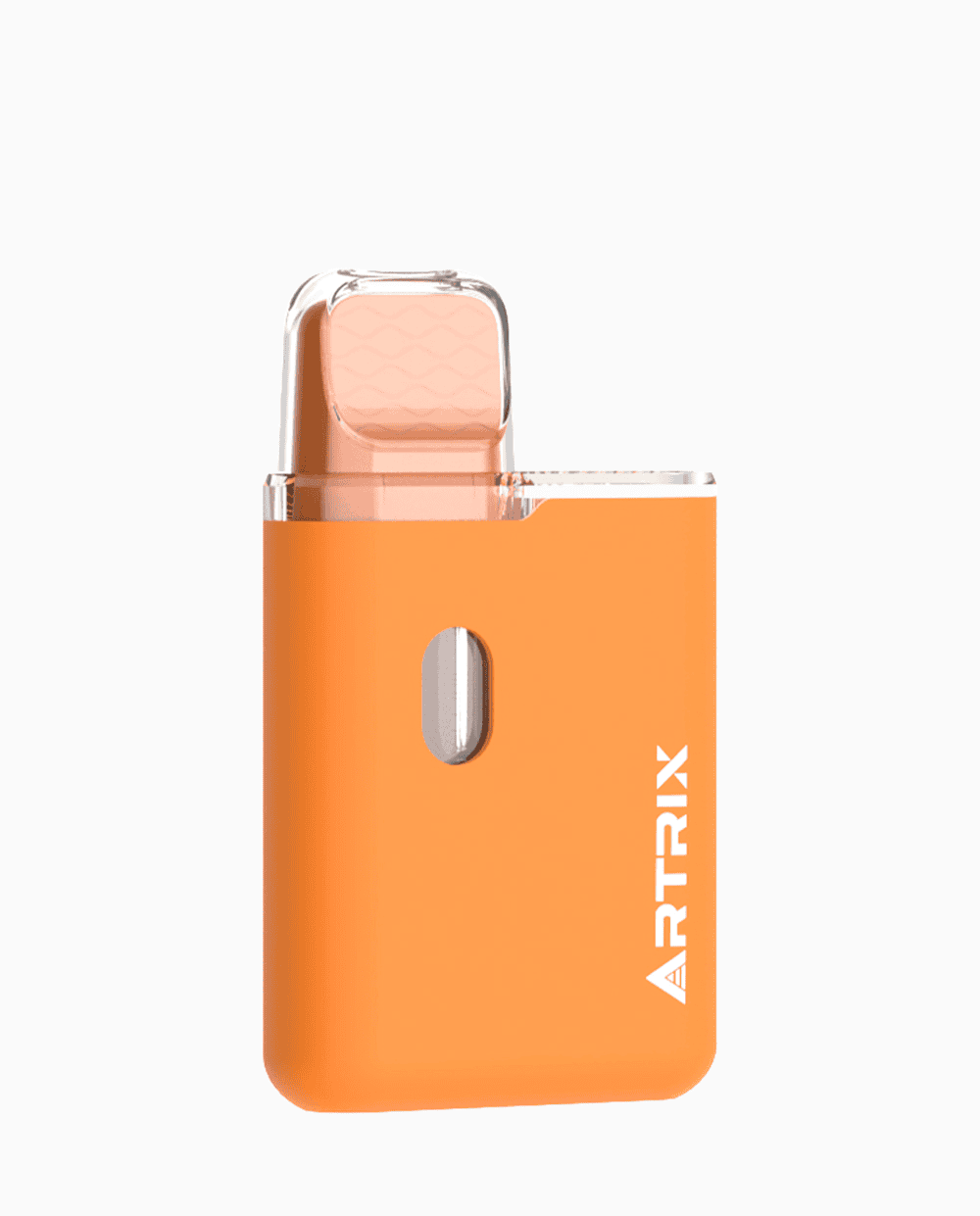
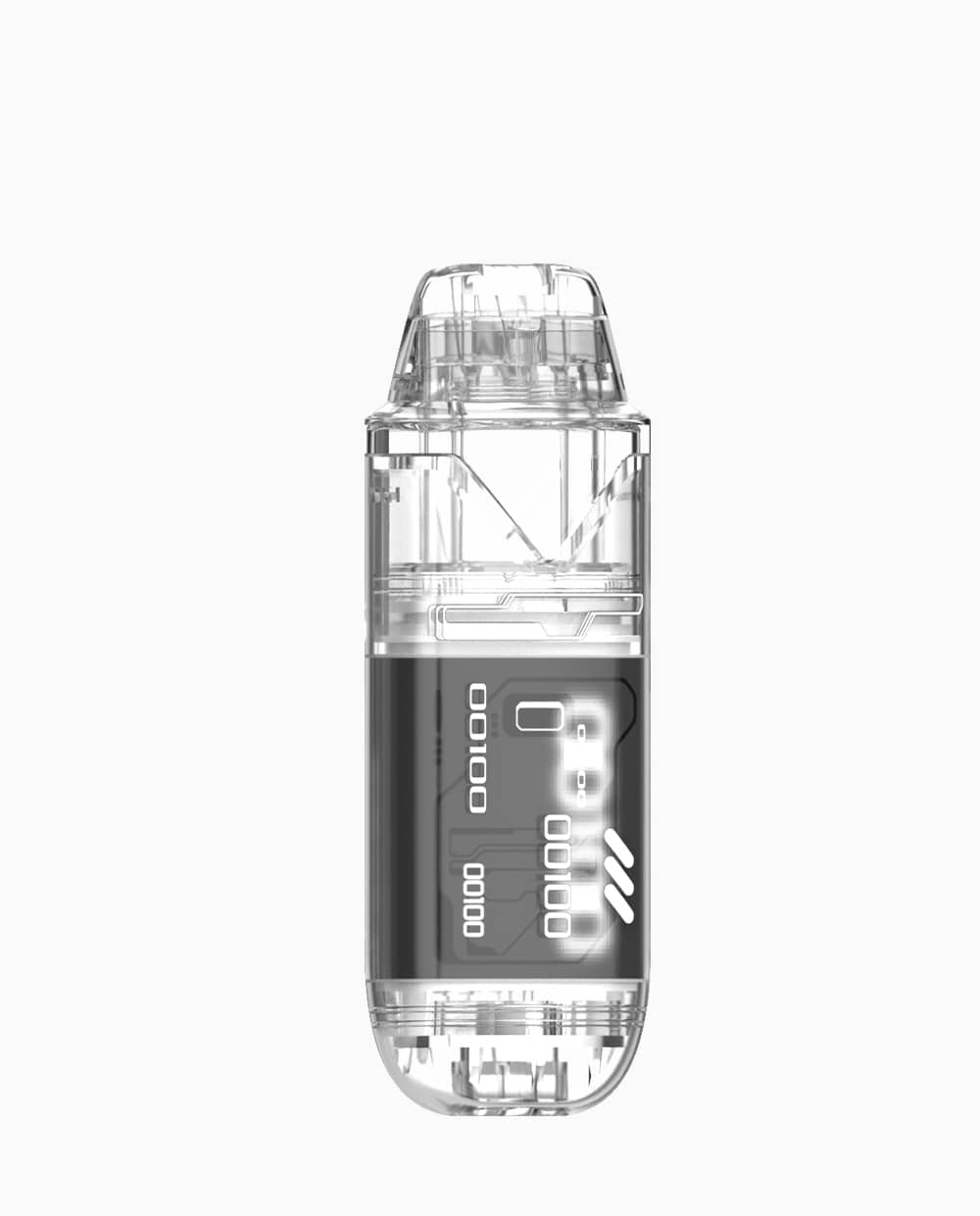
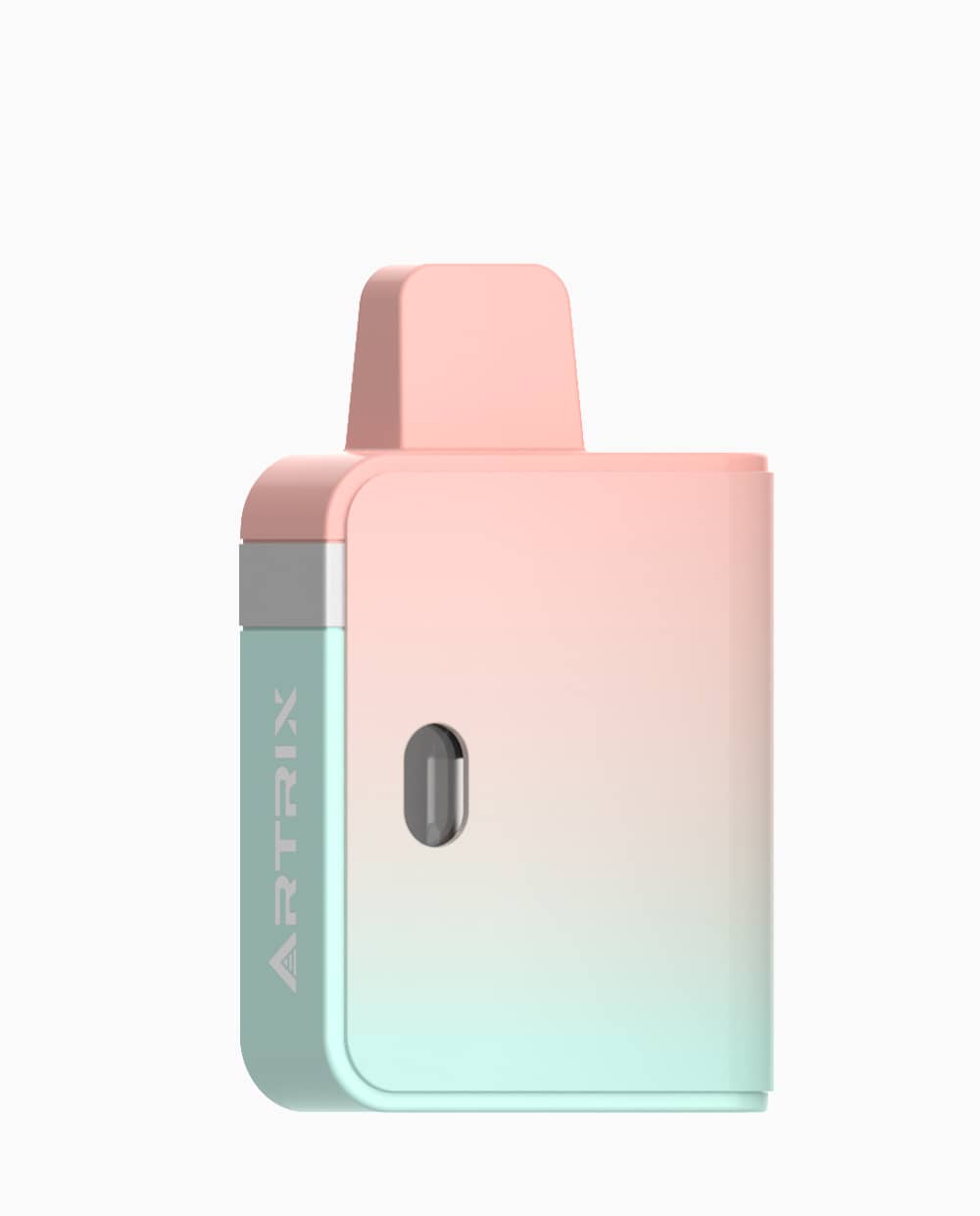
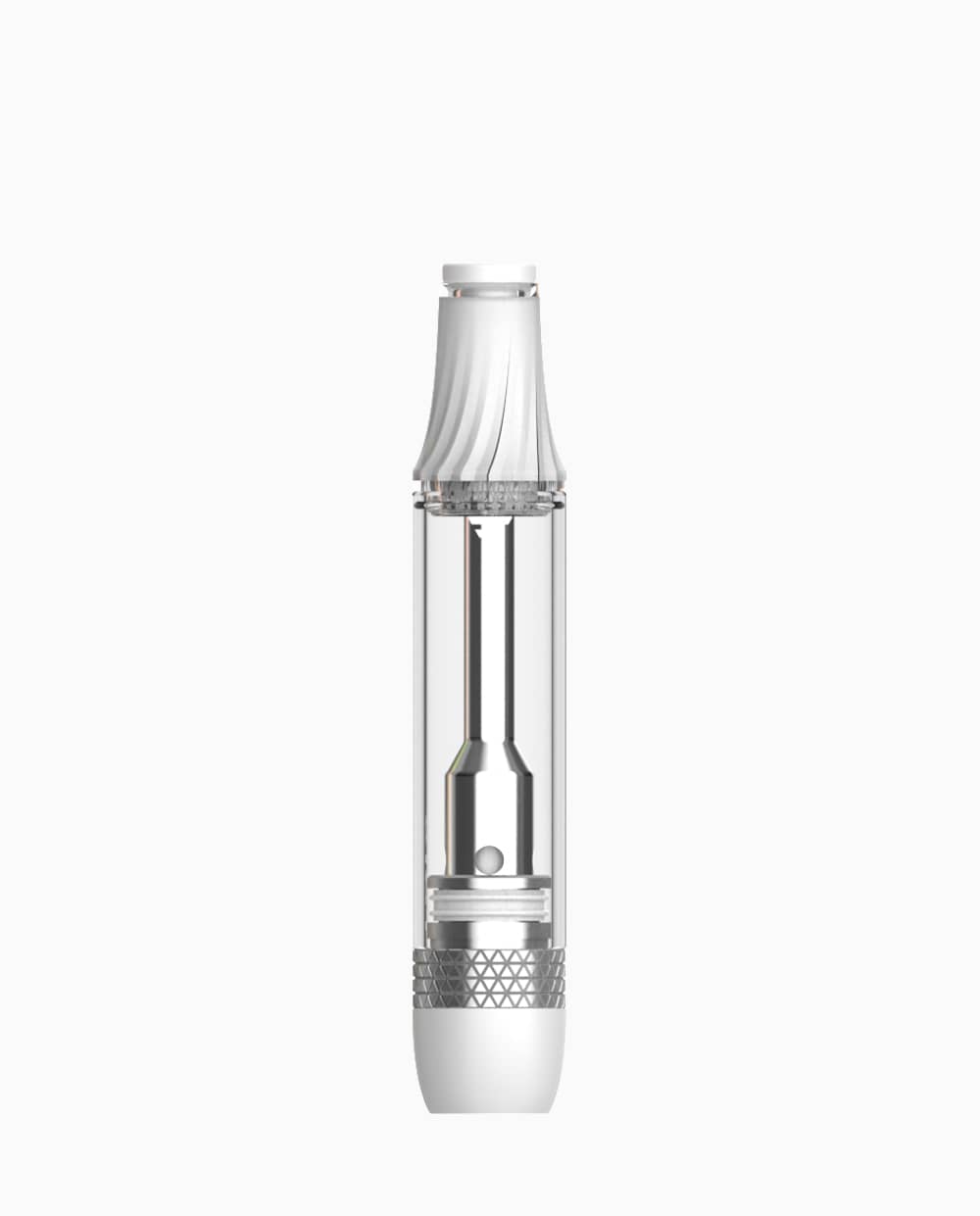
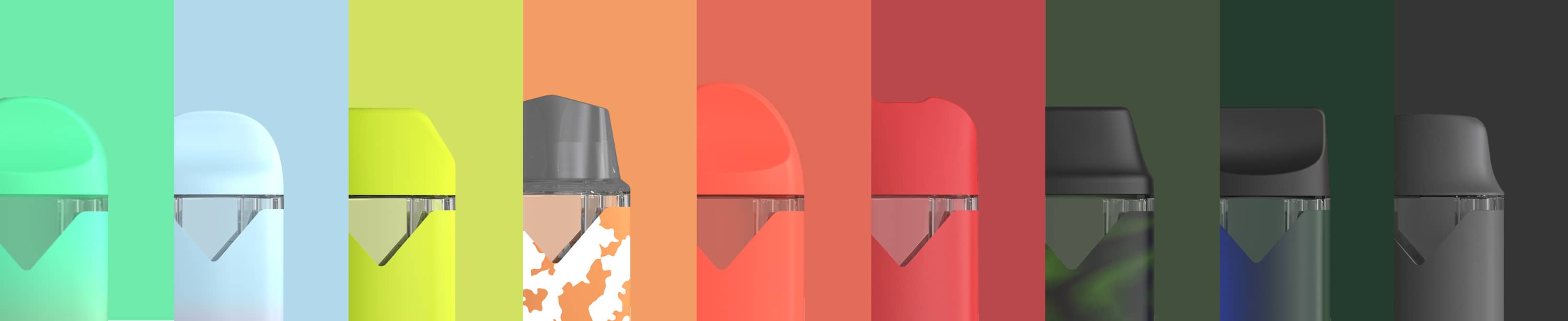
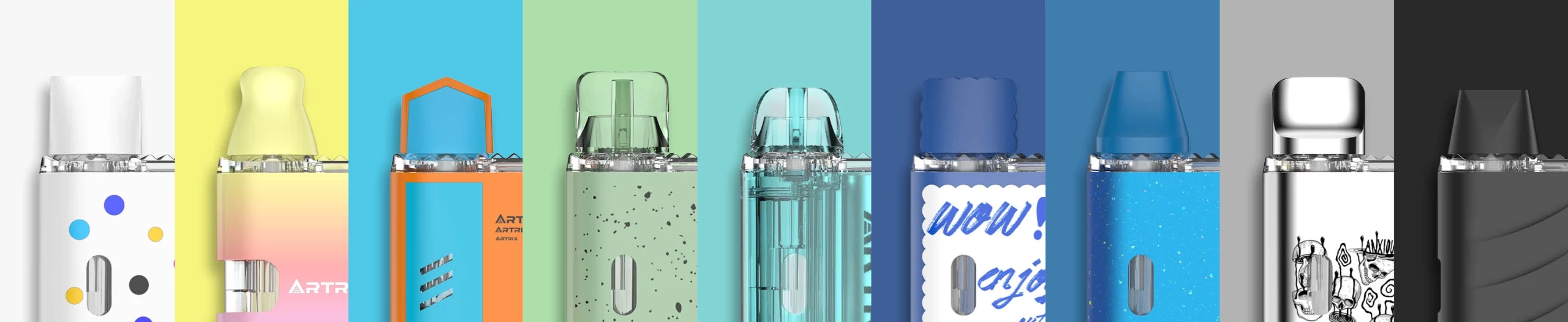
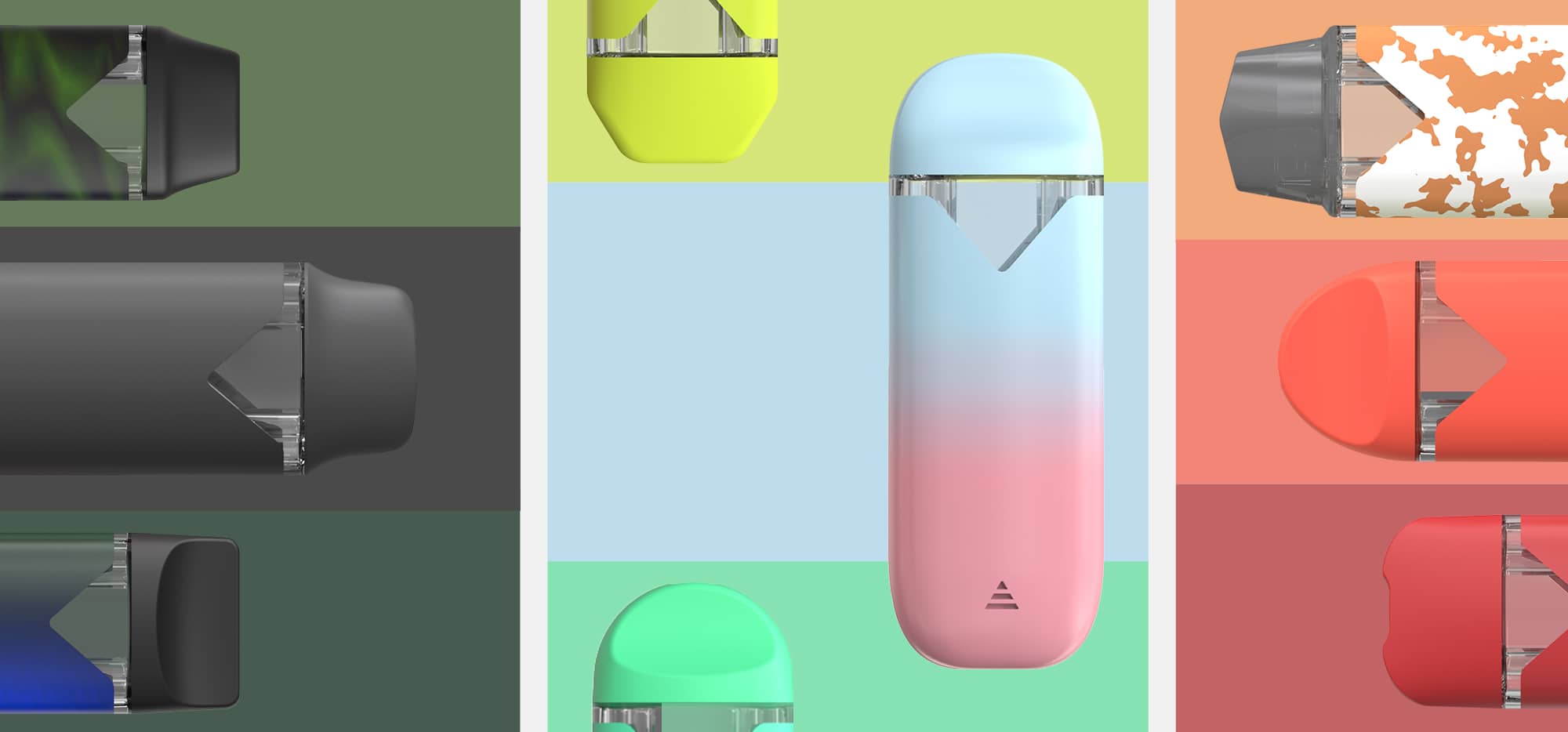
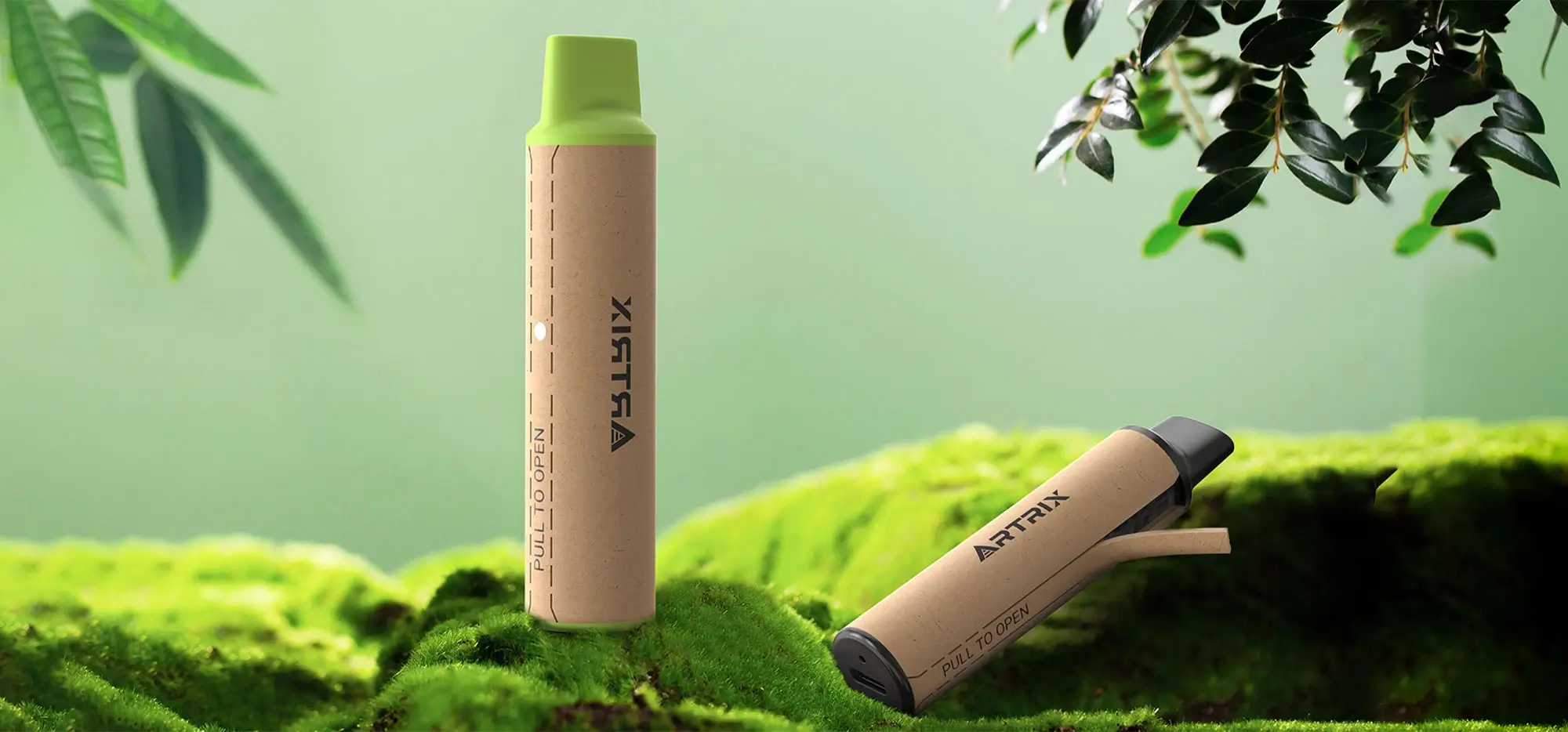
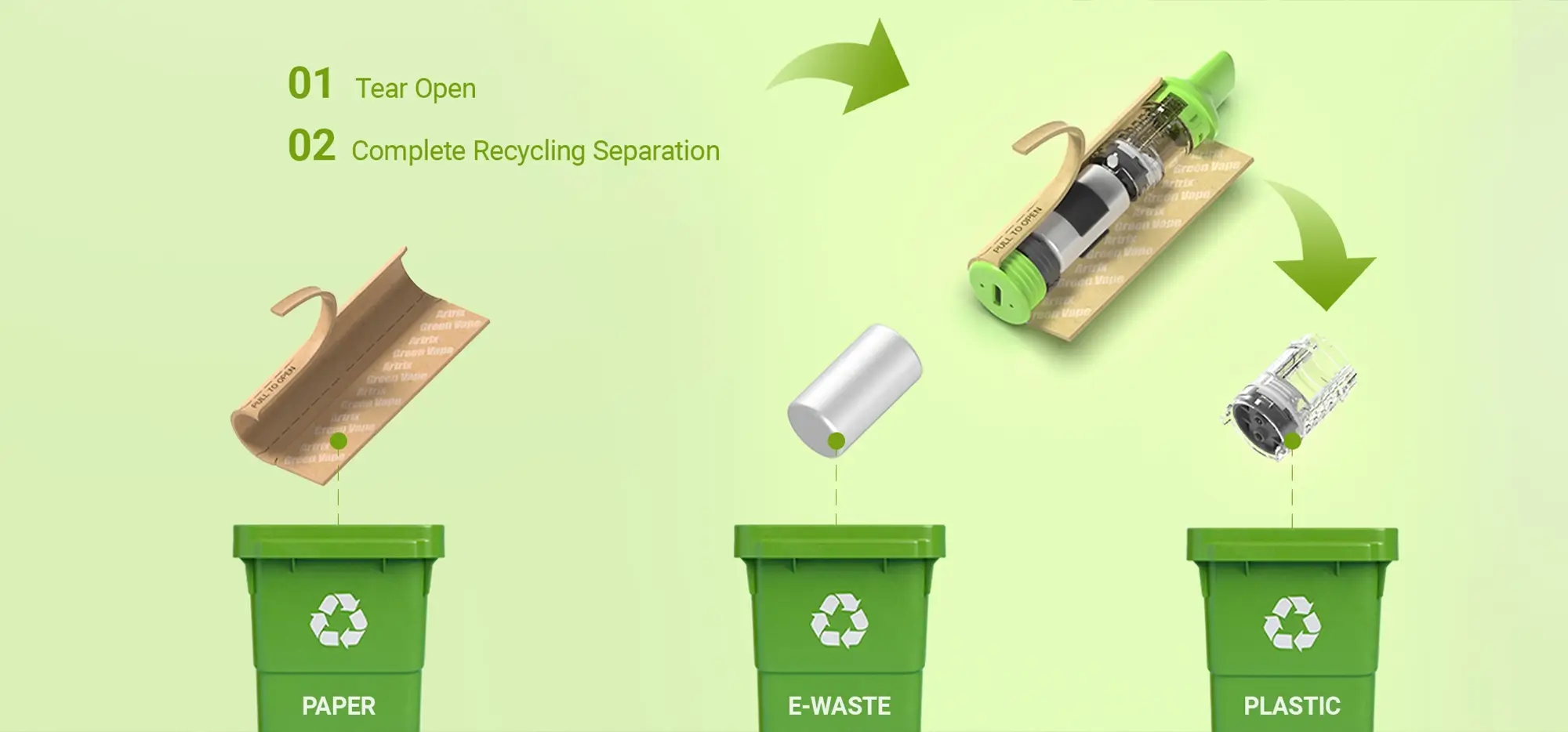
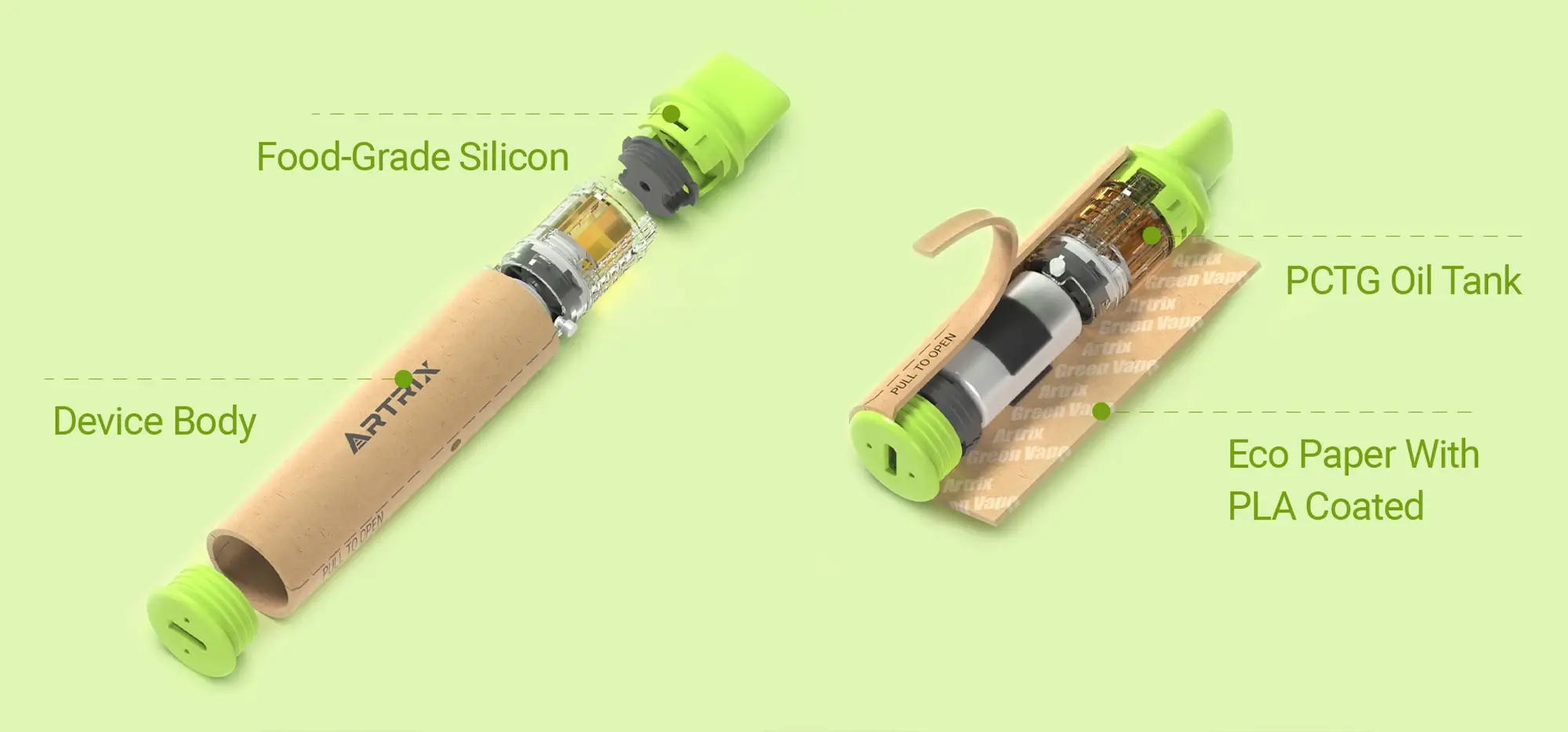
The clearest hardware response to California’s 2026 environment is the sustainable pod system. Instead of selling a new battery with every filled unit, brands can separate the reusable power component from the consumable pod or cartridge. That approach reduces battery duplication, makes disposal messaging easier to explain, and aligns better with a market that is already pushing back on “disposable” positioning. It also gives manufacturers more room to standardize the core platform while rotating oil formats or strain-specific SKUs on top.
From a compliance perspective, pod architecture does not eliminate regulatory duties, but it does make them easier to manage. From a hardware development standpoint, separating the reusable power unit from the cannabis-containing retail pod can simplify SKU planning, reduce repeated battery procurement, and make packaging validation more consistent across strain variants, because the regulated retail unit and the reusable power platform no longer need to be redesigned together every cycle. It also provides a more resilient path if California expands battery-facing rules later. That is an inference from the policy trend, not a claim that California has already imposed a cannabis-specific removable-battery mandate.
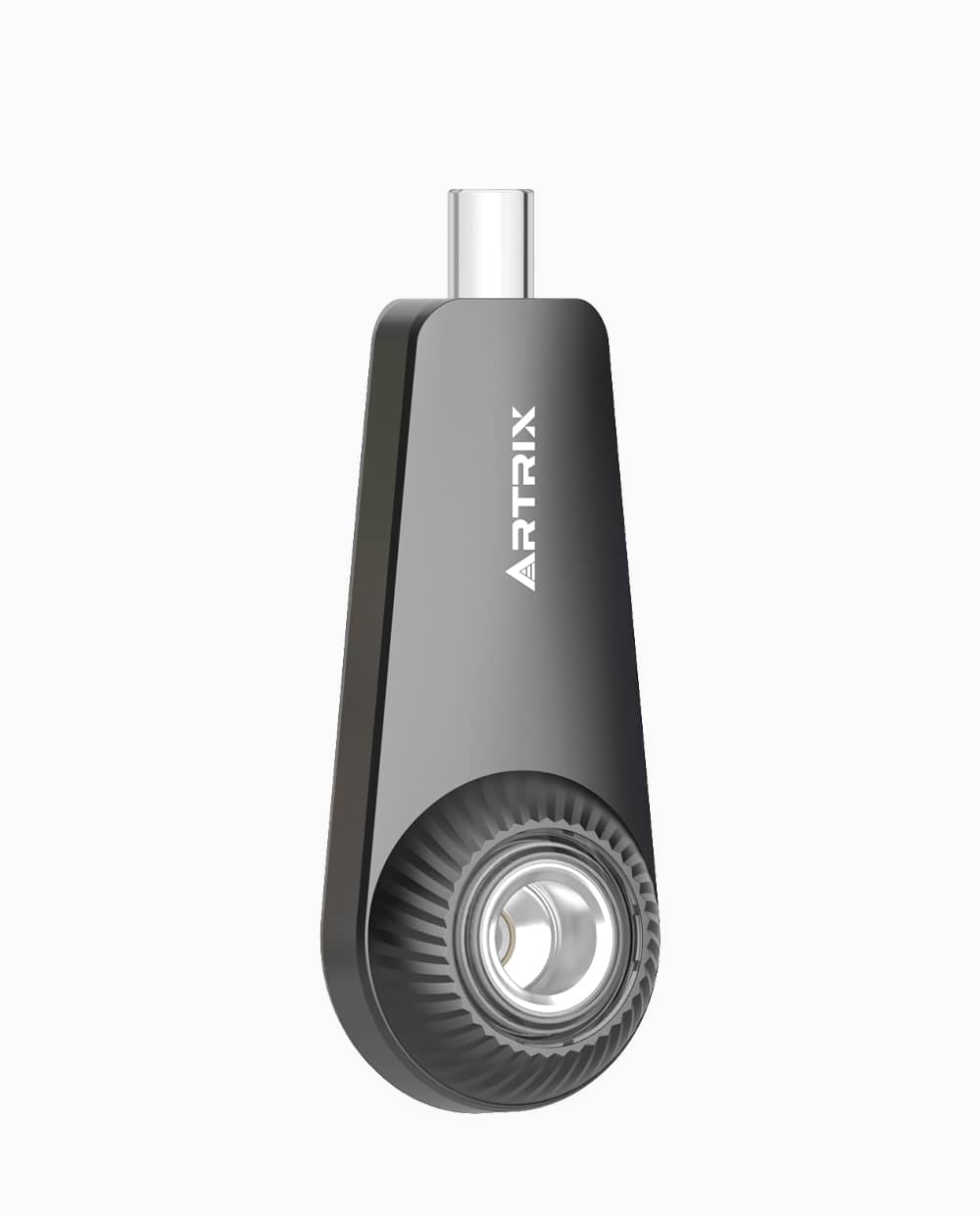
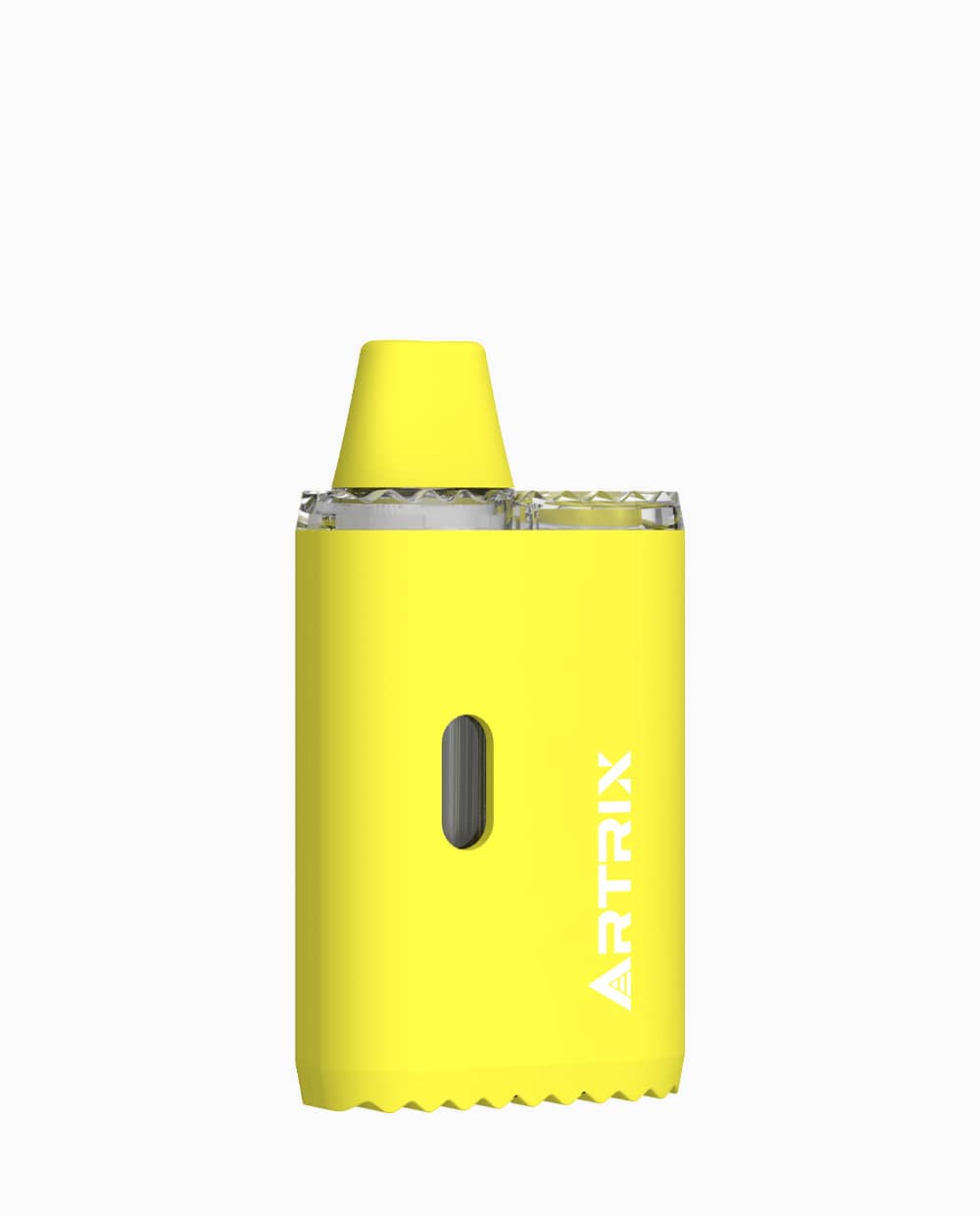
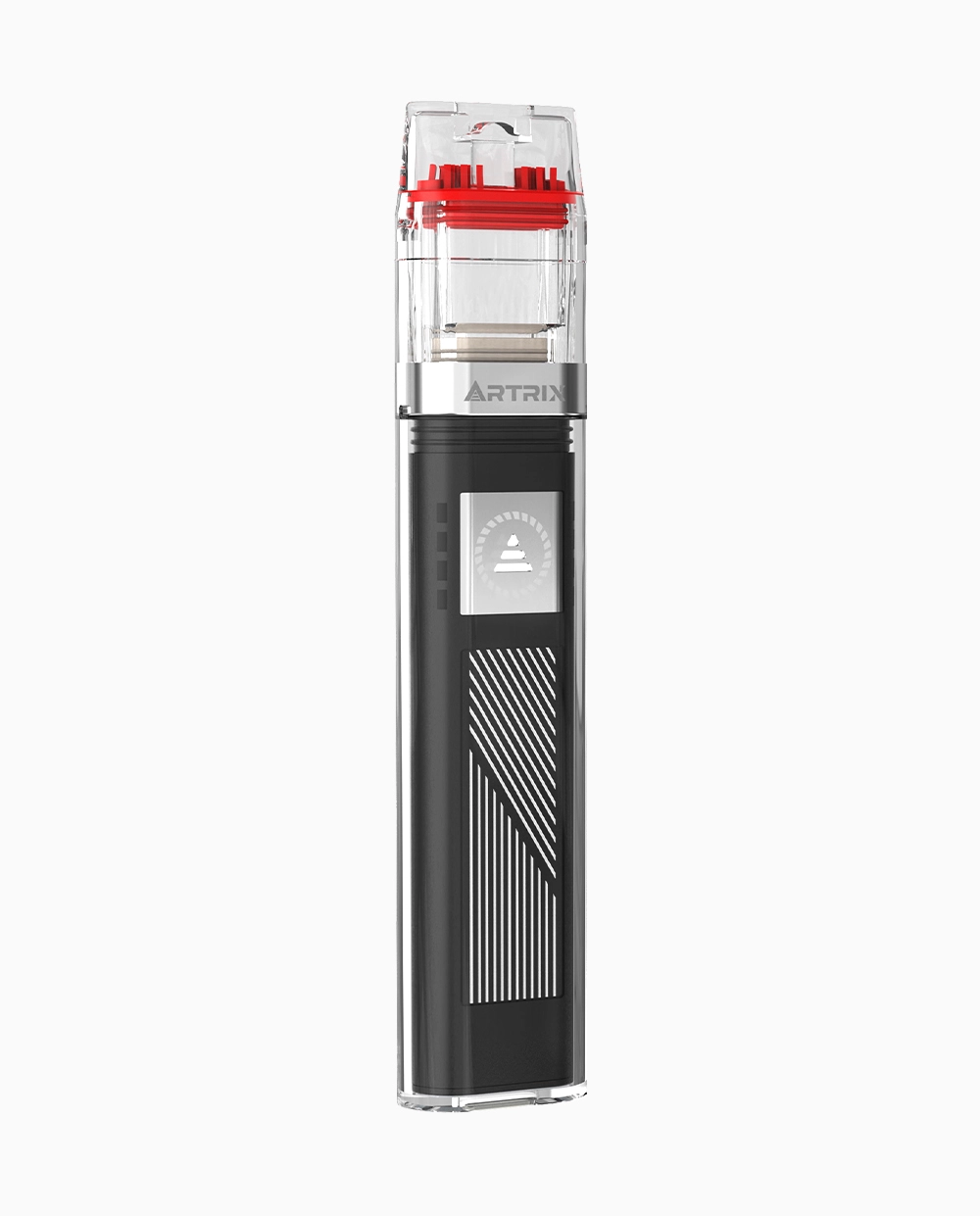
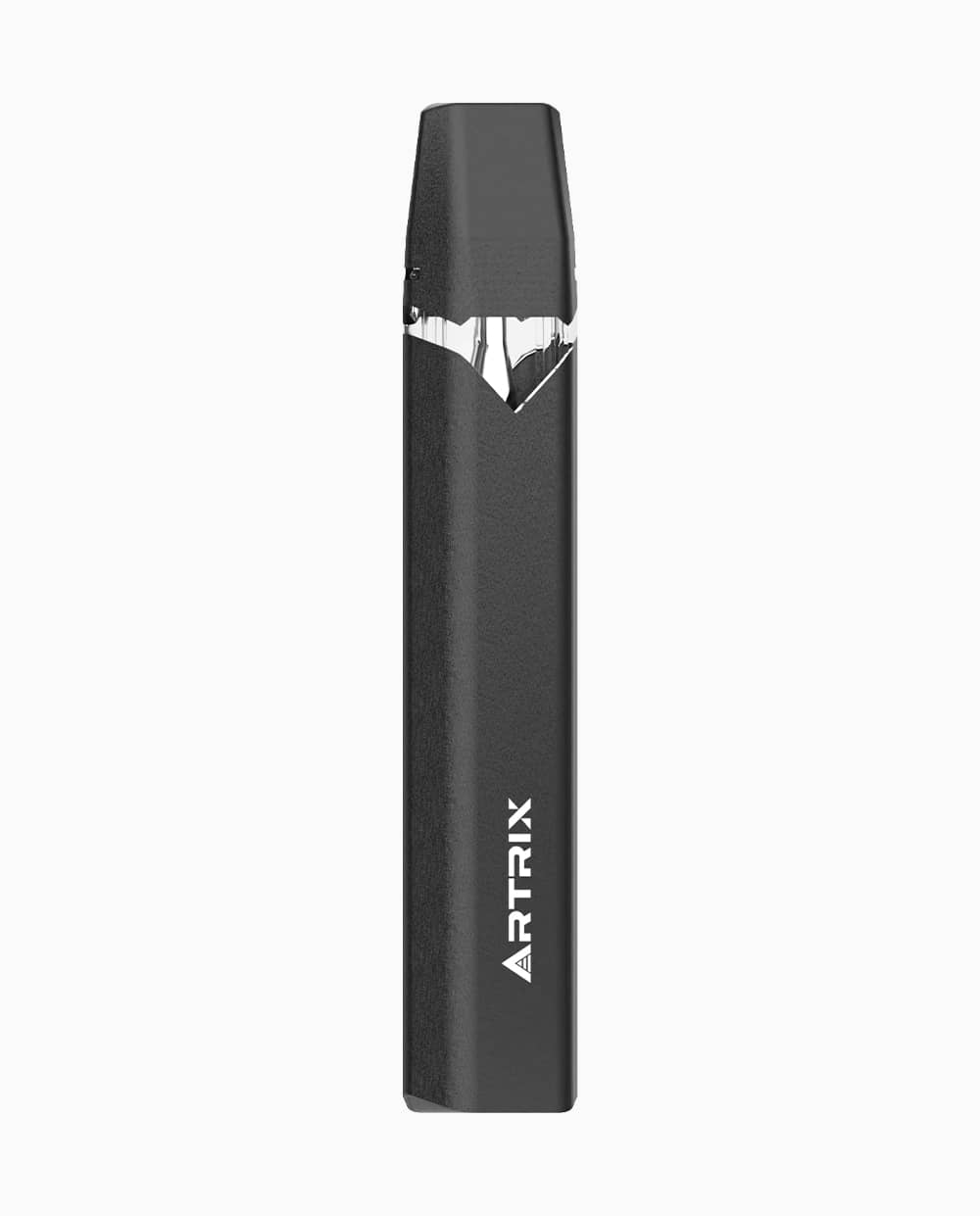
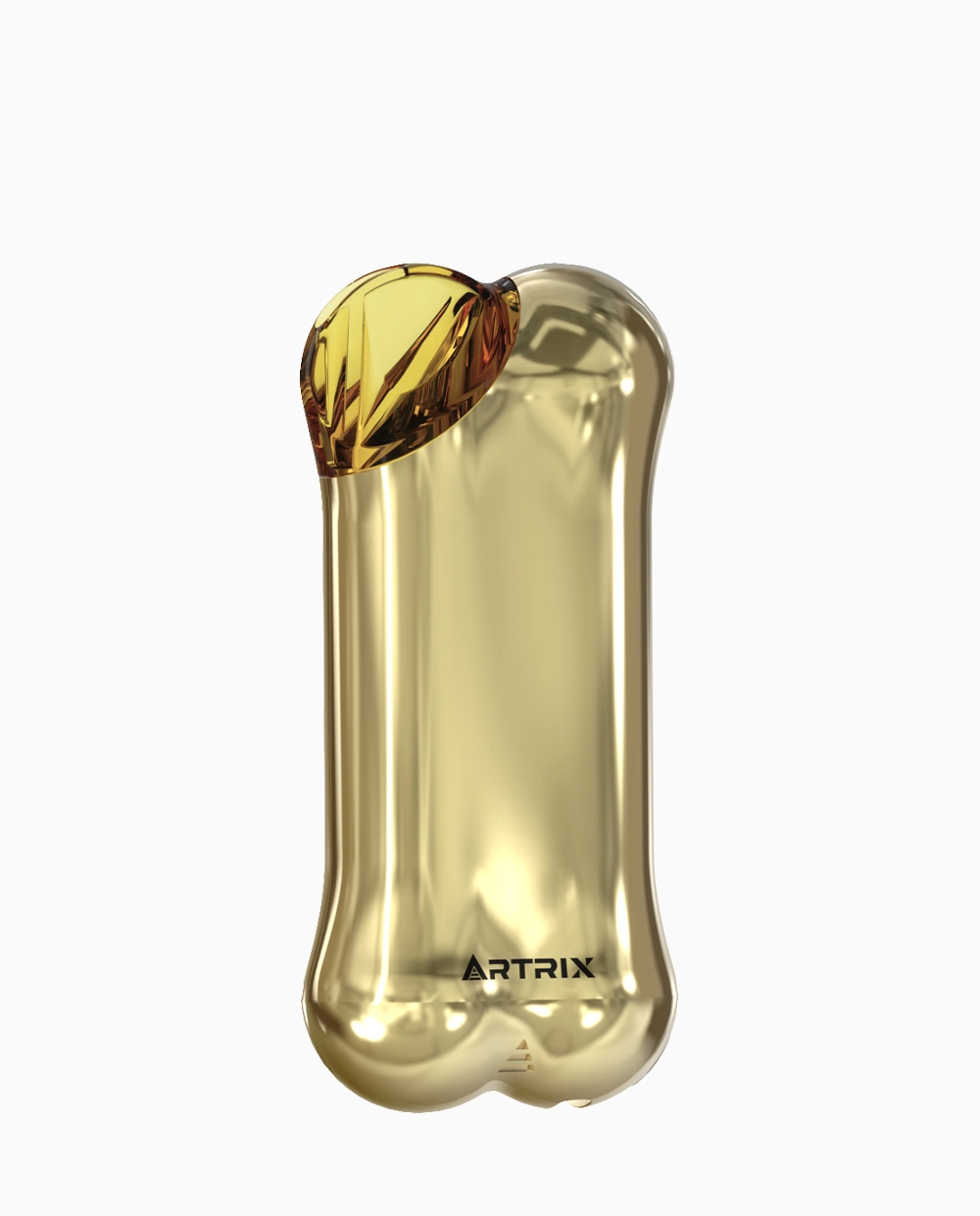
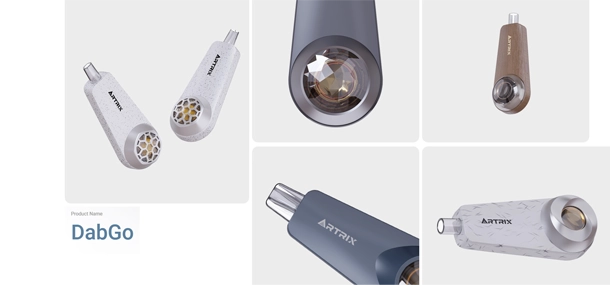
For hardware specialists such as Artrix, this is where product design becomes a strategic tool. The strongest pitch is not that a device makes vaping “safe” in an absolute sense, because no vape format is risk-free. The stronger position is that modular or reusable platforms can support more responsible disposal, cleaner compliance messaging, and a lower-waste business model that is easier to defend in California.
The Rise of “Semi-Open” Systems
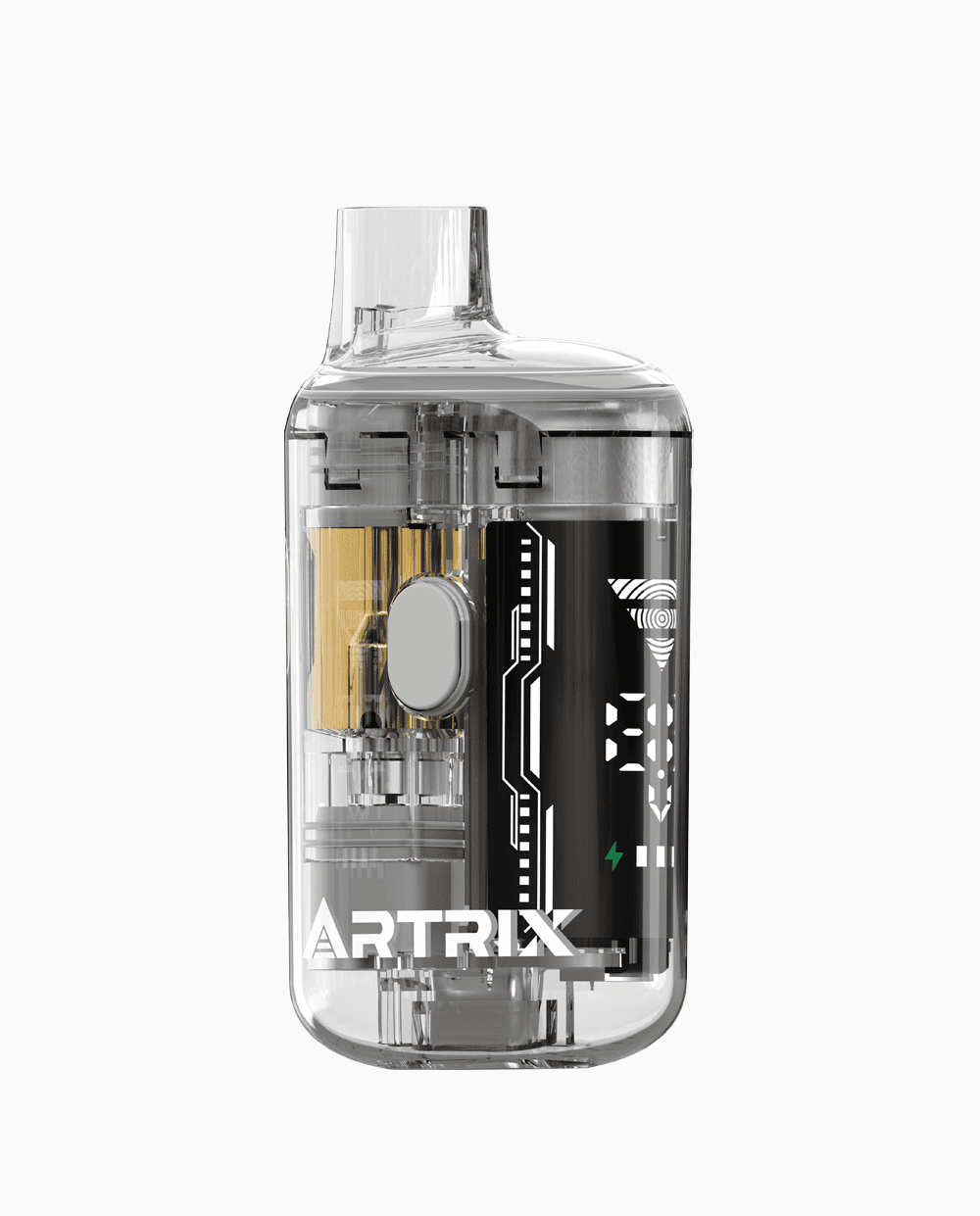
A major 2026 design trend is the rise of the semi-open system: a pre-filled pod or cartridge combined with a rechargeable or replaceable battery component. This structure preserves much of the convenience consumers associate with integrated devices, but it reduces reliance on the fully sealed, battery-in-every-unit model that most closely resembles disposable hardware. For California brands, that matters because the state already bars cannabis cartridges and integrated cannabis vaporizers from being packaged, labeled, advertised, or marketed in a way that indicates they are disposable or may be thrown in the trash or recycling.
That does not mean California has created a cannabis-specific rule saying every vape product must now be designed for consumer disassembly. The safer reading is narrower. Current cannabis rules focus on disposal messaging, packaging, labeling, and how the product is represented to the market. But California’s battery policy is moving in a direction that favors products whose batteries are reusable across multiple purchases or easier to remove with common household tools. CalRecycle’s SB 1215 framework defines a covered battery-embedded product around whether the battery is not designed to be easily removed by the user with commonly used household tools, even though the statute also excludes ENDS from that specific fee program.
For manufacturers, the practical takeaway is strategic rather than absolute. A semi-open architecture can help maintain user convenience while reducing the business risk of being associated with throwaway hardware. It can also simplify end-of-life messaging, reduce battery waste per sale, and create a stronger long-term compliance narrative if California expands stewardship expectations in future rulemaking. In that sense, the market is likely to keep moving away from fully sealed, integrated designs and toward systems that separate the reusable power element from the consumable pod, especially for brands that want to avoid being boxed into the regulatory and reputational logic of “disposable.”
The Economic Blueprint for a Green Transition
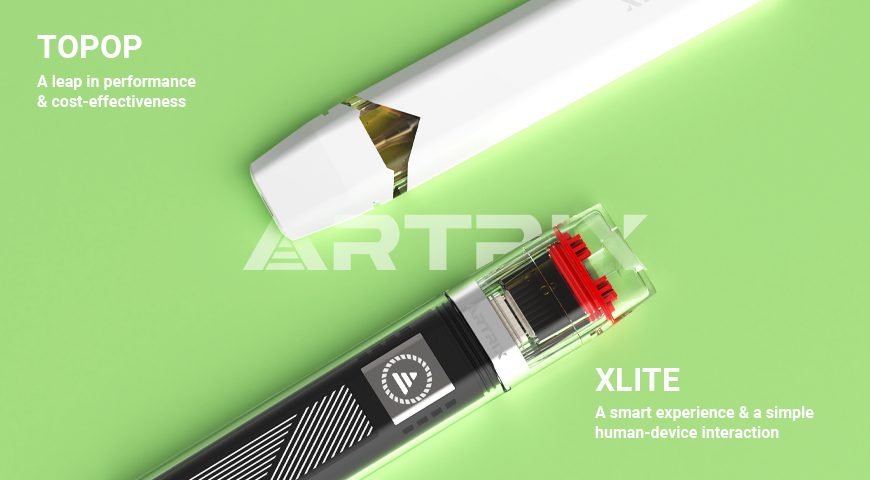
From a hardware supplier’s perspective, the real cost question is not whether a semi-open platform has a higher first-run BOM, but whether it lowers repeated battery spend, reduces packaging redesign frequency, and keeps more of the platform reusable across future SKU launches. In the first tooling cycle, often yes. But California brands should look at total platform cost, not just initial unit cost. When a company moves from sealed integrated hardware to reusable power-plus-pod systems, it changes BOM structure, packaging logic, and compliance exposure at the same time. The real question is not whether the first run is cheaper, but which platform is cheaper to maintain, relabel, and keep on shelf over the next several product cycles.
Sustainable Manufacturing & PCR Materials
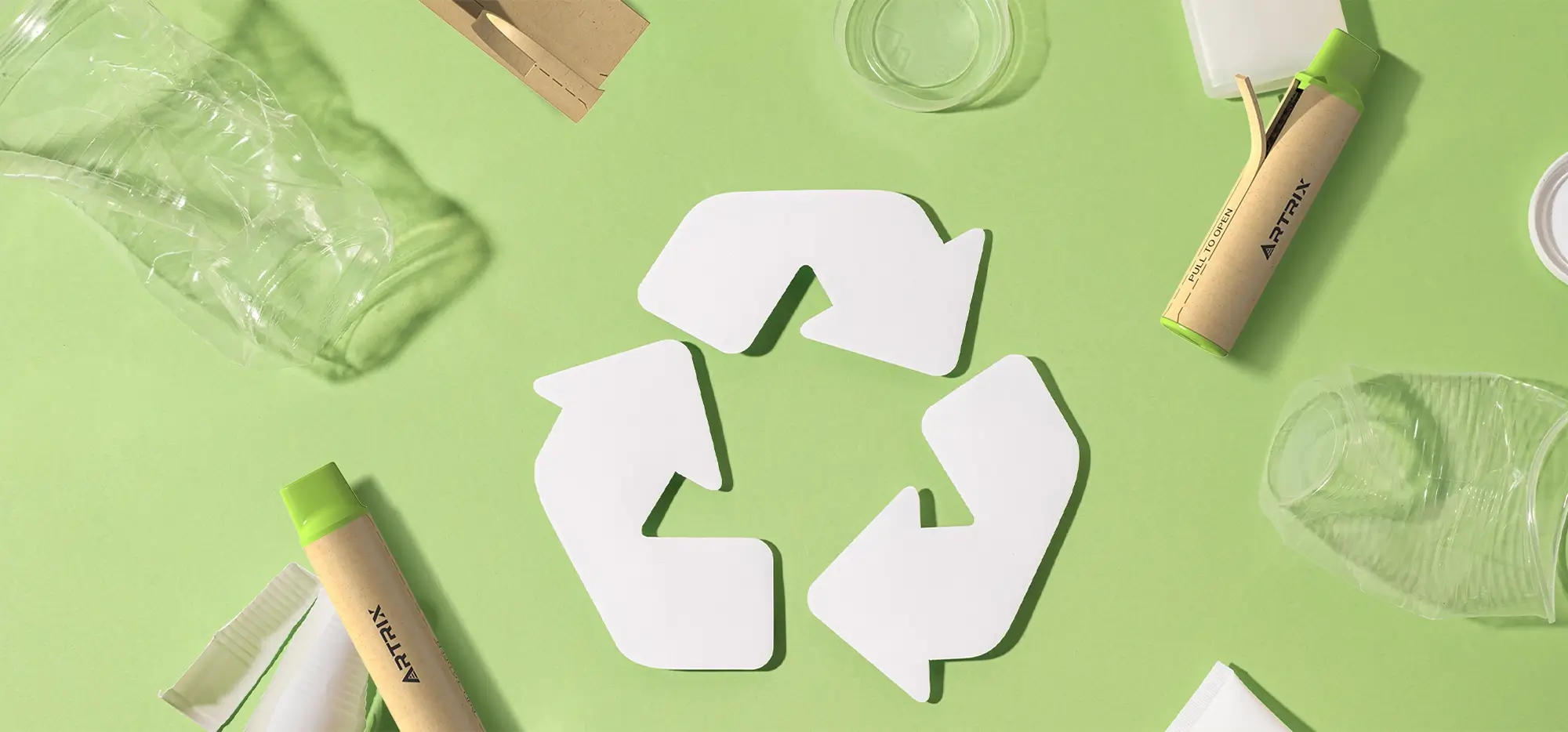
PCR materials can support cost control when used in the right places. Secondary packaging, trays, inserts, and selected exterior components are often practical starting points for reducing virgin plastic without compromising core device performance. The best approach is to match the material to the risk profile: use recycled content where specifications allow, and reserve higher-performance compliant polymers for parts that affect sealing, contamination control, or functional reliability. That helps brands improve sustainability without creating avoidable quality issues.
Reducing Packaging Waste: Minimalism Meets CR Compliance
California does not let brands swap safety for minimalism. Cannabis goods sold at retail still need child-resistant and tamper-evident packaging, and multi-serving packages must be resealable. DCC guidance also addresses how single-use child-resistant packaging can be used for vape cartridges, including required language that the package is no longer child-resistant after opening. The sustainable packaging opportunity is therefore not about stripping away protection. It is about using fewer layers, cleaner structures, better inserts, and more efficient layouts while staying fully compliant.
Supply Chain Optimization: The Long-Term ROI of Green Hardware
The long-term ROI story is stronger than the upfront price conversation suggests. Reusable or semi-open platforms can reduce battery duplication, simplify supplier qualification, and lower the number of fully assembled device variants that must be carried across the supply chain. They can also reduce the risk that a future compliance update forces a complete platform redesign. In a state where batteries are a fire-risk issue and disposal language is already mandatory for cannabis vape marketing, that kind of flexibility has real value. Even if the first investment is higher, many brands can save money by avoiding repeated redesigns, emergency packaging corrections, and slow-moving disposable inventory.
2026 Compliance Checklist for California Cannabis Brands
-
- Remove any packaging, labeling, advertising, or marketing language that describes a cannabis cartridge or integrated cannabis vaporizer as “disposable” or suggests it belongs in trash or recycling.
-
- Add required hazardous-waste disposal messaging to relevant cartridge and integrated-vaporizer marketing assets.
-
- Confirm retail packaging is child-resistant and tamper-evident, and make it resealable if the package contains more than one serving.
-
- If using single-use child-resistant packaging for vape cartridges, include the required statement that the package is not child-resistant after opening.
-
- Audit labels and website copy for unproven health claims, child-attractive design, and broad “safe” or “healthy” wording.
-
- Review battery architecture with counsel before assuming SB 1215 does or does not apply to a specific device format, because California excludes ENDS while federal law defines ENDS broadly.
-
- Strengthen consumer education around end-of-life handling, because hazardous waste cannot go in the trash and batteries create fire risks in waste systems.
-
- Use the keyword Safe Vaping with Cannabis carefully by tying it to compliant sourcing, tested products, adult-use safeguards, and responsible disposal rather than to any promise that vaping is harmless.
Conclusion: Partnering for a Compliant Future in California
California’s 2026 market rewards brands that stop treating compliance, sustainability, and product design as separate projects. The strongest operators will combine reusable or lower-waste hardware, child-resistant packaging, accurate disposal messaging, and disciplined claims into one system that is easier to launch and easier to defend. That is the most credible interpretation of Safe Vaping with Cannabis in a serious California business context.
For brands preparing a product refresh before the next enforcement cycle, Artrix can play a practical role as a hardware partner. The goal is no longer just to build a device that works. It is to build a platform that reduces waste, supports compliant packaging, avoids disposable positioning, and gives retailers and regulators a cleaner story. If your team is planning its California roadmap now, this is the right time to request compliant hardware samples and evaluate whether your current integrated format still fits where the market is headed.