
-1.webp)
-1.webp)
-2.webp)


























Disposable Cannabis Devices and the FMCG Shift: What Cannabis Brands Need to Know
Last Updated: August 5, 2026
This content is for informational purposes only and does not constitute medical or legal advice. Please consult a licensed healthcare provider before using cannabis products. Comply with your state’s regulations.
This content is intended for audiences 21 years and older, as required by U.S. law.
Cannabis regulations vary by state. Please verify the legal status of products in your area before purchase.
The disposable cannabis devices market is gaining attention because cannabis consumption is moving toward formats that are easier to buy, easier to understand, easier to use, and easier to repurchase. This does not mean cannabis is becoming a conventional fast-moving consumer goods category in every respect. It means that more finished cannabis products are being designed around convenience, consistency, portability, and low-friction retail experiences.
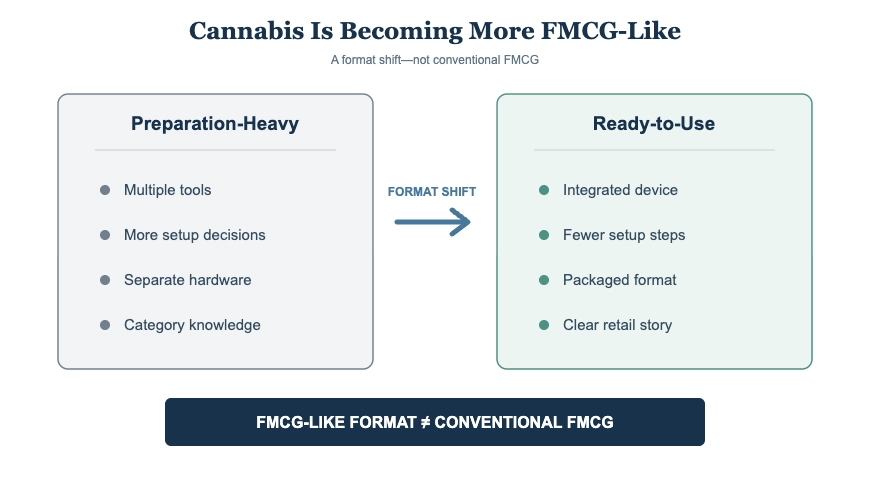
The central change is a format shift, not a complete transformation of cannabis into FMCG. Ready-to-use products can resemble packaged consumer goods at the point of sale, but they remain subject to cannabis-specific rules, age restrictions, product variability, hardware constraints, and jurisdiction-dependent compliance requirements.
For legal-age consumers, the shift is visible in formats such as vapes, edibles, beverages, pre-rolls, and all-in-one devices. These products reduce the number of steps between purchase and use. Instead of asking consumers to prepare flower, handle concentrates, or understand a separate device system, ready-to-use formats package the product experience into a simpler form.
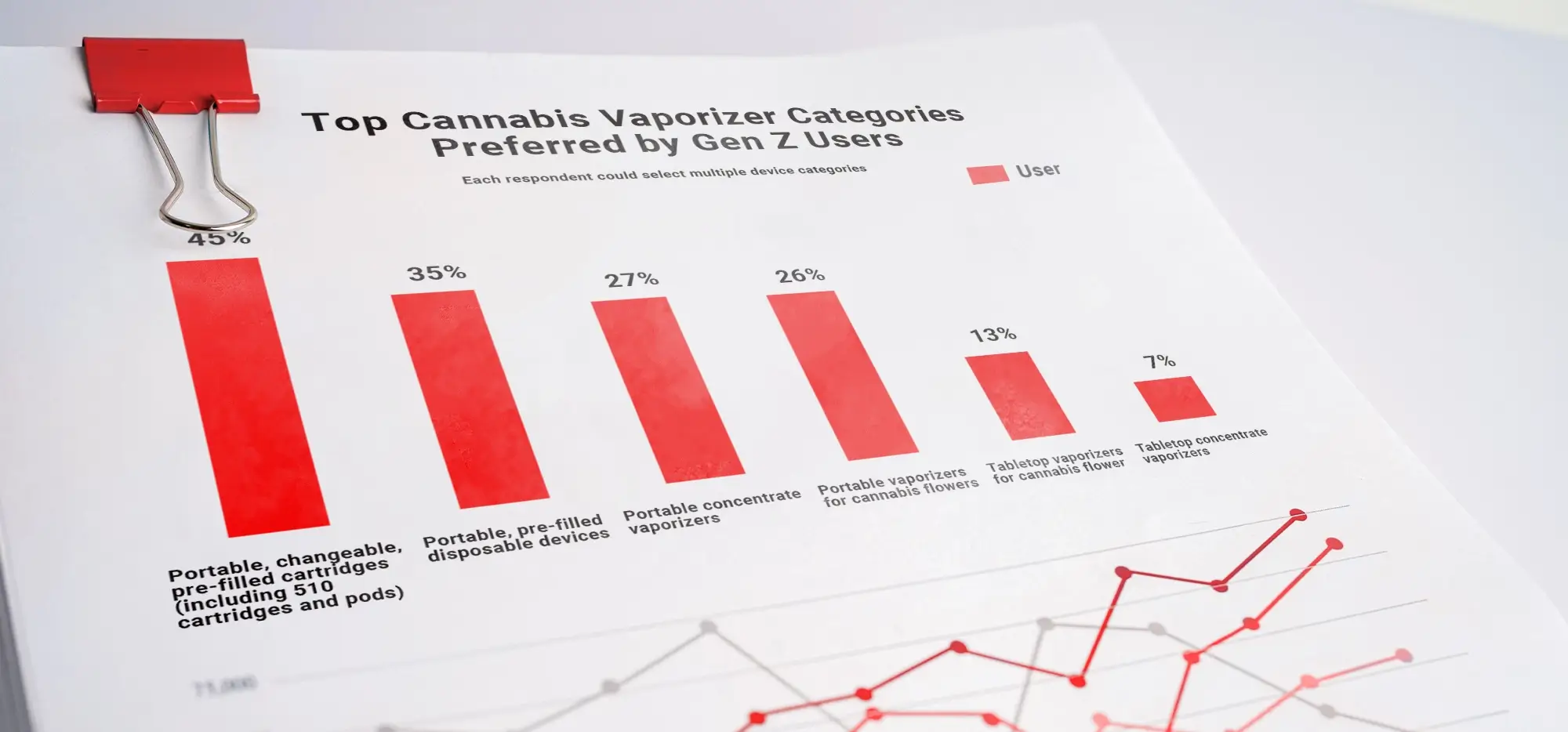
Demand for device-led cannabis formats is also being shaped by younger adult consumers. Industry reporting using Headset data suggests that Gen Z cannabis shoppers have allocated a larger share of spending to vapor pens than to flower over a recent 12-month period, while vape sales have become increasingly competitive with flower in California. The reported shares were 38% for vapor pens and 32.5% for flower among Gen Z shoppers in the markets covered by Headset. These figures are a directional signal rather than proof that the same preference exists in every legal market, because the underlying sample, retail coverage, and jurisdiction mix determine how broadly the result can be applied in a Gen Z cannabis vape analysis.
The Short Answer: Cannabis Is Becoming More FMCG-Like in Finished Product Formats
Cannabis itself is not turning into a standard FMCG product, but many cannabis formats are adopting FMCG-like behavior. The clearest shift is from raw or preparation-heavy products toward finished goods that are portable, packaged, standardized, and easy to explain at retail.
Traditional cannabis consumption often involves tools, knowledge, or preparation. Flower may require grinding, rolling, glassware, or other accessories. Concentrates may require a rig, torch, dab tool, or electronic setup.
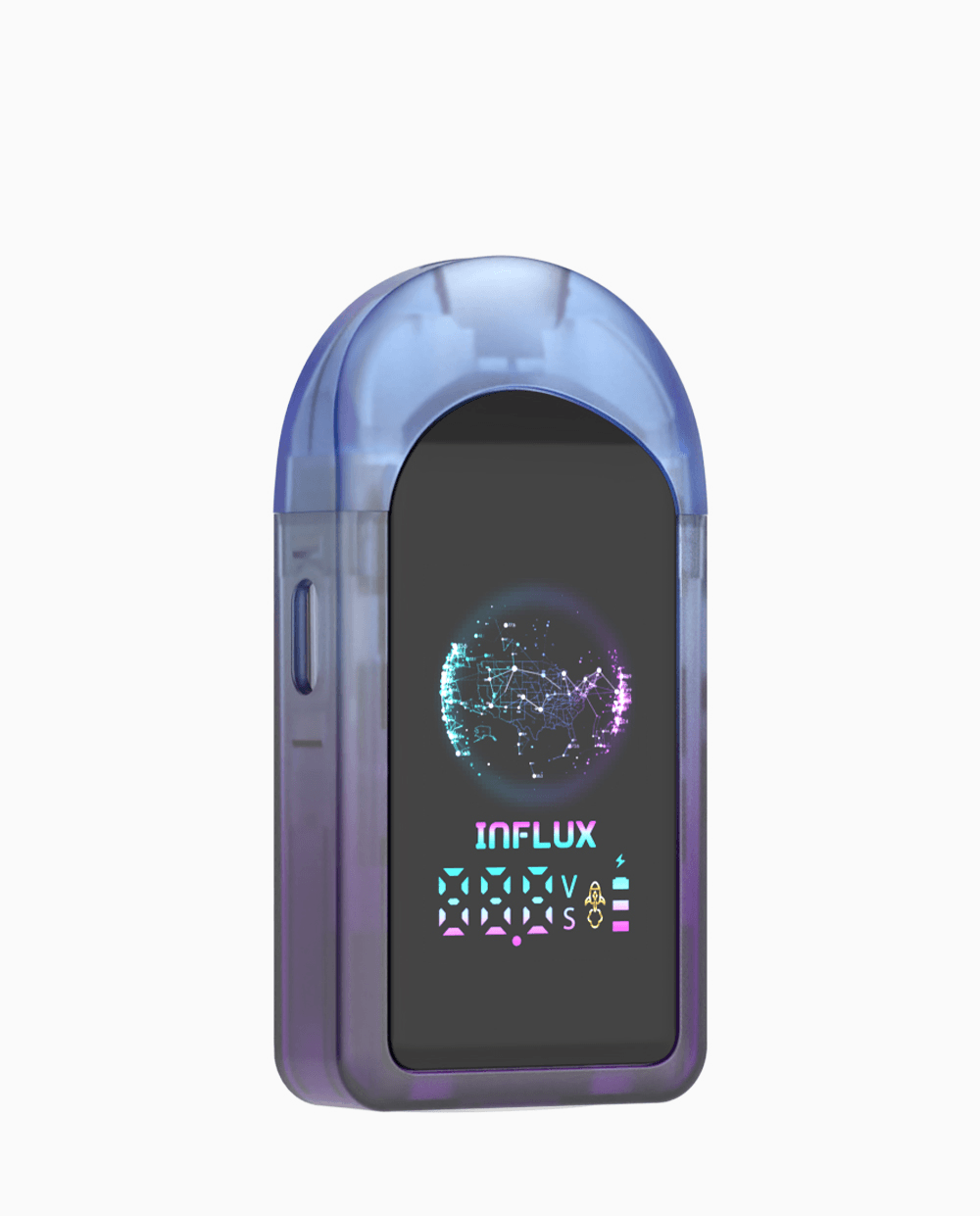
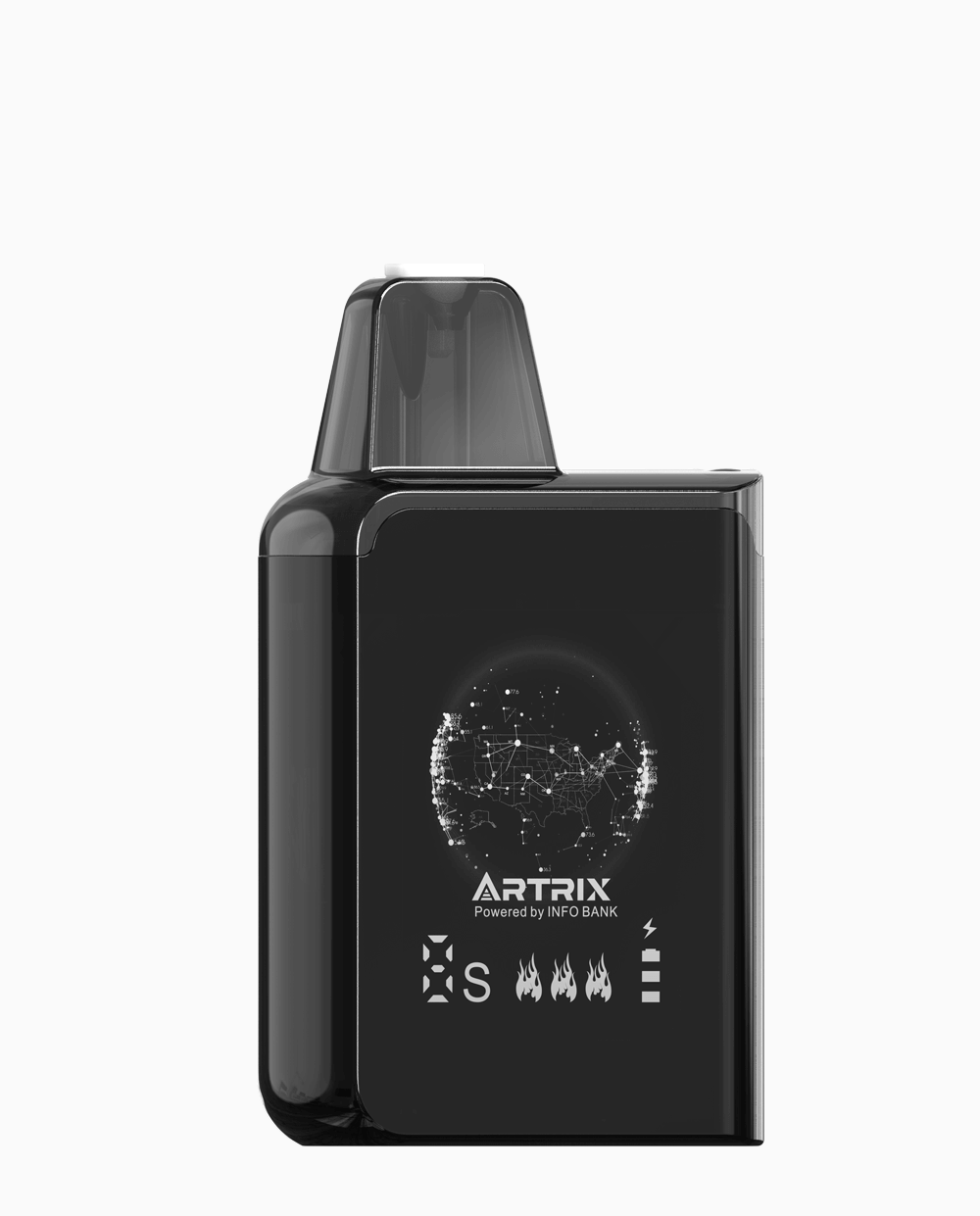
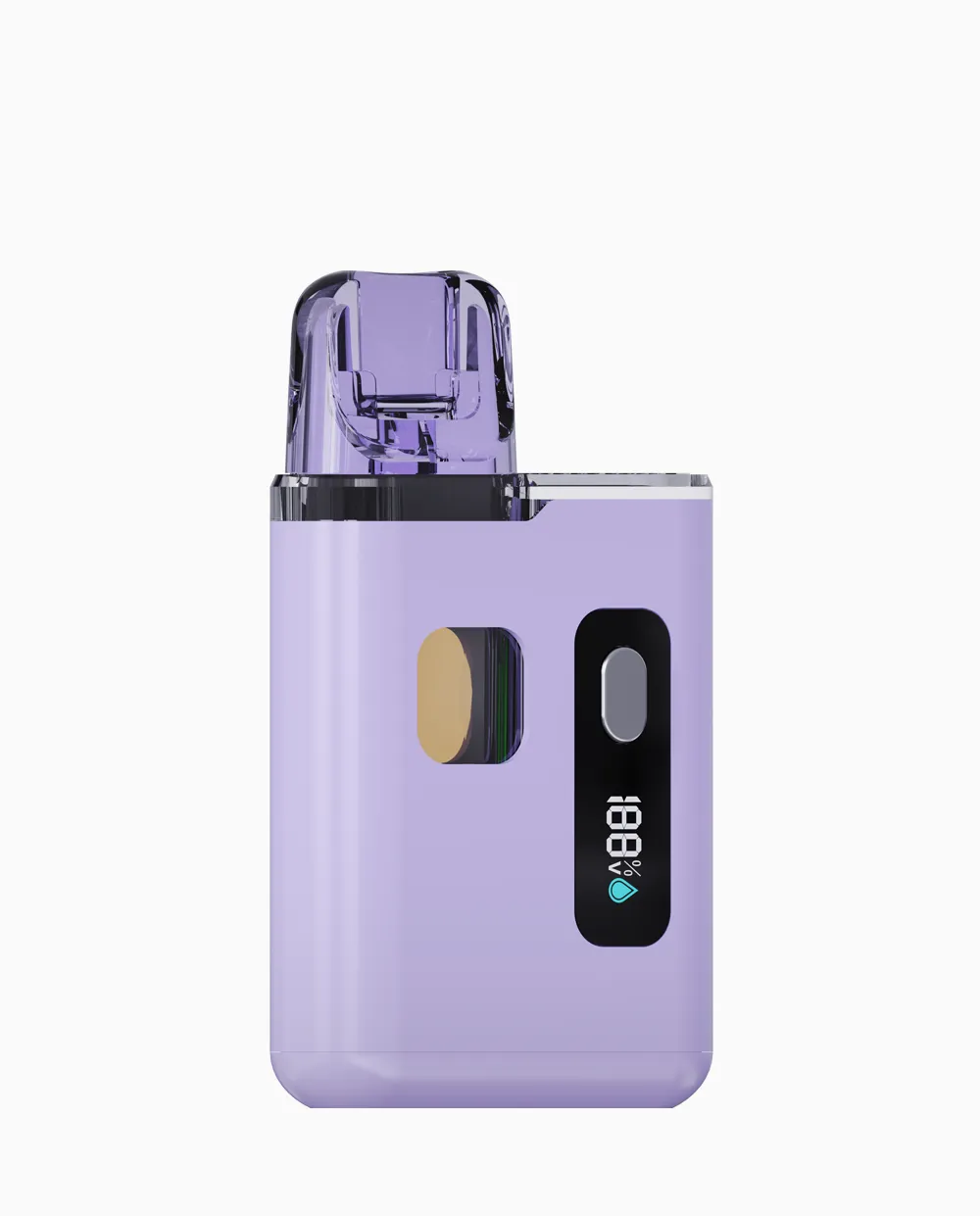
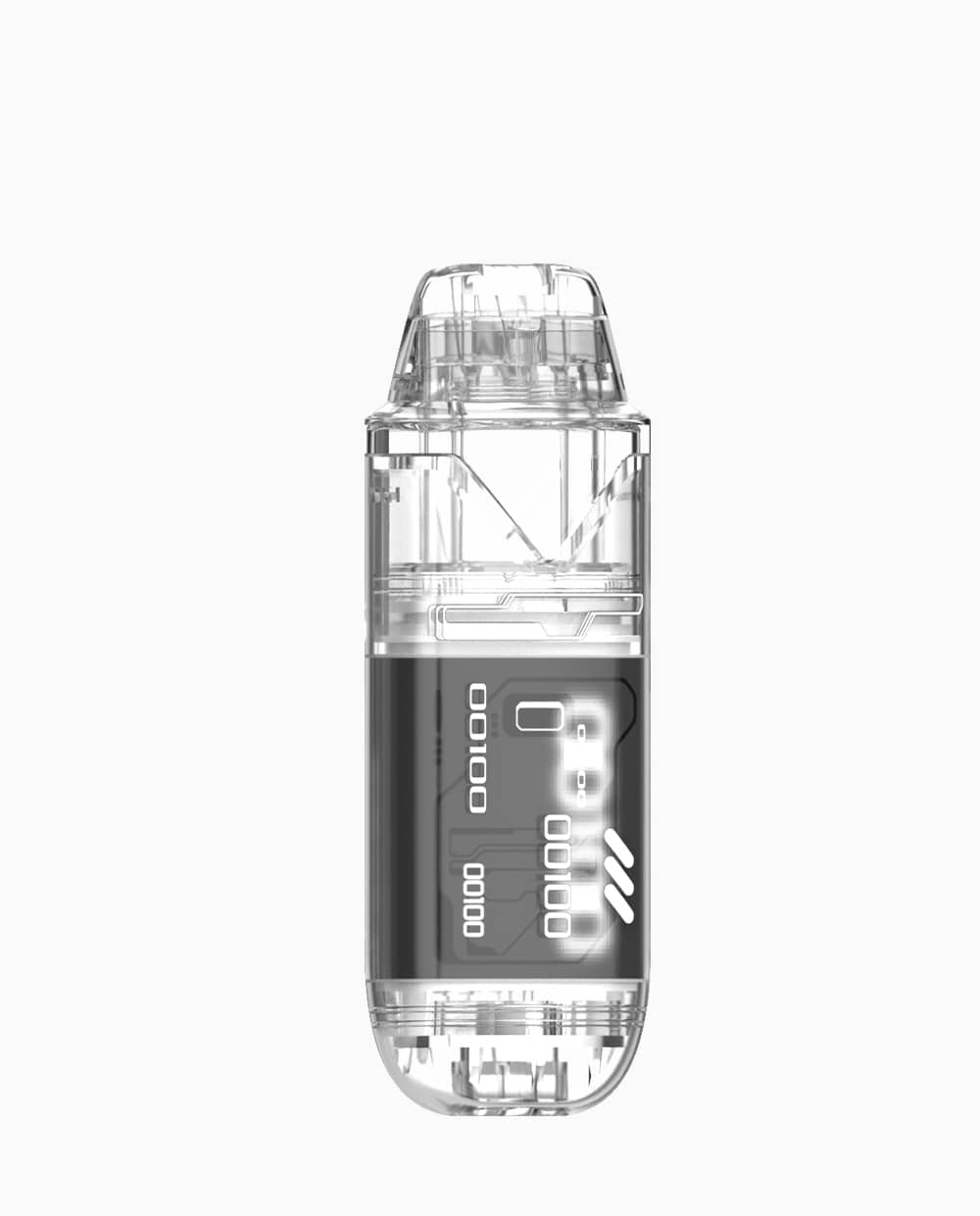
This is why the disposable cannabis devices market should be understood as part of a broader format shift. In this model, disposable cannabis devices are not only single-use convenience products. They can also turn cannabis consumption into a clearer packaged product experience for legal-age consumers who value speed, simplicity, and predictability.
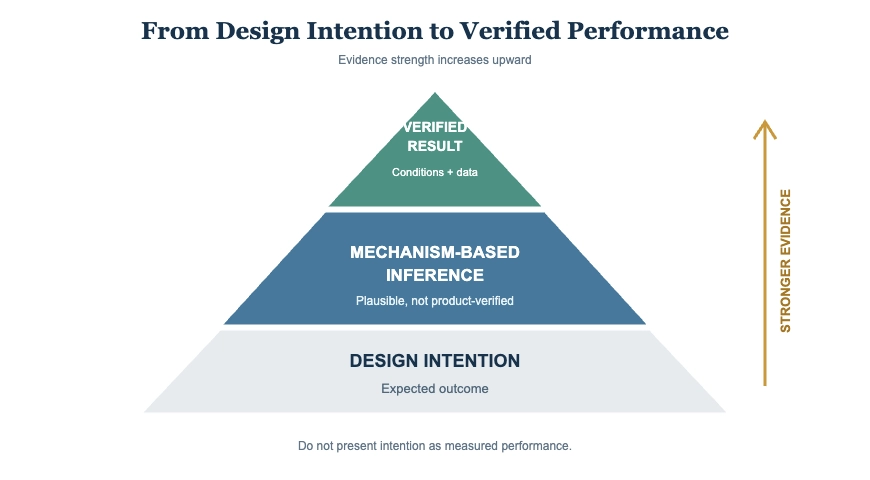
However, ease of use should not be confused with verified reliability, lower risk, or guaranteed repeat purchase. Those outcomes depend on the formulation, hardware design, filling process, storage conditions, instructions, retail environment, and the evidence collected after launch.
What Makes a Cannabis Product FMCG-Like?
A cannabis product becomes FMCG-like when it can be understood, purchased, used, and repurchased with minimal friction. The product does not need to be low-cost or mass-market in the traditional sense. It needs to behave like a consumer product that fits into everyday retail habits.
In cannabis, this usually means the product has a clear use case, simple instructions, predictable performance, recognizable packaging, and a repeatable experience. Disposable cannabis devices fit this pattern because the active product and the delivery hardware are packaged together. Predictability, however, is a result to be demonstrated rather than assumed from the format alone.
| FMCG-Like Attribute | Meaning in Cannabis | Why It Matters for Disposable Devices | Evidence Boundary |
|---|---|---|---|
| Ready-to-use format | The product can be used without preparation or extra accessories. | Disposables reduce setup friction for new and occasional users. | This is a mechanism-based inference; usability studies can test whether consumers actually require fewer steps or less assistance. |
| Consistent experience | The product delivers predictable flavor, vapor, and performance. | Device reliability becomes part of brand trust. | Consistency requires product-level testing across units, batches, temperatures, storage periods, and use patterns. |
| Retail clarity | The product is easy for retailers and consumers to compare. | A simpler format can shorten the purchase decision. | Retail interviews, training-time comparisons, or conversion data are needed before claiming a measured improvement. |
| Repeat purchase | The product supports habitual buying when the experience is dependable. | Consumers can return for the same strain, flavor, strength, or format. | Reorder, complaint, return, and cohort-retention data are needed to establish an actual repeat-purchase effect. |
| Portable design | The product fits discreet and mobile use occasions. | Convenience becomes a major part of perceived value. | Portability does not establish legality of public use, health outcomes, or consumer preference in a specific market. |
What the Available Market Data Shows—and What It Does Not
Gen Z and California Are Directional Signals, Not Universal Results
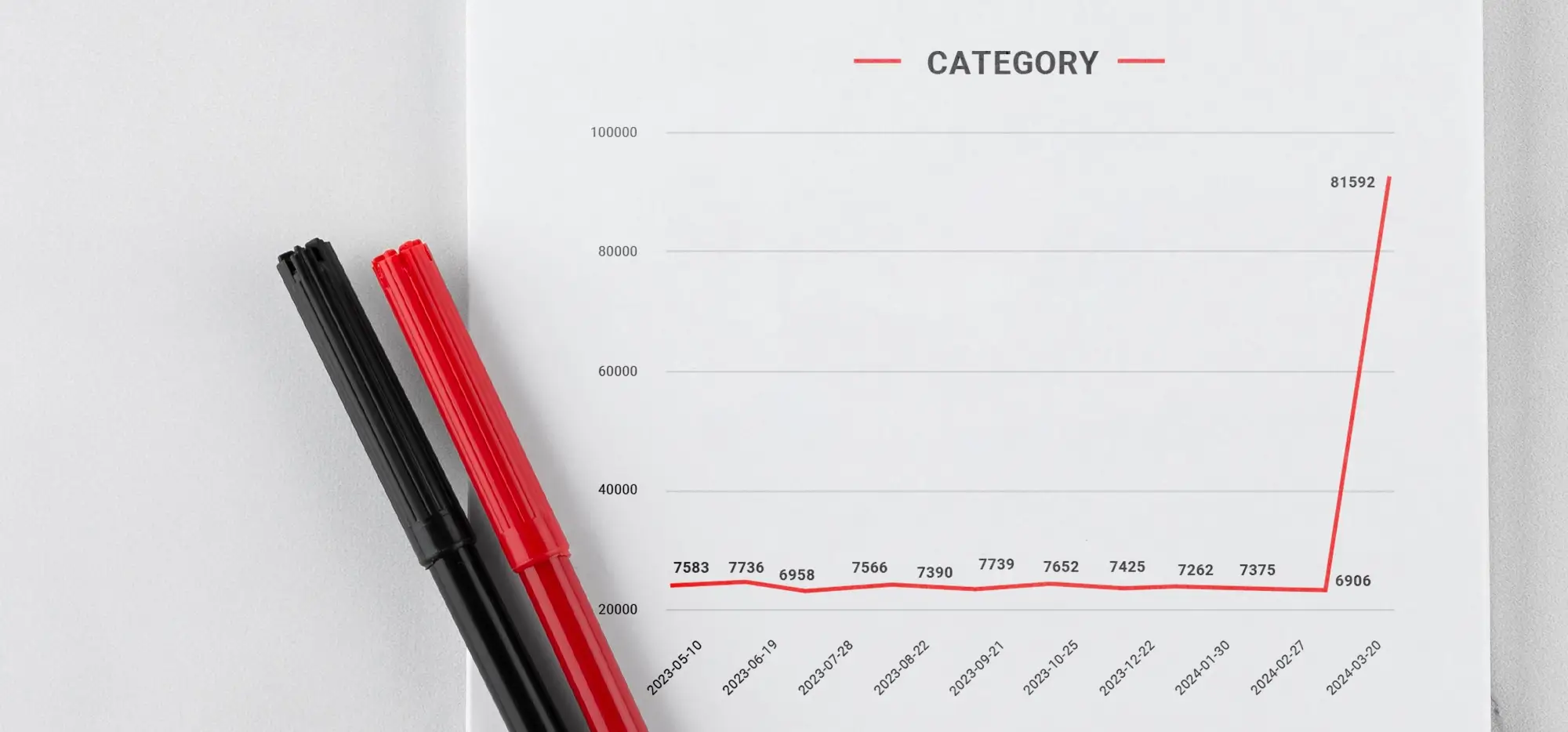
Available sales data supports the conclusion that vapor products are commercially important, but it does not establish a universal global shift. California’s Department of Cannabis Control provides an official sales and price-per-unit dashboard by item category, allowing readers to examine category movement within that regulated market. The underlying California cannabis category sales data should be interpreted as market-specific rather than as a proxy for every legal cannabis jurisdiction.
Younger adult consumers are especially important to this shift. They are used to packaged products that are portable, branded, visually distinct, and easy to compare. For this audience, a cannabis product may be judged by design, flavor consistency, device reliability, and immediate usability as much as by strain or potency.
That interpretation should remain bounded. Generation is only one factor in product choice; price, local assortment, taxation, brand availability, potency preferences, retail rules, and prior experience can also affect category spending. A brand evaluating a launch should therefore combine broad market reporting with its own jurisdiction-level sell-through, basket, complaint, and reorder data.
Why Ready-to-Use Devices Reduce Setup Friction
Consumer behavior is moving toward ready-to-use cannabis because convenience has become part of product quality. Many legal-age consumers are not only asking what a product contains. They are asking how easily it fits into their routines.
Newer consumers may also avoid formats that feel technically demanding. Concentrates can offer strong product quality, but traditional dabbing can look intimidating to people who do not already own the tools. Disposable and all-in-one formats lower that barrier by turning the product into a more familiar device-led experience.
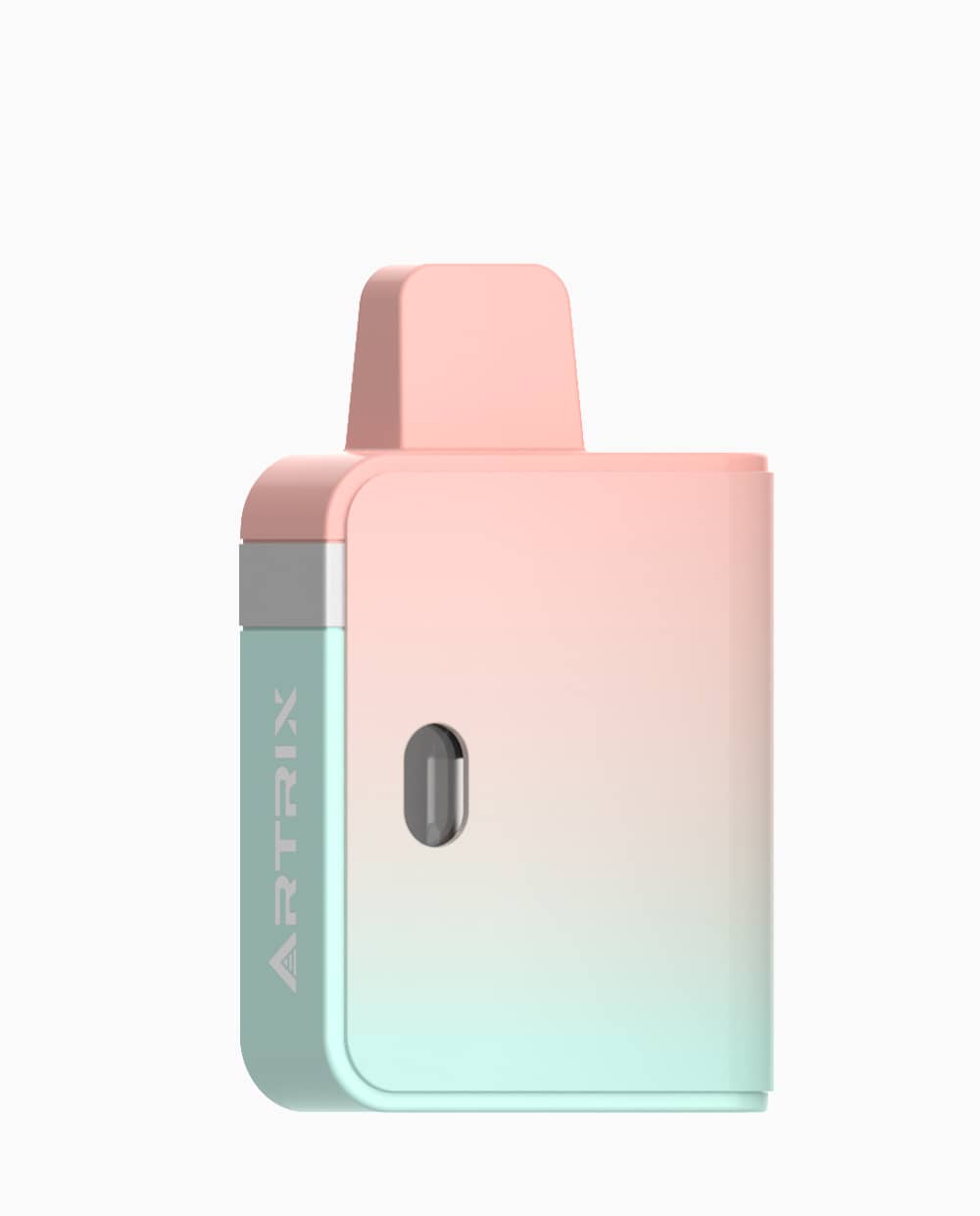
Disposable cannabis devices are becoming a key FMCG-style format because they remove one of the biggest barriers in cannabis hardware: user friction. A consumer can try the product without buying a separate battery, filling a cartridge, adjusting settings, or learning a more complex consumption method.
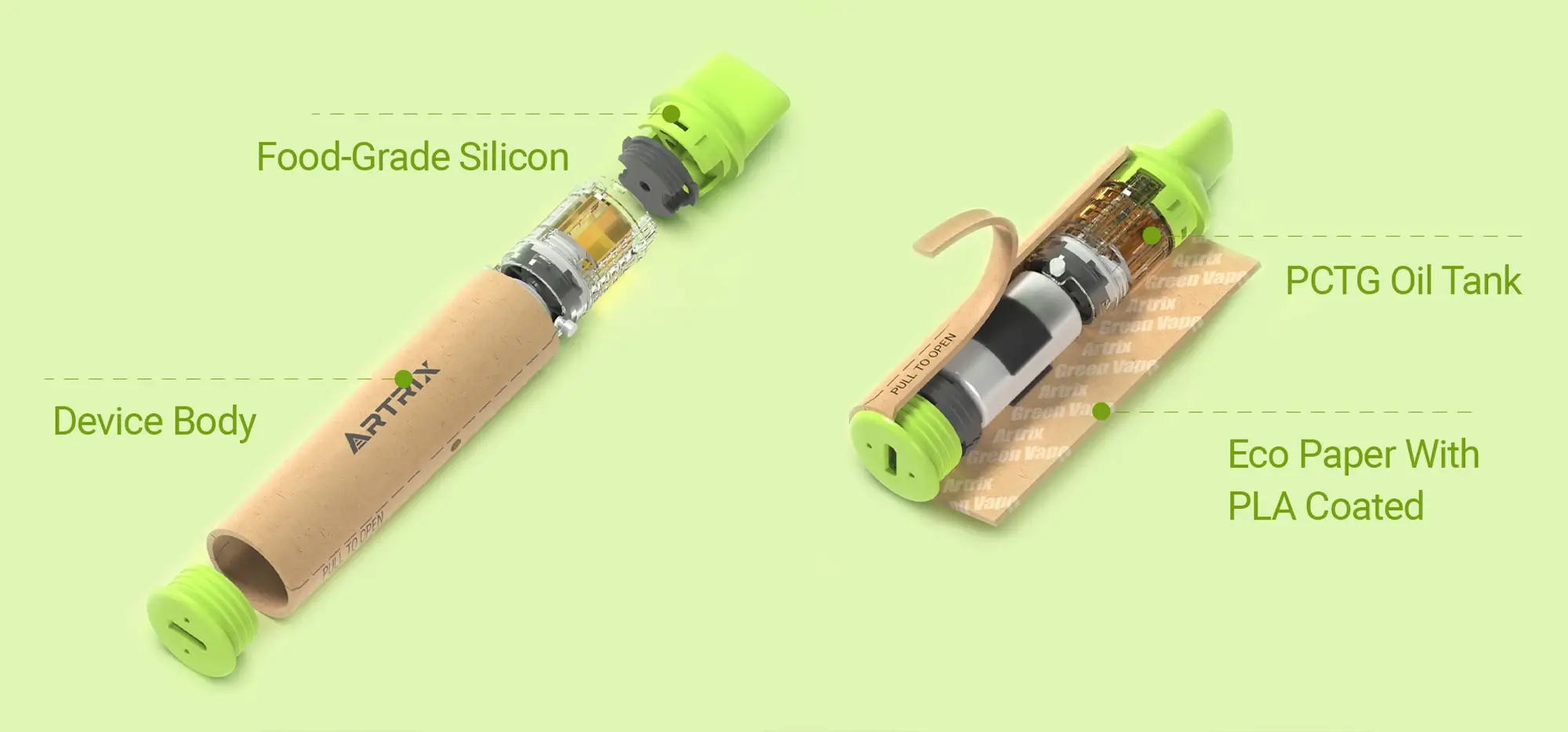
The mechanism is straightforward: combining the oil reservoir, heating element, airflow path, power source, and activation method removes separate setup decisions. In a first-purchase or occasional-use scenario, that may reduce the number of instructions a consumer must understand. It does not prove that the device will be intuitive for every user, so brands should still validate activation, labeling, charging where applicable, storage, and disposal instructions through comprehension or usability testing.
The Device and the Oil Form One Product System
Disposable cannabis devices are especially important because they make hardware part of the packaged product. The device is not just an accessory. It becomes the interface through which the consumer judges flavor, vapor quality, airflow, activation, portability, and reliability.
For brands, that simplicity creates a clearer product proposition. A disposable device can be sold as a complete experience rather than as oil, hardware, or packaging alone. That makes it easier to build SKUs around strain, flavor, cannabinoid profile, use occasion, or potency range.
The format also gives brands more control over performance. When the oil and device are designed to work together, brands can better manage viscosity, heating behavior, airflow, mouthfeel, and leakage resistance. More precisely, system-level design gives a brand the opportunity to evaluate those variables under shared test conditions; it does not guarantee a particular result without product-specific validation.
Variables That Require Product-Level Validation
| Feature or Variable | Mechanism | Relevant Scenario | Practical Outcome and Limitation |
|---|---|---|---|
| Oil viscosity and composition | Influence how oil moves toward and interacts with the heating area. | Storage, transportation, and use across different temperature conditions. | May affect wicking, leakage, or dry-hit risk; the direction and magnitude require formulation-specific testing. |
| Heating configuration | Determines how energy is delivered to the oil during activation. | Repeated draws with different durations and intervals. | May influence vapor consistency and thermal stress; conclusions require disclosed power, resistance, draw, and temperature conditions. |
| Airflow path | Shapes draw resistance and the movement of air through the device. | Consumers using different draw strengths or device orientations. | Can influence perceived usability, but preference and failure outcomes should be measured rather than assumed. |
| Battery and activation system | Supplies and controls energy for heating. | Storage followed by intermittent use through the intended product life. | Must be evaluated as part of the complete device; capacity alone does not prove runtime, reliability, or safety. |
A useful validation plan identifies the oil, fill volume, hardware configuration, storage orientation, temperature range, draw profile, sample size, acceptance criteria, and observed failure modes. Without those conditions, terms such as “leak-resistant,” “consistent,” or “optimized” should be treated as design intentions rather than verified product results.
What the Format Means for Concentrate Brands
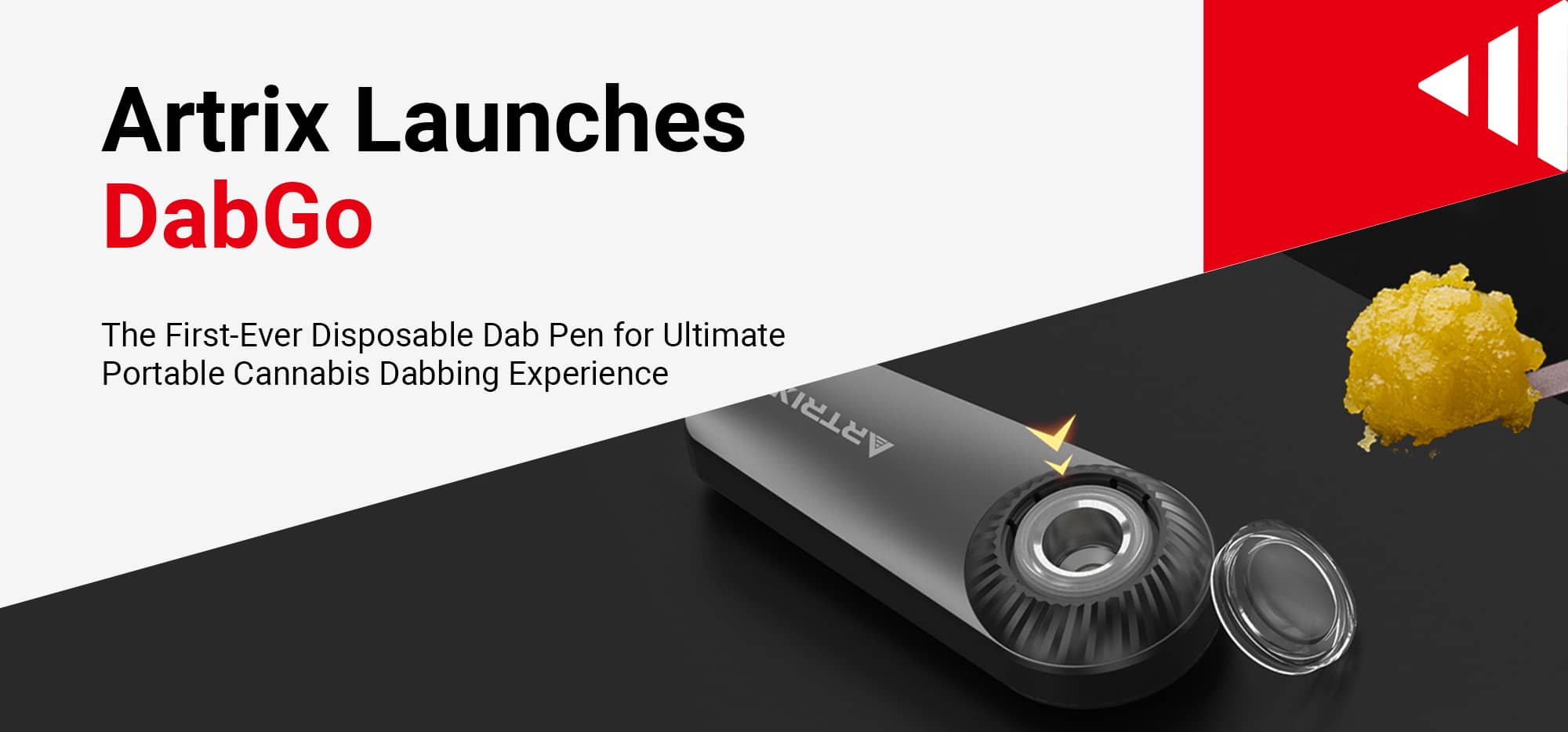
For concentrate brands, ready-to-use devices can make high-quality extracts more accessible without abandoning the value of the concentrate itself. The opportunity is not to replace experienced concentrate users. It is to create a second path for consumers who want concentrate-based products without the tools and learning curve of traditional dabbing.
Traditional concentrate packaging works well for consumers who already understand the category. Jars, tools, and rigs can be part of the appeal for experienced users. But for mainstream or occasional buyers, that same process can create hesitation.
Ready-to-use devices may help reduce that hesitation by reframing concentrates as portable, controlled, and easier to trial. In this context, the key question is not only whether the extract is strong or flavorful. It is whether the product format is convenient enough for the next wave of legal-age consumers.
Brands should also ask whether a disposable format is the right answer at all. A rechargeable all-in-one device, a cartridge-and-battery system, or traditional concentrate packaging may be a better fit when product life, serviceability, consumer familiarity, local rules, waste obligations, or desired positioning outweigh the value of minimum setup.
Disposable or Rechargeable: Which Format Fits the Use Case?
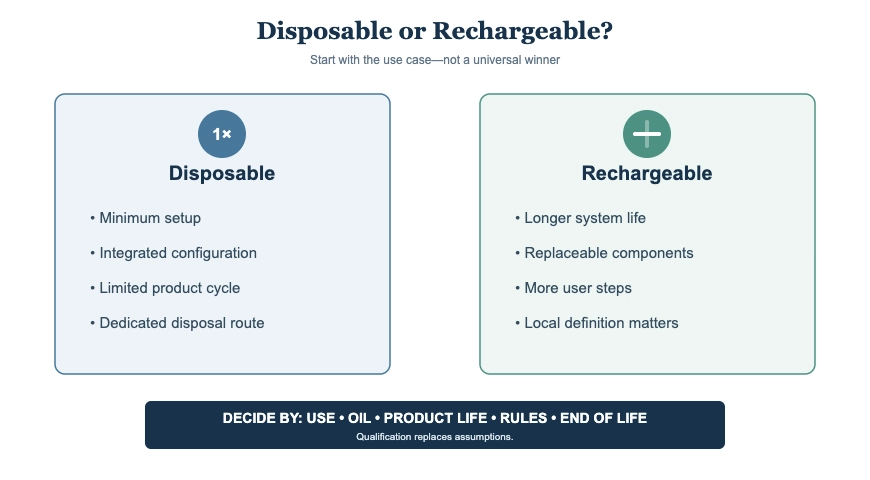
Neither disposable nor rechargeable hardware is inherently the correct choice for every cannabis product. The more defensible decision begins with the intended use occasion, extract, product life, local rules, consumer instructions, serviceability expectations, and end-of-life plan.
| Decision Factor | Disposable Format | Rechargeable or Reusable Format | Evidence Needed |
|---|---|---|---|
| Setup | May reduce separate purchase, assembly, and pairing steps. | May require charging, refilling, cartridge replacement, or component pairing. | Consumer comprehension, setup-time, and support-request data. |
| Intended product life | Designed around a limited, integrated product cycle. | Designed so at least part of the system can be charged, refilled, or replaced. | Defined use conditions, component life, and failure criteria. |
| Oil-hardware qualification | The final filled unit can be tested as one configuration. | Compatibility may depend on which cartridge, pod, refill, battery, or setting is used. | Testing of every configuration the brand intends to support. |
| Serviceability | Individual internal components are generally not intended to be replaced by the consumer. | Some components may be chargeable, refillable, removable, or replaceable, depending on the design. | Clear instructions, replacement availability, and jurisdiction-specific product definitions. |
| End of life | The complete device requires an appropriate electronics or battery collection route. | Reuse may extend the life of some components, but batteries and electronics still require appropriate handling at end of life. | Verified local collection, recycling, or take-back options. |
| Regulatory fit | May fall within single-use restrictions or specific waste obligations in some markets. | Must satisfy the applicable local definition of reusable or refillable; a rechargeable battery alone may not be sufficient. | Current legal review for every target jurisdiction. |
This comparison supports qualification rather than a universal recommendation. A format that reduces setup steps in one scenario may create greater waste, compliance, service, or education burdens in another. Brands should document why the selected format is appropriate and what evidence would cause the decision to be reconsidered.
A Decision Framework for Cannabis Brands
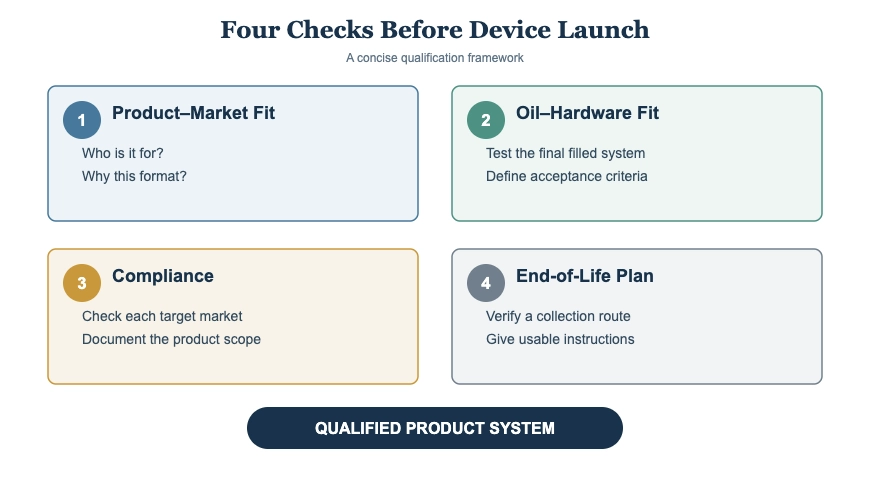
Brands can compete by treating disposable cannabis devices as full product systems rather than low-cost containers for oil. The strongest products will combine extract quality, hardware reliability, clear positioning, compliant packaging, and responsible end-of-life planning. Because “strongest” is not a measurable category without defined criteria, the practical task is to qualify each layer with evidence before launch.
A practical strategy should include four layers: product-market fit, hardware-oil compatibility, compliance discipline, and post-use responsibility. Each layer affects whether the product earns repeat purchase or becomes a one-time trial, especially when hardware-oil compatibility determines how reliably the device performs with a specific extract. Actual commercial impact must still be evaluated with market and product data.
-
- Define the use case: beginner trial, premium concentrate access, discreet portability, flavor exploration, or occasion-based consumption. Identify the intended legal-age consumer, jurisdiction, retail channel, expected use pattern, and reason this format is preferable to a reusable alternative.
-
- Match hardware to oil: viscosity, terpene profile, heating behavior, airflow, and coil performance should be considered together. Document the test conditions and acceptance criteria rather than relying on a general compatibility statement.
-
- Make packaging clear: legal-age consumers should understand potency, intended use, activation, storage, and disposal guidance. All wording should be reviewed against the rules of the jurisdiction where the finished product will be sold.
-
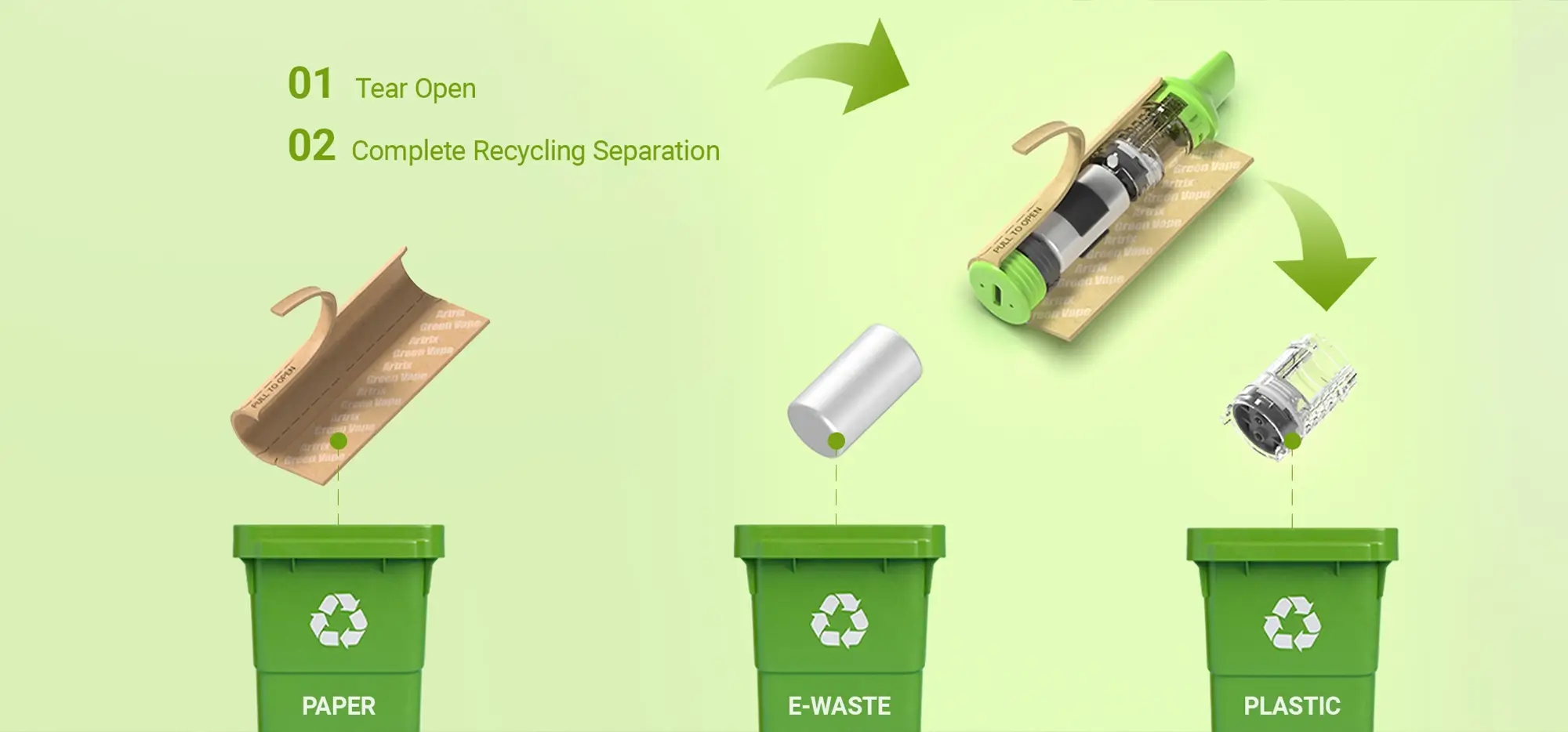
- Plan responsible end-of-life handling: recycling instructions, retailer take-back options, and battery guidance can reduce long-term category risk. Instructions should point to disposal routes that are actually available in the target market.
Pre-Launch Validation Checklist
-
- Confirm the intended consumer, use occasion, retail channel, and alternative formats considered.
-
- Test the final oil and filled device together rather than qualifying the hardware in isolation.
-
- Define storage temperature, orientation, duration, draw conditions, sample size, failure modes, and acceptance criteria.
-
- Review activation, charging where applicable, storage, age restriction, potency, and disposal instructions for comprehension.
-
- Complete jurisdiction-specific legal and regulatory review before sale; do not assume that a compliant design in one market is compliant elsewhere.
-
- Establish complaint, return, leakage, clogging, battery, sell-through, and reorder tracking before launch.
-
- Verify that any recycling or take-back language corresponds to an accessible local program.
The Risks Brands Should Not Ignore
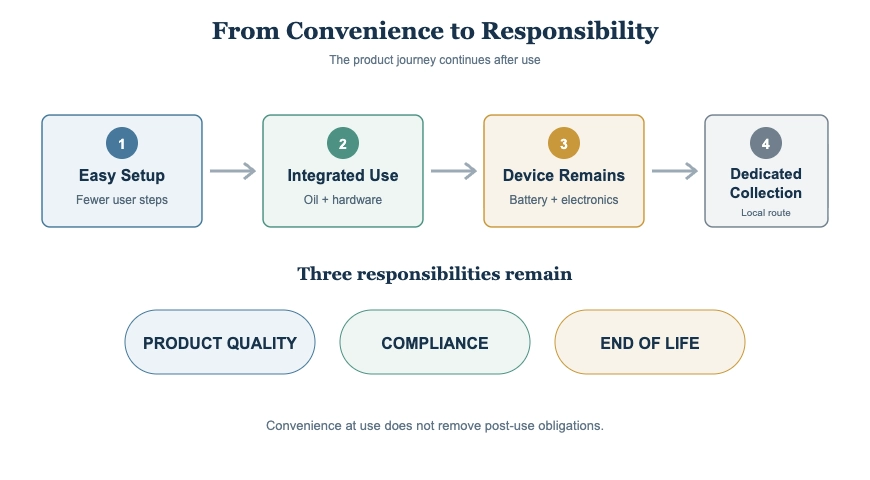
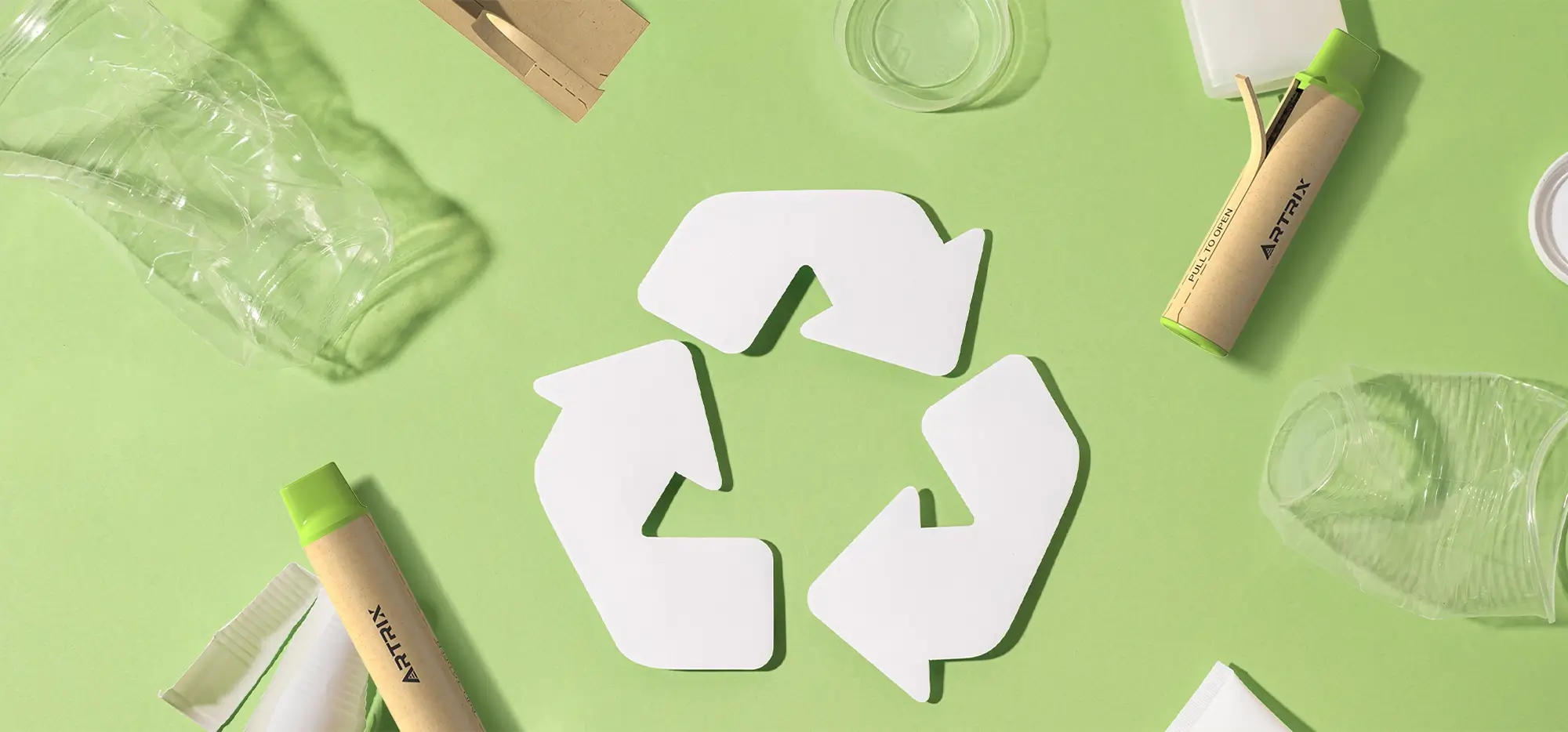
The biggest risk is that disposable convenience can create environmental, quality, and trust concerns if brands treat single-use format as the whole value proposition. A disposable cannabis device still contains hardware, materials, packaging, and often a lithium-ion battery. That makes end-of-life handling part of the product responsibility.
Battery End-of-Life Handling
The U.S. EPA advises that lithium-ion batteries and devices containing them should not be placed in household garbage or ordinary recycling bins because improper handling can create fire and environmental risks. The EPA guidance on lithium-ion battery disposal directs consumers toward separate battery recycling, electronics recycling, or household hazardous-waste collection options and notes that device availability and handling requirements can vary locally.
Regulatory Scope Varies by Market
Regulatory pressure around single-use vape formats is already visible in adjacent vape markets. The UK banned the sale of single-use vapes from June 1, 2025. More precisely, the official single-use vape sales and supply ban prohibits businesses from selling or supplying these devices and applies whether or not they contain nicotine. This example does not establish the law for cannabis devices in another country, but it shows why format definitions, refillability, rechargeability, waste duties, and local enforcement should be checked market by market.
Compliance Is Not Product-Performance Proof
Product quality is a separate risk from regulatory compliance. A device may meet applicable labeling or market-entry requirements and still produce complaints if the oil, hardware, storage conditions, filling process, or instructions are not well matched. Compliance, testing, and certification should therefore be described as distinct concepts, and none should be used as a substitute for product-specific performance evidence.
Frequently Asked Questions
What makes a cannabis product FMCG-like?
A cannabis product behaves in an FMCG-like way when its format is easy to identify, purchase, understand, use, and purchase again with relatively little setup. The comparison describes consumer and retail behavior; it does not remove cannabis-specific legal, product, or safety obligations.
Are disposable devices suitable for every cannabis extract?
No universal compatibility should be assumed. Distillate, live resin, live rosin, and other formulations can differ in composition and behavior, so the final oil and hardware configuration should be tested together under defined filling, storage, and use conditions.
When might a rechargeable format be the better option?
A rechargeable or reusable format may be preferable when longer product life, component replacement, reduced single-use waste, local regulation, or consumer familiarity outweighs the value of minimum setup. The answer depends on the complete product system and target market.
Can disposable cannabis devices go into ordinary recycling?
Devices containing lithium-ion batteries should not be placed in household garbage or ordinary municipal recycling in the United States. Consumers and businesses should use appropriate electronics, battery, hazardous-waste, or take-back channels available in their area.
How should brands evaluate oil-hardware compatibility?
Brands should test the final filled configuration and document the formulation, device components, fill process, storage conditions, draw profile, sample size, observed failure modes, and acceptance criteria. A general technical mechanism does not establish that a specific finished product achieved a particular result.
Conclusion: Evaluate the System, Not Just the Format
The future of cannabis consumption will not be entirely disposable, and it will not be entirely FMCG. Flower, concentrates, reusable devices, and traditional consumption rituals will continue to matter. But the growth of ready-to-use formats shows that many legal-age consumers want cannabis products that are simpler, more portable, and easier to repeat.
The disposable cannabis devices market sits at the center of that shift because it turns cannabis into a packaged, device-led experience. It can reduce friction for new consumers, create clearer retail propositions, and help brands control the full consumption journey. Those are plausible advantages, not automatic results: each one should be evaluated against local market data, product validation, consumer comprehension, and post-launch performance.
The opportunity is real, but it comes with responsibility. Brands that focus only on convenience may face quality, compliance, and environmental pushback. Brands that combine convenience with reliable engineering, transparent packaging, jurisdiction-specific compliance, and responsible disposal planning will be better positioned as cannabis continues to move toward FMCG-like consumption.
For brands that decide a ready-to-use format fits their market, the next step is not simply choosing a device from a catalog. It is defining the oil, use scenario, validation conditions, compliance scope, and end-of-life plan before selecting and qualifying the hardware. Artrix can support that hardware evaluation process, while final product claims should remain tied to documented testing of the finished configuration.