

-1.webp)
-1.webp)
-2.webp)




















IWD 2026 | Leading the Green Revolution in Vape Hardware: An Interview with Kiki Lee
Last Updated: March 15, 2026
Introduction: 2026, the Year of Purpose-Driven Leadership
International Women’s Day 2026 arrives at a moment when leadership in vape hardware looks very different from what it did even one year ago. The conversation is no longer limited to speed, price, and scale. In 2026, customers want to know how a device is built, how long it lasts, how it fits evolving compliance demands, and what kind of future the company behind it is trying to shape.
That is why an Interview with Kiki Lee feels especially timely. As Kiki puts it, “I don’t see my job as simply selling hardware. I see it as helping customers understand what responsible hardware should look like in this new era.” As a sales leader at Artrix, Kiki represents a new kind of commercial voice in the vapor hardware space: one that connects engineering, compliance, sustainability, and customer trust. Her value is not simply in moving products from factory to market. It is in translating technical decisions into a business language buyers can believe in.
Over the last year, the global vapor category has been forced to mature. Policy shifts, battery rules, waste concerns, and public-health scrutiny have made it harder for hardware suppliers to compete on appearance alone. The brands that will keep growing are the ones that understand a simple truth: future-proof hardware is not only high-performing, but also responsible by design.
In that environment, Kiki’s leadership stands out. She speaks to buyers with a sales mind, but she thinks like someone who understands what regulation, design, and long-term brand credibility now require. For Artrix, that has turned sustainability from a slogan into a strategic lens.She said :” I’ve come to see sustainable hardware as more than a product direction. For me, it’s a responsibility. If we are building for the future, then we have to think about what kind of future we are helping create.”

Navigating the 2026 Compliance Surge: A Sales Leader’s Journey
If 2025 was the warning shot, 2026 is the year the industry has had to operationalize its response. By March 2026, businesses in the UK are already operating under the nationwide ban on single-use vapes that took effect on June 1, 2025, and official guidance says the ban applies to all vapes, whether or not they contain nicotine.
That kind of shift changes how a sales leader has to think. “From where I stand, compliance is no longer something you explain after the deal is done. It has become part of the value of the product itself.” It now shapes the product conversation from the first customer call. Buyers want to know whether a device is reusable, how waste obligations are handled, and whether a supplier understands the documentation and design expectations of the markets it wants to enter.
Kiki’s strength, in this kind of climate, is not panic management. It is reframing. “I often tell my team that regulation is not only pressure. If we respond the right way, it can push us to create better products and have better conversations with customers.” Instead of treating stricter market-entry conditions as a burden, she turns them into a language of differentiation. A rechargeable platform is not just a spec sheet feature. A more modular design is not just an engineering preference. In the current market, those choices can signal seriousness, adaptability, and lower long-term friction for partners trying to build stable product lines.
That perspective matters even more in Europe, where the regulatory direction is clearly moving toward longer-life, more transparent battery systems. The European Commission says the EU Batteries Regulation entered into force on August 17, 2023, and is gradually introducing sustainability, safety, labeling, and recycling requirements from 2025 onward.
A sales leader who understands this can do something powerful: align market demand with engineering priorities. That is where Kiki’s role becomes more strategic than transactional. She sits at the point where customer hesitation, regulatory pressure, and product architecture meet. When customers ask hard questions, she helps convert them into design inputs. When engineers build smarter systems, she helps convert those choices into confidence-building market narratives.
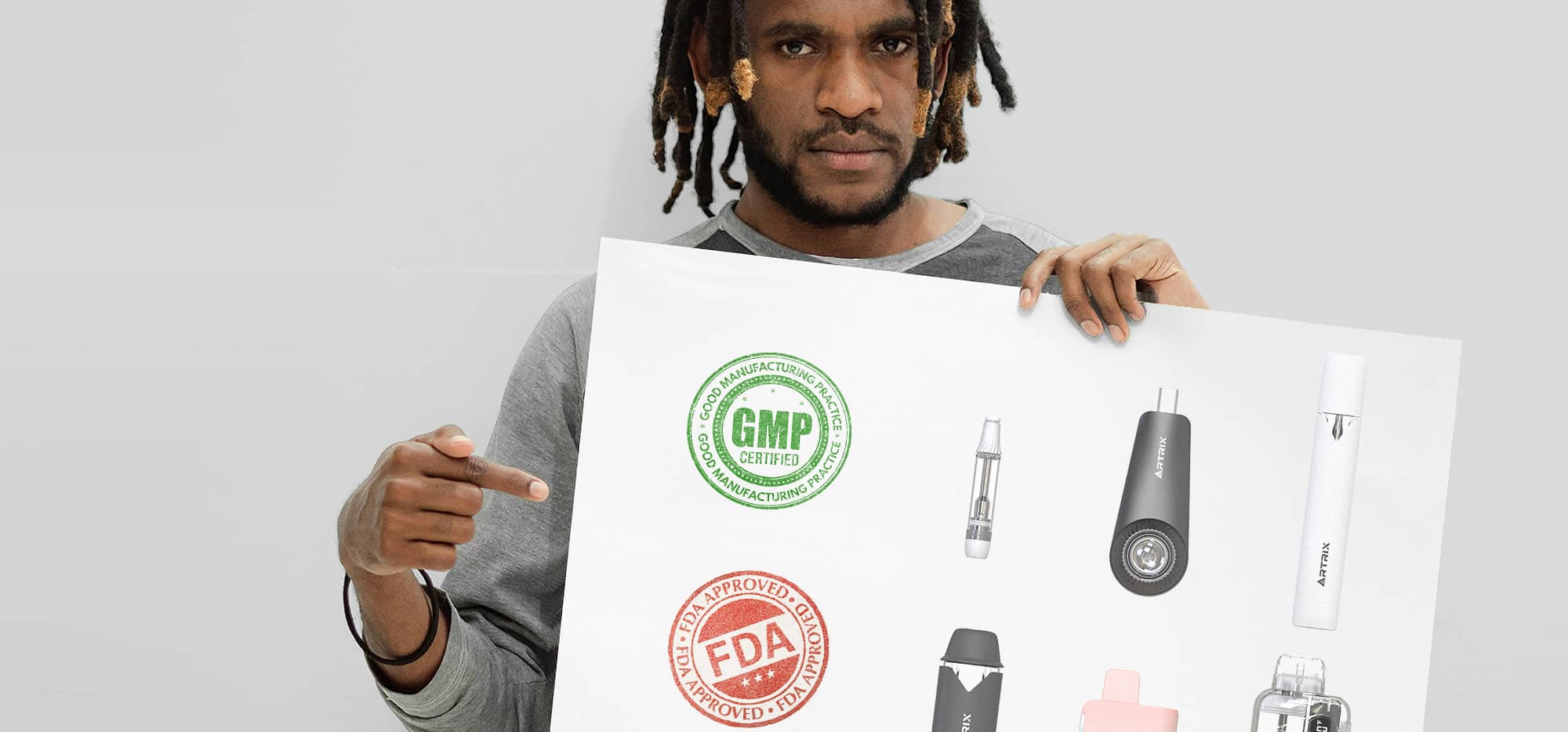
In the nicotine-vape segment, that same compliance logic is visible in the United States as well, where the FDA says a company must receive a written marketing order before legally marketing a new tobacco product. Even when Artrix partners are operating across different categories and jurisdictions, the lesson is similar: market access now belongs to companies that treat compliance as part of product strategy, not as an afterthought.
Sustainability as a Maternal Instinct: Reducing the Carbon Footprint
What makes Kiki’s sustainability mindset interesting is that it is not framed as trend-following. It feels more personal than that. “As a mother, I feel this issue very personally. I don’t want the next generation to inherit an industry that only knows how to make, sell, and throw away.” For many women in leadership, and especially for mothers, sustainability is not only an ESG talking point. It is a question of inheritance: what kind of industrial logic are we leaving behind for the next generation?
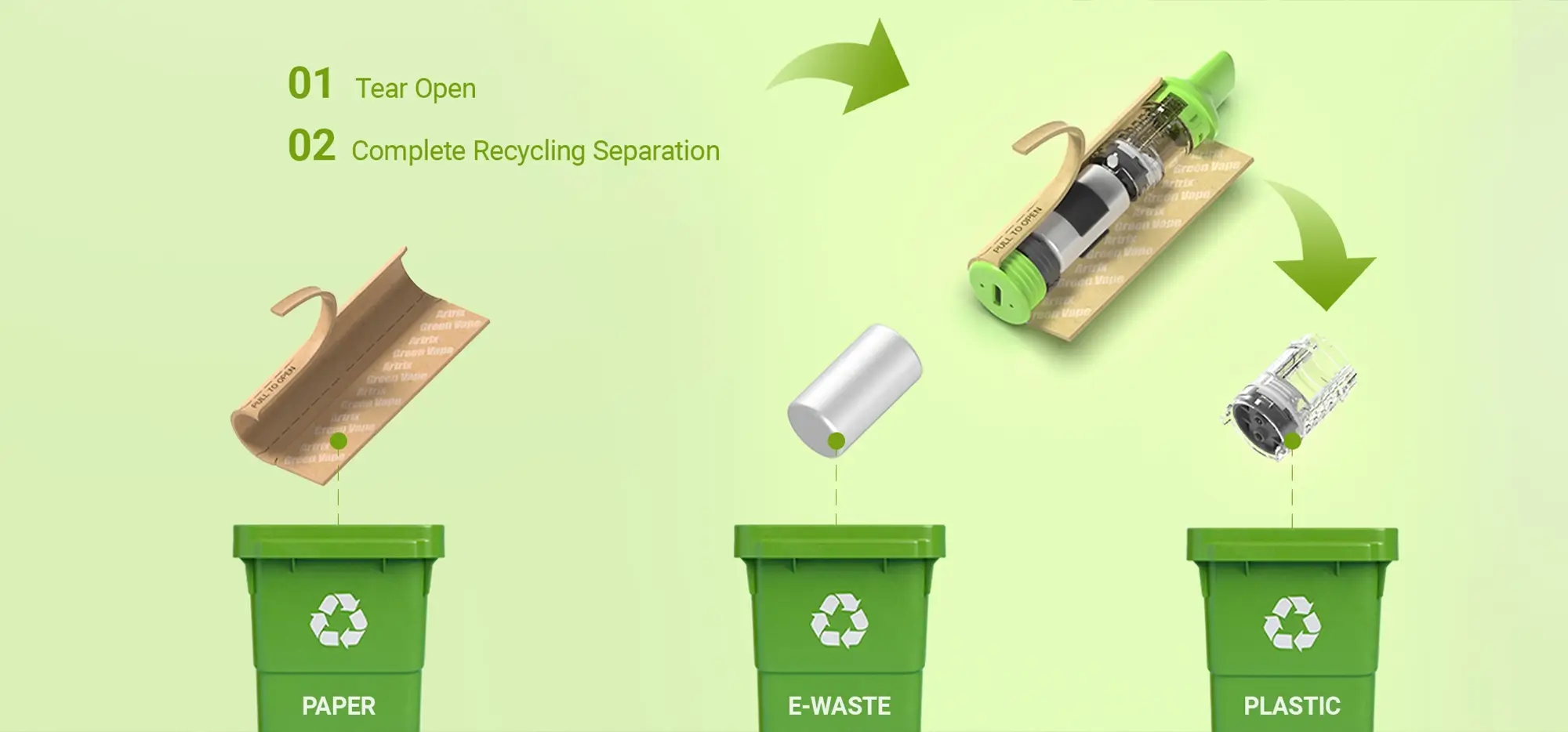
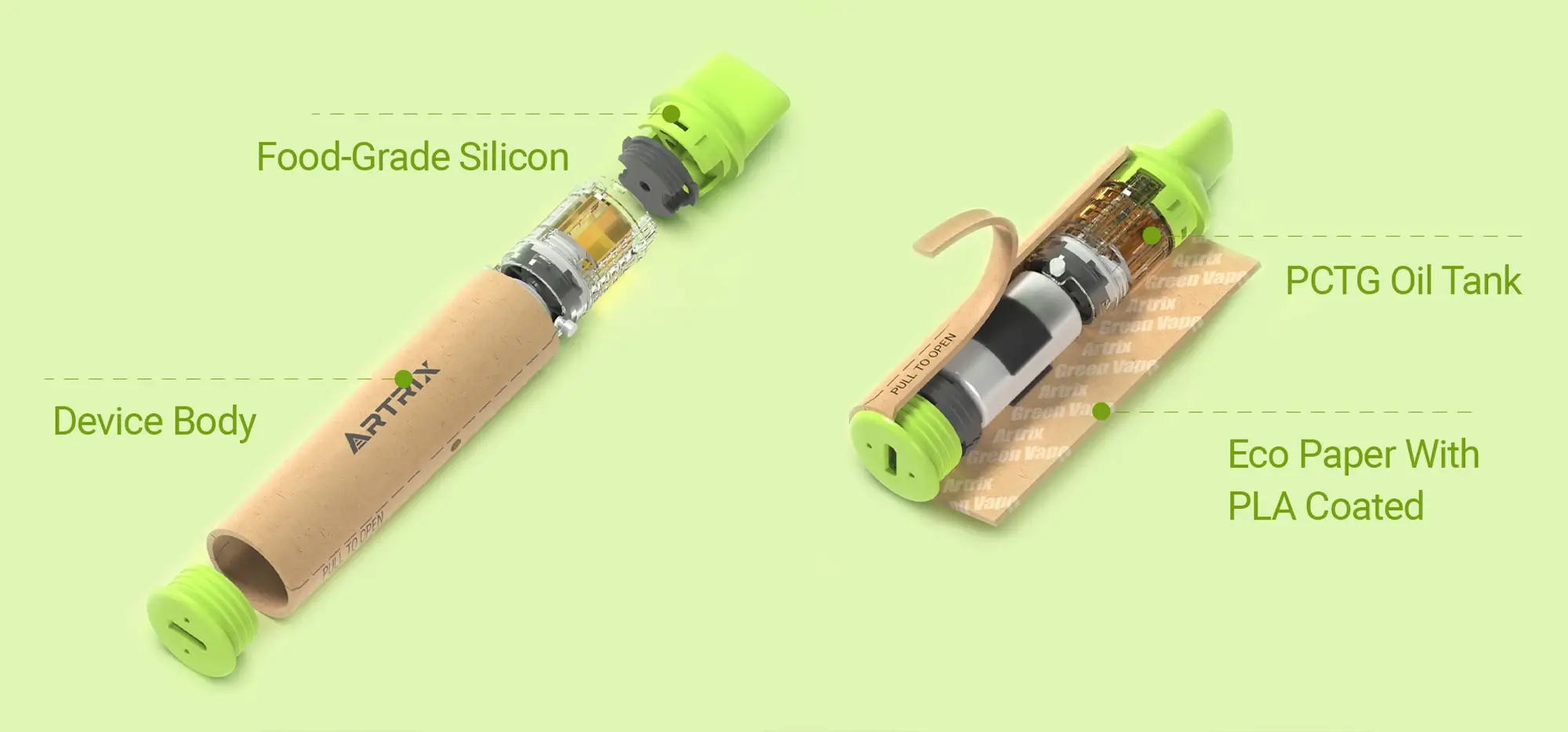
That helps explain why “green hardware” resonates so strongly in her leadership story. The point is not to decorate a device with eco-language and move on. The point is to build products with a longer useful life, more responsible material choices, and a clearer end-of-life path. In a category long associated with disposability, that shift is both commercial and cultural.
The UK’s current rules reinforce why that change matters. Government guidance says reusable vapes must be rechargeable and refillable, and retailers must provide a take-back route for returned vapes and parts under waste electrical equipment rules. (GOV.UK: single-use vapes ban guidance) For hardware brands, that means sustainability is no longer a side narrative. It is increasingly tied to what counts as viable product design.
But Kiki’s perspective also benefits from restraint. A greener device is not the same thing as a health claim, and responsible brands should not confuse the two. The CDC says health and safety risks exist for each way of using cannabis, and scientists do not have enough evidence to say one mode of use is safer than another. That distinction matters because serious sustainability leadership should reduce waste and improve product responsibility without pretending that environmental progress turns inhaled products into wellness products.
This is where maternal instinct becomes something larger: industry responsibility. It is the refusal to accept a short-term sales model built on short-life hardware, vague disposal pathways, and careless messaging. In Kiki’s version of leadership, reducing the footprint of hardware is not separate from building a stronger company. It is part of what makes a company worth following.
Smart Leadership: Integrating AI and Empathy in B2B Sales
One of the most interesting traits of women leaders in 2026 is that they are becoming fluent in two systems at once: digital speed and human depth. Kiki reflects that balance well. She understands that AI plateform can eliminate repetitive work, shorten internal response cycles, and help sales teams organize information faster. But she also knows that B2B growth rarely breaks through because a dashboard looked cleaner.
In practice, this creates a smarter model of sales leadership. AI can help summarize customer requirements, structure follow-ups, compare product options, and surface patterns across accounts. That saves time. The real question is what a leader does with the time that is saved. Kiki’s answer is to reinvest it where relationships are still built: nuanced conversations, long-cycle trust, and the kind of reassurance customers need when they are making decisions in a volatile market.
That is especially relevant in a category under ongoing public-health and regulatory attention. The CDC says aerosol from e-cigarettes can contain harmful and potentially harmful substances, and that no tobacco product, including e-cigarettes, is safe. When industries operate under that level of scrutiny, empathy becomes more than a soft skill. It becomes a business discipline. Customers do not just want product options; they want suppliers who understand the seriousness of the category.
Kiki sums up her approach simply: “I want AI to make sales more human, not less. If it removes repetitive work, that gives me more time to build real relationships with customers.” Automate the repetitive layer. Protect the relational layer. Use systems for speed, but use judgment for trust. In 2026, that combination may be one of the clearest competitive advantages a sales leader can build.

2026 Roadmap for Women in Hardware: 5 Pillars of Growth
For women building a future in vapor hardware, Kiki’s path offers more than inspiration. It offers a working model. The goal is not to imitate someone else’s personality. It is to build a framework strong enough to carry both ambition and uncertainty.
Here are five pillars that define that roadmap in 2026:
-
- ESG awareness: Women entering hardware leadership need to understand how environmental, social, and governance expectations shape sourcing, product design, customer trust, and brand reputation. ESG is no longer a specialist language. It is now part of daily commercial literacy.
-
- Technical sensitivity: Sales leaders cannot afford to remain purely front-end communicators. They need to understand what is changing in ceramic technology, device reliability, formulation compatibility, and battery performance. The closer a commercial leader is to technical reality, the stronger the market message becomes.
-
- Digital tool fluency: AI collaboration platforms, research workflows, and data-assisted selling are now basic operating tools. The advantage does not come from using AI for everything. It comes from knowing exactly where AI creates leverage and where human interpretation still matters more.
-
- Psychological resilience: The hardware market can move quickly, and leadership pressure is rarely distributed evenly. Women who stay grounded through policy changes, slower procurement cycles, and shifting demand will be the ones who keep making clear decisions when others are reacting emotionally.
-
- Inner definition of independence: Independence in 2026 does not have to look loud, aggressive, or uniform. For some women, it means building a team. For others, it means protecting values in difficult negotiations. For others, it means choosing long-term credibility over short-term applause. The important thing is not the performance of independence, but the definition of it.
Conclusion: Crafting a Future-Proof Industry Together
The real message of this Interview with Kiki Lee is that the future of vape hardware will not be built by engineering alone, and it will not be secured by sales alone. It will be shaped by leaders who can connect product decisions with public expectations, compliance realities, and a more sustainable industrial mindset.
Kiki’s example matters because it shows that commercial leadership can do more than close deals. It can help redefine what the industry values. It can push hardware toward longer life cycles, stronger accountability, and more thoughtful customer relationships. It can insist that technology and empathy do not compete with each other, but strengthen each other.
For women considering their place in this industry, 2026 is not a year to wait on the sidelines. It is a year to enter, build, question, improve, and lead. And for Artrix Cannabis Hardware, that opens up a meaningful invitation: not simply to join a company, but to help shape what responsible hardware leadership can look like in the years ahead.