This content is for informational purposes only and does not constitute medical or legal advice. Please consult a licensed healthcare provider before using cannabis products. Comply with your state’s regulations.
This content is intended for audiences 21 years and older, as required by U.S. law.
Cannabis regulations vary by state. Please verify the legal status of products in your area before purchase.
Quick Answer
THC-P, or tetrahydrocannabiphorol, is a naturally occurring trace cannabinoid found in cannabis. It is structurally related to Delta-9 THC, it may bind more strongly to CB1 receptors. That does not mean every THC-P product is “30 times stronger” in real-world use, because effects depend on dose, purity, formulation, route of consumption, individual tolerance, and product testing.
For consumers and cannabis brands, the most important THC-P questions are potency, safety, legality, and product quality. THC-P should be approached cautiously, especially in vape or edible formats where onset, duration, and dosing can vary significantly.
Potency: THC-P may feel significantly stronger than Delta-9 THC for some users because it has high CB1 receptor affinity. However, real-world strength depends on dose, purity, formulation, product format, and individual tolerance.
Structure: THC-P has a longer alkyl side chain than Delta-9 THC, which may help explain its stronger interaction with cannabinoid receptors.
Source: THC-P occurs naturally in trace amounts in cannabis, but many commercial THC-P products may rely on cannabinoid conversion processes to meet market demand.
Effects: Users often report stronger euphoria, relaxation, sensory changes, and longer-lasting psychoactive effects, so low-dose caution is especially important.
Introduction
As curiosity grows within both consumer and professional circles, questions such as “What is THC-P?” and “How does it differ from traditional THC?” are becoming increasingly common. This article delves into a comprehensive analysis of THC-P, exploring its unique effects, potential benefits, legal status, and how it distinguishes itself from other cannabinoids in the cannabis spectrum. It also explains the limits of current research, the importance of responsible dosing, and what brands should evaluate before developing THC-P vape products.
What is THC P?
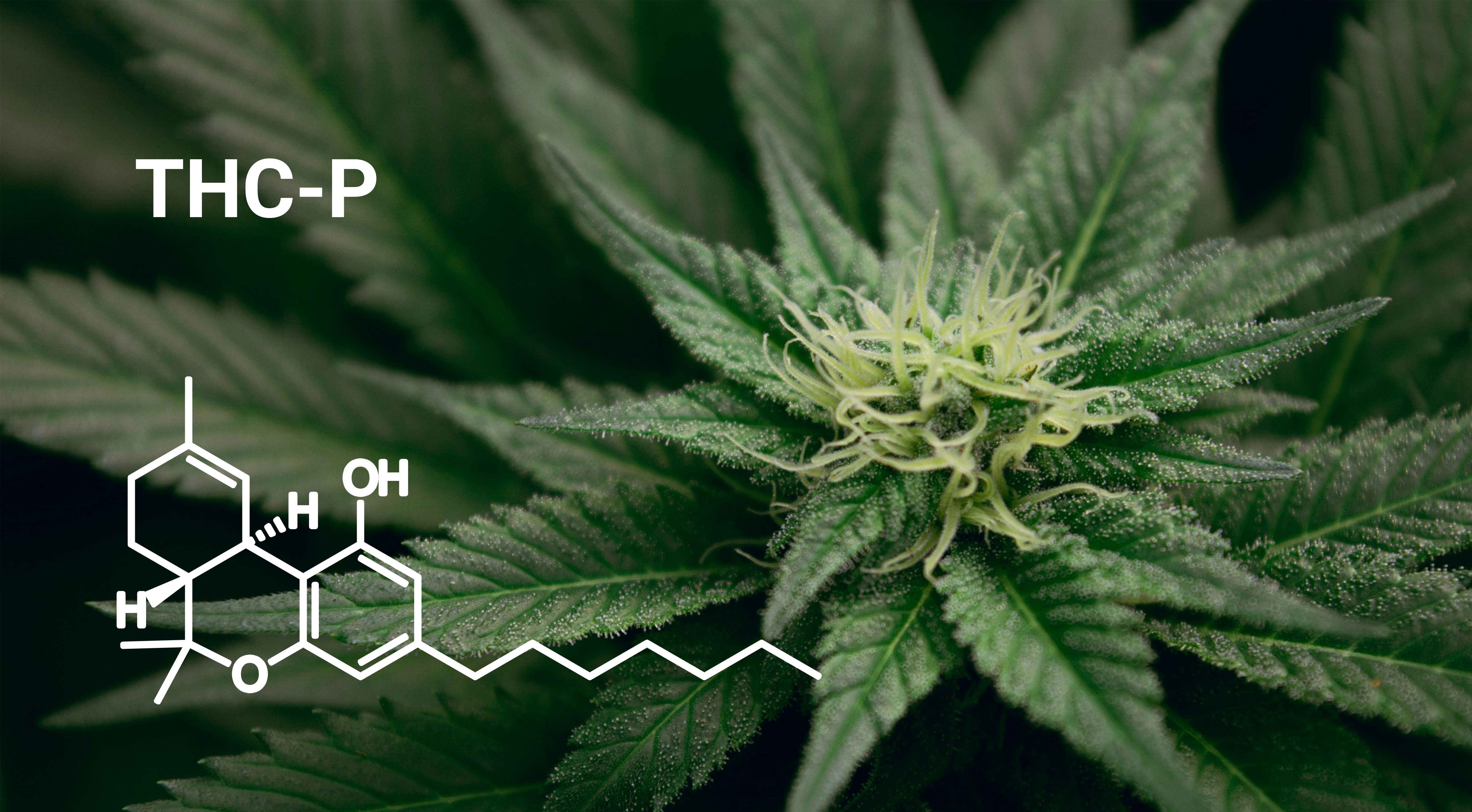
THC-P or tetrahydrocannabiphorol is a natural cannabinoid found in trace amounts in cannabis. It was first discovered by Italian researchers, including Giuseppe Cannazza at the University of Modena and Reggio Emilia, in 2019 while studying minor cannabinoids in cannabis plants.
It is different from other cannabinoids due to its binding affinity to CB1 receptors.In the original Scientific Reports study, THCP showed much higher CB1 receptor activity than Delta-9 THC in an in vitro binding test. This finding is important, but it should be interpreted as receptor-binding evidence rather than direct proof that every THC-P product creates effects that are 30 times stronger in humans.
This increased receptor affinity is what sets THC-P apart from many other cannabinoids and may contribute to its intense psychoactive effects. Because human clinical research on THC-P remains limited, consumers and brands should avoid treating THC-P as a proven medical therapy.
How is THC P Different from THC?
THC-P has a different molecular structure that elevates its ability to interact with the body’s endocannabinoid system (ECS). The main differences between THC-P and Delta-9 THC include:
Potency: THC-P may feel significantly more potent than Delta-9 THC for some users.
Chemical Structure: THC-P has a longer alkyl side chain, which allows for stronger receptor binding.
Effects: Users report more potent psychoactive effects, making it more intense than traditional THC.
Research maturity: Delta-9 THC has a much larger body of human research, while THC-P research is still early and product-specific safety data is limited.
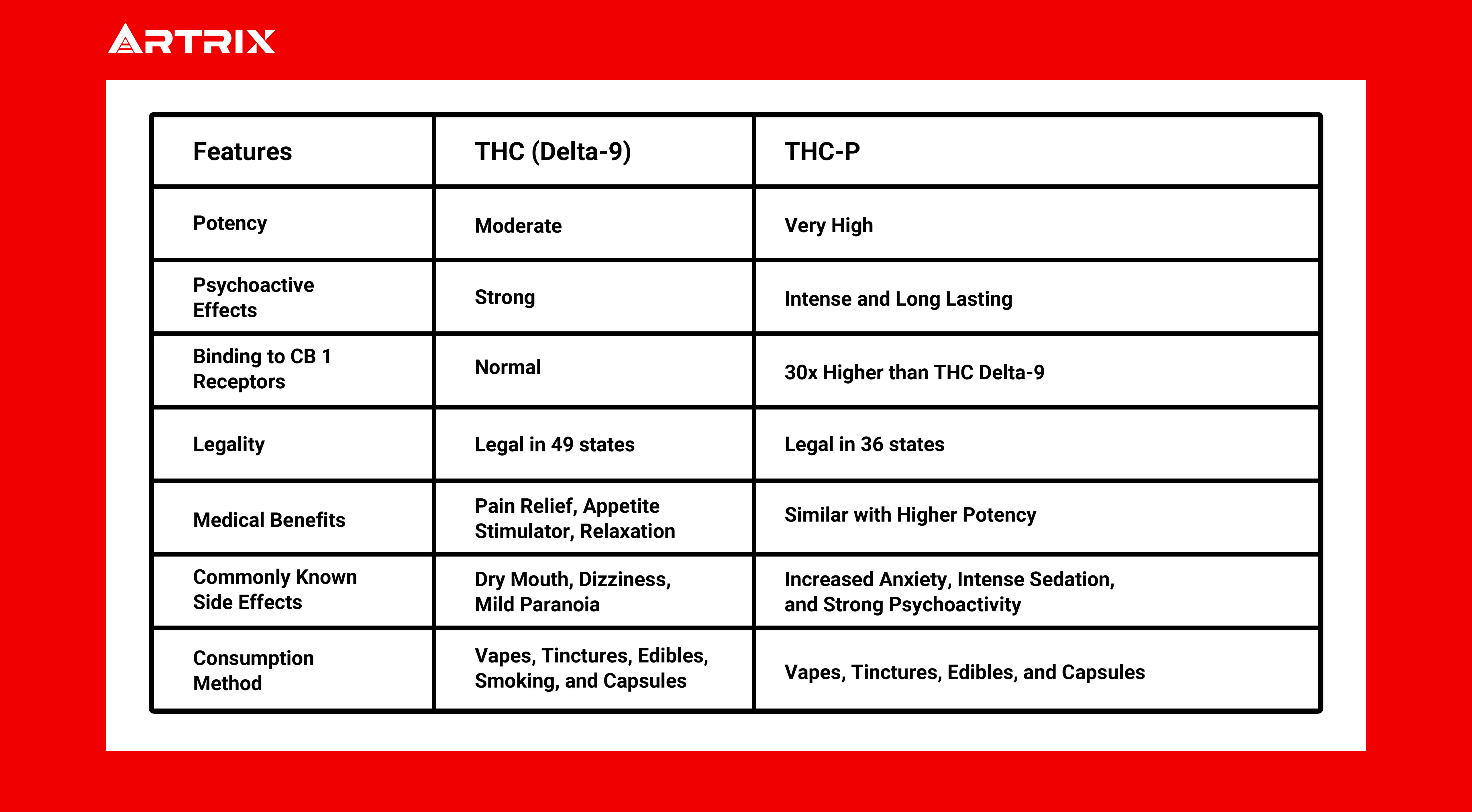
To better understand the differences, here is a direct comparison:
Factor
THC-P
Delta-9 THC
Cannabinoid type
Trace natural cannabinoid
Primary intoxicating cannabinoid in cannabis
Structure
Longer alkyl side chain
Shorter alkyl side chain
CB1 receptor interaction
Stronger binding affinity reported in early research
Well-studied CB1 activity
User experience
Often reported as more intense and longer lasting
More familiar and more widely studied
Evidence level
Limited human research; product quality varies
Broader clinical and consumer research base
The table above shows THC-P differentiation due to its increased potency and stronger psychoactive effects. Therefore, users are advised to approach it with more caution or guidance from experts. Brands should also verify formulation consistency, contaminant testing, labeling accuracy, and legal compliance before bringing THC-P products to market.
What Are Its Potential Effects?
The phytocannabinoid binds efficiently to CB1 receptors in the human brain. Therefore, users may experience significant potency such as:
Euphoria: Users often experience longer-lasting excitement and joy.
Relaxation: The phytocannabinoid may have a more substantial sedative effect than traditional cannabis products.
Pain-related relief reports: Many users report stronger analgesic properties. However, user reports are not the same as approved medical evidence.
Improved sensory experience: Colors, sounds, and tastes may become more vivid.
Stronger impairment risk:Because THC-P may feel more potent than Delta-9 THC, users should avoid driving, operating machinery, mixing it with alcohol or sedatives, or taking additional doses before the first dose has fully taken effect.
Possible Side Effects and Who Should Avoid THC-P
Because THC-P may be highly potent, possible side effects can include anxiety, dizziness, dry mouth, red eyes, rapid heartbeat, confusion, drowsiness, impaired coordination, and an uncomfortable or overwhelming psychoactive experience.
THC-P products may not be appropriate for people who are pregnant or breastfeeding, people with a history of psychosis or severe anxiety, people taking medications that interact with cannabinoids, or anyone subject to drug testing. New users should start with a very low dose and wait long enough to understand the effect before considering more.
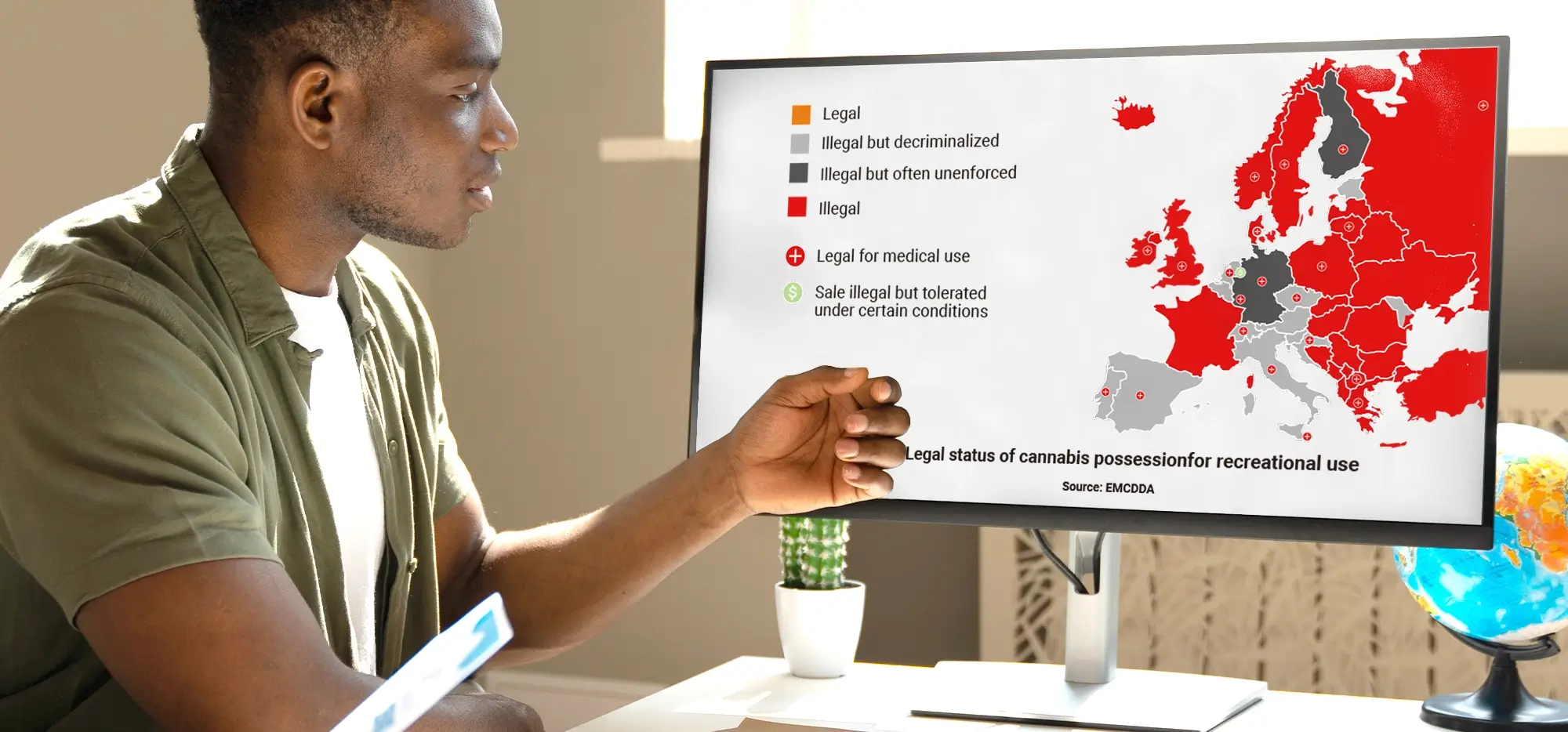
Is THC P Legal in the U.S.?
The legal status of the phytocannabinoid in the United States is nuanced and varies by state.
Under the 2018 Farm Bill, hemp-derived cannabinoids have often been treated as federally legal if the final product contains less than 0.3% Delta-9 THC. However, THC-P legality is more complex because state laws, synthetic cannabinoid rules, product format, source material, and total THC interpretations may all affect compliance.
As of May 12, 2026, U.S. hemp-derived cannabinoid regulation is changing. Federal hemp provisions enacted in November 2025 are scheduled to take effect on November 12, 2026, and they create a much stricter framework for hemp-derived cannabinoid products intended for inhalation, ingestion, or topical use. These changes include a very low total THC limit for finished consumer products and restrictions on cannabinoids synthesized outside the plant.
For businesses, this means THC-P products should not be treated as automatically legal simply because they are hemp-derived or contain less than 0.3% Delta-9 THC. Brands should verify federal, state, and local rules before manufacturing, distributing, or selling THC-P products.
How to Use or Consume THC P?
When using the phytocannabinoid, it is crucial to start with low doses to assess tolerance. Users should consider increasing their dosage gradually based on their comfort and the effects experienced.
Among the available forms, vape cartridges are particularly favored for their rapid onset, making them an ideal choice for users seeking immediate effects.
For a more extended duration of effects, edibles are recommended, though they generally take longer to begin working. Tinctures, applied sublingually, offer a balanced approach with a moderate onset and duration. Capsules, providing precise dosage control, are best suited for those preferring a slow, steady onset.
Because THC-P may be more potent than familiar THC products, users should avoid stacking multiple formats, such as vaping THC-P and then taking an edible before the first effect window is clear.
What Brands Should Check Before Developing THC-P Vape Products
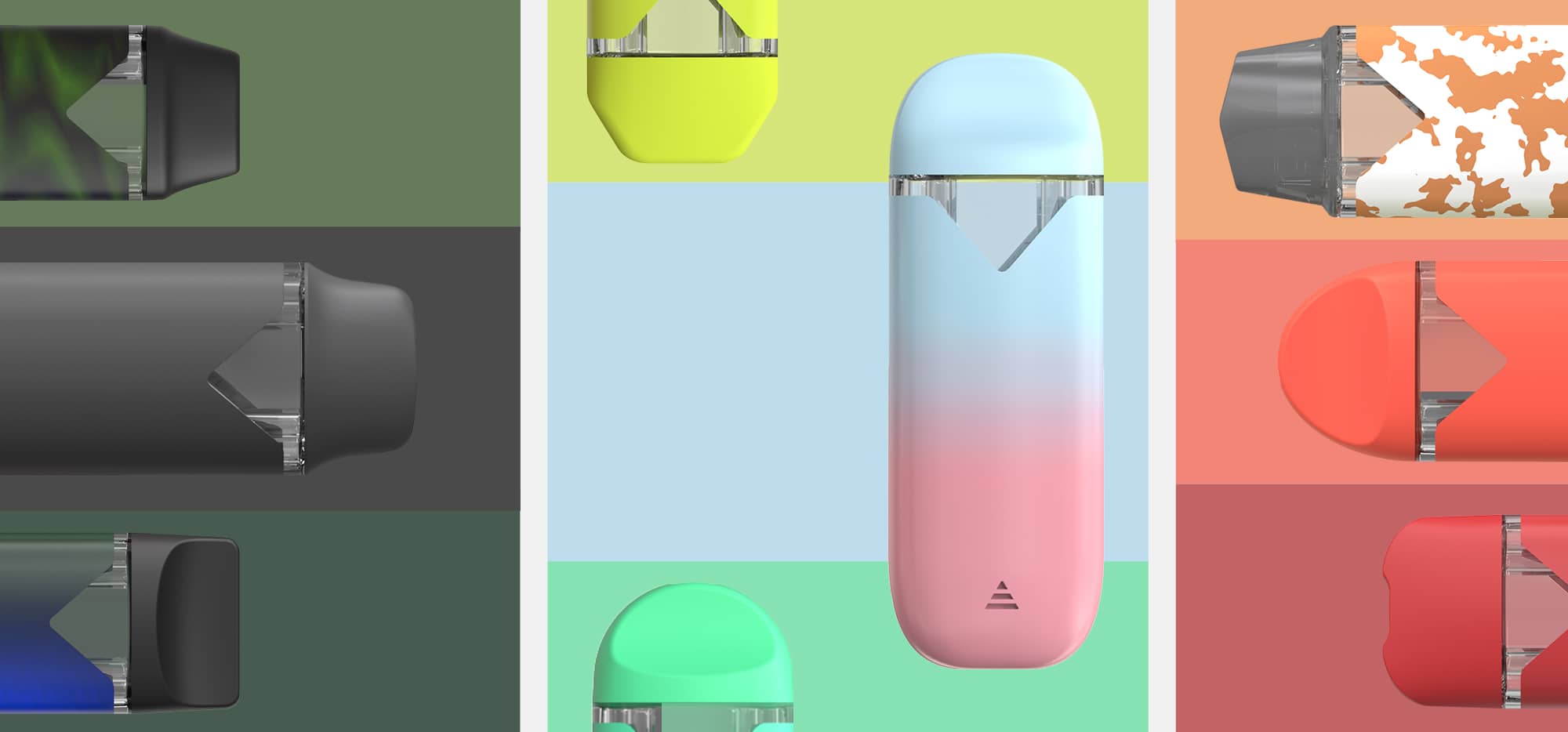
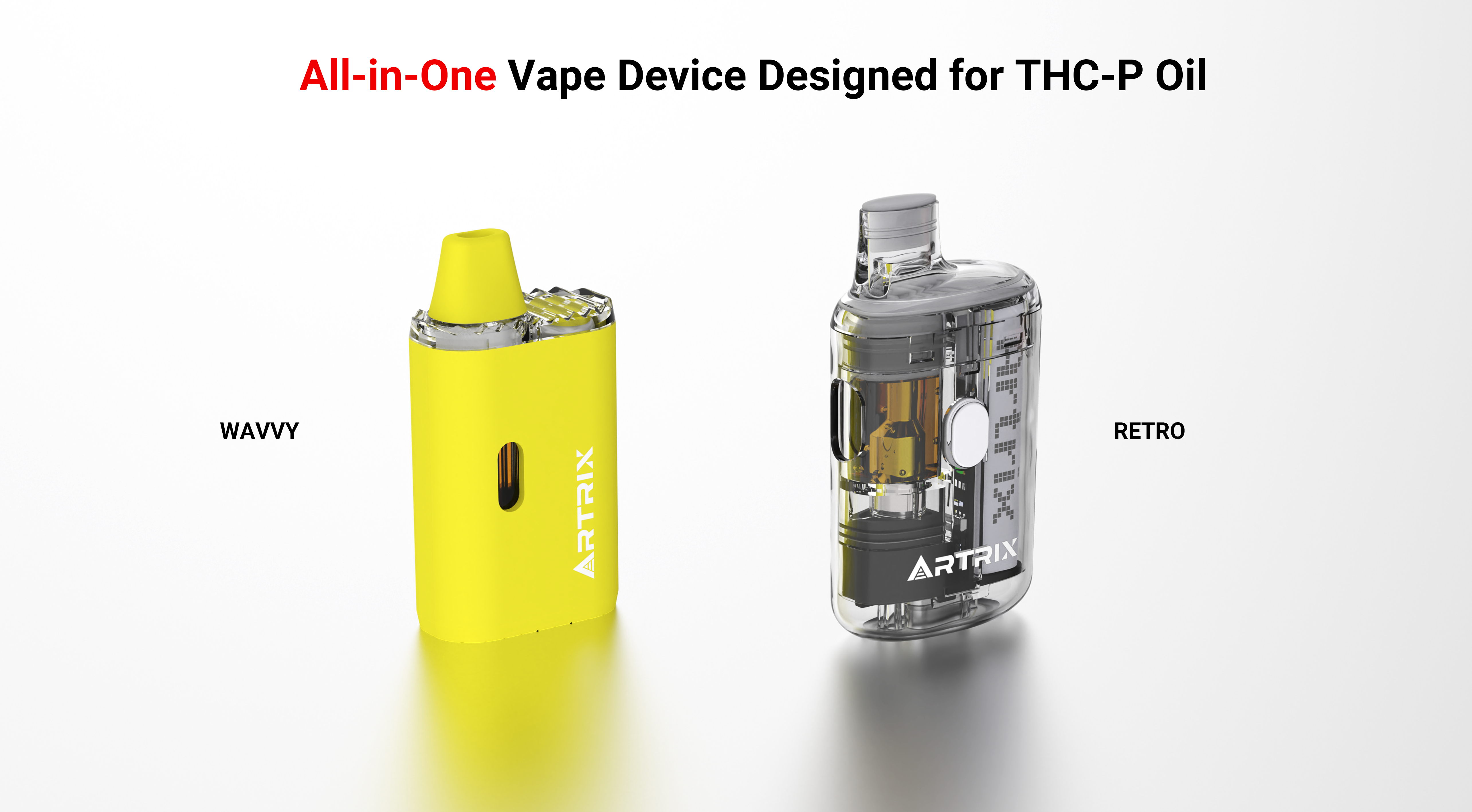
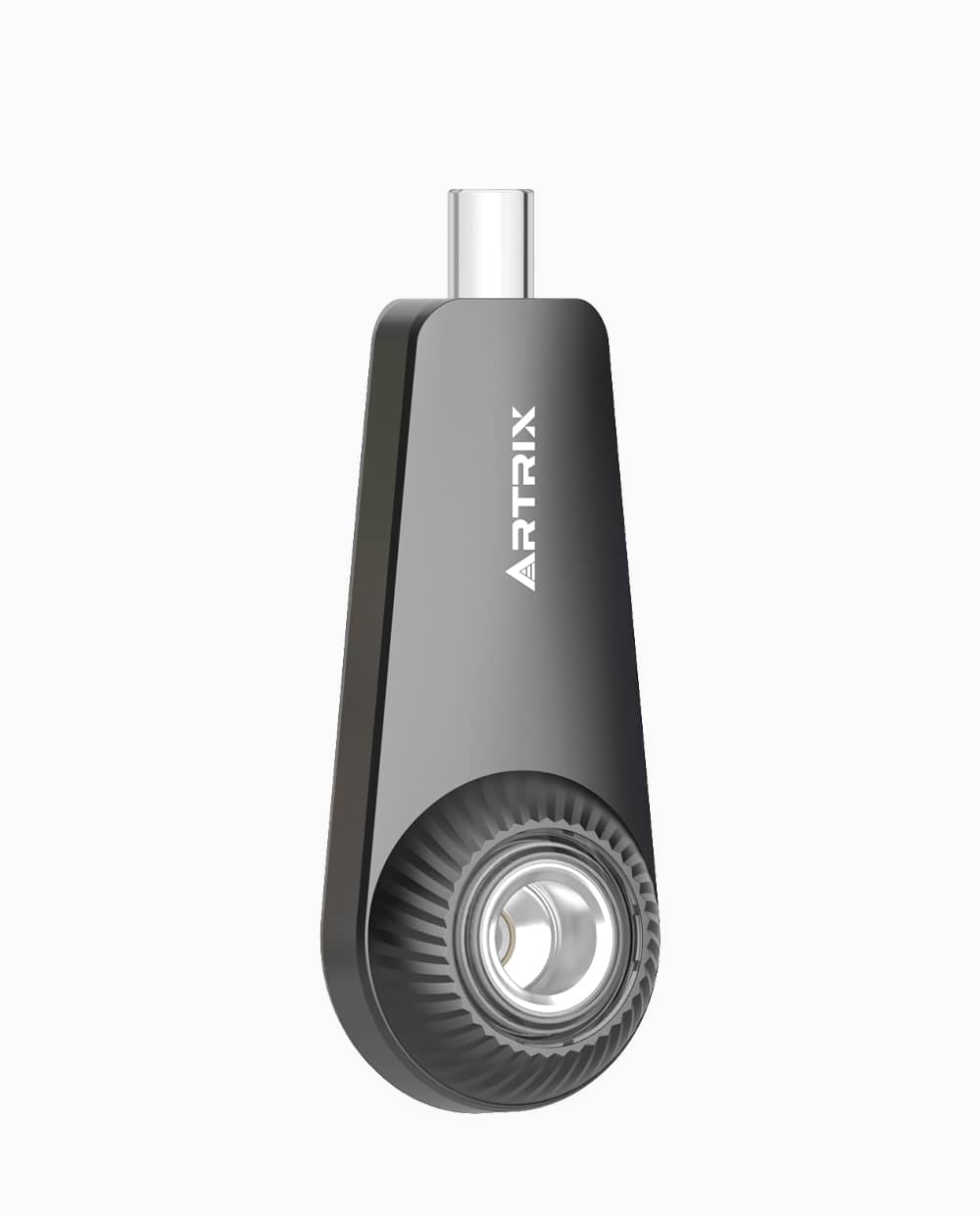
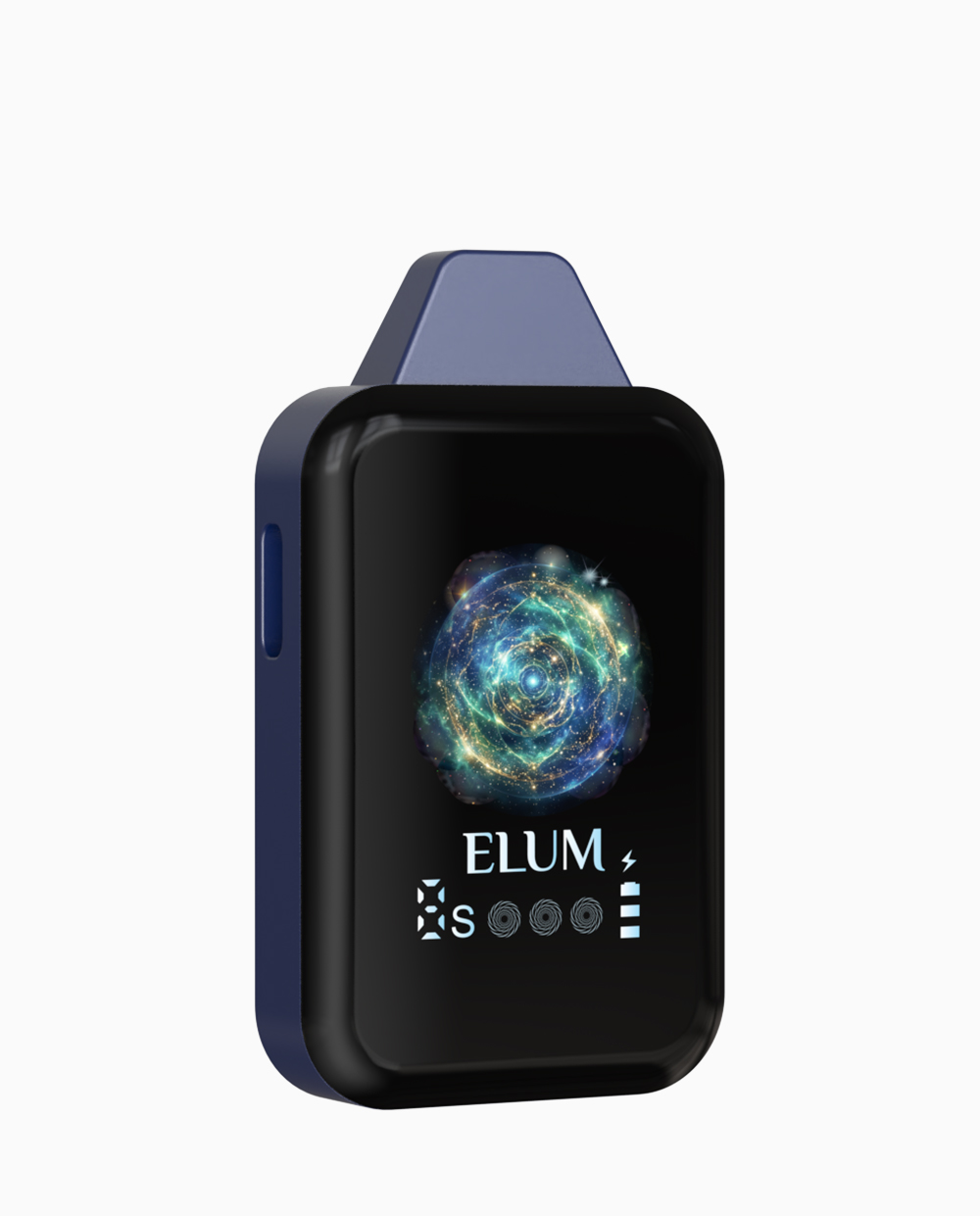
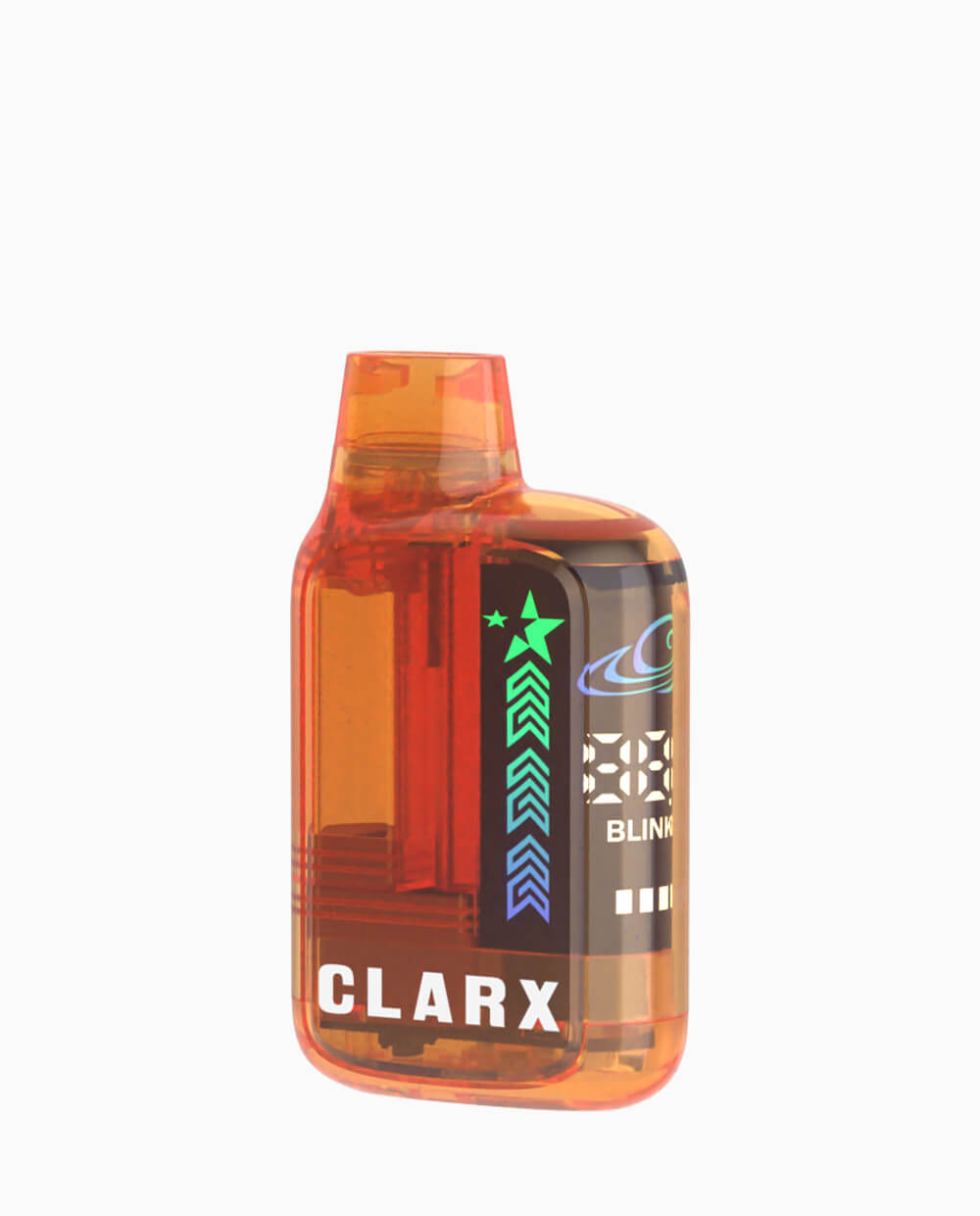
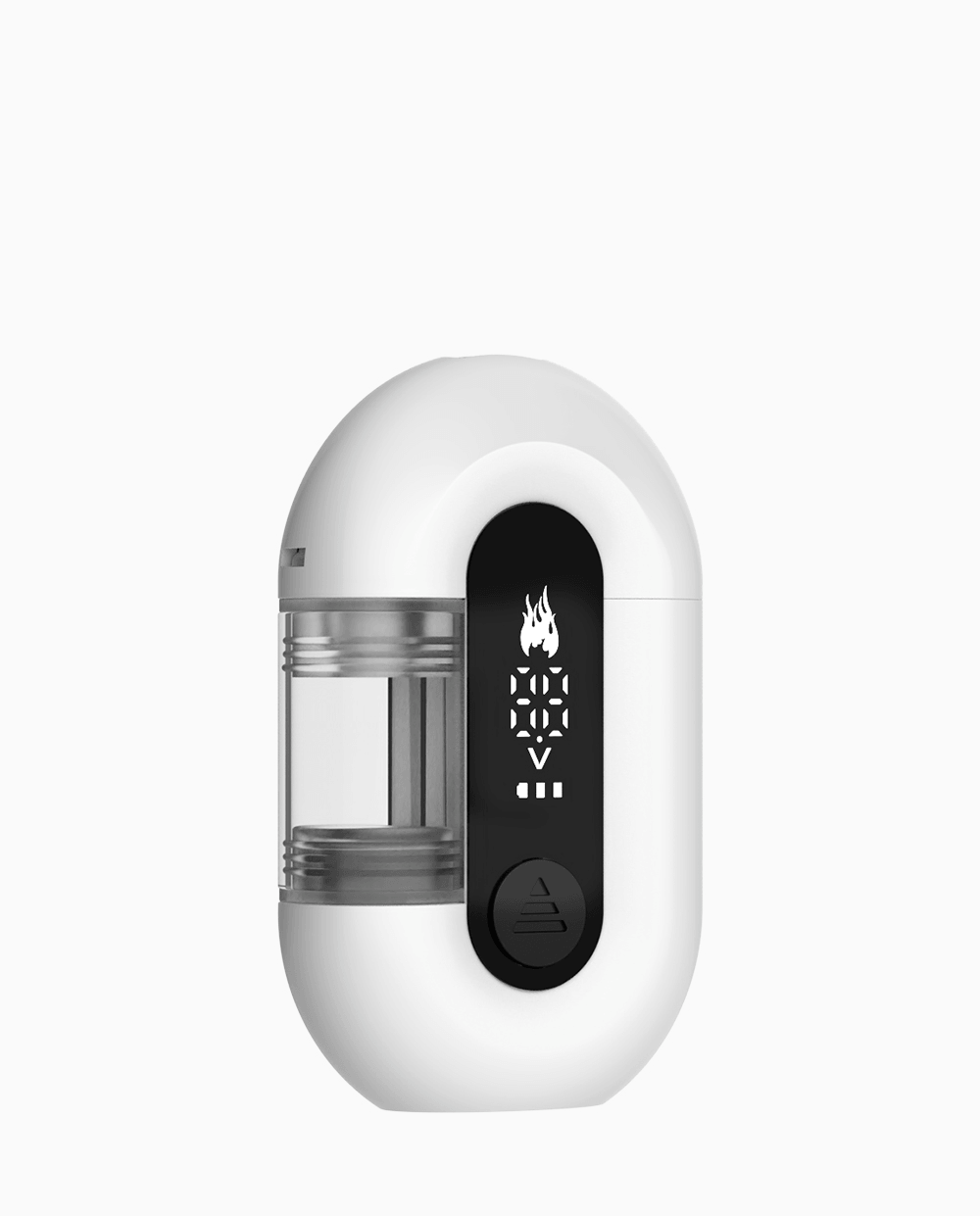
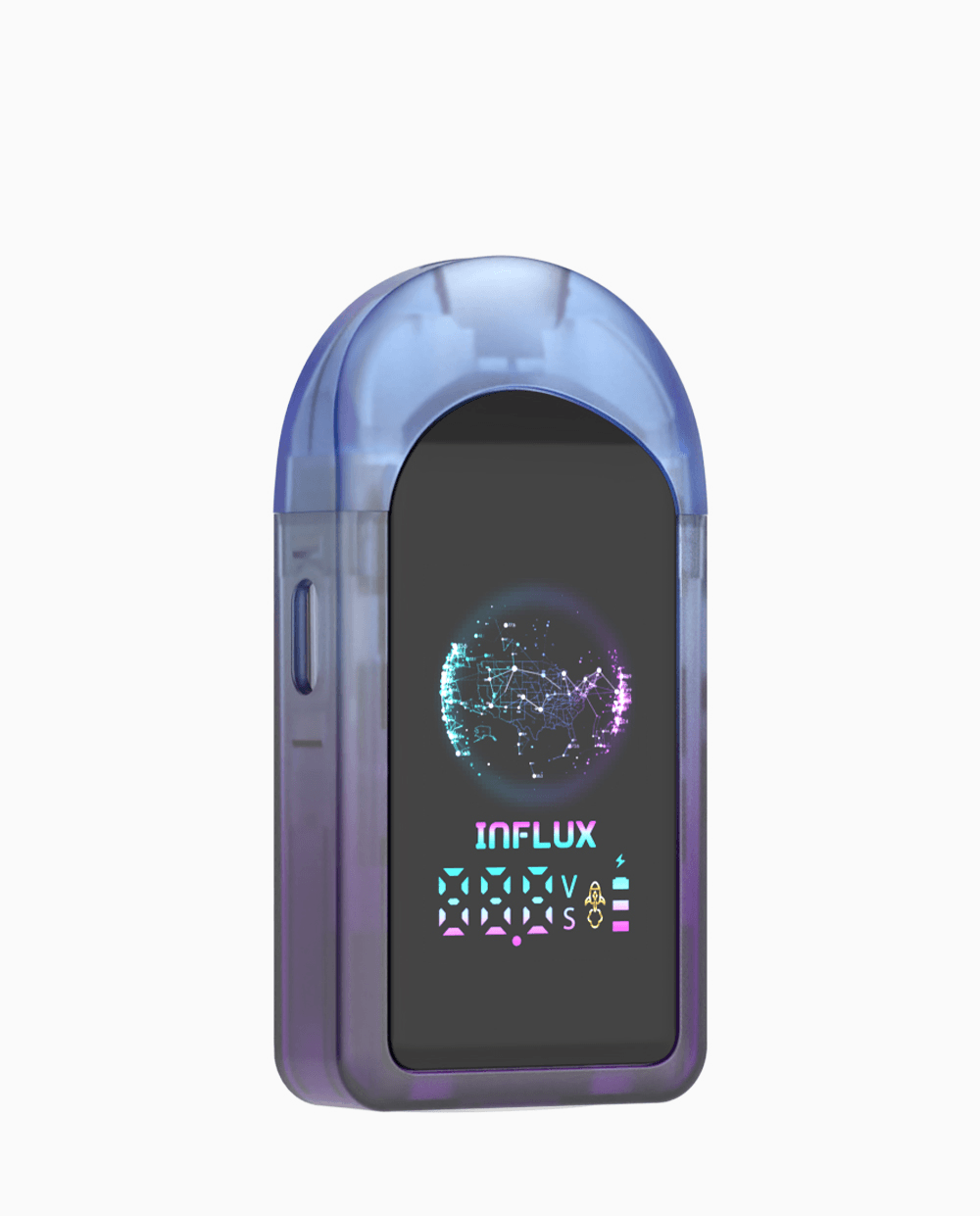
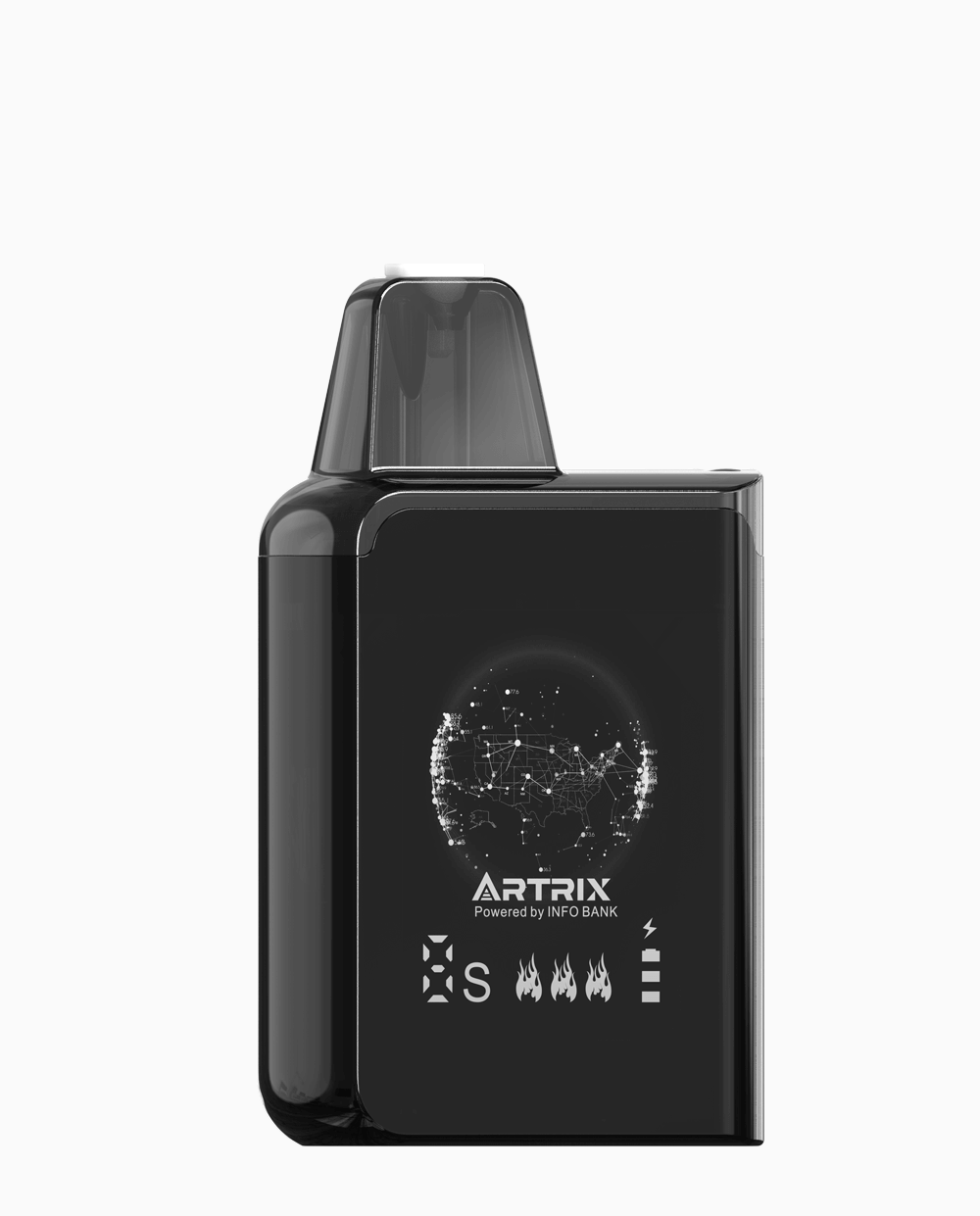
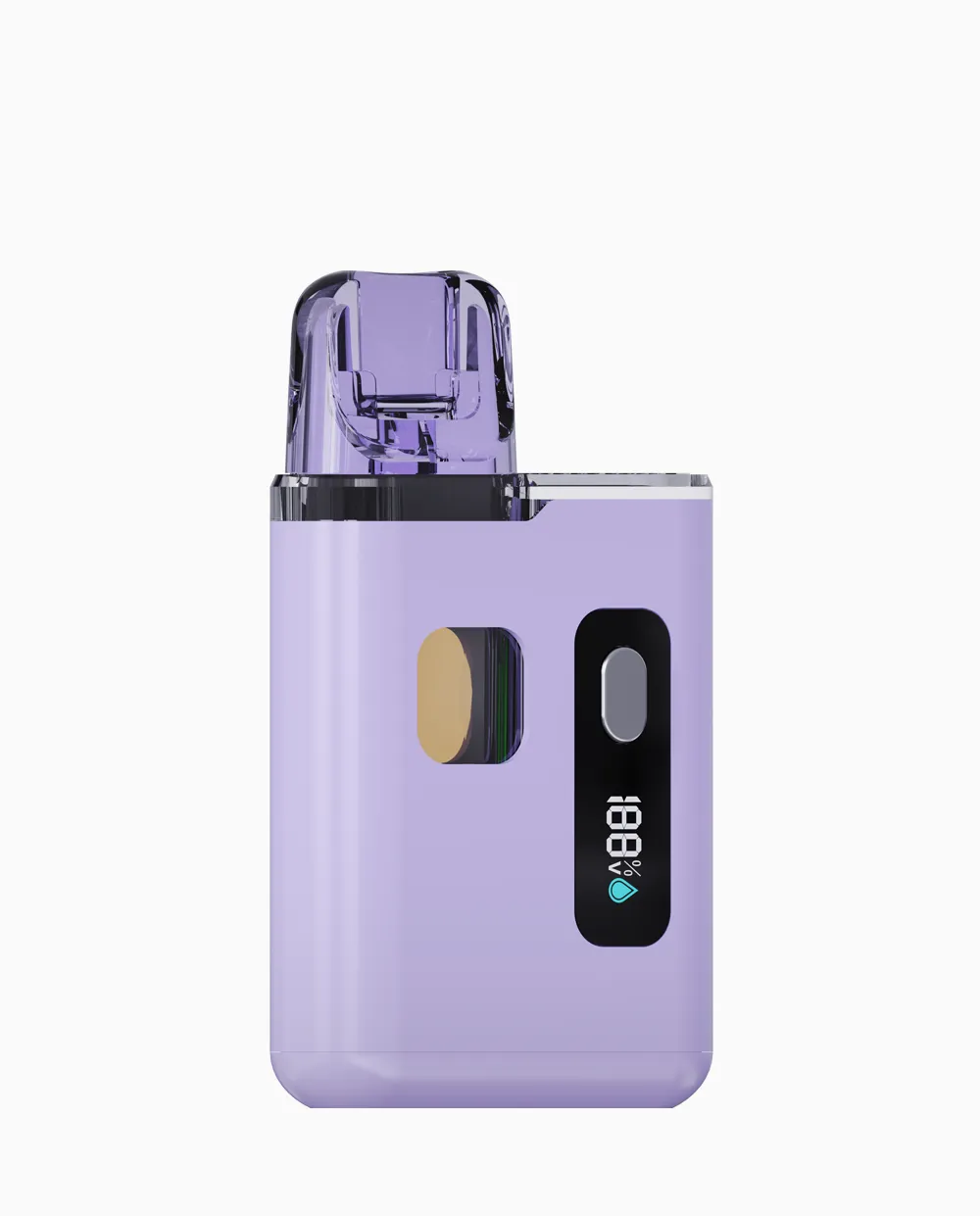
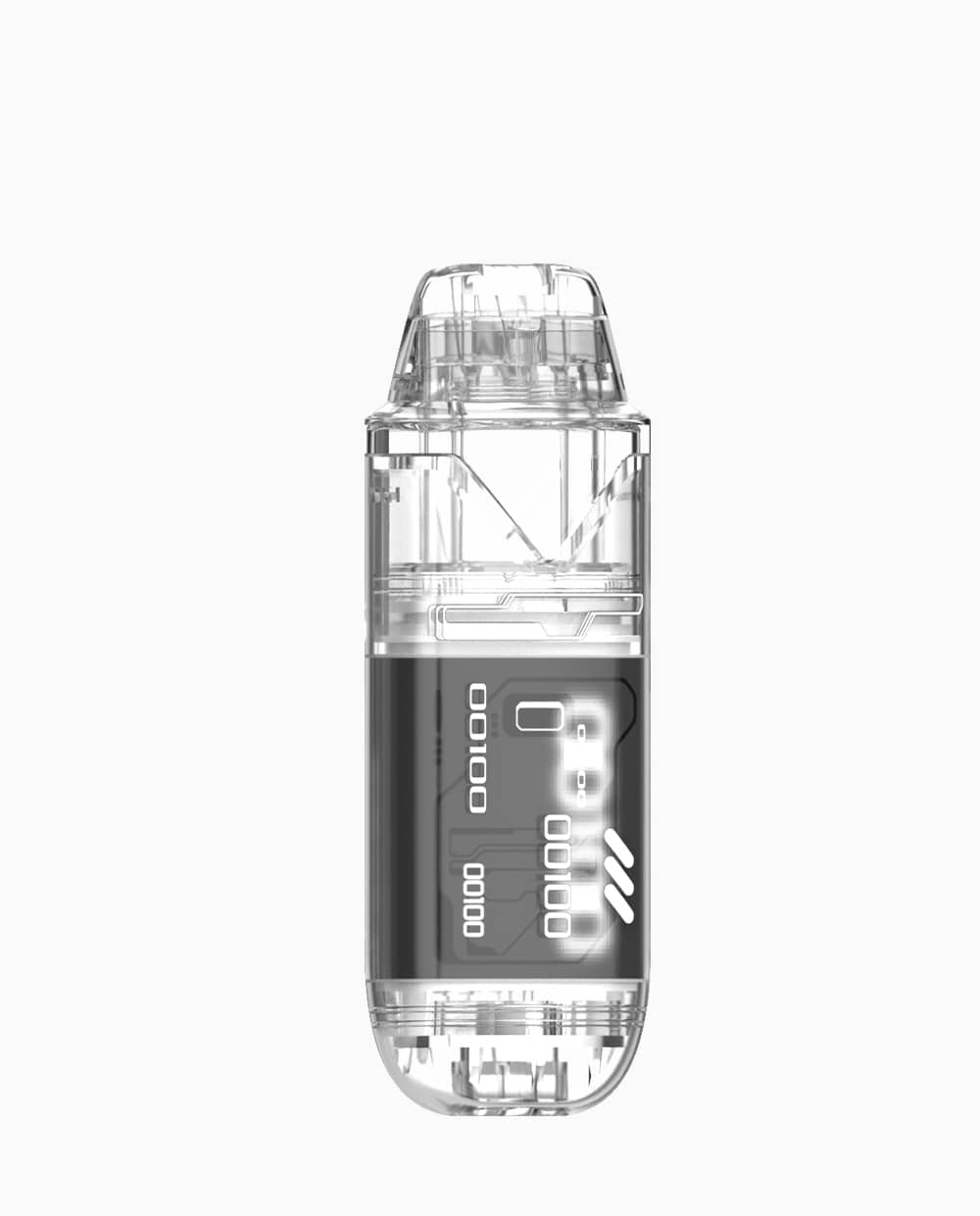
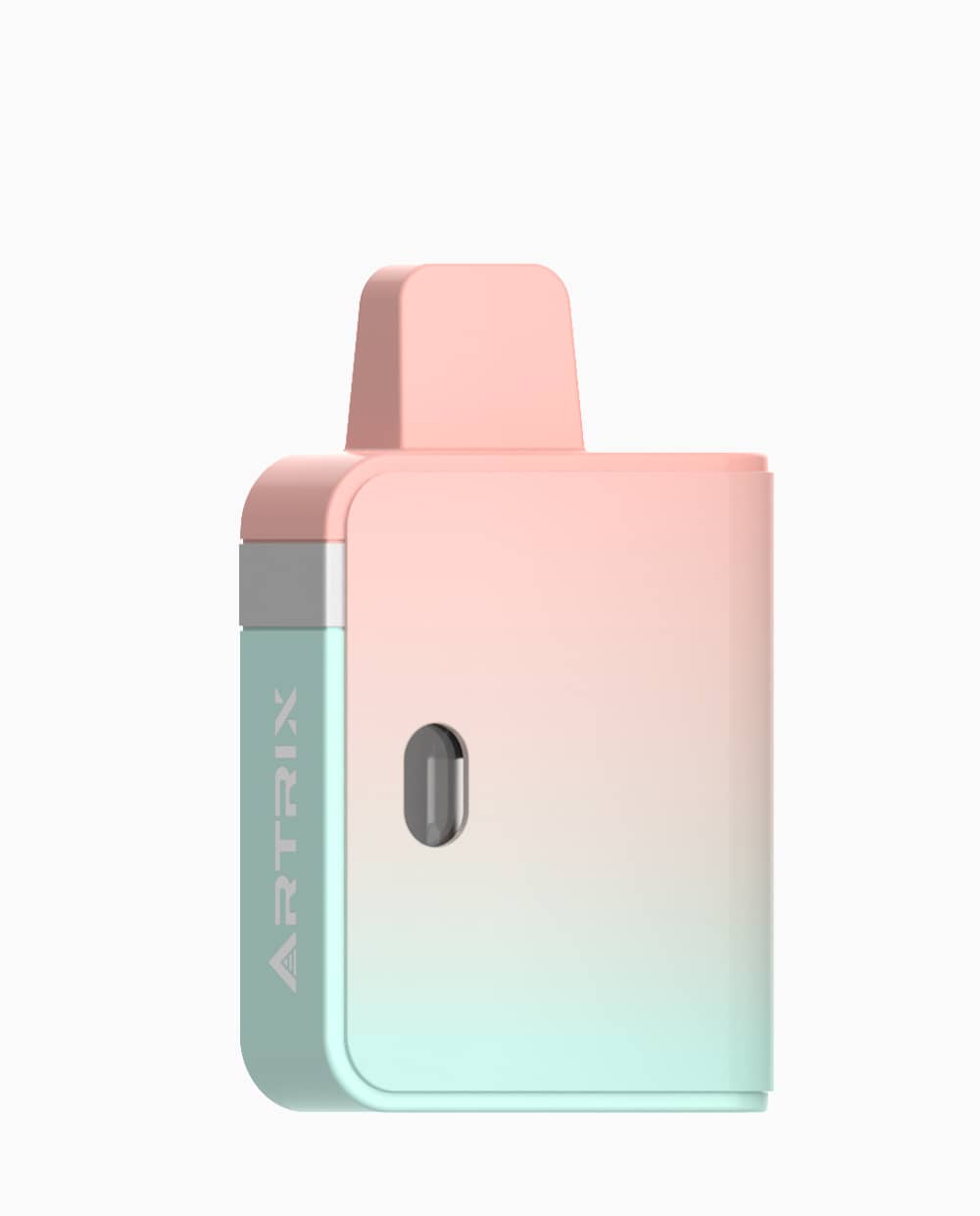
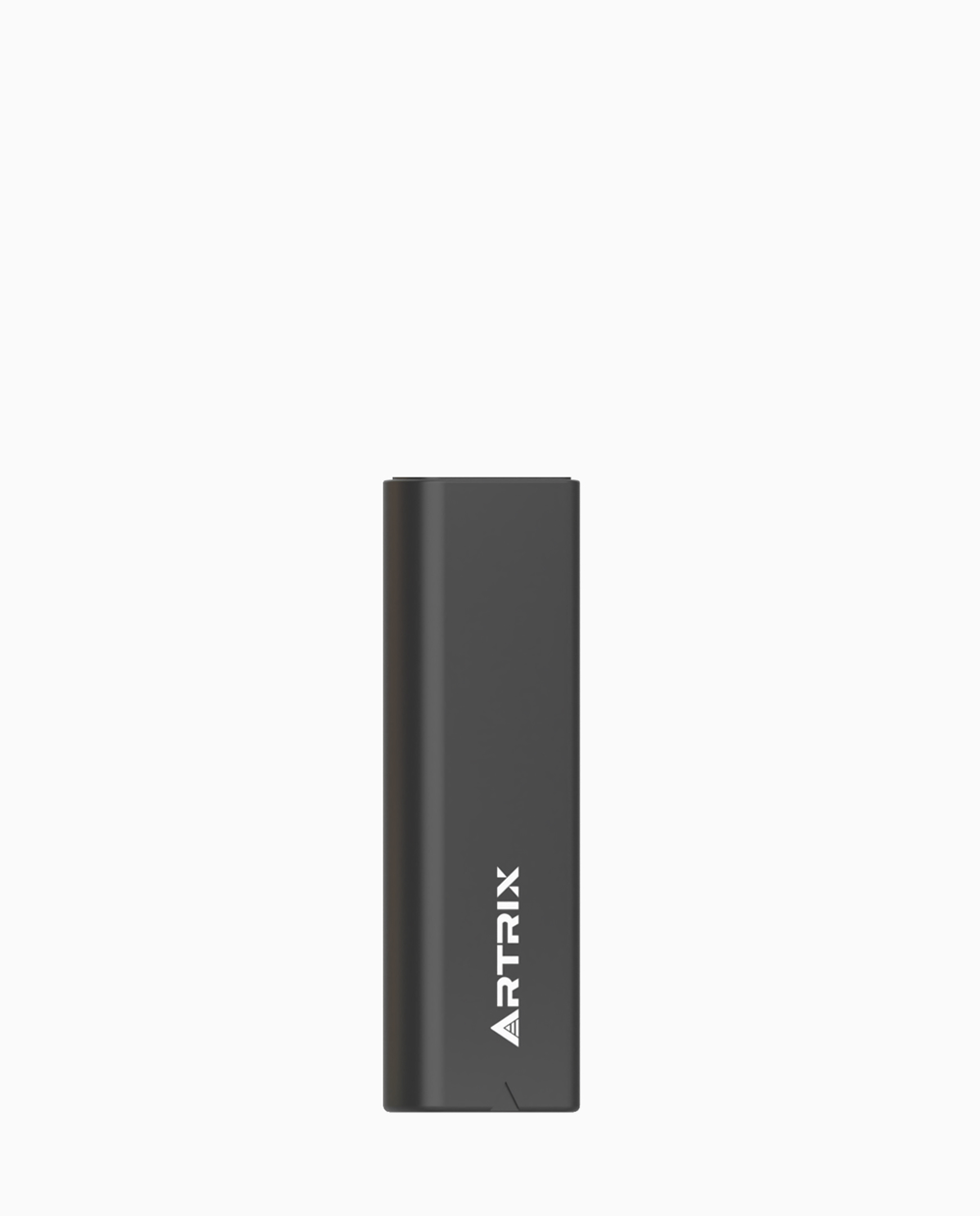
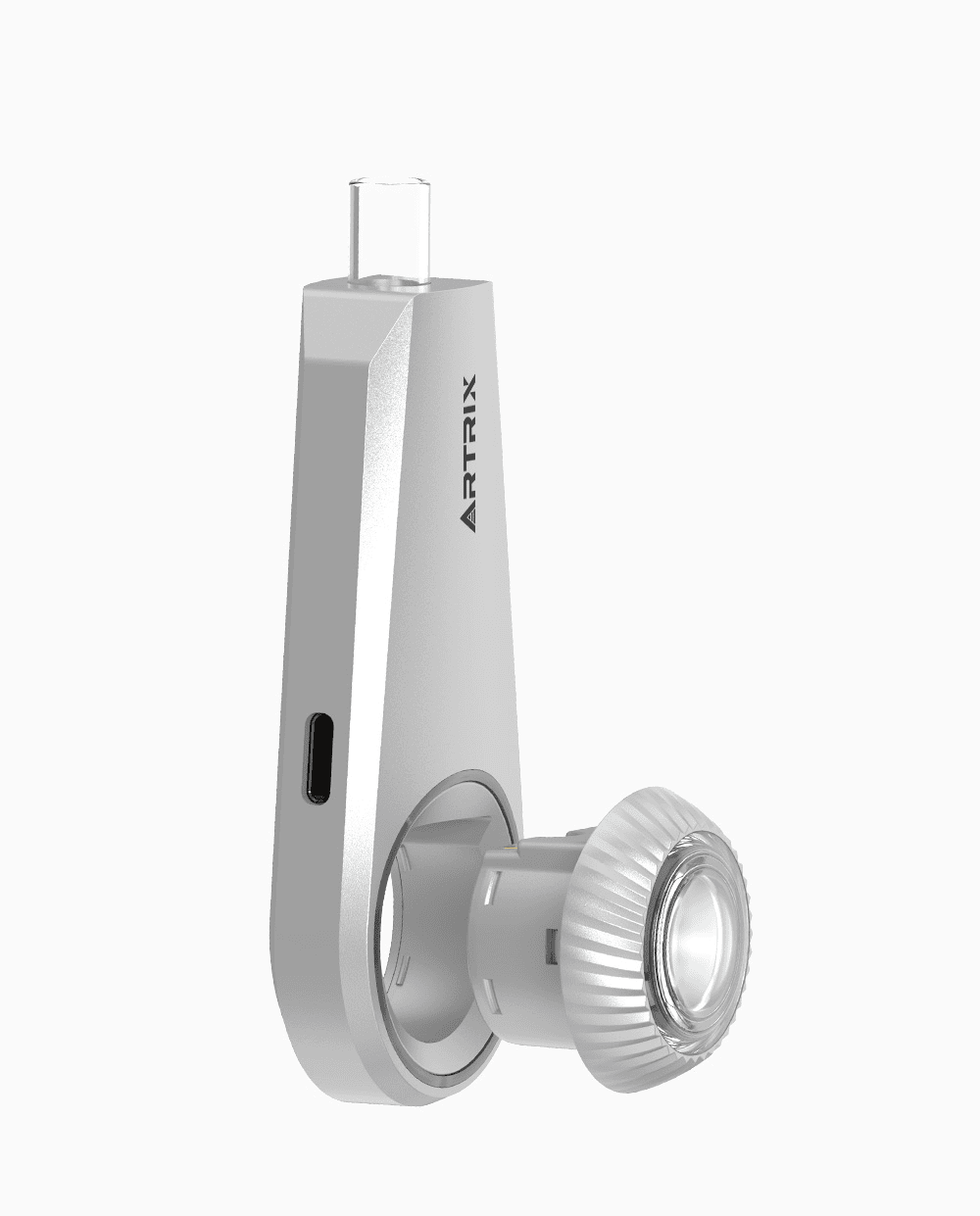
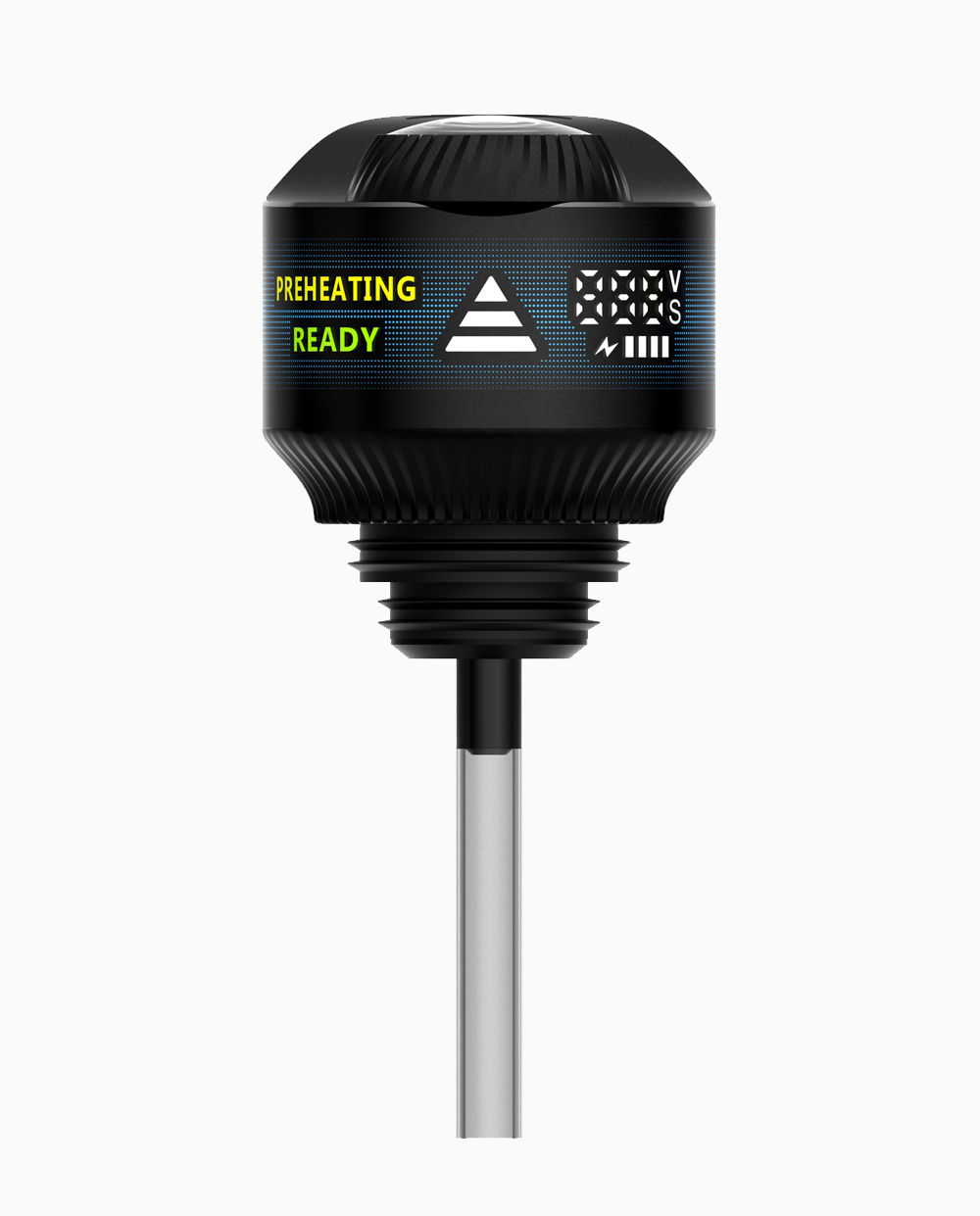
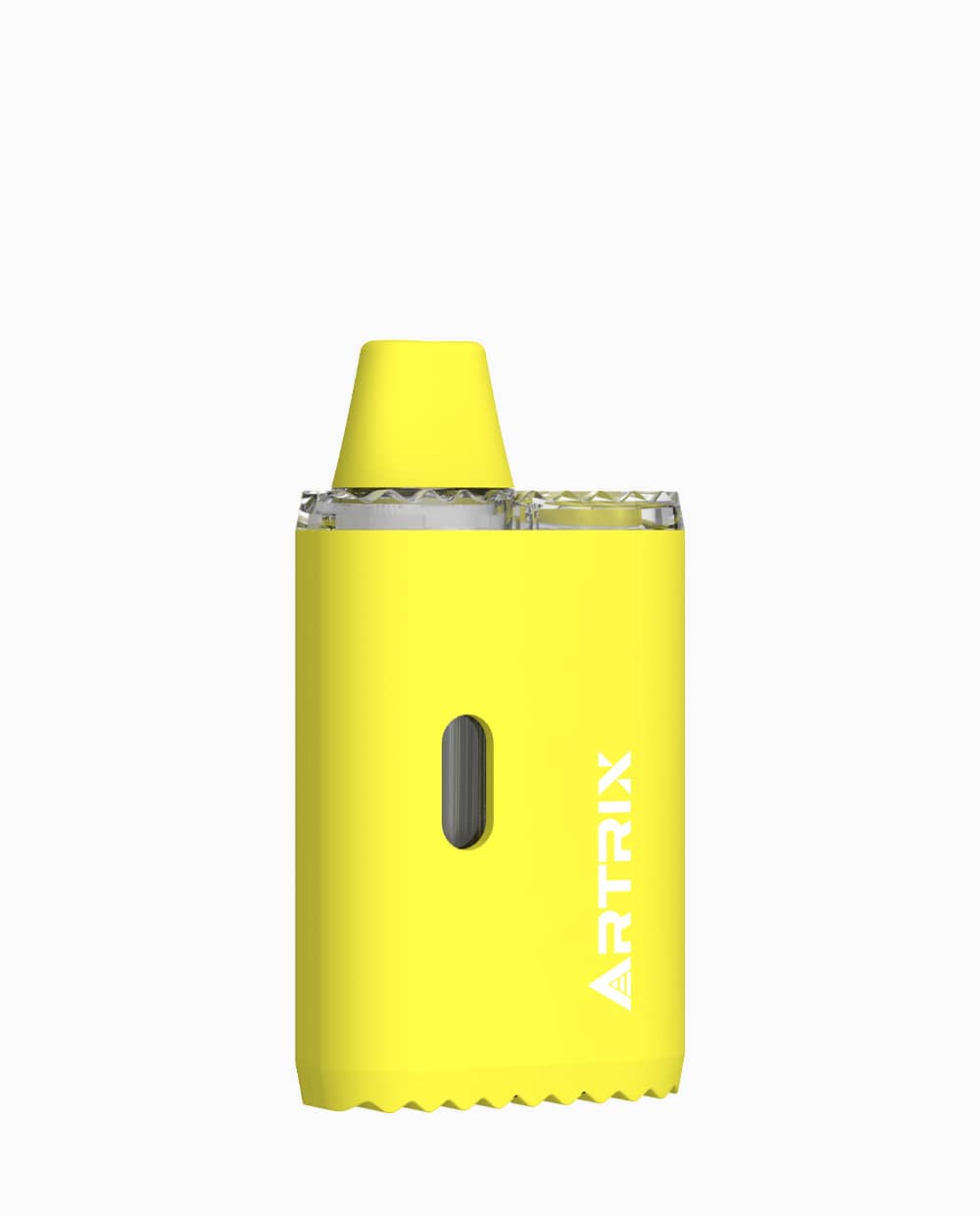
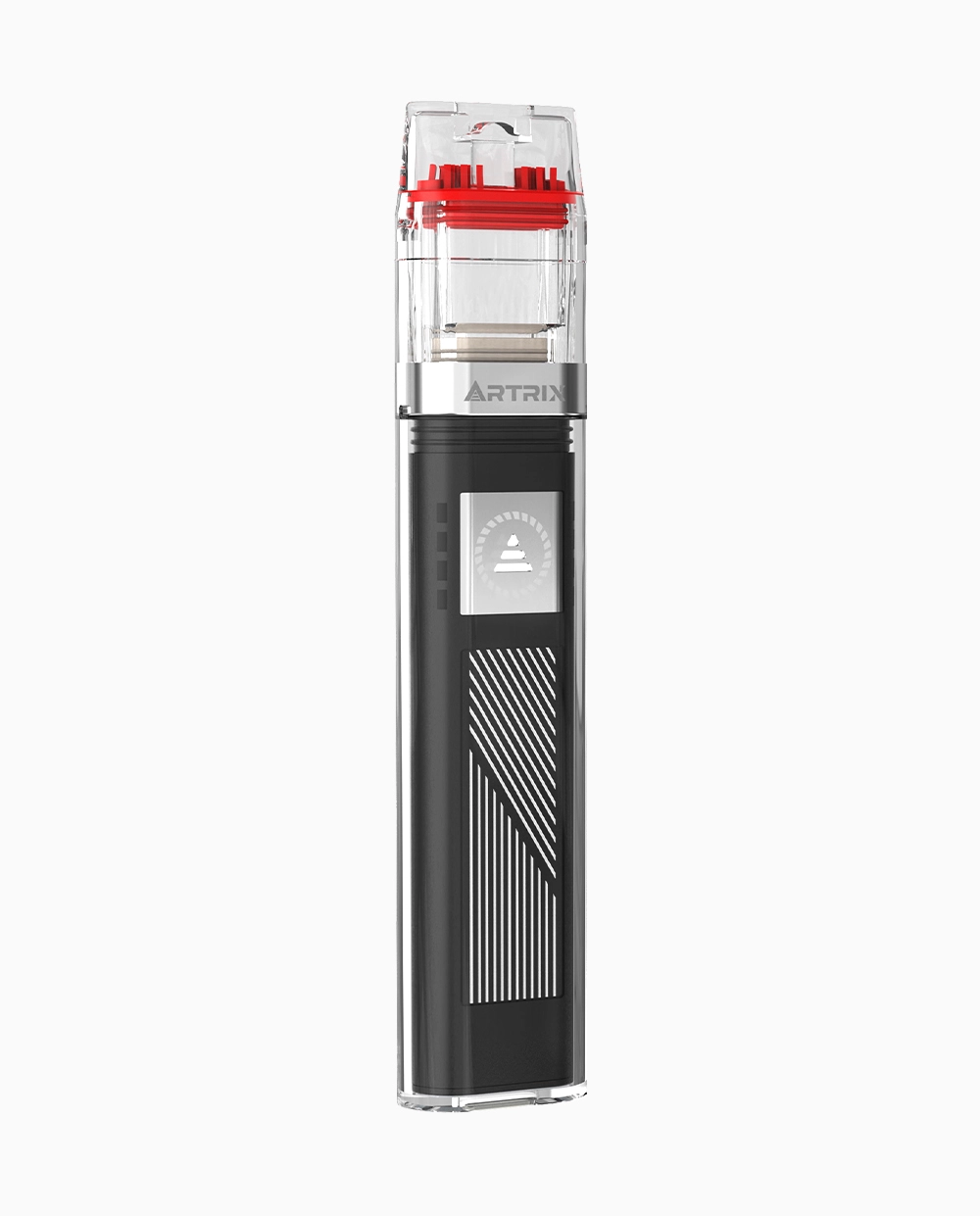
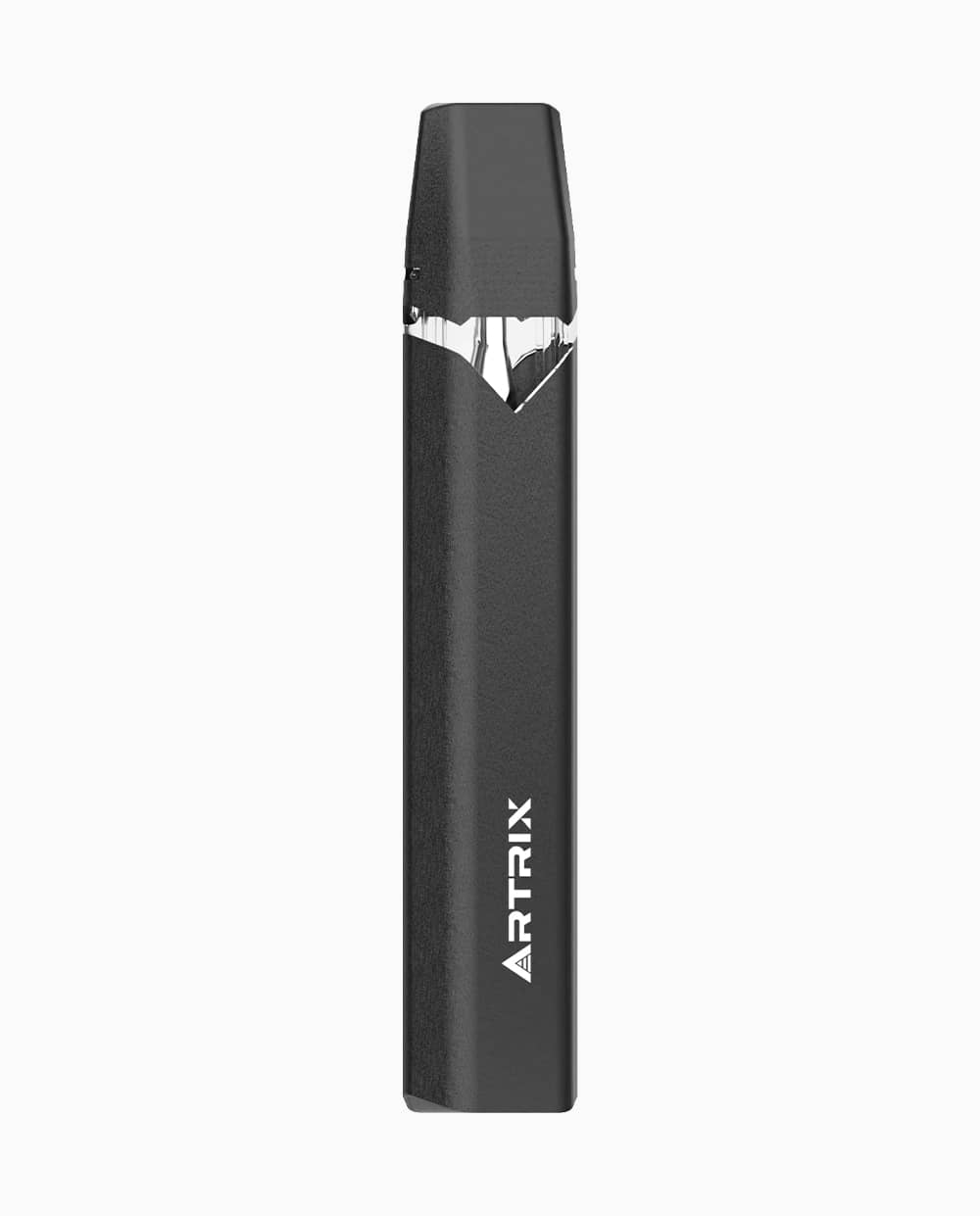
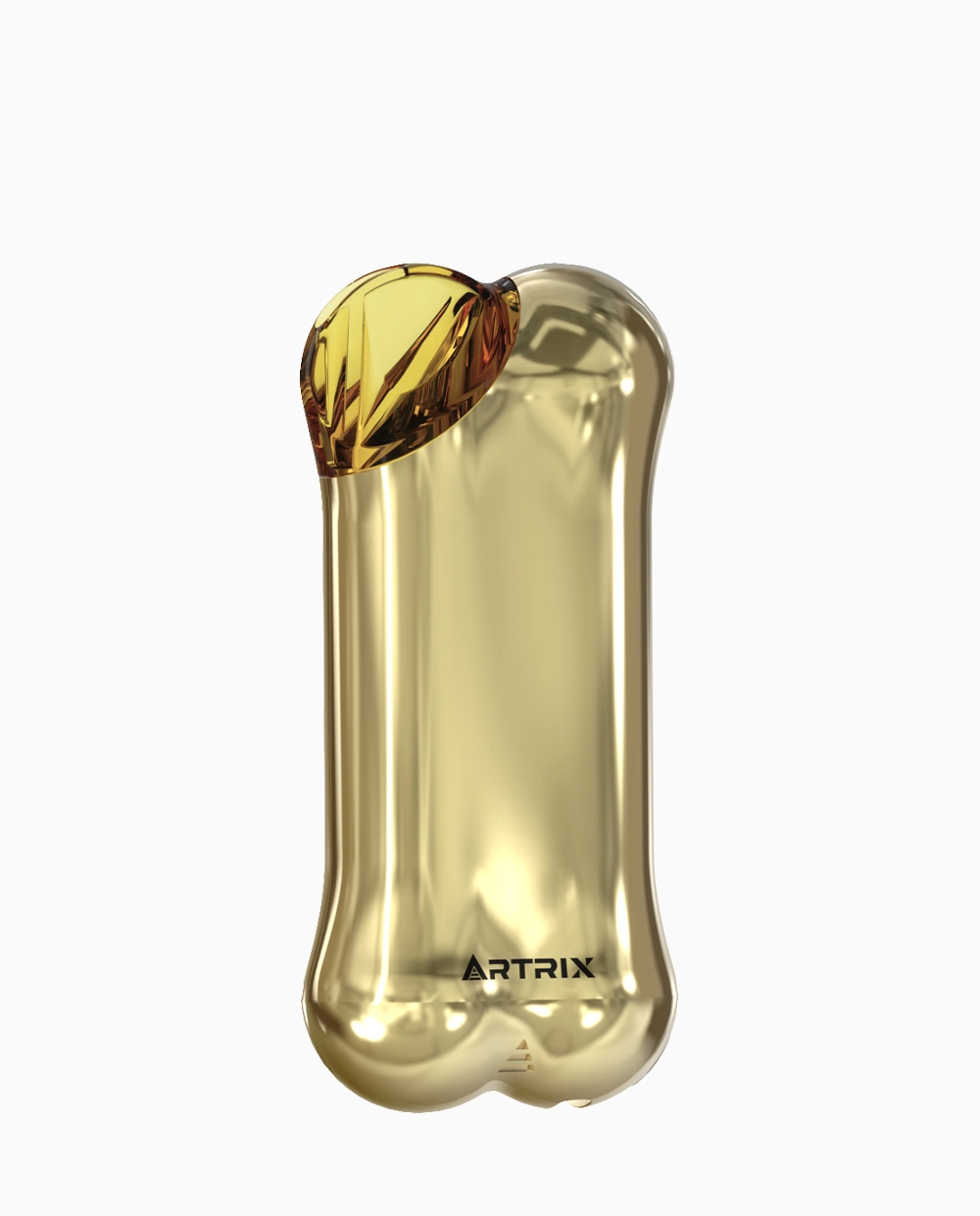
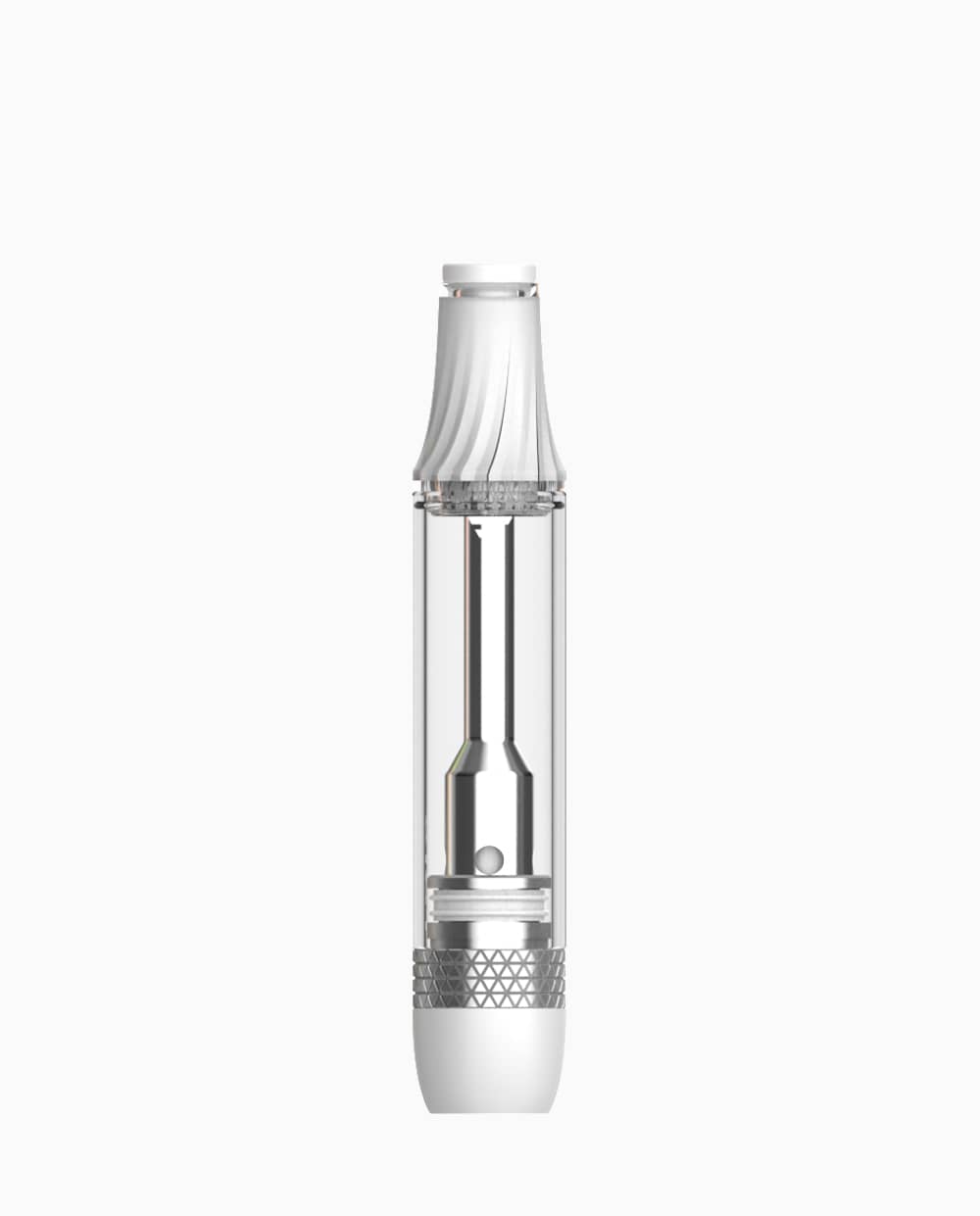
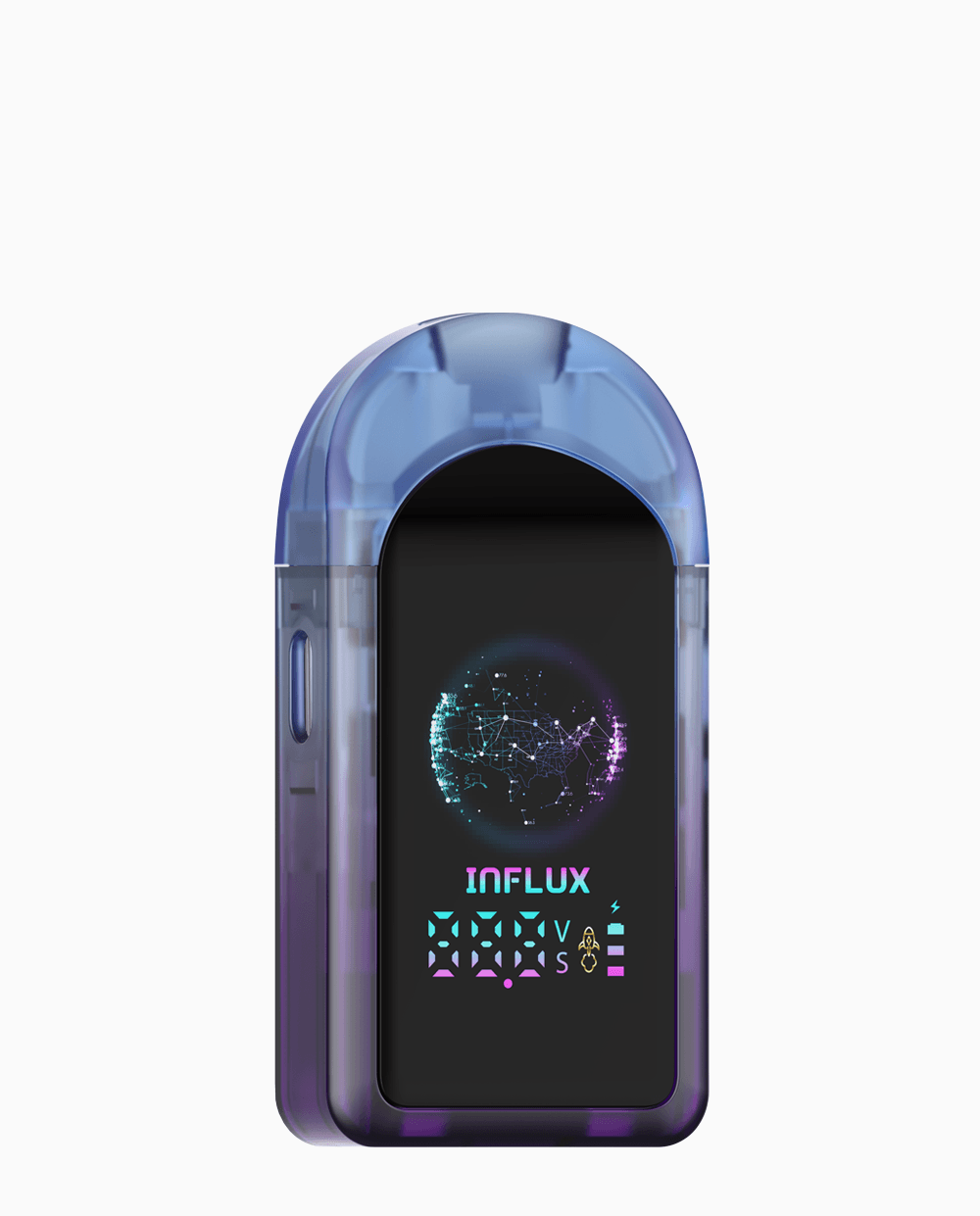
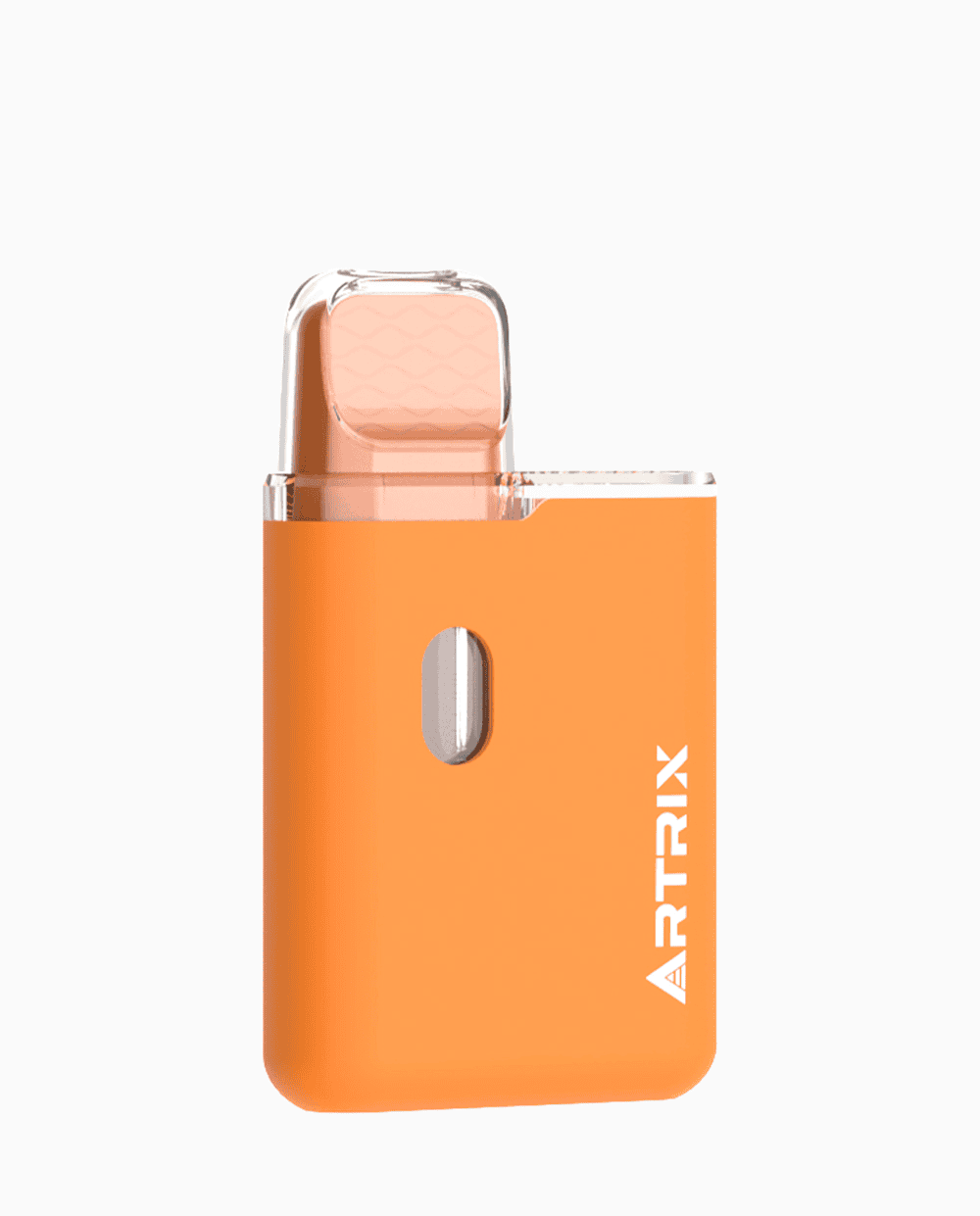
For cannabis brands, THC-P is not only a cannabinoid topic; it is also a product-development and compliance topic. Before sourcing THC-P vape hardware, brands should evaluate formulation viscosity, heating consistency, leak resistance, ceramic core performance, heavy-metal testing, child-resistant packaging, labeling requirements, and batch-level certificates of analysis.
Hardware selection matters because high-potency cannabinoid formulas require reliable vaporization control and consistent user experience. Poor hardware can increase leakage, burnt taste, inconsistent output, and consumer complaints.
Conclusion
While THC-P has stronger binding affinity compared to Delta-9 THC, it offers a fresh yet powerful experience for cannabis users. If you are considering trying it, start with a low dose and consult local laws to ensure compliance.
Research for the phytocannabinoid is continuously performed by many researchers; it could become a significant part in the modern cannabinoid industry due to its new therapeutic possibilities for users. However, adherence to legal regulations is more important than ever due to its potency.
For consumers, the safest approach is caution, low dosing, and verified lab-tested products. For brands, the strongest opportunity is not simply adding THC-P to a product line, but building a compliant, well-tested, clearly labeled product with reliable vape hardware and responsible education.
Sussi Liu is a seasoned marketing expert in the cannabis industry, with extensive knowledge of the international cannabis vaporizer supply chain and the North American cannabis consumer market. She has a long history of writing commentary articles for the cannabis industry, covering market analysis, cannabis education, product insights, and more. Her articles have been featured in prominent media platforms such as MJBizDaily, Benzinga, Ganjapreneur, and HoneySuckle. She has also held marketing positions at Cilicon and Artrix, where she promoted brands and their cannabis vaporization products and technologies.
-1.webp)
-1.webp)
-2.webp)