

-1.webp)
-1.webp)
-2.webp)
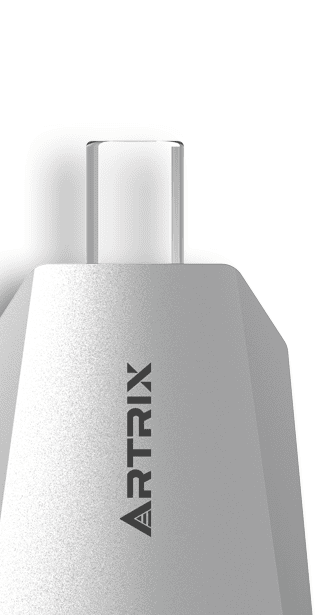
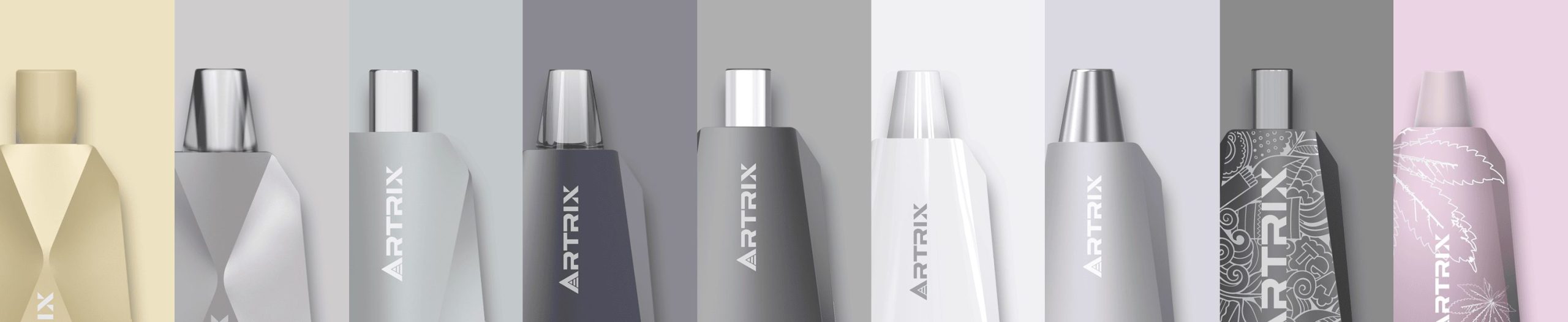
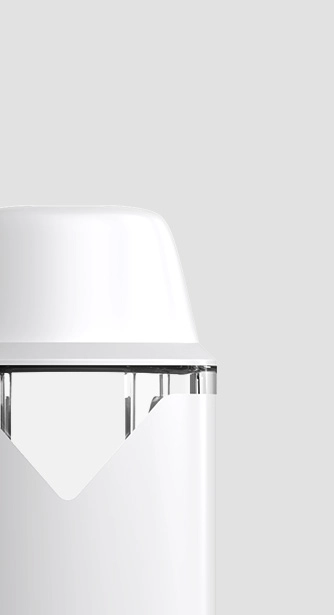
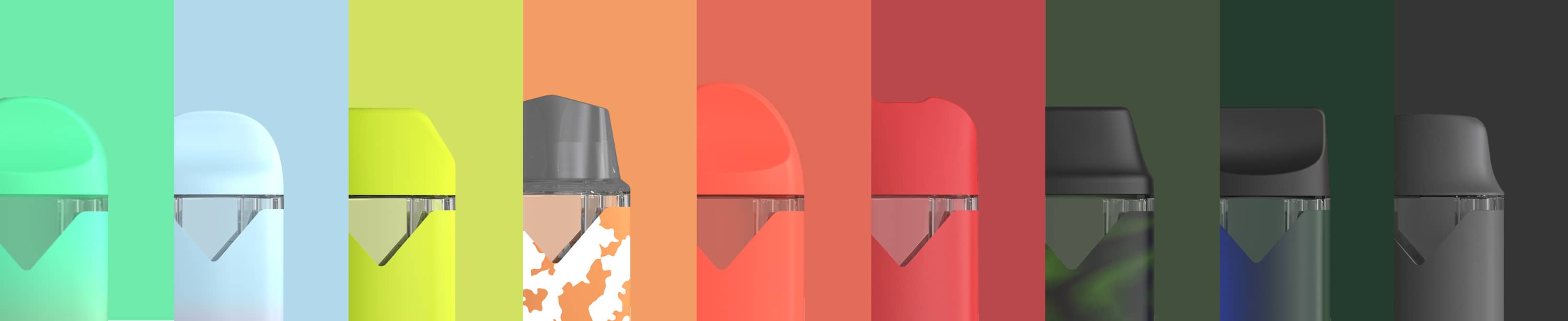


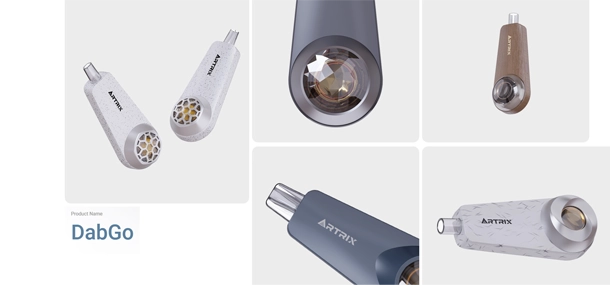
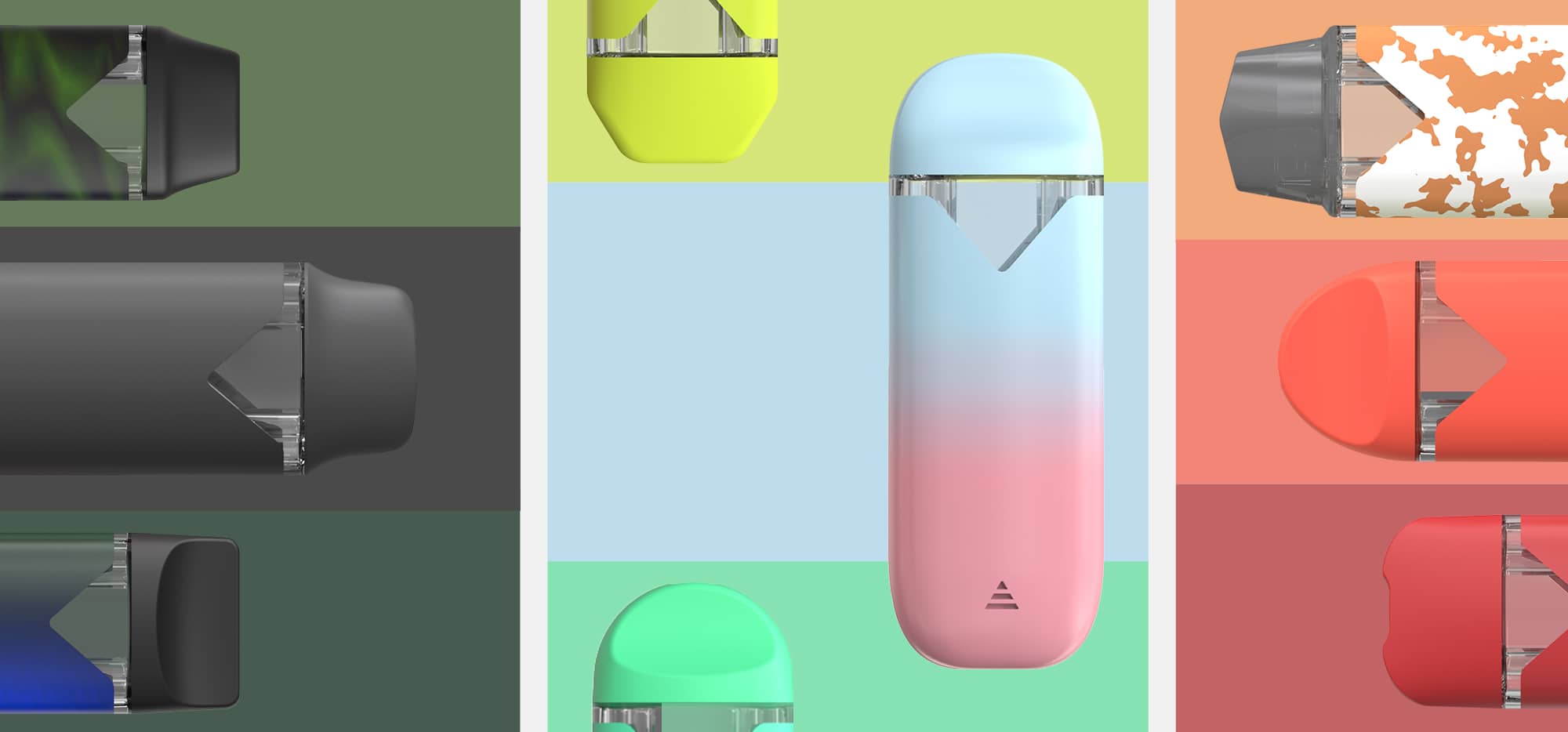
















The Ultimate Guide to Glass in Cannabis Vapes: Borosilicate, Quartz, and Beyond
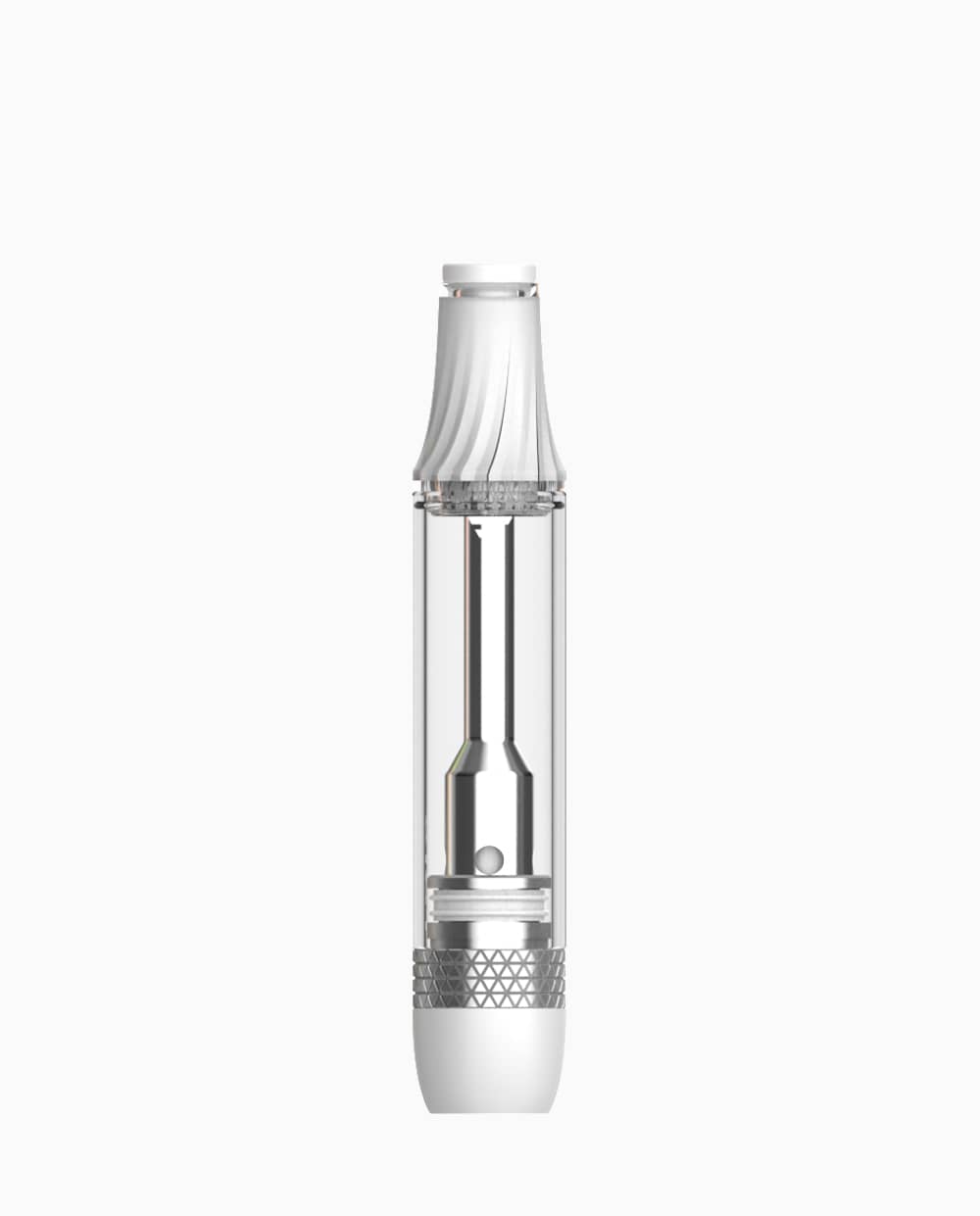
In any cannabis glass vape, the tank is more than a transparent shell. It is the chamber that holds oil, frames the product visually, and influences how a device handles heat, storage, transport, and long-term compatibility with terpene-rich formulations. That matters even more today because premium extracts such as live resin and live rosin put more pressure on hardware than simple distillate programs do.
The most important point for buyers and product teams is simple: tank material is never a one-size-fits-all decision. A premium cannabis glass vape aimed at flavor-first connoisseurs may benefit from very different materials than a mass-market disposable built for logistics efficiency and drop resistance.
Introduction to Vape Tanks
Vape tank material directly affects oil compatibility, durability, heat handling, and the overall premium feel of a cannabis device.
The Importance of Material Choice in Cannabis Vaping
When brands compare cartridges, pods, and all-in-one devices, they often focus on coil design, airflow, or battery power. But the tank material shapes the everyday user experience just as much. It affects thermal shock resistance, chemical durability, clarity, breakage risk, perceived product quality, and how confidently a brand can position its extract as clean and premium.
That is especially relevant for cannabis oils because formulations are not chemically simple. Terpenes, minor cannabinoids, thinning strategies, and storage conditions can all change how demanding the oil is on the reservoir. In practice, the best tank material is the one that matches the extract type, the device architecture, the intended price tier, and the testing standard the brand is prepared to meet.
Understanding the Traditional Glass Tank
Traditional weed glass tanks remain popular because they communicate purity at a glance. Consumers can see the oil color, viscosity, and fill level immediately, which is valuable in premium retail categories. For brands, glass also supports a more elevated design language than many plastics, particularly when the goal is to showcase solventless or high-terpene extracts.
That said, “glass” is not a single answer. Borosilicate, quartz, and soda-lime glass all behave differently under heat and stress, and advanced coated-glass systems add yet another layer of complexity. Choosing intelligently means understanding what each material does well, where it falls short, and when a non-glass alternative such as PCTG may actually be the smarter business decision.
Borosilicate Glass: The Premium Standard
Borosilicate is a top-tier tank material because it offers strong thermal resistance, good chemical durability, and a premium brand image.
Thermal Shock Resistance Explained
Borosilicate is widely treated as the premium baseline for vape tanks because it balances clarity with strong resistance to temperature swings. SCHOTT describes borosilicate glass as having higher thermal resistance than conventional glass and notes that its low thermal expansion helps it tolerate rapid heating and cooling more effectively than soda-lime compositions.
For cannabis hardware, that matters during repeated puff cycles, preheat behavior, filling operations, shipping across climates, and real-world handling after the device has warmed up. A material that is less likely to crack under thermal stress gives manufacturers and brands more margin for error. That is one reason high-borosilicate glass continues to show up in premium hardware positioning.
Why Chemical Durability Matters for Cannabis Oil
Borosilicate also earns its reputation through chemical durability. Compared with more common glass types, it is more resistant to water, acids, and many other substances because of its tighter glass network and lower mobility of reactive ions. For cannabis oil storage, that makes borosilicate an attractive option when brands want a tank material that feels stable, inert, and premium over the life of the product.
In practical terms, borosilicate is often the best fit when flavor retention, visual cleanliness, and a strong premium story matter more than absolute impact resistance. It is not unbreakable, and it may cost more than lower-tier options, but for many brands it remains the clearest all-around answer for a high-end cannabis glass vape.
Quartz Glass: Purity and Performance
Quartz is valued for purity and flavor clarity, making it ideal for connoisseur-focused products that prioritize clean taste and high-end positioning.
Achieving Exceptional Flavor Clarity with Quartz
Quartz occupies a special place in concentrate culture because it is associated with high purity and clean flavor. Quartz glass is described as essentially silicon dioxide and notes that suitable raw material purity must be extremely high for quartz-glass production. That purity story makes quartz especially attractive in conversations about terpene expression and flavor fidelity.
For brands targeting connoisseur users, quartz can therefore become a strong material narrative. It signals minimal distraction between the extract and the user. In reality, though, the flavor result depends on the entire system, not just the tank wall. Heating profile, ceramic design, airflow, and oil formulation still matter enormously. Quartz can strengthen the story, but it cannot rescue a poor device architecture.
High-Temperature Performance for Concentrates
Quartz also stands out for temperature handling. Its low thermal expansion and high-temperature stability are why it is widely used in demanding industrial and scientific environments. That makes it conceptually attractive for concentrate-heavy applications where higher heat and thicker formulations are part of the use case.
The trade-off is cost and processing complexity. Quartz is usually harder to justify in value-tier hardware, and in many commercial vape formats it may make more sense in specific inserts or premium chamber concepts than in every mainstream product. Quartz is the right answer when a brand wants to maximize purity perception and is willing to pay for that distinction.
Soda-Lime Glass: The Cost-Effective Option
Soda-lime glass is an affordable, familiar option best suited to budget-friendly devices with lower performance and durability demands.
When is Soda-Lime Glass the Right Choice?
Soda-lime glass is the most familiar mass-market glass family. It is made from silica with soda and limestone added to reduce melting temperature and stabilize the final glass. Because it is common and economical, soda-lime can make sense for products where cost efficiency is a major priority.
If a device is designed for lower thermal stress, short lifecycle expectations, and tight cost controls, soda-lime may be sufficient. It can still deliver clarity and a recognizable glass look. For budget-sensitive projects, that can be enough to support the product strategy without forcing a move into premium materials.
Limitations: Thermal Resistance and Durability Concerns
The downside is that soda-lime is simply less forgiving than borosilicate in demanding conditions. Corning notes that adding soda reduces chemical durability, even though limestone helps stabilize the material. Compared with borosilicate, it is a weaker candidate when frequent thermal cycling, terpene-rich oils, or premium quality positioning are central to the project.
That does not make soda-lime “bad.” It makes it specific. It is the right glass when the commercial model is value-forward and the engineering envelope is conservative. It is the wrong glass when a brand wants the strongest possible premium, durability, and compatibility story.
Coated Glass: Advancing Safety and Stability
Coated glass can improve residue control and barrier performance, but its real value depends on proper testing and full-system validation.
Preventing Heavy Metal Leaching and Oil Adhesion
Coated glass enters the conversation when brands want more than raw glass can offer. Depending on the system, coatings may be used to create barrier layers, improve surface smoothness, reduce residue buildup, or lower the chance that thick oils cling to the chamber wall. In theory, that can support better visual cleanliness and more complete evacuation of valuable extract.
But coatings should be treated as a validation question, not a marketing shortcut. E-cigarette aerosol contains metals and that those metals can originate from the metallic coil, other device parts, or the liquid itself. So if a supplier claims a coating solves contamination risk, brands should ask for migration data, aerosol chemistry results, and heavy-metal testing under realistic use conditions.
How Coatings Maintain Cannabis Extract Purity
The best way to think about coated glass is as part of a system-level purity strategy. A good coating may help reduce direct oil interaction with the substrate or improve residue behavior, but extract purity still depends on the reservoir, heater, seals, filling process, and oil formulation working together. No coating can compensate for poor upstream material control.
Medical-Grade PCTG: The Shatter-Resistant Alternative
PCTG offers strong impact resistance and practical durability, making it a smart choice for brands that prioritize logistics, safety, and everyday usability.
Comparing PCTG Durability Against Traditional Glass
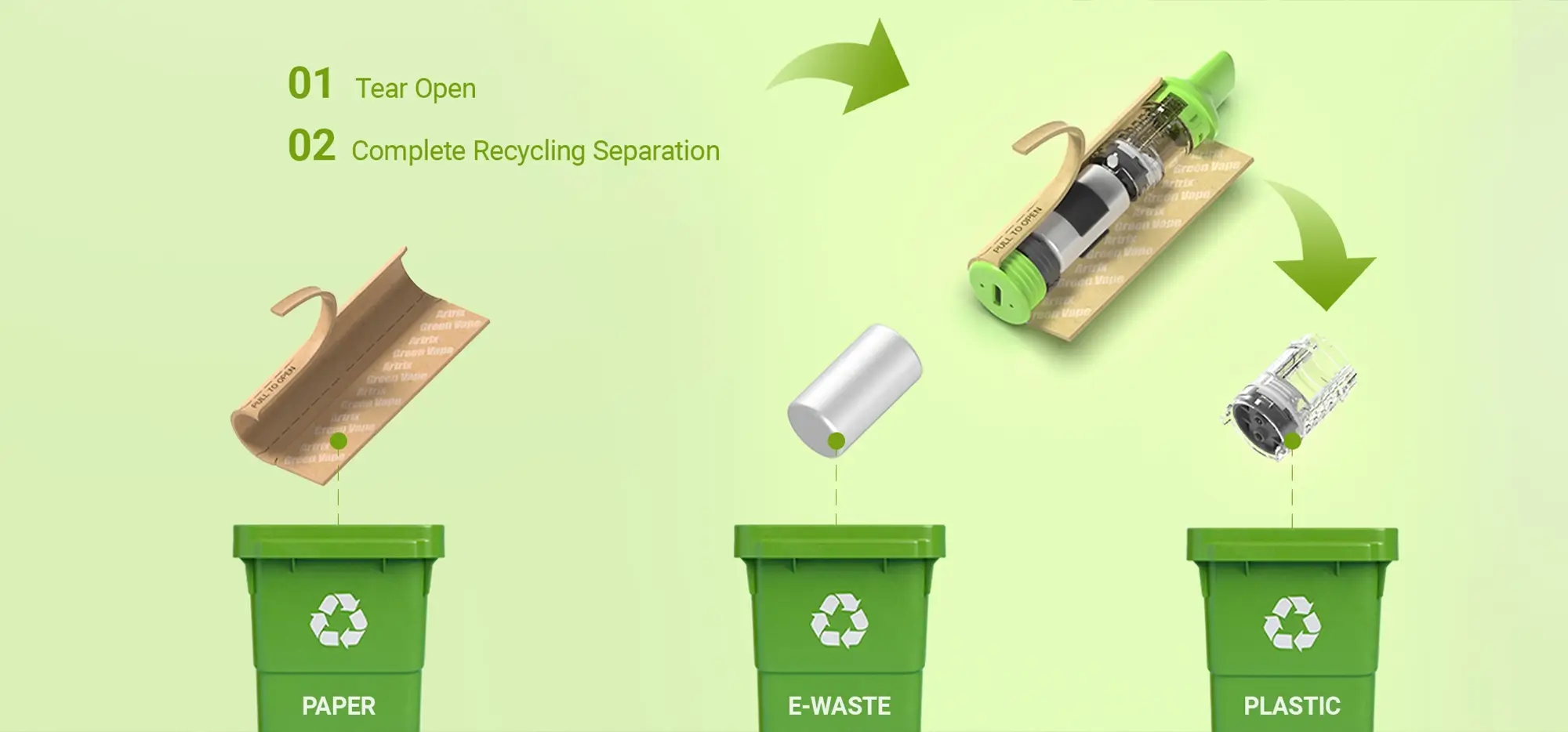
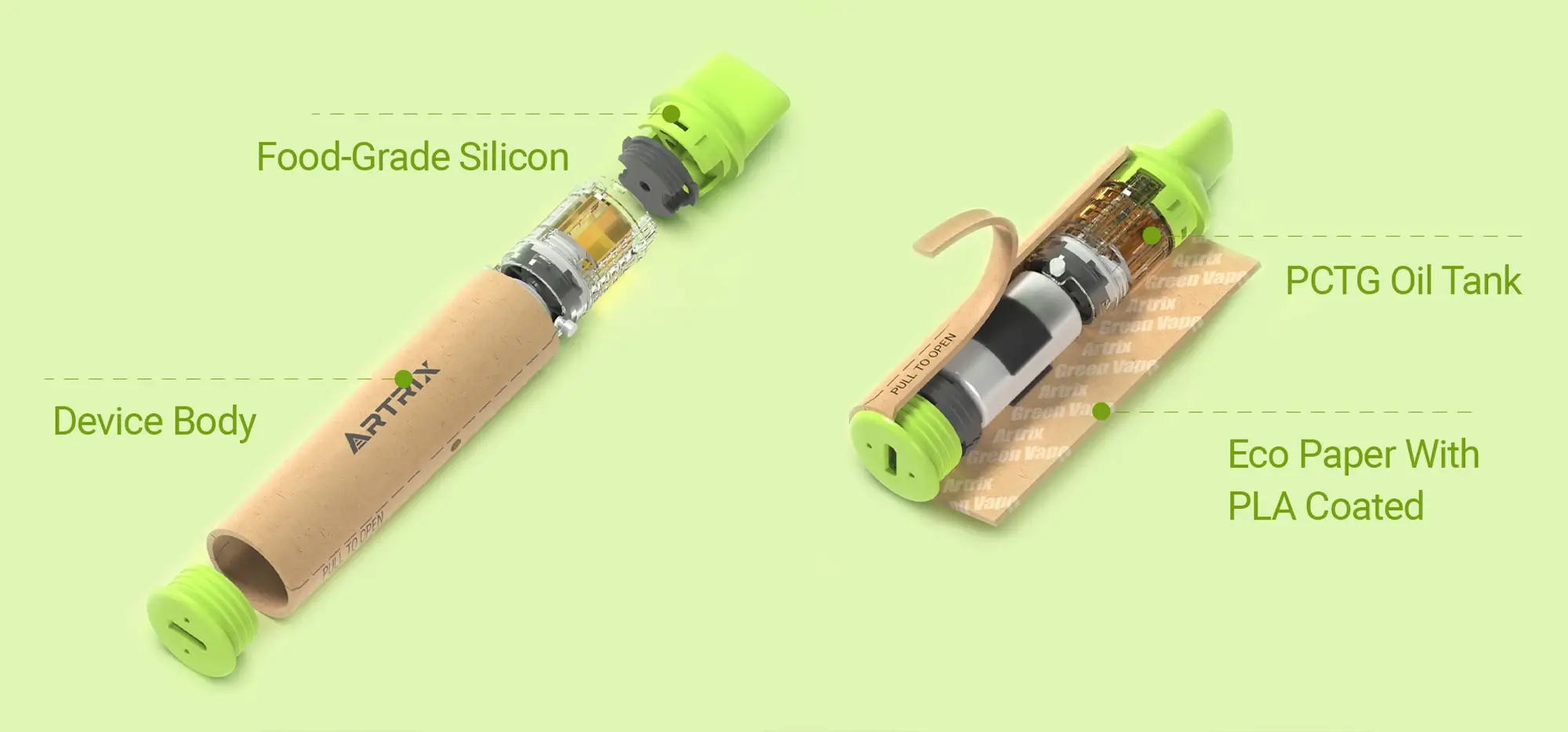
PCTG and other clear copolyesters are popular because they solve glass’s biggest weakness: breakage. They are lightweight, highly impact resistant, and easier to integrate into pods, disposables, and mobile-use formats where drops and rough shipping are part of the business reality. That makes them attractive for brands prioritizing durability, yield protection, and lower field-failure risk.
Meeting Rigorous Medical Safety Standards
The phrase “medical-grade PCTG,” however, should be used carefully. It usually applies to specific resin grades and testing pathways, not to every clear plastic part that resembles medical packaging. Serious buyers should verify exactly which resin is used, what biocompatibility or contact testing has been completed, and whether the qualification applies to the resin alone or the finished device.
In category terms, PCTG is the shatter-resistant alternative when logistics and ruggedness outrank the emotional and premium appeal of glass. It may not tell the same purity story as a borosilicate or quartz-based cannabis glass vape, but it can be the more practical answer for high-volume, everyday-use platforms.
Conclusion & Buyer’s Guide
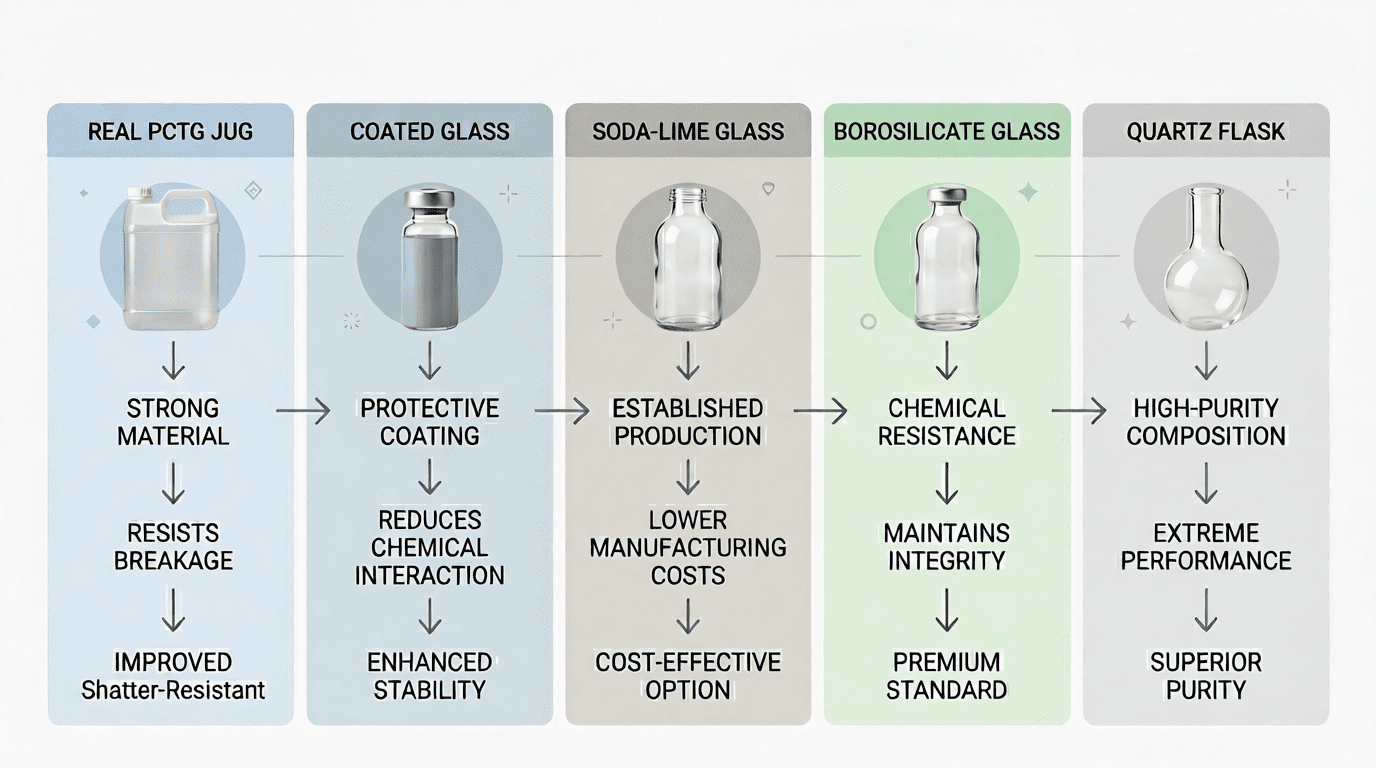
Borosilicate is the premium all-rounder: strong thermal shock resistance, strong chemical durability, and a clear upscale story. Quartz is the purity-first specialist: compelling for connoisseur positioning and high-heat use cases, but usually more expensive and less mainstream. Soda-lime is the budget option: visually familiar and cost-effective, yet less robust in demanding environments. Coated glass is the optimization play: potentially useful, but only when supported by real validation. PCTG is the practical alternative: clear, durable, and shatter-resistant, though less iconic than glass in premium branding.