



-1.webp)
-1.webp)
-2.webp)






































How Brands Can Match Vape Hardware to an Extract
Last Updated: Sep 14, 2026
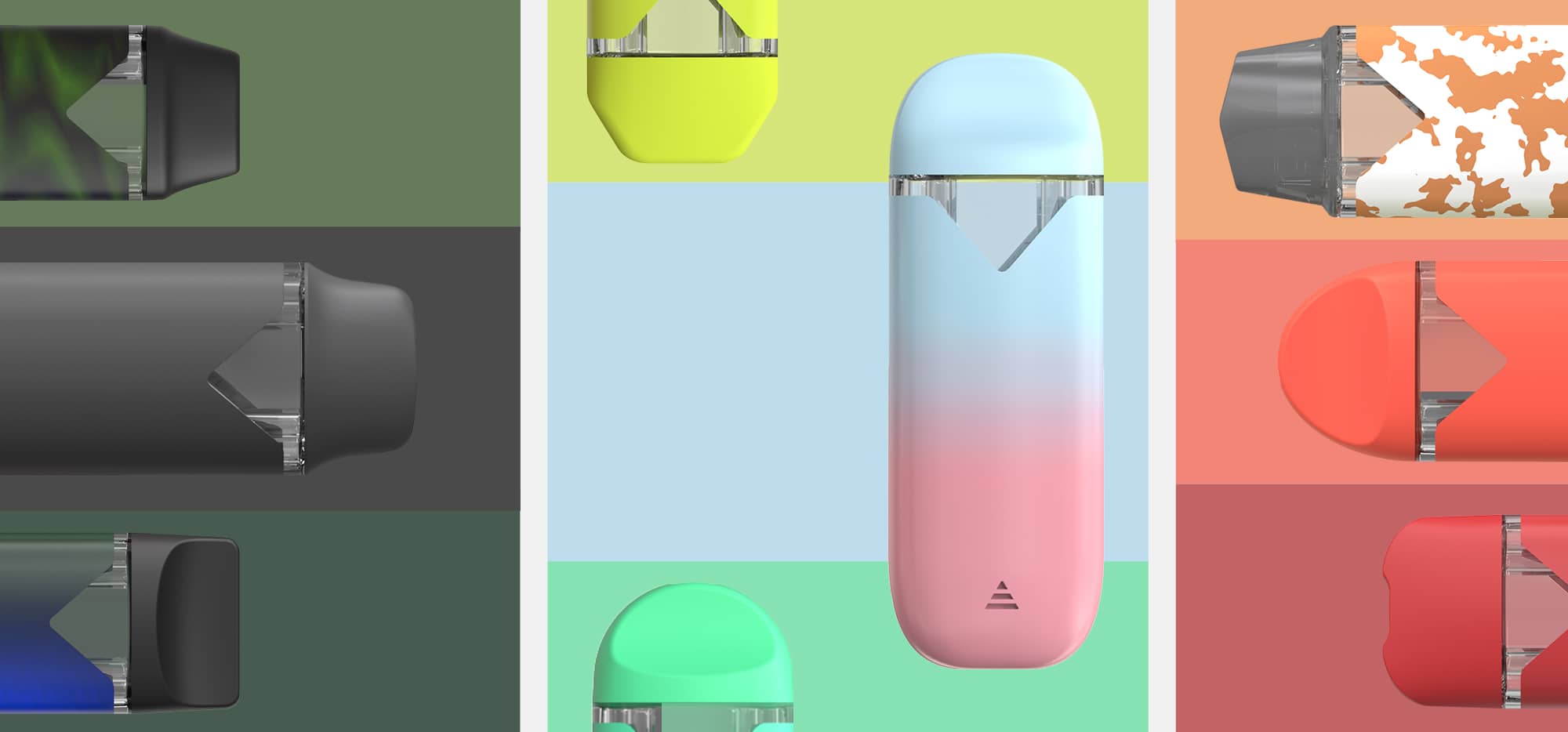
The best cannabis hardware is not the device with the largest intake holes, the highest advertised power, or the lowest bill of materials. For cannabis brands, the best hardware is the platform that matches the extract it must carry, heat, vaporize, and protect through the full product lifecycle.
This is why hardware selection should start with the oil, not the catalogue. A sound qualification process defines the extract, screens the relevant hardware variables, tests the production-intent system, and ends with a documented decision: approve, tune, retest, or reject.
Quick Answer: The Best Cannabis Hardware Matches the Extract
The best cannabis hardware is the hardware that can consistently vaporize a specific extract profile without overfeeding, underfeeding, overheating, leaking, or degrading the consumer experience. The decision therefore belongs to a complete system: target oil, device architecture, fill process, storage environment, expected use pattern, and predefined acceptance criteria.
For brand buyers, the better question is not “Which vape device is best?” The better question is “Which hardware architecture can be tuned and validated for this extract, this capacity, this consumer expectation, and this market channel?” That question prevents an attractive catalogue specification from becoming a substitute for evidence.
What Hardware–Extract Mismatch Looks Like
When brands force very different extracts through the same device architecture, failure modes become predictable. Thin oils may overfeed the heating area and create leakage. Thick oils may move too slowly and cause dry hits. These are screening hypotheses, not universal rules: oil behavior also changes with temperature, formulation, intake geometry, storage orientation, puff pattern, and production variation.
These problems are not only consumer-experience issues. They can become commercial issues. Poor hardware matching can increase complaints, returns, distributor friction, and launch uncertainty. To make that business impact measurable, teams should define each failure, record how it was detected, and connect it to a real decision or cost rather than publishing an unsupported reduction claim.
| Observed symptom | Variables to investigate | Useful next test |
|---|---|---|
| Leakage after storage | Oil behavior, intake, seals, fill process, temperature, and orientation | Test defined temperatures and orientations with a stated leakage endpoint. |
| Hard draw after a long idle period | Oil migration, airway geometry, condensate, temperature, and idle duration | Compare draw resistance before and after a defined idle period. |
| Performance changes near the end of the tank | Oil level, thermal history, battery state, feeding, and remaining volume | Compare agreed indicators at first-, mid-, and end-of-tank checkpoints. |
Step 1: Build an Extract Fingerprint Before Choosing Hardware
An extract fingerprint is a practical summary of how an oil behaves before it enters the hardware. Make it traceable by recording the batch, declared formulation, cannabinoid and terpene profile, additives, decarboxylation state, visible solids, and data sources.
Viscosity affects how easily oil moves through intake structures and reaches the heating area. If the oil moves too quickly, the device may flood or leak. If it moves too slowly, the heating area may starve and produce burnt flavor or weak vapor. Record the measurement method, temperature, conditioning time, and tested batches because a single room-temperature value does not describe the conditions encountered during cold starts, warm shipping, storage, or repeated use.
Also define fill volume, filling and closing, conditioning, storage, use pattern, and market channel. These inputs establish what the test must reproduce.
-
- Define the target extract type before choosing hardware.
-
- Test more than one relevant oil batch when variation could affect the decision.
-
- Record viscosity or flow behavior across realistic temperature conditions.
-
- Identify flavor-sensitive or heat-sensitive components.
-
- Confirm whether the hardware can be tuned if the oil changes.
Step 2: Match the Extract to Four Hardware Variables
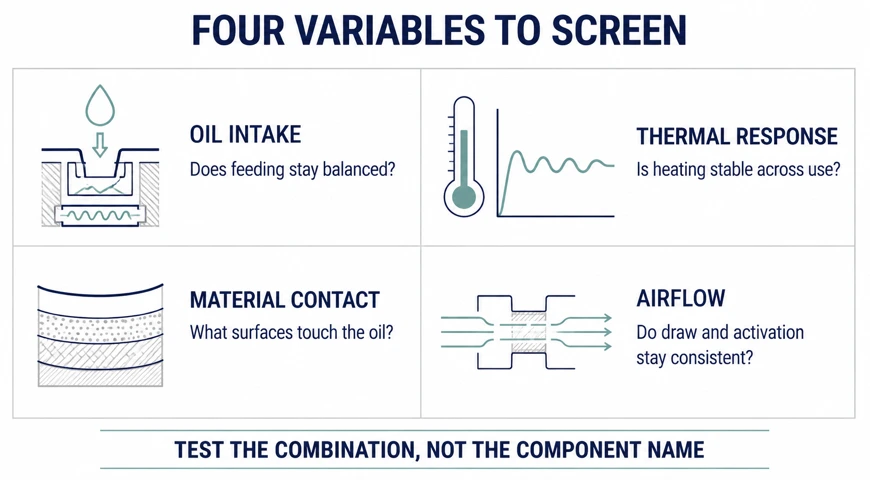
Once the extract fingerprint is clear, brands should evaluate four hardware variables together: oil intake, thermal response, material contact, and airflow. Link each variable to a mechanism, stress scenario, observable endpoint, and evidence boundary.
Oil Intake and Fluid Dynamics
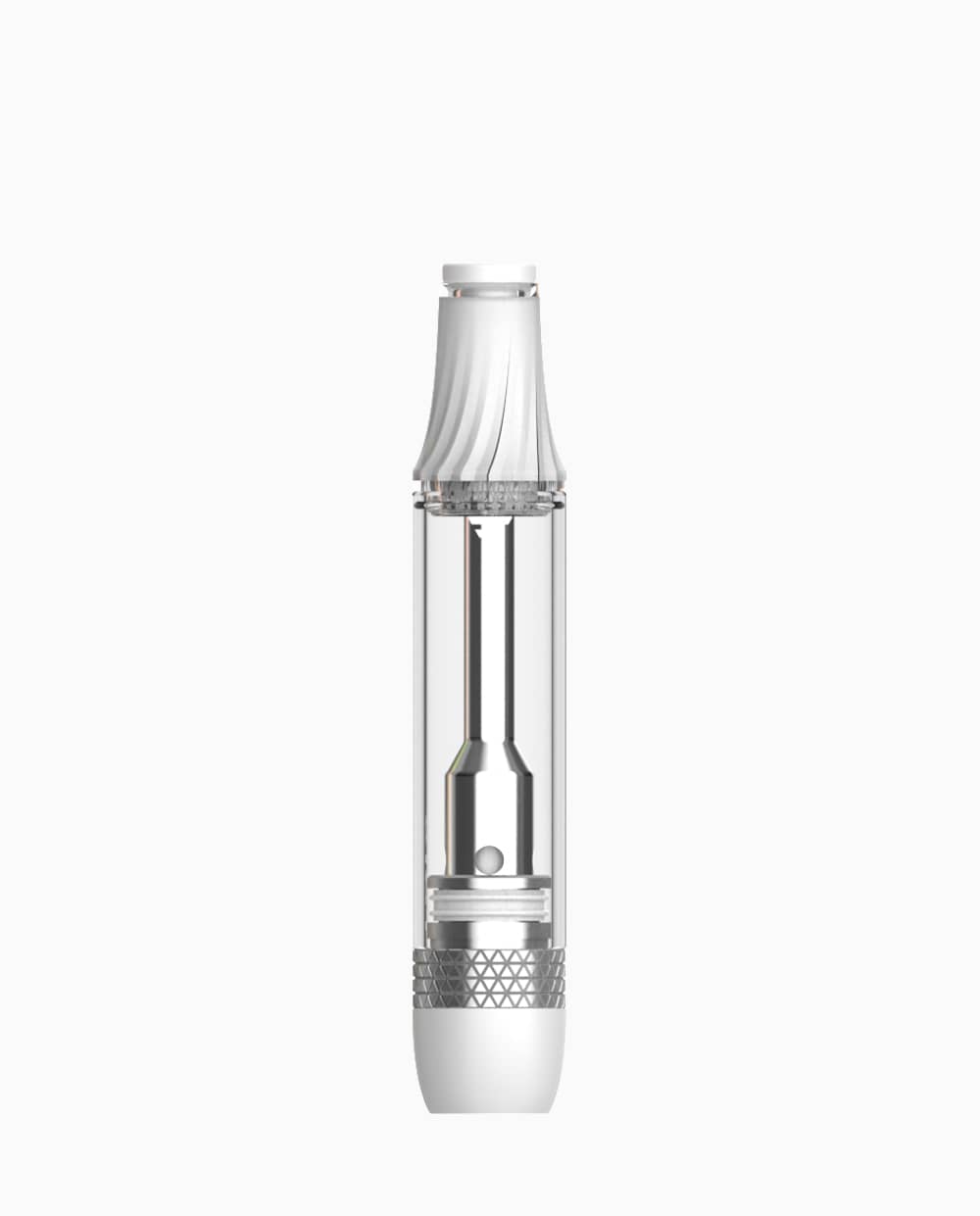
Oil intake controls how the extract reaches the heating area. Bigger intake holes are not automatically better. If the hardware feeds too aggressively, leakage risk increases. If it feeds too slowly, dry hits become more likely. Evaluate the production-intent intake with the target oil during warm storage, cold starts, long idle periods, and repeated puffing; define leakage, flooding, and starvation before testing.
Thermal Response and Temperature Stability
Heating performance is not just about reaching a target temperature. It is about how fast the device heats, how evenly it distributes heat, how much it overshoots, and how stable it remains during repeated puffs. Record power, battery state, puff conditions, lifecycle checkpoint, and analytical or sensory endpoints.
Material Contact and Chemical Compatibility
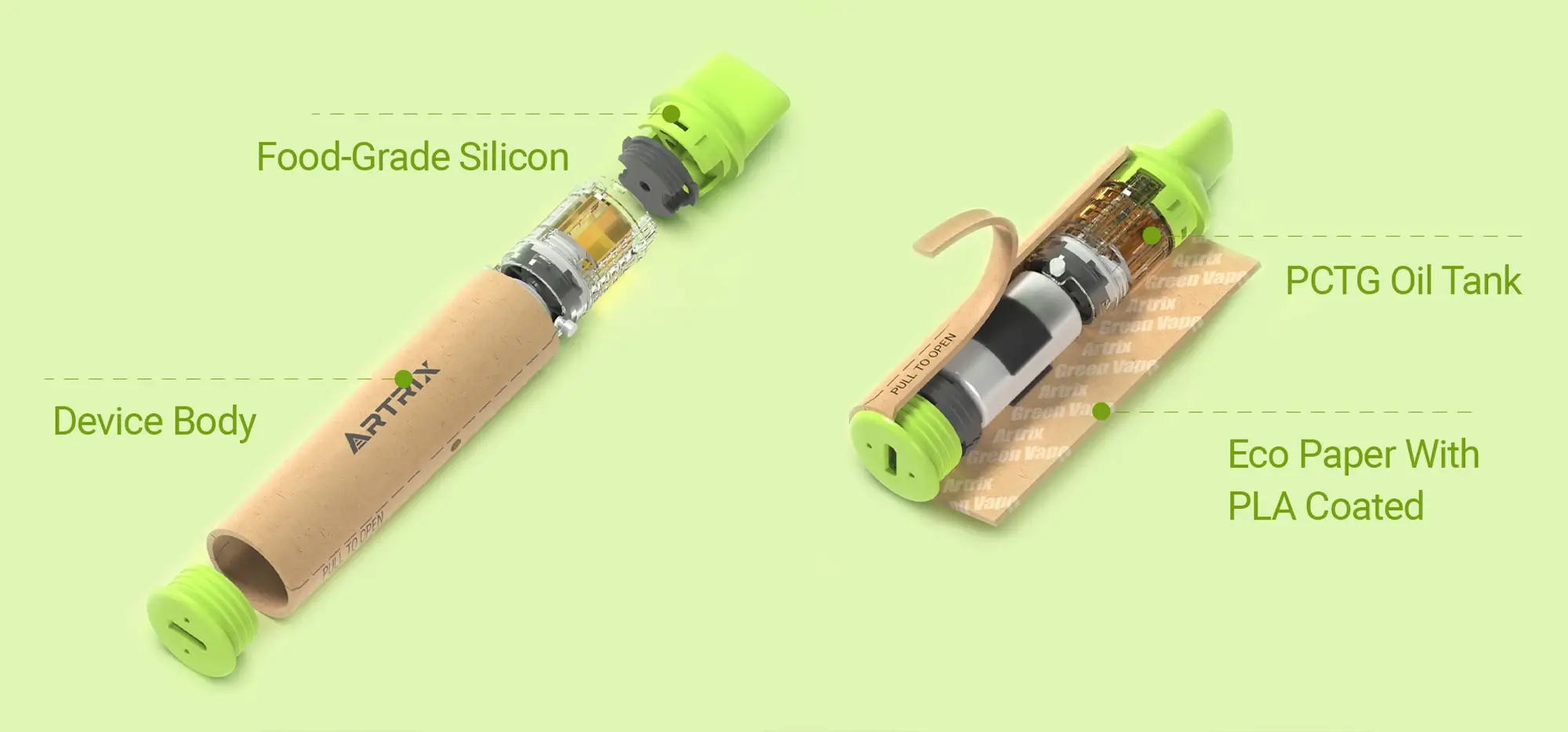
Every contact point matters: tank, seal, center post, mouthpiece, heating surface, and internal structures. Review the complete contact system against the formulation, contact duration, and temperature.
Airflow Resistance and Activation
Airflow changes how consumers perceive vapor density, draw comfort, throat feel, and flavor delivery. Separate pressure drop and activation measurements from sensory observations.
Step 3: Use Extract Categories as Test Hypotheses, Not Rules
Extract labels narrow the questions; they do not approve hardware. Products in one category can differ in viscosity, composition, solids, thermal response, and batch behavior, so selection must use actual formulation data and operating conditions.
| Extract context | Risks to screen for | Validation focus | Do not assume |
|---|---|---|---|
| Distillate | Overfeeding, leakage, starvation, or sensory change, depending on the finished formulation | Storage and repeated puff testing | That the category name defines viscosity or intake requirements |
| Live resin | Thermal, feeding, material-contact, and sensory issues identified for the target batch | Flavor retention across use cycle | That terpene content alone selects a power profile |
| Live rosin | Clogging, feeding, visible change, or inconsistent operation under defined conditions | Cold-start and long idle testing | That every rosin behaves like another formulation or batch |
| Large-capacity format | Late-stage decline | First-puff, mid-tank, and end-of-tank comparison | That an early sample result represents the full lifecycle |
Step 4: Validate the Hardware Before Scaling
Hardware validation should simulate real consumer behavior before mass production. A short bench test can confirm that a device functions, but it does not always reveal how the product performs after shipping, storage, repeated use, or long idle periods. Define samples, conditions, metrics, acceptance criteria, protocol version, and decision owner before testing.
-
- Prepare traceable target-oil batches and production-intent hardware.
-
- Define representative filling, conditioning, storage, shipping, puffing, idle, and lifecycle conditions.
-
- Set observable endpoints and acceptance thresholds before reviewing results.
-
- Record deviations and choose one decision: approve, tune, retest, or reject.
-
- Requalify after relevant formulation, hardware, firmware, process, or batch changes.
For repeatable machine testing, teams may use ISO 20768:2018 as a reference for routine analytical vaping-machine parameters and standard conditions. The standard does not specify the product, device operation, test liquid, aerosol trapping, or chemical analysis, so a cannabis-specific protocol must define those elements separately and check the applicable 2025 amendment.
Keep Compliance and Performance Evidence Separate
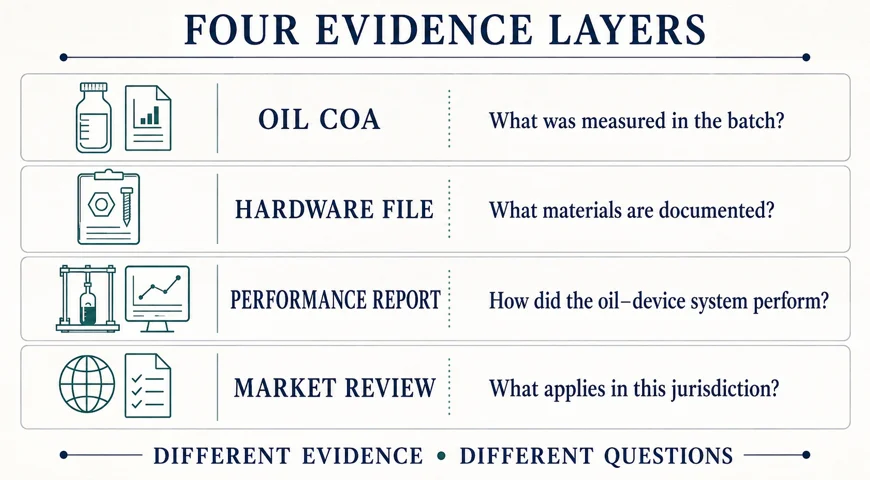
Hardware matching does not replace regulated-market product testing. In California, licensed laboratories must test cannabis batches before sale and report results on a COA; the required categories include cannabinoids and terpenes, residual solvents, pesticides, heavy metals, microbial impurities, mycotoxins, moisture content, water activity, and foreign material. California batch-testing requirements apply within that jurisdiction and should not be generalized to every market.
An oil COA, hardware material file, performance report, and market review answer different questions. A COA does not demonstrate device compatibility, while a machine result does not establish compliance or certification. Verify each item’s batch, product, method, date, and scope.
How to Evaluate a Cannabis Hardware Manufacturer
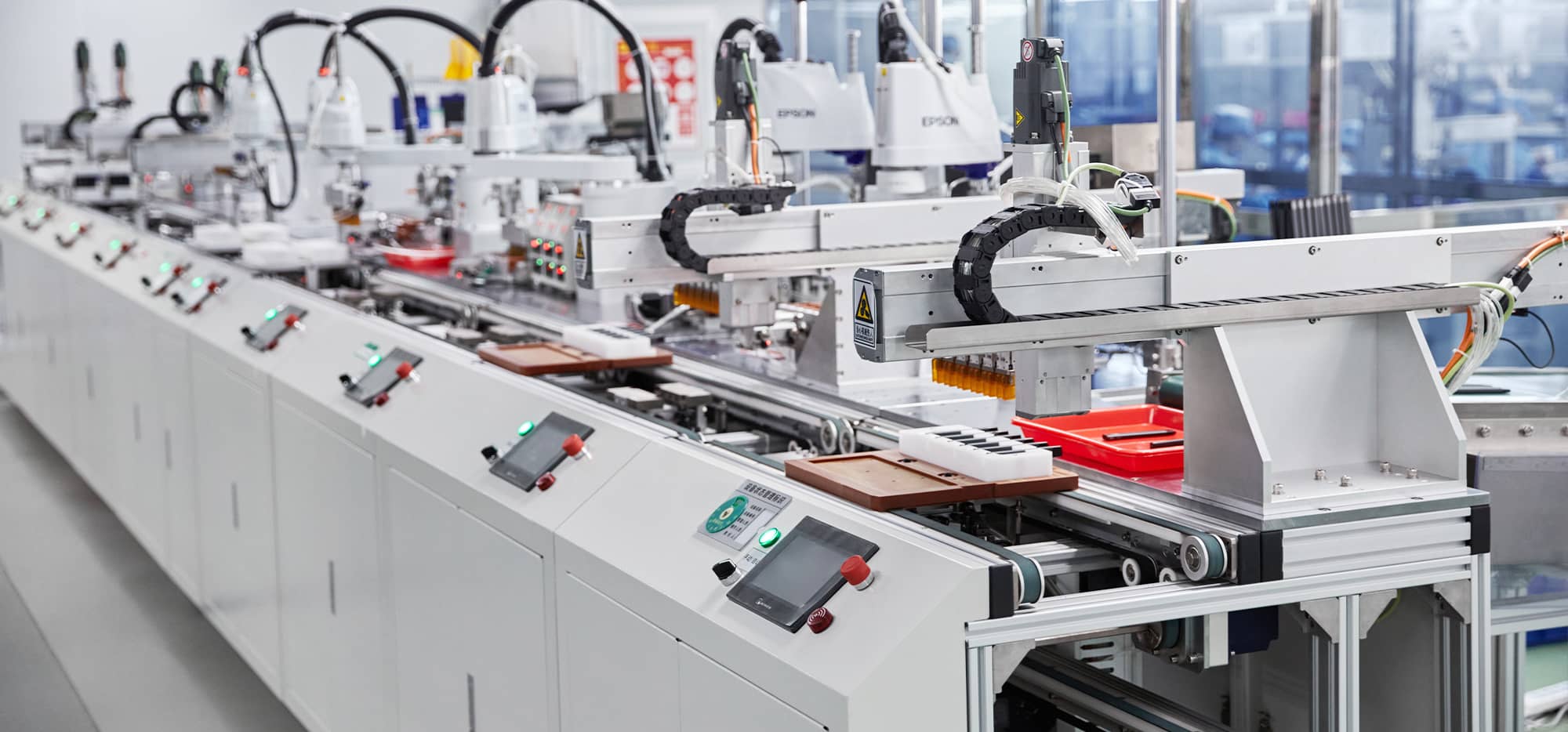
A strong cannabis hardware manufacturer should be able to support development, not only supply finished devices. Ask how the supplier collects formulation inputs, traces samples, controls revisions, adjusts hardware variables, documents failures, and verifies production changes.
The strongest partners can explain why a hardware recommendation fits the oil. They should be able to discuss failure risks, testing methods, and adjustment options. Request protocols, material documentation, failure reports, test summaries, and decision records. Catalogue breadth cannot replace target-system evidence.
Conclusion: Approve a System, Not a Catalogue Specification
The best cannabis hardware is not defined by one impressive specification. It is defined by how well the complete system supports the extract, protects the user experience, and performs across real-world conditions.
For brands, this means hardware selection should begin with an extract fingerprint, continue through engineering alignment, and end with validation testing before launch. A defensible program records the formulation and intended conditions, screens intake, thermal, material, and airflow variables, and uses predefined evidence to approve, tune, retest, or reject the system.
The result is a shared, traceable approval record—for product, quality, procurement, and supplier teams.