
-1.webp)
-1.webp)
-2.webp)













Last updated: July 29, 2026
Cannabis 101
By Sylph Wu|20 November 2025
MJBizCon 2026 Guide for Cannabis Hardware Brands: Dates, Trends, and Buyer Preparation
Topics in this article:
2025 mjbizcon guide
This content is for informational purposes only and does not constitute medical or legal advice. Please consult a licensed healthcare provider before using cannabis products. Comply with your state’s regulations.
This content is intended for audiences 21 years and older, as required by U.S. law.
Cannabis regulations vary by state. Please verify the legal status of products in your area before purchase.
MJBizCon 2026 is officially scheduled for December 1-4, 2026 at the Las Vegas Convention Center, with pre-show certifications on December 1 and the core conference and expo running December 2-4, according to the official event site and schedule. For most brand teams, the smartest registration window is before June 25, 2026, because official pass pricing increases after that date.
The early-bird deadline has passed, but the preparation logic has not changed: hardware teams should confirm travel, meetings, sample logistics, and technical documentation well before the show. The official MJBizCon website remains the controlling source for current schedules, ticket availability, and program changes.
That timing matters because MJBizCon is no longer just a giant sourcing event. In 2026, brands, device makers, and operators are arriving with harder questions about compliance, differentiation, and which formats can still scale without creating downstream risk. For suppliers like Artrix, that makes this year less about booth traffic alone and more about entering Las Vegas with a sharper operational story.
For cannabis hardware brands, the real question is no longer “What will attract attention at the booth?” It is “What proof will make buyers trust this hardware after the booth conversation ends?” In 2026, the strongest exhibitors will connect product design, compliance awareness, oil compatibility, sustainability, and buyer follow-up into one coherent business case.
This guide separates confirmed event and regulatory facts from Artrix’s market observations and 2026 forecasts. Forecasts describe issues buyers may prioritize; they are not guarantees of market behavior or proof that a specific device will achieve a particular result.
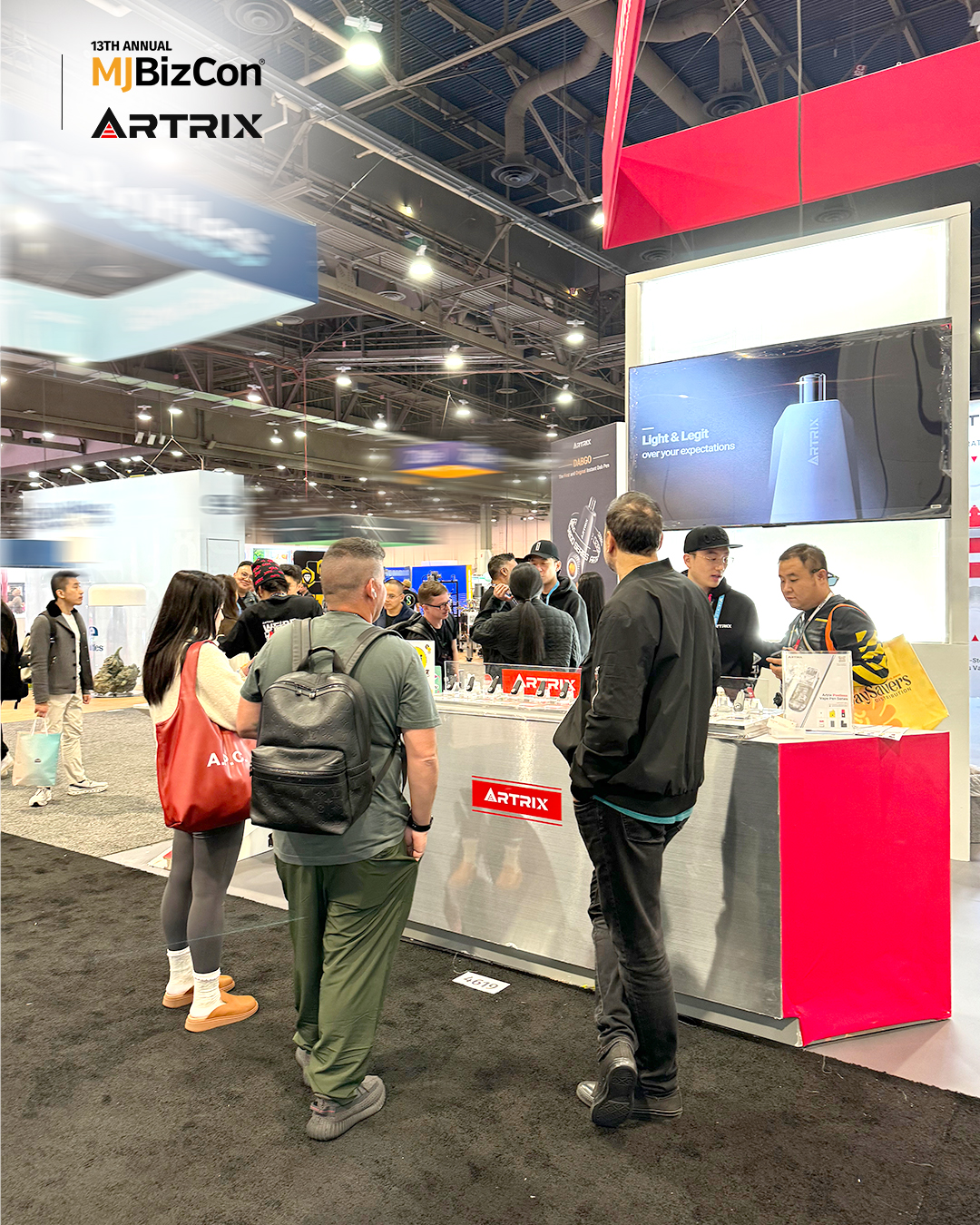
MJBizCon 2026 Quick Facts for Hardware Teams
The confirmed event details establish the planning baseline, while internal deadlines should be adjusted for each team’s travel, freight, visa, and sample requirements.
| Item | What to Know | Why It Matters |
|---|---|---|
| Event dates | December 1-4, 2026 | Hardware teams should treat Q2 and Q3 as the real preparation window, not wait until autumn. |
| Venue | Las Vegas Convention Center | Private demos, hotel plans, and sample logistics need to be locked early because the show concentrates high-intent buyers in one city. |
| Core conference and expo | December 2-4, following pre-show programming on December 1 | Teams can separate certification or education time from expo-floor meetings instead of treating all four days as identical. |
| Current registration status | The June 25 early-bird window has passed; verify current prices on the official registration page. | Published prices and package inclusions may change, so procurement should use the live page rather than an older article snapshot. |
| Best preparation window | Q2 to August 2026 | Chinese hardware manufacturers should prepare customs documents, sample-shipping plans, backup samples, and meeting calendars at least four months before the show. |
Why MJBizCon 2026 Will Be Different: The “Total THC” Era
The biggest strategic shift heading into 2026 is regulatory. A Congressional Research Service summary published by Congress.gov explains that federal law changed the hemp definition in November 2025 from a delta-9-only threshold to a total-THC framework in key parts of the definition, with the new standard taking effect on November 12, 2026.
The amended federal definition uses a total-THC concentration limit and excludes certain intermediate and final hemp-derived cannabinoid products. It does not create one simple nationwide rule for every cannabis product, sales channel, or hardware use case. Buyers and exhibitors still need to distinguish federal hemp rules from state cannabis, hemp, packaging, testing, and retail requirements.
That does not turn every hardware discussion into a hemp-law seminar, but it does push buyers to ask harder questions about formulation compatibility, testing assumptions, and intended-use claims.
State-level implementation is already reinforcing that mood. New Jersey’s Cannabis Regulatory Commission says products above certain total-THC thresholds can be treated as cannabis and subject to cannabis rules, while also spelling out testing, packaging, labeling, and sales restrictions in 2026. The larger takeaway for exhibitors is simple: “good hardware” is no longer enough if the compliance story falls apart under buyer due diligence.
New Jersey is a jurisdiction-specific example, not a substitute for a national legal review. Its 2026 framework includes different thresholds, dates, and licensing consequences for particular product categories, including intoxicating hemp beverages. A hardware supplier can support a customer with accurate specifications and documentation, but it should not represent the device itself as making the finished product legally compliant.
For hardware brands, this means booth messaging should avoid medical, wellness, or exaggerated performance claims. Instead, the strongest product story should focus on engineering discipline: oil compatibility, leakage control, heating consistency, materials reliability, quality control, and the ability to support compliant brand positioning.
2025 Retrospective: Three Lessons from the Show Floor
Artrix’s 2025 show-floor observations point to three buyer concerns—internal structure, oil behavior, and product differentiation.
Lesson 1: Internal Architecture Needs an Explanation
On the 2025 show floor, we saw more buyer questions around postless or more refined internal structures, especially from teams worried about flavor purity, clog resistance, and premium positioning. That does not mean every brand abandoned legacy builds overnight. It does mean the old “good enough” cartridge architecture stopped feeling future-proof.
In 2026, buyers are expected to ask more direct technical questions: How does the structure reduce clogging? How does it protect terpene expression? What kind of oil viscosity range has the device actually handled? A booth team that cannot answer those questions clearly may lose credibility even if the product looks attractive.
A postless structure alone does not prove better flavor or lower clogging. Those outcomes depend on the complete system, including intake geometry, airway design, heating profile, oil properties, fill conditions, storage, and use patterns. Suppliers making performance claims should be ready to disclose the relevant test method and applicability limits.
Lesson 2: Oil Behavior Exposes Generic Compatibility Claims
Live resin and other high-terpene formulas kept exposing weak airflow design, unstable intake geometry, and inconsistent heating performance. The most credible vendors were not the ones promising miracle compatibility. They were the ones who could explain how their hardware handled demanding oil behavior in real use.
For a buyer, “compatible” should trigger follow-up questions rather than end the discussion. Ask which oil categories were evaluated, what viscosity or formulation information was available, how the devices were filled and stored, what temperature range was used, how long the evaluation lasted, and how leakage, clogging, or flavor consistency was defined.
Lesson 3: Visual Difference Is Not the Same as Functional Difference
When booth after booth repeats the same silhouette, color language, and disposable format story, buyers stop remembering logos and start remembering whoever solved a real problem. That is exactly why customized hardware becomes more valuable in 2026. Identity is no longer just a branding exercise. It is a sales efficiency tool.
Customization may support recognition and premium positioning, but a direct improvement in sales efficiency requires buyer research or conversion evidence. The more defensible claim is that functional customization can help a brand align device shape, interface, oil requirements, packaging, and visual identity around a more consistent product concept.
Hardware Trends Forecast: What to Evaluate in 2026
The clearest way to read 2026 is through a simple forecast model: which hardware trends solve the problems buyers were already discussing in 2025, and which ones only sound impressive in a sales deck?
The following trends are forward-looking assessments. Buyers should evaluate them through mechanisms, use cases, evidence, and limitations rather than assuming that a feature name guarantees a result.
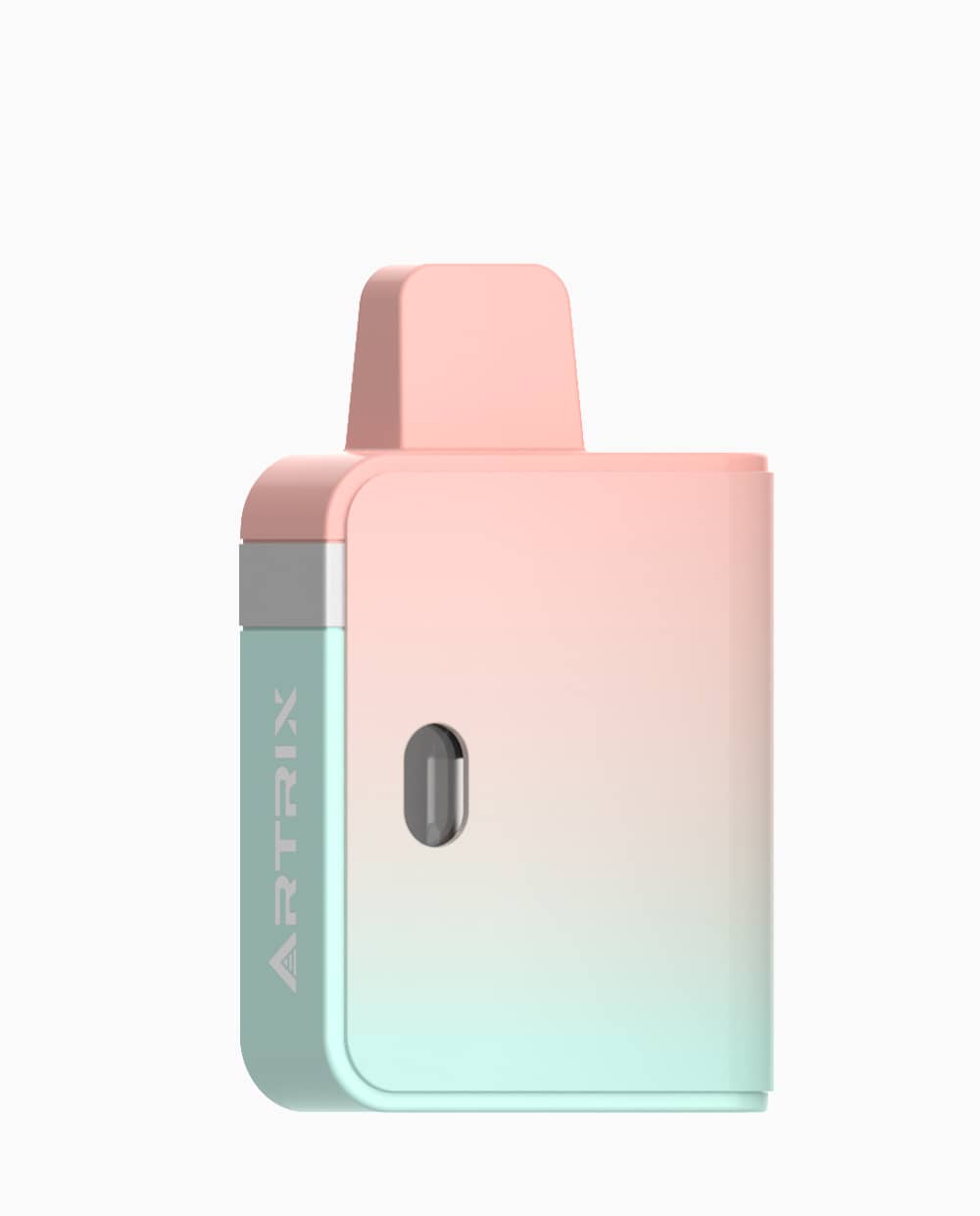
Trend 1: Smart Vaporization Becomes Practical
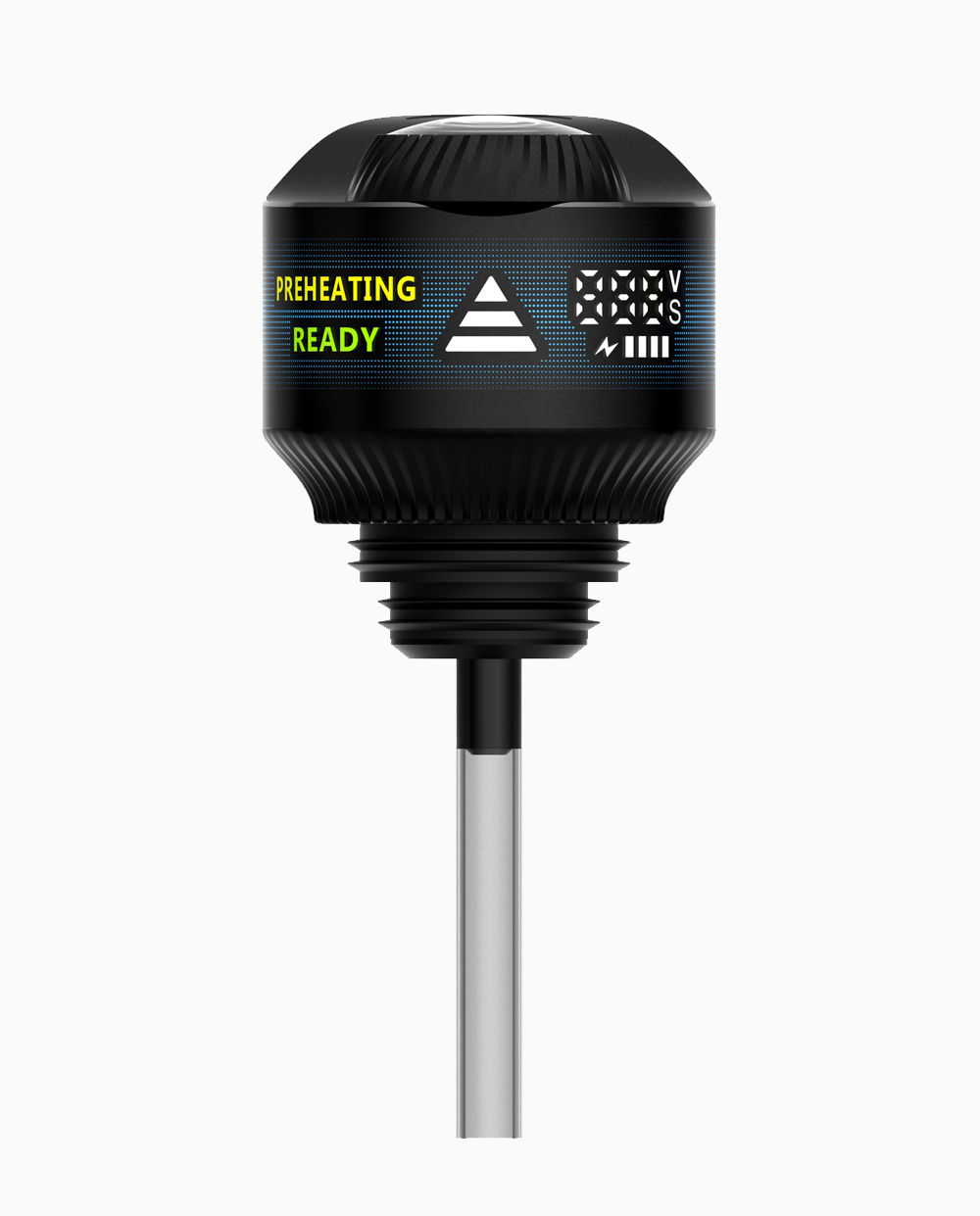
In 2025, screens and app-style interaction often felt like gimmicks. In 2026, the useful versions will matter more. Buyers want clearer voltage control, better user guidance, and easier troubleshooting. “Smart” will win only when it improves consistency.
The expectation for 2026 is that smart features will be judged less by novelty and more by measurable value. Buyers will look for voltage ranges that make sense for real oils, user prompts that reduce misuse, and designs that help brands reduce complaints instead of simply adding digital decoration.
Voltage controls and prompts may help users avoid inappropriate settings or diagnose common errors, but complaint reduction should not be claimed without product-specific support data. A credible demonstration should explain the intended oil and device conditions, the available controls, the user task being tested, and the limitations of the interface.
Trend 2: Sustainable Systems Get More Serious
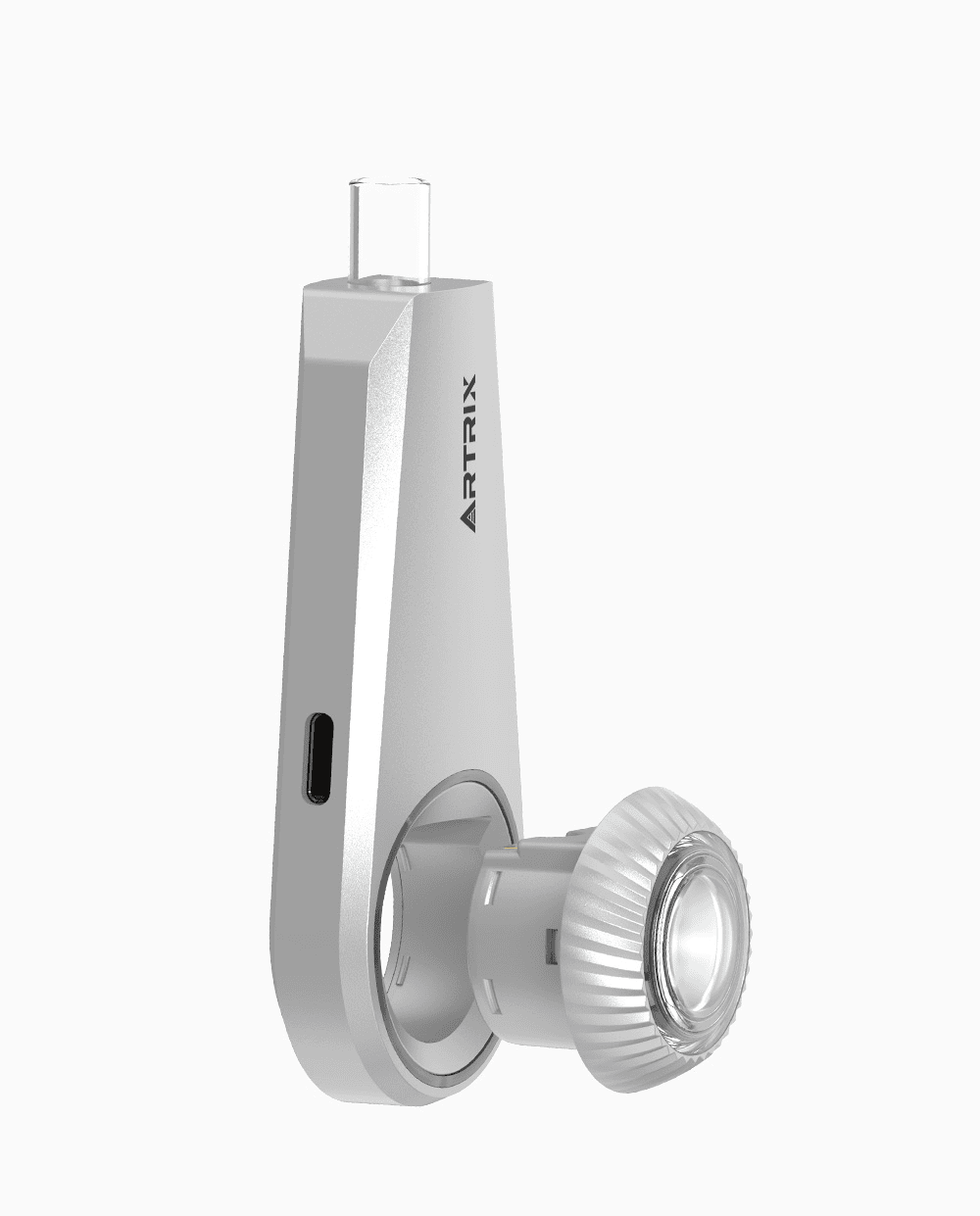
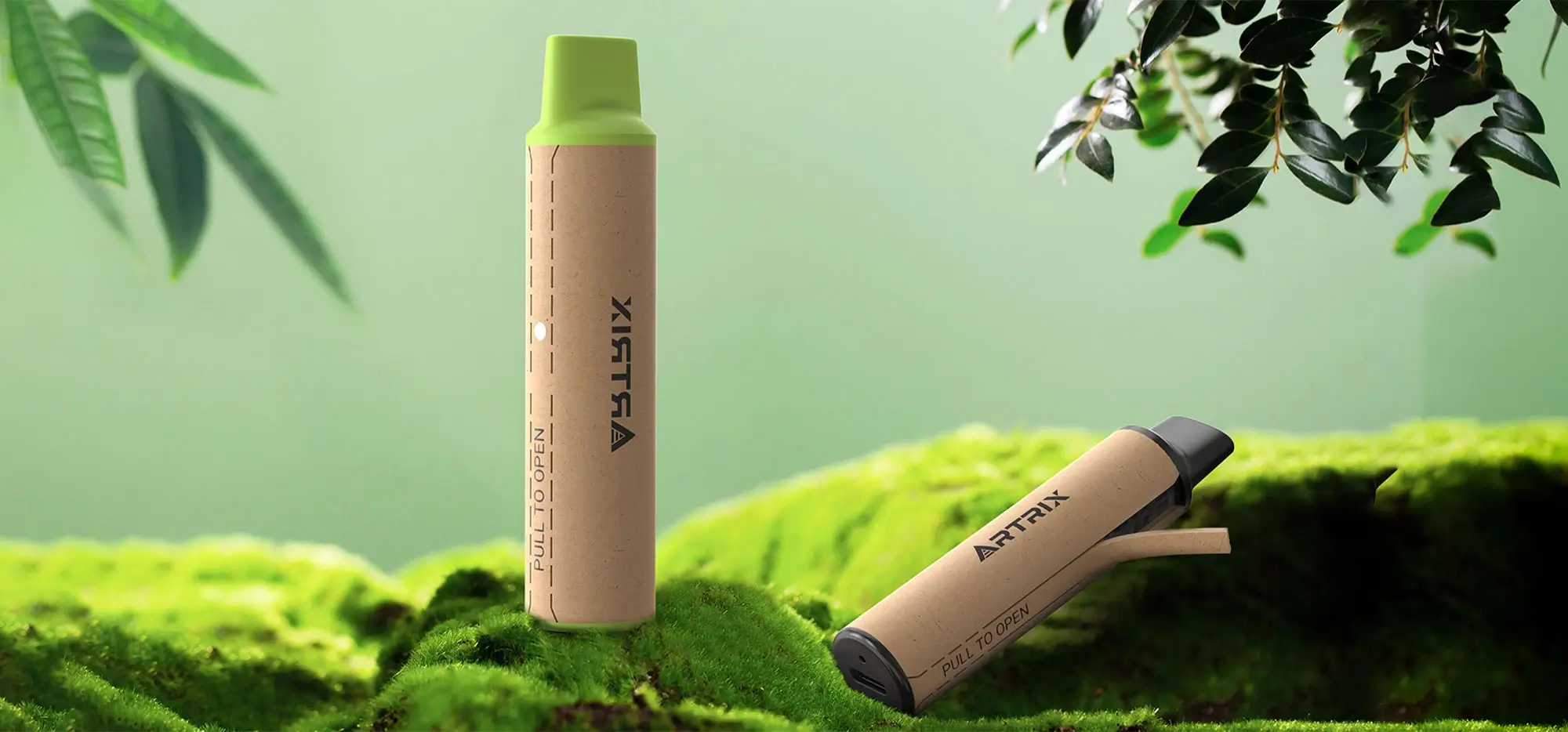
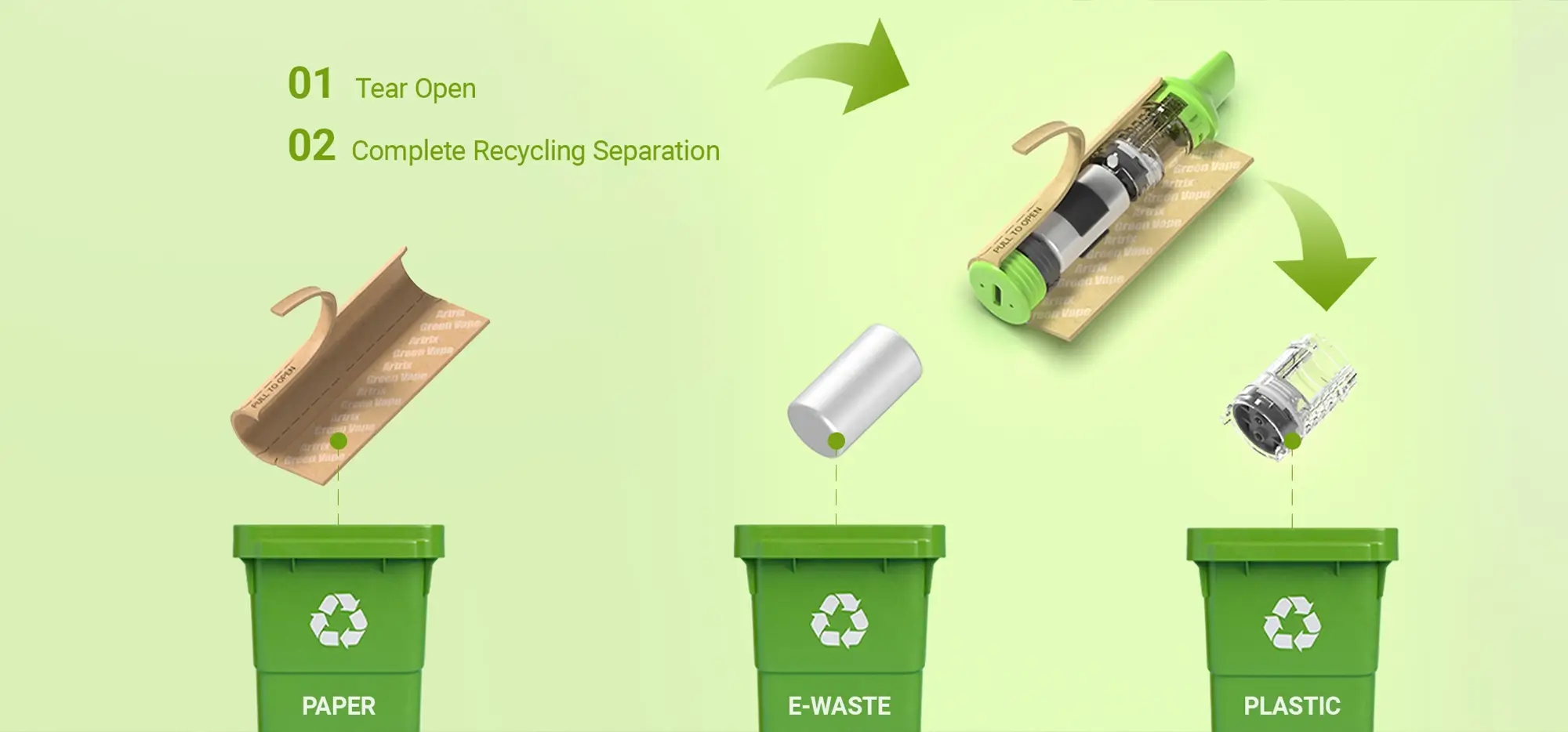
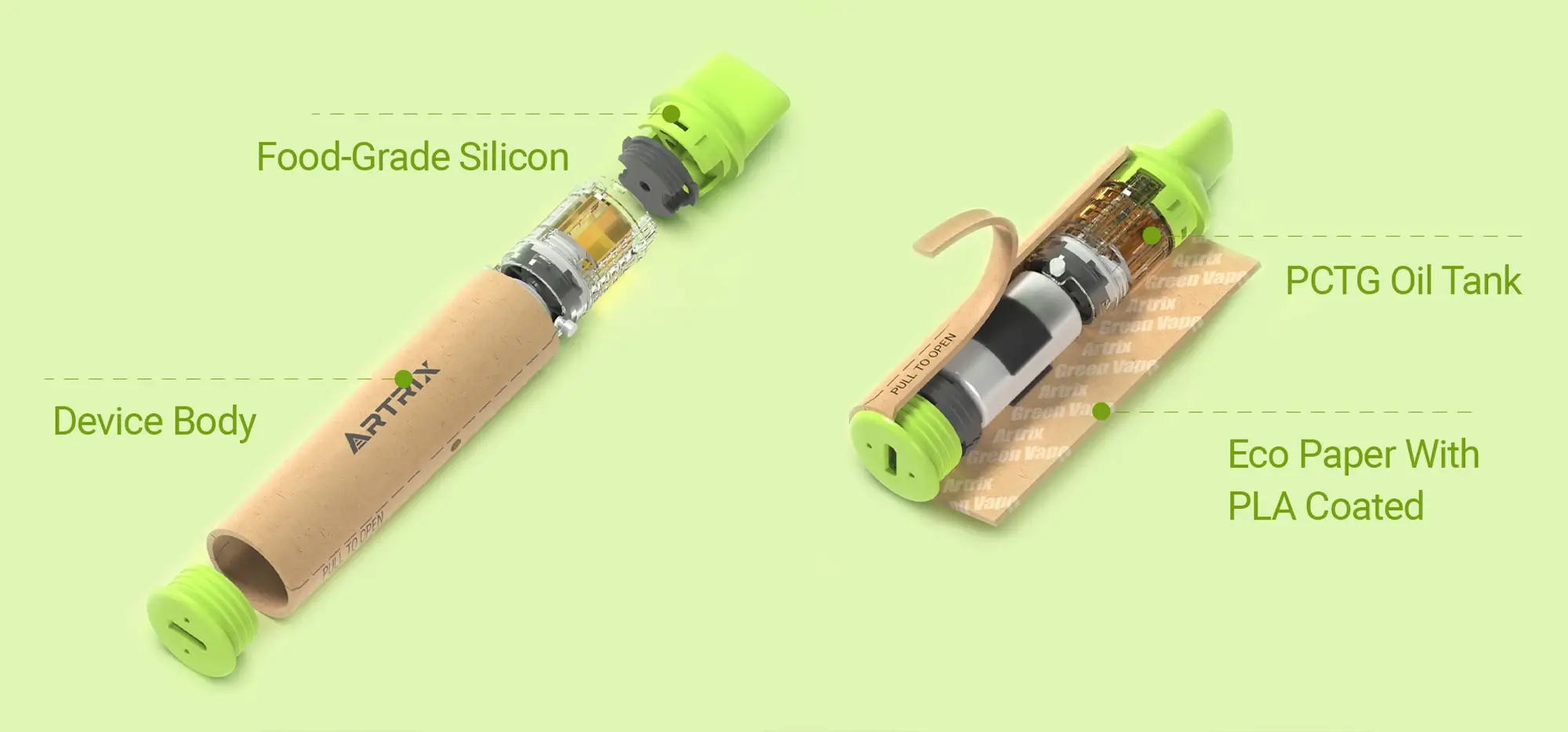
Expect stronger interest in rechargeable platforms, detachable-battery concepts, and hardware programs that make recycling or take-back conversations easier for brands. Not every market will move at the same speed, but the direction is clearer: customers want scale without the optics of endless throwaway sameness.
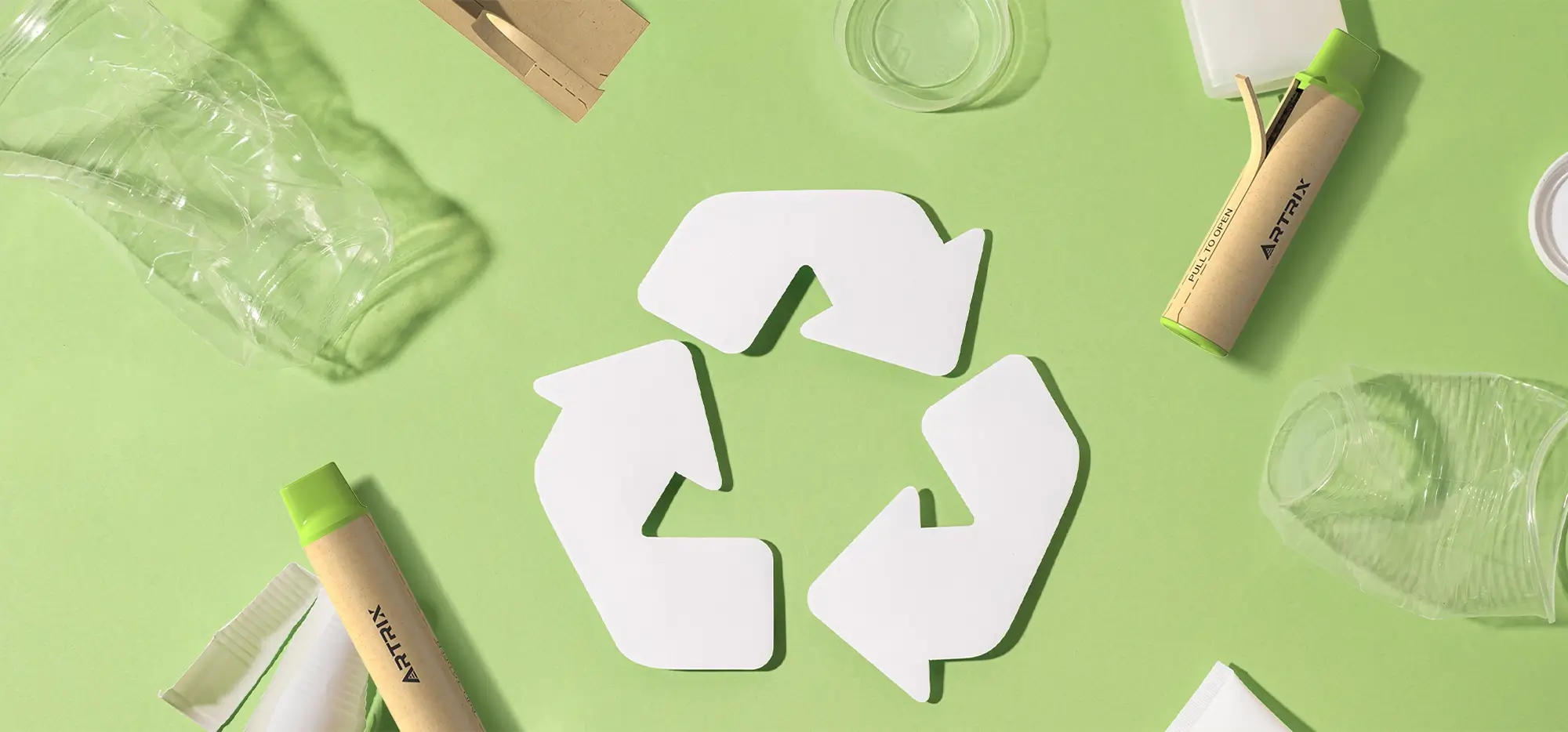
At MJBizCon 2026, sustainability will likely move from brand language into procurement questions. Buyers may ask whether a platform reduces disposable waste, whether components can be separated, whether packaging supports a cleaner brand story, and whether the supplier can help communicate sustainability without overstating the claim.
Detachable or rechargeable components can change which parts are discarded, but “sustainable” is too broad without a defined comparison. Buyers should ask what is reusable, what remains disposable, whether components can be separated in practice, which local collection systems accept them, and whether any waste-reduction claim has a disclosed baseline.
Trend 3: Oil-Specific Compatibility Becomes More Important
Liquid diamonds, terpene-sensitive blends, and other demanding concentrates will keep pressuring atomization systems in ways standard hardware cannot hide. The breakout winners in 2026 will be platforms engineered for viscosity management and repeatable performance instead of generic “works with everything” positioning.
Buyers are expected to become more specific here. Instead of accepting broad compatibility claims, they may ask how the device handles thick oil, terpene-rich formulas, temperature sensitivity, clogging risk, and flavor consistency over the product lifecycle.
No single device should be assumed to work with every formulation. Compatibility evaluation is most useful when the supplier and oil brand define the formulation category, target fill, operating range, storage conditions, evaluation period, and failure criteria before interpreting the result.
Trend 4: Custom Hardware Becomes a Differentiation Tool
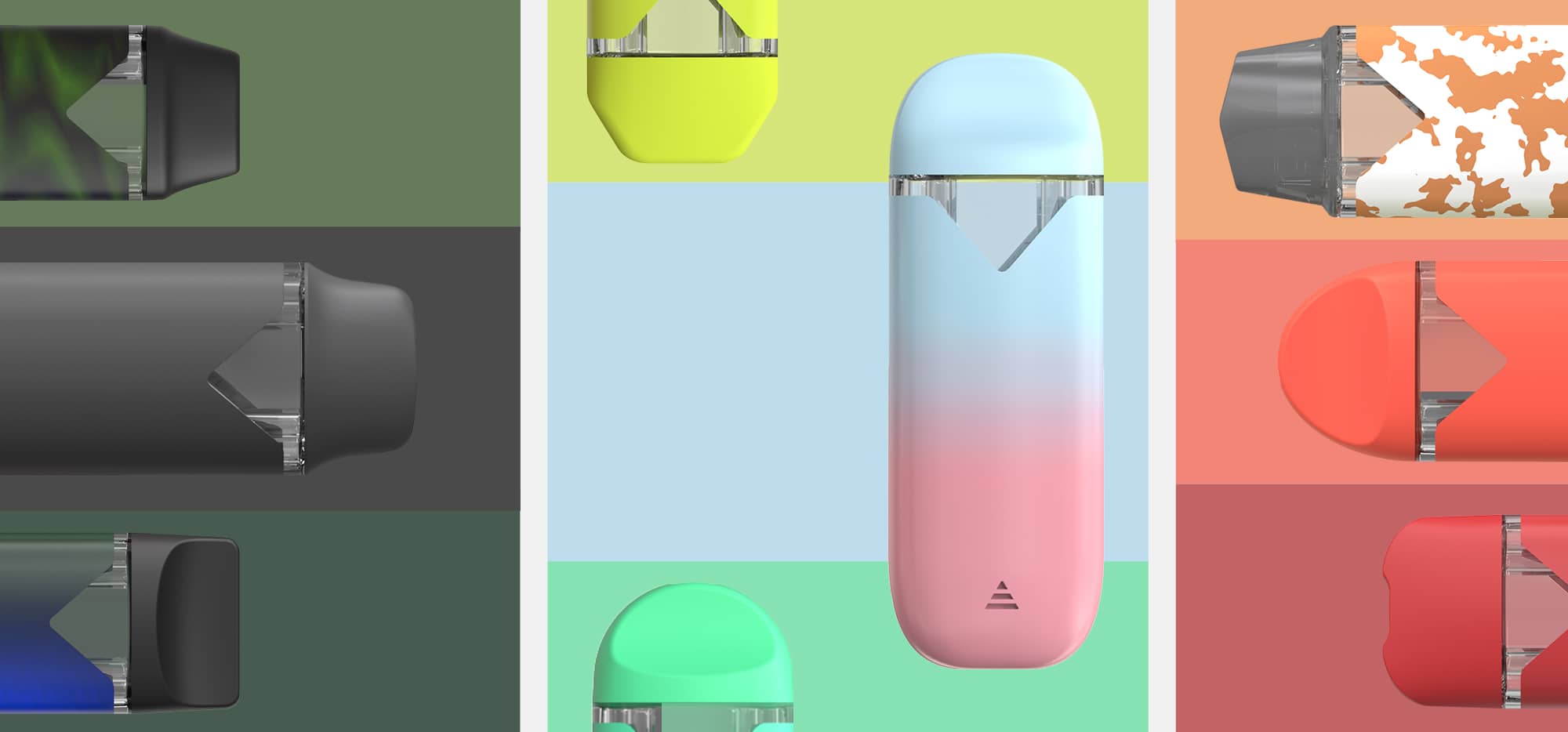
As more brands compete with similar disposable shapes and familiar color systems, custom hardware will become more important for premium positioning. The most valuable customization will not only change appearance; it will connect form, user experience, technical structure, and brand memory. At MJBizCon 2026, buyers will likely pay closer attention to suppliers that can turn hardware into a recognizable brand asset rather than a generic container for oil.
The commercial value of customization depends on execution. Buyers should separate cosmetic changes from functional customization, then confirm tooling ownership, minimum order quantities, development lead time, validation responsibilities, change control, and whether the proposed structure fits the intended oil and market.
The Hardware Proof Package Buyers Should Request
A useful supplier conversation ends with reviewable evidence, not only a list of features. The table below turns common booth claims into concrete buyer questions while keeping the limits of available evidence visible.
| Buyer Question | Useful Evidence | Limitation or Red Flag |
|---|---|---|
| Which oils were evaluated? | Formulation category, available viscosity information, terpene profile, fill volume, and any preparation conditions | “Works with everything” without defined samples or conditions |
| How was leakage or clogging assessed? | Sample size, orientation, temperature, duration, use cycle, inspection method, and failure definition | A single demonstration device or an undefined “pass” |
| How are materials documented? | Component-level material declarations, supplier controls, and documents that match the proposed product scope | Generic “safe” or “premium material” language without traceable documentation |
| How is production consistency managed? | Incoming controls, in-process checkpoints, finished-product inspection, batch identification, and change-control practices | Prototype performance presented as proof of mass-production consistency |
| What does a sustainability claim compare? | Defined baseline, reusable and disposable components, packaging scope, and local disposal assumptions | An unqualified “eco-friendly” label |
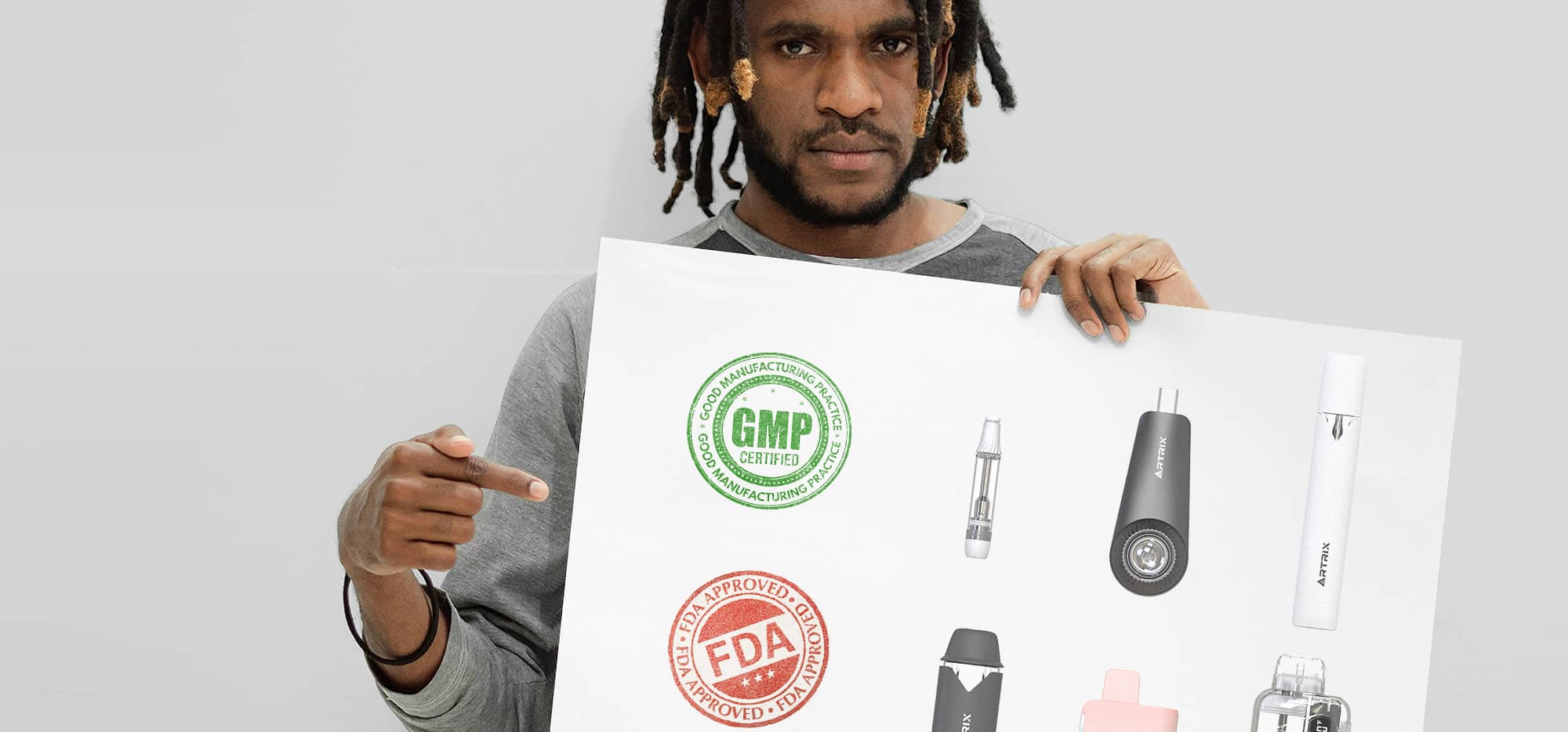
Testing, conformity, and certification are not interchangeable terms. If a supplier cites a standard or certificate, buyers should verify the certificate holder, product scope, issuing body, standard version, validity period, and whether the exact proposed configuration is covered.
The B2B Exhibitor’s Las Vegas Preparation Plan
Great MJBizCon outcomes are rarely created by foot traffic alone. The strongest exhibitors treat the week as a sequence of controlled conversations.
Preparation should move from logistics to technical proof and then to meeting execution. The schedule below consolidates the original pre-show briefing and checklist so each task appears once.
| Timing | Preparation Task | Business Purpose |
|---|---|---|
| Q2 2026 | Confirm registration, team travel, hotel plans, and target buyer list. | Protect budget and secure meetings before calendars fill up. |
| June-August 2026 | Prepare samples, customs documents, logistics backup plans, and private demo concepts. | Reduce the risk of sample delays and weak product demonstrations. |
| September-October 2026 | Finalize product story, buyer Q&A scripts, compliance-safe claims, and technical spec sheets. | Make the booth team ready for serious technical and commercial questions. |
| Show week | Segment leads daily by buyer type, product interest, urgency, and follow-up owner. | Turn show-floor conversations into a controlled sales pipeline. |
| Within 48 hours after each meeting | Send tailored recaps, next-step proposals, product references, and requested documentation. | Keep momentum while the buyer still remembers the conversation. |
The timing above is a recommended operating plan, not a guarantee of lower costs, successful customs clearance, or sales conversion. Teams should assign an owner and completion status to every task and update the plan when official event or carrier information changes.
Organize Meetings by Decision Value
If your team wants actual pipeline movement, organize your networking hierarchy before you arrive:
-
- Official closed-door forums, certifications, and high-intent sessions where serious operators are already in buying mode.
-
- Private demo rooms or scheduled product meetings with top-tier hardware manufacturers, where technical questions can be answered without show-floor noise.
-
- Industry dinners and evening networking events, where softer relationship-building often unlocks the follow-up meeting that matters.
Session access depends on the ticket package and event rules, so confirm eligibility before building the calendar. For supplier meetings, record the buyer’s role, target launch window, oil category, product format, decision criteria, unresolved technical questions, and agreed next step.
If you are booking private demos, do not frame the meeting as a generic introduction. Frame it around a concrete problem, such as anti-clog design for live resin, custom appearance for premium positioning, or a roadmap away from disposable dependence.
A strong follow-up message should reference the buyer’s exact use case, the oil type discussed, the hardware concern they raised, the product format they are considering, and the next technical step. In 2026, generic “nice to meet you” emails will be too weak for serious B2B pipeline development.
How Buyers Can Use MJBizCon 2026 to Qualify Hardware Suppliers
The show is most useful when buyers compare suppliers against the same decision framework. Price, appearance, and MOQ matter, but they do not reveal whether a supplier can support technical validation, production control, documentation, or a changing product roadmap.
-
- Define the target oil and product format before discussing compatibility.
-
- Ask the supplier to explain the mechanism behind each important design claim.
-
- Request test conditions, sample scope, limitations, and matching documents.
-
- Separate prototype capability from repeatable production capability.
-
- Confirm ownership for engineering changes, approvals, documentation, and follow-up.
-
- Record unresolved risks and compare them across shortlisted suppliers.
A strong answer should become more specific as the buyer’s use case becomes more specific. Repeated reliance on broad compatibility, safety, compliance, or sustainability language without a defined product scope is a reason to continue due diligence rather than treat the claim as proven.
MJBizCon 2026 FAQs
When is MJBizCon 2026, and what should I book first?
The official event dates are December 1-4, 2026 at the Las Vegas Convention Center, with December 1 dedicated to pre-show certifications and December 2-4 covering the main conference and expo.
As of July 29, 2026, the June 25 early-bird window referenced in the original article has passed. Check current ticket prices and availability first, then confirm hotel, travel, meeting calendars, and any visa-support requirements through the applicable official process.
What ticket should a B2B hardware team choose?
If your team is attending only to source and meet suppliers, Expo Only may be enough. If you want education, buyer networking, and trend intelligence, the Conference + Expo or Full Access packages create more value because they include broader programming and buyer-facing opportunities.
Package names, inclusions, and prices should be checked against the live registration page before purchase.
What should international exhibitors prepare beyond the booth?
Prepare logistics, samples, compliance documents, and meeting agendas early. For Chinese hardware manufacturers in particular, a four-month customs and shipping runway is the safer play. Also plan invitation-letter timing during registration if your team needs visa-support documentation, because the official registration flow provides that request option after registration is completed.
Treat four months as a planning buffer rather than a universal requirement. Confirm battery, sample, carrier, customs, and invitation-letter requirements with the responsible service providers and official event process.
How should booth design evolve in 2026?
Design for memorability, but anchor the story in one technical advantage buyers can quickly understand. At a crowded B2B event, the best booth is not the loudest one. It is the one that connects a visible product story to a clear business outcome such as reduced clogging, better premium differentiation, or a more sustainable platform roadmap.
If the outcome has not been verified, demonstrate the mechanism and evidence plan instead of presenting the result as guaranteed. A focused demo should show the intended use case, the product scope, what was evaluated, and what remains to be validated with the buyer’s formulation.
What should cannabis hardware buyers expect from MJBizCon 2026?
Buyers should expect a more mature hardware conversation. The strongest suppliers will be ready to discuss oil behavior, compliance-safe positioning, sustainability tradeoffs, customization options, and long-term product roadmap support. The weakest suppliers will still rely on visual similarity, low price, or broad compatibility claims without enough proof.
Final Takeaway: Bring a Use Case, Not Just a Product Wish List
MJBizCon is still where the cannabis business world meets in person, but this year’s opportunity is more specific than that. The brands that win in Las Vegas will not be the ones with the loudest claims. They will be the ones with the clearest proof that their hardware, compliance thinking, and product roadmap are built for what the market is becoming.
For buyers, the most productive starting point is a defined use case: oil category, product format, target market, expected fill, operating conditions, commercial constraints, and unresolved failure risks. That information gives any prospective supplier a fairer basis for recommending a design and proposing validation work.