

-1.webp)
-1.webp)
-2.webp)






































Live Resin Vape Temperature: Understanding Voltage, Heat, and Device Settings
Last Updated: Sep 2, 2026
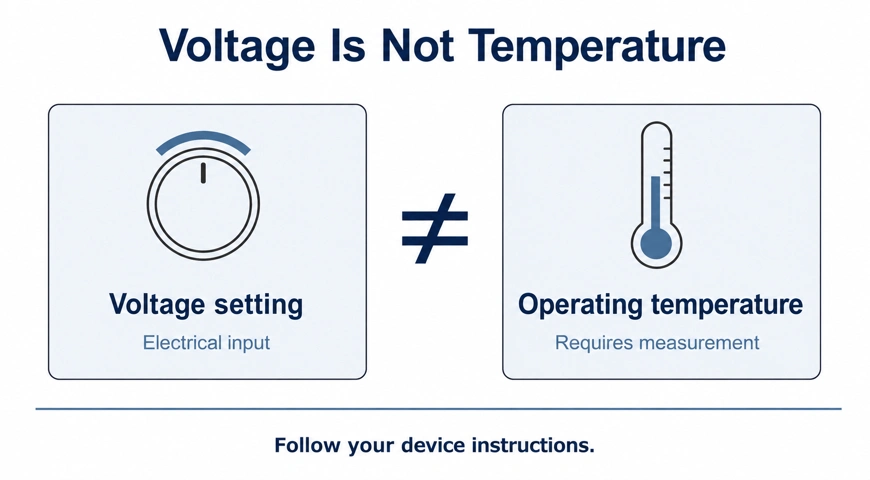
There is no single temperature or voltage setting that suits every live resin cartridge and disposable. The appropriate guidance depends on the finished product, its heating system, and the controls available. A battery displaying volts does not tell you the measured temperature of the oil. Check your product’s instructions before applying advice from another device.
This guide explains how to recognize different controls, understand flavor changes, and evaluate hardware claims. It focuses on cartridges and disposables. Dabbing equipment uses a different setup, so its temperature recommendations should not be transferred to a cartridge.
What Is the Best Temperature for Live Resin Vapes?
The most useful starting point is the operating guidance for your particular product. A universal range such as 315–400°F cannot establish what happens inside every cartridge. Likewise, a suggested voltage range cannot be converted directly into that temperature range without measurements from the relevant system.
For example, imagine replacing a cartridge while keeping the same battery. The familiar setting does not establish that the replacement behaves identically. Check the new cartridge’s supported battery and operating instructions instead of assuming that the previous recommendation still applies.
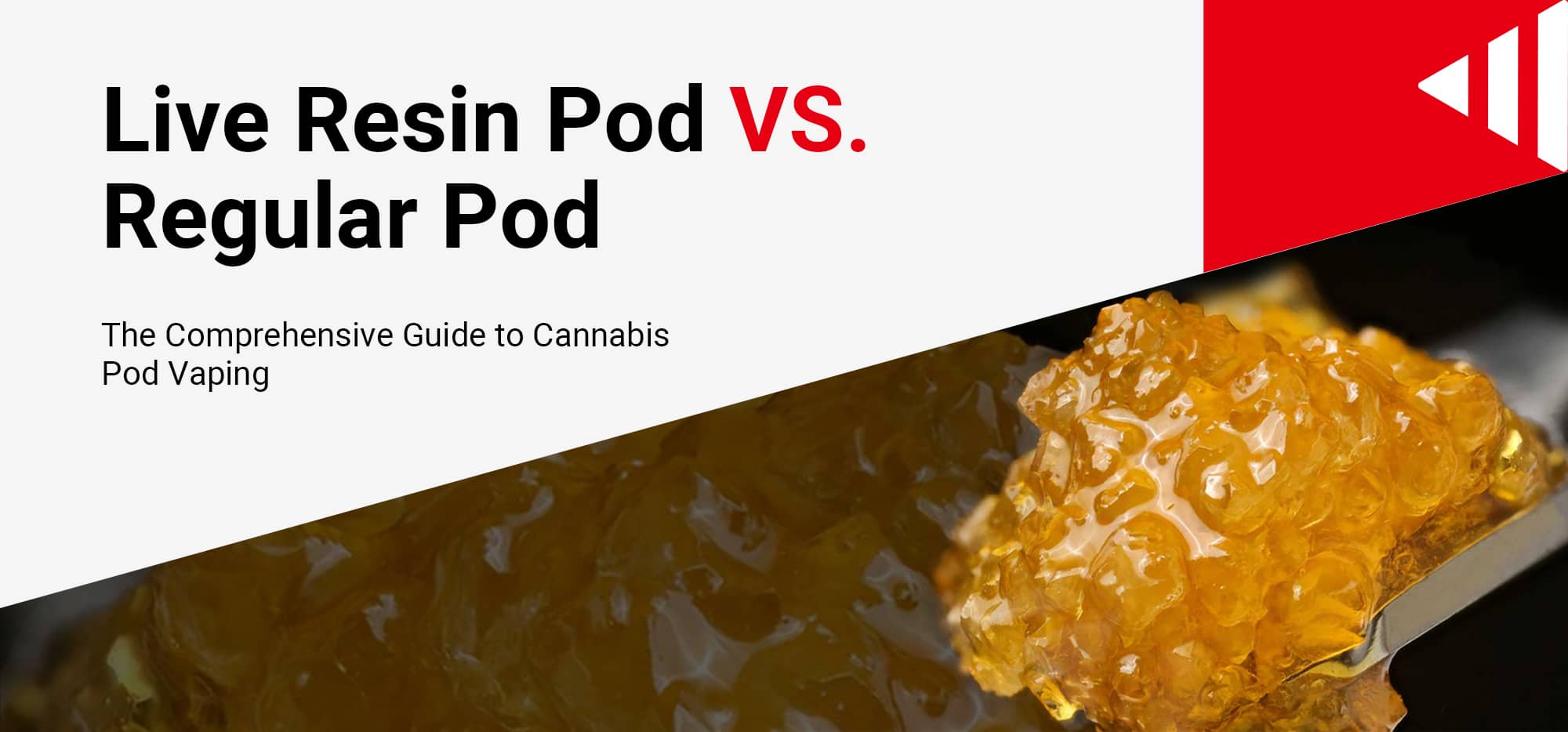
The term live resin describes an extract made from freshly harvested, frozen cannabis. It does not specify a device’s control system. Understanding the extract provides useful background, but choosing appropriate operating guidance requires information about the finished vape product.
Identify What Your Device Controls
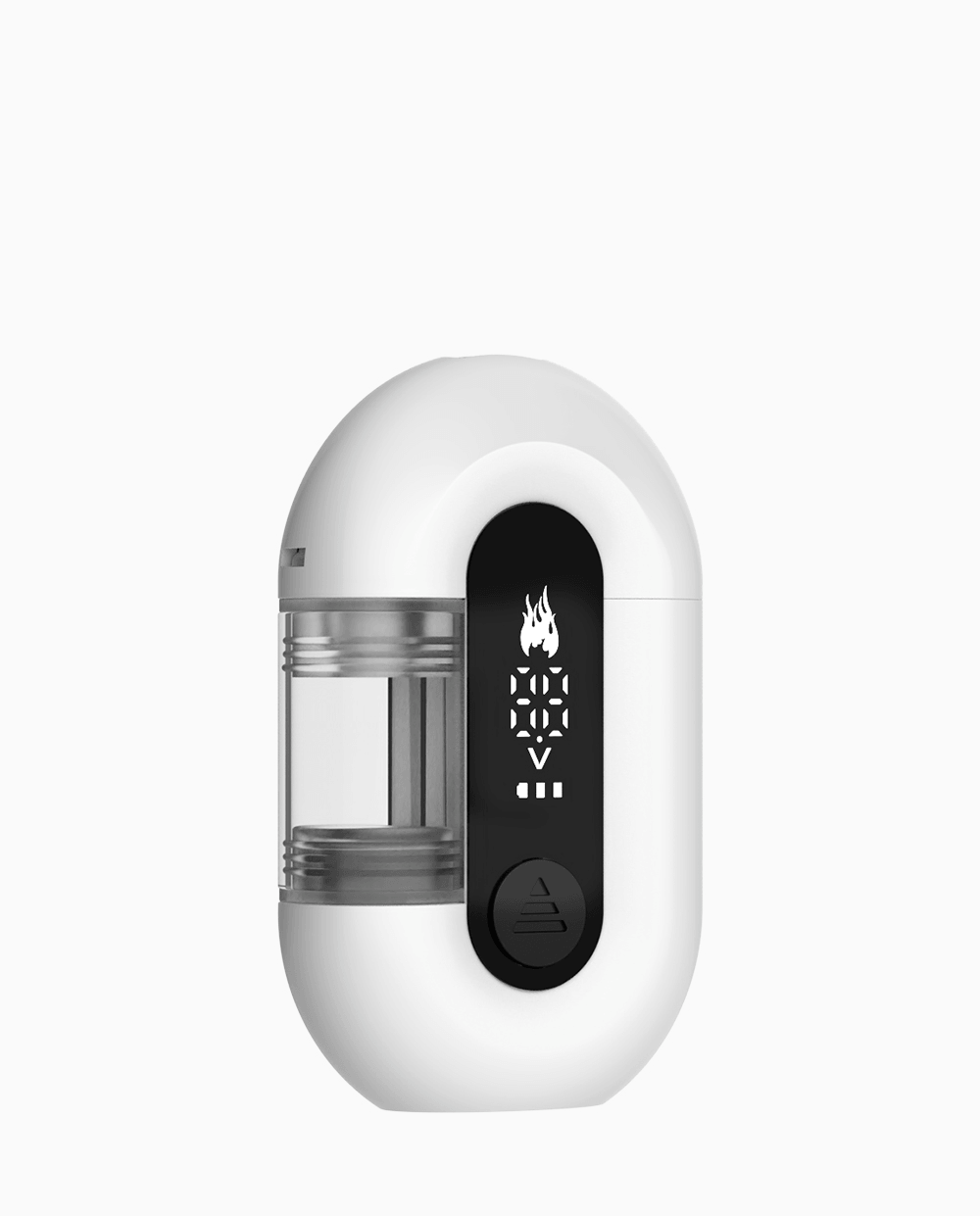
Identify the available control before interpreting a setting. Voltage, power, and temperature describe different quantities. Some products offer adjustable voltage, some provide temperature settings, and others offer no user adjustment. These categories help you determine which instructions matter.
| Device control | What to check | What it cannot establish alone |
|---|---|---|
| Adjustable voltage | Supported cartridge, compatible battery, and manufacturer’s operating range. | The exact temperature of the oil or heater. |
| Temperature setting | What the displayed temperature represents and how it is controlled. | Verified terpene retention throughout the product’s life. |
| No user adjustment | Product instructions, supported operation, and troubleshooting guidance. | A temperature shared by all similar disposables. |
Voltage Is an Input, Not a Thermometer
A cartridge thermography study found that voltage alone poorly indicated coil temperature in the systems tested. Researchers examined one temperature-controlled system and two voltage-controlled systems using modified cartridges and controlled airflow. The study was funded by PAX, and its authors were company employees. Its findings do not establish temperatures or performance for Artrix devices.
A Temperature Display Still Needs Context
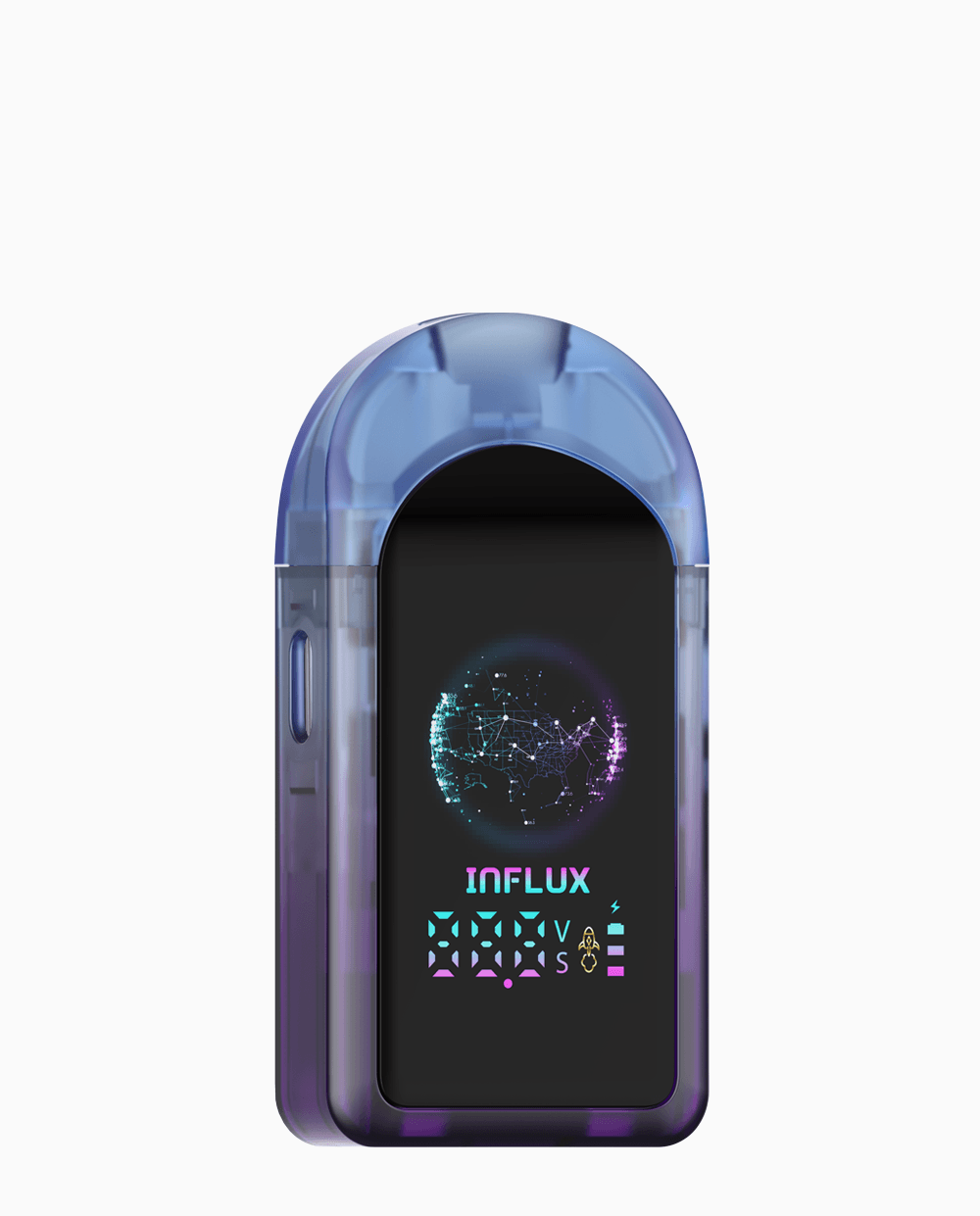
If your device displays degrees, check what that number describes. Ask whether it is a target, an estimate, or a measurement, and which component it concerns. A displayed setting should not automatically be described as the temperature of all the oil inside the cartridge.
For example, a temperature measured at the heater is not automatically a measurement of the reservoir, mouthpiece, or inhaled aerosol. When reading a test report, look for the measurement location. Without that detail, two apparently similar temperature claims may describe different parts of the device.
No Adjustment Means a Different User Task
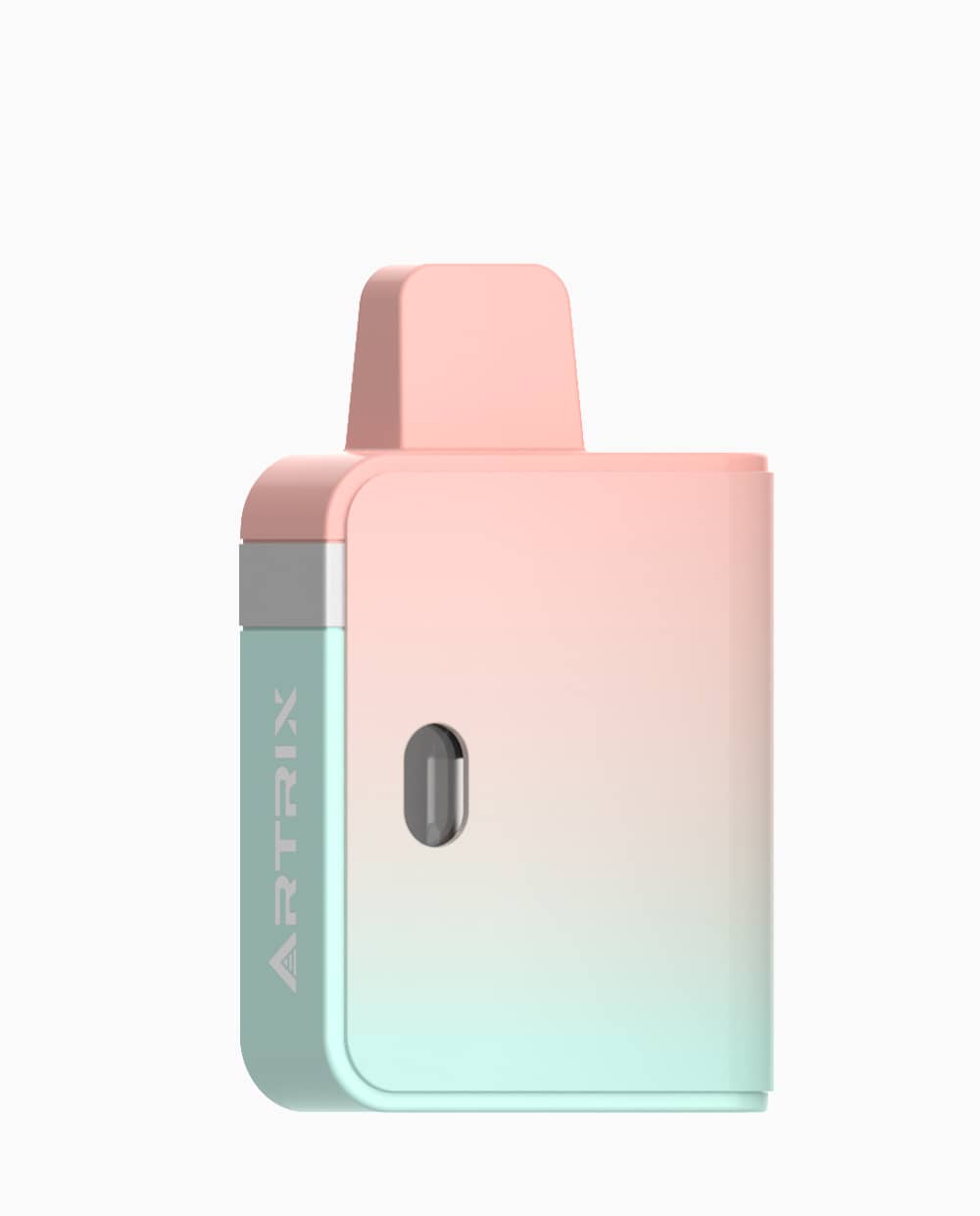
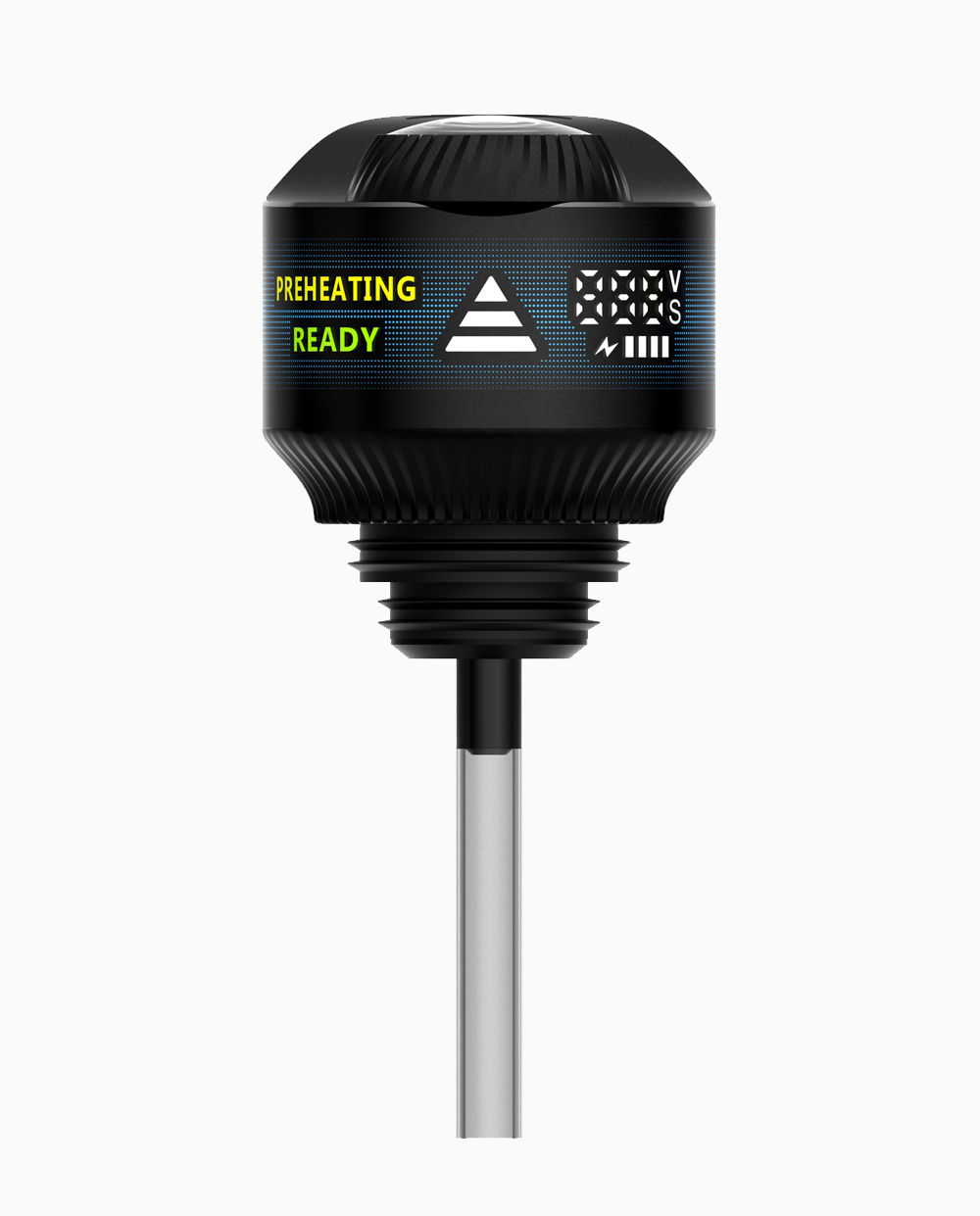
With a device that offers no settings, there is no voltage menu to optimize. Your task is to follow its intended operation and recognize when something needs attention. Buttonless operation describes the interface; it does not reveal every detail of the internal control system.
Why Temperature Matters in Live Resin Vaping
Temperature plays a crucial role not only in the extraction process but also in the consumption of live resin. For cartridge users, the relevant issue is how heating affects the material being vaporized. Preserving aroma during production and delivering consistent performance in a finished device are separate questions.
Laboratory research has identified thermal degradation products when heating THC and terpene mixtures under specified experimental conditions. This supports discussing chemical changes during heating, but it does not establish a universal operating threshold for commercial live resin products. Nor does it prove that a particular cartridge preserves every compound.
Flavor is useful feedback about your experience, but it is not a chemical analysis. A pleasant taste cannot confirm a terpene-retention percentage, and smoother vapor should not be treated as proof of safety. Claims about retained compounds require measurements that match the product and conditions being discussed.
An oil certificate of analysis and a device performance report answer different questions. The first describes the submitted sample and reported tests. To evaluate what emerges during operation, ask for measurements of the output under stated conditions, rather than treating an oil analysis as a complete vaping assessment.
What to Check When Flavor or Vapor Changes
A burnt taste or weak output does not, by itself, identify the cause. Avoid treating every change as a signal to increase the setting. Start with information you can verify, particularly whether the battery and cartridge are intended to work together.
-
- Identify the finished product and hardware model, including any version information.
-
- Confirm whether the device has adjustable settings and consult its instructions.
-
- Check the supported battery or accessories rather than assuming physical fit proves compatibility.
-
- Follow the manufacturer’s troubleshooting guidance for weak output or other changes.
-
- Stop using the product if you notice burnt taste, leakage, or unusual device heating, and contact the supplier.
For a disposable with no adjustment, repeatedly activating it does not tell you why output has changed. Do not improvise repairs by opening a sealed device or applying external heat. Keep the packaging and batch details available when requesting help so the supplier can identify the relevant product.
When contacting support, describe what changed, which battery you used, and whether the issue appeared immediately or after previous normal operation. Report observations without assuming a diagnosis. This gives the supplier a clearer starting point than saying that the temperature must be wrong. Include the product name and batch identifier shown on its original packaging.
What Ceramic Heating Can Tell You
A ceramic heater is a design feature, not proof of a particular temperature or terpene-retention result. When comparing products, separate the material description from claims about the complete device. Compact dimensions, convenient operation, and a comfortable mouthpiece answer different questions from heating performance.
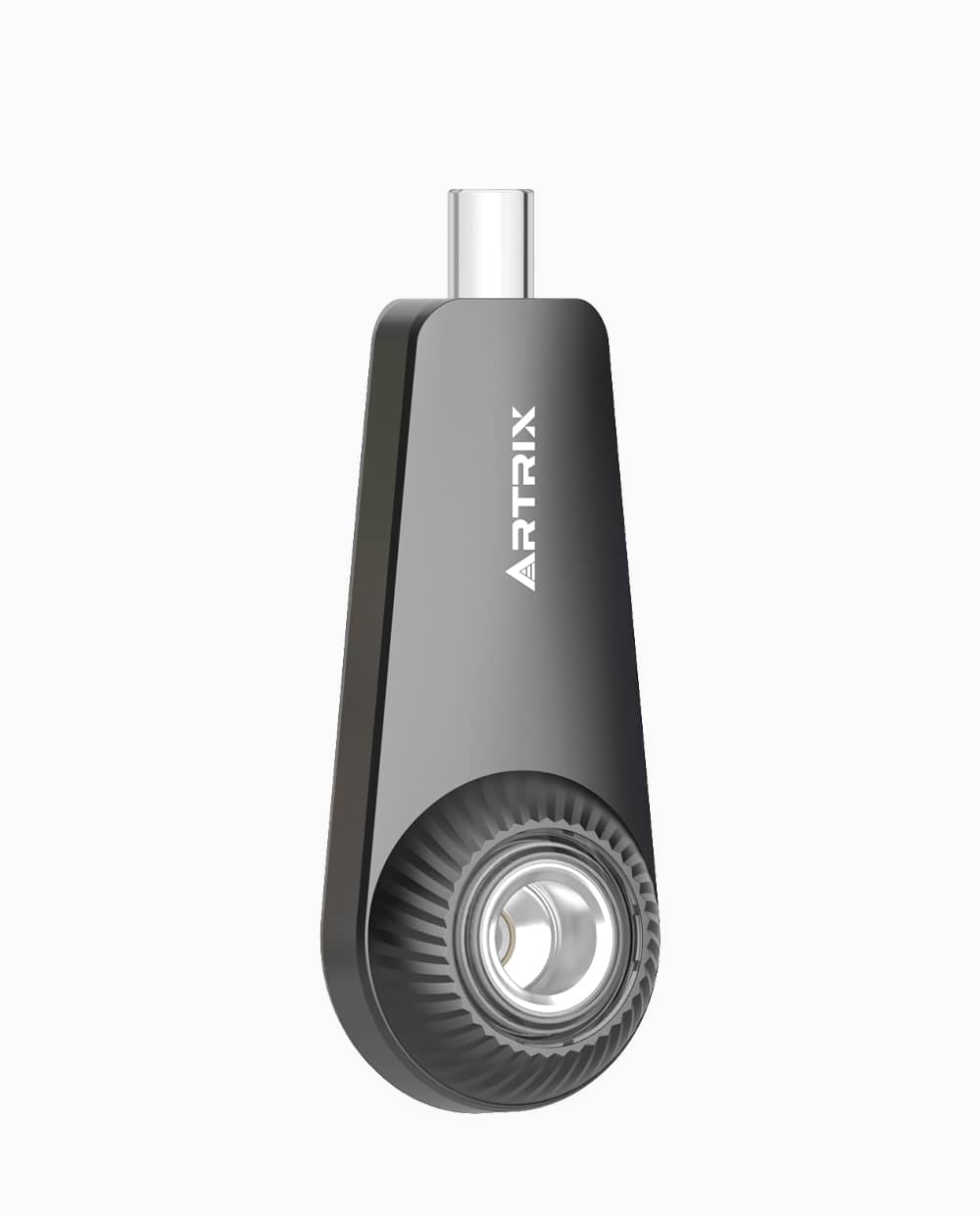
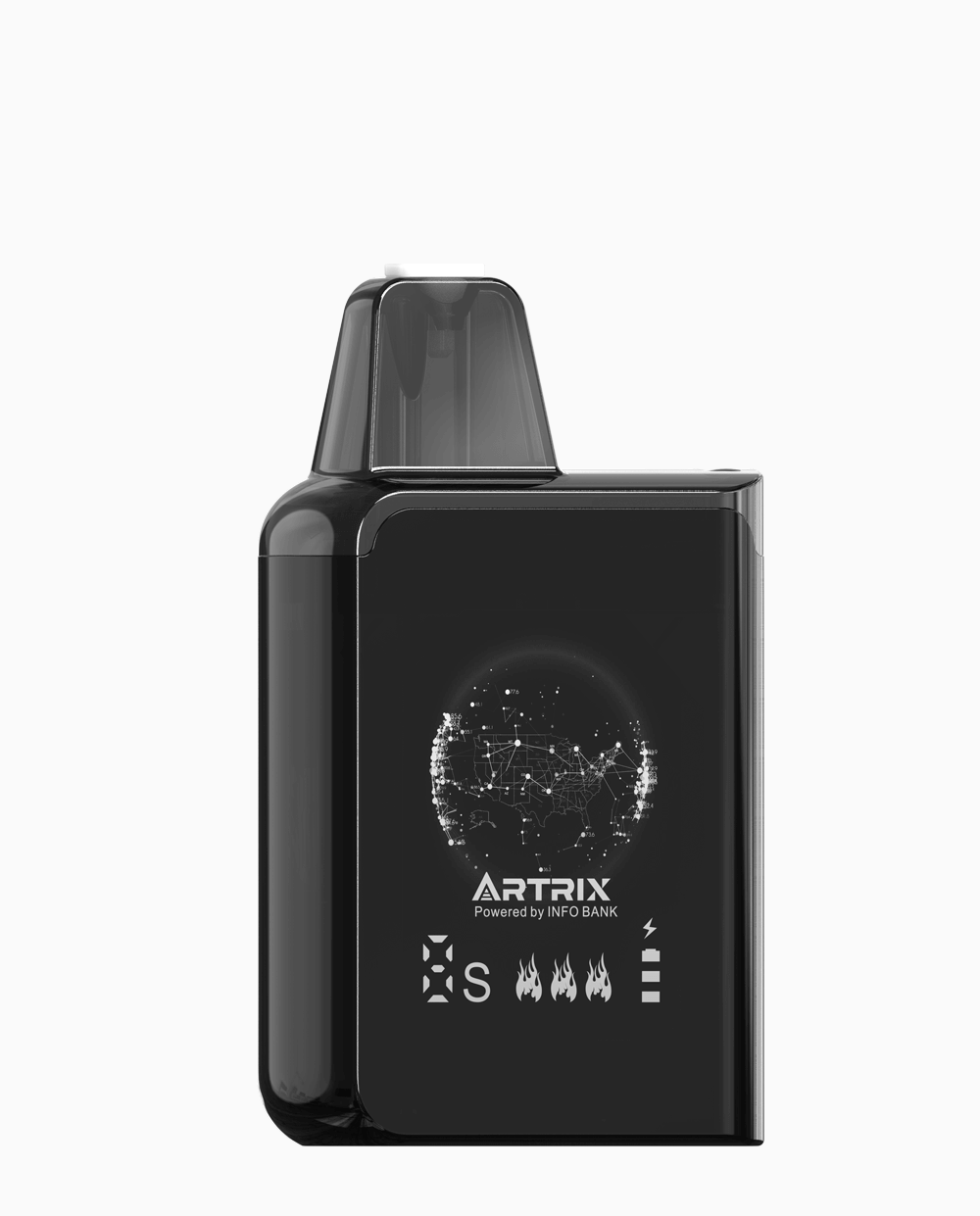
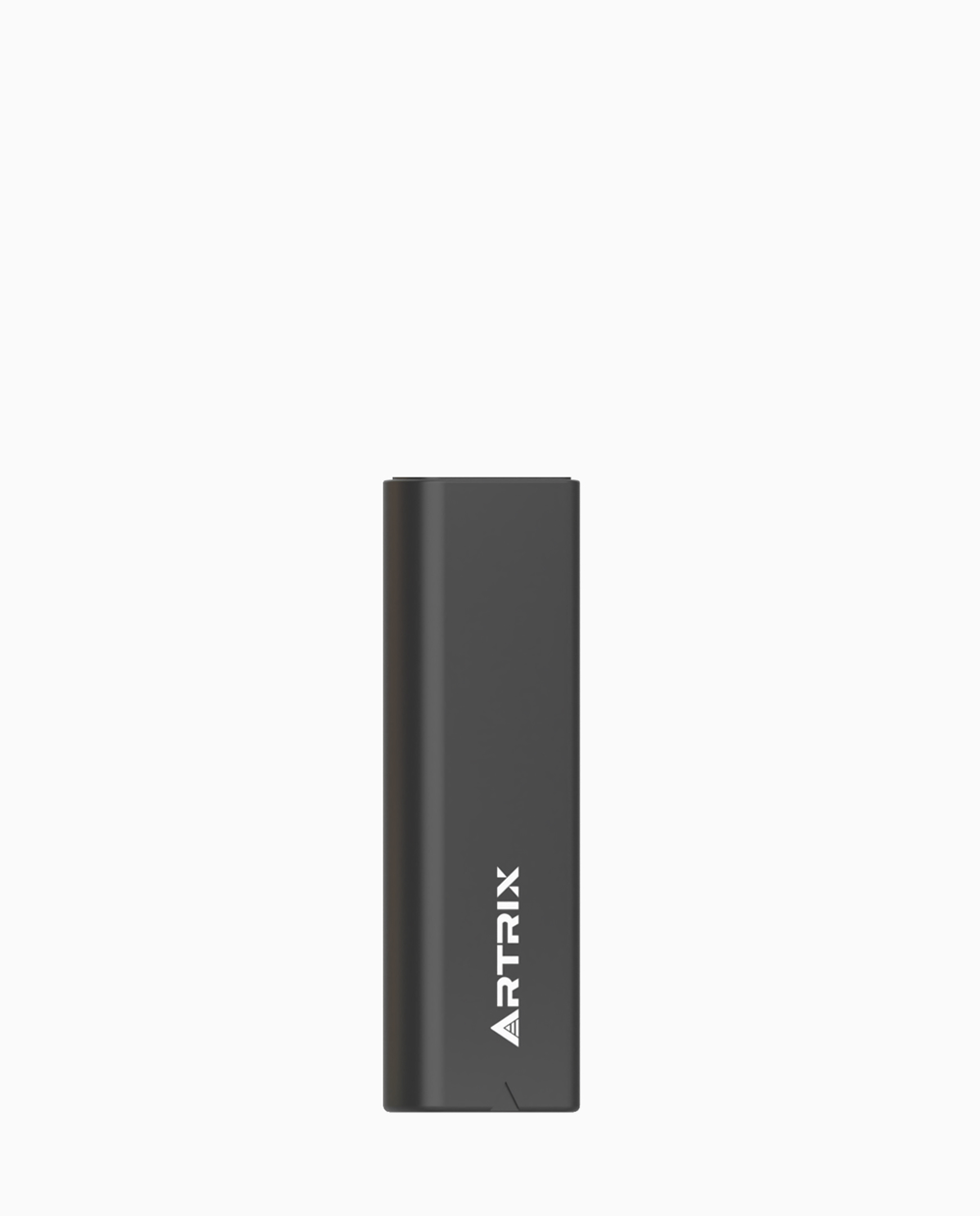
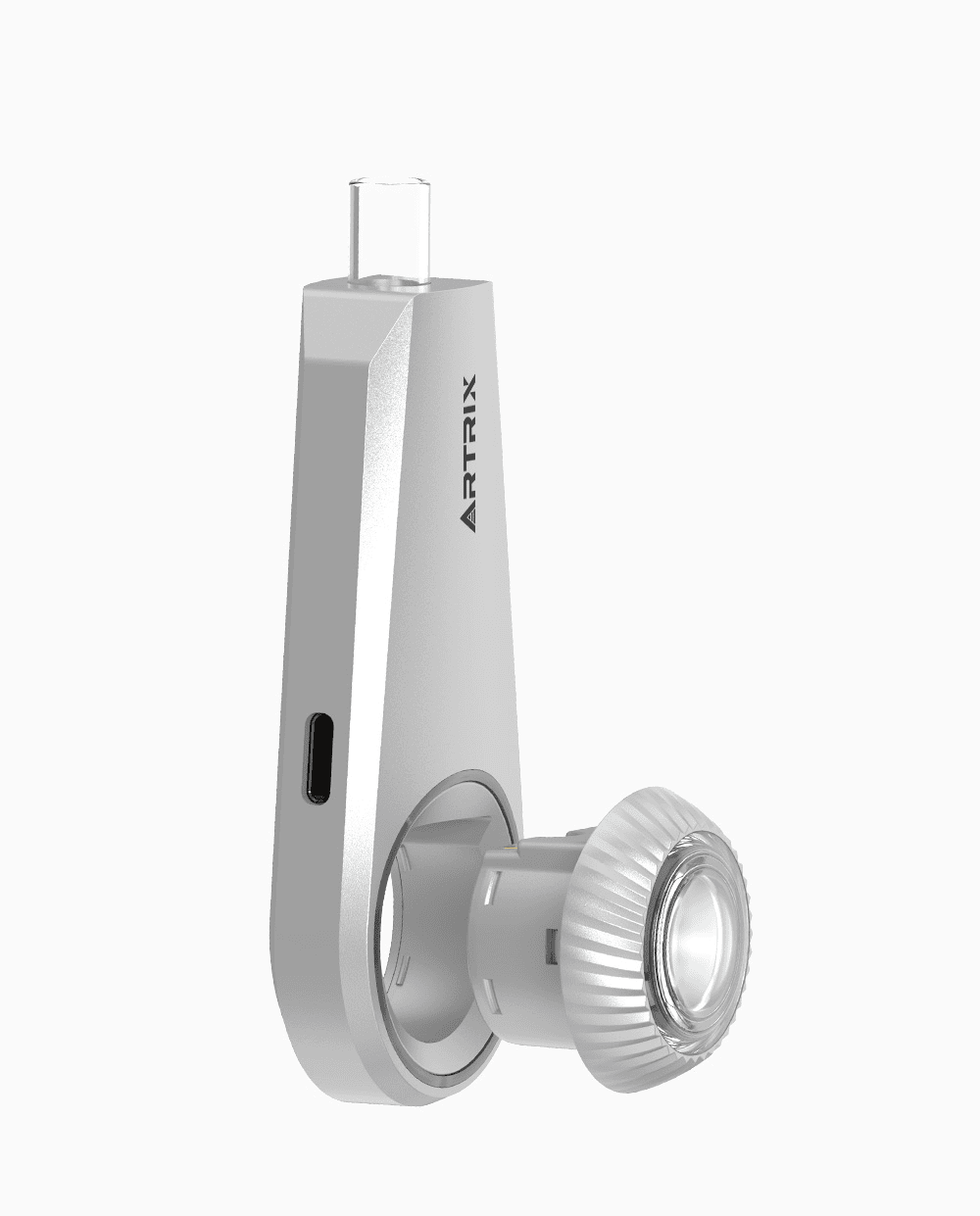
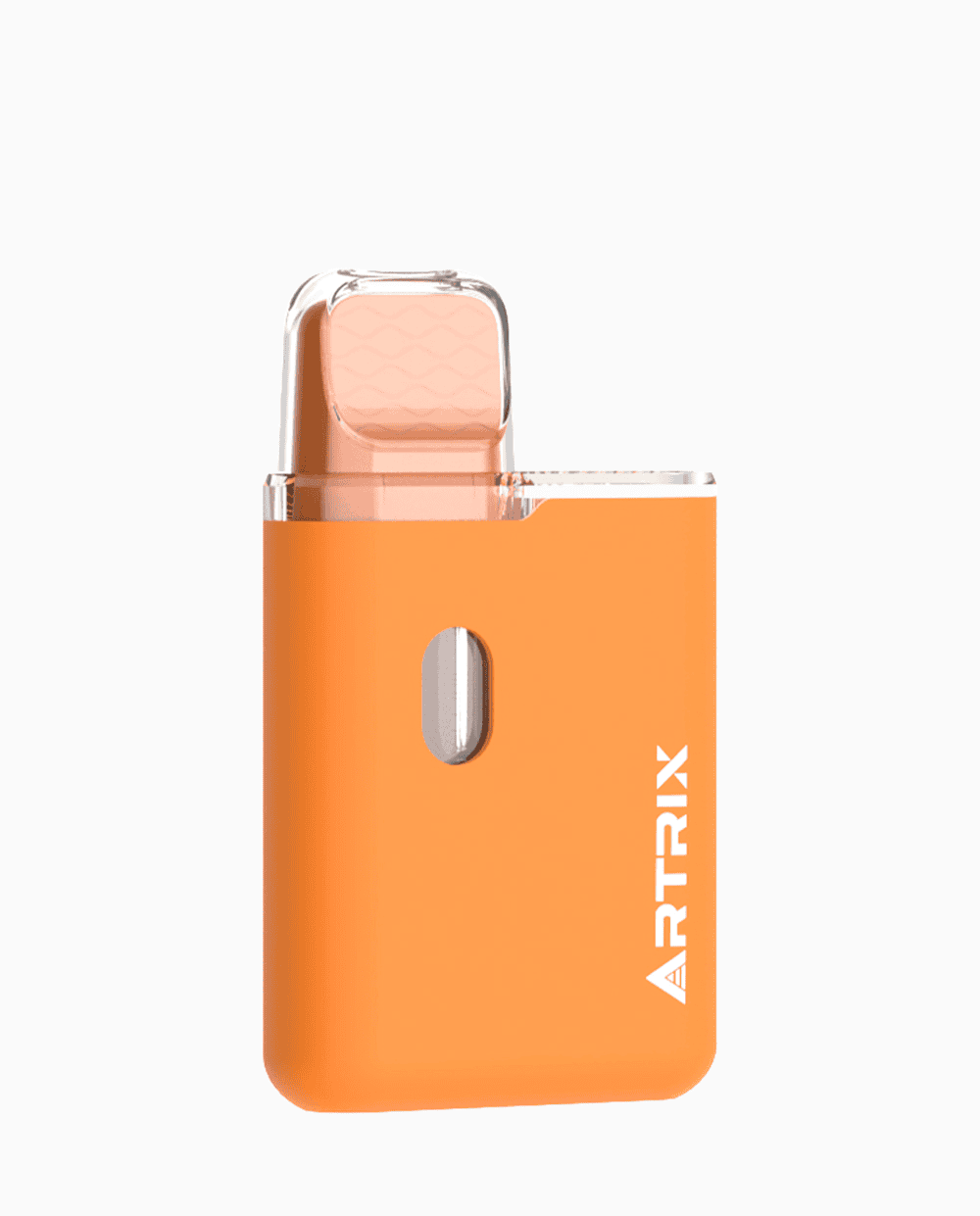
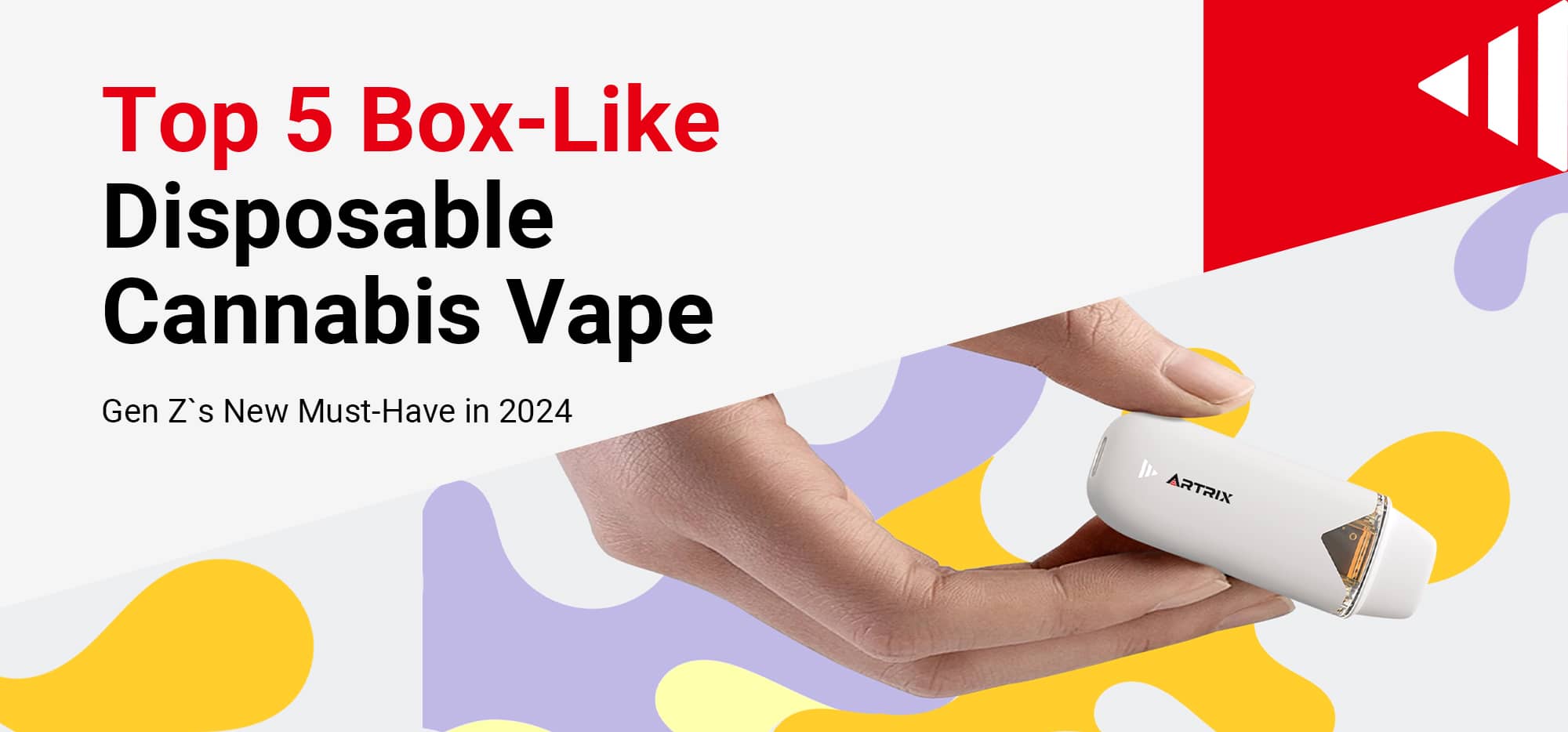
For example, Artrix Cubox is described by its manufacturer as using flat ceramic heating technology, and its compatibility list includes live resin. Those descriptions identify a potential option to investigate. They do not, on their own, demonstrate a specific temperature range or measured preservation of terpenes in your formulation.
If two products both advertise ceramic heating, ask what evidence distinguishes them. Useful information would identify the formulation, hardware configuration, operating conditions, and measurement method. A claim about flavor needs an appropriate evaluation; a claim about chemical retention needs chemical measurements.
For Brands: Match Validation to the Intended Oil
Brands evaluating empty hardware should distinguish filling convenience from performance after filling. A feature that assists assembly does not automatically establish better temperature control or preserved composition. Each claimed benefit should be supported by evidence relevant to that benefit.
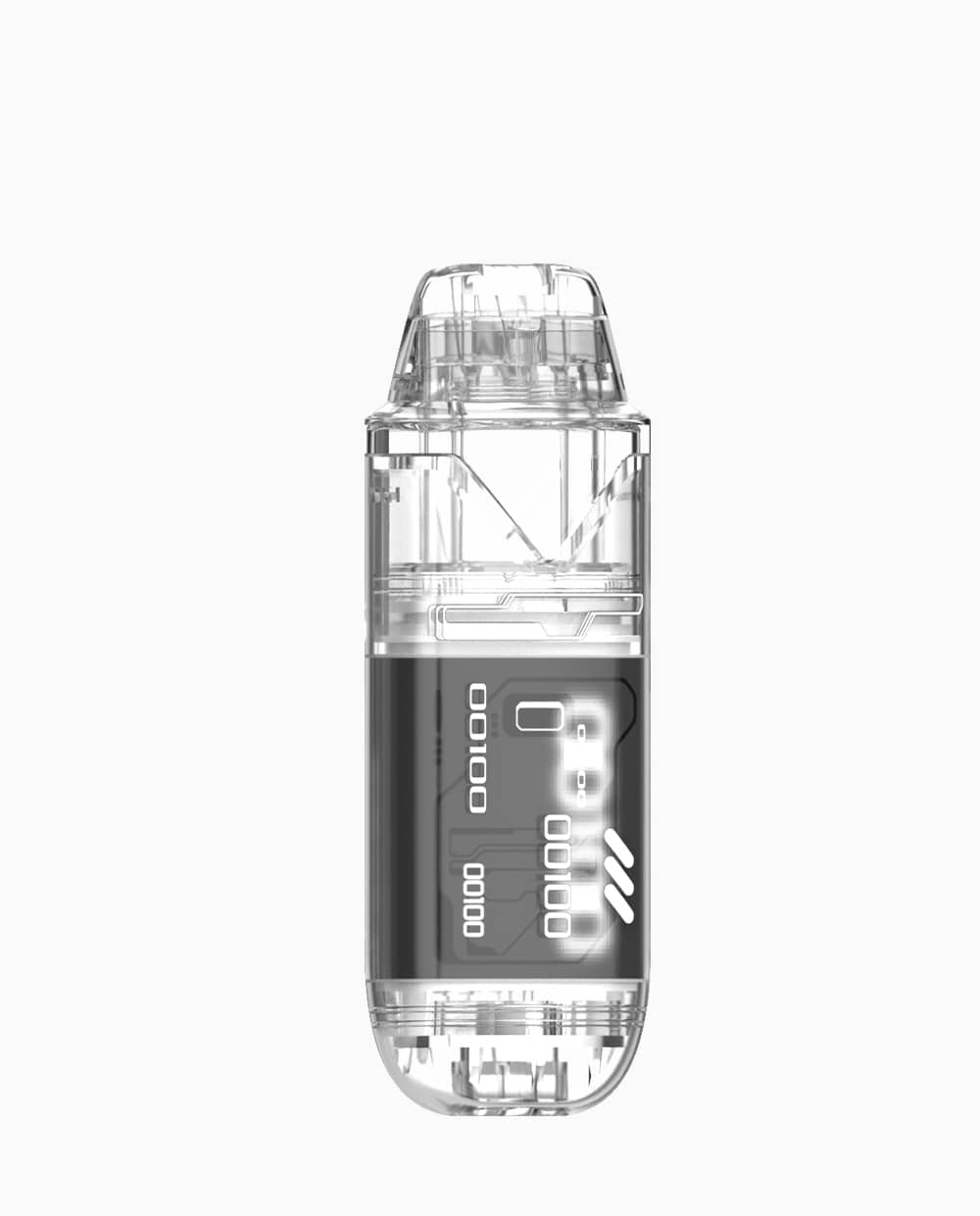
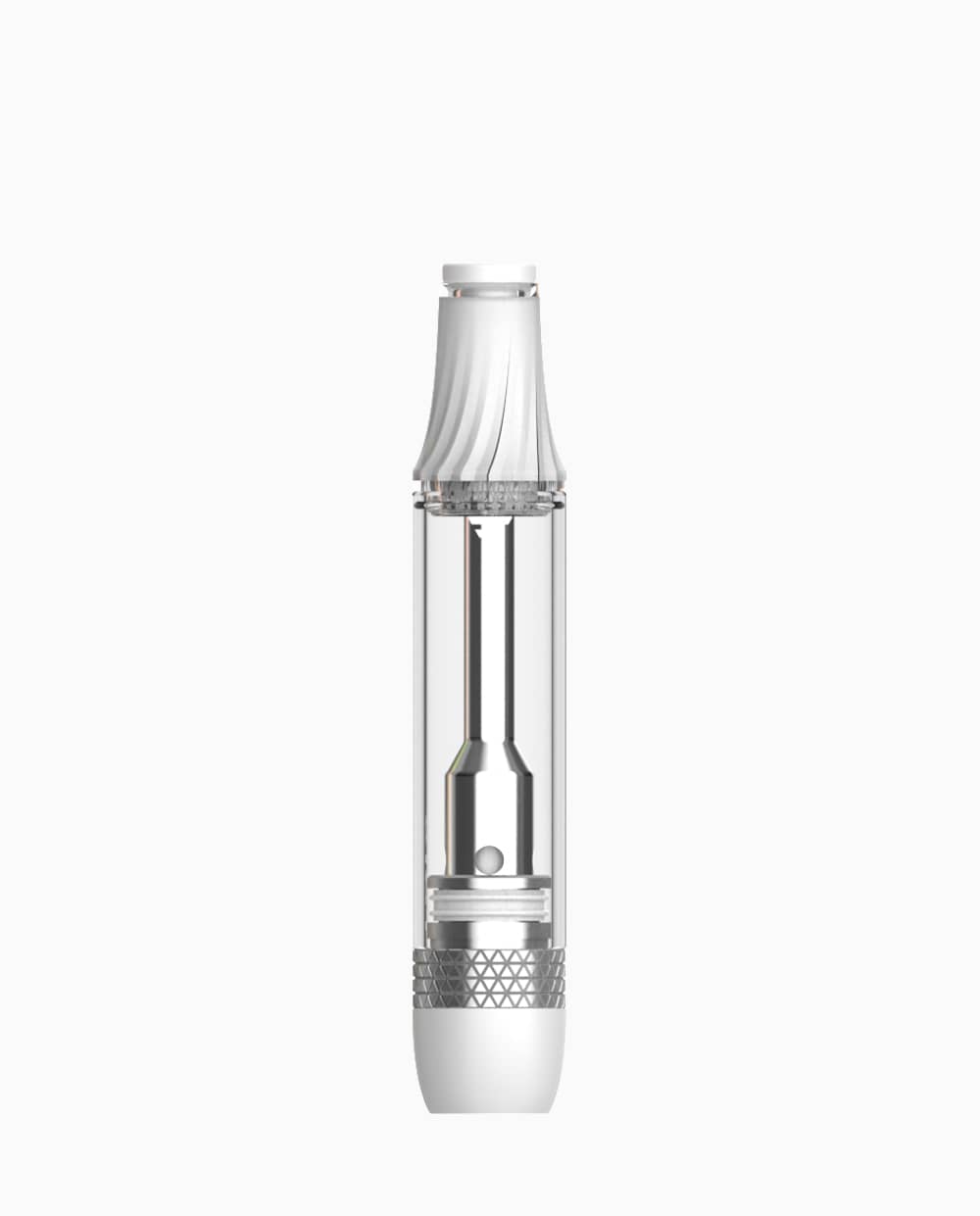
The Artrix Drillor cartridge page describes a scale mark and filling-oriented design. These details may be relevant when reviewing a production workflow. They do not establish that consumers should reopen or refill a finished cartridge, or that any concentrate can be placed inside it.
Before selecting hardware, ask the supplier which oil and configuration its validation covers. Request the conditions behind any temperature, consistency, or retention claim. Where relevant data are unavailable, treat the question as unresolved rather than assuming a published specification proves the desired result.
Live Resin Vape Settings FAQ
Can I convert cartridge voltage into Fahrenheit?
There is no universal conversion. Use product-specific operating guidance, and require corresponding measurements before treating a voltage setting as evidence of an exact temperature.
Is lower always better for flavor?
A blanket rule cannot account for every formulation and device. Follow the product’s supported settings rather than assuming that the lowest available option guarantees the best result.
Can I adjust every live resin disposable?
No. Check the exact model’s controls and instructions. Do not assume a hidden adjustment exists or that a light color has the same meaning across brands.
Does ceramic heating guarantee terpene preservation?
No. The material description alone cannot demonstrate that outcome. Look for testing of the complete formulation and hardware combination, with clearly stated conditions and relevant measurements.
Should live resin and live rosin use identical settings?
Do not assume that different extracts or finished products share operating guidance. Understanding live resin versus live rosin helps distinguish the categories, but each device still needs appropriate instructions.
Are dabbing temperatures suitable for cartridges?
No. A dab surface and a cartridge heater operate in different arrangements. Use guidance written for the device category and specific product you have, rather than transferring a number between them.
Choose Guidance That Matches Your Device
Understanding live resin vape temperature starts with knowing what your device controls. Match the instructions to the finished product, distinguish convenience from demonstrated performance, and stop troubleshooting through repeated adjustment when something seems wrong. For hardware purchases, ask for evidence tied to the intended formulation and configuration.