


-1.webp)
-1.webp)
-2.webp)

































How to Qualify Premium Glass Vape Hardware for Regulated Cannabis Markets in 2026
Last Updated : July 28, 2026
This content is for informational purposes only and does not constitute medical or legal advice. Please consult a licensed healthcare provider before using cannabis products. Comply with your state’s regulations.
This content is intended for audiences 21 years and older, as required by U.S. law.
Cannabis regulations vary by state. Please verify the legal status of products in your area before purchase.
Glass alone does not make a vape cartridge premium, compliant, or suitable for a specific cannabis extract. A qualified hardware platform should be evaluated across five connected areas: oil-contact materials, oil and filling compatibility, electrical operating range, leakage and blockage performance, and the completeness of supplier documentation. Buyers should review these factors together because a cartridge can use high-quality materials and still perform poorly when its intake geometry, heating behavior, filling process, or storage conditions do not match the formulation.
The premium end of cannabis vape hardware is no longer being defined by flashy branding or cartridge appearance alone. In 2026, the strongest companies in the glass vape category are competing through compliance readiness, manufacturing consistency, oil compatibility, technical documentation, and the ability to support regulated cannabis brands at scale. The addressable market is growing, but the buyer standard is also rising.
For cannabis operators, the real question is not simply whether a cartridge uses glass. The more important question is whether the full hardware platform can support thicker extracts, stable airflow, reliable filling, contamination control, shelf stability, and documentation that can survive state, provincial, and retail review. That shift turns premium glass vape hardware from a packaging choice into a procurement and risk-management decision.
In practice, the qualification process should produce a defined operating window rather than a general statement that a cartridge is “widely compatible.” That window should identify the tested oil or relevant formulation characteristics, fill volume, filling and capping conditions, recommended battery settings, storage conditions, test duration, and observed failure criteria. Requirements can differ by jurisdiction and sales channel, so legal and regulatory conclusions should always be confirmed for the intended market.
The Five Qualification Areas Buyers Should Evaluate First
A useful supplier review begins with measurable qualification criteria, not material labels or premium positioning. The five areas below connect hardware design to production feasibility, product consistency, and the evidence a purchasing or compliance team may need to review.
| Qualification Area | What to Examine | Why It Matters | Evidence to Request |
|---|---|---|---|
| Oil-contact materials | Every component that may contact the formulation, including the reservoir, heating element, seals, intake structure, and center post. | Material disclosure helps buyers identify undocumented components and determine which market-specific reviews or tests may be appropriate. | A component-level material declaration, applicable test reports, supplier traceability, and the revision number for the evaluated configuration. |
| Oil and intake compatibility | Formulation behavior, viscosity under defined conditions, intake size and number, fill volume, and saturation behavior. | Thicker extracts such as live resin, live rosin, and liquid diamonds can increase clogging or flow problems if the hardware is not matched correctly. | Oil-specific compatibility notes, test conditions, sample size, observations, and the approved filling and storage window. |
| Electrical and thermal operation | Resistance tolerance, recommended voltage range, battery compatibility, activation behavior, and the conditions used to assess heating consistency. | Incorrect heating can damage flavor quality, increase failure risk, or weaken the consumer experience. | Recommended voltage window, resistance data, and temperature guidance. |
| Leakage, blockage, and storage | Orientation, temperature, storage duration, pressure or transport conditions, airflow change, leakage criteria, and blockage criteria. | Leakage, clogging, drying, and oxidation can create returns, retailer friction, and brand damage. | Documented test methods, sample quantities, inspection intervals, results by configuration, and storage recommendations. |
| Production and documentation control | Filling temperature, capping delay, closure method, batch traceability, configuration revisions, change control, and failure-analysis support. | A technically capable cartridge can still fail commercially if production variables are uncontrolled or the approved configuration changes without review. | Filling instructions, approved drawings or specifications, lot records, revision history, and a defined process for investigating failures. |
No single document proves that a platform will perform with every extract. A credible qualification package connects the exact cartridge configuration to defined oils, batteries, filling steps, storage conditions, and acceptance criteria. If the supplier changes an oil-facing material, heating element, seal, or other critical component, the brand should determine whether requalification is necessary.
What Separates Premium Glass Vape Hardware From Commodity Cartridges
Measurable performance, not premium language, is what distinguishes high-end vaping equipment from ordinary cartridges. Designed to meet these standards, premium glass vape hardware separates itself from commodity products by helping brands manage oil viscosity, heating temperature, voltage range, leakage risk, blockage risk, material contact, and shelf stability. These crucial variables directly affect return rates, retailer acceptance, and batch-to-batch consistency.
The word “premium” is most useful when it describes evidence, controls, and fit for purpose. Borosilicate glass bodies, ceramic heating elements, optimized intake structures, and reduced metal-to-oil contact may all be relevant design features, but their commercial value depends on the complete configuration and the conditions under which it was evaluated. A material choice should therefore be treated as one qualification input rather than a substitute for finished-device testing.
Oil-contact materials and configuration control
Buyers should ask for a complete oil-contact material list tied to a specific cartridge drawing, model, or revision. Generic statements such as “glass and ceramic construction” can omit seals, adhesives, center-post materials, coatings, or other components that may matter to the review. Documentation is more actionable when the supplier can identify which components are controlled, how substitutions are managed, and how a buyer will be notified of a material or design change.
Oil flow and intake geometry
Oil compatibility is a relationship between the formulation and the hardware, not an isolated cartridge feature. Intake geometry, oil behavior at filling and storage temperatures, fill volume, headspace, heating pattern, and user draw behavior can all influence saturation, clogging, and leakage. For that reason, claims such as “works with thick oils” should be replaced by an oil-specific test record or a clearly defined qualification range.
Resistance, voltage, and heating behavior
Resistance data becomes useful only when it is connected to tolerance, battery output, activation mode, and the tested formulation. Stable electrical behavior can support more repeatable heating, but it does not by itself prove flavor preservation or product safety. Those conclusions require a defined method and relevant measurements, so buyers should separate electrical specifications from broader sensory, emissions, or formulation-integrity claims.
For B2B buyers, the evaluation should move from “Does this cartridge look premium?” to “Can this platform document how it performs with our extract, fill process, target voltage, storage conditions, and retailer requirements?”
Why Glass Cartridges Are Gaining Preference in Regulated Channels
The landscape of regulated cannabis procurement is shifting toward clearer material disclosure, cleaner product-quality narratives, and stronger control over oil-contact components. Fitting this exact direction, glass cartridges are gaining attention across the industry. Glass alone does not make a vape product safe, and responsible brands should avoid that claim. But glass can support a more credible hardware story when it is combined with ceramic heating, controlled vapor paths, proper testing, and transparent documentation.
Glass offers visible oil levels and can form part of a clearly described material system, but buyers still need to assess the assembled device. Seals, heating components, intake structures, closure systems, and manufacturing controls remain relevant even when the reservoir is glass. The appropriate conclusion is therefore that glass may support premium positioning and material transparency—not that it independently proves safety, compatibility, or regulatory acceptance.
The broader vape cartridge market was valued at USD 1.8 billion in 2024 and is projected to reach USD 6.0 billion by 2030. The report covers the broader vape-cartridge market rather than cannabis hardware alone, so its forecast should not be treated as a direct estimate of the addressable cannabis glass-cartridge market. It does, however, indicate growing commercial interest in cartridge formats, and the report identifies glass as the largest material segment in 2024.
California’s cannabis market data shows how value-added products are reshaping demand. Vape product sales increased from $309 million in Q2 2021 to $354 million in Q2 2024, while packaged flower sales declined over the same period. That does not mean every vape supplier benefits equally. It means buyers have more reason to separate commodity hardware from platforms that can support regulated, repeatable commercial programs.
Regulatory and Retail Requirements Must Be Read Precisely
Packaging laws, retail product calls, and hardware qualification documents serve different purposes and should not be presented as interchangeable forms of approval. A government packaging guide may define labeling and container requirements without endorsing a particular cartridge material, while a retailer may request detailed hardware information as part of its own product-selection process. Buyers should identify who issued each requirement, what products it covers, and whether it is mandatory, market-specific, or part of a commercial review.
Health Canada establishes packaging and labeling requirements
Health Canada’s official packaging and labelling guidance requires cannabis products to meet strict rules around child-resistant packaging, mandatory warning messages, standardized cannabis symbols, and plain-packaging controls. These rules establish important market context, but they should not be described as proof that glass hardware is preferred or approved. Hardware and packaging decisions still need to be reviewed against the applicable federal, provincial, product, and channel requirements.
The SQDC product call illustrates retailer-level qualification
Quebec’s government cannabis retailer made the preference even more specific in its 2025 off-cycle product call for vape cartridges. The SQDC required 510 compatibility, non-refillable construction, material disclosure, viscosity information, temperature guidance, leakage controls, and contamination-risk documentation. It also stated a strong preference for cartridges made from glass, ceramic, and stainless steel when suppliers can demonstrate contamination control under real-life conditions.
The lesson for cannabis brands is direct: premium glass becomes more persuasive when it is connected to a compliance file, not when it is treated as a lifestyle material.
A useful file may include a configuration-specific material declaration, relevant test reports, recommended operating conditions, filling instructions, storage guidance, batch traceability information, and revision-controlled specifications. The exact contents should be determined by the target market and the buyer’s own regulatory and quality teams; a supplier document should not be represented as a universal certification or legal guarantee.
Testing Evidence Should Define Conditions and Acceptance Criteria
Test names alone do not tell a buyer whether the evidence is relevant. “Leak tested,” “clog resistant,” or “shelf stable” can describe very different methods, durations, sample sizes, oils, and pass/fail thresholds. A review should therefore focus on how the test was run and whether the tested configuration matches the product that will enter production.
| Buyer Question | Evidence Detail to Confirm | Qualification Decision |
|---|---|---|
| What oil viscosities does the cartridge support? | Identify the actual oil or formulation category, the measurement method if viscosity values are supplied, relevant temperatures, fill volume, and intake configuration. | Does the evidence cover the brand’s intended formulation and processing conditions? |
| What voltage and temperature range is recommended? | Confirm resistance tolerance, battery output, activation mode, puff conditions, and whether temperature was measured or modeled. | Can the brand define a repeatable operating window for the intended battery and oil? |
| Which materials contact the oil? | Match the material list to the exact model and revision, including seals and other components that generic marketing descriptions may omit. | Is the configuration sufficiently documented for the buyer’s quality and market review? |
| How is leakage or blockage tested? | Review sample size, oil, storage orientation, temperature, duration, inspection intervals, failure definitions, and results—not only a pass statement. | Are the method and acceptance criteria relevant to filling, transport, storage, and anticipated use? |
Brands should also distinguish design verification from ongoing production control. A one-time development test can support selection of a design, while incoming inspection, lot traceability, process monitoring, and change control help maintain the approved configuration over time. Both functions matter, but they answer different quality questions.
Operational Capability Matters More Than Supplier Size
A large supplier may have more resources, but scale alone does not prove quality, consistency, or technical responsiveness. Buyers should evaluate observable capabilities: controlled specifications, repeatable manufacturing, capacity planning, batch traceability, change notification, customization controls, documentation ownership, and a defined process for failure investigation. Smaller suppliers may also qualify when they can provide the same level of evidence and support.
Scale players are gaining ground because regulated cannabis brands need more than attractive cartridge SKUs. They need suppliers that can deliver consistent production, validated materials, reliable customization, technical support, and compliance documentation across multiple markets. When the market becomes more complex, operational infrastructure becomes a competitive advantage.
Selected transactions show how some companies are expanding beyond standalone cartridges into filling equipment, distribution, customization, and technical services. TILT closed its acquisition of Jupiter Research in 2019 in a transaction valued at US$210 million. Greenlane announced the completion of its KushCo merger on September 1, 2021, with regulatory filings identifying August 31 as the completion date. More recently, 3WIN acquired Alchemist Filling Machines in April 2026.
These transactions are directional examples, not proof that every successful hardware supplier must consolidate or own adjacent services. For procurement purposes, the relevant question is whether a supplier can coordinate the services the program actually requires and maintain control of specifications, responsibilities, and changes across that network.
Technical Innovation Is Becoming a Compliance Tool
Technical innovation in premium glass vape hardware is increasingly practical rather than cosmetic. The most useful innovations are the ones that help brands reduce real operating risks: poor oil flow, leakage, clogging, inconsistent heating, oxidation, contamination concerns, and documentation gaps. In regulated channels, engineering choices increasingly have commercial and compliance consequences.
Borosilicate glass, ceramic heating, reduced metal-to-oil contact, and optimized intake geometry can be meaningful design choices, but each claim should remain tied to its demonstrated function. A cleanly documented oil path helps a brand understand the material system. Resistance control helps define electrical behavior. Intake and airflow design can be assessed for their relationship to saturation, draw consistency, leakage, and blockage under stated test conditions. None of these features should be presented as a health, safety, or universal performance guarantee without appropriate evidence.
The export-grade future of vape hardware points in the same direction. HYTN and SNDL announced a collaboration to develop GMP-compliant vape cartridges for global markets in January 2025. That signal matters because international and medical-adjacent markets may place more weight on quality systems, stability programs, and pharmaceutical-style documentation than ordinary retail storytelling.
The announcement is evidence of one GMP-oriented development program, not evidence that all cannabis vape cartridges or all export markets require the same framework. Brands should verify the applicable quality, licensing, testing, import, and product requirements for every destination rather than treating “export grade” as a standardized hardware category.
A Practical Supplier-Qualification Workflow
A structured workflow helps prevent a visually approved sample from moving into production before its oil, battery, filling, and storage conditions have been evaluated. The process should be adapted by the brand’s technical and quality teams, but the following sequence provides a practical starting point.
-
- Define the intended market, product format, fill volume, oil characteristics, battery, filling process, packaging, transport, and expected storage conditions.
-
- Shortlist exact hardware configurations rather than evaluating only a product family or material label.
-
- Collect configuration-specific material, electrical, dimensional, filling, storage, and test documentation.
-
- Agree on test conditions, sample quantities, failure definitions, acceptance criteria, and who is responsible for each evaluation.
-
- Run pilot filling and compatibility work using the intended formulation and production-relevant processes.
-
- Review leakage, blockage, airflow, heating, closure, storage, and handling observations before approving the operating window.
-
- Record the approved model, revision, materials, battery settings, filling instructions, and any limits or unresolved risks.
-
- Monitor production lots and define how deviations, complaints, or hardware changes will trigger investigation or requalification.
This workflow does not replace jurisdiction-specific legal review or laboratory work. Its purpose is to make assumptions visible and connect purchasing decisions to documented evidence. The more precisely the brand defines its oil and process, the more useful a supplier’s qualification response can become.
What Cannabis Brands Should Check Before Choosing a Glass Vape Partner
Instead of just supplying empty cartridges, a dedicated hardware supplier should help a cannabis brand complete the entire launch task. The supplier’s role should be evaluated through evidence: whether its team can explain the tested oil and operating conditions, support a production-relevant filling review, maintain configuration records, and respond to failures after launch.
Before selecting a premium glass vape platform, cannabis brands should ask suppliers for a practical qualification package:
-
- Material-contact documentation for all oil-facing components.
-
- Recommended resistance, voltage, and temperature ranges.
-
- Compatibility notes for distillate, live resin, live rosin, and other high-viscosity extracts.
-
- Leakage, blockage, oxidation, and shelf-stability testing records.
-
- Filling guidance for production teams and co-packers.
-
- Customization options that do not conflict with local packaging or branding rules.
-
- Clear after-sales support for failure analysis, batch review, and technical troubleshooting.
-
- The exact model or revision covered by every document and test record.
-
- Test conditions, sample quantities, acceptance criteria, and any known limitations.
-
- A change-notification process for critical materials, dimensions, heating components, or manufacturing steps.
This checklist is especially important for brands selling through regulated retail channels. A cartridge that looks premium but lacks documentation can still create procurement friction. A supplier that can explain material safety, oil compatibility, filling behavior, and storage expectations gives the brand a stronger position in retailer reviews and compliance conversations.
Applying the Framework to Artrix Glassic
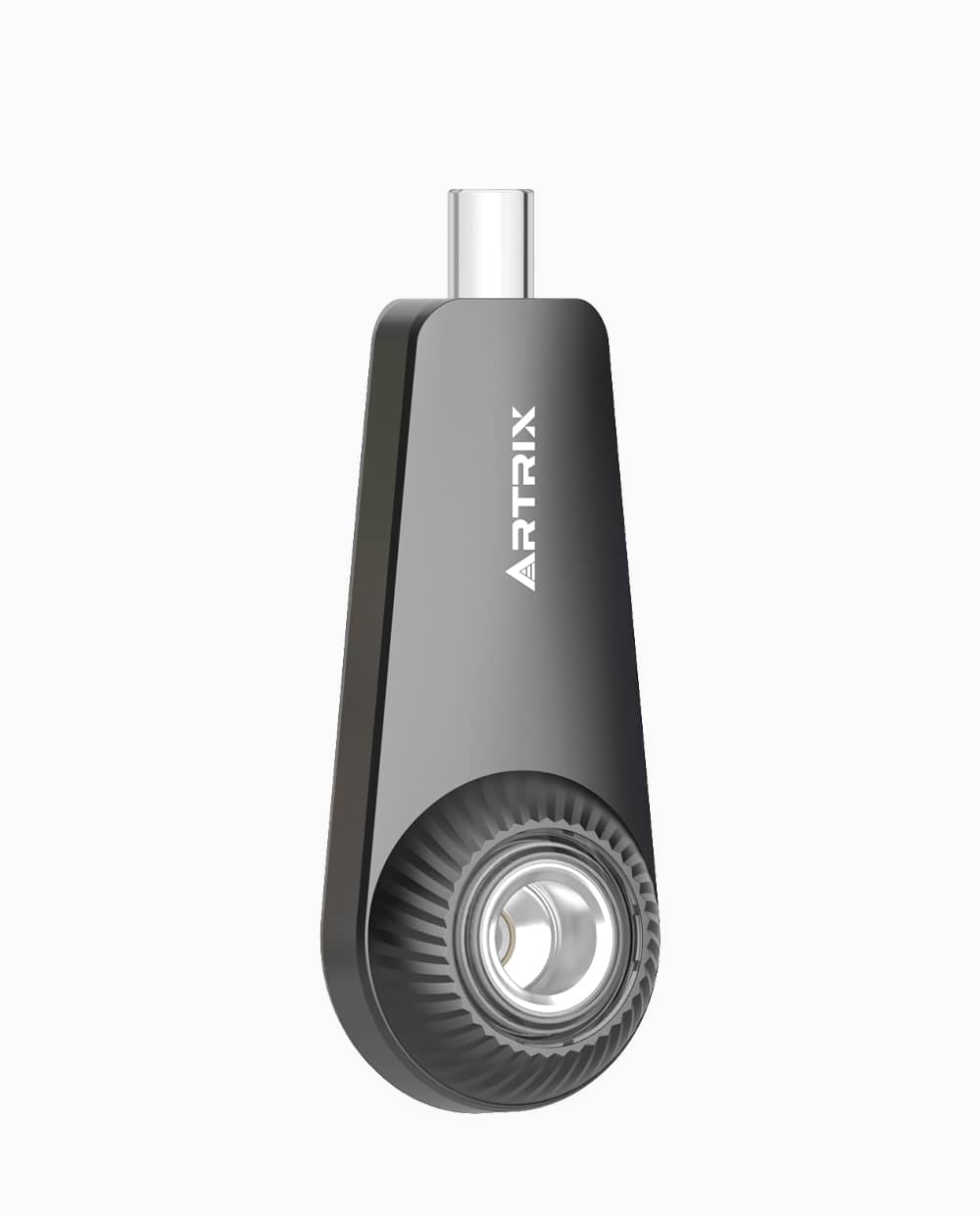
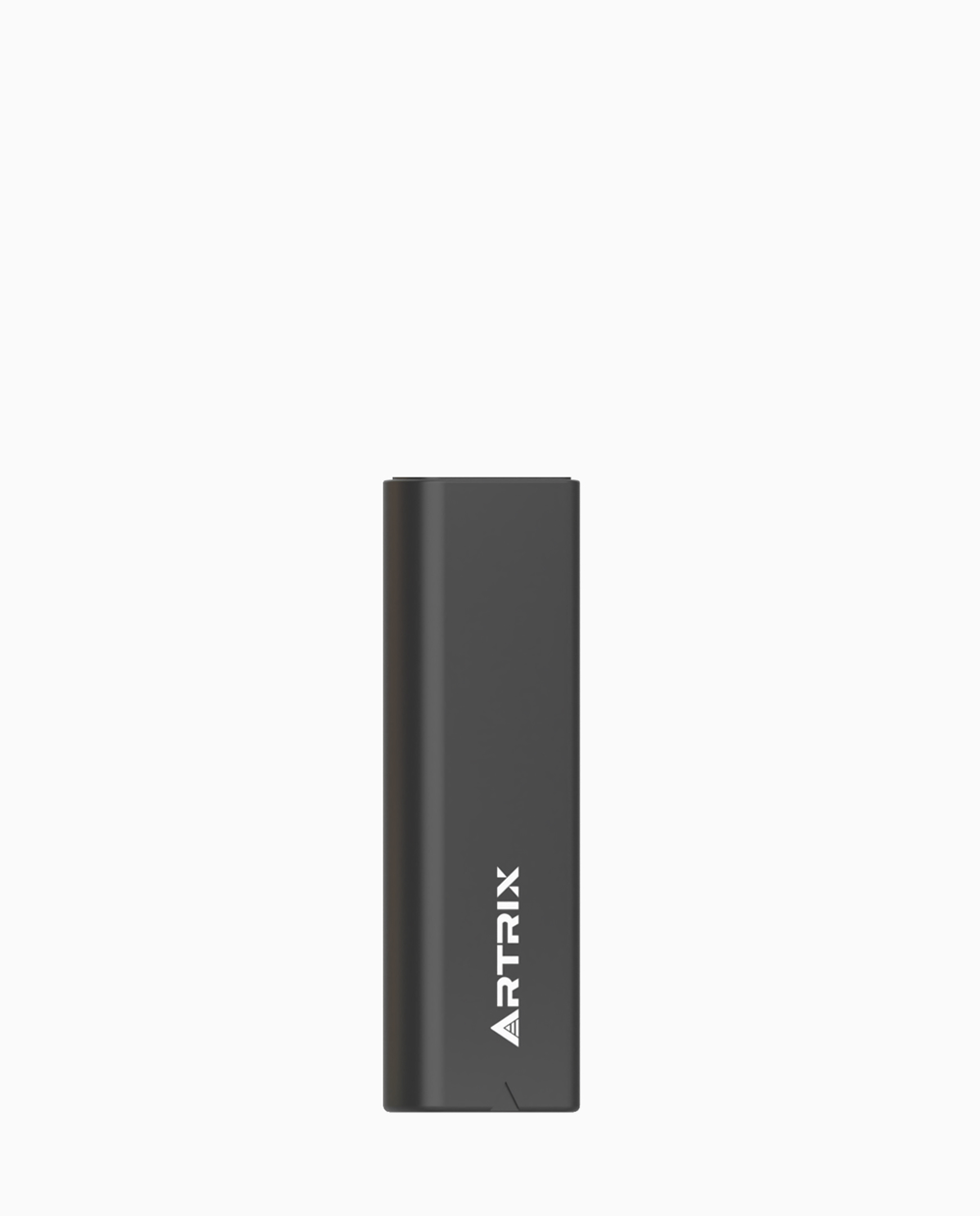
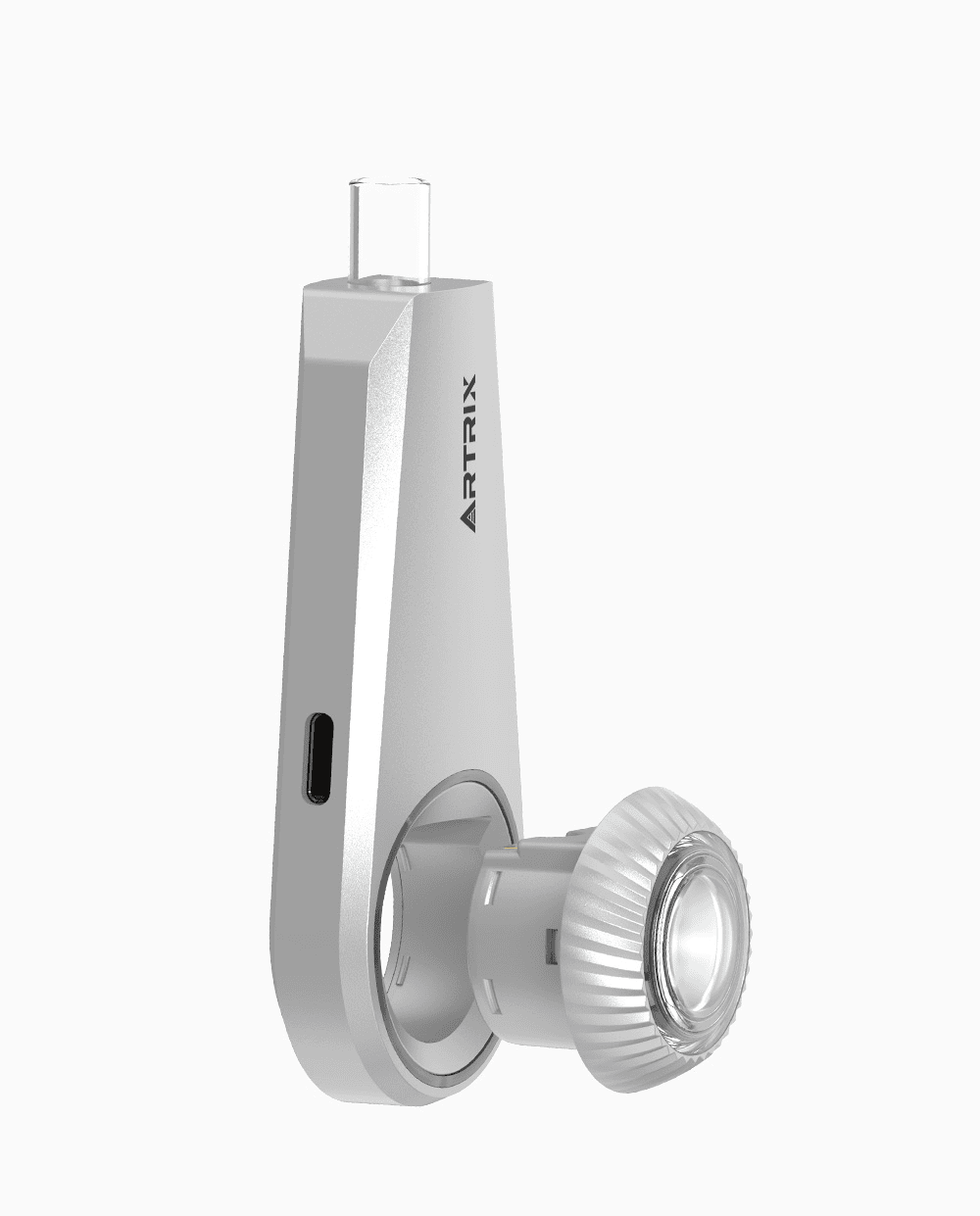
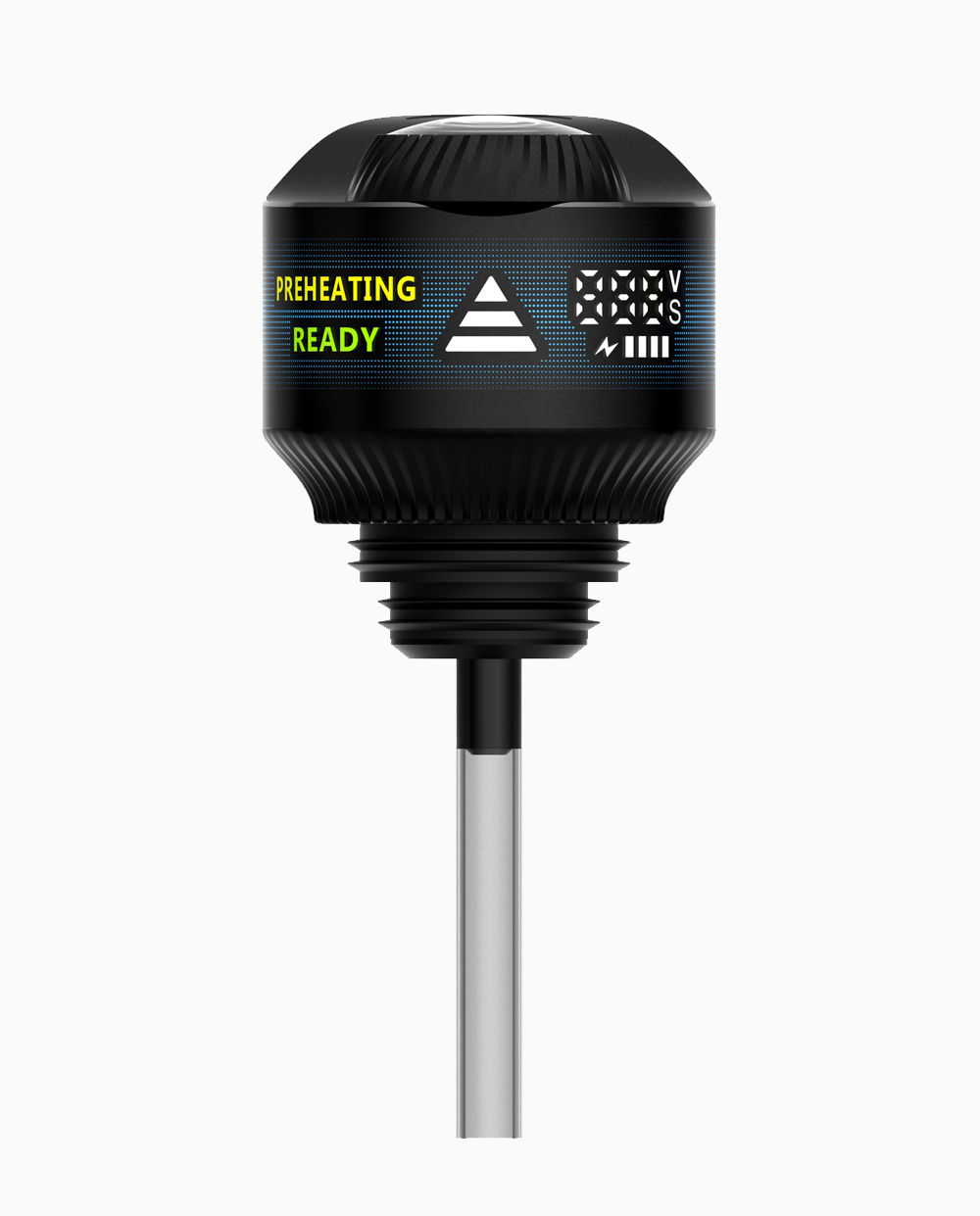
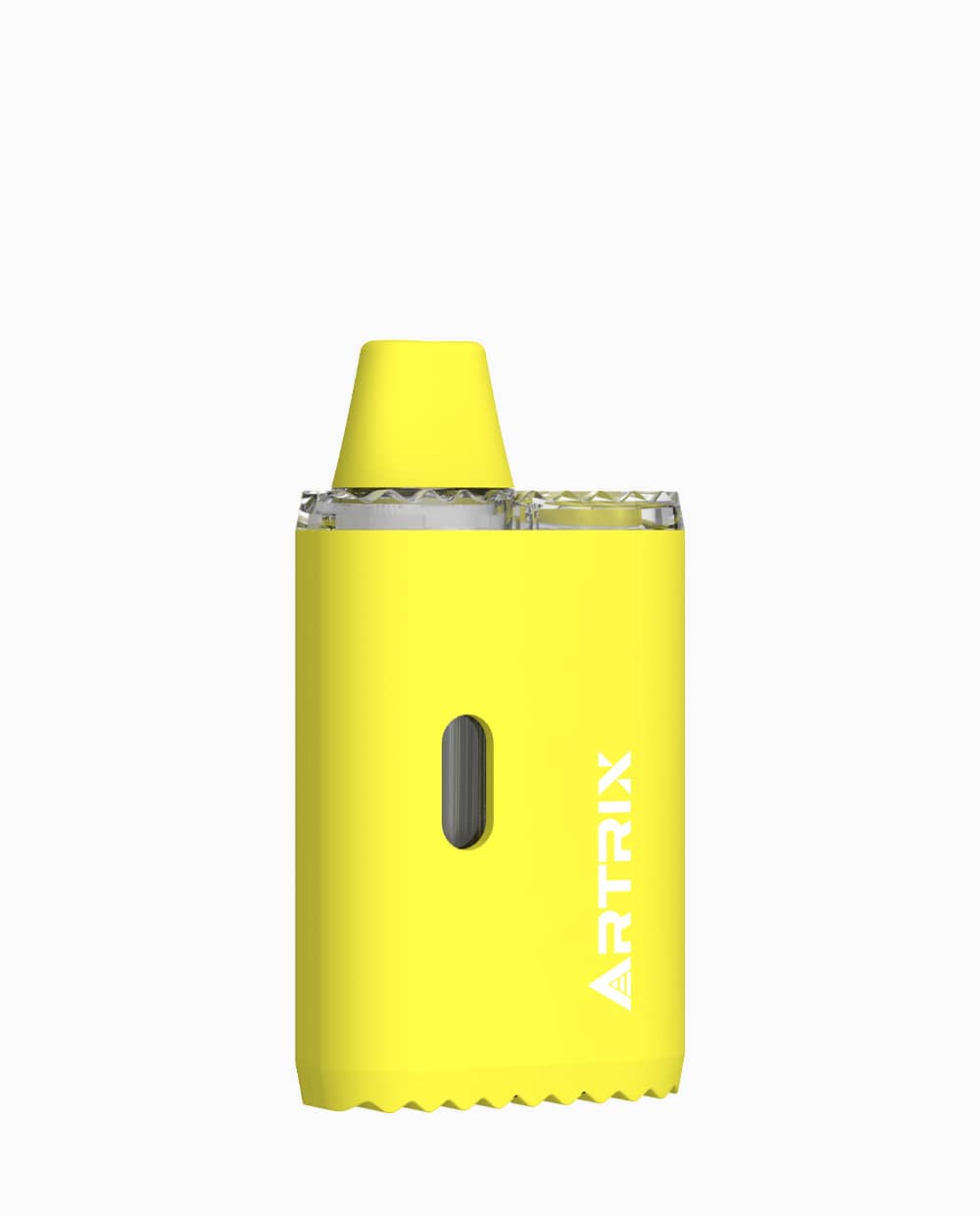
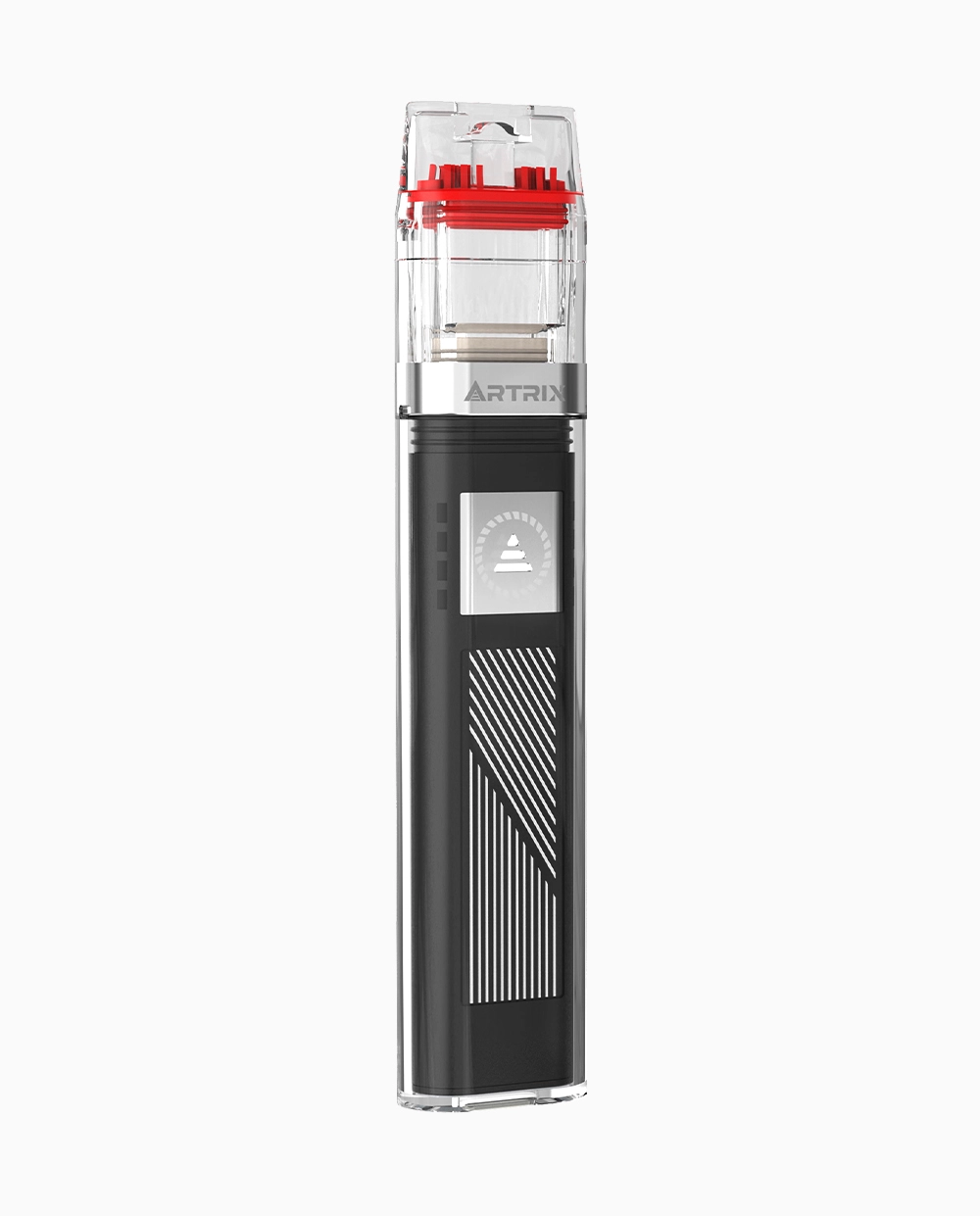
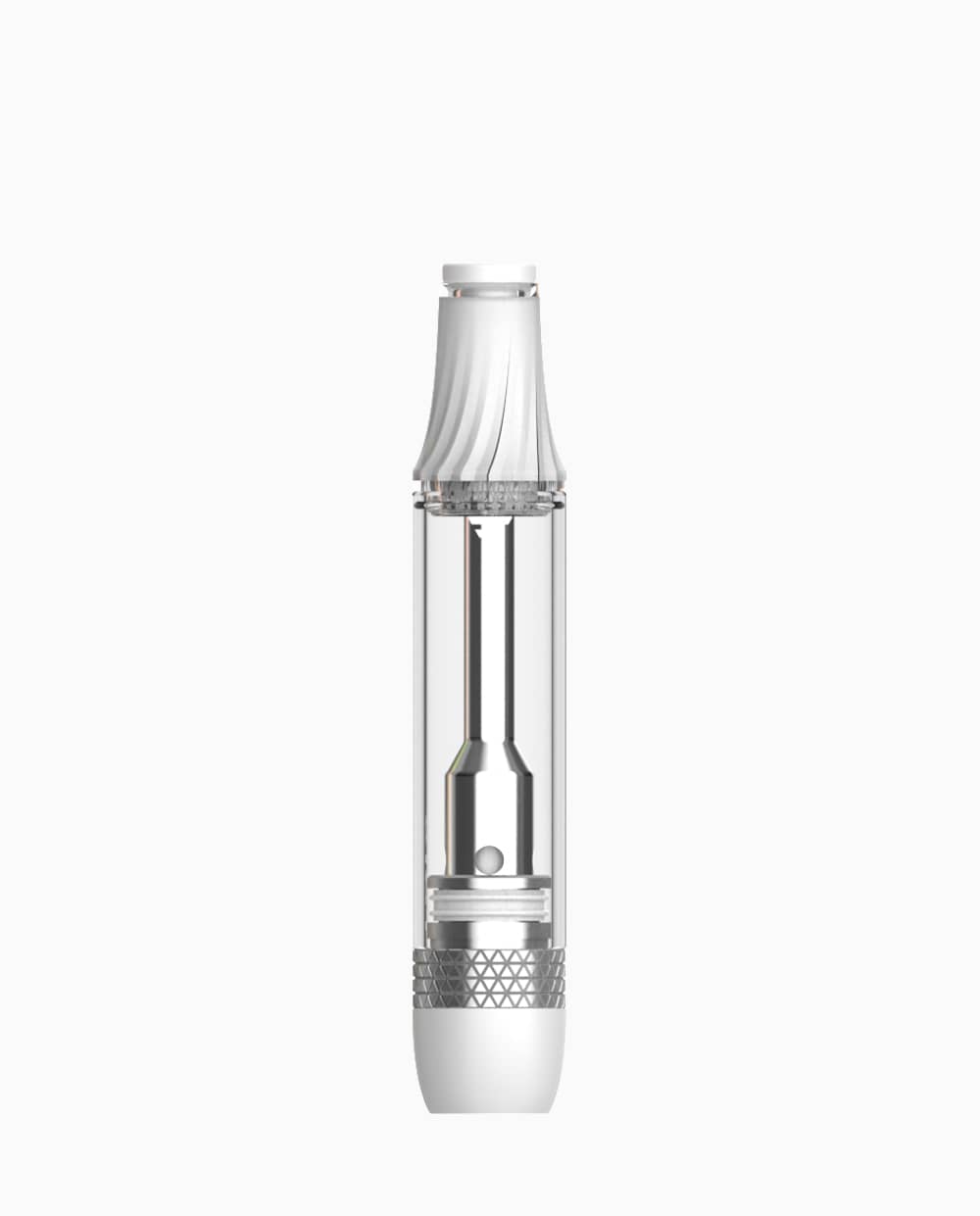
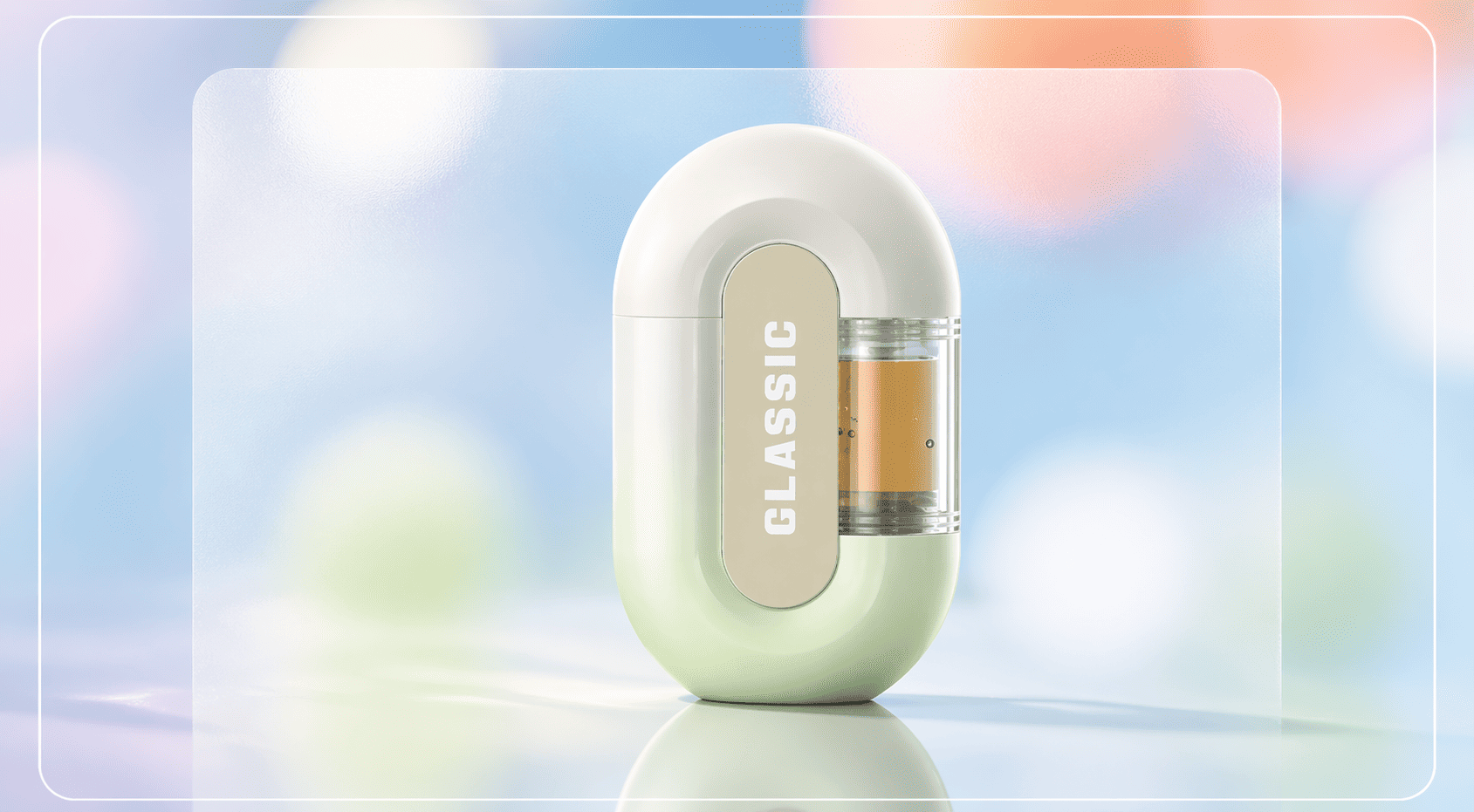
Brands considering the Artrix Glassic platform can use the same qualification framework rather than relying on its glass construction or appearance alone. Start by reviewing the Glassic glass cartridge platform, then identify the exact configuration, oil, fill volume, battery, production process, and target market that need to be evaluated. This creates a more useful technical conversation than asking whether one cartridge is broadly suitable for every formulation.
A commercial review should focus on fit and evidence. Buyers can ask Artrix which documents and test records are available for the selected configuration, which operating and filling conditions have been evaluated, what information is needed from the brand, and how deviations or post-launch failures would be investigated. Availability and applicability should be confirmed for the specific project; the existence of a product page should not be treated as proof of compliance or universal compatibility.
Where a brand is comparing multiple suppliers, use one scorecard and the same acceptance criteria for every candidate. A consistent process makes it easier to compare documented materials, technical support, test relevance, configuration control, production readiness, and commercial terms without allowing premium language to replace evidence.
Conclusion: Premium Glass Vape Leadership Is Built on Execution
The modern glass vape leader is not simply the brand with the loudest packaging or the cheapest factory quote. It is the company that can consolidate intelligently, document compliance thoroughly, and innovate around the real pain points of extract brands and regulated buyers. Market dominance is increasingly built through operational credibility: better materials, better testing, better reliability, and better control over adjacent services.
The more defensible distinction is not company size or glass versus plastic; it is whether the supplier can connect a controlled hardware configuration to the brand’s formulation, production process, operating window, storage conditions, target market, and acceptance criteria. That connection turns a material choice into a documented qualification decision.
For brands evaluating Artrix or another hardware supplier, the appropriate next step is to request a configuration-specific qualification discussion. Bring the intended oil, battery, filling parameters, packaging, market, and expected storage conditions, then ask the supplier to identify available evidence, limitations, and any testing still required before production approval.