

-1.webp)
-1.webp)
-2.webp)
































How to Position Your Glass Vape Business for Success
The glass weed vape segment sits at the intersection of cannabis hardware, consumer lifestyle branding, and compliance-heavy retail. That makes it attractive, but it also makes it easy to misposition. A business can have beautiful products and still struggle if it promises the wrong performance, sells into the wrong geography, or leaves consumers guessing about quality, care, and sourcing.
The opportunity is still real, for most operators, success comes from acting less like a generic accessory seller and more like a category architect. The winning position is usually not “glass is premium” on its own. It is “our product delivers a clear experience, a clear care standard, a clear origin story, and a clear reason to trust us.”
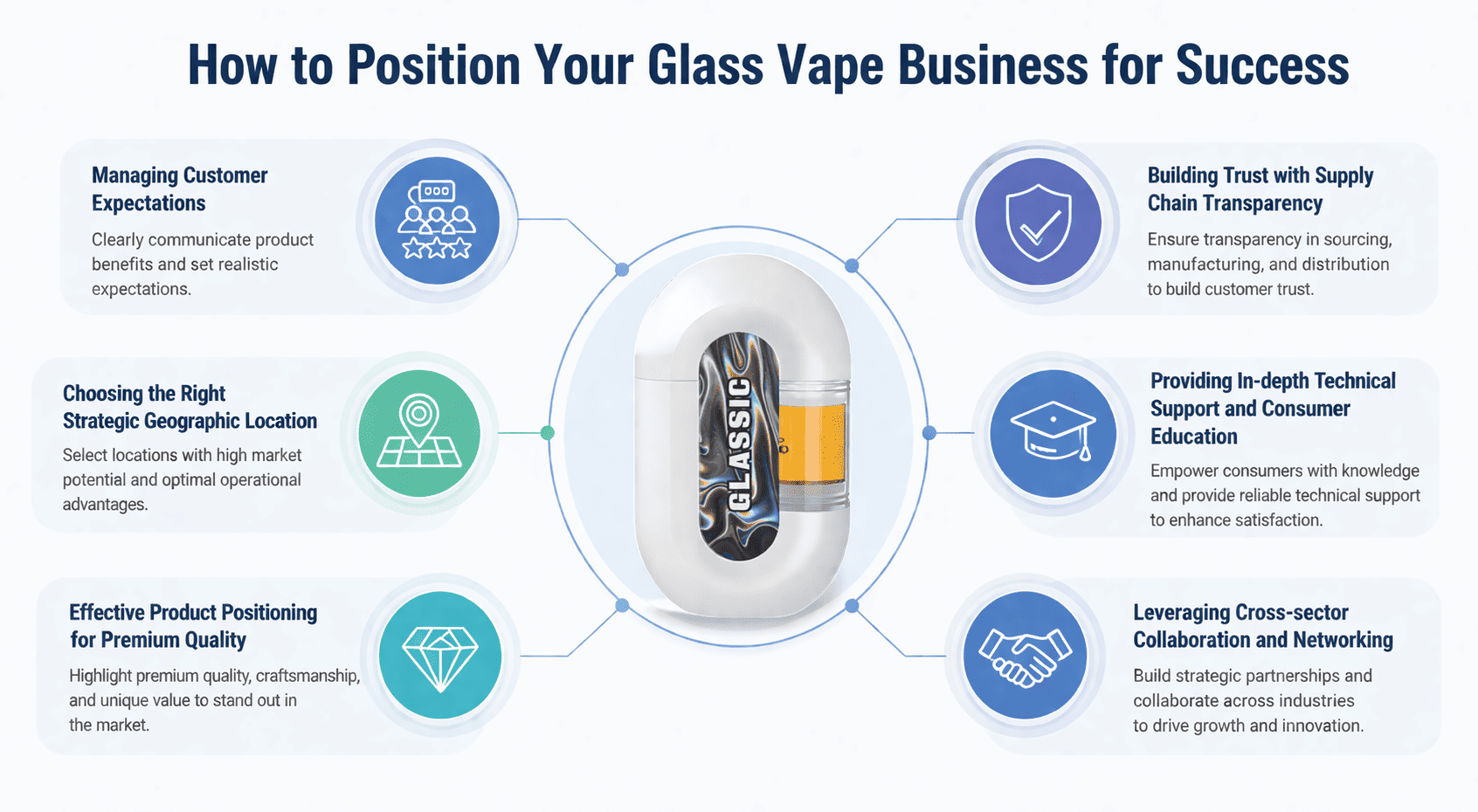
Managing Customer Expectations for Glass Vapes
Setting Realistic Durability and Performance Standards
Glass should be sold as a premium material, not as an indestructible one. That sounds obvious, but many return problems start with overly polished marketing language that implies “luxury” automatically means “unbreakable.” A better strategy is to define where glass excels: visual clarity, a refined feel in the hand, and, when high-borosilicate specifications are used, strong chemical durability and heat-related stability characteristics associated with technical glass products such as BOROFLOAT according to SCHOTT’s published technical data. That kind of language feels premium without promising impossible abuse tolerance.
Positioning should also separate the glass component from the full device experience. Flavor, airflow, draw consistency, and residue behavior depend on the total system, including chamber design, heating method, cartridge quality, and oil formulation. If your messaging makes glass sound like a miracle variable, customers will blame the material whenever a formulation runs too thick, clogs, or darkens after use.
Reducing Returns Through Clear Maintenance Guidelines
Premium brands reduce returns by teaching maintenance before customers have a problem. Every product page, insert, and onboarding email should explain what residue buildup looks like, which cleaning agents are appropriate, how often the mouthpiece or glass section should be cleaned, and which types of damage are considered user-caused. That is especially important in cannabis vaping, where the CDC notes that THC oils and concentrates used in vaping can involve concentrated forms of THC and may contain additives or contaminants that may be harmful. Brands should not turn that into fear marketing, but they should use it as a reason to emphasize trusted sourcing, proper handling, and clear product-care instructions.
A smart maintenance framework also protects your margin. When consumers know how to clean residue, avoid sudden thermal stress, and store glass components safely, breakage and dissatisfaction fall. That turns support content into a profit lever rather than a post-sale cost center.
Choosing the Right Strategic Geographic Location
Analyzing Local Demographics and Vaping Regulations
The best market for a glass vape business is rarely “the biggest legal state” in the abstract. It is the place where legal access, premium-product fit, and retail education all overlap. That means looking beyond broad legalization headlines and evaluating whether your target city or region has the right customer base for design-led cannabis hardware. The U.S. Census Bureau’s American Community Survey Data Profiles summarize core demographic, economic, housing, and social data for specific geographies, making them a practical starting point for evaluating age mix, income levels, commuting patterns, and other signals that can shape premium purchase behavior.
On the legal side, broad cannabis legality is not enough. Operators should review state program structure, local retail rules, and product-specific constraints before investing in inventory or partnerships. The legal map is still uneven, and federal status still complicates cross-jurisdiction strategy, so a location that looks attractive on demand alone may still be operationally awkward if the local compliance burden is high or the retail channel is narrow.
| Decision factor | Why it matters | Useful source |
|---|---|---|
| State cannabis framework | Determines whether adult-use or medical channels are open and how products can be marketed | NCSL state cannabis law tracker |
| Local demographic fit | Helps identify areas more likely to support premium hardware positioning | ACS Data Profiles |
| Competitive density | Shows whether you are entering a saturated or still-open retail environment | County Business Patterns |
Assessing Local Competition and Market Demand
Competition analysis should go further than counting dispensaries on a map. You want to understand the density of adjacent channels too: smoke shops, lifestyle retailers, galleries, premium gifting stores, and local brands that could become collaborators. The Census Bureau’s County Business Patterns series offers a long-running annual view of business activity by geography, which can help frame how crowded a local retail cluster really is.
The deeper question is whether your product can stand out where you sell it. In a price-led market, premium glass may underperform unless you have excellent education and display strategy. In a taste-led or design-conscious market, however, glass can become a strong differentiator because the product reads as both functional and collectible.
Effective Product Positioning for Premium Quality
Highlighting Flavor Purity and Aesthetic Appeal
Glass earns its premium position when the brand translates material choice into an experience customers can immediately understand. The strongest language usually centers on cleaner sensory presentation, visible craftsmanship, and the elevated feel of transparent or artistically finished components. That story works because consumers can see and handle the difference. It also aligns with technical glass positioning: high-performance borosilicate products are valued in demanding settings for chemical durability and resistance characteristics, which gives brands a credible foundation for talking about material quality without slipping into unsupported wellness claims.
What brands should avoid is implying that glass makes cannabis use medically safer or risk-free. The FDA continues to warn that cannabis and cannabis-derived products should not be marketed with unsubstantiated therapeutic claims, and that selling such products with unsupported medical messaging can violate the law and put consumers at risk. In practice, that means positioning glass around craftsmanship, taste discipline, and design integrity, not around cure, prevention, or “healthy vaping” language.
Differentiating Glass from Plastic and Metal Alternatives
The smartest competitive framing is comparative, not combative. Plastic and metal formats often win on cost, ruggedness, or mass-scale manufacturing efficiency. Glass can win on perception, premium shelf presence, and the emotional value of ownership. That means your brand story should sound like a choice architecture: for customers who care most about low entry price, other materials may fit; for customers who care about presentation, ritual, and a refined finish, glass offers a different value proposition.
That also helps prevent commoditization. Once you compete only on price, glass becomes a liability because it is harder to defend its higher cost. Once you compete on visible quality and experience, glass becomes the reason a higher price makes sense.
Building Trust with Supply Chain Transparency
Understanding Your Glass Manufacturing Process
Supply chain transparency is no longer just an operations topic. It is a positioning asset. Customers, retail buyers, and distribution partners want to know where the glass comes from, what grade is being used, how it is formed, how it is inspected, and where final assembly happens. Even if most consumers do not ask for the full manufacturing story on day one, they reward brands that are ready to answer when questions arise.
For a glass vape business, transparency should cover material specification, forming process, annealing or stress-relief procedures where relevant, cosmetic QC standards, and how the glass integrates with the rest of the hardware stack. That level of clarity signals seriousness. It tells the market your product is engineered, not just decorated.
Justifying Premium Pricing Through Transparent Sourcing
Premium pricing becomes easier to defend when customers can see what they are paying for. Instead of vague claims like “top-tier craftsmanship,” show the value chain: higher-grade material selection, tighter rejection thresholds, more careful finishing, smaller-batch runs, or artist collaboration economics. That moves the conversation from price to proof.
Transparency also matters legally when brands use domestic-origin language. The FTC states that an unqualified “Made in USA” claim requires the product to be “all or virtually all” made in the United States, including final assembly and virtually all significant components. So if your glass is imported but your final assembly is domestic, qualified wording is safer and more credible than waving a U.S.-made flag too broadly. Accuracy here protects trust just as much as compliance.
Providing In-depth Technical Support and Consumer Education
Teaching Proper Handling and Cleaning Techniques
Education is one of the clearest ways to make a glass vape brand feel premium. A polished care card, a short cleaning video, and a support page that answers real user questions can do more for conversion and retention than another lifestyle photoshoot. The goal is to lower anxiety: how do I clean this, how fragile is it, what changes are normal after repeated use, and when should I replace a component?
This is also where careful health and compliance language matters. Cannabis products with THC can have psychoactive effects and other health risks, and product quality claims should stay grounded in what the business can actually verify. The FDA notes that cannabis products marketed with therapeutic claims require proper approval, while the CDC notes that vaping concentrates may involve potentially harmful additives or contamination. That means a responsible education strategy focuses on device care, trusted sourcing, clear labeling, and proper use rather than exaggerated wellness promises.
Turning Educated Customers into Loyal Brand Advocates
Well-informed customers are easier to retain because they feel in control of the product experience. They are also better storytellers. A buyer who understands how to clean a glass chamber, identify normal wear, and explain why a premium piece costs more is far more likely to recommend it to friends, defend it in reviews, and return for a second purchase.
That creates a flywheel. Education reduces confusion, which reduces returns, which improves satisfaction, which strengthens word of mouth. In a category where trust is still fragile, that is a meaningful competitive moat.
Leveraging Cross-sector Collaboration and Networking
Partnering with Local Artists and Lifestyle Brands
Glass has a unique advantage over many other vape materials: it naturally lends itself to artistic identity. Collaborations with local artists, fashion labels, music collectives, or design-forward lifestyle brands can push a product beyond utility and into culture. That matters because premium cannabis hardware is often purchased as a personal statement as much as a tool.
The best collaborations are not decorative afterthoughts. They connect the design language of the product to the community where it is sold. That can help a regional brand feel local, limited, and worth discovering before it feels national.
Engaging with Vaping Communities for Grassroots Growth
Community growth works best when it is educational, adult-oriented, and compliant. Instead of relying only on paid promotion, strong glass vape businesses build credibility through retailer trainings, event partnerships, responsible product demos where allowed, and conversations with communities that already care about craftsmanship, flavor, and device quality. In a fragmented legal environment, grassroots trust often outperforms loud branding.
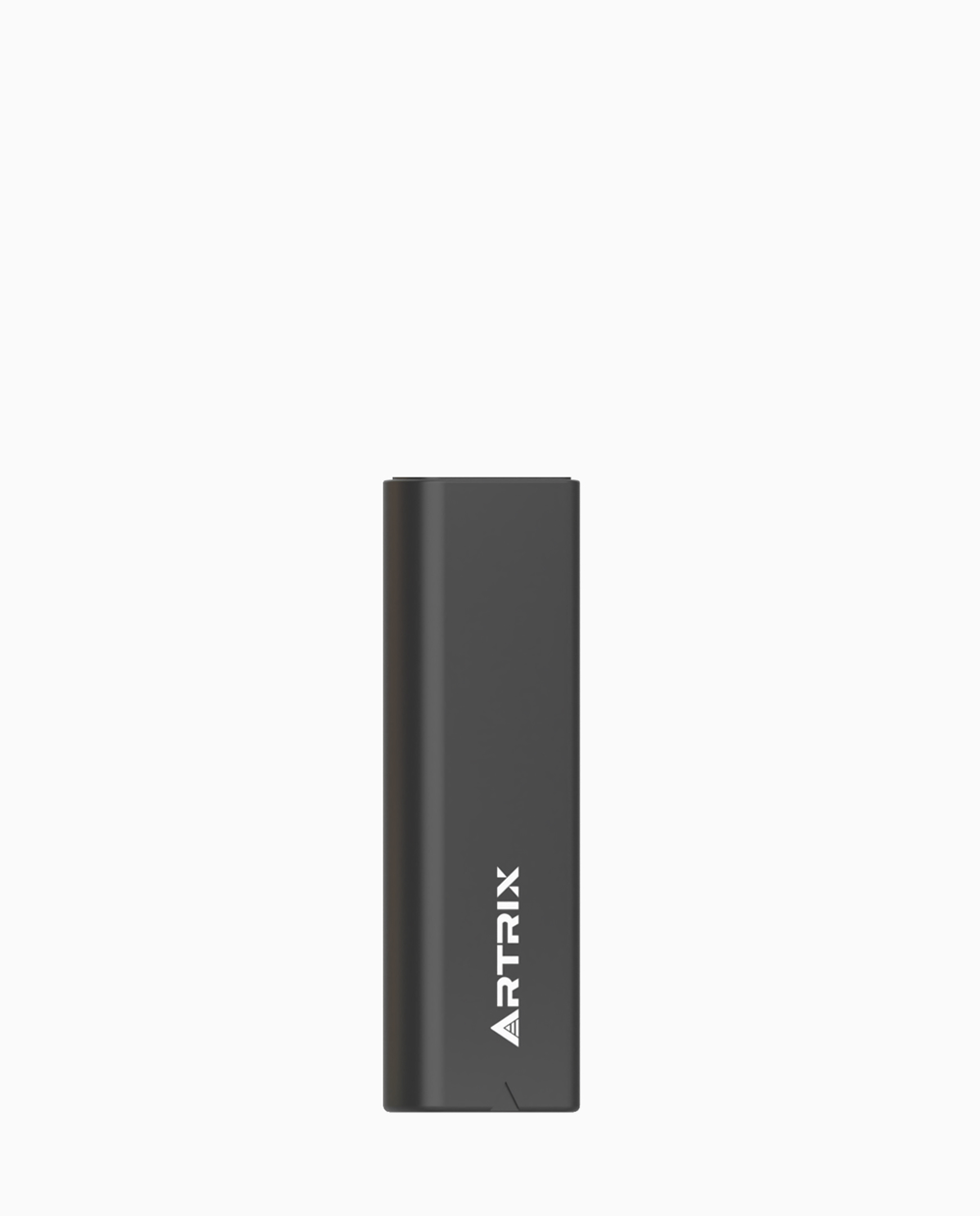
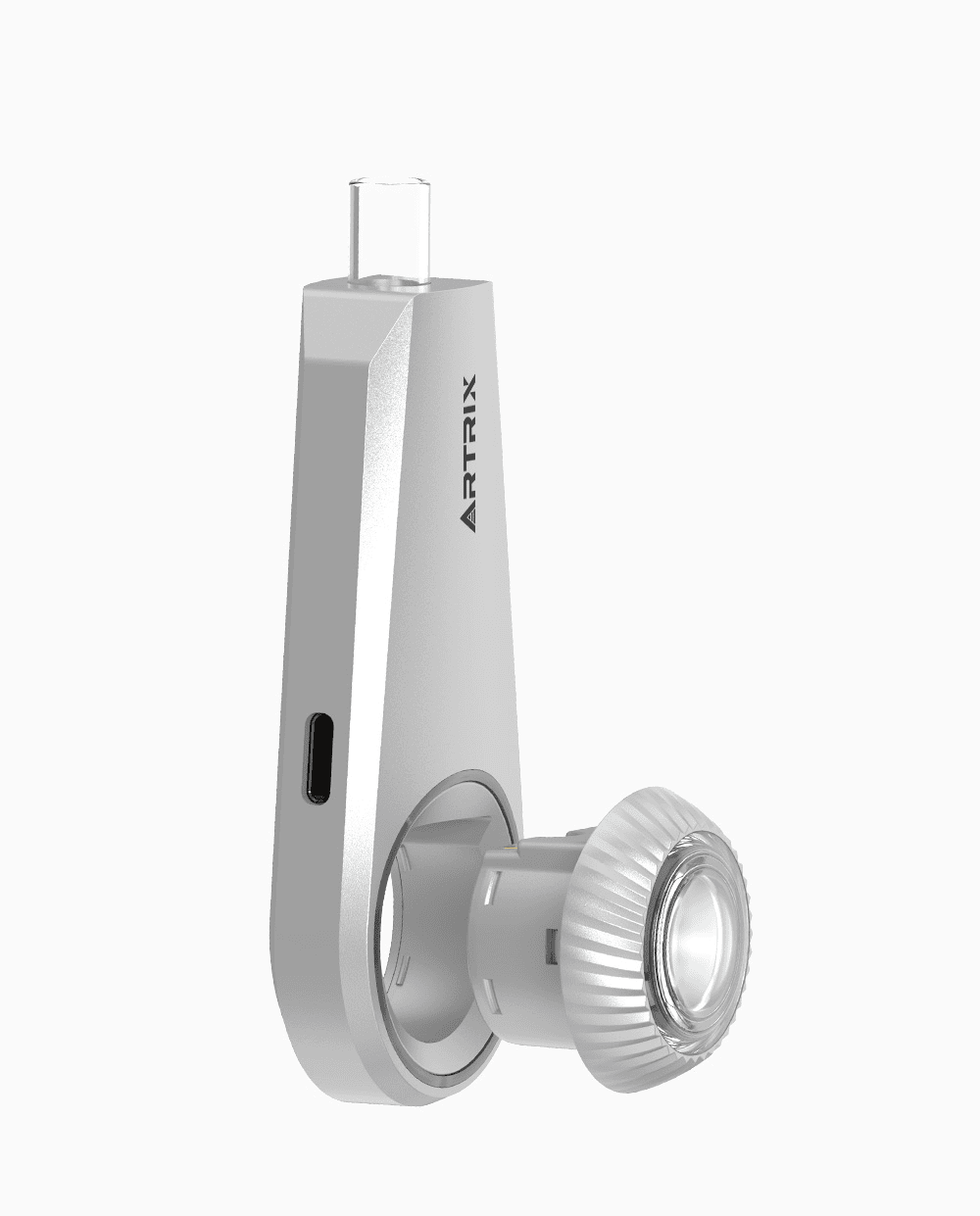
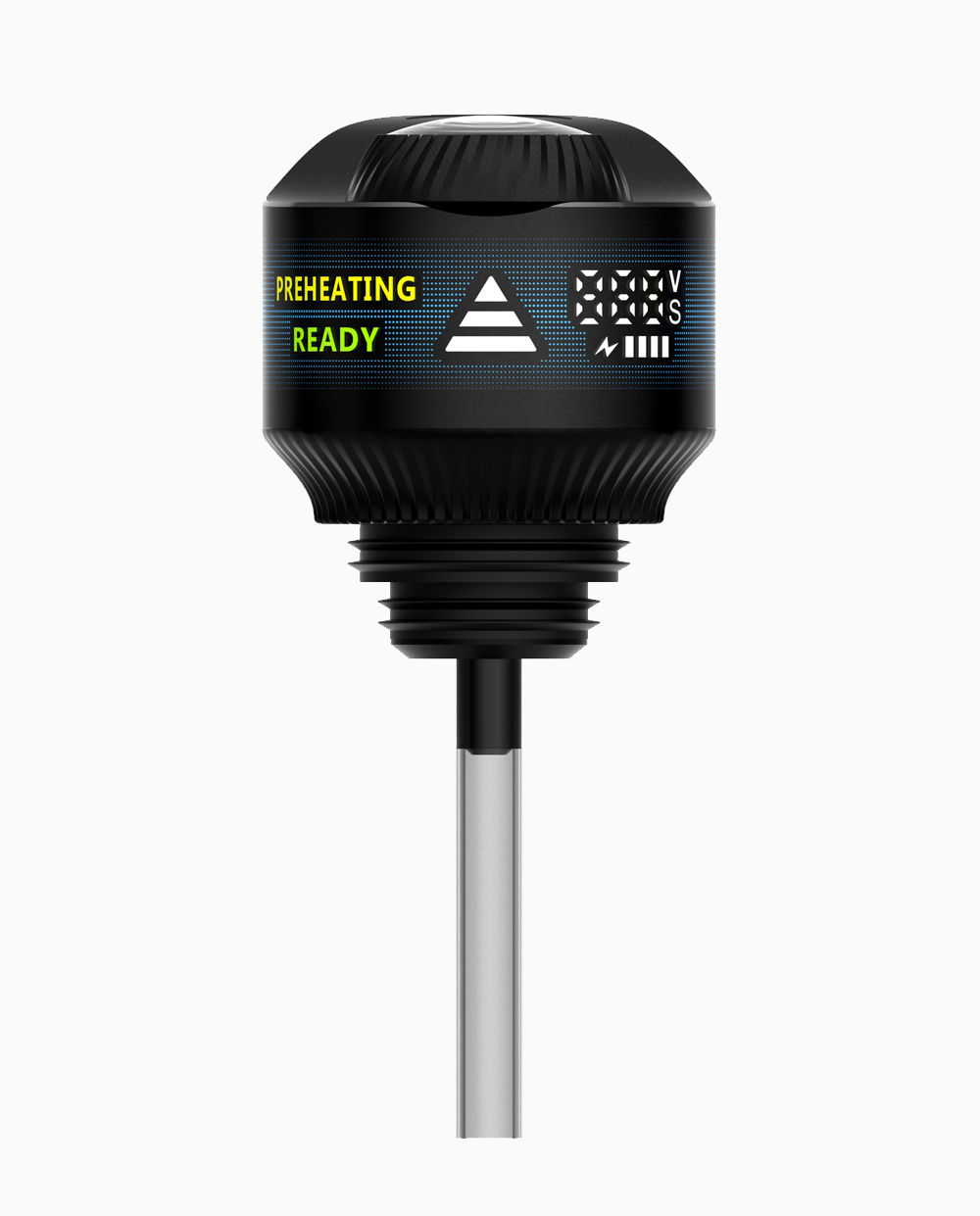
For brands such as Artrix, the long-term opportunity is not just selling glass-compatible hardware. It is helping the market understand why clear material standards, transparent sourcing, and better customer education create better businesses. The companies that win this segment will not be the ones making the biggest promises. They will be the ones making the clearest ones.