“small enough” is not only about height. A short piece can still be awkward if the base is wide. A mini dab rig can look compact online, then require a banger, carb cap, dab tool, concentrate container, torch, cleaning swabs, and padding. A compact bong can be easier to store, but only if the bowl, downstem, grinder, lighter, and cleaning pieces also have a place to go.
Before choosing a bong or dab rig, measure the drawer. You need three numbers: inside height, depth, and width. Then measure again with any organizer, padding, smell-proof pouch, travel case, or accessory tray inside.
A product that technically fits may still be a poor choice if the drawer presses against the mouthpiece, joint, glass stem, button, or detachable parts. Product photos usually show the main body, not the complete storage footprint. That is where many small-piece decisions go wrong.
What “Desk Drawer Size” Usually Means in Practice
A desk drawer setup usually favors pieces that are short, narrow, stable, and easy to separate from accessories. Height matters, but the widest point matters just as much.
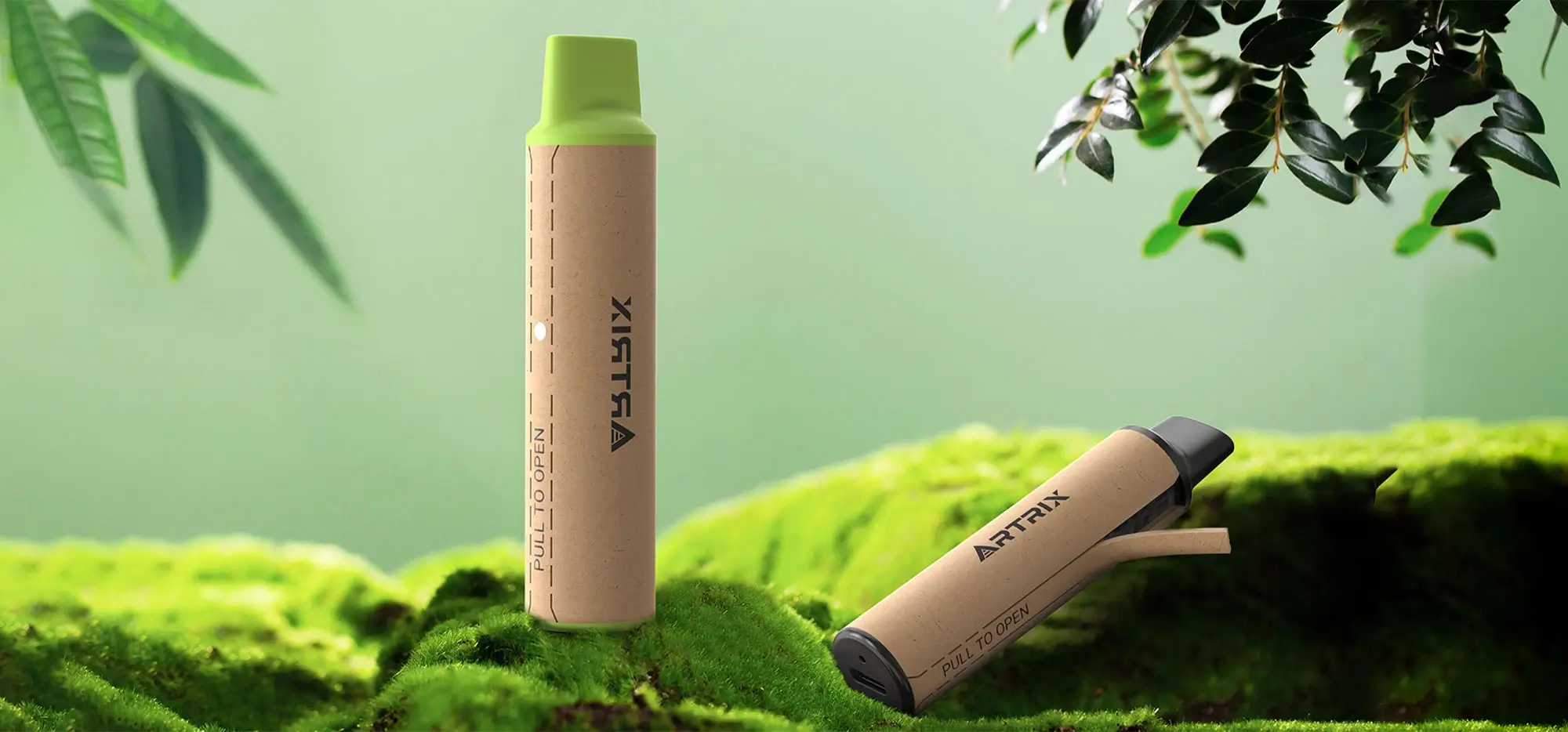
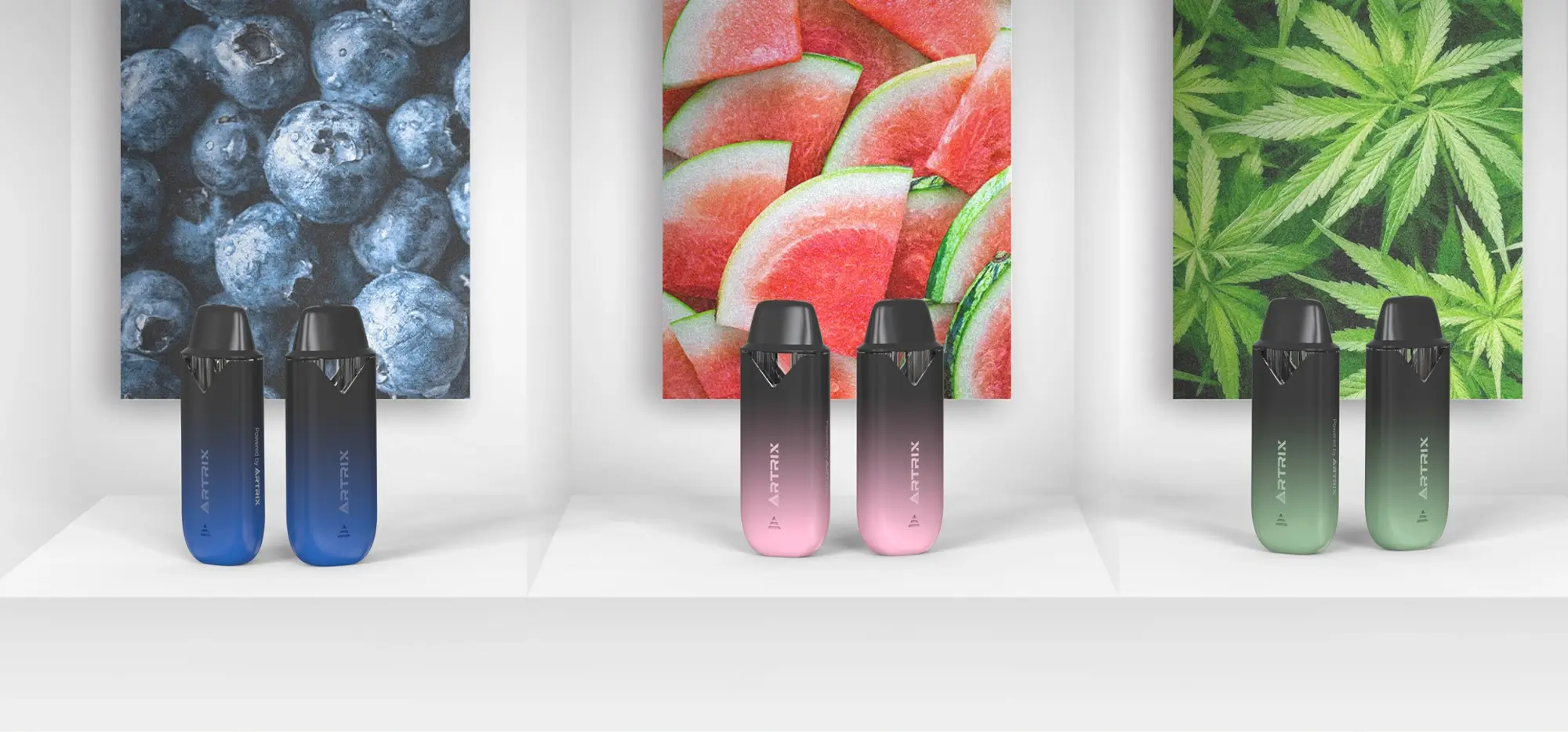
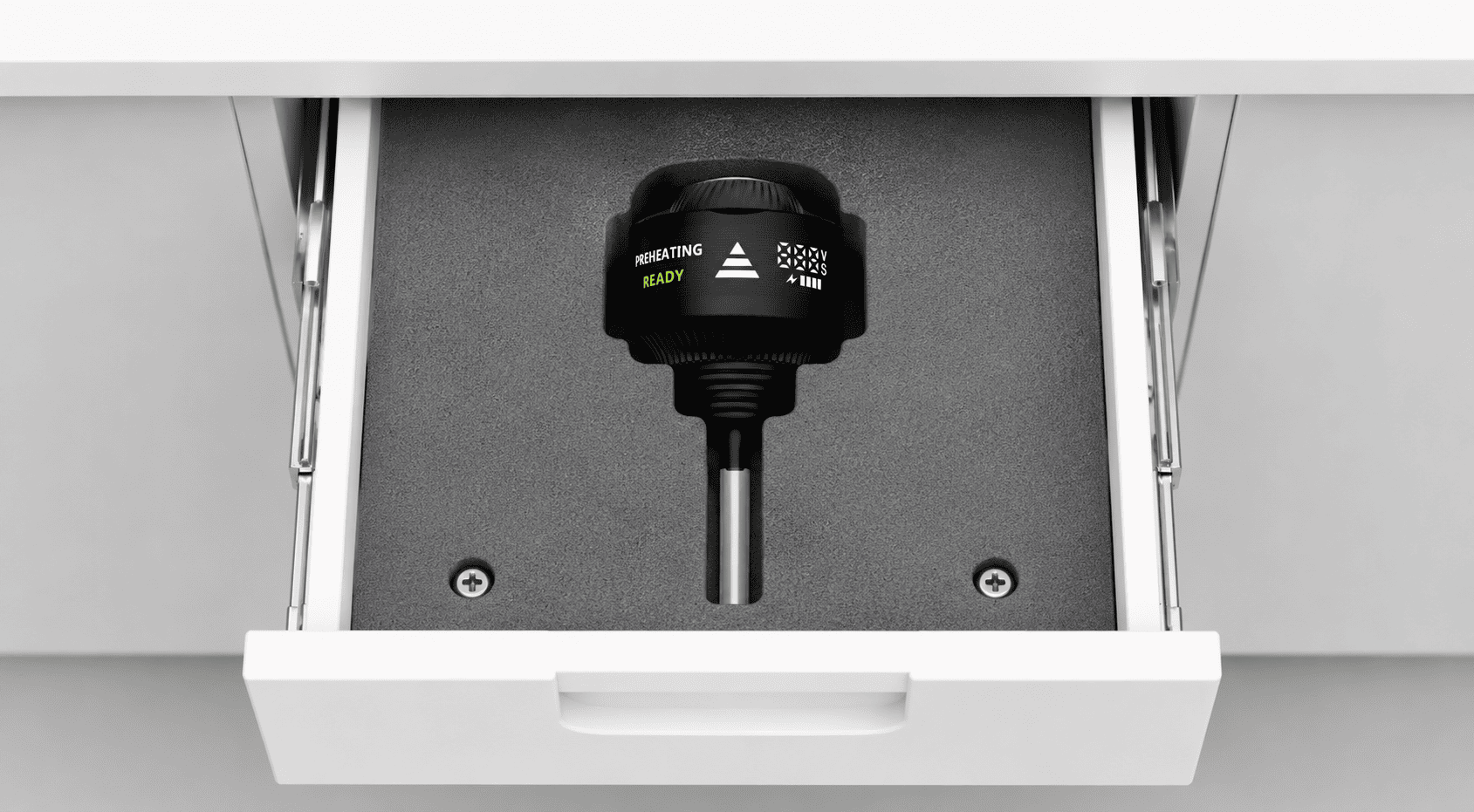
For a compact bong, the widest point may be the base or chamber. For a traditional mini dab rig, the widest point may be the body, but the fragile parts around it often need more protective space. For a eletric portable device, the footprint may be smaller because the heating system and vapor path are built into the device.
When We Recommend a Compact Bong
We usually recommend a compact bong when the person mainly uses flower and wants a simple, low-accessory setup.
In the dab rig vs bong decision, a bong is often easier to understand for flower users. It needs fewer concentrate-specific accessories, and the storage plan is usually more predictable: the bong body, bowl, lighter, grinder, screens if used, and basic cleaning supplies.
A compact bong makes sense when the buyer mainly uses flower, wants fewer detachable parts, does not want to manage a heating device or torch, and has a drawer tall enough for the piece or wide enough for safe sideways storage. Look for a stable base, easy-clean shape, and removable parts that are not too fragile.
However, small bongs have tradeoffs. Very short pieces can feel less stable on a desk. Narrow bases can tip more easily. Complex percolators may look attractive but make cleaning harder, especially in a small chamber.
When We Recommend a Mini Dab Rig
We recommend a mini dab rig when the buyer mainly uses concentrates and cares more about vapor path, flavor, and concentrate-specific control than about simplicity.
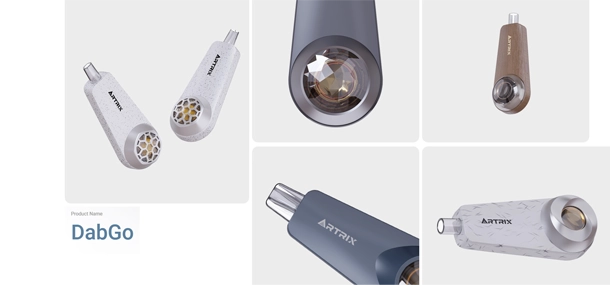
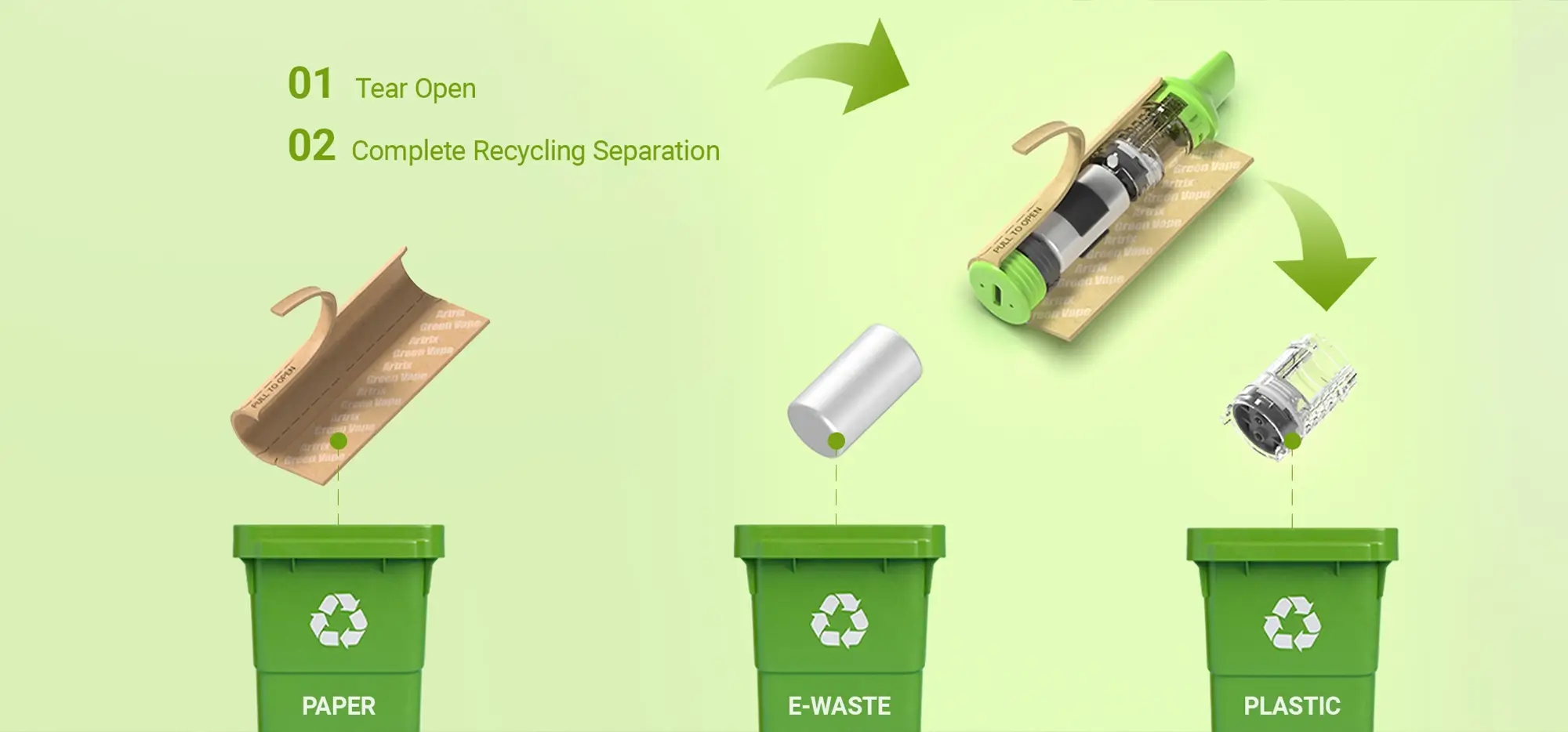
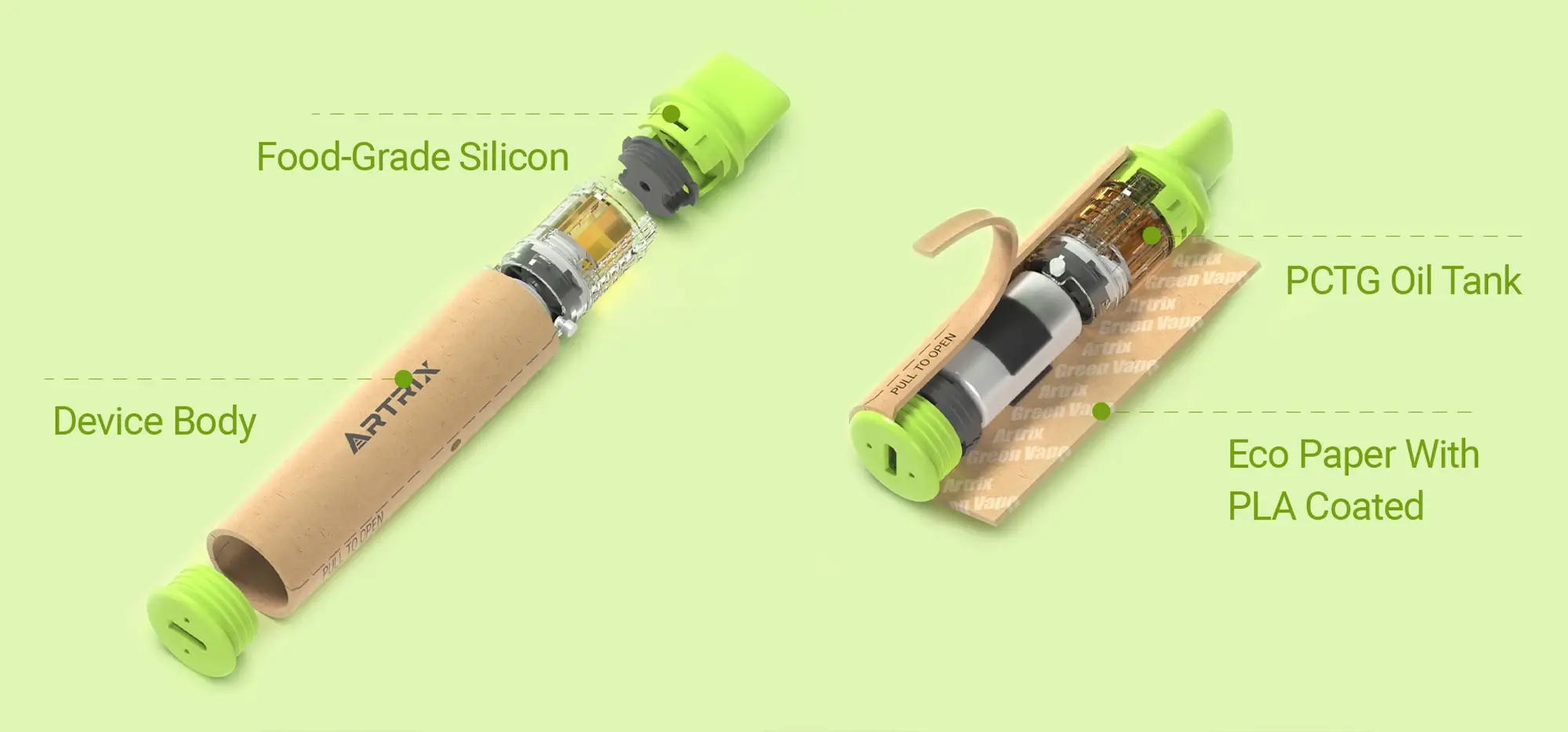
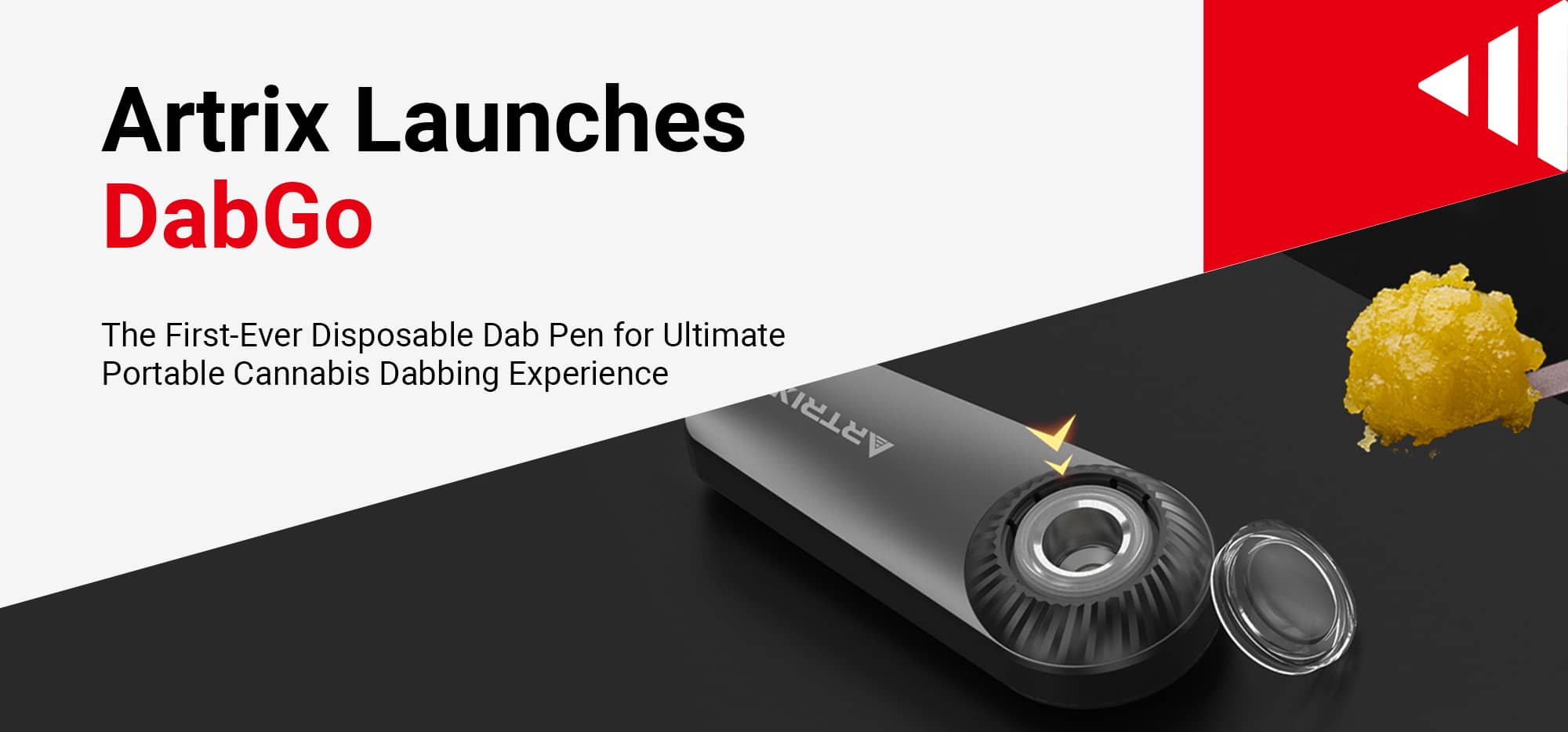
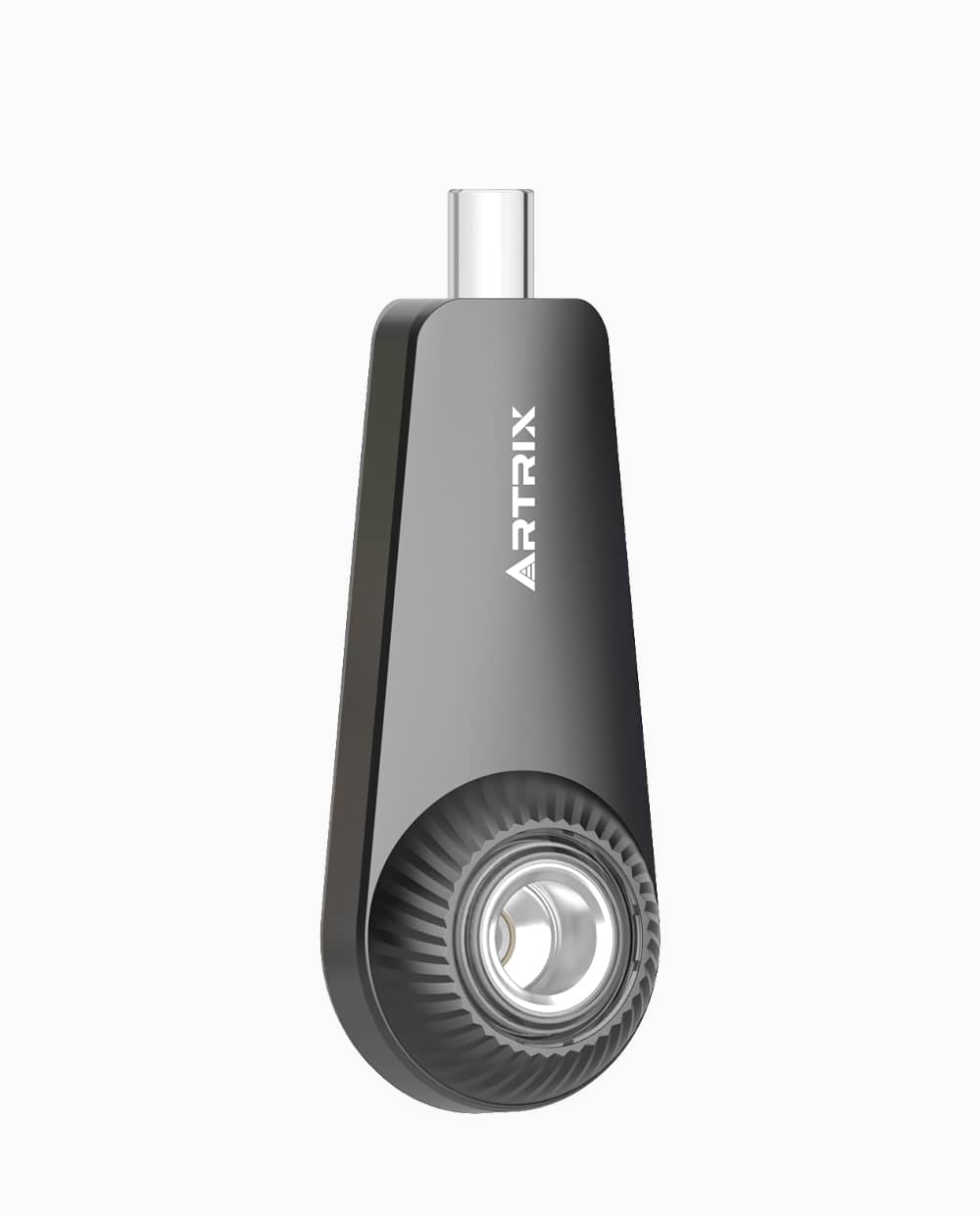
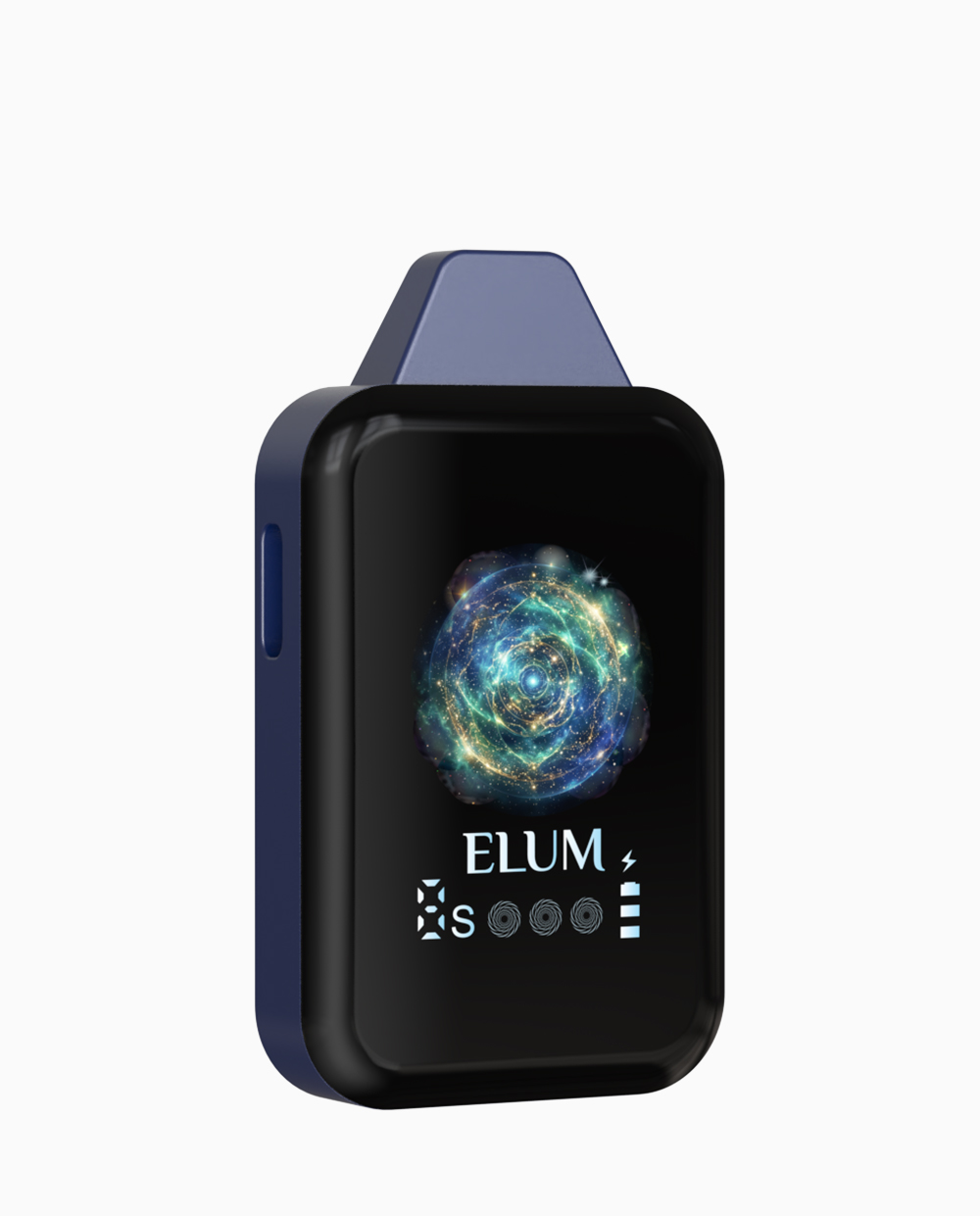
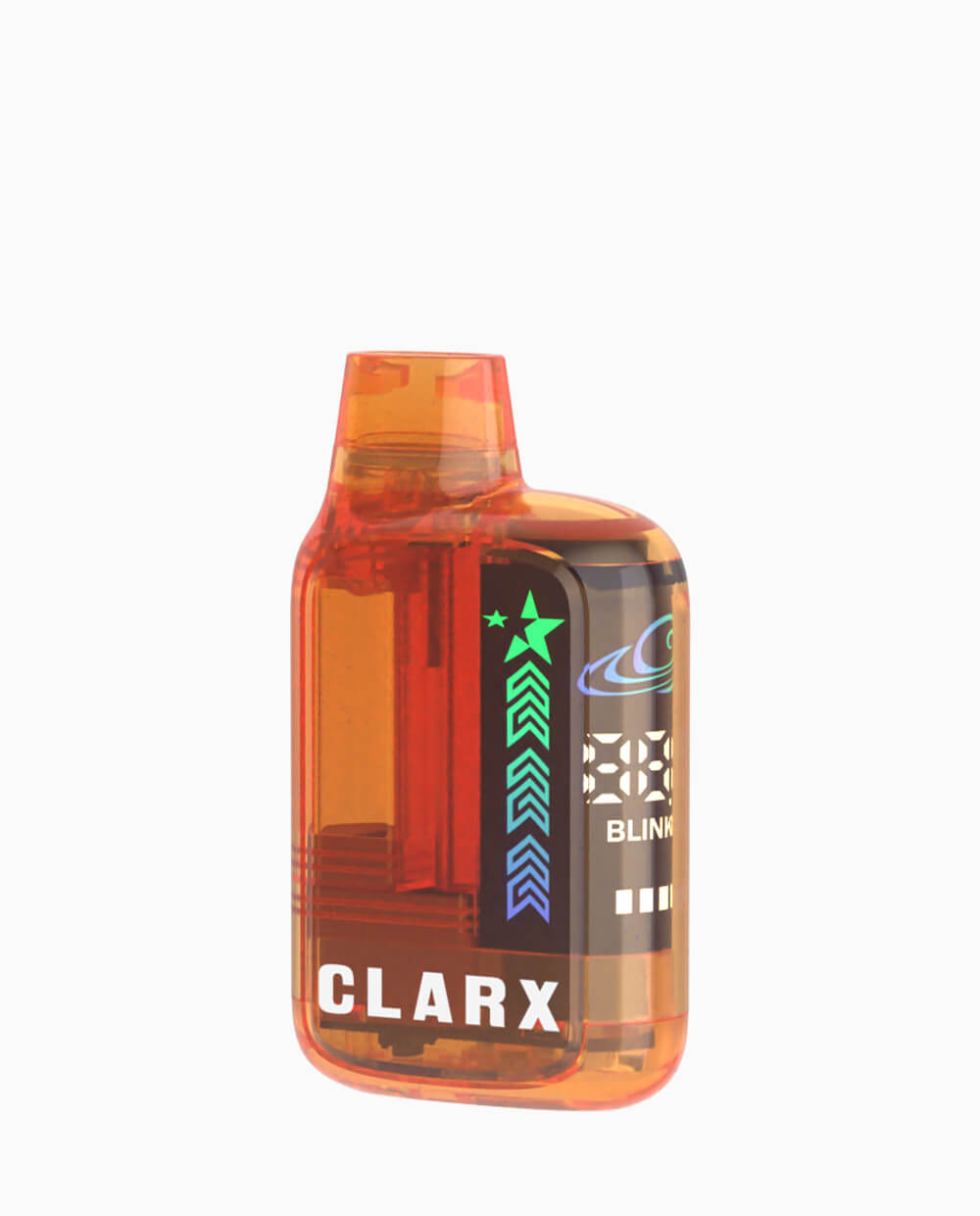
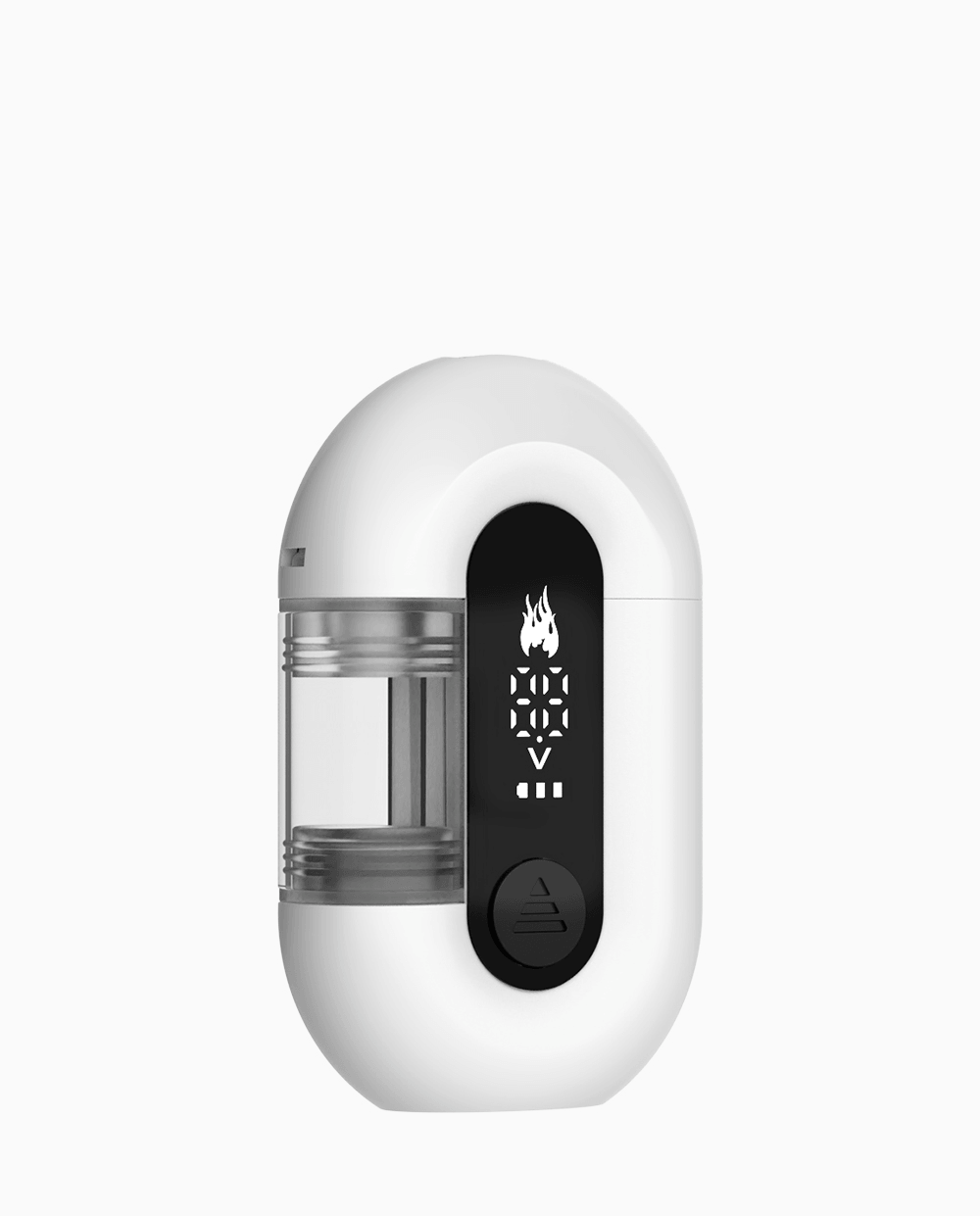
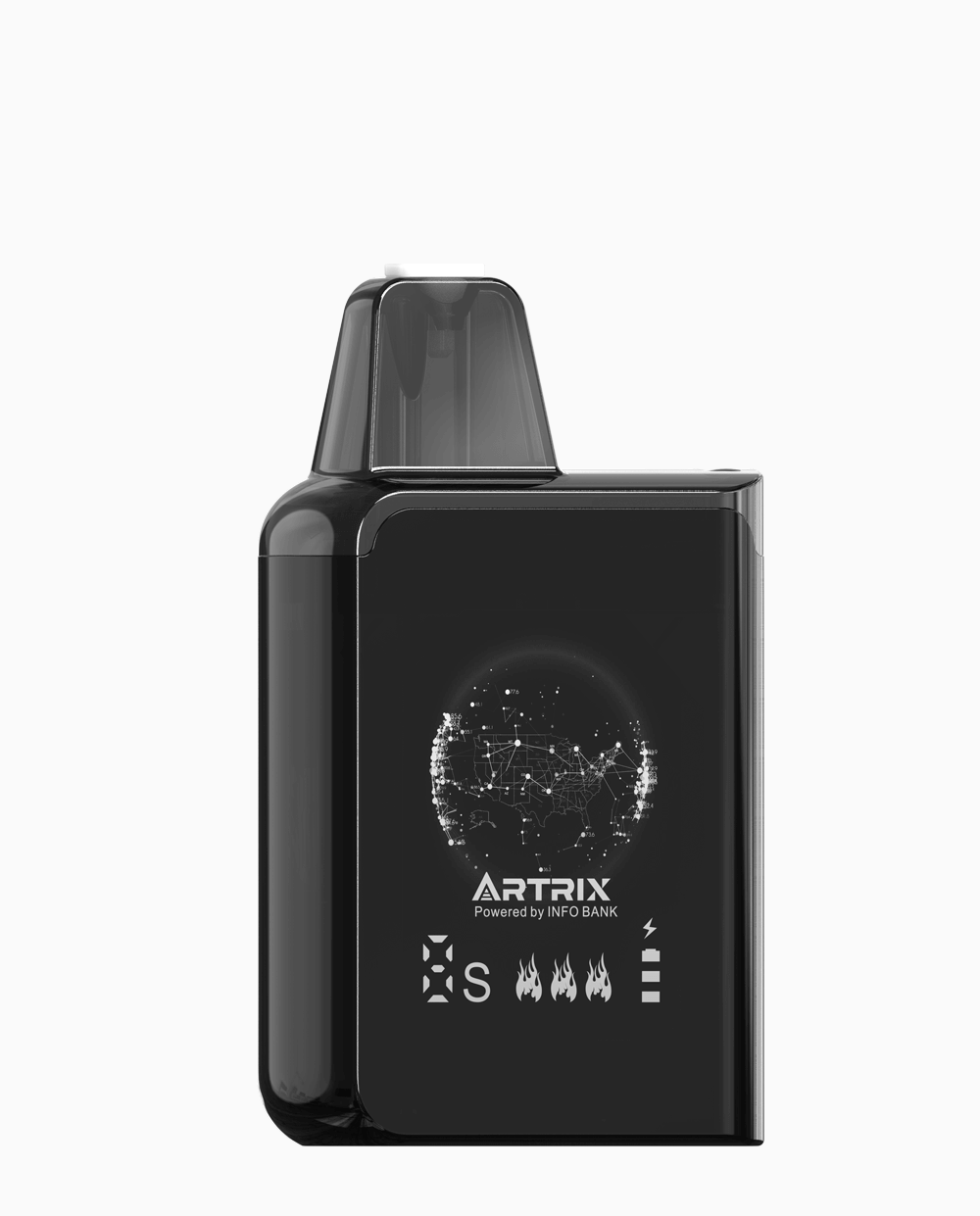
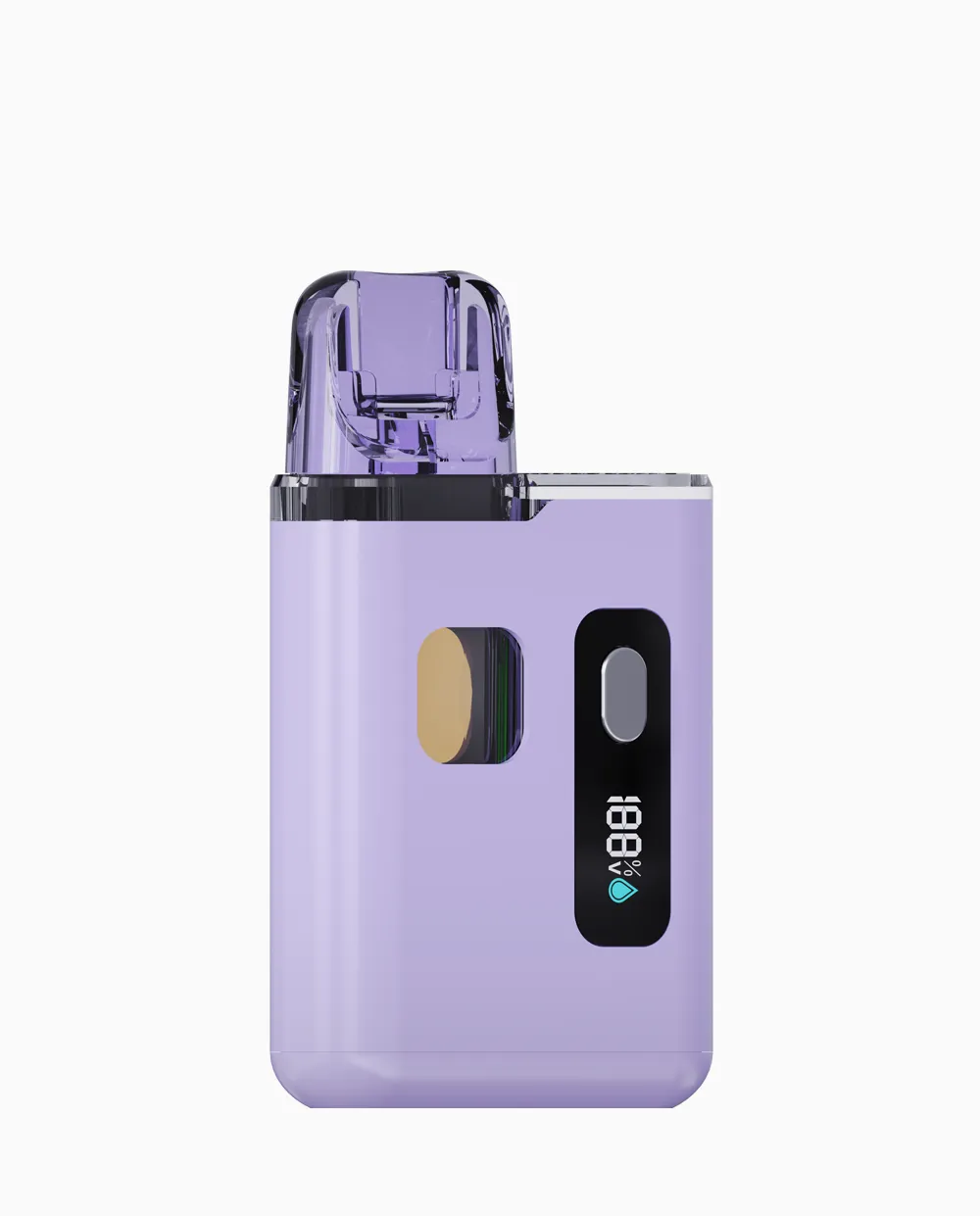
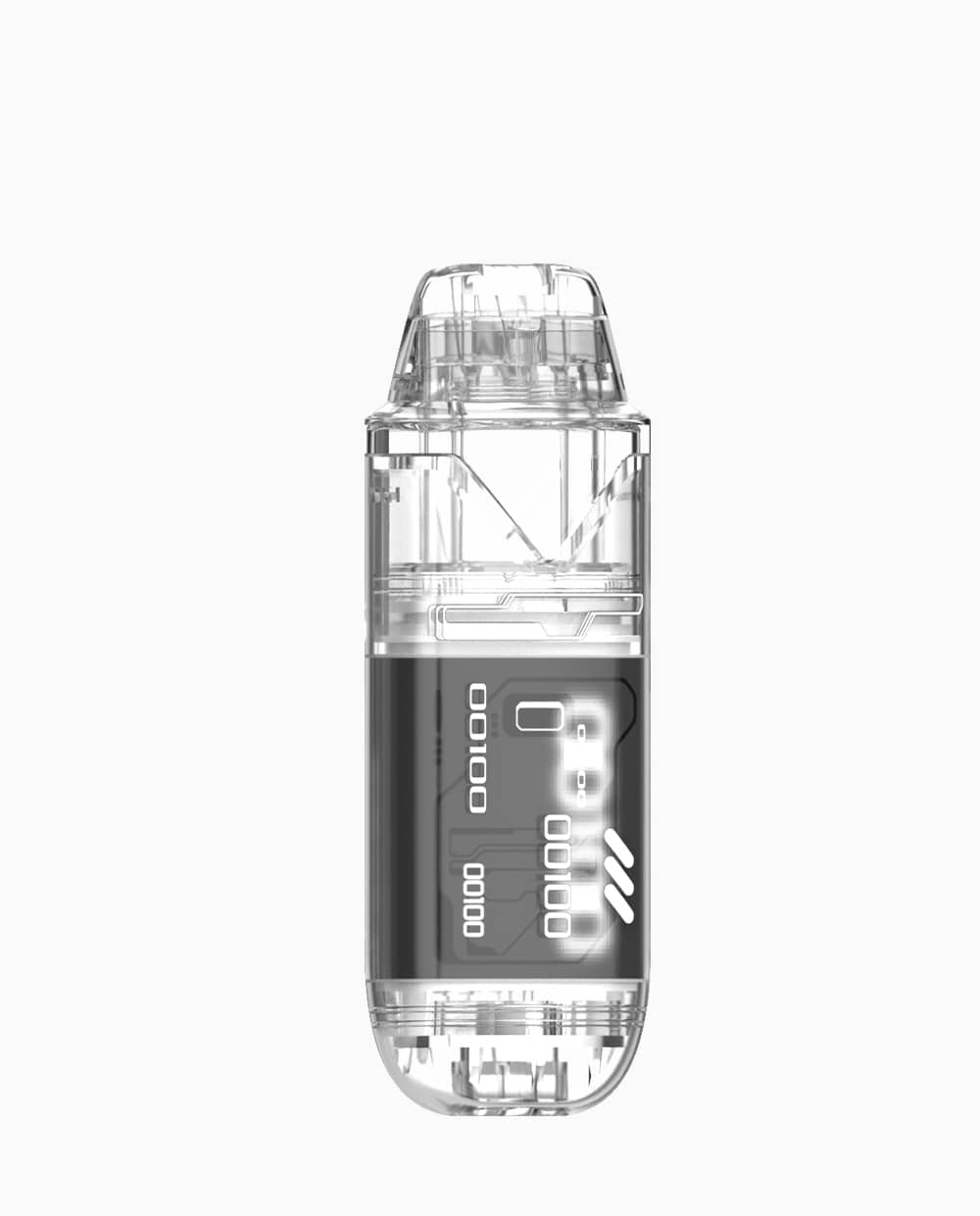
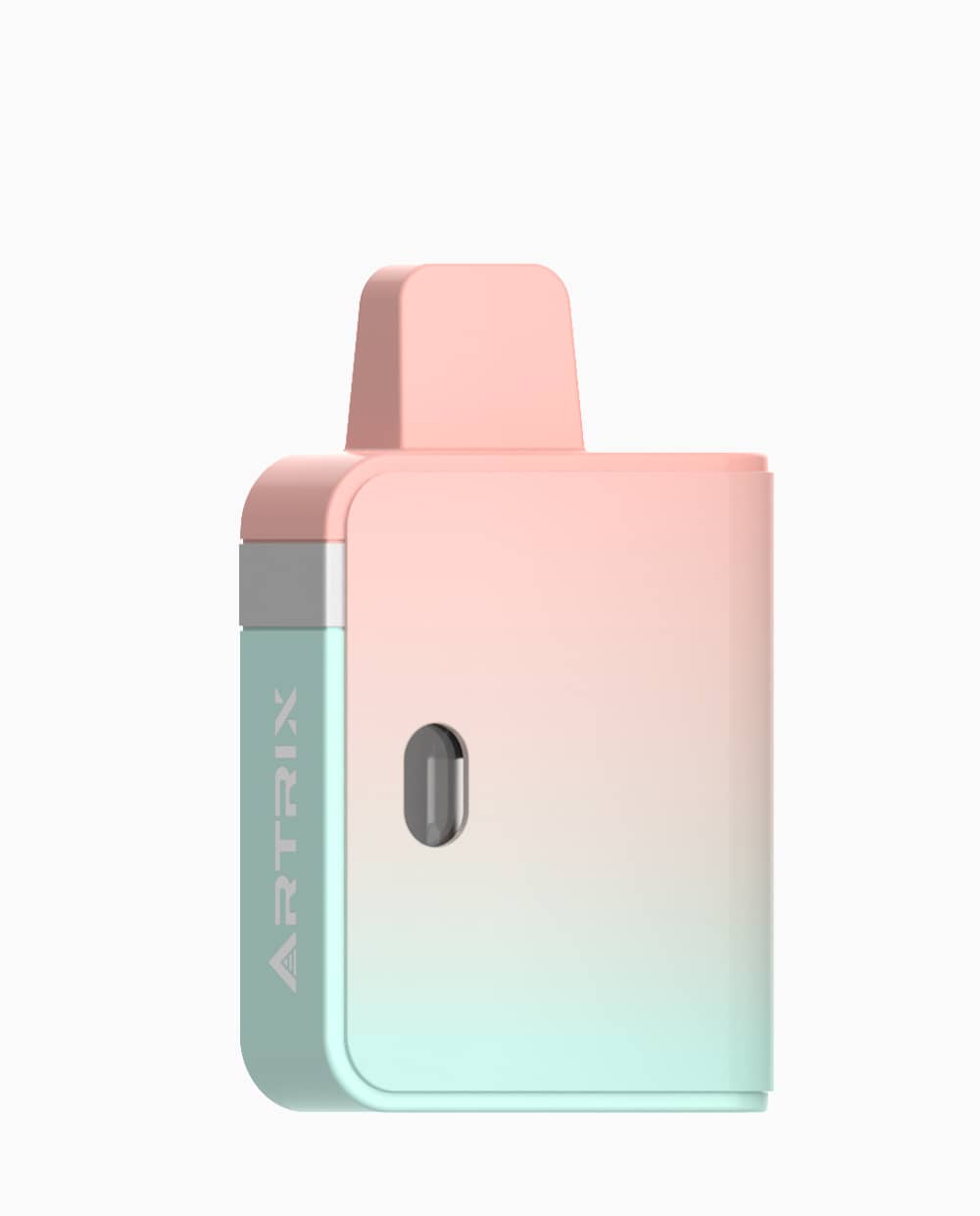
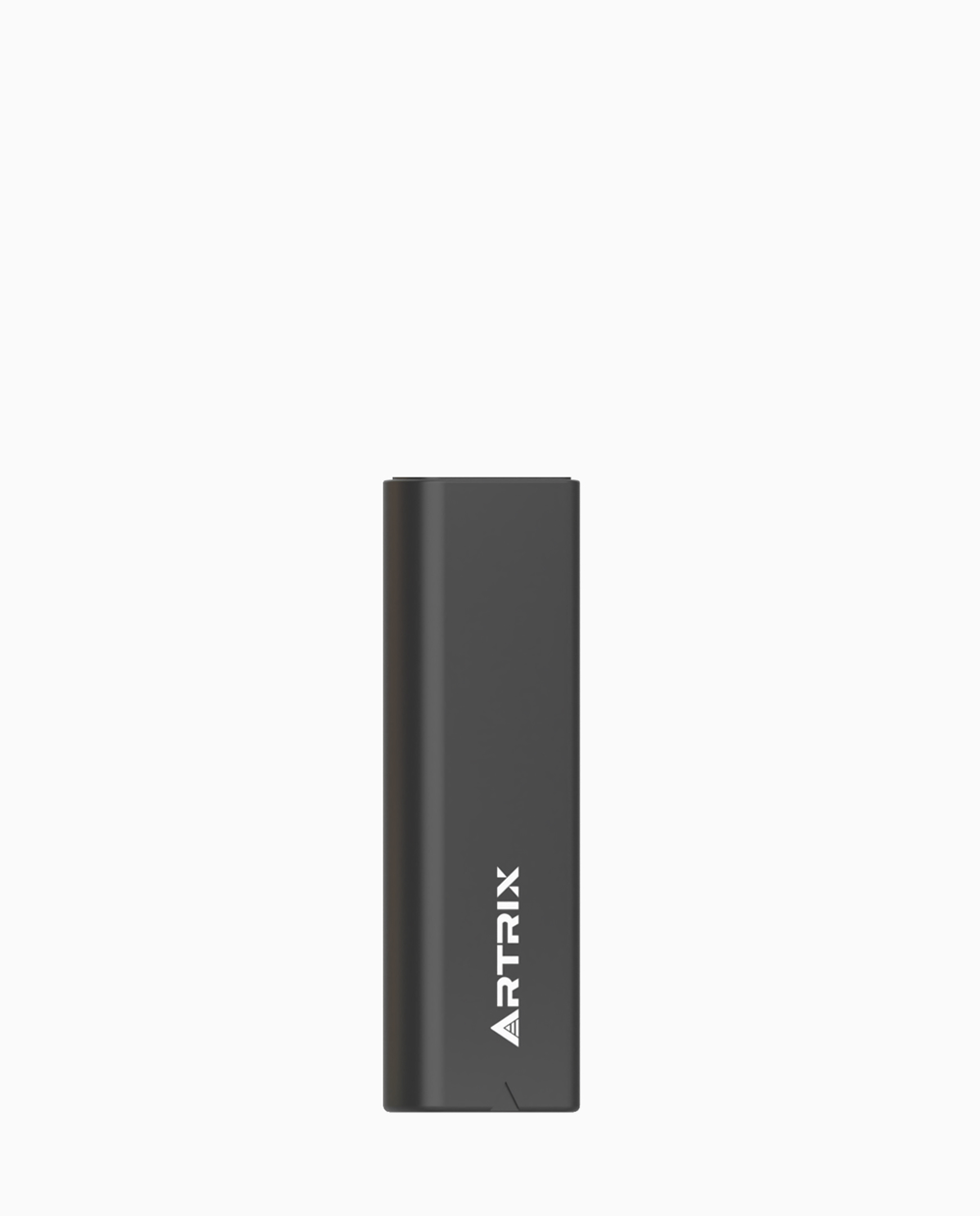
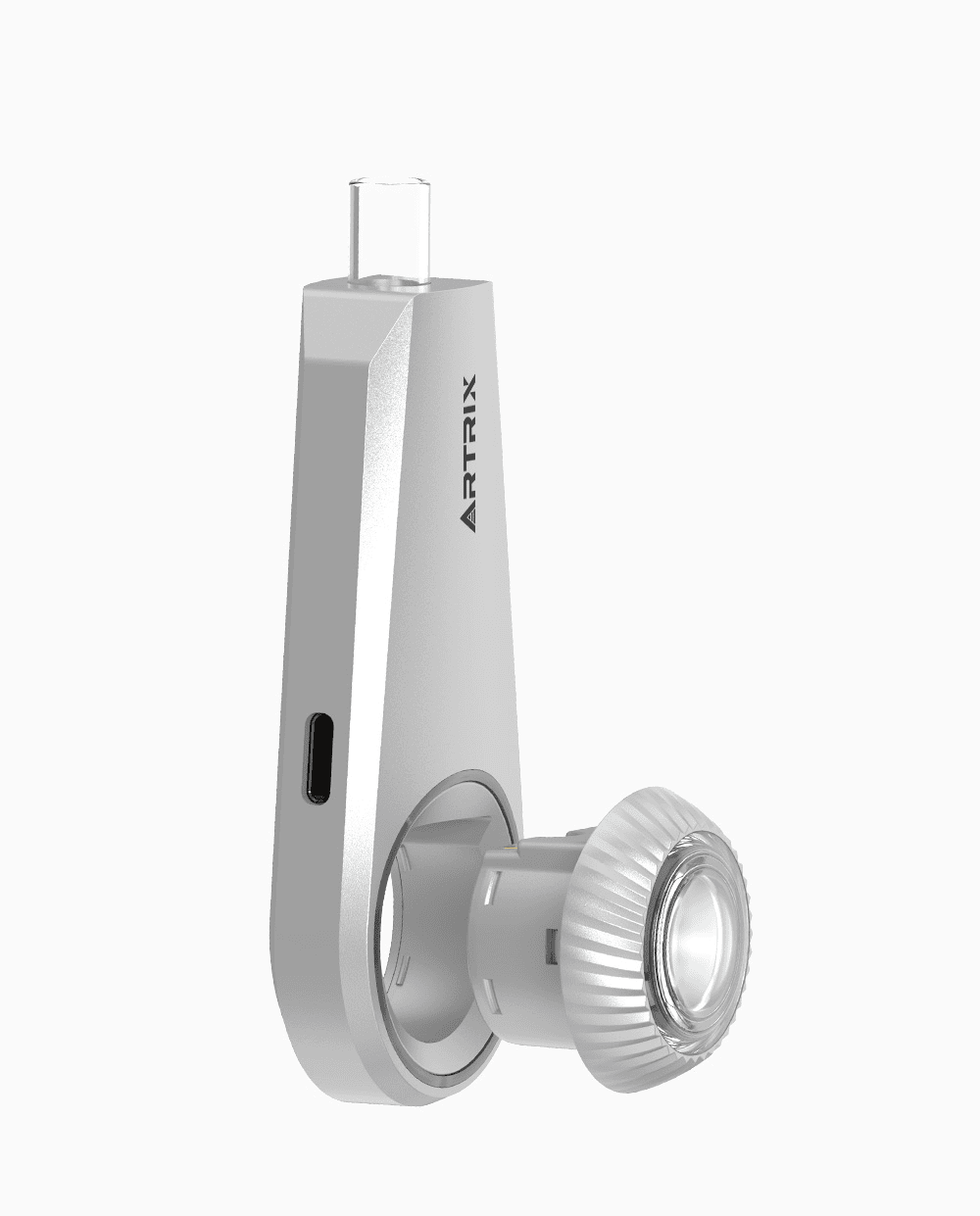
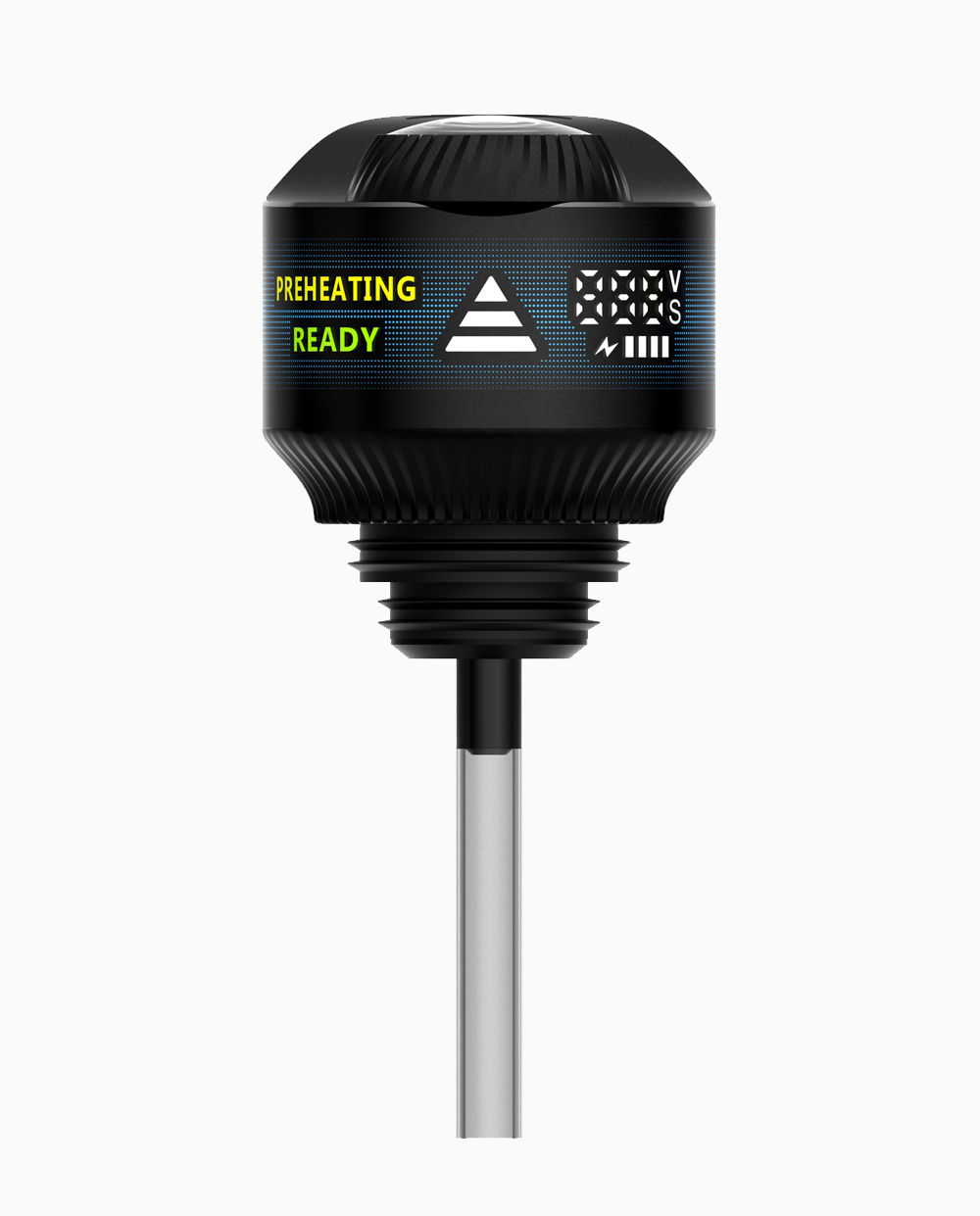
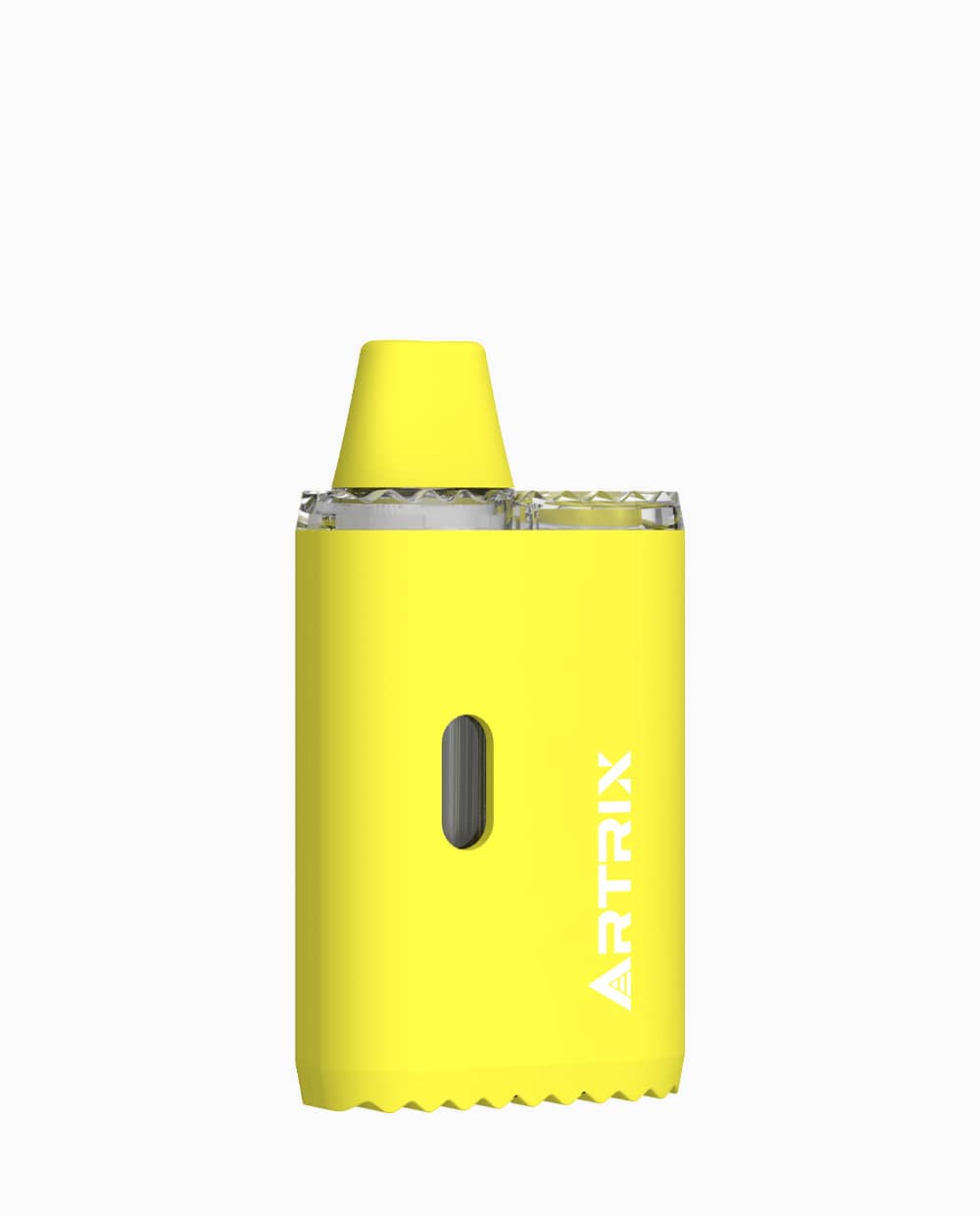
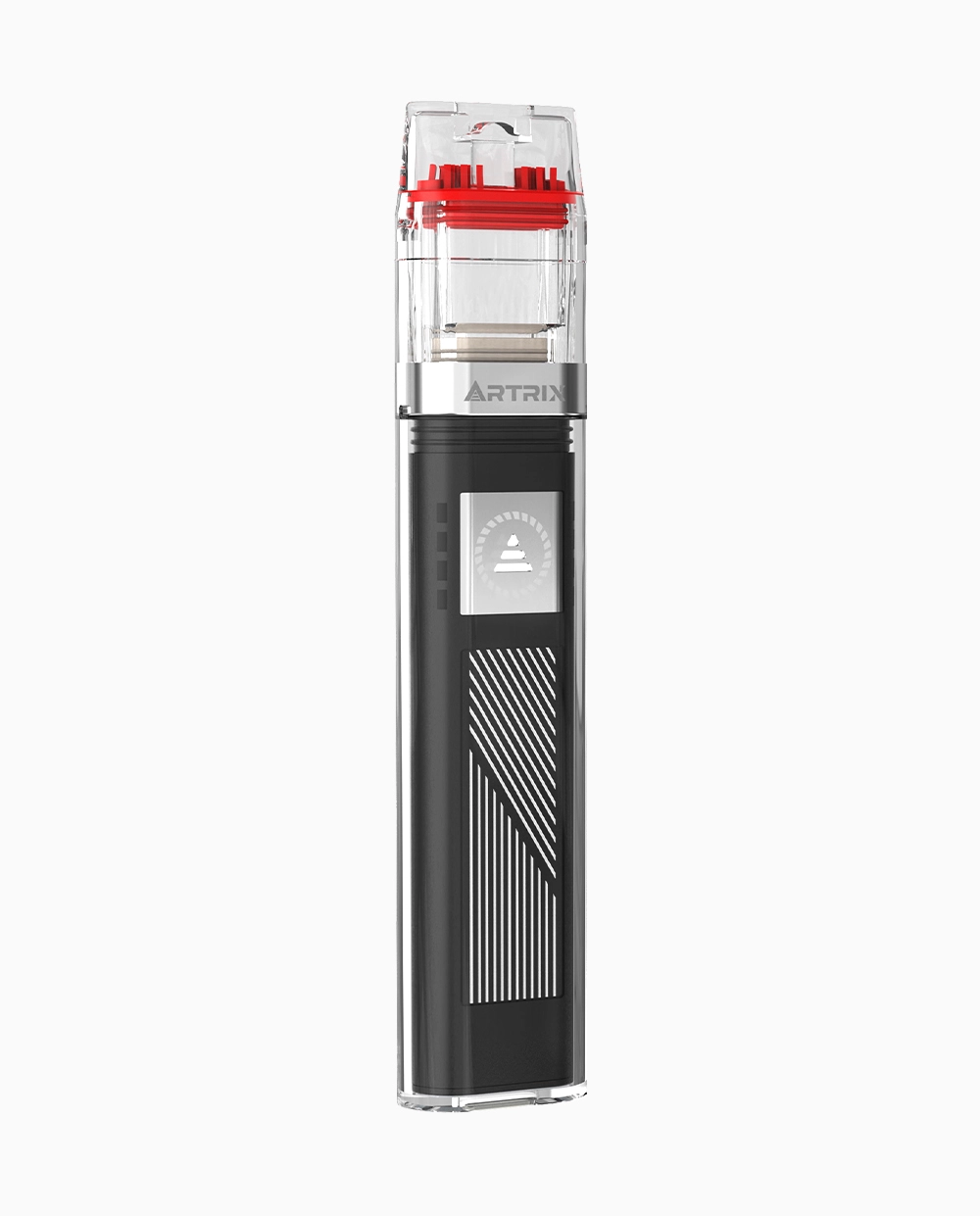
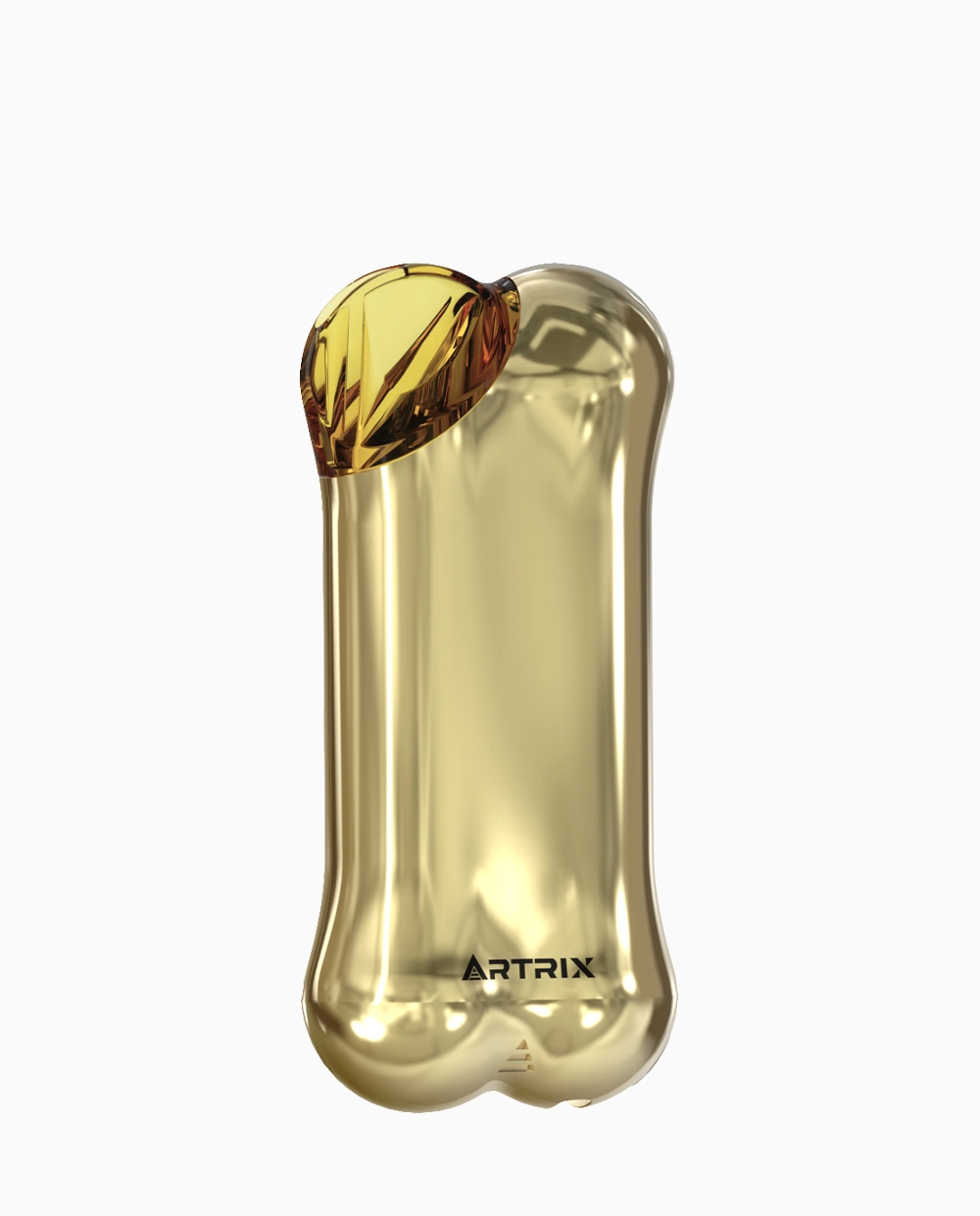
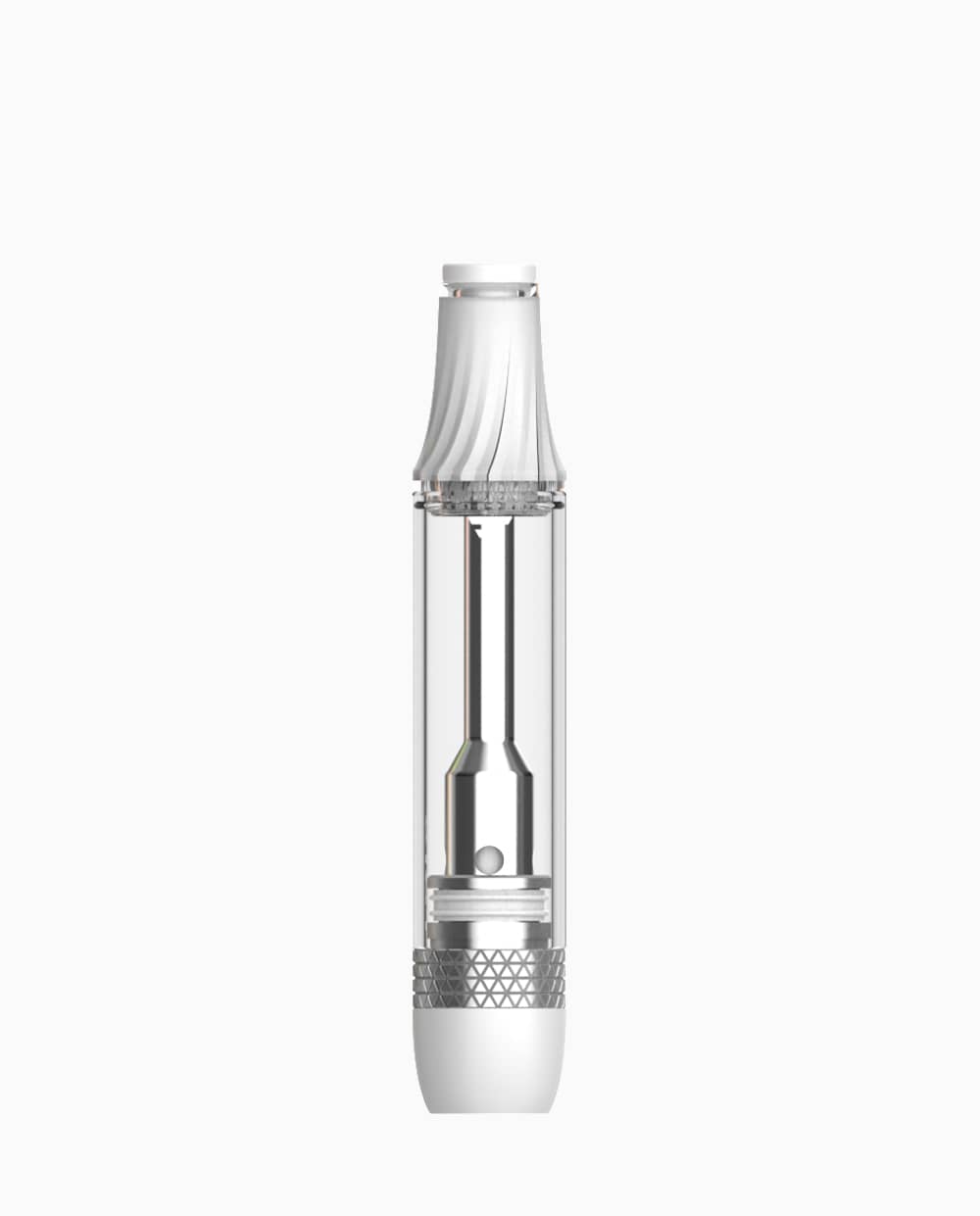
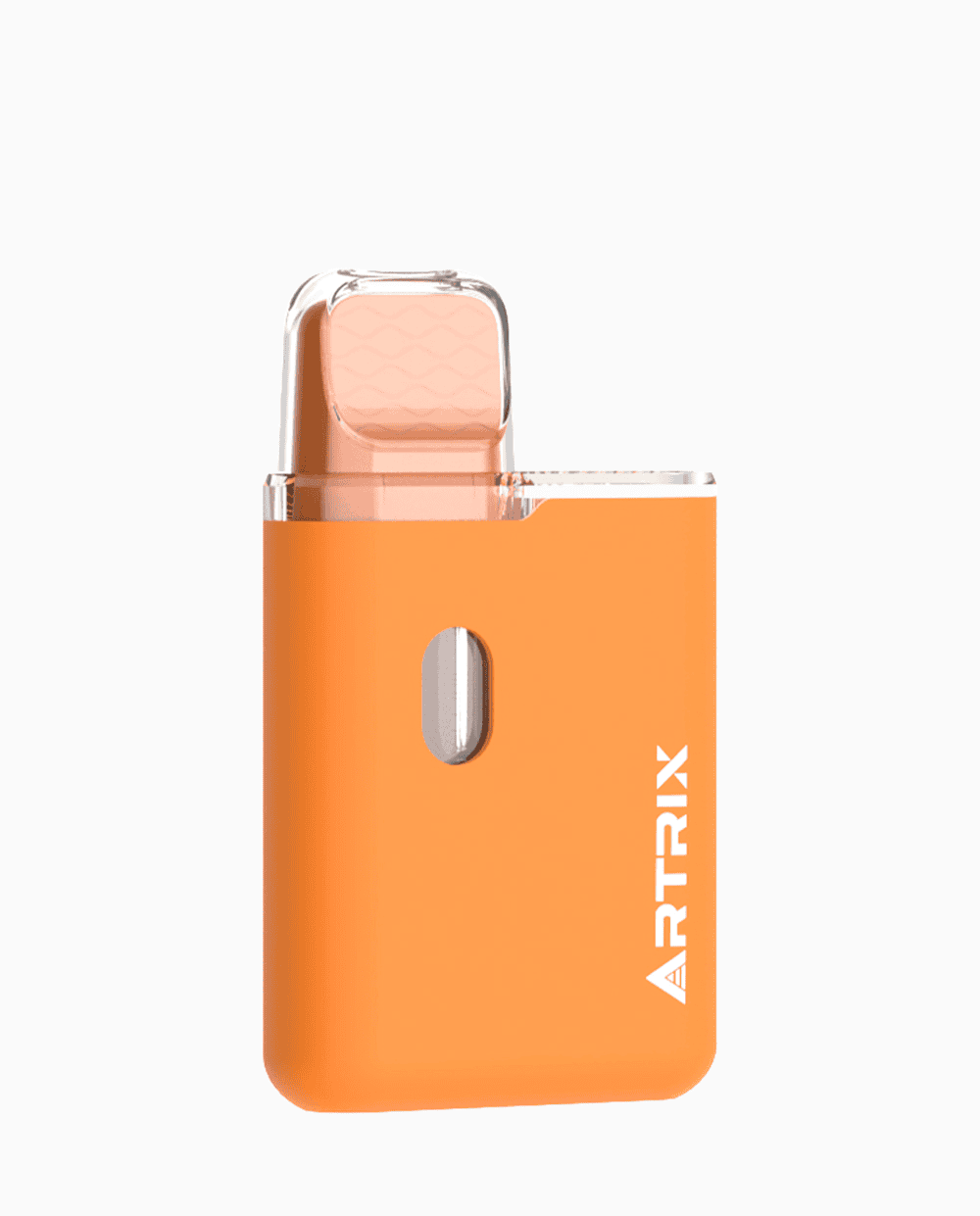
Dabbing involves oils, concentrates, or extracts from cannabis. A mini dab rig makes sense when the buyer uses concentrates more than flower, flavor and vapor control matter, and they are comfortable managing accessories. Traditional mini rigs can be compact, but the accessories change the real footprint. A banger, cap, tool, concentrate container, heat source, cotton swabs, and cleaning materials can quickly turn a small piece into a crowded drawer. Moving from a traditional setup to an electric dab rig (E-Rig) eliminates the “crowded drawer” problem by consolidating a complex station into a single, streamlined device. While traditional mini rigs are physically small, they remain tethered to a bulky ecosystem of torches and external tools; in contrast, modern E-Rigs integrate the heating element and power source into a compact, unified frame.
The Accessories Are What Usually Break the “Fits in a Drawer” Plan
For a bong, that might include the bong body, bowl, downstem, lighter, grinder, screens or small tools, cleaning plugs or brushes, and a storage pouch or wrap. For a dab rig, that might include the rig body, banger or nail, carb cap, dab tool, concentrate container, torch or electronic heating device, cotton swabs, cleaning solution, and protective case.
That is the real dab rig vs bong comparison: not glass body vs glass body, but complete kit vs complete kit. If the drawer is shallow, a compact bong may win because it needs fewer specialized pieces. If the buyer uses concentrates and wants fewer loose accessories, a portable concentrate device may be more practical than a traditional mini rig.
Stability Matters More Than Most Buyers Expect
A piece that fits in a drawer still needs to feel stable during use. Very small bongs and rigs can be easy to tip, especially if the base is narrow, the mouthpiece angle is awkward, or the removable parts shift the balance.
Look for a base that is wide enough for the height, a shape that will not roll when stored sideways, fewer exposed glass arms or delicate extensions, removable parts that can be stored separately, and a body that is easy to grip and move. For drawer storage, compact and sturdy is better than simply tiny.
Cleaning Should Decide the Final Choice
Cleaning is where many buyers change their minds. Small pieces can collect residue quickly because there is less internal space. Tight bends, complex percs, and narrow chambers may be harder to rinse and dry.
Bongs used for flower usually need regular water changes and odor control. Dab rigs and concentrate devices may need more attention to sticky residue around the vapor path, bowl, or heating area.
Choose a piece you can clean without turning the drawer into a maintenance station. If cleaning tools do not fit, the setup is not truly drawer-friendly.
Our Desk Drawer Recommendation Checklist
-
- Does the full setup fit, not just the main piece?
-
- Can the drawer close without pressing on glass, mouthpieces, buttons, or joints?
-
- Is the base stable during use?
-
- Can removable parts be stored safely?
-
- Is the piece easy to clean?
-
- Does the buyer mainly use flower, concentrates, or both?
-
- Will the setup be moved often?
-
- Is there a secure storage plan away from children, pets, and unauthorized users?
-
- Is the product intended only for lawful adult use in the buyer’s jurisdiction?
Example Recommendations by Buyer Type
For flower users with very limited space: choose a compact bong with a simple body, stable base, removable bowl, and easy-clean shape. Avoid tall necks, delicate add-ons, and complicated percs if drawer storage is the priority.
For concentrate users who care about flavor and want less loose hardware: a portable dab device may be easier to store than a traditional mini rig.
For beginners: the best answer depends on what they actually use. A flower user may find a compact bong simpler. A concentrate user may prefer a beginner-friendly portable rig format, especially if it reduces the number of parts they need to manage.
For people who move the piece often: durability and part control matter more than maximum smallness. A setup with fewer loose glass accessories is usually easier to pack, store, and retrieve.
For buyers who want one small setup for everything: be honest about the tradeoff. Hybrid use can sound convenient, but it may create more cleaning, more accessories, and a less optimized experience for both flower and concentrates.
Common Mistakes We See With Small Bongs and Mini Rigs
The first mistake is buying based only on height. A piece can be short and still take up too much drawer space.
The second mistake is forgetting accessories. This is especially common with dab rigs, where the full kit can be much larger than expected.
The third mistake is choosing a piece that tips too easily. Stability is part of storage, not just use.
The fourth mistake is picking a complex design that is hard to clean. A tiny chamber with difficult angles may become frustrating fast.
The fifth mistake is assuming “mini” means beginner-friendly. A mini dab rig can still require experience, tools, and maintenance.
The final mistake is storing parts loose. Loose glass, hot tools, or residue-covered accessories can damage the drawer and the product.
Final Recommendation
When choosing a dab rig vs bong for desk drawer storage, do not ask which main piece is smallest. Ask which complete setup is easiest to store, protect, clean, and use.
Choose a compact bong if the buyer mainly uses flower, wants a familiar setup, and has room for the body plus basic accessories. Choose a mini dab rig or portable concentrate device if the buyer mainly uses concentrates and is willing to plan around concentrate-specific tools.


-1.webp)
-1.webp)
-2.webp)