
-1.webp)
-1.webp)
-2.webp)
















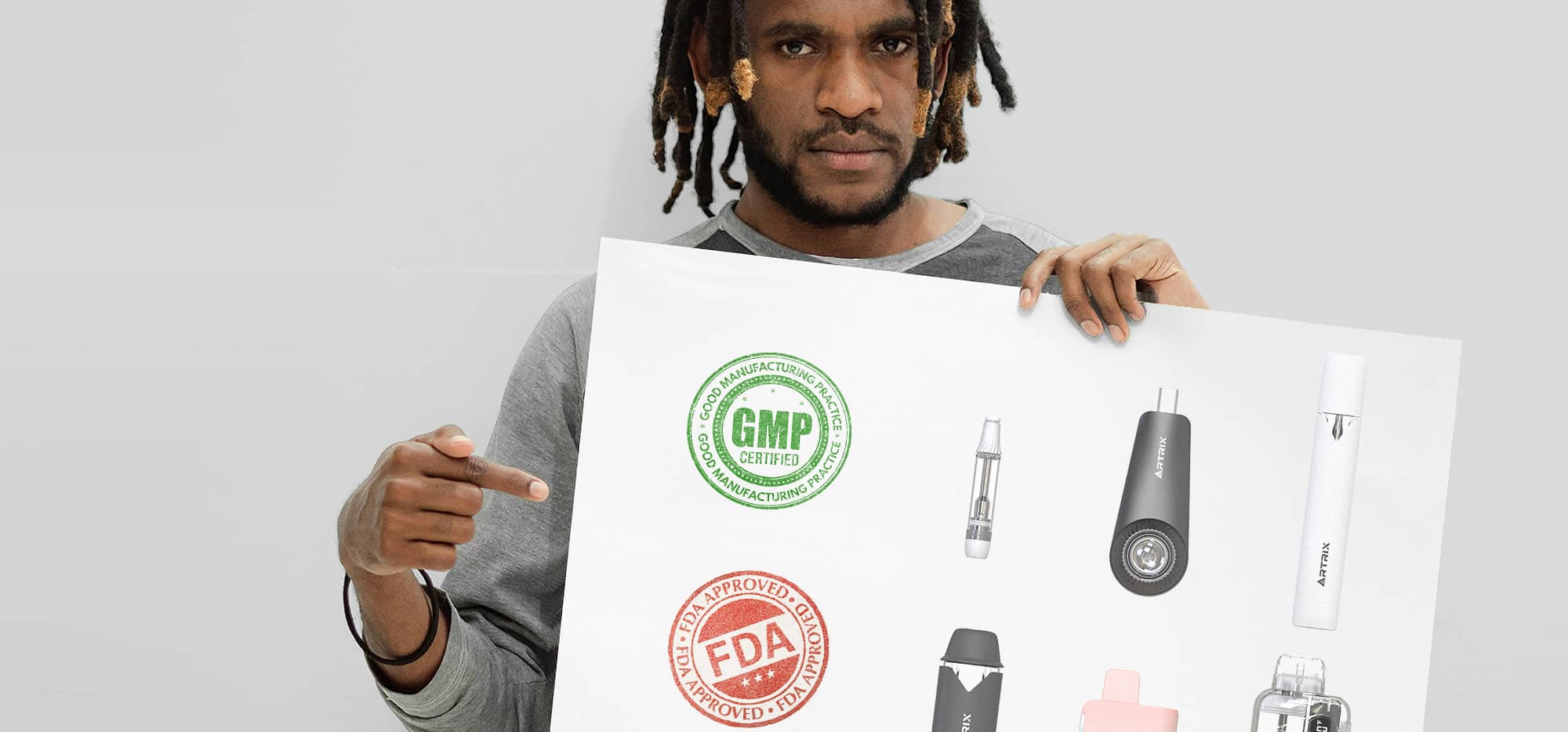



Disposable vs Pod vs 510: Where Is the Cannabis Vape Market Heading?
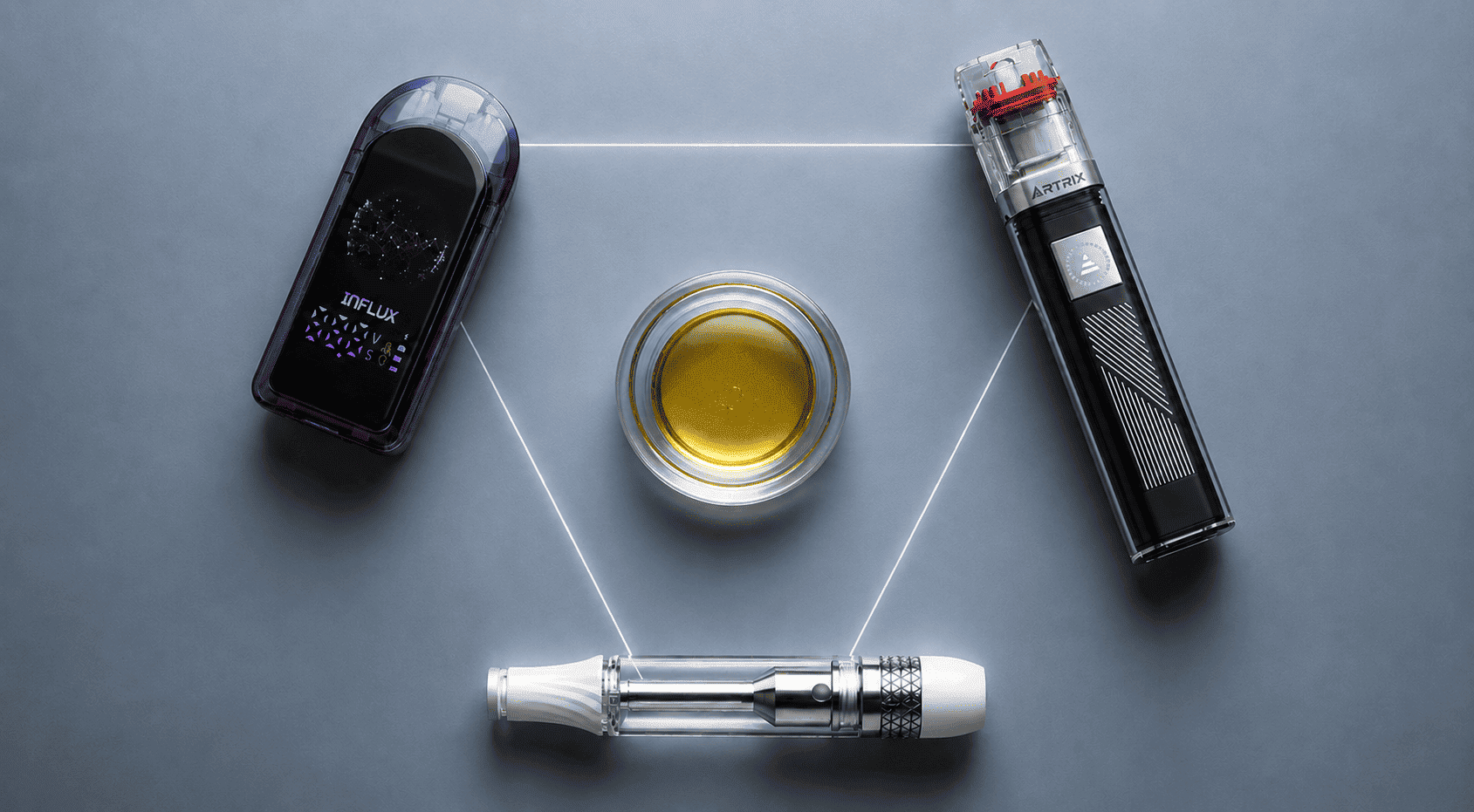
The cannabis vape market is no longer moving in a simple line from 510 cartridges to disposables, or from disposables to pods. Instead, the market is becoming more segmented. Different hardware formats now solve different business problems: 510 systems support openness, disposables drive fast first-time conversion, and pod systems create stronger repeat-purchase behavior.
Over the past few years, the cannabis vape market has gone through a significant transformation. Consumer habits, brand growth strategies, and product formats themselves have continuously evolved. Looking back at the market’s development, one pattern becomes very clear: almost every dominant hardware format emerged to solve the industry’s biggest problem at a specific stage of growth.
For cannabis brands, the bigger question is no longer simply which format sells fastest. It is which format can help build a healthier long-term system: stronger user retention, more predictable repeat purchases, better margin structure, and lower waste.
510: The Era of Open Ecosystems
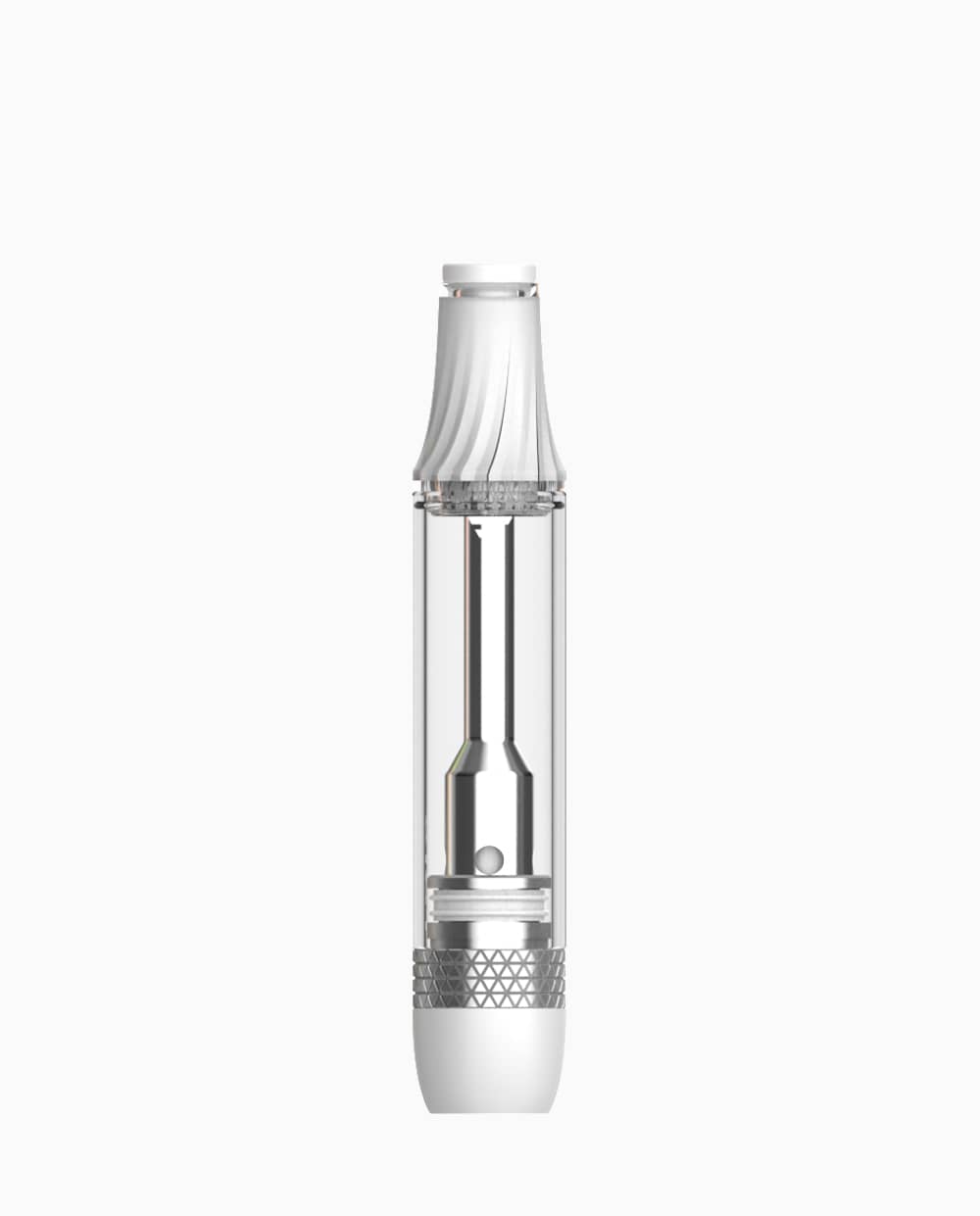
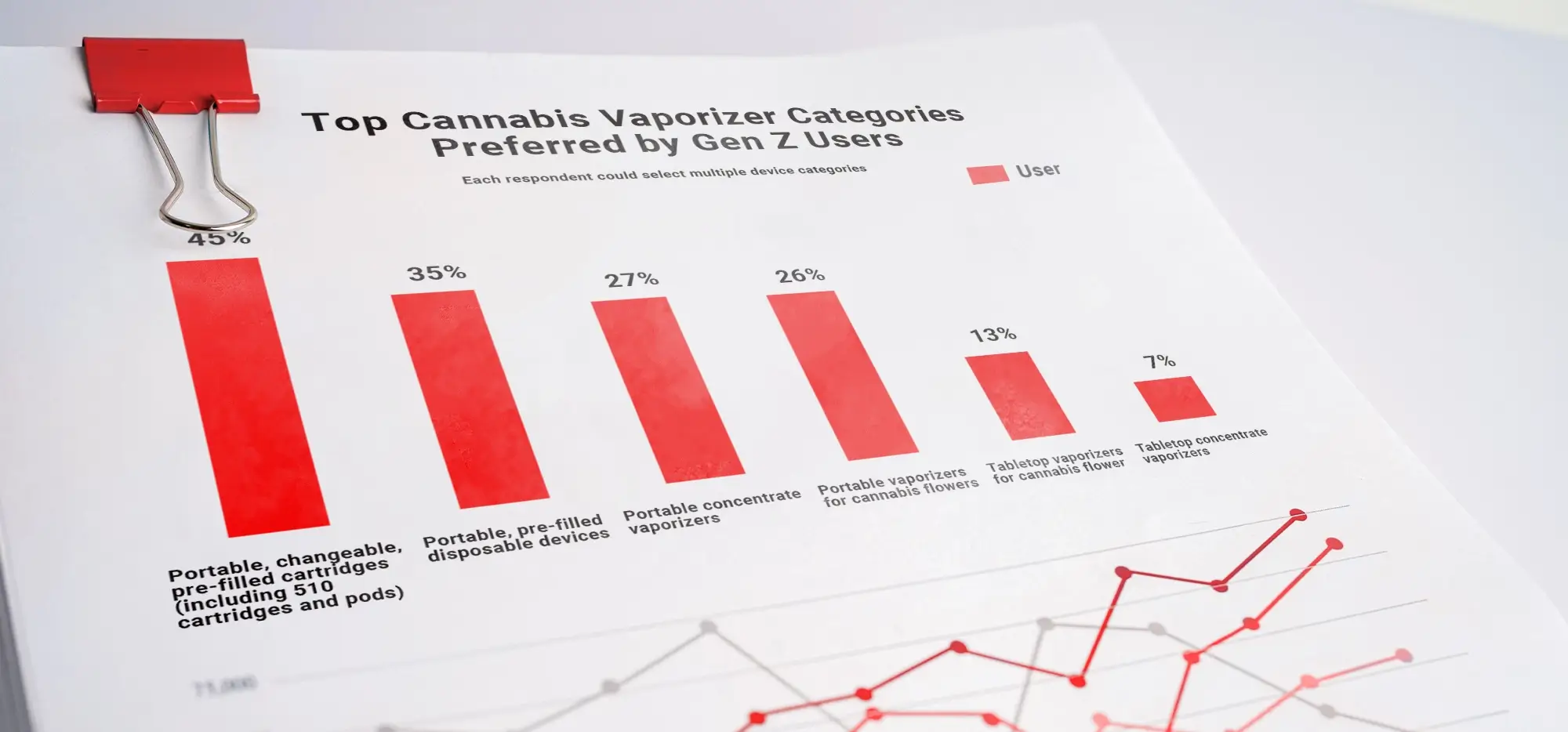
A few years ago, 510 cartridges represented the vast majority of the cannabis vape market. Open cartridge ecosystems dominated because they offered low costs, high compatibility, and flexibility. Consumers could freely mix and match batteries and cartridges from different brands while entering the market at a relatively affordable price point.
At that stage, 510 systems were mature, practical, and highly adaptable. For many consumers, openness itself was part of the appeal.
This openness remains the strongest advantage of 510 hardware today. Consumers can choose different oil types, price tiers, cartridge brands, and battery designs without being locked into one closed system. For retailers, 510 products are also easy to merchandise because the format is familiar and widely understood.
However, the same openness that makes 510 attractive to consumers also limits brand control. Once a consumer owns a compatible battery, they can switch cartridge brands at any time. This makes it harder for brands to build loyalty through hardware alone.
Why Disposables Took Over the Market
As the market expanded, consumers increasingly prioritized simplicity and immediacy. This shift created the perfect environment for disposable weed vapes to rise rapidly.
Compared to 510 systems, disposables removed almost every friction point. There was no need to purchase a separate battery, no compatibility concerns, and no setup process. Consumers could simply open the package and start using the device immediately.
For new users especially, this dramatically lowered the barrier to entry.
At the same time, disposables aligned perfectly with the industry’s rapid-growth phase. Simpler products meant faster conversion, easier retail education, quicker inventory movement, and more scalable distribution for brands and retailers alike.
For brands entering competitive retail shelves, disposables offered a clear advantage: the product was easy to explain in seconds. For budtenders, it required less education. For consumers, it reduced hesitation. For retailers, it created a product that could move quickly without requiring accessories, starter kits, or compatibility discussions.
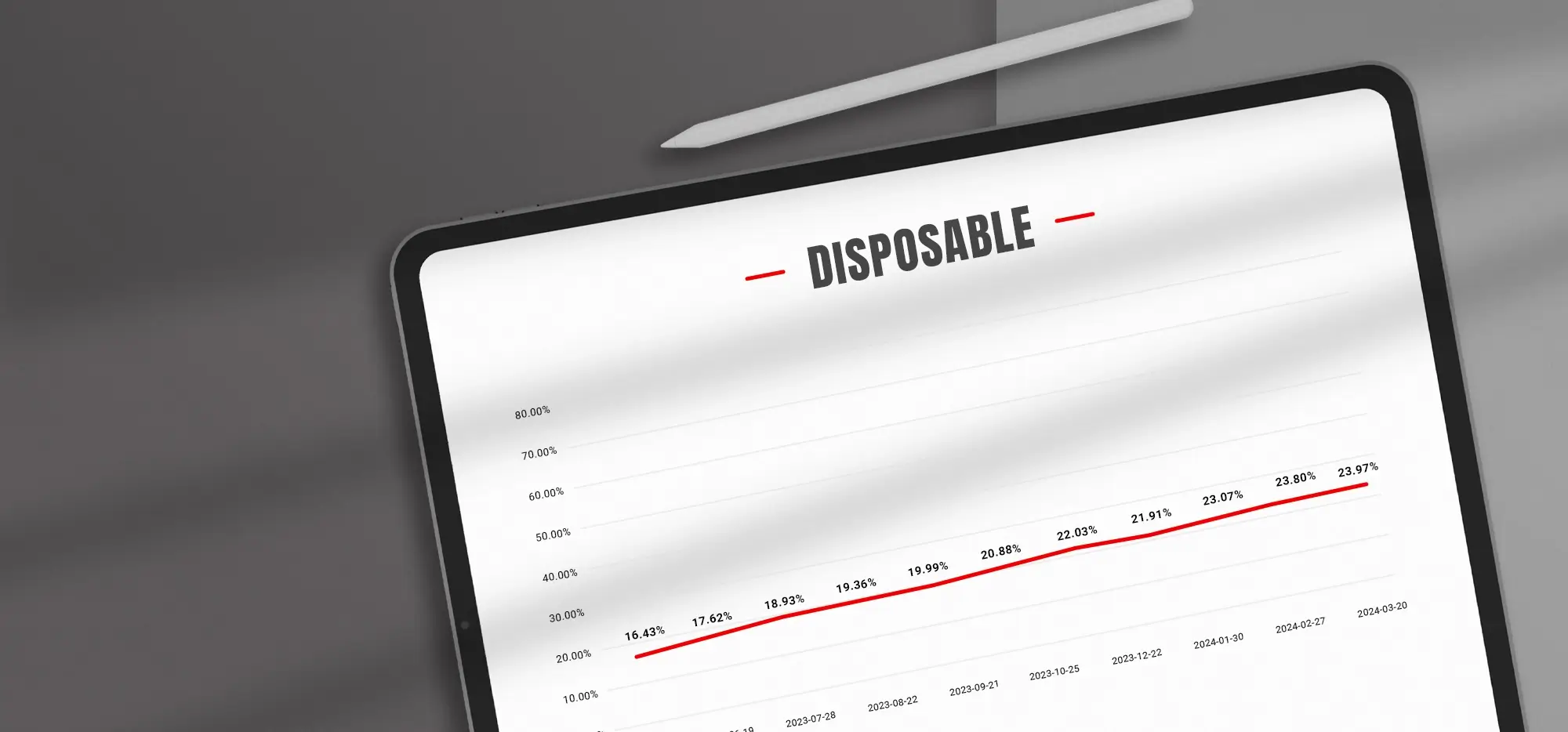
In many mature markets, disposable products eventually surpassed 510 systems in market share and became the dominant product category. The exact balance still varies by region, retailer type, price tier, and consumer segment, but the growth logic is clear: disposables defined much of the cannabis vape industry’s expansion over the past several years.
Why Disposable Growth Is Becoming Harder to Sustain
But as the market matured, the limitations of disposables became increasingly difficult to ignore.
The greatest strength of disposables is that they are easy to sell. Their greatest weakness is that they are equally easy to replace.
Consumers purchase once and leave. Brands struggle to build lasting relationships. To maintain sales momentum, companies must continuously invest in shelf placement, promotions, budtender incentives, and traffic acquisition. The moment that spending slows down, consumers often migrate to lower-priced alternatives.
As a result, many brands continue growing revenue while failing to improve the overall health of their profit structure. In many cases, what appears to be growth is simply the repeated reacquisition of the same customers.
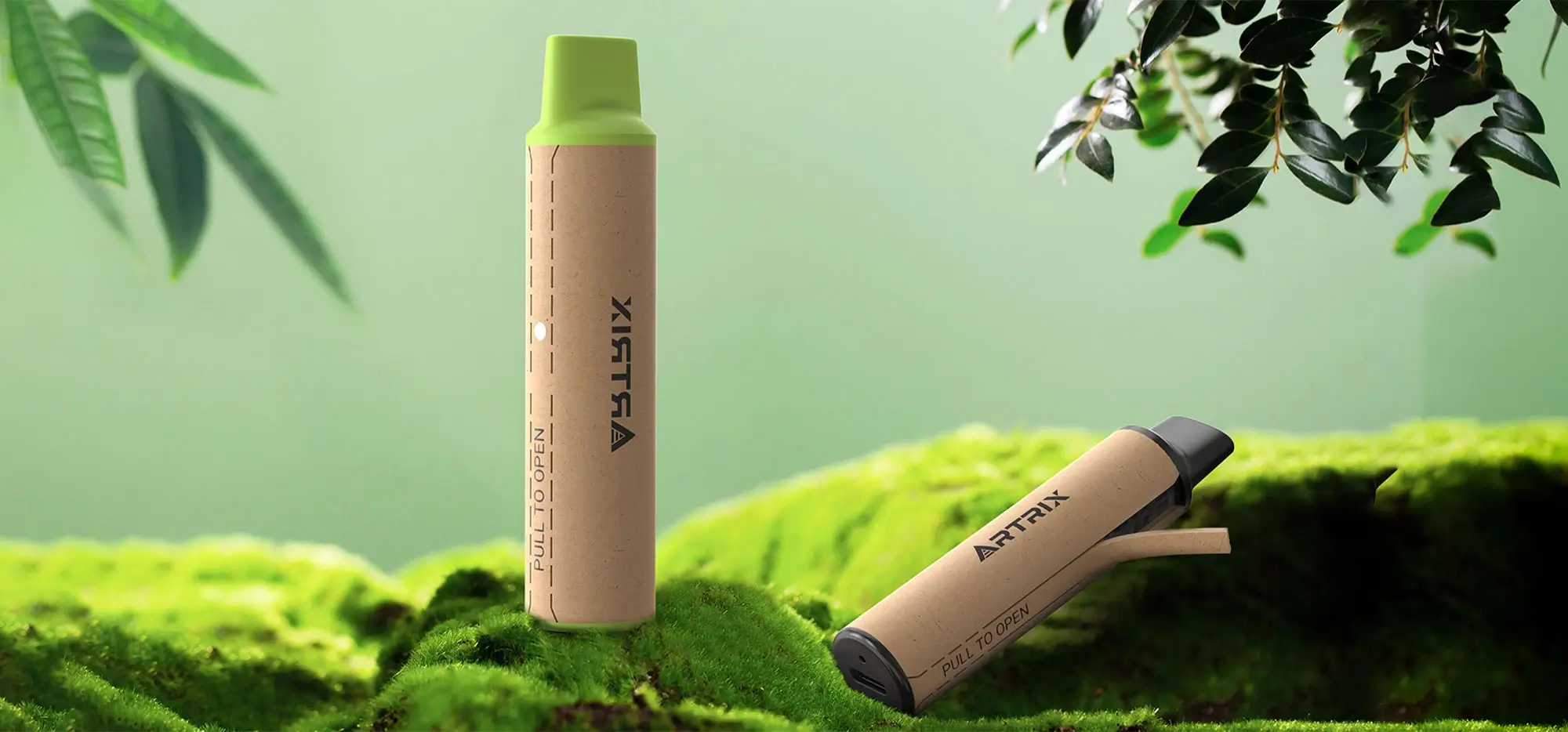
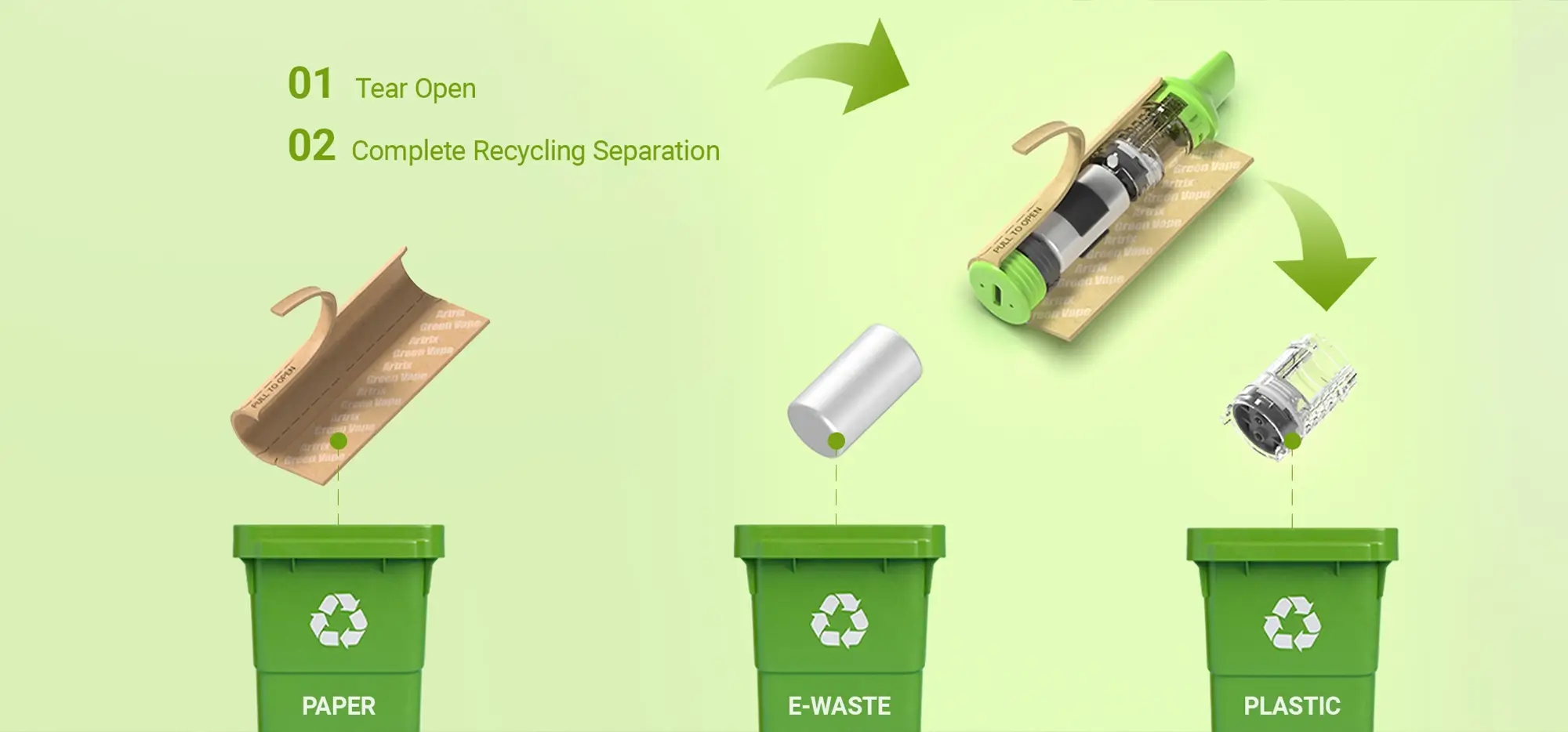
At the same time, sustainability has become an increasingly important issue across the industry. Traditional disposable devices are discarded entirely after use, generating significant plastic and electronic waste. As consumer awareness increases and regulations surrounding disposables become stricter in certain markets, sustainability is becoming a more critical factor in long-term market development.
This creates a difficult equation for brands. Disposables can increase short-term sell-through, but they do not automatically create long-term customer assets. Each device contains a battery, housing, mouthpiece, electronics, and oil chamber that may be discarded after one use cycle. As volumes grow, the environmental and cost pressure becomes harder to ignore.
Yet despite the rapid rise of disposables, pod systems never truly disappeared.
Why Pod Systems Never Went Away
Many people assume pod systems were replaced by disposables, but the market tells a different story. Over the past several years, successful brands have continued proving that consumers are willing to enter closed ecosystems and remain there long term.
Brands like STIIIZY, Plug Play, and PAX have demonstrated something important: consumers do not always prioritize openness. In many cases, they care more about consistency, reliability, flavor experience, and overall brand identity.
STIIIZY, in particular, fundamentally changed how the industry viewed pod systems. It proved that closed pod ecosystems are not simply hardware structures — they are long-term brand ecosystems. Once consumers repeatedly purchase within the same system, the device itself becomes more than hardware; it becomes an ongoing connection between the brand and the user.
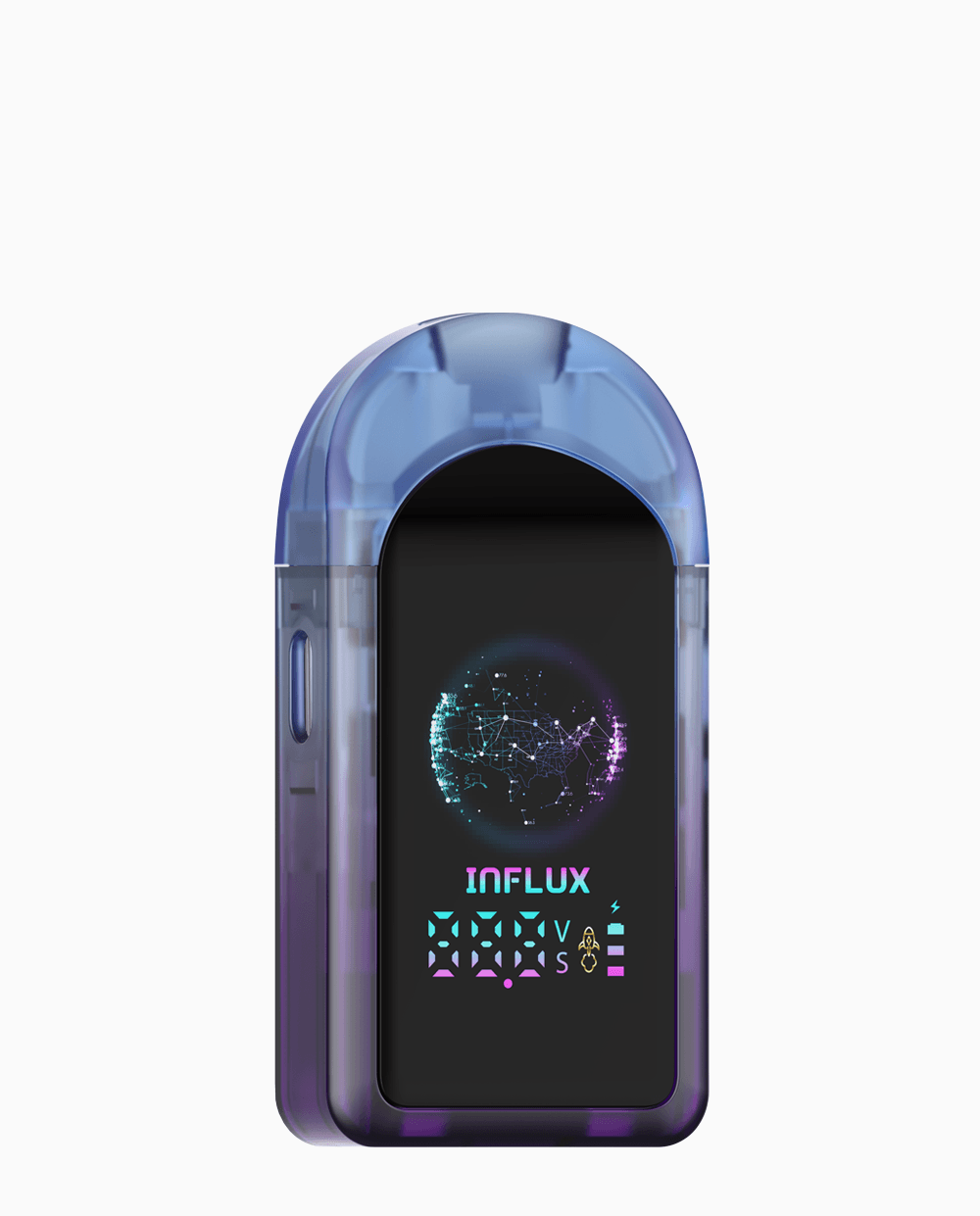
Plug Play further reinforced consumer expectations around flavor, hit quality, and consistency, while PAX Era pushed pod systems closer toward premium consumer electronics through temperature control, app ecosystems, and refined industrial design.
More importantly, an increasing number of brands are no longer choosing between disposables and pod systems. Instead, they are building both.
Because the industry has gradually realized something important:
Disposables excel at conversion.
Pods excel at retention.
And the future may belong to brands that can achieve both at the same time.
The Format Trade-Off Brands Need to Understand
No single vape format solves every business problem. Each format creates a different relationship between the brand, the retailer, and the consumer.
| Format | Strongest Advantage | Main Limitation | Best Fit |
|---|---|---|---|
| 510 | Openness and compatibility | Weaker brand lock-in | Consumers who value flexibility, price choice, and broad cartridge compatibility |
| Disposable | Fast first-time conversion | Low retention and higher waste | New users, impulse purchases, fast retail movement, and simple product education |
| Pod System | Repeat purchase and ecosystem loyalty | Higher upfront cost and more education | Brands focused on consistency, premium experience, and long-term retention |
| Hybrid Structure | Disposable-like entry with pod-like retention | Requires clear system design and consumer education | Brands trying to combine convenience, repeat purchase, and better sustainability |
This is why the future of cannabis vape hardware may not belong to one format alone. It may belong to brands that understand how to use each format strategically.
Pod Systems Are About More Than Hardware
This is exactly why pod systems are receiving renewed attention today.
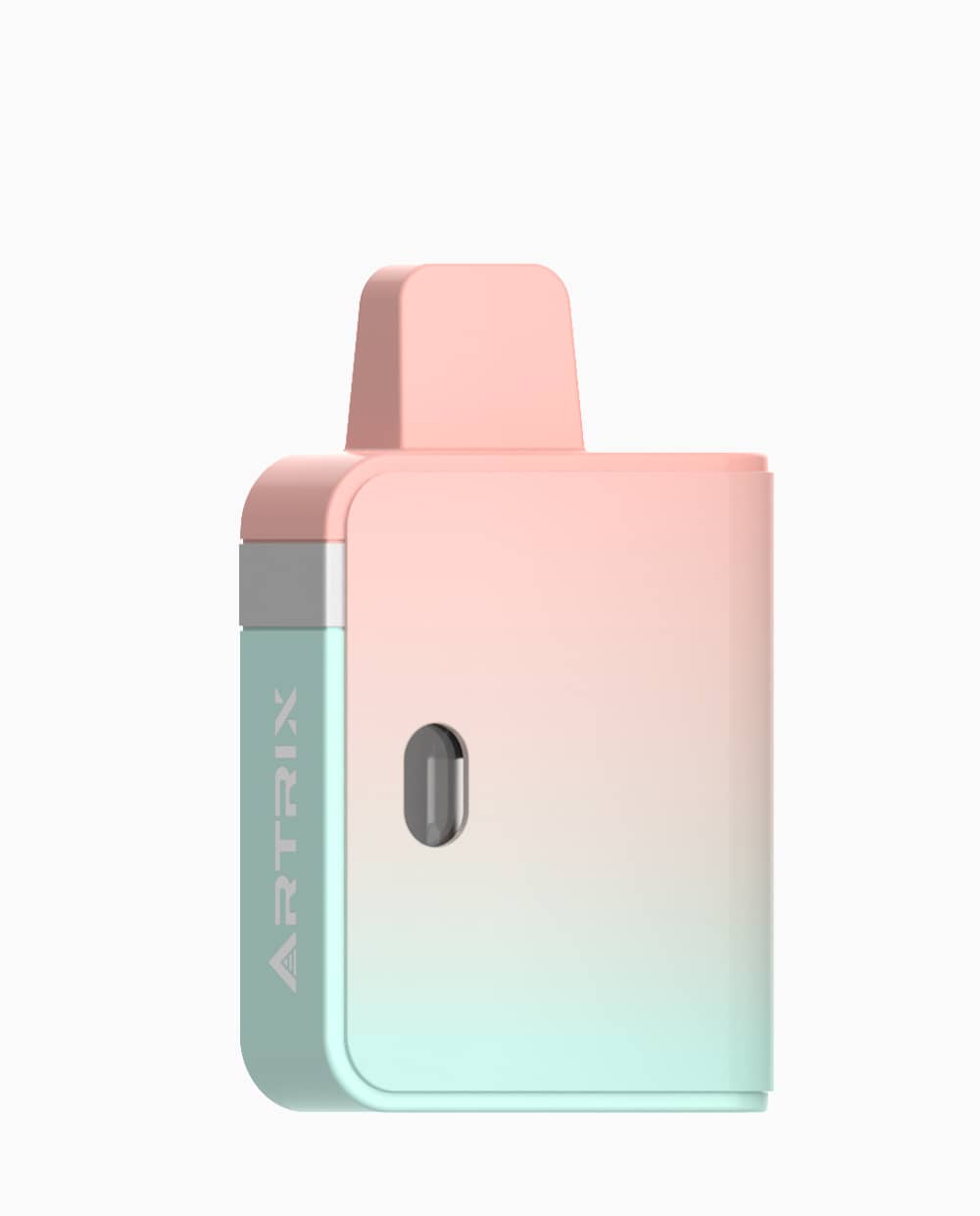
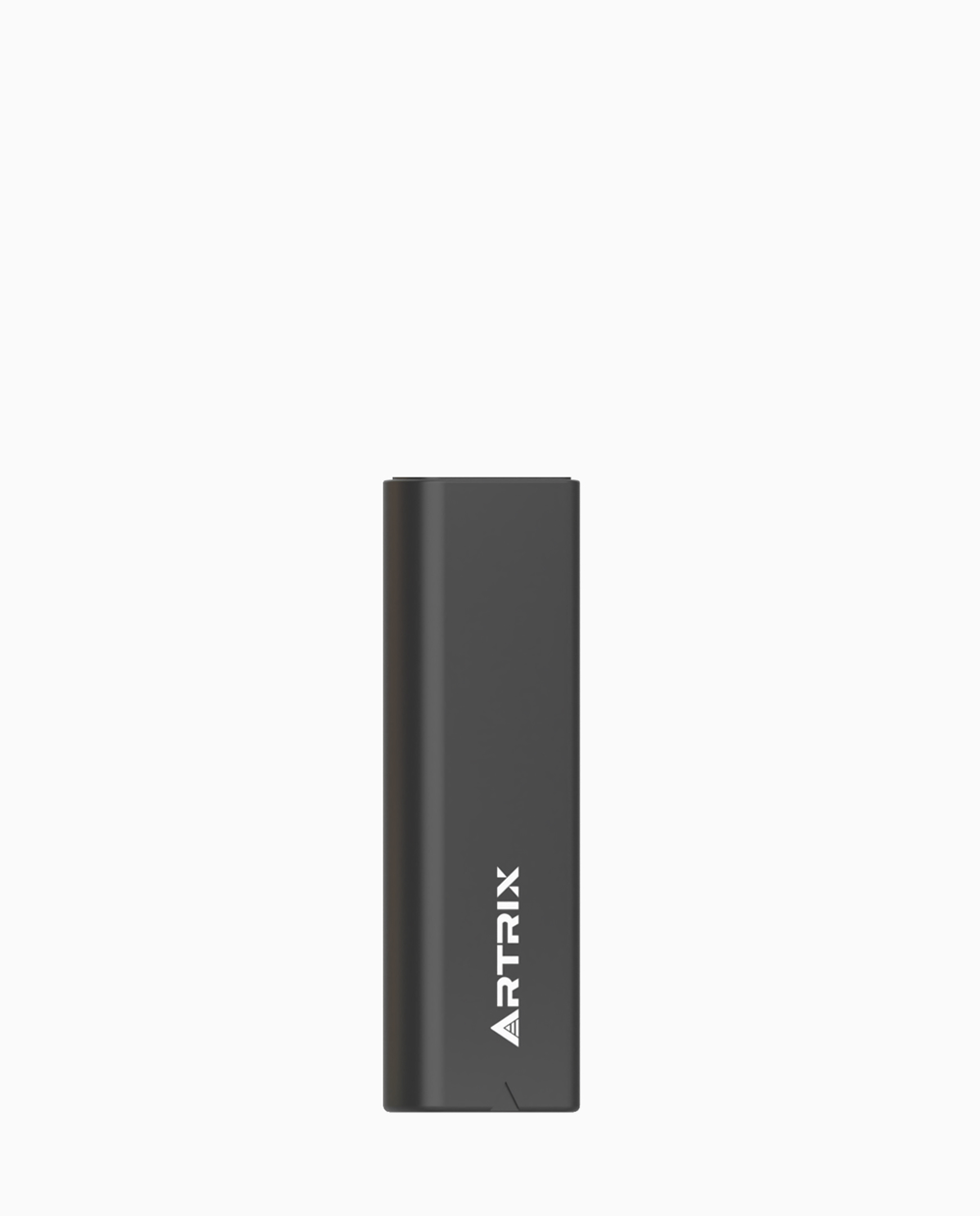
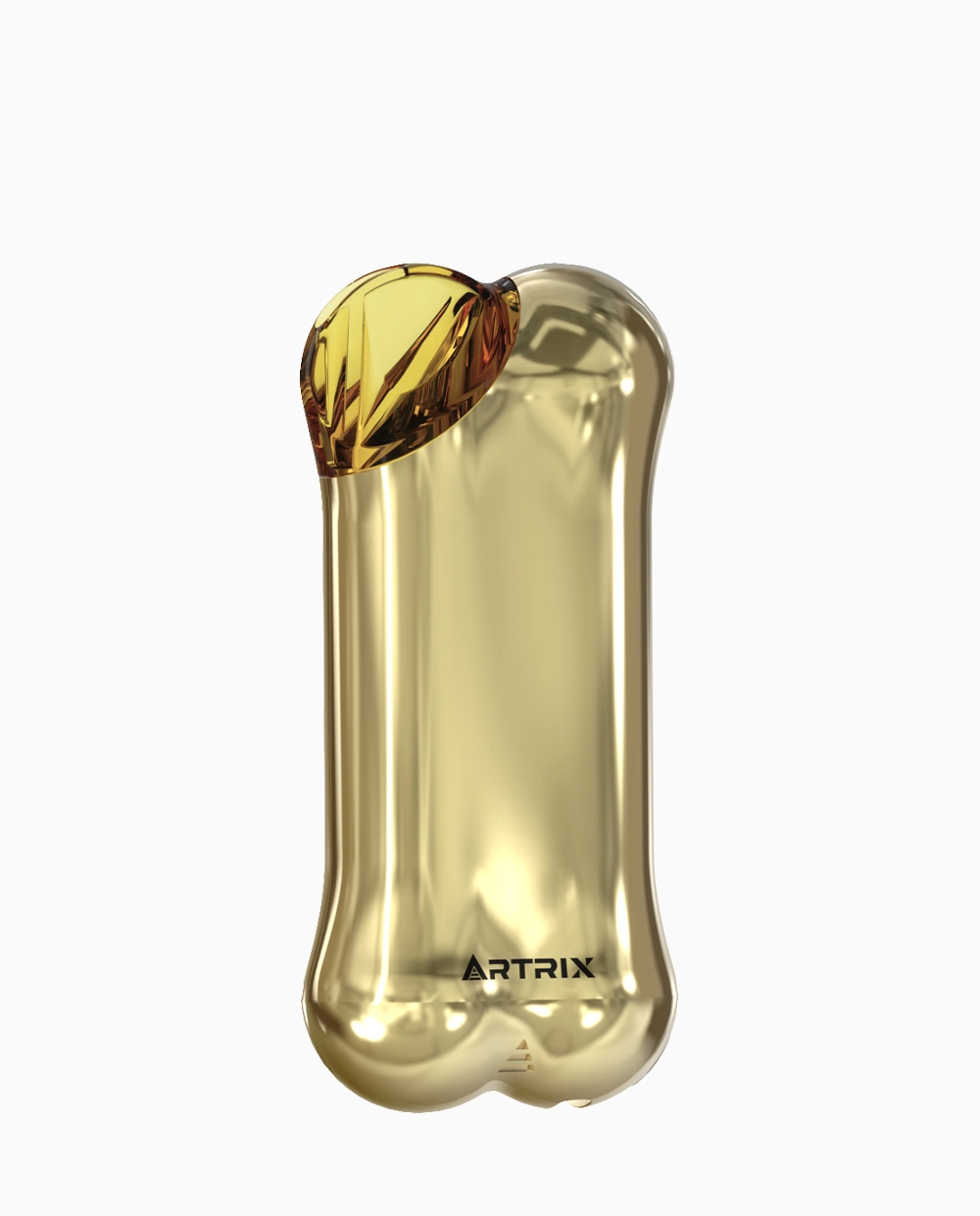
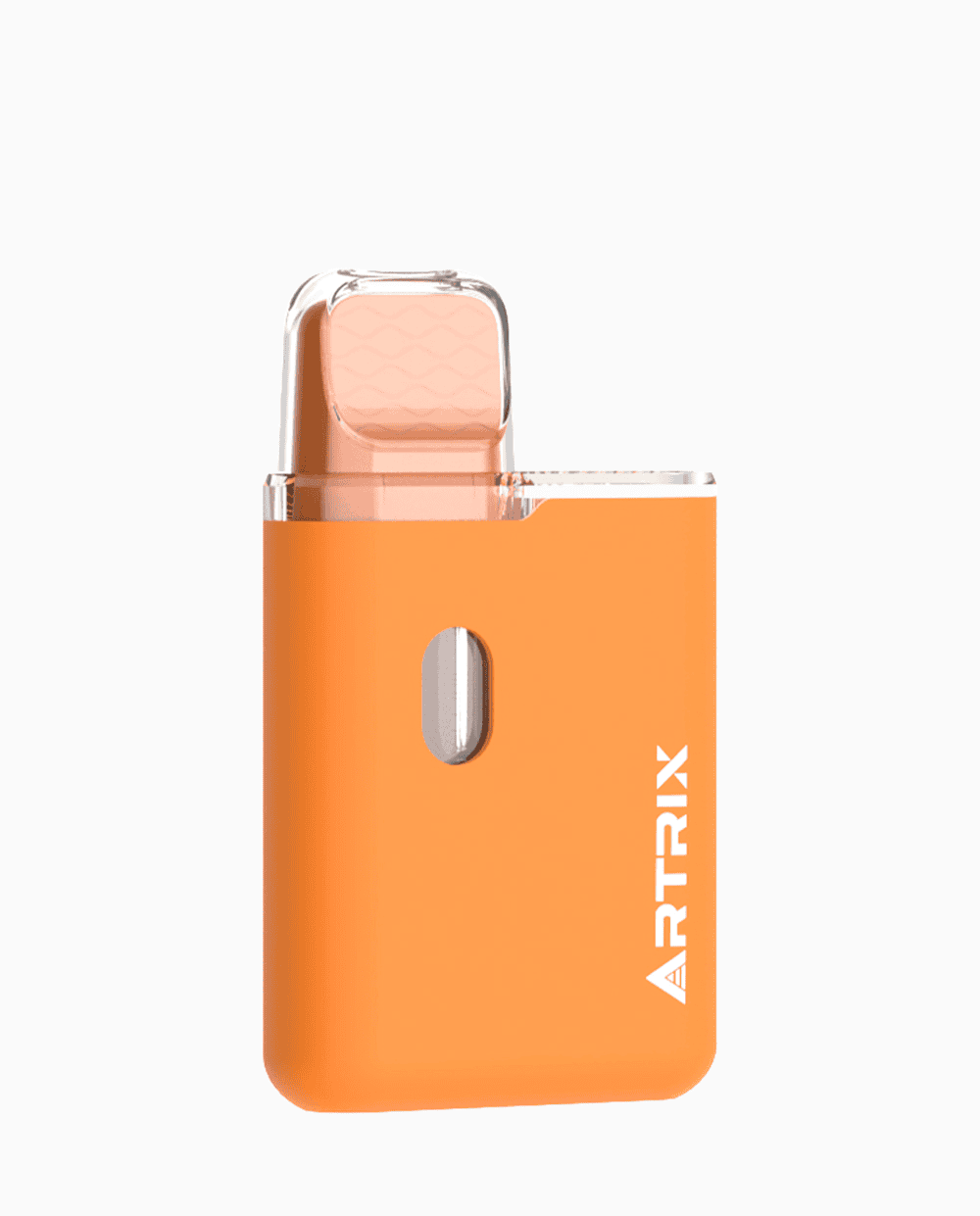
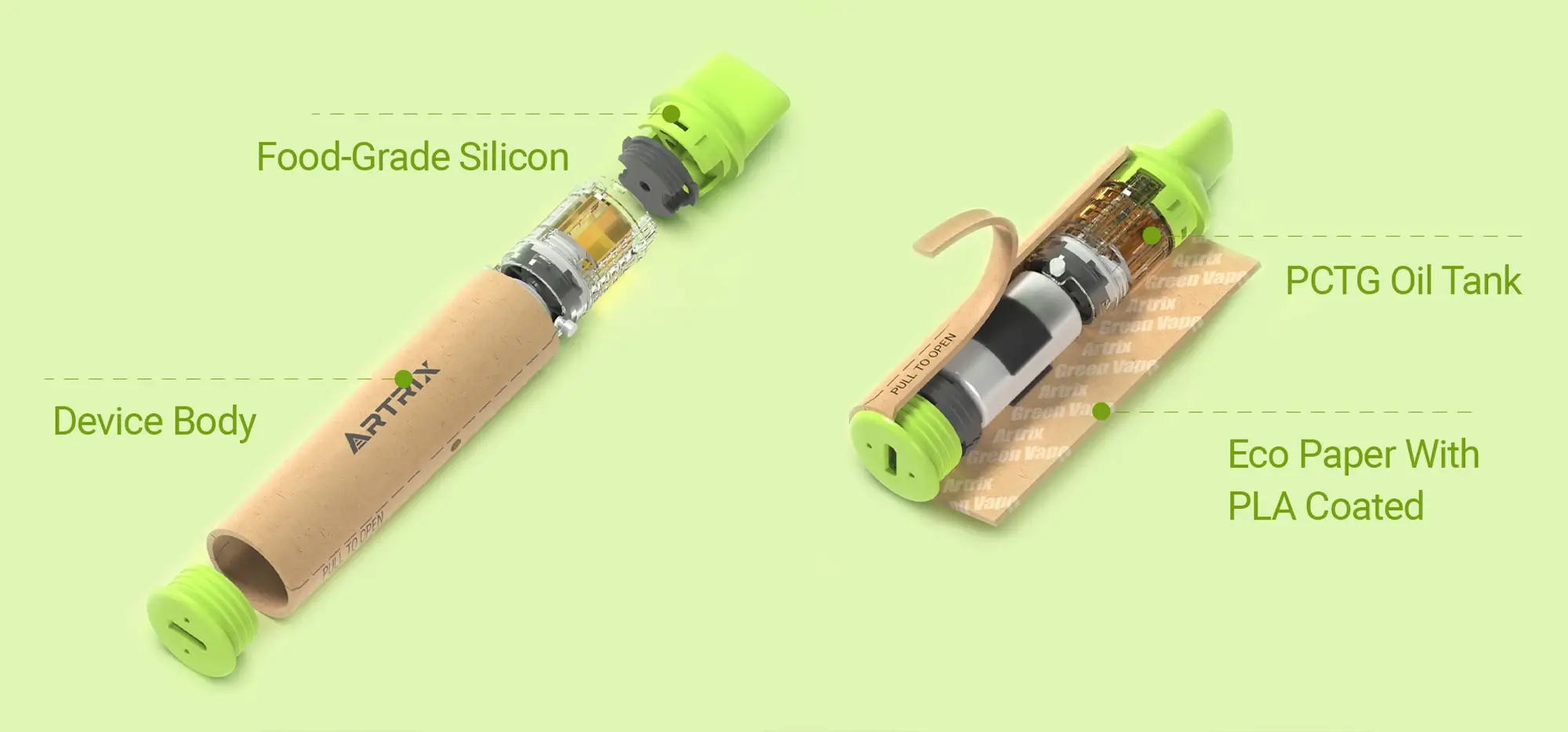
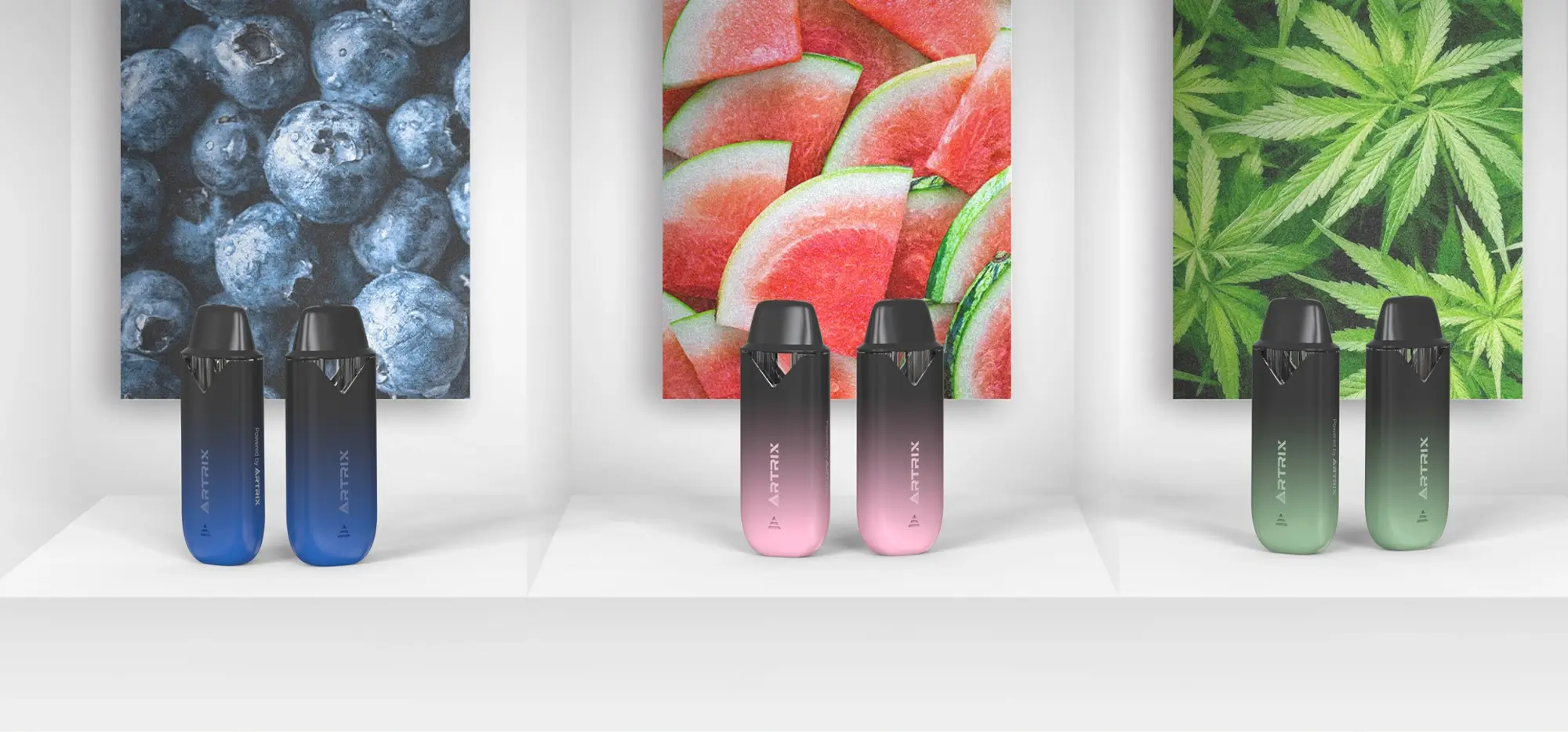
Unlike disposables, pod systems separate the device from the consumable. Consumers retain the battery while replacing only the pod or cartridge. This structure not only reduces the cost of repeatedly purchasing full devices, but also changes the relationship between brands and consumers.
For brands, the true value of pods is not the hardware itself — it is the ability to create long-term repeat behavior.
Once consumers retain the device, repeat purchases become significantly more natural. In many ways, pod systems function less like products and more like long-term user systems.
However, pod systems also come with their own limitations. Starter kits increase the upfront purchase cost. The structure introduces additional complexity and consumer education requirements. Compared to the instant usability of disposables, pod systems typically involve slower first-time conversion and greater dependence on brand education.
As a result, even though pods improve retention, disposables continue to outperform them in conversion efficiency.
This creates the central tension in today’s cannabis vape market: the format that converts fastest is not always the format that retains best.
Why No Single Format Can Dominate the Entire Market
Meanwhile, 510 systems have also never truly disappeared.
The reason is relatively straightforward: 510 remains one of the most open and flexible ecosystems in the industry. Consumers can freely combine different cartridges and batteries based on price, oil type, or personal preference. This flexibility continues to attract a stable user base.
For brands, however, openness also creates weaker customer lock-in. Consumers can switch cartridge brands freely without replacing the battery itself, making long-term loyalty harder to maintain.
In many ways:
510 represents openness.
Disposables represent conversion efficiency.
Pods represent retention.
And the future of the market may not fully belong to any single category.
As the industry matures, more brands are searching for a new balance — one that preserves the low-friction convenience of disposables while also creating the long-term repeat behavior traditionally associated with pod systems, all while supporting healthier profit structures and greater sustainability.
As a result, the market is beginning to see more hybrid structures emerge.
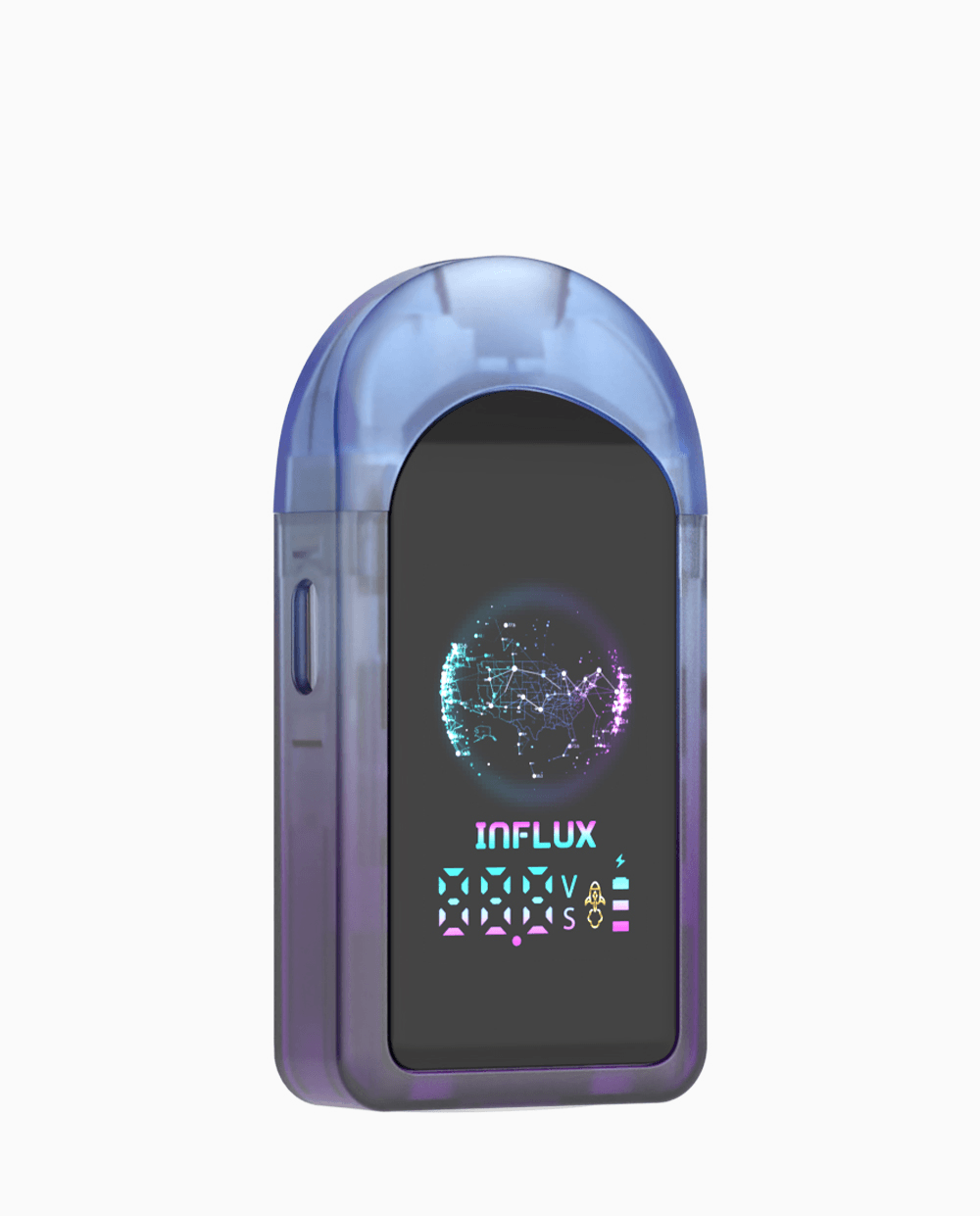
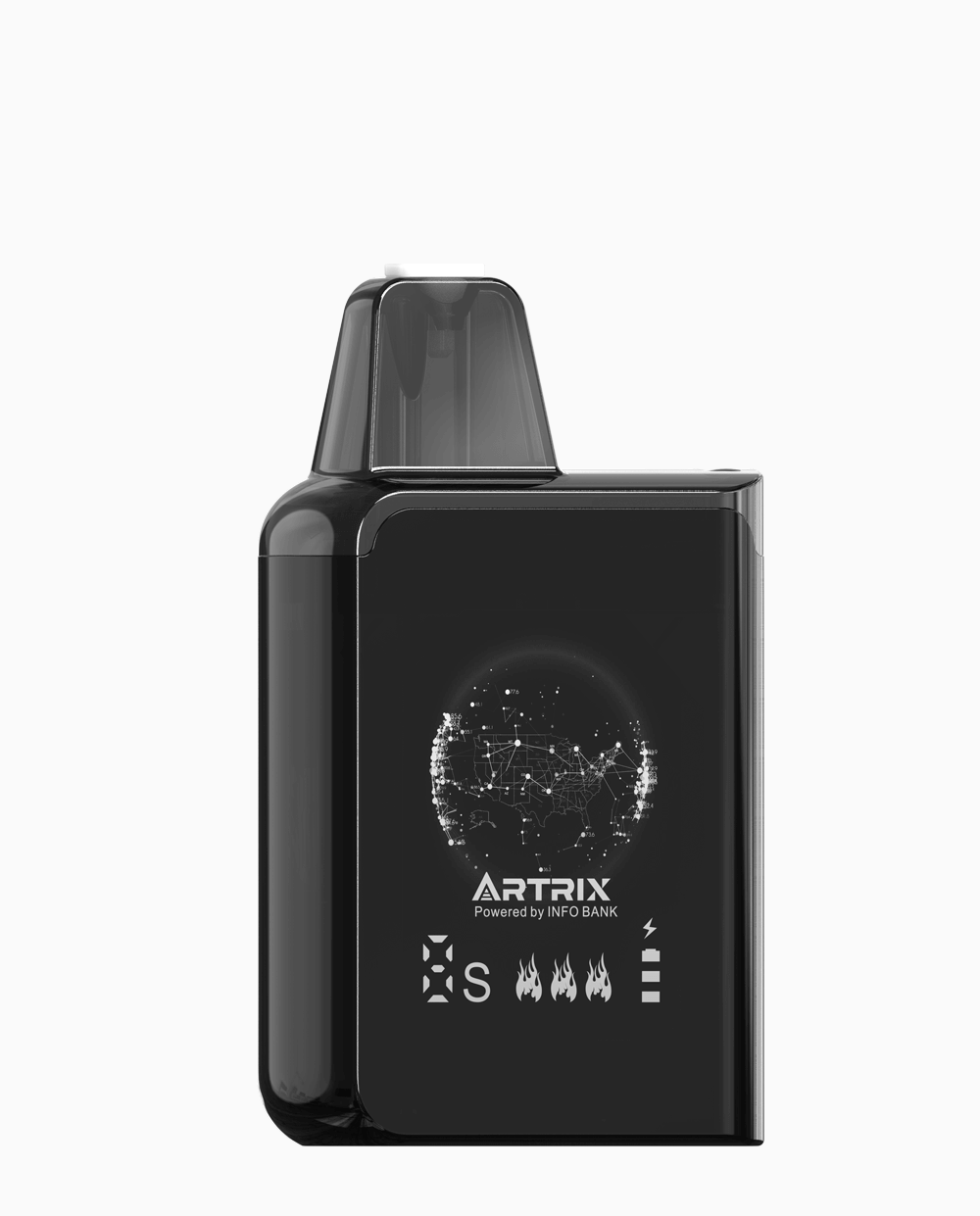
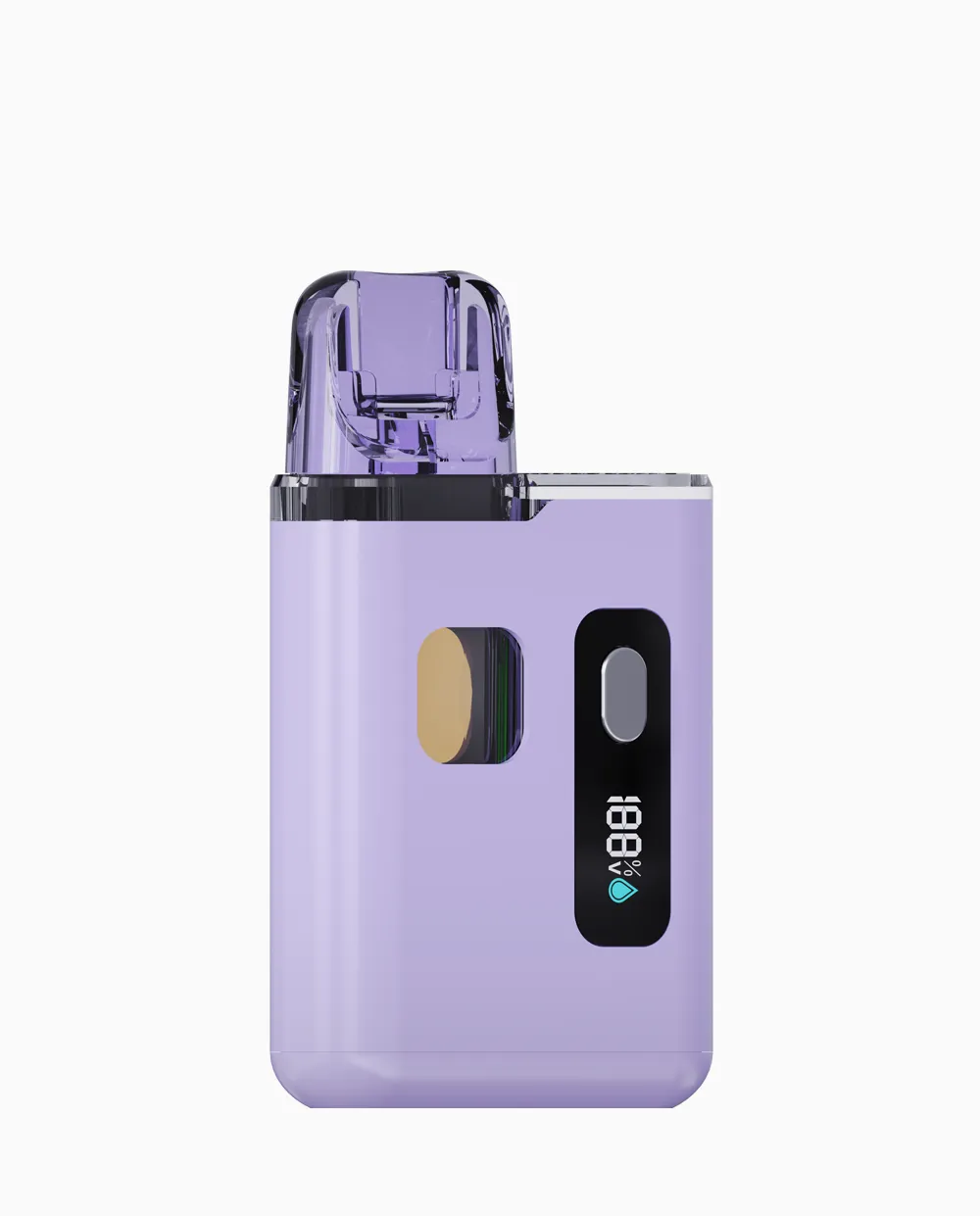
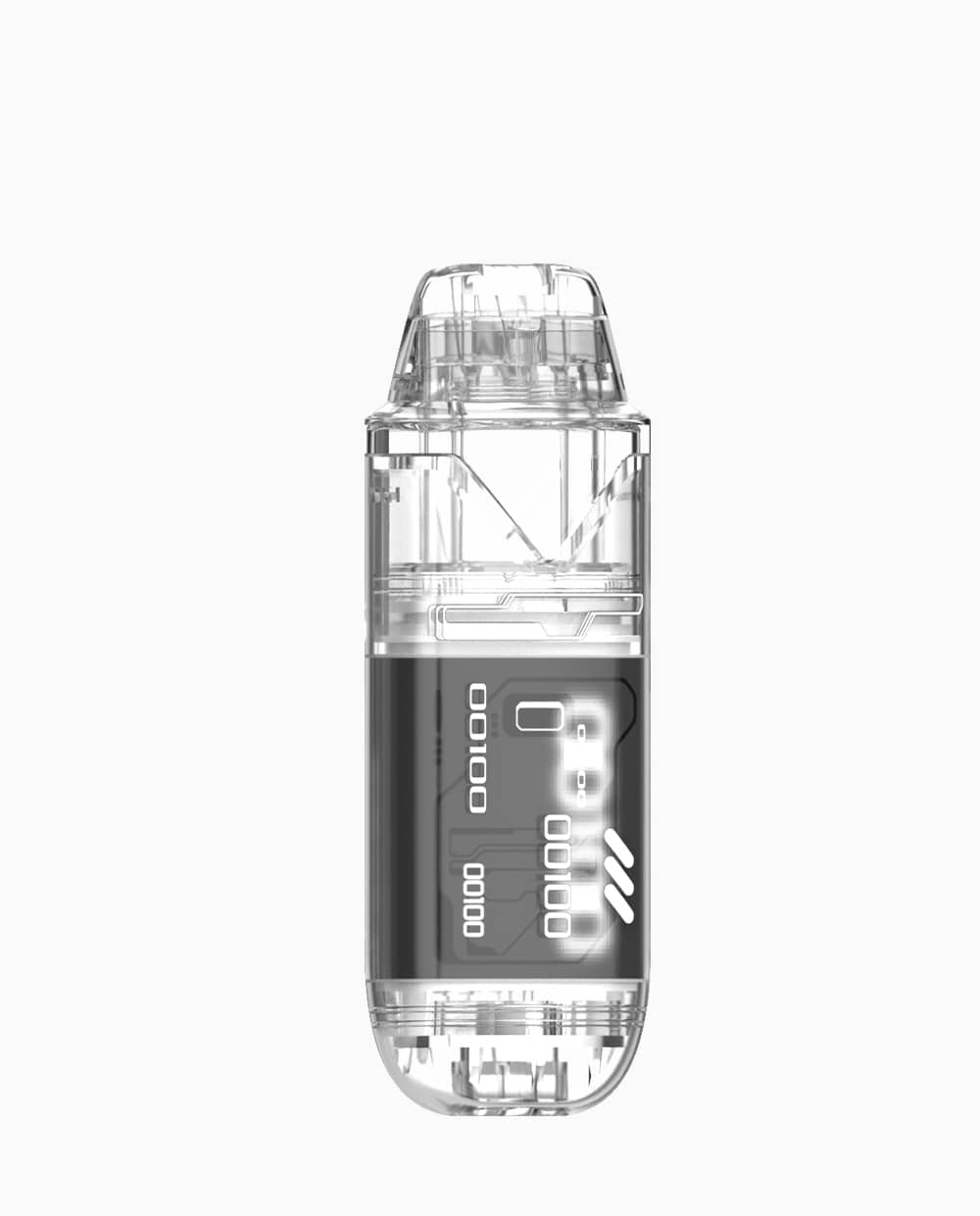
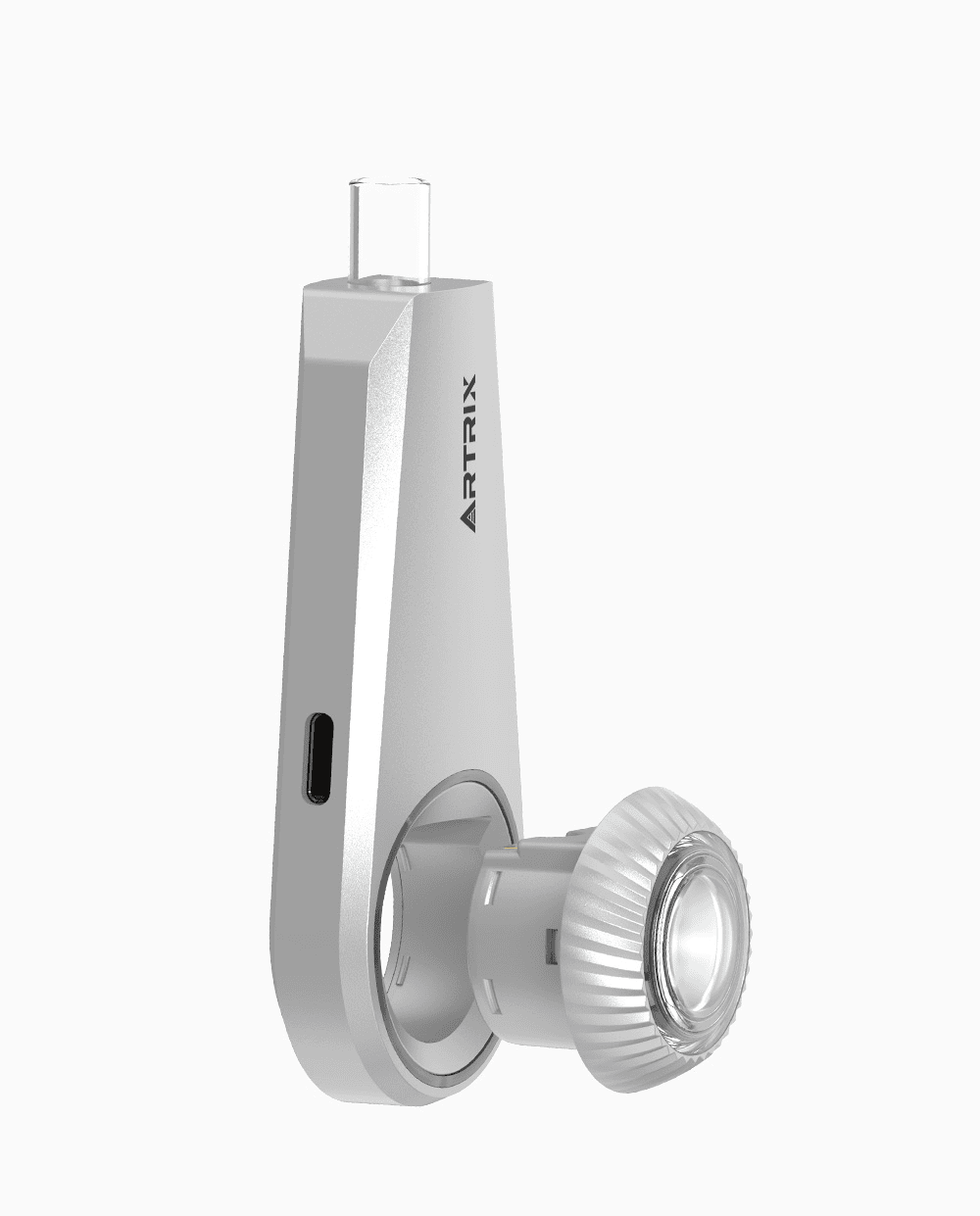
These products no longer fit neatly into traditional disposable or pod categories. Instead, they attempt to bridge the logic of both systems. Consumers still receive a simple and intuitive experience, while brands gain the ability to establish longer-term user relationships through partially reusable structures.
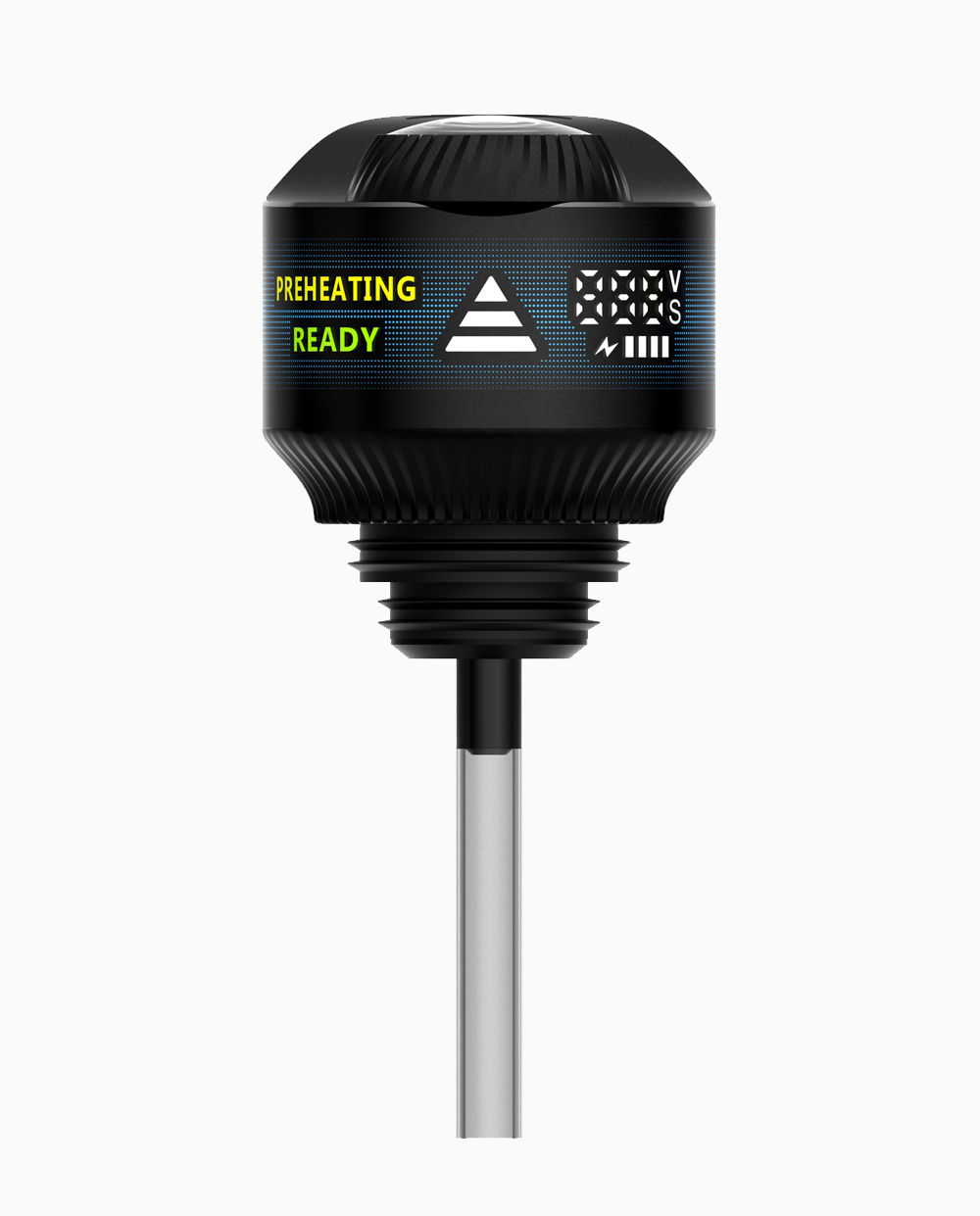
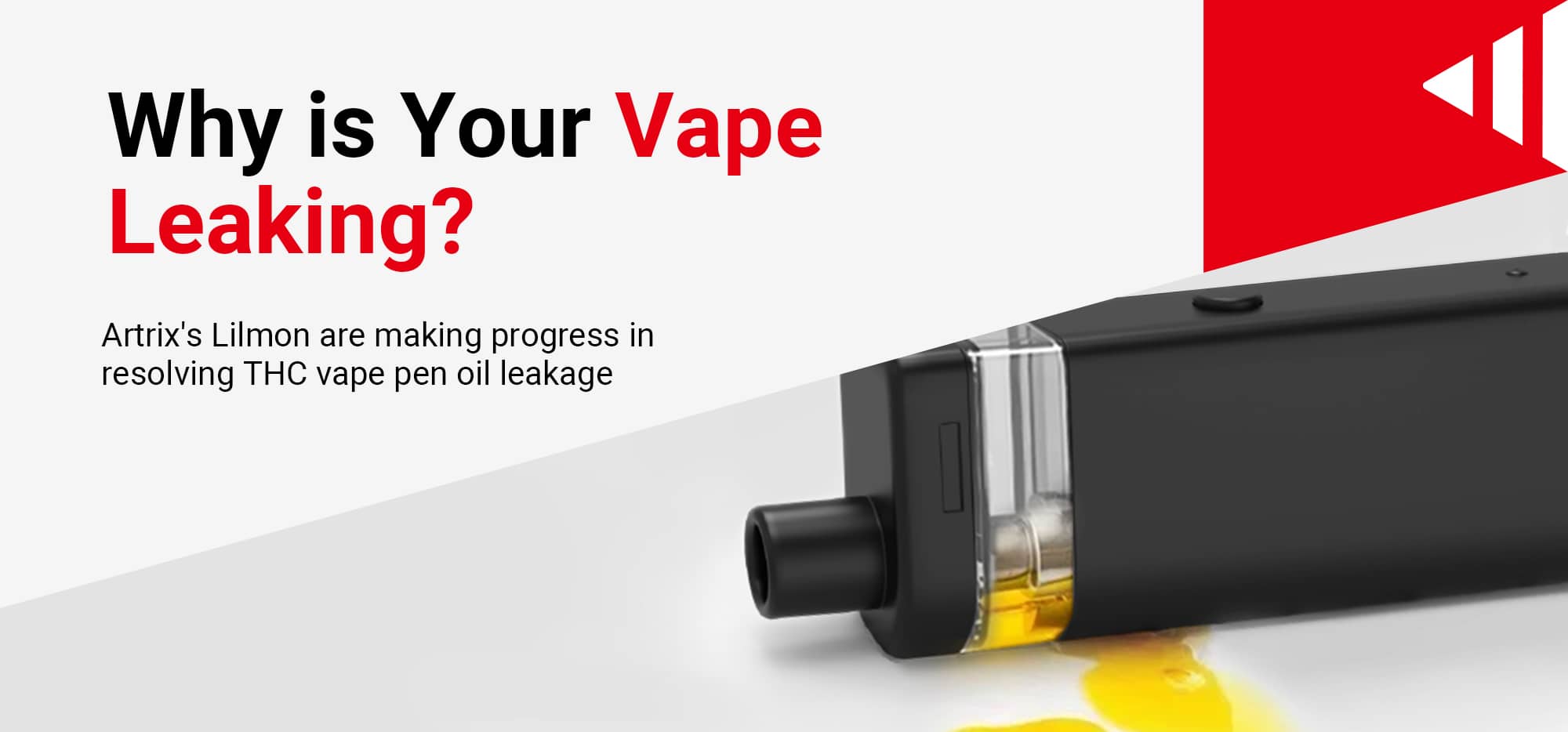
In hardware development, this shift requires more than changing the outer form factor. Brands need to think about the battery module, pod connection, oil pathway, mouthpiece design, charging experience, leakage resistance, and replacement education as parts of one repeatable system.
In many ways, the cannabis vape industry is shifting from transactional products toward repeatable consumption systems.
In the past, competition was largely about who could sell more.
In the future, it may increasingly become about who can retain more users.
What Brands Should Expect From Next-Generation Pod Systems
The renewed interest in pod systems does not mean the market is simply returning to traditional closed hardware. Instead, it points to a more advanced question: what should the next generation of pod systems actually solve?
For cannabis brands, a next-generation pod system should not only look different from a disposable. It should create a better balance between first-time conversion, repeat purchase, product consistency, cost efficiency, and sustainability.
The ideal system needs to preserve the simplicity that made disposables successful. Consumers should be able to understand the product quickly, start using it with minimal friction, and feel confident about the experience from the first purchase. If the system requires too much explanation, too many accessories, or too many steps, it risks losing the conversion advantage that disposables built.
At the same time, next-generation pod systems should offer what disposables often struggle to create: a reason for consumers to come back.
That means the device should become a retained part of the user experience, while the replaceable pod becomes the repeat-purchase unit. When designed well, this structure can turn a one-time transaction into an ongoing consumption cycle. Consumers keep the core hardware, return for compatible pods, and gradually build familiarity with the brand ecosystem.
For brands, this changes the economics of growth. Instead of repeatedly reacquiring the same type of customer through promotions, shelf placement, and traffic spending, brands can begin building a more durable user base around a reusable device system.
However, not every pod system will succeed simply because it is reusable. Brands need to evaluate several factors carefully:
- Is the first-use experience simple enough to compete with disposables?
- Does the system create a clear reason for repeat pod purchases?
- Is the battery module durable, reliable, and easy to keep?
- Is the pod replacement process intuitive for consumers?
- Does the structure reduce full-device waste in a meaningful way?
- Can the hardware support consistent flavor, vapor quality, leakage resistance, and oil compatibility?
- Does the system help the brand build identity, not just sell another device?
In this sense, the future of pod systems will not be defined by hardware format alone. It will be defined by system design.
The brands that benefit most from next-generation pods will likely be those that do not treat them as a replacement for disposables, but as a more complete growth model: easy enough for new users to enter, consistent enough for existing users to trust, and structured enough to support repeat purchases over time.
As the cannabis vape market becomes more segmented, the strongest hardware choices will be those that match both consumer behavior and business strategy.
510 systems will continue to serve users who value openness.
Disposables will continue to serve fast conversion and impulse purchase occasions.
But next-generation pod systems may become the format that helps brands move beyond short-term sales and toward longer-term customer relationships.
The future of cannabis vaping may no longer be defined solely by what is easiest to sell, but by what is built to last.