

-1.webp)
-1.webp)
-2.webp)


















USA Dab Rig Market Trends to Watch in 2026
The U.S. dab rig market trend 2026 is being shaped by one clear movement: consumers are moving from fragile, torch-based setups toward compact, electronic, temperature-controlled devices.
For dab hardware brands, that points to a practical conclusion: 2026 will reward devices that reduce setup time, improve consistency, and make concentrate consumption easier for newer users. The next wave of growth will not come only from bigger clouds or more aggressive designs. It will come from better heat control, smaller form factors, stronger battery systems, and reliable manufacturing that can support both premium and budget price tiers.
The Dab Rig Evolution: Setting the Stage for 2026
The traditional glass dab rig is not disappearing, but it is losing its monopoly on the category’s identity. In 2024 and 2025, the cannabis hardware conversation increasingly centered on portability, pre-set heating, battery efficiency, and controlled vaporization. Grand View Research reports that the U.S. cannabis vape market generated USD 1.73 billion in 2024 and is projected to reach USD 3.68 billion by 2030.
Concentrates also remain commercially important. Headset lists concentrates as the fifth-largest cannabis category in the U.S., with USD 1.4 billion in 2024 sales, and notes that Gen Z consumers purchase concentrates at triple the rate of Baby Boomers. That younger-skewing interest matters because younger adult consumers tend to expect electronics to be portable, intuitive, and customizable.
At the same time, brands cannot treat 2026 as a simple national expansion story. Cannabis remains a fragmented state-by-state market, and NCSL reported that, as of June 26, 2025, 24 states, three territories, and the District of Columbia allowed or regulated non-medical adult cannabis use. Product strategy has to match local rules, retailer expectations, and adult-use compliance requirements.
Trend 1: The Total Domination of Smart E-Rigs
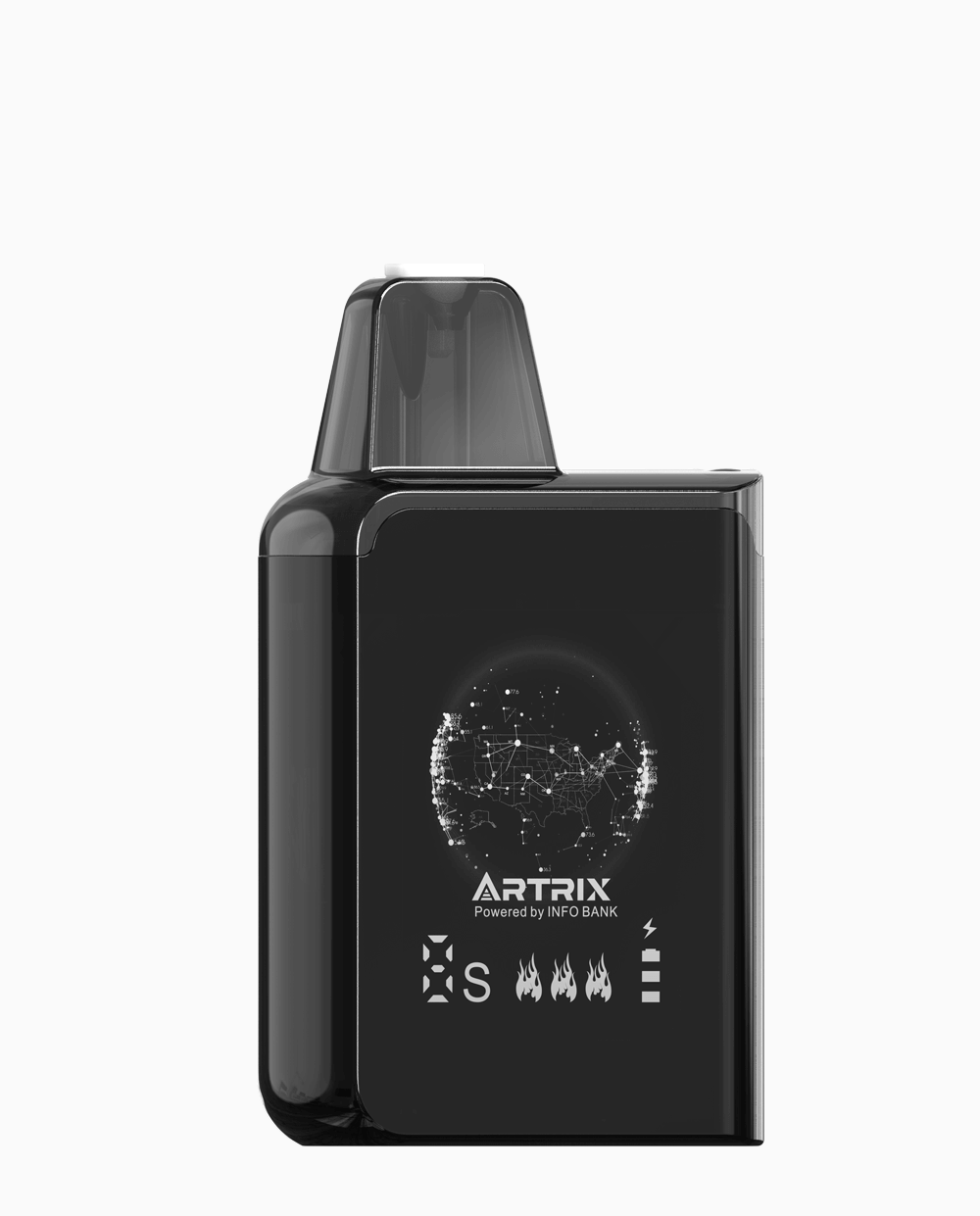
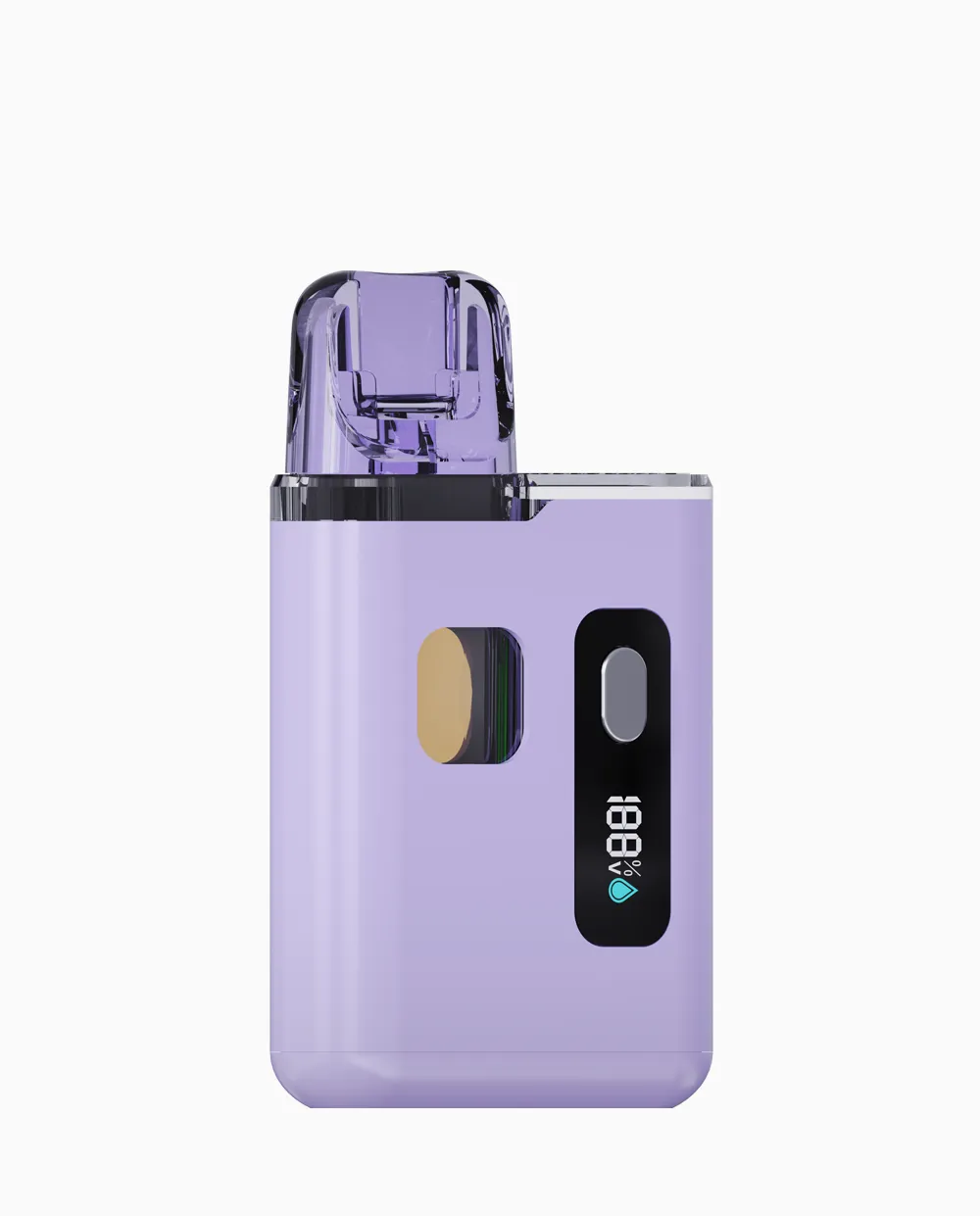
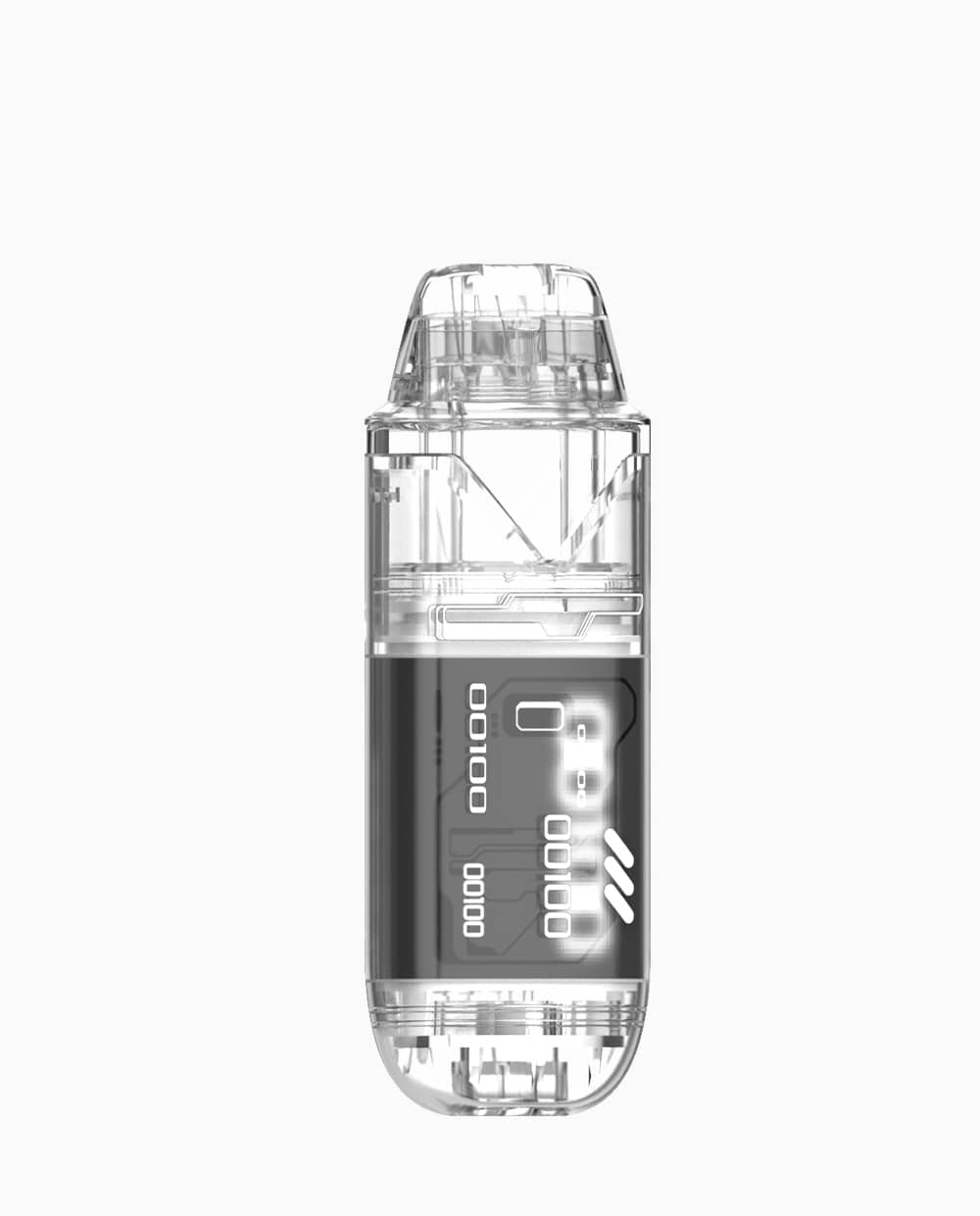
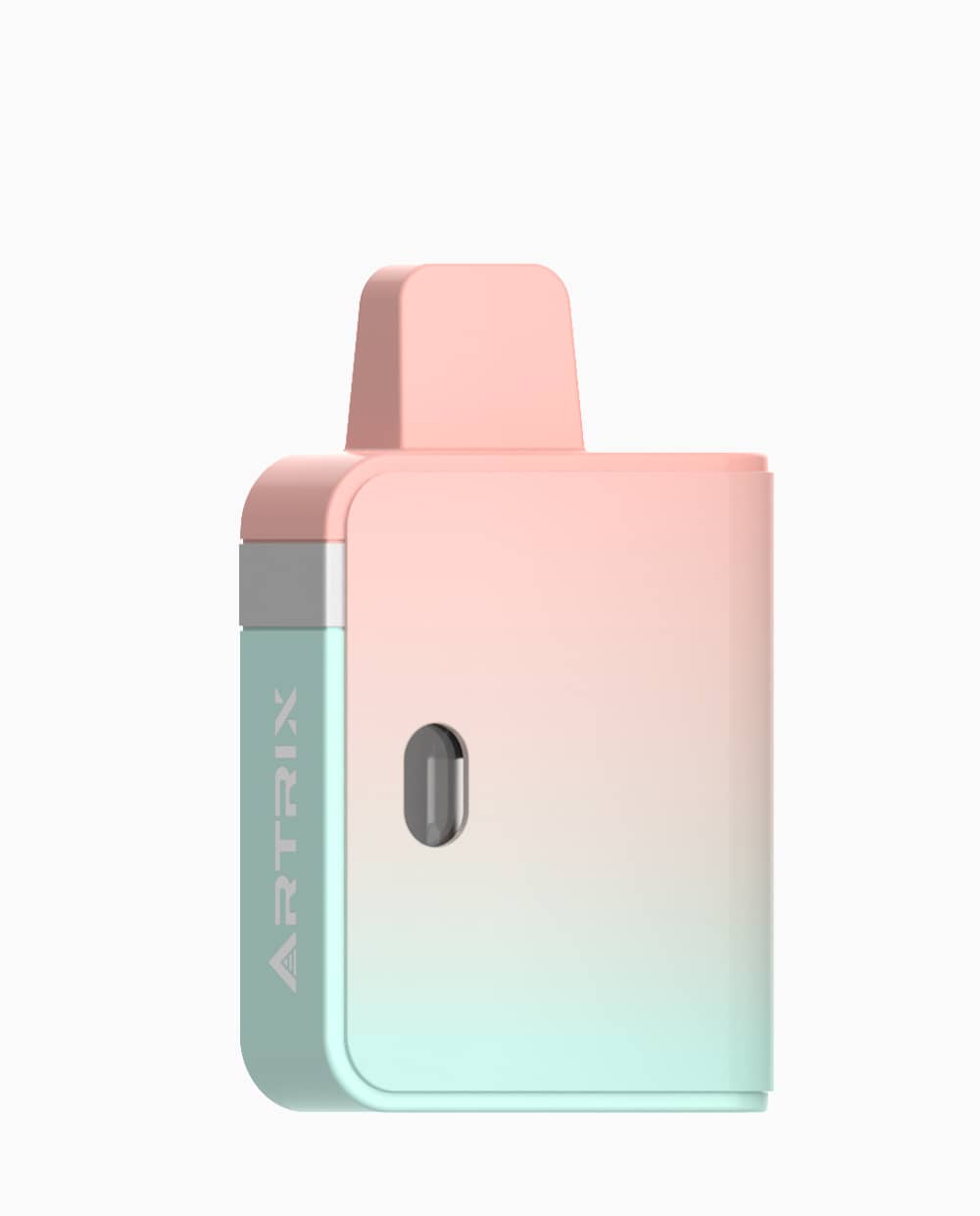
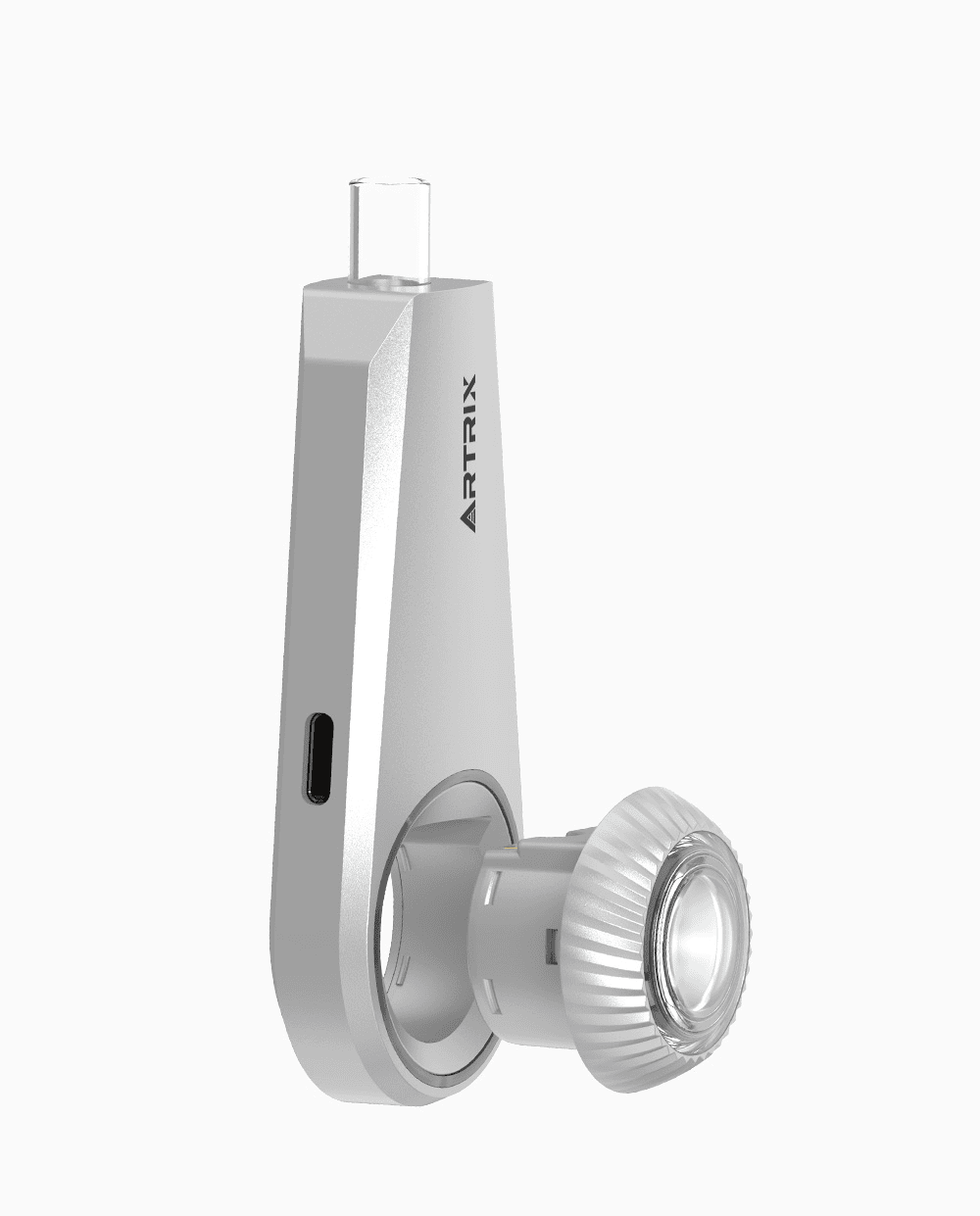
“Domination” in 2026 does not mean every consumer will abandon glass. It means smart e-rigs will dominate product roadmaps, retailer conversations, and the growth narrative around modern dabbing. The winning devices will behave less like accessories and more like consumer electronics: fast start, repeatable heat, battery visibility, compact storage, and fewer steps between purchase and use.
Why Consumers are Leaving Traditional Glass Behind
The consumer shift is easy to understand. Traditional rigs can offer ritual, artistry, and strong performance, but they require more tools, more cleaning, and more user skill. E-rigs simplify the experience by integrating heat, airflow, and controls into one device. That matters for beginners, travelers, and consumers who want predictable sessions without a torch.
| Factor | Traditional Glass Dab Rig | Smart E-Rig |
|---|---|---|
| Portability | Fragile, multi-part setup with glass, torch, tool, and concentrate container. | Compact device format, often designed for travel and quick sessions. |
| Temperature Control | Manual heating depends on user timing and experience. | Preset or adjustable electronic heating creates more repeatable sessions. |
| Safety and Risk | Open-flame handling adds complexity; | Removes the torch from the session, but dabbing high-THC concentrates still carries health risks; |
| Ease of Use | Higher learning curve for heating, cooling, cleaning, and storage. | Single-button or screen-based controls make use more approachable. |
The Hardware Innovations Powering the Next Generation
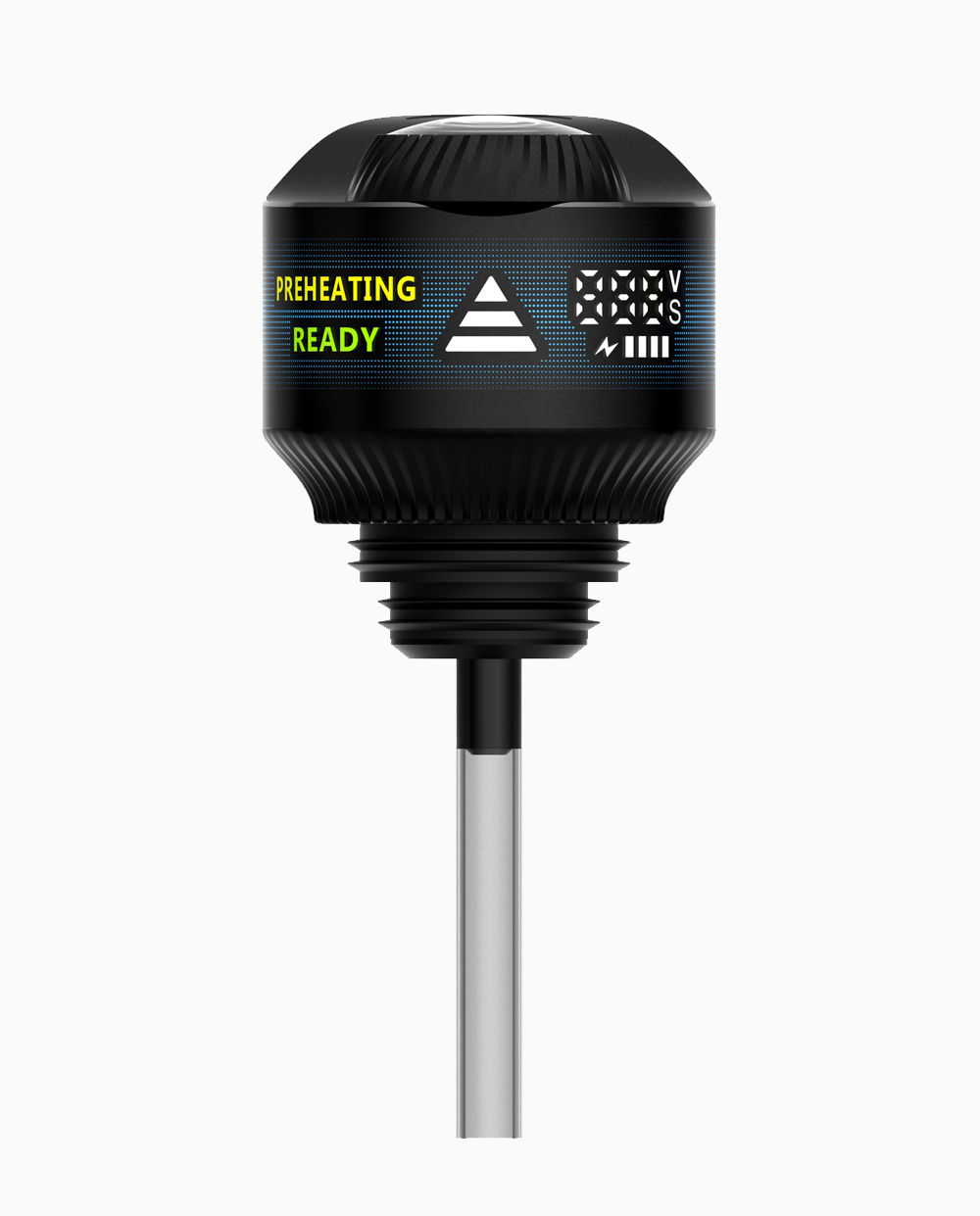
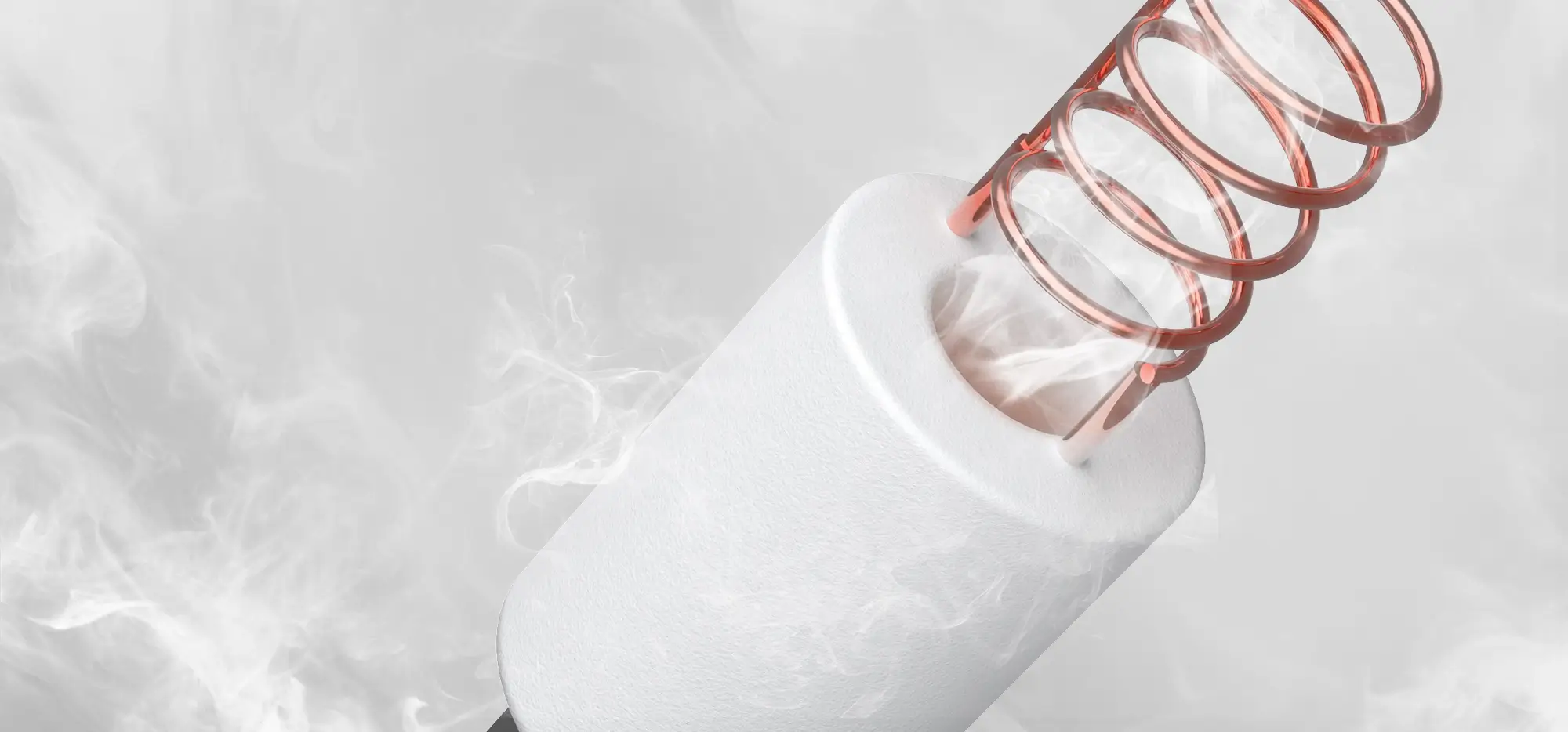
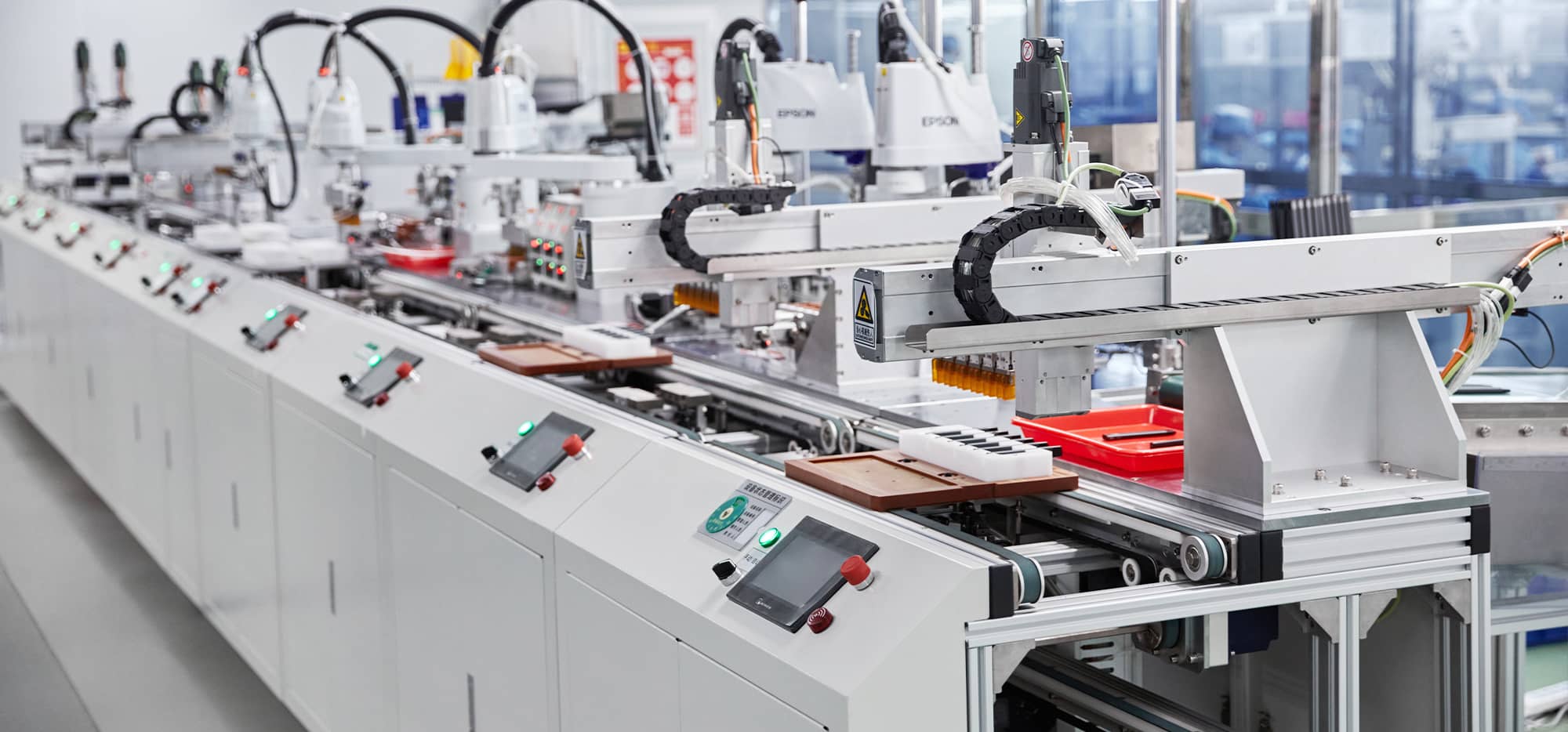
The manufacturer’s advantage in 2026 will sit inside the device. Ceramic heating elements are becoming central because they can distribute heat more evenly than exposed coil-style solutions and can support cleaner flavor delivery when engineered well.
Battery management is just as important. Consumers want faster heat-up and smaller devices, but they do not want short runtime or uncomfortable heat buildup. Broader battery supply-chain trends are helping: IEA reports that lithium-ion battery pack prices fell 20% in 2024, driven by lower critical mineral prices and intense competition, especially in China. While e-rig batteries are not EV packs, the same manufacturing ecosystem pushes suppliers toward better cells, tighter battery management, and more cost-efficient production.
Trend 2: The Shift in Pricing Dynamics (Premium vs. Budget)
In 2026, the e-rig category will stretch in two directions at once. Budget-friendly devices will become more credible, while premium devices will justify higher prices through precision, materials, app-style controls, and brand experience. This is a classic sign of category maturity: the market stops asking whether the format works and starts asking which tier fits each customer.
Supply Chain Maturity and the Rise of Affordable E-Rigs
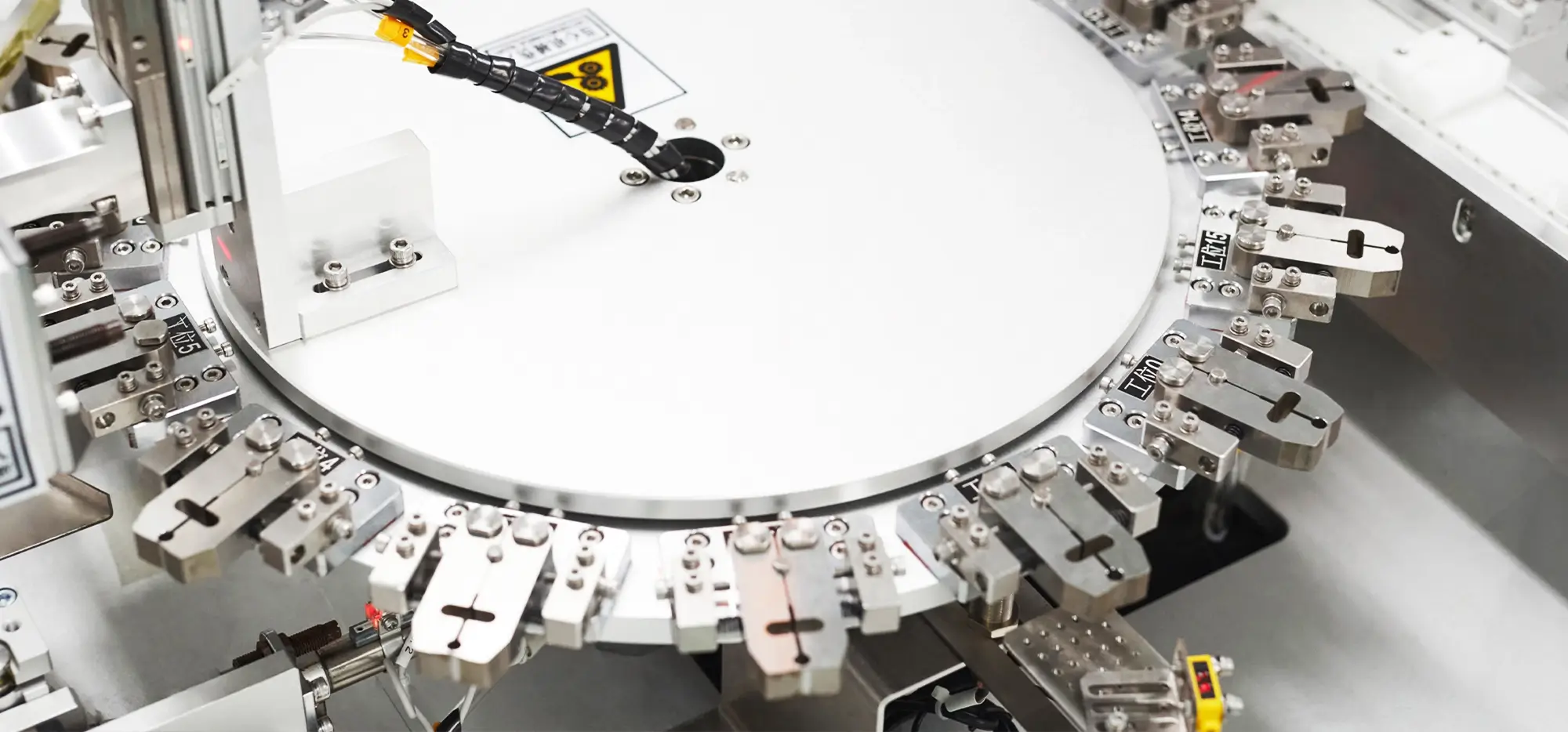
The old assumption that electronic dab devices must be expensive is weakening. Component sourcing, ceramic core production, small-screen integration, and battery procurement are becoming more standardized.
Inflation still affects labor, shipping, compliance, packaging, and retail margins, so price declines will not be perfectly linear. But manufacturing maturity gives brands more room to create entry-level e-rigs that feel functional rather than cheap. For retailers, this opens a stronger good-better-best ladder: disposable or semi-disposable compact rigs, mid-range rechargeable devices, and premium smart rigs for enthusiasts.
Heady Glass vs. High-Tech: The Diverging Premium Market
The premium tier will split rather than consolidate. One customer group will continue to value artist-blown glass, limited pieces, and the cultural ritual of traditional dabbing. Another will pay for smart hardware: precise heating, larger ceramic chambers, faster heat-up, Bluetooth-style personalization, and better travel cases.
This divergence matters for brands because “premium” no longer means one thing. For glass, the story is craft and collectability. For e-rigs, the story is performance engineering. Hardware brands should avoid copying luxury cues from glass culture and instead build their own premium language around materials, reliability, thermal design, and customization.
Trend 3: Miniaturization and the Demand for Ultra-Portability
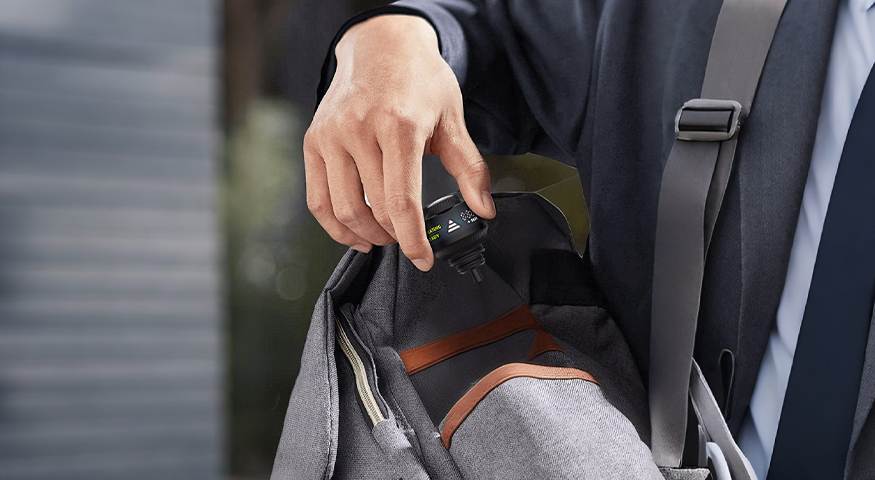
The next major dab rig market trend 2026 is miniaturization. The consumer no longer sees portability as a bonus feature; in many segments, it is the starting requirement. The category is moving toward devices that can sit in a pocket, work with fewer accessories, and deliver a session without a tabletop setup.
The Rise of Mini-Rigs and Nectar Collectors
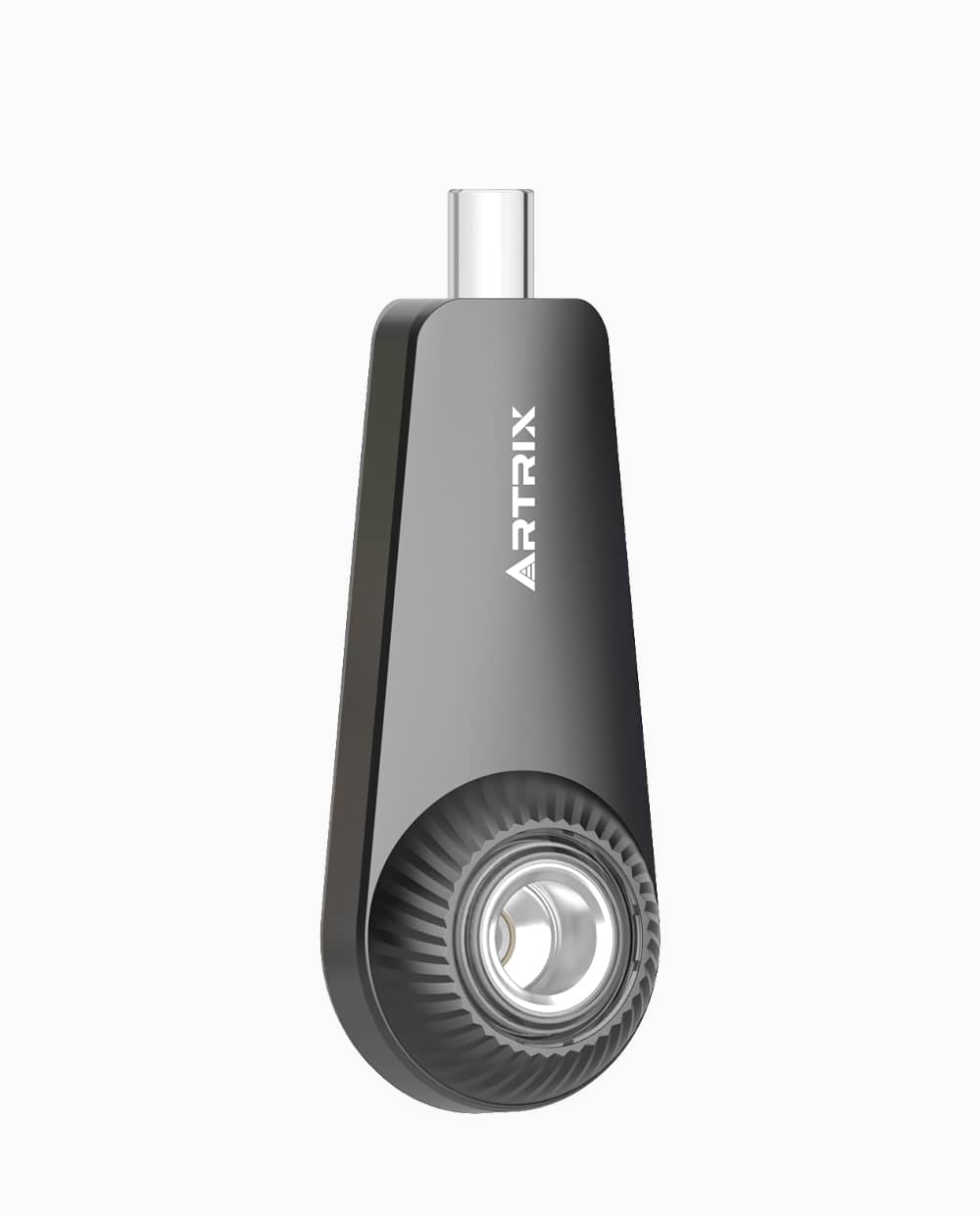
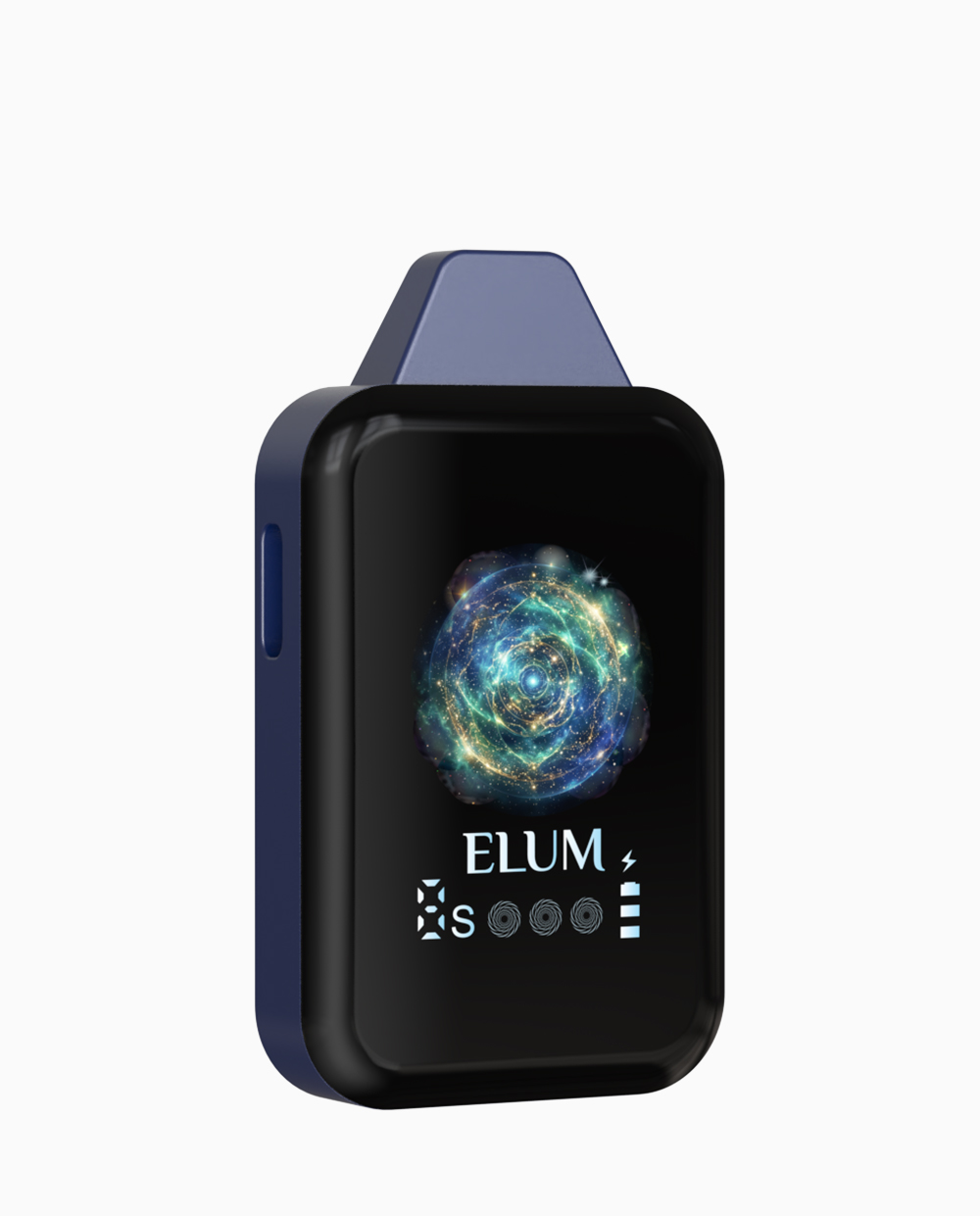
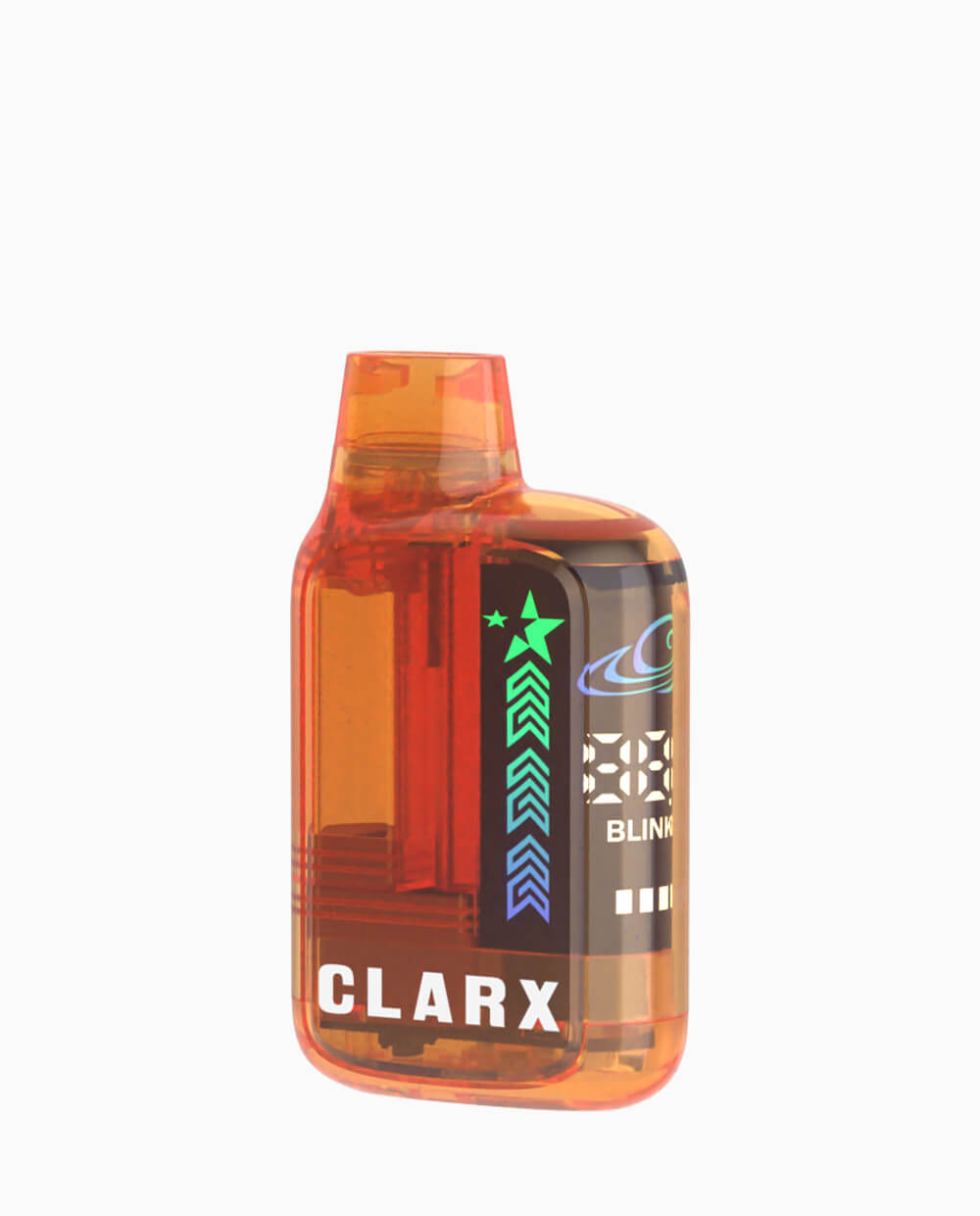
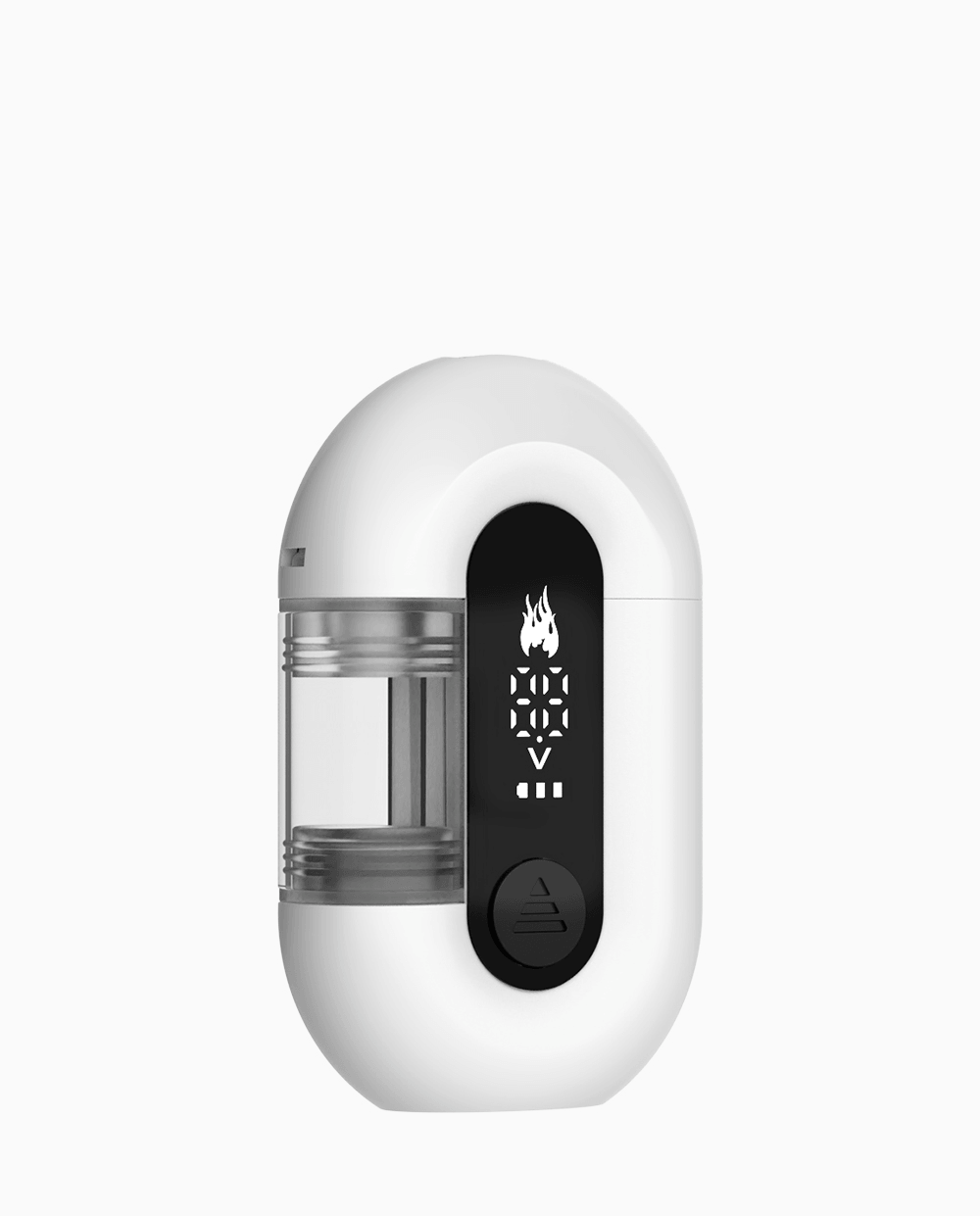
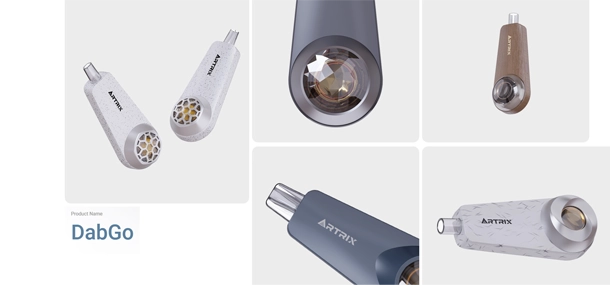
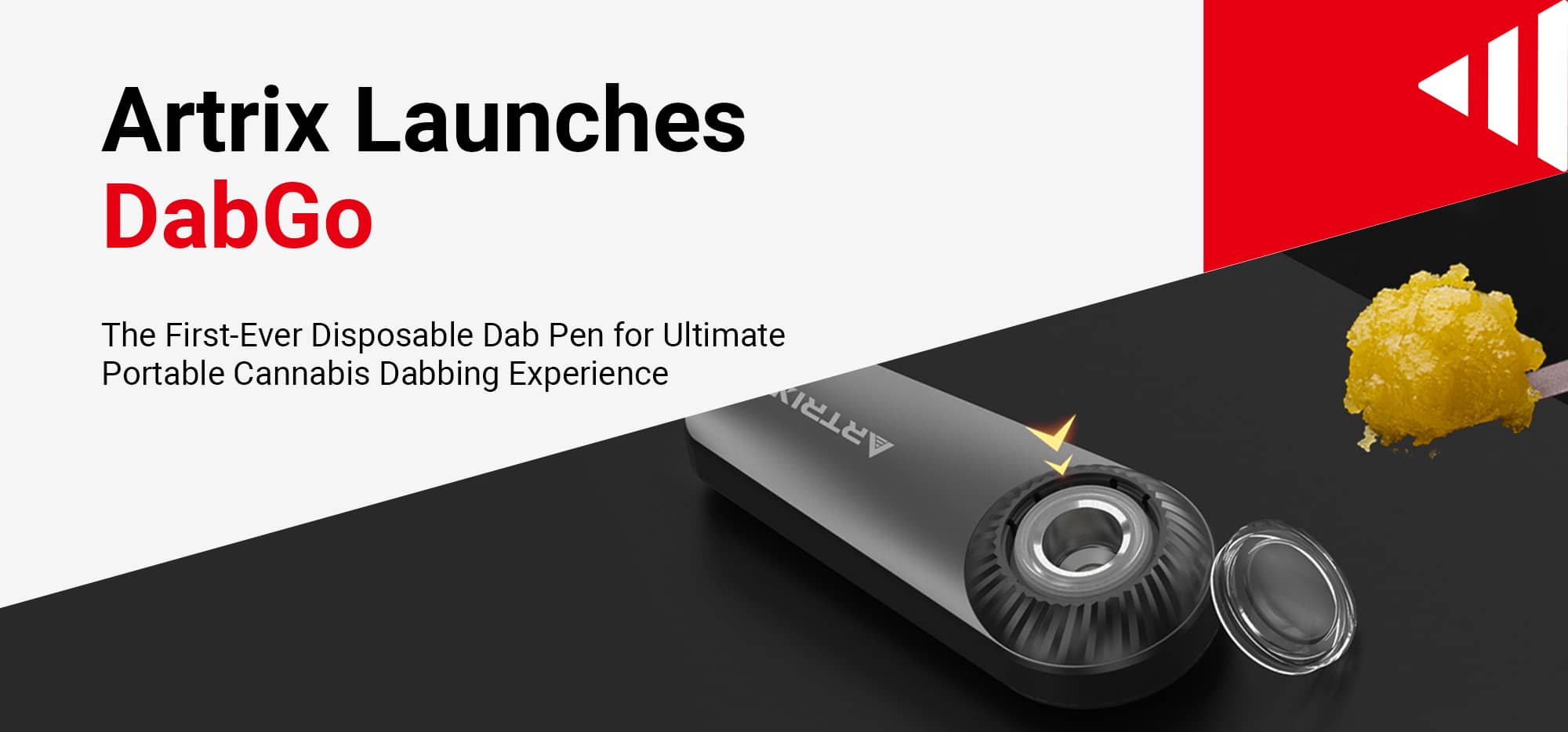
Mini-rigs, electric nectar collectors, and palm-sized devices are filling the gap between vape pens and full-size rigs. They appeal to users who want concentrate performance but not the weight, fragility, or preparation time of a glass station.
Balancing Size with Battery Performance
Miniaturization is not just an industrial design challenge. It is a thermal and electrical engineering problem. Smaller devices leave less space for battery cells, heat insulation, airflow routing, screens, and structural protection. If the design is too aggressive, the result can be weak runtime, hot surfaces, slow recovery between hits, or inconsistent vaporization.
That is why 2026 devices will compete on systems engineering, not just dimensions. A small rig needs efficient heating, heat-resistant materials, smart shutoff logic, and battery management that protects the user experience.
Trend 4: Regional Market Maturation Driving Product Diversity
Regional maturity will strongly influence which dab devices win in 2026. In newer adult-use markets, customers may still be discovering concentrate formats. In mature markets, buyers are more likely to compare flavor quality, temperature precision, cleaning burden, portability, and value per session.
What Best-Selling States Reveal About the Future
California and Colorado remain useful bellwethers because both have long operating histories and sophisticated retail environments.
These markets show what happens after novelty fades. Consumers become more selective, retailers manage tighter shelves, and product education becomes more important. BDSA has also noted that mature markets such as California and Colorado have faced stagnation or declining sales pressure, while emerging adult-use markets are driving future U.S. growth in its 2028 legal cannabis forecast. For dab hardware, mature-market preferences often foreshadow the next national wave: precise temperature, vapor purity, easier maintenance, and differentiated form factors.
Conclusion: How Brands and Consumers Can Prepare for 2026
The U.S. dab rig market is entering a more technical phase. E-rigs, mini-rigs, and portable concentrate devices are not just alternatives to glass; they are becoming the category’s innovation engine. The winners in 2026 will combine approachable design with credible engineering, realistic pricing, and compliance-aware distribution.