

-1.webp)
-1.webp)
-2.webp)



















Dab Rig Troubleshooting: Fix Weak Vapor, Burnt Flavor, Hard Draws, and Splashback
Last Updated: August 3, 2026
This content is for informational purposes only and does not constitute medical or legal advice. Please consult a licensed healthcare provider before using cannabis products. Comply with your state’s regulations.
This content is intended for audiences 21 years and older, as required by U.S. law.
Cannabis regulations vary by state. Please verify the legal status of products in your area before purchase.
Dabbing can deliver strong flavor and potent effects, but it also has a steeper learning curve than traditional smoking methods. If your dab rig is producing weak vapor, burnt flavor, splashback, hard airflow, or wasted concentrate, the issue usually comes down to temperature, airflow, water level, technique, accessories, or maintenance.
Use this guide as a troubleshooting map: first match your symptom to the likely cause, then use the section below to fix the problem and prevent it from happening again. Change only one variable at a time so you can identify which adjustment actually solves the problem.
Quick Diagnosis: Match the Symptom to the Cause
| Problem | Likely Cause | Quick Fix |
|---|---|---|
| Weak or wispy vapor | Nail too cold, air leak, missing carb cap, or poor airflow | Reheat slightly, check the joint seal, use a carb cap, and inhale steadily |
| Burnt or harsh flavor | Nail too hot or concentrate combusting instead of vaporizing | Wait longer after heating, use a thermometer, or try a cold-start dab |
| Wasted concentrate or oil pooling | Overloading, low temperature, or no airflow control | Use a smaller dab, cap immediately, and keep the nail in the right temperature range |
| Hard draw | Too much water, clogged percolator, reclaim buildup, or restrictive airflow path | Adjust water level, clean the rig, and check for blocked airflow |
| Water splashback | Overfilled chamber or pulling too aggressively | Lower the water level and use a slower, controlled inhale |
| Cracked glass, a loose component, or an unstable rig | Physical damage, poor fit, or an unsafe setup | Stop heating or using the rig until the damaged or unstable part is replaced |
Check Safety and Basic Airflow Before Heating the Rig
Start with a cold, empty rig. Place it on a stable, heat-resistant surface, inspect the glass and joints for damage, and draw through the mouthpiece without heating anything. This separates a basic airflow or water-level problem from a temperature or concentrate problem.
-
- Add only enough water for the percolator openings to function, then take a moderate test draw.
-
- If water reaches the mouthpiece, remove a small amount and test again.
-
- If the draw is still difficult, inspect the joint, downstem, percolator, and mouthpiece for reclaim or blockage.
-
- Confirm that the rig, banger, and carb cap fit securely before introducing heat.
Quartz bangers and nails can stay dangerously hot for several minutes. Always keep the rig on a stable, heat-resistant surface, point the hot nail away from your body, and keep torches away from flammable materials. Use adequate ventilation, follow the torch or device manufacturer’s instructions, and keep hot components, concentrates, and cleaning liquids away from children and pets.
For minor thermal burns, cool the area with cool running water and seek medical help for severe burns, burns on sensitive areas, large burns, or cases where you are unsure of the severity. Burn first-aid guidance varies by burn type and organization, so avoid using ice, oils, butter, or harsh home remedies.
How to Fix Weak or Wispy Vapor
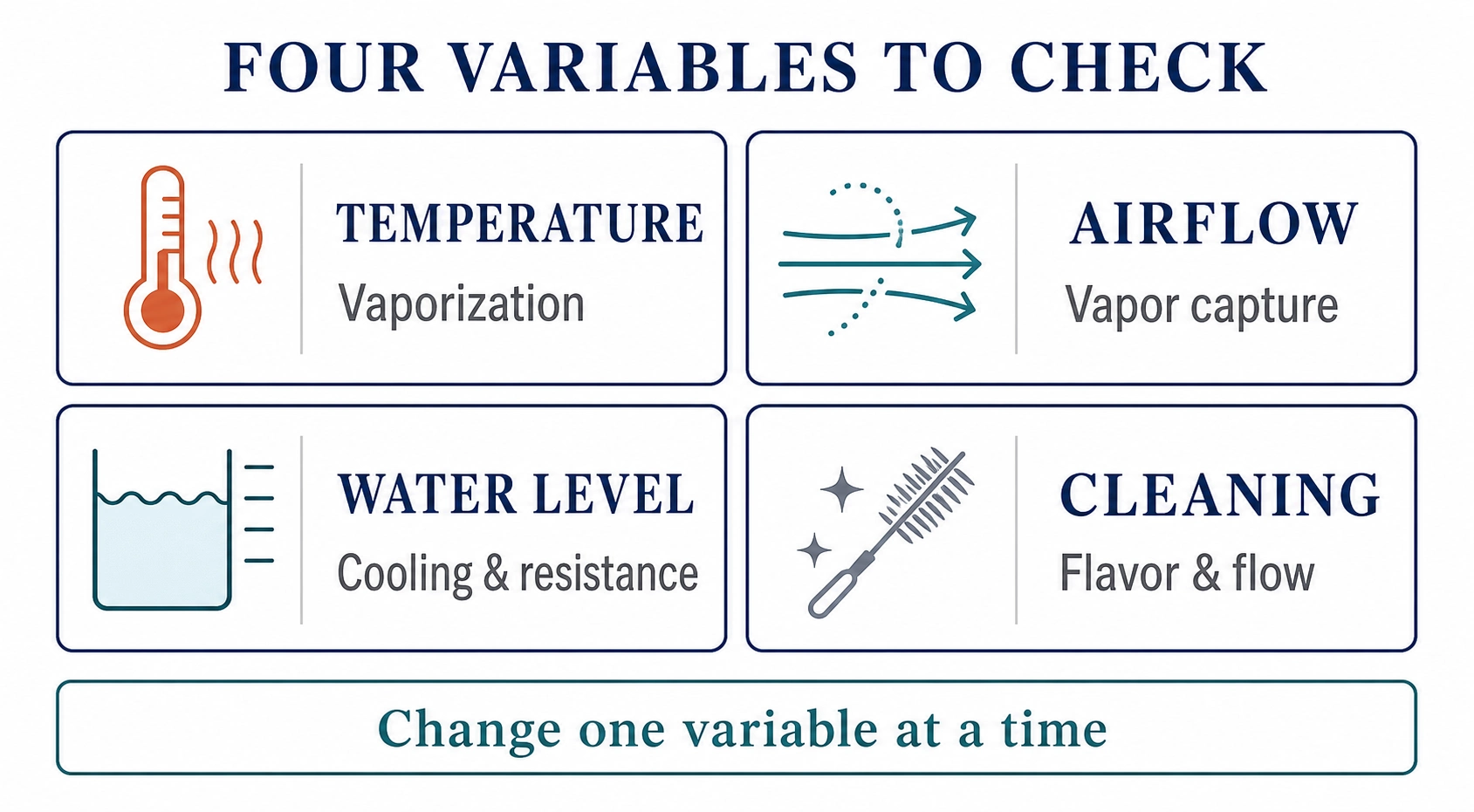
When a dab rig fails to produce satisfying vapor, the root cause usually comes from four areas: equipment quality, temperature control, water level, and missing accessories. The key is to diagnose the full chain: temperature controls vaporization, airflow controls vapor capture, water level controls cooling, and cleaning preserves both flavor and airflow.
Rule Out an Air Leak or Blockage
Not all dab rigs perform the same. Thin glass, loose joints, poor airflow paths, and oversized chambers can all reduce vapor quality. Rather than judging quality from one specification, check observable behavior: the joint should fit securely, the water path should bubble without splashback at a moderate draw, and the chamber should clear without requiring an aggressive inhale.
A carb cap is one of the most important accessories for efficient dabbing. It restricts airflow over the nail and helps concentrate vaporize at lower temperatures instead of escaping into the air. If vapor improves when the cap is seated correctly, airflow control was probably part of the problem; cap fit and technique still vary by banger design.
Adjust Temperature Without Relying on Timing Alone
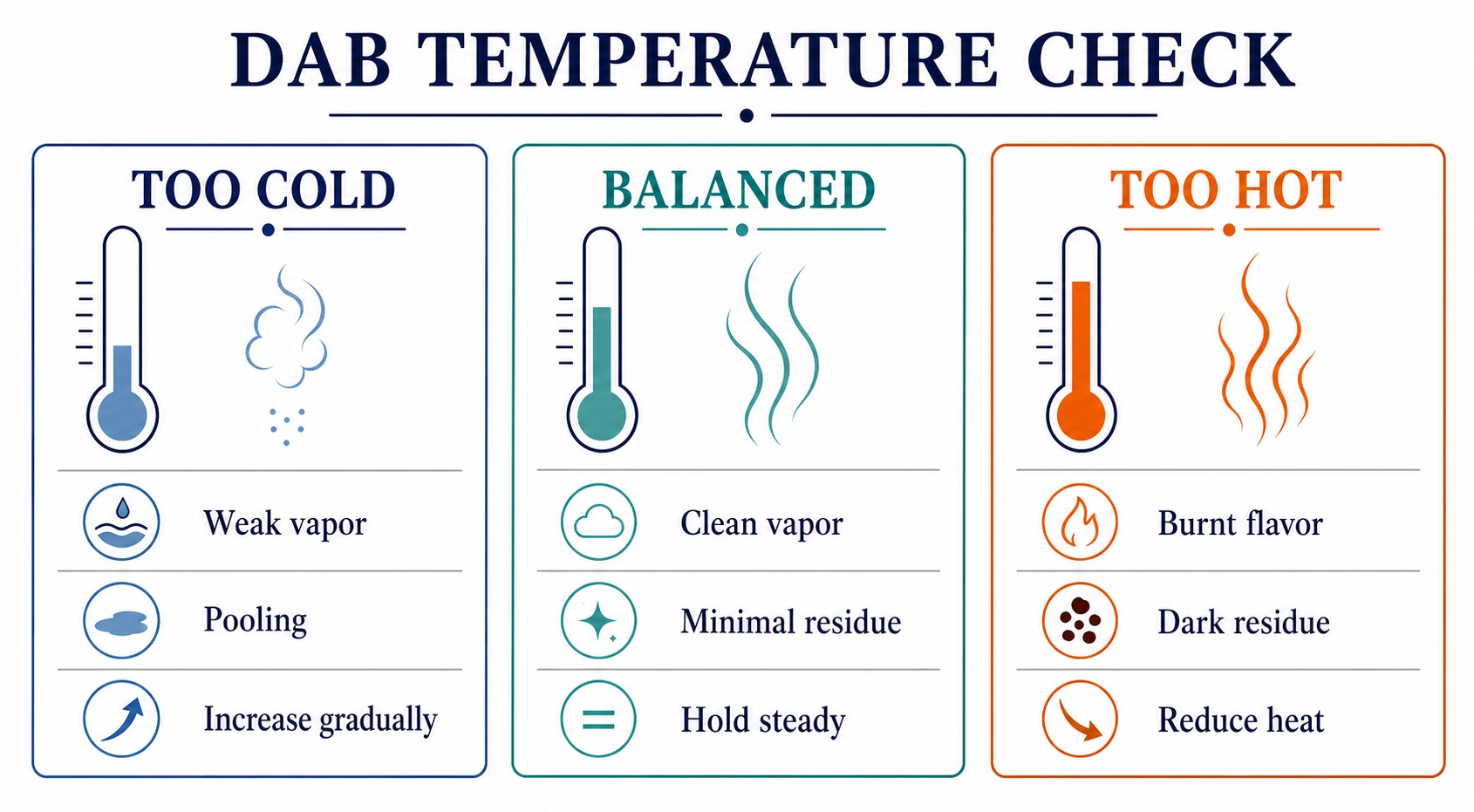
Temperature is the most important variable in dabbing. The nail must be hot enough to vaporize concentrate, but not so hot that it combusts the oil and destroys flavor.
If the nail is too hot, vapor tastes burnt, harsh, and acrid. You may see dark residue, aggressive sizzling, or smoke instead of smooth vapor. If the nail is too cold, concentrate puddles on the surface and leaves sticky residue without producing a full hit.
Use a surface thermometer or a temperature-controlled device when possible because a fixed cool-down time does not account for banger thickness, starting temperature, room conditions, or measurement location. Begin conservatively, observe whether the concentrate scorches or pools, and make small adjustments.
Control the Inhale
Inhaling too hard cools the nail too quickly and may pull unvaporized oil into the rig. Inhaling too gently may fail to move vapor efficiently. A steady, moderate pull is usually best.
Carb cap technique also matters. Start with the cap sealed, then lift or rotate it slightly as the concentrate finishes vaporizing. Directional carb caps can help move oil across the heated surface for more complete vaporization. Make one airflow adjustment at a time and stop if liquid is being pulled into the joint or water is reaching the mouthpiece.
How to Fix Burnt or Harsh-Tasting Dabs
Burnt flavor almost always points to excessive heat. Lower the temperature, wait longer after heating, use a thermometer, or try a cold-start method. Avoid treating a glowing-red banger or a fixed number of cooling seconds as a reliable temperature measurement.
Chazzing is the cloudy, whitish discoloration that develops when quartz is overheated or when concentrate combusts and bonds carbon deposits to the surface. It affects heat retention and makes cleaning harder. Prevent chazzing by staying within reasonable temperature ranges, avoiding glowing-red heat, and swabbing the banger while it is still warm.
Concentrate composition and texture can change handling, but labels such as shatter, wax, resin, rosin, or diamonds do not by themselves establish an exact temperature. If the producer provides relevant handling guidance, use it as a starting point and adjust gradually based on measured surface temperature, pooling, scorching, and flavor.
How to Fix Pooling, Reclaim, or Wasted Concentrate
Too much concentrate cools the nail and leaves a puddle of wasted oil. It can also overwhelm the carb cap’s airflow control and pull liquid into the rig, causing clogs and frequent cleaning problems.
Use an amount that matches the nail size. When in doubt, start smaller and build consistency. Because product potency can vary substantially, “start smaller” is also a risk-control principle rather than a precise dosing rule. Do not assume that a visually similar amount will produce the same effect across products.
A tiny dab on a large nail can spread too thin and vaporize before you capture much vapor. If you prefer smaller dabs, consider a smaller nail or a setup that concentrates heat more efficiently.
Runny concentrates and awkward tool angles can cause oil to miss the nail and drip into the joint or rig. Use a tool with good control, approach from an angle where you can see the contact point, and take a few extra seconds to place the concentrate accurately. For a broader explanation of textures and handling differences, see the cannabis concentrates guide.
How to Fix a Hard Draw or Water Splashback
Water level has a major effect on draw resistance, cooling, and flavor. Too much water creates drag and can pull concentrate away from the nail. Too little water makes vapor hotter and harsher.
There is no single water depth that fits every rig. Add water gradually until the percolator functions during a moderate draw, then stop before bubbling causes splashback or excessive resistance. Recyclers and complex water paths may require a device-specific fill level.
Reclaim collects in joints, downstems, and percolator holes. Lower temperatures, proper carb cap use, and a reclaim catcher can reduce buildup before it becomes a clog. If the empty, cold rig draws normally after cleaning, the blockage was probably the dominant cause; if resistance remains, inspect component fit and the underlying air-path design.
Clean the Rig Without Creating a New Problem
Old water and reclaim buildup can make vapor taste stale and harsh. Residue also restricts airflow through downstems and percolators, making the draw harder over time.
Change the water after each session or at least daily if you dab frequently. Fresh water improves flavor, cooling, and airflow immediately. Cleaning frequency should also reflect residue level, water condition, and manufacturer guidance rather than a rigid schedule.
Avoid rapid temperature changes that can crack glass. Do not rinse a hot nail with cold water or pour boiling water into a cold rig. Avoid harsh chemicals that can leave residue or release fumes when heated.
Use isopropyl alcohol, coarse salt, soft brushes, and pipe cleaners. For quartz bangers, use swabbing and soaking instead of scraping with abrasive tools. Keep isopropyl alcohol away from flames and hot surfaces, follow its label and the device manufacturer’s cleaning instructions, rinse components when appropriate, and do not use the rig until all parts are fully dry and free of cleaning residue.
Build a Repeatable Troubleshooting Routine
A reliable routine improves every session: add fresh water, heat the nail, time the cool-down, apply the dab carefully, cap immediately, inhale steadily, and clean the banger while warm.
A repeatable routine turns dabbing from guesswork into controlled troubleshooting. If a problem appears, change one variable at a time: temperature first, then dab size, airflow, water level, and cleaning condition. Record the banger, concentrate, measured temperature, water level, and result if you need to repeat a successful setup. Treat the notes as specific to that equipment and product rather than as a universal formula.
-
- Inspect the cold rig and confirm unobstructed airflow.
-
- Set the water level through a moderate test draw.
-
- Confirm joint and carb-cap fit.
-
- Use the same small concentrate amount while testing.
-
- Measure temperature when possible and change it gradually.
-
- Clean residue before repeating the test.
When Hardware Design May Be Part of the Problem
If temperature, water level, technique, and cleaning have been controlled but the same problem continues, the hardware may deserve closer inspection. Useful evaluation points include joint fit, chamber size, airflow-path restriction, water-path behavior, component stability, and how easily the rig can be cleaned. These features work as a system, so one specification alone cannot guarantee smoother vapor, stronger flavor, or less waste.
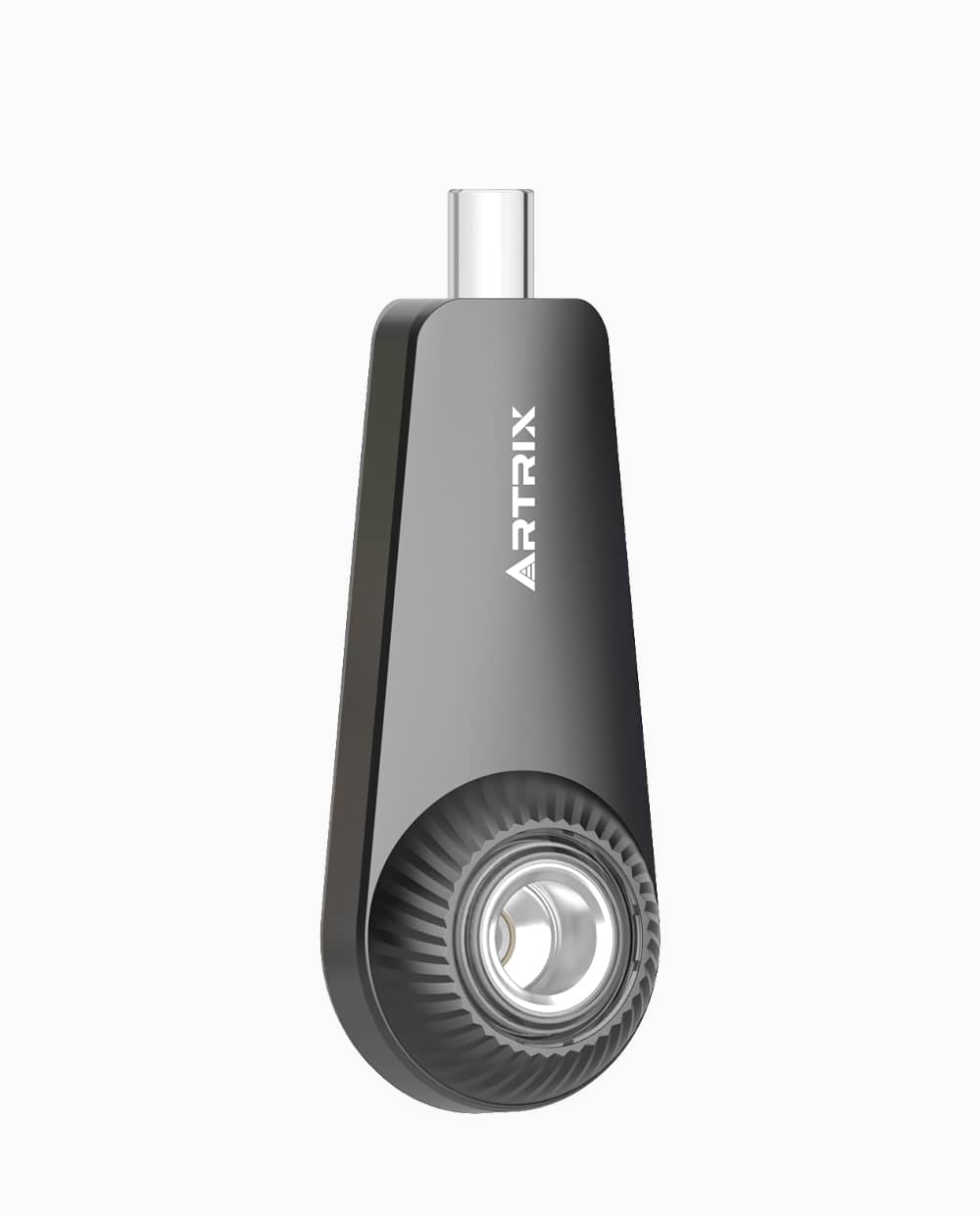
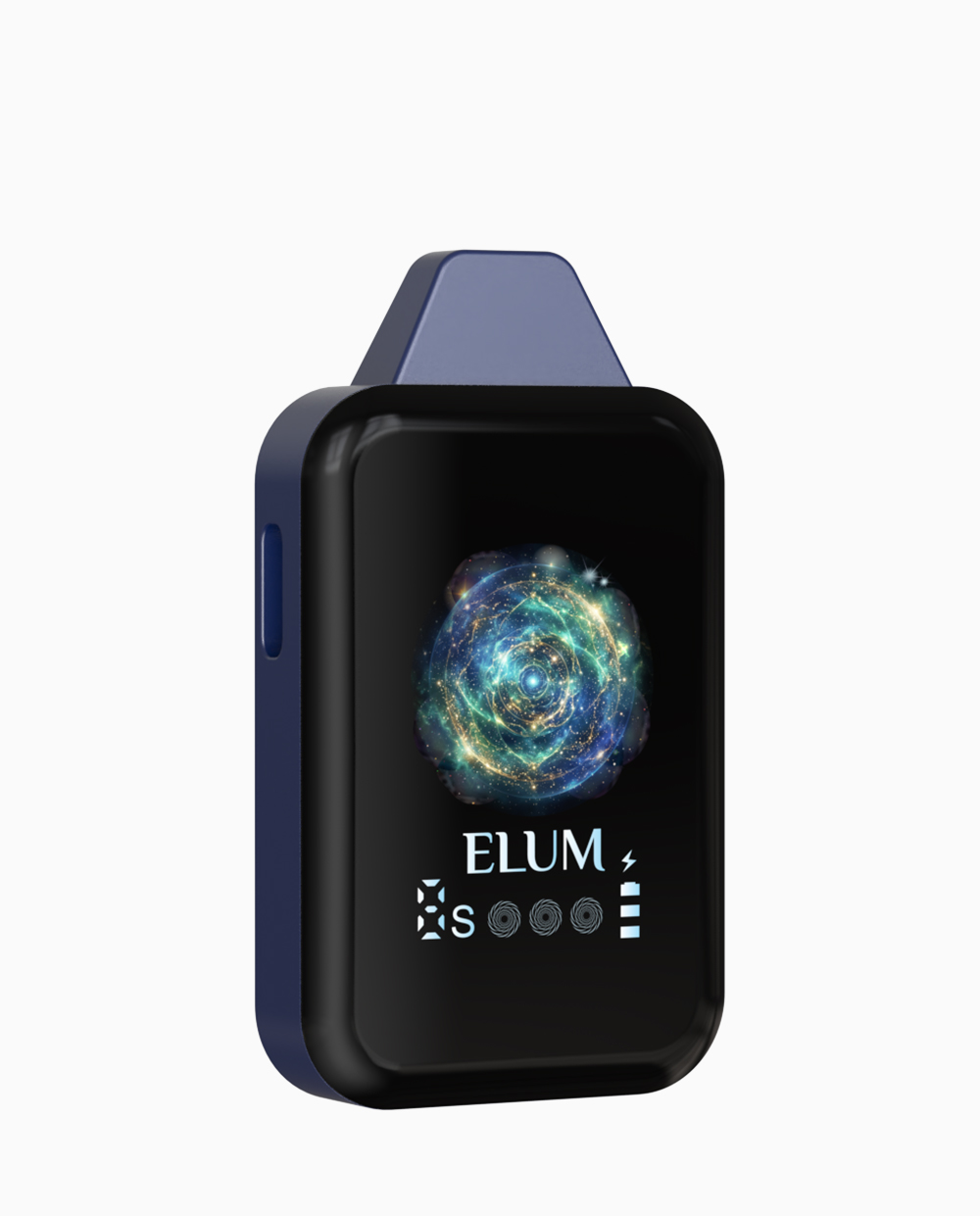
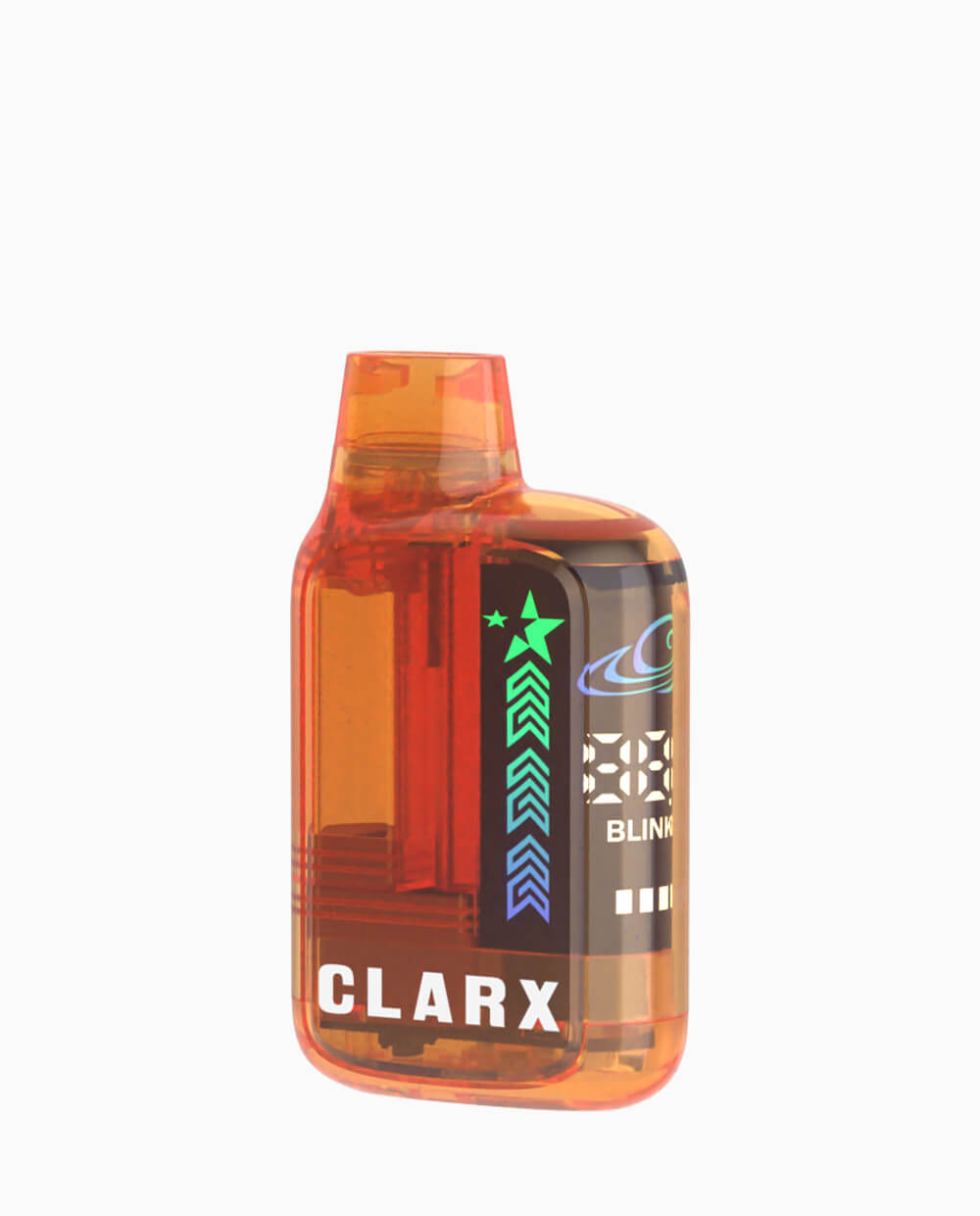
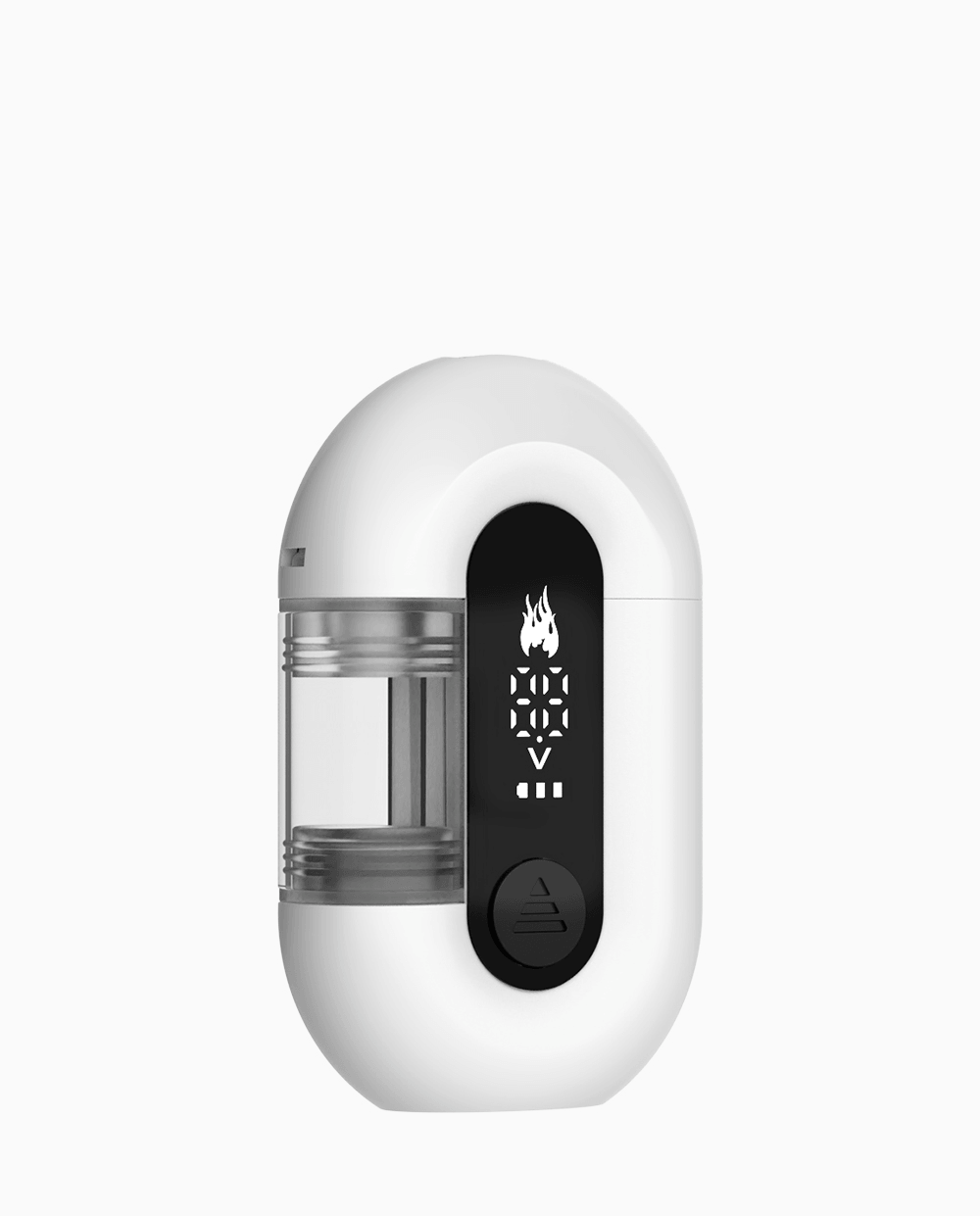
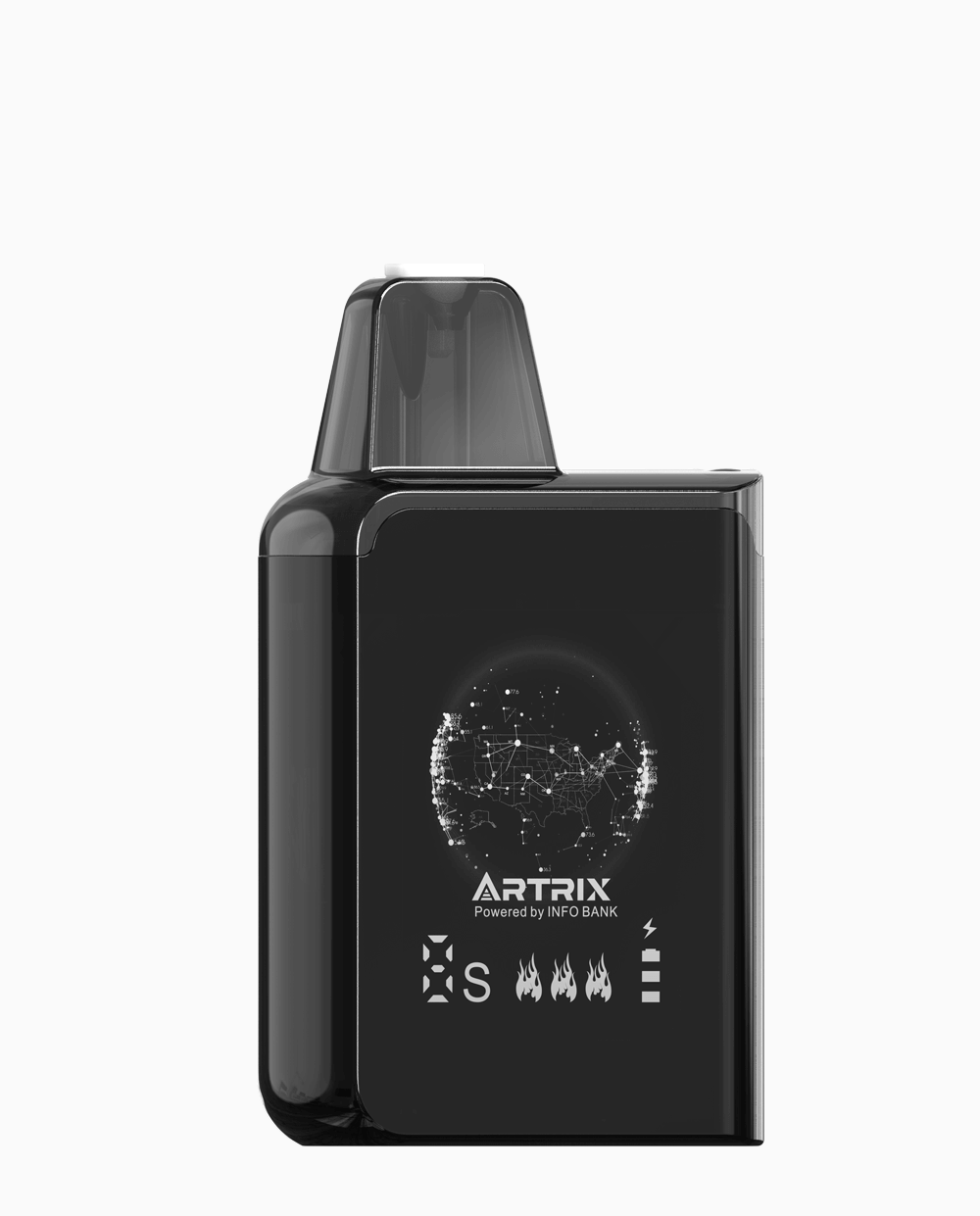
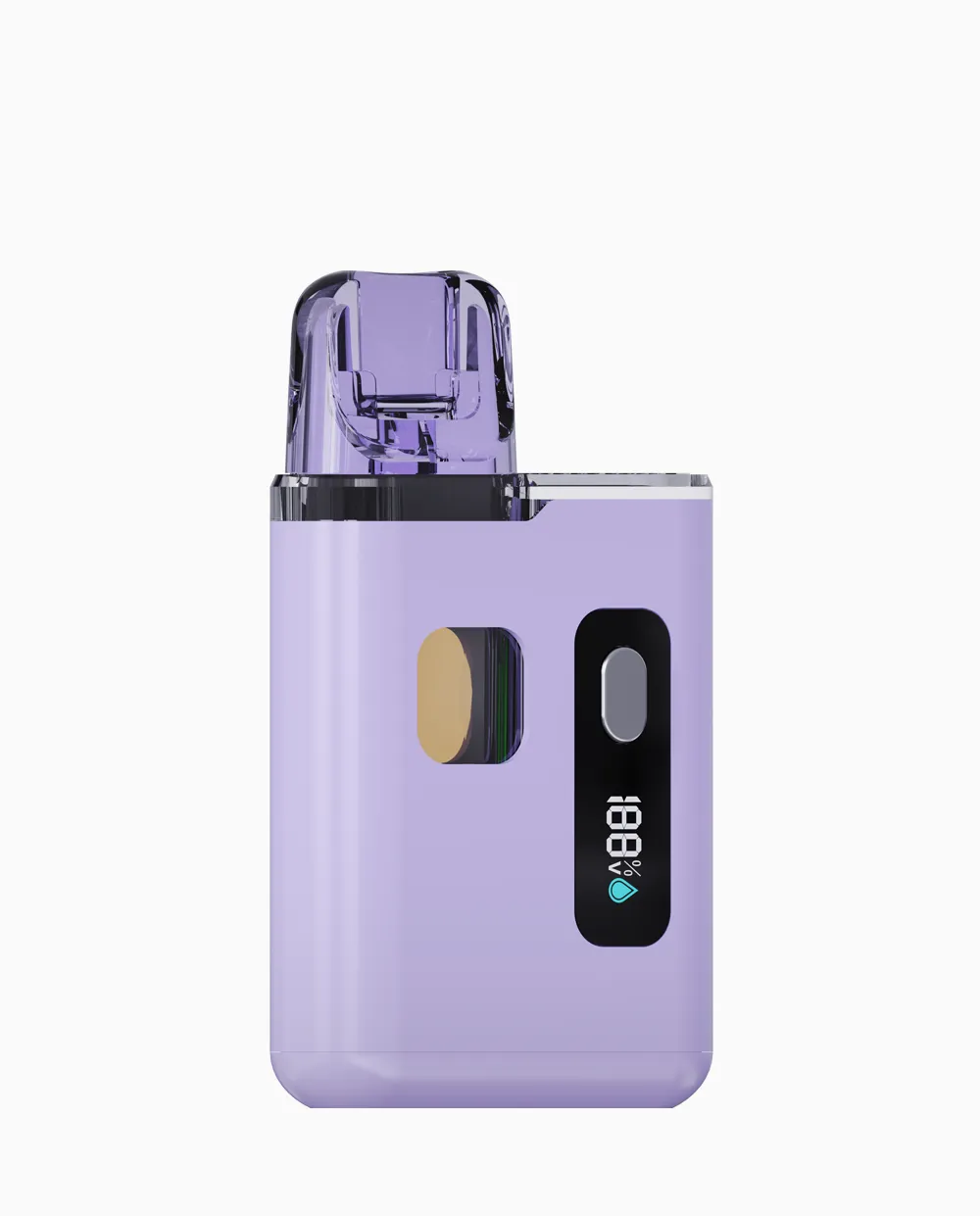
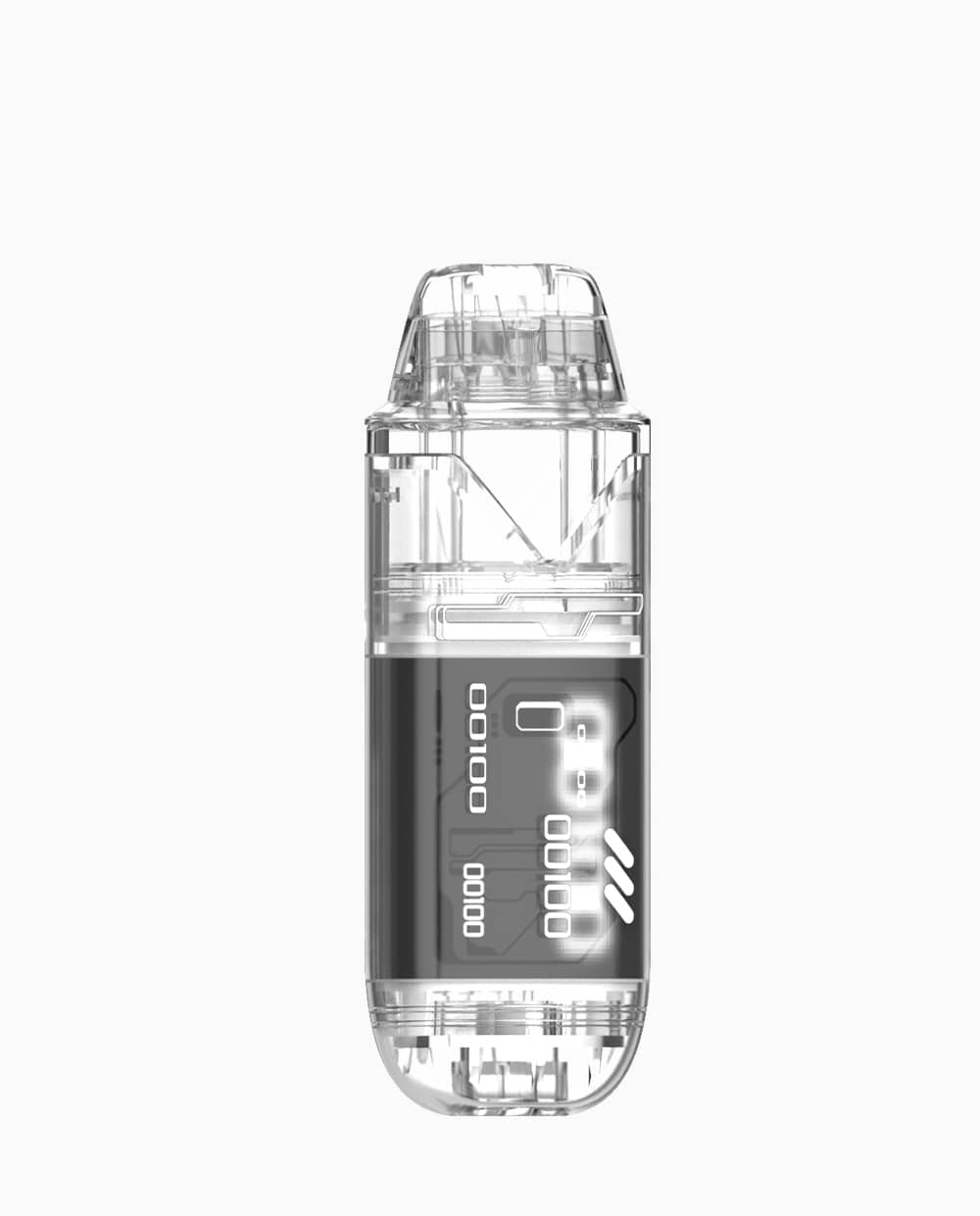
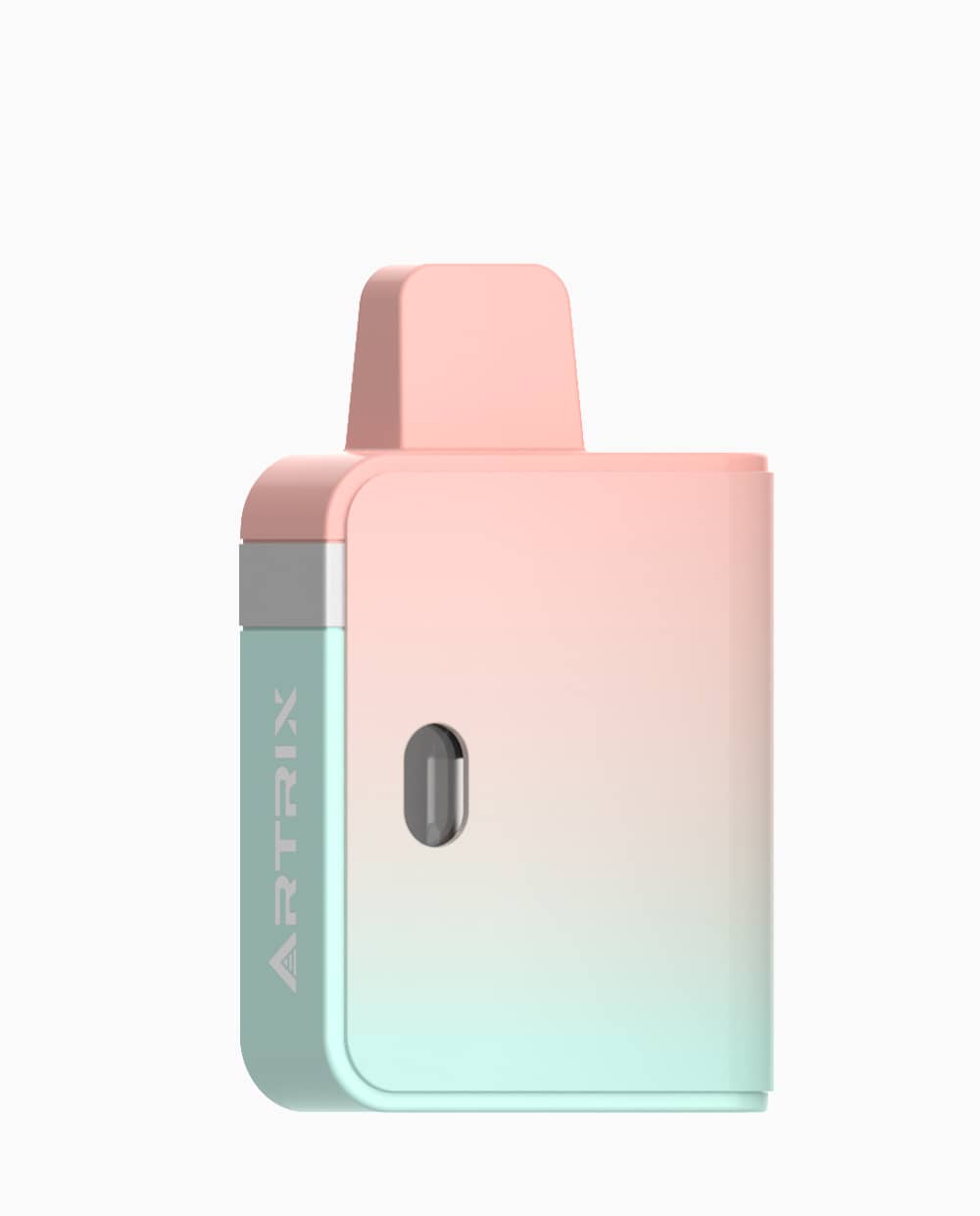
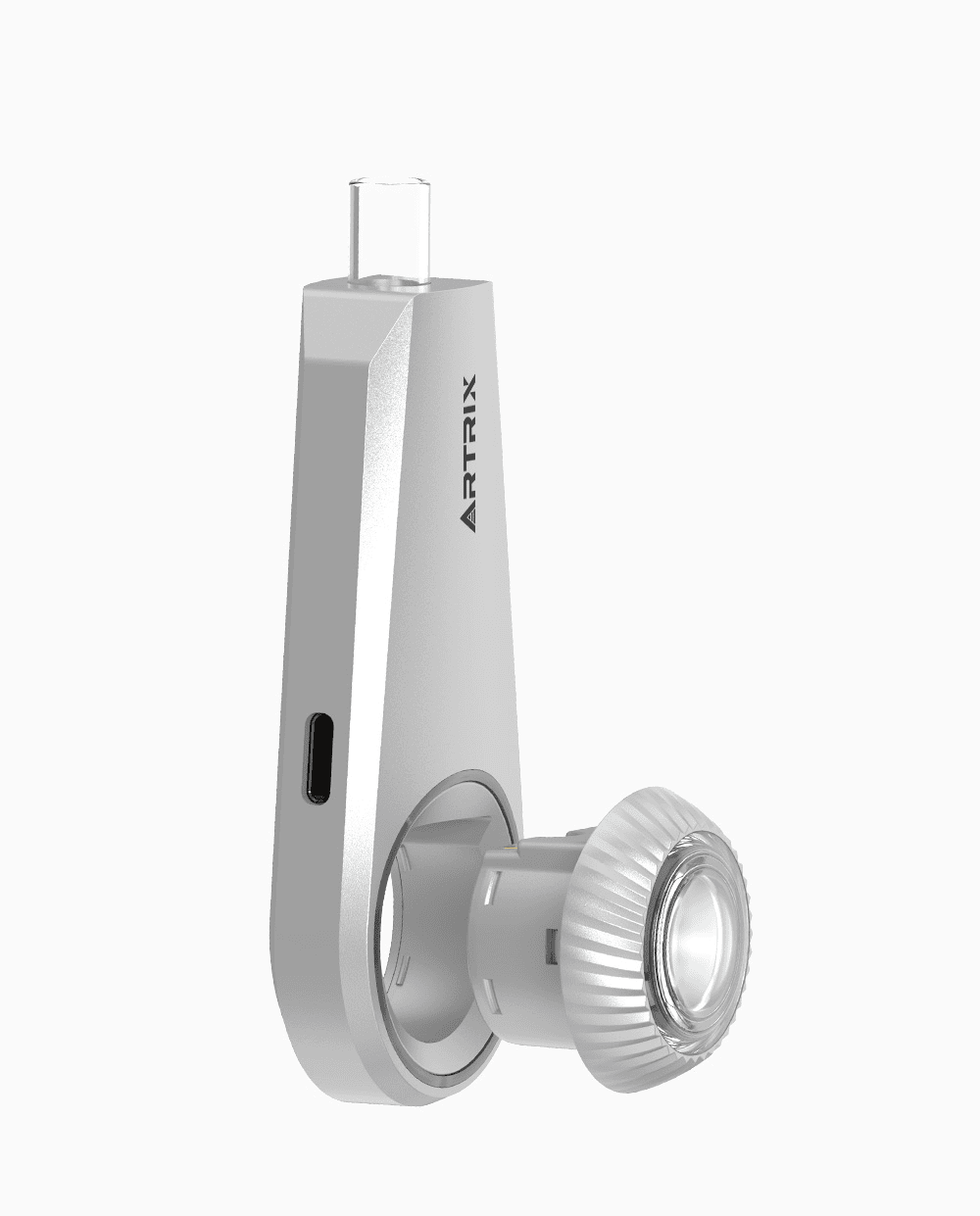
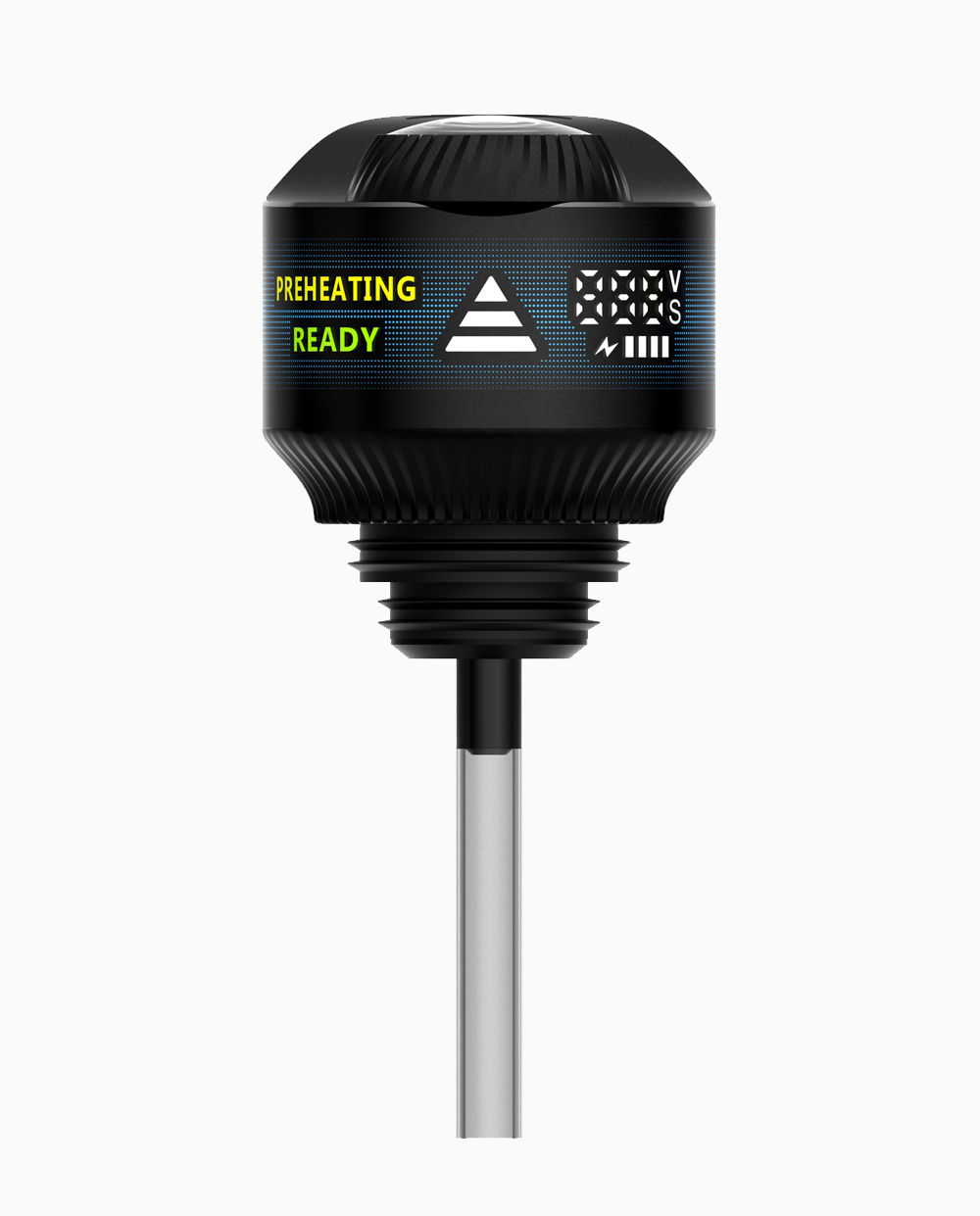
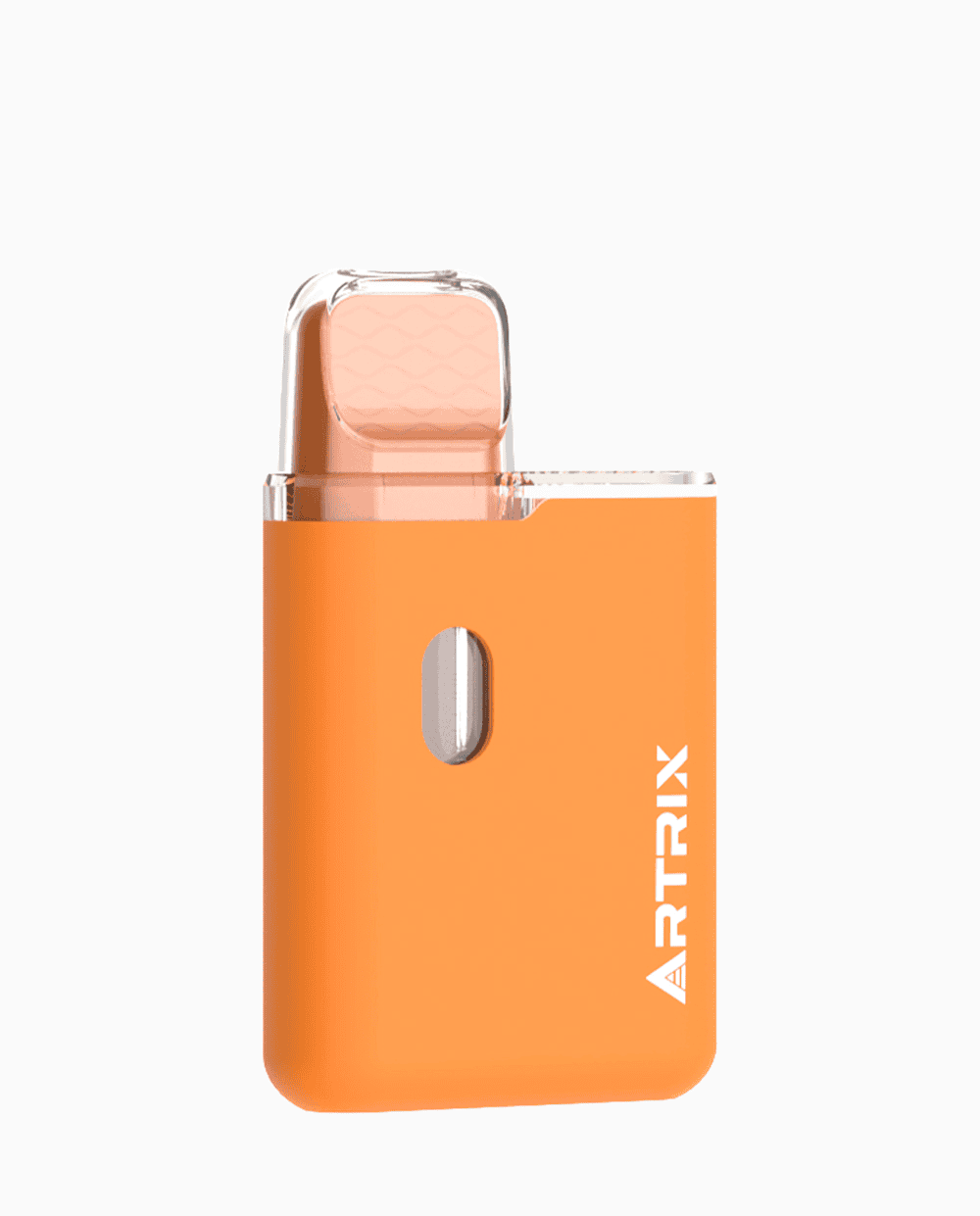
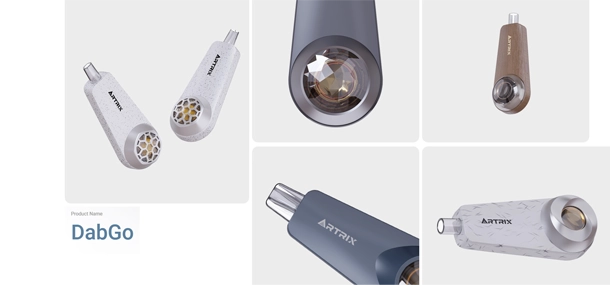
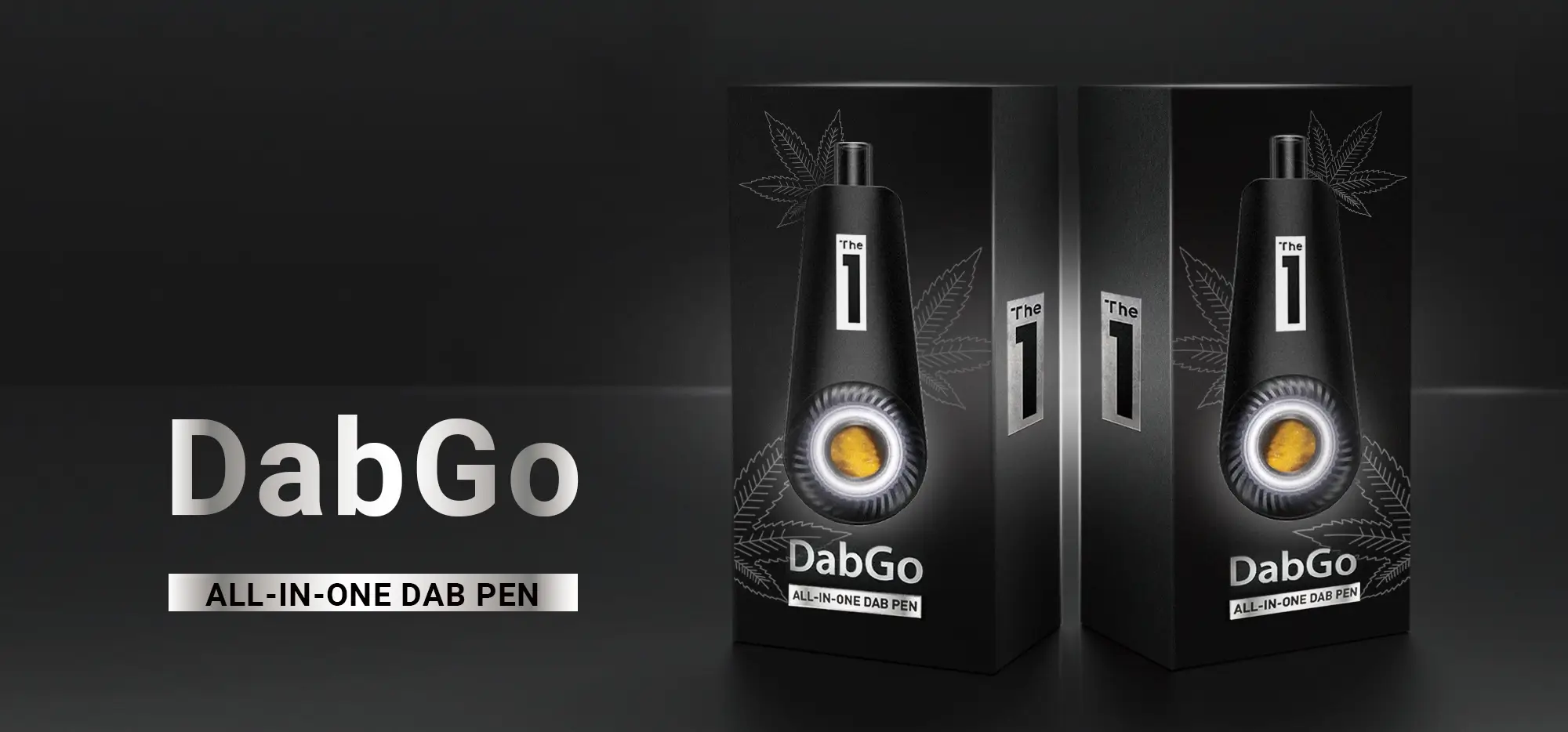
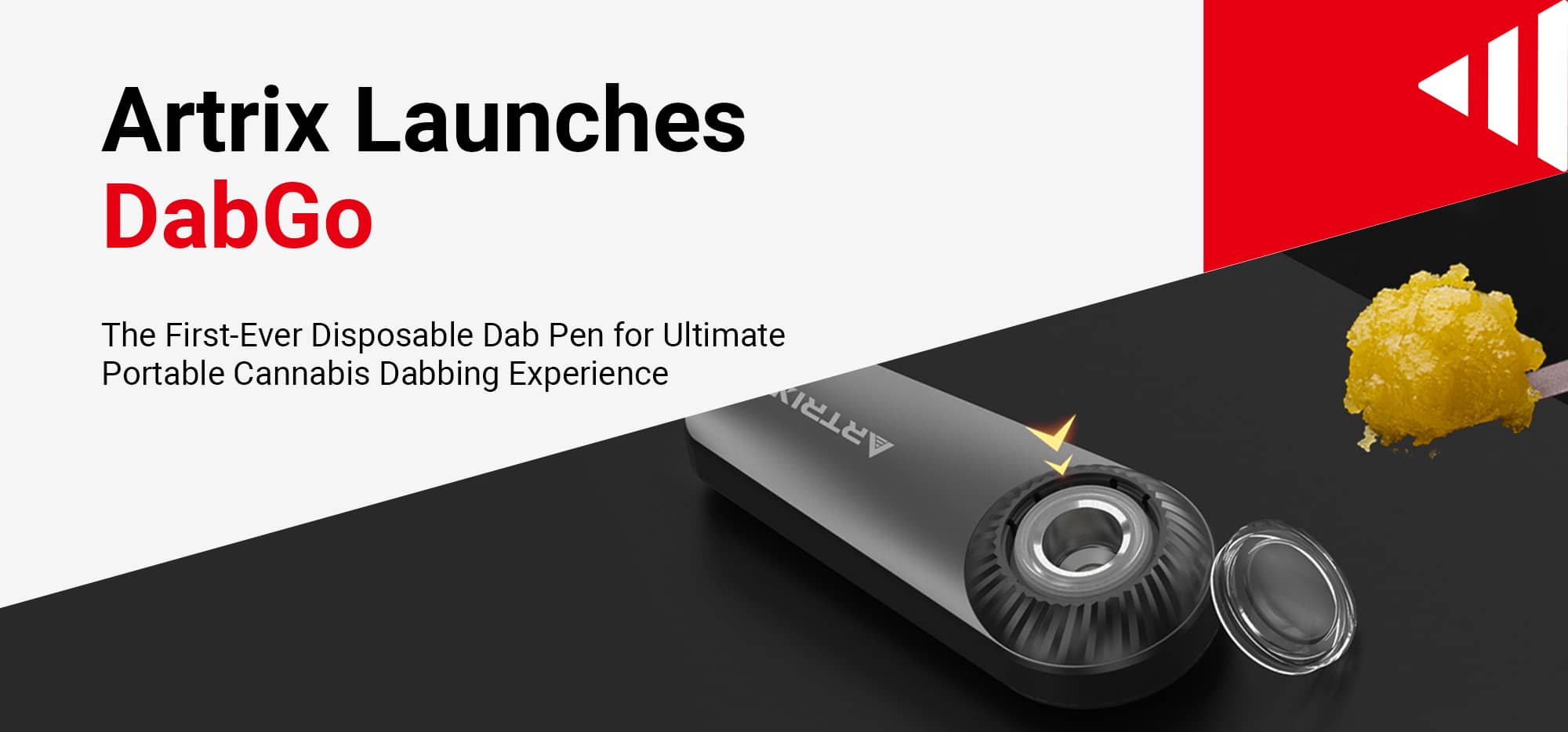
Readers comparing a portable electric rig can review the product information alongside the same neutral checklist used for any device: temperature-control method, airflow behavior, component fit, cleaning access, operating instructions, and suitability for the intended concentrate. A temperature-controlled device may reduce reliance on manual torch timing, but consistency still depends on calibration, loading, airflow, maintenance, and user technique.
FAQ
Why is my dab rig not producing vapor?
The most common causes are a nail that is too cold, missing airflow control, poor joint sealing, or a clogged airflow path. Reheat slightly, use a carb cap, check the joint, and clean the rig if the draw feels restricted. Check cold airflow and component fit before changing temperature.
Why do my dabs taste burnt?
Burnt flavor usually means the nail is too hot and the concentrate is combusting instead of vaporizing. Wait longer after heating, use a thermometer, or switch to a lower-temperature cold-start method.
How much water should be in a dab rig?
Use enough water for the percolator to function during a moderate draw without causing splashback or heavy resistance. The correct level depends on the rig’s chamber and water-path design.
Do I really need a carb cap?
Yes, a carb cap is highly recommended. It improves airflow control, helps vaporize concentrate at lower temperatures, and reduces wasted oil. Make sure its size and airflow pattern are compatible with the banger.
How often should I clean my dab rig?
Change water after each session when possible, and clean residue before airflow becomes restricted. Frequent light cleaning is easier than removing heavy reclaim buildup later. Always follow material-specific and manufacturer cleaning instructions.
Conclusion: Diagnose One Variable at a Time
Most dab rig problems are fixable once you identify the root cause. Weak vapor, harsh flavor, wasted concentrate, and hard airflow usually come from temperature errors, poor technique, missing accessories, dirty equipment, or mismatched concentrate handling.
Start with the basics: control temperature, use the right dab size, cap the nail, inhale steadily, keep the water level balanced, and clean the rig regularly. Test a cold rig first, change one variable at a time, and treat measured results as specific to your equipment and concentrate. If fewer manual heating variables are important to you, compare temperature-controlled electric rigs using transparent specifications, instructions, and product-specific evidence rather than promotional claims alone.