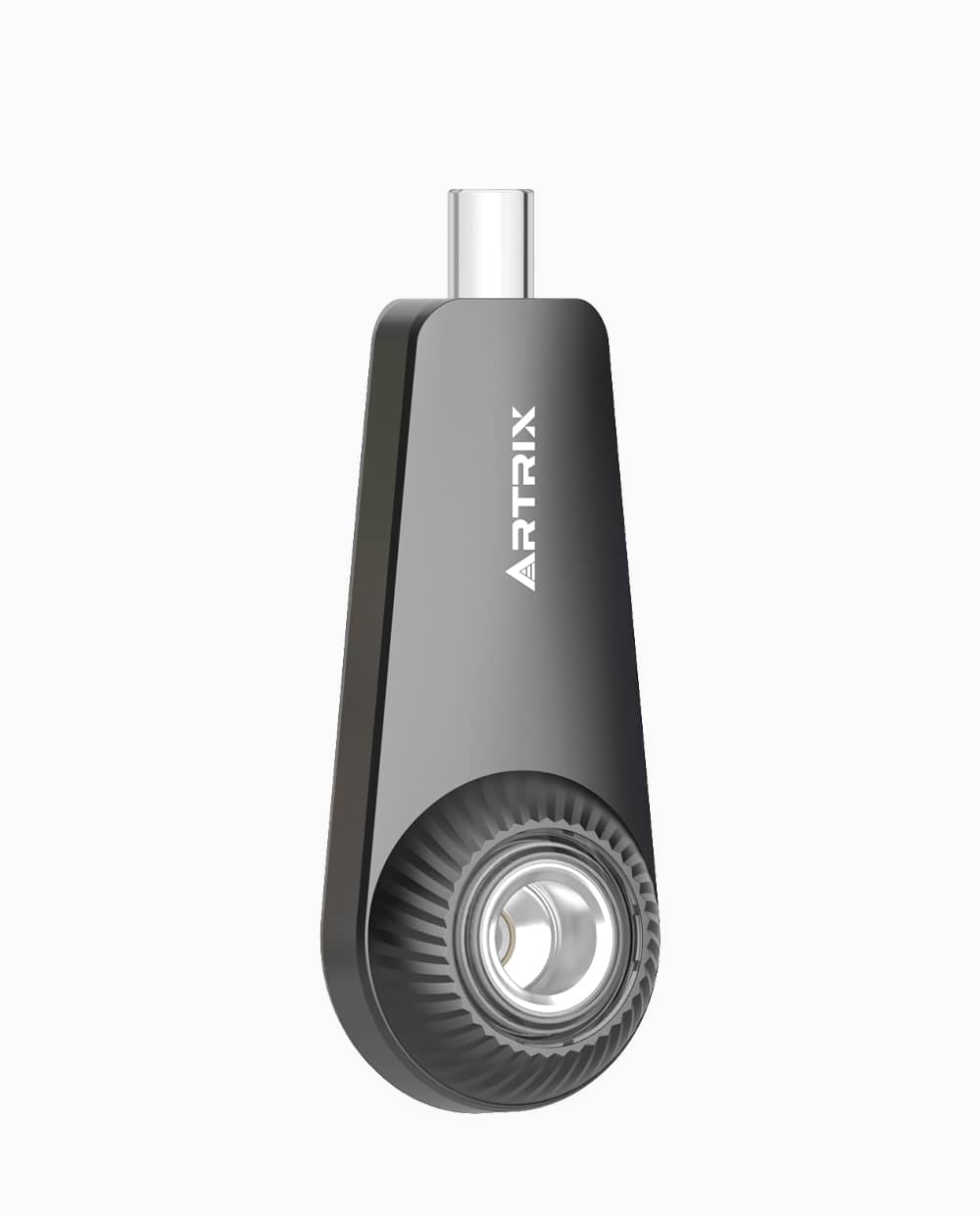


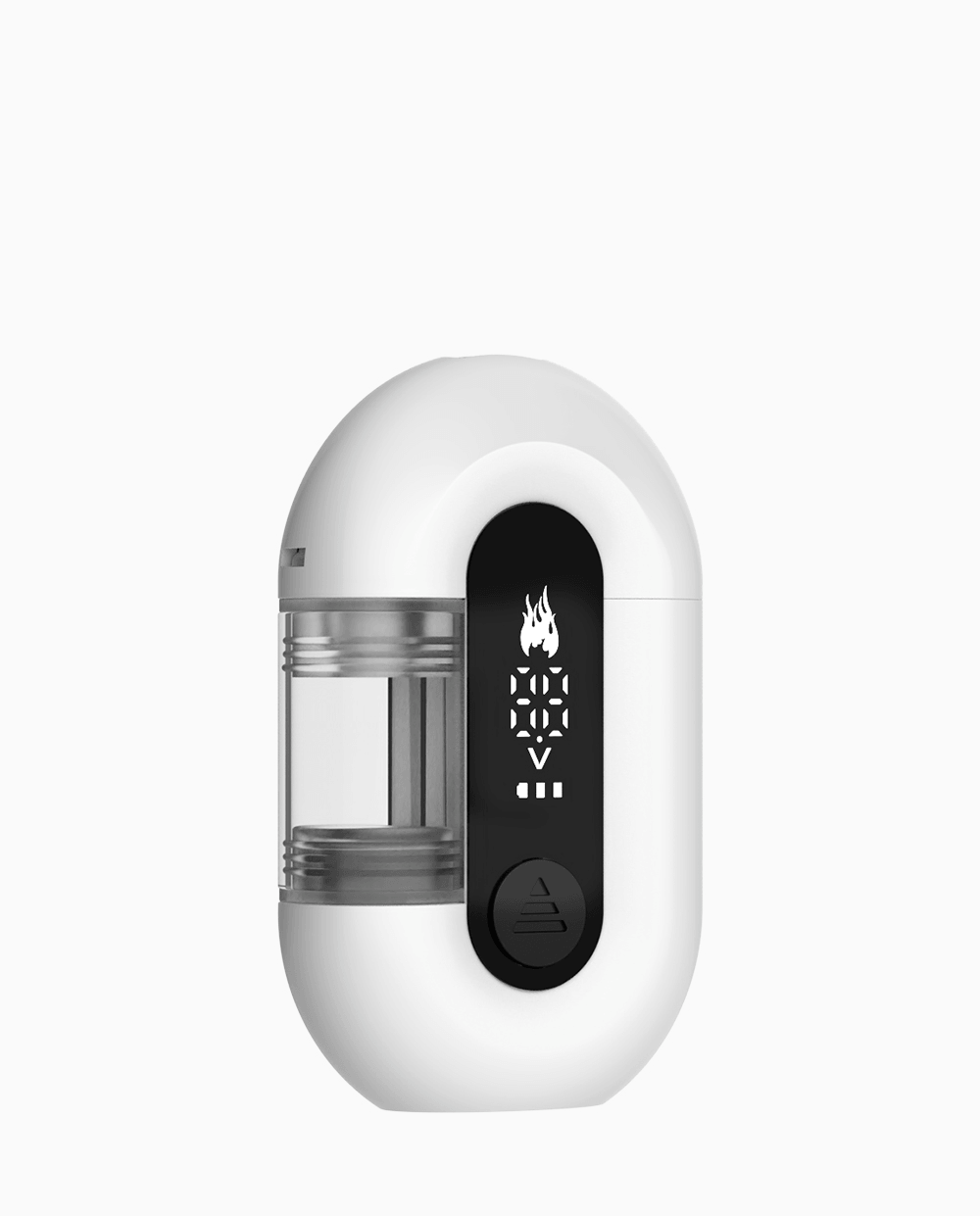

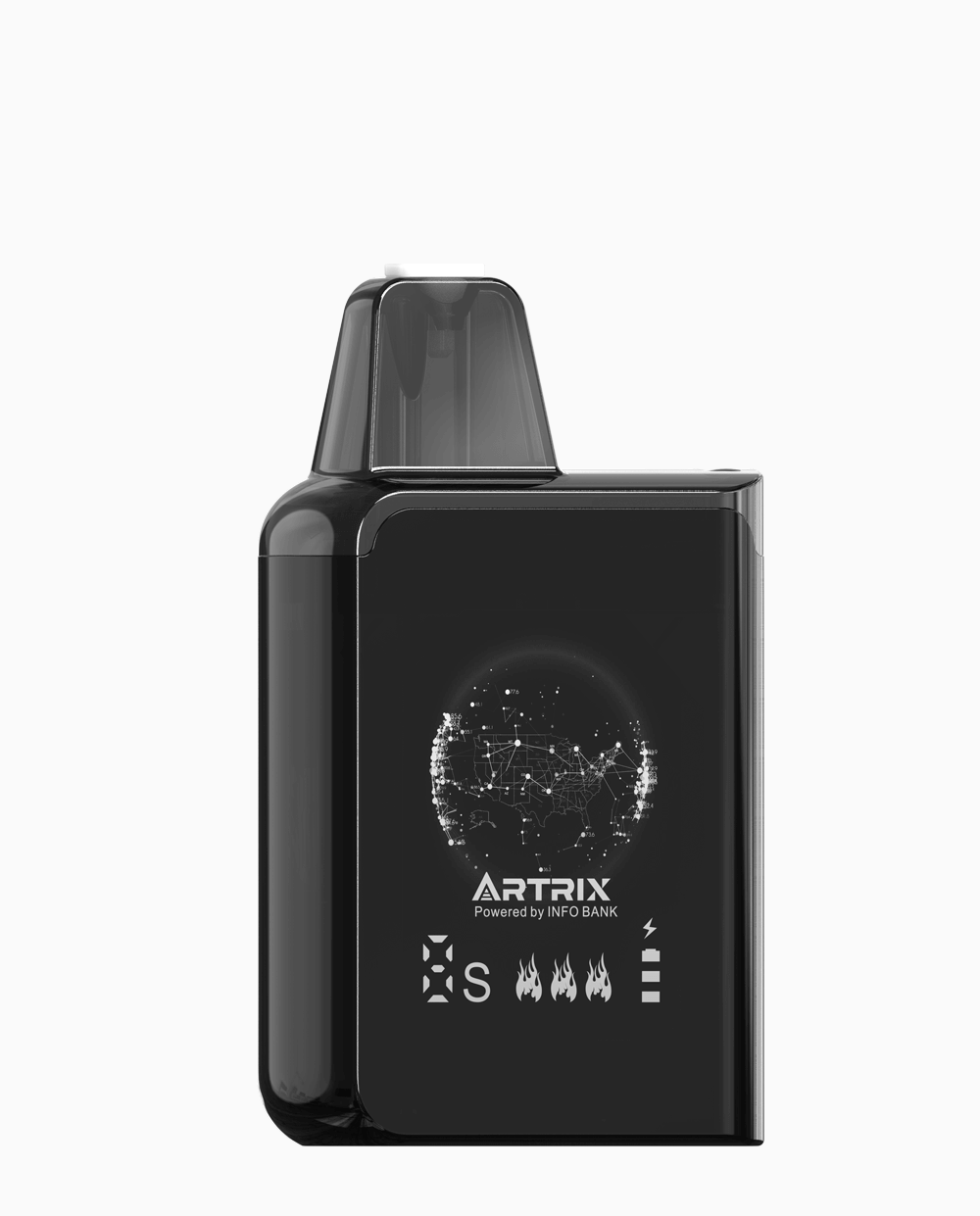
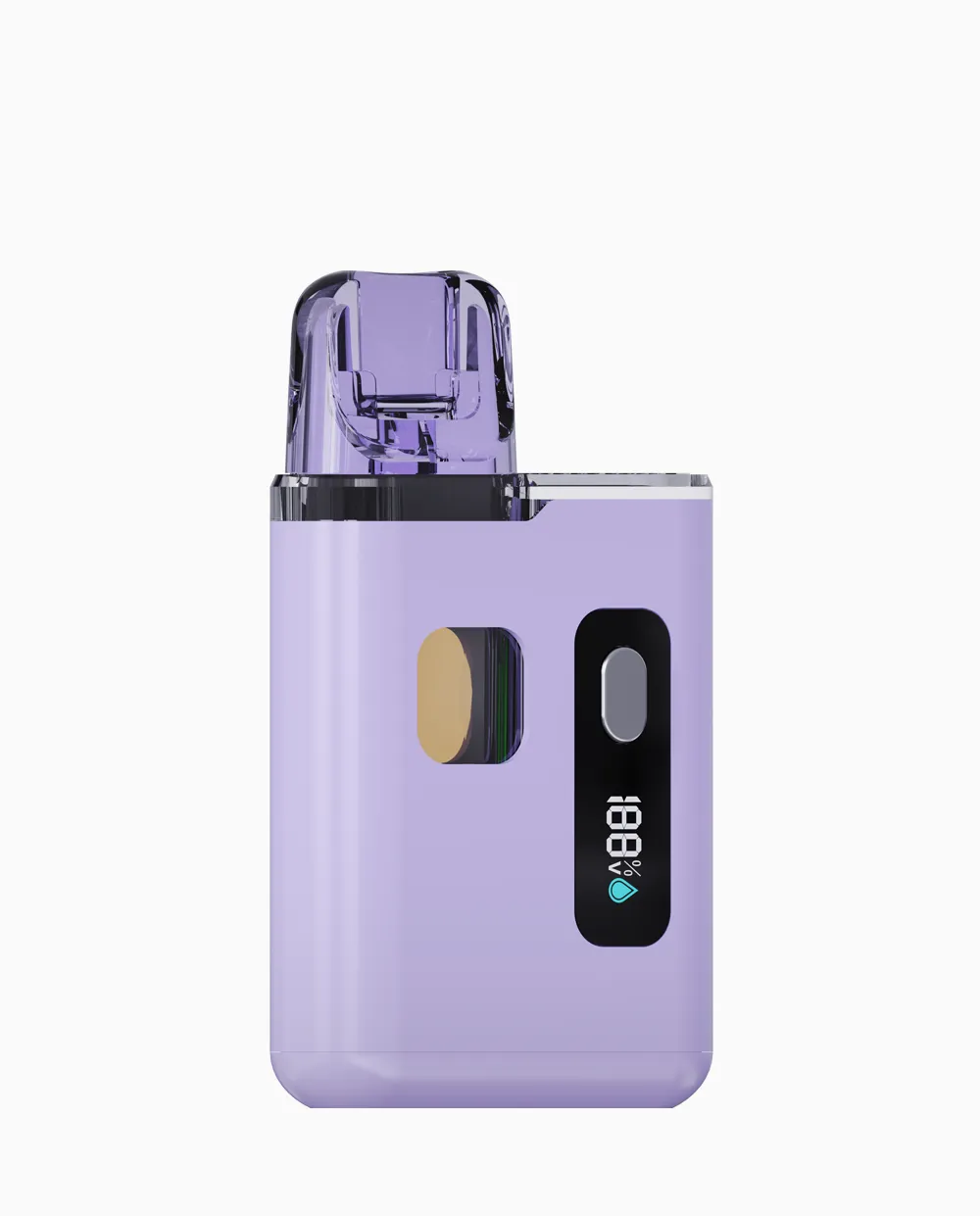
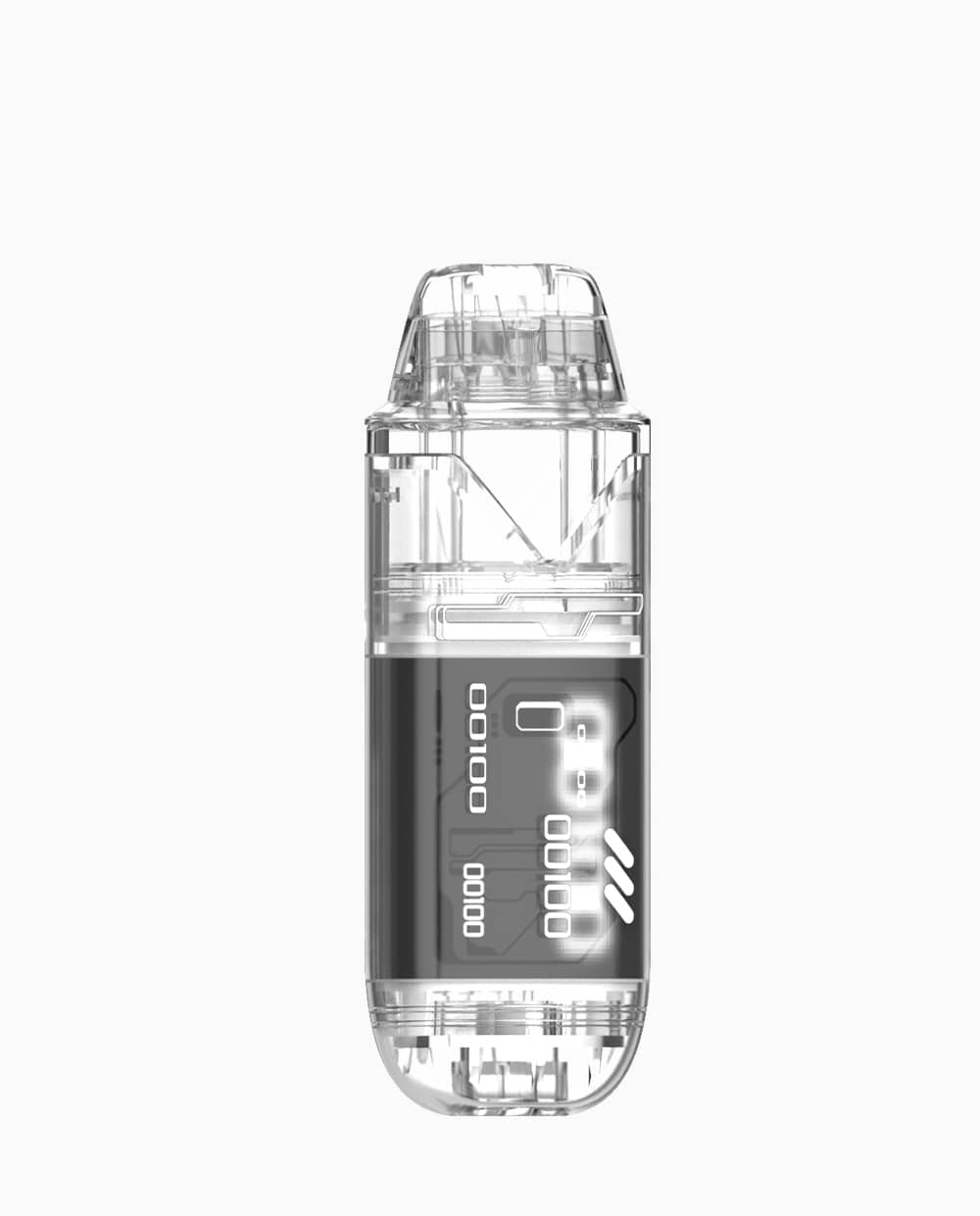
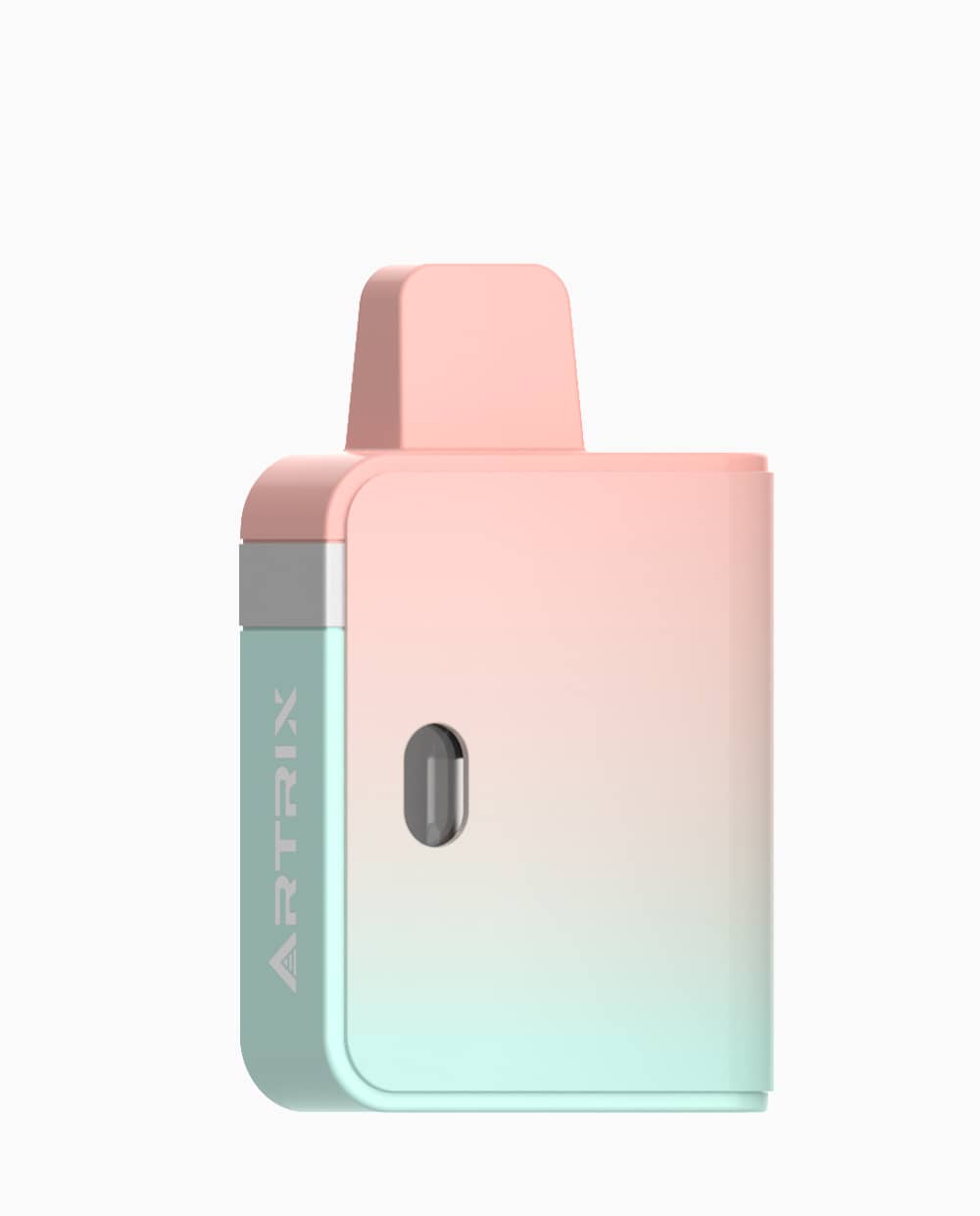
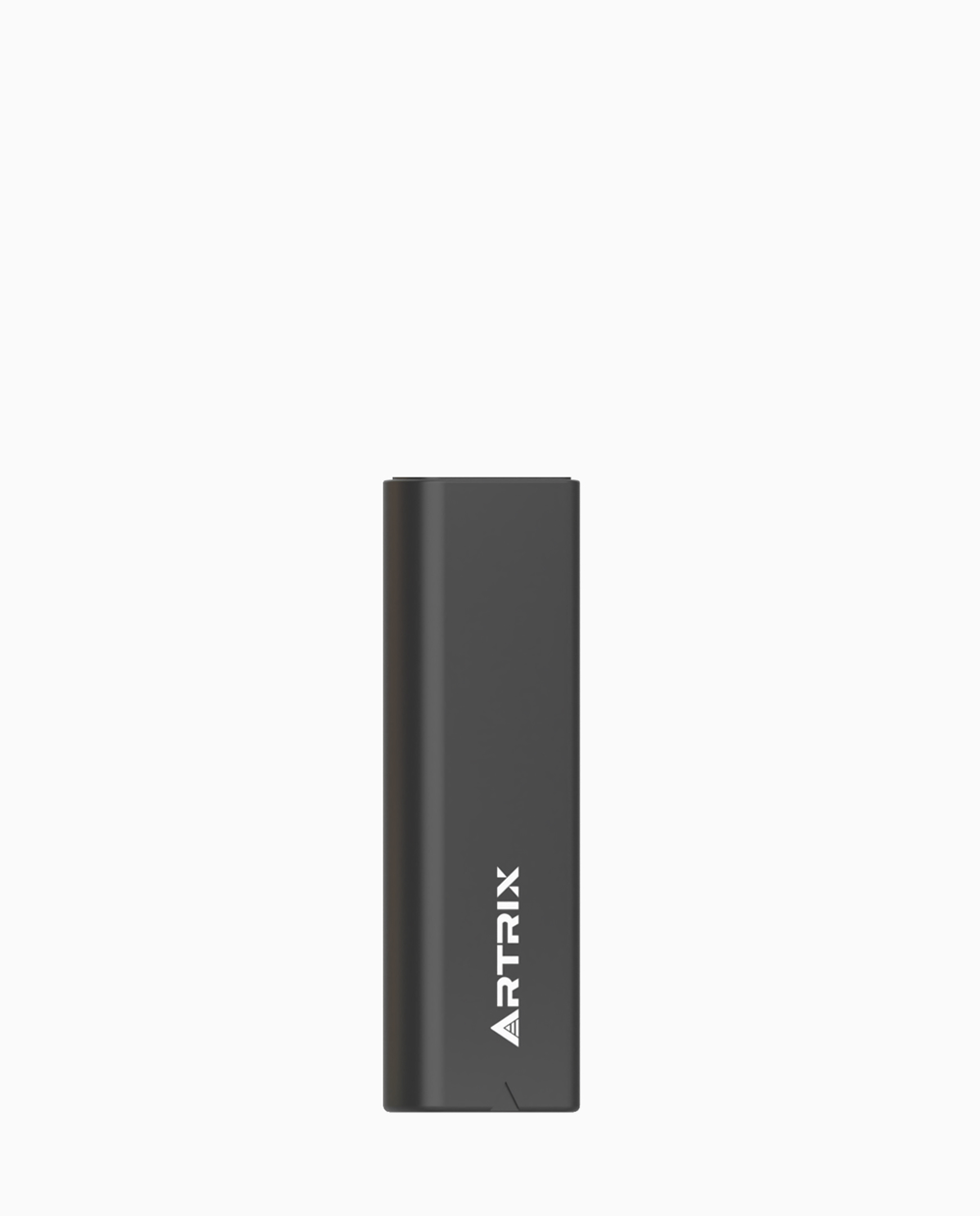
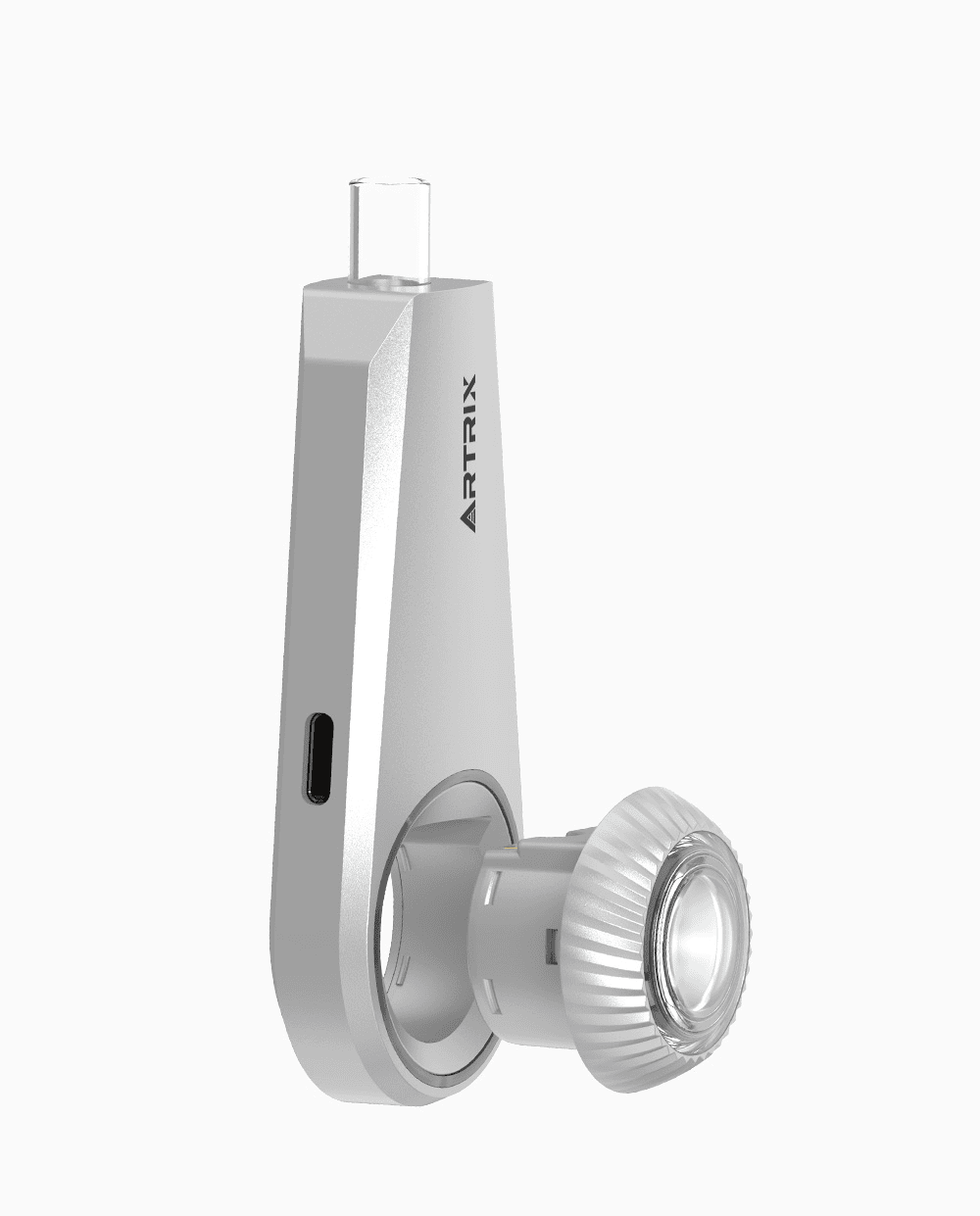
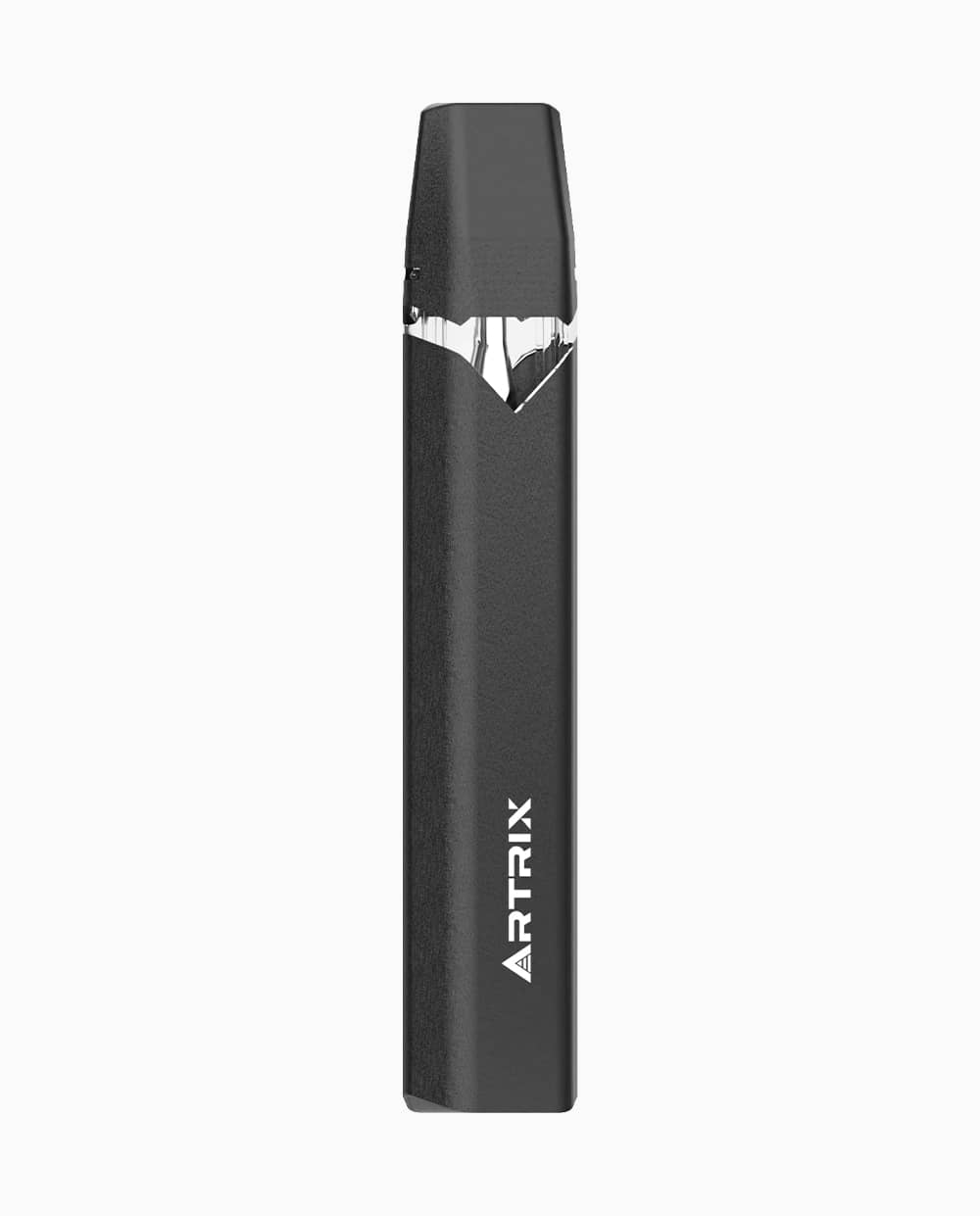
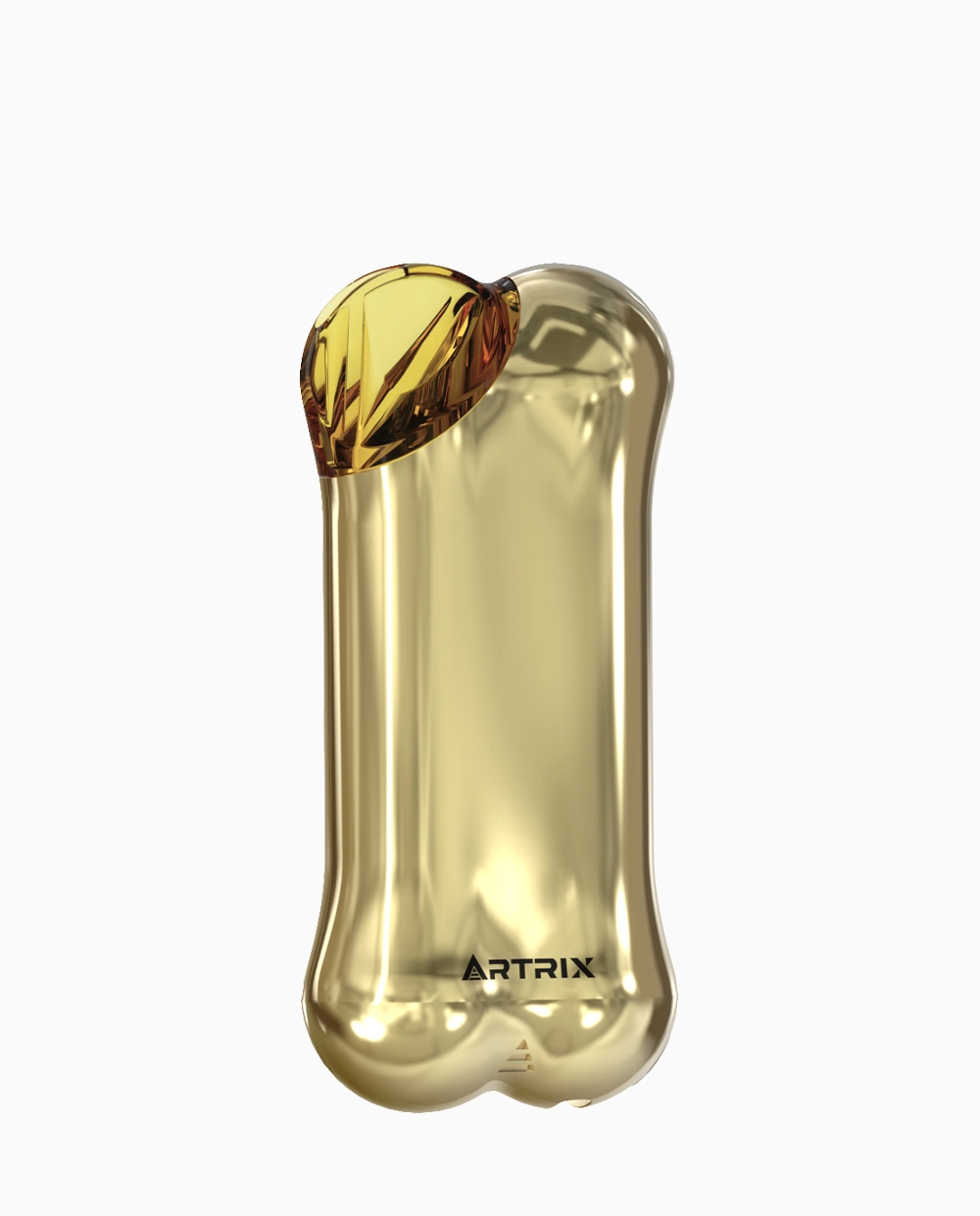
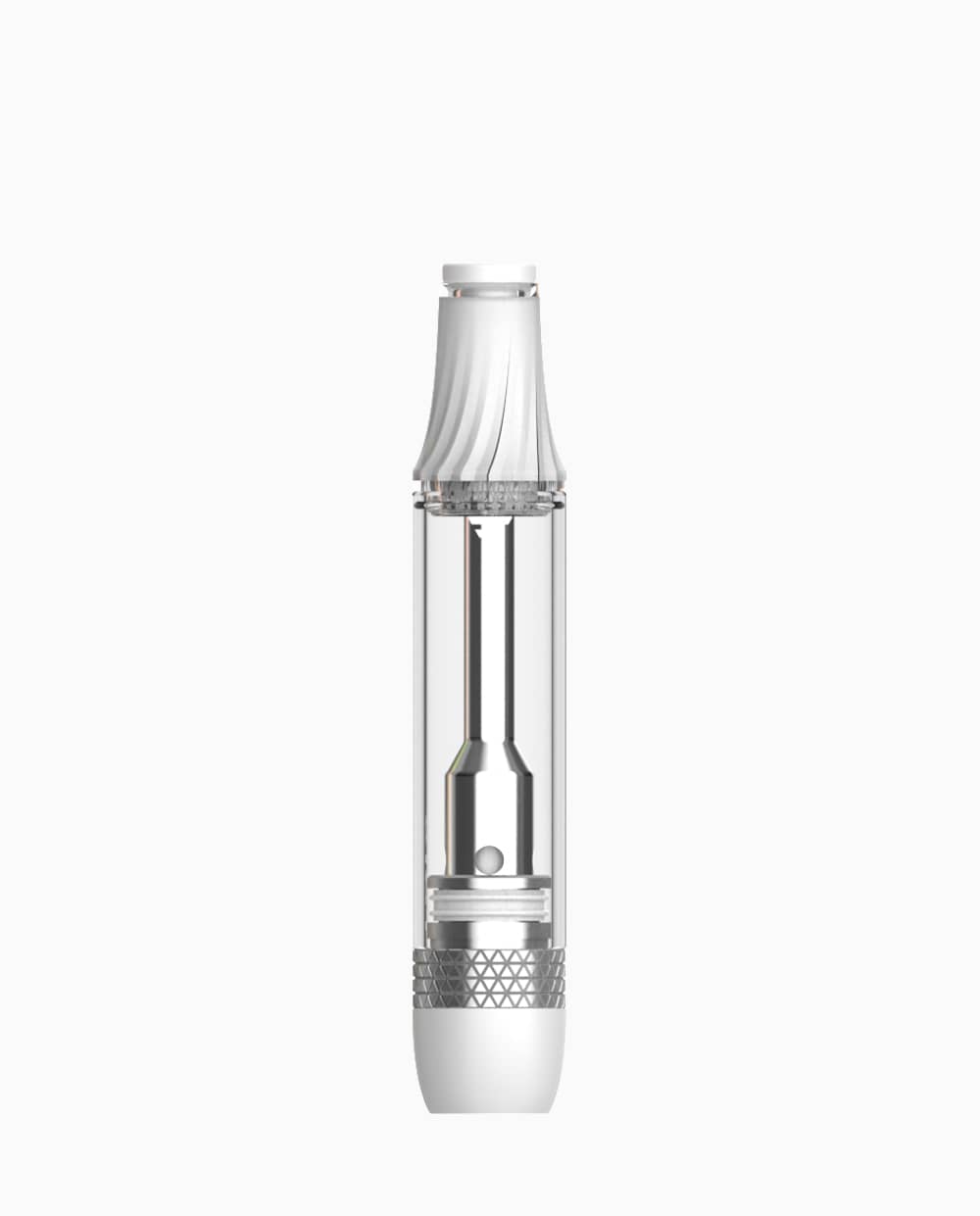

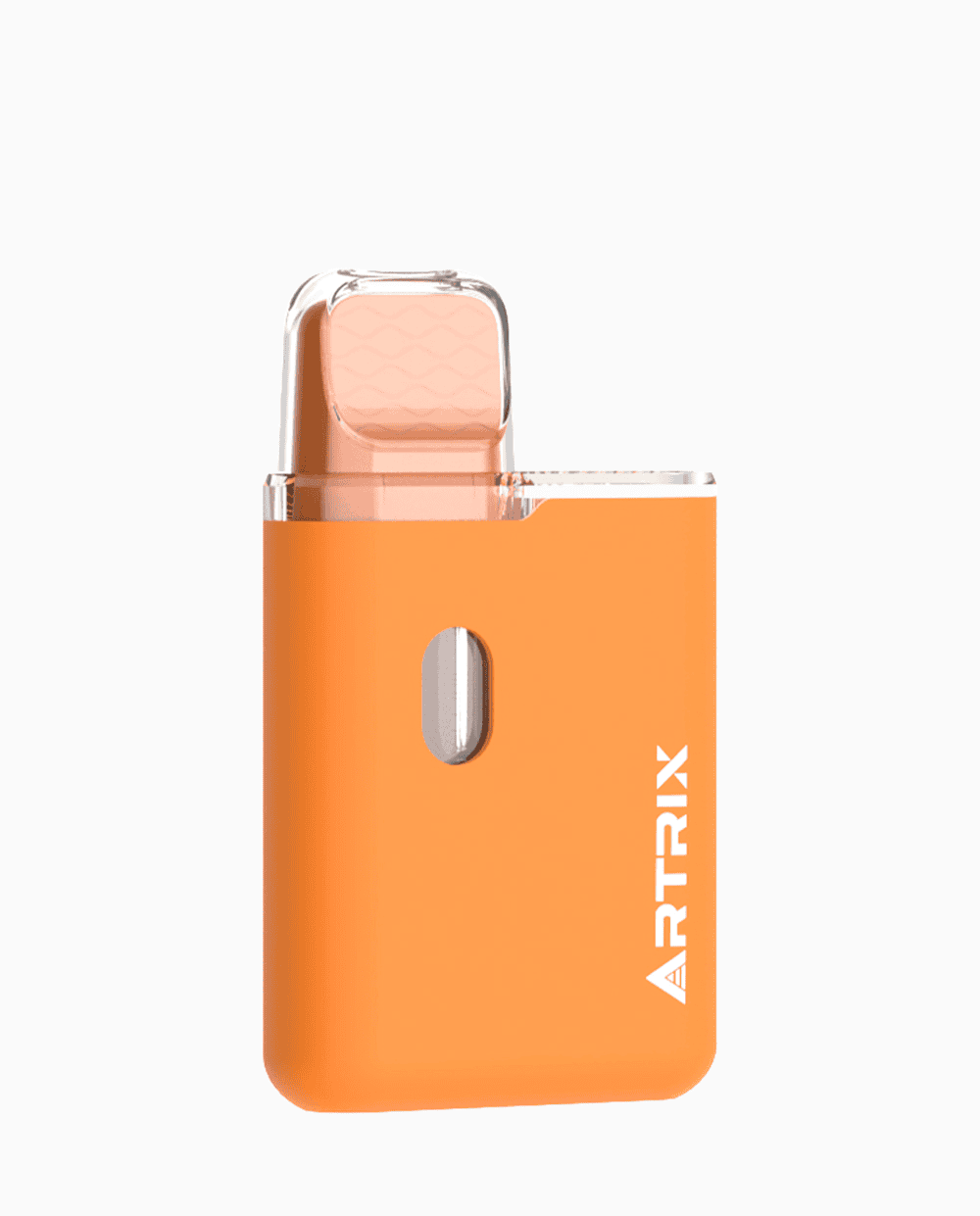

-1.webp)
-1.webp)
-2.webp)
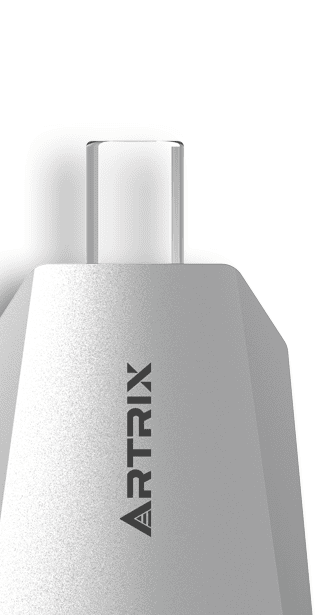






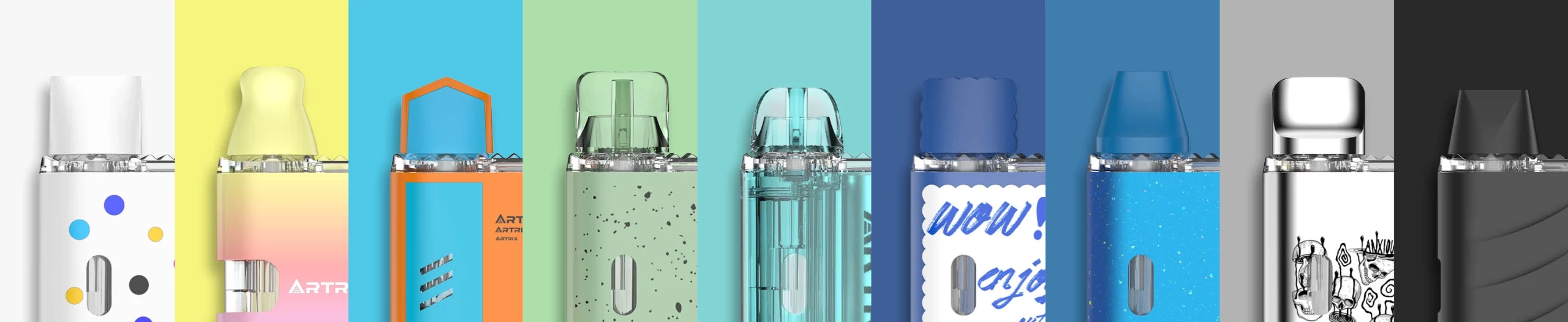


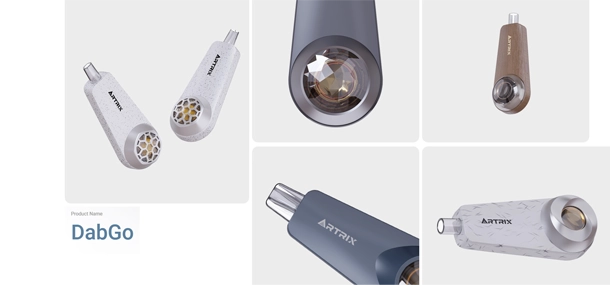
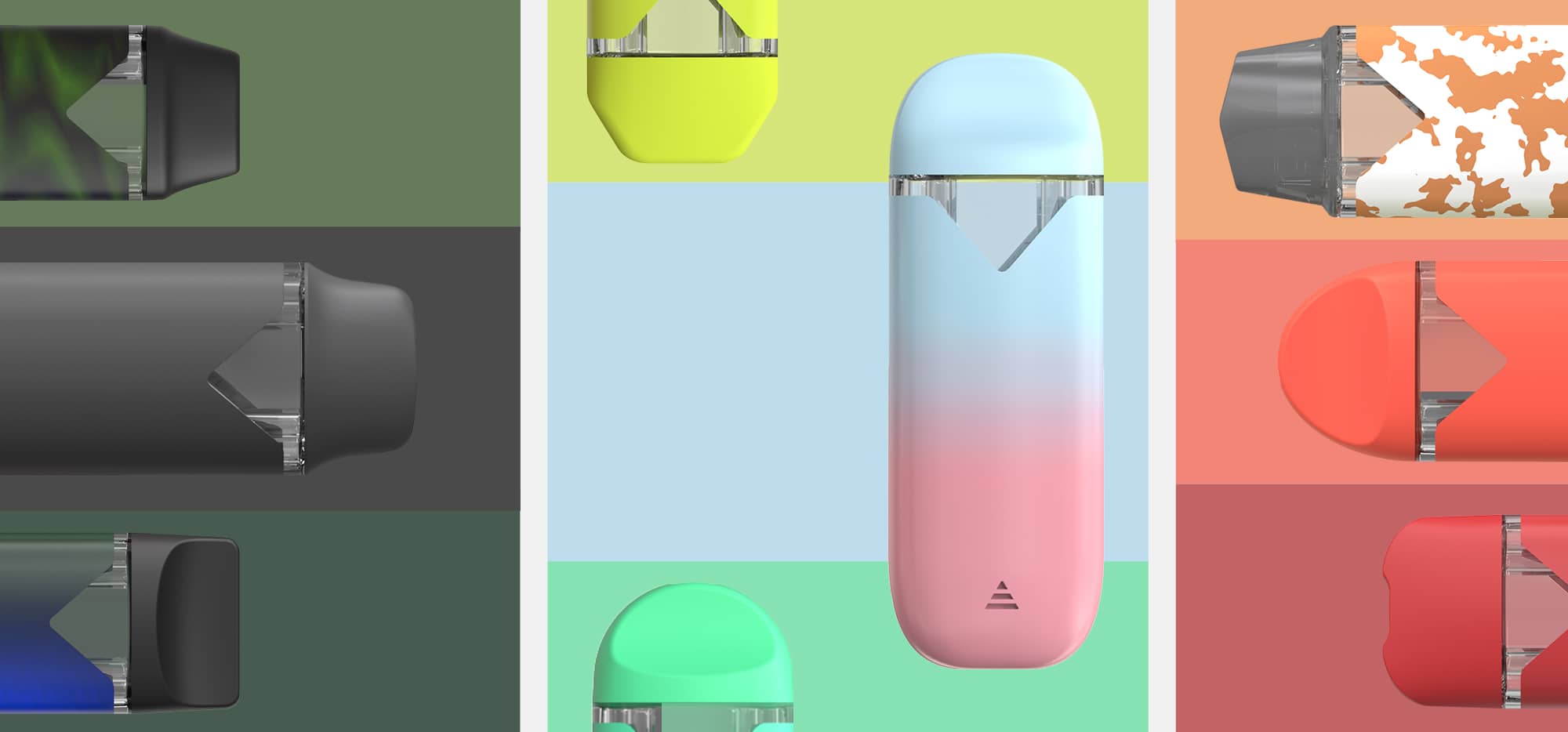

















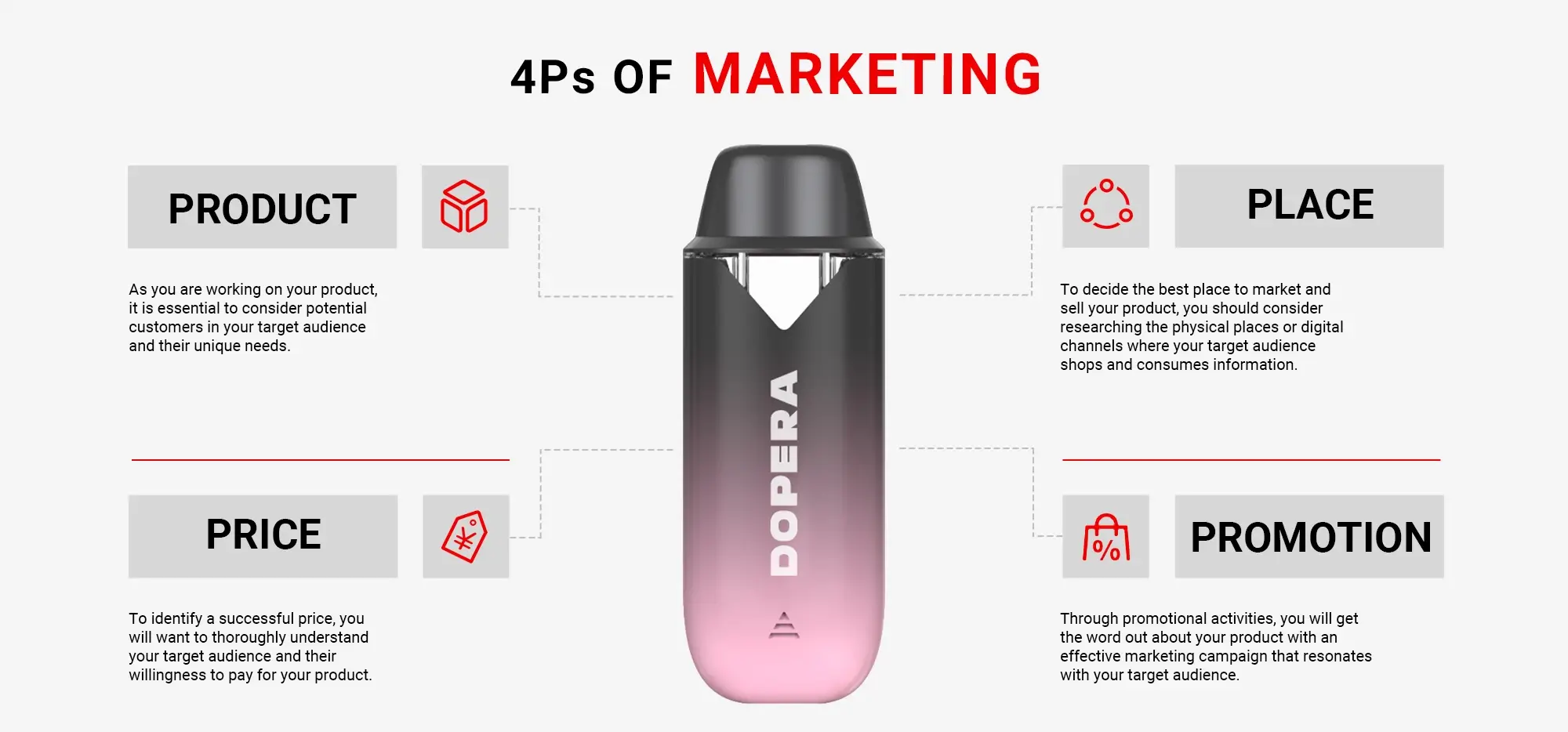
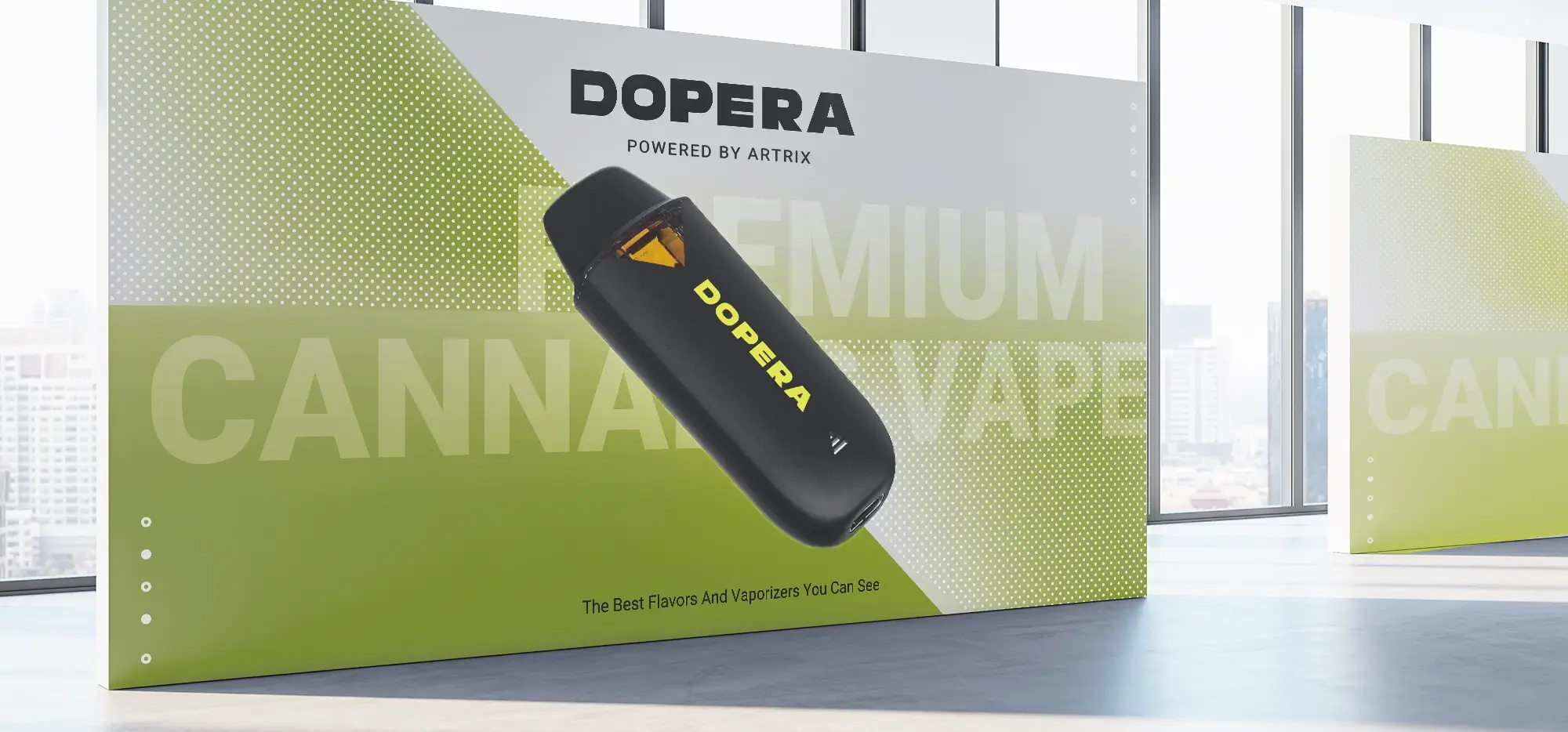
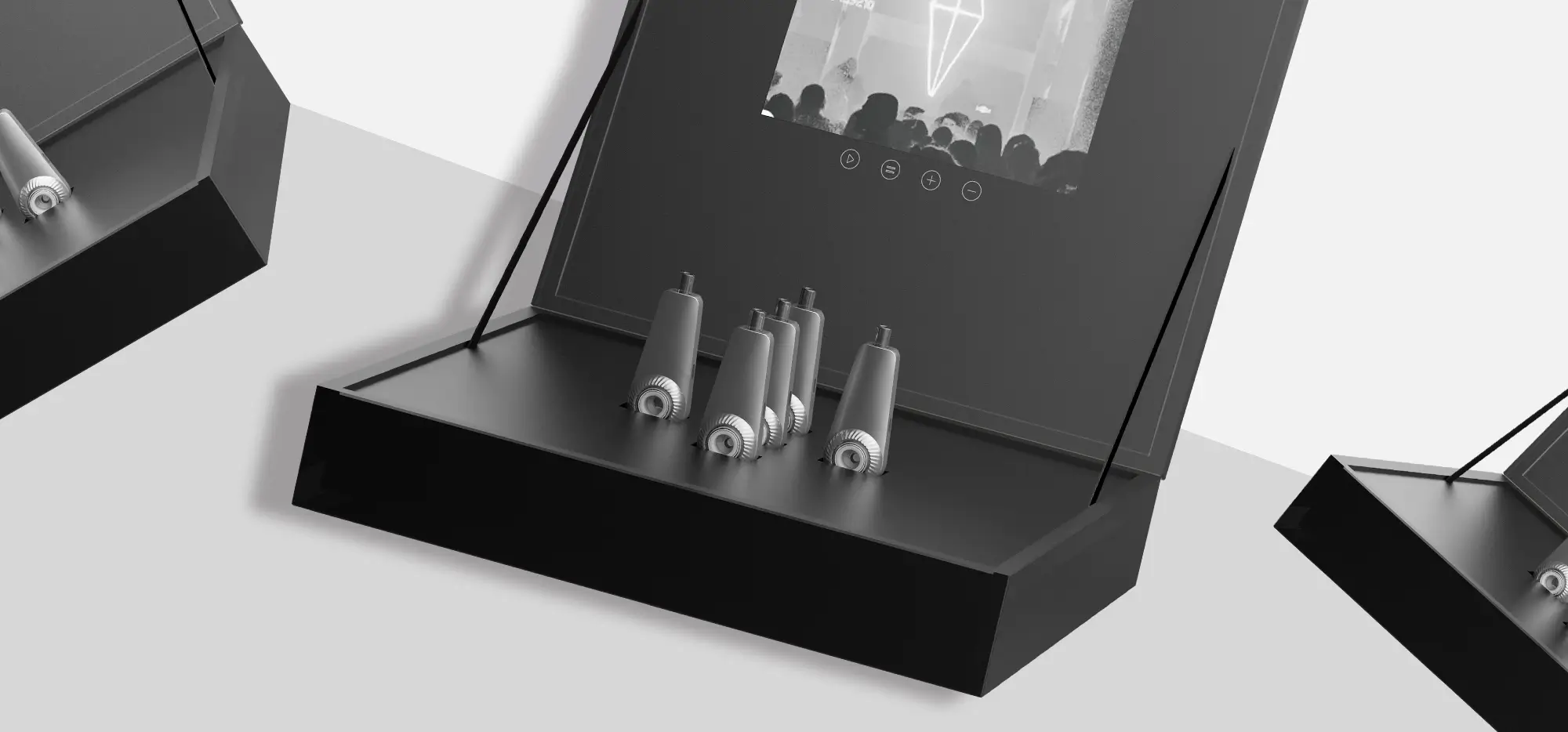

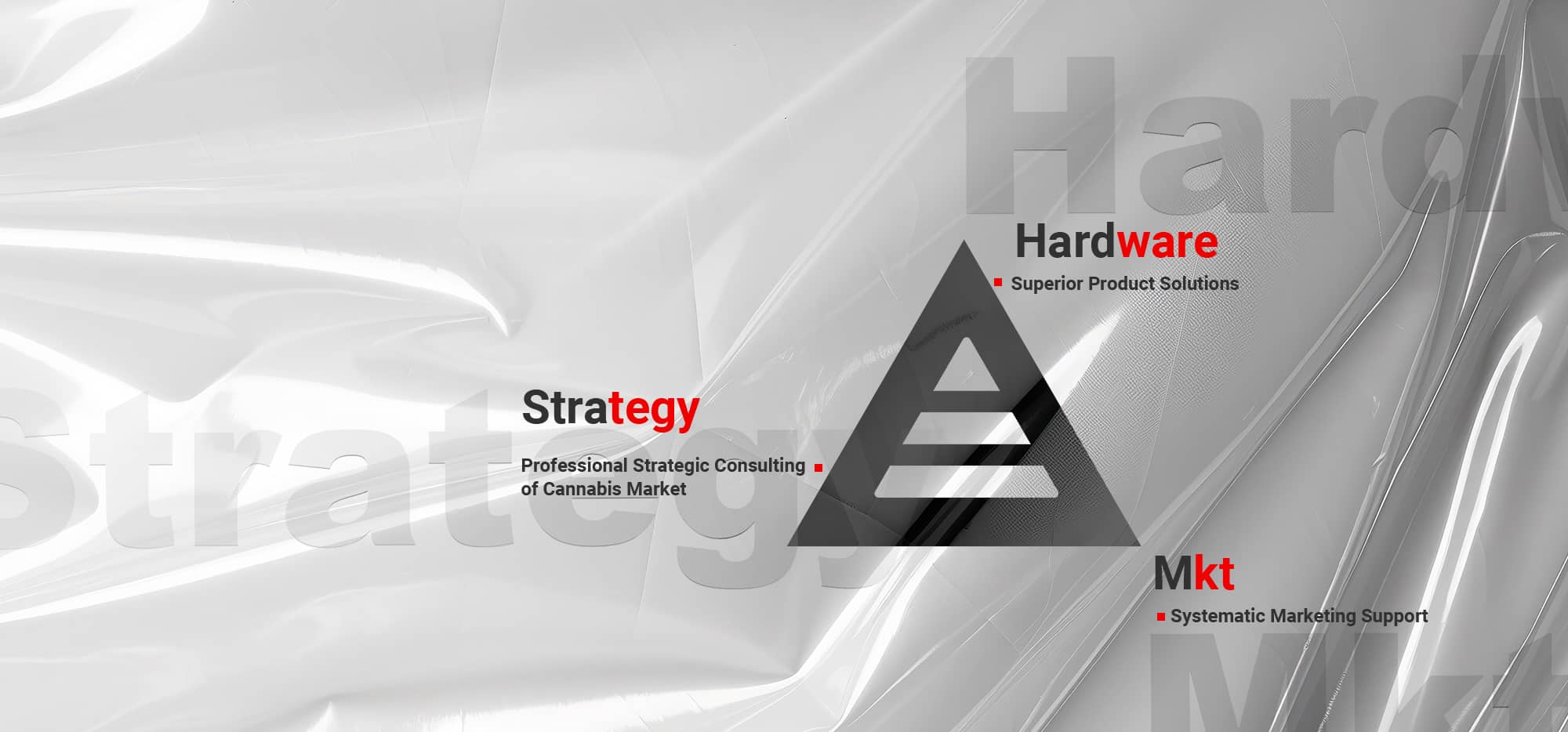







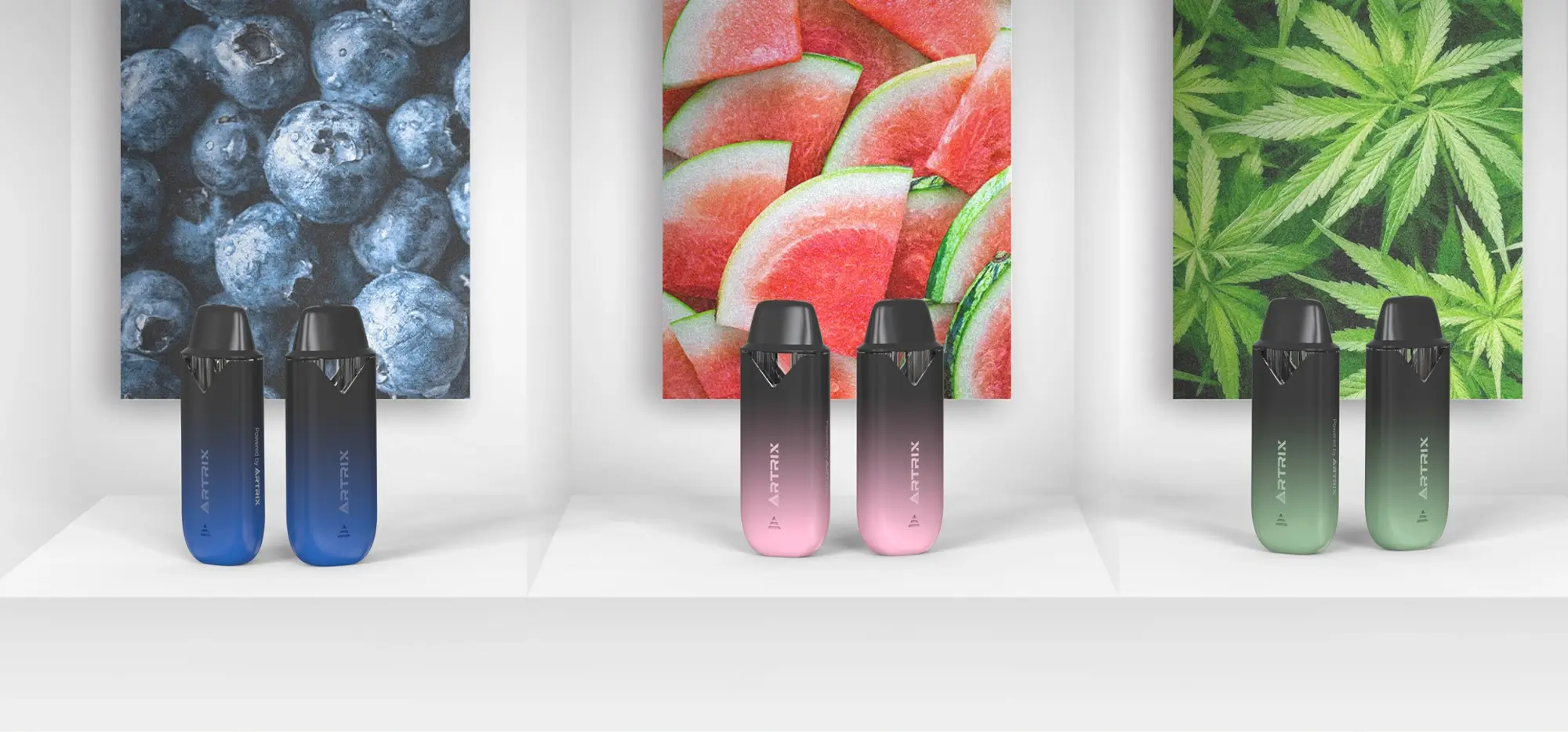



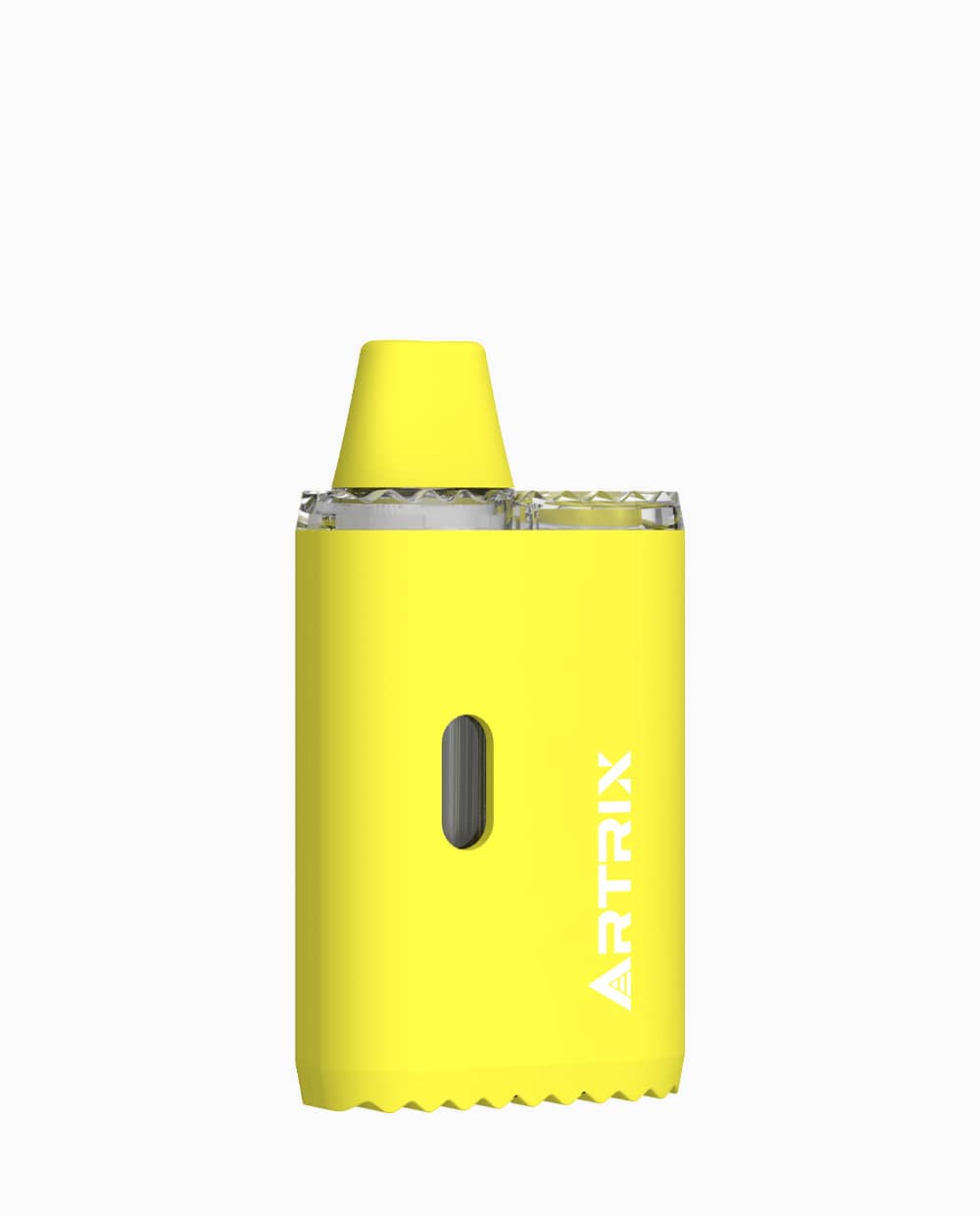
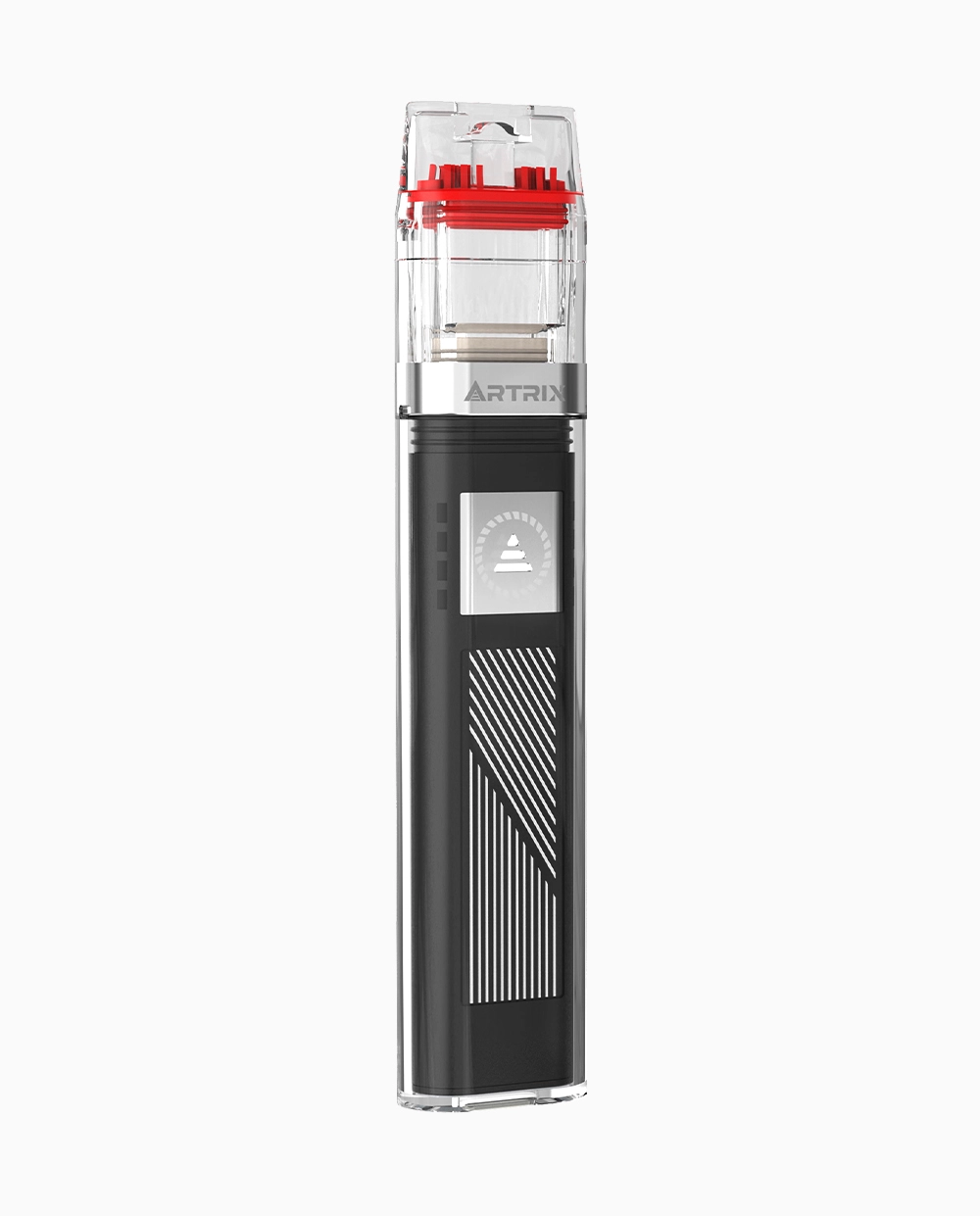
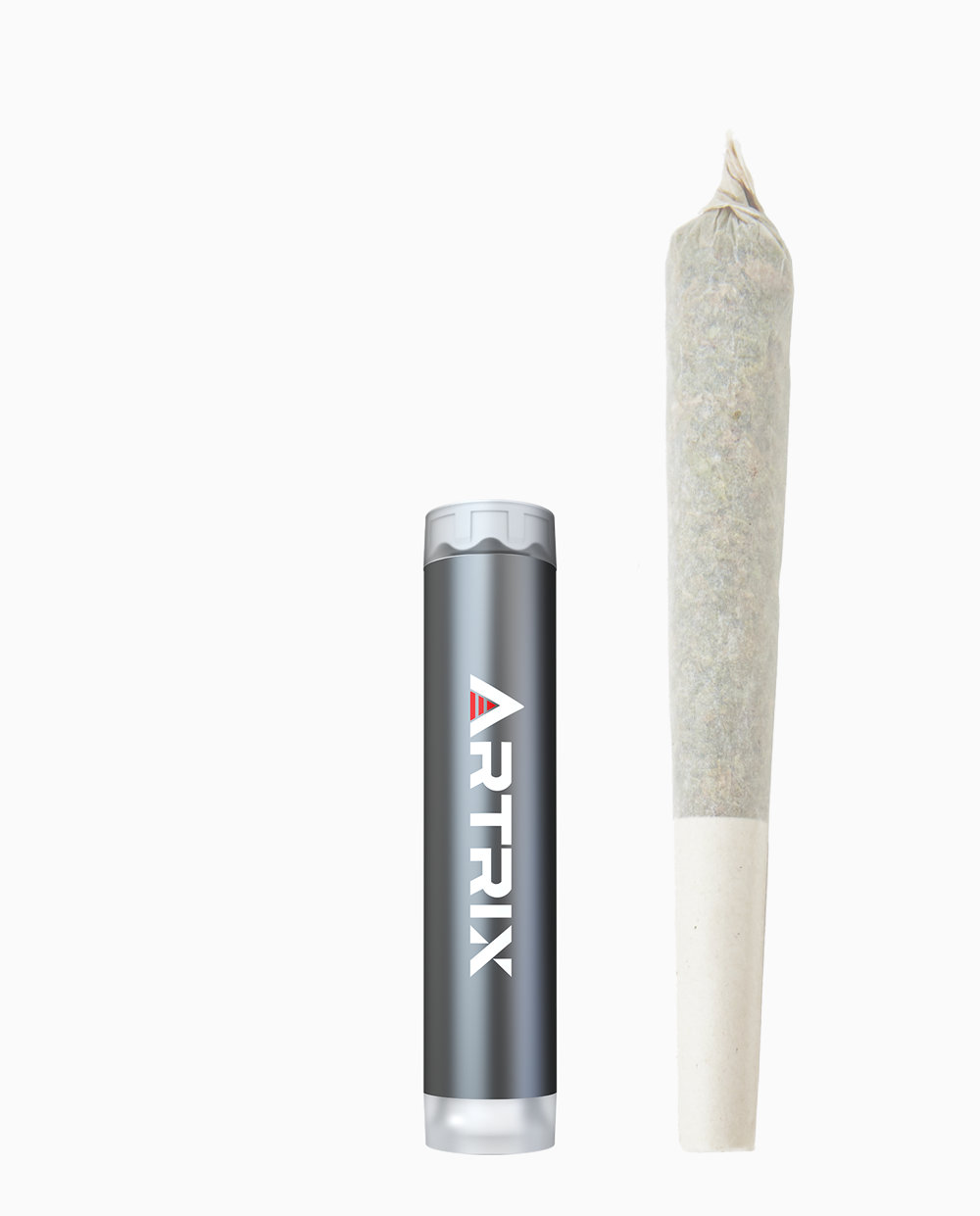
One strategy local vape brands can evaluate is a low-barrier starter system built around a retained battery and compatible refill pods. The model creates a practical reason for a consumer to consider the same ecosystem again, but it does not guarantee loyalty. Its commercial value depends on refill availability, device reliability, pricing, flavor selection, retail execution, and verified repeat-purchase behavior.
This analysis treats retained hardware as a testable business hypothesis rather than the only path to survival. It examines what the New York market can support factually, how mature brands enter regulated markets, where disposable and pod economics differ, and which metrics local brands should validate before scaling.
What the New York Market Actually Shows
Following the legalization of adult-use cannabis, the New York market transitioned from “grey market awareness” to “compliant retail” in an incredibly short window. This process released years of pent-up demand, but it also triggered a rapid influx of capital and established brands that began reshaping the landscape overnight.
The defensible lesson is not that outside brands automatically defeat local operators. It is that rankings can change quickly as distribution expands and competition becomes more organized. Headset’s analysis of New York brand rankings from March 2024 through February 2026 found that some local brands gained ground while some established multi-state brands lost position. That mixed result points to execution, product-market fit, availability, and consumer response—not origin alone—as important variables.
| Observed signal | What the source supports | What it does not prove |
|---|---|---|
| Overall brand leadership | Dank and Ayrloom held the top two overall positions for most of the 24-month tracking period. | It does not establish a vapor-pen-only ranking or prove that one hardware format caused their performance. |
| Local brand growth | Jaunty rose from approximately number 12 to number 4 during the tracking period. | It does not show that all local brands possess a lasting home-field advantage. |
| Established-brand pressure | Rove entered with existing recognition but later settled below its earlier peak. | It does not support the claim that established out-of-state brands inevitably dominate. |
Regulatory Status Must Be Evaluated State by State
New York, Ohio, Pennsylvania, and Florida should not be presented as equivalent adult-use opportunities. Each market is at a different legal and commercial stage, so product planning, licensing assumptions, and launch timing must be evaluated separately.
| State | Relevant status | Strategic implication |
|---|---|---|
| New York | Adult-use sales are active, and the state provides an Adult-Use Processor Type 3 Branding License pathway. | Brands can evaluate authorized white-label relationships without assuming that licensing alone will secure distribution or consumer demand. |
| Ohio | The first approved dispensaries were permitted to begin non-medical sales on August 6, 2024. | Operators can study an active market, but should use Ohio-specific licensing, retail, packaging, and supply rules. |
| Pennsylvania | The 2026–27 executive budget proposes adult-use legalization; a proposal is not the same as enacted law. | Scenario planning is reasonable, but launch claims and timelines must remain conditional. |
| Florida | The 2024 adult-use amendment received 55.9% approval but did not reach Florida’s 60% constitutional-amendment threshold. | Future opportunity should be described conditionally and checked against current ballot and legislative developments. |
-
- New York licensing: Office of Cannabis Management licensing information
-
- Ohio sales launch: Division of Cannabis Control guidance
-
- Pennsylvania proposal: 2026–27 Executive Budget
-
- Florida vote: official 2024 election results and constitutional-amendment requirements
Why Established Brands Can Enter New Markets Quickly
Mature brands entering new Eastern markets utilize an “asset-light, high-penetration” strategy, powered by what we call the “maturity dividend”:
-
- Licensing and local contract manufacturing: Instead of building infrastructure, they export proven formulations, visual identities, and SOPs to local licensees, bypassing regulatory hurdles to achieve instant market presence.
-
- Harvesting pre-existing awareness: Long before legalization, these brands established mindshare via social media or legacy channels. Upon “going legal,” they convert consumers who have been waiting for the “authentic” brand experience.
-
- The power of certainty: Unlike local brands still in the trial-and-error phase, mature brands possess years of consumer data. They know which SKUs, form factors, flavor families, and price points already have market traction.
-
- Capital and supply-chain premium: Backed by stronger funding and larger procurement networks, they can absorb high initial marketing costs and leverage economies of scale to depress hardware costs, enabling faster distribution.
These advantages should be framed as capabilities rather than guaranteed outcomes. A licensing pathway can reduce the need for a brand to establish its own plant-touching operation, but the brand still requires a compliant local partner, consistent supply, retailer access, competitive pricing, and products that fit local demand. Historical sales data may narrow uncertainty around formats or pricing, but it cannot eliminate the need to validate a new state market.
The practical threat is simple: a mature brand does not need to “educate” the market from zero. It can arrive with proven packaging, a known name, tested SKUs, retail playbooks, and hardware sourcing already optimized for margin. Local brands should respond by strengthening the capabilities they can control: product consistency, local retail relationships, replenishment reliability, consumer feedback loops, and disciplined portfolio design.
Why Disposable Sales Do Not Automatically Produce Retention
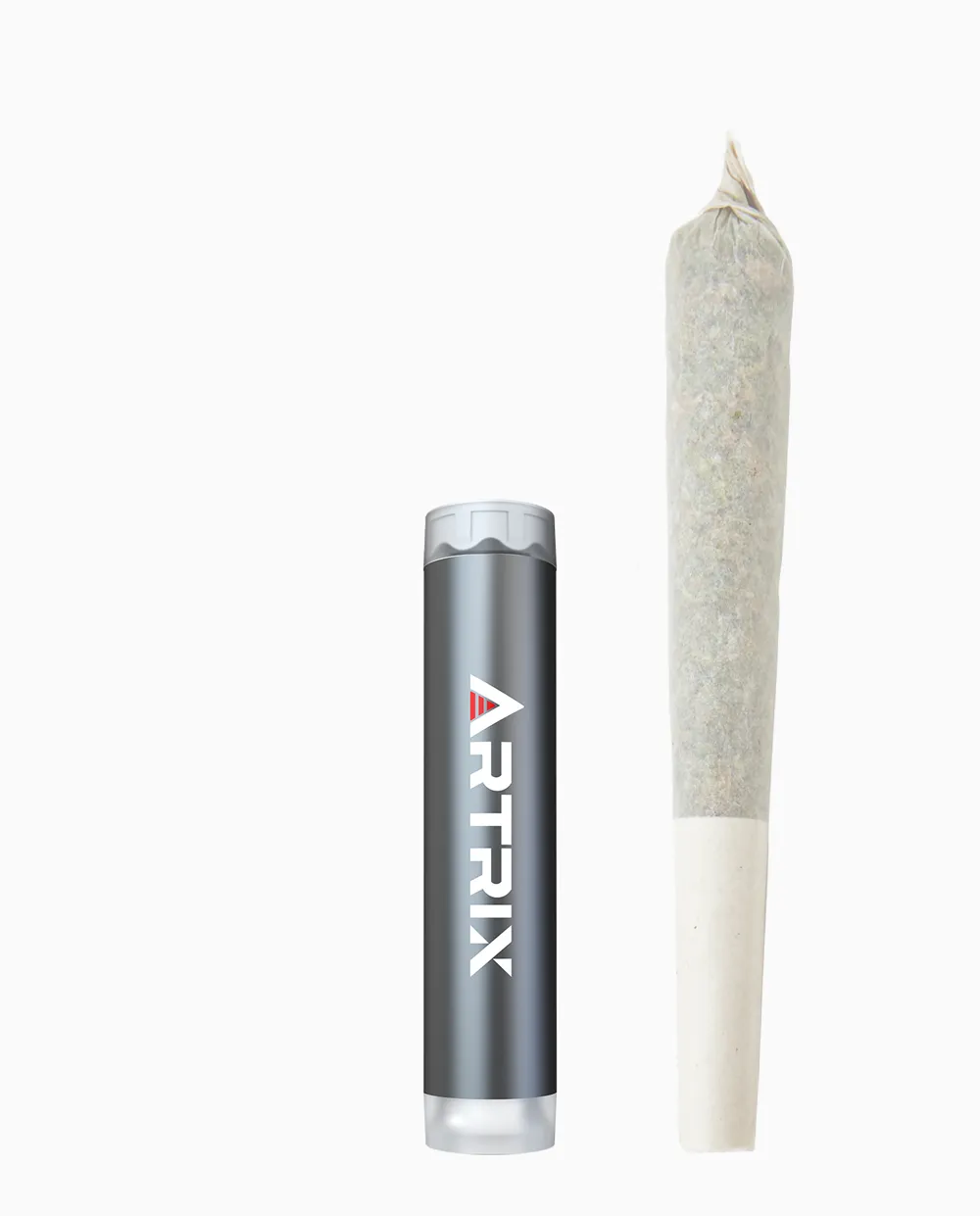
A disposable sale can generate repeat business, but the device itself creates little hardware-based switching friction after it is discarded. The consumer returns to the shelf without a retained component that favors one compatible refill, making price, availability, brand experience, formulation, packaging, and retailer recommendation relevant again.
-
- Repeated shelf decision: Each completed disposable returns the consumer to a broader set of product choices.
-
- Low hardware-based switching friction: Changing brands generally does not require abandoning a reusable battery that still has functional value.
-
- Repeated hardware content: Each unit includes a battery, heating element, housing, sensor or activation system, and assembly rather than separating durable hardware from the consumable oil.
If there is no device retention, there is no brand retention. This original formulation is too absolute: brand loyalty can still come from formulation, flavor, price, trust, packaging, availability, and previous experience. A more defensible conclusion is that disposable formats do not provide the additional switching incentive created when a consumer already owns compatible hardware.
For cannabis vape brands, this is not only a marketing problem. It is also a margin problem. Every disposable repeats the cost of a battery, heating element, housing, sensor, and final assembly. Whether a refill system produces better economics still depends on the cost of the starter kit, promotional subsidies, pod manufacturing, packaging, retailer margin, warranty exposure, device failures, and actual refill volume.
Comparing Disposable, Traditional Pod, and Low-Barrier Starter Systems
No format is universally superior. Disposable products can minimize setup and compatibility decisions; traditional pod systems can separate durable hardware from consumables; and a low-barrier starter system attempts to combine a simpler first purchase with a retained battery. The correct choice depends on the target consumer, formulation, retailer environment, price architecture, and operational capacity.
| Format | First-Purchase Barrier | User Retention | Cost Structure | Strategic Risk |
|---|---|---|---|---|
| Disposable | Low | Depends primarily on brand, product, price, availability, and experience rather than retained hardware | Battery cost repeats in every unit | Consumers can switch at every purchase |
| Traditional Pod System | High | May create a compatible-refill incentive after hardware adoption | Battery cost separated from refills | Harder to convert casual disposable buyers |
| Next-gen Pod System | Designed to feel closer to a disposable entry | Built around retained battery ownership | Subsequent pods reduce repeated hardware burden | Requires clear retail education and compatible pod availability |
The strategic value is not only that the first purchase becomes easier. The strategic value is what happens after the first pod is finished: the consumer already owns the battery, understands the interface, and has a natural reason to buy a compatible refill instead of restarting the purchase journey from zero. That reason becomes commercially meaningful only if the desired refill is available, competitively priced, easy to identify, and supported by a reliable device.
When Retained Hardware Can Become an Advantage—and When It Cannot
Retained hardware can support repeat purchasing when the surrounding system works as intended. The battery creates a switching incentive, but inventory, experience, and economics determine whether the consumer follows it.
Conditions That Support the Model
-
- Compatible refill pods remain available in the stores where starter kits were sold.
-
- The refill price remains credible against comparable disposable and cartridge options.
-
- The battery and connection remain reliable across the intended ownership period.
-
- The pod portfolio offers enough formulation and flavor choice to support a second purchase.
-
- Retail staff can explain the system in a simple, compliant sentence such as “Keep the battery, replace the pod.”
-
- Packaging makes compatibility and the next purchase easy to identify.
Conditions That Can Break the Model
-
- Pod stockouts leave the retained battery without a purchasable refill.
-
- A high starter price prevents disposable-oriented consumers from trying the system.
-
- Leakage, clogging, charging, connection, or durability problems reduce trust in the hardware.
-
- A narrow portfolio causes consumers to leave the ecosystem for a preferred formulation or flavor.
-
- Consumers reject proprietary compatibility or prefer widely available 510-format products.
-
- Starter-kit subsidies and warranty costs outweigh the contribution from refill purchases.
The practical conclusion is conditional: a retained battery may create a reason to consider compatible pods, but it should not be described as asset-based lock-in, guaranteed retention, or a definitive moat until real cohort data demonstrates the effect.
Formulation and Hardware Must Be Evaluated Together
Hardware consistency matters most when the device is evaluated against the actual formulation and expected use pattern. Oil viscosity, composition, storage, filling conditions, airway design, heating behavior, and user draw patterns can all affect performance. A general statement about “high-performance pods” cannot prove that a specific device will preserve flavor or avoid burnt taste with every extract.
This is especially important for live rosin, high-terpene oil, and premium formulations where poor heating control can damage flavor, increase complaints, and make an expensive extract feel ordinary. A defensible product evaluation should disclose the tested formulation, viscosity range, fill process, storage conditions, puff protocol, voltage or power behavior, sample size, leakage and clogging definitions, and sensory method. General mechanism-based knowledge may guide the test design, but only product-specific evidence can support product-specific performance claims.
| Evaluation area | Practical question | Evidence needed |
|---|---|---|
| Oil-device fit | Does the selected formulation feed and vaporize consistently under intended conditions? | Formulation-specific bench and use-cycle testing |
| Leakage and clogging | How are failures defined, and under which storage and use conditions do they occur? | Documented protocol, sample size, conditions, and results |
| Flavor consistency | Does the experience remain acceptable across the intended use cycle? | Controlled sensory method plus relevant device data |
| Battery durability | Does the retained component remain functional long enough to support the refill proposition? | Cycle, charging, aging, connection, and field-return evidence |
Use a 90-Day Pilot Before Scaling the Ecosystem
A controlled pilot is more informative than treating installed batteries as proof of future revenue. Brands should compare the retained-hardware offer with relevant disposable or cartridge products across a defined store group, time period, price range, and promotional environment.
-
- Select a representative group of stores and record the comparison products, prices, promotions, and starting inventory.
-
- Define how starter-kit sale, battery activation, refill attachment, repeat purchase, device complaint, and product return will be measured.
-
- Train participating retail staff with the same short explanation and document whether the system is presented consistently.
-
- Maintain compatible-pod availability and record every stockout so demand is not confused with supply failure.
-
- Review 30-, 60-, and 90-day results by store, consumer cohort, formulation, and promotion rather than relying only on total units sold.
For brands and processors, the key metrics should shift from “units sold” alone to refill attach rate, repeat purchase interval, pod repurchase margin, retained battery activation, and retailer reorder velocity. The measurement set should also include starter-kit conversion, pod out-of-stock rate, complaint rate, return rate, promotional cost, warranty exposure, and contribution margin after channel support.
| Metric | Why it matters | Interpretation caution |
|---|---|---|
| Starter-kit conversion | Shows whether the first-purchase proposition is competitive. | Separate ordinary sales from promotion-driven trials. |
| Refill attach rate | Tests whether battery ownership is followed by compatible-pod purchasing. | Adjust for stockouts and consumers purchasing across stores. |
| Repeat-purchase interval | Helps estimate replenishment rhythm and inventory needs. | Consumption patterns vary and should not be inferred from one cohort alone. |
| Complaint and return rate | Tests whether retained hardware remains a useful asset. | Use consistent failure definitions and distinguish device from formulation issues. |
| Contribution margin | Shows whether refill economics compensate for starter and support costs. | Include promotions, warranty, retailer margin, packaging, and unsold inventory. |
Build Evidence Before Building Lock-In
The lesson from New York is clear: if local brands do not build a user retention mechanism during the early stages of legalization, they risk becoming contract fillers for better-known brands with stronger playbooks. A more balanced lesson is that early-market advantages are temporary unless brands convert them into capabilities that consumers and retailers continue to value. Those capabilities may include reliable supply, differentiated formulations, consistent hardware, clear merchandising, responsive support, and a refill pathway that performs under real market conditions.
A retained-hardware system is one option, not a universal answer. It should advance only when a brand can support compatible-pod availability, formulation-specific hardware validation, retailer education, acceptable starter economics, and transparent measurement. If the pilot does not produce repeat purchasing or acceptable unit economics, the brand should revise the offer rather than assuming that more seeded batteries will solve the problem.
Where Artrix Can Support the Evaluation
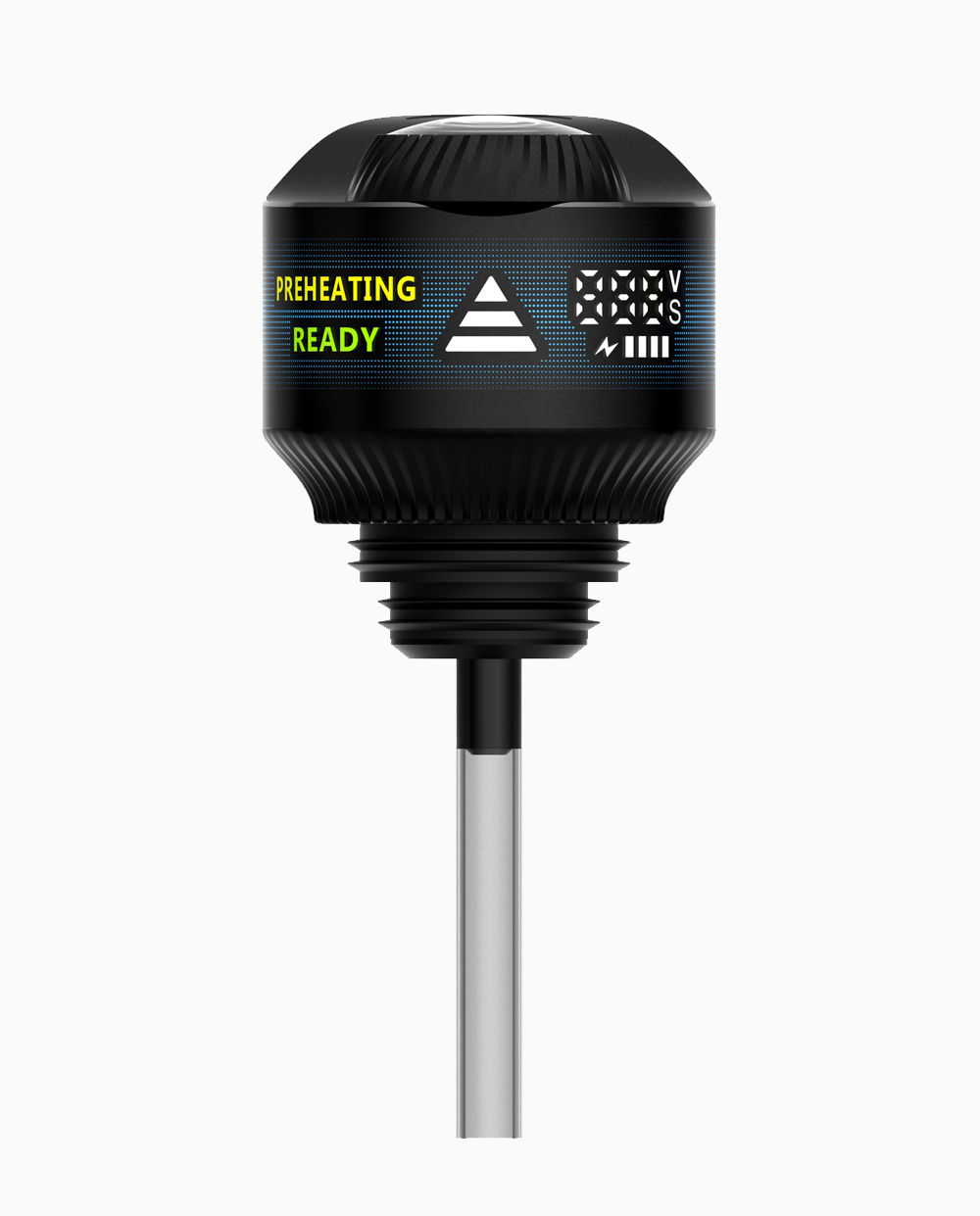
For licensed brands that decide to test a retained-hardware model, Artrix can participate as a hardware-development and evaluation partner. The useful starting point is not a promise of lock-in; it is a defined technical and commercial brief covering the formulation, target price, starter configuration, refill portfolio, retail environment, expected use conditions, and evidence required for a scale decision.
Brands can review the Artrix pod-system category as part of an initial architecture discussion. Any product-specific conclusion should follow formulation compatibility work, agreed test conditions, and pilot evidence rather than relying on general hardware claims.
A Structured Development Conversation
An effective development conversation should begin with the commercial job the system must perform. A brand may be trying to introduce a lower-friction starter offer, support a premium extract, reduce the amount of hardware repeated in each refill, or create a more coherent family of compatible products. These are different objectives and may lead to different device, pod, packaging, pricing, and testing decisions.
Artrix can help translate that brief into a hardware evaluation plan. The discussion can cover the intended oil, fill volume, target consumer, expected storage and retail conditions, user interface, battery and pod relationship, packaging constraints, and the evidence the brand needs before launch. This process is intended to narrow the development question; it does not replace state compliance review, product-specific testing, or commercial validation.
-
- Define the use case. Identify the formulation, target consumer, price position, retail channel, and reason a retained-battery architecture is being considered.
-
- Screen the architecture. Compare relevant pod and battery configurations against filling, storage, compatibility, merchandising, and user-experience requirements.
-
- Agree on validation. Establish test conditions, sample handling, performance definitions, acceptance criteria, and the boundary between laboratory evaluation and market-pilot evidence.
-
- Plan the first retail cohort. Align starter-kit quantity, refill availability, staff explanation, packaging cues, support procedures, and KPI collection before products reach the shelf.
-
- Use evidence to decide. Scale, revise, or stop the program according to device results, consumer behavior, retailer feedback, supply performance, and contribution margin.
What Brands Should Bring to the Discussion
A productive first review is easier when the brand can provide a formulation description, intended fill volume, target launch state, expected retail price, planned pod assortment, packaging concept, forecast range, and known product risks. Existing complaint records, disposable performance data, retailer feedback, and desired pilot metrics can also help identify where a retained-hardware concept may offer value and where it may introduce new complexity.
When final formulation details or field data are not yet available, the project should remain at the screening and test-planning stage. Artrix should not claim that a configuration will improve flavor, reduce failures, increase loyalty, or raise margin until the relevant device, oil, commercial conditions, and evidence support that conclusion.
From Product Interest to a Measurable Pilot
The strongest reason to work with a hardware partner is not access to a product category alone. It is the ability to connect product architecture, formulation requirements, manufacturing considerations, and pilot measurement in one development process. For a local cannabis brand, that can make the difference between simply placing batteries in the market and learning whether those batteries support a reliable refill experience.
The practical next step is to define the hypothesis, testing boundary, success metrics, and failure criteria before ordering at scale. That process allows a local brand to evaluate whether retained hardware can support its market strategy without confusing a plausible mechanism with a guaranteed commercial result.