




-1.webp)
-1.webp)
-2.webp)






































Is Your Shop Pricing Dab Rigs for Real Profitability?
When a retailer wants to add a new e-rig to a smoke shop, dispensary-adjacent store, or cannabis accessory shelf, the best starting question is not “Which supplier has the cheapest product?” A stronger question is “Which price range fits my market, my store, my customers, and my margin target?”
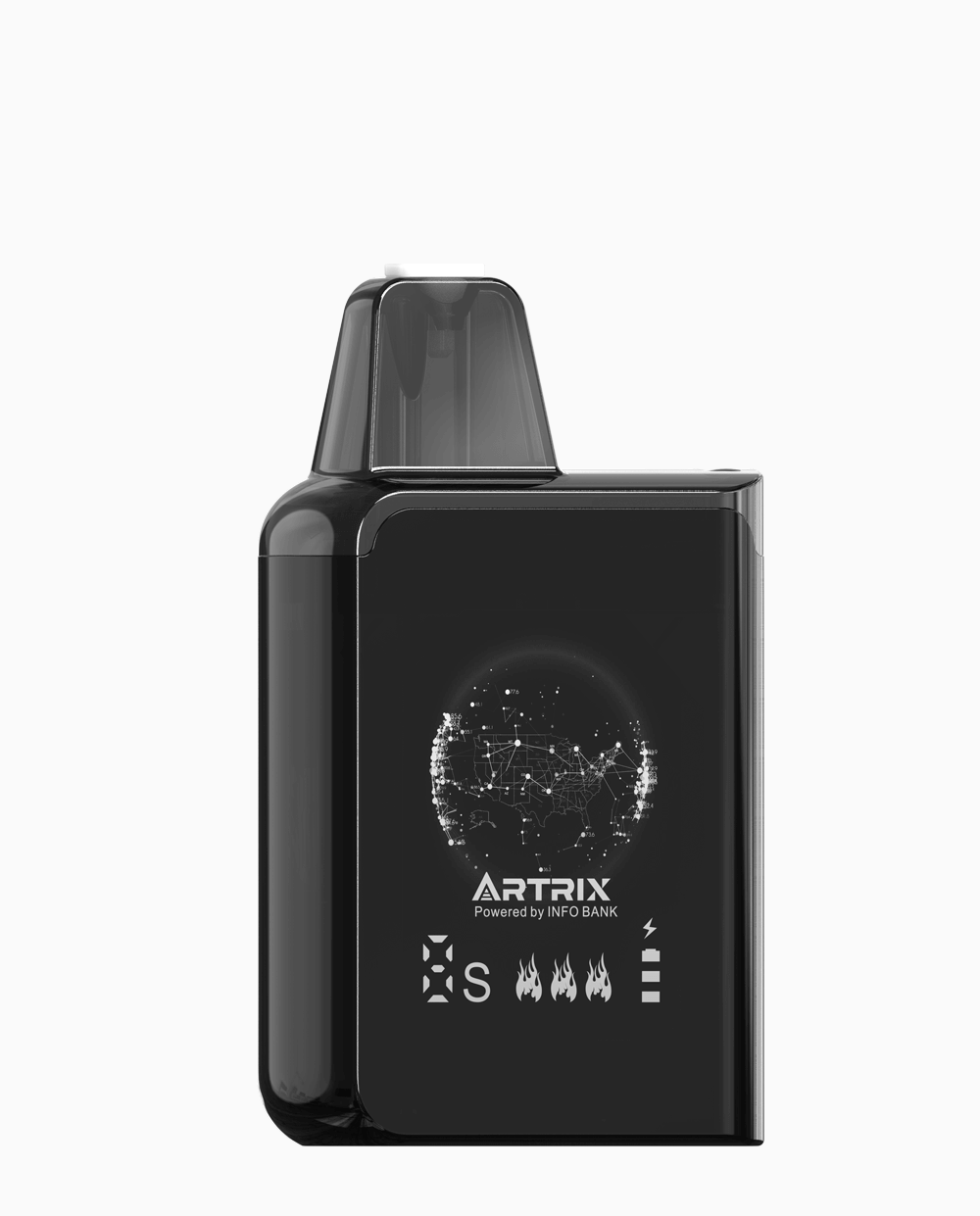
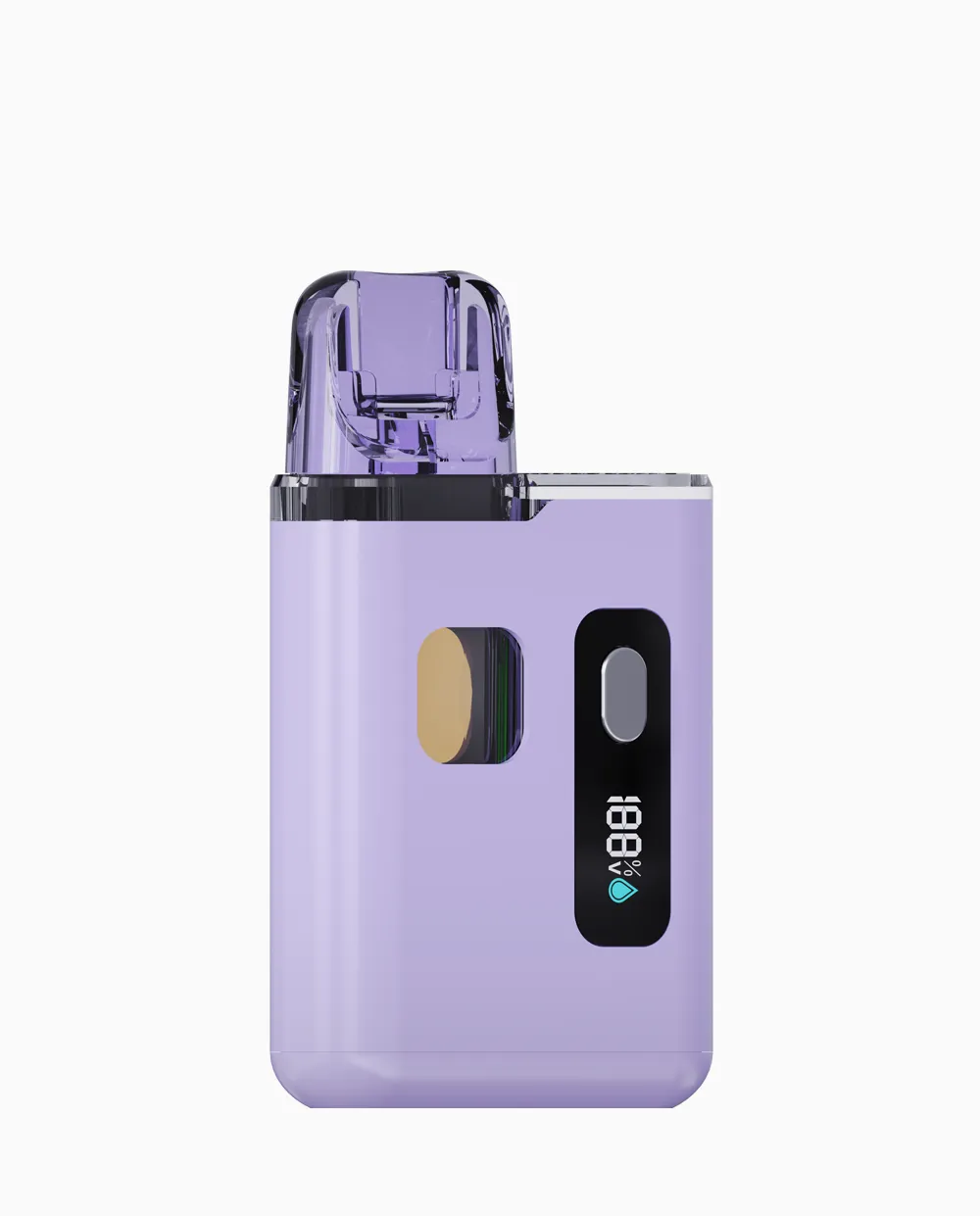
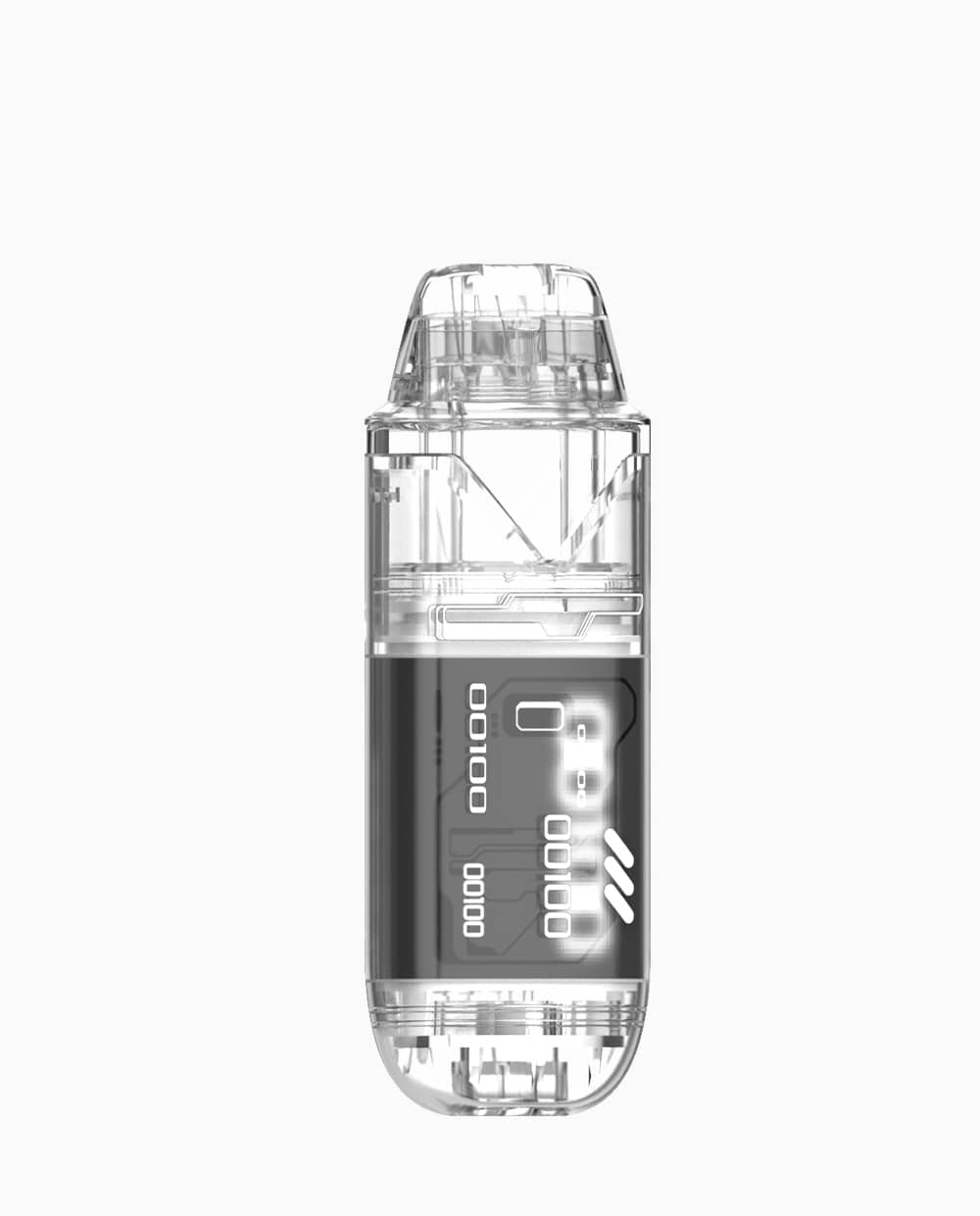
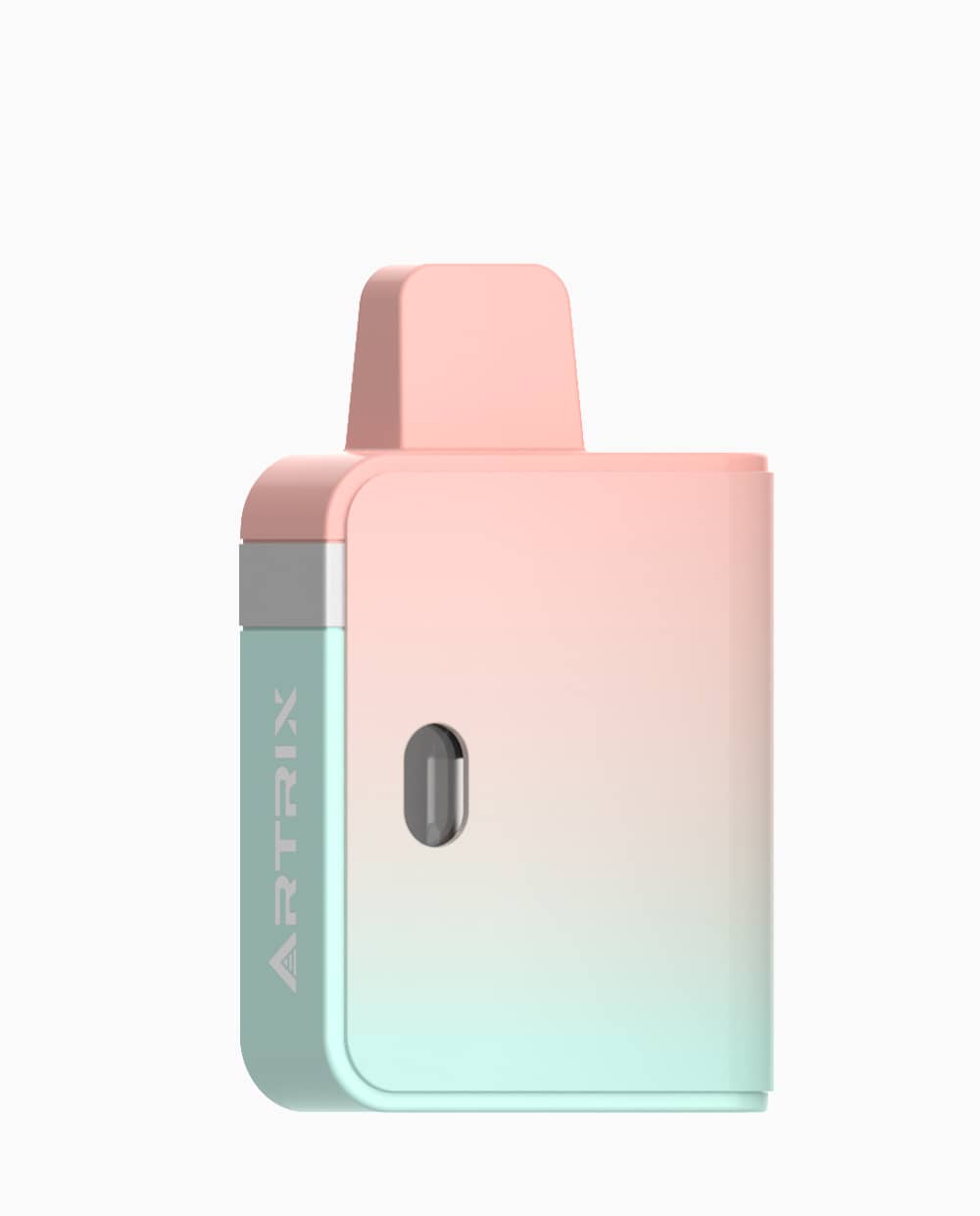
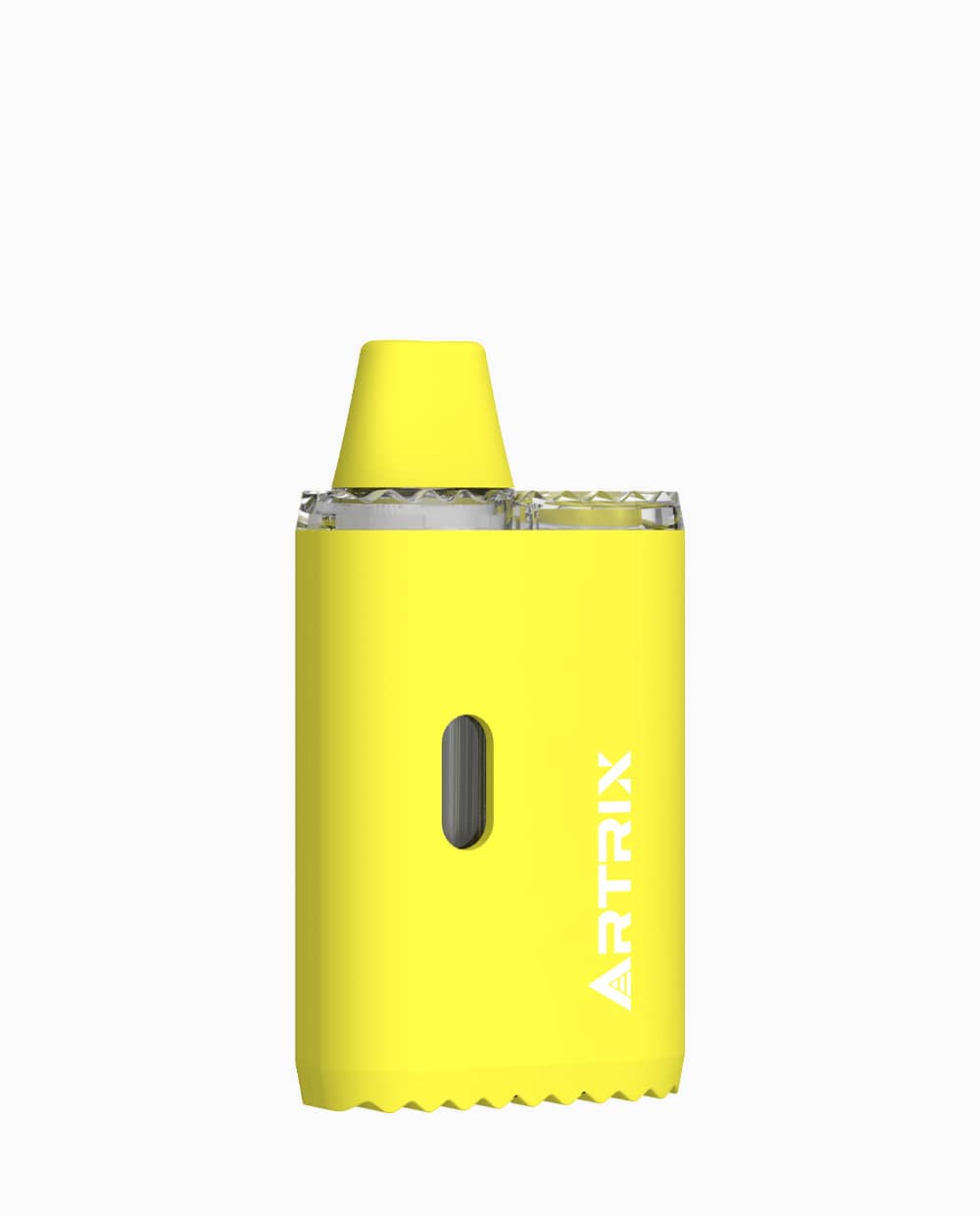
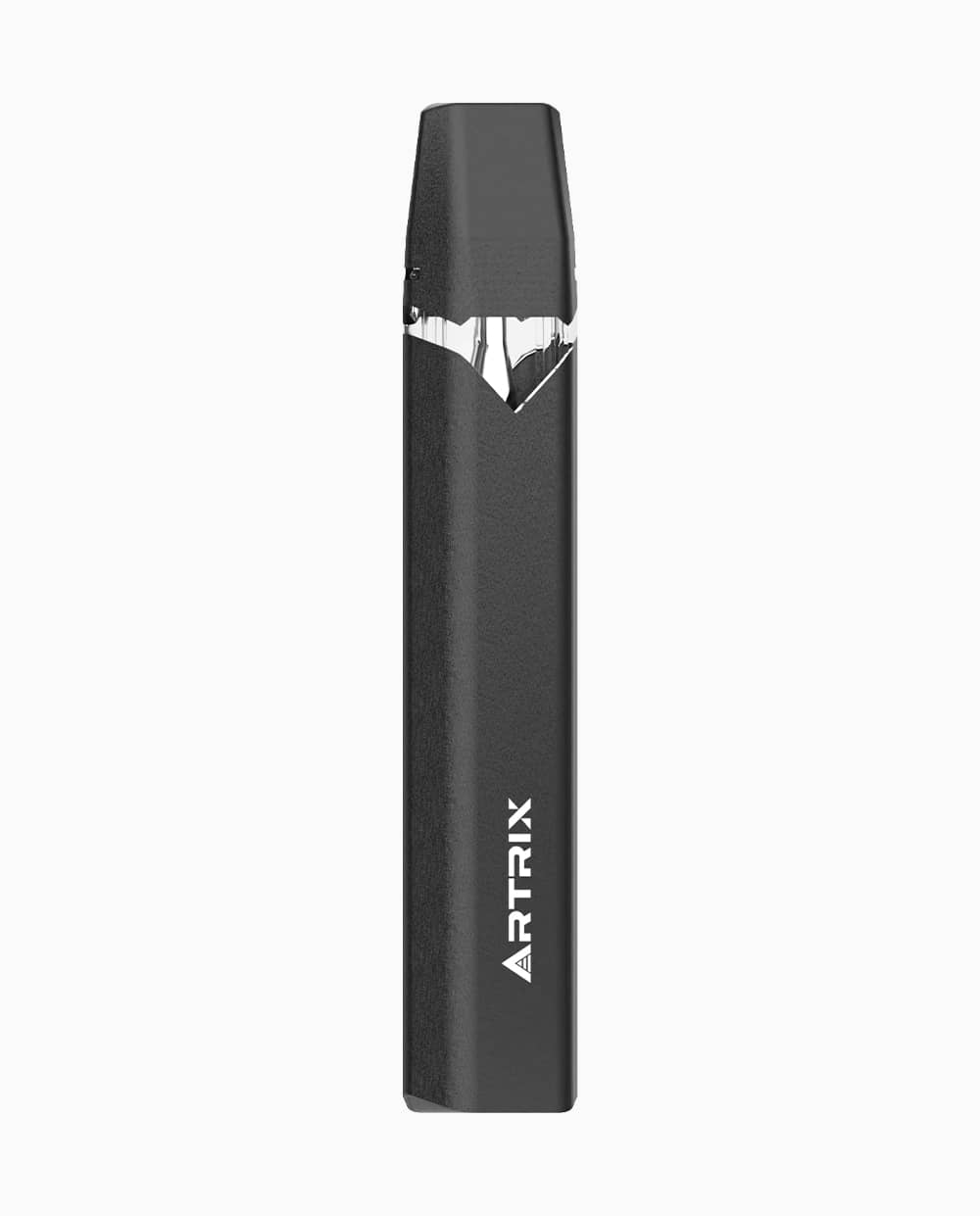
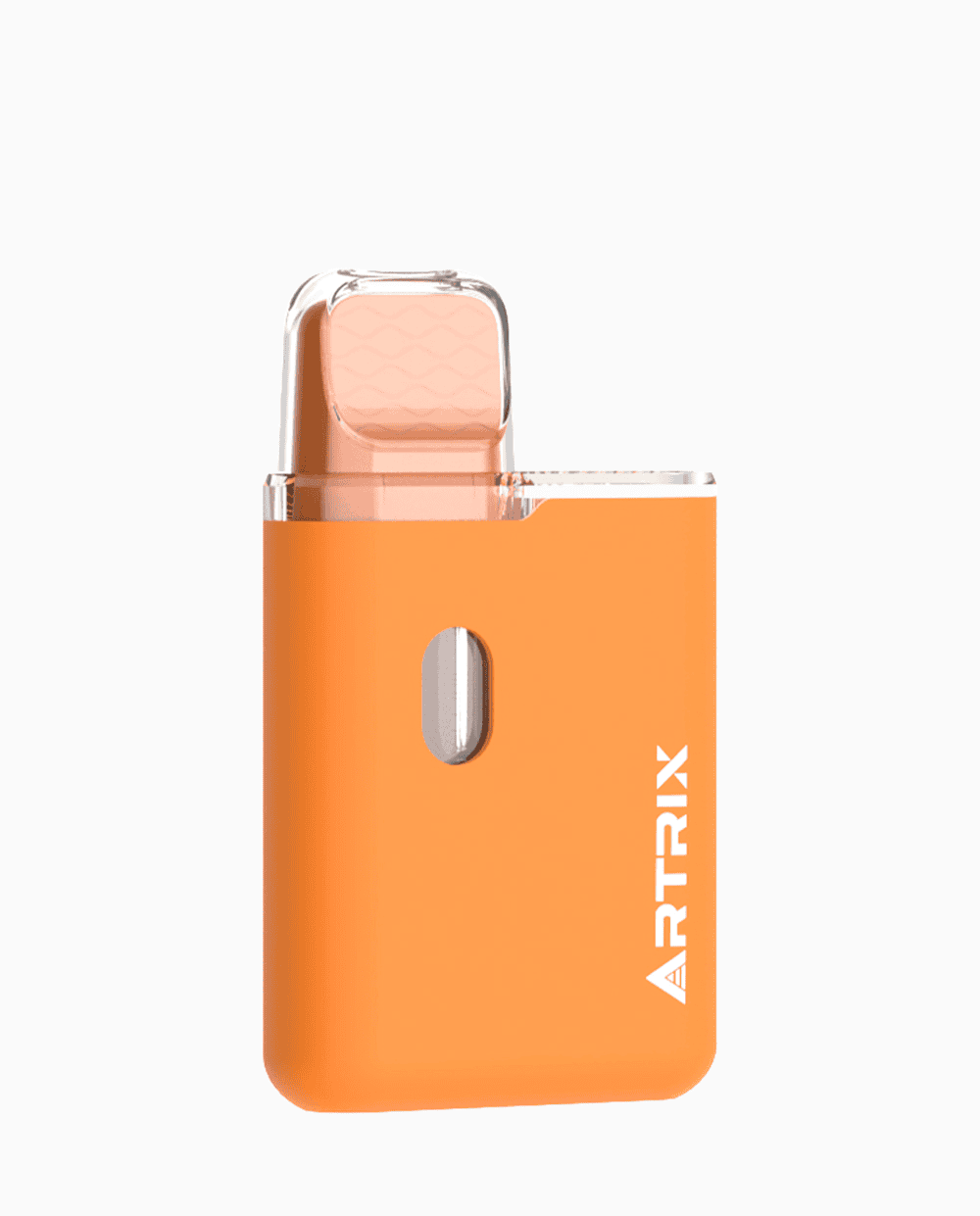
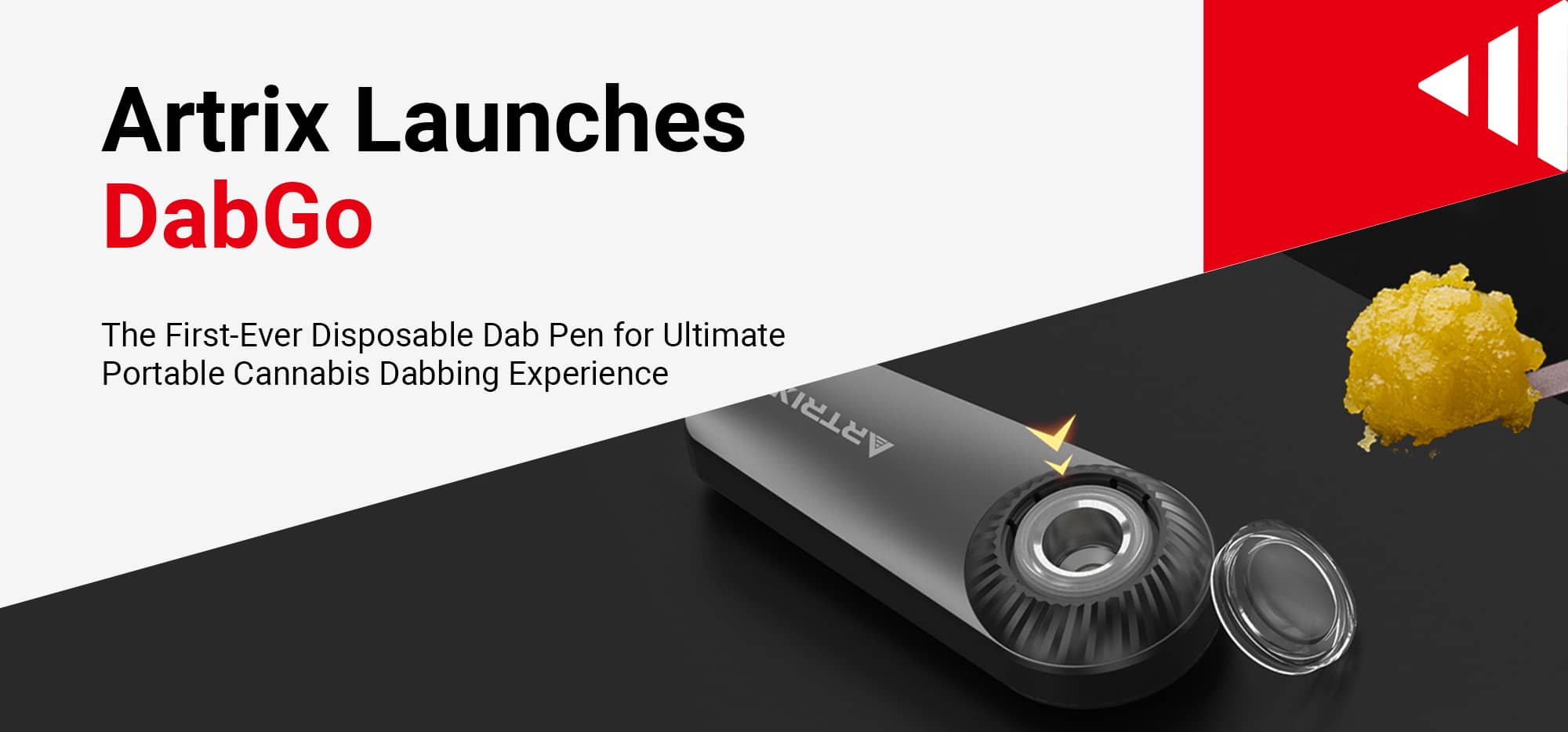
E-rigs are not one simple product category. A disposable e-rig and traditional e-rig may all use electric heating, but they serve different retail roles. Some are designed for trial and convenience, while others are built for repeated use, higher performance, and long-term ownership.
The smartest retailers choose supplier products by combining market price analysis with their own store conditions. Market reports and public retail listings can show broad pricing patterns, but the final buying decision should come from local customer behavior, average order value, shelf space, staff education ability, and cash-flow tolerance.
Market Overview: Why E-Rigs Deserve a Tiered Buying Strategy
The broader cannabis vaporizer market supports the idea that e-rigs should be treated as a strategic hardware category, not just a small accessory add-on. According to a cannabis vaporizer market report, the global cannabis vaporizer market was estimated at USD 5.9 billion in 2024 and is projected to reach USD 13.06 billion by 2030, with a forecast CAGR of 14.5% from 2025 to 2030.
The same report shows that portable vaporizers accounted for the largest revenue share in 2024, while battery-powered devices also dominated by power source. For retailers, this confirms a useful market signal: customers are already familiar with compact electronic hardware, rechargeable devices, temperature control, and portable consumption formats.
However, retailers should use market reports carefully. Most reports cover the broader vaporizer market, not e-rigs alone. Their value is directional: they show demand for portable, battery-powered, and technology-enhanced devices, but they do not replace store-level testing or supplier-specific cost analysis.
Price-Based Market Analysis: What Public Pricing Signals Reveal
Public pricing should be treated as a benchmark, not a fixed rule. Online prices may reflect promotions, old inventory, direct-to-consumer strategy, or premium brand positioning. Still, public retail listings help retailers understand the visible price ladder that customers may already see before walking into a store.
A weed vaporizer sales report lists typical average selling price ranges of about $25-$120 for pen vaporizers, $80-$350+ for portable vaporizers, and $300-$800+ for desktop vaporizers. Although these are broader vaporizer categories rather than e-rig-only categories, they show the same retail pattern: small entry devices create the low-price doorway, portable electronic devices occupy a wide mid-to-premium range, and larger reusable devices command higher prices.
These price signals explain why retailers should not compare every e-rig as if it were the same product. A disposable e-rig, disposable portable e-rig, traditional e-rig, and reusable portable e-rig all need different supplier evaluation standards.
Audit Your Own Store Before Choosing a Price Range
The right e-rig price range depends heavily on the store itself. A product that works in a premium specialty shop may move too slowly in a small smoke shop with price-sensitive traffic. A product that works in a tourist-heavy location may not be the best fit for a store serving experienced concentrate users.
Retailers should review customer profile first. Are most buyers beginners, tourists, medical users, daily concentrate users, collectors, or price-sensitive shoppers? Beginner-heavy stores usually need more low-commitment products, while premium stores can support stronger reusable hardware.
Average order value is another important signal. If most customers spend under $40 per visit, overbuying premium e-rigs can tie up cash. If customers already purchase high-ticket accessories, a stronger Tier 3 selection may be easier to sell.
Staff education also matters. Premium and traditional e-rigs require staff who can explain heating control, chamber care, cleaning, accessories, and warranty terms. If staff cannot explain the difference between a disposable device and a reusable device, the store should start with simpler Tier 1 and Tier 2 products before expanding into premium hardware.
Understand the Main E-Rig Product Types
Traditional E-Rig
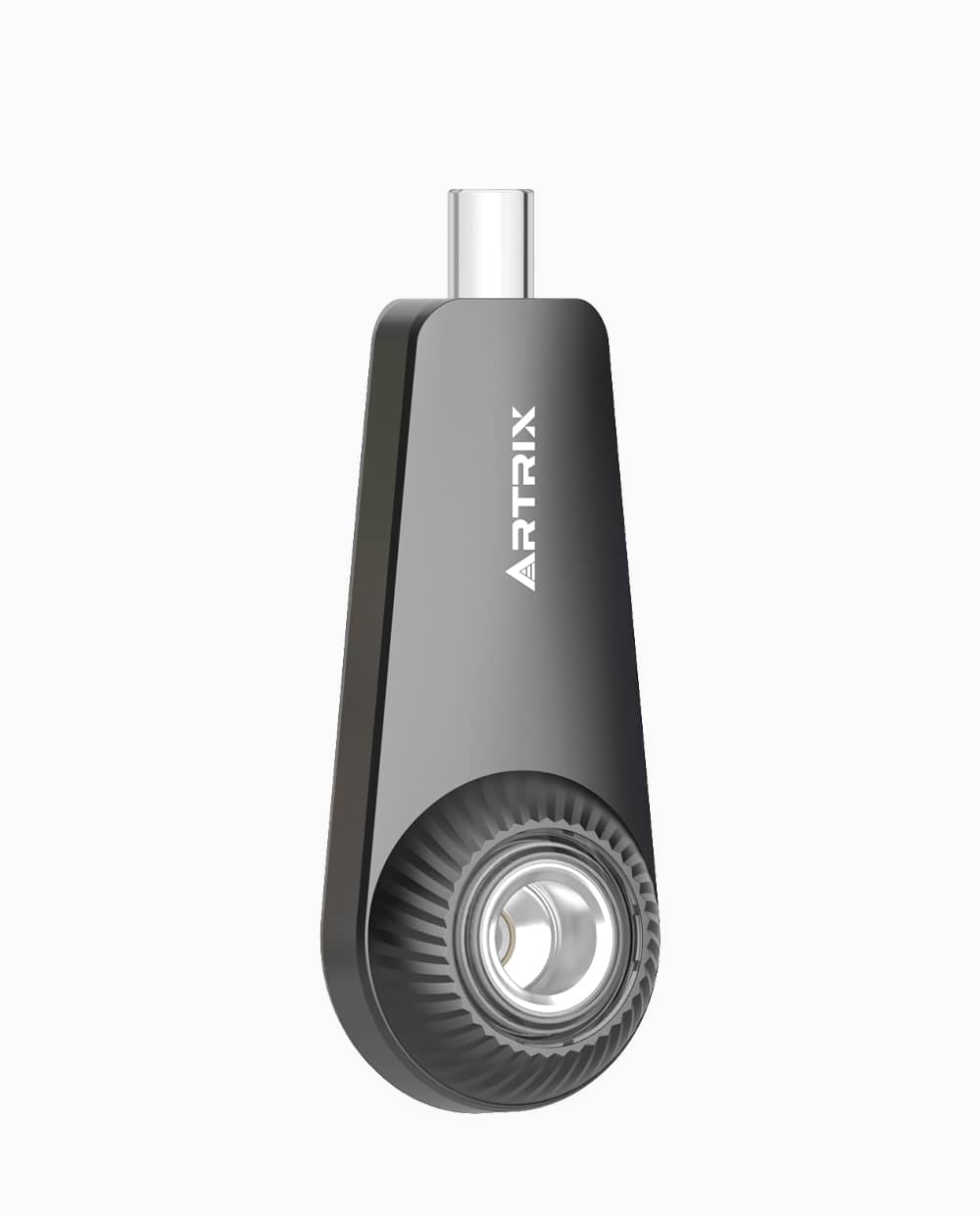
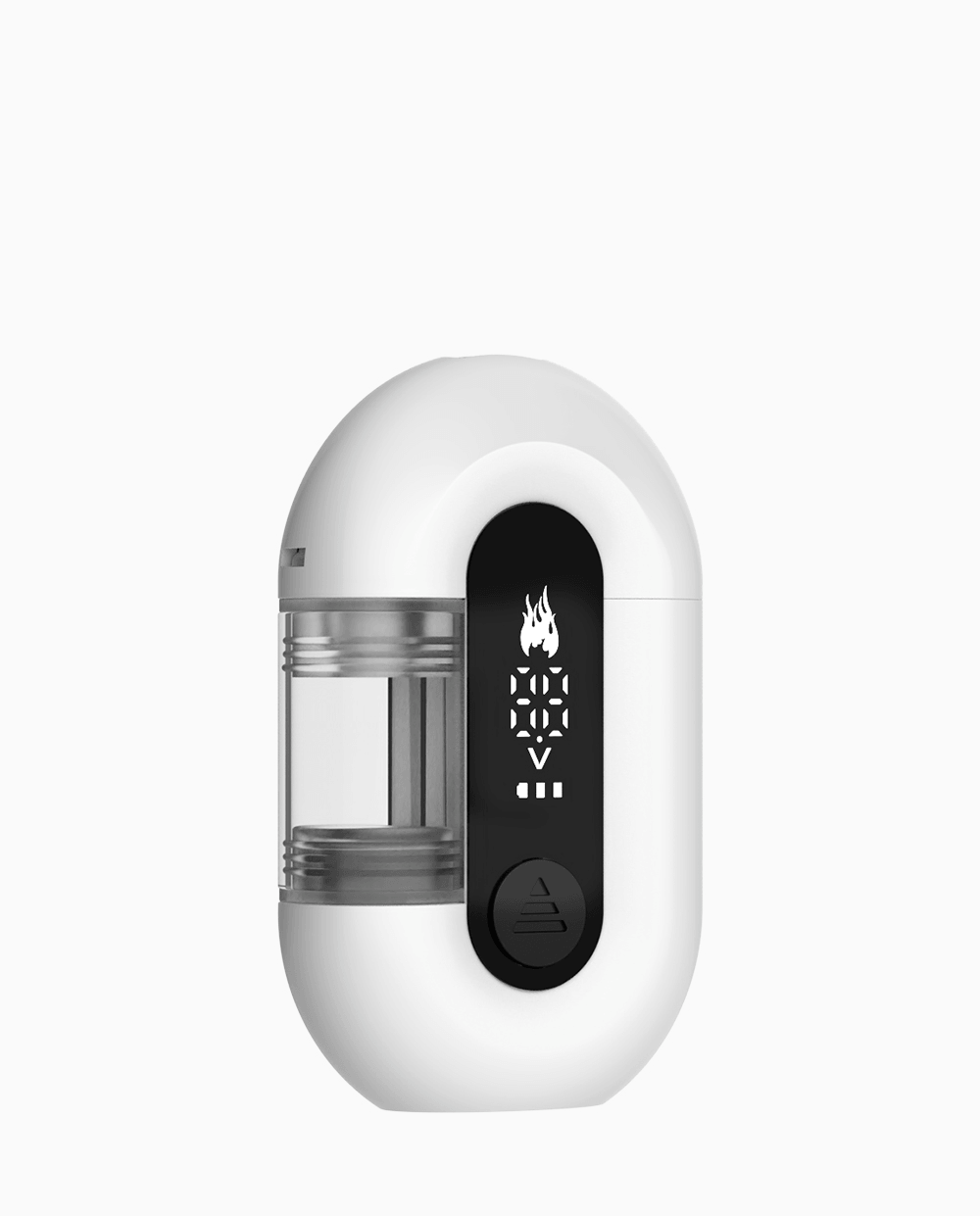
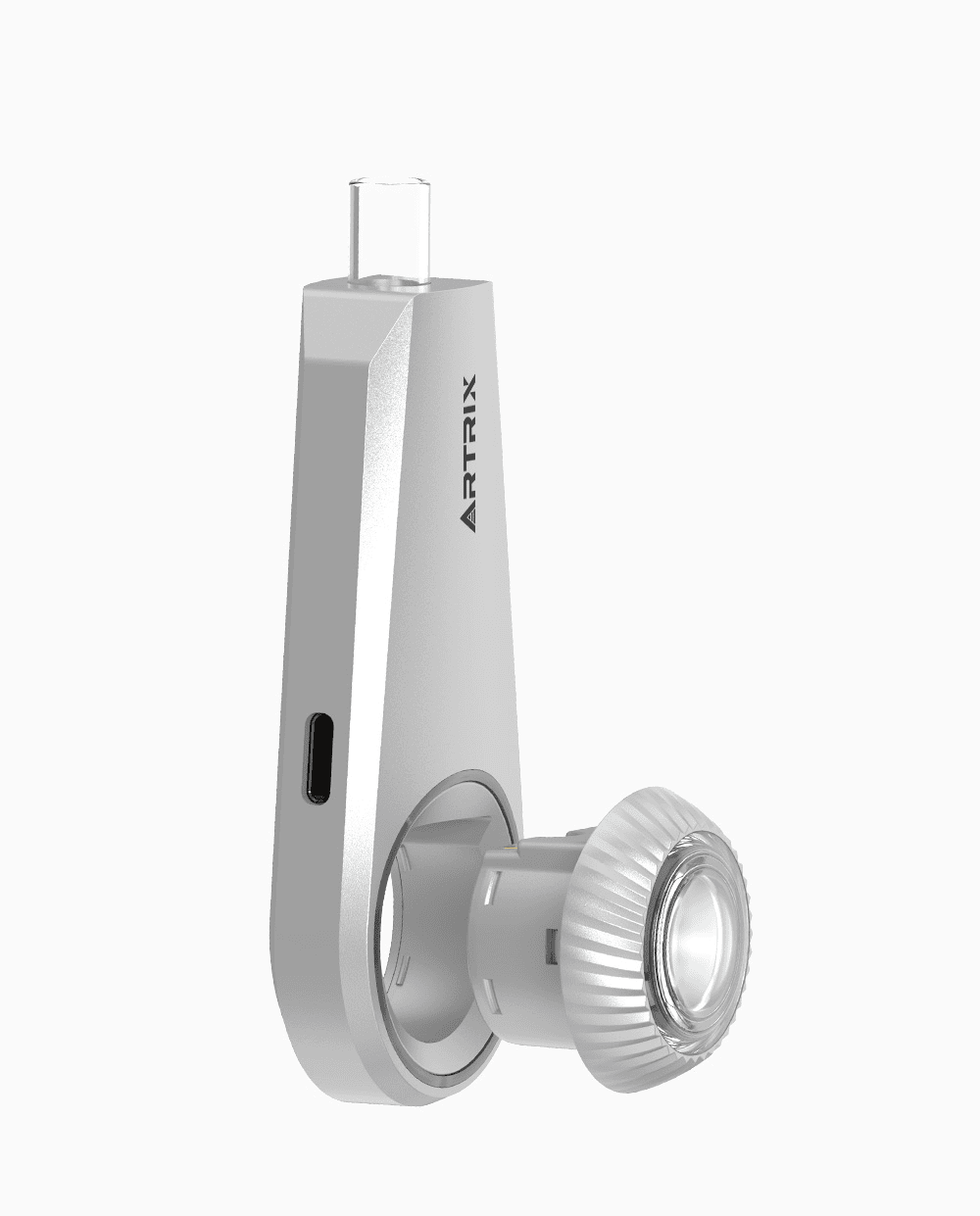
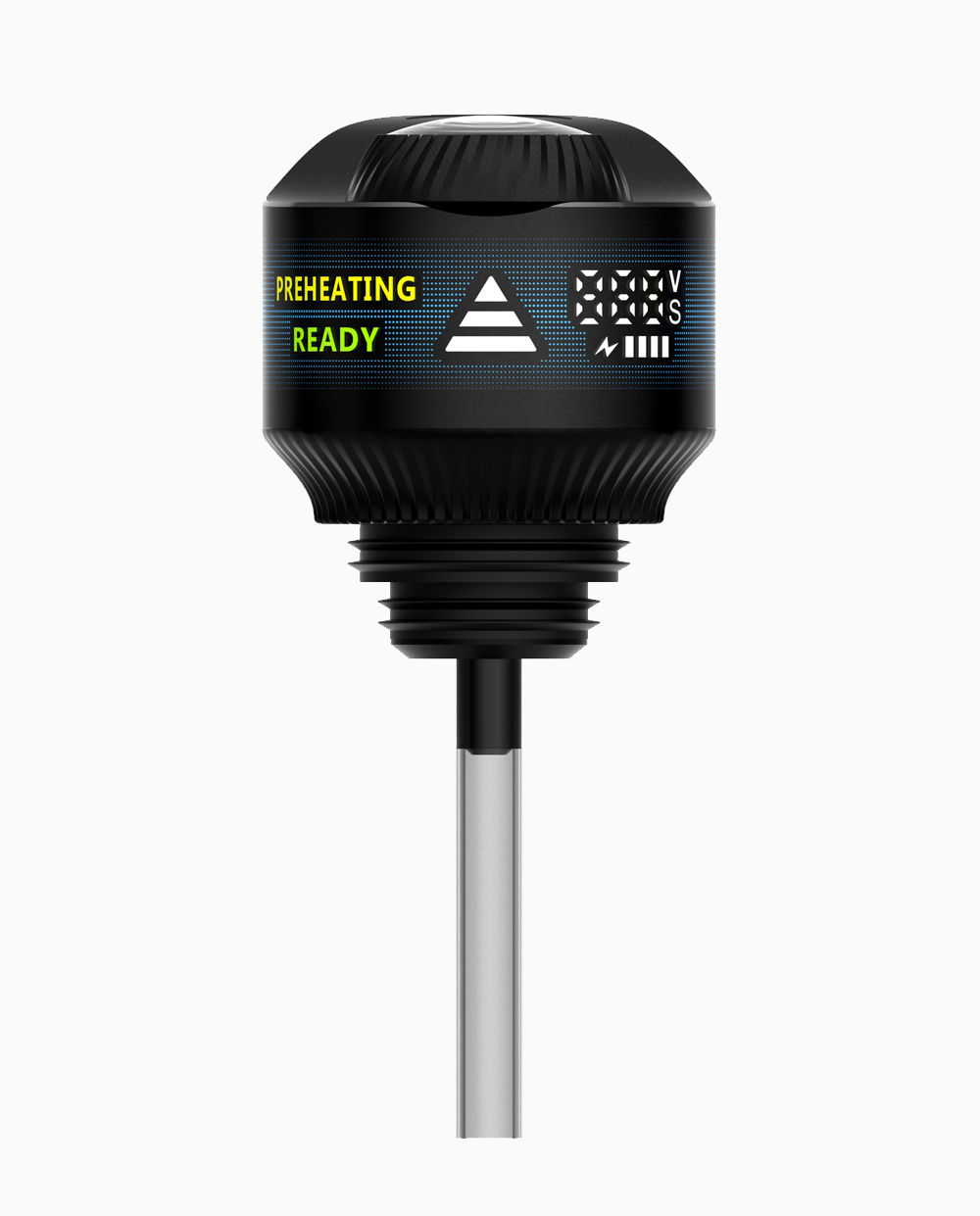
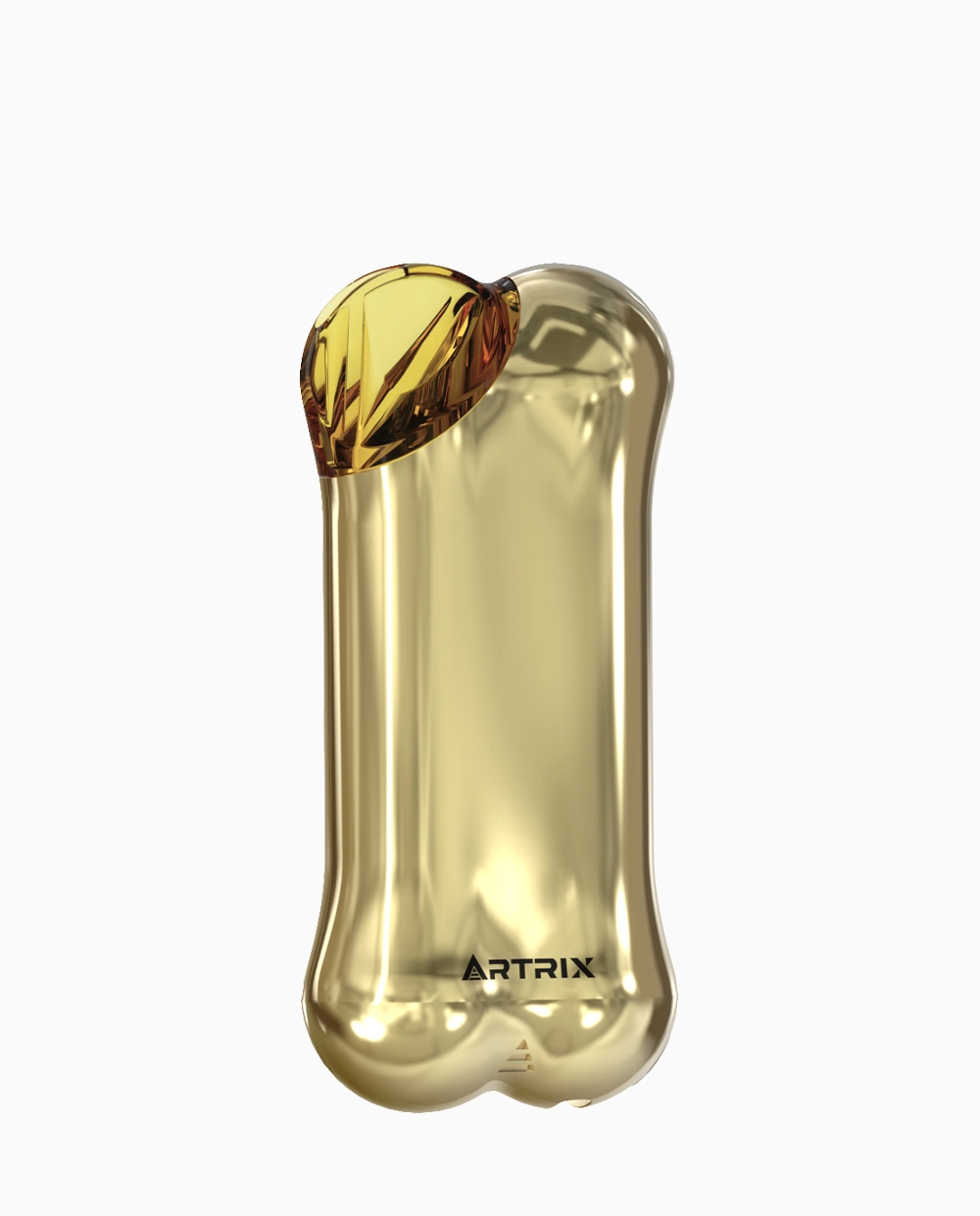
A traditional e-rig is a reusable electronic dab rig designed mainly for repeated use in a fixed or semi-fixed setting, such as at home. It may focus on stable heating, water filtration, session consistency, and stronger performance than disposable products.
Traditional e-rigs can sit in upper Tier 2 or Tier 3 depending on build quality, heating control, cleaning access, replacement-part support, and warranty depth. Retailers should evaluate them more carefully than disposable devices because customers expect repeated use.
Portable E-Rig
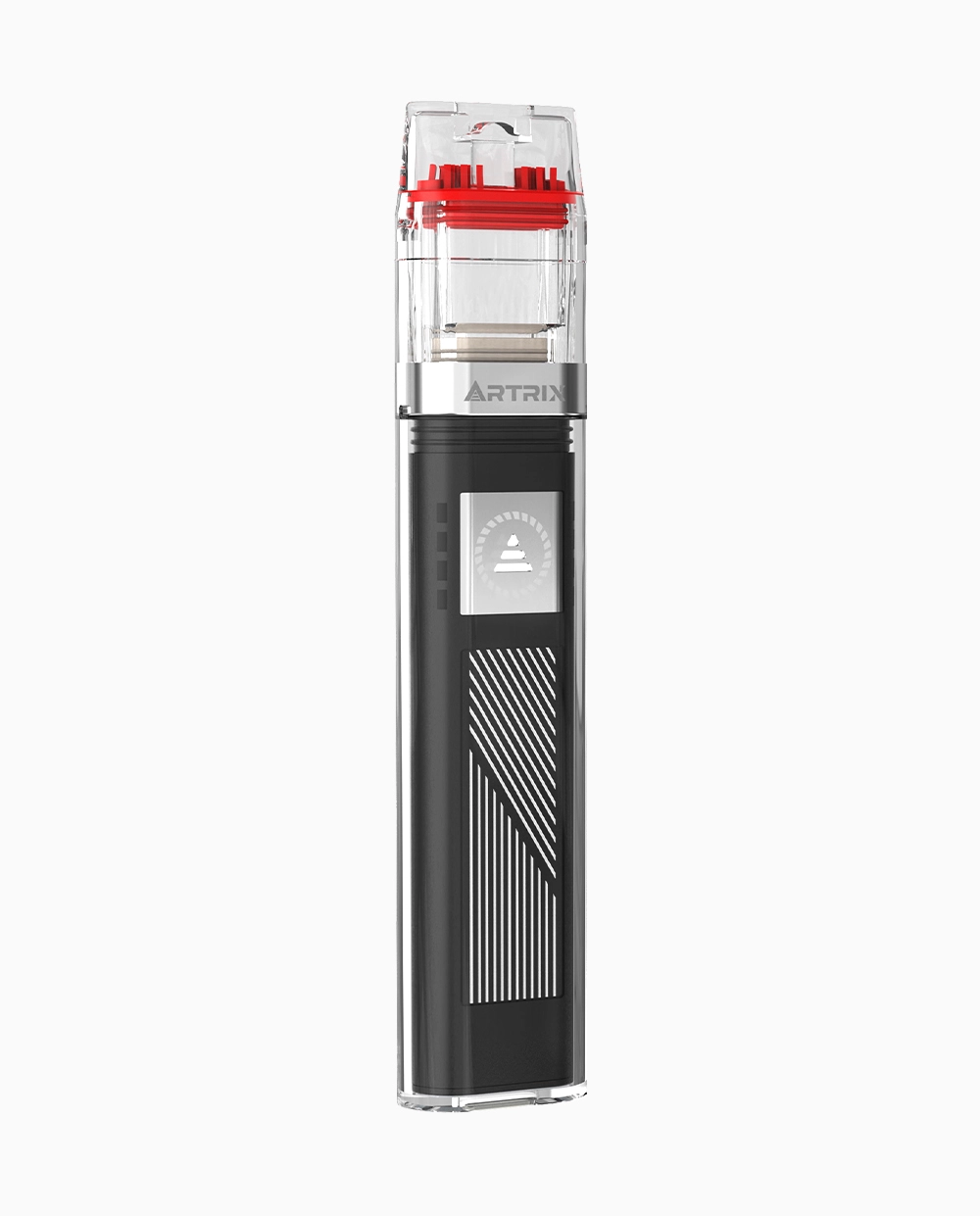
A portable e-rig is an electronic dab rig designed for easier movement. It usually includes rechargeable power, controlled heating, stronger construction, replaceable or serviceable parts, and after-sales support.
Portable e-rigs usually belong in Tier 3 because customers are paying for durability, performance control, brand trust, and a complete ownership experience.
Use Price Bands as a Buying Filter, Not a Final Decision
| Retail Price Range | Best Product Fit | Store Role | Supplier Buying Priority |
|---|---|---|---|
| Under $30 | Disposable e-rigs and basic trial devices | Entry-level products for beginners, impulse buyers, and low-risk testing | Low landed cost, stable quality, simple packaging, fast reorder ability |
| $30-$150 | Value traditional e-rigs and stronger electronic dab devices | Mid-range products for customers who want reusable function without premium pricing | Durability, heating consistency, cleaning access, accessory compatibility |
| $150-$300+ | Reusable portable e-rigs and advanced traditional e-rigs | Premium products for experienced users, gift buyers, and long-term owners | Temperature control, battery quality, replaceable parts, warranty support, after-sales service |
This price matrix should guide supplier selection, but it should not replace store testing. A product with a high margin percentage may still be a weak buy if it sits too long, requires too much staff explanation, or creates return problems.
Match E-Rig Tiers to Your Store Type
| Store Condition | Best Starting Tier | Recommended Product Focus | Buying Advice |
|---|---|---|---|
| New smoke shop with price-sensitive buyers | Tier 1 and lower Tier 2 | Disposable e-rigs and disposable portable e-rigs | Start with small quantities and fast-moving price points. |
| Tourist or convenience-heavy location | Tier 1 and Tier 2 | Disposable portable e-rigs and simple electronic dab devices | Prioritize portability, low maintenance, and easy explanation. |
| Dispensary-adjacent retailer | Tier 2 and selected Tier 3 | Disposable portable e-rigs, traditional e-rigs, and a few portable e-rigs | Use Tier 2 as the core and test premium devices carefully. |
| Premium specialty shop | Tier 2 and Tier 3 | Traditional e-rigs and reusable portable e-rigs | Invest in display quality, staff training, and after-sales support. |
Calculate Real Margin Before Placing a Supplier Order
Retailers should calculate landed cost before choosing any e-rig price range. Landed cost includes supplier unit cost, shipping, payment fees, packaging, breakage allowance, expected returns, and display costs. A low wholesale price can become less attractive once these costs are included.
A simple buying formula is: expected retail price minus landed cost equals gross profit. But gross profit alone is not enough. Retailers should also consider sell-through speed. A $40 gross profit product that sells twice a month may be less useful than a $12 gross profit product that sells every day.
For Tier 1 products, the main goal is fast movement and low return risk. For Tier 2 products, the goal is a strong balance between margin and customer acceptance. For Tier 3 products, the goal is high trust, clear explanation, and enough demand to justify holding more expensive inventory.
Ask Suppliers for Proof Before Buying
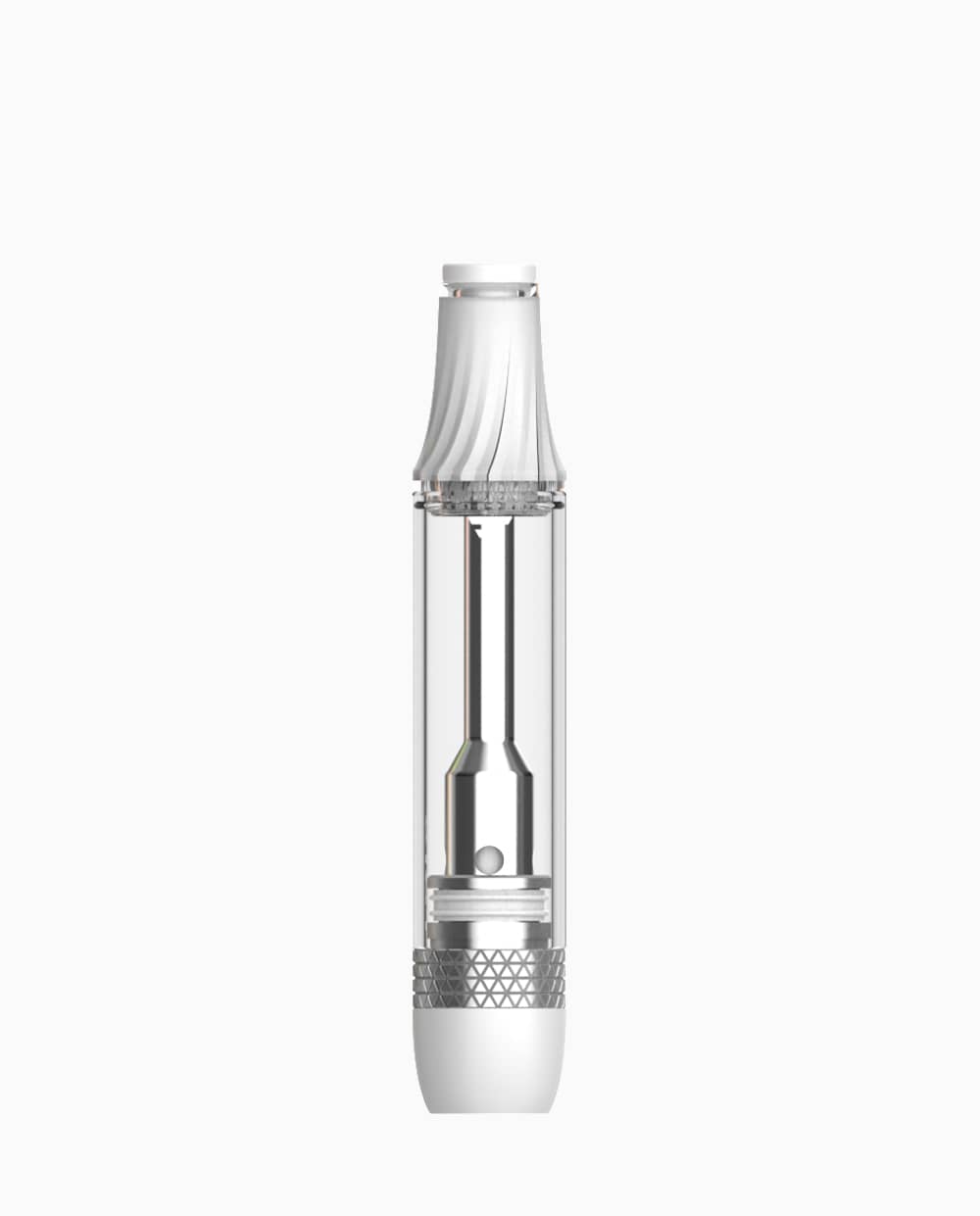
A supplier quote should never be judged by price alone. Retailers should ask for product specifications, heating material information, battery details, charging method, airflow design, packaging photos, compliance documents where applicable, MOQ, defect policy, replacement terms, and reorder lead time.
For disposable and portable e-rigs, the biggest risks are leakage, heating inconsistency, poor battery performance, weak packaging, and unclear usage instructions. For traditional e-rigs and portable e-rigs, retailers should also check cleaning difficulty, chamber durability, water-path design, replacement parts, and warranty support.
The more expensive the product, the more support the supplier must provide. A Tier 3 device without replacement parts, warranty clarity, or after-sales support can create customer-service problems even if the initial margin looks attractive.
Test Inventory Before Scaling the Category
Retailers should avoid committing too heavily to one supplier product before testing demand. A practical first order can include a small mix of Tier 1 disposable e-rigs, Tier 2 disposable portable e-rigs or value traditional e-rigs, and a limited number of Tier 3 reusable devices.
After launch, track sell-through by product type and price tier. Note which products sell without much explanation, which require staff education, which generate complaints, and which create repeat customer interest. Reorder only when a product proves demand, margin, and reliability.
This testing process protects cash flow. It also helps retailers avoid a common mistake: buying too many high-ticket e-rigs before confirming that local customers are willing to pay for premium reusable hardware.
Conclusion: The Right E-Rig Price Range Is Store-Specific
The best e-rig price range is not decided by the supplier catalog alone. It is decided by the gap between market pricing and your own store reality: who your customers are, what they already buy, how much staff education the sale requires, how quickly inventory turns, and how much cash the store can afford to hold on the shelf.