

-1.webp)
-1.webp)
-2.webp)





































How to Choose a Reliable E-Rig Supplier
Choosing an e-rig supplier is not only about finding a good-looking device at a workable wholesale price. For retailers, supplier quality directly affects margins, inventory reliability, customer trust, and the amount of time your team spends handling defects, replacements, and shipping claims. A low unit price can become expensive quickly if glass attachments arrive broken, batteries are poorly documented, atomizers fail early, or packaging is not strong enough for real transit conditions.
Before committing to a large order, retailers should evaluate an e-rig supplier through four practical checks: sample performance testing, packaging and breakage review, battery and shipping documentation, and a written supplier scorecard that records defects, response speed, and replacement terms. This process does not eliminate every possible issue, but it helps separate dependable wholesale partners from vendors who may create avoidable after-sales problems.
Why E-Rig Supplier Quality Directly Affects Retail Profitability
For an e-rig seller, choosing the wrong supplier is not just a product-quality problem. It becomes a margin problem, a customer-service problem, and sometimes a compliance problem. If a shipment arrives with cracked bubblers, defective atomizers, unstable batteries, loose charging ports, or poorly protected devices, the store may need to absorb replacement costs before a single unit reaches the shelf.
Even when the supplier agrees to replace damaged items, the retailer still loses time, launch momentum, display inventory, and customer confidence. A delayed replacement part can prevent an otherwise sellable device from being listed. A customer who receives a device with poor assembly or inconsistent heating may leave a negative review before the seller has a chance to correct the issue.
The risk is especially high because e-rigs combine fragile glass parts with electronic components. Customers may inspect the weight, heating response, airflow, button feel, glass fit, charging interface, and overall build quality before buying. A device that looks unfinished can sit unsold, while a device that fails after normal use can lead to returns, warranty conversations, and brand trust problems.

Start With a Rigorous Supplier Evaluation Process
A disciplined supplier review process is the simplest way to prevent avoidable losses before they happen. Instead of placing a large first order based on catalog photos, low unit pricing, or impressive lighting effects, request samples and test the full user experience. The goal is to find weak points before they become a full-carton problem.
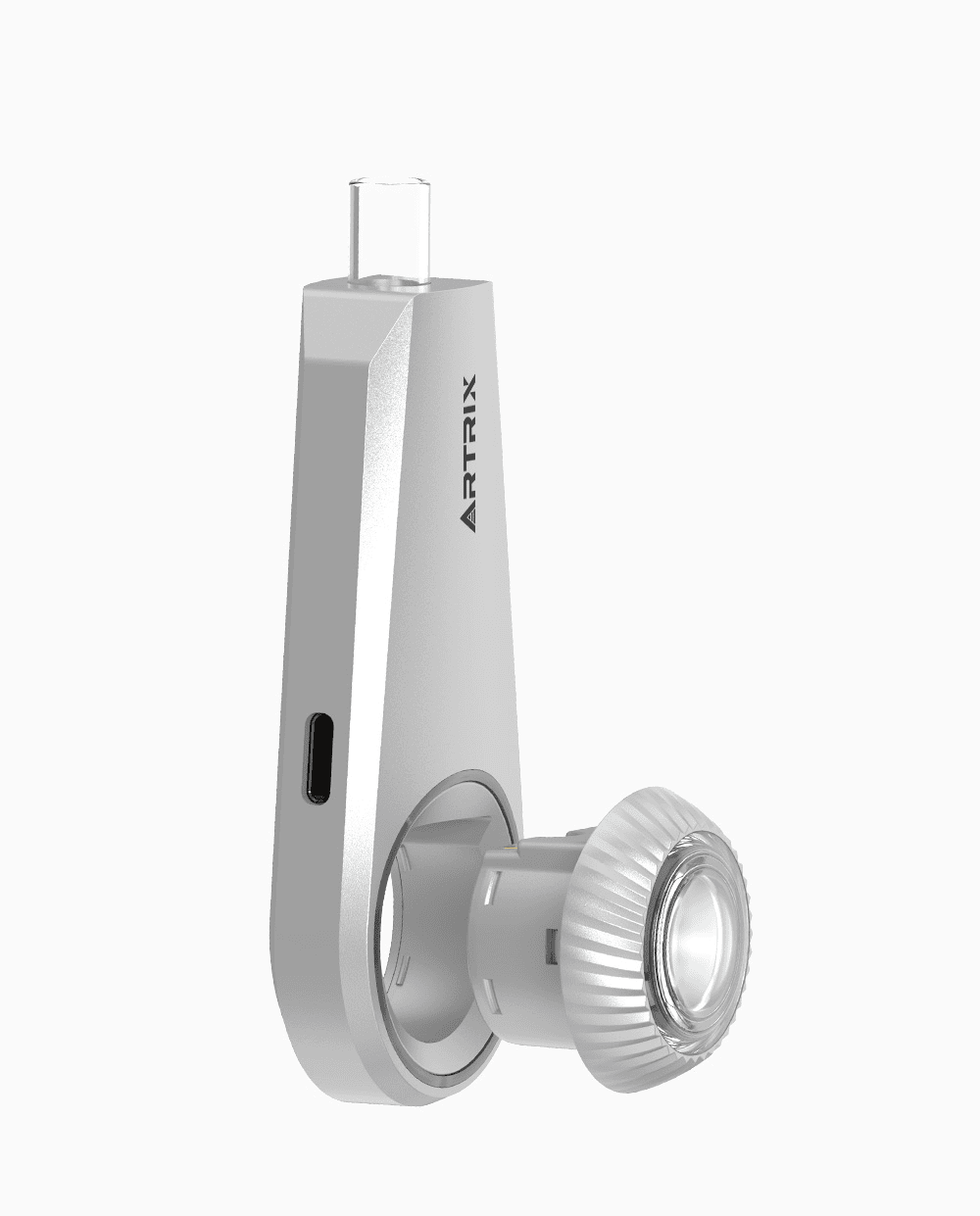
Inspect the glass attachment, heating chamber, atomizer connection, battery housing, airflow path, controls, charging port, packaging, and documentation. For a first sample review, assemble and disassemble the glass attachment multiple times, run several short heating cycles, check whether the atomizer connection remains stable, and photograph any wobbling glass, loose seals, delayed heating response, or charging-port movement.
Supplier evaluation should also include shipping and compliance practices. In the United States, retailers should not rely on a supplier’s default shipping method without checking mailability and hazardous-material requirements. USPS Publication 52 includes restrictions related to controlled substances and drug paraphernalia, while separate USPS rules also cover lithium batteries and electronic devices. Retailers can review relevant USPS guidance on controlled substances and drug paraphernalia and lithium-battery packaging requirements before confirming shipping methods.
A dependable e-rig supplier should be willing to explain packaging standards, replacement terms, battery documentation, charging specifications, lead times, carton labeling, and defect procedures in writing. If a supplier is slow to answer basic questions, dismisses photos of defects, ships glass accessories with thin padding, cannot explain battery or charging specifications, or avoids written warranty terms, the risk will likely increase when the order size grows.
Inspect the Parts That Define the Customer Experience
Quality inspection should start with the parts that determine daily use: the heating chamber, atomizer connection, seals, airflow path, glass attachment, and charging port. A sample should not be judged only by exterior design. The device needs to feel stable when assembled, respond clearly to controls, and hold accessories securely without forcing the user to adjust or reposition parts.
Small assembly flaws can become major retail problems because they turn into return labor, replacement-part costs, unsellable display units, delayed restocks, and warranty conversations that reduce the real margin of each device. A loose magnetic connection, uneven seal, weak threading, or poorly fitted glass component may cause leaking, rattling, inconsistent vapor production, or customer complaints after only a few uses.
After a short function test, inspect the heating area again. The device should heat consistently, respond to controls clearly, and avoid unusual odors, flickering indicators, unstable power behavior, or confusing button sequences. If several samples from the same supplier show inconsistent heating speed, loose parts, or unclear controls, pause before approving a bulk order.
Sample Inspection Checklist
-
- Heating response: Test whether the device reaches operating mode predictably and responds consistently across samples.
-
- Atomizer connection: Look for loose contact, unstable magnetic fit, weak threading, or inconsistent recognition.
-
- Airflow path: Confirm that airflow feels smooth and that seals do not shift during assembly.
-
- Charging port: Check whether the cable fits securely and whether the port moves under light pressure.
-
- Housing quality: Inspect panel gaps, button feel, display clarity, seams, surface finish, and edge smoothness.
Evaluate Materials, Battery Housing, and Glass Durability
A quality e-rig is not only an electronic device. It is also a handled retail product that must survive shipping, shelf display, customer inspection, and repeated use. Start with the outer body. The housing should feel solid, with clean seams, stable buttons, clear display indicators, and no obvious gaps between panels.
If the unit creaks, flexes, or feels unfinished in the hand, customers may question the value immediately. This matters even before the device is used. In a retail environment, the first impression often comes from touch, assembly feel, display clarity, accessory fit, and packaging condition.
Next, evaluate the glass or bubbler attachment. It should sit securely without wobbling, and the glass should be thick enough for normal handling without making the device top-heavy. Check the rim, base, and connection point for chips, uneven edges, bubbles, thin spots, or stress points. For an e-rig seller, fragile glass accessories can create the same profit problem as broken traditional rigs: replacements, refunds, delayed sales, and unhappy customers.
Battery housing and charging quality also deserve close attention. Ask the supplier for battery specifications, charging interface details, warranty terms, and quality-control standards. For shipping and documentation, lithium battery compliance can involve test-summary and transport requirements. as a starting point. A reliable e-rig supplier should provide consistent answers across sales, technical, and after-sales teams.
Packaging Is Part of the Product Quality System
For an e-rig seller, packaging is not a cosmetic detail. It is part of the product’s quality system. A reliable supplier should package each device to protect both the electronic body and the fragile glass attachment during warehouse handling, long-distance transit, and final delivery.
The device body should be held firmly in place with custom foam, molded pulp, or another fitted insert that prevents movement inside the retail box. The glass bubbler or mouthpiece should have its own protected compartment rather than being packed loosely beside the device. Accessories such as charging cables, atomizers, carb caps, cleaning tools, and user manuals should be separated so they do not scratch the housing or place pressure on the glass during transit.
Outer-carton protection matters just as much as the retail box. Ask the supplier how many units are packed per master carton, whether dividers are used, what type of cushioning surrounds the inner boxes, and whether carton drop testing or transit testing has been performed. If a sample arrives with crushed corners, loose accessories, rattling glass, or thin outer cartons, treat that as a packaging warning before approving a bulk order.
Common Packaging Red Flags
-
- Glass packed without a dedicated cavity or separate protection.
-
- Accessories placed directly against the device body.
-
- Soft retail boxes with no rigid outer-carton support.
-
- Empty space inside cartons that allows boxes to move during transit.
-
- Packaging that depends only on a thin layer of bubble wrap.
-
- No clear answer about carton structure, drop testing, or breakage procedure.
Poor packaging turns a profitable order into a damage-control exercise. If glass attachments break in transit, the seller loses sellable inventory and may need to wait for replacement parts before the device can be displayed or sold. If electronic bodies shift inside the box, repeated impact can damage screens, buttons, charging ports, or internal connections.
Use a Supplier Scorecard Instead of Guesswork
When multiple vendors offer similar-looking devices, an e-rig seller can easily be pulled toward the lowest unit price. The problem is that a low price does not reveal whether the supplier ships consistently, handles defects professionally, protects glass components properly, or provides reliable after-sales support. A supplier scorecard turns scattered impressions into a structured decision-making tool.
The scorecard should compare every e-rig supplier using the same categories. Instead of asking, “Which sample looks best?” ask, “Which supplier performs best across product quality, packaging, communication, documentation, defect handling, and shipment consistency?” This makes the review process more objective and helps prevent a single attractive sample or discount from hiding deeper operational risks.
A practical scorecard can use a 1-to-5 rating system, but each score should be tied to evidence. For example, 5 means no visible defects across tested samples, stable heating response, protected glass compartments, complete battery documentation, and written replacement terms. A score of 3 may mean acceptable sample quality but unclear packaging or warranty terms. A score of 1 may indicate loose glass fit, poor communication, missing battery information, or repeated packaging damage.
| Scorecard Metric | What to Check | Why It Matters |
|---|---|---|
| Sample Quality | Heating response, body finish, glass fit, accessory alignment, button feel | Shows whether the product is ready for retail evaluation |
| Packaging Protection | Fitted inserts, glass compartments, master carton strength, accessory separation | Reduces breakage and protects sellable inventory |
| Shipment Consistency | Match between approved sample and bulk order | Prevents surprises after a purchase order is placed |
| Battery and Charging Documentation | Battery specs, charging interface, handling notes, transport documentation | Helps retailers review safety, shipping, and after-sales responsibilities |
| Defect Handling | Replacement terms, evidence review, response speed, credit or refund policy | Determines how quickly losses can be recovered |
| Communication | Written confirmations, technical answers, issue follow-up, production-change notices | Makes ordering, restocking, and dispute resolution smoother |
Track Defects, Breakage, and Supplier Response Over Time
The most useful scorecard metrics are the ones tied directly to inventory loss, customer satisfaction, and operational effort. Start with product consistency. Track whether each shipment matches the approved sample in heating response, accessory fit, button feel, finish quality, packaging structure, and documentation.
Next, track defect and breakage rates. Record how many units arrive with broken glass, loose components, charging issues, cosmetic defects, missing accessories, or non-functioning atomizers. Even a small defect rate can become expensive when order volumes grow, especially if the seller must spend staff time testing, sorting, photographing, and negotiating replacements.
Communication quality deserves its own score. A strong supplier answers technical questions clearly, confirms order details in writing, responds quickly when problems appear, and does not blame the buyer before reviewing evidence. Poor communication can make a small issue feel much larger because the seller cannot plan restocks, explain delays to customers, or resolve warranty claims efficiently.
Finally, track how the supplier handles problems after payment. Does the supplier provide replacement parts, credit, refunds, or repair support when evidence is clear? Do they improve packaging after breakage reports? Do they explain production changes before shipping the next batch? These behaviors reveal whether the supplier is only trying to close one order or is capable of supporting a long-term retail partnership.
Document Every Shipment Before Filing a Claim
Even the best supplier relationship needs clear records. For an e-rig seller, shipment documentation is the difference between saying “some units arrived damaged” and proving exactly what happened. When a shipment arrives, train the receiving team to inspect the cartons before opening them, photograph the exterior condition, and record any crushed corners, torn tape, moisture marks, or signs of rough handling.
After the outer cartons are documented, photograph the inner packaging before removing the products. Capture how each e-rig, glass bubbler, atomizer, accessory, and manual was positioned inside the box. If glass is broken, accessories are loose, or retail boxes are dented, those photos show whether the problem is likely connected to packaging, transit, or production.
The inspection process should also include a simple receiving log. Record the order number, supplier name, arrival date, carton count, SKU, batch or production code if available, number of units inspected, number of damaged units, and type of defect. Separate cosmetic issues from functional issues, such as charging failure, inconsistent heating, loose glass fit, damaged seals, missing accessories, or cracked bubbler glass.
Claim File Checklist
-
- Purchase order and packing list.
-
- Outer-carton photos before opening.
-
- Inner-box and packaging photos before product removal.
-
- Close-up photos of cracked glass, loose parts, damaged packaging, or cosmetic flaws.
-
- Short function-test notes for charging, heating, controls, and atomizer recognition.
-
- Summary table showing affected quantities by SKU and defect type.
-
- Requested remedy, such as replacement glass, replacement units, account credit, or partial refund.
Good documentation helps both sides solve the problem faster. Instead of sending a vague complaint, organize the evidence into a short claim file. These records also help protect the relationship. Suppliers are more likely to respond constructively when the seller provides organized evidence rather than emotional complaints. If the same defect appears across multiple shipments, the log becomes a performance history that supports stronger negotiations, revised packaging requirements, or a decision to reduce future order volume.
What a Reliable E-Rig Supplier Should Be Able to Provide
A reliable e-rig supplier should be able to provide more than a catalog, a price list, and polished product photos. Retailers should expect clear information about device specifications, glass accessories, atomizer compatibility, battery configuration, charging interface, packaging structure, lead time, warranty policy, and replacement support.
The supplier should also be able to explain how production quality is checked before shipment. This may include sample approval, in-line inspection, final product inspection, accessory counting, packaging checks, and carton-level review. The stronger the supplier’s process, the easier it is for the retailer to maintain consistency across multiple orders.
If the sales team, technical team, and after-sales team give different answers about the same battery, atomizer, packaging method, or replacement policy, the retailer should treat that inconsistency as a warning. A supplier does not need to be perfect, but they should be transparent, responsive, and willing to document important commitments in writing.
Conclusion: Choose the Supplier That Protects Your Margin
The best e-rig supplier is not simply the one with the lowest price, the brightest lights, or the most attractive sample photo. For retailers, the stronger partner is the supplier that delivers stable devices, protects fragile glass, provides clear battery and charging documentation, responds professionally to defects, and supports repeat orders with consistent production control.
A careful evaluation process gives retailers more control before money is committed to a large purchase order. Test the sample, inspect the glass fit, review the heating response, check the packaging, request documentation, record shipment condition, and compare suppliers with a scorecard. These steps take time, but they can prevent larger losses later.
For brands, distributors, and retailers building a long-term e-rig product line, supplier selection should be treated as a risk-management process. The right wholesale partner helps protect inventory, customer trust, and operational efficiency. The wrong one turns every shipment into a repair, replacement, and negotiation problem.