



-1.webp)
-1.webp)
-2.webp)










































The Ultimate Guide to Artrix THC Vaping
The modern thc vape market is no longer defined by a cartridge, a battery, and a hope that the oil behaves. The real question is whether the hardware understands the extract. A thick distillate, a terpene-rich live resin, and a delicate live rosin all move, wick, heat, and vaporize differently, which means one generic device can create very different experiences.
The Vaping Paradigm Shift: Why Your Hardware Choice Defines the High
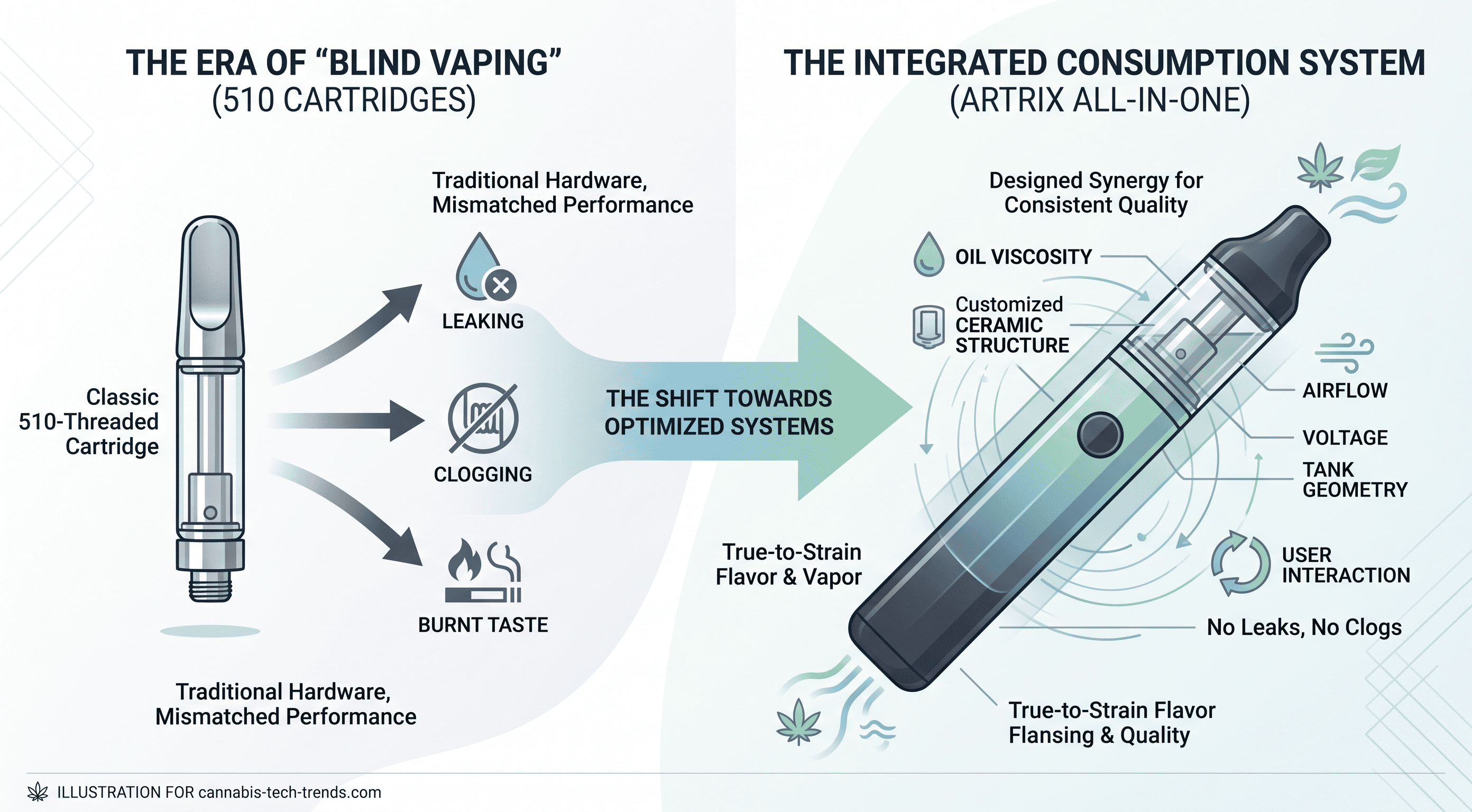
The era of blind vaping is ending. Traditional 510 cartridges made sense when the market needed a simple, familiar format, but the category has moved into a more technical phase. Today, the best THC vape experience depends on a designed relationship between oil viscosity, ceramic structure, airflow, voltage, tank geometry, and user interaction.
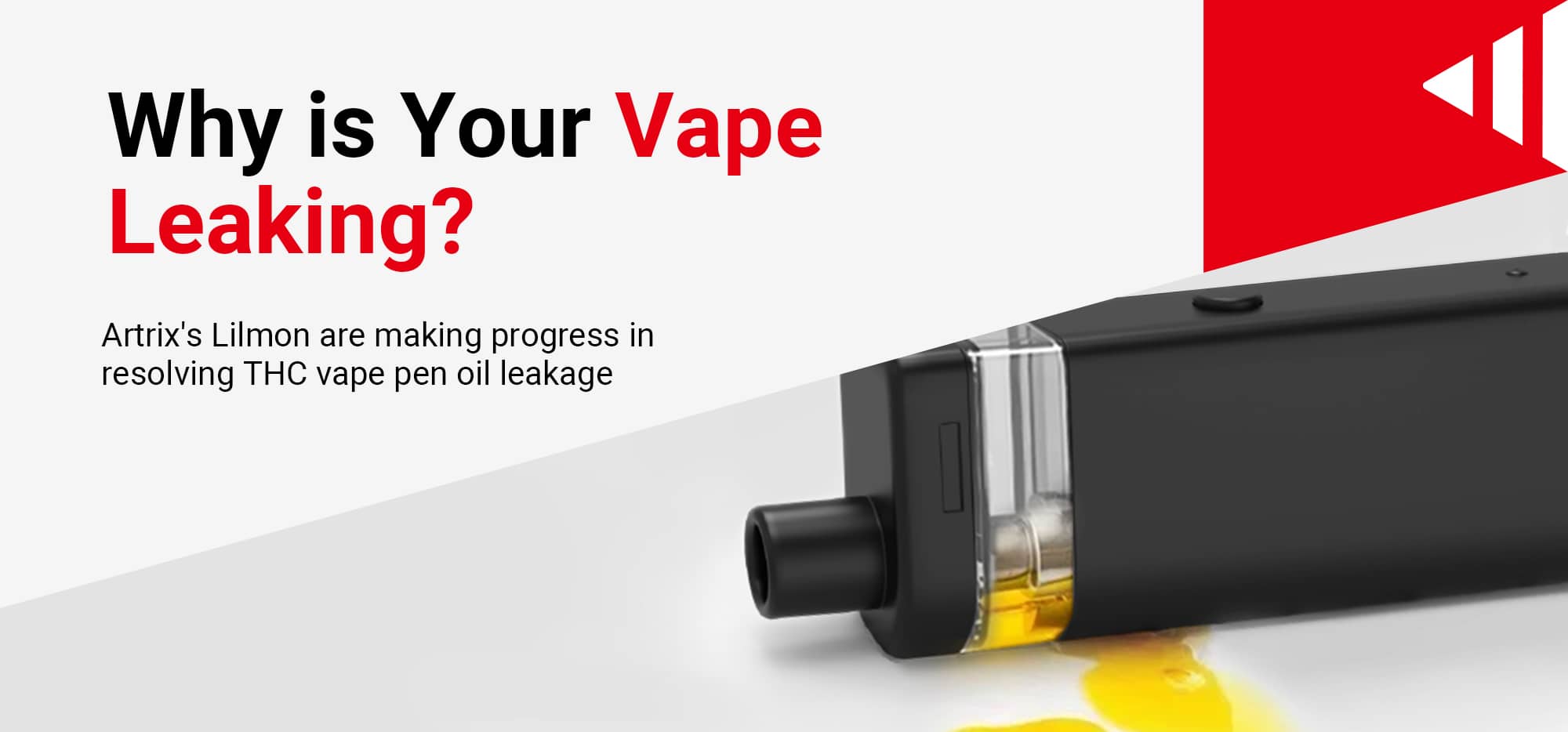
For brands, this matters because many “oil problems” are actually hardware-matching problems. Leaking, clogging, burnt taste, weak vapor, and wasted extract often come from forcing one device architecture to carry every formulation. Artrix’s all-in-one approach gives brands more control over the whole consumption system, not just the container.
The Science of Viscosity: Matching Extract to Ceramic Porosity
The Budget and Distillate Tier
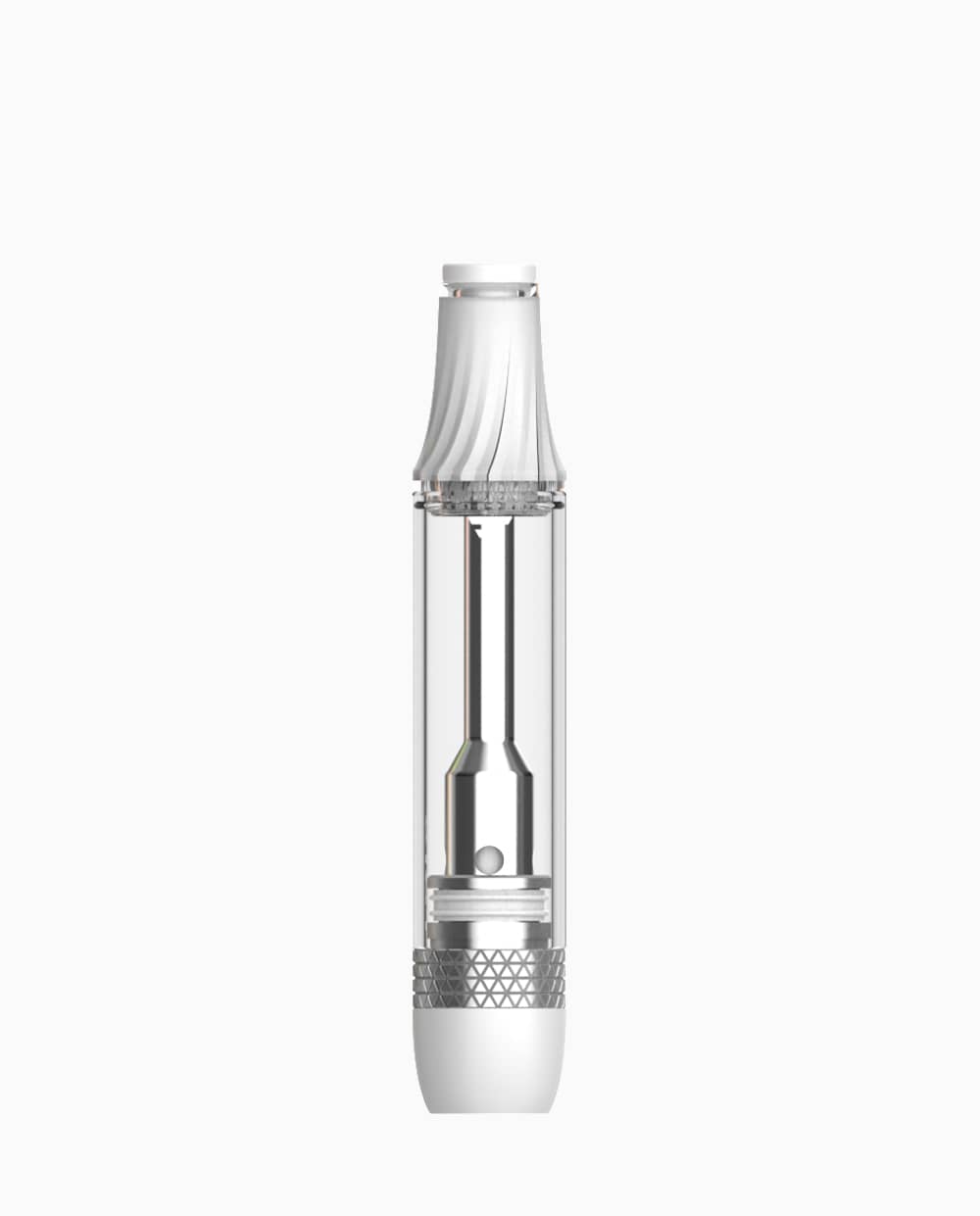
Distillate is usually more forgiving than solventless extracts, but it can still be demanding. Thick oils often benefit from ceramics with a more open pore-size distribution, because the oil must move into the heating zone quickly enough to avoid dry hits. If the ceramic is too tight for the oil, the user may draw harder, overheat the core, and experience a burnt or uneven hit.
The Premium and Live Rosin Tier
Live resin and live rosin introduce a different challenge. These oils are often valued for terpene expression, so aggressive heat can flatten the flavor experience. If the ceramic is too open, or if the airflow path creates unstable pressure, thinner or more terpene-rich oils may flood the core, spit, or leak.
Artrix’s hardware-to-oil matching approach is built around adjusting ceramic parameters, voltage behavior, airflow, and tank architecture to fit the extract. In plain language: the device should be tuned before launch, not explained after complaints arrive.
Meet the Artrix THC Series: Segmenting the Market by Tech and Lifestyle
Lilmon Vision: The Tech Statement for Gen Z

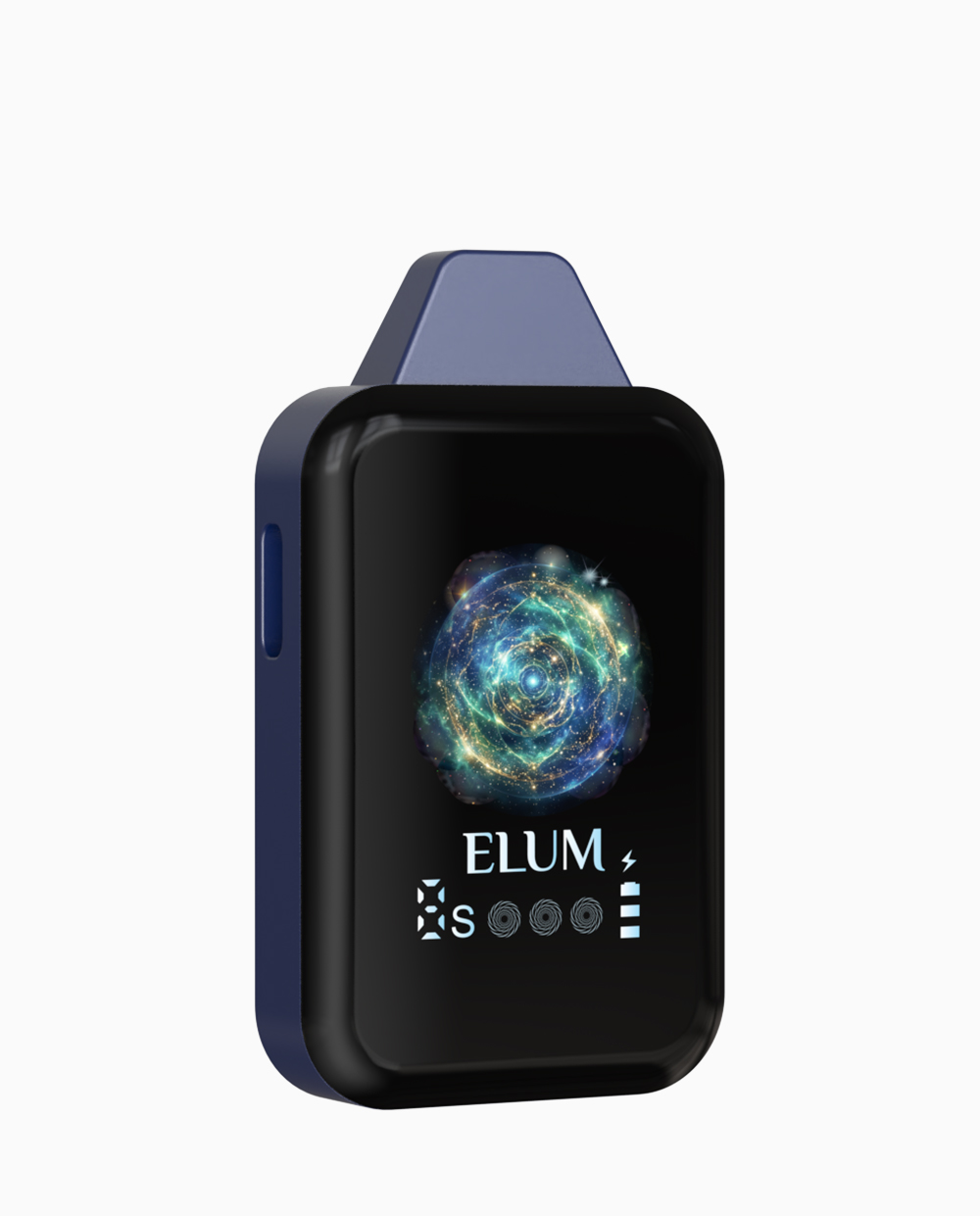
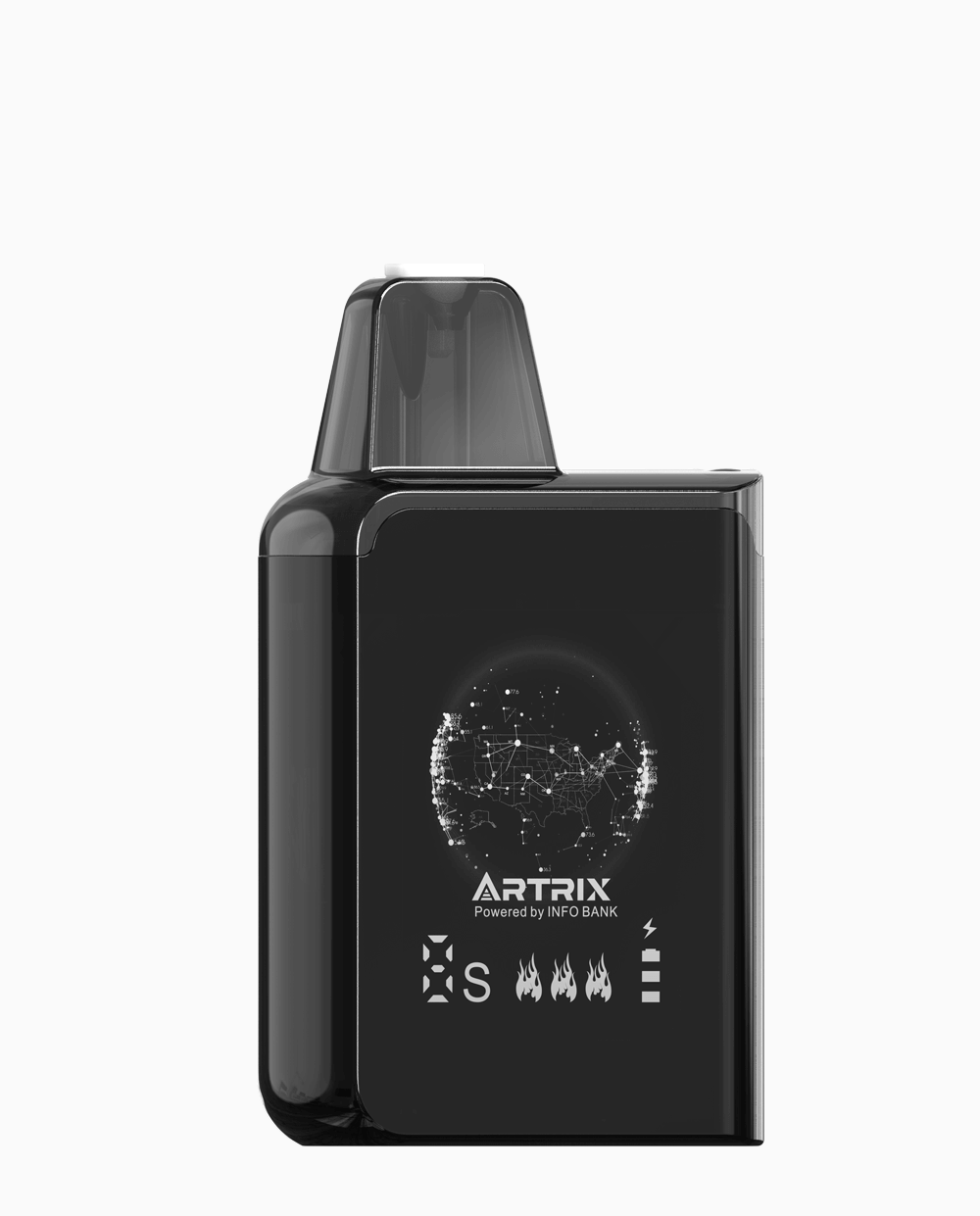
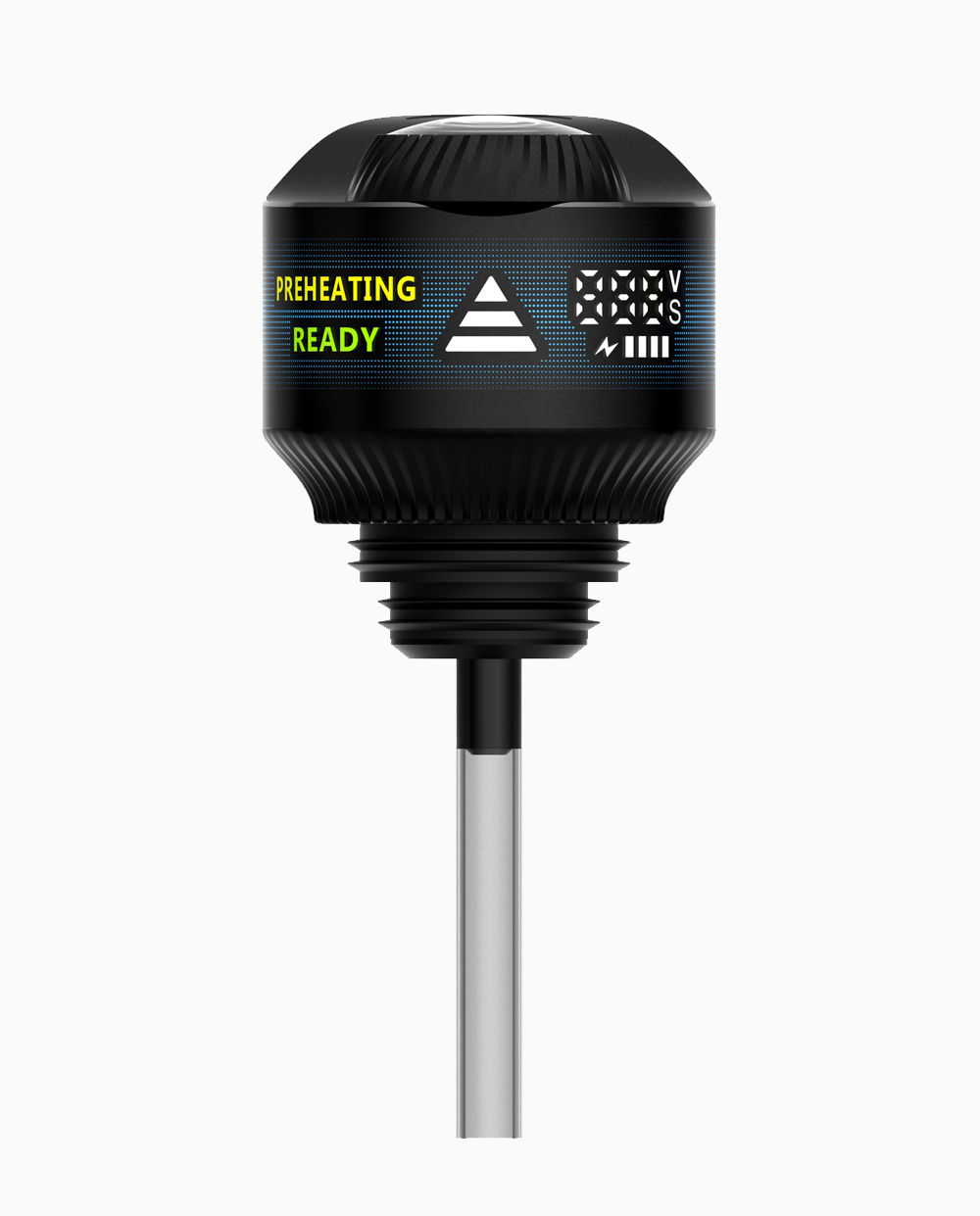
Lilmon Vision turns the device face into a full-screen brand canvas. Its 0.9-inch LED display, voltage levels, preheat controls, and 1 mL or 2 mL oil capacity make it a strong fit for brands that want the device itself to carry flavor identity, launch art, and status interaction.
Influx: The Interactive Powerhouse for Premium Extracts
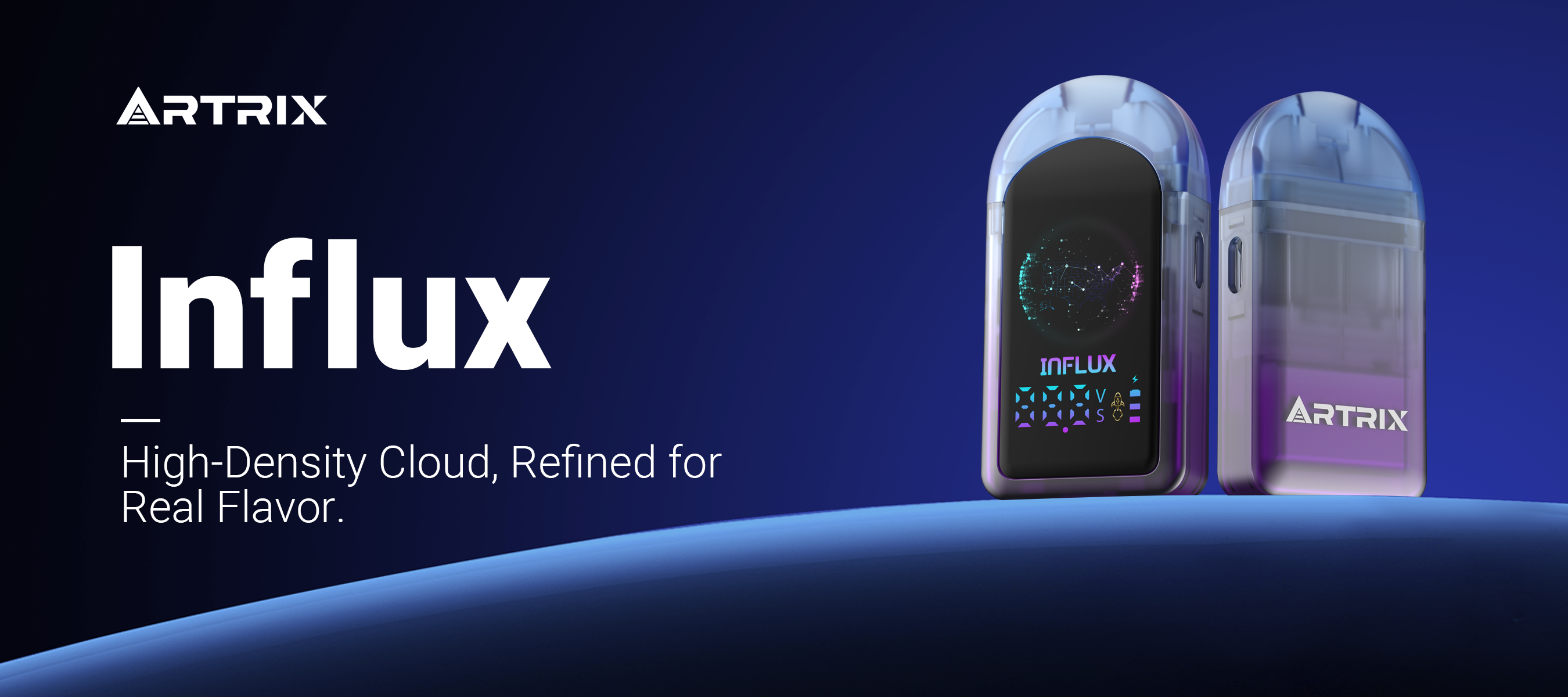
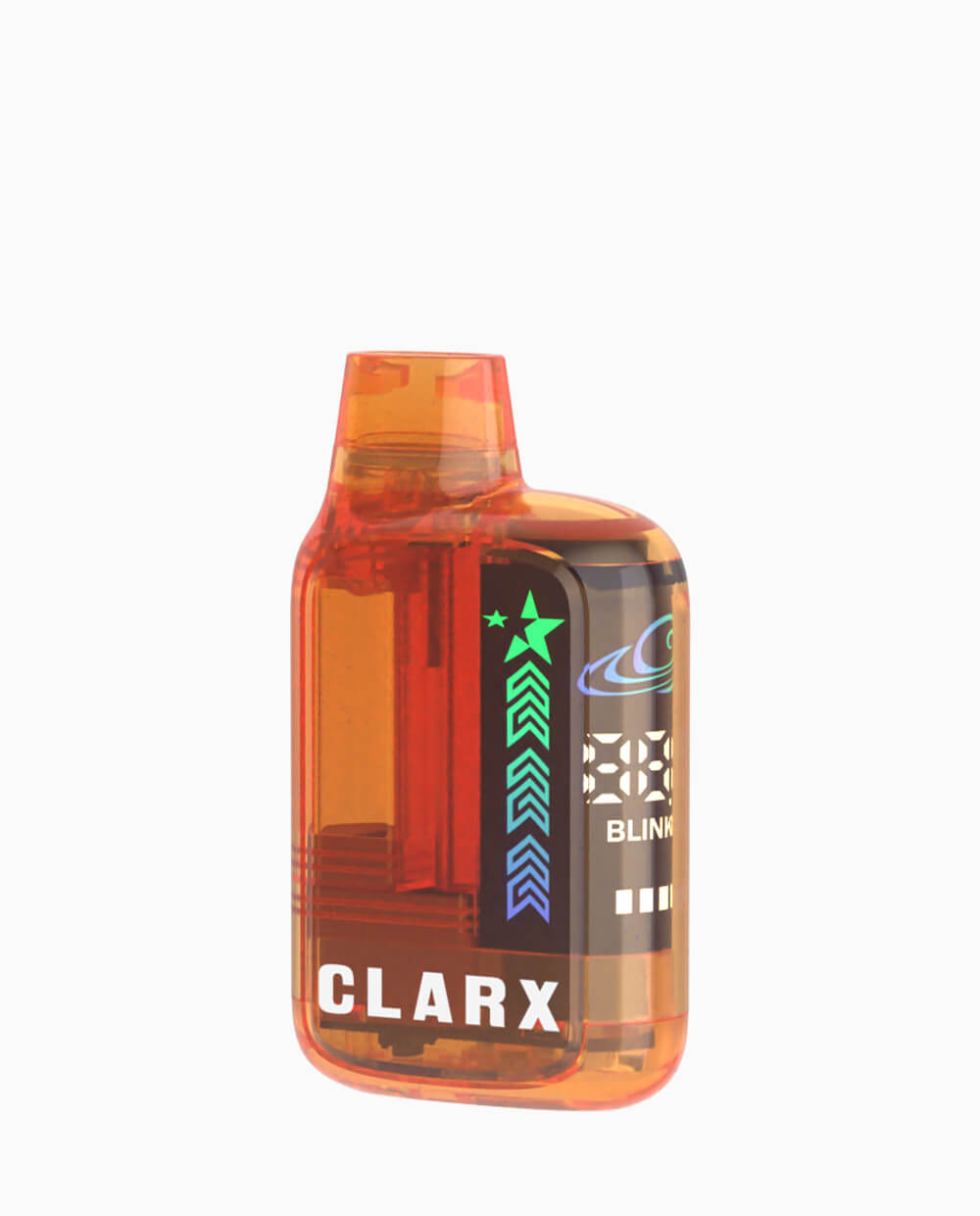
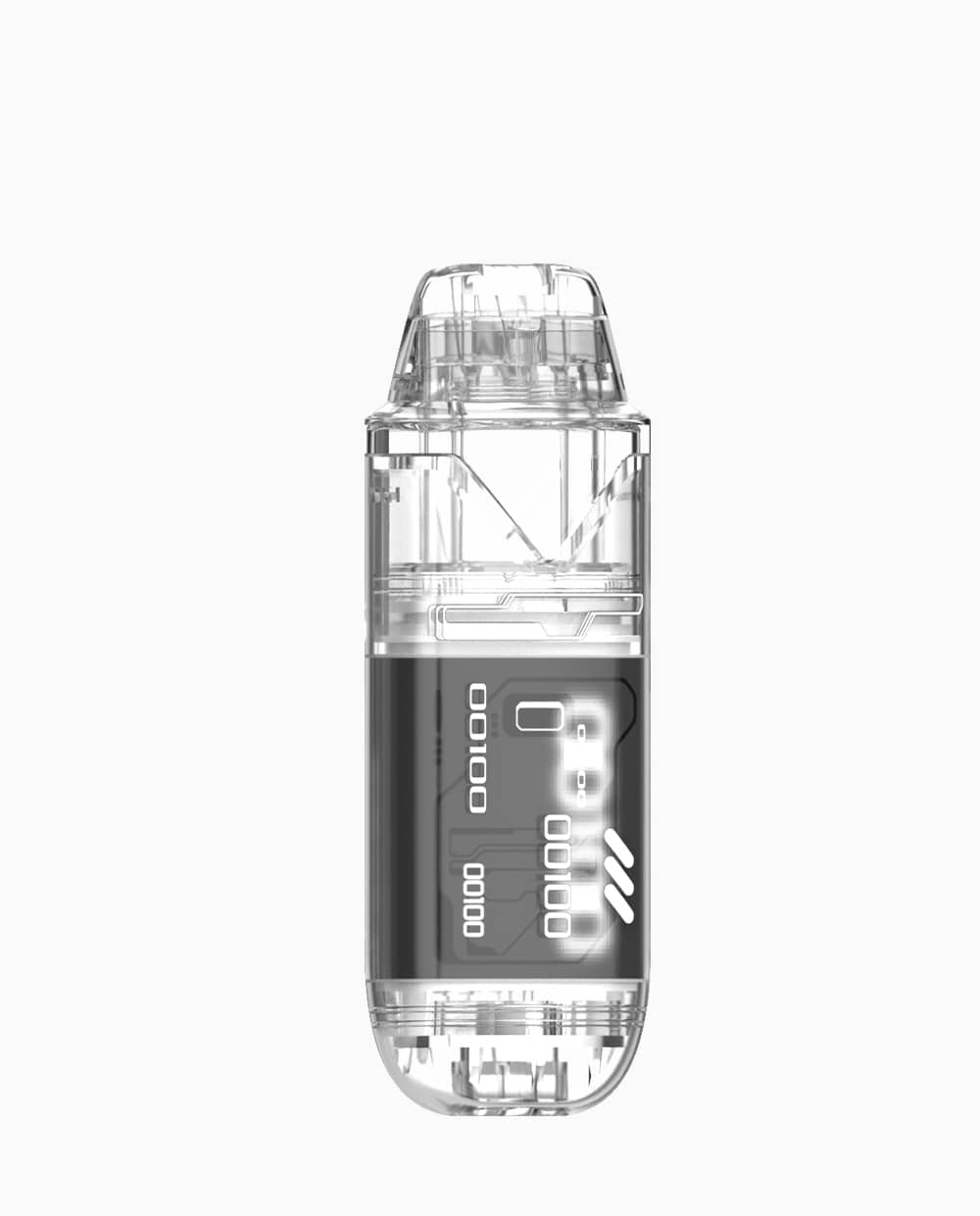
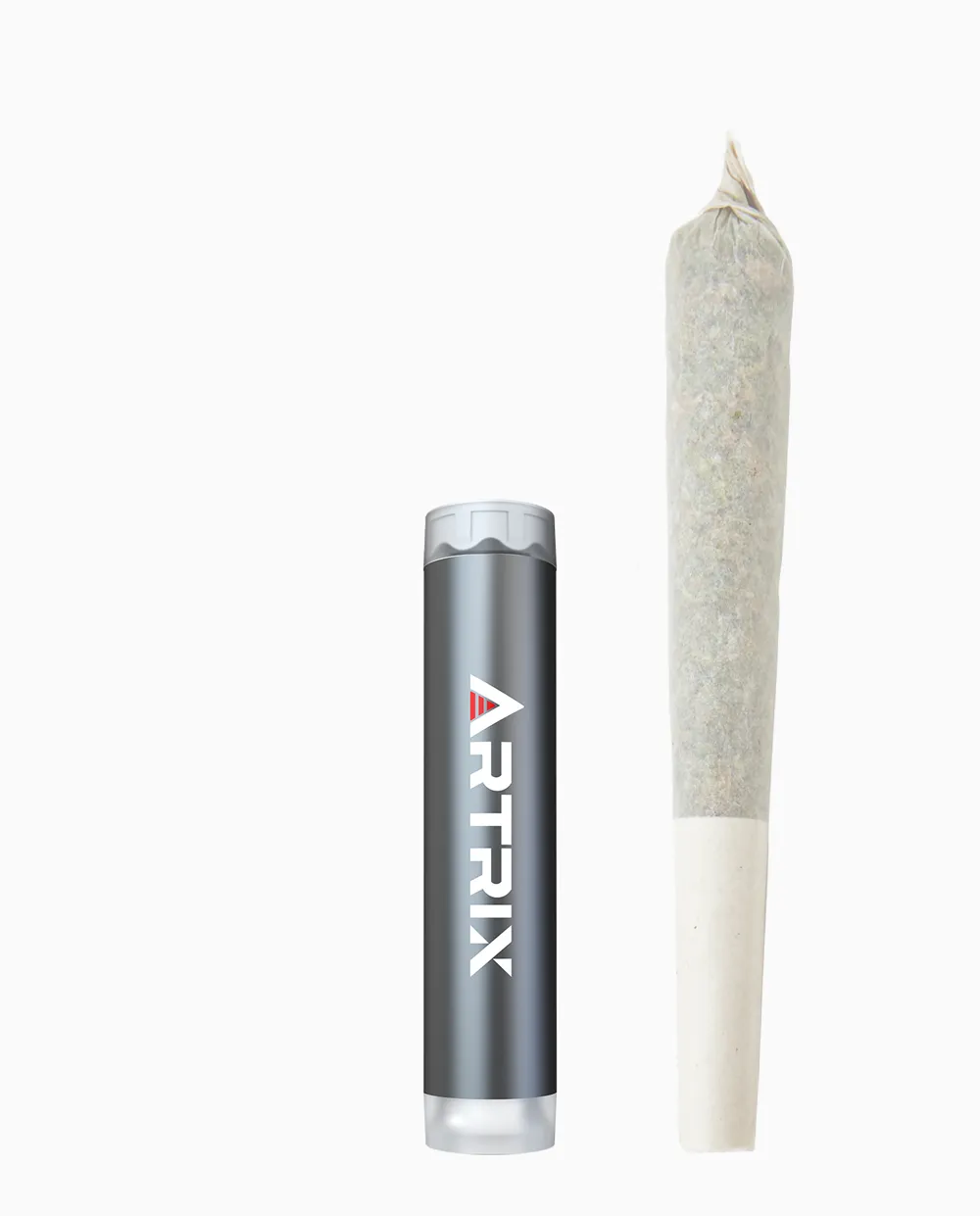
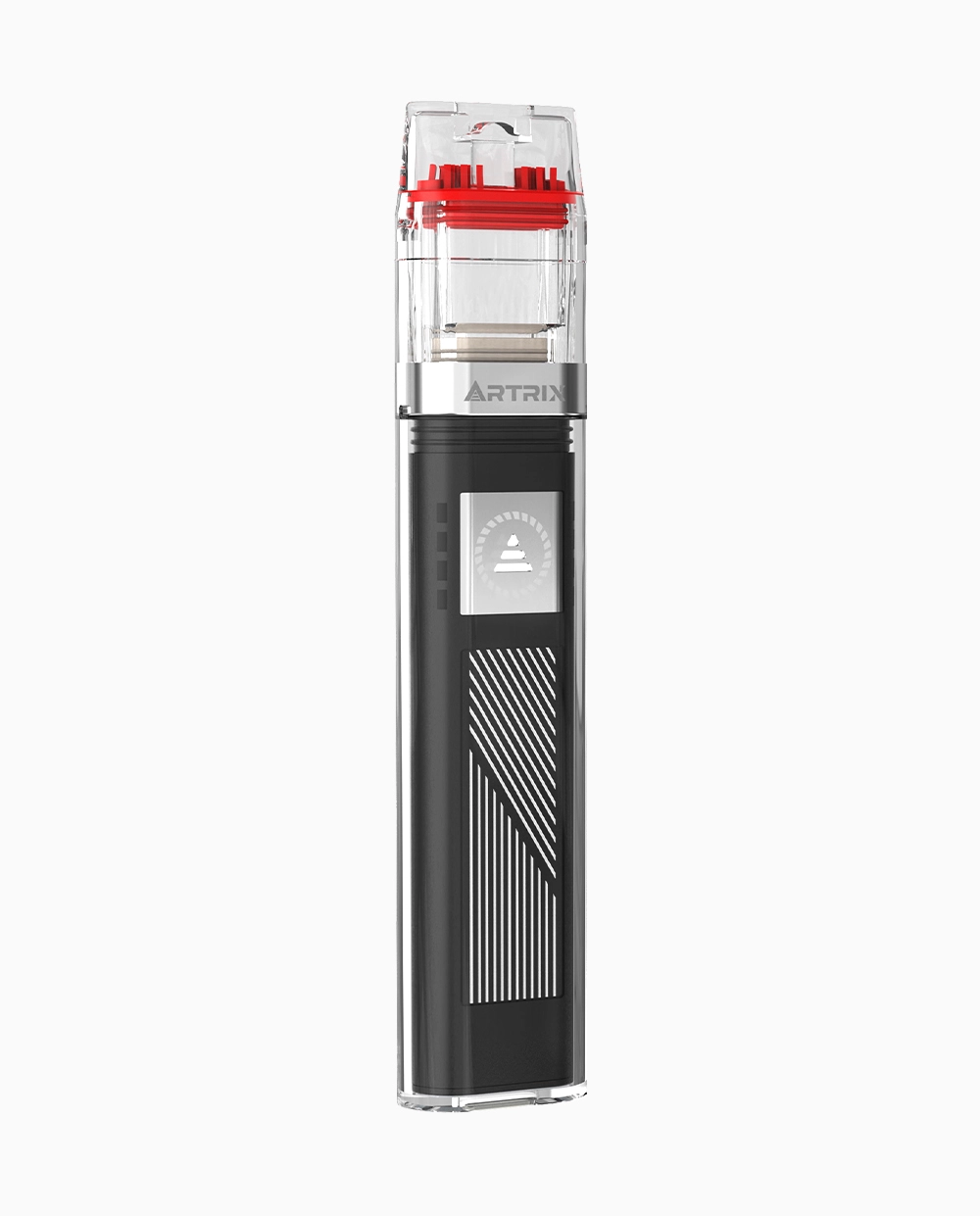
Influx is built for the flavor-density problem in premium oils. Its extended ceramic heating core, dual airflow structure, real-time operating display, transparent body, and low-wattage design help brands position live resin and live rosin around flavor fidelity rather than brute-force cloud chasing.
RigGo and DabGo: Portable Professionalism for Concentrate Fans

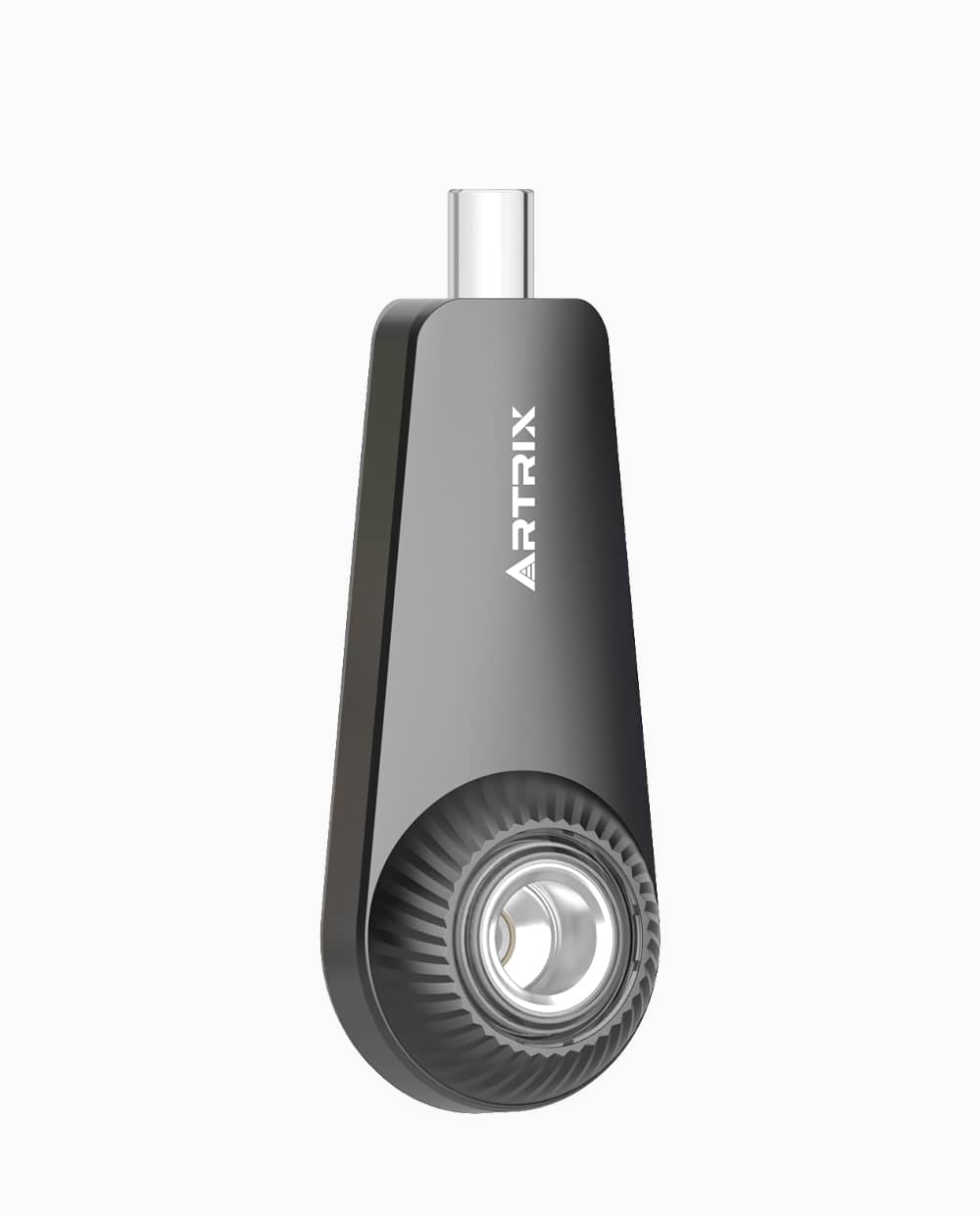
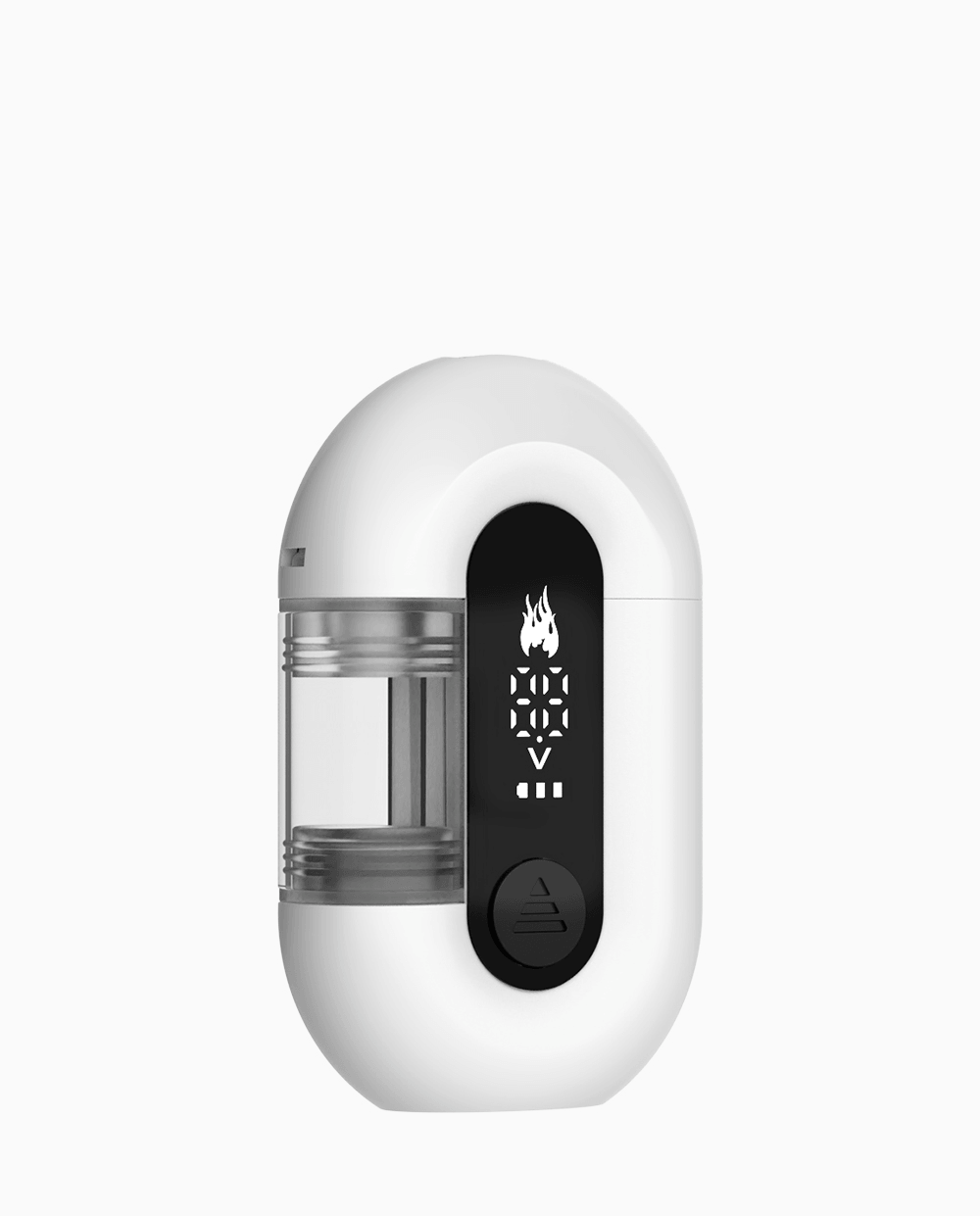
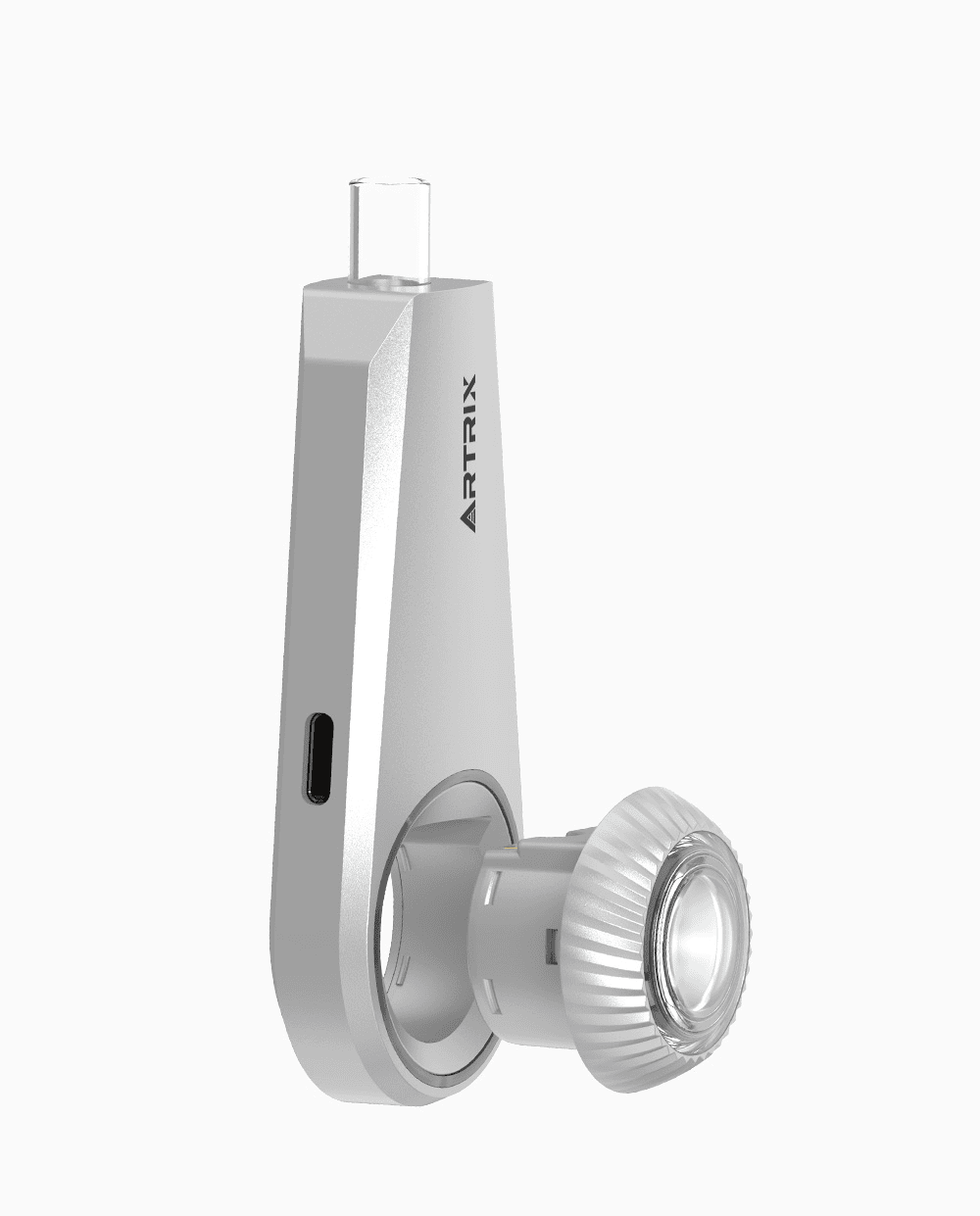
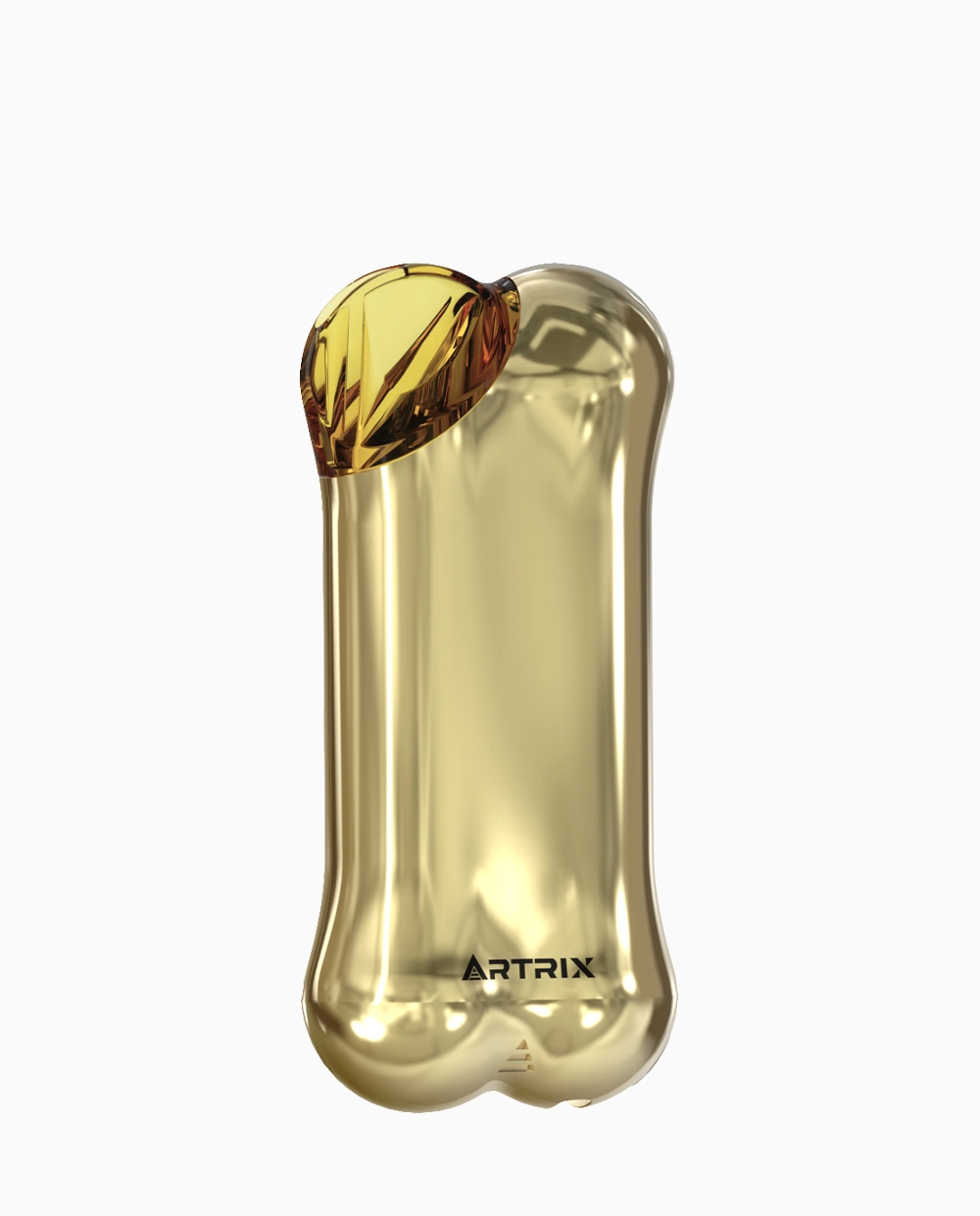
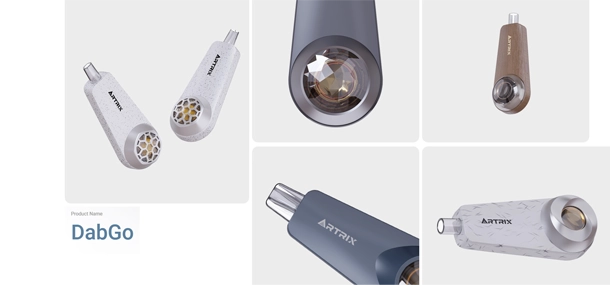
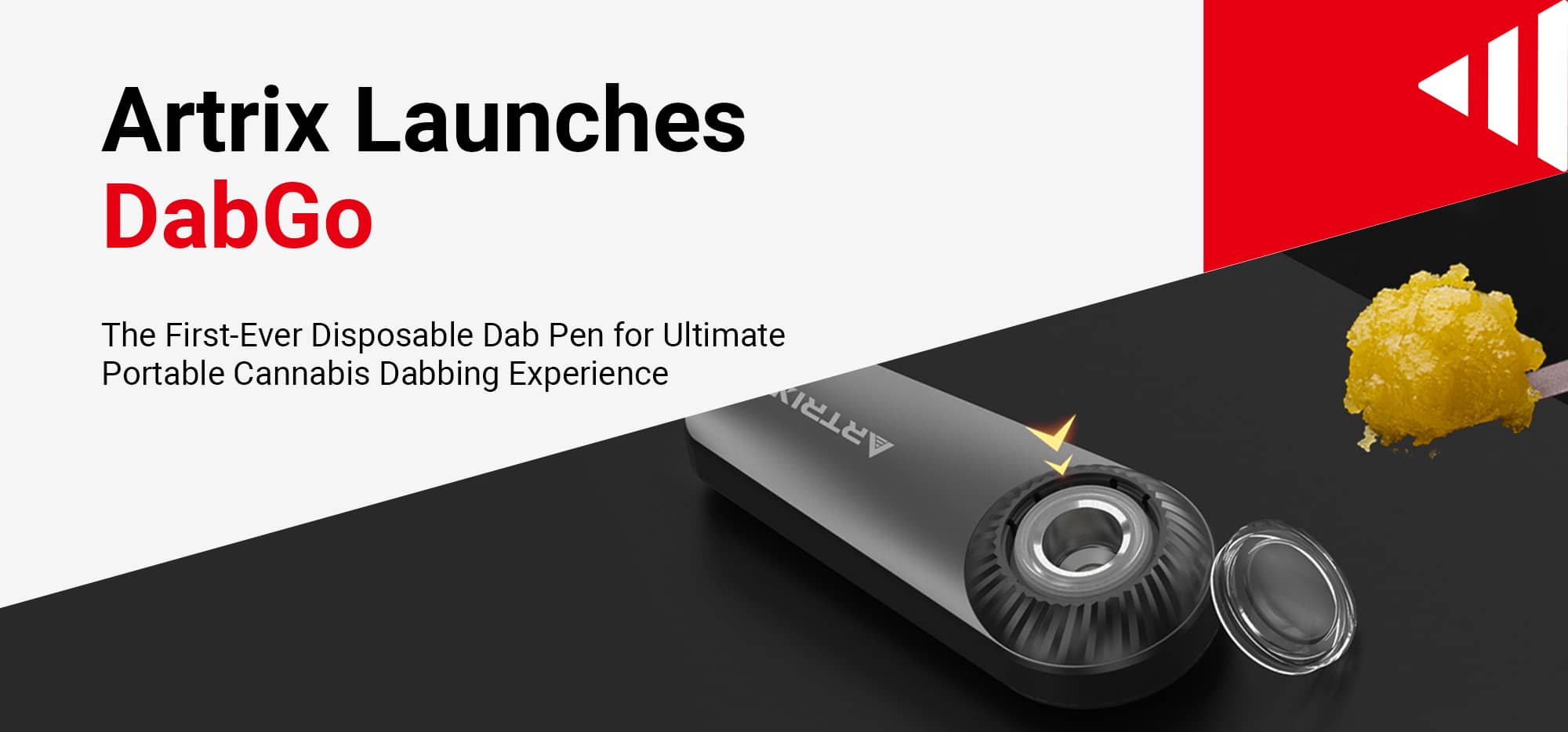
RigGo brings a dab-rig style experience into a palm-sized format, with water-filtered or dry airflow, second-level precision heating, voltage settings, and a ceramic bowl. DabGo focuses on disposable dab portability, using SegmHeat ceramic vaporizing technology and a flat mesh ceramic bowl for concentrate sessions without a traditional glass rig setup.
Cubox: Discretion Meets High-Capacity Endurance

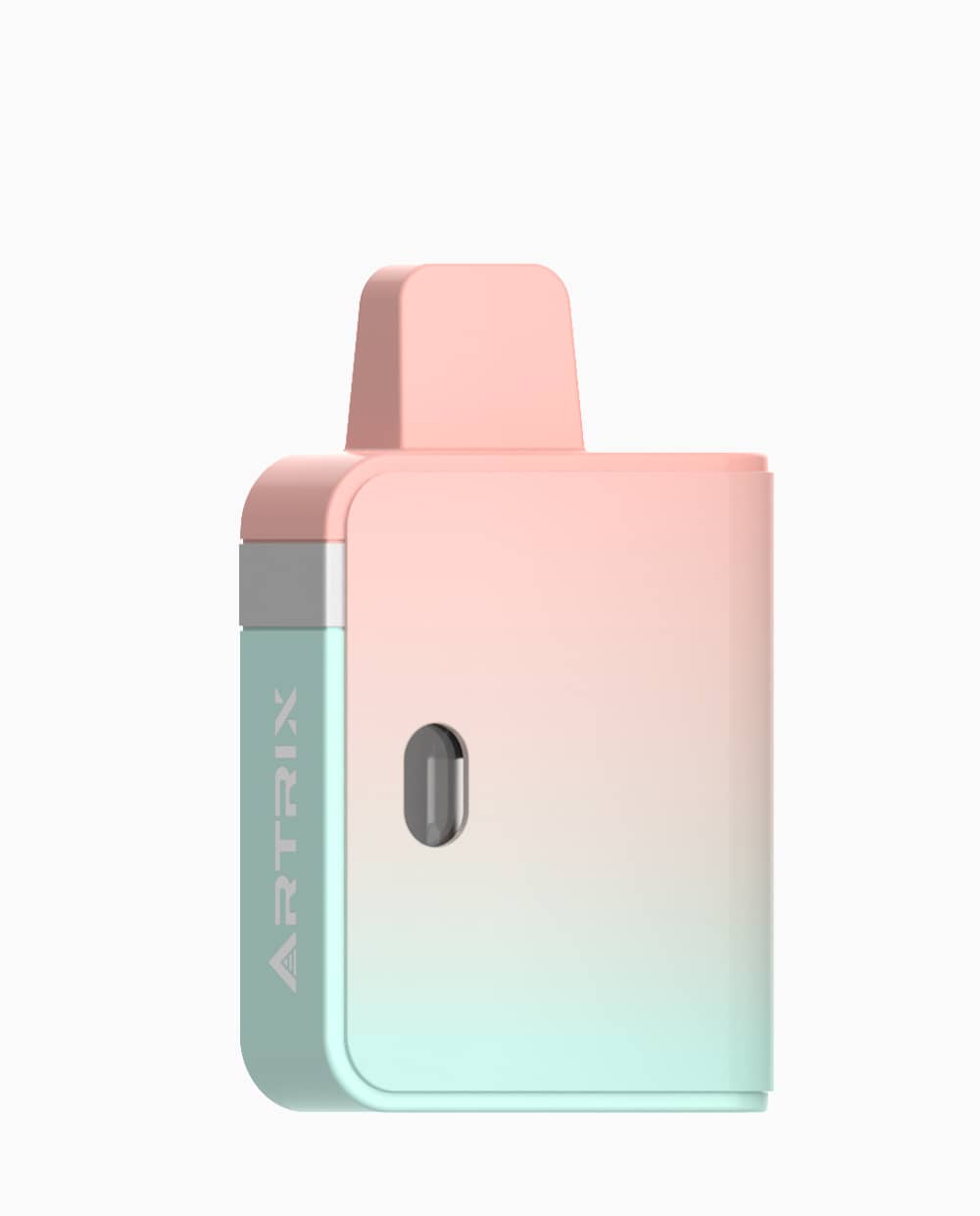
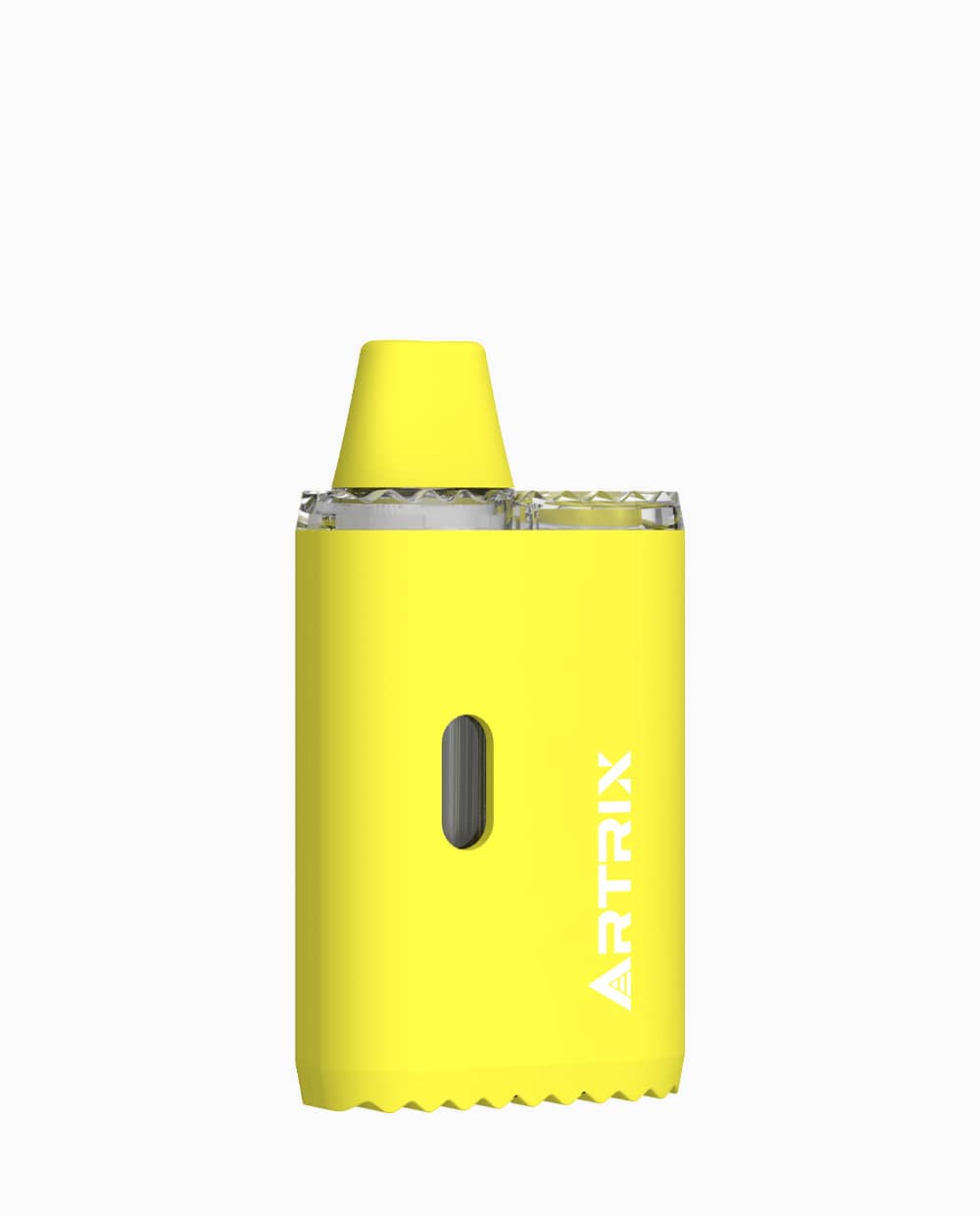
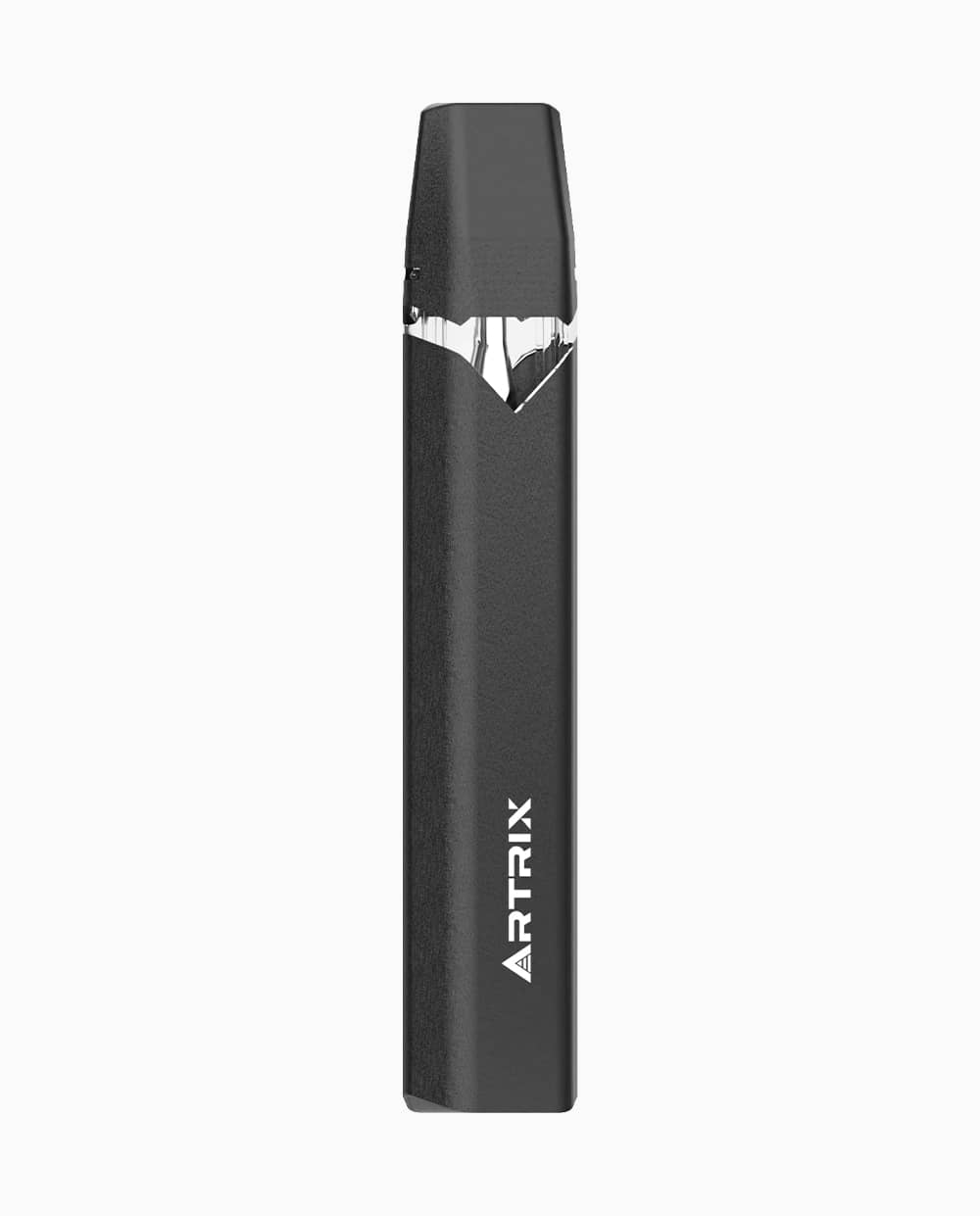
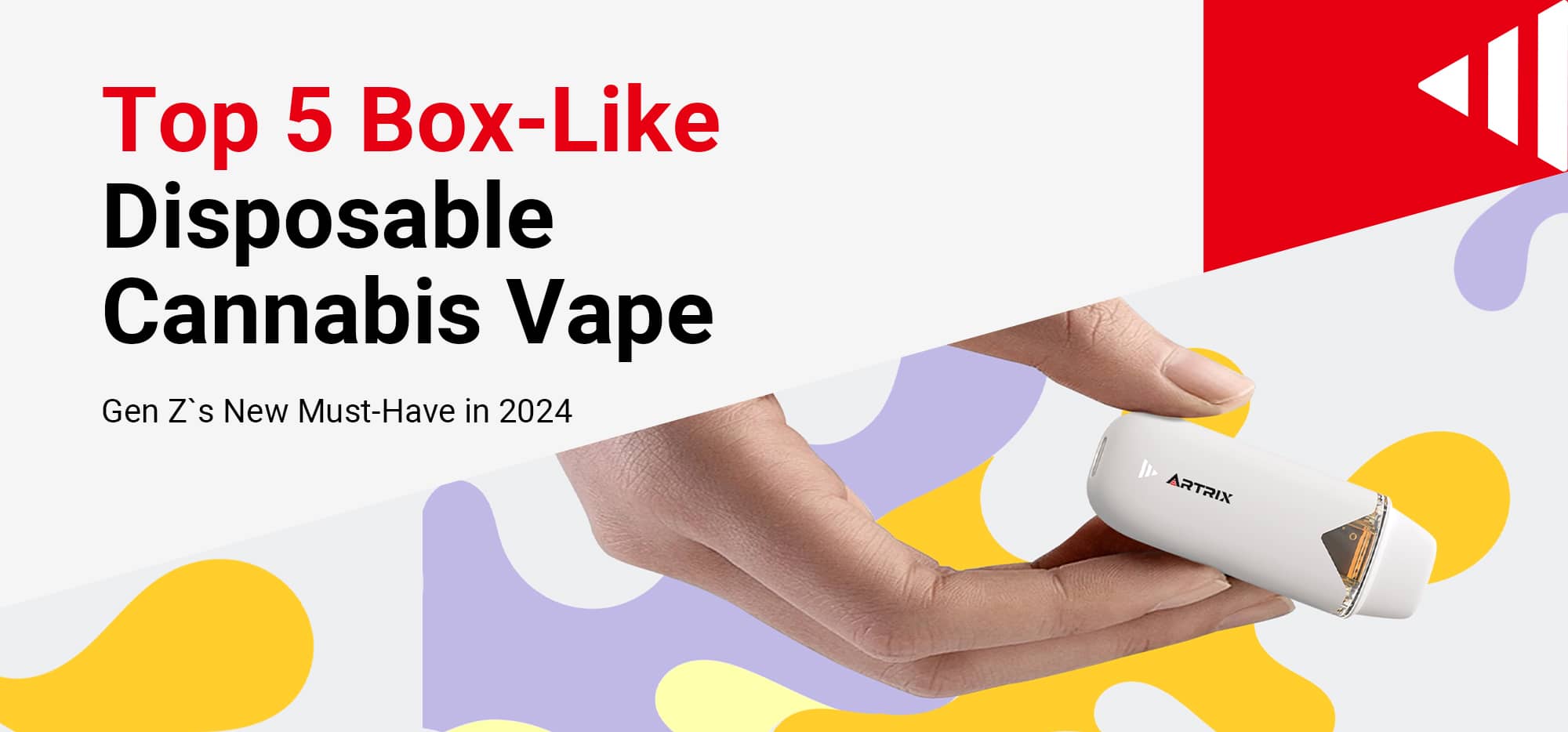
Cubox is the discreet box-style option for brands that want a compact silhouette, 1 mL or 2 mL capacity, 300 mAh battery, buttonless operation, and broad cannabinoid compatibility. It is a practical fit for lifestyle-driven THC vape lines where portability, simplicity, and visual differentiation matter.
The Form Factor Ecosystem: 510 Commodities vs. Closed-Pod Loyalty
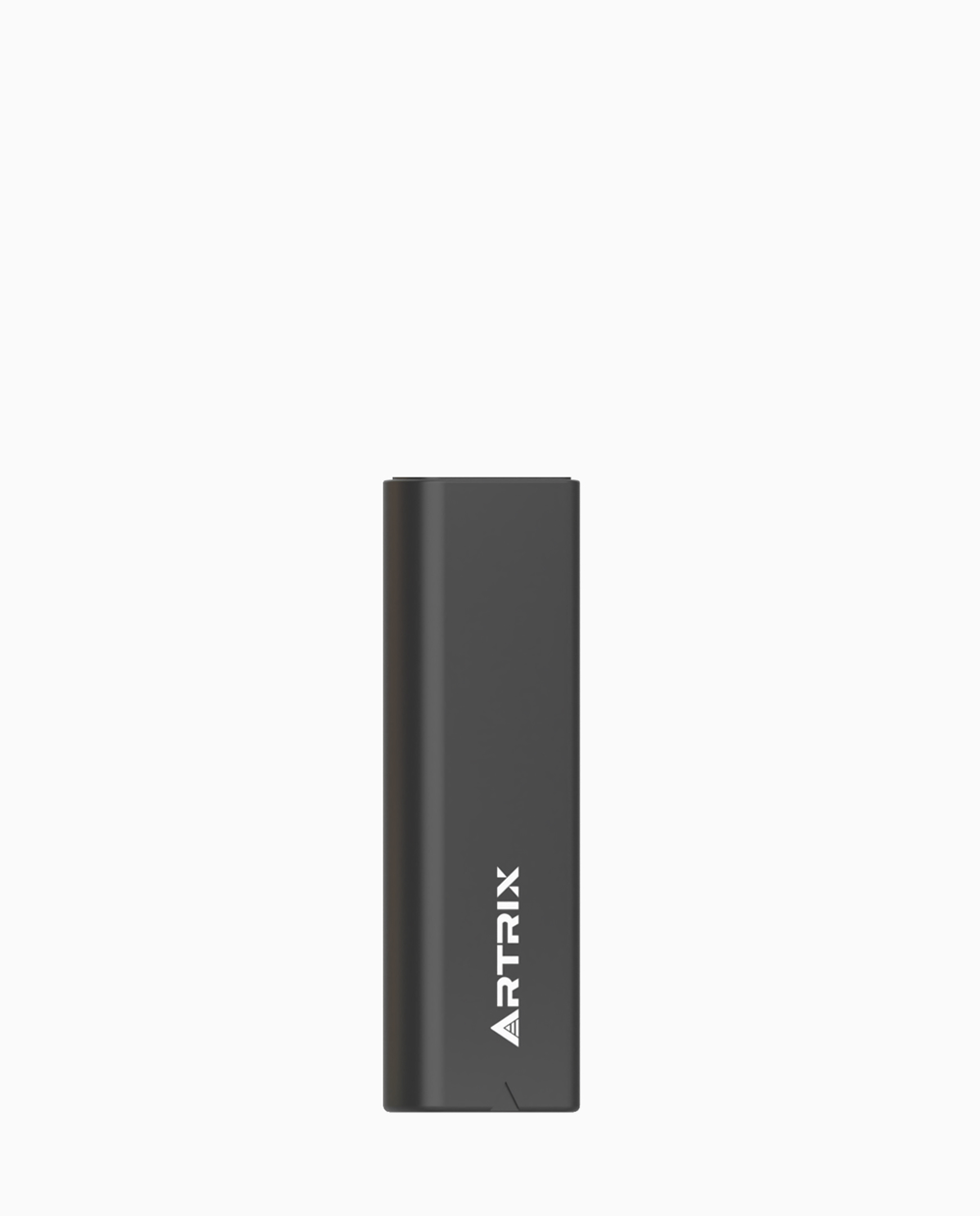
The 510 format is familiar, but familiarity also creates a red ocean. When batteries and cartridges are interchangeable, brands often compete on price, oil potency, and packaging instead of experience. That can make it harder to build long-term loyalty.
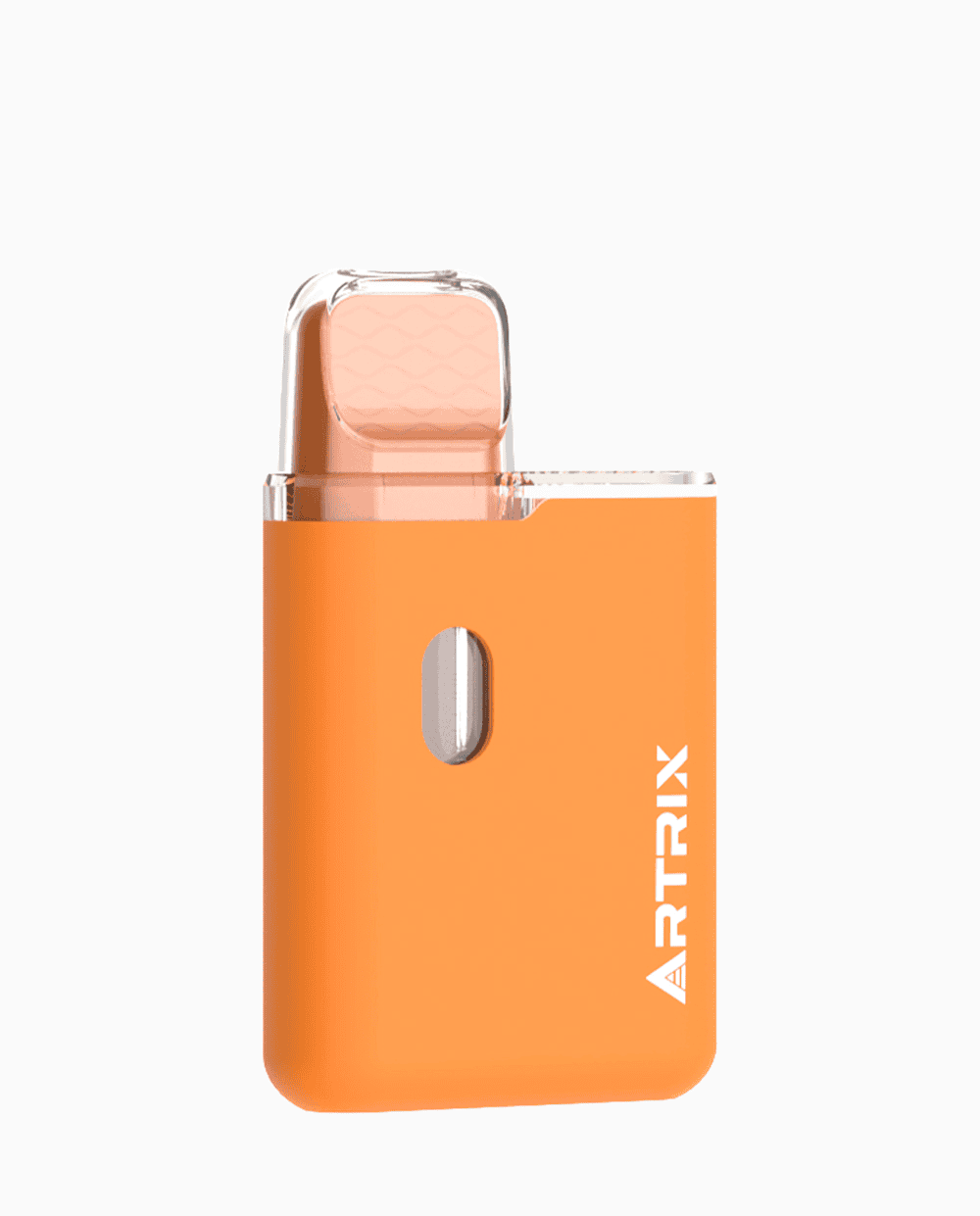
Closed-pod and AIO platforms give brands more room to design the relationship between product and consumer. A device like Lilmon Vision can become a repeatable visual asset, not just a delivery tool. The future is likely to move further toward intelligent recognition, including NFC or RFID-style systems that identify oil types and adjust temperature ranges automatically.
The Economics of Efficiency: ROI Beyond the 1g vs. 0.5g Debate
The old pricing debate asks whether a 1 g device is a better value than a 0.5 g device. A smarter question is how much extract the consumer actually enjoys. Cheap atomizers can behave like black holes for oil: they leave residue, overheat flavor compounds, clog halfway through the tank, or leak during storage and transport.
Brands should model ROI through oil utilization, not only bill of materials. If internal testing shows that optimized voltage, ceramic matching, and airflow control reduce reclaim, leakage, or unusable residue, that efficiency can protect both margin and reputation. The 20% waste-reduction claim sometimes used in hardware discussions should be treated as a testable benchmark, not a universal promise, unless the brand can verify it through its own filling, aging, shipping, and use-condition data.
Engineering Out the Failures: SegmHeat and Postless Safety
Burnt taste is usually a sign that heat is arriving faster than oil can replenish the active heating area. Artrix’s SegmHeat approach, used in DabGo, is designed to stage preheating and vaporization so concentrates are heated more progressively. That helps reduce localized overheating and supports a more consistent concentrate experience.
Safety language must stay precise. No hardware architecture replaces licensed testing, compliant ingredients, or responsible use. California’s Department of Cannabis Control requires batches of cannabis goods to be tested for contaminants including heavy metals, residual solvents, pesticides, microbial impurities, and cannabinoid accuracy.
That is why postless and all-ceramic structures are valuable as part of a broader clean-consumption story. They reduce unnecessary contact points inside the vapor path and answer consumer concerns about materials, but they should always be paired with compliant manufacturing and certificate-of-analysis discipline.
Smart Vaping 101: A Guide to Intelligent Interaction
Smart vaping begins with reading the device, not forcing the device. Screens, voltage settings, preheat modes, and tactile controls are not gimmicks when they help the user understand session status. A clear display can reduce battery anxiety, make power levels easier to interpret, and help brands teach consumers how to use different oils at different settings.
For adult consumers, the practical rule is simple: start with the lowest suitable setting, take short draws, and wait before increasing intensity.
B2B Action Plan: Building a Future-Proof Cannabis Brand
First, move from generic hardware to optimized hardware. Treat each oil family as a product-engineering brief: viscosity, terpene load, target cloud density, draw style, retail price point, and failure tolerance should all be defined before device selection.
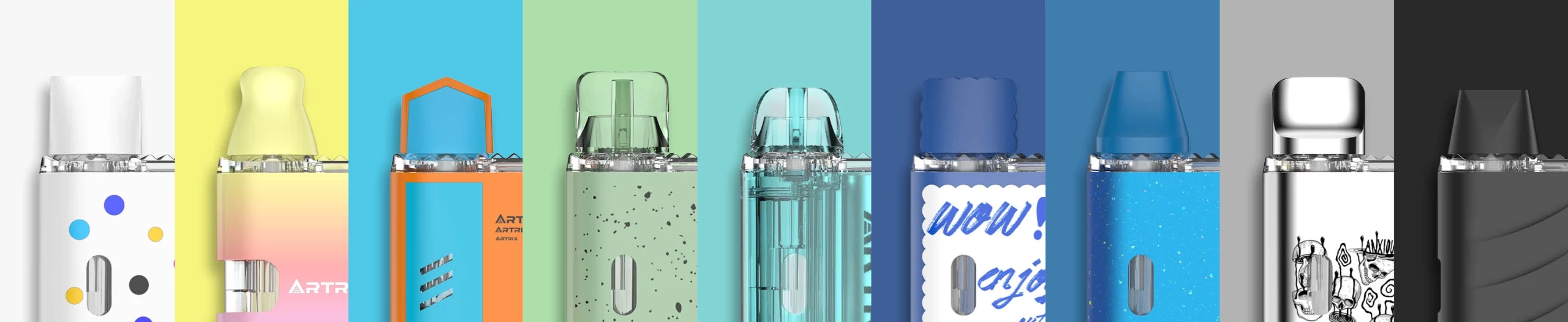
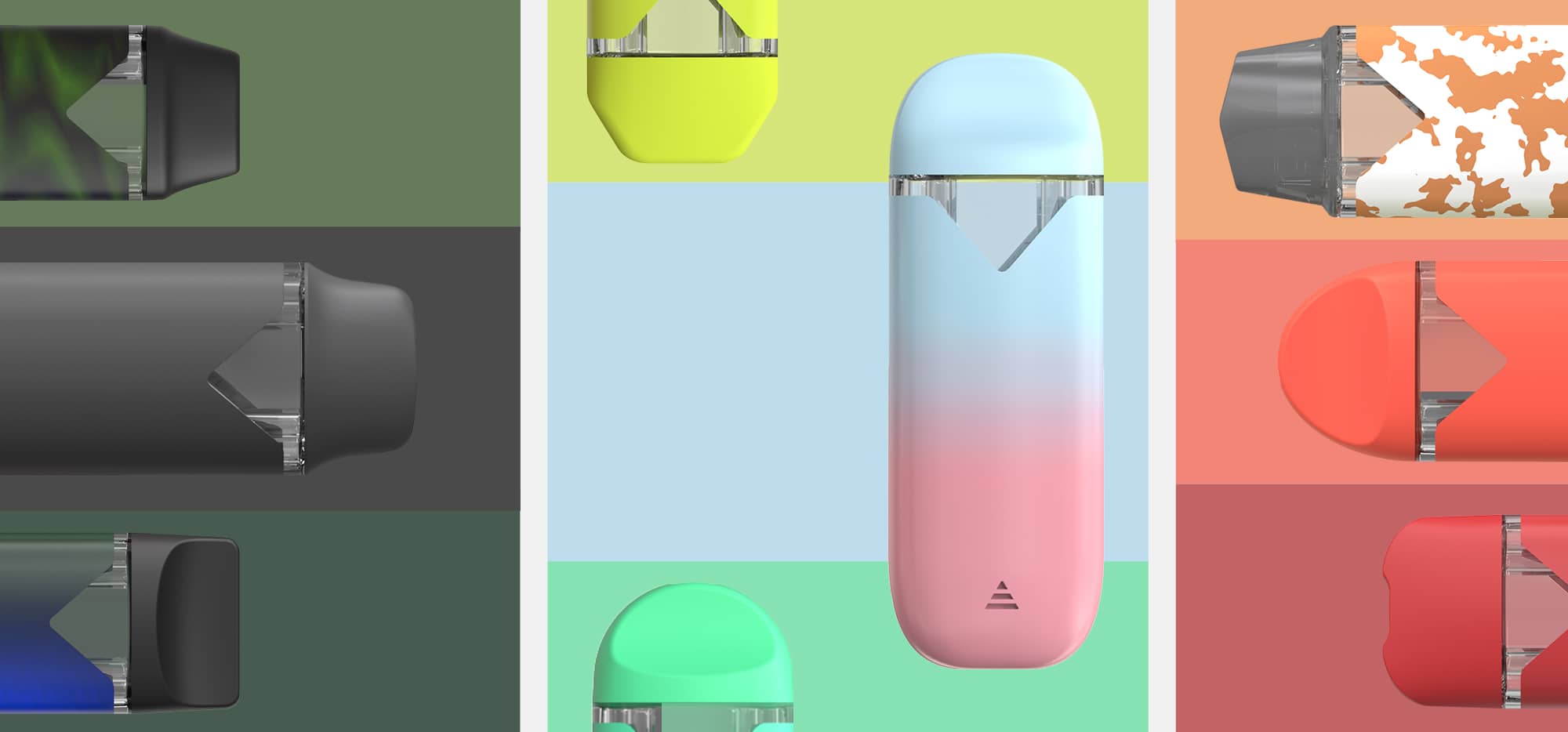
Second, use CMF design as a growth tool. Color, material, and finish can make a THC vape more recognizable on the shelf and more memorable in social content. For younger adult audiences, the product’s look is part of the product experience.
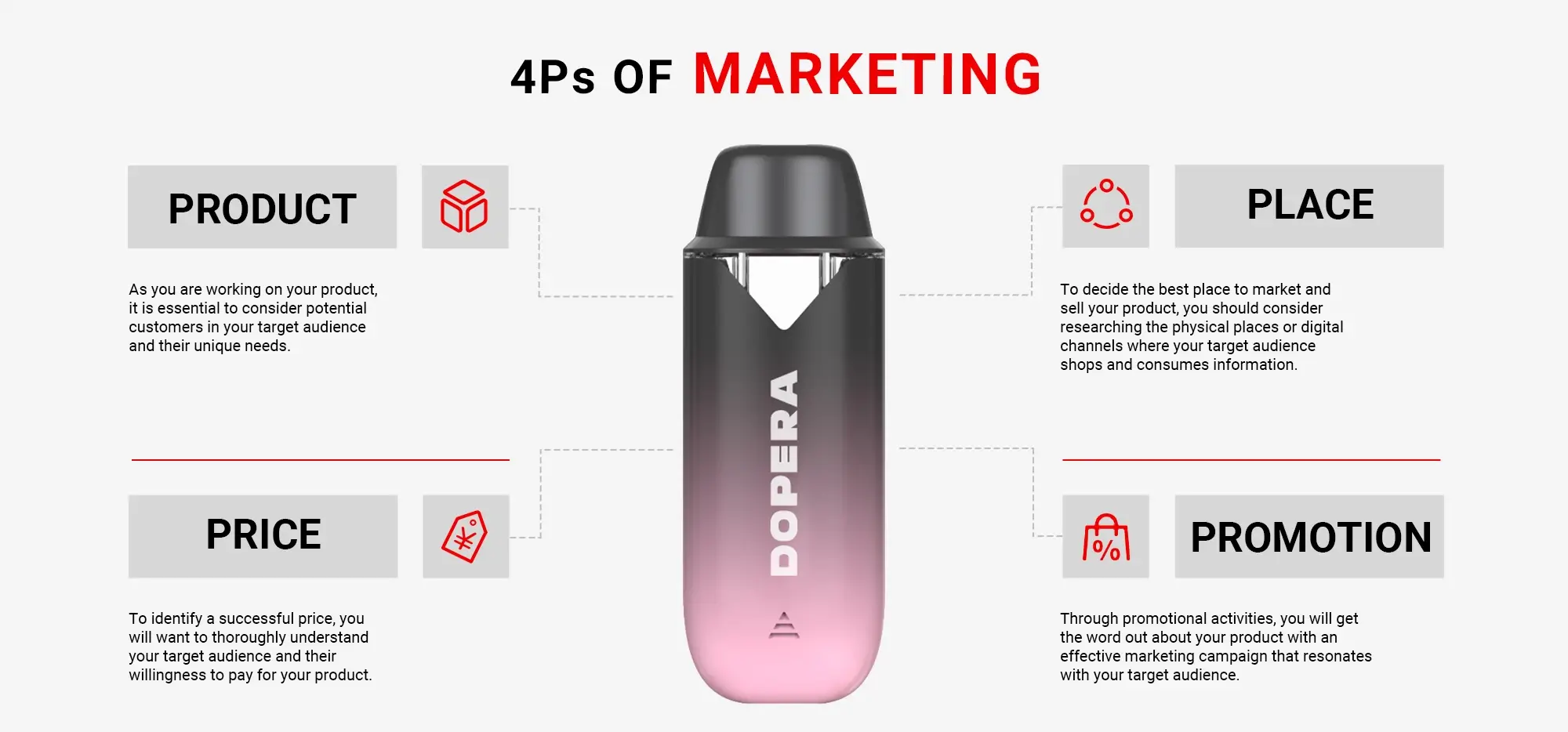
Third, prioritize precision. Regulators are increasingly attentive to inhaled cannabis product ingredients, labeling, testing, and youth-appealing marketing. Hardware that supports dosage discipline, overdraw protection, and clearer user feedback can help brands prepare for a stricter compliance environment.
Conclusion: The Era of Intelligent Vaporization
The ultimate THC vape is not simply the strongest oil in the flashiest device. It is a system where extract, ceramic, airflow, voltage, display, safety architecture, and brand design work together. That is the shift from cartridge thinking to intelligent vaporization.
For Artrix, the mission is bigger than manufacturing hardware. The goal is to protect the character of every extract, reduce preventable failure, and help licensed cannabis brands build products that feel intentional from the first draw to the last. In the next era of THC vaping, the winning brands will not be the ones that fill hardware fastest. They will be the ones that match every precious drop to the device it deserves.
