














-1.webp)
-1.webp)
-2.webp)











































The Ultimate Survival Guide for Cannabis Social Equity Businesses
Last Updated: March 17, 2026
Introduction: Moving from Policy Promises to Business Reality
Cannabis social equity is not just a policy discussion. It is a business reality shaped by the long-term impact of the War on Drugs and the unequal enforcement patterns that followed. In April 2020, the ACLU reported that Black people were 3.64 times more likely than white people to be arrested for marijuana possession despite similar usage rates, and that these disparities remained visible across every state in its analysis. Social equity programs were created to respond to that history by giving impacted entrepreneurs a more realistic path into the legal cannabis market.
That access matters, but a license alone does not create a stable business. For Cannabis Social Equity Businesses, the first real challenge often begins after approval. Operators still face capital shortages, operational complexity, and supplier decisions that can make or break the first year of business. A Congressional Research Service legal analysis published on August 26, 2024, noted that many financial institutions remain reluctant to provide common banking services to state-authorized marijuana businesses because federal law still creates legal risk for those institutions. In practical terms, that means even well-qualified founders may struggle to secure routine financial support.
The result is a difficult gap between policy promise and market reality. Social equity programs may open the door, but surviving in a competitive cannabis market requires more than an entry point. It requires smart positioning, strict compliance habits, trusted community ties, and external partners who can reduce the upfront burden instead of increasing it.

Richard is the first approval in San Francisco’s cannabis equity program. Captured by CARLOS CHAVARRIA
Practical Strategies: How Small Equity Brands Can Gain a Foothold
Precision Positioning: Differentiating Without a Massive Budget
Small equity brands usually do not have the budget to outspend large multi-state operators. That means price wars are often a losing strategy from the beginning. A more practical approach is to define a narrow audience and build a brand around a specific need, ritual, flavor preference, or identity that larger competitors may overlook.
Clear positioning helps a young company look intentional instead of generic. A brand can focus on terpene-forward flavor experiences, a particular mood-based use occasion, or a local cultural connection that feels authentic to its target audience. The goal is not to appeal to everyone. The goal is to become memorable to the right customers and easier for retailers to understand.
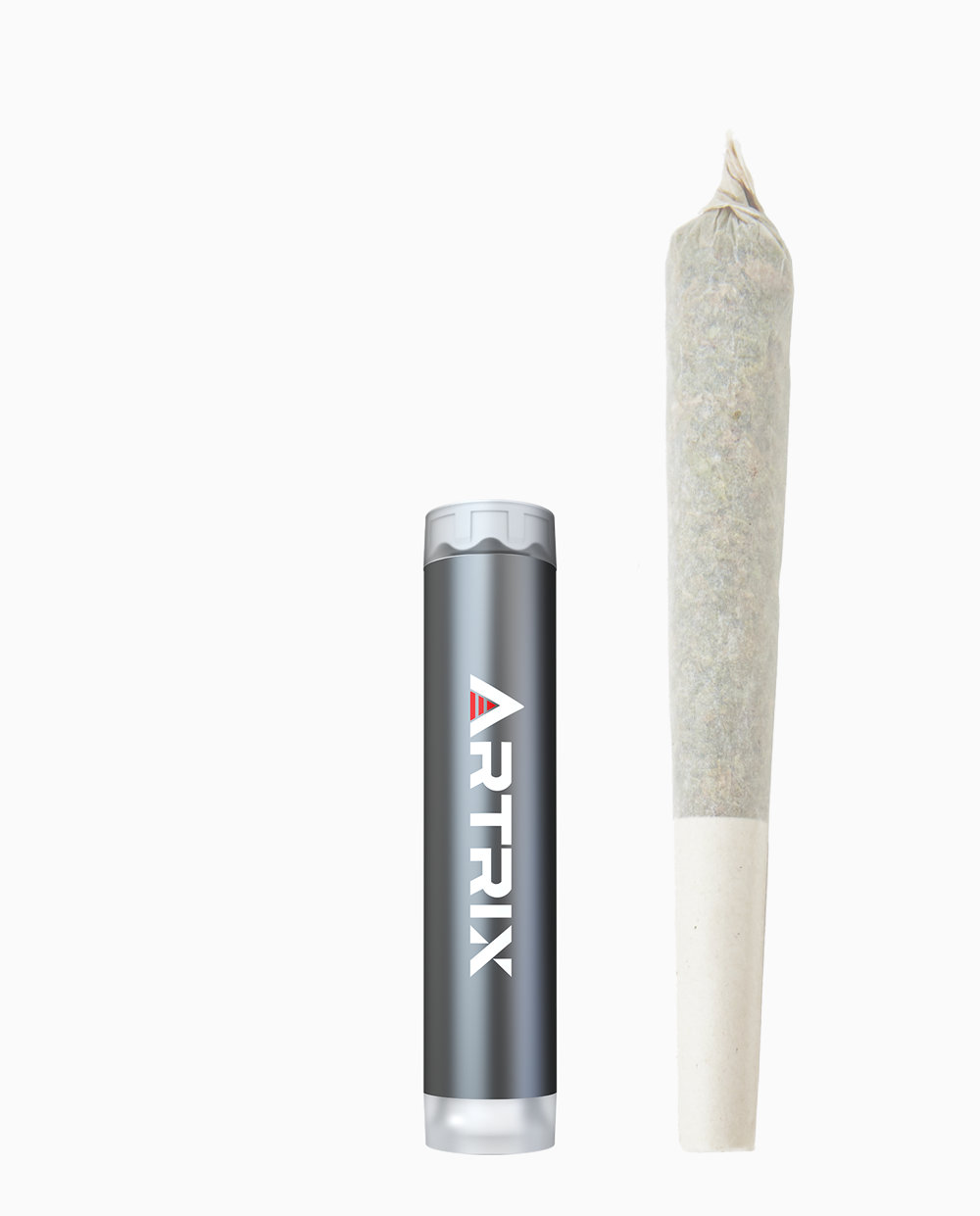
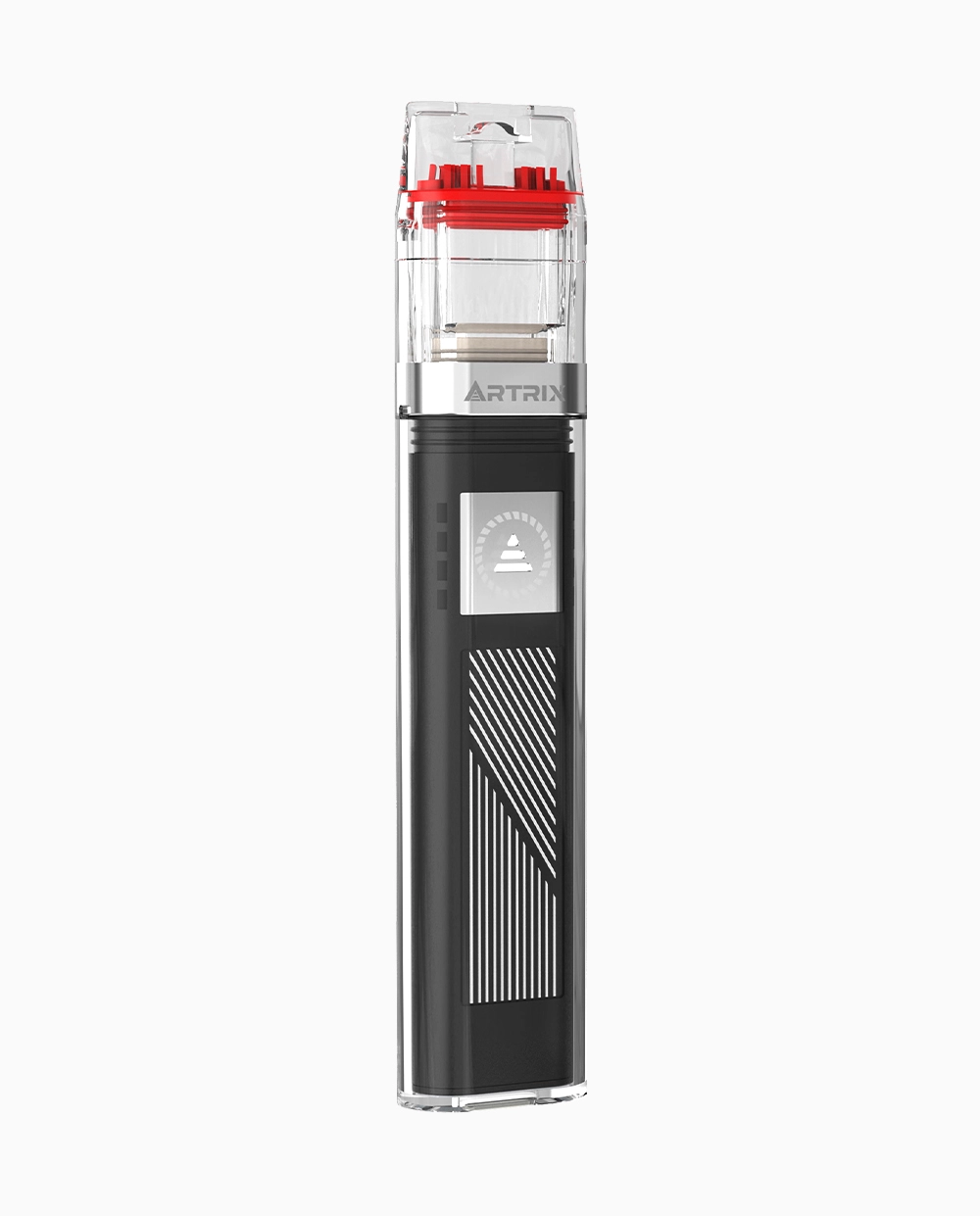
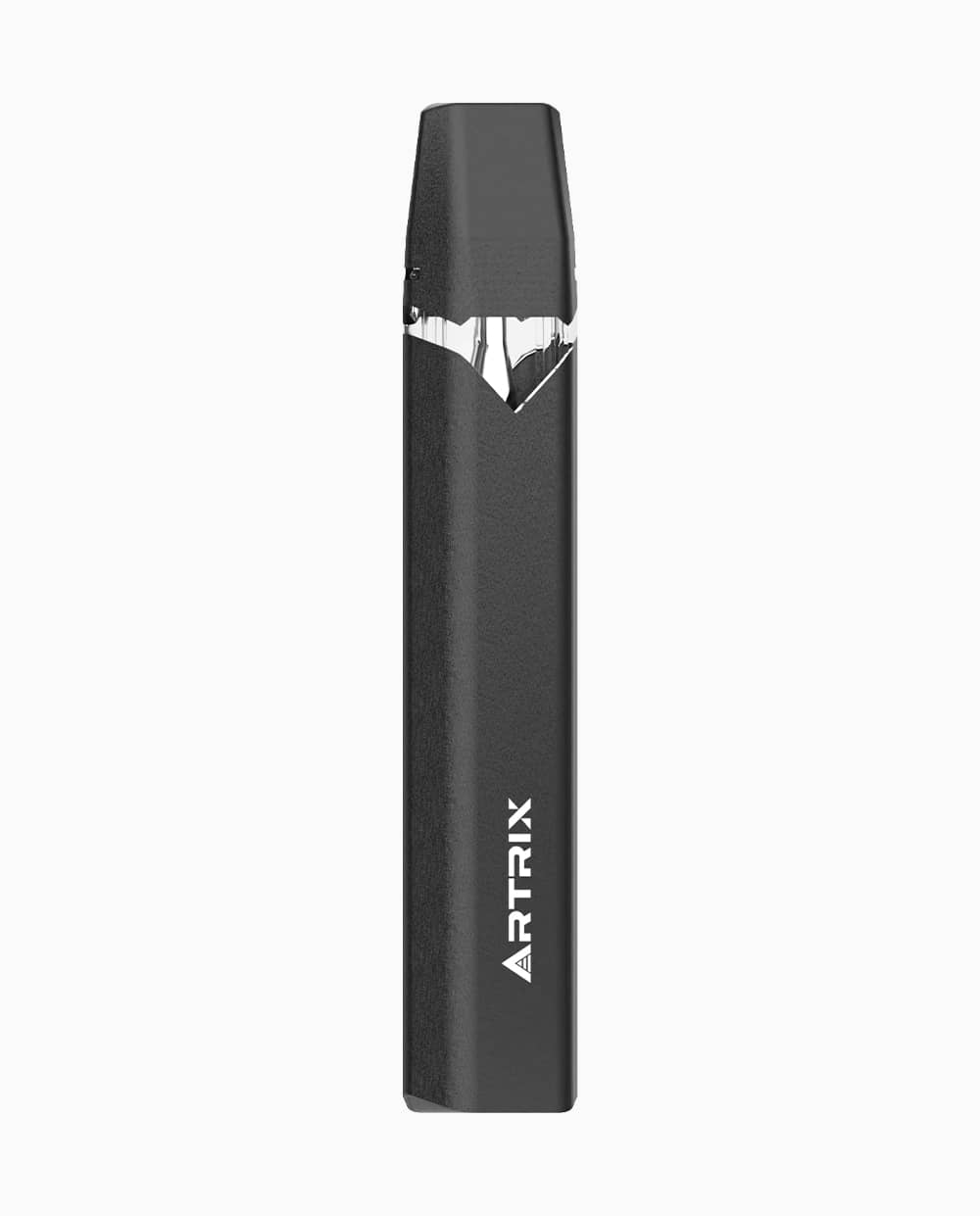
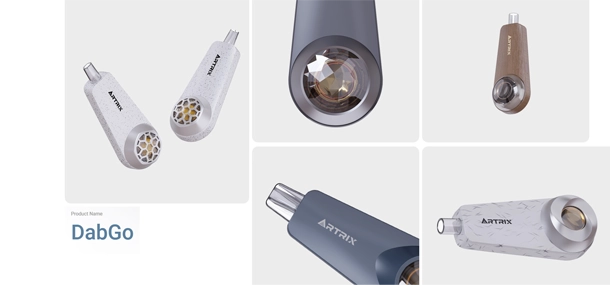
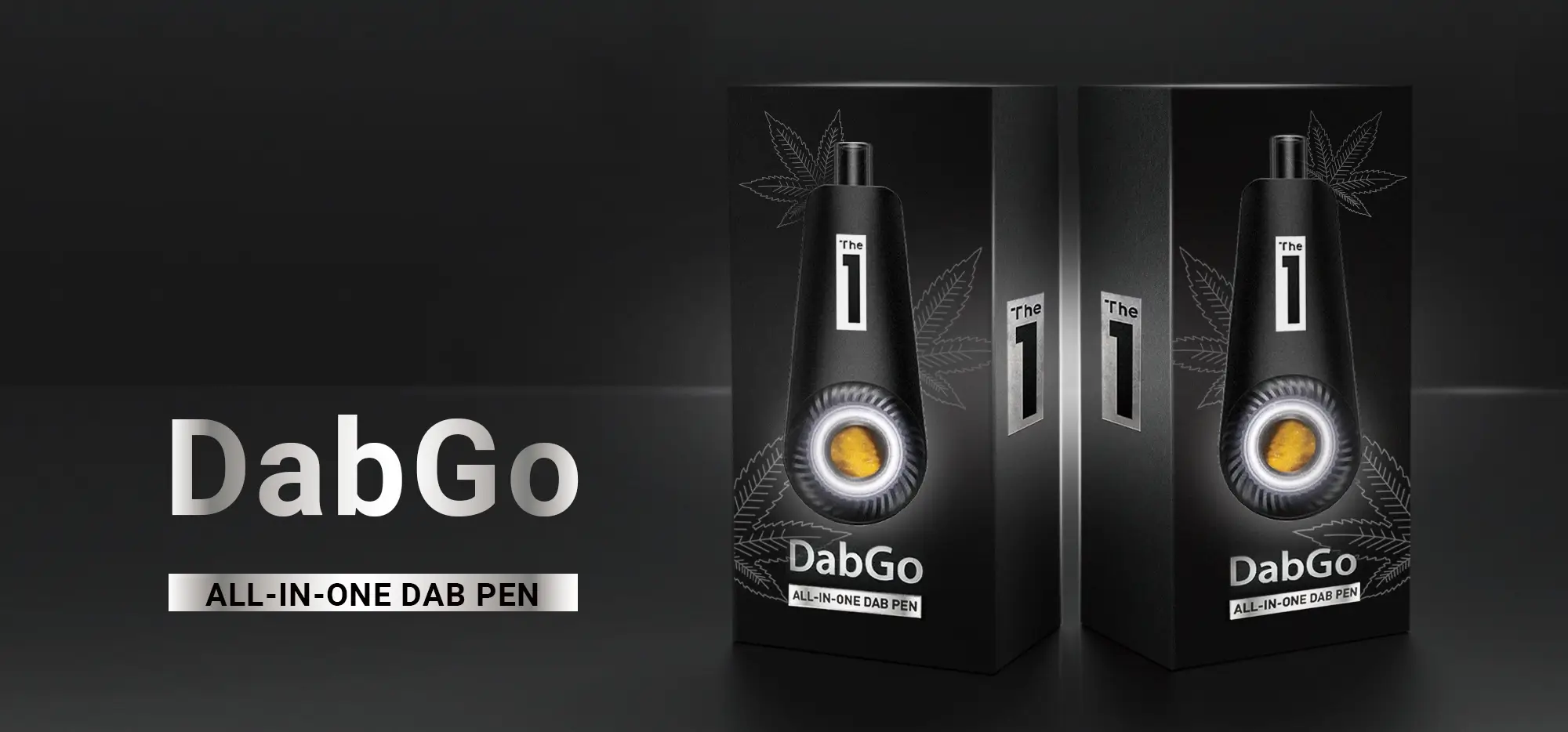
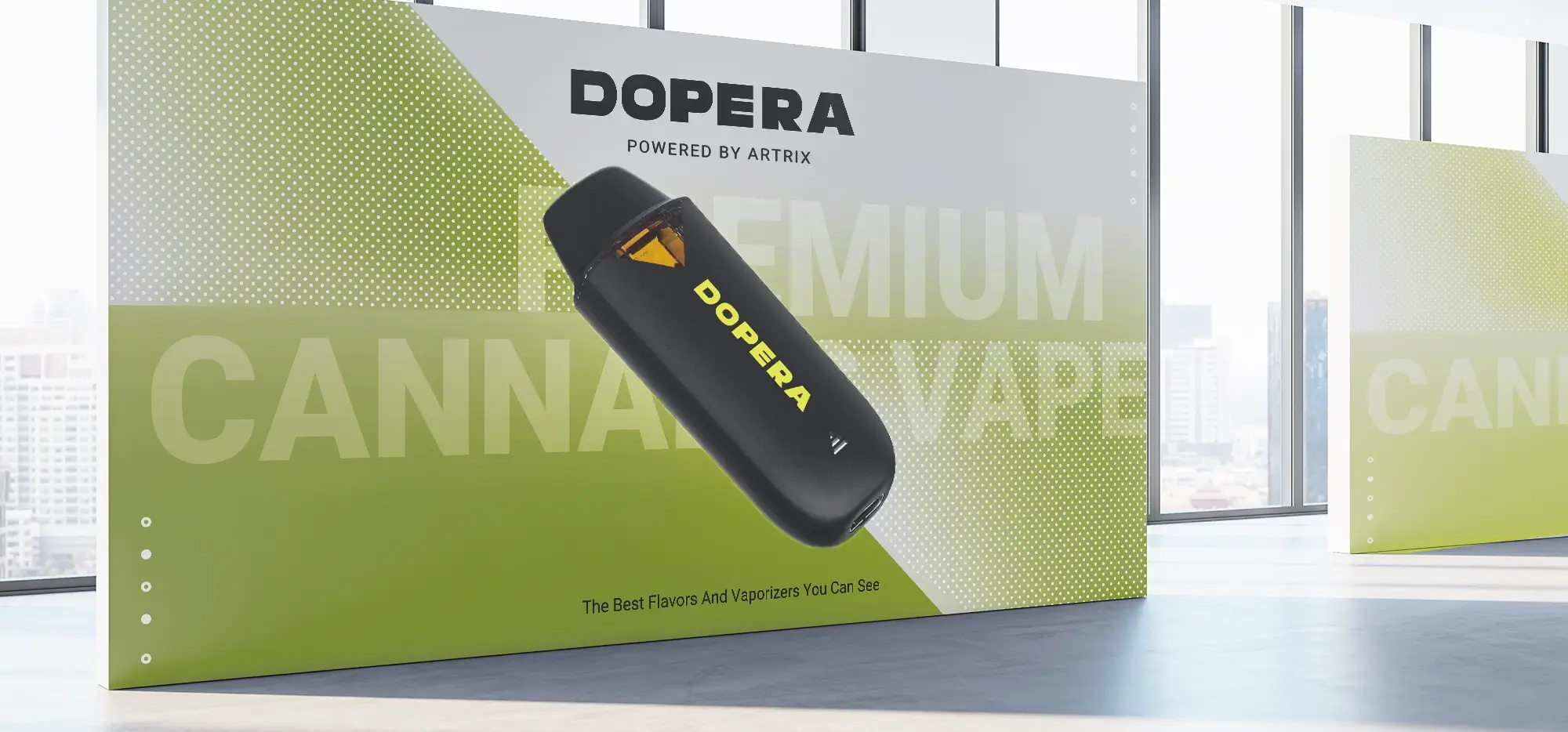
Hardware can support that same strategy. In a crowded vape category, too many products still rely on generic cartridge formats that are difficult to distinguish visually. Choosing a more distinctive hardware style can become one of the lowest-cost ways to create product identity. Instead of asking packaging to carry all of the branding work, smaller companies can use device appearance, mouthpiece shape, oil visibility, and overall finish to create a more recognizable shelf presence.

Compliance-First Operations: Protecting Your “Golden Ticket”
For social equity founders, a license is too valuable to put at risk through preventable mistakes. Compliance is not just a legal box to check after the product is ready. It has to shape sourcing, packaging, testing, labeling, and distribution from the beginning. One supplier shortcut or avoidable recall can damage retailer trust, strain cash flow, and create the kind of disruption that a larger company might survive more easily than a startup.
That means founders should ask harder questions earlier. Does the supplier provide reliable specifications and quality documentation? Is the packaging compatible with local child-resistance rules? Are age-gating and advertising choices aligned with the jurisdiction? A compliance-first operating model protects more than the license. It protects reputation, customer confidence, and the long-term value of the brand.
Cultivating Community Connections: Your Ultimate Moat
Community trust is one of the strongest strategic assets available to Cannabis Social Equity Businesses. Large operators may have bigger budgets, but they often struggle to replicate genuine local credibility. Social equity founders can turn their identity, history, and neighborhood presence into a competitive advantage that feels real to customers and retail partners.
This works best when the connection is visible and consistent. Brands that participate in local events, support justice-related initiatives, collaborate with artists or neighborhood voices, and tell founder stories with clarity build more than awareness. They build emotional relevance. That can lead to stronger repeat purchasing behavior and word-of-mouth support that cannot be bought as easily through paid media alone.
Community is not a soft branding idea. It is a practical moat. When consumers feel that a brand stands for more than a transaction, they are more likely to stay loyal even when the market becomes noisier or more promotional. For smaller equity businesses, that loyalty can be one of the few advantages that scales faster than budget.
Leveraging External Partnerships: The Hardware & Capital Solution
One of the biggest misconceptions in cannabis is that independence means doing everything alone. In reality, many early-stage founders fail because they carry too much operational weight too early. The better model is often selective partnership: keep control of the brand, but work with experienced partners who can reduce risk, shorten launch timelines, and limit unnecessary upfront spending.
Public policy increasingly reflects the importance of that support. California’s equity framework describes state and local efforts that can include tax credit and grant support for eligible participants harmed by cannabis criminalization. New York’s Social and Economic Equity Plan, published in July 2025, states that limited access to capital has been a major stumbling block for social equity entrepreneurs and outlines support mechanisms such as the Social Equity Investment Fund for justice-involved dispensary licensees. These examples reinforce the same business truth: equity succeeds more often when the surrounding ecosystem provides meaningful operational lift.
For founders, that means the right supplier relationship can be more than a purchasing decision. It can become part of the survival strategy. A strong partner helps preserve cash, reduce avoidable quality risk, and create a cleaner path to market while the brand focuses on sell-through, positioning, and customer trust.
Overcoming the Twin Hurdles: High MOQs and Manufacturing Costs
Two of the most common growth barriers for social equity startups are high minimum order quantities and the hidden cost of overbuilding too early. A founder may want a fully custom launch, but custom tooling, large inventory commitments, and complex production planning can quickly consume the budget before the market has even validated the product.
This is where an asset-light launch model becomes attractive. Instead of forcing the business into a heavy manufacturing commitment from day one, the founder can work with a partner that offers quality-ready solutions, lower initial financial pressure, and faster market entry. That preserves capital for the areas that matter most in the first stage of growth, including sales, compliance, packaging refinement, and retailer relationships.
| Launch Model | Traditional Heavy-Asset Approach | Asset-Light Partnership Approach |
|---|---|---|
| Upfront cash | High spend on tooling, inventory, and setup | Lower initial cash burden |
| MOQ pressure | Large orders required before validation | More flexibility while testing demand |
| Time to launch | Slower due to development complexity | Faster path to market |
| Compliance burden | More issues handled internally from day one | More support from experienced suppliers |
| Brand focus | Attention split across operations and execution risk | More time for positioning, sales, and community building |
Artrix’s Social Equity Program (ASEP)

Despite the shifting legal landscape, minority entrepreneurs continue to encounter systemic barriers that define the Cannabis Social Equity Dilemma. From restricted access to traditional capital and complex licensing hurdles to a lack of professional mentorship, these challenges often prevent equitable participation in the burgeoning market. This dilemma turns the promise of legalization into a series of daunting obstacles, making it difficult for those most affected by past policies to not only enter the industry but to sustain long-term business growth.
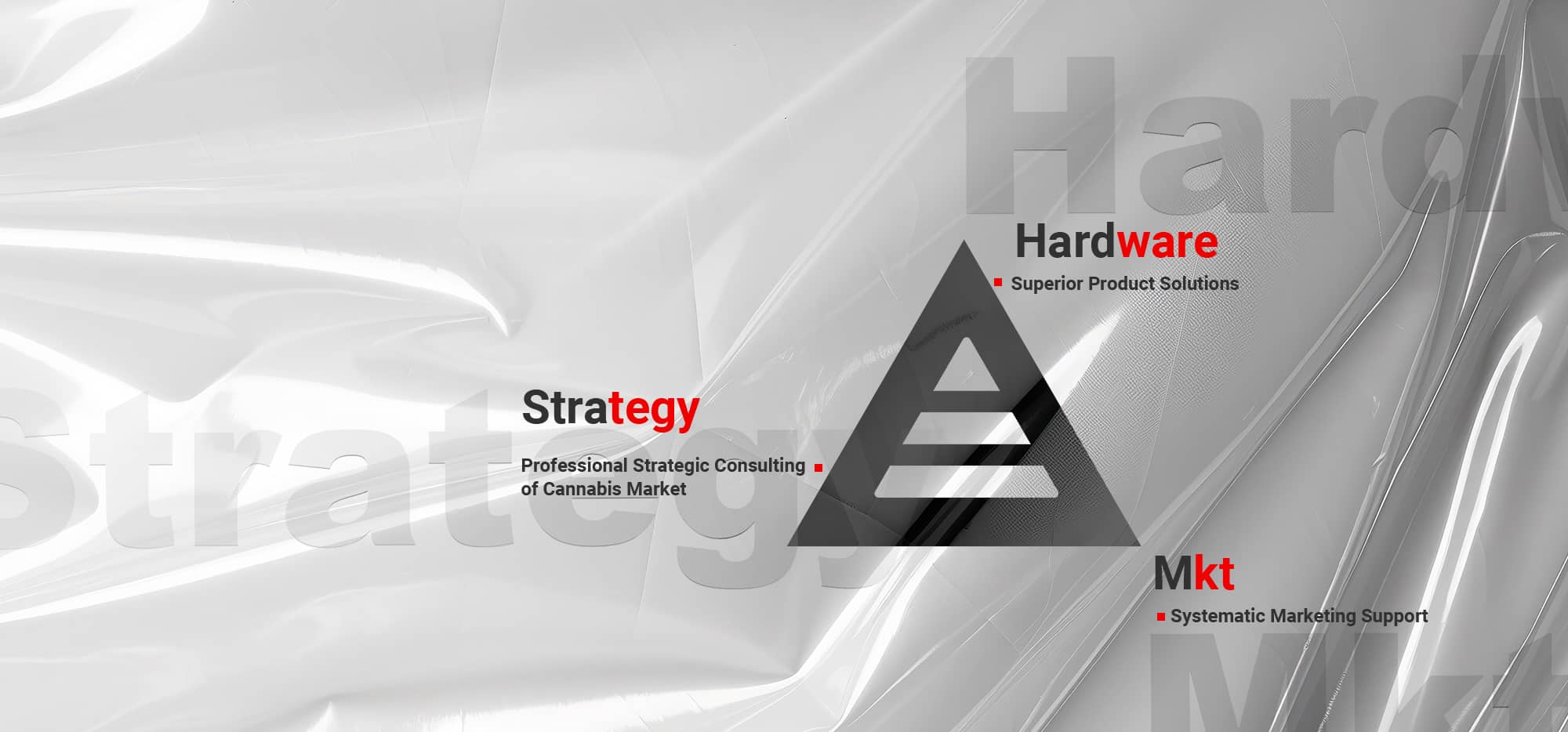
Social equity businesses need practical support, not symbolic encouragement. Artrix positions its Social Equity Program as a direct response to that gap. According to the Artrix ASEP, the program provides 100,000 free 510 cartridges for qualified social equity participants and combines that support with consultation and market-focused assistance.
That offer matters because it addresses multiple startup pain points at once. First, it reduces one of the most immediate cost pressures facing an early-stage vape brand. Second, it helps new operators avoid the reputational downside that can come from launching with low-grade or inconsistent hardware. Third, it gives social equity founders a way to start with a stronger product story instead of spending their earliest capital just to secure baseline inventory.
For a social equity business trying to build credibility from day one, that distinction is important. Saving money matters, but lowering product-risk and gaining access to experienced support may matter even more. A cleaner launch creates room to focus on what early-stage brands actually need most: customer trust, retail traction, and a product experience strong enough to earn repeat demand.
Conclusion: Building an Equitable Industry Ecosystem Together
The future of cannabis social equity will not be shaped by licensing alone. Real progress depends on whether equity operators can survive long enough to become durable brands. That means access to capital, reliable compliance systems, thoughtful positioning, and community trust all matter just as much as policy design.
For Cannabis Social Equity Businesses, survival is not a small goal. It is the foundation of everything else. A brand that protects its license, chooses the right partners, and builds around authentic community value has a far better chance of competing in a market that still rewards scale and speed. Equity becomes visible in the market only when businesses have the support to keep operating, improving, and growing.
That is why ecosystem participation matters. Regulators can create access, but suppliers and service partners also play a direct role in whether that access turns into long-term opportunity. Programs like ASEP point toward a more practical model, where upstream partners contribute real resources instead of generic messaging. If more companies across the cannabis supply chain take that approach, the industry will move closer to the kind of equitable structure it often promises but rarely delivers.
If you are a social equity license holder, an equity applicant, or a cannabis organization looking for a more efficient path to market, explore the Artrix Social Equity Program to see whether free hardware support and dedicated consultation can help reduce your launch risk and strengthen your brand foundation.