2026 New York Cannabis Vape Market: 1g Holds the Base as 2g Opens New Product Opportunities
Topics in this article:
2026 New York Cannabis Vape Market Reoirt
Since the launch of New York’s legal adult-use cannabis market, the vape category has continued to expand and diversify. Rather than converging around a single product formula, the market is developing across multiple formats, capacities, extracts, and device experiences at the same time.
Disposable / AIO has become the leading format, 1g continues to provide a stable capacity base, and 2g is expanding quickly. At the same time, Live Resin, Live Rosin, Strain-Driven positioning, and new device experiences are creating additional ways for brands to differentiate.
For brands entering New York or expanding an existing portfolio, capacity still matters. But the next stage of competition is increasingly shaped by how brands combine Capacity, Extract, Strain / Flavor Direction, and Hardware Experience.
Disposable Leads, While 510 Still Holds Meaningful Market Space
Between Q1 2025 and Q2 2026, Disposable increased from approximately 65% to 68.3% of analyzed New York vape sales, while Cartridge continued to account for close to one-third of the market.
This does not mean 510 cartridges are disappearing. Instead, AIO has become an increasingly important product platform alongside a still-relevant cartridge segment.
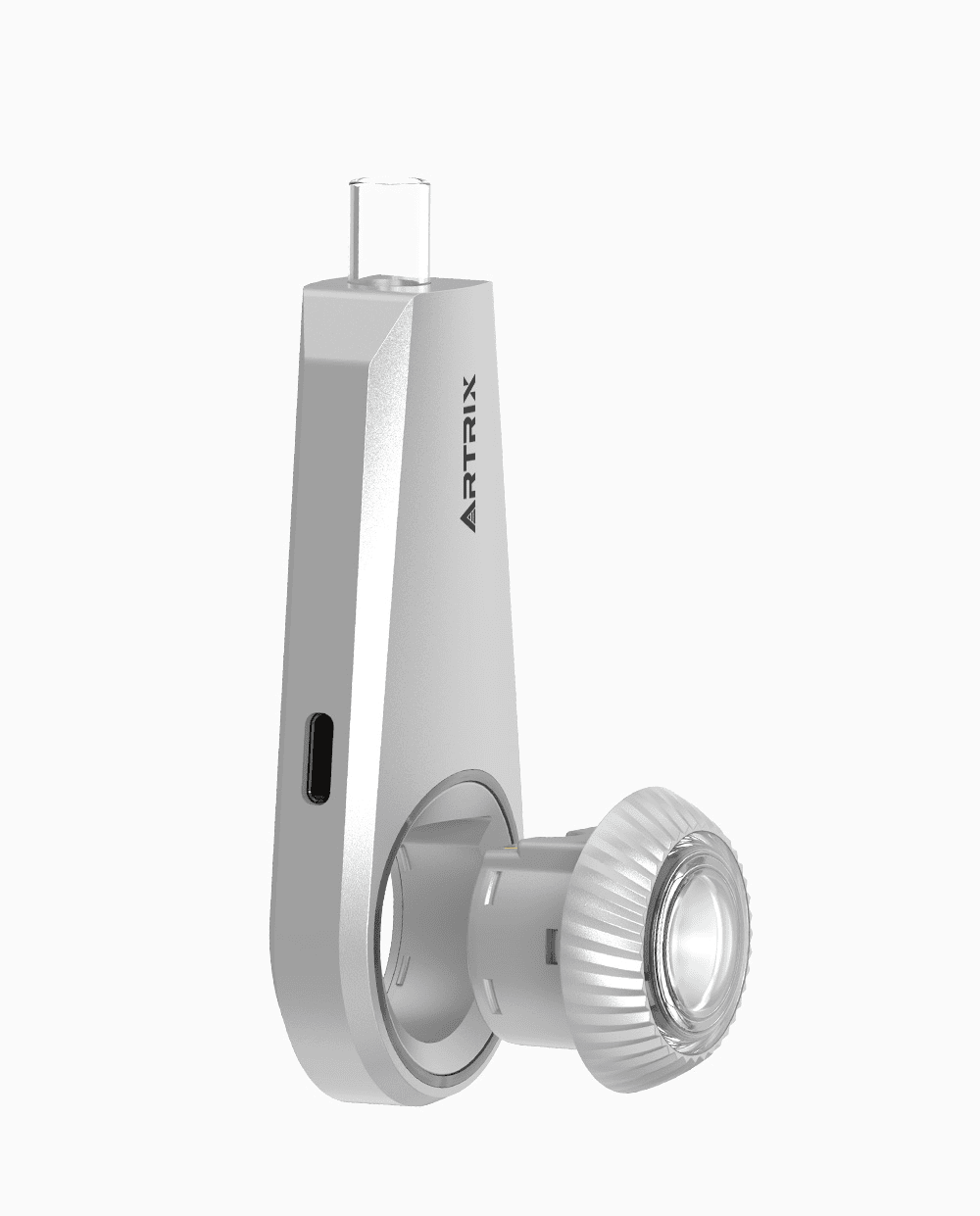
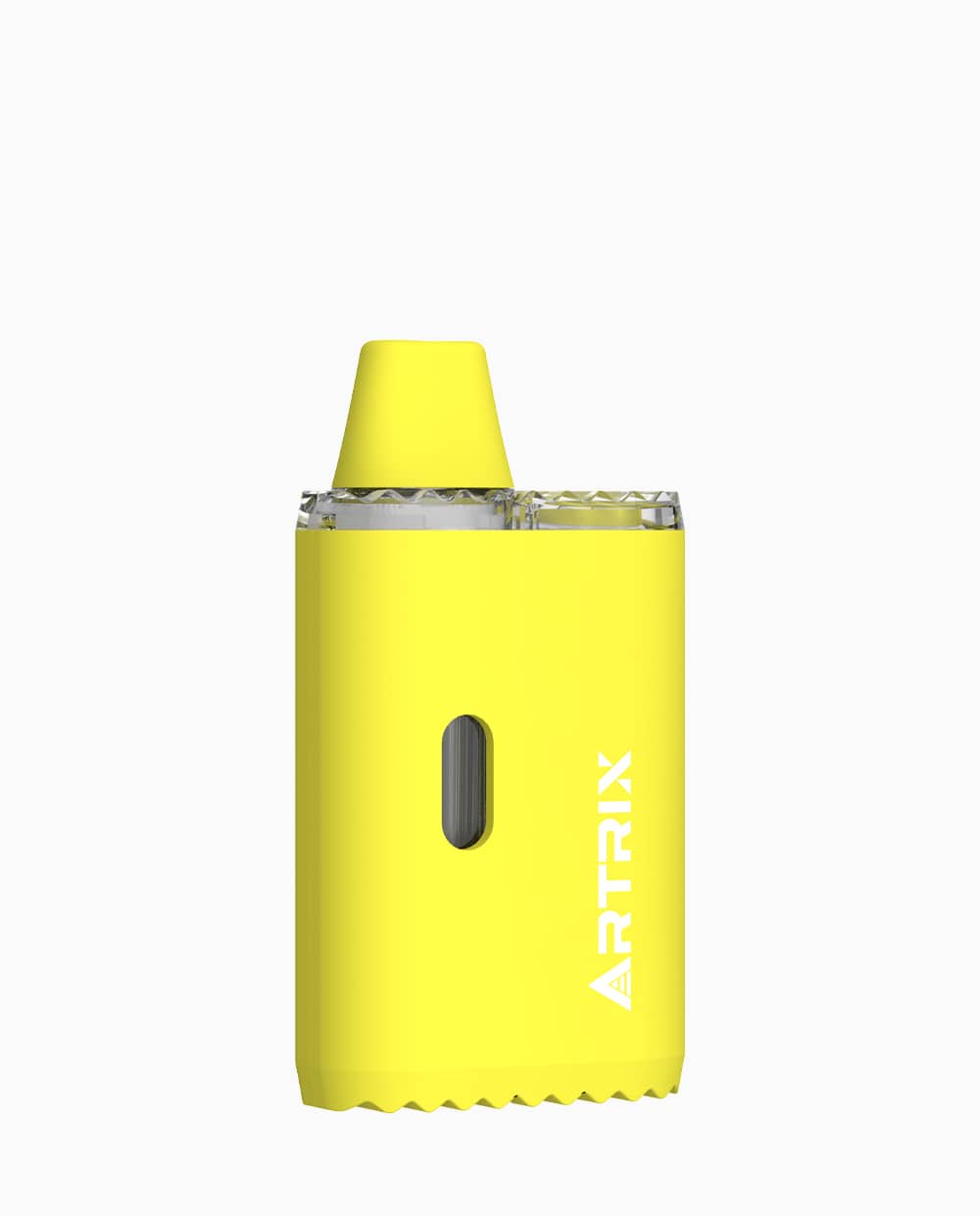
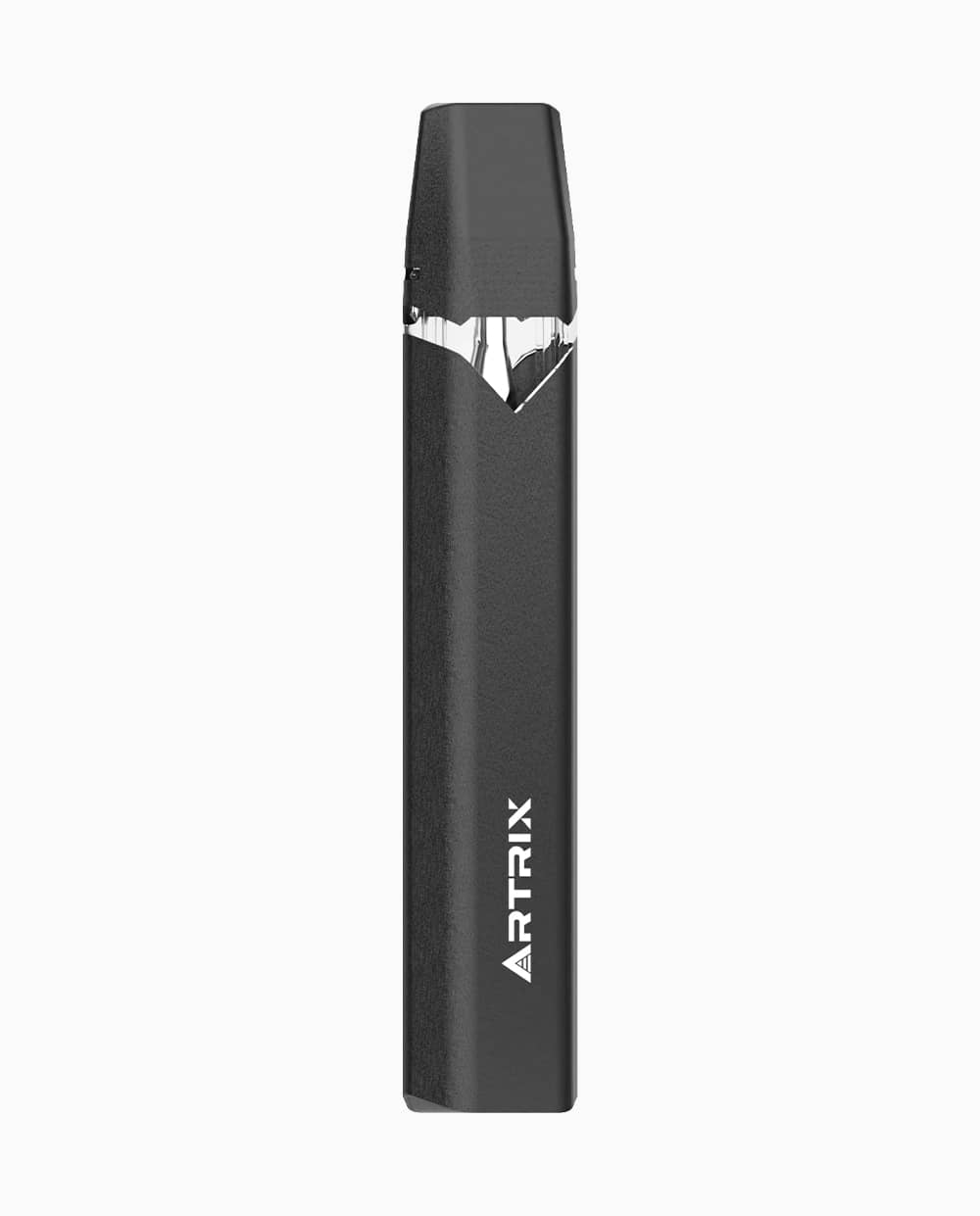
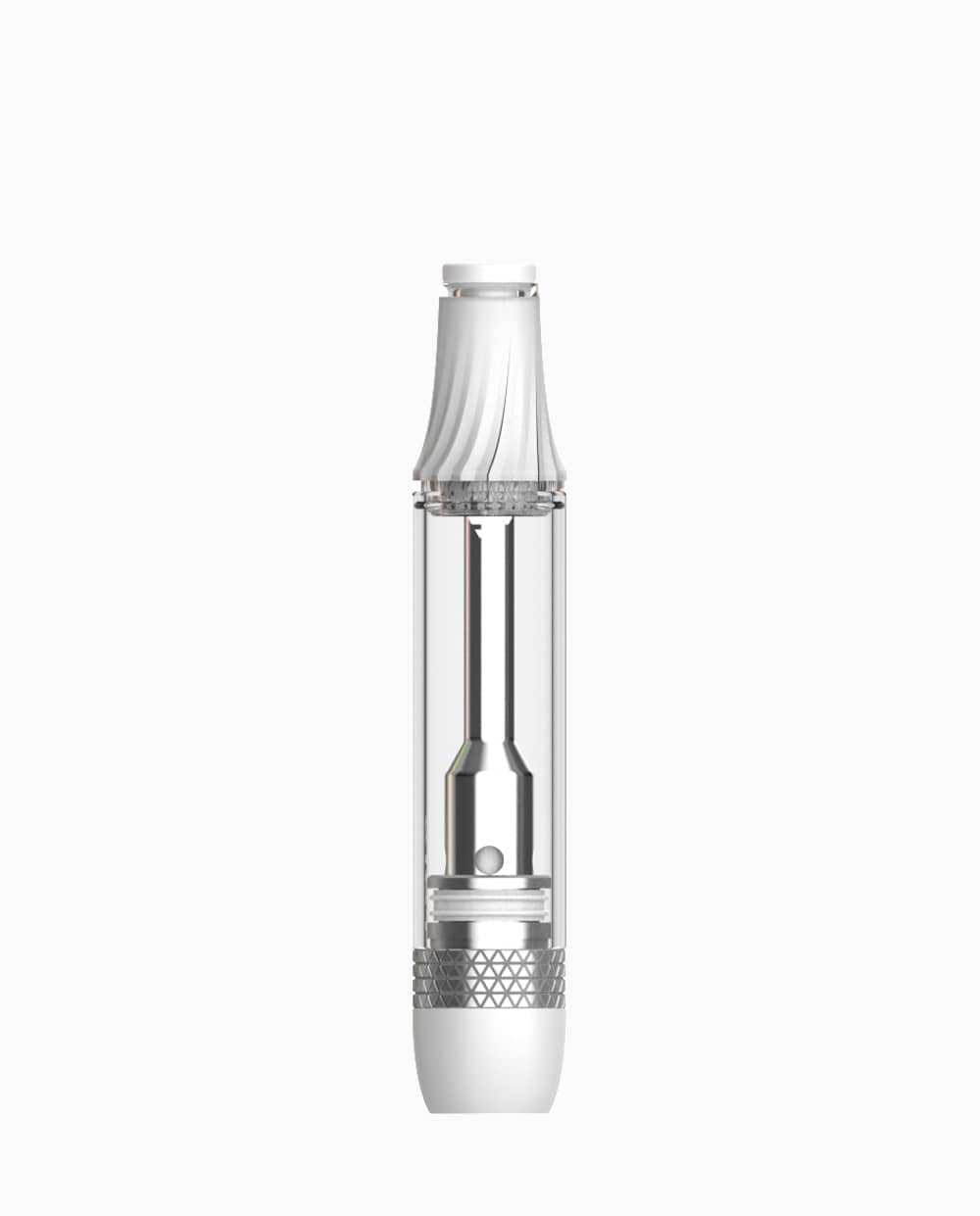
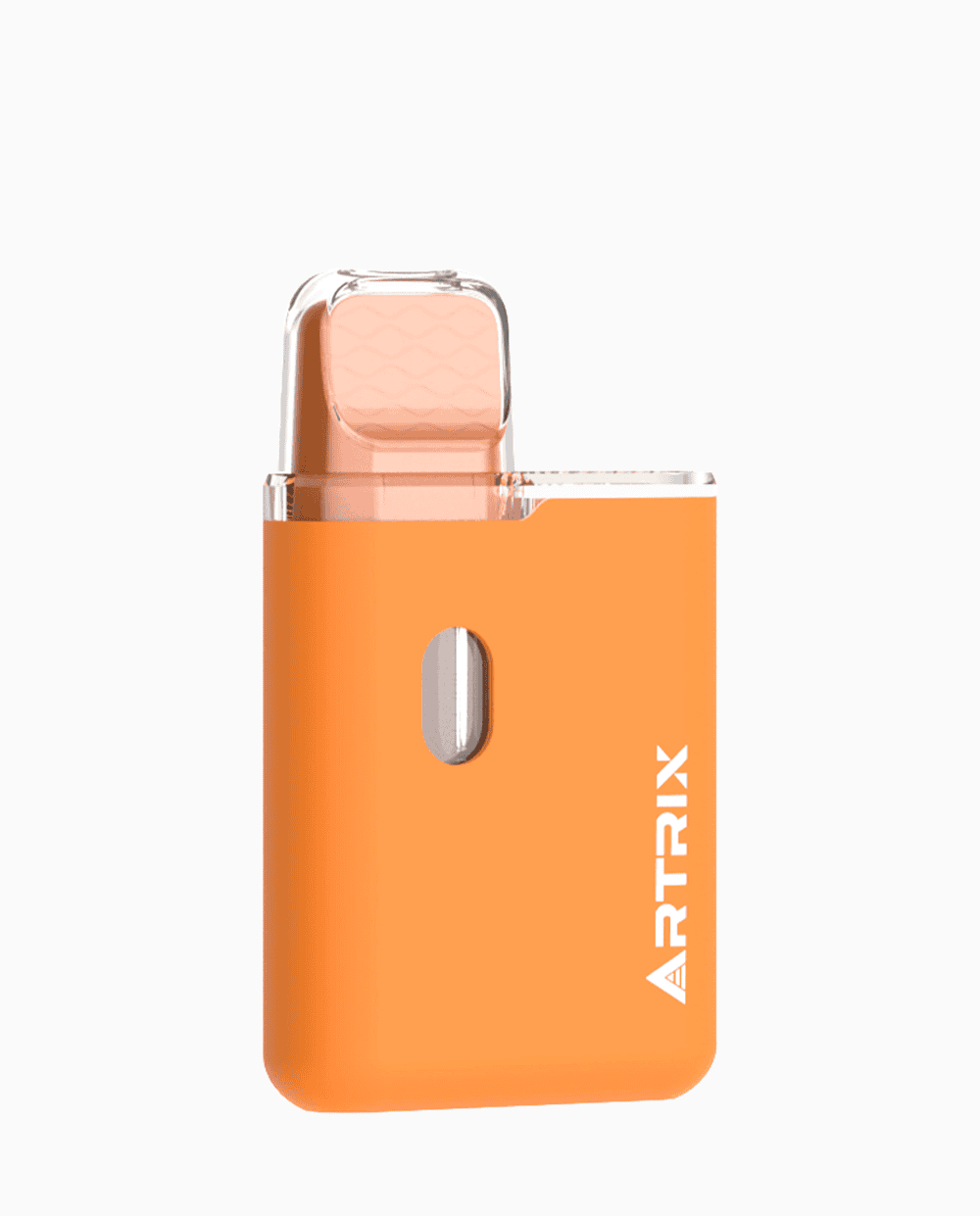
That shift also gives hardware a larger role in the overall product experience. Unlike a traditional 510 system, an AIO integrates the oil reservoir, power system, airflow, charging, form factor, and user interaction into one device. As a result, battery life, oil delivery, clog resistance, form factor, and device interaction can all contribute directly to how consumers experience the product.
1g Holds the Base, While 2g Becomes the Clearest Growth Direction
New York is not simply moving from 1g to 2g. Instead, the Disposable category is developing around a clearer 1g + 2g structure.
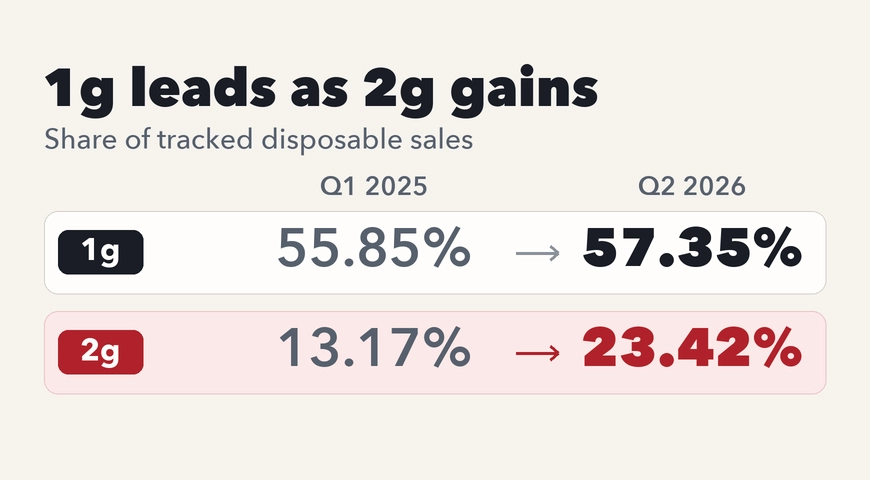
In Q2 2026, 1g still represented approximately 57.4% of analyzed Disposable sales, while 2g increased from roughly 13.2% in Q1 2025 to 23.4% in Q2 2026. New-product activity points in the same direction: 1g and 2g together accounted for approximately 80.8% of Disposable SKUs launched in Q2 2026.
The rise of 2g is even more visible among leading products. Its share of SKUs in the analyzed Top 50 Disposable set increased from 22% in H1 2025 to 42% in H1 2026. These Top 50 figures refer to SKU count rather than sales share, but they show that 2g is appearing much more frequently among leading products.
The implication is important. As more brands can offer 2g, capacity becomes easier to replicate. The format begins to shift from a simple “more oil” proposition toward a platform on which brands can build different extracts, flavor directions, and product experiences.
Extract Is Creating a More Diverse Product Structure
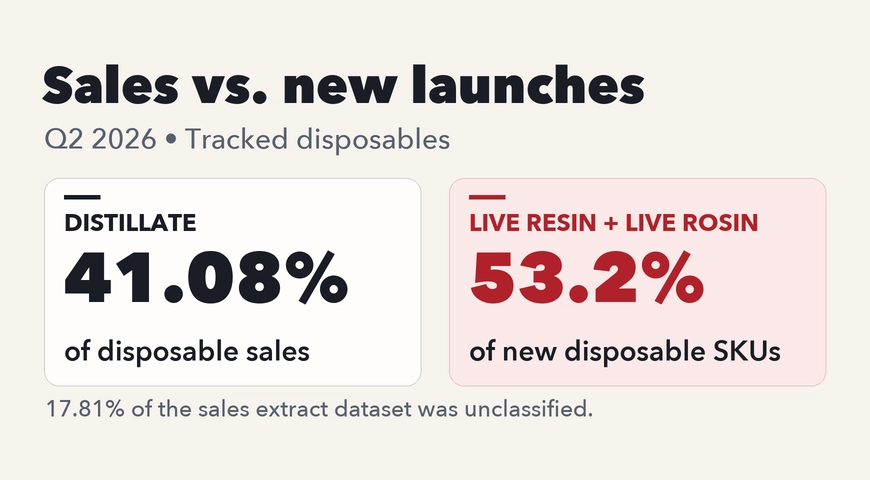
Distillate remained the largest single Extract category in the analyzed Disposable market, representing approximately 41% of sales in Q2 2026. But new-product activity shows greater diversification.
Among Disposable SKUs launched in Q2 2026, Live Resin and Live Rosin together represented approximately 53.2% of new launches. This does not mean Live Extract has replaced Distillate. It does indicate that brands are directing substantial new-product development toward Live Resin and Live Rosin.
This is creating a broader Extract structure in New York. Distillate continues to support established, scalable products, while Live Resin and Live Rosin increasingly support products built around native flavor, extract character, and more differentiated consumption experiences.
The hardware implication is equally important. Different formulations can create different requirements around viscosity compatibility, oil intake, operating temperature, airflow, clog resistance, and flavor stability. For Live Resin and Live Rosin products in particular, the oil increasingly helps define how the hardware itself needs to perform.
Strain-Driven Products Show a Strong Flavor Preference Signal
New York’s leading products also show a clear Strain-oriented character.
Among classified products in the H1 2026 Top 50, approximately 84.8% were Strain-Driven. The pattern also holds within 2g, where approximately 76.2% of Top 50 2g products were Strain-Driven.
In this analysis, Strain-Driven refers to products positioned around recognizable strains, cannabis-native flavor, and strain-oriented experiences, rather than fruit, candy, sweet, or other Flavor-Led profiles. It does not refer to one specific Extract type.
The data therefore points to a meaningful flavor-preference signal within New York’s Best-Seller Pool. Compared with markets where Sweet or Flavored Oil plays a stronger role, New York currently shows a much stronger Strain-oriented product mix.
That makes 2g + Strain-Driven positioning a particularly relevant combination to watch. The growth of 2g is not simply a story of larger capacity; it is developing alongside different strain and flavor experiences.
Fast SKU Turnover Increases the Value of Flexible Hardware Platforms
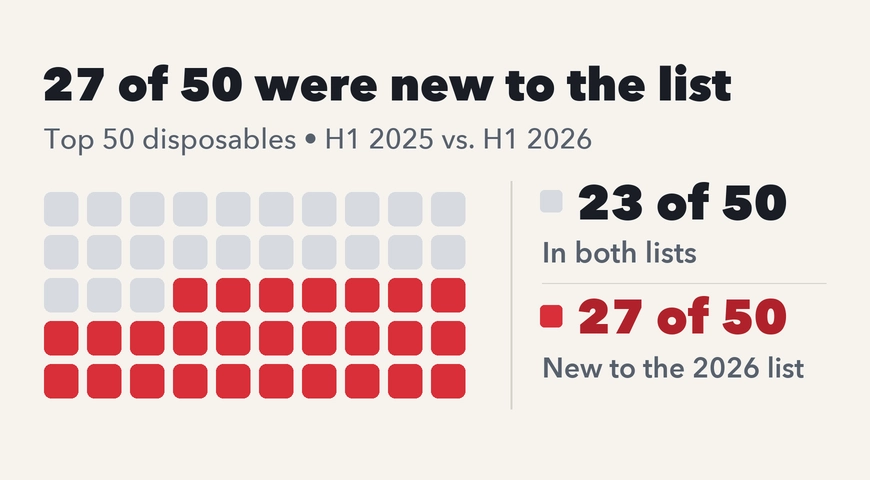
New York’s leading product set is also changing quickly. Comparing H1 2025 with H1 2026, approximately 54% of Top 50 positions changed, even as leading brands such as Ayrloom and Fernway increased their overall presence.
This suggests a market where brands can remain strong while individual products rotate relatively quickly.
For brands that frequently launch new Strains, Flavors, Extracts, or capacity extensions, that increases the value of flexible hardware platforms. A common architecture that can support multiple SKUs allows brands to refresh portfolios more efficiently while maintaining consistent core performance.
It also creates a new challenge: as one hardware platform supports more products, the device itself may need to do more to distinguish one SKU from another.
2g Is Creating More Room for Experience Upgrades
As 2g becomes more common among leading products, the competitive focus begins to extend beyond capacity.
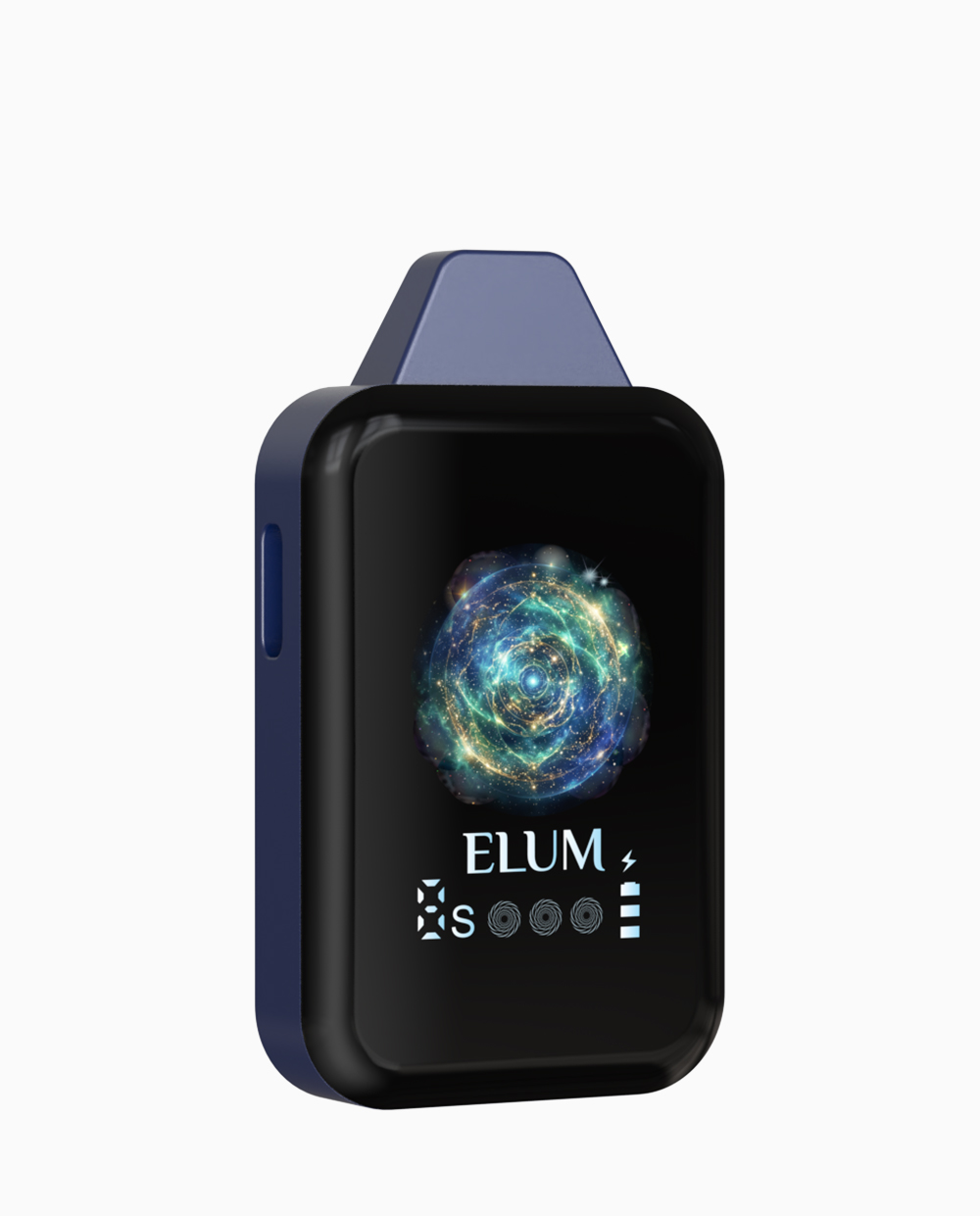
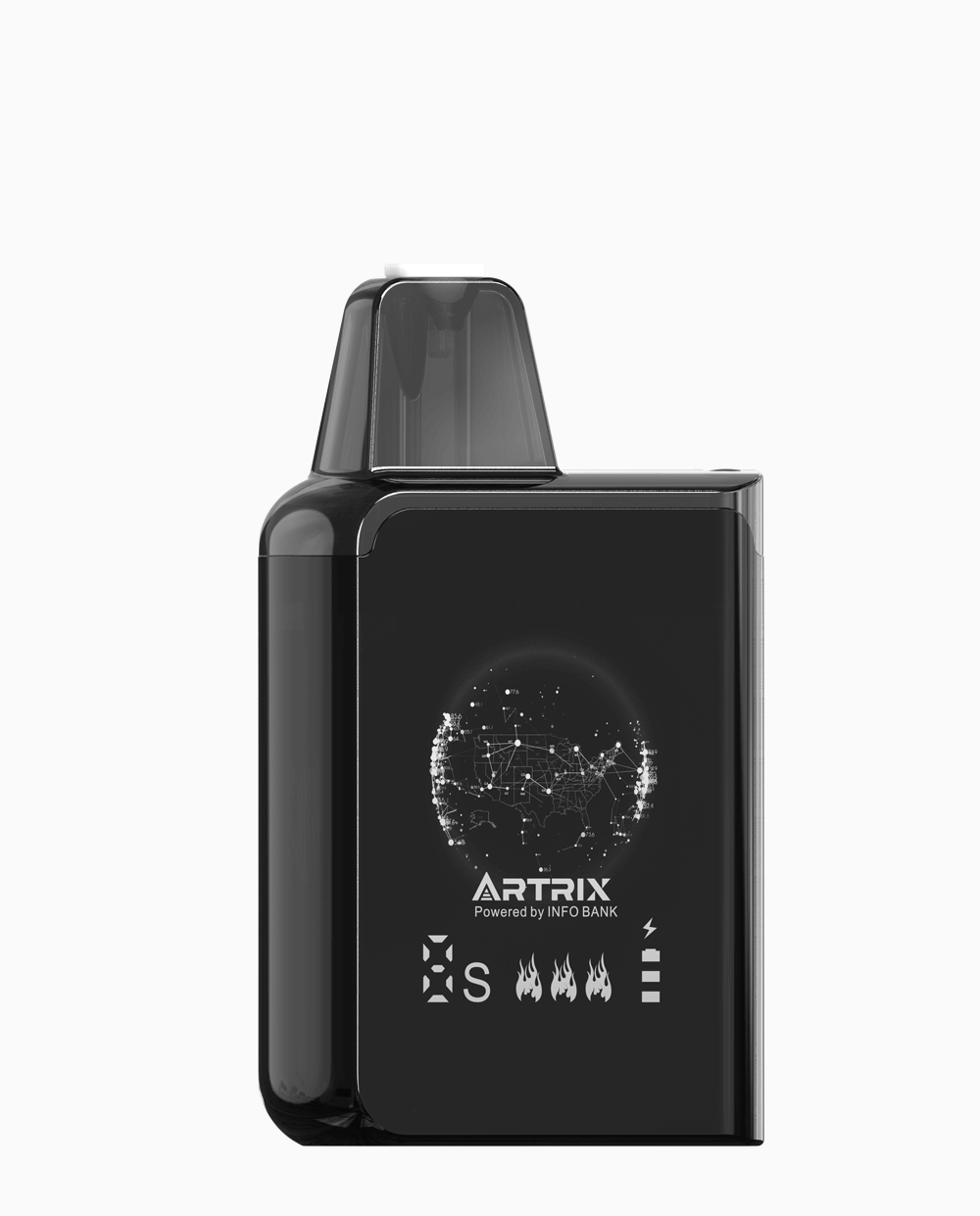
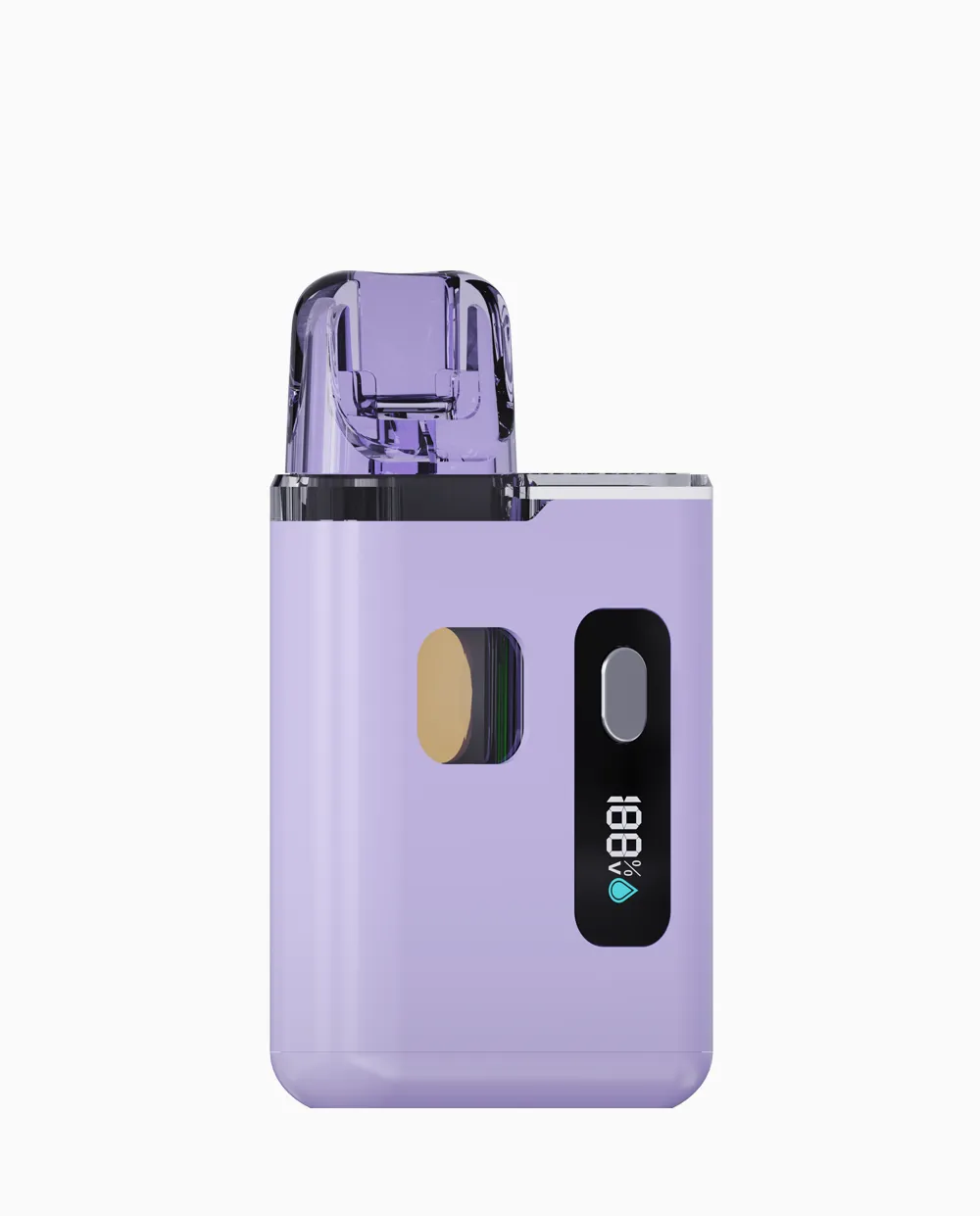
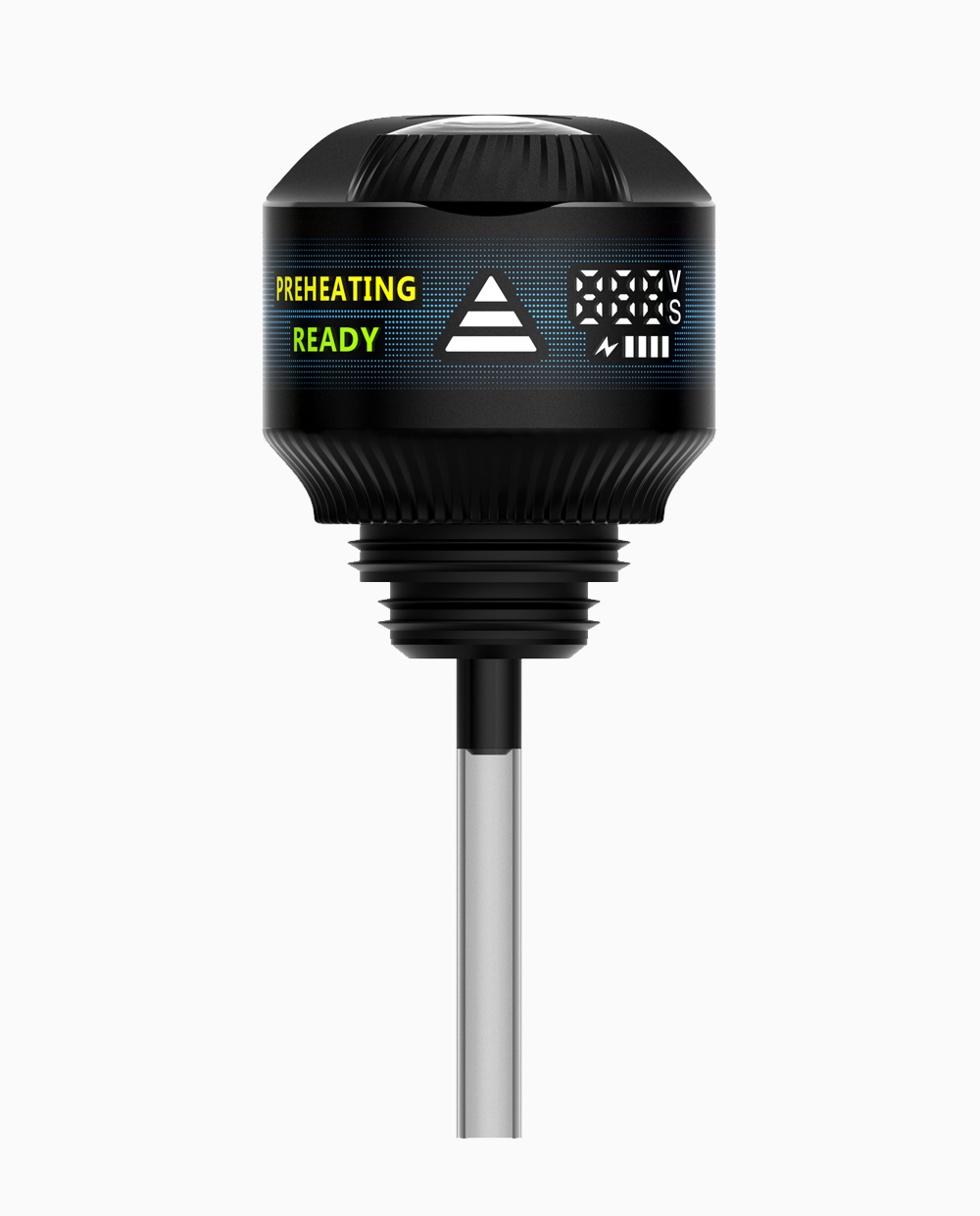
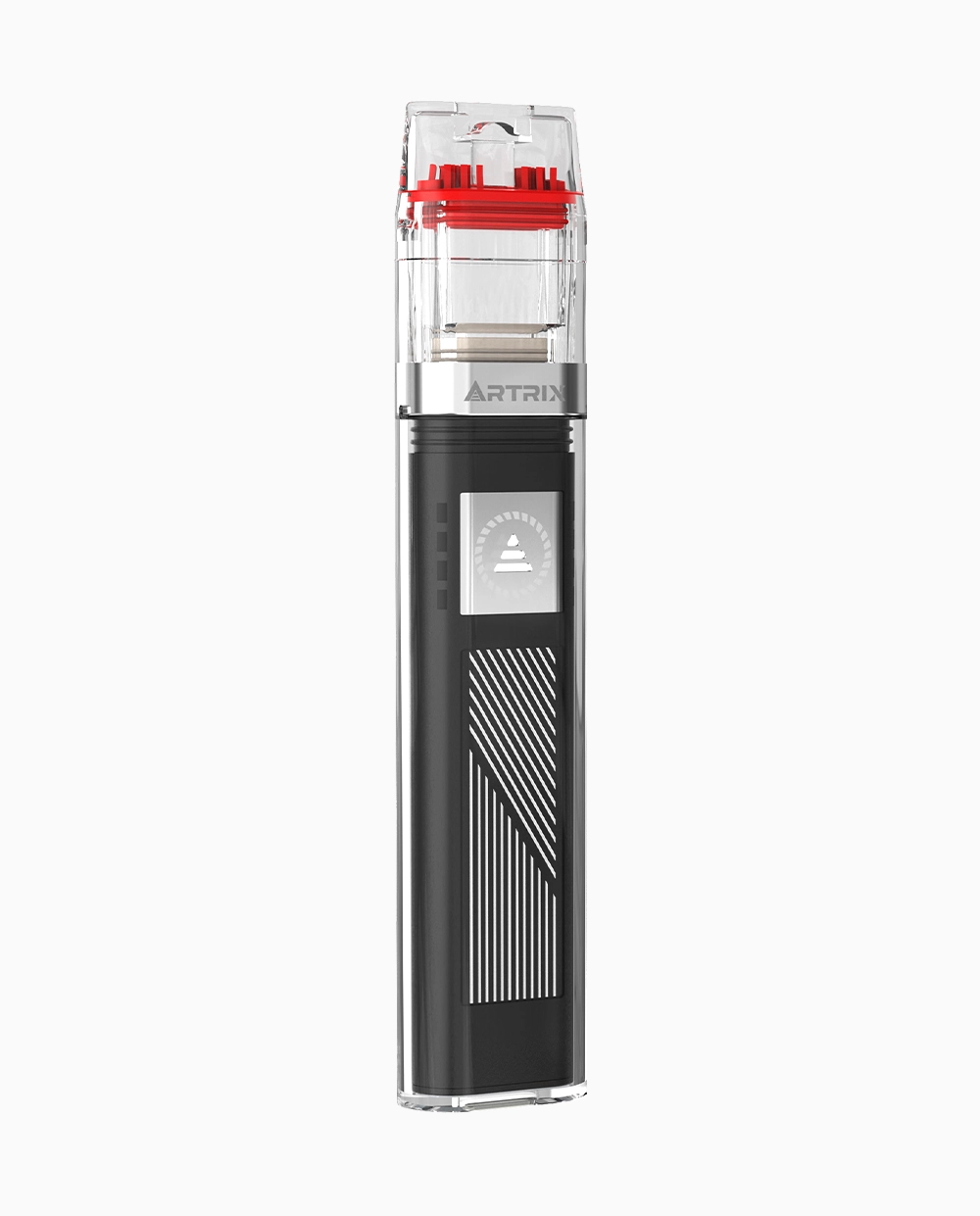
New York already shows a small number of early examples. Some 2g products from Heavy Hitters and Fernway Pro have introduced digital displays for battery or device-status information. These products remain a minority, and most leading products are still screenless, so Smart Display should not yet be treated as an established market requirement.
But the growth of 2g creates a logical use case for more visible device interaction.
A larger-capacity device generally remains in use for longer, making battery level, charging, preheat, and operating status more relevant throughout the product lifecycle. At the same time, New York’s strong Strain-Driven mix and rapid SKU turnover mean brands may want one hardware platform to support multiple product identities.
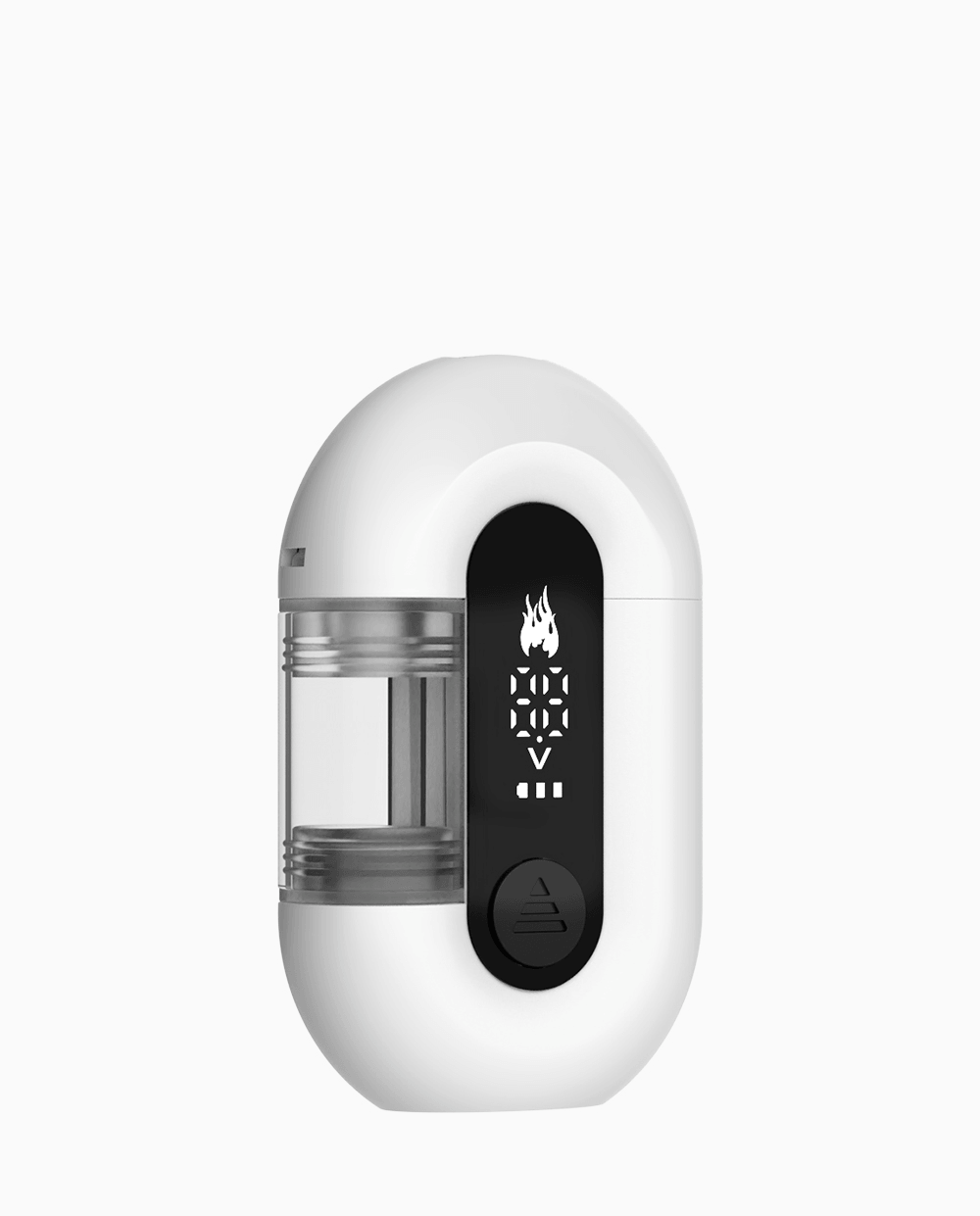
A digital interface can potentially address both needs. It can provide Status Visibility while also displaying Strain, Flavor, Extract Type, or Product Name for better Product Identification.
For 2g, Smart Display is therefore more meaningful as:
Status Visibility + Product Identification
rather than simply “a screen.”
The opportunity is still one to validate, not a proven market standard. A screen also cannot compensate for weak core hardware. A competitive 2g Smart Device still needs stable battery performance, oil delivery, airflow, clog resistance, and flavor consistency throughout a longer usage cycle.
A strong 2g Smart Device should be a reliable 2g device first, and a screen device second.
Product Opportunity: 2g Smart Display Platform
For brands expanding a 2g portfolio, managing multiple Strain / Flavor SKUs, or looking for more visible differentiation within similar capacity ranges, Smart Display represents one product direction worth testing.
Its potential value comes from combining longer-lifecycle device feedback with more flexible SKU identification on a shared hardware platform.
New York Vape Competition Is Expanding Beyond Capacity
New York does not point to one product formula that every brand should follow.
1g remains a stable capacity base, while 2g is the clearest growth direction. Distillate continues to support established products, while Live Resin and Live Rosin are attracting more new-product activity. Strain-Driven positioning remains a distinctive characteristic of leading products, and rapid SKU turnover increases the value of flexible hardware platforms.
Together, these changes are moving competition toward a broader product equation:
Capacity is increasingly becoming the foundation of the product rather than the complete product proposition.
For some brands, the right strategy may be to maintain a strong 1g core while expanding selectively into 2g. Others may find more opportunity in combining 2g with Strain-Driven positioning or developing hardware specifically around Live Resin and Live Rosin.
For brands already competing in 2g, managing broader SKU portfolios, or looking for more visible device-level differentiation, Smart Display provides another experience layer worth validating.
The opportunity in New York is therefore less about identifying one “next standard device” and more about building the right combination of capacity, extract, flavor direction, and hardware experience for the brand.
New York Market Fit Review
A 1g Distillate brand, a 2g Strain-Driven portfolio, and a Live Resin or Live Rosin product do not require the same product strategy or hardware platform.
Artrix can review a brand’s current portfolio, Extract direction, Strain / Flavor strategy, target capacity, and future development plans to evaluate how the product fits the New York market and which directions may be worth validating next.
For brands considering 2g + Smart Display, the review can include not only screen features but also battery-to-oil matching, oil intake, clog resistance, device-status feedback, SKU identification, and overall product positioning.
Tell us what you are selling today, what you are filling, and what you want your next product to achieve.
This article is based on Artrix analysis of New York cannabis vape market and product data from 2025–2026.
Unless otherwise noted, market structure, capacity, and Extract shares refer to analyzed sales data. Q2 2026 New Launch figures represent SKU composition among products launched during that quarter. Top 50 analysis reflects SKU count and ranking structure among the analyzed leading products rather than sales share.
Strain-Driven and Sweet / Flavor-Led classifications are based on consumer-facing product naming and positioning rather than laboratory confirmation of the underlying Extract formulation. Because part of the Extract dataset remained unclassified, related shares should be interpreted as directional market signals rather than absolute estimates of the entire New York market.
Rita Yi is the Head of Marketing at Artrix, leading the company's marketing strategy, brand development, and market expansion. With a background in marketing leadership and consulting, she brings expertise in market research, strategic planning, and integrated marketing campaigns. By combining data-driven insights with creative thinking and a deep understanding of the cannabis industry, Rita focuses on strengthening Artrix's brand positioning, identifying emerging market opportunities, and driving sustainable business growth.