

-1.webp)
-1.webp)
-2.webp)



















THCa 101: Benefits and Effects
THCa is one of the most talked-about cannabinoids in today’s hemp and cannabis market because it appears to answer two very different needs. In its raw form, THCa is generally considered non-intoxicating. But when it is heated through vaping, dabbing, smoking, or baking, THCa can convert into delta-9 THC, the compound responsible for the classic cannabis high.
That is why searches like “does THCa get you high,” “THCa effects,” “does THCa vape get you high,” and “THCa side effects” often lead to confusing answers. The real answer depends on one simple factor: whether THCa stays raw or gets heated.
This guide explains how THCa works, what effects to expect, why vape hardware matters, whether THCa is legal in the U.S., and what users should know before consuming high-potency THCa products.
What Is THCa?
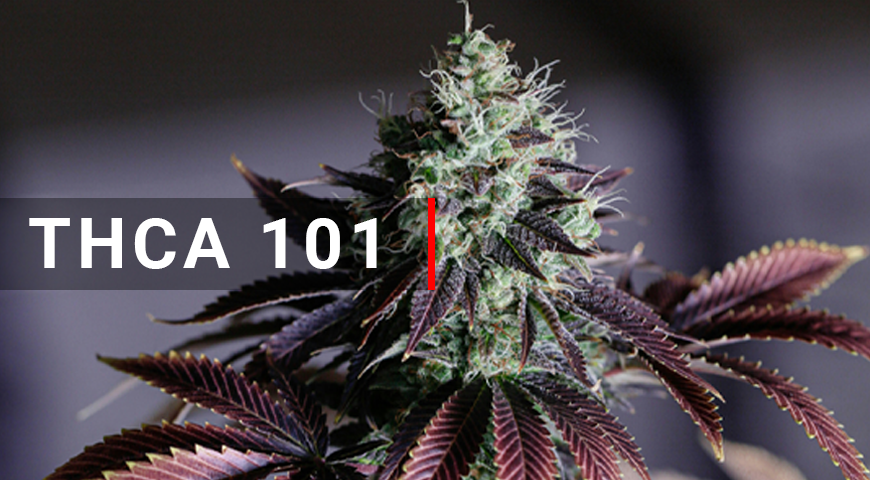
THCa stands for tetrahydrocannabinolic acid. It naturally occurs in cannabis plants before heat, aging, or processing converts some of it into THC. In fresh cannabis material, much of the plant’s future THC potential may exist as THCa before decarboxylation.
The difference between THCa and THC comes down to structure and receptor activity. THCa has an extra carboxyl group, while THC does not. Fresh, highly pure THCa appears to have low binding affinity for CB1 and CB2 receptors, although research findings have not always been perfectly consistent . THC, by contrast, binds to CB1 receptors in the brain and central nervous system, which is central to its intoxicating effects .
THCa vs. Delta-9 THC
| Category | THCa | Delta-9 THC |
|---|---|---|
| Chemical type | Acidic cannabinoid | Neutral cannabinoid |
| Intoxication | Generally non-intoxicating before heating | Intoxicating |
| How it changes | Converts into THC when heated | Already active as THC |
| Common use | Raw preparations, tinctures, THCa flower, concentrates | Vapes, dabs, flower, edibles, infused products |
| Legal issue | Often marketed under hemp rules, but U.S. federal rules are changing | Restricted when above hemp limits unless lawful under applicable cannabis programs |
Does THCa Get You High?
Raw THCa does not usually get you high. THCa, or tetrahydrocannabinolic acid, is the acidic precursor to delta-9 THC. A scientific review describes THCa-A as a naturally occurring acidic cannabinoid that does not produce the same intoxicating effects as THC before decarboxylation.
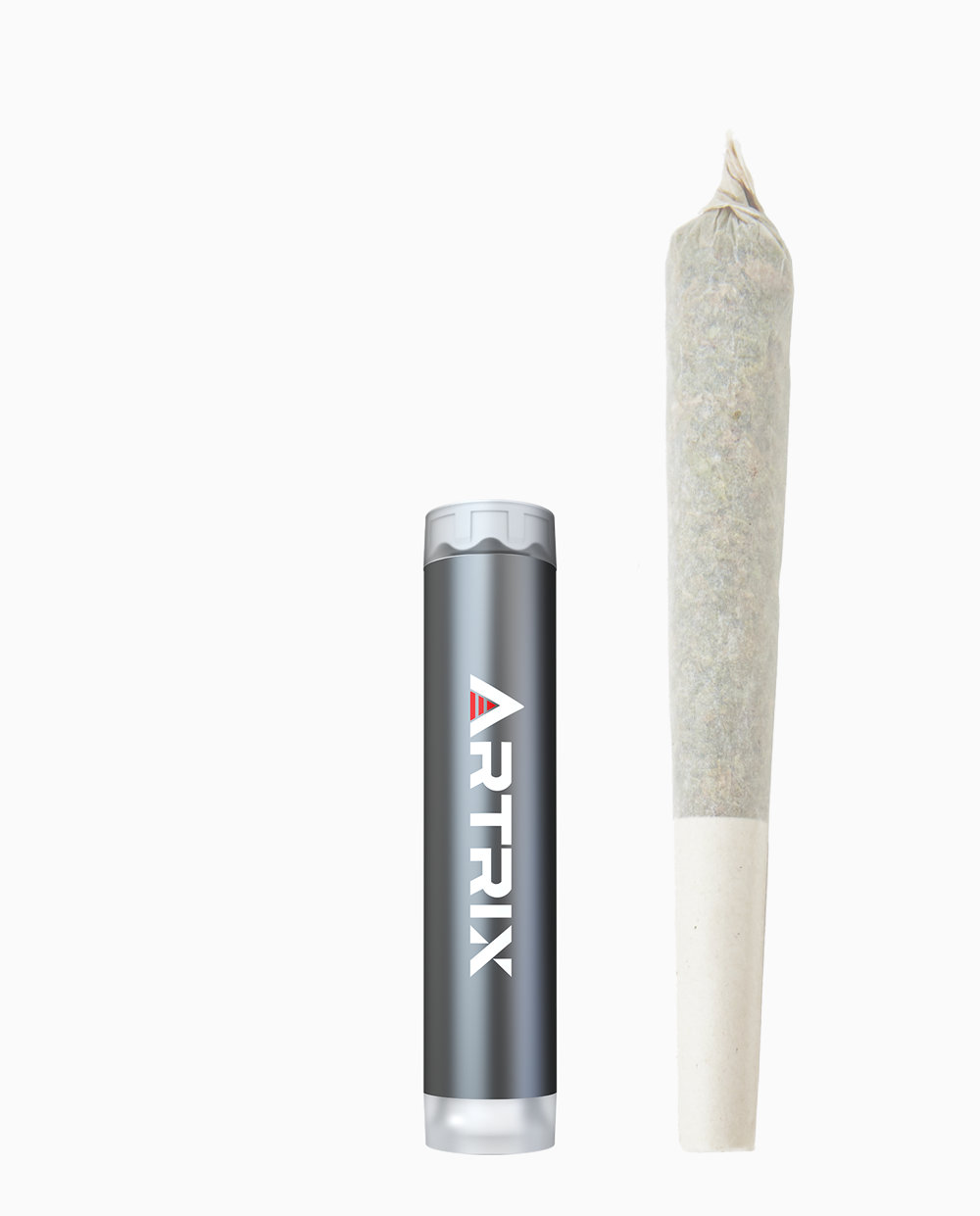
However, heated THCa is a different story. When THCa is exposed to enough heat, it loses a carboxyl group and converts into delta-9 THC. That process is called decarboxylation, and it is the reason THCa flower, THCa diamonds, and THCa vape products can feel highly psychoactive once consumed through heat .
So the short answer is: THCa itself is not the high, but heated THCa can become THC, and THC can get you high.
THCa Effects: Raw vs. Heated
The most important thing to understand about THCa effects is that the consumption method determines the outcome. A raw THCa tincture and a THCa vape may start with the same cannabinoid, but they can create very different user experiences.
| Form | Main Effect | Best For | Key Risk |
|---|---|---|---|
| Raw THCa | Generally non-intoxicating | Users interested in acidic cannabinoids and wellness-focused formulations | Medical benefits are still early-stage and should not be treated as proven disease treatment |
| Heated THCa | Converts into intoxicating THC | Legal-age adults seeking fast THC-like effects | Impairment, anxiety, paranoia, drug-test risk, and legal uncertainty |
| THCa vape or dab | Fast onset and potentially intense psychoactive effect | Experienced concentrate users | High potency, overconsumption, and hardware safety concerns |
Early research suggests THCa may have anti-inflammatory and neuroprotective potential, but the evidence is mostly preclinical. One study found THCa showed neuroprotective activity in cell and animal models through PPARγ-related pathways, but this does not mean THCa is an approved treatment for neurological disease. Another study found cannabinoids from Cannabis sativa, including acidic cannabinoids, showed activity against inflammatory enzyme pathways in lab settings.
Does THCa Vape Get You High?
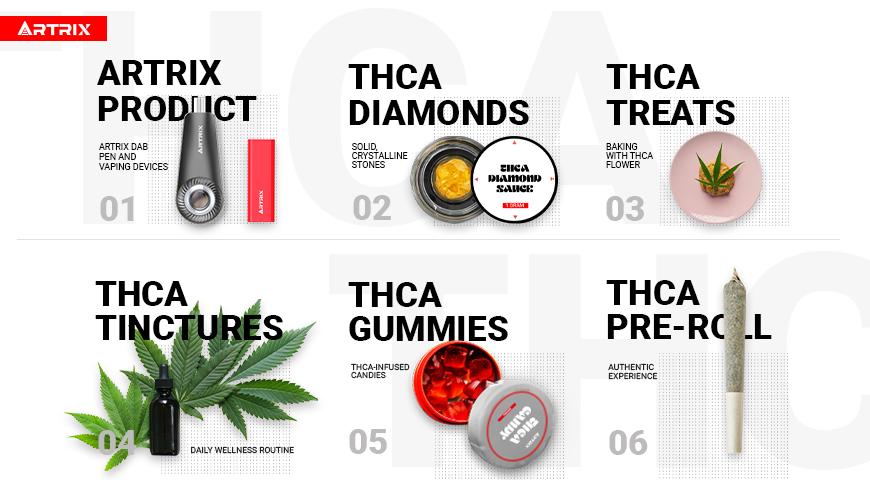
Yes, a THCa vape can get you high because the vape heats THCa and can convert it into delta-9 THC during inhalation. The temperature-controlled devices can decarboxylate acidic cannabinoids and release neutral cannabinoids in vapor.
The effects of a THCa vape are usually fast. Inhaled cannabis effects can begin within seconds to minutes, while full effects may take up to 30 minutes. That quick onset is why users should avoid taking repeated hits too quickly, especially with high-potency extracts.
THCa diamonds, liquid diamonds, live rosin, and other concentrate formats can be especially strong after heating. For legal-age adults who choose to use these products, the safest practical rule is to start with a small amount and wait before consuming more.
How THCa Becomes THC: Decarboxylation Explained
Decarboxylation is the heat-driven process that turns THCa into THC. In simple terms, heat acts like a key. It removes the part of the molecule that keeps THCa from behaving like standard THC, allowing the converted compound to interact more strongly with cannabinoid receptors involved in intoxication.
This process can happen through vaping, dabbing, smoking, baking, or other heat exposure. Temperature and time both matter. Too little heat may leave some THCa unconverted. Too much heat can degrade cannabinoids and burn off volatile compounds that contribute to flavor and aroma.
That is why the same THCa concentrate can feel weak, balanced, or overwhelming depending on how it is heated. For consumers, decarboxylation explains the high. For brands, it explains why formulation and hardware must be designed together.
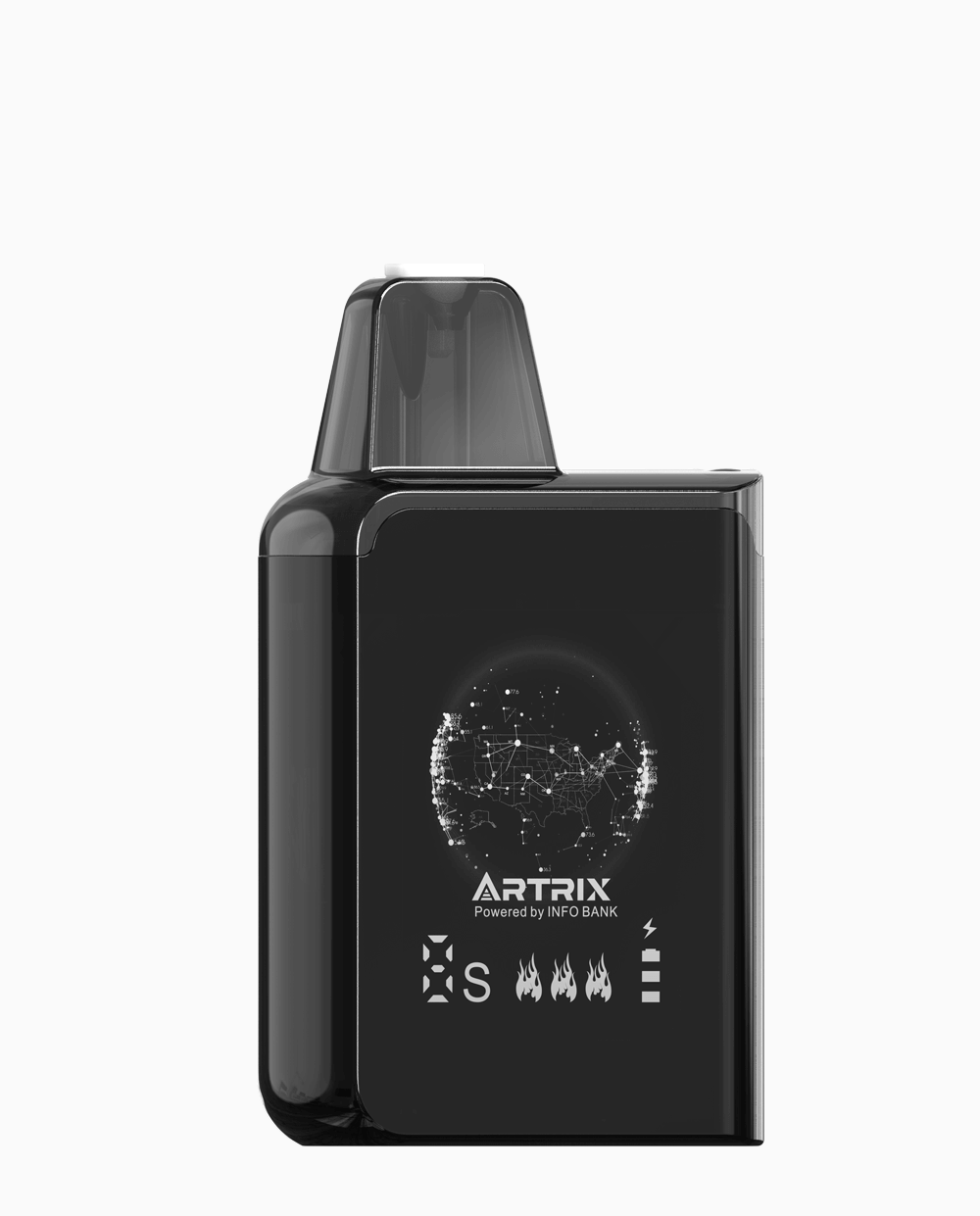
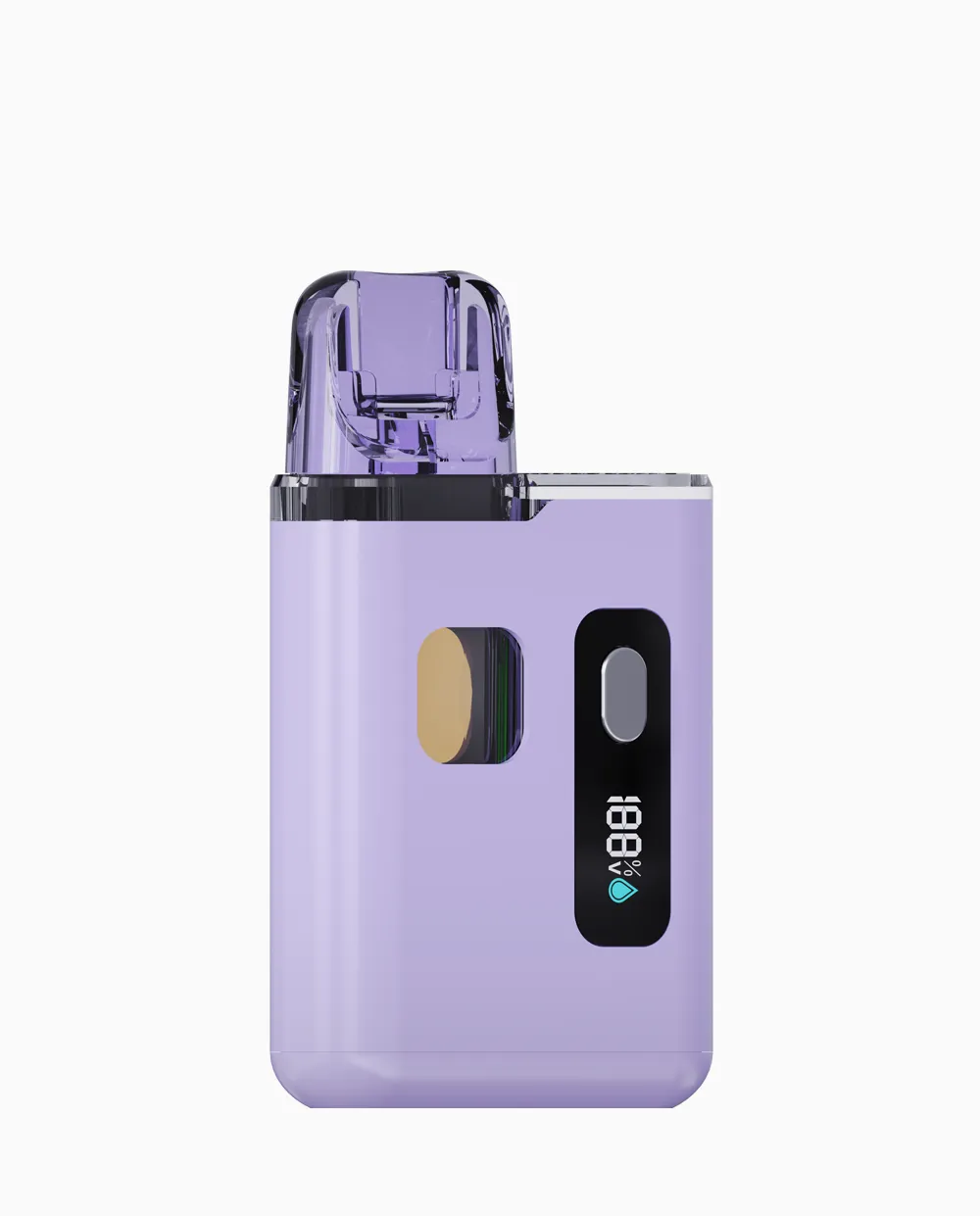
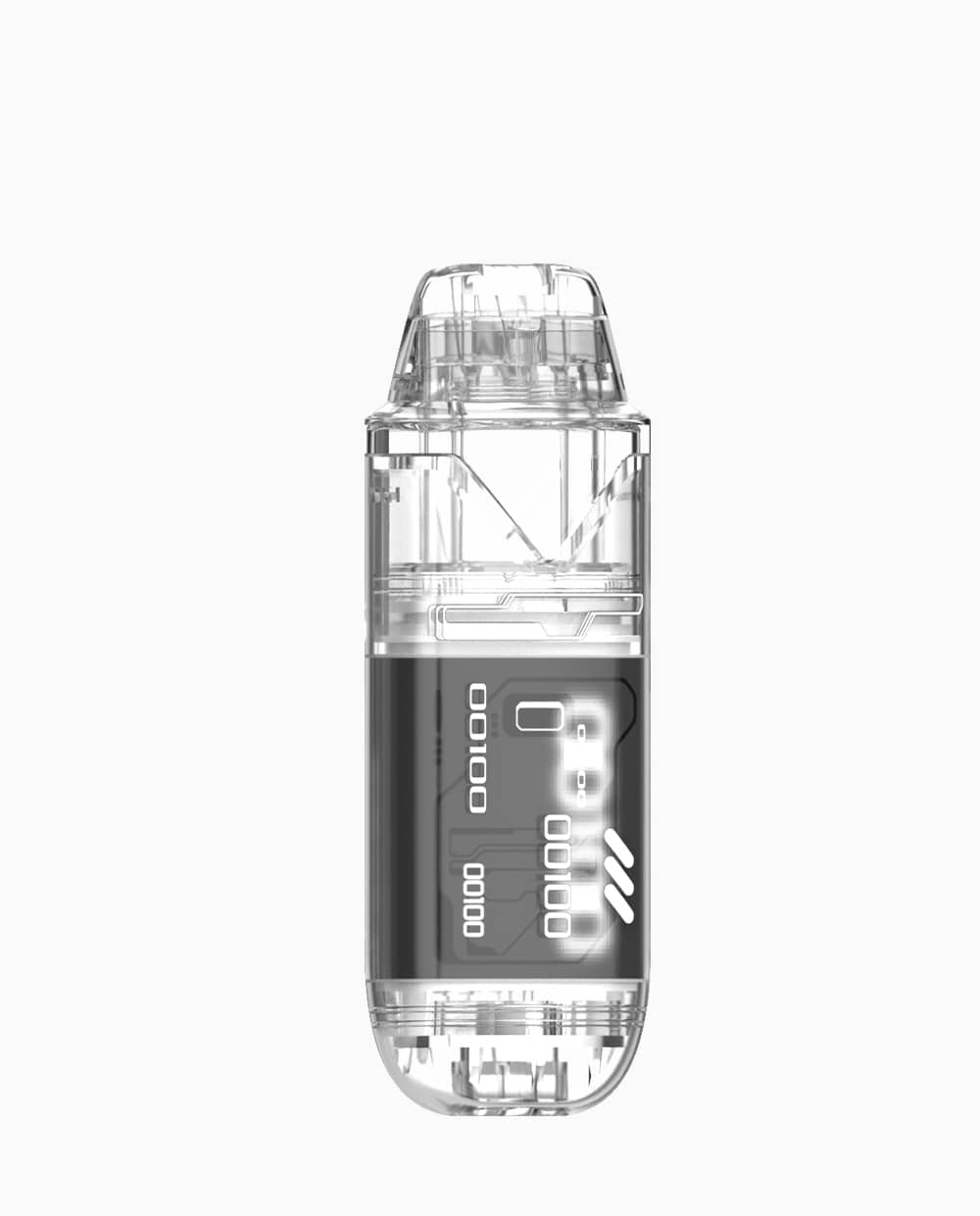
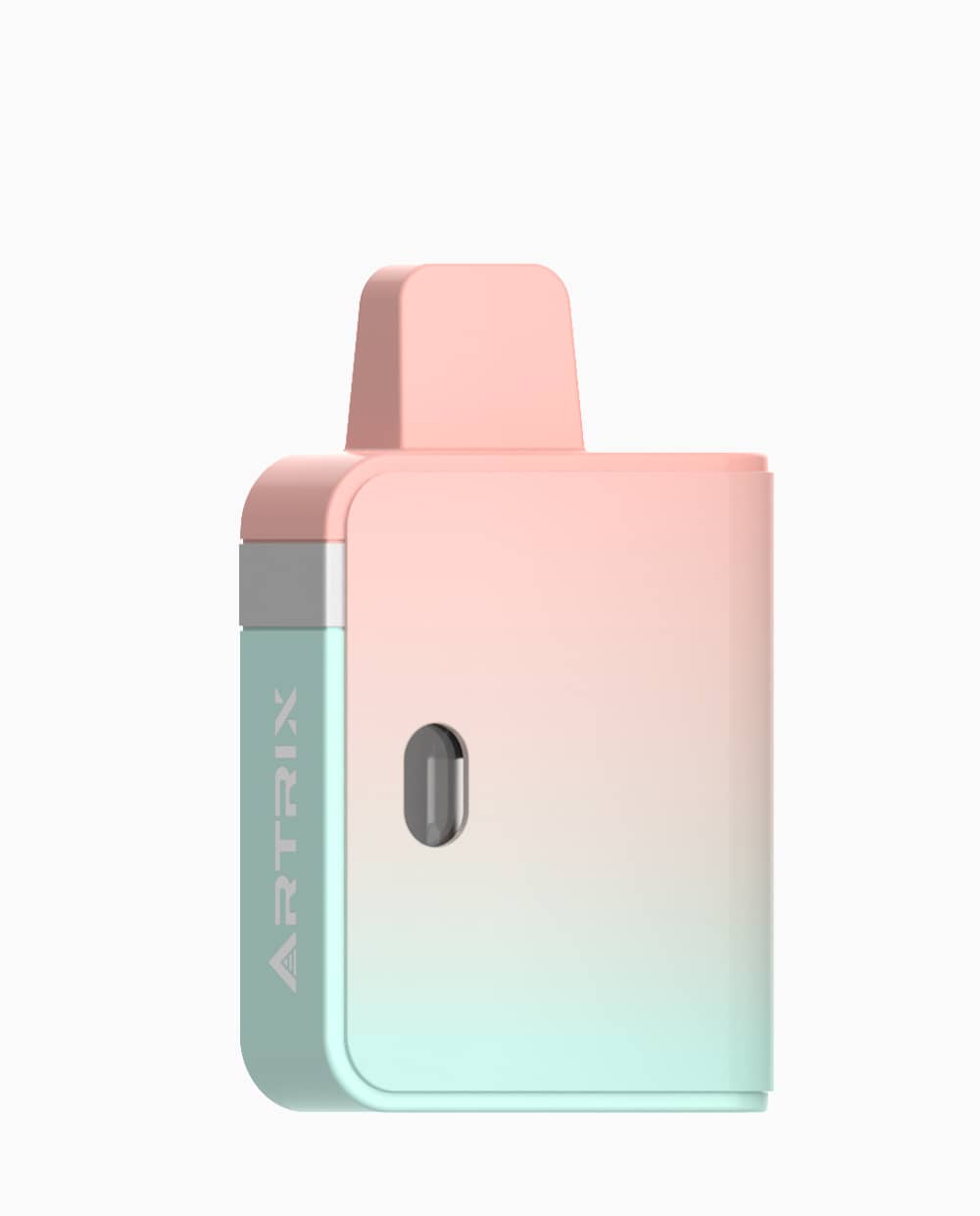
Why Vape Hardware Matters for THCa
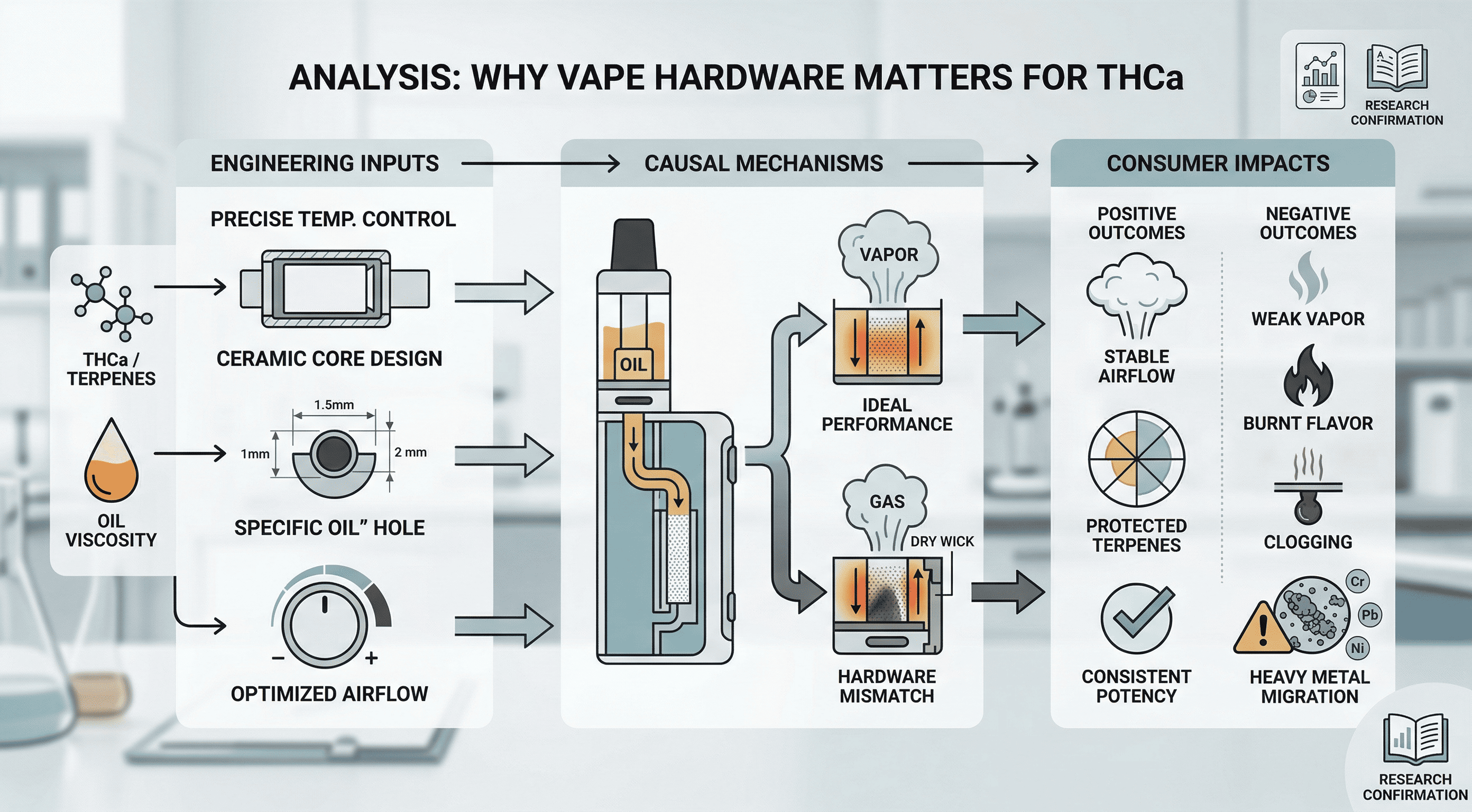
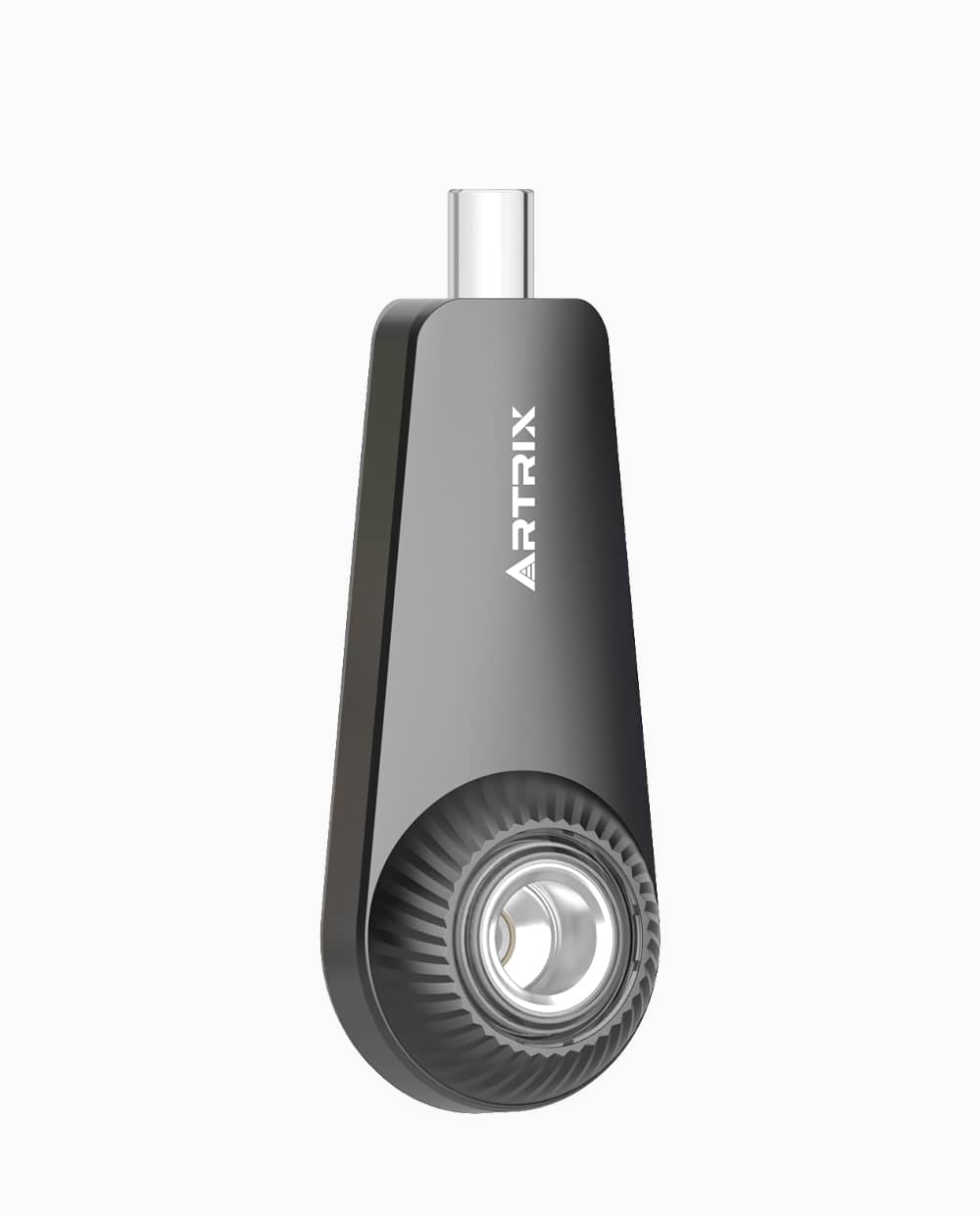
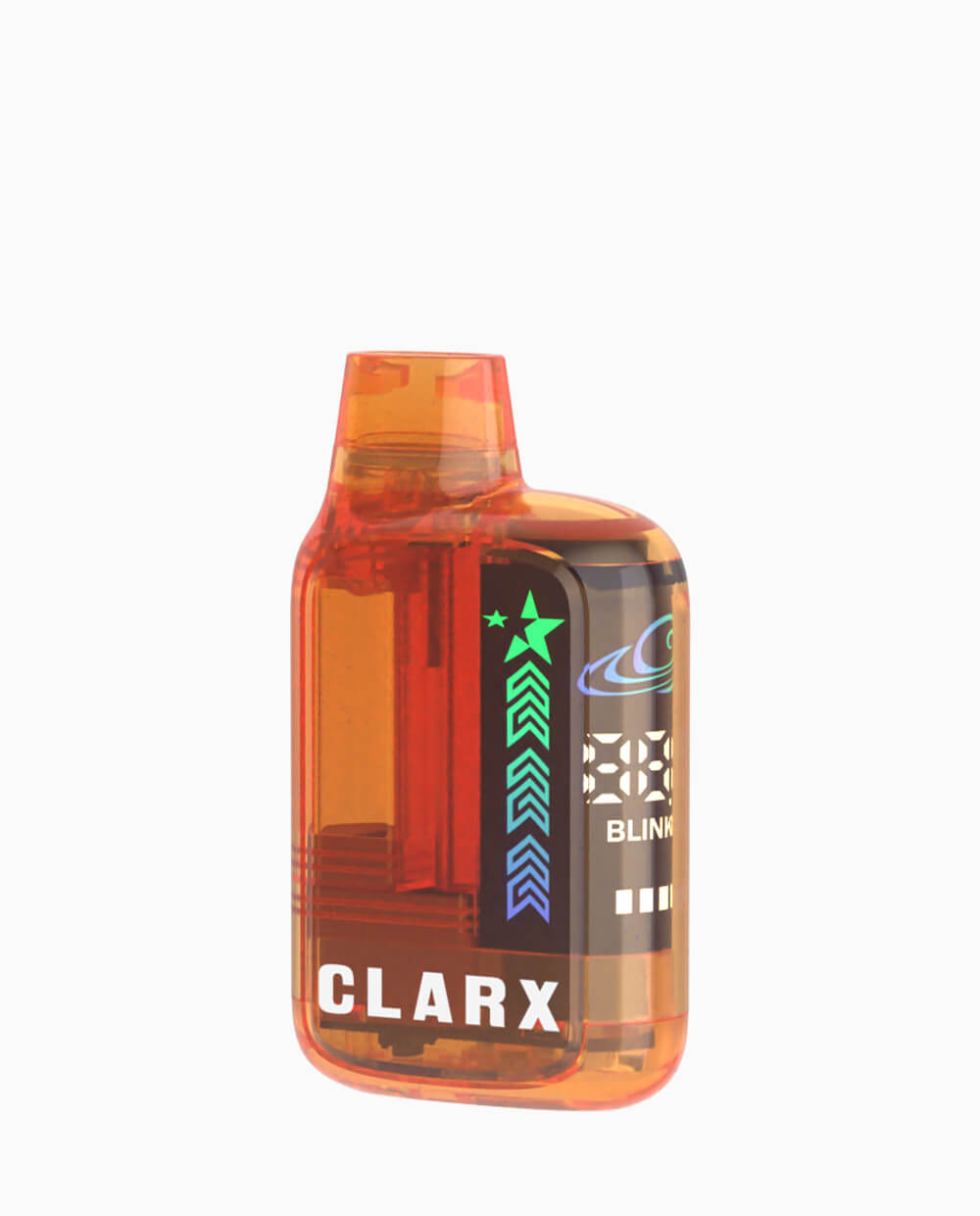
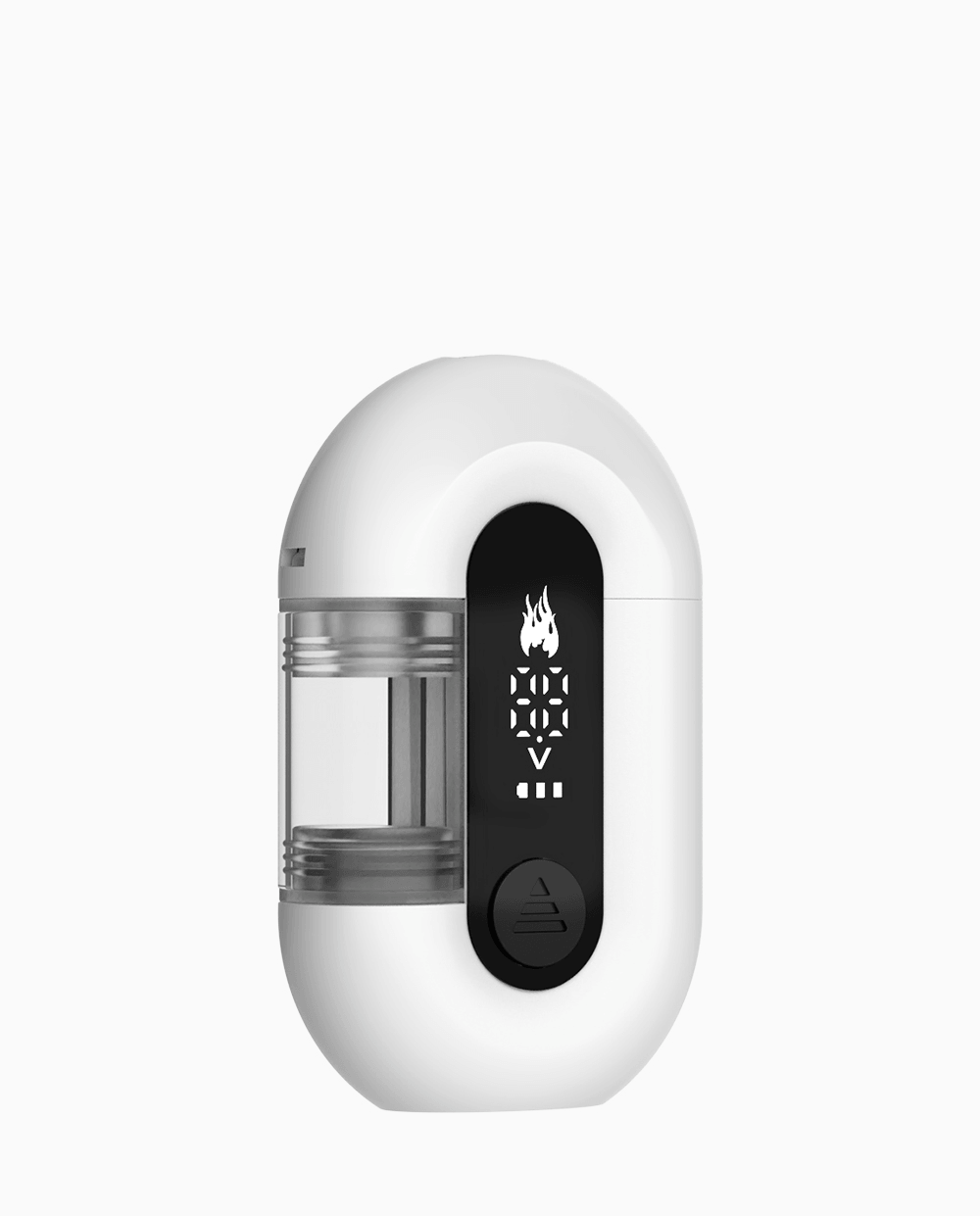
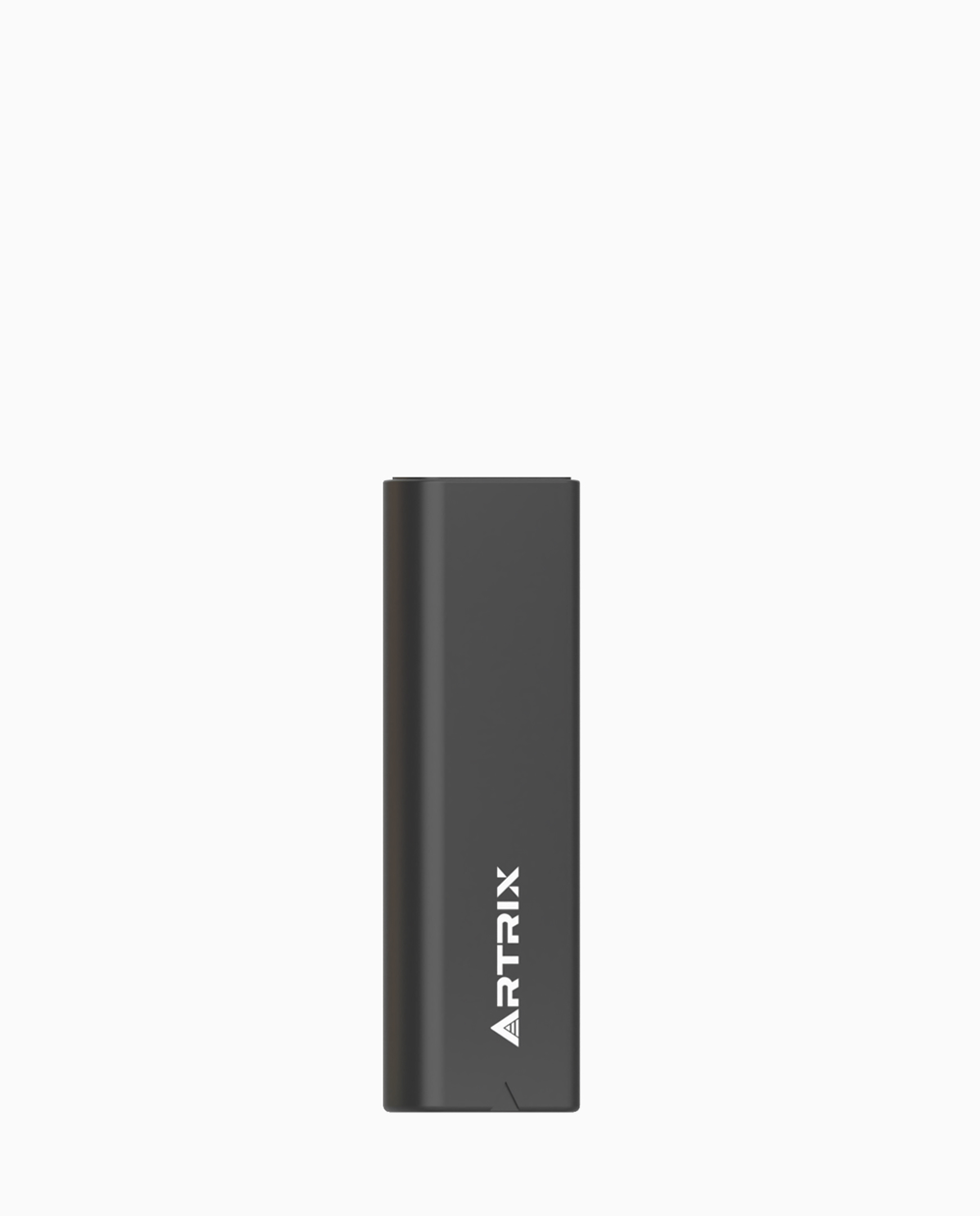
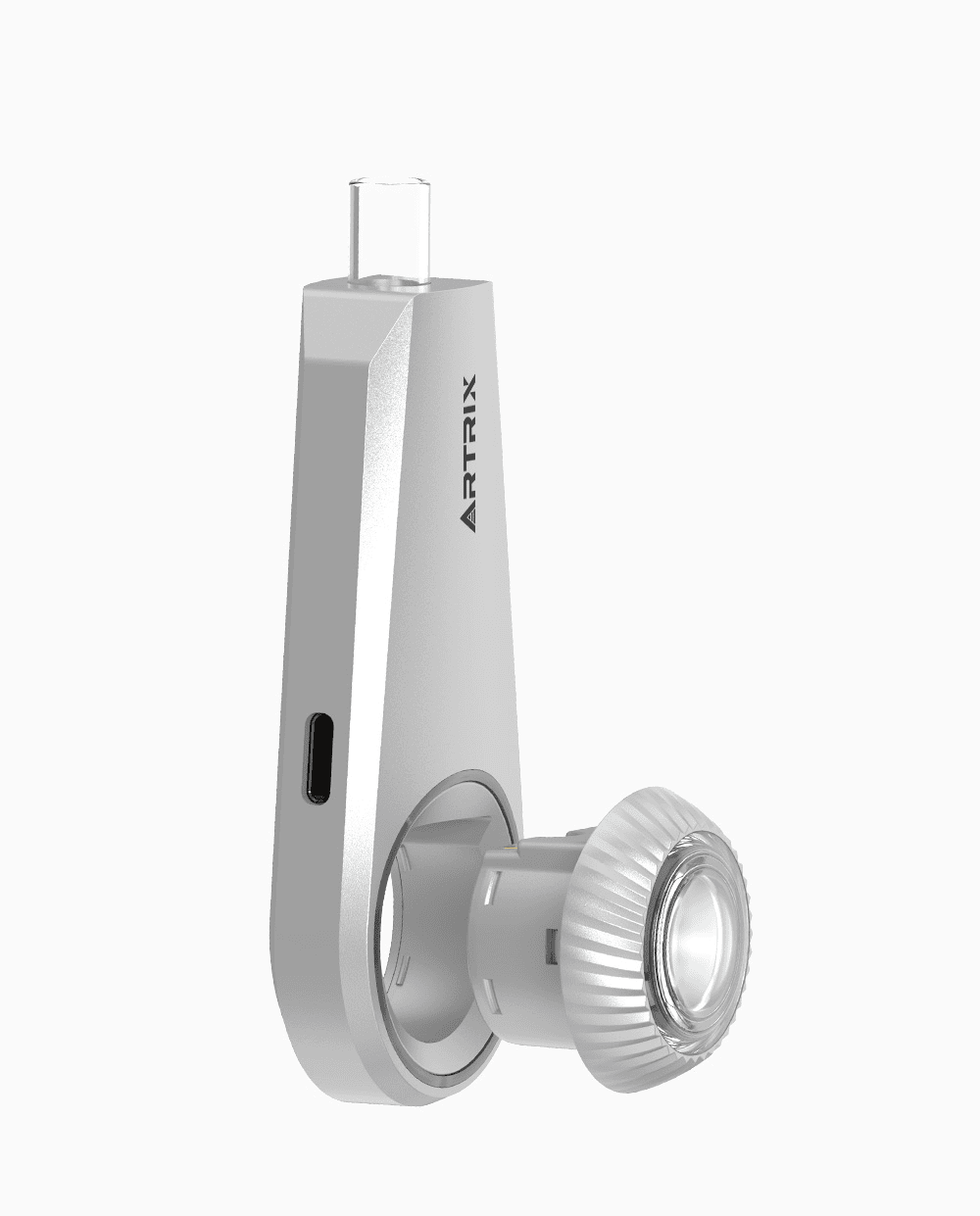
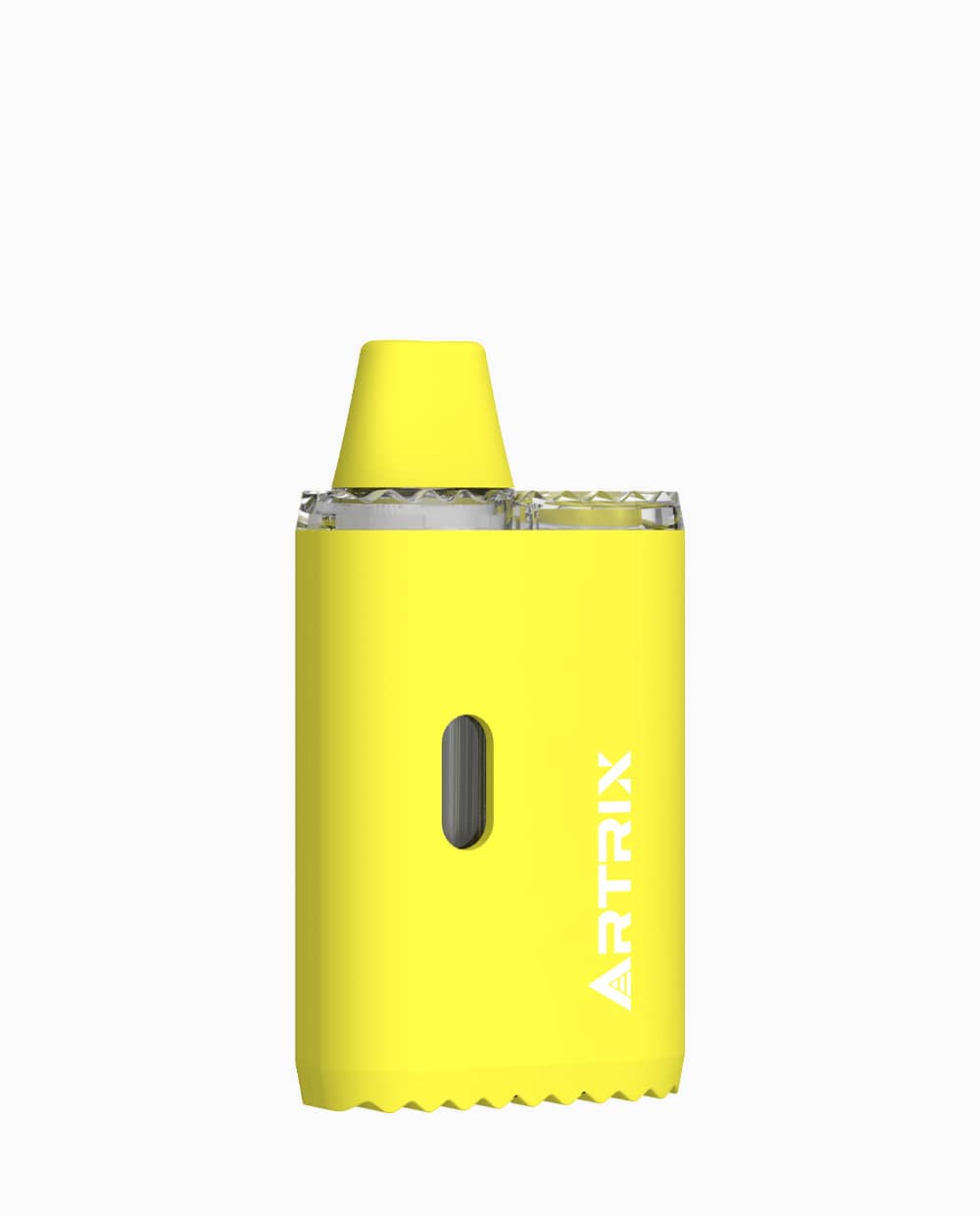
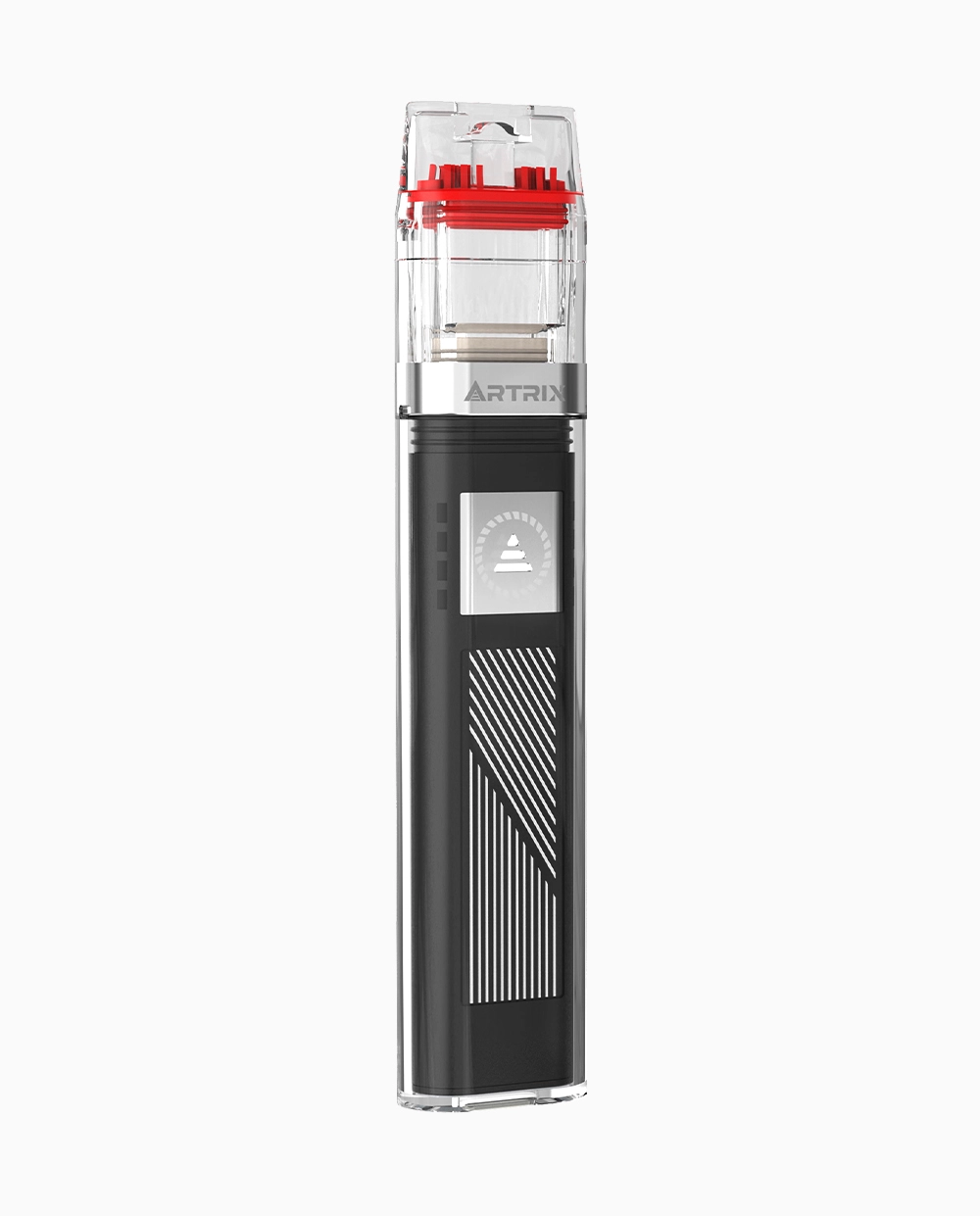
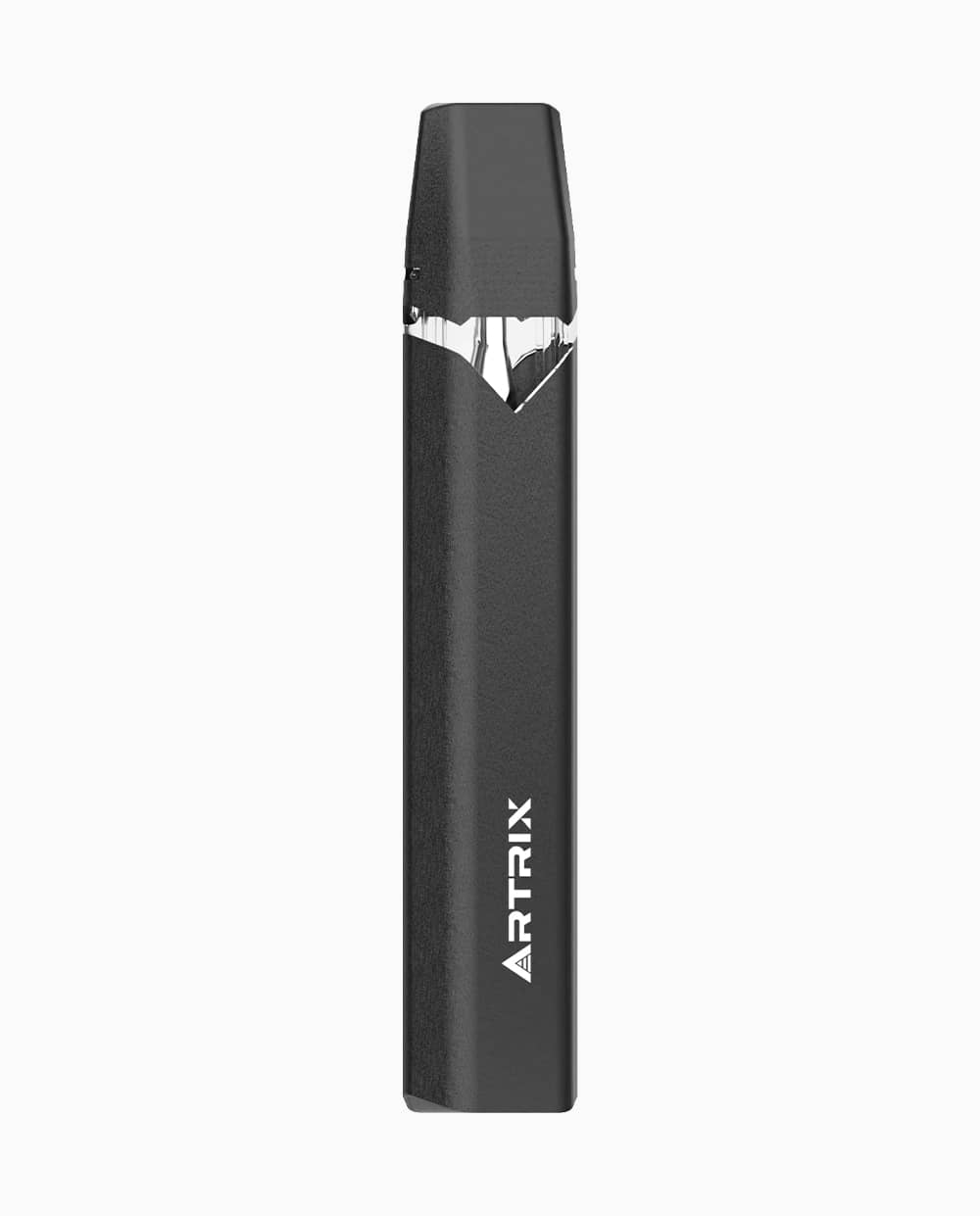
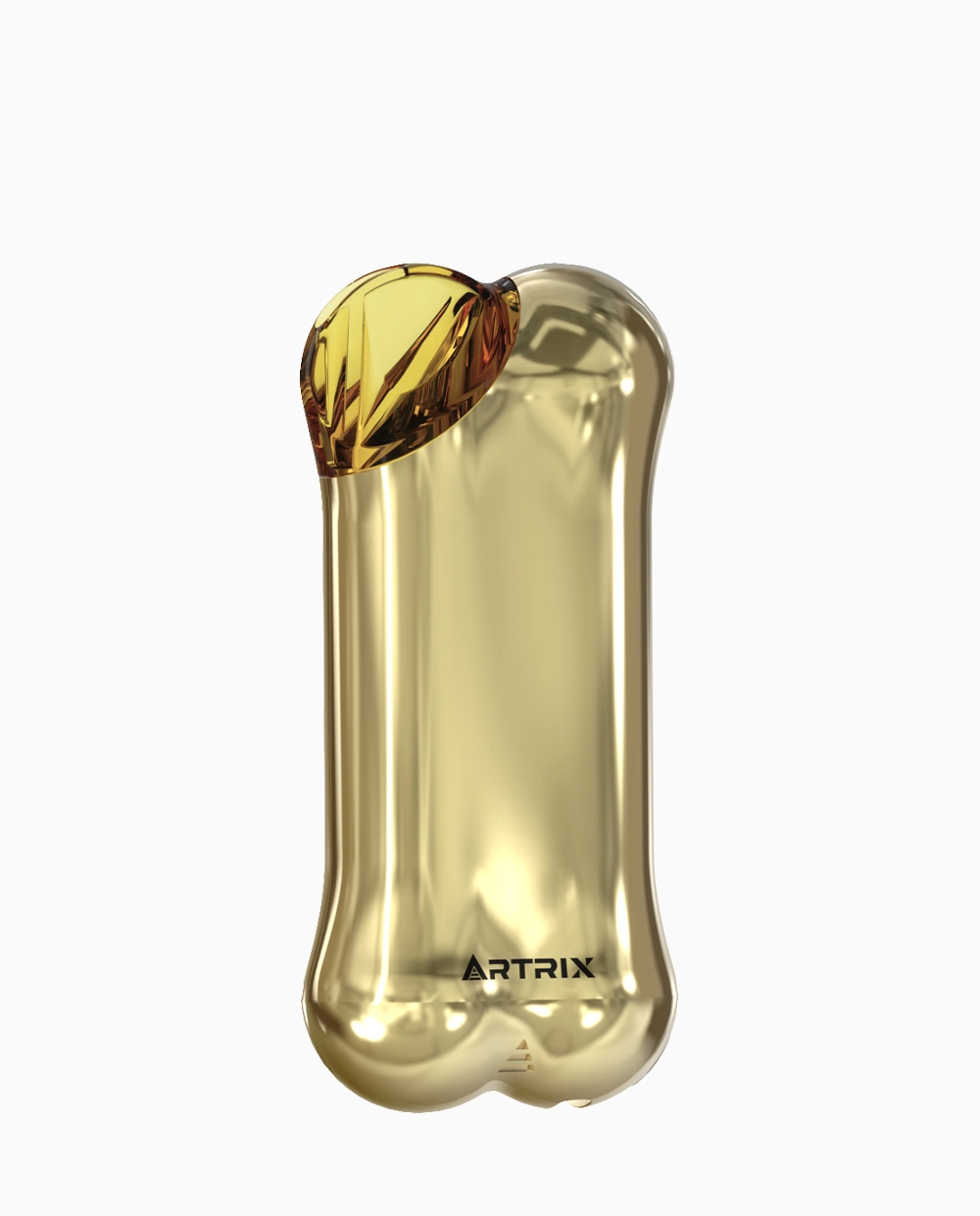
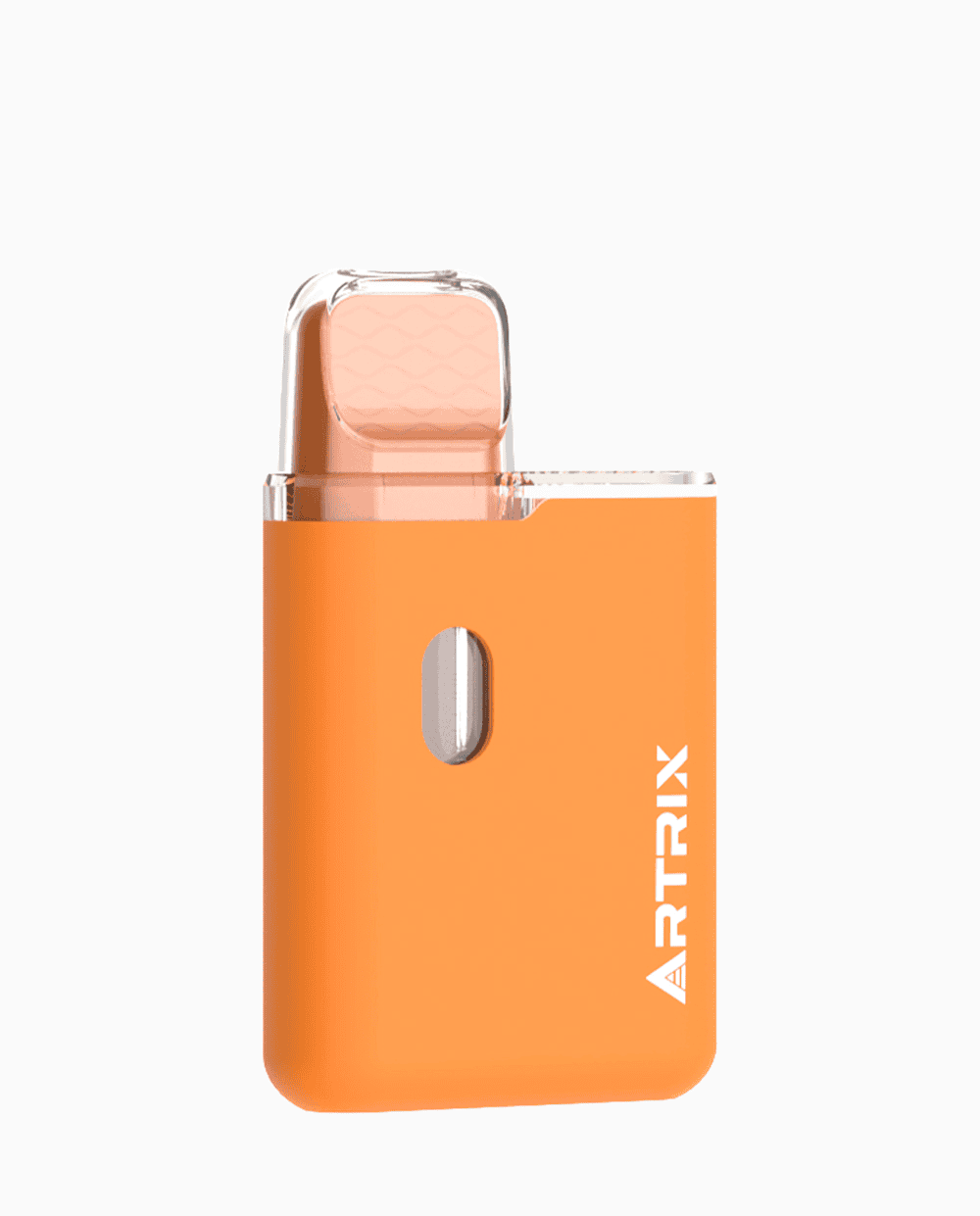
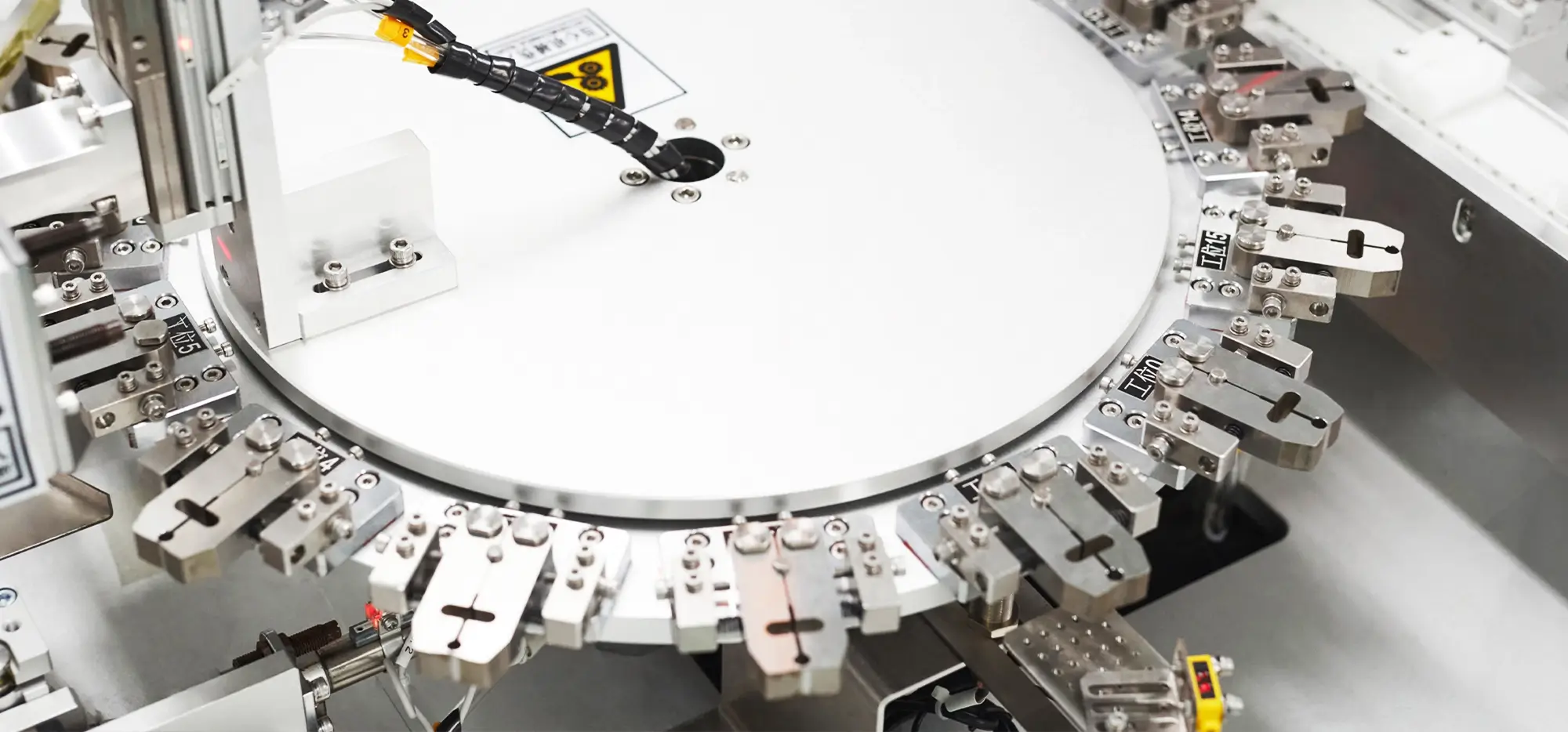
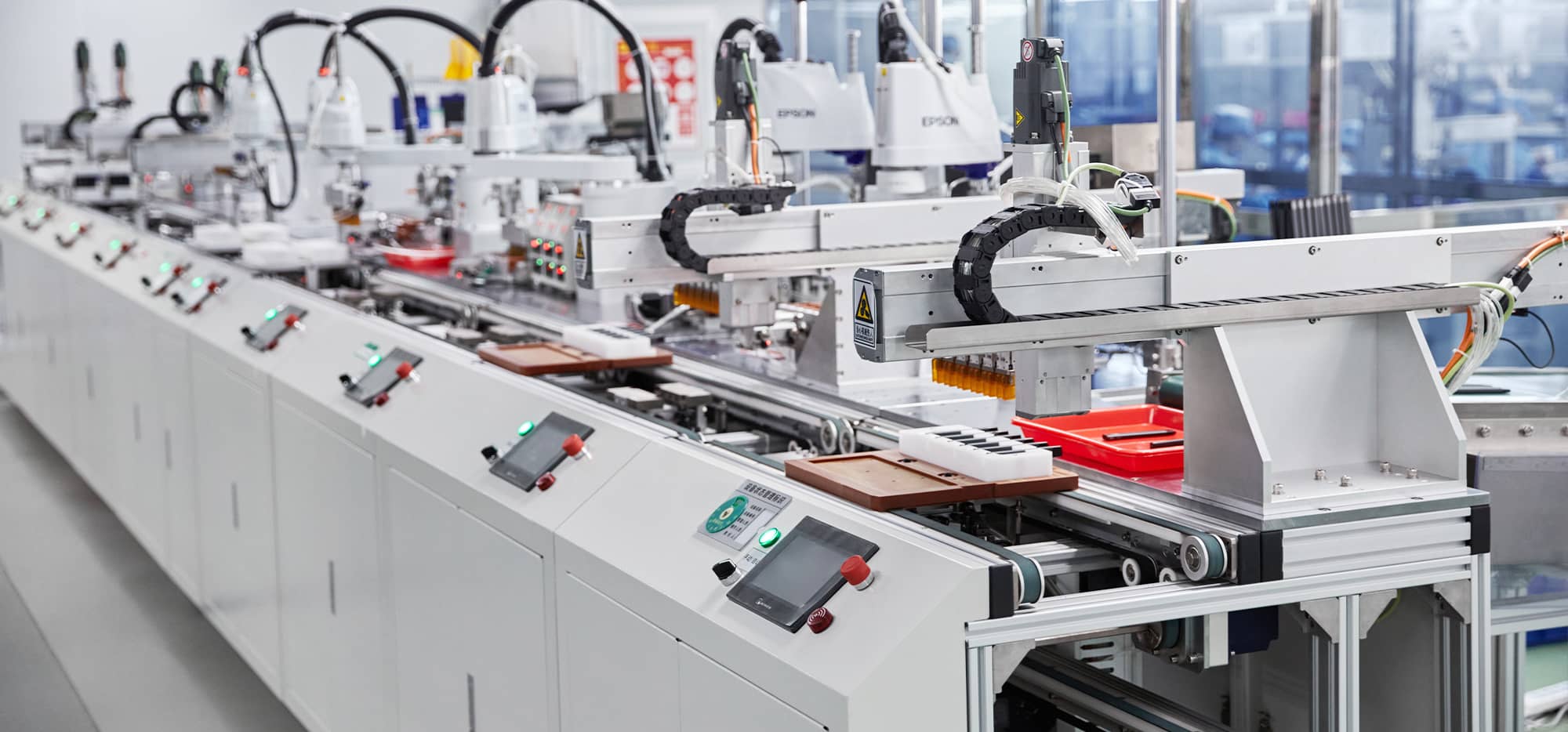
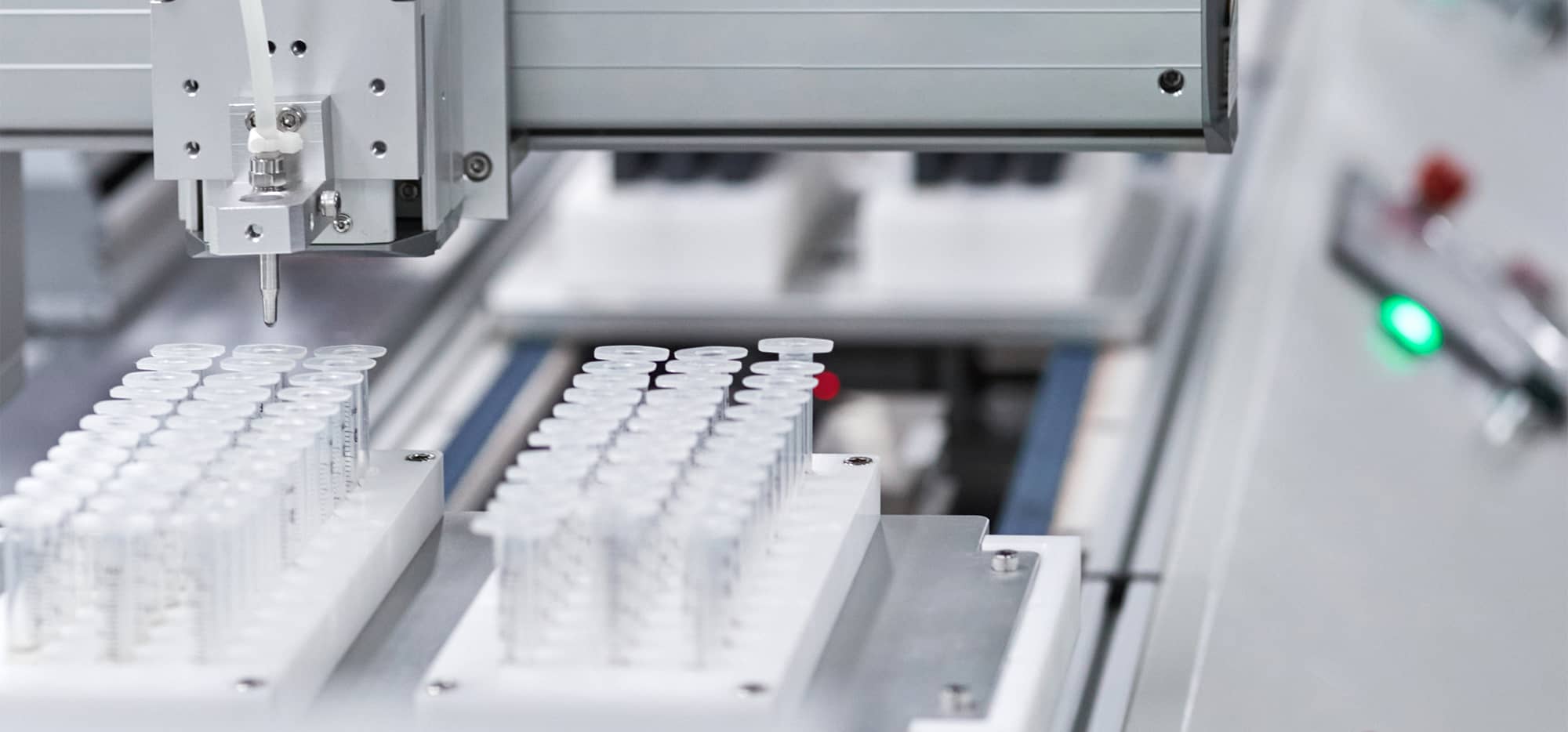
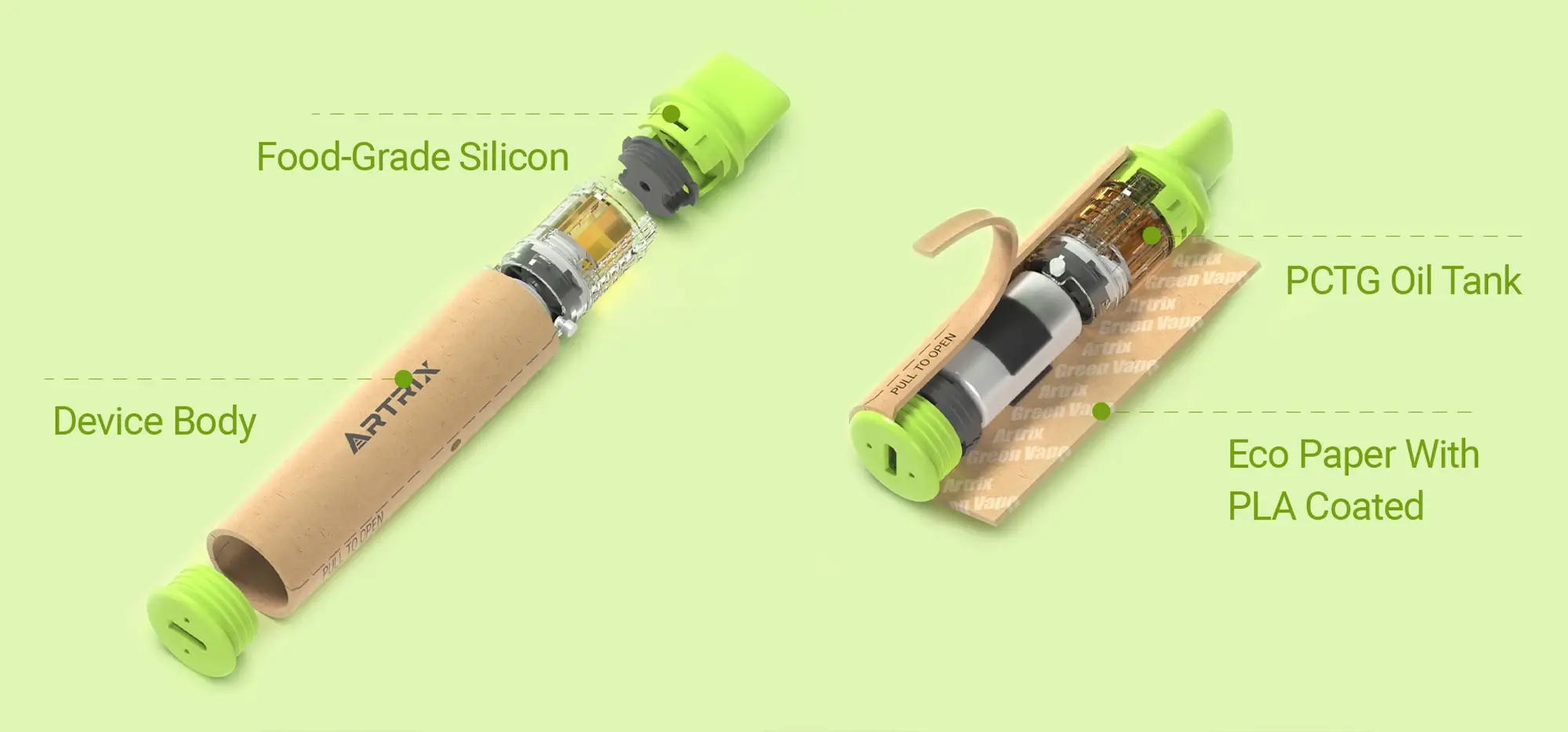
THCa is not only a cannabinoid science topic. For cannabis vape hardware manufacturers, it is also a device engineering topic. High-purity THCa extracts often have demanding viscosity, heating, and airflow requirements. If the device is not matched to the oil, the user may experience weak vapor, burnt flavor, clogging, dry hits, or inconsistent potency.
Temperature Control and Flavor Protection
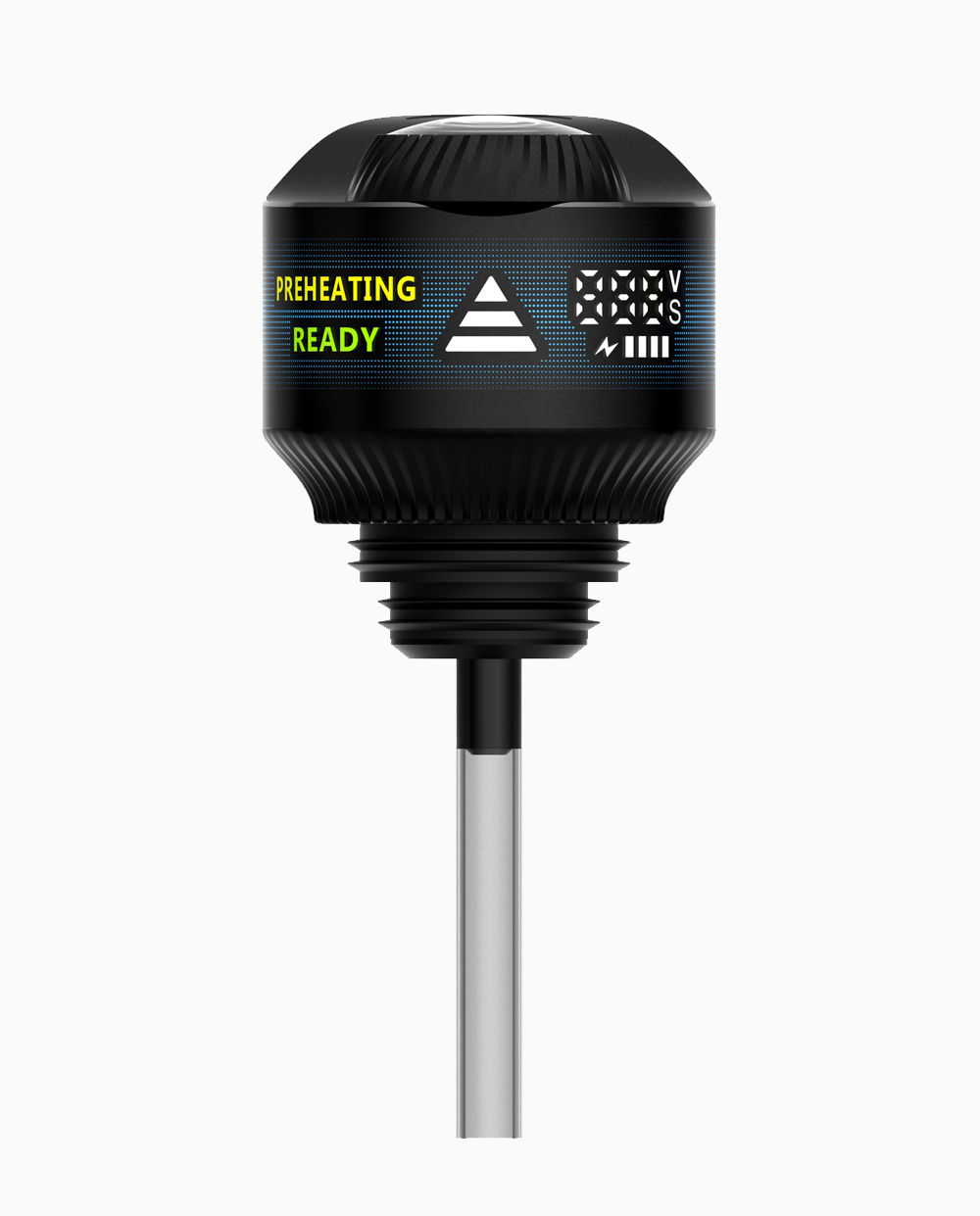
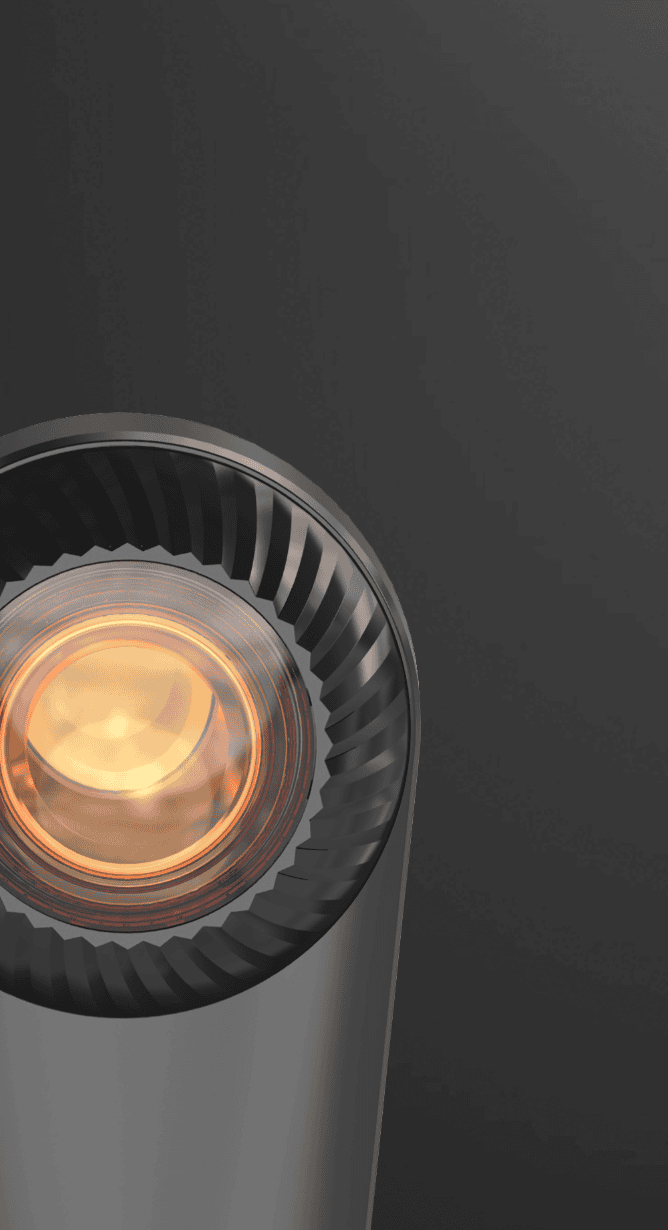
Precise temperature control is critical for THCa vape products. If the device runs too cool, decarboxylation may be incomplete and the user may waste extract. If it runs too hot, the experience can become harsh, and delicate terpenes may be damaged.
Terpenes are important because they influence aroma, flavor, and the character of a cannabis extract. However, claims about terpene-driven “entourage effects” should remain careful.
Viscosity, Dry Hits, and Heavy Metal Risk
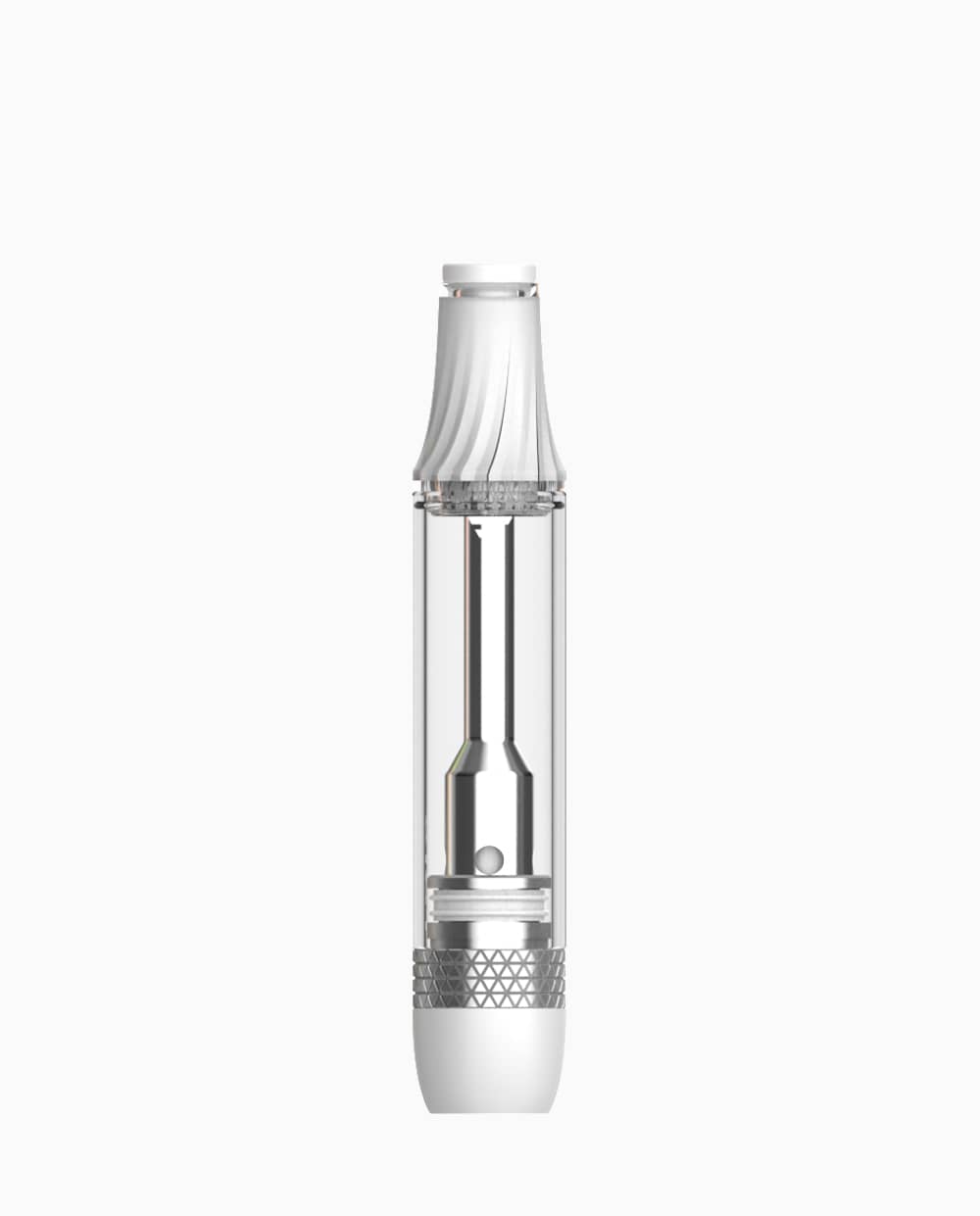
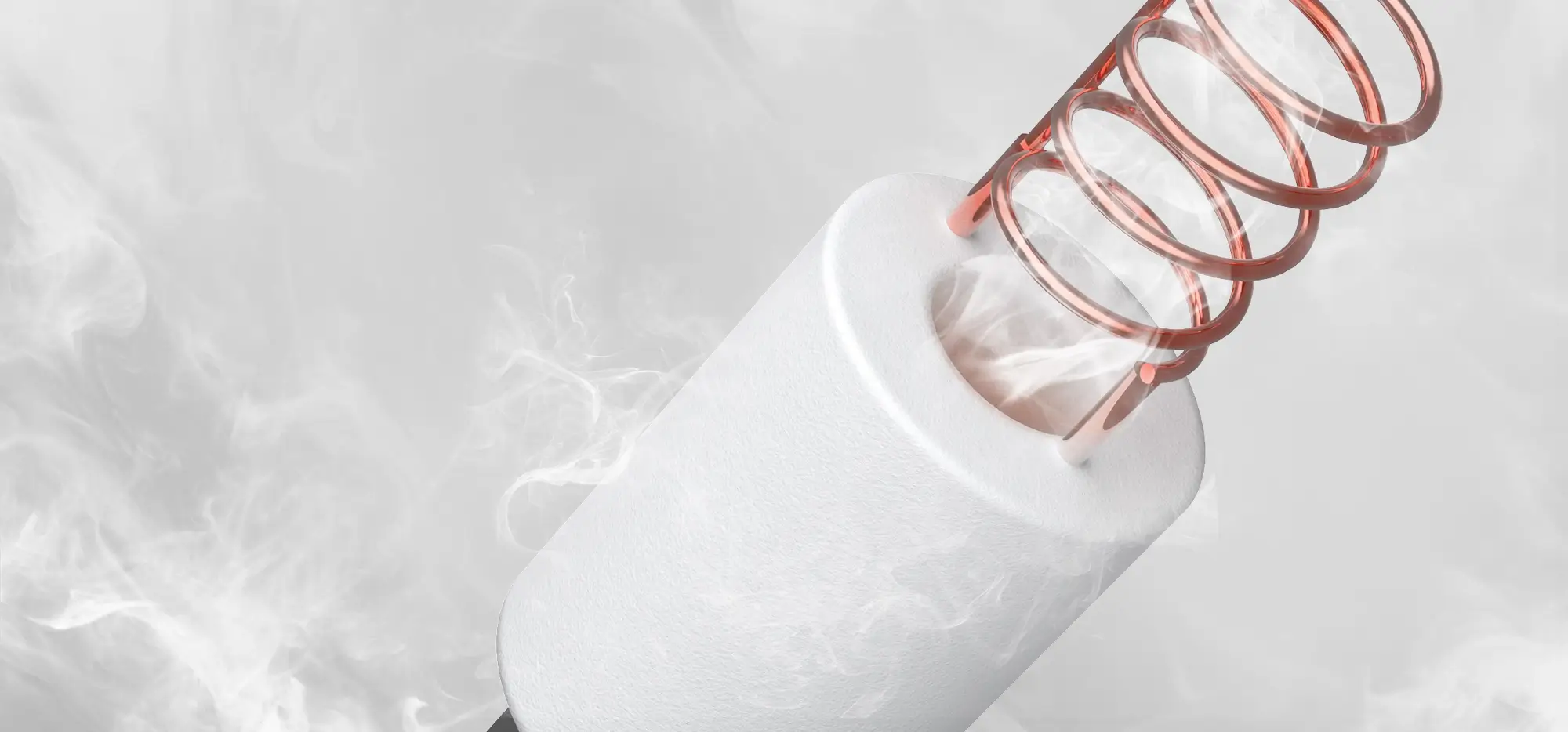
THCa-rich extracts such as liquid diamonds or live rosin can be thick. If the ceramic core, oil inlet size, porosity, and voltage are not designed for that viscosity, the wick may not keep up with heating. This can create dry hits and excessive localized heat.
Hardware quality also matters for safety. Studies have found that metals such as chromium, copper, nickel, lead, manganese, and tin can migrate from some cannabis vape cartridge components into oil or aerosol under certain conditions.
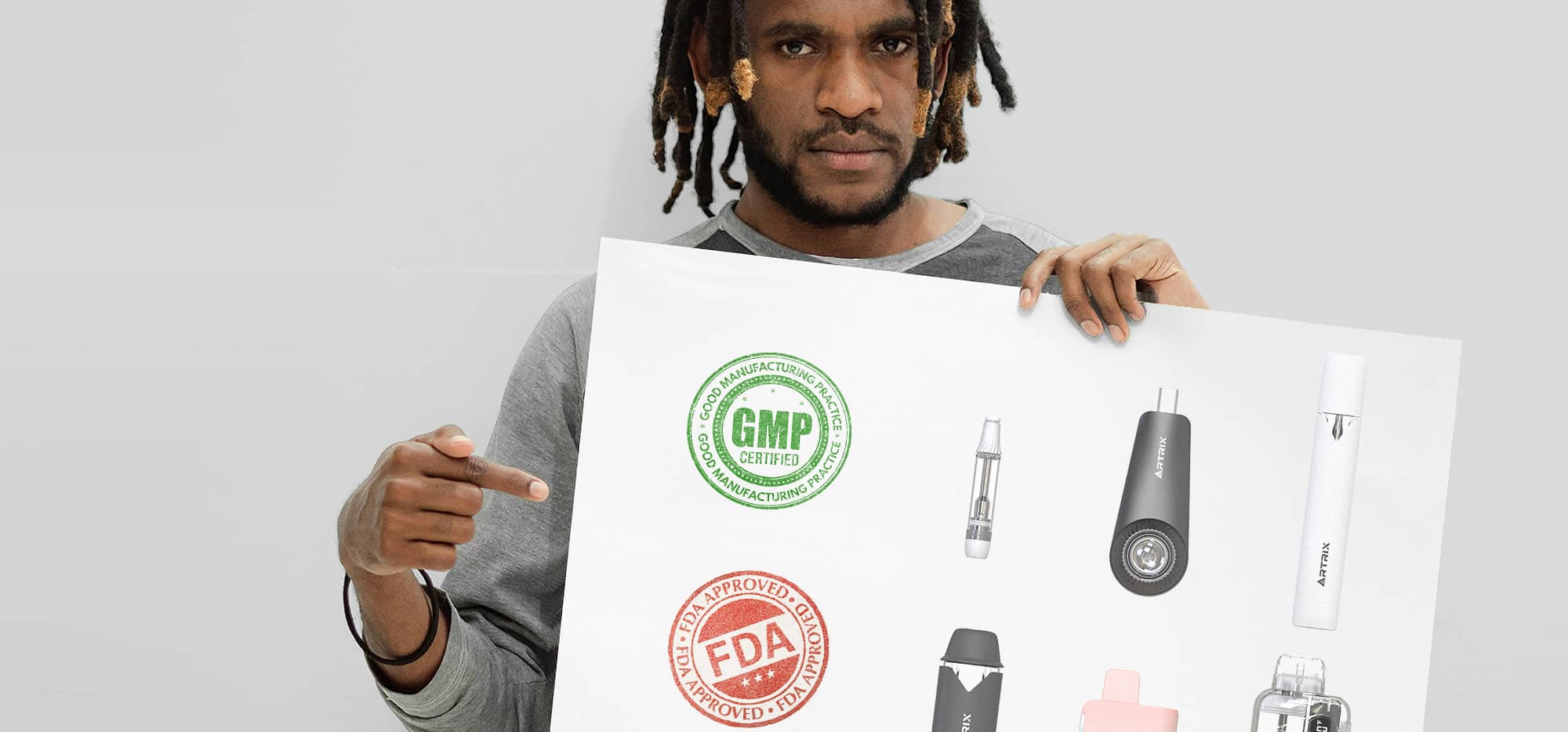
For high-value THCa extracts, premium hardware is not just a branding detail. Medical-grade ceramic materials, tested metal components, extract-specific heating profiles, and stable airflow all help protect flavor, consistency, and consumer trust.
How Long Does THCa Stay in Your System?
-
- Single use: THC-COOH may be detectable for up to about 3 days after a single use, depending on metabolism and test sensitivity .
-
- Several times per week: Mayo Clinic Laboratories lists an approximate urine detection window of around 5 days for use several times per week.
-
- Daily or heavy use: Heavy or chronic use can extend detection to 10 days, 30 days, or longer in some cases; Mayo confirmation guidance notes chronic use may lead to THC-COOH excretion for 30 to 60 days after stopping.
Standard drug tests do not usually care whether the THC exposure began as THCa. If you vape, dab, smoke, or otherwise heat THCa, you should assume it may be treated like THC exposure in urine testing.
THCa Side Effects
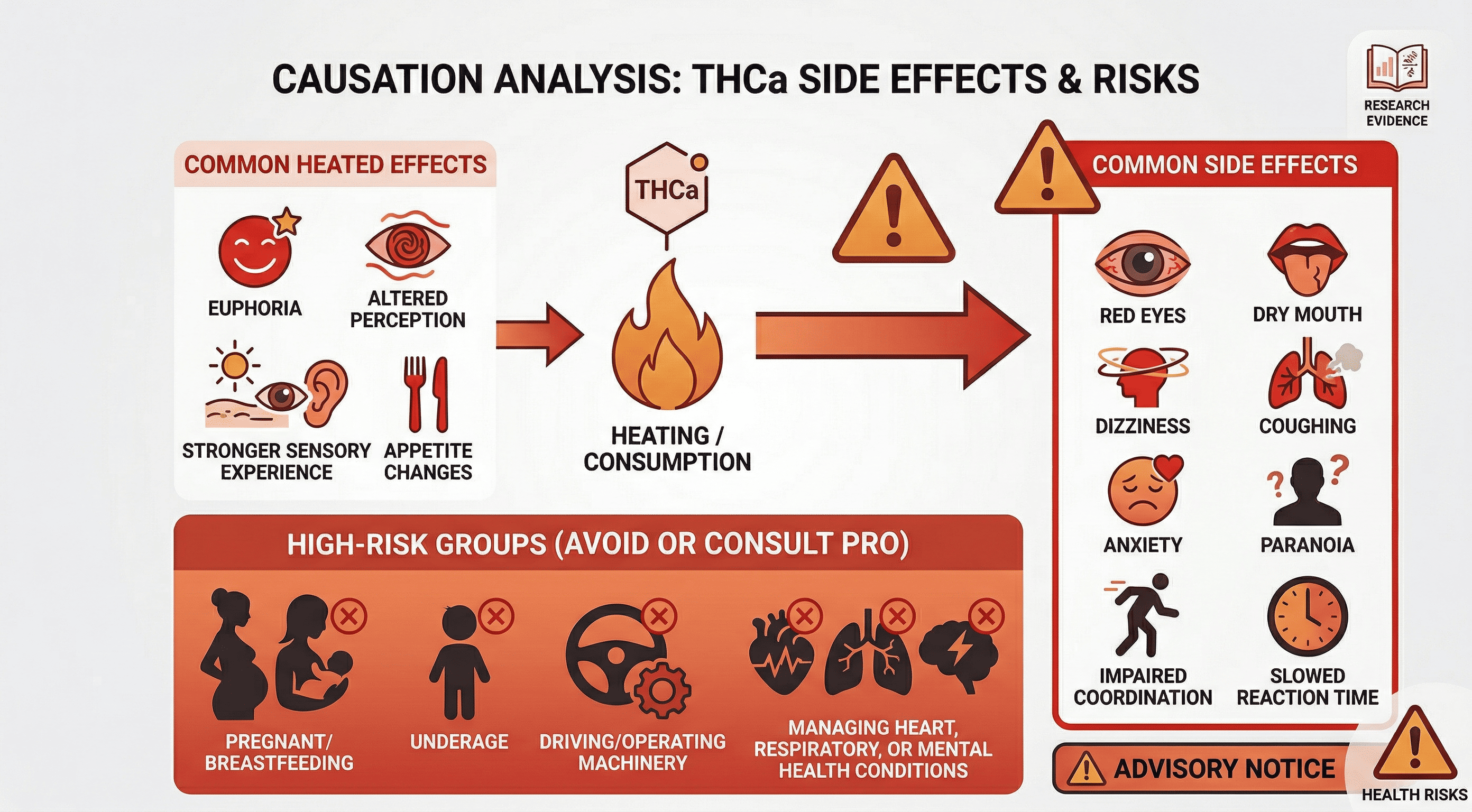
THCa side effects depend on whether the product is raw or heated. Raw THCa is generally discussed as non-intoxicating, but research in humans is still limited. Heated THCa should be treated like THC because it converts into THC during use.
CDC notes that cannabis can affect memory, learning, attention, decision-making, coordination, emotions, and reaction time. CDC also warns that cannabis may cause anxiety, paranoia, and disorientation in some user.
-
- Common heated THCa effects: euphoria, altered perception, relaxation, stronger sensory experience, and appetite changes.
-
- Common side effects: dry mouth, red eyes, dizziness, coughing, anxiety, paranoia, impaired coordination, and slowed reaction time.
-
- Higher-risk groups: people who are pregnant, breastfeeding, underage, driving, operating machinery, or managing heart, respiratory, or mental health conditions should avoid cannabis use or consult a qualified healthcare professional.
For legal-age adults who choose to consume THC-forming products, public-health guidance recommends starting with a low amount and waiting before taking more. Health Canada specifically advises beginning with 1 or 2 puffs for smoking or vaping products and waiting to feel the effects before increasing intake.
Conclusion
THCa has two faces. Raw THCa is a non-intoxicating acidic cannabinoid with early research interest around inflammation and neuroprotection. Heated THCa is effectively a pathway to THC effects, especially when consumed through vaping, dabbing, or smoking.
For brands working with high-purity THCa extracts, the device matters as much as the oil. Precise temperature control, ceramic heating performance, viscosity matching, and tested materials help preserve flavor while reducing avoidable hardware risks. Whether the extract is liquid diamonds, live rosin, or another premium THCa formulation, the hardware should be worthy of its quality.