
-1.webp)
-1.webp)
-2.webp)




















The Ultimate Guide to a Successful Weed Tolerance Break
Last Updated: Apr 14, 2026
A weed tolerance break, often called a T-break, is a planned pause from THC use. People usually discuss tolerance breaks when cannabis starts to feel less noticeable, when the same product is used more quickly, or when sessions become more routine than intentional.
This article is for educational purposes only. It is not medical advice, treatment advice, or a recommended plan for changing cannabis use. Cannabis affects people differently based on frequency of use, THC potency, health status, medication use, mental health history, and whether cannabis is being used for medical reasons. Anyone with withdrawal concerns, dependence concerns, medical cannabis needs, pregnancy, medication interactions, or mental health conditions should speak with a qualified healthcare professional before making changes.
What Is a Weed Tolerance Break?
A weed tolerance break is a temporary pause from THC exposure. The goal is usually to understand how tolerance has changed, reduce automatic consumption patterns, and observe whether the body responds differently after time away from THC.
Tolerance does not usually appear overnight. For frequent users, it often builds gradually. A cartridge may empty faster. A familiar amount may feel less noticeable. A session that once felt occasional may become a daily default. In that context, a tolerance break is not only about stopping. It is also about noticing how cannabis fits into routine, cost, mood, sleep, and product choice.
When Cannabis Tolerance May Be Affecting the User Experience
High tolerance can show up in several practical ways. These signs do not diagnose a medical condition, but they can help users and cannabis brands understand why tolerance becomes a common topic in cannabis education.
-
- The first draw produces little noticeable effect. The user consumes, but the expected signal feels muted.
-
- Consumption increases over time. A product that once lasted a week may now last only a few days.
-
- Cost rises while satisfaction drops. The user spends more while getting less perceived value from each session.
-
- Only large clouds or high-output sessions feel satisfying. This can push users toward hotter, longer, or more frequent sessions.
-
- The habit feels harder to interrupt. The CDC lists signs of cannabis use disorder such as using more cannabis than intended, craving cannabis, trying but failing to quit, and needing more cannabis to get the same high: CDC cannabis use disorder information.
If several of these patterns feel familiar, the issue may be bigger than product strength alone. Tolerance, routine, device output, product potency, and personal health factors can all shape the experience.
Why Cannabis Tolerance Can Build Over Time
THC works largely by interacting with CB1 receptors in the brain. One simple way to understand tolerance is to imagine those receptors like ears at a loud concert. If the signal is intense every day, the system may reduce sensitivity to protect itself. In cannabis science, this adaptation is often discussed as receptor downregulation.
Human brain-imaging research found that chronic daily cannabis smokers had reduced CB1 receptor availability, and that receptor density returned to normal after approximately four weeks of continuously monitored abstinence. This does not mean every user has the same timeline, but it helps explain why tolerance breaks are often discussed in terms of days or weeks rather than hours.
The important point is that tolerance is not only about willpower. It is a biological and behavioral pattern shaped by THC exposure, product strength, frequency, and routine.
Common Weed Tolerance Break Timelines and Individual Variables
When people ask how long a weed tolerance break should be, common timelines include 24 hours, 3 days, 7 days, 21 days, and 28 days. These timeframes are useful reference points, but they are not guaranteed reset formulas. Individual response can vary based on frequency of use, THC potency, product type, sleep, stress, and whether cannabis is being used for medical reasons.
First 1-3 Days: Routine Disruption and Early Discomfort
For some frequent users, the first few days may feel difficult because both chemistry and routine are changing. A clinical review in Addiction reports that cannabis withdrawal symptoms often begin 24-48 hours after stopping and may include anxiety, irritability, disturbed sleep or dreaming, depressed mood, and appetite loss.
This is one reason tolerance break content should be written carefully. If symptoms feel severe, if cannabis is being used for medical reasons, or if the user has a mental health condition or uses other substances, professional guidance is important.
Days 4-14: Sleep, Appetite, and Habit Changes
By days four through fourteen, some users describe less sharp craving, while others notice sleep changes, vivid dreams, appetite shifts, or mood changes. The same clinical review notes that withdrawal symptoms often peak around days 2-6, while some symptoms can last up to three weeks or longer in heavy users.
These changes do not mean the experience is the same for everyone. Product potency, daily frequency, concentrate use, sleep quality, stress, and baseline health can all affect how a pause feels.
Days 15-28: Sensitivity May Change, But Results Are Not Guaranteed
Some users report clearer mornings, stronger effects after returning, or less automatic craving after two to four weeks. However, the receptor evidence points closer to four weeks for fuller CB1 normalization in the studied heavy daily users, not a universal finish line for every person.
For brands and educators, this is an important distinction. A tolerance break should not be presented as a guaranteed reset. It is better framed as a period when tolerance, behavior, and reintroduction patterns may change.
Possible Discomforts and Risk Factors During a Cannabis Pause
| Possible experience | What users may notice | Risk-safe education note |
|---|---|---|
| Irritability | Minor stressors may feel stronger than usual. | Mood changes can occur during cannabis withdrawal. Severe or persistent symptoms should be discussed with a healthcare professional. |
| Sleep changes | Some users report insomnia, vivid dreams, or restless sleep. | Sleep effects vary. Medical cannabis users or people with sleep disorders should not treat online advice as a care plan. |
| Cravings | The user may notice automatic habits around usual session times. | Cravings can be part of cannabis withdrawal. Difficulty cutting back may be a reason to seek qualified support. |
| Appetite changes | Food may feel less appealing for some users. | Significant appetite or weight changes should be treated seriously, especially for users with medical conditions. |
| Vivid dreams | Dreams may feel more intense during a pause. | This is commonly discussed by users, but duration and intensity vary. |
CBD is sometimes discussed during tolerance breaks, but brands should be cautious with the wording. CBD should not be positioned as a treatment for withdrawal, anxiety, insomnia, dependence, or any medical condition unless the claim is legally approved and properly substantiated.
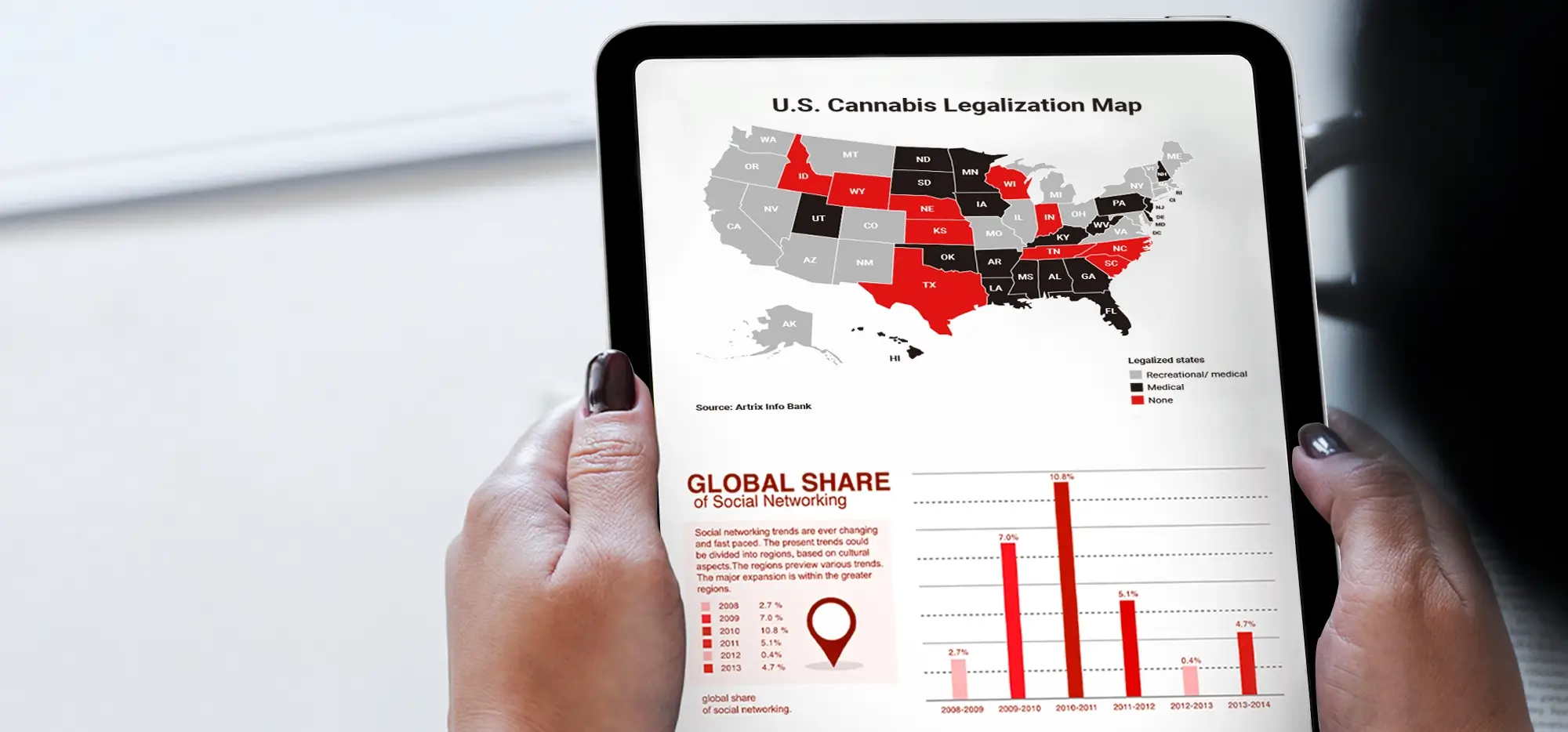
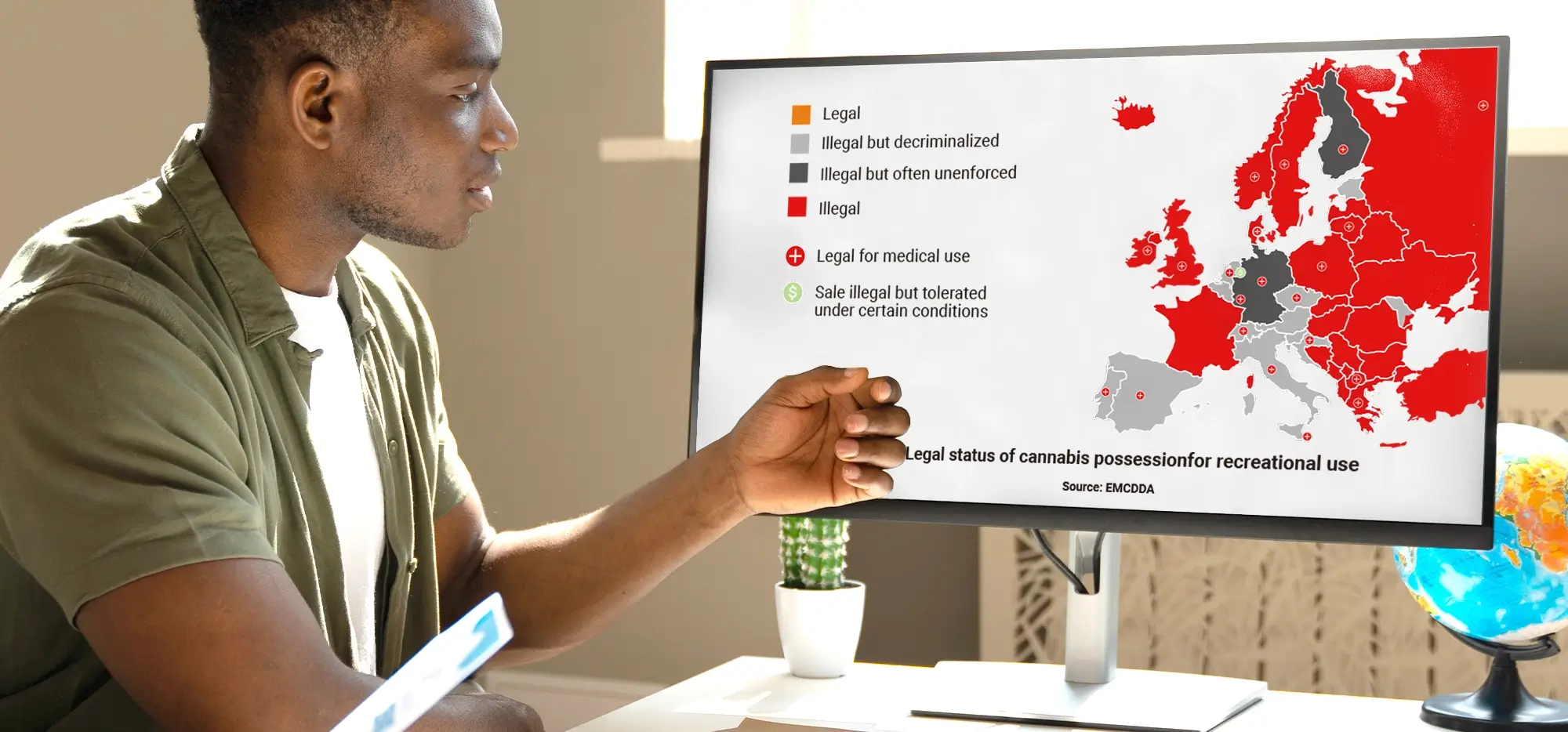
In the United States, FDA says hemp was federally defined under the 2018 Farm Bill as cannabis with no more than 0.3% delta-9 THC on a dry-weight basis, but FDA also states that CBD products are subject to FDA regulation and cannot be marketed with unapproved therapeutic claims. Cannabis and cannabinoid regulations also vary by jurisdiction.
Before and After a 10-Day Weed Tolerance Break:
What a Heavy Evening User Noticed
One way to understand a weed tolerance break is to look at how a user’s relationship with cannabis may feel different before and after a pause. The following example is not medical advice or a recommended plan. It is an educational scenario showing why reintroduction deserves caution.
Before the break, a heavy evening user might feel that one or two draws no longer produce the same noticeable effect. Sessions may become longer, more automatic, or harder to evaluate because the user is trying to reach a familiar level of relaxation.
After a 10-day pause, the same user may notice that cannabis feels stronger than expected. This does not mean every person will respond the same way. Tolerance, product potency, frequency of use, sleep, stress, and individual health factors can all affect the experience.
The main takeaway is that the period after a tolerance break can be a sensitive transition point. Users who consume cannabis for medical reasons, experience withdrawal symptoms, or have concerns about dependence, sleep, mood, or medication interactions should speak with a qualified healthcare professional before making changes.
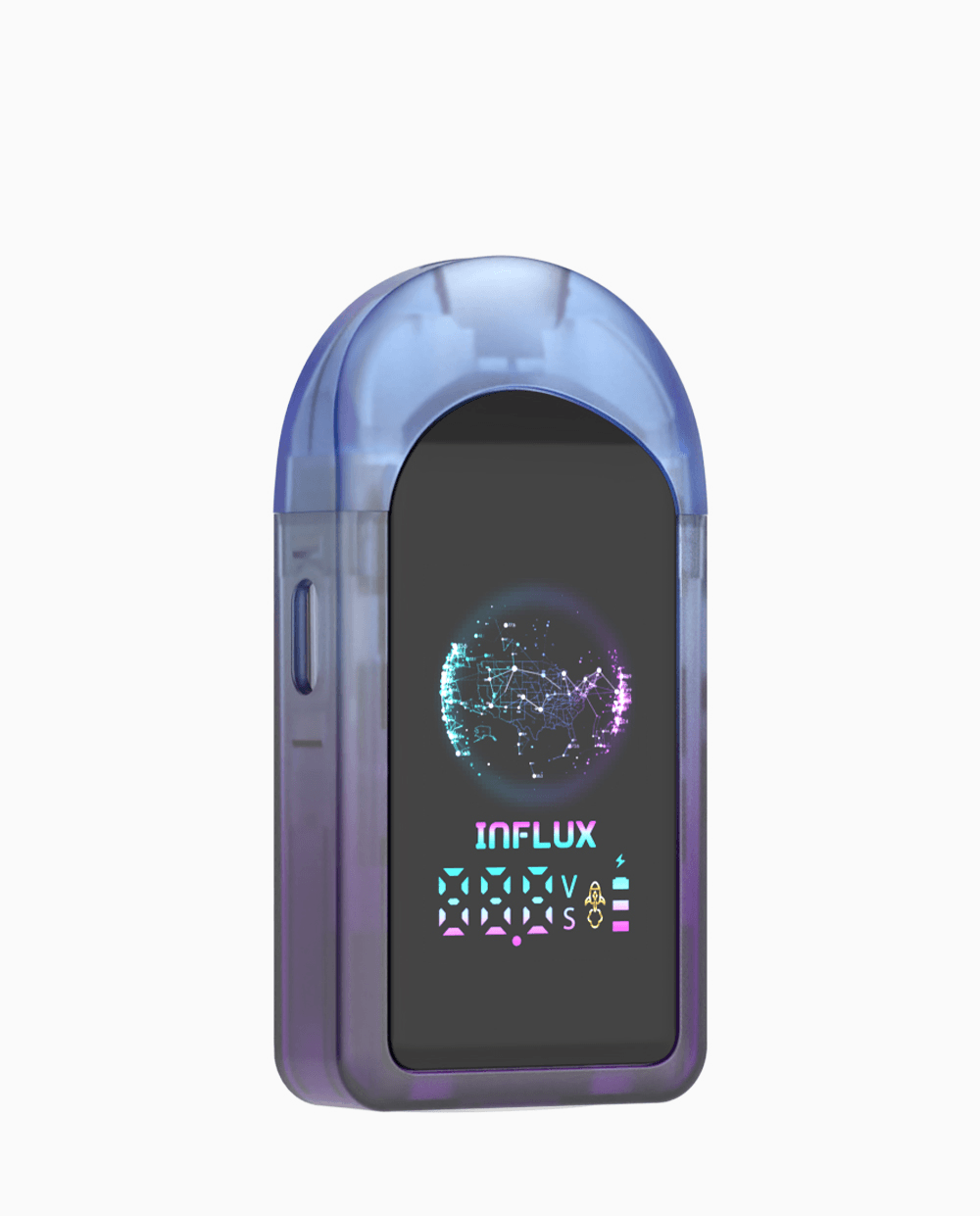
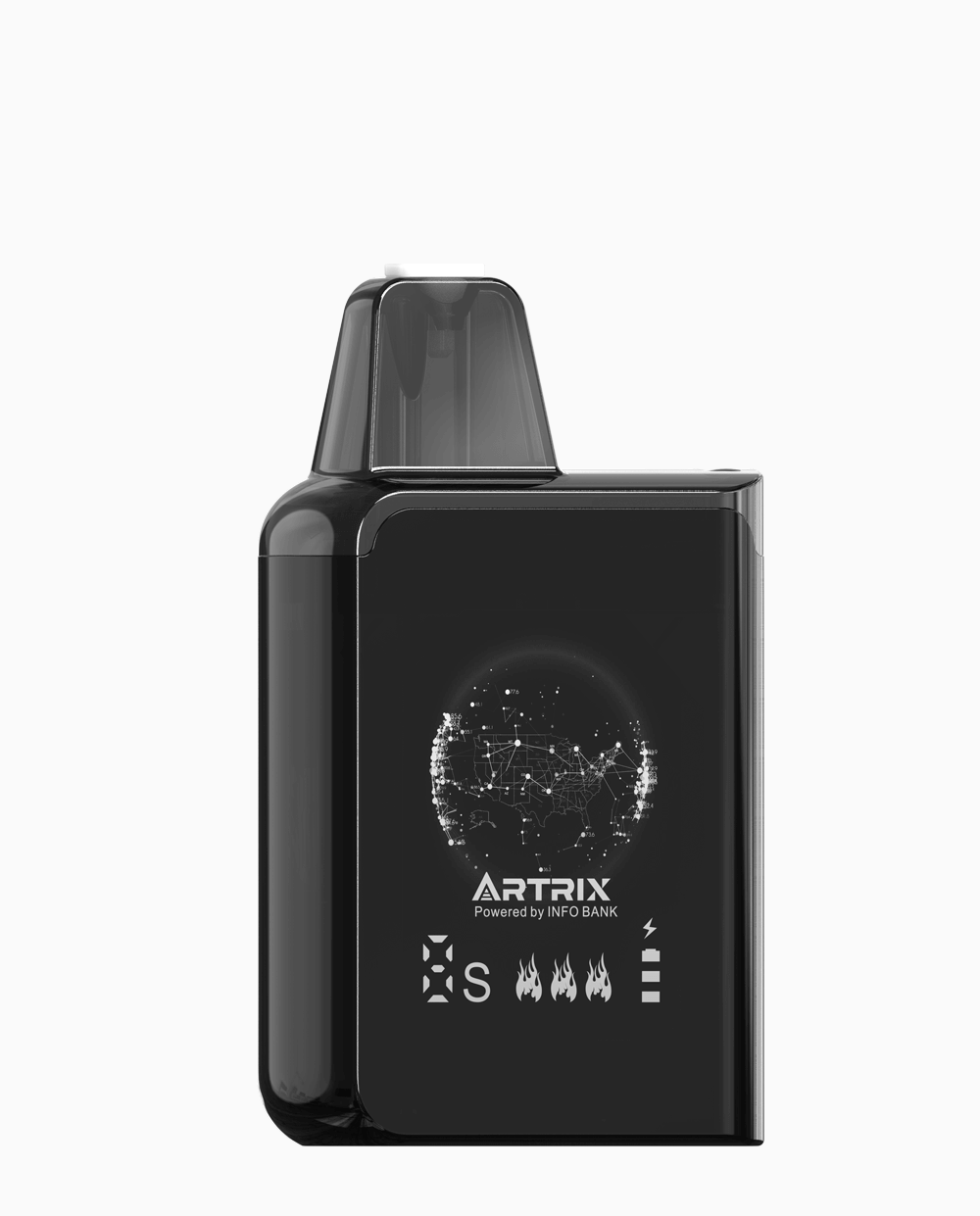
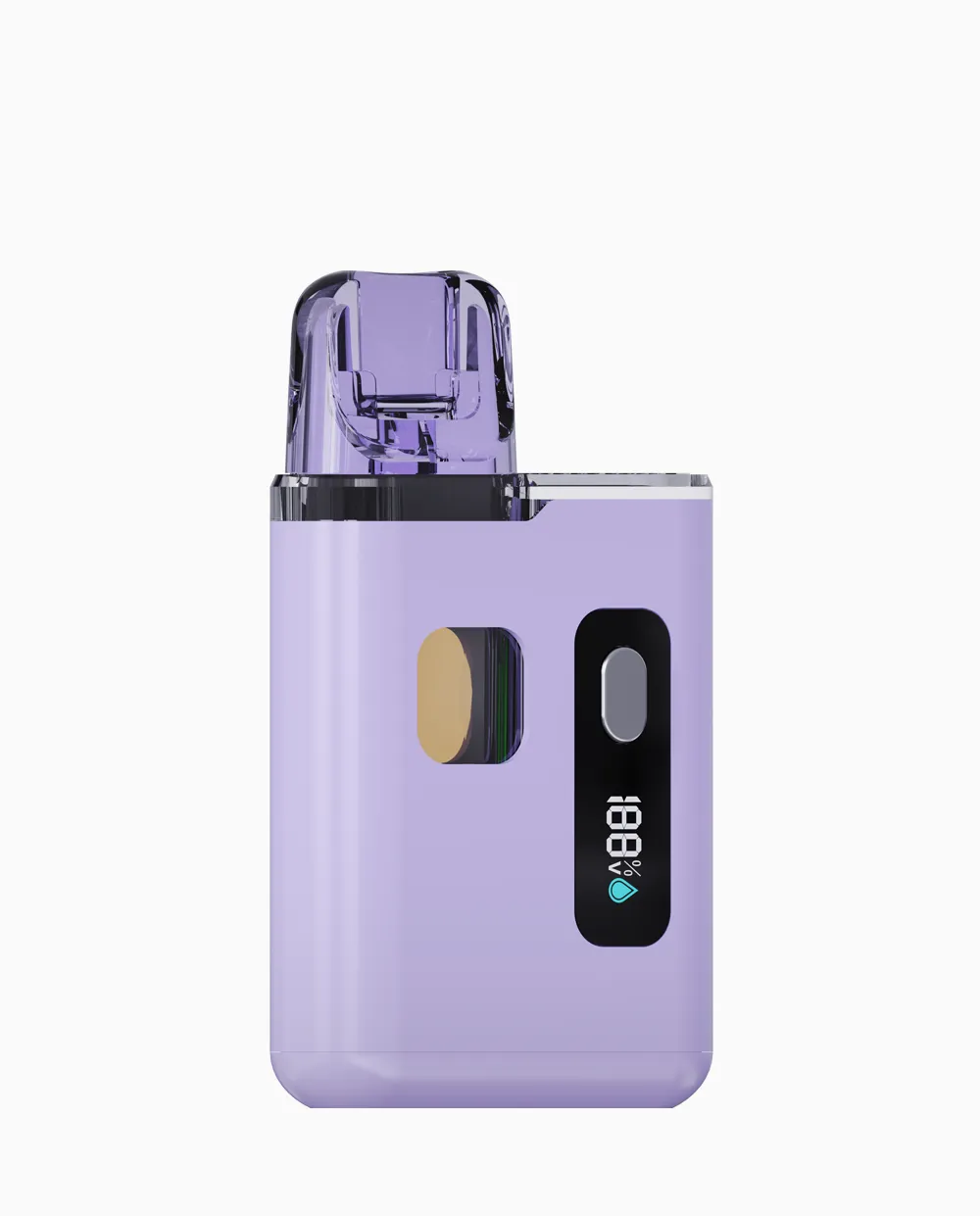
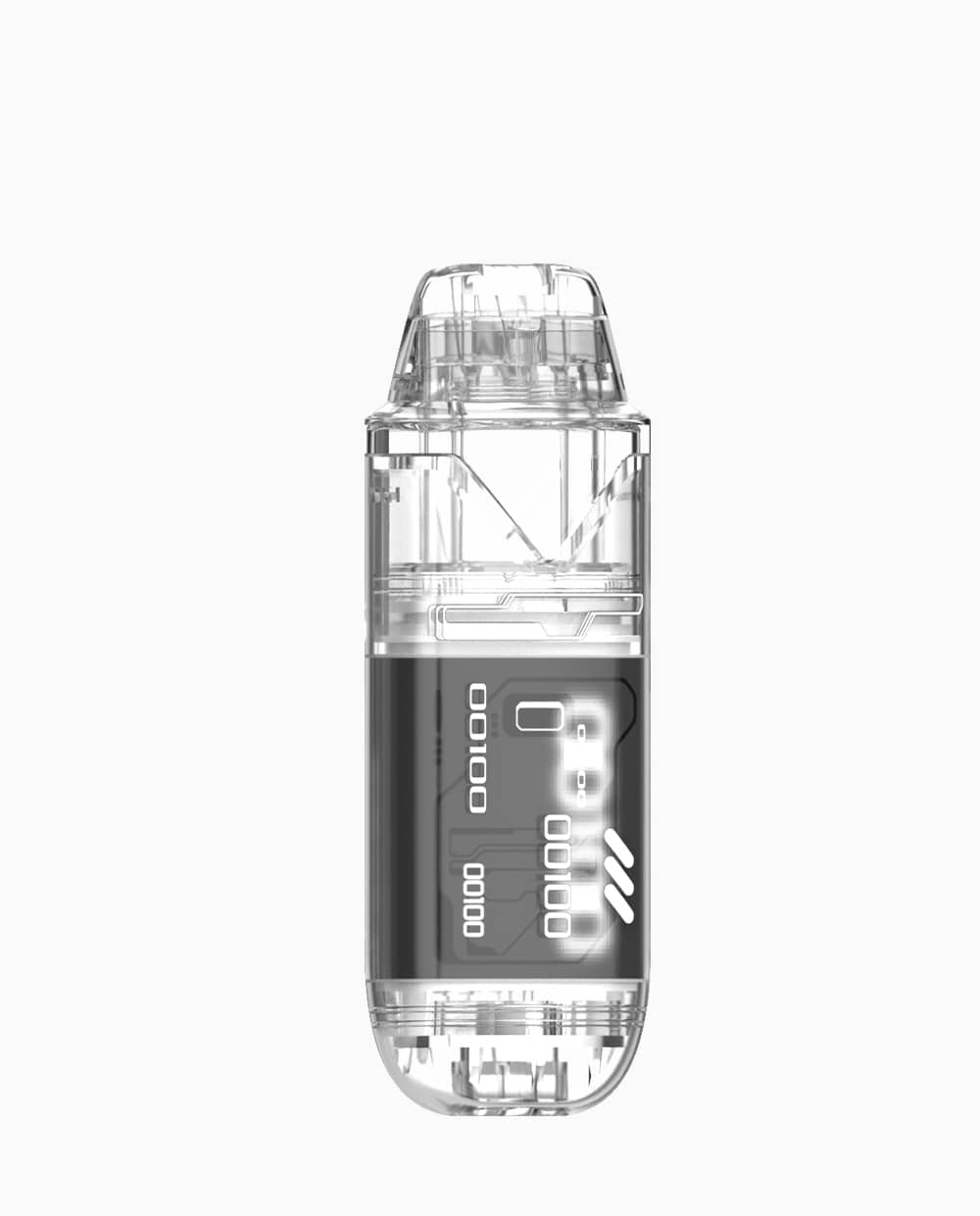
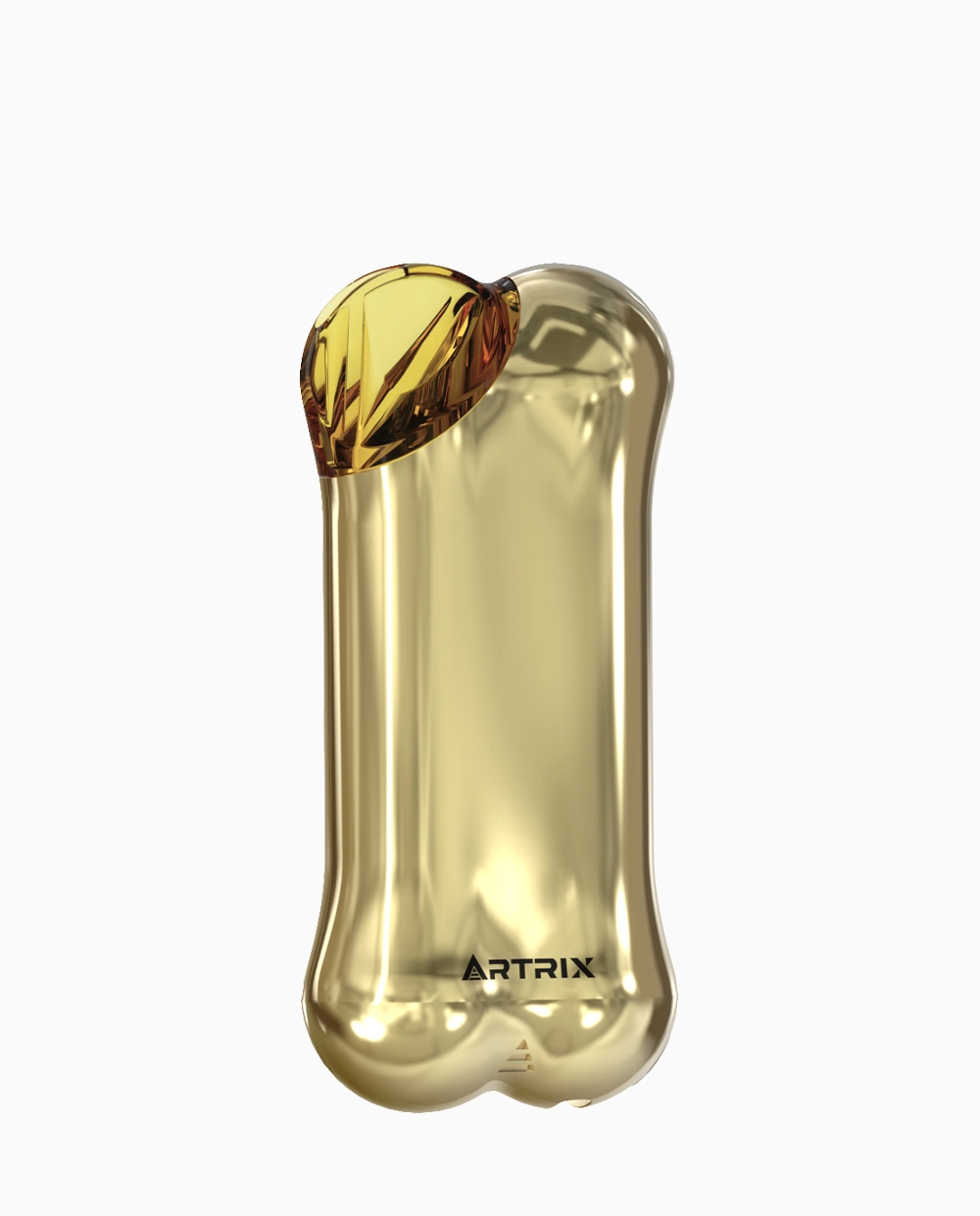
For cannabis brands and hardware developers, this is also where product design matters. Devices that support consistent output, draw awareness, and controlled sessions may help users avoid unintentionally returning to high-intensity use patterns.
How High Tolerance Can Affect Cannabis Spending
Tolerance also has an economic side. If a user consumes 1 gram per day at $10 per gram, that equals $70 per week and about $3,640 per year. If the same user later consumes 1 gram per week, the annual spend would be about $520.
Real-world numbers vary by market, tax rate, product type, potency, and user preference. Still, the principle is clear: when tolerance rises, users may spend more while feeling less satisfied. This can affect both consumer behavior and brand loyalty.
For cannabis brands, tolerance education is not only a wellness topic. It is also a product experience topic. A user who feels forced into larger sessions may eventually associate the product with weak value, even when the real issue is tolerance, device output, or consumption pattern.
Why Reintroduction After a Tolerance Break Deserves Caution
The period after a tolerance break can be unpredictable because previous consumption patterns may no longer feel the same. A dose or session style that felt ordinary before the break may feel stronger afterward.
This is why reintroduction should be discussed carefully. The safer editorial framing is not to tell users exactly how to consume. Instead, the article should explain that potency, amount, frequency, inhalation method, device output, and personal health factors can all influence the post-break experience.
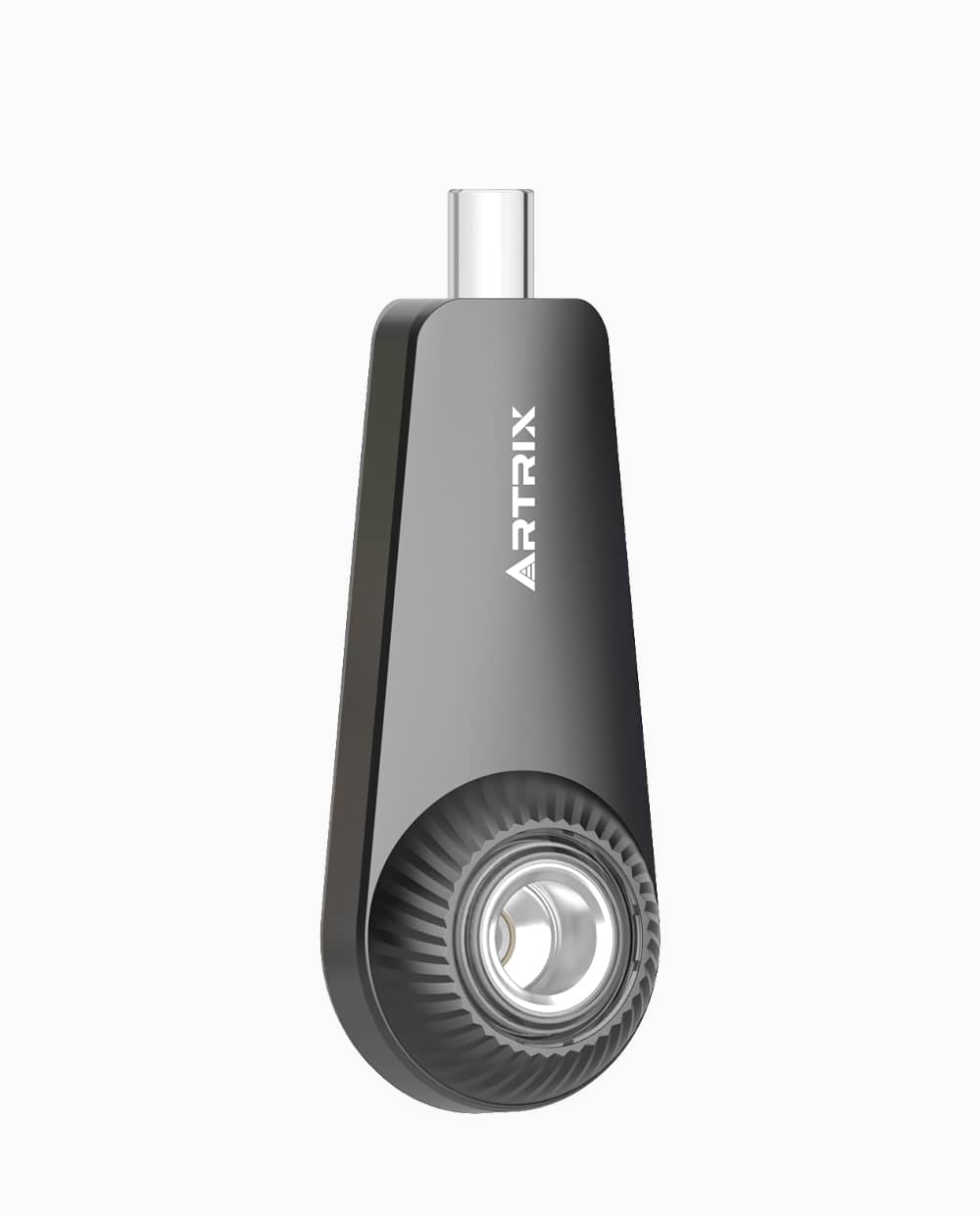
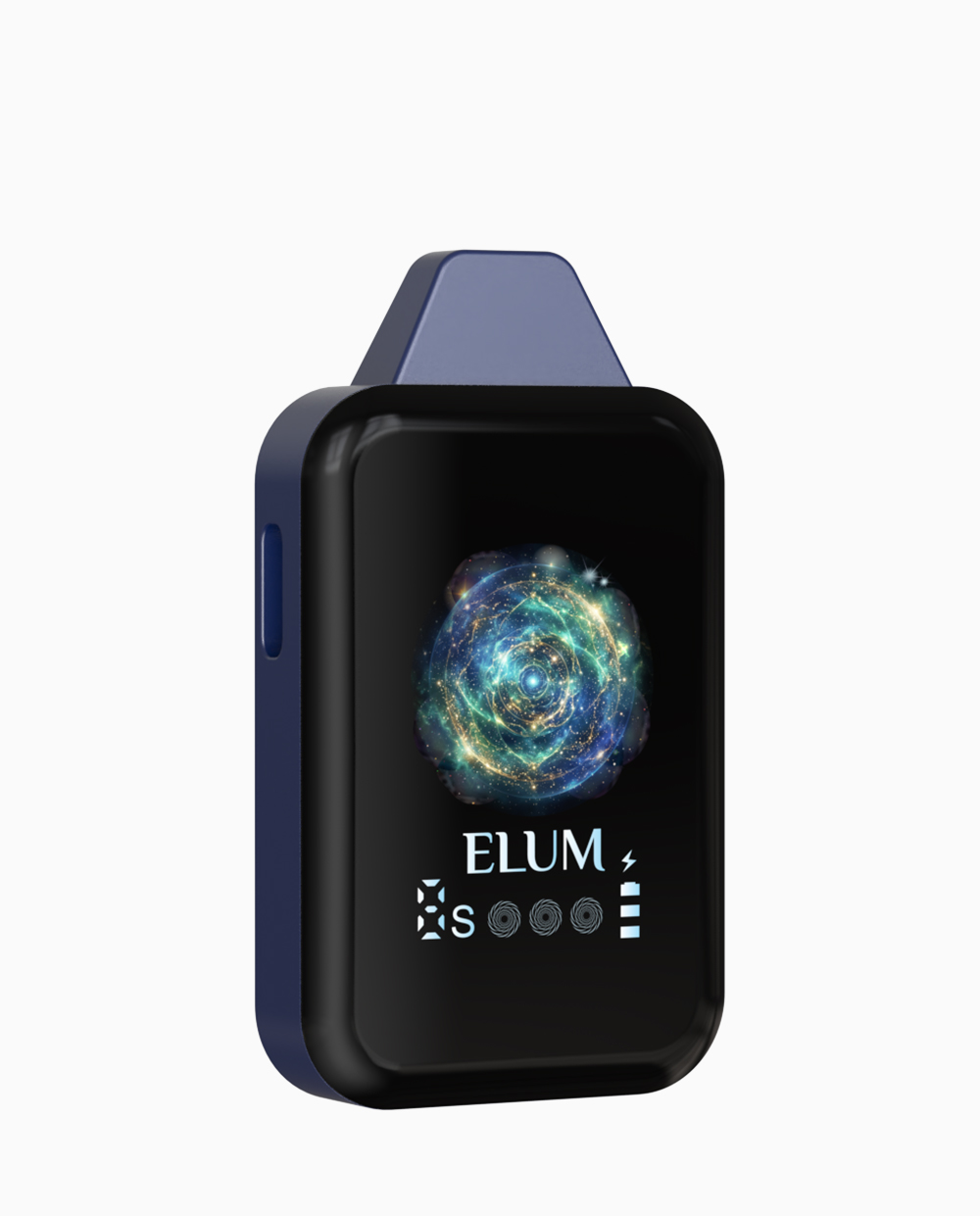
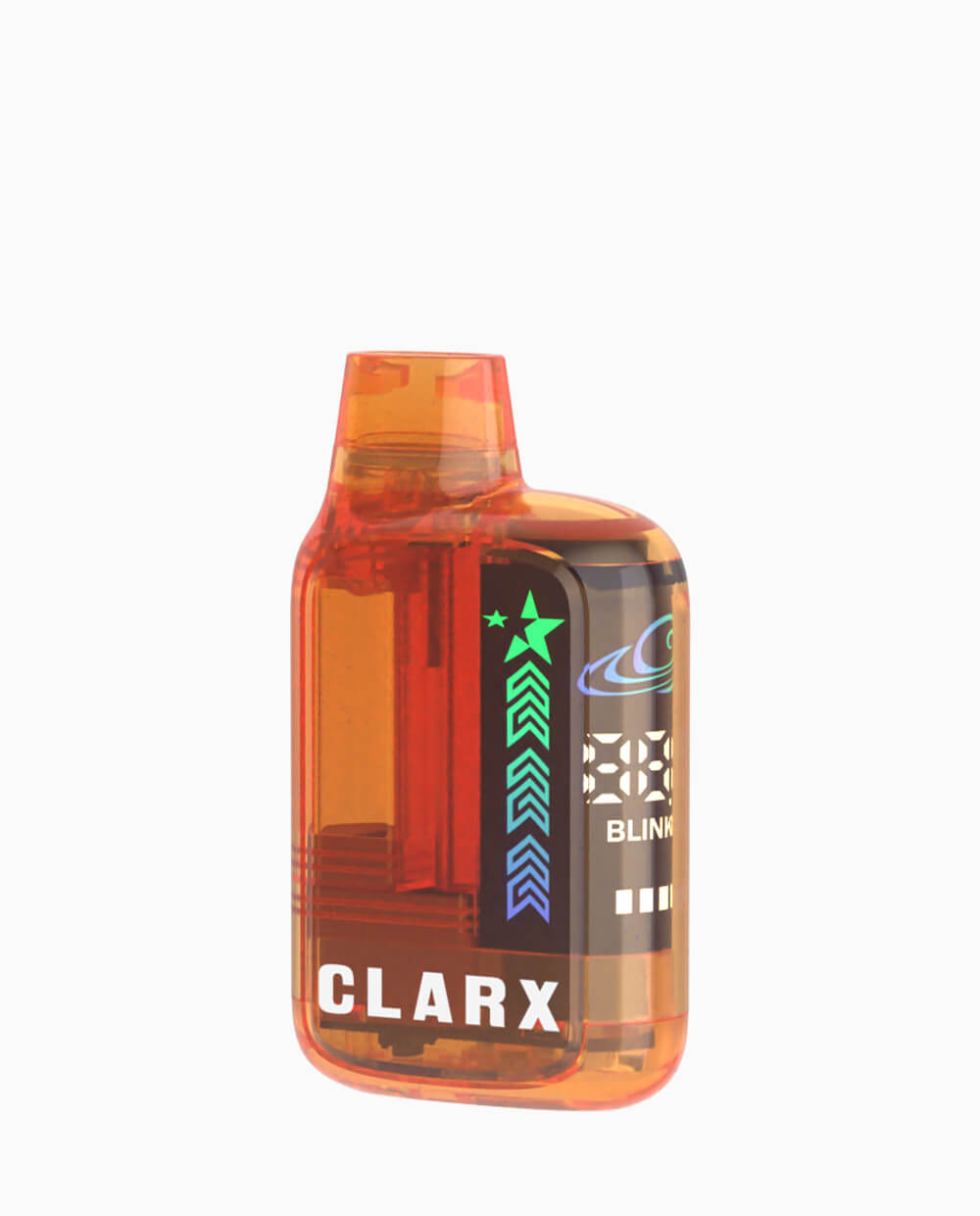
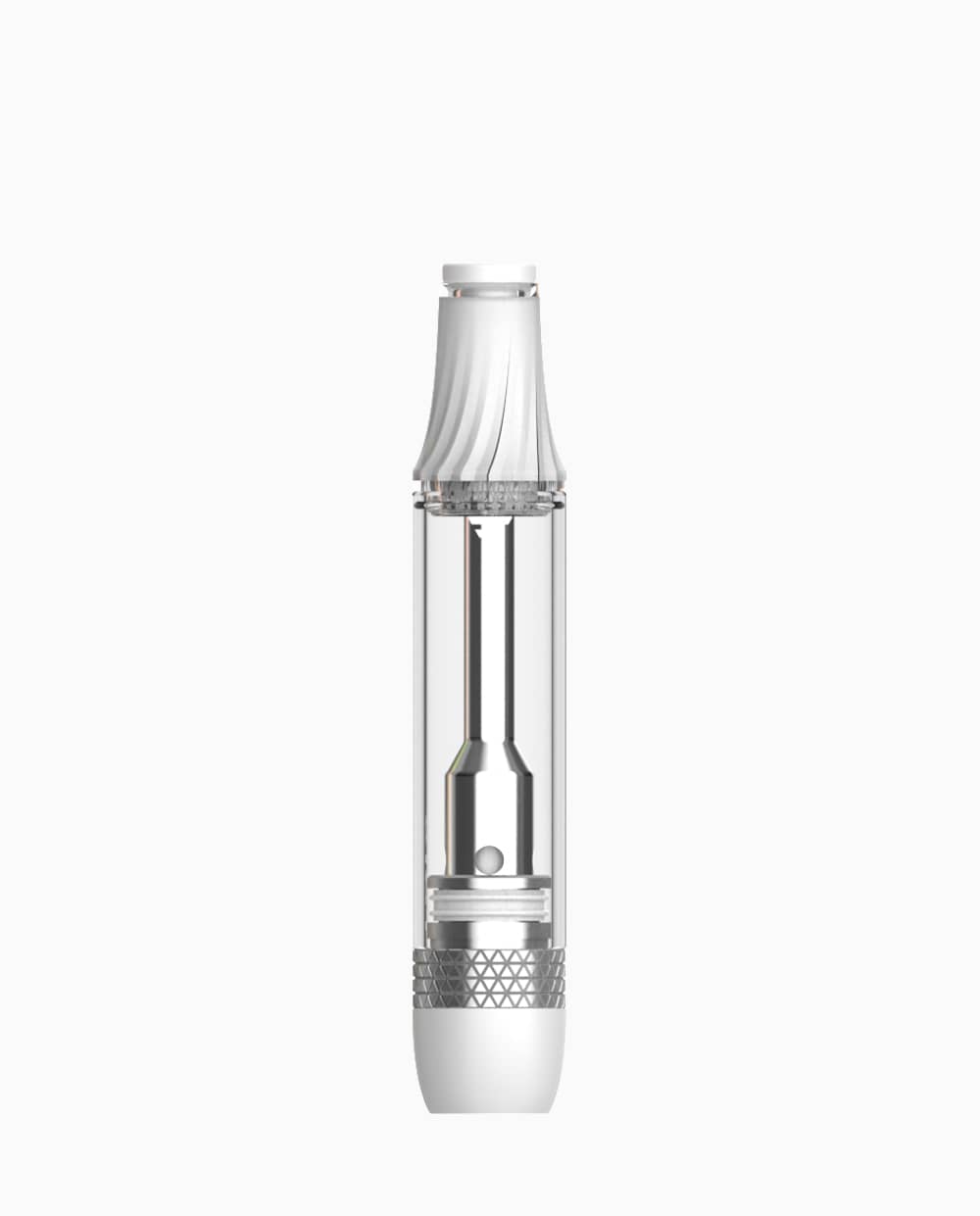
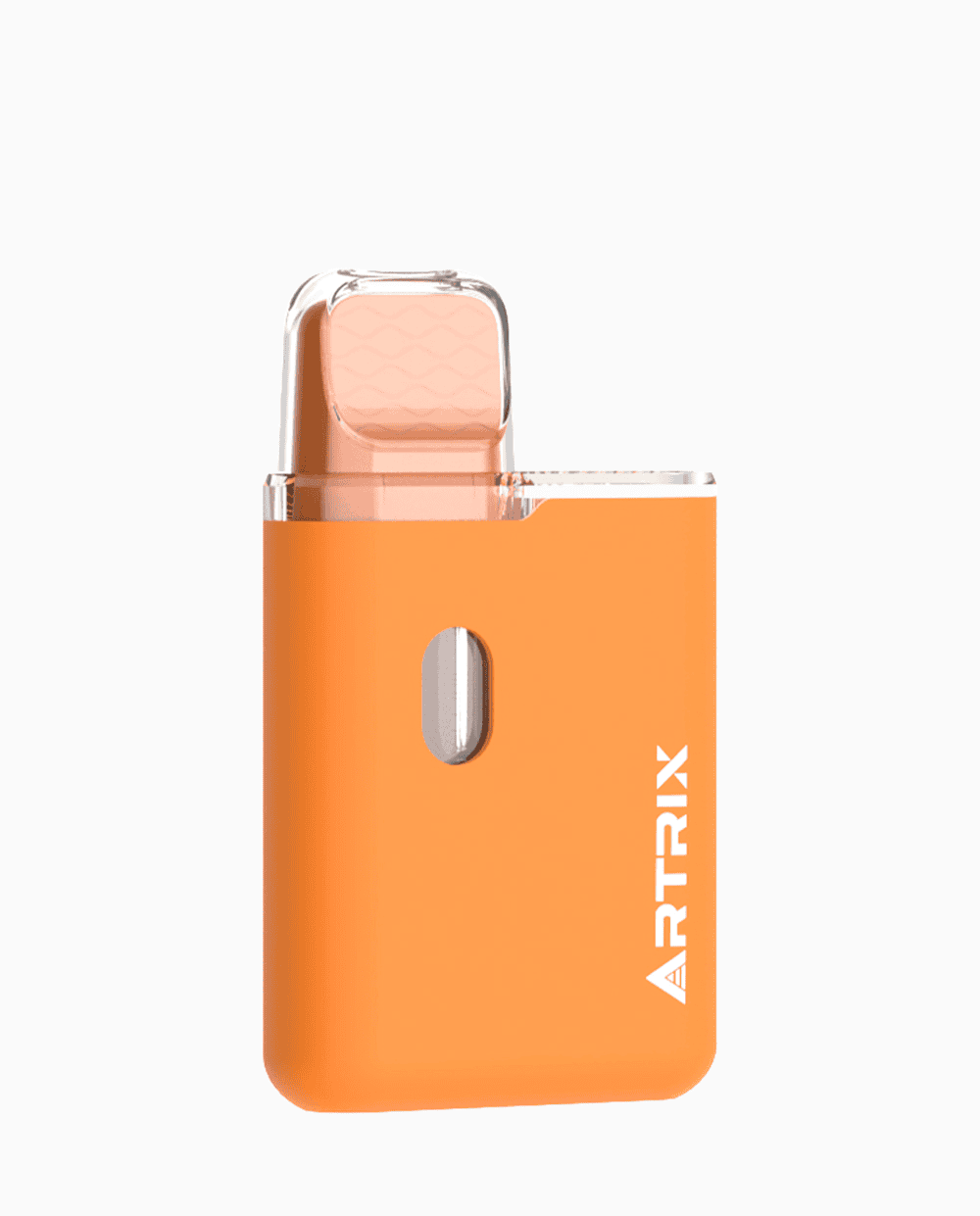
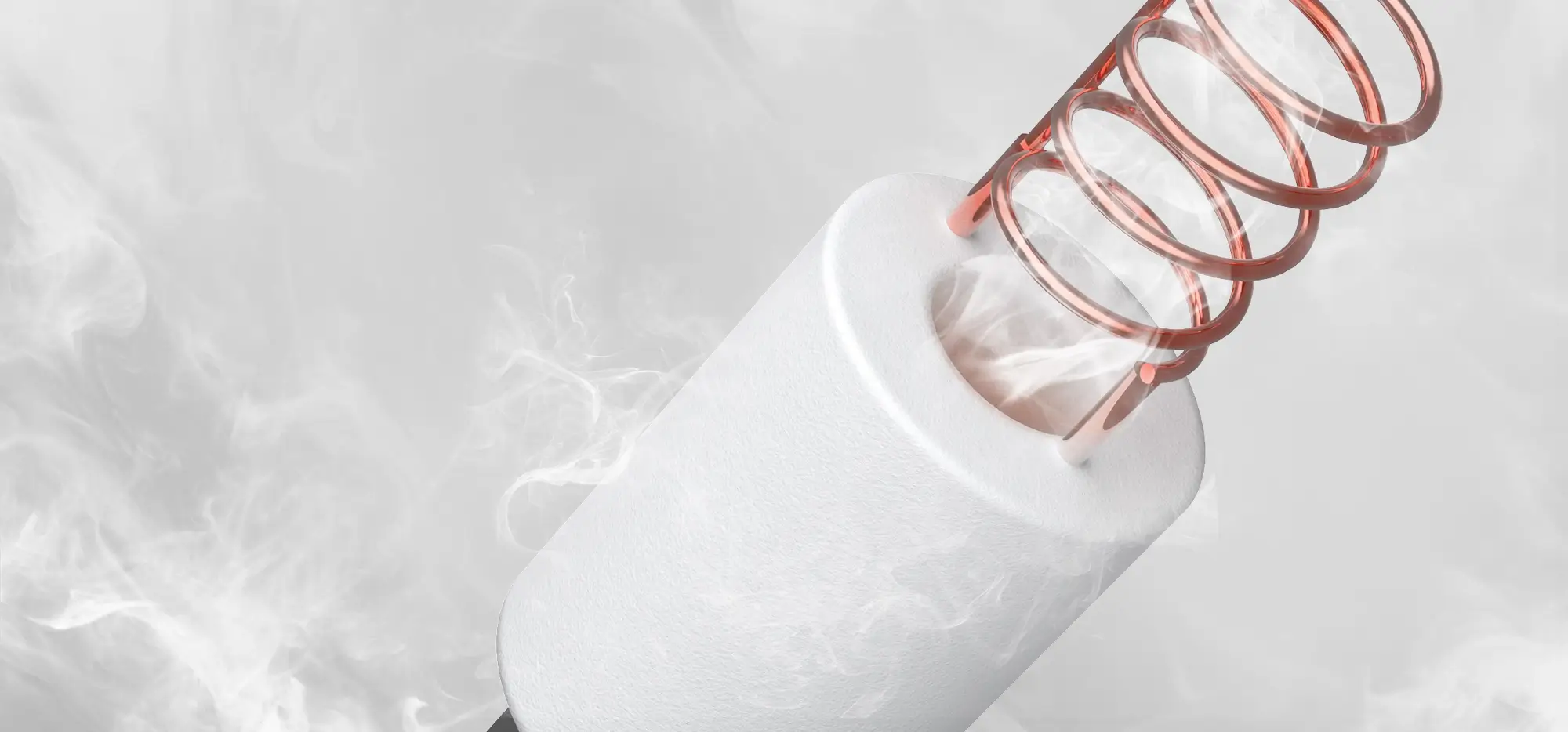
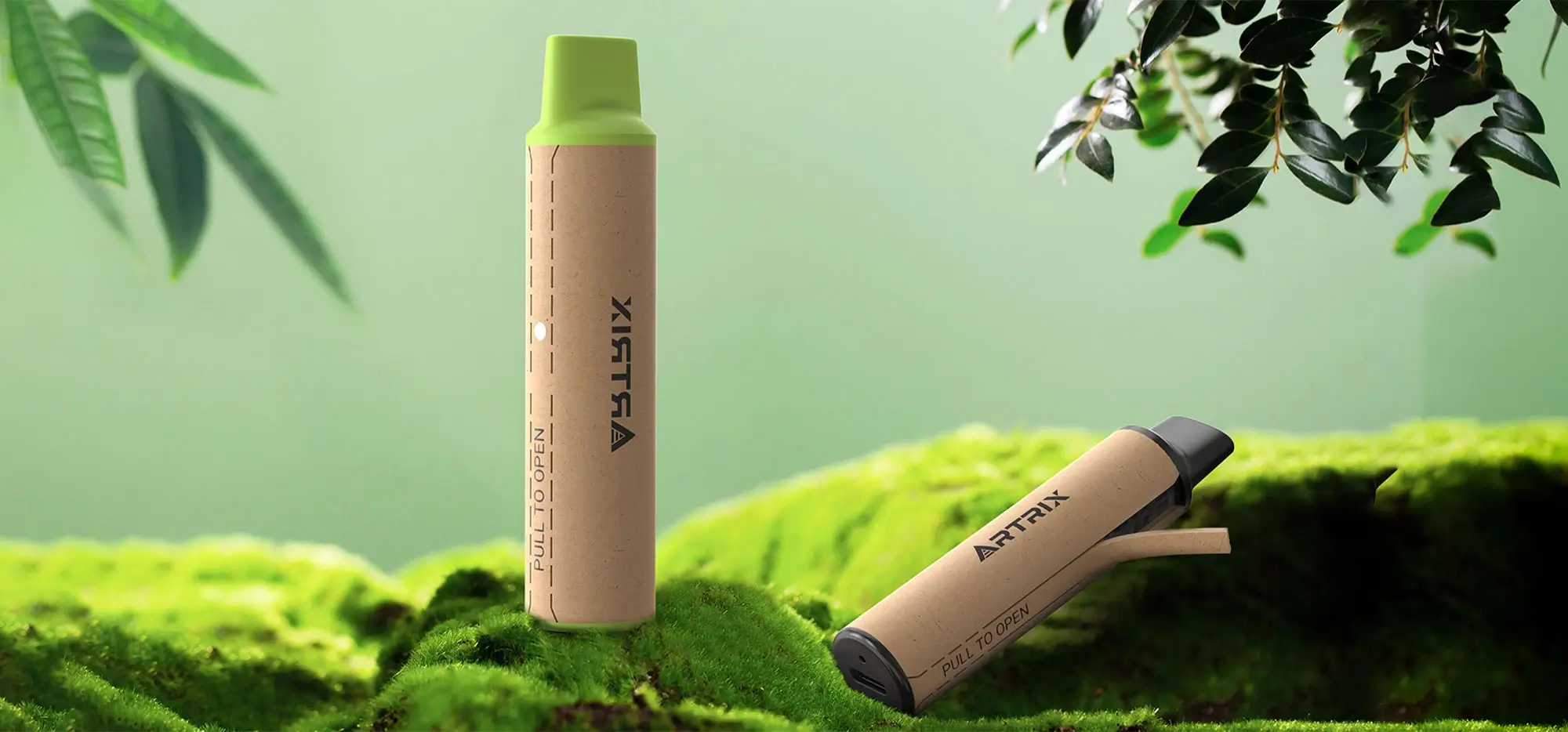
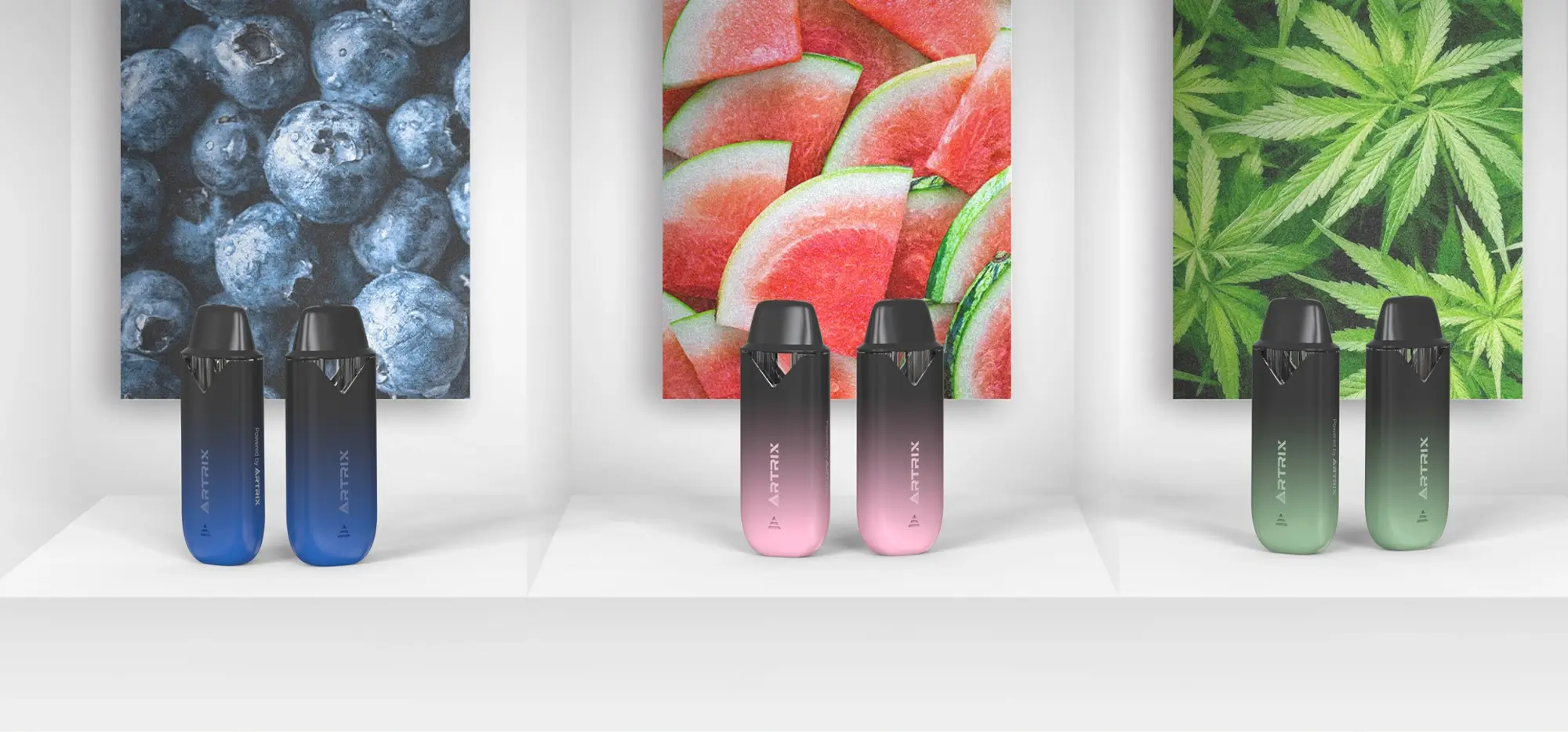
Hardware matters in this context because devices shape how a session feels. High-output devices can encourage dense clouds, long pulls, and faster consumption. More controlled device design may support a more predictable experience, especially when paired with compatible oil and cartridge design.
Precise low-voltage control can be positioned as an experience and formulation strategy rather than a medical claim. A PLOS One thermography study found that temperature-controlled cannabis extract vaporization systems could operate at lower coil temperatures than tested voltage-controlled 510 systems, and the authors noted that coil temperature knowledge may help predict potential thermal degradation products.
For users, controlled output may make sessions feel more consistent. For brands, it can support terpene expression, flavor stability, and a more intentional product experience.
How Dosage-Aware Vape Hardware May Help Reduce Tolerance Rebuilding
A tolerance break is only one part of the tolerance conversation. What happens after the break also matters. If a device makes every session feel like a maximum-output session, the user may return quickly to high-intensity use patterns.
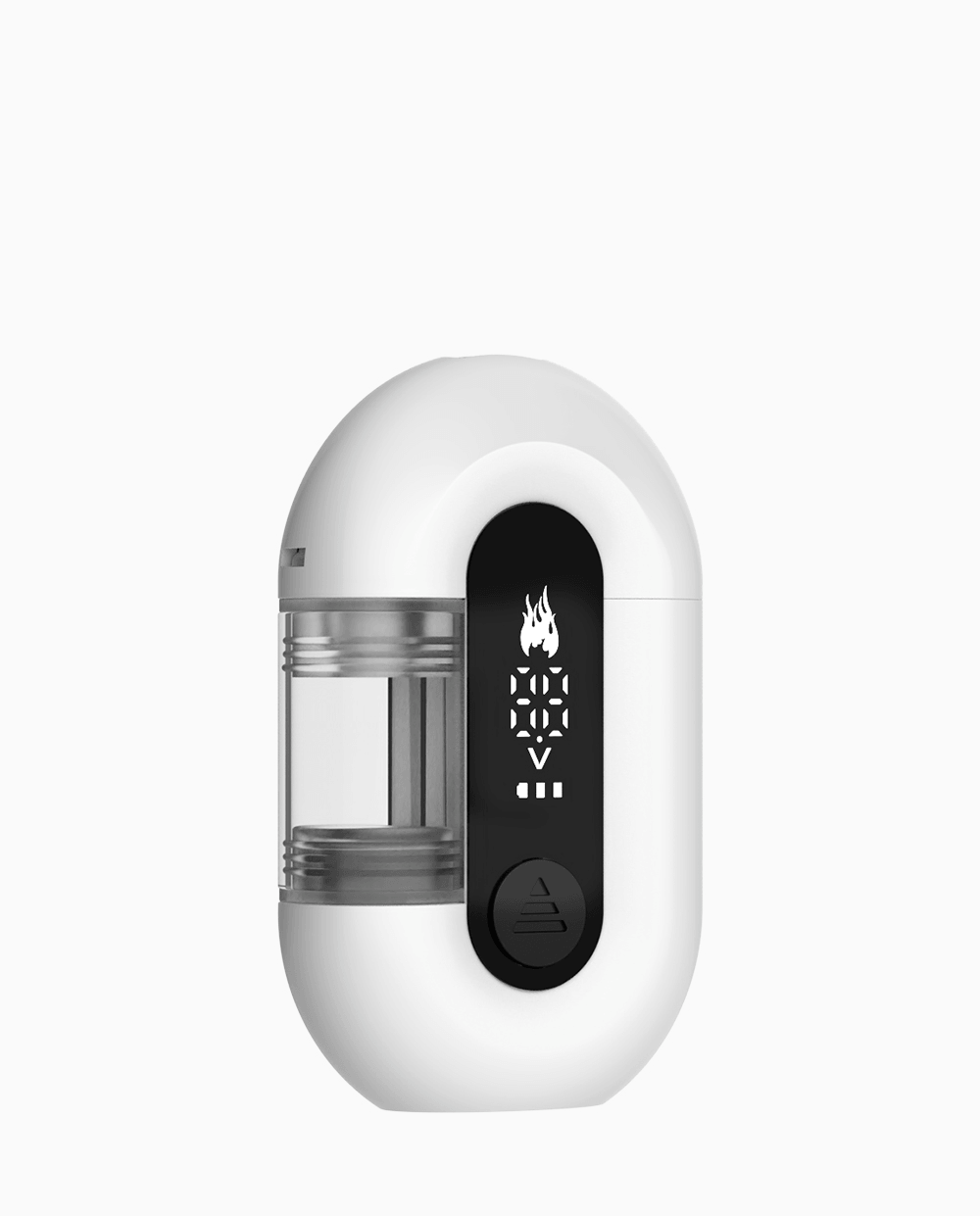
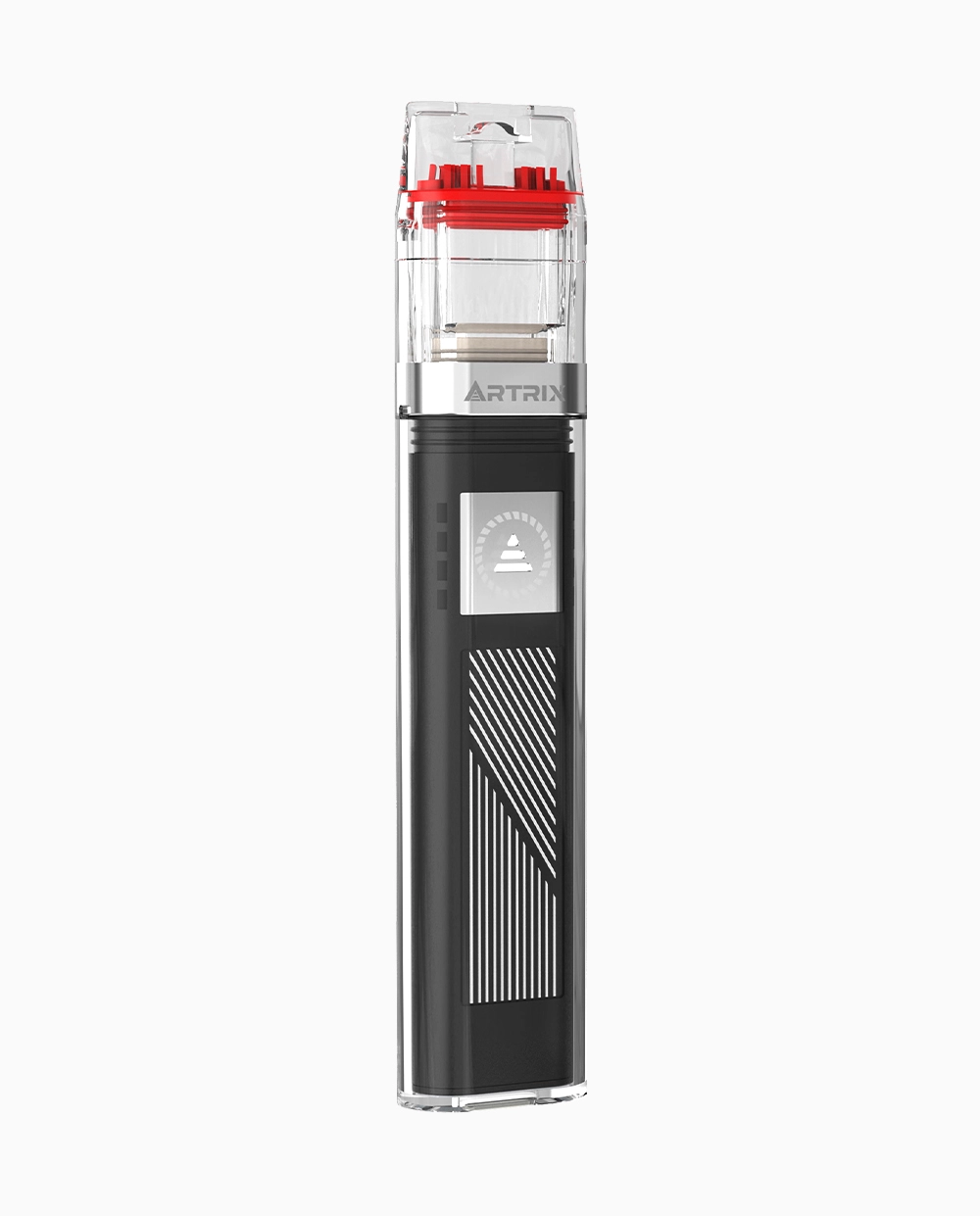
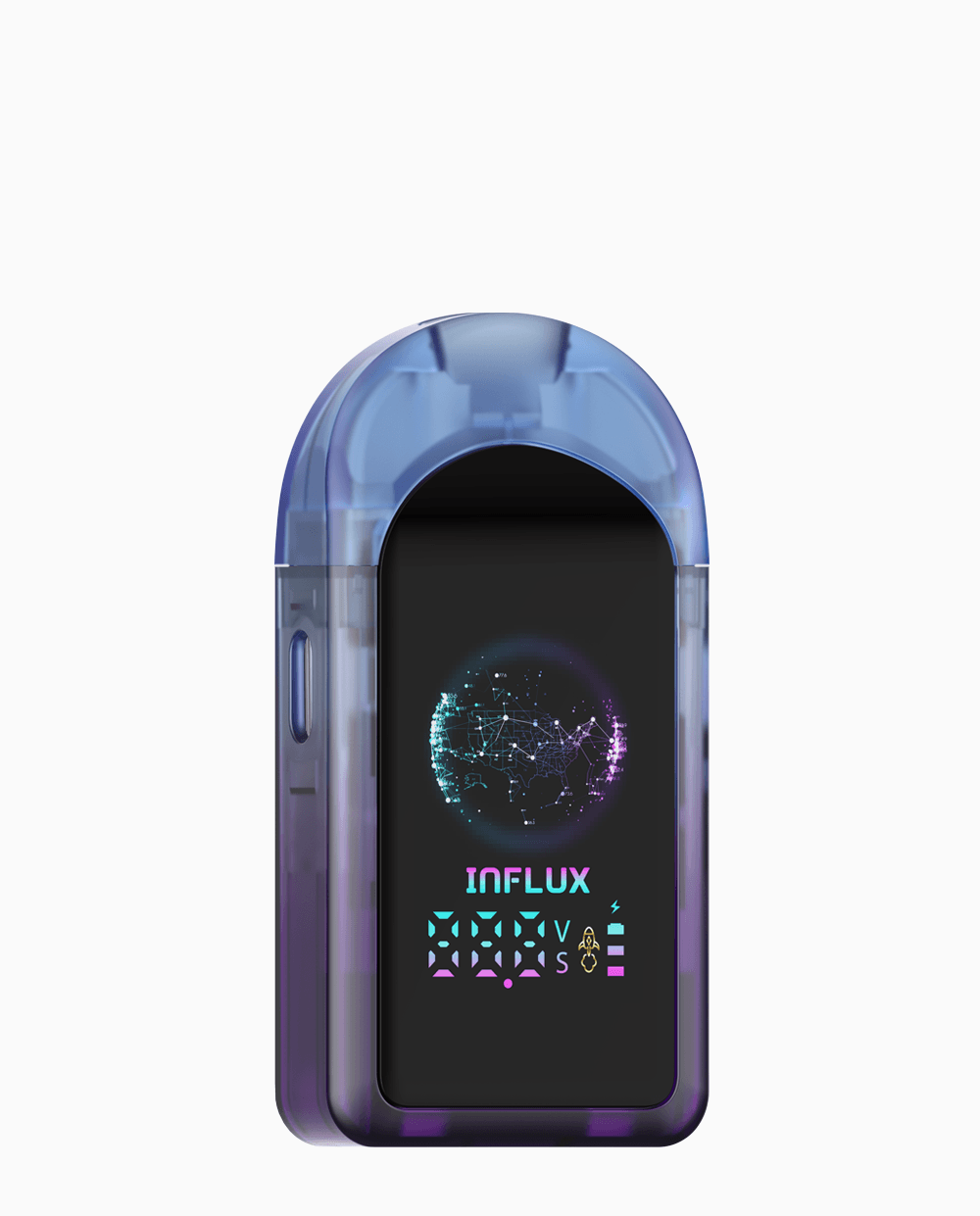
Dosage-aware hardware can help change that pattern without making medical claims. Haptic feedback can alert users when a draw is complete. Inhalation time limits can reduce accidental long pulls. Stable output can keep the experience predictable instead of forcing users to compensate for weak hits with repeated hits.
These features do not prevent tolerance by themselves, and they should not be described as treatment tools. Their value is more practical: they can make sessions more consistent, more measurable, and less dependent on guesswork.
Final Thoughts: From Tolerance Reset to Tolerance Prevention
Weed tolerance breaks are often discussed as a way to reset sensitivity, but the broader topic is really about understanding tolerance, risk, routine, and reintroduction. A pause from THC may change how cannabis feels, but outcomes vary from person to person.
Tolerance breaks are best understood as a personal reset period rather than a guaranteed way to achieve a specific result. Cannabis tolerance is linked to how the body responds to repeated THC exposure, and some research has explored changes in CB1 receptor availability after periods of abstinence. During a break, some people report sleep changes, irritability, cravings, or appetite shifts, while others notice very little discomfort. After returning to cannabis, the experience may feel stronger or different, so it is wise to reintroduce slowly and avoid assuming that any fixed timeline will work the same for everyone.