


-1.webp)
-1.webp)
-2.webp)






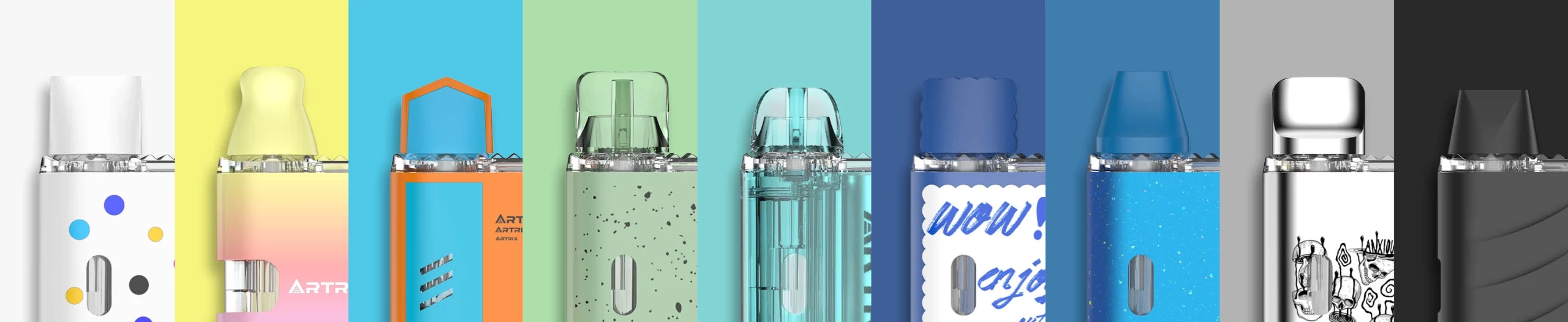
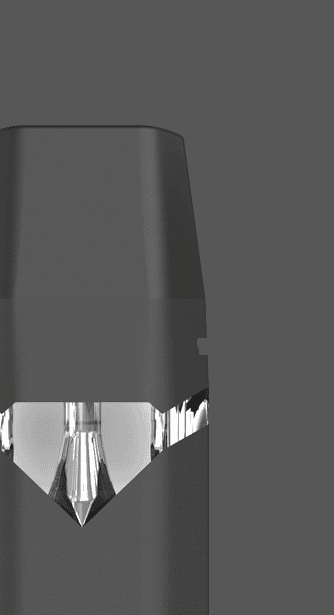

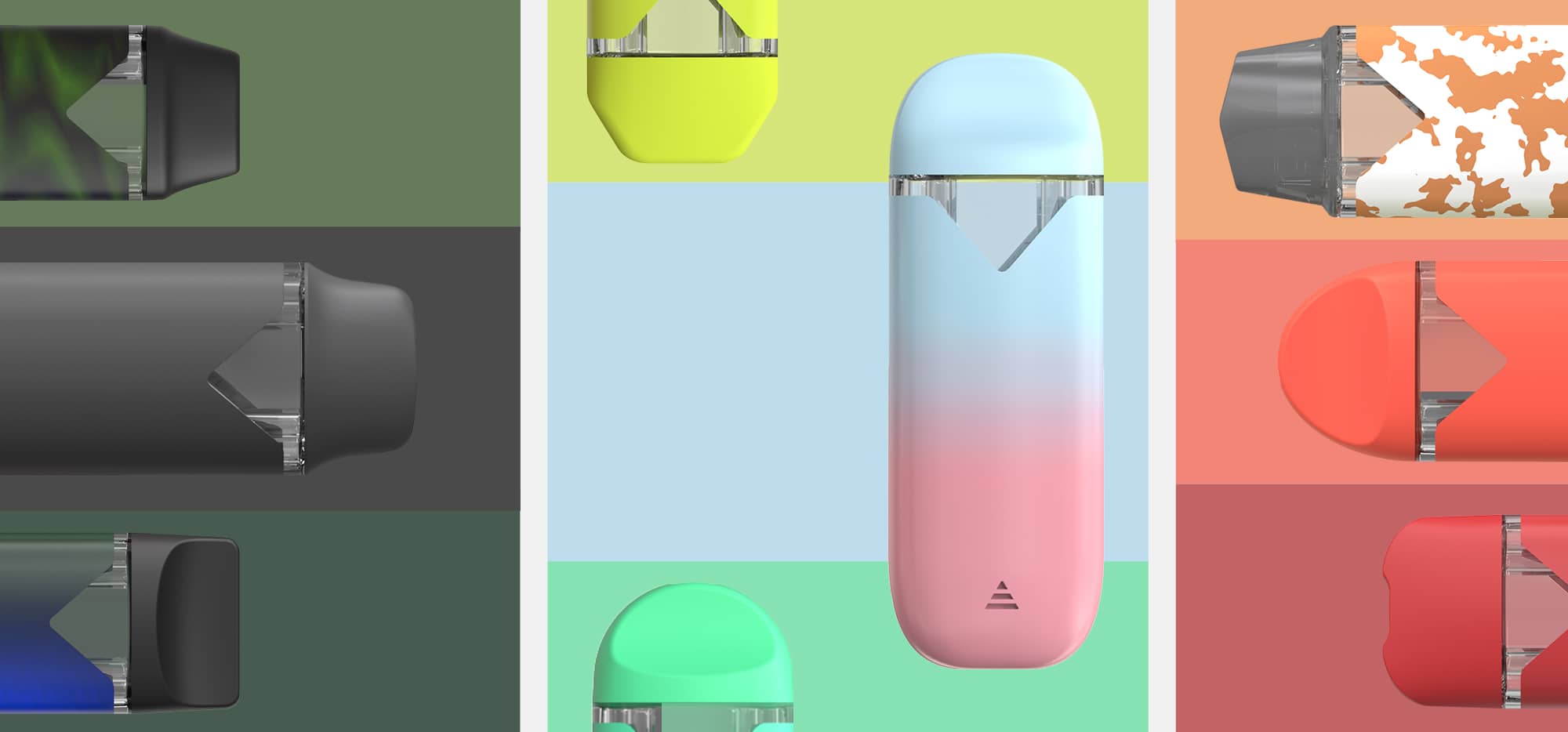

































How to Choose an Artrix Box Vape for Distillate, Live Resin, Rosin, and Thick Oils
Last Updated: July 28, 2026
Choosing an artrix box vape should solve three problems at once: match the hardware to the extract, make feature differences easy to understand, and reduce the risk of buyer’s remorse after launch or purchase. That is why this guide focuses less on hype words and more on fit: which Artrix box device works best for distillate, live resin, rosin, or thicker premium oils, and why. The practical approach is to shortlist devices by formulation first, compare their heating, voltage, and airflow behavior second, and validate the final candidates with the oil and filling process intended for production.
This guide is for adults in regulated markets only. In California, adult-use cannabis purchases are restricted to people age 21 and older, and buying through licensed channels matters because licensed products must meet the state’s testing and regulatory rules. Medicinal access may follow different age and qualification rules, and applicable local requirements should also be checked.
[1-Minute Index] The 2026 Artrix Box Vapes Quick Selection Matrix
| Product | Core Selling Points | Best-Match Oil Types | Primary Buyer | Reason to Shortlist |
|---|---|---|---|---|
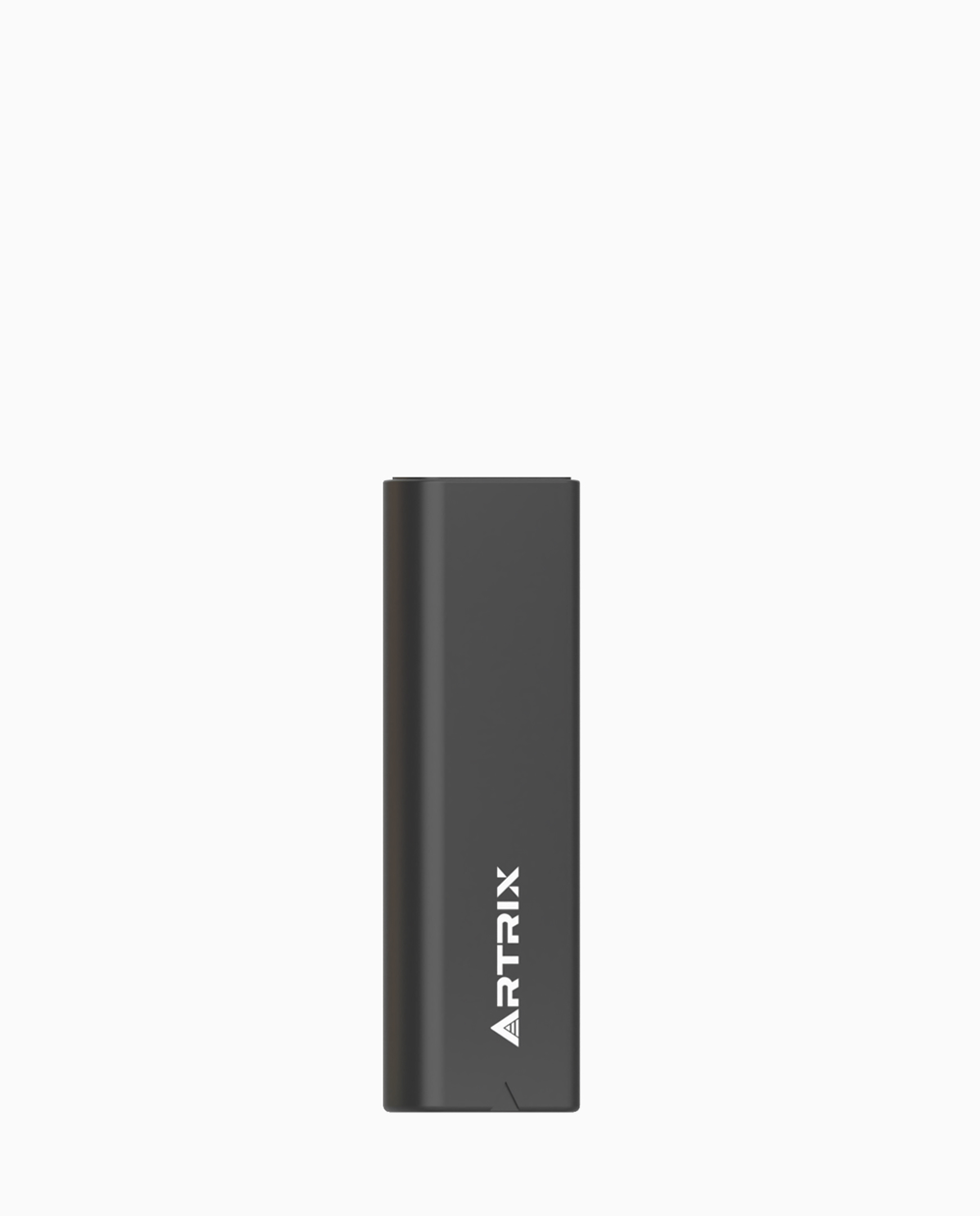
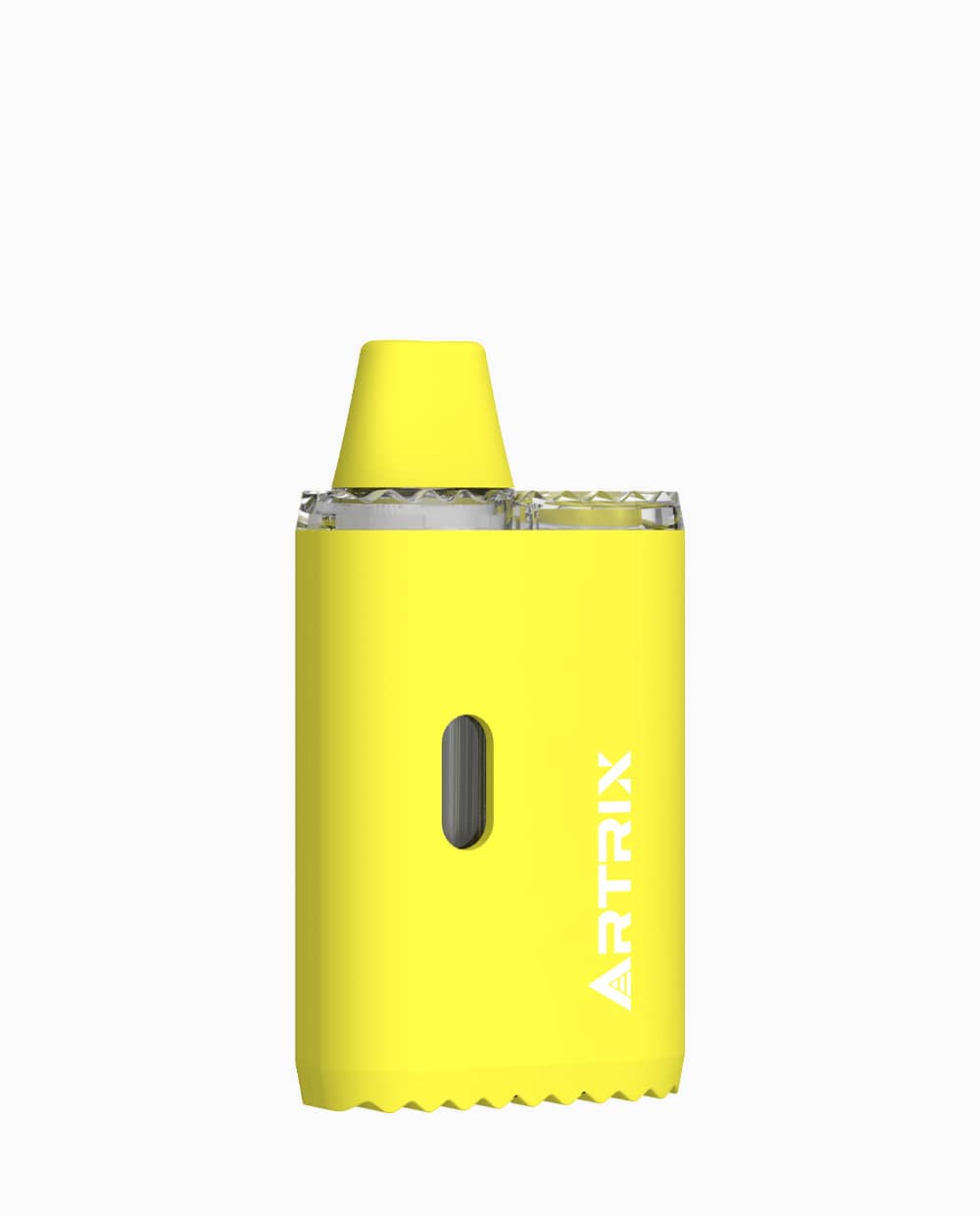
| Cubox | 1mL/2mL, 300mAh, 7.8W, no-button use, compact cube body, live resin compatibility | Distillate, mainstream D9/D8/CBD/HHC/HTE, light-to-medium live resin programs | B2B volume brands and programs prioritizing simple operation | Easy to use, easy to scale, low learning curve |
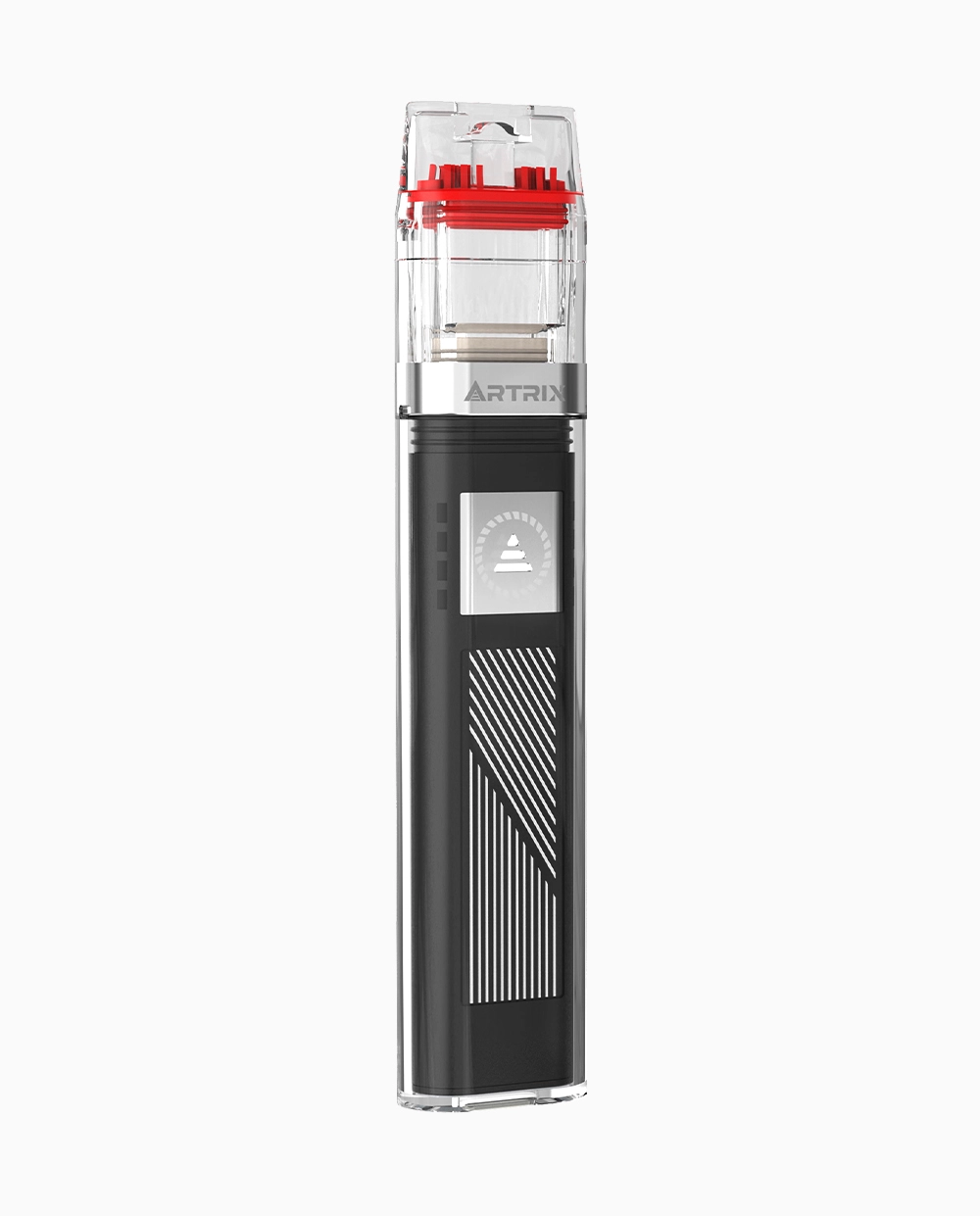
| Retro Pro | Transparent body, screen, preheat, 3 voltage levels, 10-second protection | Thick oils, colder-environment use, premium live resin or connoisseur distillate | Premium brands, design-led SKUs | Gives users more control and reduces wrong-voltage frustration |
| Lilmon | 1mL/2mL/3mL, 9.4W, dual air pathway, bottom filling, faster capping workflow | Distillate, HTE blends, high-output everyday oils | Operators optimizing throughput | Best choice when line efficiency matters as much as consumer experience |
| Lilmon Vision | 0.9-inch full-screen LED, all-in-one controls, 2.6/2.8/3.2V, all-oil positioning, no-center-tube design | Distillate, live resin, rosin, mixed premium lines | Brands needing stronger UX and shelf impact | Screen lowers user anxiety around settings and readiness |
| Lilcube | Postless design, TerpMax ceramic, aluminum alloy body, dual airflow, customizable output | Live rosin, live resin, liquid diamond, rosin oil, premium distillate | High-terp extract brands, discreet premium users | Built specifically for flavor-sensitive premium extracts |
A sensible first shortlist is Cubox for operational simplicity, Retro Pro for preheat and visible control, Lilmon for filling-line priorities, Lilmon Vision for display-led user feedback, and Lilcube for formulations where postless architecture is part of the evaluation. These are starting hypotheses that should be confirmed with samples rather than treated as universal results.
Start With the Extract, Not the Device Shape
This is where most buyers make their mistake. They buy based on shape, not formulation. The smartest purchase starts by asking what the oil needs from the hardware, not what the hardware looks like on a shelf. Viscosity, formulation composition, storage temperature, intended puff profile, and the relationship between the oil and heating system can all affect how a filled device behaves.
| Extract Type | What the Hardware Needs | What to Check During Validation | Artrix Models to Evaluate |
|---|---|---|---|
| Standard distillate | Simple operation, stable everyday power, dependable airflow | Cold starts, draw consistency, leakage after storage, and end-of-fill performance | Cubox, Lilmon |
| High-terp live resin | Cleaner flavor path, gentler heating behavior, good clog resistance | Flavor consistency, clog incidence, saturation after rest periods, and performance across the full fill | Lilcube, Lilmon Vision |
| Live rosin or rosin oil | Strong heat conductivity, refined ceramic behavior, better thermal dissipation | Initial activation, residue development, flavor change, and repeatability at the selected output | Lilcube |
| Thick or cold oils | Preheat, stable voltage options, visible readiness cues | Low-temperature starts, preheat recovery, flooding after warming, and user-setting errors | Retro Pro, Lilmon Vision |
| Multi-SKU B2B portfolio | Oil flexibility, simplified filling, scalable production setup | Changeover requirements, capping consistency, SKU-specific settings, and quality-control workload | Lilmon, Cubox, Lilmon Vision |
Three Hardware Variables to Validate Before Ordering
Heating architecture, output control, and airflow should be evaluated as a connected system. A strong specification in one area cannot compensate automatically for poor oil feeding, unsuitable operating conditions, or an inconsistent filling process.
1. Heating Elements and Internal Architecture
Traditional center-post designs still have a place. Lilmon uses a straight 316L stainless steel central post and pairs it with strong vapor output plus a dual air pathway, making it practical for mainstream, high-volume programs. Retro Pro also uses a central-post architecture but offsets that with voltage choice and preheat control. For procurement purposes, the relevant questions are which materials contact the oil or aerosol path, how those materials are documented, and whether the assembled product has been tested under the intended conditions.
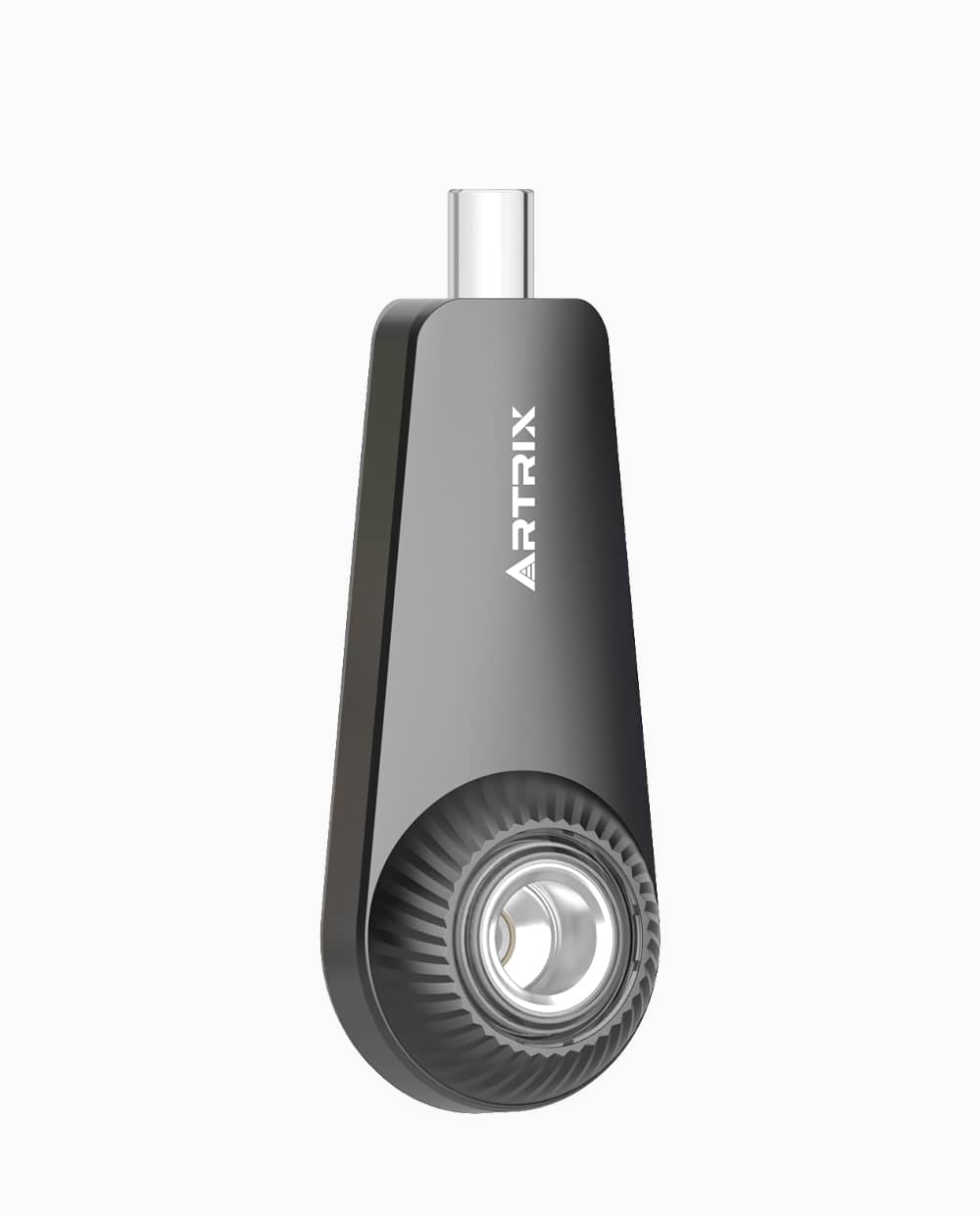
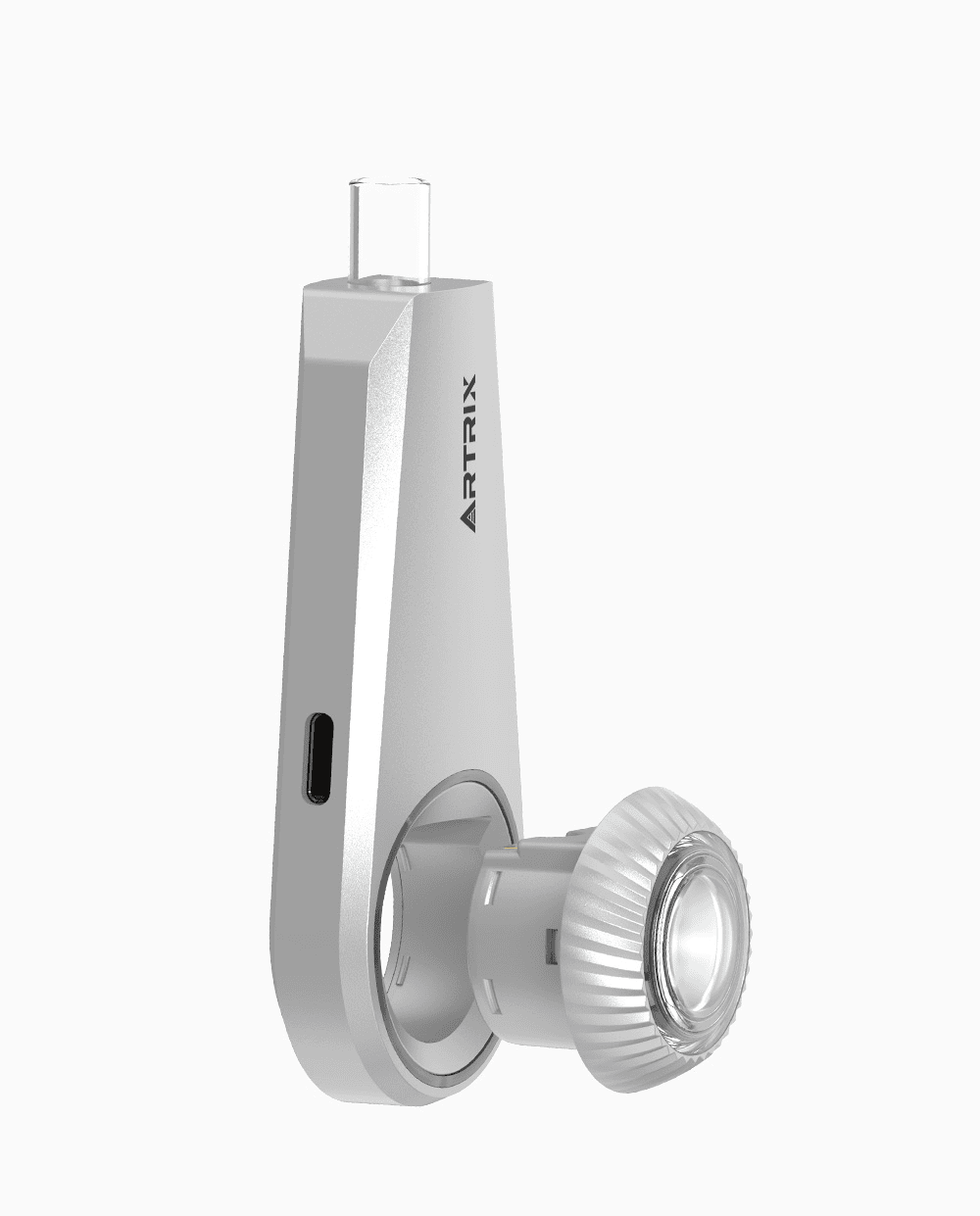
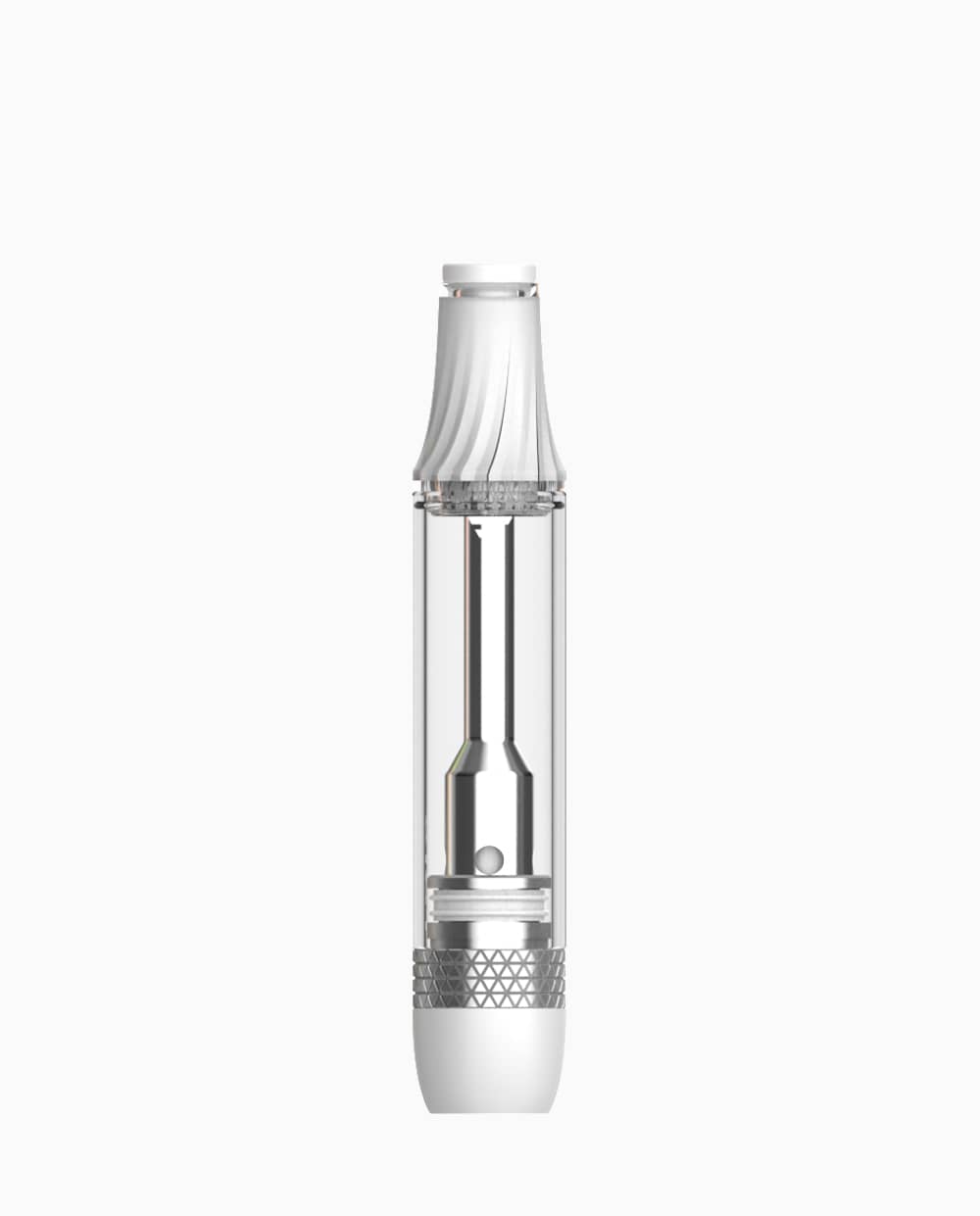
But for high-terp extracts, postless design has a more compelling story. Lilcube’s postless layout removes the central tube and reduces direct metal contact in the vapor path, which is exactly why it is positioned for live rosin and live resin.
2. Voltage and Preheat Behavior
Variable voltage is not enough by itself. The real question is whether the output is well chosen for the oil and stable enough to preserve taste over the full battery cycle. Retro Pro gives users 3.1V, 3.4V, and 3.7V. Lilmon Vision offers 2.6V, 2.8V, and 3.2V, which is a softer and often smarter range for terpene-sensitive oils. That comparison describes available settings, not guaranteed flavor or emissions outcomes.
3. Airflow and Oil Feeding
Airflow is what turns a spec sheet into an actual user experience. A tight, discreet draw usually suits mainstream distillate users better. More open airflow and faster saturation become more important when the oil is thicker or the brand wants a denser, more immediate hit. Actual draw behavior also depends on inlet geometry, oil feeding, user puff duration, temperature, and assembly consistency.
Cubox uses an air-channel system that replaces the traditional central tube, helping it stay compact and easy to conceal. Lilmon’s dual air pathway is designed for stronger vapor and faster response. Lilcube’s dual airflow design aims at clog resistance and smoother premium-oil delivery.
Compare Five Artrix Box Vape Platforms
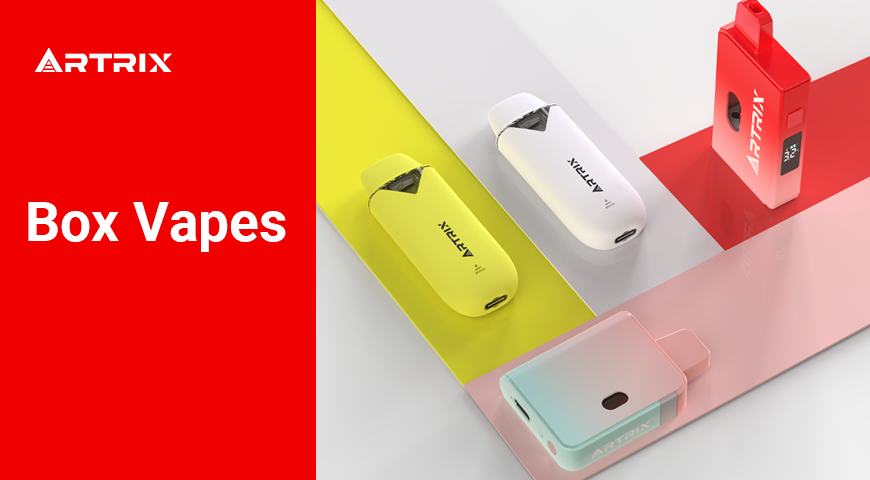
The five platforms serve different operational and user-experience priorities. The most useful comparison is not which model has the longest feature list, but which model leaves the fewest unresolved risks for the intended formulation and launch plan.
Cubox: A Simple Platform for Scalable Programs
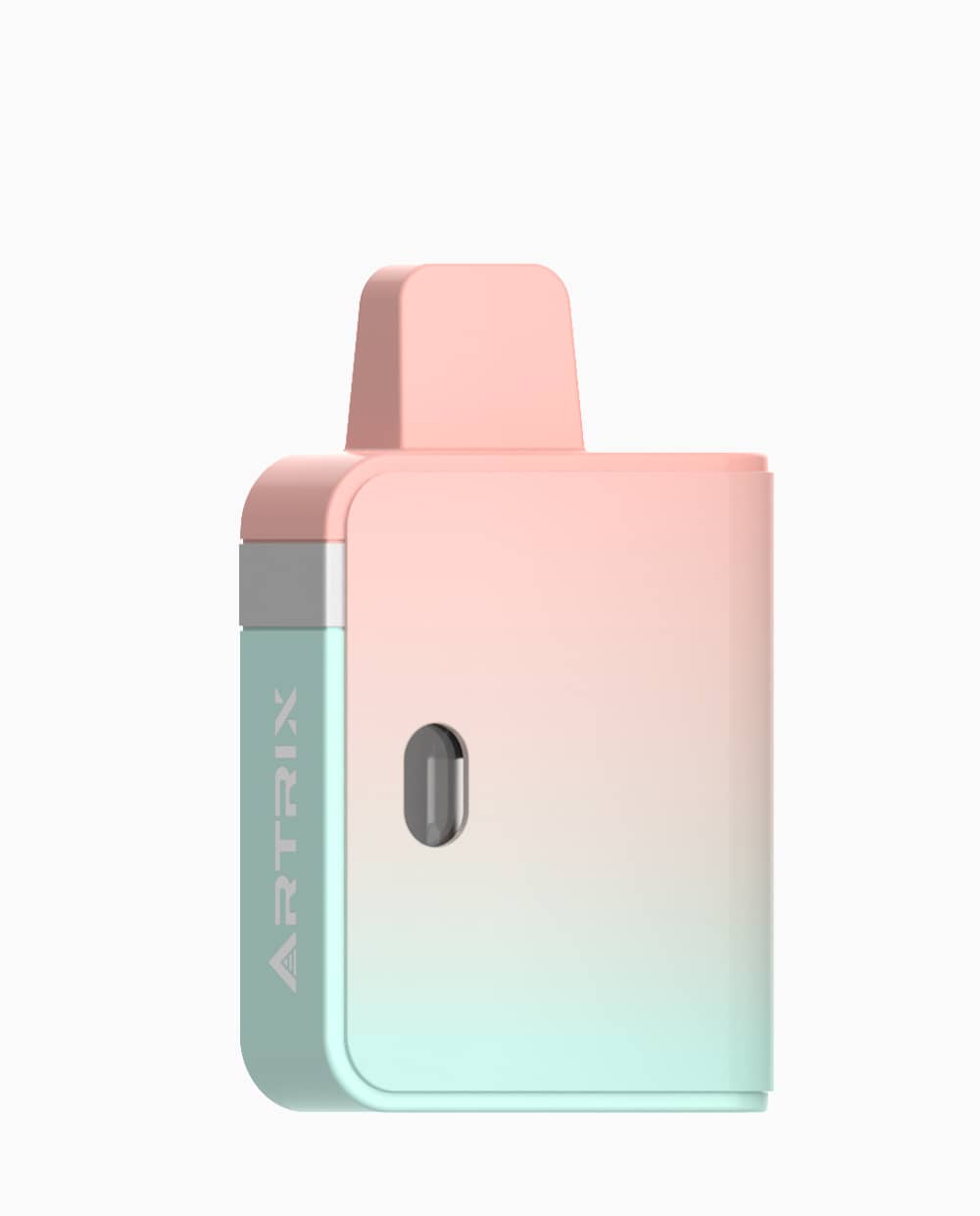
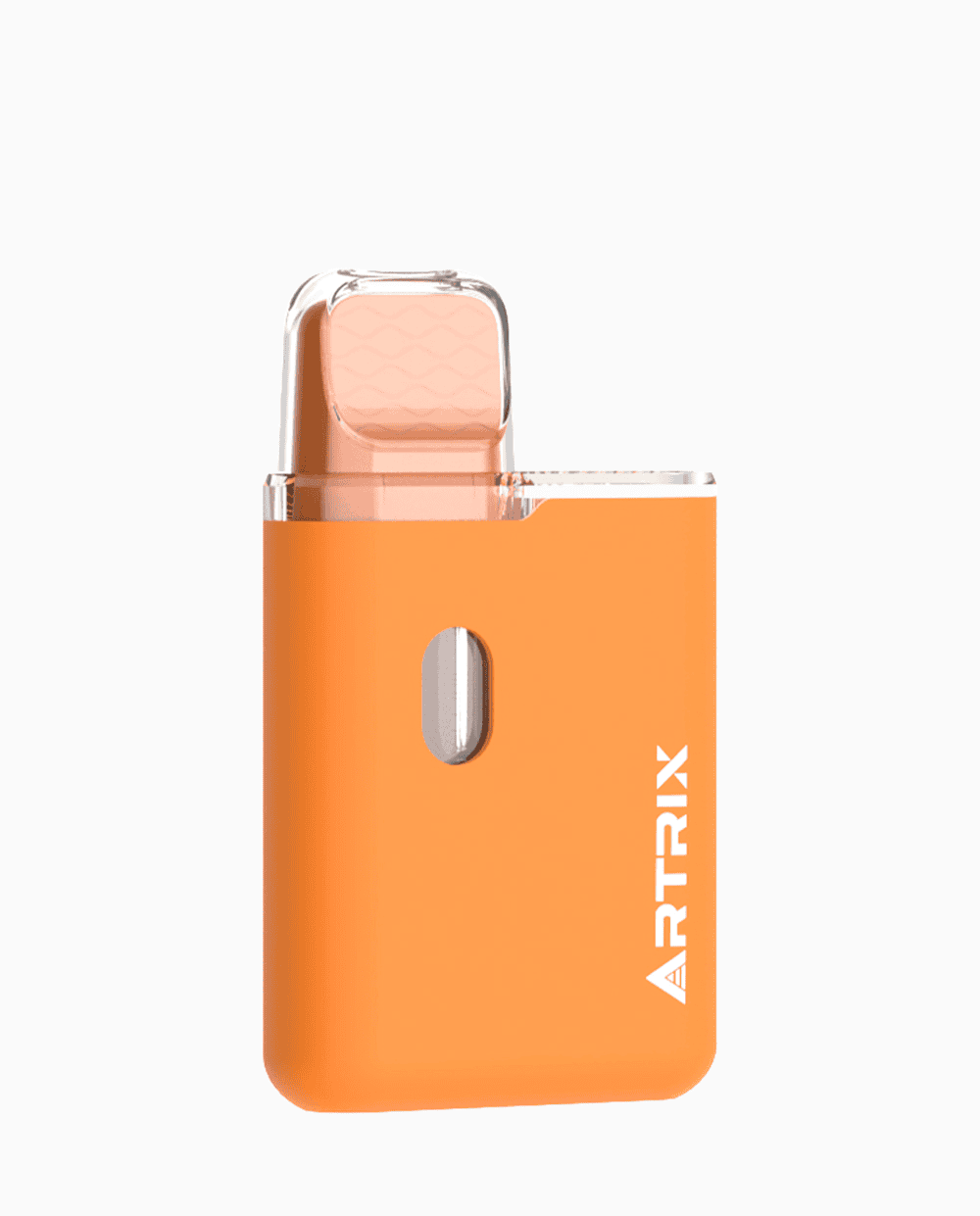
Cubox is a logical candidate when compact form, button-free operation, 1mL or 2mL capacity, and a straightforward user experience are more important than adjustable controls. Its 300mAh battery and 7.8W listed output give buyers a clear starting specification. Brands should still test the selected oil for leakage, cold starts, draw consistency, and full-fill performance before scale-up.
Retro Pro: Preheat and Visible User Control
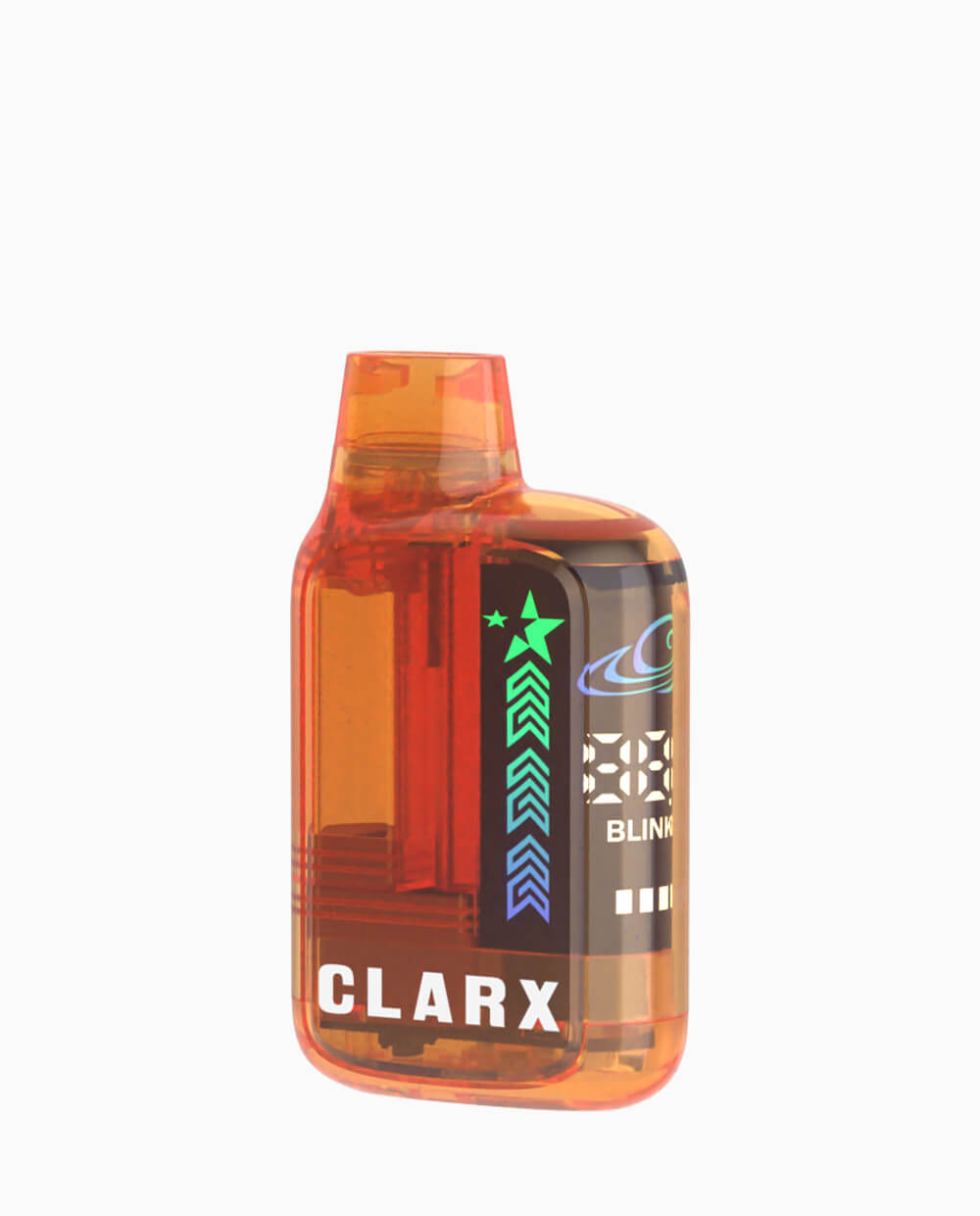
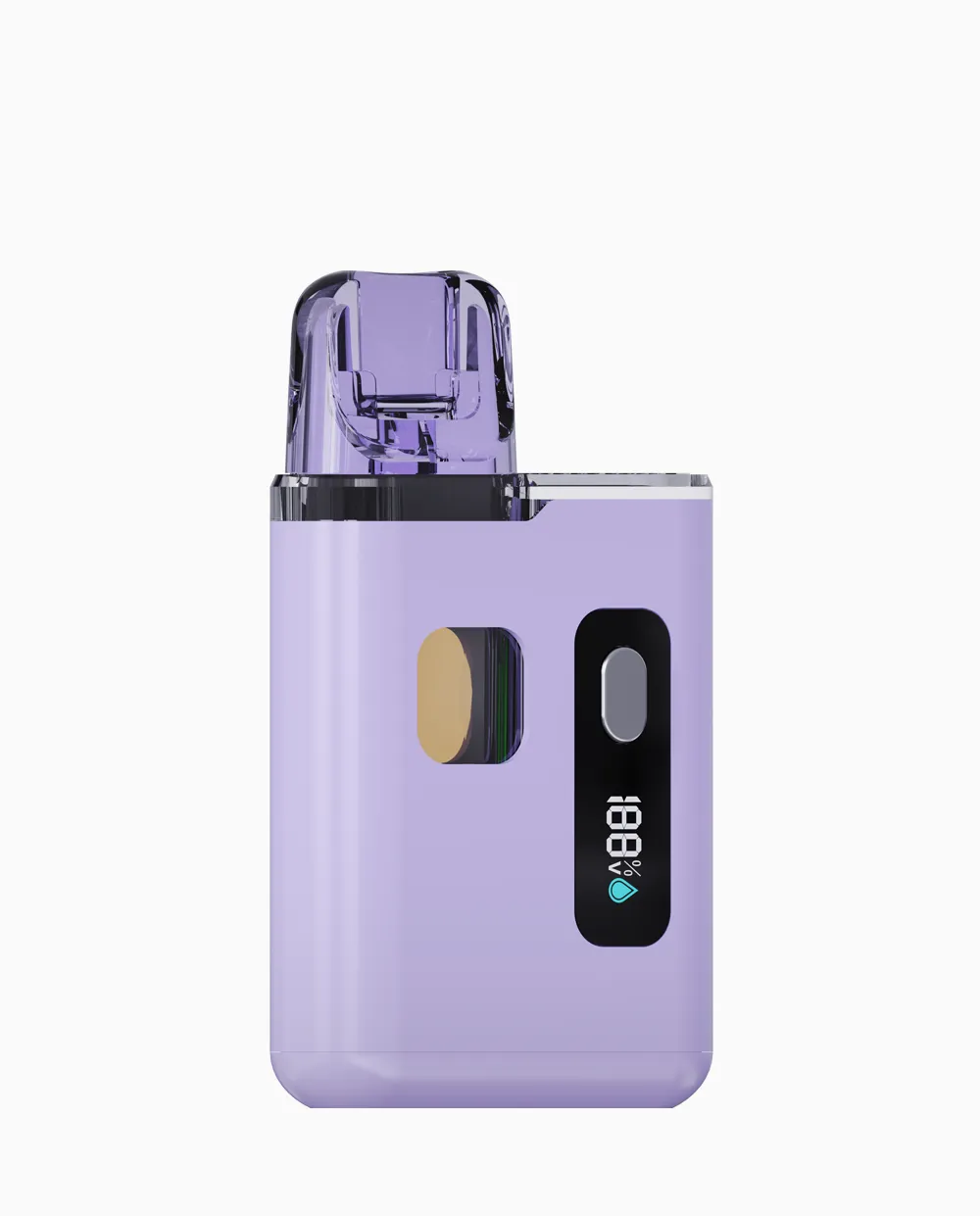
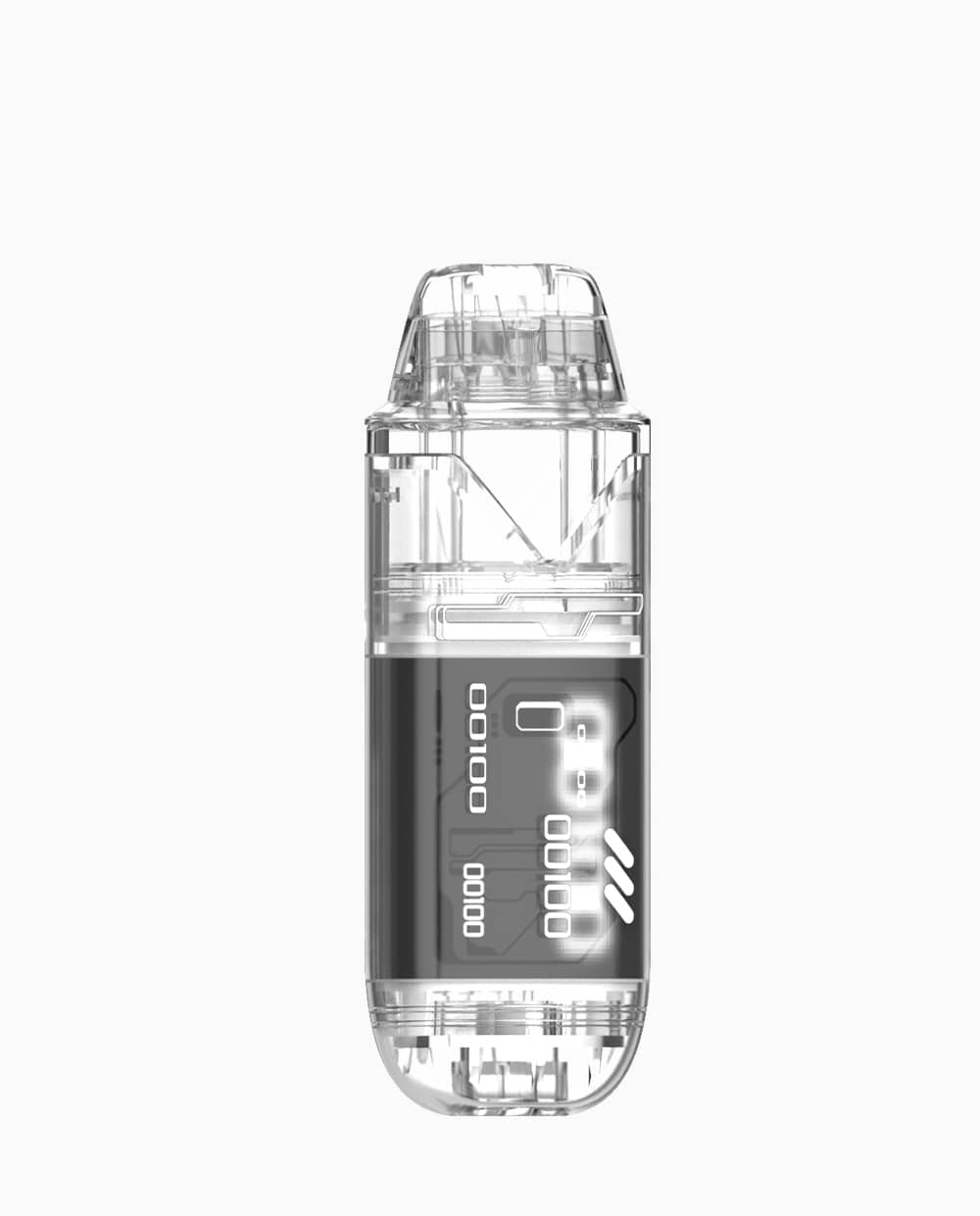
Retro Pro is positioned for programs that benefit from preheat, three voltage levels, a screen, and visible oil presentation. Those features may help users understand device status and adjust operation for a difficult first draw. They also add interaction steps, so onboarding clarity and setting-related misuse should be included in consumer testing.
Lilmon: Filling-Line and Capacity Flexibility
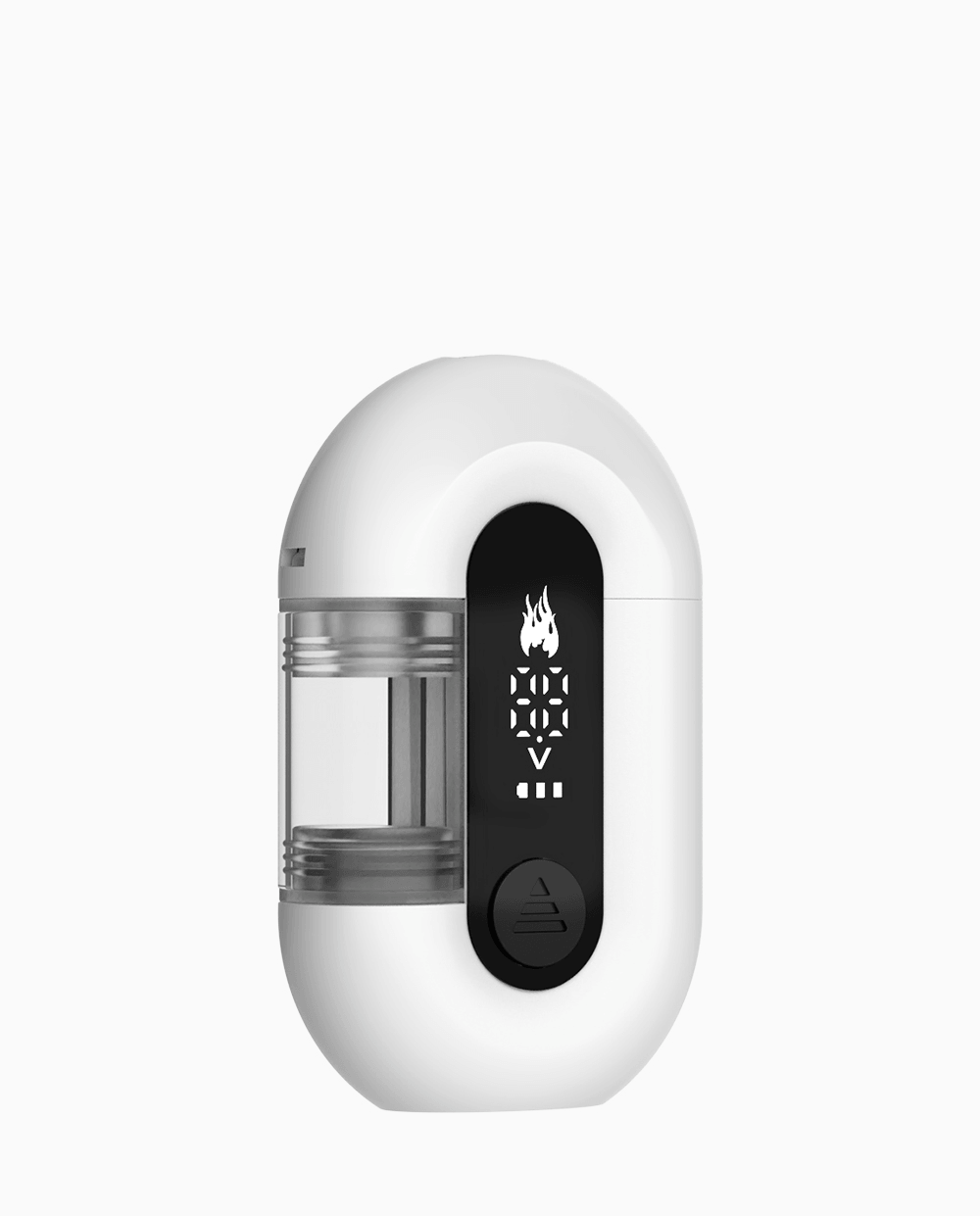
Lilmon offers 1mL, 2mL, and 3mL formats, 9.4W listed output, a dual air pathway, and a bottom-filling workflow. That makes it relevant to operators comparing capacity options and production processes. Its value should be quantified on the buyer’s own line through fill-time, capping-force, leakage, rework, and units-per-hour measurements.
Lilmon Vision: Display-Led Feedback and Broad Positioning
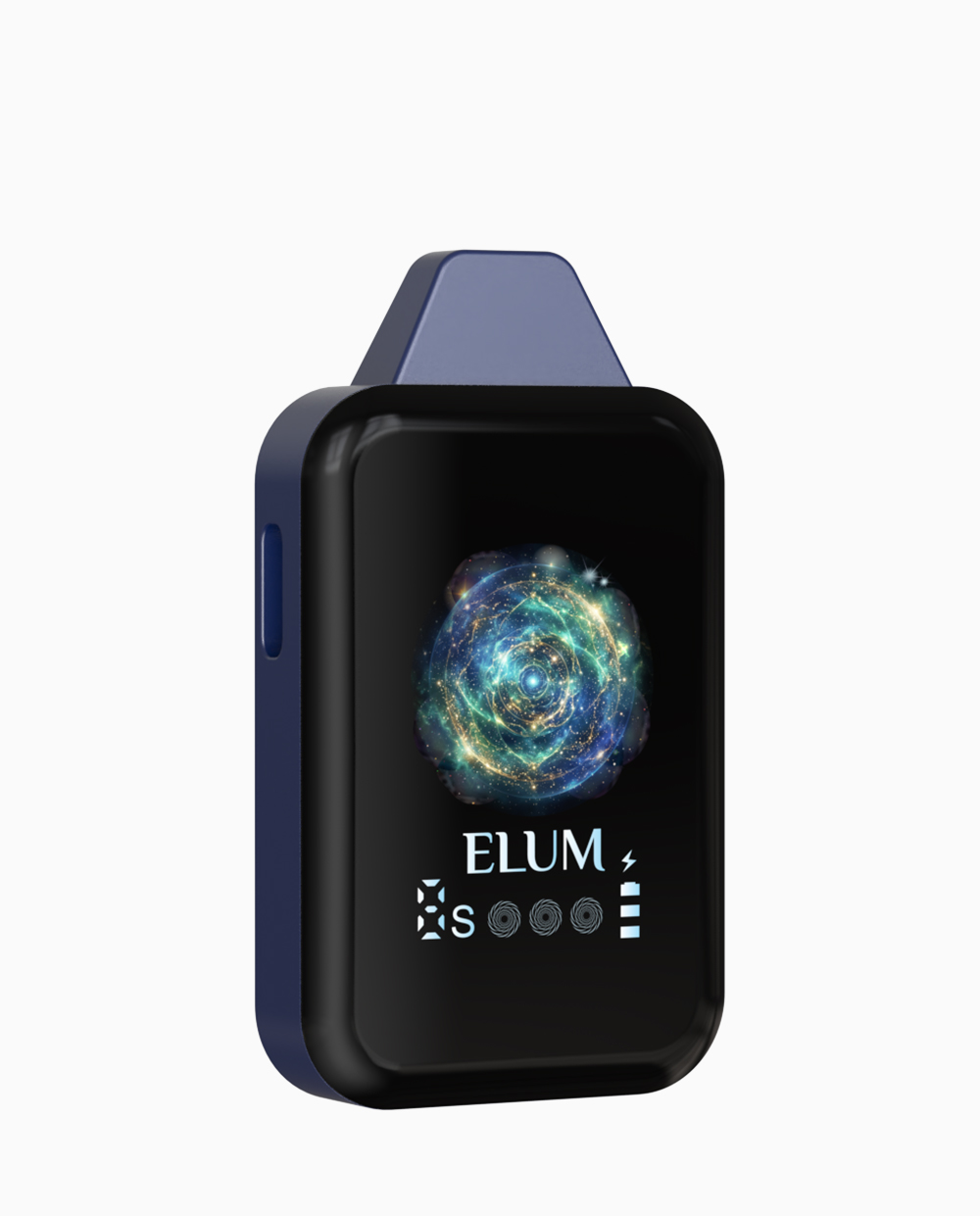
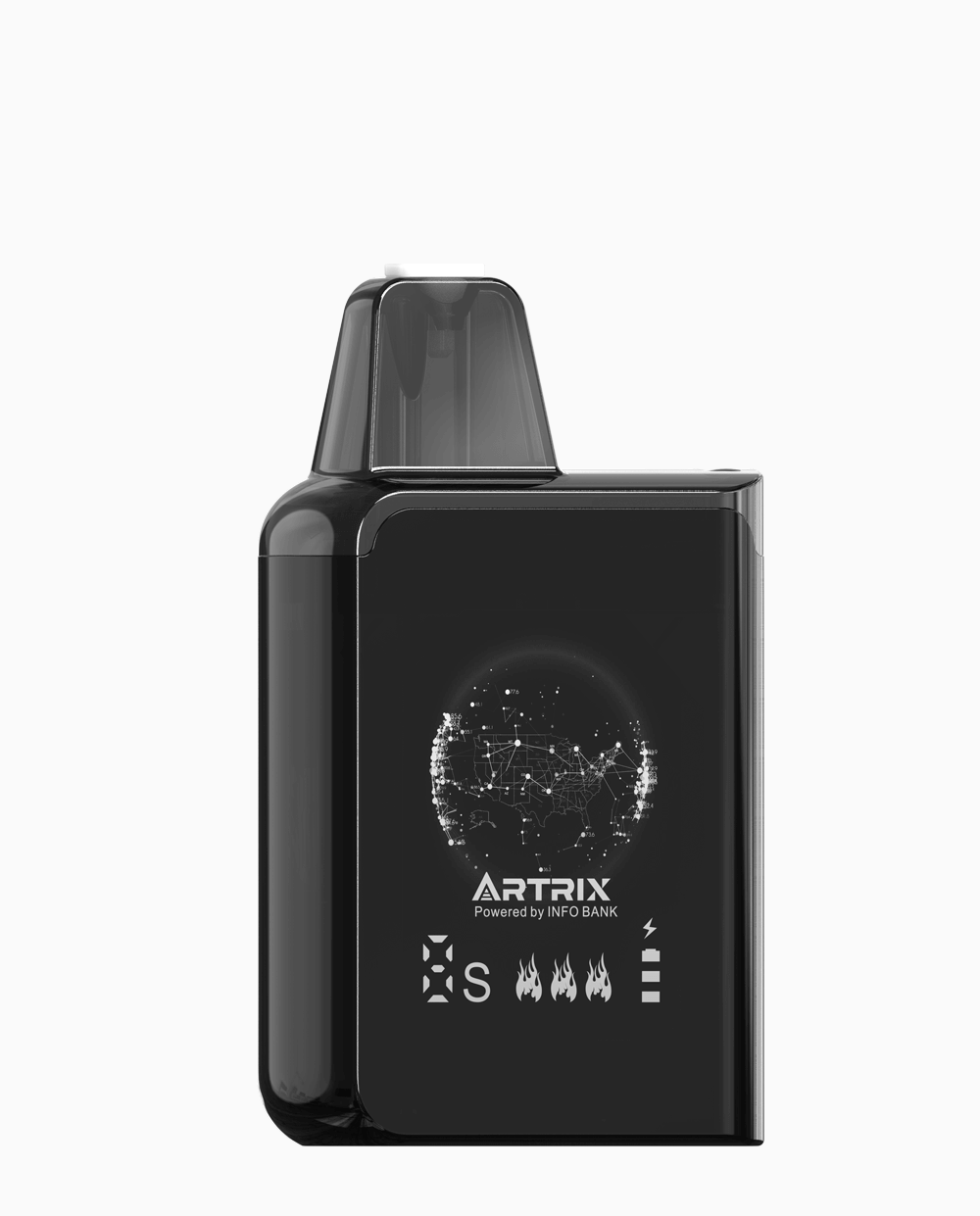
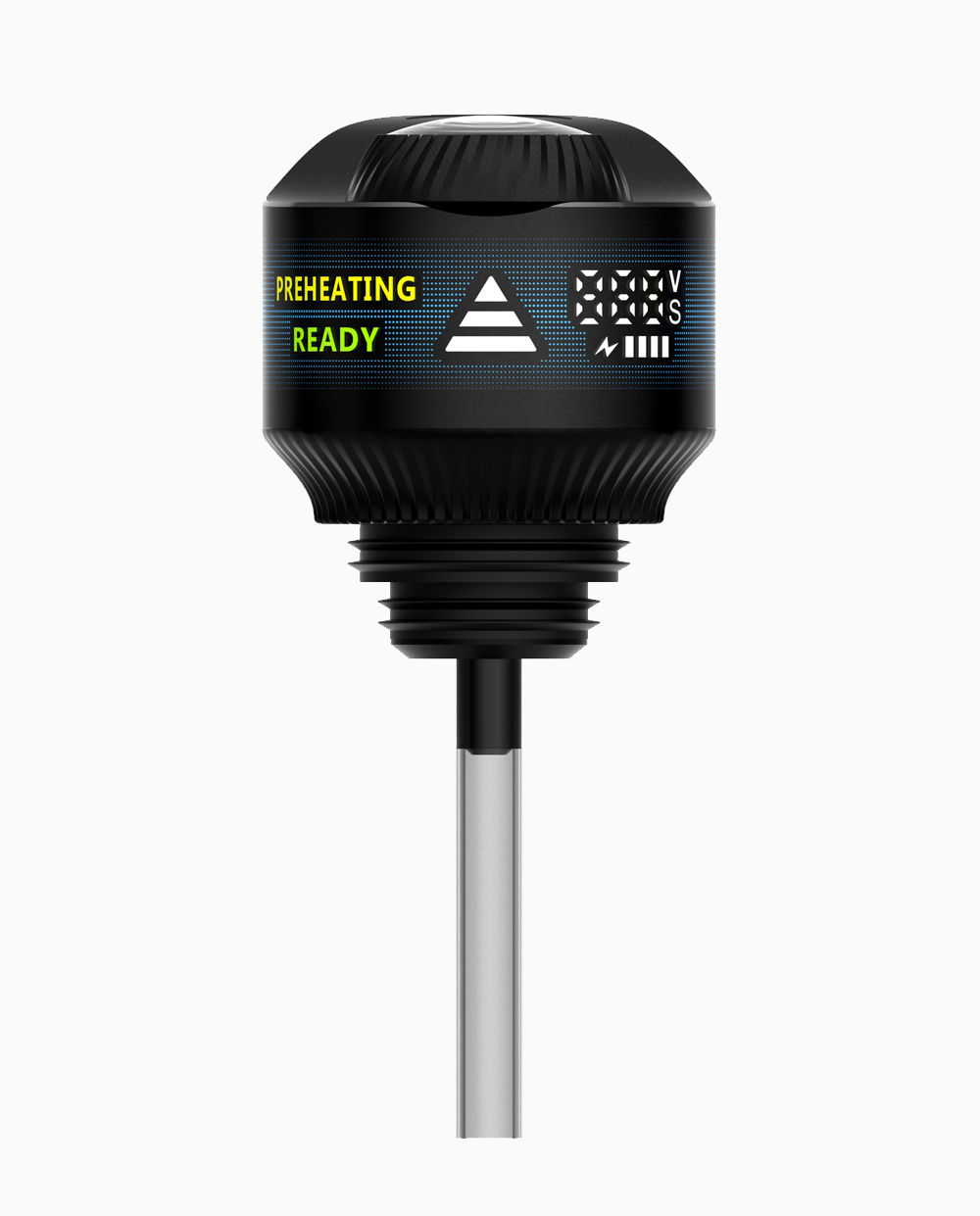
Lilmon Vision combines a 0.9-inch full-screen LED, integrated controls, three voltage levels, and no-center-tube architecture. The display can make activation, charging, and setting status more visible while offering an additional branding surface. “All-oil” positioning should still be validated separately for every formulation because oil composition and operating conditions vary.
Lilcube: Postless Architecture for Premium Extract Evaluation
Lilcube is the most specialized option in this comparison, with a postless layout, TerpMax ceramic heating core, aluminum alloy body, dual airflow, and output customization based on oil type. These features make it a reasonable sample candidate for live resin, live rosin, liquid diamond, and other flavor-sensitive programs. Final selection should depend on formulation-specific flavor, residue, clogging, leakage, and repeatability data.
Three Real-World Dimensions
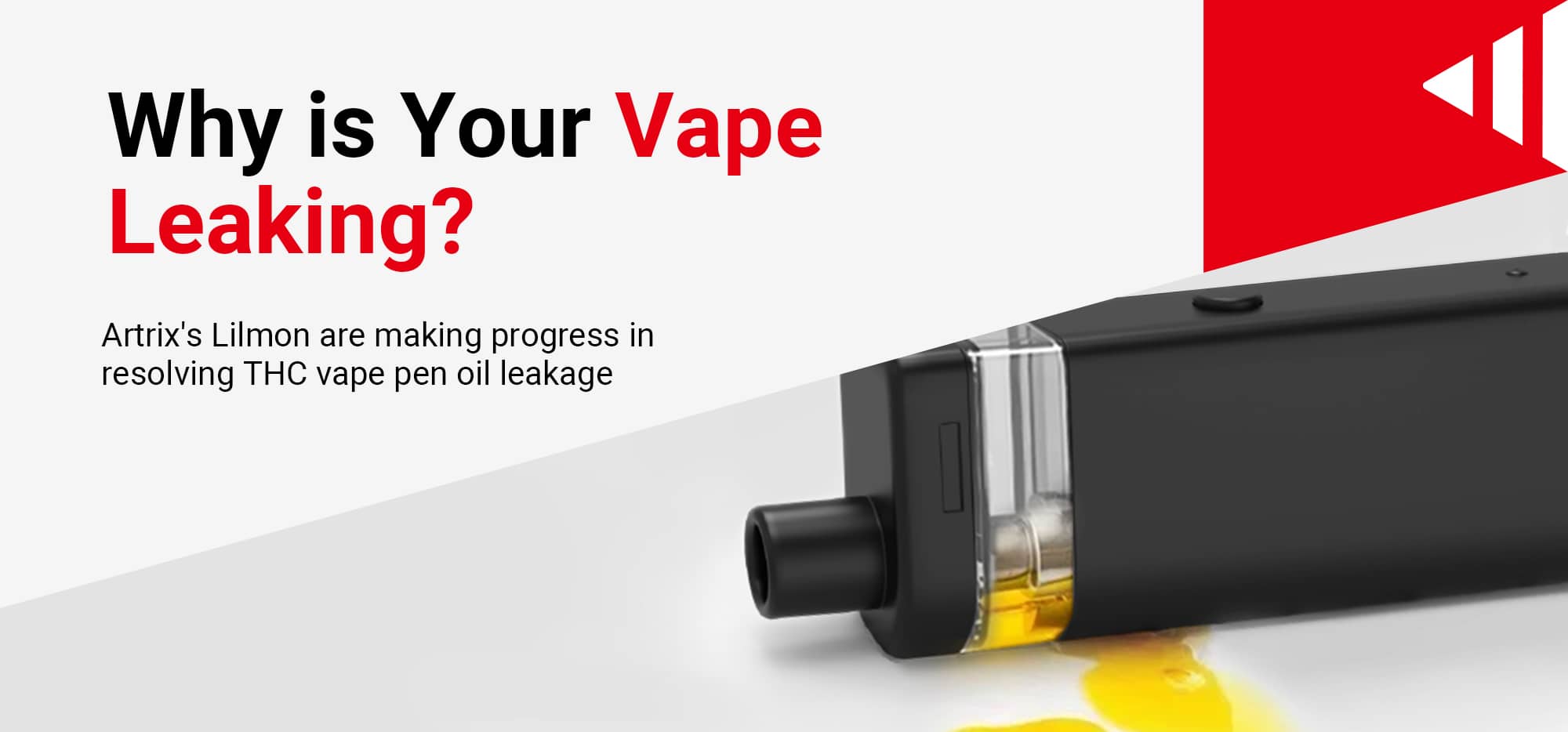
The three most relevant firsthand dimensions for an all-in-one box vape are leakage and clogging over time, battery and charging reliability in normal use, and pocket-carry behavior. These factors are closely connected to returns, support requests, and repeat purchase, but they cannot be established from capacity, voltage, or material specifications alone.
1. Leakage and Clogging After Filling, Storage, and Use
A device can perform well during the first few draws and still develop leakage or restricted airflow after storage. Test filled samples upright and horizontally, include the warm and cold conditions expected during distribution, and inspect them after defined intervals such as 24 hours, 72 hours, and seven days. After each rest period, record visible leakage, the number of draws required to restore airflow, complete blockages, flooding, and any change in draw resistance.
Use the intended production oil rather than a substitute because formulation behavior can change with viscosity, composition, fill temperature, and oil-feeding design. Report the number of affected units as a rate across the sample instead of describing one successful device as representative. This evidence is more useful to a buyer than an unsupported “clog-resistant” or “leak-proof” label.
2. Battery Runtime and Charging-Port Reliability in Actual Sessions
Battery capacity in milliamp-hours does not tell a buyer how many normal sessions a filled device will support. Measure runtime with a defined puff duration, interval, voltage setting, and session pattern, then report both total activations and completed sessions. Repeat the test across several units and include performance near the end of the charge, when weak output or inconsistent activation may become more visible.
For rechargeable models, inspect the charging port after repeated connection cycles and record loose fit, intermittent charging, abnormal charging time, cable sensitivity, or damage around the port. A useful reliability statement identifies the test conditions, sample size, and failure count. Without those details, “long battery life” and “reliable charging” remain marketing descriptions rather than firsthand evidence.
3. Pocket Activation, Surface Heat, and Everyday Carry
Compact hardware should be evaluated in the conditions in which users are likely to carry it. Check whether pressure, movement, restricted airflow, or nearby objects can trigger unintended behavior, and measure surface temperature after repeated sessions rather than relying only on touch. Record where heat concentrates, how quickly the device returns toward room temperature, and whether the mouthpiece or body becomes uncomfortable to handle.
Discretion also includes more than physical size. Evaluate pocket fit, sharp edges, mouthpiece protection, odor after use, visible light or screen behavior, and whether the device remains stable when placed upright. Any unit that activates unexpectedly, becomes unusually hot, leaks, or shows physical damage should be removed from use and investigated under the supplier’s documented procedure.
| Firsthand Dimension | Evidence to Collect | Decision Question |
|---|---|---|
| Leakage and clogging | Orientation, temperature, storage interval, draw resistance, recovery draws, visible leakage, and affected-unit rate | Does the filled device remain usable through storage, transport, and normal rest periods? |
| Battery and charging | Defined sessions, puff duration, total activations, end-of-charge behavior, charging cycles, and port failures | Does the power system support the intended oil volume and expected user pattern consistently? |
| Pocket carry and heat | Unintended activation checks, surface-temperature readings, cooldown time, pocket fit, and physical inspection | Does the device remain stable and comfortable under foreseeable carrying and repeated-use conditions? |
How B2B Buyers Should Validate Hardware Before Launch
A controlled sample test is more informative than choosing from a specification sheet alone. Use the production-intent oil, filling equipment, capping method, and packaging wherever possible, then document the conditions so competing devices can be compared fairly.
-
- Record the formulation identifier, viscosity measurement method, fill temperature, fill volume, and device lot.
-
- Inspect filled units after 24, 48, and 72 hours, then repeat after the planned longer storage interval.
-
- Run upright, horizontal, warm-storage, cold-start, and transport-simulation checks appropriate to the target market.
-
- Measure leakage, clog incidence, activation failures, draw consistency, charging behavior, and units requiring rework.
-
- Evaluate flavor and aerosol consistency at the beginning, middle, and end of the usable fill.
-
- Confirm capping force, fill speed, cleaning requirements, changeover time, and hourly throughput on the intended line.
-
- Request current material declarations, quality documents, battery information, and any available product-specific test reports.
A pass/fail threshold should be defined before testing begins. Without a preset threshold, teams can unintentionally favor the most attractive sample or reinterpret inconsistent results after the fact. Larger or staged samples are more useful than a few hand-selected units when the goal is to estimate production consistency.
B2B Special: Why Do Brand Operators Prefer Artrix Box Hardware?
For operators, hardware is not only about the puff. It is about defect control, filling speed, and brand margin. Artrix’s own quality-standard emphasizes 100,000-level GMP workshops, automated manufacturing, strict material selection, and food-grade PCTG. Because these are supplier claims, procurement teams should request the corresponding current documentation and confirm which facilities, processes, and products each document covers.
Lilmon’s bottom-filling design is especially important from an operations point of view because it directly addresses throughput. Cubox, meanwhile, is attractive because its design language is easy to customize and easy to commercialize. Retro Pro and Lilmon Vision support premium pricing by making the hardware itself feel more valuable at retail. Good industrial design does not guarantee higher margins, but it gives a sales team a much better reason to ask for them. Actual margin impact should be calculated after hardware cost, customization, filling yield, rework, returns, freight, and support costs are included.
Usage & Maintenance: How to Extend the Lifespan of Your Box Vape?
Use preheat strategically, not constantly. If the oil is thick or the environment is cold, a short preheat cycle can help restore flow before the first draw. That is particularly useful on Retro Pro and Lilmon Vision, which make preheat status more visible to the user. Follow the instructions for the specific device and stop using any unit that is damaged, leaking, unusually hot, or behaving unpredictably.
Keep contact points clean. Many bad-hardware complaints come from debris, oil residue, or charging-point contamination rather than true hardware failure. A simple cleaning routine often restores consistency. Do not insert tools into the airway, open a sealed device, or apply liquid to electrical or charging components.
Store the device upright when possible and keep it away from extreme heat. Excess heat can thin the oil too much, increasing the risk of leakage and making performance less consistent. Just as important, buy through licensed channels in regulated markets. Keep cannabis products away from children and pets, do not use them before driving, and follow applicable disposal requirements for devices containing batteries.
Frequently Asked Selection Questions
Which Artrix box vape should be tested first for live resin?
Lilcube and Lilmon Vision are reasonable first candidates based on their listed architectures and product positioning, while Cubox may remain relevant for lighter-to-medium live resin programs. No model should be approved for a formulation without filled-sample testing.
Do thick oils always require preheat?
No. Preheat can assist some cold or viscous formulations, but the need depends on oil feeding, ambient temperature, device design, and user behavior. Frequent dependence on preheat may also indicate that the formulation and hardware need further evaluation.
Is lower voltage always better for terpene-rich oil?
No. Lower output may support gentler heating in some systems, but insufficient energy can also cause weak vaporization or residue accumulation. The correct setting is the lowest validated level that delivers repeatable performance for the specific oil and device.
Can one platform support several oil formulations?
Possibly, but each formulation should be treated as a separate validation case. A platform that performs well with one distillate, resin, or rosin blend may behave differently when composition, viscosity, flavor system, fill process, or storage condition changes.
Conclusion: Choose Two Platforms and Validate Them With Your Oil
The smartest artrix box vape choice is not the one with the loudest feature list. It is the one whose heating design, airflow, voltage behavior, and ergonomics match the extract you actually plan to sell or use. The final decision should also account for filling yield, storage stability, user handling, documentation, and the total cost of failures or returns.
If you want the short version: choose Cubox for scalable simplicity, Retro Pro for premium control, Lilmon for production efficiency, Lilmon Vision for visual UX and broad oil flexibility, and Lilcube for premium terpene-rich extracts. Use that summary to select two sample platforms, define pass/fail criteria, and run a controlled comparison with the intended formulation before placing a production order.