

-1.webp)
-1.webp)
-2.webp)
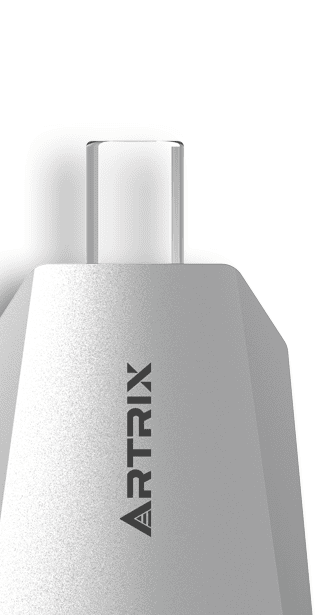
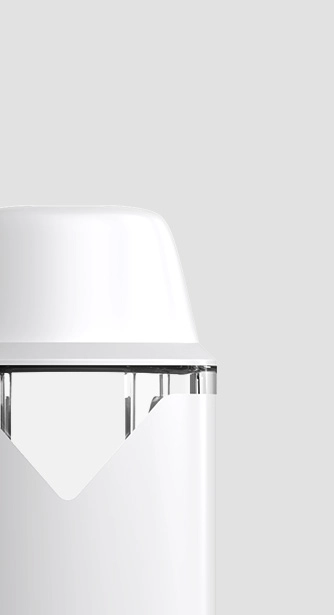



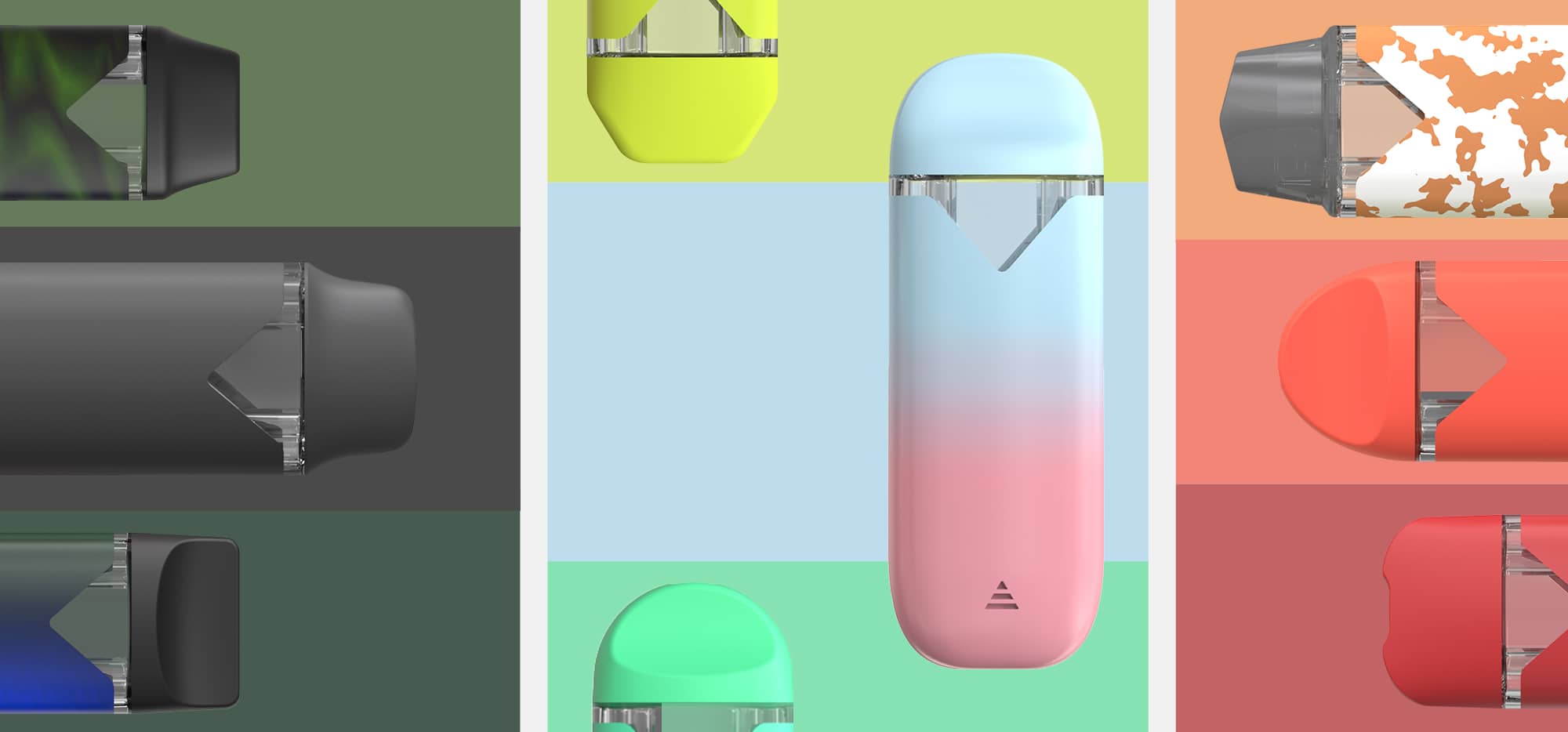
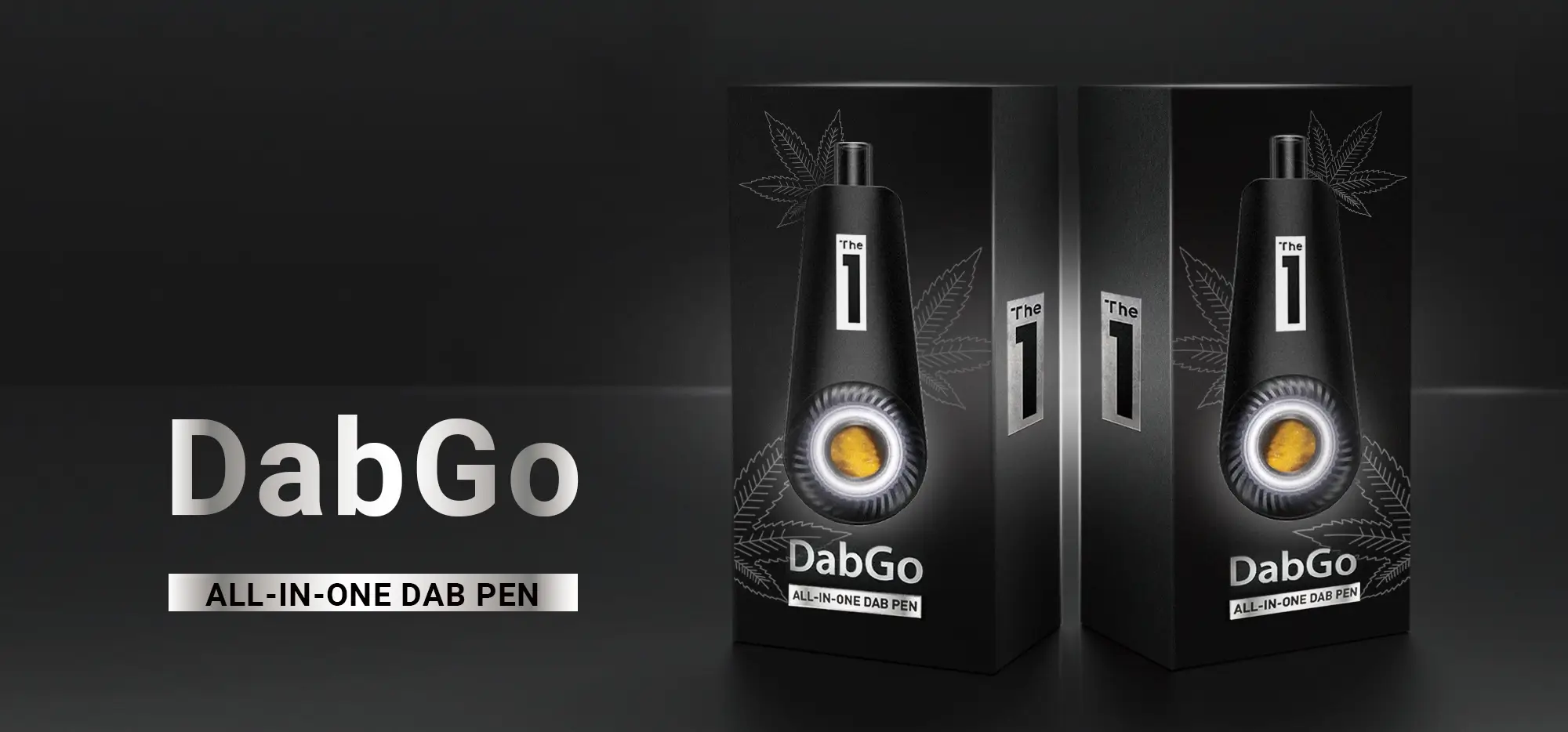





















Lilcube AIO Vape Series Designed for Premium Cannabis Vaping
The Lilcube series remains relevant in 2026 for a simple reason: it still solves the problems that matter most to premium cannabis brands. When the oil is thick, terpene-sensitive, and expensive, hardware cannot be treated as an afterthought. The right all-in-one platform has to balance flavor preservation, stable wicking, filling efficiency, and a form factor that works for both shelf appeal and everyday use.
That is why the Lilcube family still stands out. The Lilcube and Lilcube Pro are both built around a postless ceramic approach, but they answer different brand needs. One is tuned for compact portability and streamlined deployment. The other pushes further into higher-capacity, higher-performance territory for premium extract programs that need more control.
2026 Perspective: From Market Disruptor to the “Safe Bet” for Premium Brands
In 2026, the Lilcube series no longer reads like a niche concept for experimental launches. It reads like a mature hardware format for brands that want a premium AIO without forcing consumers to learn a completely new use pattern. The platform’s long-term appeal comes from consistency: a postless structure, ceramic heating, compact geometry, and a clean visual language that still feels contemporary.
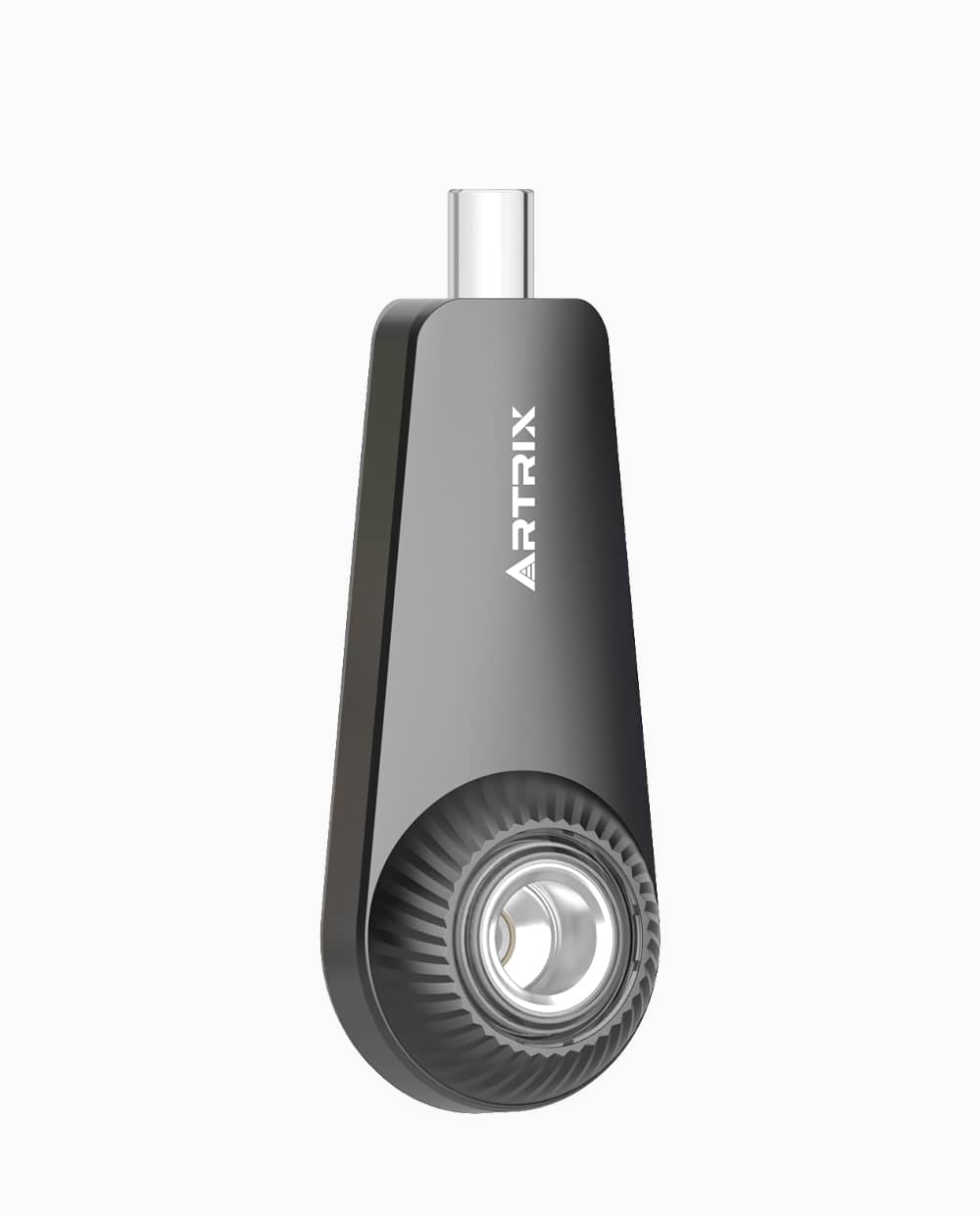
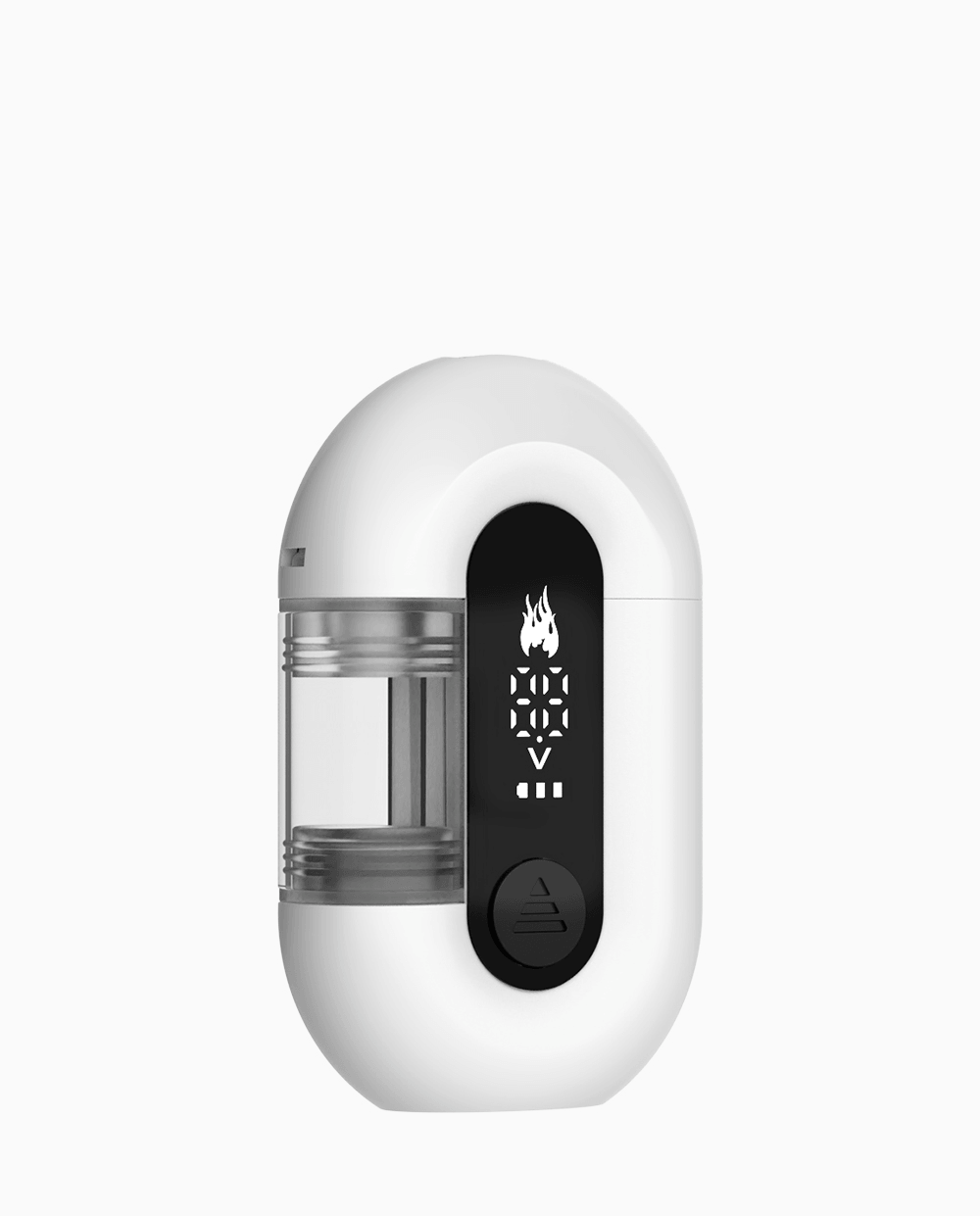
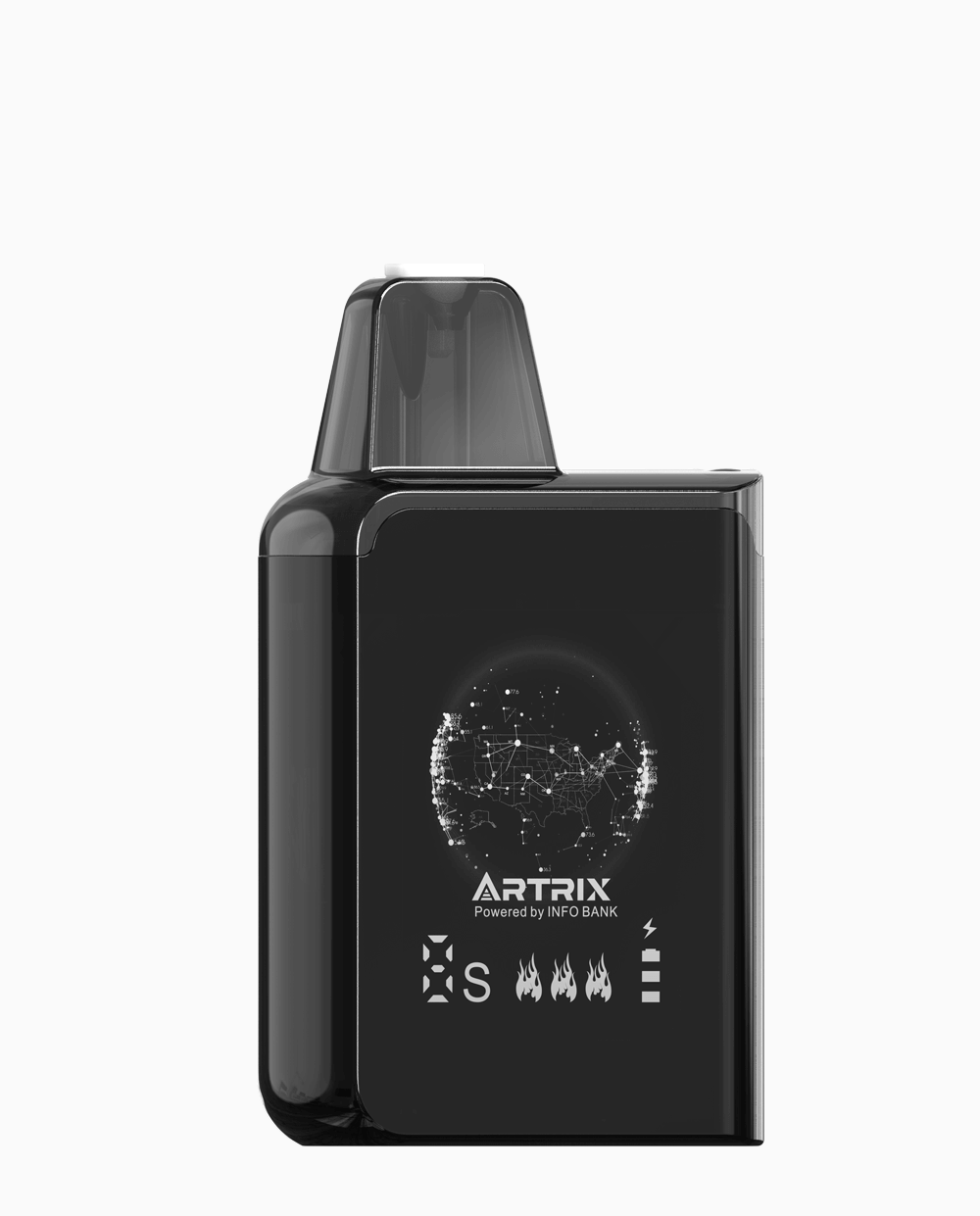
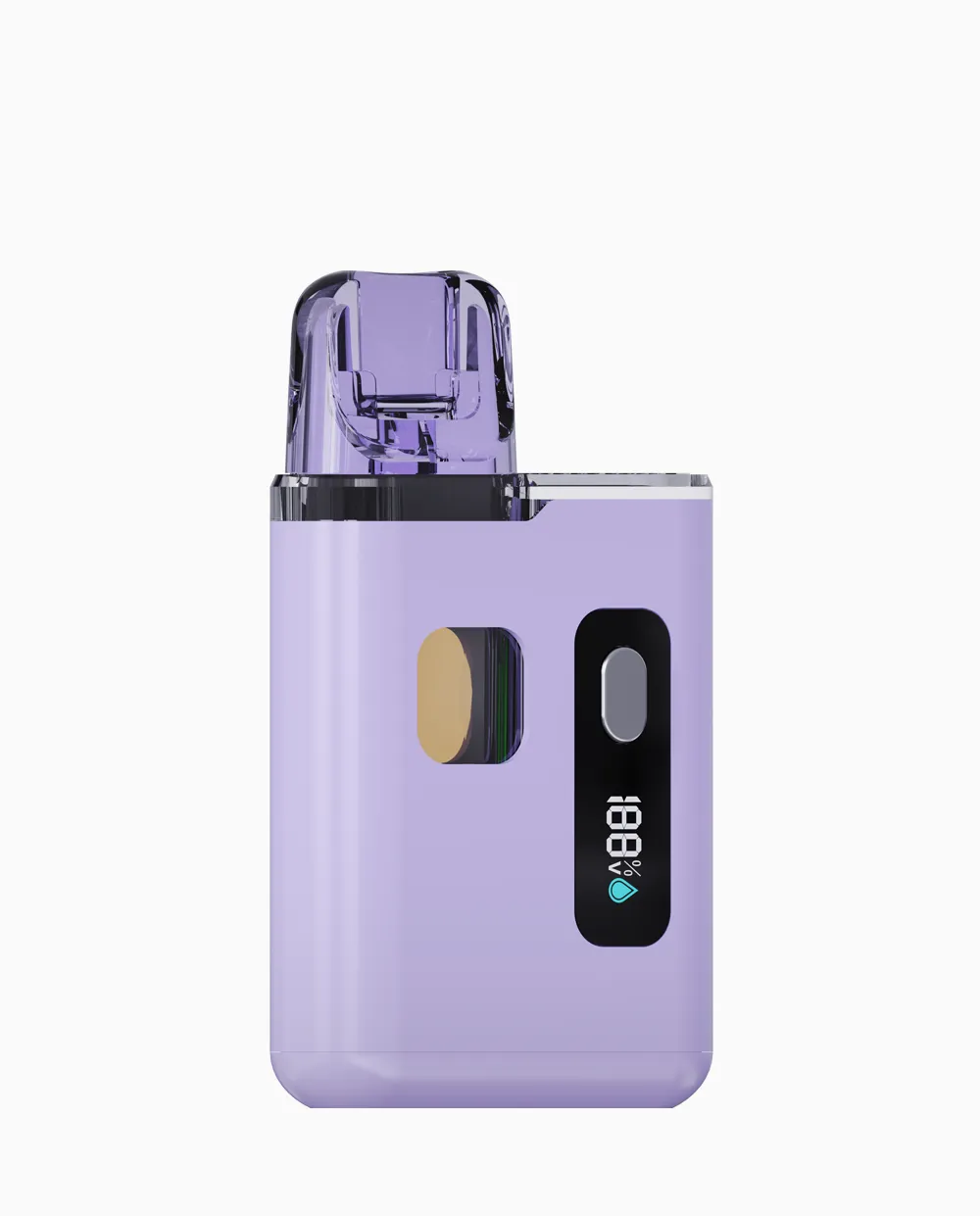
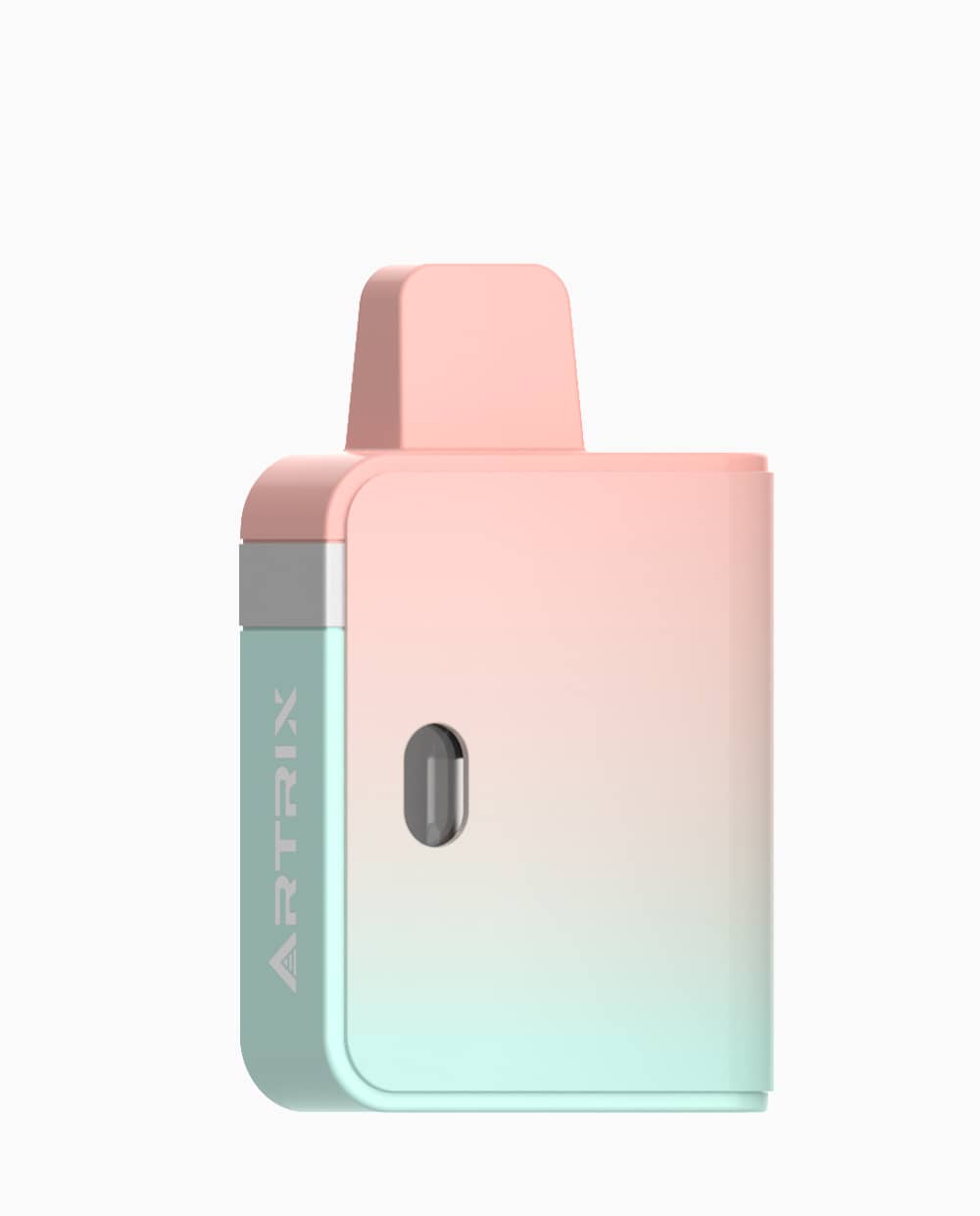
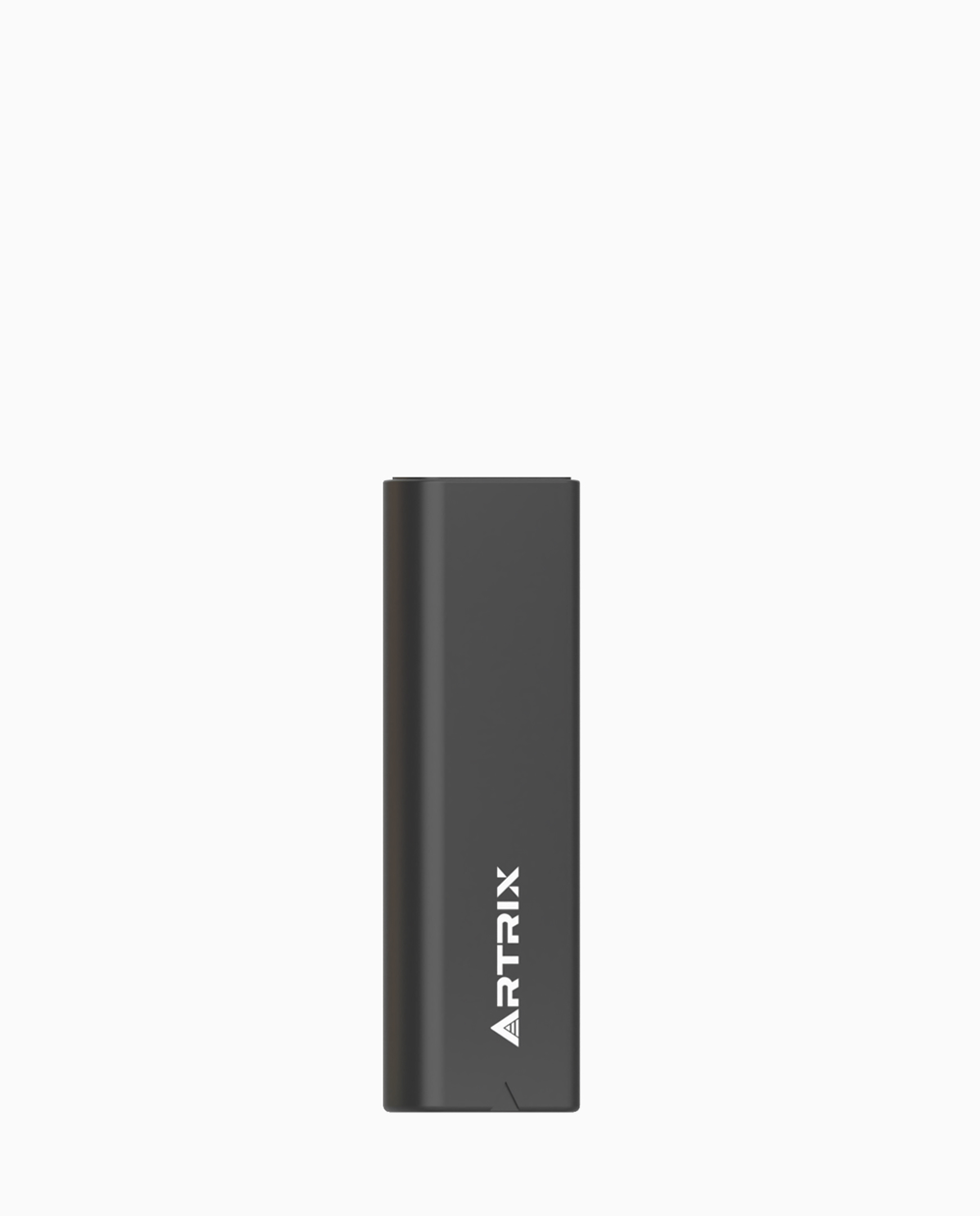
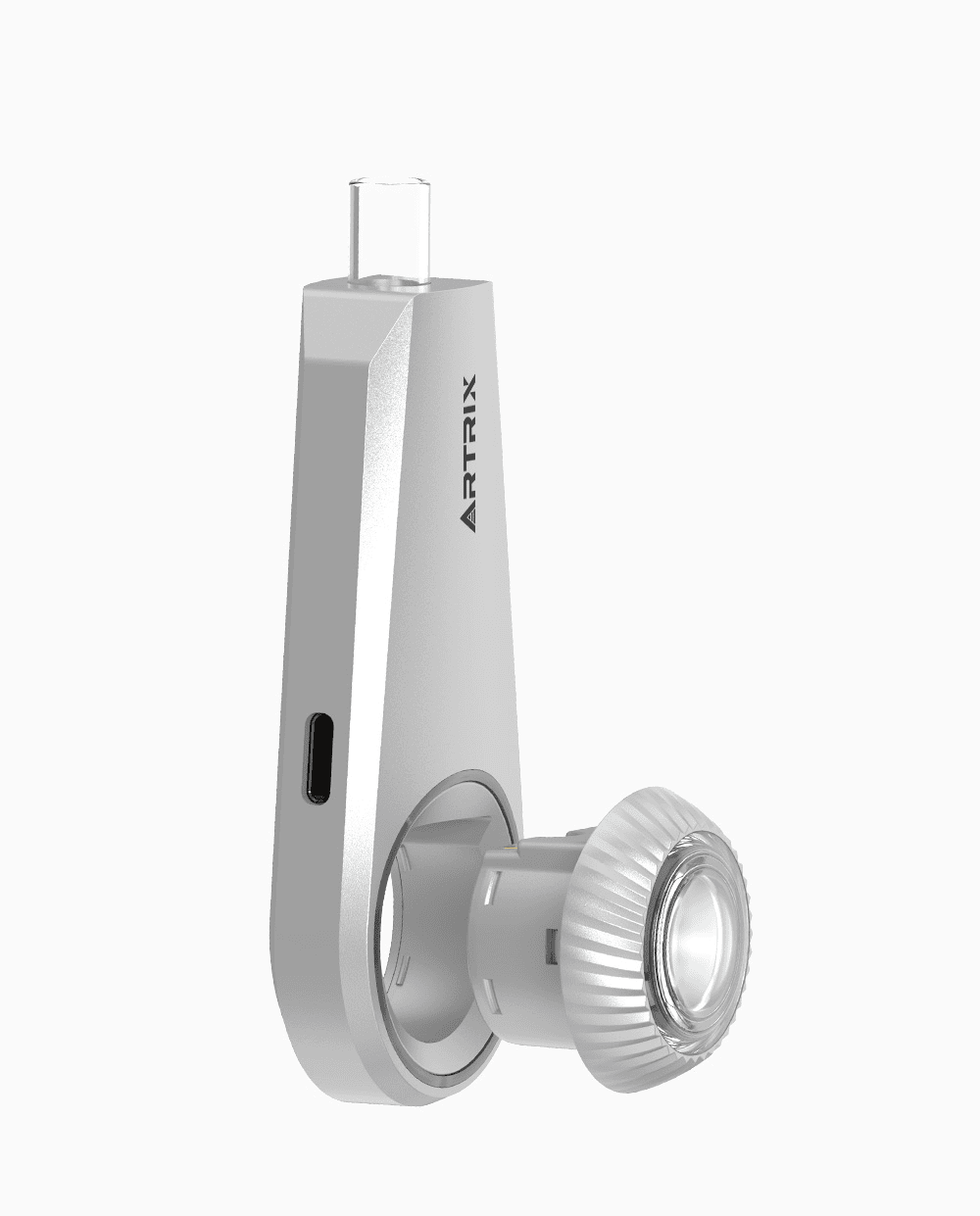
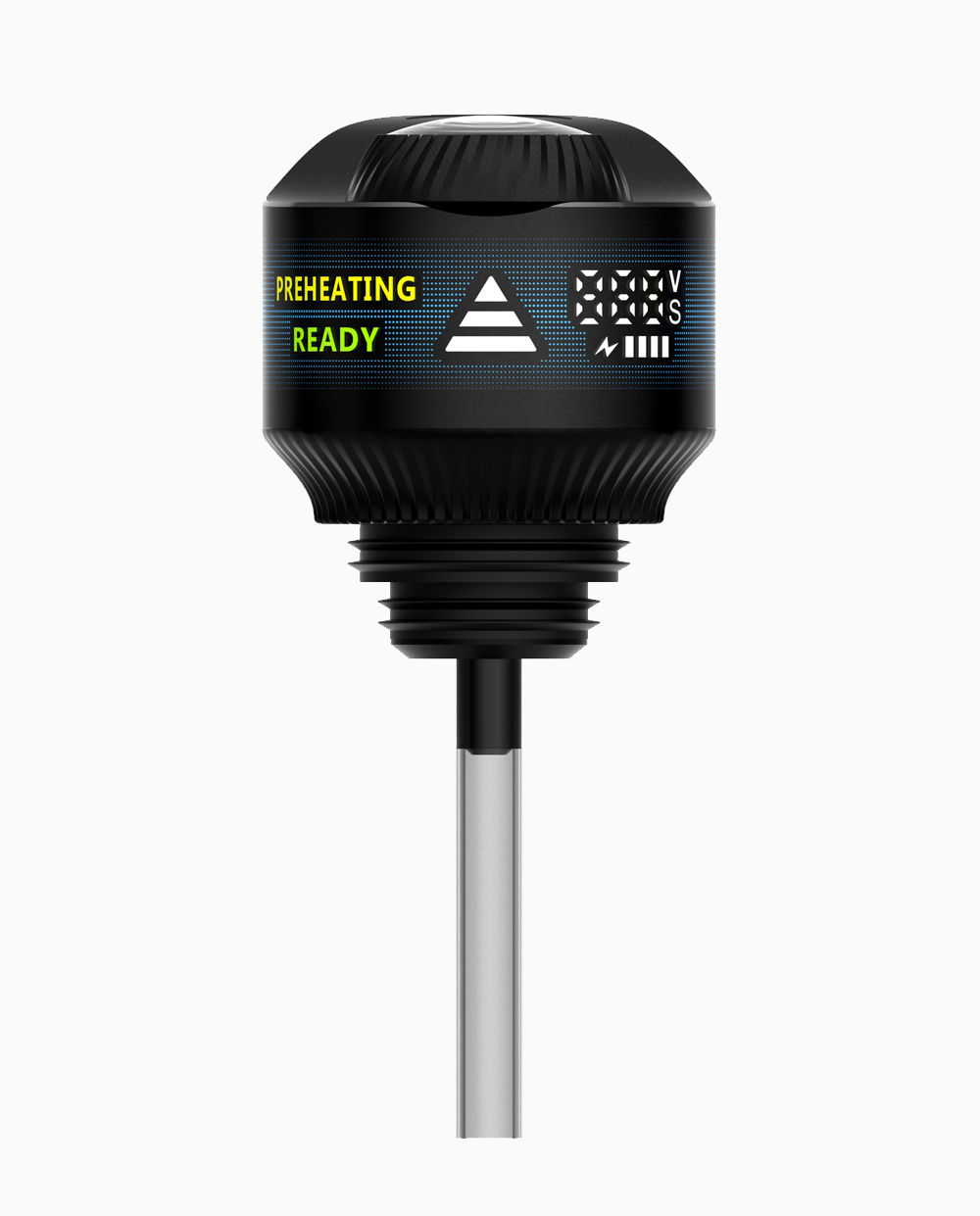
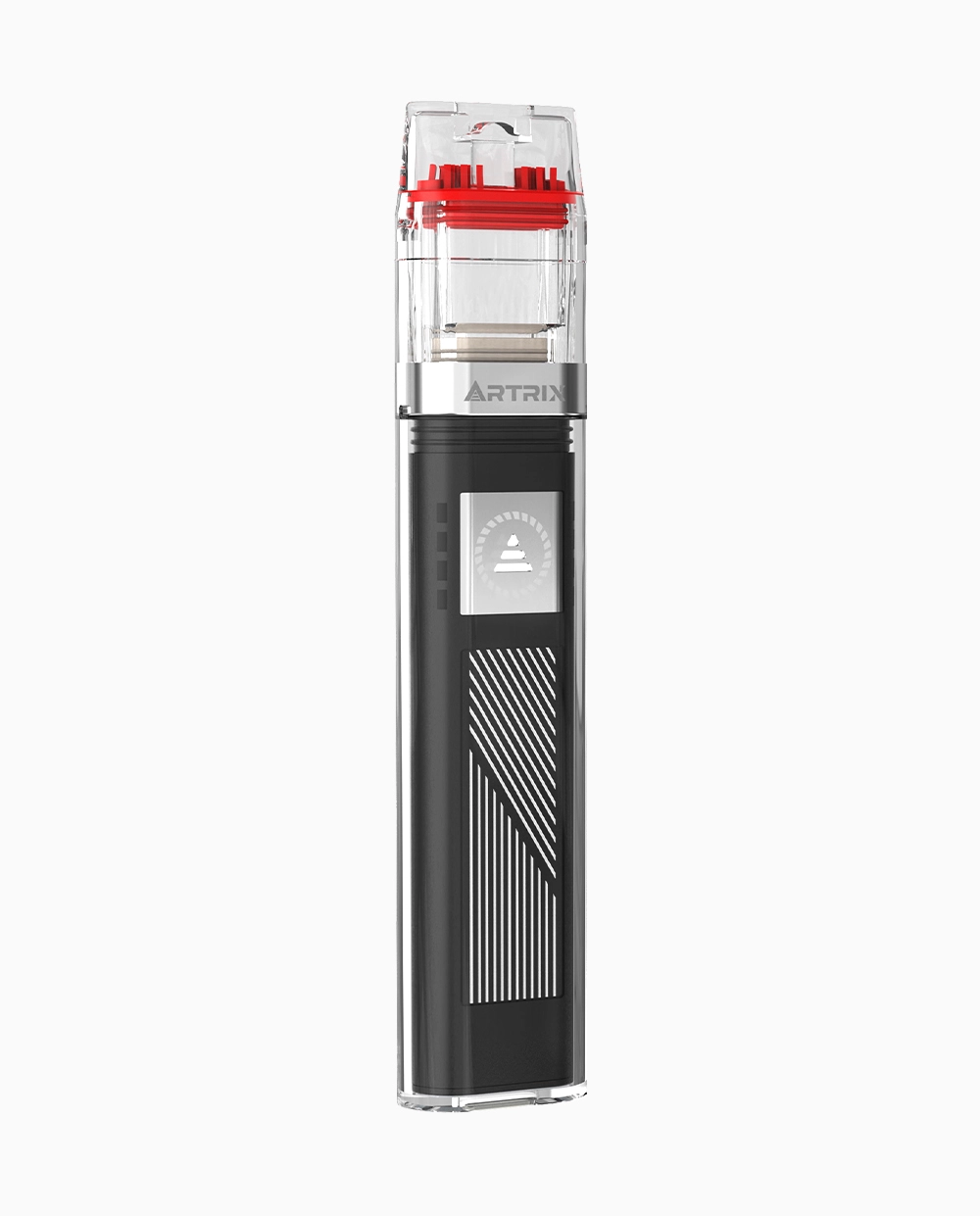
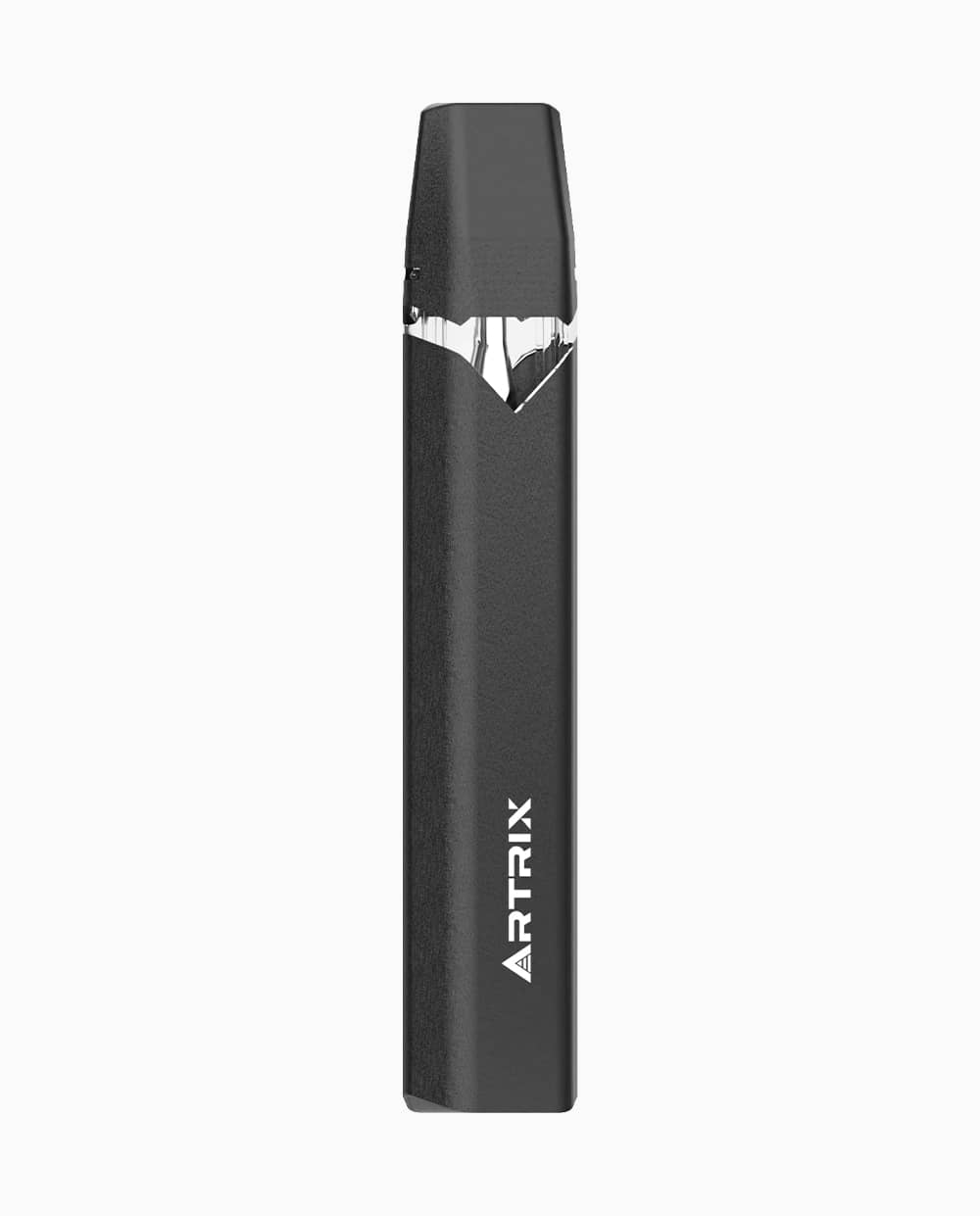
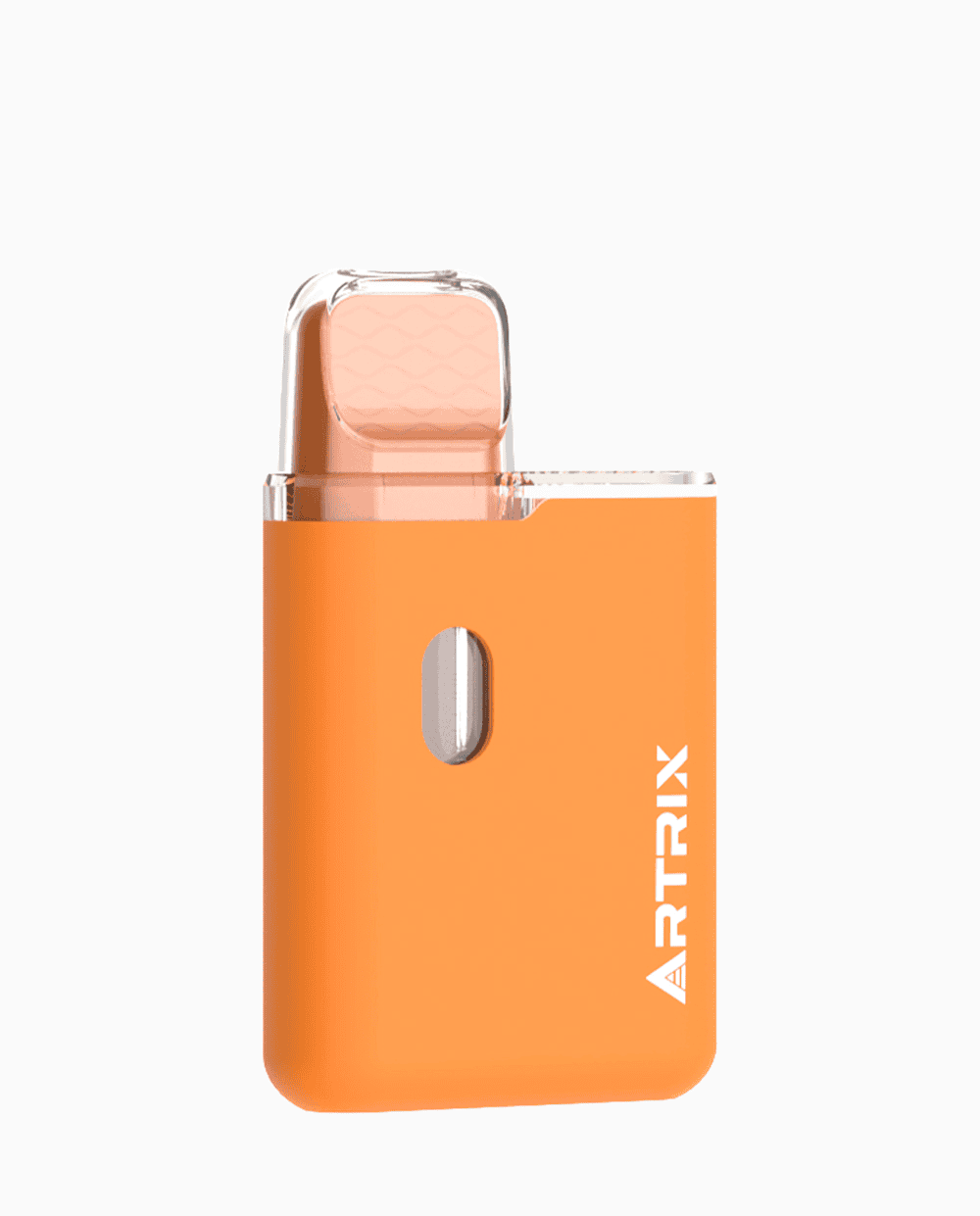
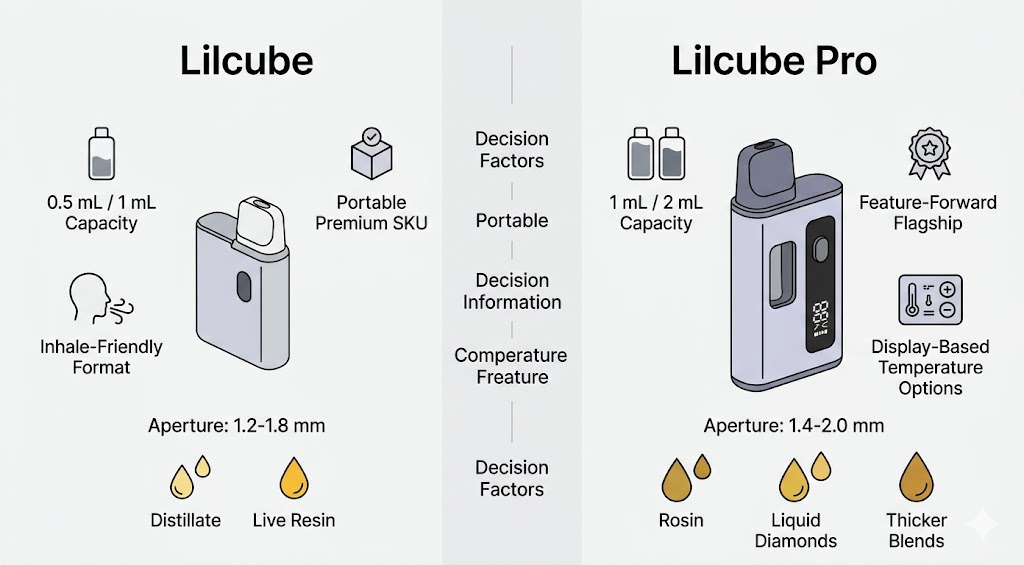
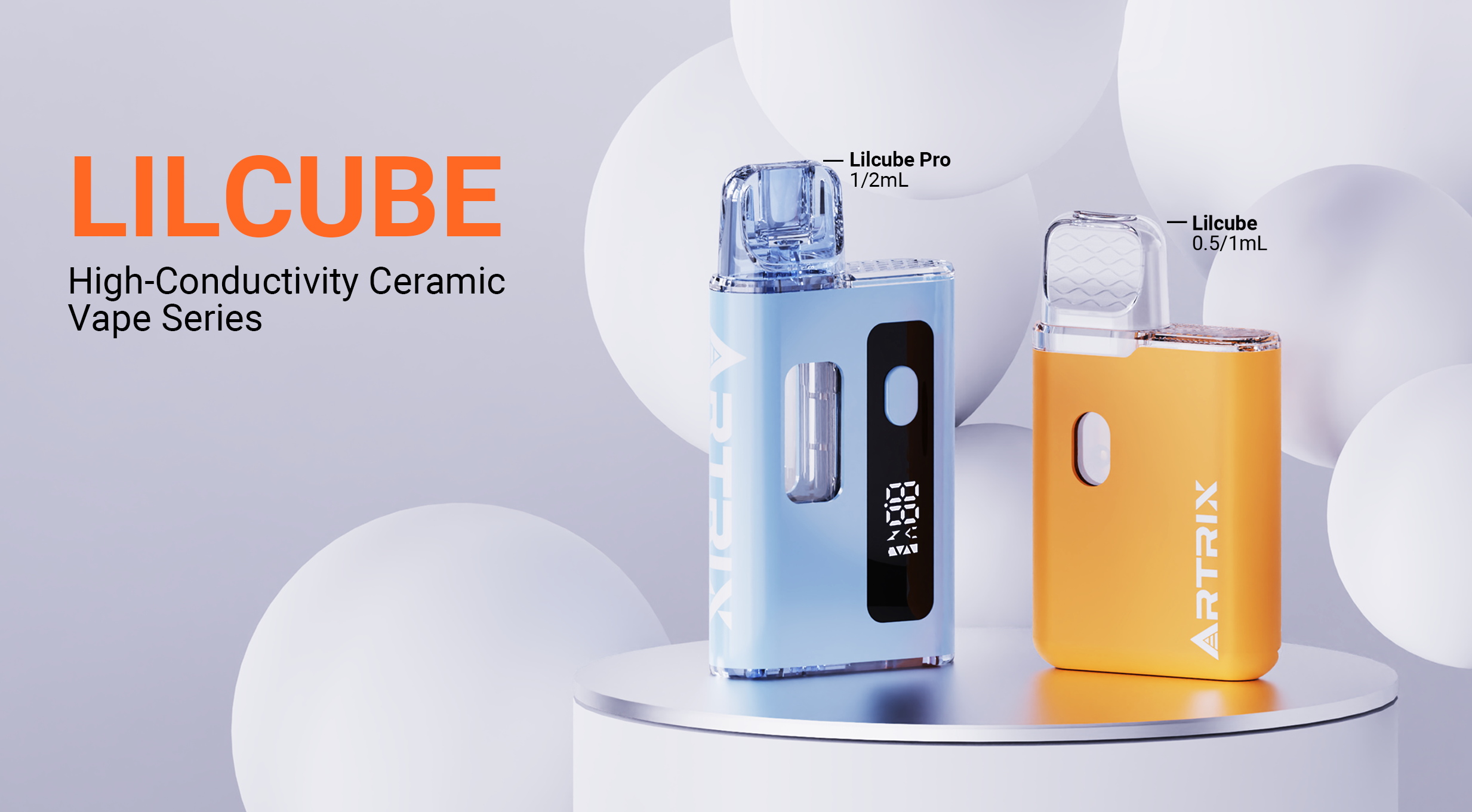
The Lilcube disposable vape stays focused on the essentials. It is available in 0.5 mL and 1 mL formats, uses a 210 mAh battery, and keeps the body light enough for genuinely portable positioning. The Lilcube Pro disposable vape expands the concept with 1 mL and 2 mL options, a smart display, and three temperature settings, making it a stronger fit for brands that need a more technical premium narrative.
What makes the series feel established is not hype. It is the fact that the hardware logic still matches where premium formulations are heading. As more brands work with live resin, live rosin, and higher-viscosity blends, the value of a postless AIO is easier to understand: less internal obstruction, more stable oil delivery, and a better foundation for flavor-focused vaporization.
Decision Matrix: Lilcube vs. Lilcube Pro — Which is Right for Your Formulation?
| Decision Factor | Lilcube | Lilcube Pro |
|---|---|---|
| Capacity / format | 0.5 mL / 1 mL | 1 mL / 2 mL |
| Commercial role | Portable premium SKU with simpler rollout | Feature-forward flagship for higher-end lines |
| Best-fit oils | Distillate, live resin, selected lower-risk rosin pilots | Live resin, live rosin, liquid diamonds, higher-viscosity concentrates |
| User control | Convenience-led, inhale-friendly format | Display-based premium presentation with temperature options |
| Aperture starting point | 1.2-1.4 mm for distillate; 1.4-1.6 mm for live resin; 1.6-1.8 mm for thicker blends | 1.4-1.6 mm for live resin; 1.6-1.8 mm for rosin; 1.8-2.0 mm for liquid diamonds |
| Compatibility outlook | Best when portability and cost discipline matter most | Best when formulation sensitivity and premium positioning matter most |
The practical difference is straightforward. Lilcube is the better choice when a brand wants a compact device that still supports premium oil categories without adding unnecessary complexity. Lilcube Pro makes more sense when the extract is thicker, the fill volume is larger, and the product needs stronger performance cues at both the technical and visual levels.
The aperture guidance above should be treated as a testing framework, not a fixed promise. Oil behavior can change with terpene ratio, storage temperature, and processing method, so the right way to finalize a configuration is through actual compatibility testing instead of relying on generic hardware assumptions.
Why Brands Still Choose Proven Hardware in the High-End Market
Premium extract brands usually face the same set of risks: leakage, unstable wicking, burnt flavor on repeated draws, or poor first-use performance after the package is opened. Those problems become even more expensive when the formulation is solventless or high in native terpenes. In that environment, the appeal of a proven postless AIO is not theoretical. It is operational.
The Lilcube-series value proposition is strongest when it is framed honestly. It is not that one device automatically guarantees success. It is that the hardware gives brands a better starting architecture for validation. A wide, unobstructed oil path, ceramic heating behavior, and better extract-specific matching can reduce avoidable formulation stress during development.
That is also why compatibility testing matters so much. Brands do not win by picking a trendy shell and hoping the oil adapts. They win by testing aperture, oil viscosity, power behavior, and thermal response together. A device becomes commercially useful only when those variables are aligned.
Hardware Engineering: Why Postless Still Leads in 2026
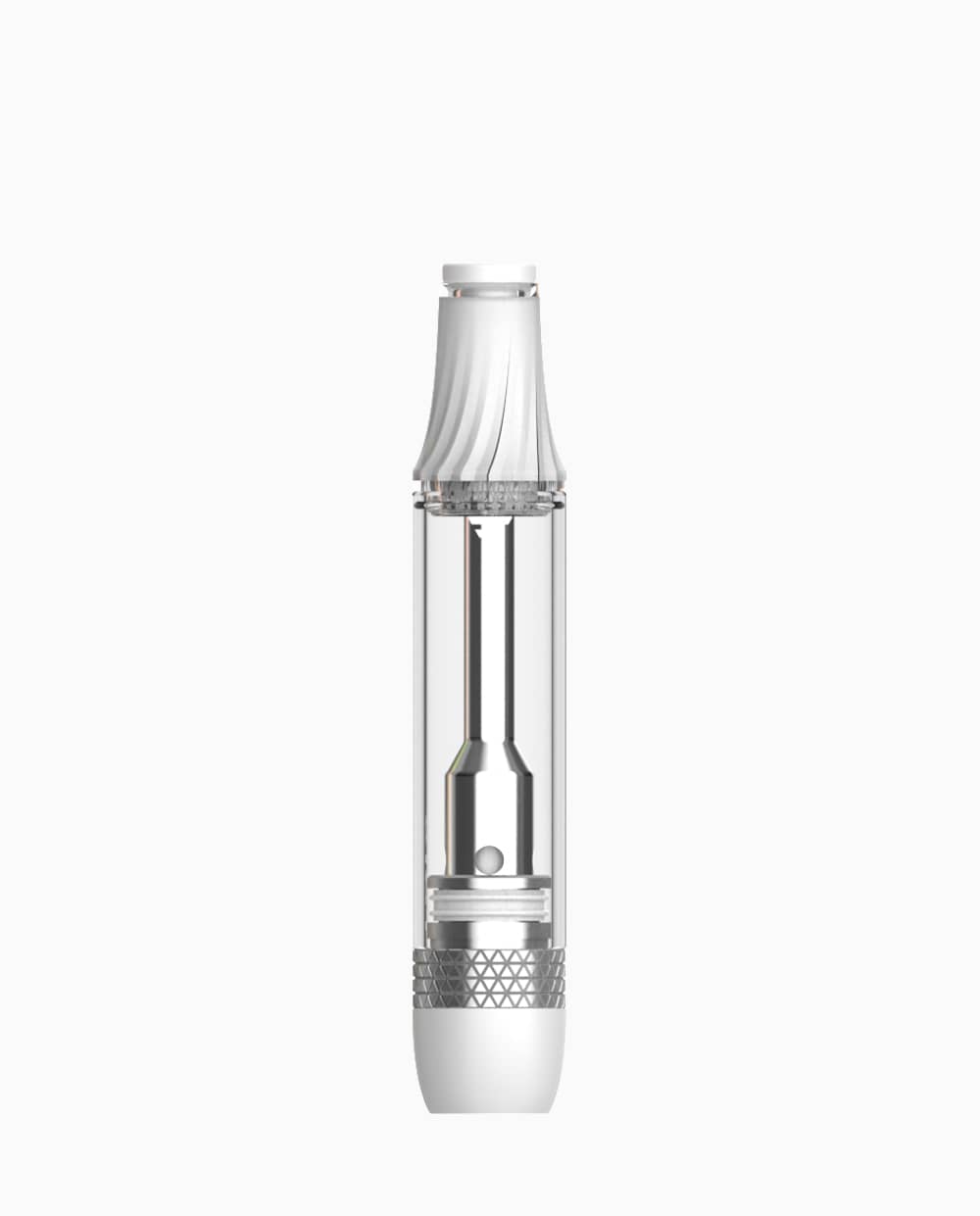
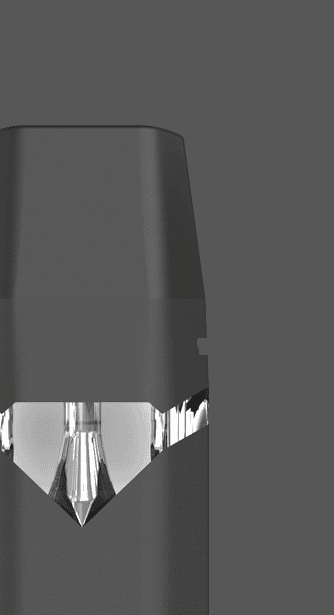
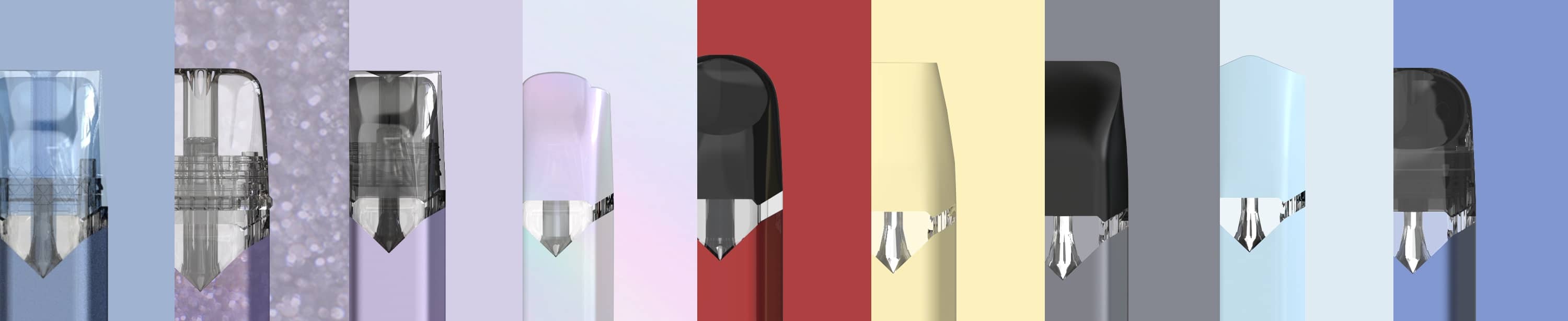
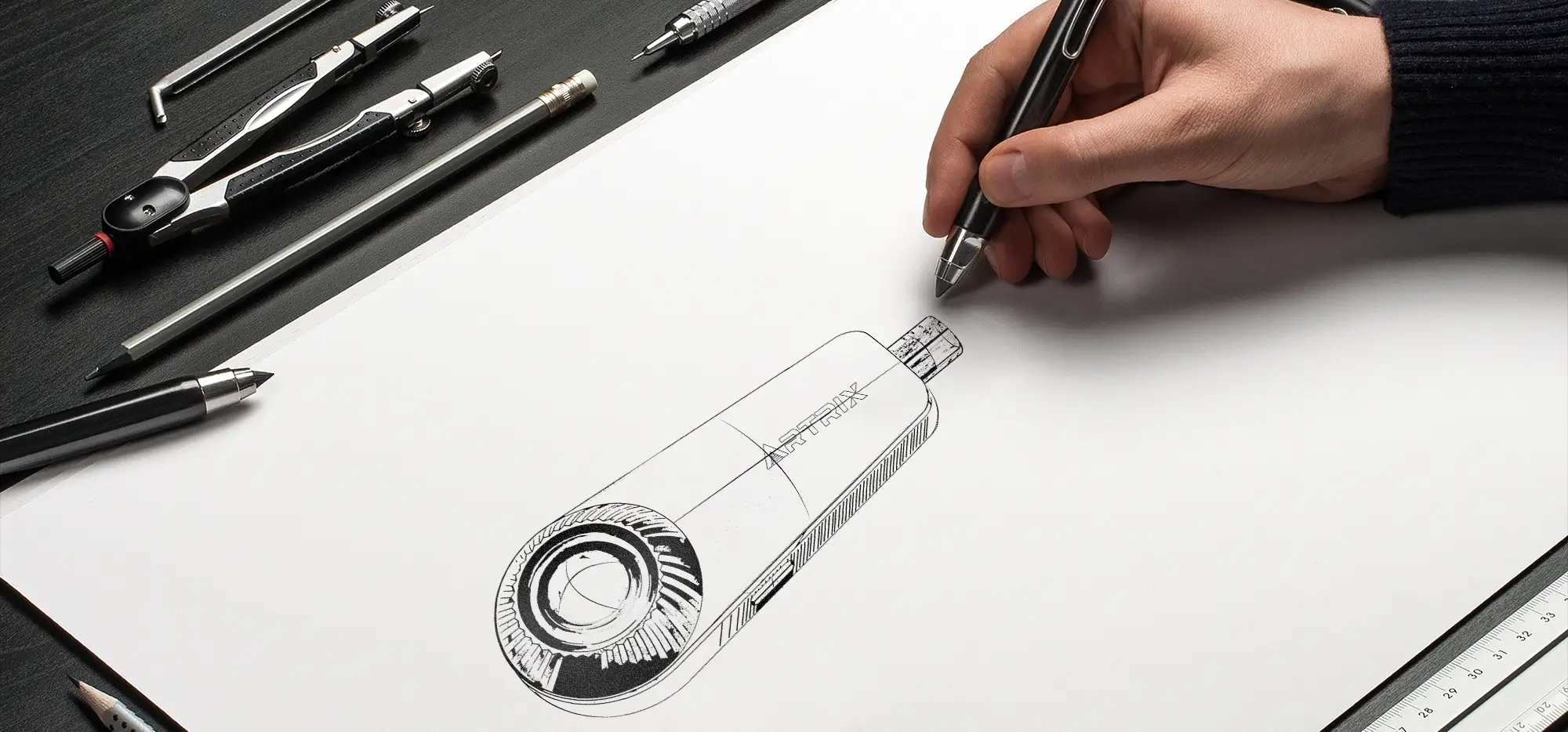
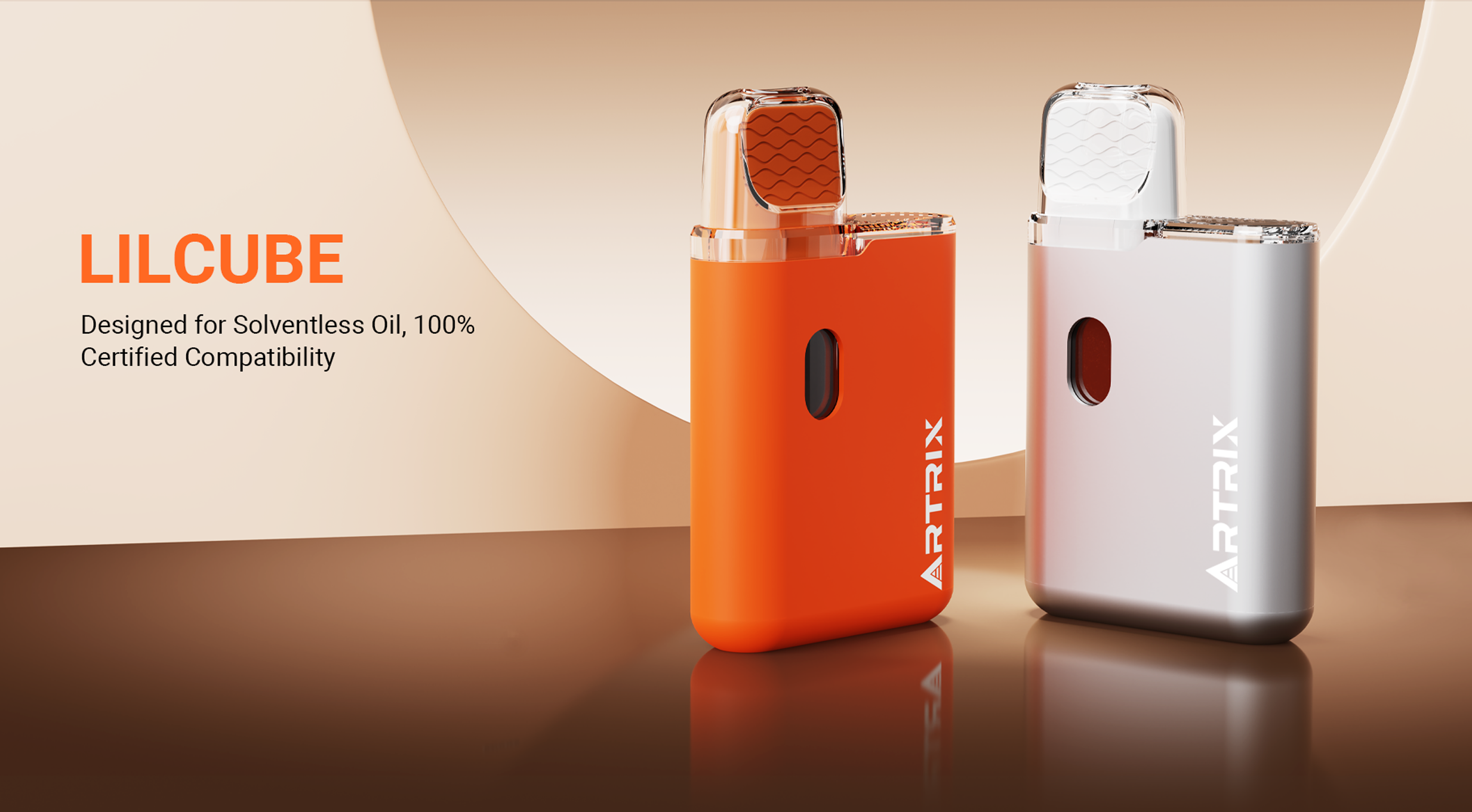
The strongest argument for postless hardware in 2026 is still the simplest one: geometry affects flavor. On the Lilcube, Artrix describes the design as removing the central tube so the oil avoids unnecessary contact with internal metal structures. For premium brands, that matters because expensive extracts are judged heavily on aroma clarity and flavor fidelity.
That design choice also fits broader safety scrutiny. Peer-reviewed studies have found metal particles in cannabis vape liquids and, in some cases, in generated aerosols, which is one reason material selection and vapor-path design deserve more attention in premium hardware programs. The takeaway is not that every metal component is inherently disqualifying. The takeaway is that reducing unnecessary metal interaction in the oil path is a reasonable engineering priority.
From a manufacturing perspective, postless structures can also simplify filling. Without a central post interrupting nozzle access, filling workflows are generally easier to optimize for thick oils and cleaner dosing. The exact efficiency gain will vary by line setup, oil temperature, and filling equipment, so it is better to describe this as a process advantage rather than attach an invented percentage to it.
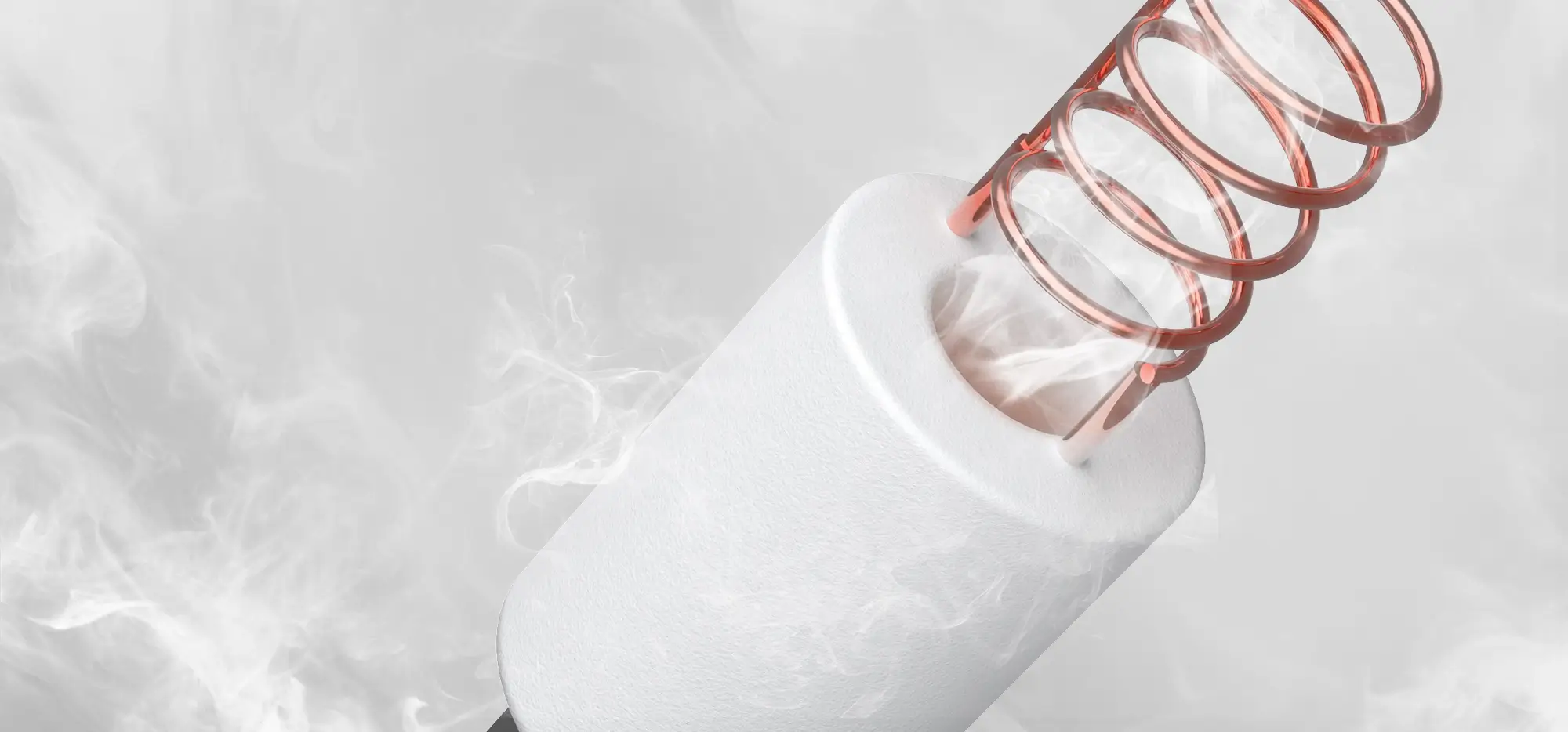
Thermally, the Lilcube family is also aligned with where premium extracts need to go. The Lilcube emphasizes high-conductivity ceramic and an aluminum-alloy body, while the Lilcube Pro adds a stepped heat-transfer structure and multiple temperature settings. Artrix’s live rosin hardware series explicitly ties low-temperature ceramic behavior, postless architecture, and wide-aperture intake holes to flavor preservation and stable flow for thicker concentrates. That is why postless still leads: it better matches the physical demands of premium oil.
The 2026 Aesthetics Guide: CMF Customization That Sells
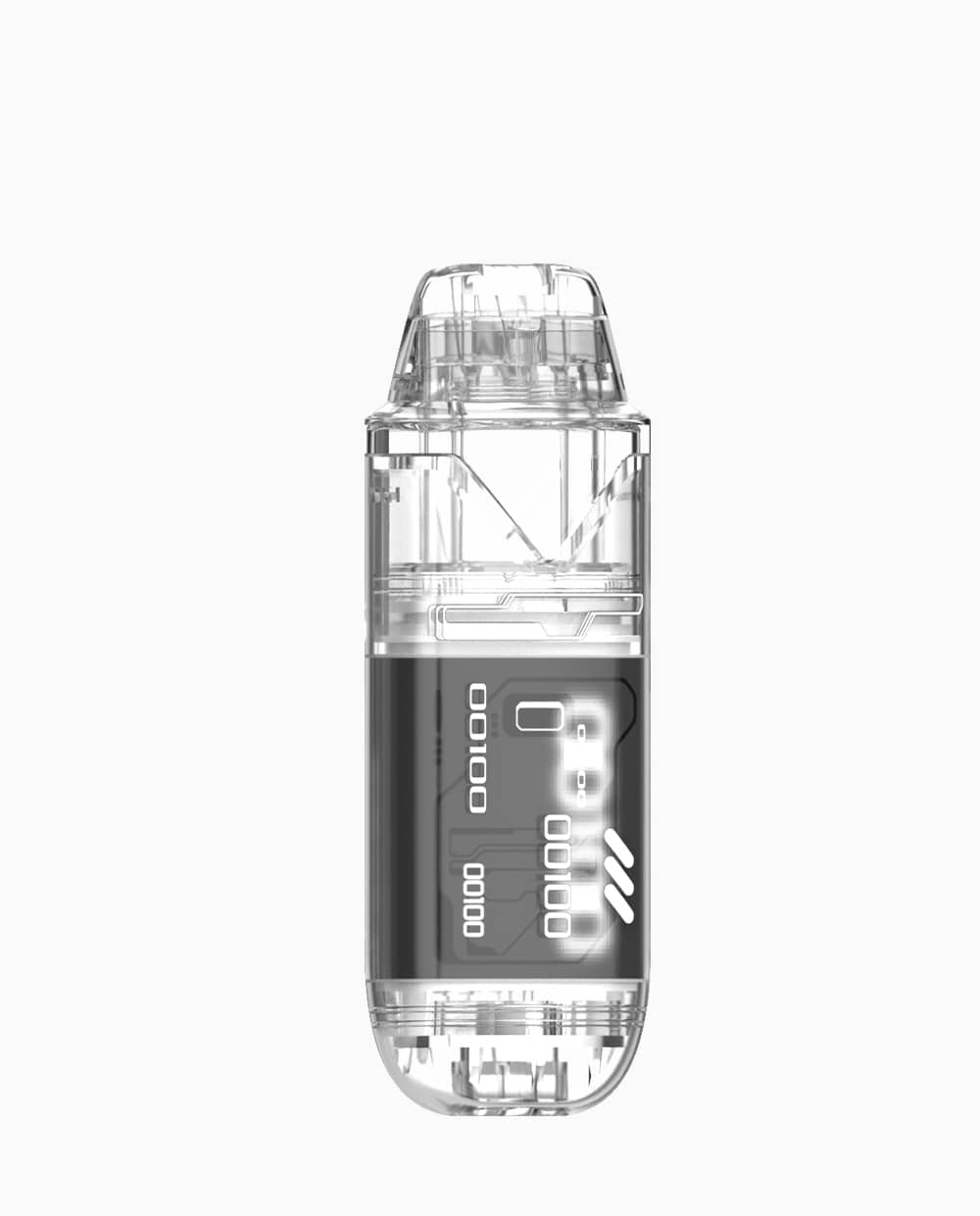
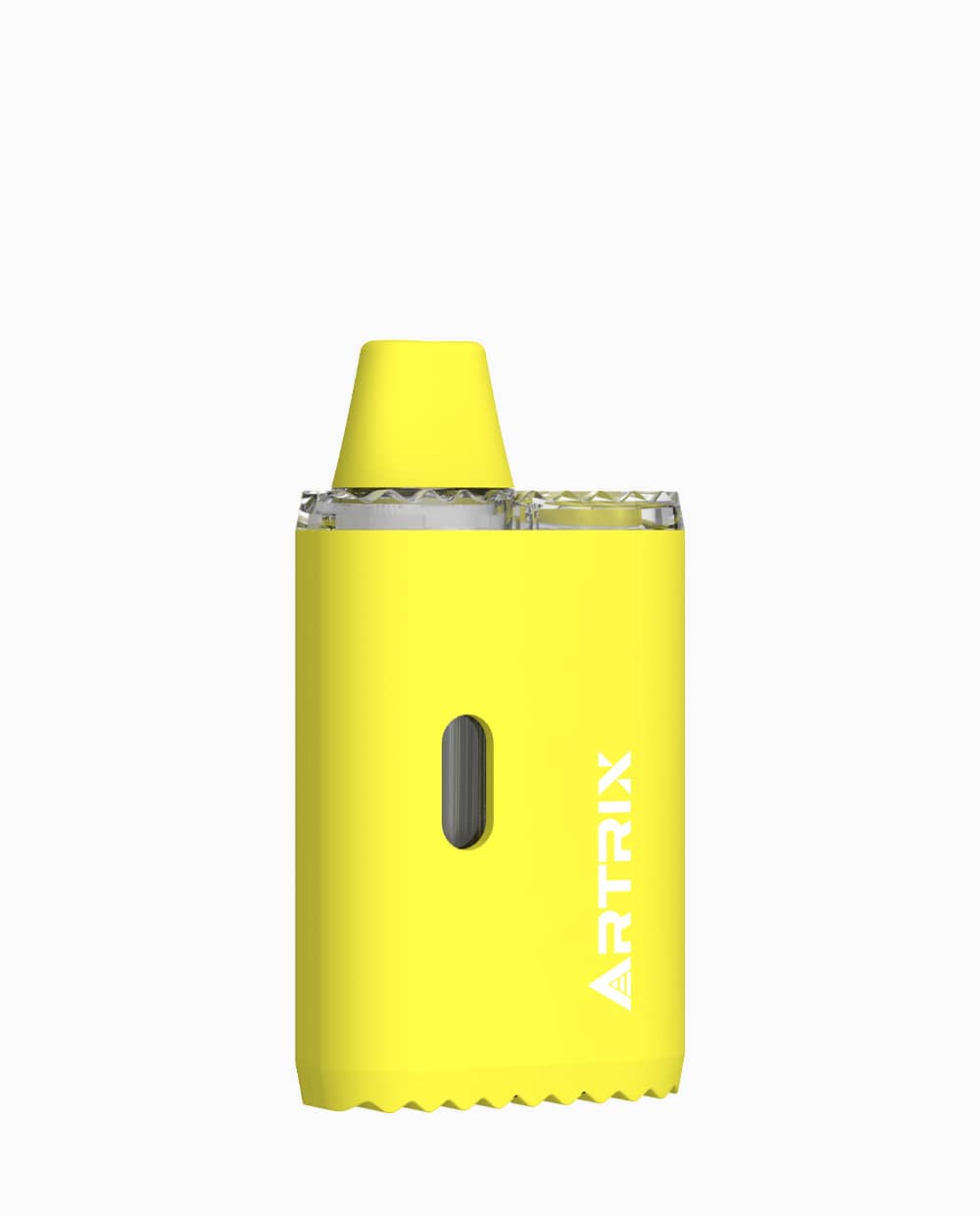
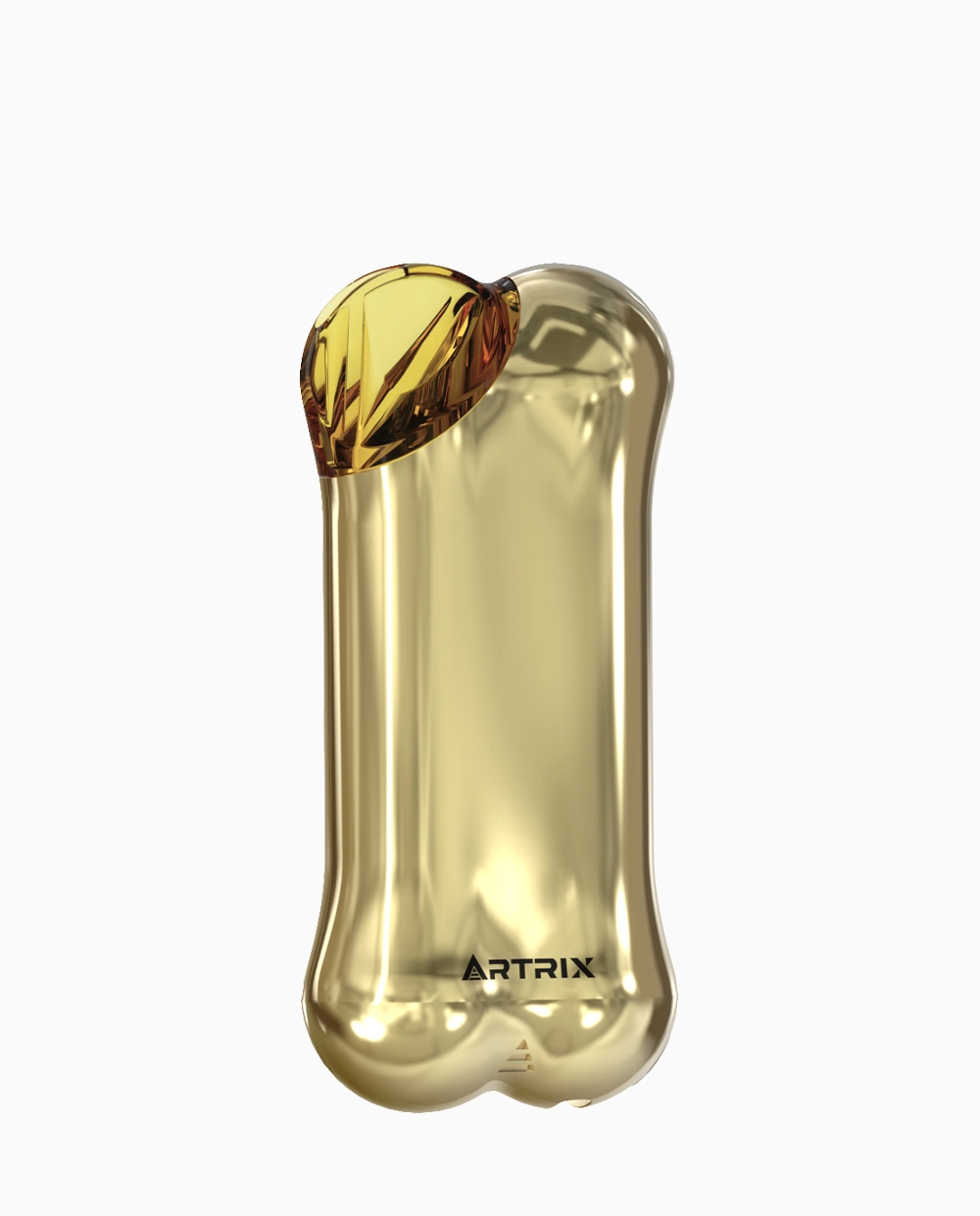
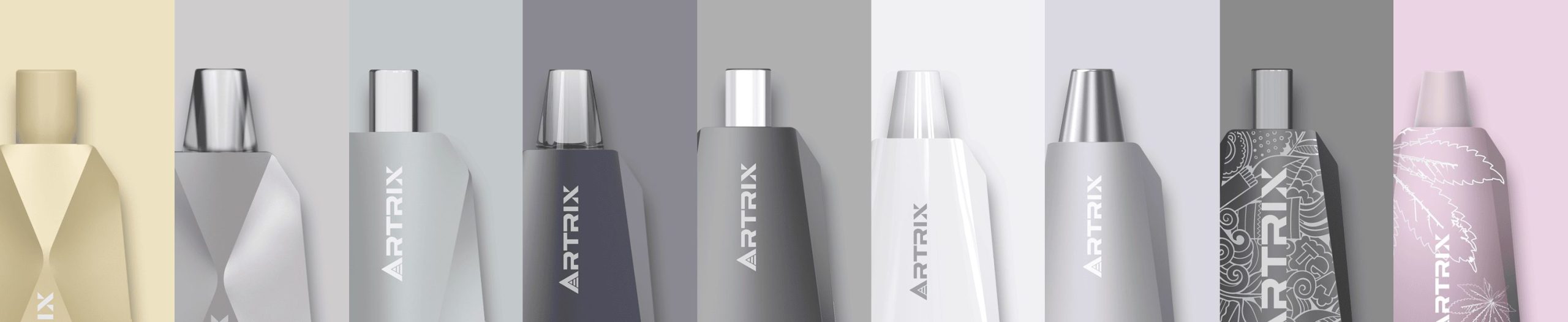
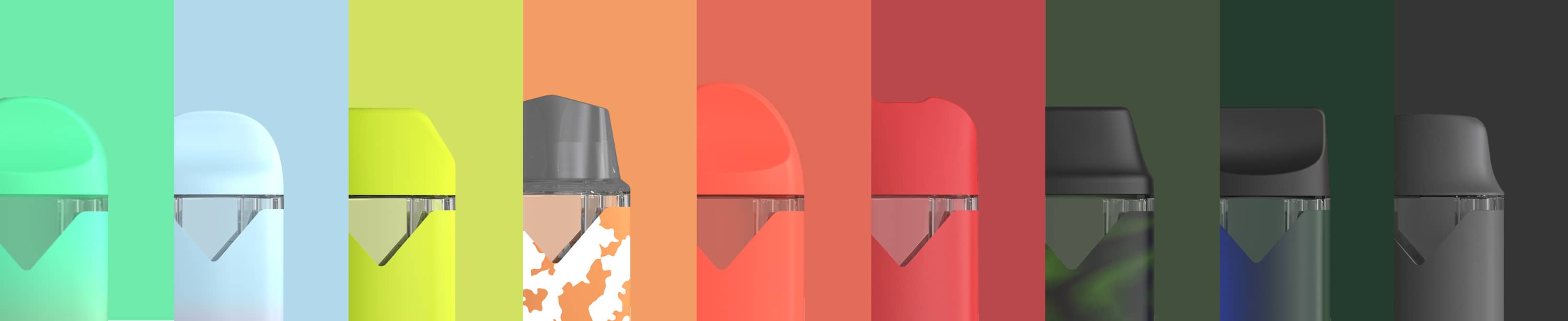
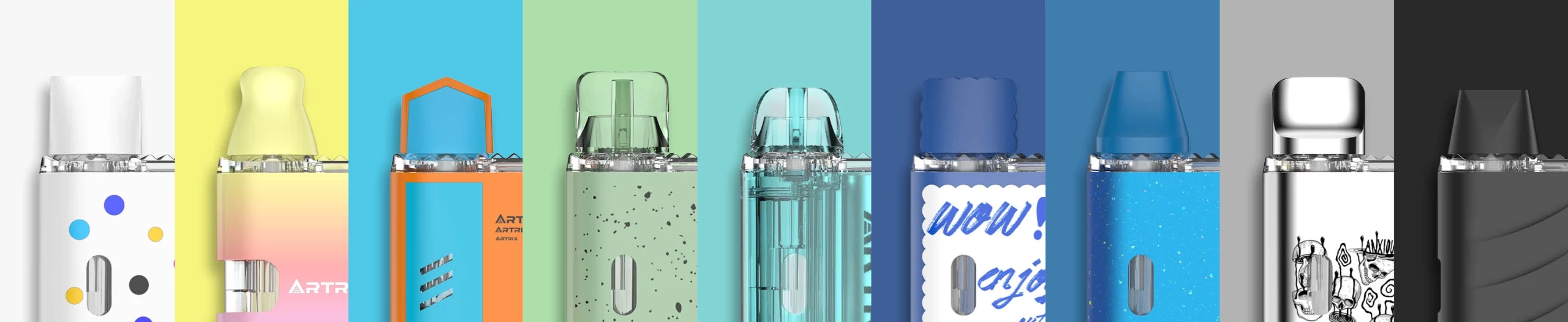
In 2026, premium cannabis devices are moving toward finishes that feel deliberate rather than flashy. The strongest direction is a blend of grounded colors, refined metallics, and tactile surfaces that make the device feel more like a designed product than a disposable commodity. The Lilcube series is well suited to that approach because its silhouette is clean enough to let CMF do the premium storytelling.
-
- Sustainable Earth Clay: a muted terracotta matte finish that feels natural, warm, and brand-serious.
-
- Olive Mineral Soft-Touch: a low-sheen green-grey surface that signals modern, extract-forward positioning.
-
- Cyber-Metallic Graphite: a darker metallic option that gives Lilcube Pro a more technical and performance-led identity.
-
- Champagne Titanium Brush: a brighter premium finish that reads polished without becoming flashy.
-
- Smoked Window Contrast: a darker visual treatment around the oil-view area that adds shelf drama and a more engineered feel.
For brands, the lesson is practical: finish selection should support price perception. A premium extract line should not look generic in the consumer’s hand. Thoughtful CMF helps the hardware carry more of the brand story before the first draw even happens.
2026 Compliance & Technical FAQ: Future-Proofing Your Product
What is the compliance baseline for inhalable cannabis hardware in 2026?
In California, current DCC regulations remain the key reference point, and inhaled cannabis products are limited to specified ingredient categories rather than open-ended additive use. California also requires heavy-metals testing for cannabis goods before retail sale, including inhalable products.L1 L2
Why do heavy metals and emissions matter so much?
Because premium hardware is not only a flavor decision. It is a compliance and risk-management decision. California testing rules explicitly include heavy metals,L2 and peer-reviewed research has shown that cannabis vape liquids and aerosols can contain metal contaminants depending on device construction and use conditions.H1 H2 For brands, that means material control and hardware validation should be treated as part of product quality, not as back-end paperwork.
What about environmental impact?
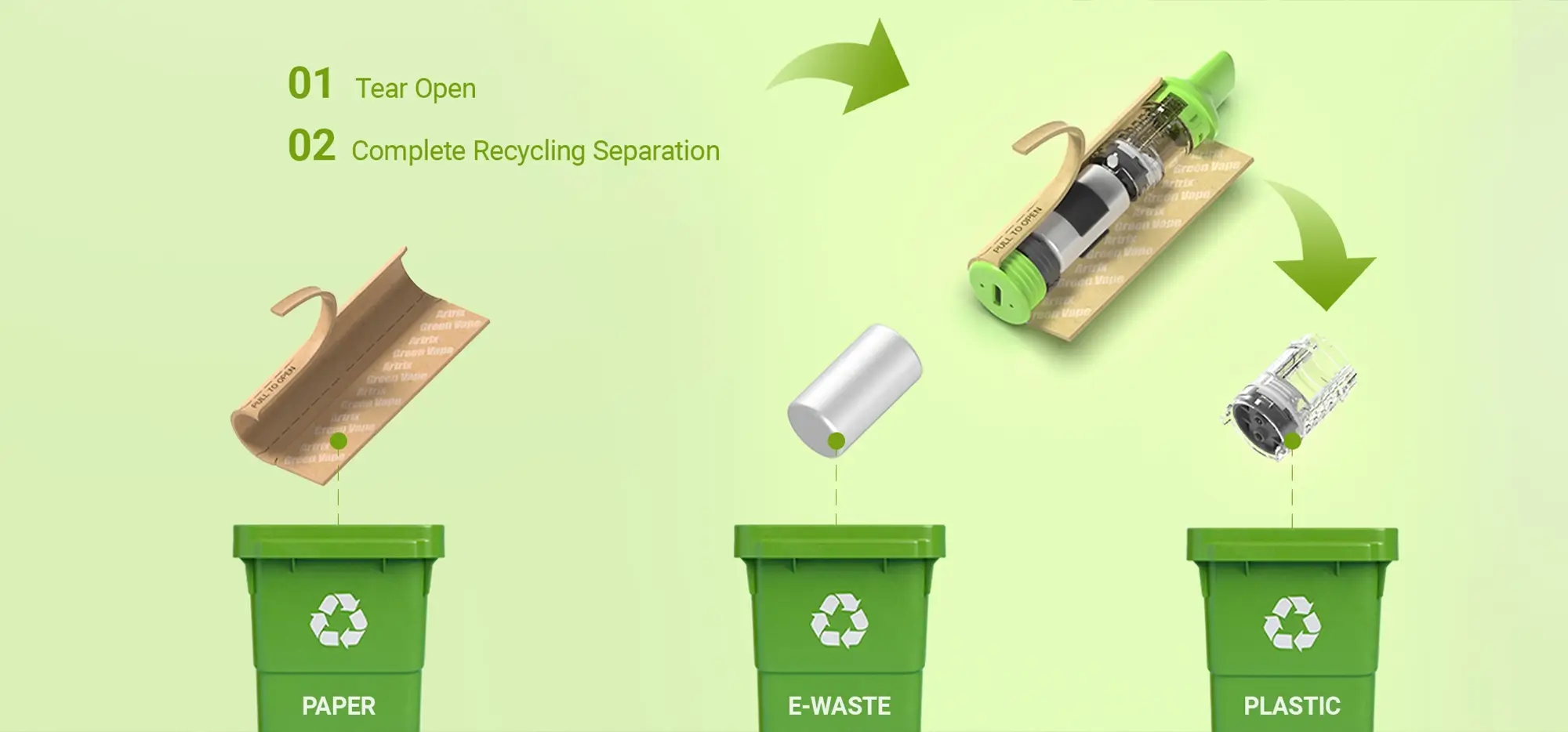
Battery recycling and material reduction are both realistic directions, but they need to be handled systematically. For EU-facing programs, RoHS, the Battery Regulation, and WEEE all reinforce the importance of restricted substances, end-of-life handling, and producer responsibility for electronic products.L3 L4 L5 In practice, brands can move in the right direction by reducing unnecessary material layers, simplifying decoration choices, and aligning with compliant collection or recovery channels where their products are sold.
What aperture should brands test for liquid diamonds in 2026?
For high-viscosity liquid-diamond formulations, Lilcube Pro is the more natural starting point, with 1.8-2.0 mm as a practical first testing range. Lilcube can still be evaluated for certain blends, but it is better positioned for more moderate viscosity profiles unless the oil has been carefully optimized. That cautious approach also fits public-health guidance, since U.S. health agencies note that cannabis concentrates used in vaping can carry very high THC levels and may involve health and safety risks depending on composition and use pattern.H3 H4
Conclusion: Leveraging a Proven Platform for Your 2026 Strategy
The lasting strength of the Lilcube series is that it still offers a useful balance of portability, postless engineering, ceramic flavor performance, and premium customization potential. Lilcube gives brands a compact, efficient path into premium AIOs. Lilcube Pro gives them a stronger platform for larger fills, more demanding concentrates, and a more technical flagship story.
If your 2026 roadmap includes live resin, live rosin, or liquid-diamond SKUs, the best next step is not to rely on generic claims. It is to request a performance sample kit and run a real oil-to-hardware compatibility test so aperture, heat behavior, and flow characteristics are matched to your formulation from the start.