

-1.webp)
-1.webp)
-2.webp)













THCA vs Delta-9: Understanding the Key Differences
Is THCA “Real Weed” in Practice?
For many shoppers, the real search behind THCA vs Delta-9 is simple: “Am I buying real weed online?” For brands, the question is more technical: “Can we formulate, package, and sell this product without compliance or hardware problems?” Both questions lead back to the same answer. THCA is the raw precursor, while delta-9 THC is the primary intoxicating compound produced when heat triggers decarboxylation.
That is why THCA products create so much confusion. A THCA flower jar or vape may be marketed through hemp channels, but if the product is meant to be heated, the consumer experience can move very close to conventional marijuana. At the same time, THCA-rich formulas are harder on hardware because crystallization, viscosity, and temperature control all matter more than they do with standard THC distillate. This article is for adult readers only, and brands should follow all state and local rules before marketing or shipping cannabinoid products.
In practical consumer terms, THCA can behave like “real weed” once it is smoked, vaped, or dabbed. Raw THCA is generally described as non-intoxicating, but heat removes its carboxyl group and converts it into delta-9 THC, the cannabinoid most closely associated with the classic cannabis high.
That means consumers should not judge THCA products only by the word “hemp” on the label. The more useful question is whether the product is designed to stay raw or to be heated. If it is intended for inhalation, the chemistry shifts toward delta-9 THC during use. That explains why some online THCA products feel far closer to traditional cannabis than their packaging suggests. And why product positioning, compliance language, and hardware choice have to be aligned from the start.
The Chemical Foundation: It’s All About Decarboxylation
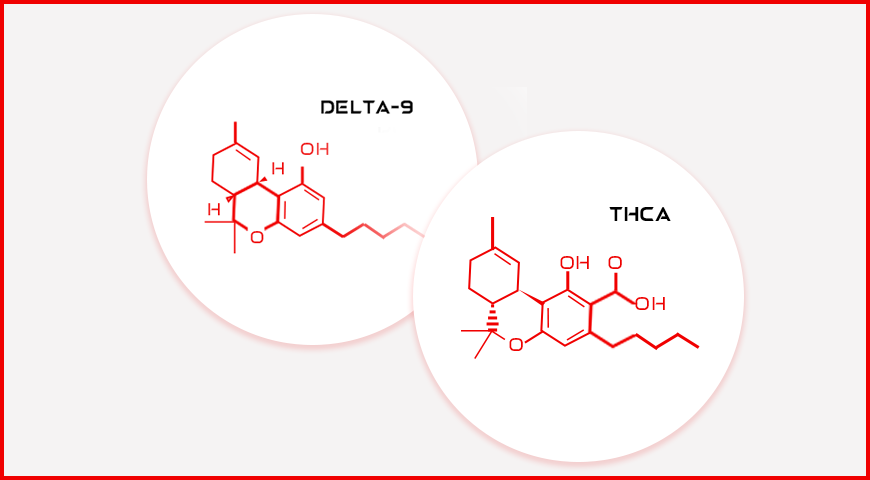
The relationship between THCA and delta-9 THC is chemically straightforward. THCA carries an extra carboxyl group, which makes it heavier and changes how it behaves. When enough heat is applied, that group is removed through decarboxylation, producing delta-9 THC. This is the reason fresh cannabis chemistry and inhaled cannabis chemistry are not the same commercial category.
A simple structure comparison diagram would work well here because it helps both consumers and operators see the difference immediately. THCA is not a different universe from THC. It is the starting form. Delta-9 is the activated form. That one-step conversion is why the same plant can be sold as a raw cannabinoid product, a psychoactive inhalable, or a compliance risk, depending on how it is formulated and used.
THCA vs. Delta-9: A Side-by-Side Comparison
| Criteria | THCA | Delta-9 THC |
|---|---|---|
| Psychoactivity | In raw form, generally non-intoxicating | Primary intoxicating cannabinoid in cannabis |
| Chemical Stability | Can remain stable in raw material, but converts toward THC when heated |
Already active; excessive heat can degrade flavor and overall experience |
| Molecular Weight | 358.47 g/mol | 314.45 g/mol |
| Legal Status | Often marketed through hemp channels, but total-THC enforcement can still matter and state rules may be stricter | Tetrahydrocannabinols remain controlled unless they fall within the hemp exception |
| Body Metabolism | When heated and consumed, can still contribute to THC metabolite formation relevant to drug testing | Common urine testing targets THC-COOH |
“Total THC” and Regulatory Evolution
For operators, the most important formula is not branding language. It is compliance math:
Total THC = (THCA × 0.877) + Δ⁹THC
USDA uses this conversion because THCA can become delta-9 THC after decarboxylation, and the agency’s hemp production framework measures total THC rather than pretending THCA is irrelevant.
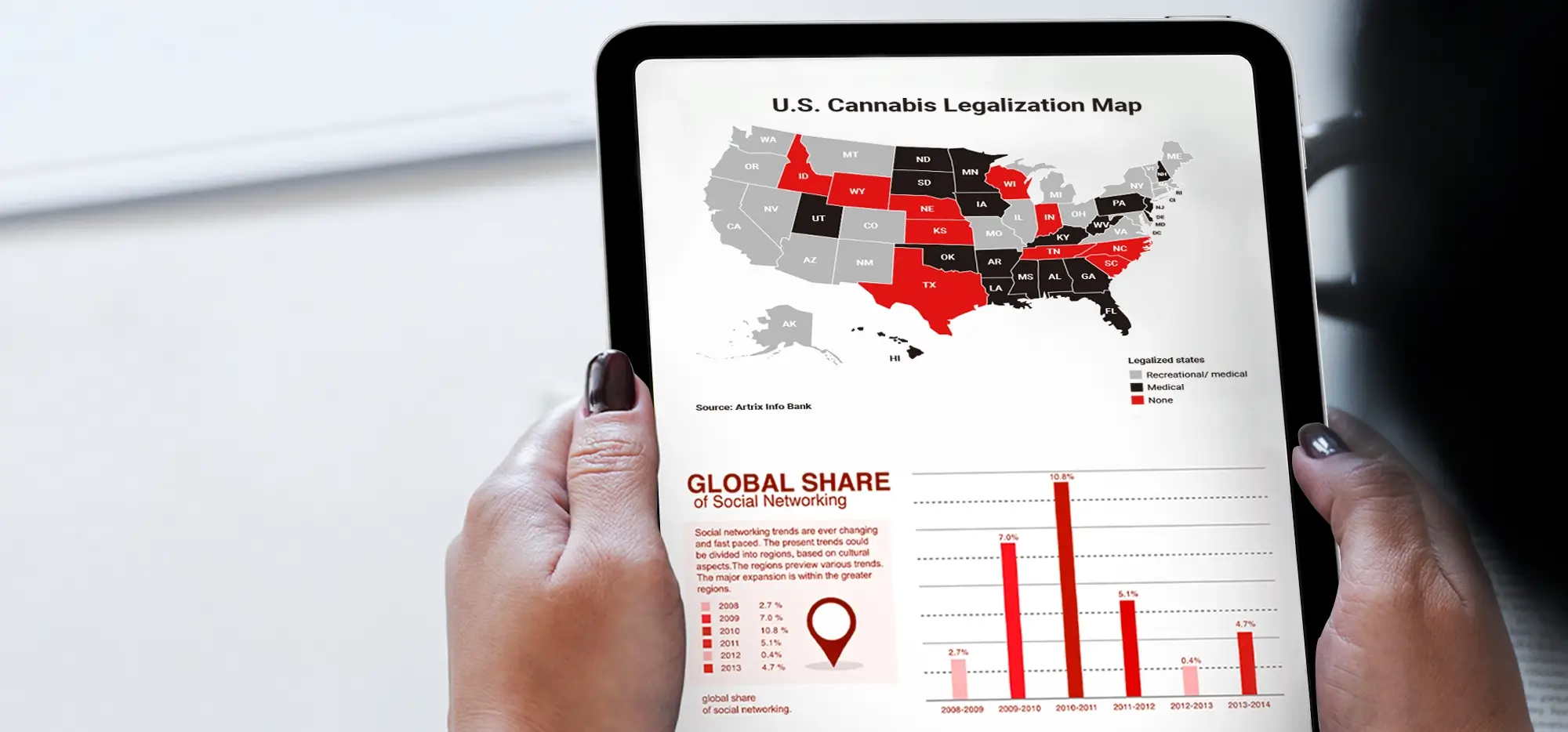
This matters because many operators still treat THCA as a legal workaround instead of a regulated risk factor. The 2018 Farm Bill popularized a delta-9-centered hemp definition, but federal policy has continued moving toward total-THC thinking, and state enforcement can already be more restrictive than federal marketing claims imply. For brands, the practical lesson is clear: do not build a THCA program on outdated assumptions about what regulators will ignore.
Why THCA Presents a Unique Challenge for Vape Hardware
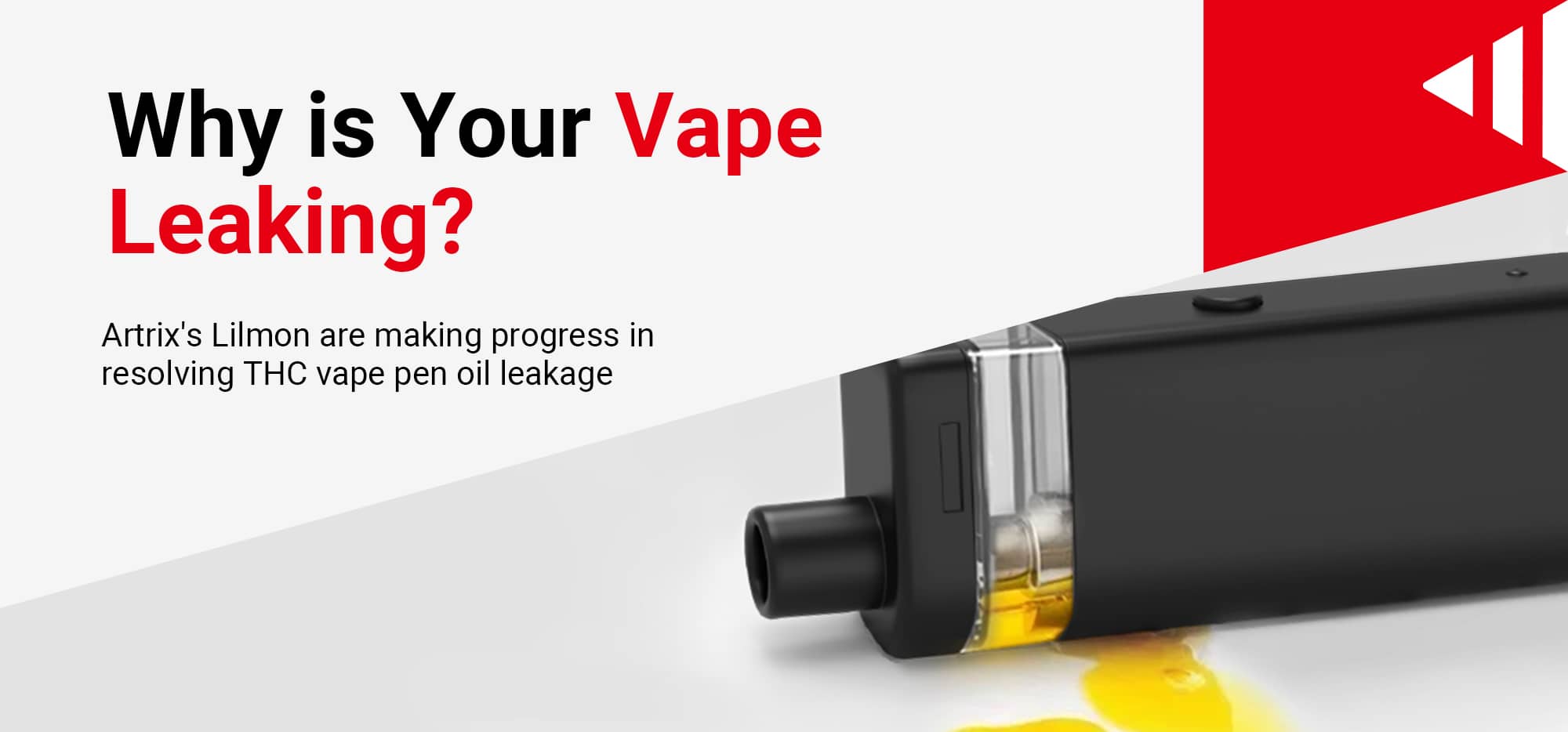
THCA is not just harder legally. It is harder mechanically. The first challenge is crystallization. THCA is well known for forming crystalline material, which is attractive in concentrate formats but problematic inside cartridges and pods. If the formula wants to re-crystallize during storage or shipping, the result can be clogged oil paths, weak first draws, and inconsistent wicking.
The second challenge is viscosity. “Liquid diamonds” and other THCA-heavy oils often move more slowly than standard distillates, especially in cooler conditions. That affects oil absorption speed and can leave the heating zone underfed at one moment and overwhelmed at another. The third challenge is temperature precision. Too little heat can fail to activate or mobilize the oil effectively, while too much heat can flatten the terpene profile that gives the product its flavor identity. In this category, hardware is part of the formulation itself.
Hardware Solutions for THCA Products
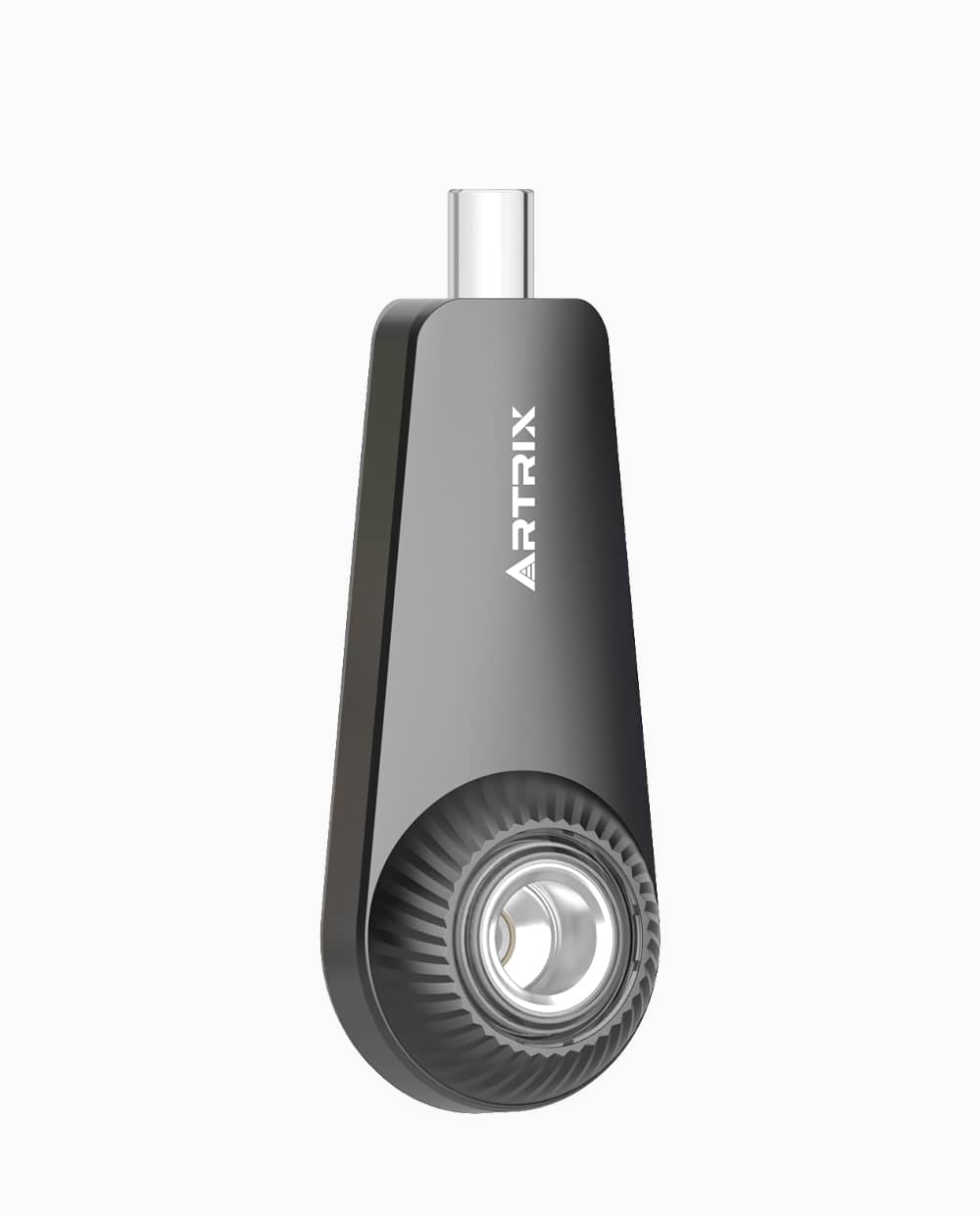
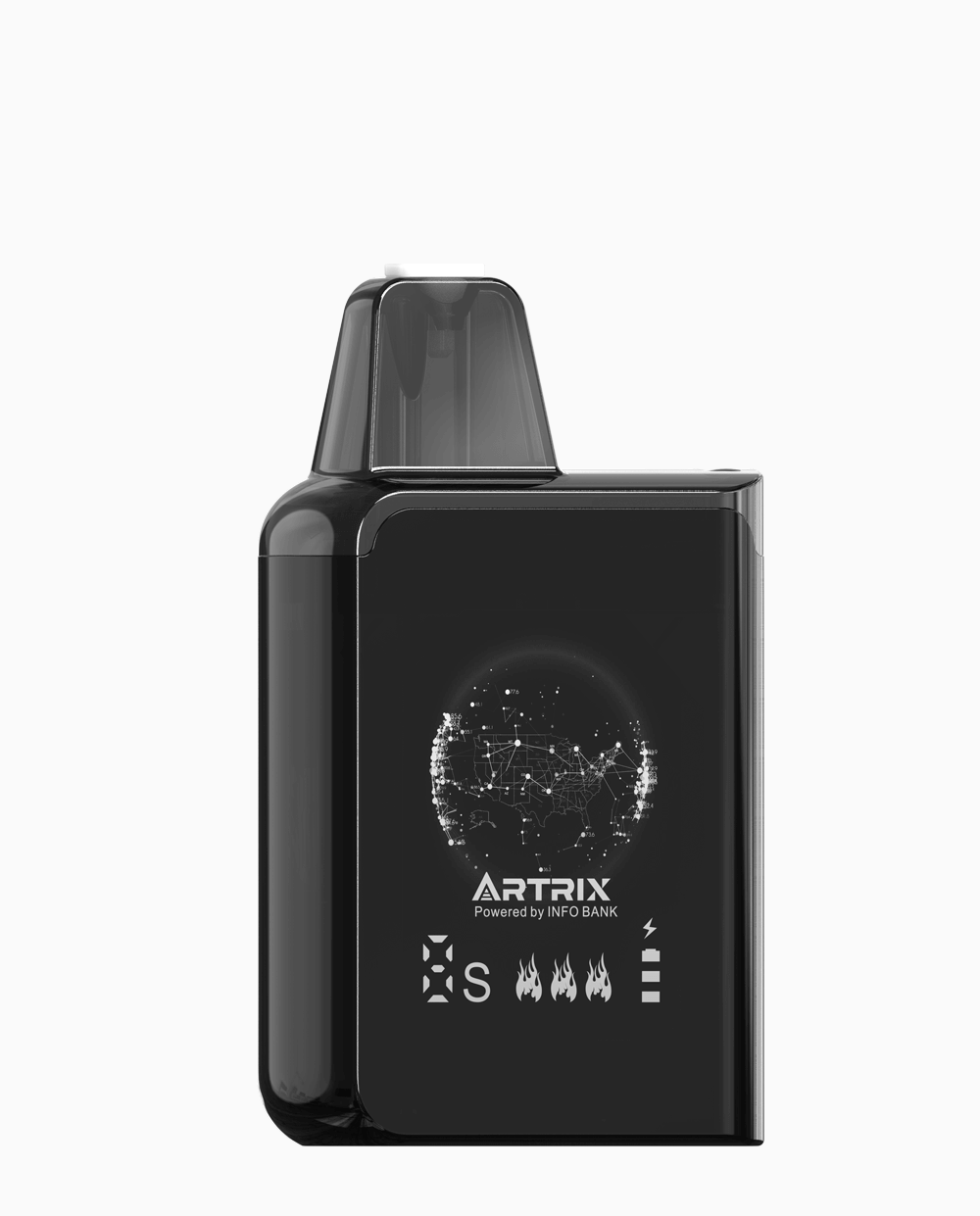
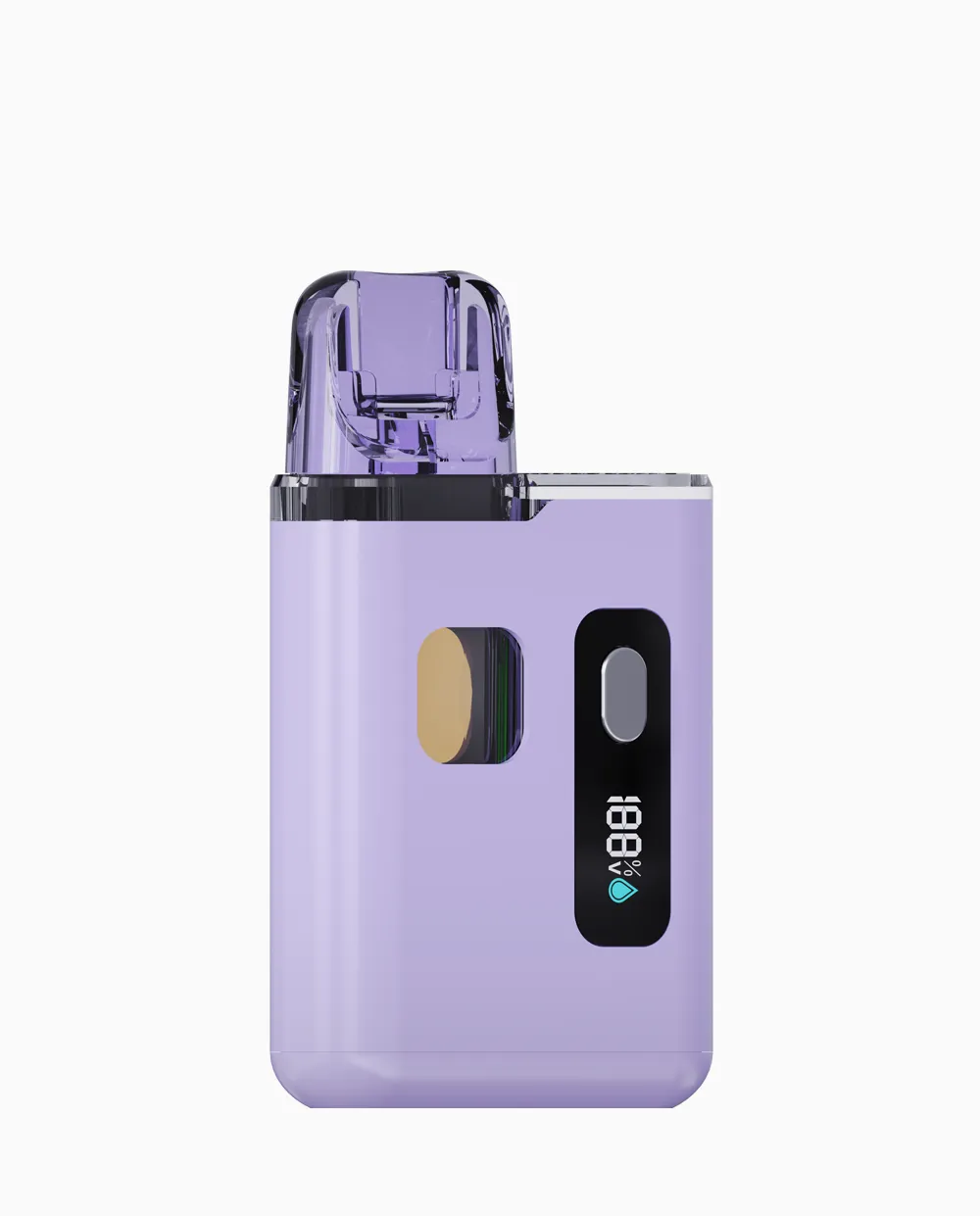
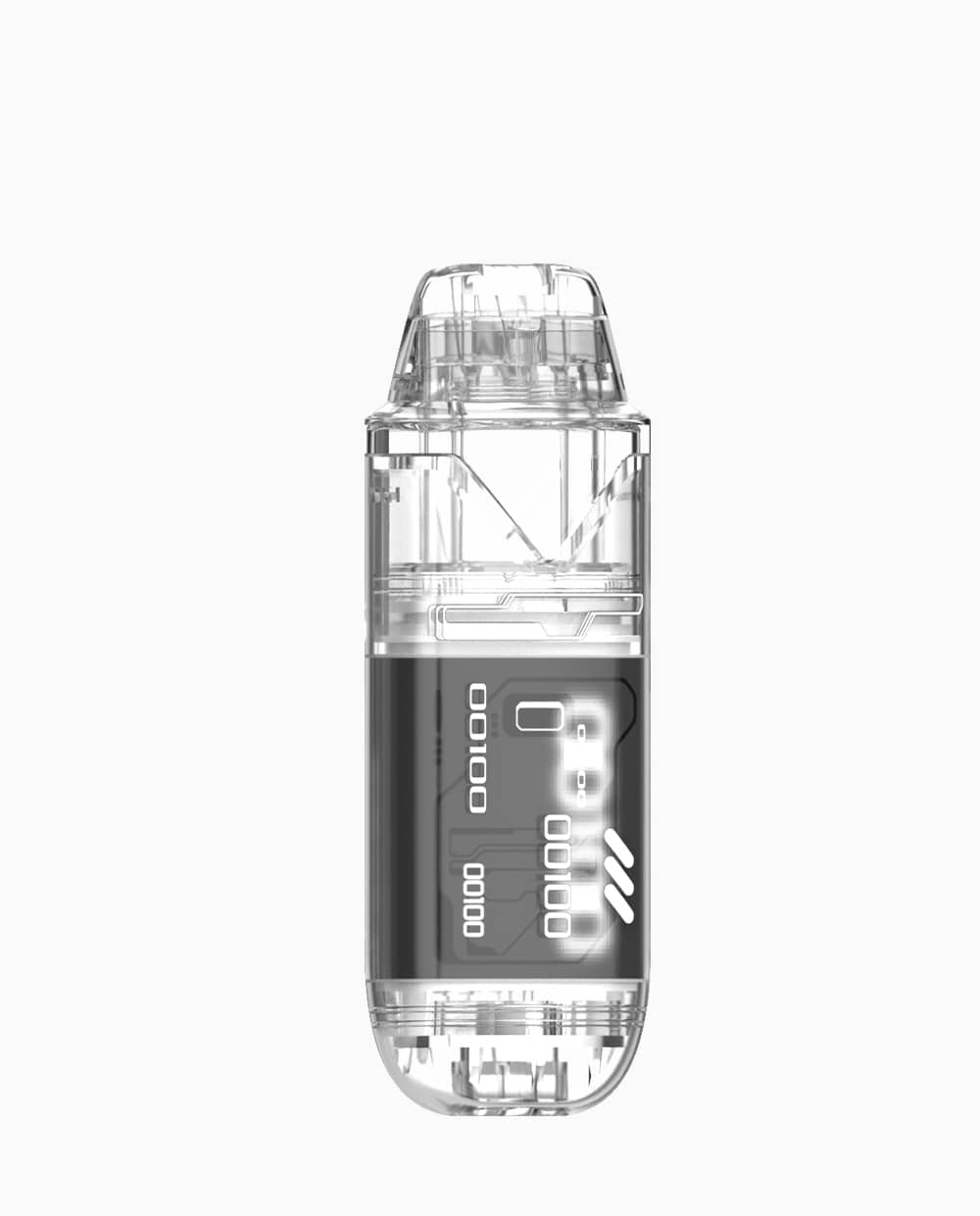
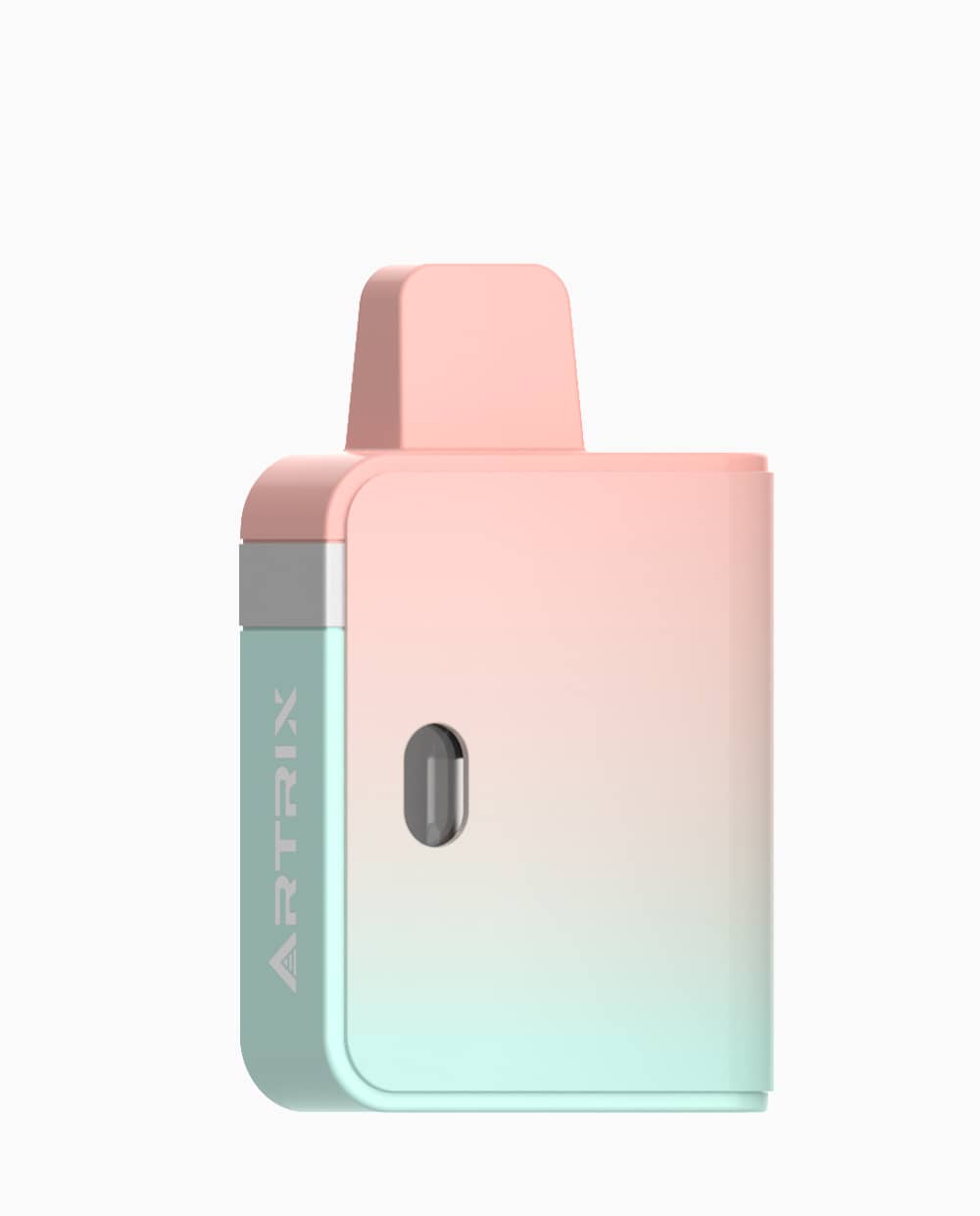
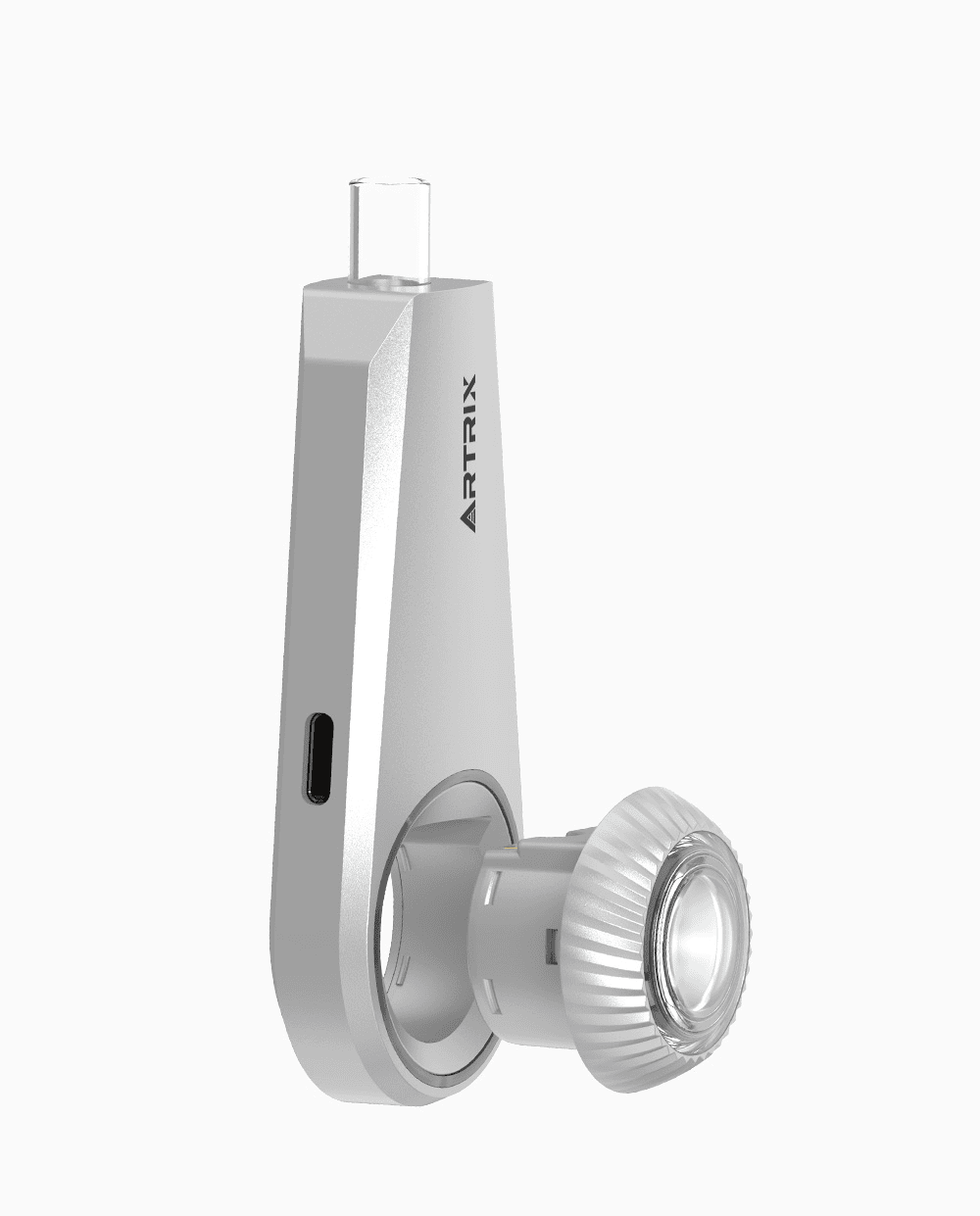
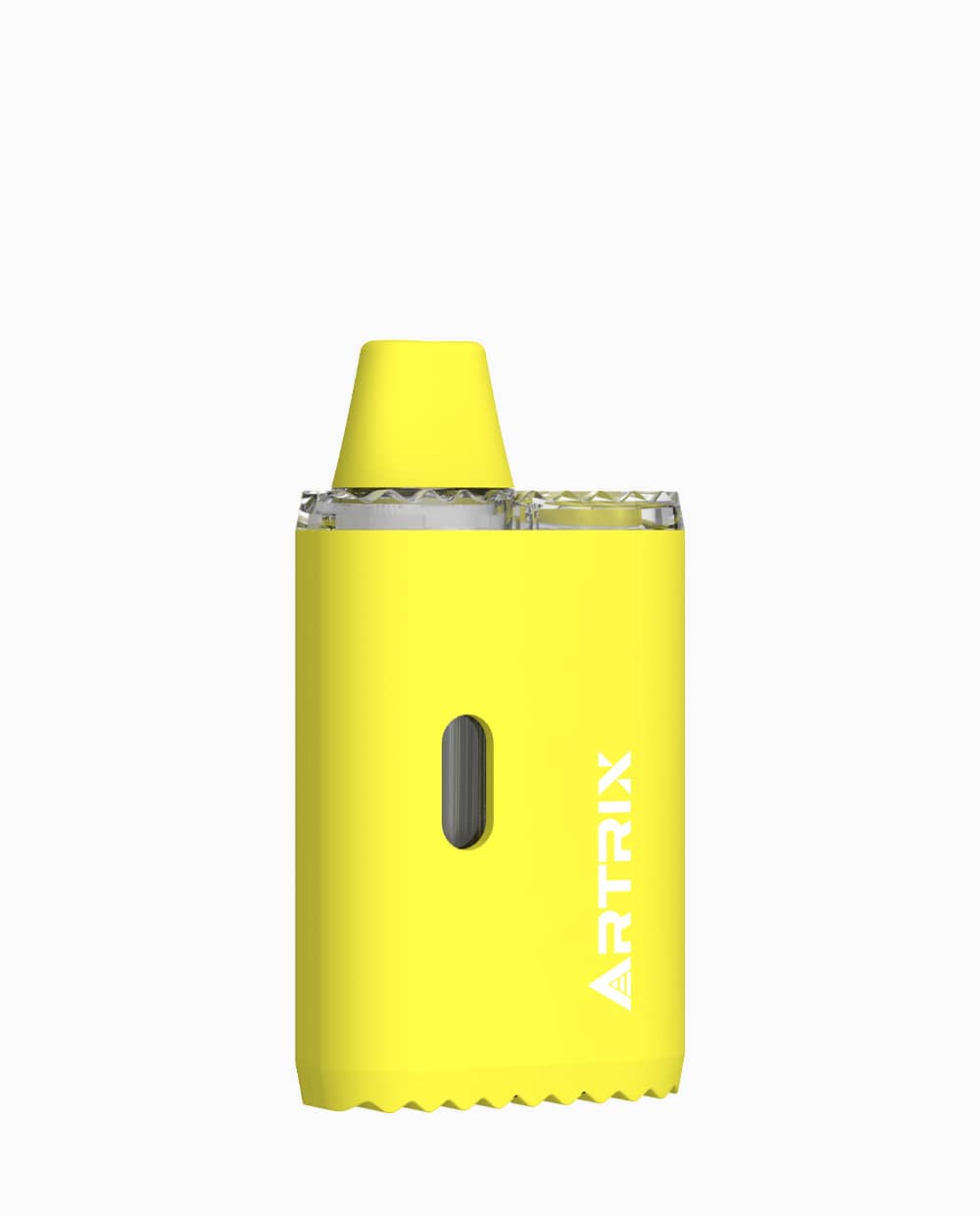
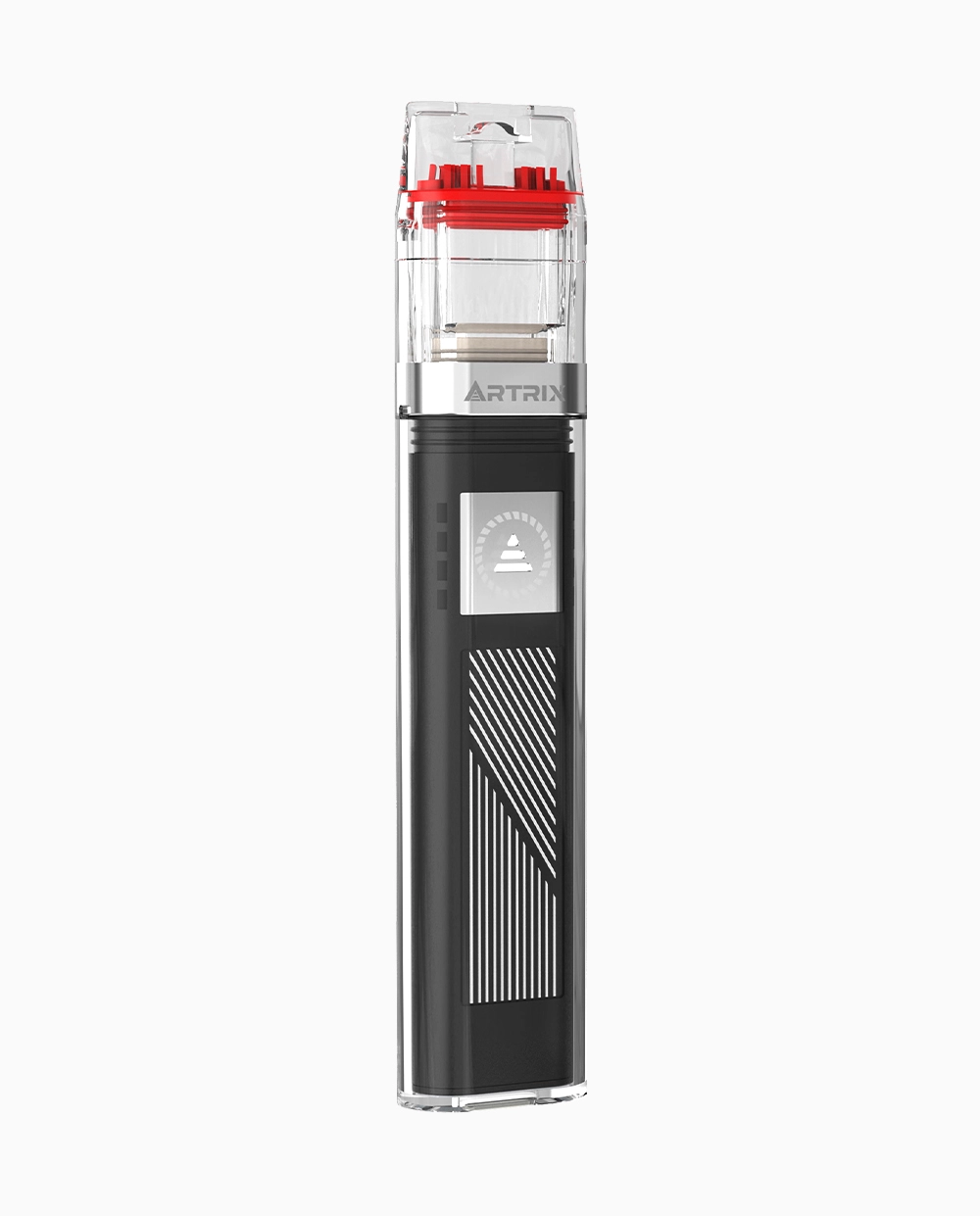
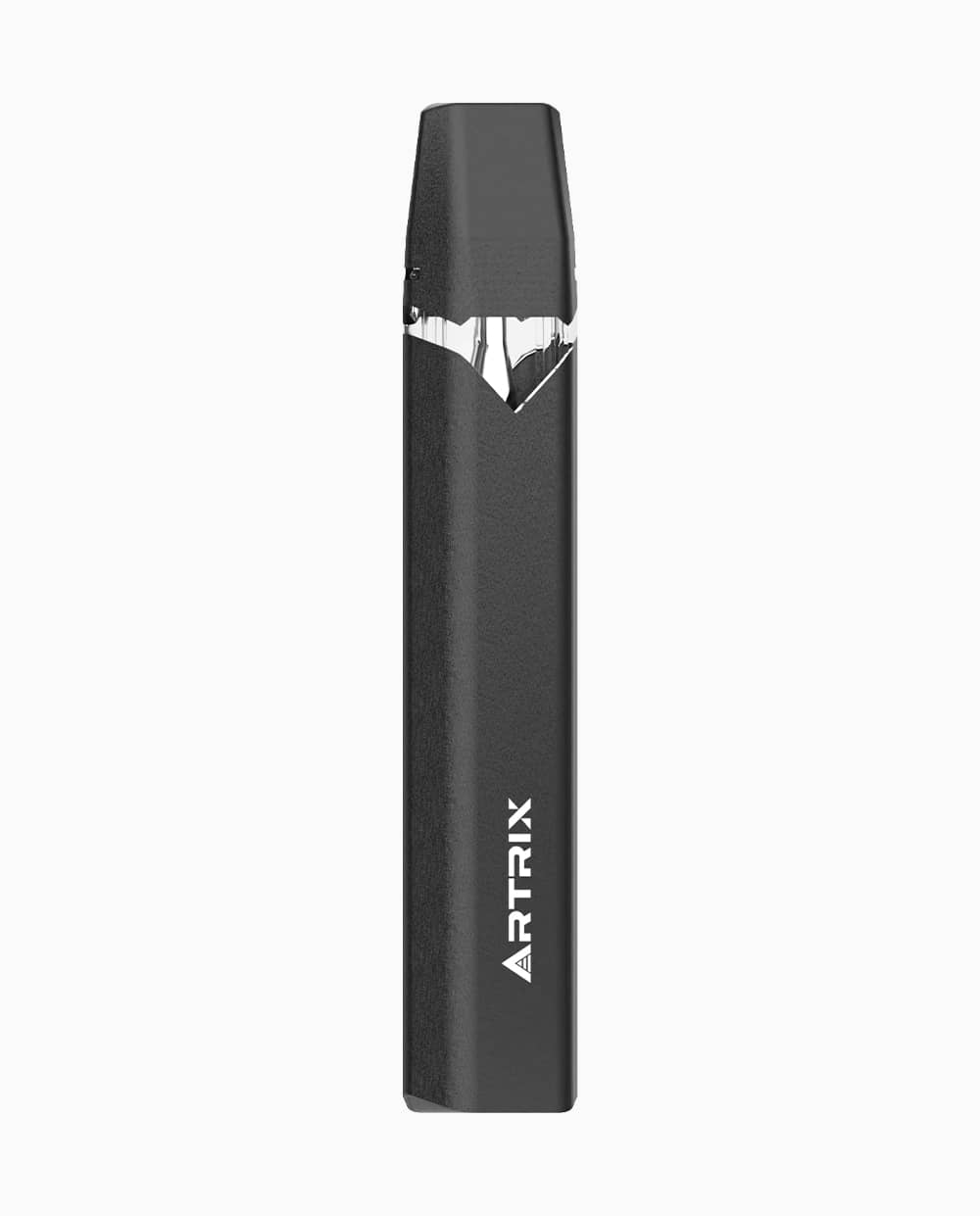
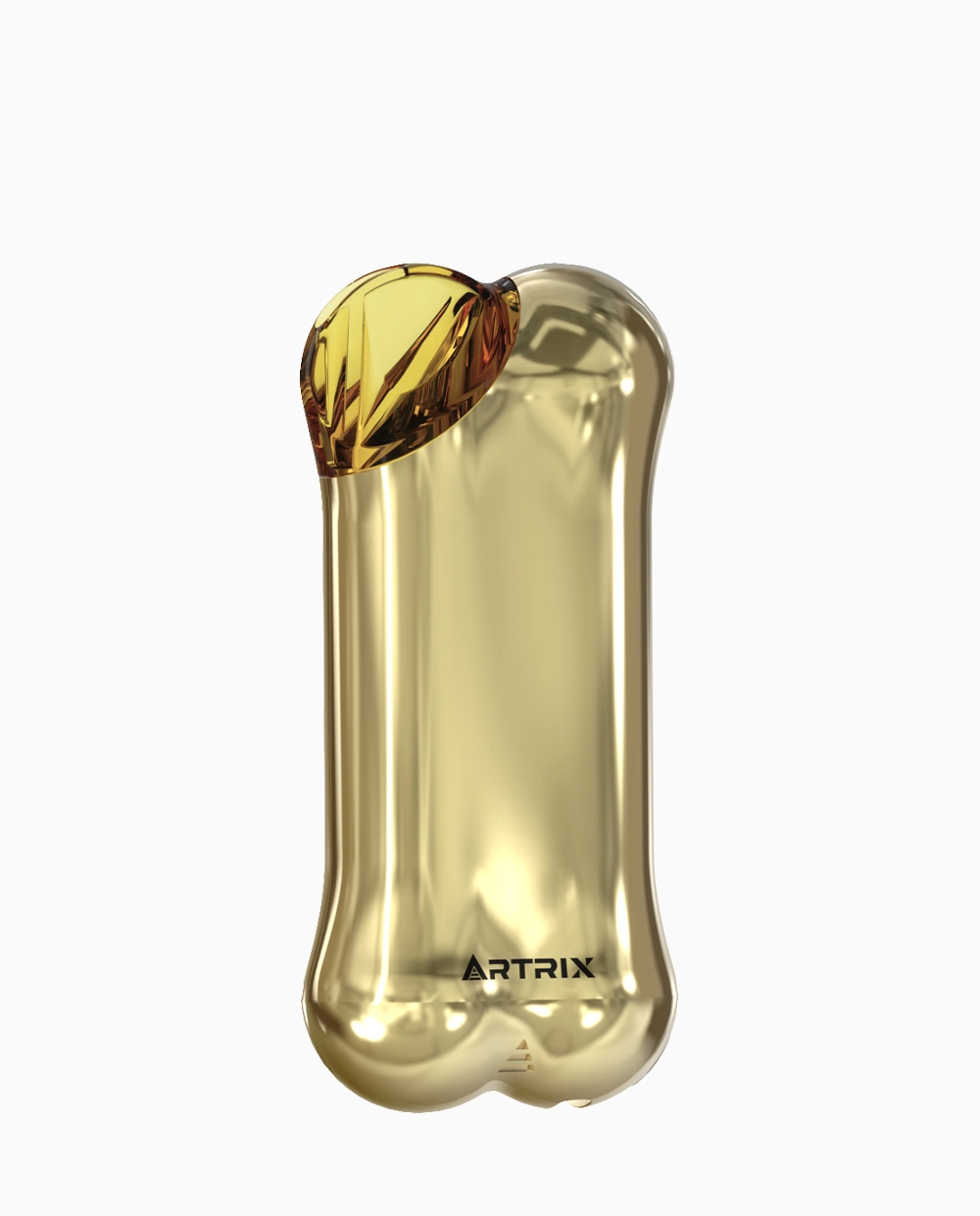
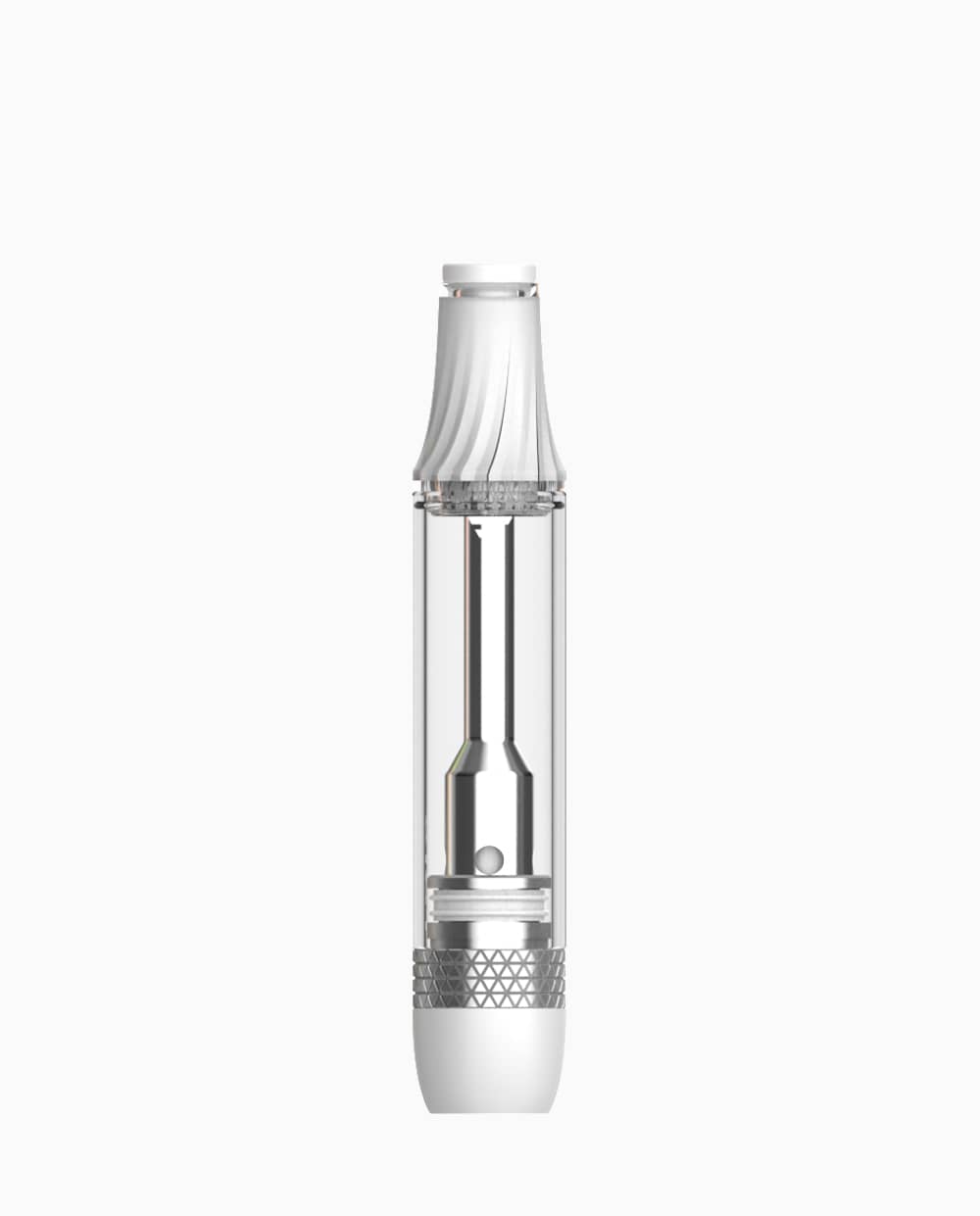
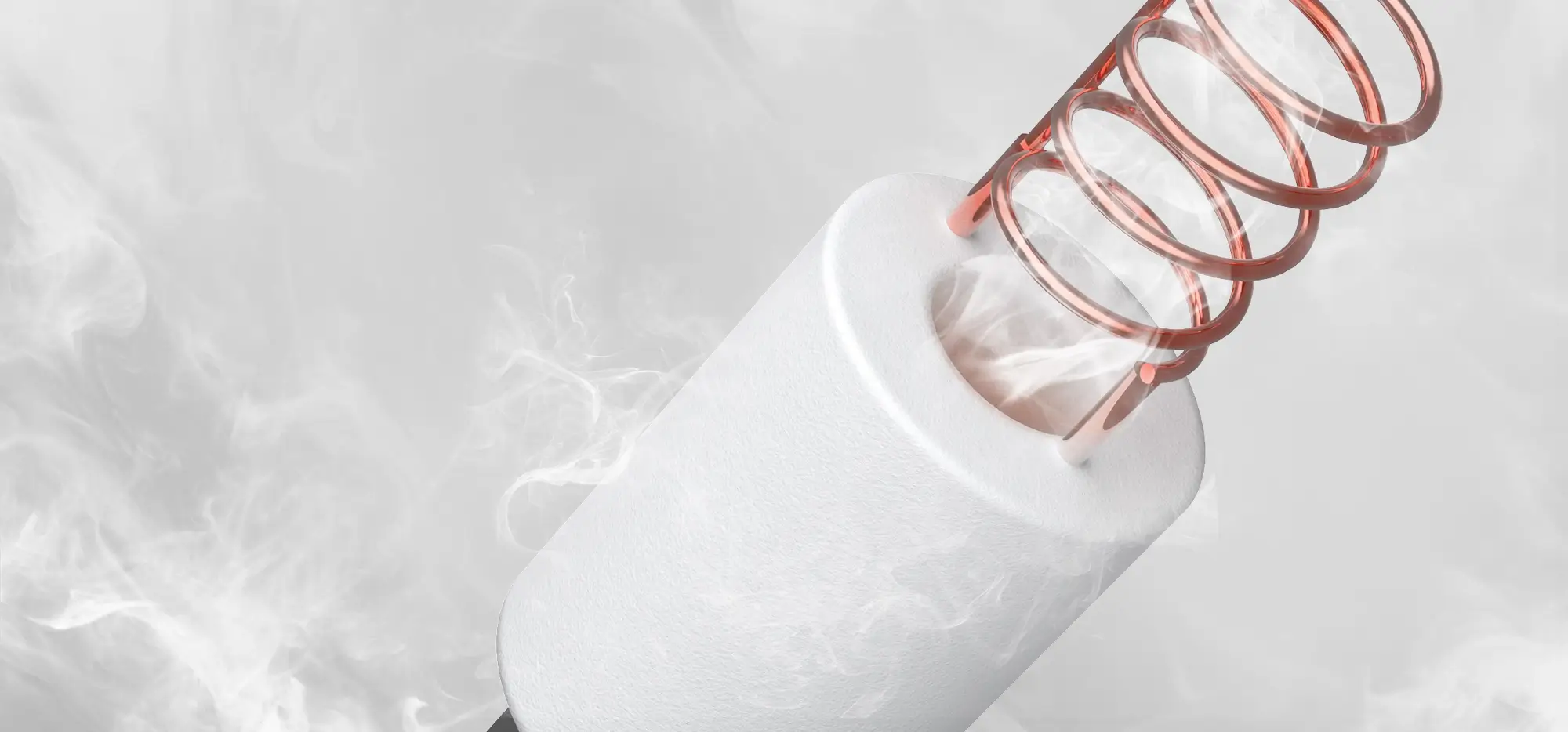
For brands entering this segment, the device should be selected around the oil, not added at the end as a generic package component. A postless design is better suited to high-viscosity THCA oils because it reduces internal bottlenecks and gives dense material a cleaner route to the heating core. That can improve flow consistency and reduce the clogging issues that appear when thick or partially crystallized oil meets restrictive internal geometry.
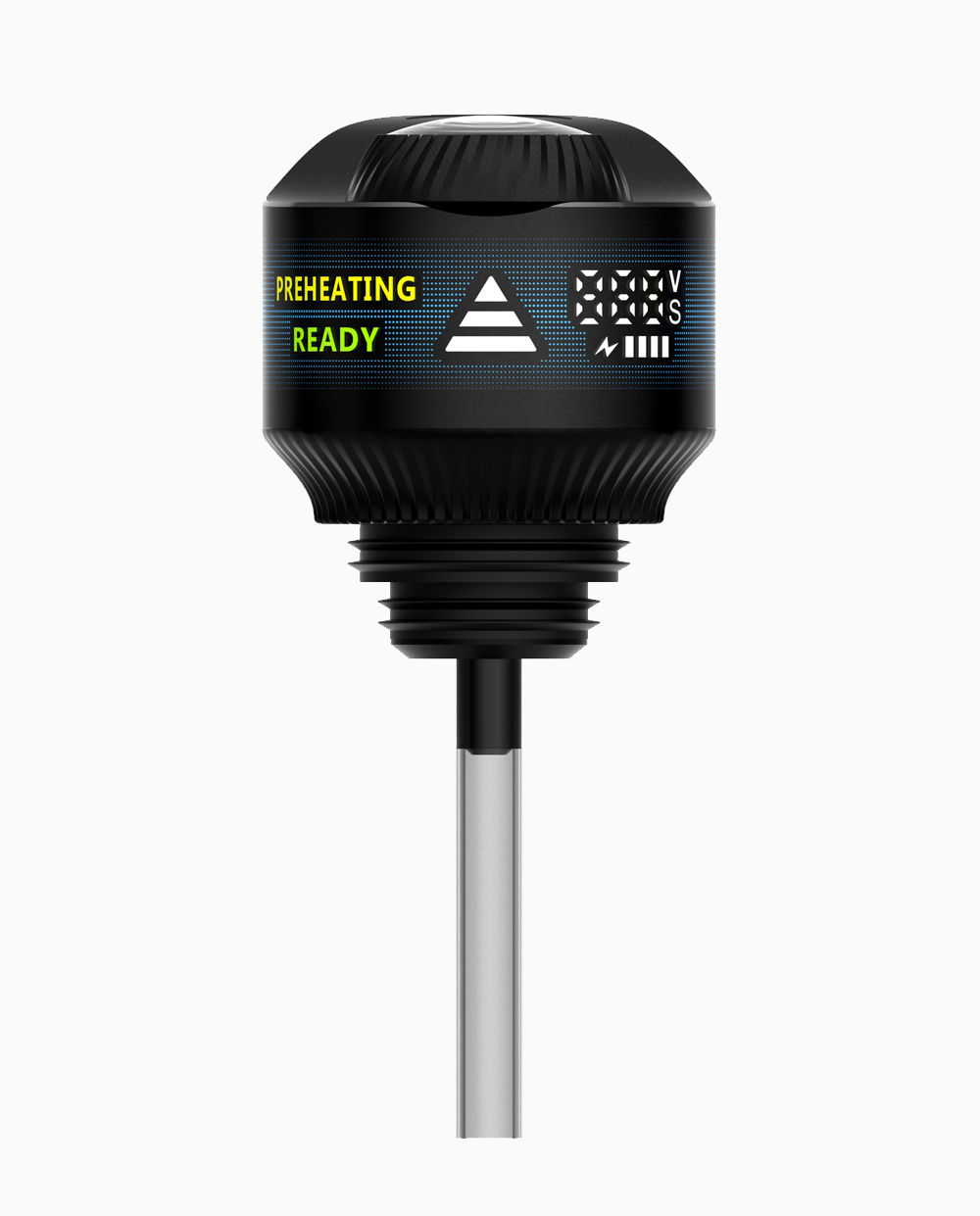
Pre-heat and multi-voltage settings also matter because THCA-rich oils often need a controlled warm-up before the first proper draw. A gentle preheat can help melt crystals, loosen dense oil, and reduce the temptation for consumers to take repeated hard pulls that stress the atomizer. Ceramic cores are valuable here because even heating helps preserve flavor while handling thick formulations more consistently than cheaper materials that produce sharper hot spots.
Medicinal Potential: Beyond the “High”
THCA is often discussed in wellness circles because it is non-intoxicating in raw form and has shown promising activity in early research. However, this section requires caution. FDA states that, apart from a limited number of approved cannabis-related drugs, it has not approved cannabis or cannabis-derived products as safe and effective treatments for disease.
Preclinical studies and reviews suggest THCA may have anti-inflammatory, neuroprotective, and antiemetic potential, but those findings do not equal broad clinical proof in humans source. That is why the intended use matters. Consumers interested in preserving raw THCA often look to juicing or cold-processed formats, while vaporization serves a different objective by intentionally converting THCA toward delta-9 THC.
How to Prevent THCA Cartridges from Crystallizing on the Shelf
Prevention starts with stability testing. Brands should evaluate how the oil behaves after cooling, after transit, and after sitting for extended periods. If a THCA-heavy formula visibly seeds crystals or delays wicking during real-world testing, the cartridge and the oil are not commercially matched yet. Storage conditions, intake geometry, and the formulation itself all need review before launch.
From a packaging and hardware standpoint, larger oil pathways, postless construction, ceramic heating, and dependable preheat functions all help reduce shelf-related performance problems. Consumer instructions matter too. If a product may thicken while sitting, the packaging should explain how to warm it gently before first use. That small step can reduce returns, complaints, and false assumptions that the oil or device is defective.
The Drug Testing Trap: What Consumers Must Know
The most honest answer is simple: using THCA inhalable products can still lead to a failed drug test. Routine urine cannabis testing commonly targets THC-COOH, the major inactive metabolite associated with THC exposure, not the wording used on an e-commerce listing.
Because heating THCA converts it toward delta-9 THC, consumers should not assume that THCA vapes or smokable THCA products are “drug-test safe”. That is an important credibility point for brands as well. Clear labeling and realistic education build more trust than trying to hide behind a technical distinction that disappears once the product is used.
Conclusion: Choosing the Right Path for Your Brand
For consumers, the answer to the online buying question is this: THCA products are often marketed differently from delta-9 THC products, but once heated, they can deliver a very similar outcome. For operators, the answer is more demanding. THCA changes compliance calculations, increases stability risk, and requires hardware that can handle dense, crystal-prone oils without sacrificing flavor or reliability.
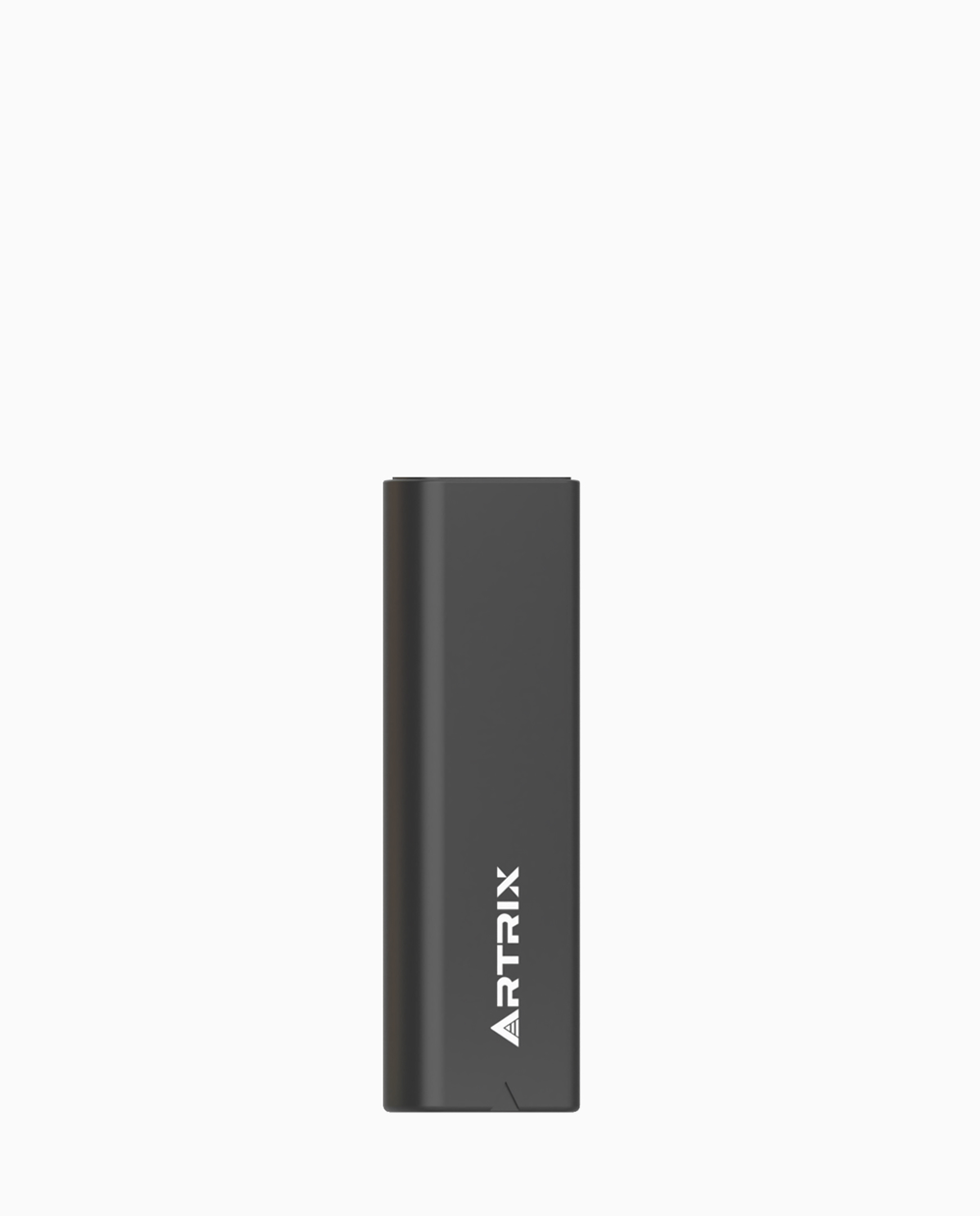
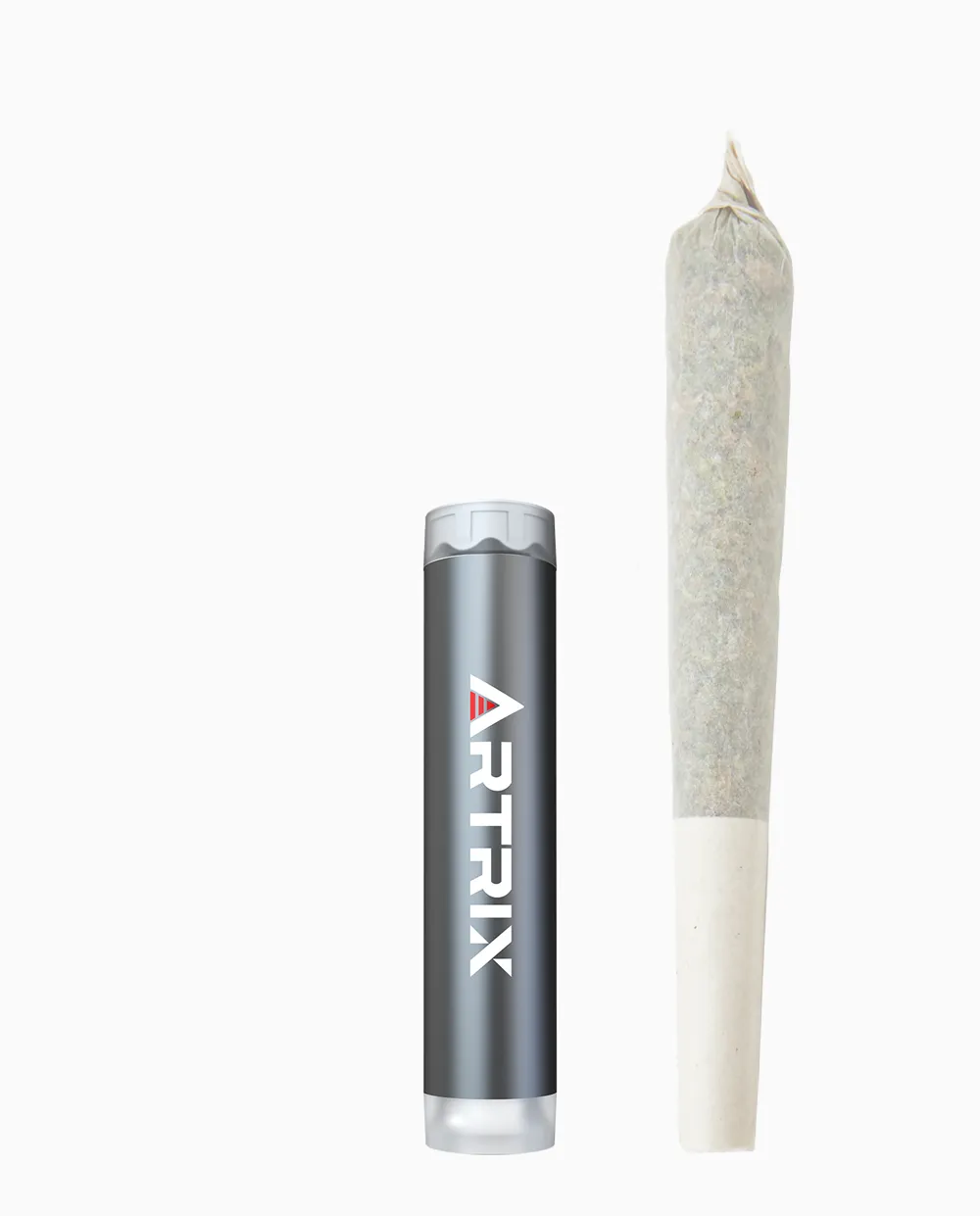
That is why THCA vs Delta-9 is not just a chemistry lesson. It is a product-development decision. Brands that want to work in this category need a realistic view of total THC, a sober approach to legal risk, and hardware designed for thick, temperature-sensitive formulations. With postless pathways, preheat capability, multi-voltage control, and ceramic-forward performance, Artrix is well positioned to help brands turn a difficult cannabinoid format into a more dependable commercial product.