Last Updated: July 30, 2026
This content is for informational purposes only and does not constitute medical or legal advice. Please consult a licensed healthcare provider before using cannabis products. Comply with your state’s regulations.
This content is intended for audiences 21 years and older, as required by U.S. law.
Cannabis regulations vary by state. Please verify the legal status of products in your area before purchase.
A lightly used dab rig with an open, simple structure may be cleaned in under 10 minutes. A rig with hardened reclaim, several chambers, tight bends, or non-washable electronic components will usually require a slower and more careful process. The practical answer depends on the starting condition of the rig—not on a universal time promise.
How fast can you clean a dab rig? The honest answer is: sometimes in five minutes, sometimes not even in fifteen. It depends less on motivation and more on three practical things: how old the reclaim is, how complicated the glass shape is, and whether the residue can actually move once the cleaning solution reaches it.
A straight tube with light residue and a recycler rig with sticky buildup in multiple chambers are not the same cleaning job.
This guide explains when a quick clean is realistic, what usually slows the process down, and how to judge the task before you begin. It does not present controlled laboratory results or guarantee a cleaning time for any specific device.
Why Dab Rig Cleaning Speed Varies
Most dab rig cleaning advice focuses on ingredients: isopropyl alcohol, coarse salt, warm water, cotton swabs, and pipe cleaners. Those supplies matter, but they do not fully explain cleaning time. Two people can use the same cleaner and get very different results because their rigs are built differently and their residue is at a different stage.
The real question is not just “what cleans a dab rig?” It is “what kind of dirty dab rig can still be cleaned quickly?” That question matters for everyday users, smoke shops, cleaning accessory brands, and hardware companies because speed is part of the user experience. A rig that looks beautiful but traps reclaim in hard-to-reach areas may be less convenient than a simpler design. For a visual reference on a quick cleaning routine, this YouTube video is useful to include for readers who want to see the basic motion and setup: How to Clean a Dab Rig – Fast and Easy!.
The video demonstrates one common routine, but its result should not be treated as a benchmark for every rig. Cleaner concentration, residue age, internal geometry, agitation, and the definition of “clean” can all change the outcome.
Check These Factors Before Starting
A quick inspection can tell you whether a 10-minute target is reasonable. Check the following conditions before adding any cleaner:
-
- Residue condition: A thin, recent film is generally easier to move than a thick or hardened layer.
-
- Internal geometry: Extra chambers, percolators, narrow necks, and tight bends create more surfaces that must be reached and inspected.
-
- Access: Wide openings are easier to fill, drain, swab, rinse, and visually check.
-
- Material and construction: Confirm which parts the manufacturer permits you to wash or expose to a cleaning solution.
-
- Electronics: Never submerge a battery, charging port, display, or other powered component unless the manufacturer explicitly says that the part is designed for it.
-
- Available tools: Cotton swabs or suitable brushes may help with accessible joints, while enclosed paths may require soaking rather than forceful scraping.
A Repeatable Cleaning-Time Check
To keep the comparison fair, the same basic cleaning process should be used for every rig. The exact materials can vary by brand, but the test should avoid changing too many variables at once. If one rig gets a longer soak, hotter water, or extra scrubbing tools, the timing result becomes less useful.
If you want to compare cleaning time across rigs, record enough information for someone else to understand the result. At minimum, document:
-
- Record a clear before photo of each rig.
-
- Note the residue level: light, medium, or heavy.
-
- Use the same cleaner amount and the same water temperature range.
-
- Start the timer when cleaner enters the rig.
-
- Stop the timer only when the rig is rinsed, visually clean, and ready to dry.
-
- Take after photos from the same angle as the before photos.
-
- Record the cleaner type and concentration, liquid volume, agitation time, soaking time, scrubbing time, and any repeated cleaning cycle.
-
- Define “visually clean” before the comparison begins—for example, no visible amber film in the inspected chamber, joint, or pathway under the same lighting.
-
- State whether each result came from one cleaning attempt or several repeated trials.
Labels such as “light,” “medium,” and “heavy” are useful for an everyday guide, but they are subjective. A publishable product comparison should supplement those labels with consistent photographs and, where practical, a measurable starting condition.
The 10-Minute Rule
For this guide, “under 10 minutes” means the full active cleaning process, not including long overnight soaking. That includes emptying the rig, adding cleaner, shaking or agitating, scrubbing accessible areas, rinsing, and checking the glass. If the rig still has visible reclaim, cloudy patches, or residue trapped in corners, it does not pass.
This rule is important because many cleaning claims sound fast only because they leave out the hardest part. A rig may look cleaner after three minutes, but that does not mean it is fully clean. The hidden reclaim inside joints, chambers, percolators, and tight bends is usually what separates a quick rinse from a real cleaning job.
Drying time should be reported separately from active cleaning time. A rig that looks clean is not automatically ready to use if cleaner or rinse water remains inside it.
Illustrative Guide: Is an Under-10-Minute Clean Realistic?
The following table is a decision guide, not a report of completed product testing. It deliberately avoids invented minute-and-second results.
| Starting Condition |
Geometry |
Quick-Clean Outlook |
Main Limitation |
| Light, recent residue |
Simple, open chamber |
Under 10 minutes may be realistic |
Residue near the joint or base |
| Heavy or hardened reclaim |
Simple chamber |
Often unrealistic without additional soaking |
Time needed to soften the buildup |
| Light to moderate residue |
Narrow neck or tight bend |
Possible, but strongly dependent on access |
Limited reach for swabs, brushes, and rinsing |
| Moderate residue |
Recycler or multi-chamber design |
Less likely |
More hidden surfaces and difficult drainage paths |
| Light residue |
Compact device with removable washable parts |
May be realistic for the washable parts |
Electronic or non-submersible components require separate care |
Why Some Rigs Clean Faster
The simple beaker rig with light residue also performed well. The cleaner could move freely through the main chamber, and the residue did not require long soaking. This is the type of rig that makes a quick-clean routine feel realistic.
More generally, an open chamber with light residue gives the cleaner fewer barriers to overcome. The liquid can contact a larger share of the dirty surface, and the user can more easily inspect the result. This is a mechanism-based expectation, not a guaranteed cleaning time.
A narrow-neck rig can approach the quick-clean limit even when the residue is not heavy. This illustrates an important point: shape alone can create delays because tools and liquid may not reach every surface easily.
For a non-tested guide, the safer conclusion is that narrow access can make a quick clean less predictable—even when the visible residue looks moderate.
What Slows the Cleaning Down
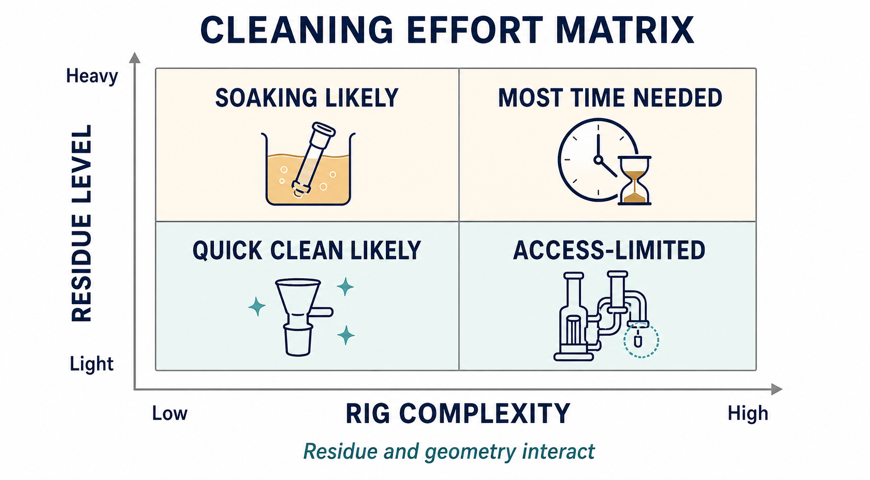
Heavy reclaim was the most obvious time killer. Once residue becomes thick and sticky, shaking alone may not be enough. The cleaning solution has to soften the buildup before it can move, and that extra waiting time can push the job beyond a quick-clean window.
Complex glass design was the second major factor. Recycler rigs, multi-chamber pieces, and rigs with tight internal pathways can trap residue in places that are hard to inspect and harder to scrub. Even when the main chamber looks clean, smaller paths may still show amber streaks or cloudy buildup.
The third factor was access. Wide openings are easier to rinse, fill, and inspect. Small openings can make the process neater in daily use, but they can slow cleaning when residue collects near bends, joints, or narrow sections.
These factors can interact. A simple rig with heavy, old reclaim may take longer than a complex rig cleaned soon after use. That is why a useful comparison must record both residue condition and hardware geometry instead of attributing the outcome to only one variable.
A Practical Quick-Clean Sequence
-
- Check the manufacturer’s care instructions and identify which parts are removable and washable.
-
- Allow the rig to cool completely, disconnect power where applicable, and remove loose material without forcing a tool into delicate pathways.
-
- Close washable openings safely and agitate without striking the rig against a hard surface.
-
- Use an appropriate swab or brush on reachable joints and surfaces.
-
- Rinse thoroughly when the product instructions permit it, then inspect bends, chambers, joints, and other residue-prone areas under good light.
-
- If visible reclaim remains, repeat the approved process or allow more soaking time rather than declaring the rig clean to meet an arbitrary deadline.
-
- Let every cleaned part dry fully before reassembly or use.
Cleaning-Solution Safety
For safety and cleanliness, users should also rinse thoroughly after using any cleaning solution. Alcohol-based cleaners should be handled away from heat or flames, and all parts should be fully dry before the next session.
Isopropyl alcohol is classified as a flammable liquid, so keep it away from flames, sparks, hot surfaces, and other ignition sources, and use it with appropriate ventilation. Follow the cleaner label and the hardware manufacturer’s care instructions. The OSHA isopropyl alcohol data lists a flash point of 53°F (approximately 12°C), which is why casual use near a torch or other heat source is unsafe.
Keep cleaning liquids and cannabis-related hardware away from children and pets. Cannabis products and related accessories should only be handled by adults and only where applicable law permits.
What This Means for Users, Retailers, and Hardware Brands
If the goal is to clean a dab rig in under 10 minutes, the best strategy is not heroic scrubbing. It is preventing the rig from reaching the point where quick cleaning stops working. Light residue can usually be handled more quickly, while old reclaim often needs soaking, repeated rinsing, and more detailed tool work.
Users who care about speed should clean more often, especially after concentrate-heavy sessions. A short rinse or quick reset after use can save much more time later. The longer reclaim sits, the more likely it is to become the reason a five-minute clean becomes a fifteen-minute job.
For brands and retailers, this test can also become a useful product education angle. If one rig design is easier to clean than another, show it. If a cleaning kit works best on light residue but struggles with heavy buildup, explain that honestly. Practical limits make the content more trustworthy.
Questions to Ask Before Choosing a Dab Rig
Buyers who value low-maintenance ownership can use cleaning access as one part of the purchase decision. Before choosing a device, ask the retailer or manufacturer:
-
- Which components are removable, and which can be rinsed or exposed to isopropyl alcohol?
-
- Can the main residue-prone areas be seen and reached without disassembling powered components?
-
- Does the brand provide model-specific cleaning instructions, replacement parts, or cleaning accessories?
-
- Are there narrow pathways that may retain liquid after rinsing?
-
- How does the device balance portability, water filtration, airflow design, and routine maintenance?
These questions help buyers compare the ownership experience rather than choosing on appearance alone. A compact format may reduce the space a device occupies, but it does not automatically make every component washable or easy to reach.
Retailers can also use this framework at the point of sale. Instead of promising that a device is “easy to clean,” explain which parts detach, show the approved cleaning path, identify parts that must remain dry, and set realistic expectations for light versus hardened residue. Clear maintenance education can support buyer confidence while reducing preventable misuse and dissatisfaction.
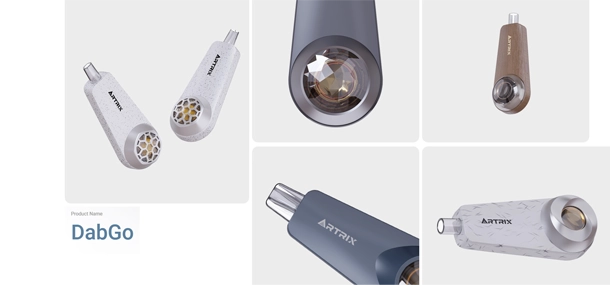
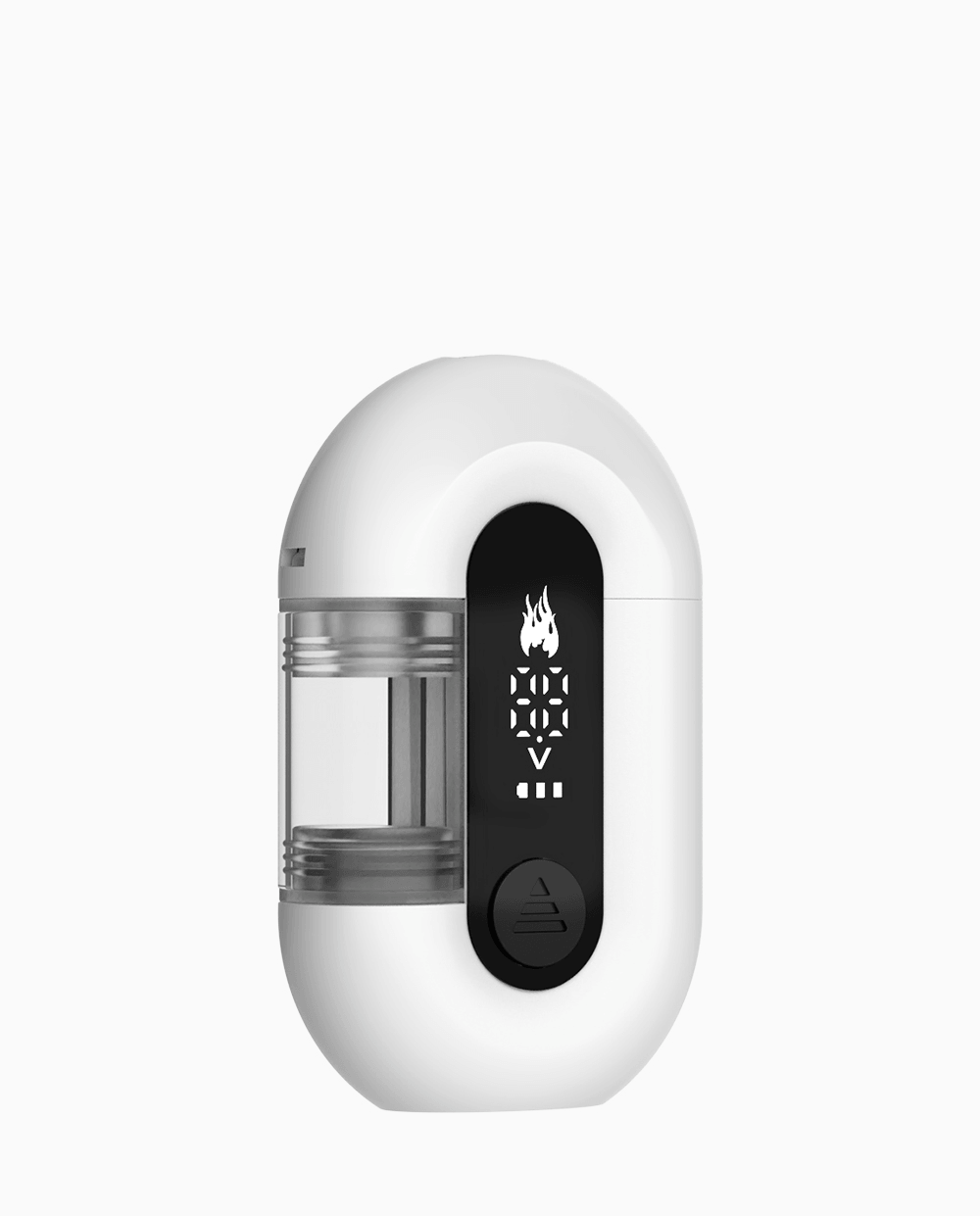
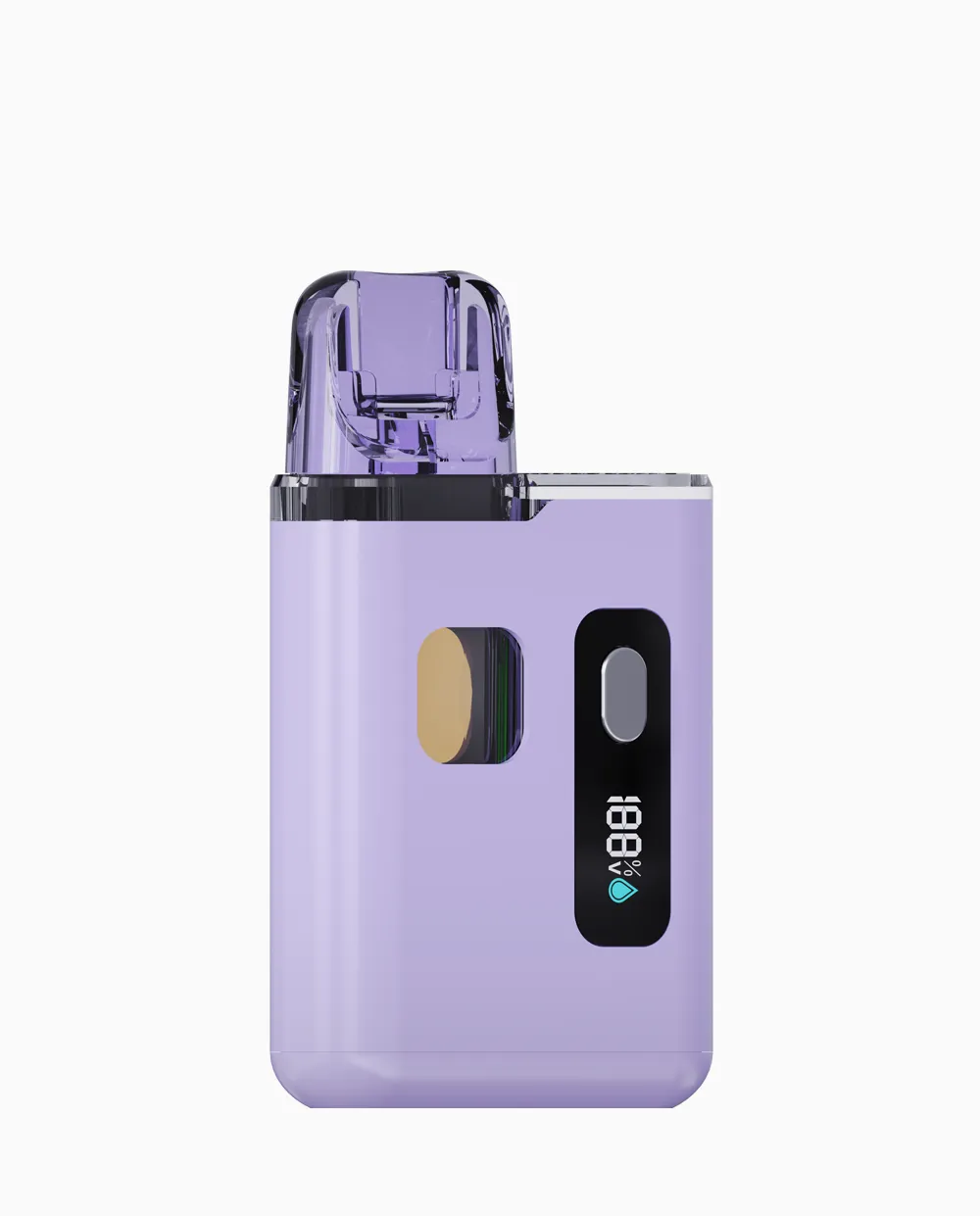
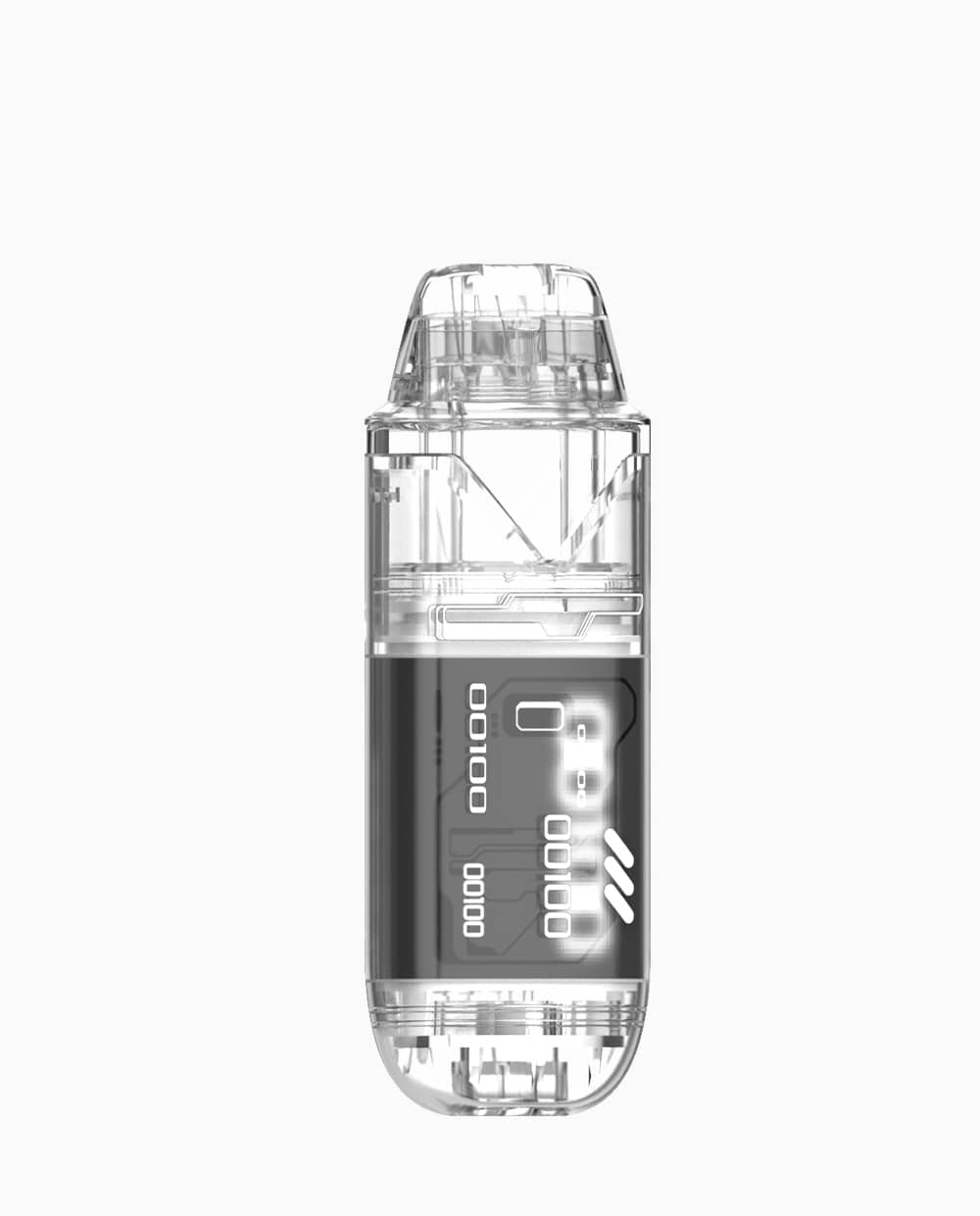
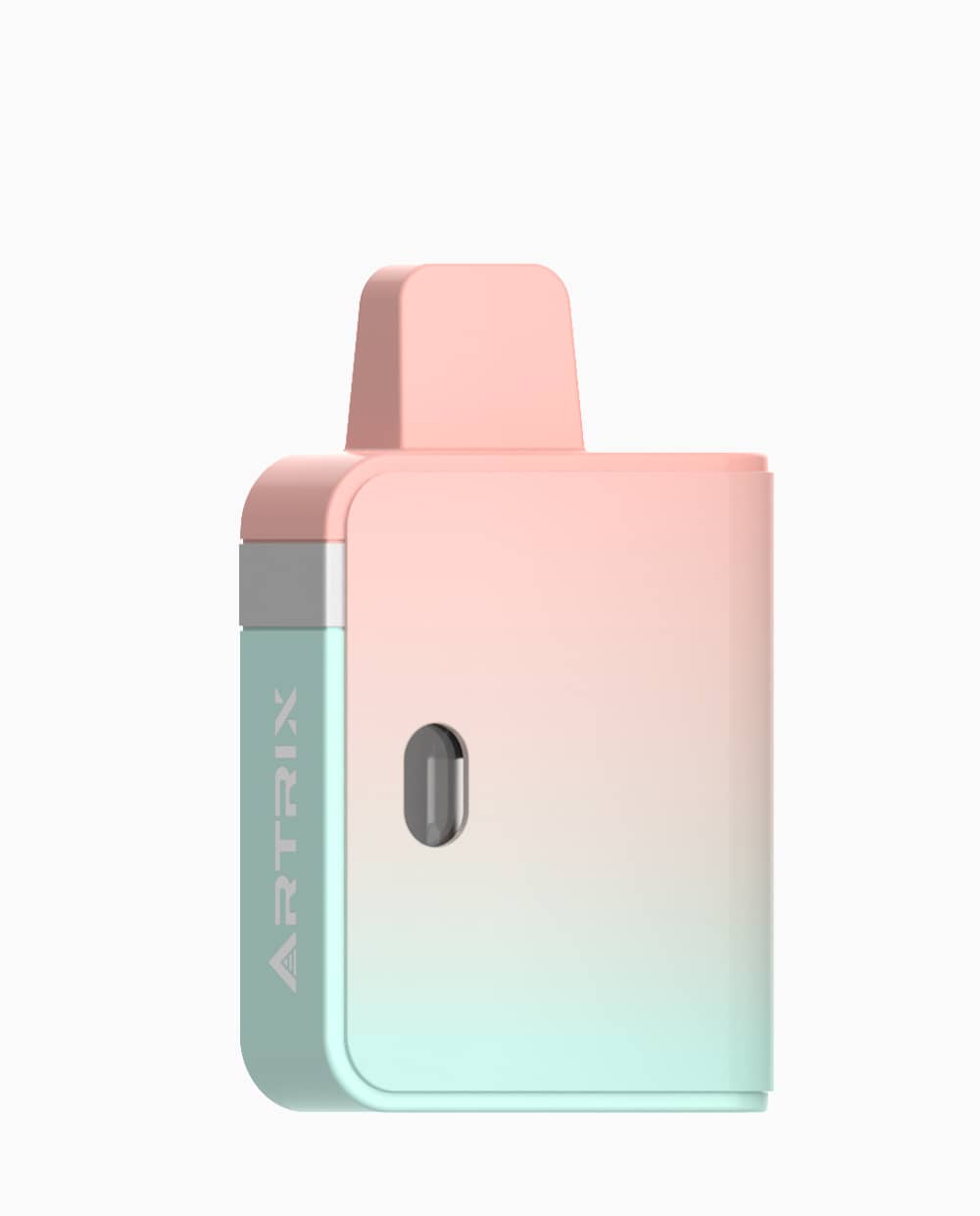
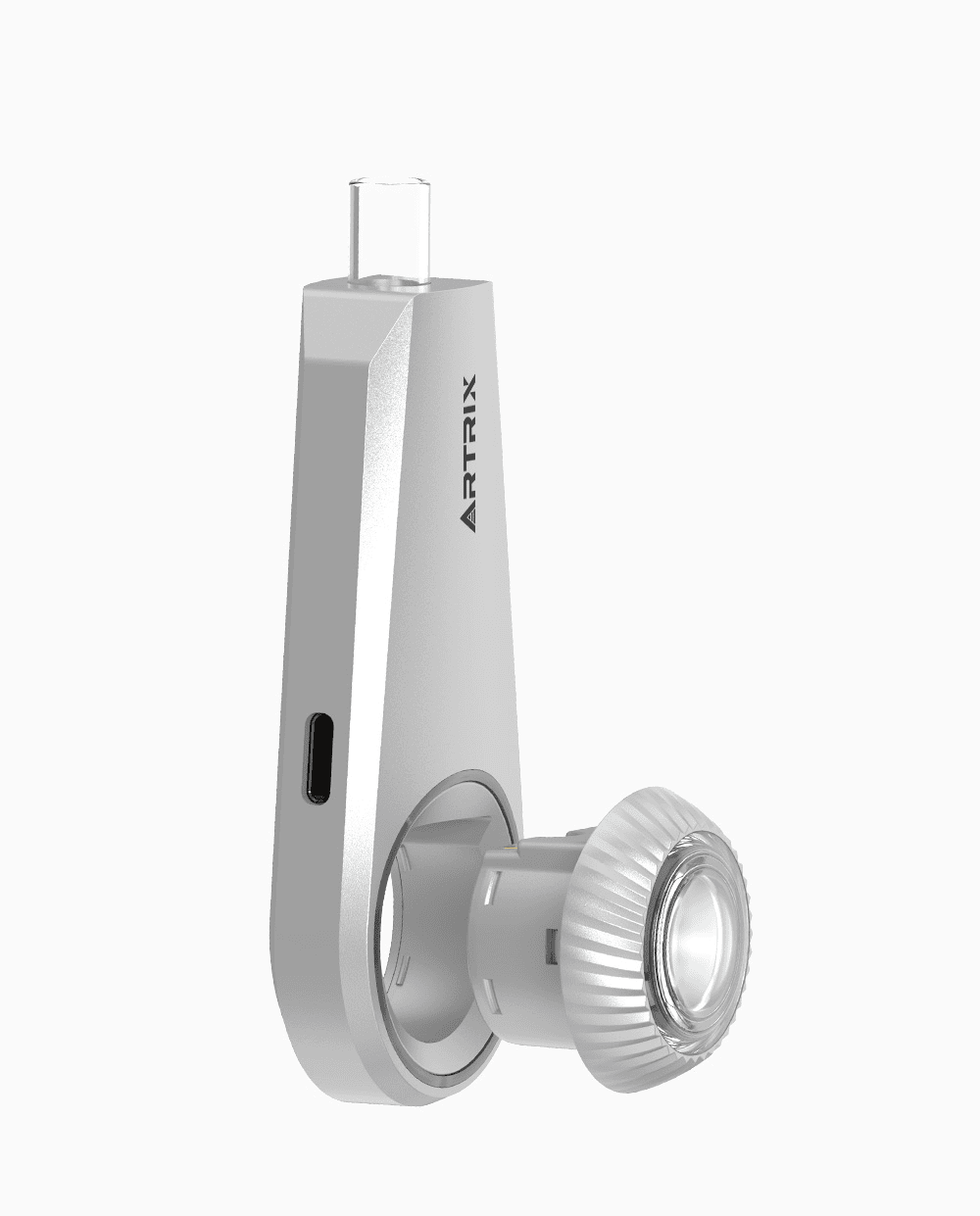
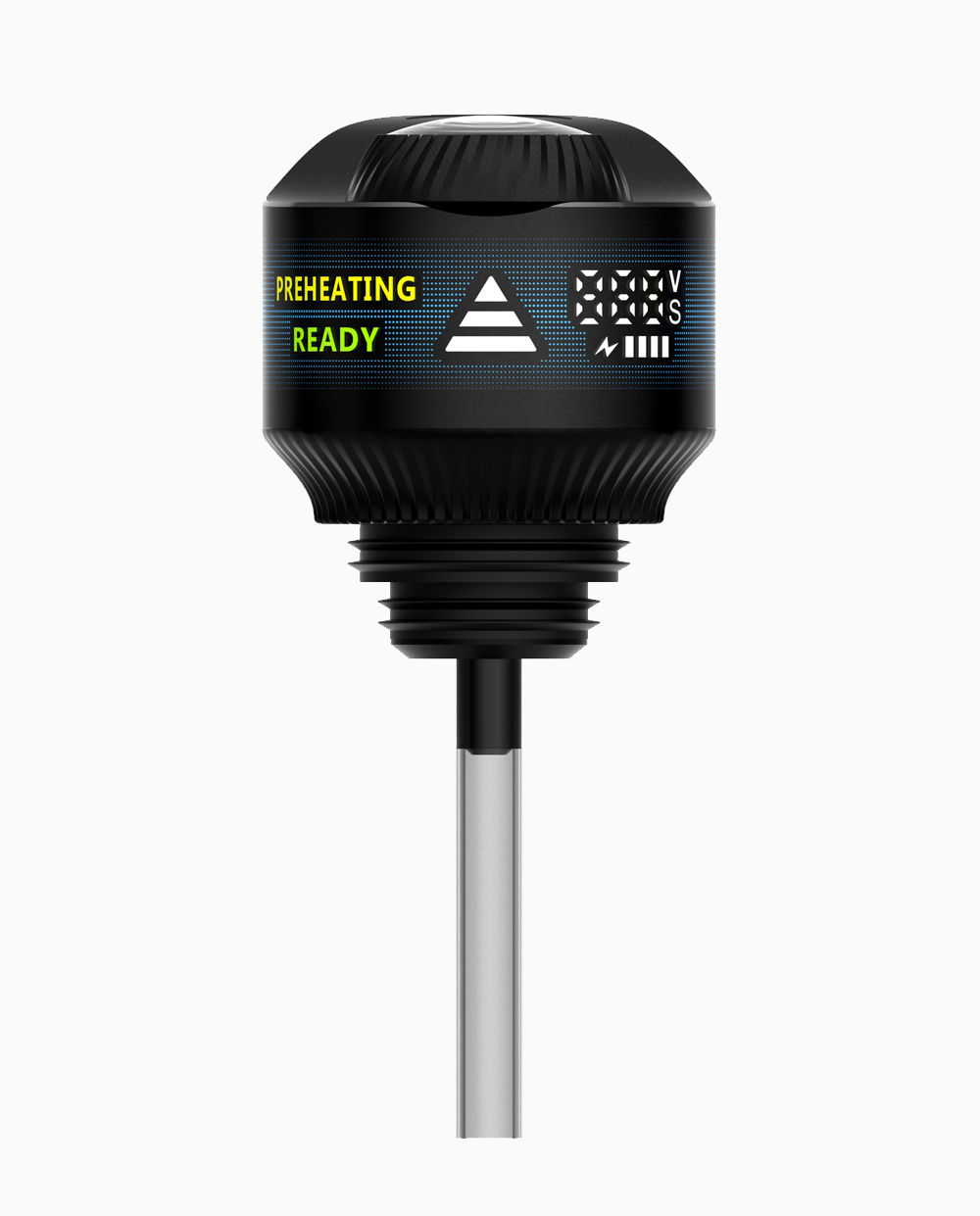
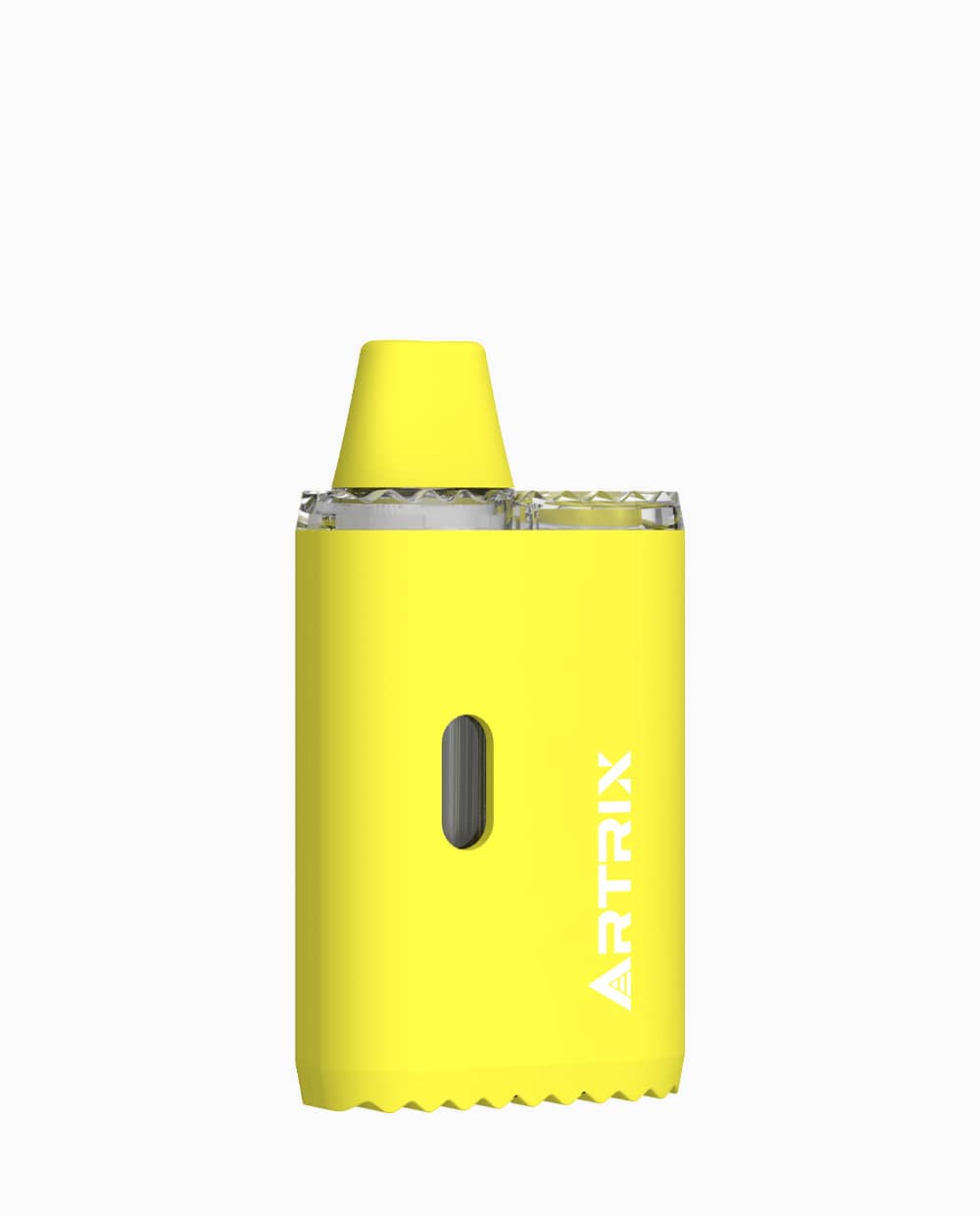
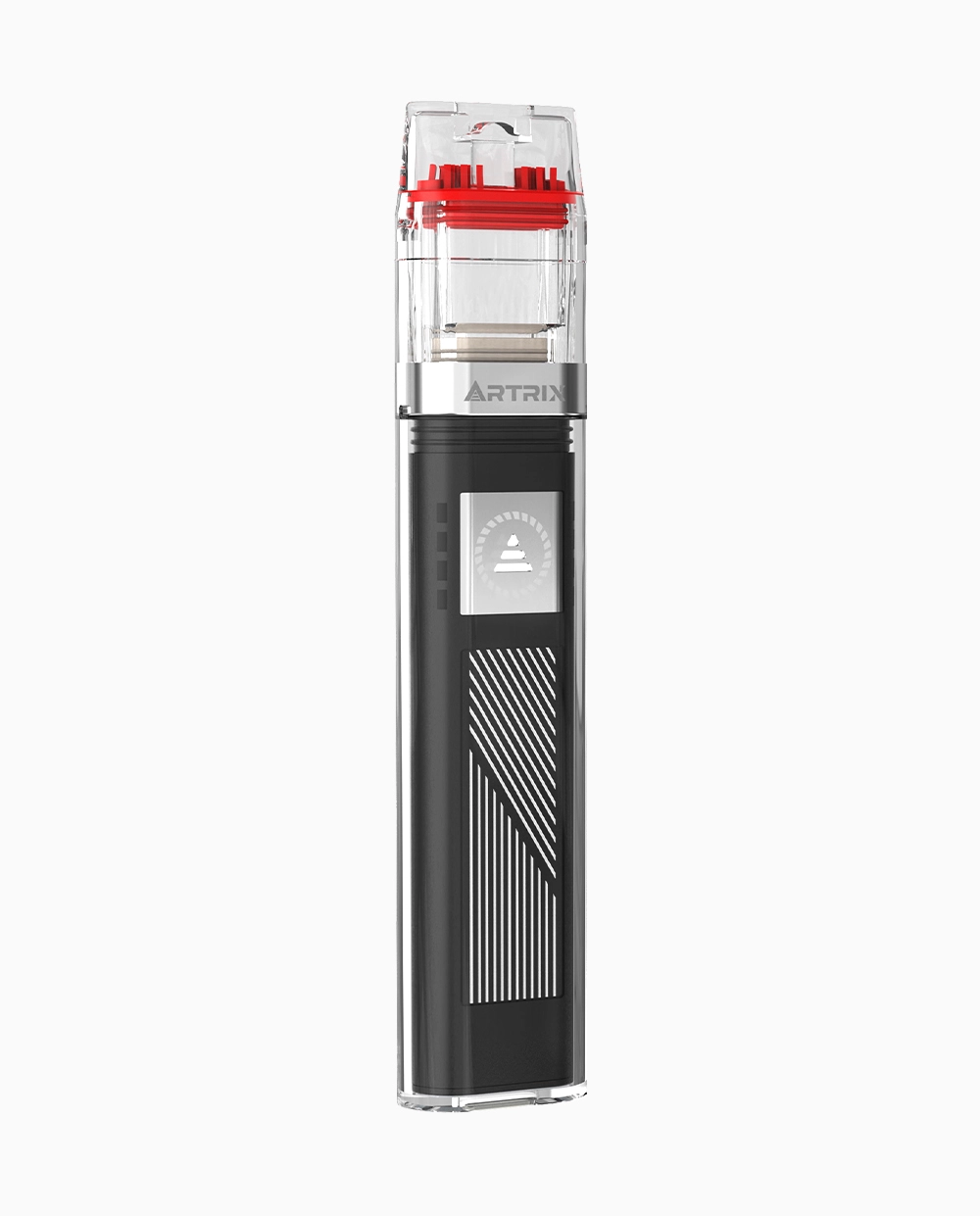
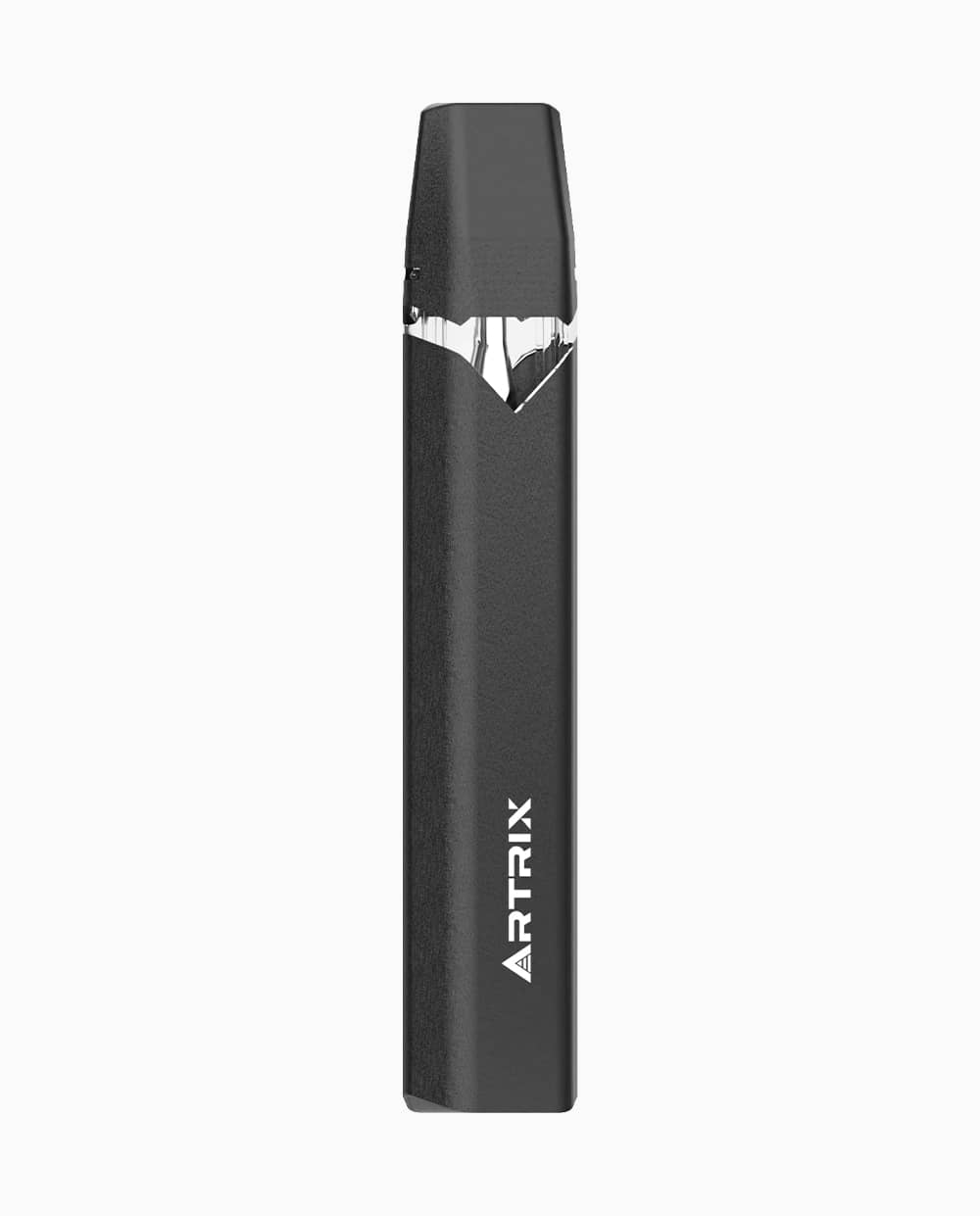
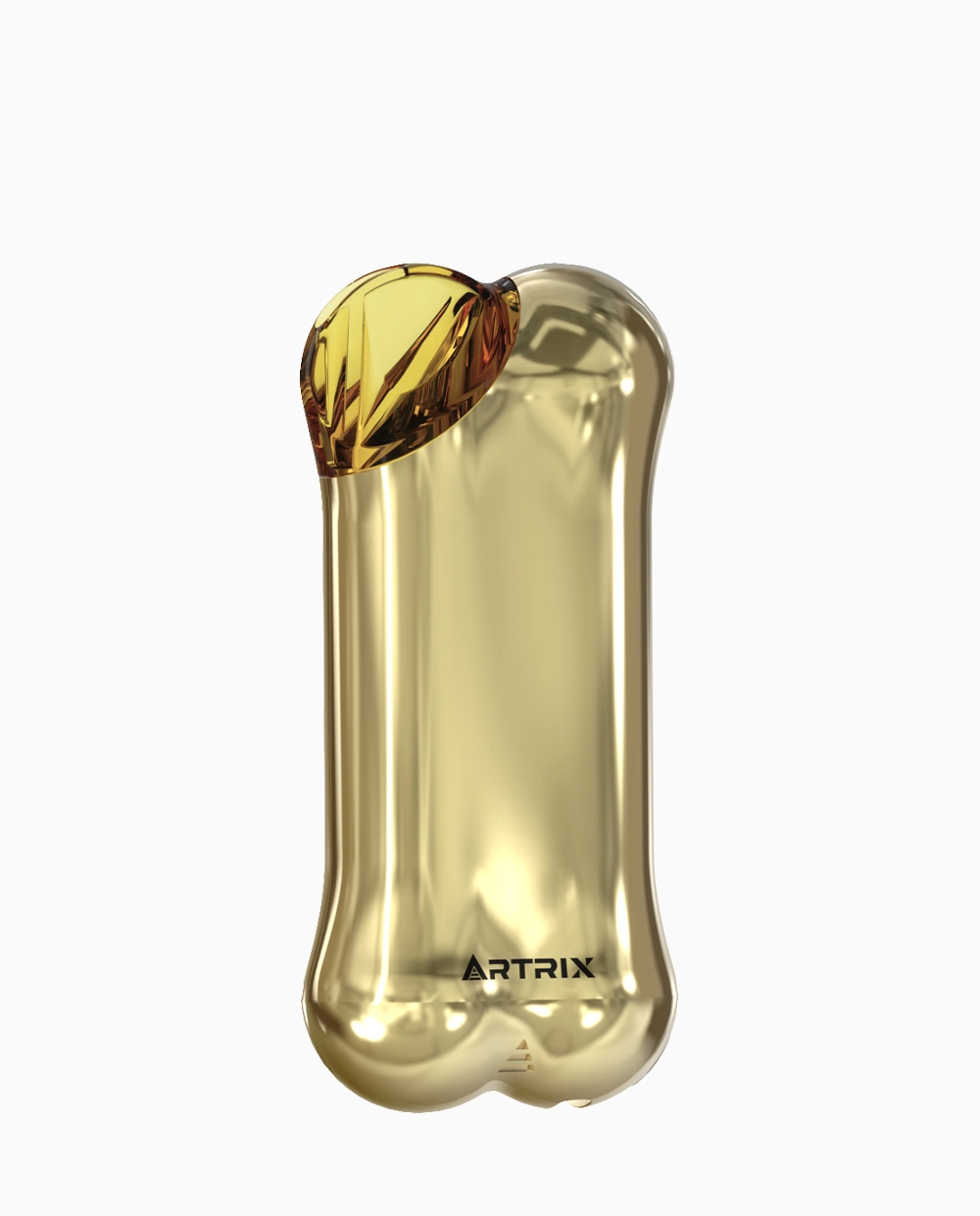
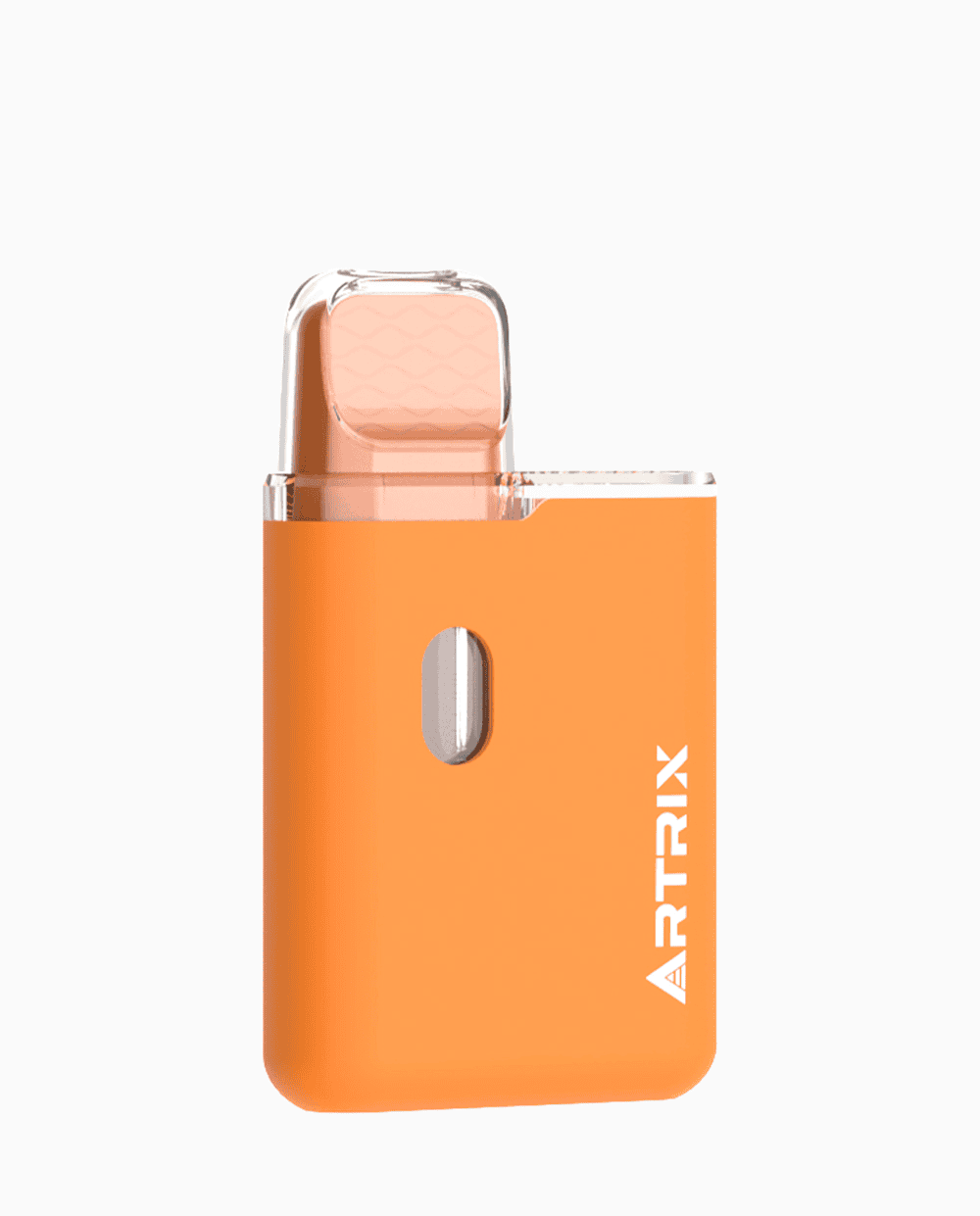
Brands evaluating the compact device for their product line can request model-specific care information from Manufacturer and compare it with their customers’ expected use and maintenance routines. Any sales claim about cleaning speed should still be supported by a disclosed test rather than inferred from product size.
Final Takeaway
So, how fast can you clean a dab rig? A lightly used simple rig may realistically clean in under 10 minutes. A heavy-reclaim rig or a complex recycler rig may need more time, even when the same general cleaning method is used.
The biggest lesson is that cleaning speed is not only about the cleaner. It is about residue age, rig shape, access points, and whether the buildup has already hardened. If you want fast cleaning, the best move is to clean before reclaim becomes a serious layer.
Any published minute-by-minute comparison should include its test conditions, evidence, and limitations. Without that documentation, cleaning times should be presented as practical estimates rather than measured product performance.
Frequently Asked Questions
Can every dab rig be cleaned in under 10 minutes?
No. Light residue in an accessible, washable structure may allow a quick clean, while hardened reclaim, complex pathways, or electronic components can require more time and a different process.
Does a smaller rig always clean faster?
No. Size is only one variable. A compact device may still have a narrow opening, hidden pathways, fixed components, or electronics that make cleaning slower or more restrictive.
When should I stop treating the job as a quick clean?
If visible residue remains after the first approved cleaning cycle, or if the cleaner cannot reach an enclosed path, allow more time and follow the manufacturer’s instructions. Do not use excessive force merely to stay under a time target.



-1.webp)
-1.webp)
-2.webp)