



-1.webp)
-1.webp)
-2.webp)





































2026 USA Pre-Roll Pricing Guide: Data, Trends, and Survival Strategies
Last Updated: September 1, 2026
This analysis focuses on regulated adult-use cannabis markets only. In states such as New York and Michigan, adult-use cannabis sales are limited to adults 21 and older through licensed channels.
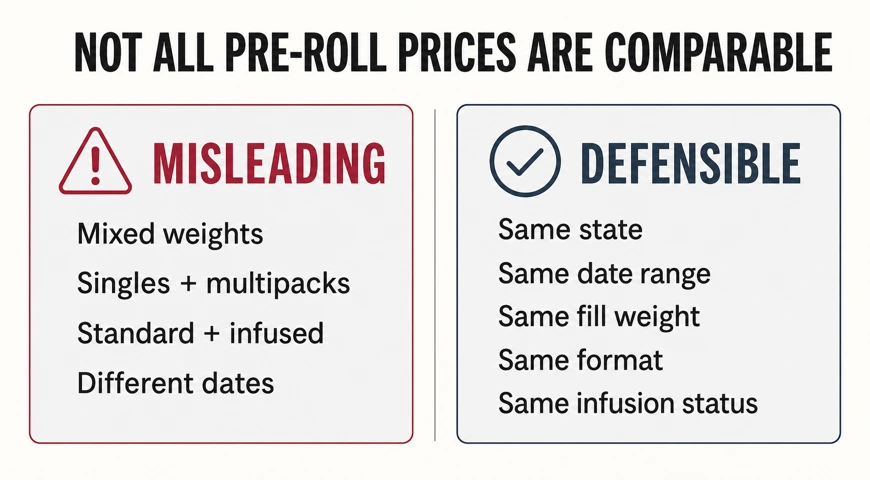
There is no single official U.S. pre-roll price for 2026. The most useful benchmark depends on the state, product format, fill weight, pack count, infusion status, observation date, and whether the number represents a category average or one best-selling SKU. Operators should therefore treat national figures as context and compare their products with genuinely similar local items.
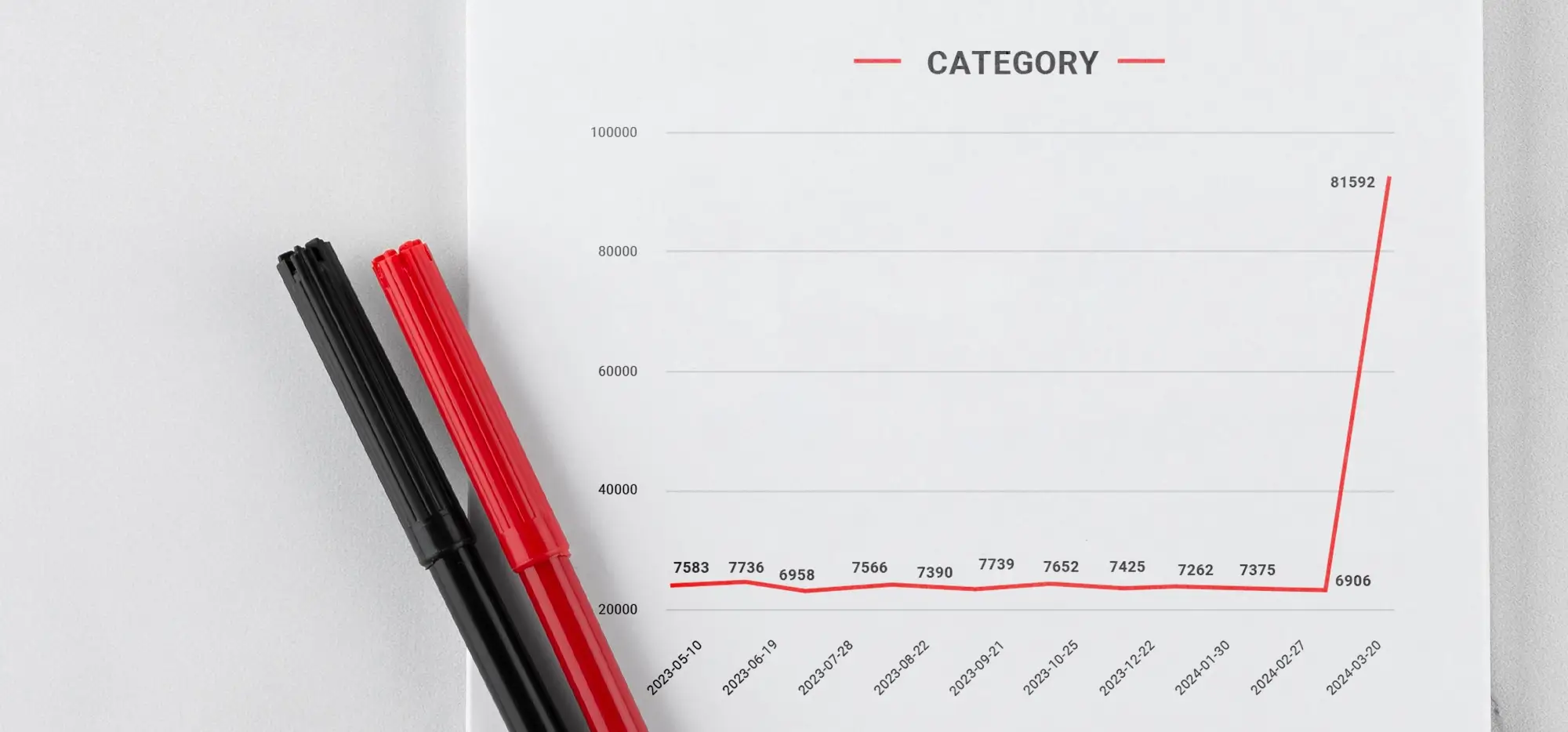
No U.S. regulator publishes a live national retail pre-roll average, so any 2026 “USA average” is necessarily a planning benchmark rather than a statutory figure. As a historical reference, Headset data summarized by Custom Cones USA placed the tracked-market average at $6.50 per unit in June 2024, down from $7.80 in January 2023. That figure covered the wider pre-roll category across 12 tracked markets; it was not a 2026 national average for standard 1g singles.
Executive Summary & The State of the Market
The headline for 2026 is simple: commodity pre-rolls are drifting toward a race to the bottom, while premium pre-rolls and extract-led formats still have pricing power. The more precise operator takeaway is that price pressure is uneven. A brand may face sub-$5 best sellers in one state and $8-to-$12 best sellers in another, while an infused SKU or multipack occupies a different comparison set altogether.
This makes pre-roll pricing a contribution-margin question rather than a national-average question. Before changing a recipe, component, or format, operators need to compare the expected wholesale price with flower or concentrate input, fill weight, cone or tip, labor, packaging, testing, distribution, promotions, taxes, expected sales velocity, and returns. A higher shelf price does not automatically produce a better margin.
-
- Compare standard singles only with products of similar weight and format.
-
- Separate infused products and multipacks from non-infused singles.
-
- Record the date, source, tax treatment, and promotional status of every observation.
-
- Use category sales as market context, not as proof that a specific SKU will sell or earn more.
How to Read the 2026 Pre-Roll Price Snapshot
The table below is a best-selling-SKU snapshot, not a state average. Each example is a non-infused 1g single listed among Headset’s top ten pre-roll products on August 4, 2026. Keeping the format and weight consistent makes the observations more comparable, but the table still does not represent every retailer, brand, promotion, or transaction in a state.
| State | Observed 1g non-infused example | Average listed price | What the snapshot means |
|---|---|---|---|
| California | Maui Wowie Pre-Roll | $3.69 | A top-ten example, not a statewide mean. |
| Colorado | Energy Pre-Roll | $3.93 | A directly comparable 1g standard single. |
| Massachusetts | Super Lemon Haze Pre-Roll | $8.67 | One example within a wider top-ten price range. |
| New York | Da Yayo Pre-Roll | $11.62 | A high-ranking SKU in an emerging market. |
Why Pre-Roll Prices Differ Across States
State price gaps reflect several forces at once: licensed supply, retail access, competition, taxes, product mix, pack format, and brand position. Market maturity is a useful lens, but it should not be treated as a universal three-stage law. A best-selling price gap is consistent with different market conditions; it does not identify the cause by itself.
Taxes also need careful treatment because wholesale and retail levies may use different bases. New York currently applies a 9% distributor tax and 13% total retail tax. Michigan’s 24% wholesale tax took effect on January 1, 2026, and its guidance states that it applies in addition to the existing 10% retail excise tax and 6% sales tax. Operators should model each tax at the point where it applies rather than simply adding percentages to one retail price.
Product mix can widen the apparent gap further. A market with many infused products or larger multipacks may show a higher average item price even when its normalized price per gram is competitive. For planning purposes, the safest comparison set is state-specific, date-stamped, and matched by product type, weight, pack count, and infusion status.
Premiumization Starts With Unit Economics
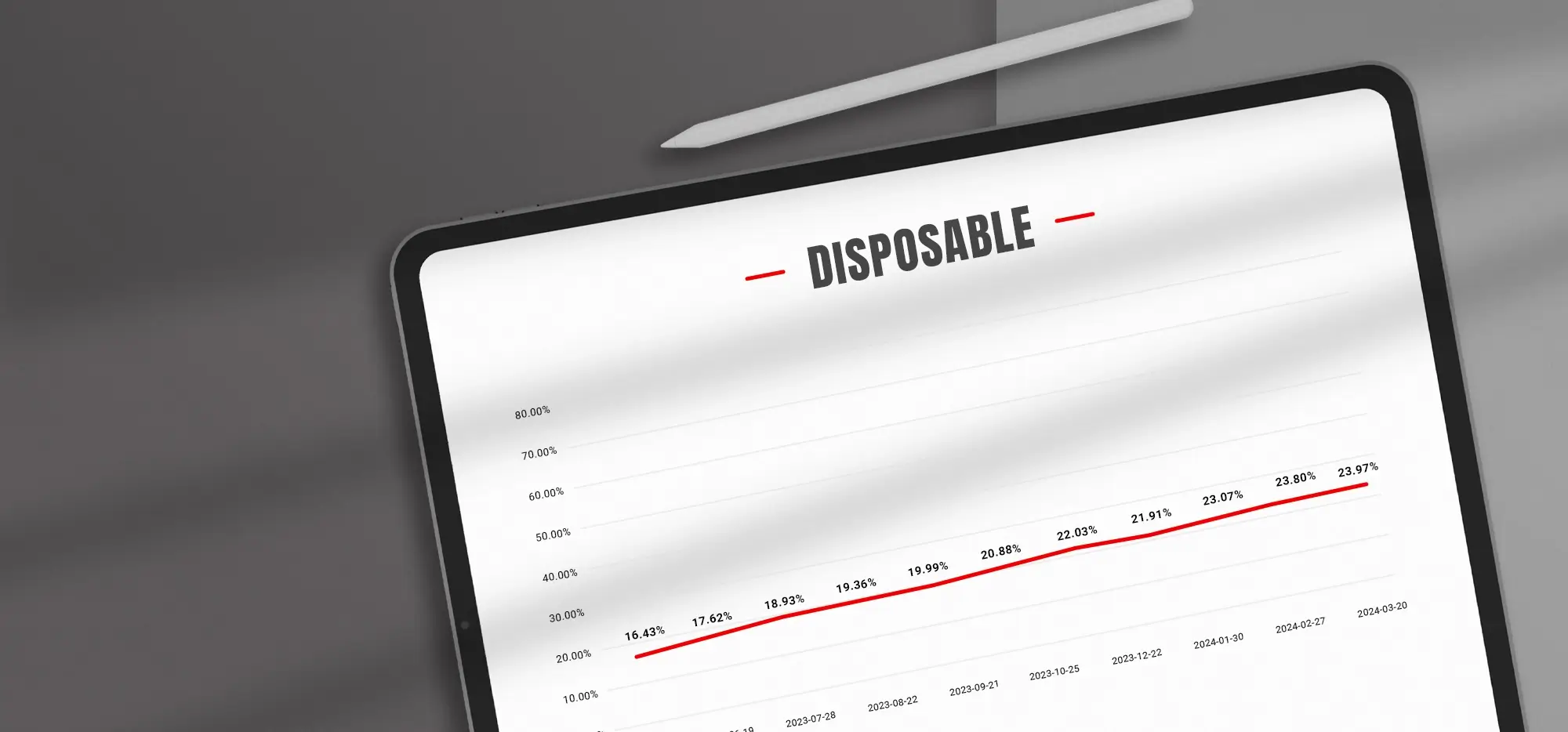
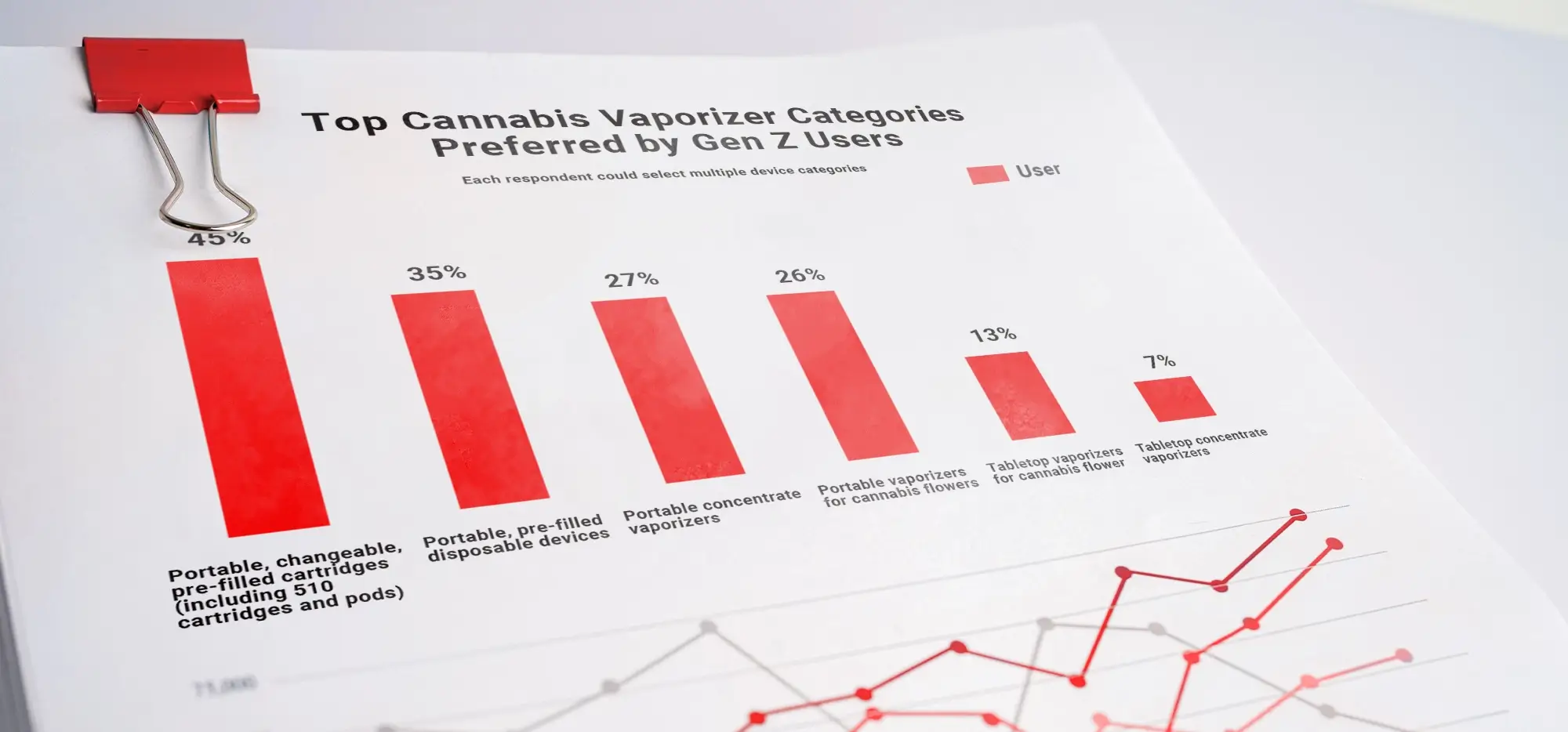
Infused products have demonstrated meaningful category demand, but category growth is not a guarantee of SKU profitability. The tracked Connoisseur/Infused segment reached 44.4% of pre-roll sales in the first half of 2024. The same report also showed falling average infused-item prices, which means premium formats are not immune to competition.
An operator considering infusion should calculate the added concentrate, processing, testing, packaging, and compliance costs against the expected wholesale price and sales velocity. The decision becomes more defensible when the premium version is compared with a control SKU using the same channel and measurement period. Without those inputs, “premium” describes a product position, not a verified margin result.
-
- Define the comparable local price set.
-
- Calculate contribution margin for the existing SKU.
-
- Add every incremental premiumization cost.
-
- Estimate the break-even wholesale price and volume.
-
- Pilot the SKU and set a measurable scale-or-stop threshold.
When Ceramic or Glass Tips Make Commercial Sense
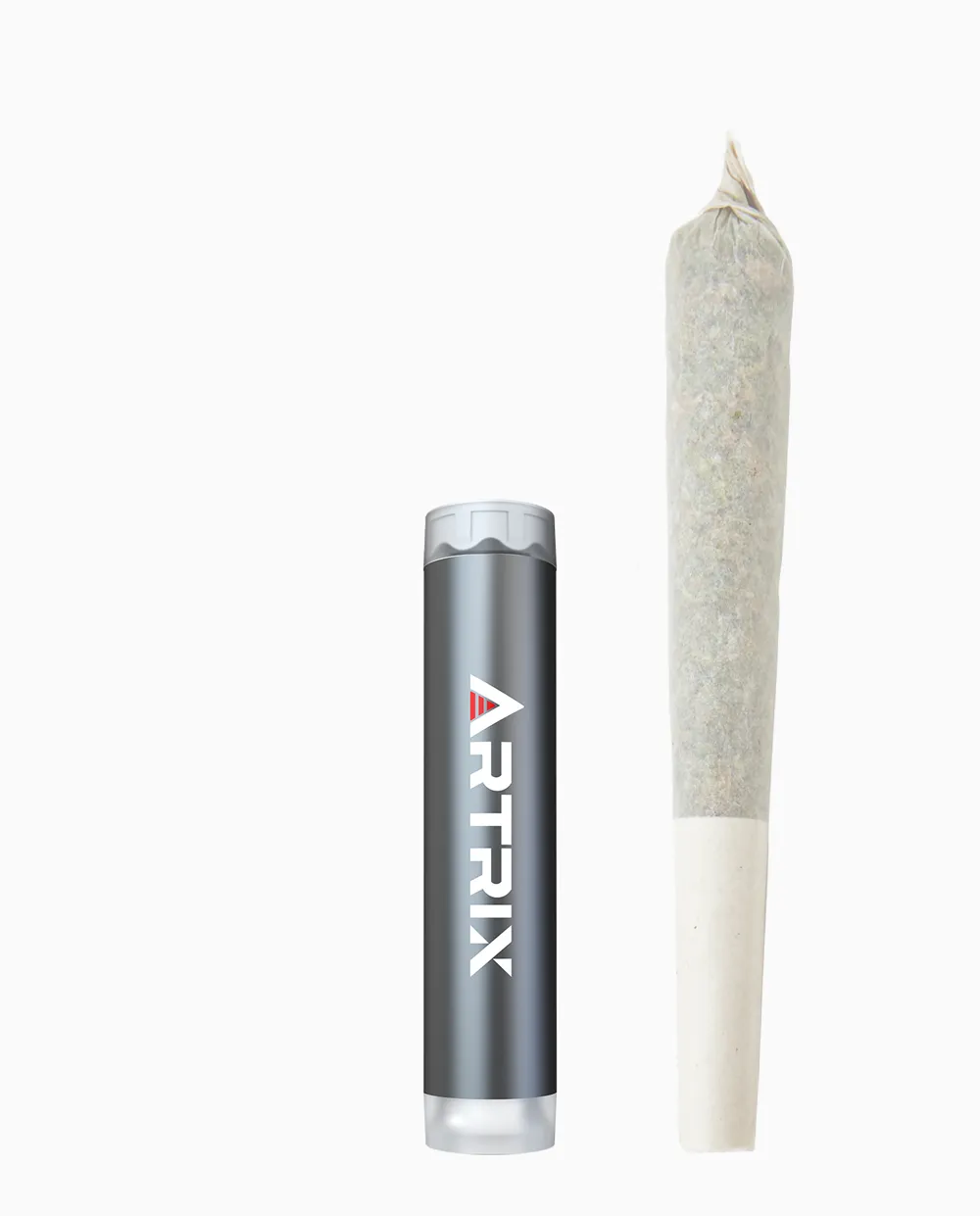
A ceramic or glass tip does not magically change the economics of a bad product, but it does change the perceived class of the product. That perceived-value hypothesis should be tested rather than assumed. A useful pilot keeps the flower, fill weight, retailer set, and campaign period consistent while changing the tip or presentation, then compares price acceptance, velocity, repeat purchase, complaints, and returns.
That positioning needs to stay honest. A ceramic tip is a sensory and branding upgrade, not a health claim. Supplier evaluation should therefore focus on documented material, dimensions, assembly compatibility, customization, quality-control process, minimum order quantity, lead time, and available test support. Airflow, cooling, flavor, potency, sell-through, or MSRP claims require product-specific evidence under disclosed conditions.
Vaporizers Are a Separate Portfolio Decision
Strong sales in infused pre-rolls and vapor products do not prove that the same customers will move from one format to the other. Aggregate category data describes markets, not individual buyer journeys. A brand that wants to cross-sell premium vapes should validate audience overlap with customer-level baskets, surveys, CRM cohorts, or a controlled campaign.
Format economics must also be modeled independently. Extraction yield, processing or contract-manufacturing cost, hardware, filling, testing, packaging, taxes, discounts, failure rates, and returns all affect the result. Vapor products may diversify a portfolio, but they should not be described as an automatic margin protector, a guaranteed profit engine, or a safer or therapeutic alternative.
Frequently Asked Questions
What is a reasonable pre-roll price benchmark in 2026?
Use a matched local range instead of one U.S. average. Filter observations by state, date, fill weight, single or multipack, infusion status, and tax or promotion treatment. Historical national figures can provide context, but they should not replace current comparable-SKU data.
Can best-selling SKU prices be treated as state averages?
No. They show what selected high-ranking products cost during a defined snapshot. They do not measure every transaction or retailer, and they may overrepresent particular brands, formats, or promotional conditions.
Are infused pre-rolls always worth the investment?
No. Their category share shows demand, but an operator still needs SKU-level costs, expected wholesale price, velocity, discounting, and return data. An infused launch is defensible when the modeled and observed contribution margin clears the brand’s threshold.
Can a premium tip justify a higher price?
It may support a differentiated product position, but the commercial effect should be measured. Use a controlled product and retail test, and avoid specific sensory, potency, health, or margin claims unless the test directly supports them.
Conclusion: Price the SKU, Then Test the Upgrade
The 2026 lesson is not that pre-rolls are dead. It is that operators need cleaner comparisons and better evidence. A state snapshot becomes useful only after product format, weight, pack count, date, and tax treatment are clear, while a premium concept becomes investable only after its incremental costs and expected outcomes are modeled.
The strongest strategy is sequential: normalize the local price set, calculate contribution margin, define a premiumization hypothesis, test it, and scale only when the evidence supports the decision. If a ceramic or glass tip fits that plan, Artrix can help translate the component brief into material, dimension, customization, and production options without turning an untested feature into an unsupported promise.