
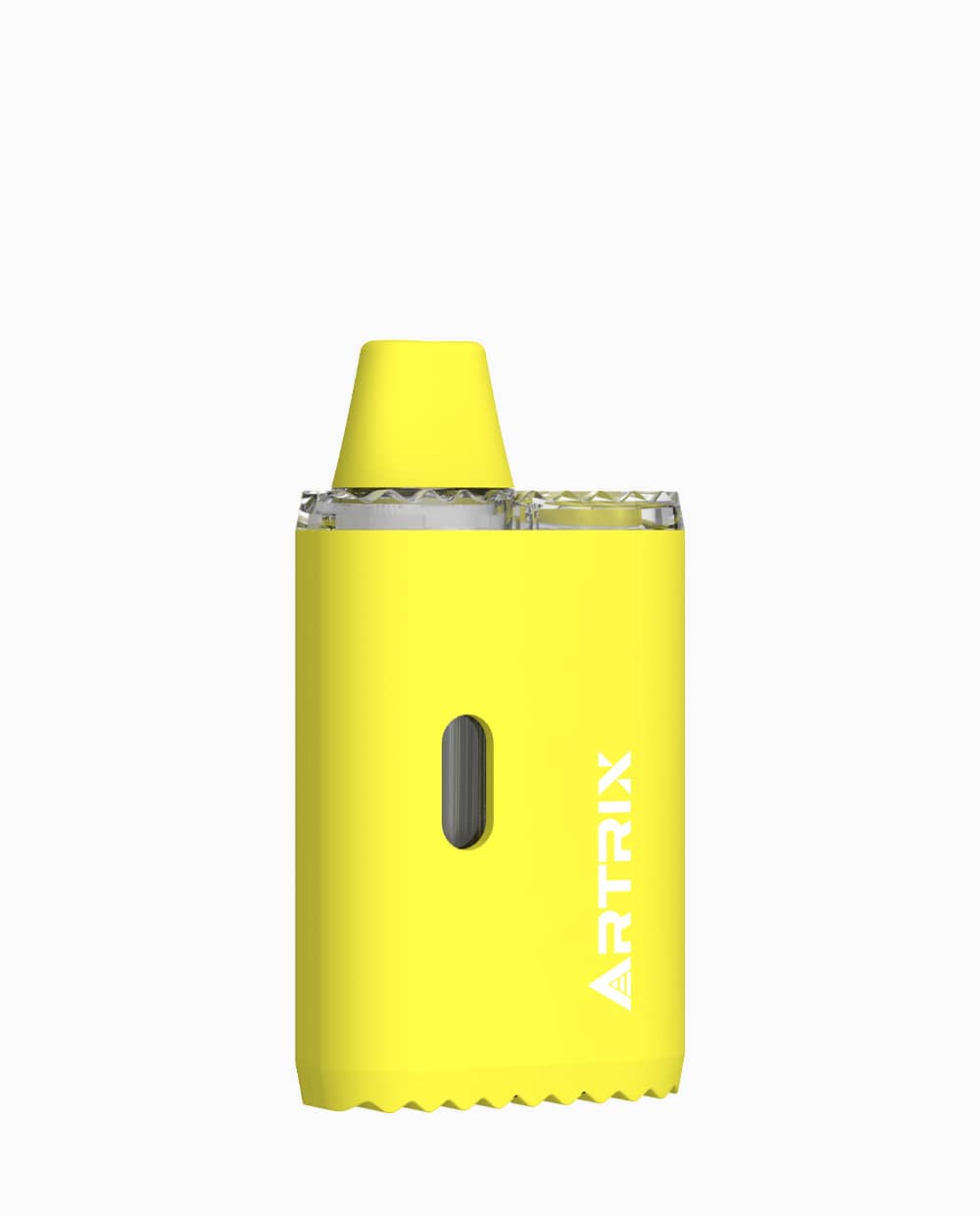
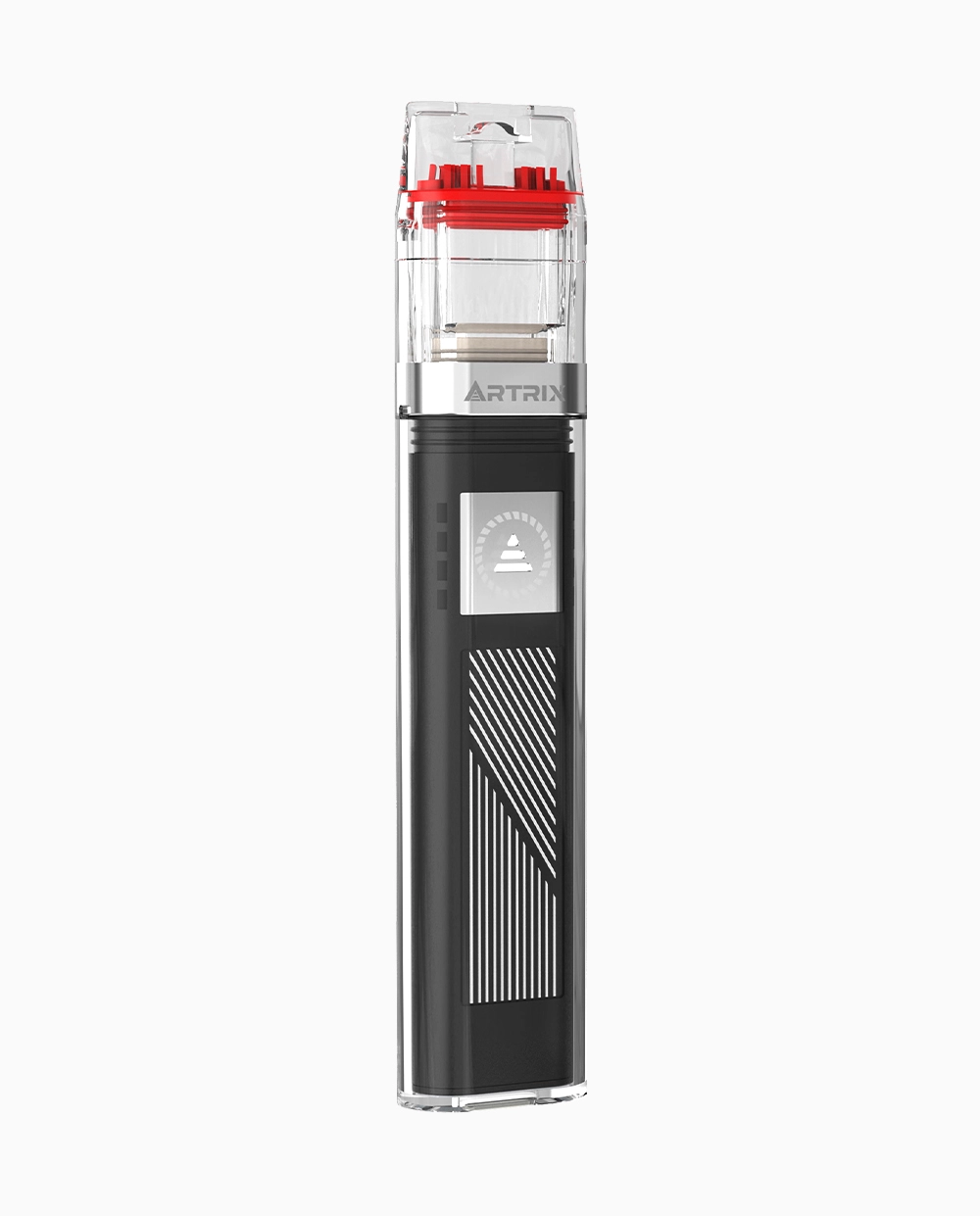
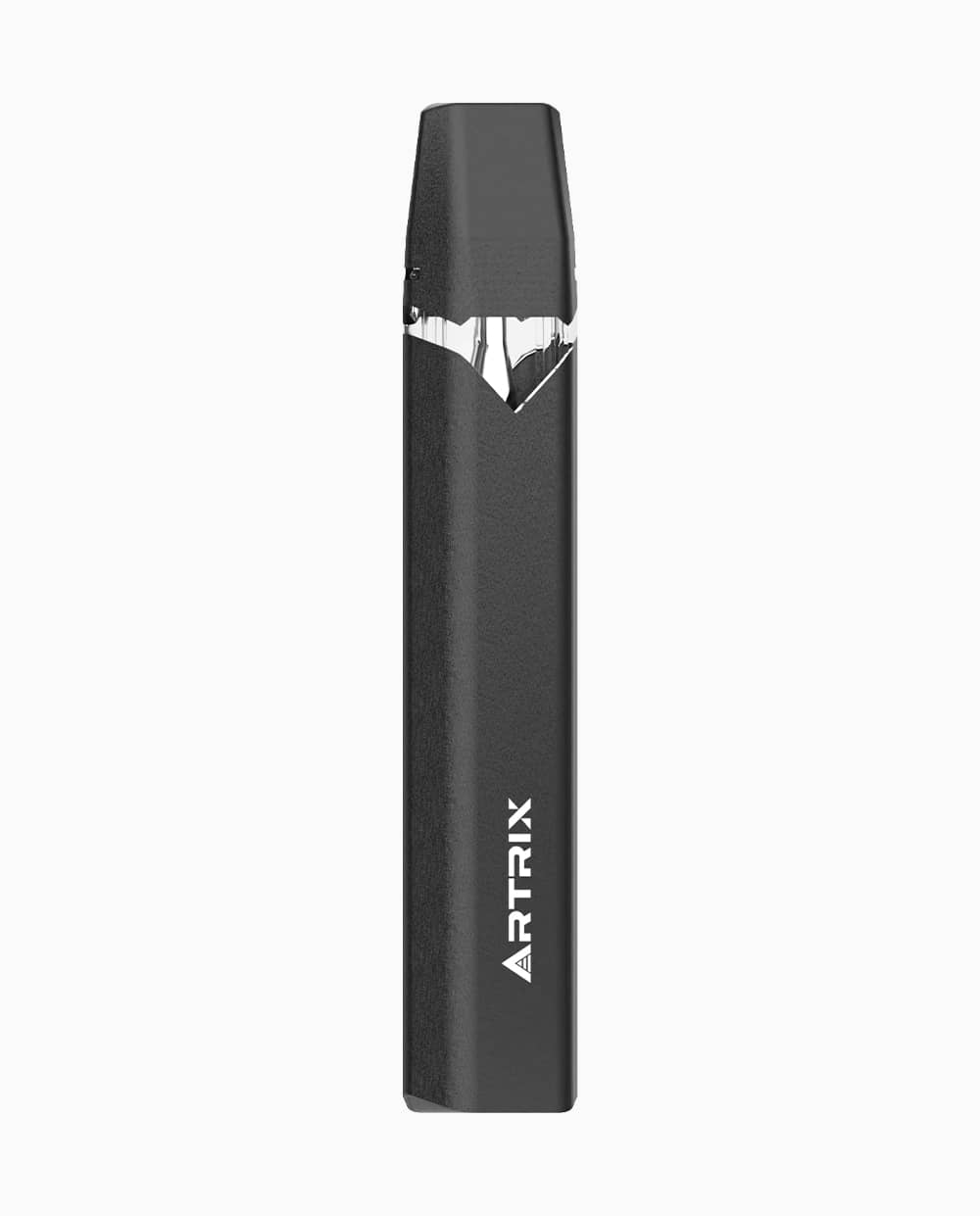

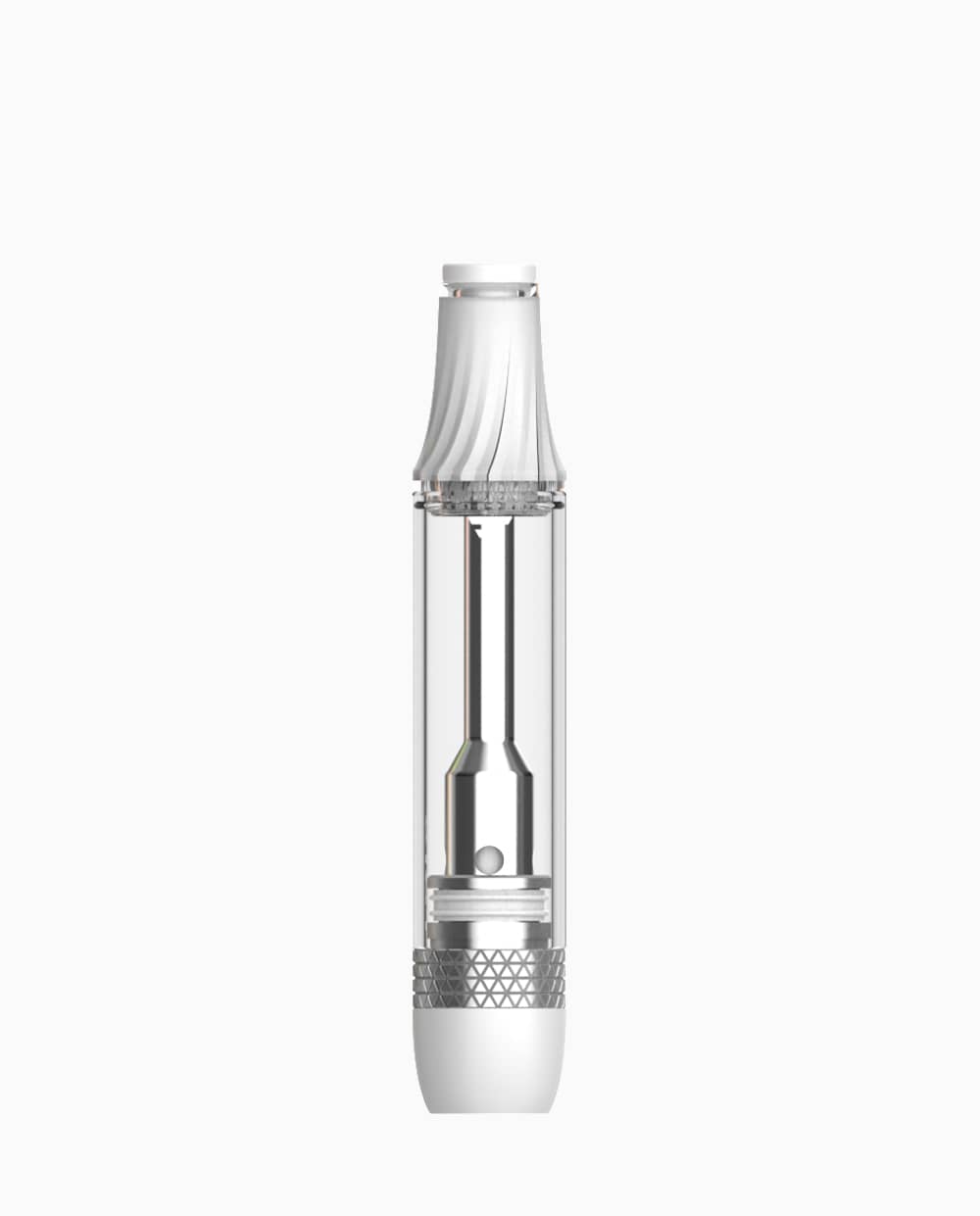

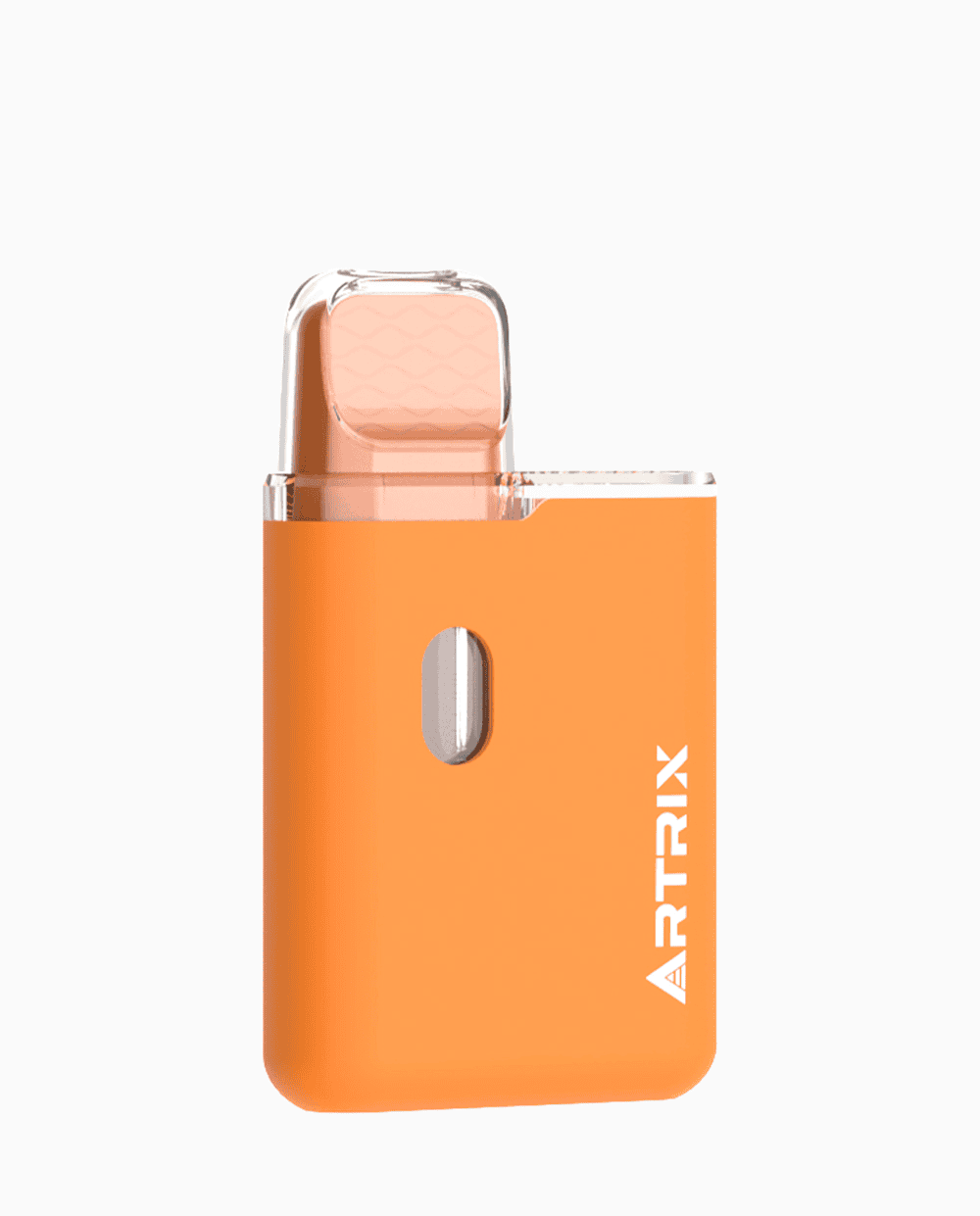

-1.webp)
-1.webp)
-2.webp)







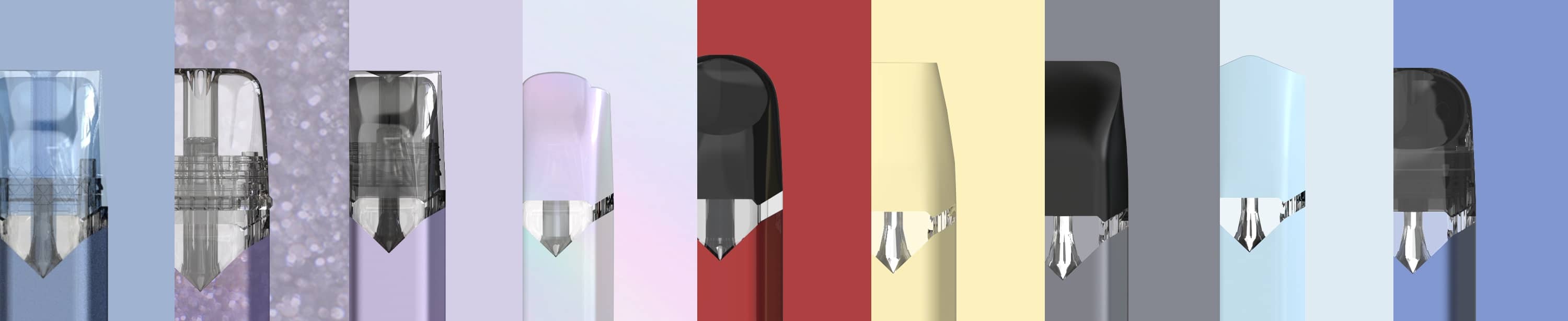
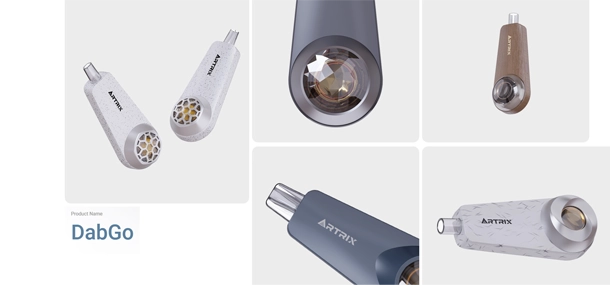
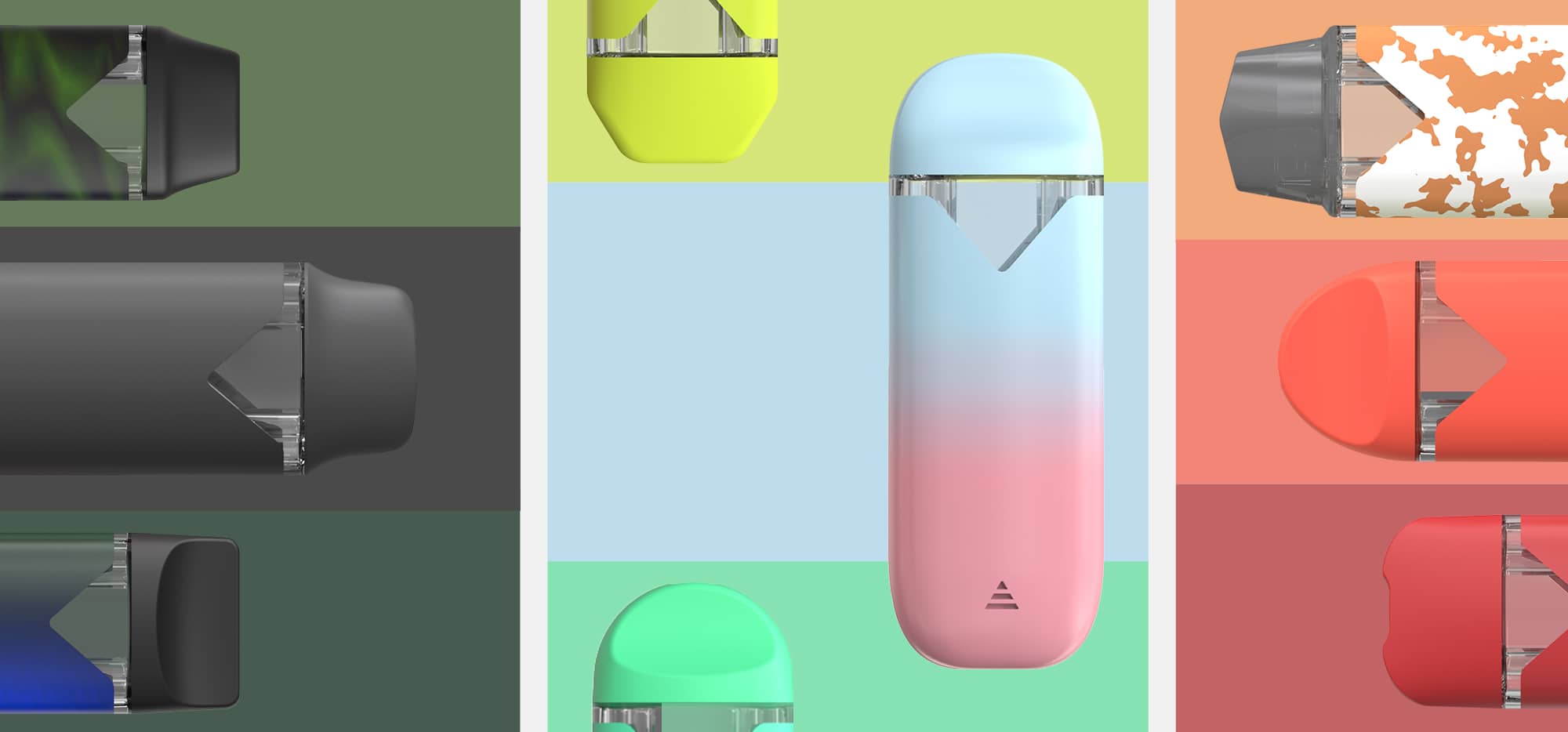



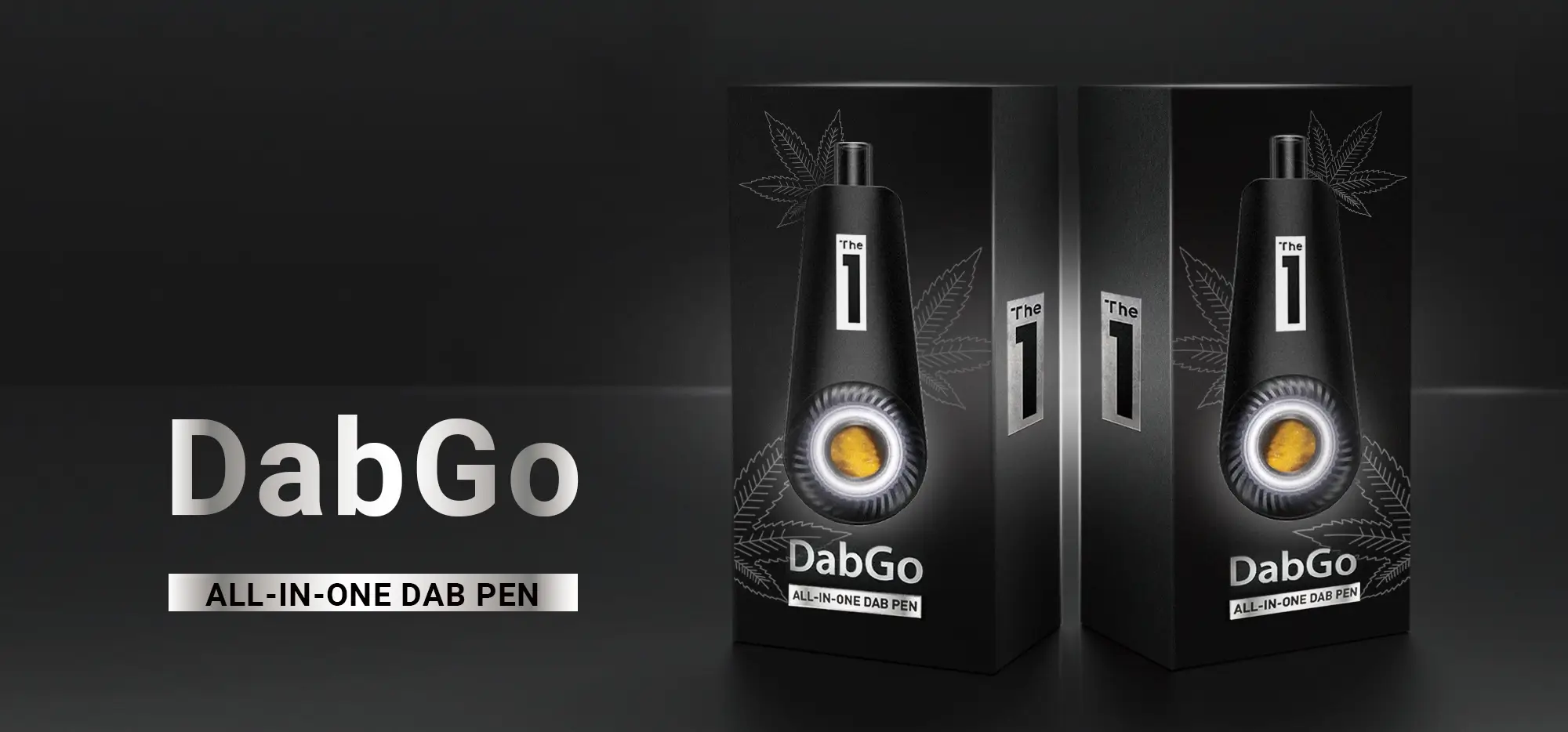



























The Ascendance of Glass Vape in a Plastic-Centric Market
For years, the vape hardware market was dominated by a “function over form” mentality, where cost-effective plastics and standard polymers were the industry baseline. However, as the North American cannabis landscape matures, the focus has shifted from mere delivery to uncompromising integrity. Today’s discerning consumers and sophisticated extractors are no longer satisfied with “good enough.” They are seeking a hardware standard that matches the quality of high-fidelity resins and artisanal distillates. This demand has sparked a significant transition toward borosilicate glass hardware—a move driven by a blend of material science, sensory preservation, and a tightening regulatory environment.
Introduction: The Debate of Glass vs. Plastic Vape Cartridges
Glass and plastic no longer represent just a cost difference; they reflect different standards for quality, flavor protection, and regulatory confidence. As cannabis products become more premium, hardware material has become part of the brand promise.
The Growing Consumer Preference for Glass Hardware
The market case for glass weed vape hardware is no longer just aesthetic. In private industry tracking, the glass vape cartridge category is tied to premiumization, higher-end design, and stronger demand in regulated North American markets, with Data Insights Market describing growth around premium products, child-resistant features, and material innovation in borosilicate glass. That kind of report should be read as directional rather than as a universal census of the industry, but it captures an important shift: as cannabis extracts become more refined and brand competition becomes more sophisticated, cartridge materials are becoming part of the product story rather than a hidden procurement decision.
That matters because premium cannabis is sold on the integrity of the oil as much as on the battery or the branding. A cartridge is no longer judged only by whether it works. Buyers increasingly read material choice as a signal of seriousness, especially in segments built around live resin, rosin, botanical terpene blends, and high-clarity distillates. In that context, glass vape hardware has gained traction because it communicates stability, cleanliness, and care. It also fits the broader industry move away from “good enough” components and toward cartridges that can support better flavor presentation, cleaner positioning, and stronger compliance narratives.
| Market driver | Why glass gains attention |
|---|---|
| Premiumization | Glass signals higher-end build quality and stronger oil presentation. |
| Flavor-sensitive extracts | Brands want materials that introduce fewer compatibility concerns. |
| Compliance pressure | Better-documented materials help brands defend packaging and safety decisions. |
| Sustainability and disposal scrutiny | More durable, non-disposable positioning fits stricter hardware messaging. |
Why Premium Materials are a Necessity for Quality and Compliance
In earlier market phases, plastic-heavy designs could compete primarily on cost. That logic weakens when oils get more viscous, brands chase terpene fidelity, and regulators expect tighter documentation around packaging, labeling, and disposal. California says manufactured cannabis products must be packaged to prevent contamination, and its child-resistant packaging rules expressly apply to vape cartridges. Health Canada goes further with plain-packaging rules, child-resistant containers, and mandatory health warnings for cannabis products. None of these rules simply says “use glass,” but they collectively reward materials that are easier to validate and harder to question.
That is the real strategic opening for glass vape. Premium materials are not only about marketing language; they are part of risk management. When a cartridge sits in direct contact with oil and near a heating pathway, brands want fewer unknowns around interaction, permeation, and long-term presentation. In a regulated market, quality claims, packaging claims, and safety claims increasingly live together. The hardware that looks most premium often also becomes the hardware that is easiest to defend.
Material Science: The Superiority of Borosilicate Glass
Borosilicate glass stands out because it offers stronger chemical durability, better heat stability, and more reliable long-term performance than many standard alternatives. These properties make it especially well suited to premium vape cartridge design.
The Physical Benefits and Durability of Borosilicate
Borosilicate glass sits at the center of this shift because its underlying material properties align unusually well with premium cartridge design. Boron gives borosilicate strong chemical durability and a low coefficient of thermal expansion, meaning it tolerates temperature changes better than ordinary soda-lime glass. Borosilicate glass offers exceptional chemical resistance, superior hydrolytic performance, and high tolerance for both short-term and long-term temperature fluctuations. Those are not cosmetic benefits. They speak directly to dimensional stability, reliability, and resistance to chemically aggressive environments.
For cartridge manufacturers, that means borosilicate can support tighter tolerances and more predictable behavior across filling, storage, shipping, and consumer use. It does not solve every engineering challenge; airflow, coil quality, seals, and oil viscosity still matter enormously. But it gives the cartridge body a more robust baseline. In a category where even minor performance issues can quickly damage brand trust, materials that reduce avoidable variability become commercially valuable.
Why Heat-Resistant Glass Outperforms Plastic Polymers
The advantage over polymers is not that every plastic fails, but that inorganic materials generally offer a more stable barrier story. Inorganic materials such as glass provide near-zero moisture and gas permeation over time, while polymer materials are inherently permeable and can age, embrittle, and degrade under environmental stress. If material performance over time matters, inorganic barriers usually start from a stronger position.
In practical market terms, this helps explain why glass vape is rising precisely as oils become more sophisticated. Extract brands do not just want a container that survives assembly day. They want a material that supports shelf stability, visual clarity, and a premium user experience over the full sales cycle. When heat, storage time, transport, and volatile aroma compounds all matter, borosilicate offers a more reassuring platform than a generic plastic-first build.
The “Purity” Factor: Preserving Flavor and Integrity
Glass is valued for helping reduce material-related interference with delicate extracts, especially terpene-rich oils. For brands focused on flavor fidelity and product integrity, that makes it a strong hardware choice.
How Glass Preserves Flavor Profiles and Chemical Integrity
The word “purity” is often overused in cannabis marketing, but there is a real material-science argument behind it when stated carefully. Pharmaceutical borosilicate tubing as chemically inert and suited to preserving the integrity and stability of sensitive contents. That does not prove a cannabis cartridge will automatically preserve every terpene better than every polymer design. What it does show is why product developers trust borosilicate when chemical neutrality matters.
That trust becomes more relevant because cannabis aroma compounds are fragile. Terpenes and cannabinoids can decarboxylate, oxidize, isomerize, react photochemically, or evaporate during storage, while other research notes that terpene concentrations are affected by heat and oxidation. The market implication is straightforward: if a brand has already invested in a delicate extract profile, it has an incentive to reduce material-related uncertainty in the contact pathway. That is one reason glass vape has become associated with high-end oil presentation.
The Importance of Non-Reactive Glass for High-End Oils
High-end oils magnify small hardware flaws. Distillate can hide some inconsistency because it is relatively standardized, but live resin, rosin, and terpene-rich blends are less forgiving. Their value proposition depends on flavor nuance, aroma retention, and a cleaner overall profile. In that setting, non-reactive surfaces are not just desirable; they help justify premium pricing. Glass vape hardware benefits from the perception, and often the reality, that it introduces fewer compatibility questions than lower-cost plastic-heavy alternatives.
This is also where form meets function. Glass vape offers visual transparency, which helps brands showcase oil color and consistency, but the more important point is that the visual cue matches a technical cue. A clearer material story supports a clearer brand story. In premium cannabis, those two increasingly move together.
Avoiding the “Plastic Aftertaste”
One reason some consumers prefer glass vape hardware is the belief that it provides a more neutral flavor environment. A recurring complaint in the market is the so-called “plastic aftertaste” that can appear in some devices, especially as lower-cost components age or are exposed to repeated heat cycles. For brands selling terpene-rich oils, that matters because even a faint synthetic note can interfere with the flavor profile they worked hard to preserve.
This is where glass helps strengthen the product story. When users want the taste to come from the extract rather than the hardware, glass vape feels like a cleaner, less intrusive option. That perception is especially valuable in premium categories, where consumers expect flavor clarity, aroma fidelity, and a more authentic expression of the plant.
Visual Clarity and Consumer Psychology
Glass supports premium positioning by making the oil more visible, easier to evaluate, and more trustworthy in the eyes of consumers. That transparency strengthens both product presentation and brand credibility.
Premium Perception and Brand Trust
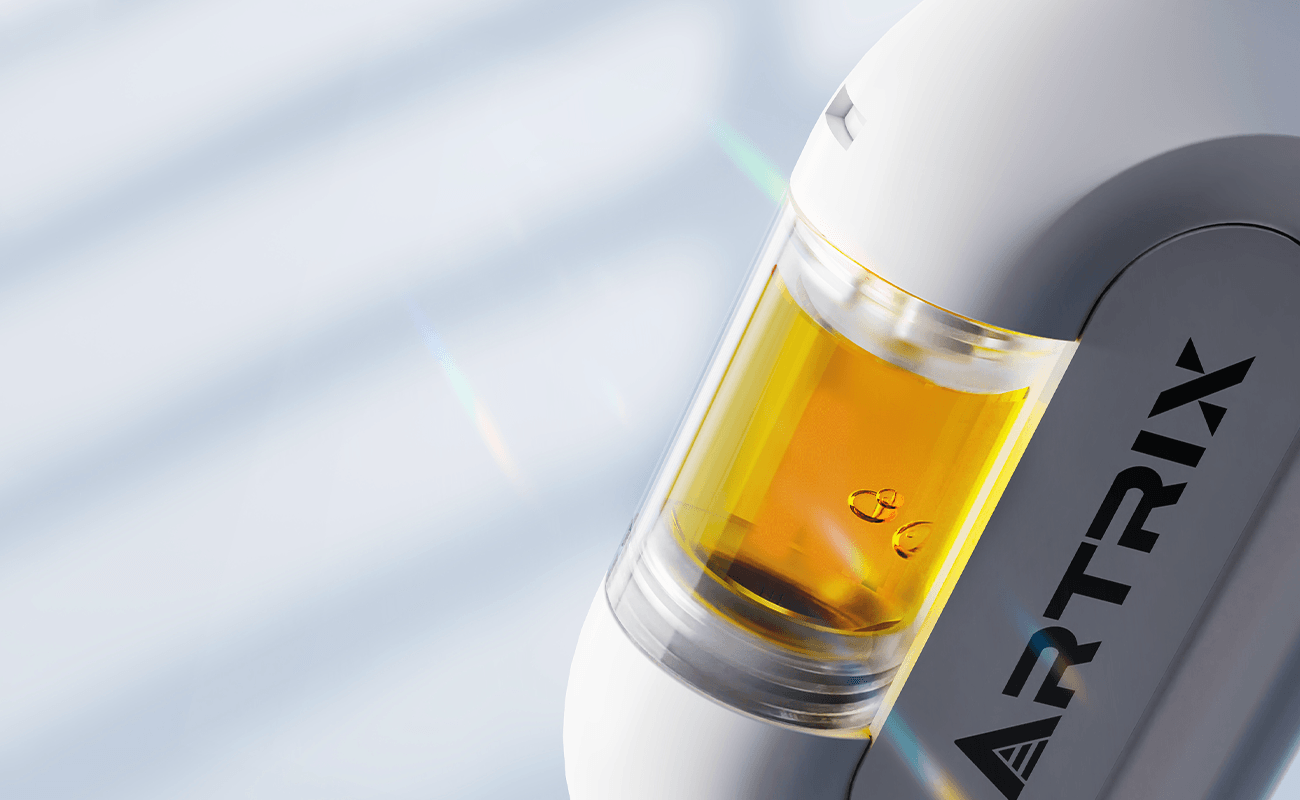
In cannabis hardware, visual presentation does more than support aesthetics; it helps shape trust. Buyers often read glass as a premium material and plastic as a budget compromise, especially in categories where extract quality is part of the value proposition. A clear glass tank allows consumers to see the color, clarity, and viscosity of the oil before and during use, which reinforces the perception that the brand is confident in what it is selling. In that sense, transparency becomes both a design feature and a psychological signal.
That signal matters in a crowded market where brands are competing not only on performance, but on credibility. When a cartridge visibly showcases the extract rather than obscuring it behind cloudy or heavily tinted materials, the hardware feels more aligned with clean positioning and higher-end formulation. For premium brands, glass vape hardware helps turn material choice into a trust-building part of the customer experience.
Monitoring Oil Levels and Oxidation
Visual clarity also delivers a practical benefit. Consumers want to monitor oil levels easily, and they want a clearer view of any visible changes in the extract over time. Glass supports that experience by maintaining a cleaner, more transparent appearance, while some lower-grade plastics may become hazy or discolored with age and handling. That difference can affect how confidently a consumer evaluates the product in real-world use.
For brands, this matters because visibility supports both function and perception. Users can better track how much oil remains, and they may be more likely to notice changes in color that suggest age or oxidation. Even when hardware performance remains the primary requirement, the ability to visually assess the oil adds reassurance. In premium cannabis, that combination of clarity, control, and confidence helps explain why glass vape hardware continues to gain favor.
Conclusion: The Future of Premium Cannabis Hardware
The rise of glass vape in a plastic-centric market is best understood as a convergence of material science, premium branding, and regulatory pressure. Borosilicate offers a credible performance story around chemical durability, heat stability, and lower permeation. That supports the market’s preference for hardware that feels cleaner, performs more predictably, and better aligns with high-value extracts. Just as importantly, it gives brands a stronger language for discussing integrity without making exaggerated safety claims.
What glass does not do is remove the broader risk profile of inhalable products. Adults in regulated markets still need truthful labeling, proper disposal guidance, and realistic expectations about hardware safety. But in a category where the contact pathway, heating environment, and extract profile all matter, glass has become more than a visual upgrade. It has become a strategic material choice.