-1.webp)
-1.webp)
-2.webp)












Is THCa Legal? Exploring the Legality Behind THCa
Last Updated: June 18, 2026
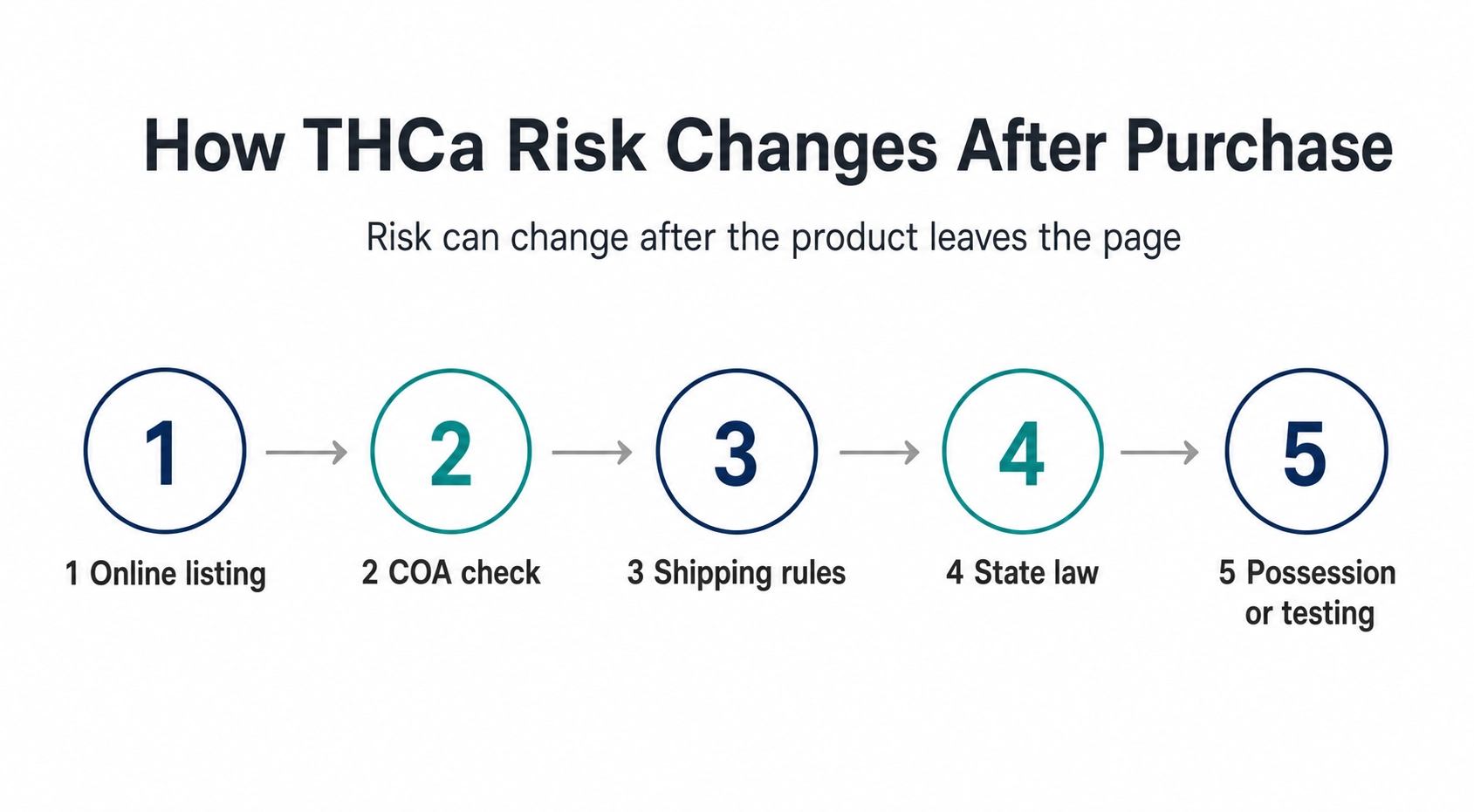
A THCa flower can look compliant on an online product page and still create legal risk once it is shipped, possessed, heated, or tested in another state. The federal hemp framework has historically focused on delta-9 THC, but USDA hemp testing also accounts for THCA conversion when determining total THC, and states may add their own rules for hemp products, smokable flower, retail sale, and possession.
This is why the question “Is THCa legal in the US?” rarely has a clean yes-or-no answer. A product may be marketed as hemp because its delta-9 THC level is low before heating. But THCa can convert into delta-9 THC when heated, and some legal or testing frameworks focus on total THC rather than only the raw delta-9 number.
Real users are confused for understandable reasons. In Reddit discussions, people ask whether THCa flower is “sprayed stuff,” whether it is “just regular weed,” why it can arrive in the mail, and whether it is different from delta-8 products. Those questions are not beginner mistakes. They are exactly the questions a careful buyer should ask before assuming that an online THCa order is low-risk everywhere.
This article is for education only and is not legal advice. Cannabis and hemp rules are age-restricted, state-specific, and changing quickly. Adult consumers should verify current state law before buying, shipping, carrying, or using any THCa product.
What Real Users Are Actually Confused About
The clearest user concern is that THCa flower feels familiar but is explained in unfamiliar legal language. Some Reddit users describe THCa flower as feeling like ordinary cannabis, while others wonder whether it is sprayed, synthetic, bioengineered, or simply a loophole product. That gap between the user experience and the legal explanation is the center of the issue.
One user’s question captures the everyday version of the problem: a friend receives a package of “legal THCa” in the mail, and suddenly everyone wants to understand how that can be possible. Another user says they prefer the medical system in their state because testing matters for their condition. That distinction matters: access and trust are not the same thing.
What people are really asking:
-
- Is THCa flower naturally occurring cannabis or a sprayed product?
-
- Why does it feel similar to cannabis if it is sold as hemp?
-
- Does 0.3% delta-9 THC mean the product is weak?
-
- Is THCa the same as delta-8, HHC, or other hemp-derived cannabinoids?
-
- Why can some sellers ship it while others block certain states?
-
- Is a mail-order hemp product tested like medical dispensary cannabis?
The short answer is that THCa itself is not new or exotic. The confusing part is how product labels, test timing, hemp definitions, and state rules interact.
THCa Is Not the Same Question as Delta-9 THC
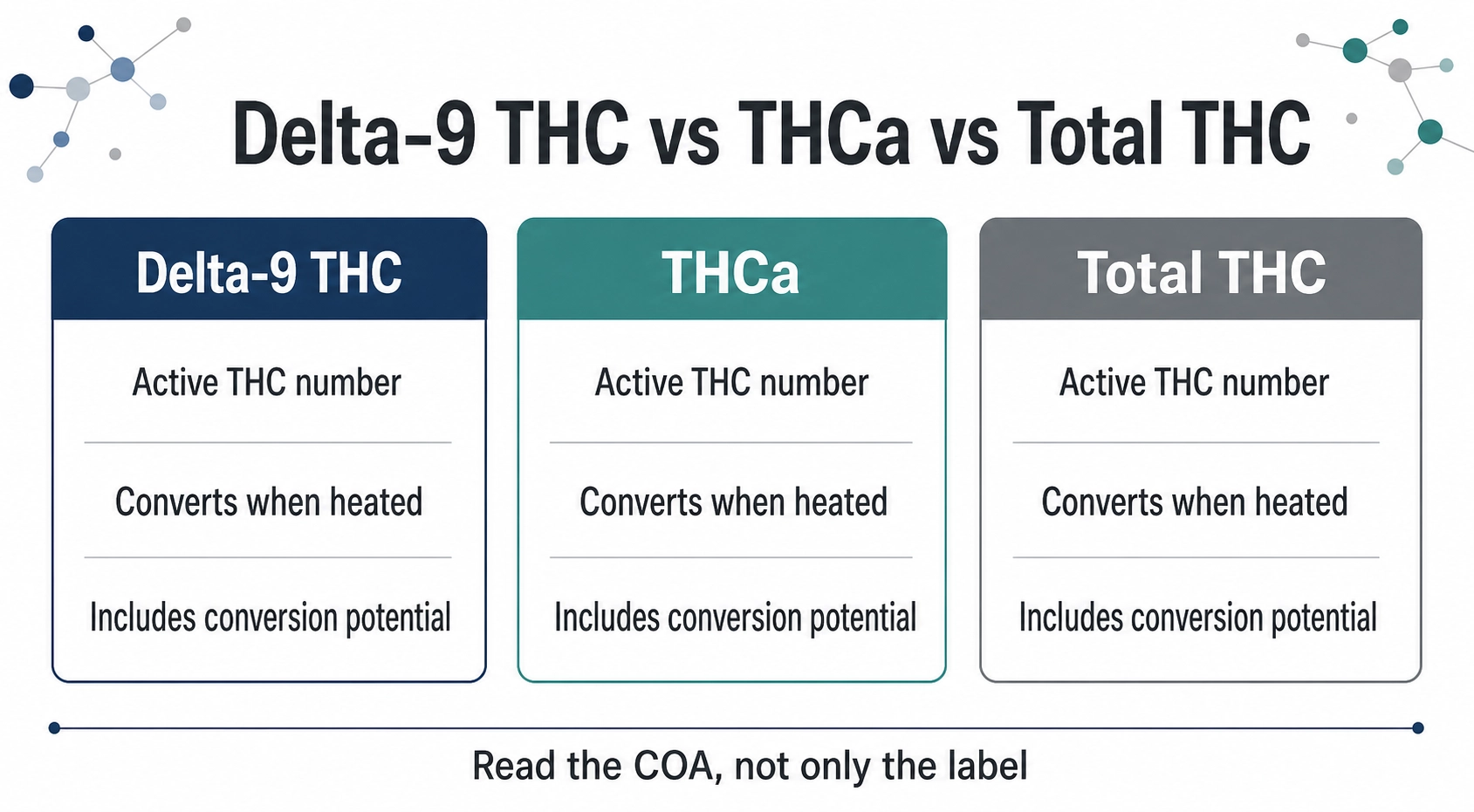
THCa matters because it can become delta-9 THC when heated. In raw cannabis flower, much of the potential intoxicating effect may be tied to acidic cannabinoids such as THCa rather than only the already-active delta-9 THC number shown on a simple label. When flower is smoked, vaped, or decarboxylated for edibles, heat changes the chemical picture.
This is why a product can advertise a low delta-9 THC percentage while still having a high THCa percentage. A buyer who only sees “0.3% THC” may assume the product is weak. In reality, the COA may show a much higher THCa value, which helps explain why some users report effects similar to dispensary cannabis.
The most important COA issue is the difference between delta-9 THC and total THC. USDA says hemp testing must consider the potential conversion of THCA into THC, and describes total THC as the value after decarboxylation or after applying a conversion factor. For licensed hemp production, USDA gives the formula as THCA x 0.877 plus delta-9 THC, with the result reported on a dry-weight basis.
The Online Listing Is Only the First Legal Filter
A product page is not a legal shield. It can tell you what the seller claims, but it does not answer every question about possession, transportation, sale, or enforcement in a buyer’s state. This is especially true for smokable flower, because it can look and smell like marijuana even if it is marketed as hemp.
The 2018 Farm Bill changed federal treatment of hemp, but it did not make every cannabis-derived product lawful in every context. Cannabis-derived products may still face federal product rules, state rules, local rules, and retail restrictions even when the starting material is described as hemp.
USDA regulates hemp production, while manufactured products for human or animal consumption may involve other federal, state, tribal, or local requirements. That division of authority is why the same product can be marketed one way online and treated differently once it reaches a particular state.
For readers, the practical lesson is simple: do not stop at the product page. Look for the COA, the seller’s shipping exclusions, your state’s hemp product rules, and any restrictions on smokable hemp or intoxicating hemp-derived cannabinoids.
The State-Line Scenario: Why Risk Changes on the Route
The risk changes because a THCa flower does not travel through a single legal environment. It may be grown in one state, tested by a lab in another, shipped from a fulfillment center, pass through carriers, arrive in a destination state, and then be carried or consumed by the buyer. Each stage can raise a different question.
Imagine a buyer orders THCa flower from an online seller. The product page says it is hemp-derived and includes a COA showing low delta-9 THC. The seller ships it to a state where cannabis remains restricted, then the buyer drives with it through another state with different hemp rules. The same jar now sits inside several overlapping questions: Was it lawfully produced? Is it legal to ship there? Is possession protected? Does the state use total THC? Is smokable hemp treated differently? Would a field officer recognize it as hemp without lab testing?
Mailability is not the same as legal safety. Hemp and hemp-based products to be mailed only when the mailer complies with applicable federal, state, and local laws and retains compliance records such as lab results, licenses, or reports. That makes the destination state and product documentation central to any THCa shipping discussion.
The safest wording is not “THCa is legal in the United States.” A more accurate framing is: THCa flower may be sold as hemp in some contexts, but the legal risk depends on product testing, product form, destination state, state hemp rules, and enforcement practices.
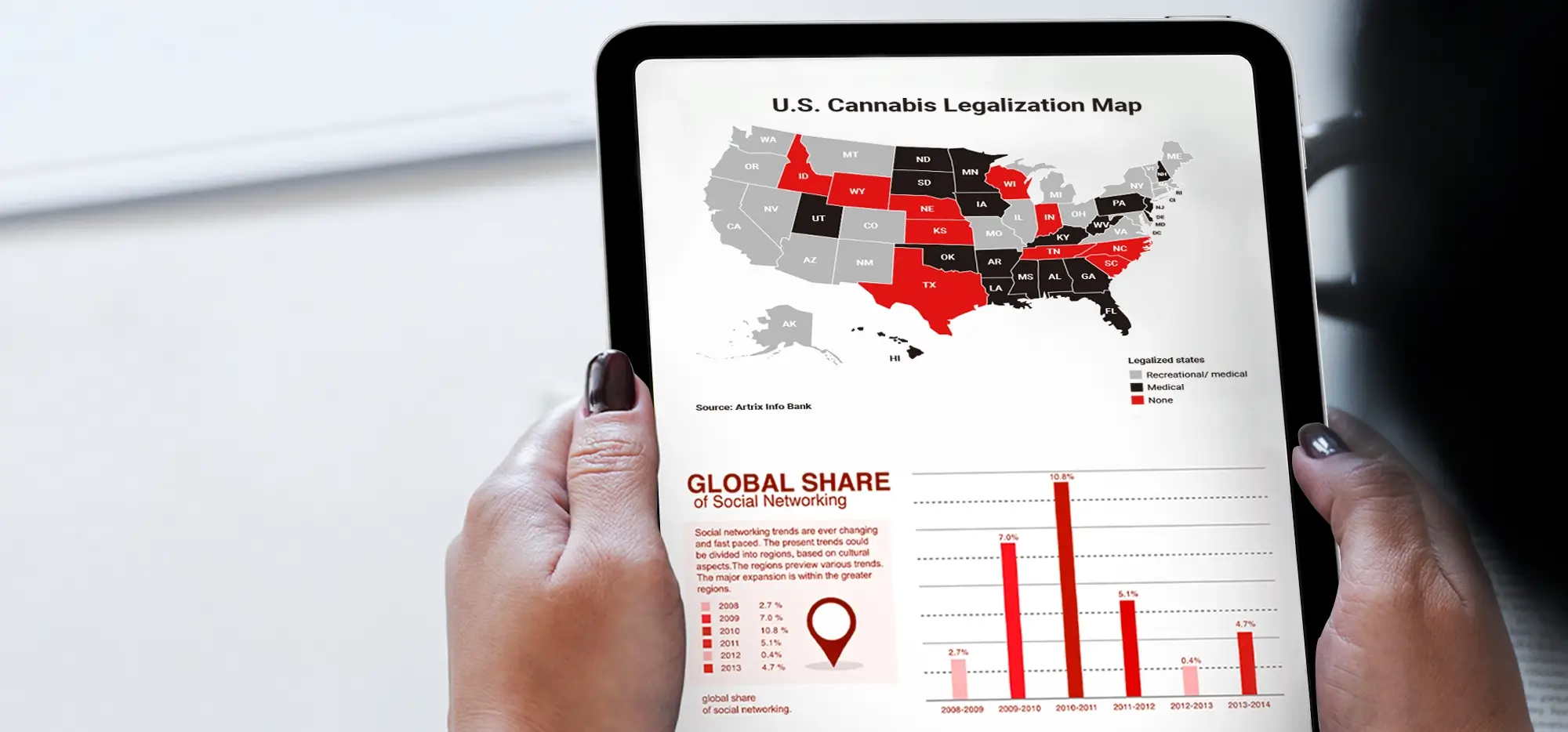
State-by-State THCa Flower Verification Table
Because laws change quickly, every row should be checked against current state agency guidance before publication or purchase.
| State | Verification focus | What to check before buying or shipping |
|---|---|---|
| Alabama | Check current state law before purchase or shipment | Smokable hemp rules, total THC treatment, possession rules. |
| Alaska | Check current state law before purchase or shipment | Adult-use cannabis rules and whether hemp flower is treated separately. |
| Arizona | Check current state law before purchase or shipment | Shipping exclusions, total THC rules, and cannabis retail requirements. |
| Arkansas | Check current state law before purchase or shipment | Restrictions on hemp-derived THC products and any THCa-specific treatment. |
| California | Check current state law before purchase or shipment | Rules for intoxicating hemp products and licensed cannabis channels. |
| Colorado | Check current state law before purchase or shipment | State hemp definitions, total THC standards, and retail product rules. |
| Connecticut | Check current state law before purchase or shipment | THC limits, retail channel requirements, and age restrictions. |
| Delaware | Check current state law before purchase or shipment | Cannabis rollout status, hemp retail rules, and possession rules. |
| Florida | Check current state law before purchase or shipment | Smokable hemp rules, hemp product limits, and enforcement updates. |
| Georgia | Check current state law before purchase or shipment | Hemp product law, possession risk, and recent state enforcement. |
| Hawaii | Check current state law before purchase or shipment | Import, shipping, smokable hemp, and product-form restrictions. |
| Idaho | Check current state law before purchase or shipment | Strict THC standards and whether any THC-containing hemp product is allowed. |
| Illinois | Check current state law before purchase or shipment | New intoxicating hemp framework and licensed cannabis retail requirements. |
| Indiana | Check current state law before purchase or shipment | Smokable hemp restrictions and product-form limits. |
| Iowa | Check current state law before purchase or shipment | Consumable hemp limits, THC caps, and package or serving rules. |
| Kansas | Check current state law before purchase or shipment | THC definitions, possession risk, and total THC treatment. |
| Kentucky | Check current state law before purchase or shipment | Hemp program rules, THCa flower treatment, and retail requirements. |
| Louisiana | Check current state law before purchase or shipment | Consumable hemp rules, THC limits, and product-form restrictions. |
| Maine | Check current state law before purchase or shipment | State hemp and cannabis retail rules. |
| Maryland | Check current state law before purchase or shipment | Adult-use cannabis rules and whether THCa products must use licensed channels. |
| Massachusetts | Check current state law before purchase or shipment | Hemp product restrictions and cannabis retail requirements. |
| Michigan | Check current state law before purchase or shipment | Whether intoxicating hemp products enter the cannabis regulatory system. |
| Minnesota | Check current state law before purchase or shipment | Hemp-derived cannabinoid limits and product-type restrictions. |
| Mississippi | Check current state law before purchase or shipment | Medical cannabis rules, smokable hemp rules, and possession risk. |
| Missouri | Check current state law before purchase or shipment | Adult-use cannabis rules and hemp-derived THC restrictions. |
| Montana | Check current state law before purchase or shipment | Hemp/cannabis distinction and total THC standards. |
| Nebraska | Check current state law before purchase or shipment | Hemp-derived THC restrictions and marijuana possession rules. |
| Nevada | Check current state law before purchase or shipment | Whether intoxicating hemp products must move through licensed cannabis channels. |
| New Hampshire | Check current state law before purchase or shipment | THCa flower treatment and cannabis possession rules. |
| New Jersey | Check current state law before purchase or shipment | Intoxicating hemp rules and licensed cannabis requirements. |
| New Mexico | Check current state law before purchase or shipment | Hemp product testing, labeling, and adult-use cannabis rules. |
| New York | Check current state law before purchase or shipment | Cannabinoid hemp program rules and flower restrictions. |
| North Carolina | Check current state law before purchase or shipment | Hemp product rules, marijuana possession risk, and pending updates. |
| North Dakota | Check current state law before purchase or shipment | THC product restrictions and total THC standards. |
| Ohio | Check current state law before purchase or shipment | Adult-use retail status, hemp rules, and shipping restrictions. |
| Oklahoma | Check current state law before purchase or shipment | Medical cannabis rules and hemp-derived THC restrictions. |
| Oregon | Check current state law before purchase or shipment | Hemp cannabinoid rules and artificial cannabinoid restrictions. |
| Pennsylvania | Check current state law before purchase or shipment | Medical cannabis rules and hemp product updates. |
| Rhode Island | Check current state law before purchase or shipment | Adult-use cannabis rules and intoxicating hemp restrictions. |
| South Carolina | Check current state law before purchase or shipment | Hemp flower rules, possession risk, and enforcement history. |
| South Dakota | Check current state law before purchase or shipment | THC definitions, hemp rules, and possession restrictions. |
| Tennessee | Check current state law before purchase or shipment | Hemp-derived cannabinoid rules and THCa-specific language. |
| Texas | Check current state law before purchase or shipment | Consumable hemp rules, smokable hemp litigation, and THC enforcement updates. |
| Utah | Check current state law before purchase or shipment | Medical cannabis rules and registered hemp product requirements. |
| Vermont | Check current state law before purchase or shipment | Hemp/cannabis rules and intoxicating hemp limits. |
| Virginia | Check current state law before purchase or shipment | Hemp product THC limits and cannabis retail restrictions. |
| Washington | Check current state law before purchase or shipment | Whether intoxicating hemp products must enter the regulated cannabis market. |
| West Virginia | Check current state law before purchase or shipment | Medical cannabis rules and hemp product treatment. |
| Wisconsin | Check current state law before purchase or shipment | Marijuana possession risk and hemp-derived THC treatment. |
| Wyoming | Check current state law before purchase or shipment | THC definitions, hemp product limits, and possession risk. |
THCa Flower Carries Different Risks Than Gummies, Vapes, or Delta-8 Cigarettes
THCa flower is risky in a different way because it is visually close to marijuana flower. A gummy can raise questions about ingredients, dosage, and product weight. A vape can raise questions about additives and device safety. Flower raises an immediate identification problem: without lab testing, it may not be obvious whether the material is hemp or marijuana.
For readers comparing hemp-derived formats, the distinction between THCa flower and delta-8 products is especially important. Delta-8 products are often discussed separately because many concentrated products are manufactured from hemp-derived CBD rather than simply harvested as flower.
| Product type | Why users ask about it | Main risk question |
|---|---|---|
| THCa flower | Looks like cannabis, ships like hemp, may feel similar to cannabis when heated. | Does the state treat it by delta-9 THC, total THC, smokable hemp rules, or cannabis possession law? |
| Delta-8 products | Often sold in smoke shops, gummies, vapes, or cigarette-like formats. | Is the cannabinoid allowed, restricted, synthesized, age-gated, or banned in that state? |
| Medical dispensary cannabis | Preferred by users who value testing, labeling, and state-regulated access. | Does the buyer qualify, and are products tested under a state cannabis program? |
| Hemp-derived delta-9 gummies | Can be intoxicating while still marketed under hemp rules. | Does the product rely on weight-based thresholds, package limits, or state edible rules? |
The buyer takeaway is that “hemp-derived” is not specific enough. The product form, cannabinoid, test result, age restriction, and state rule all matter.
Why Medical Users May Still Prefer Dispensary Products
Medical users may prefer dispensary products because testing consistency and regulated access can matter more than convenience. They may not purchase mail-order THCa because they prefer their state’s medical system and trust its testing more for their condition. That is a reasonable position, especially when products may affect comfort, routine, or symptom management.
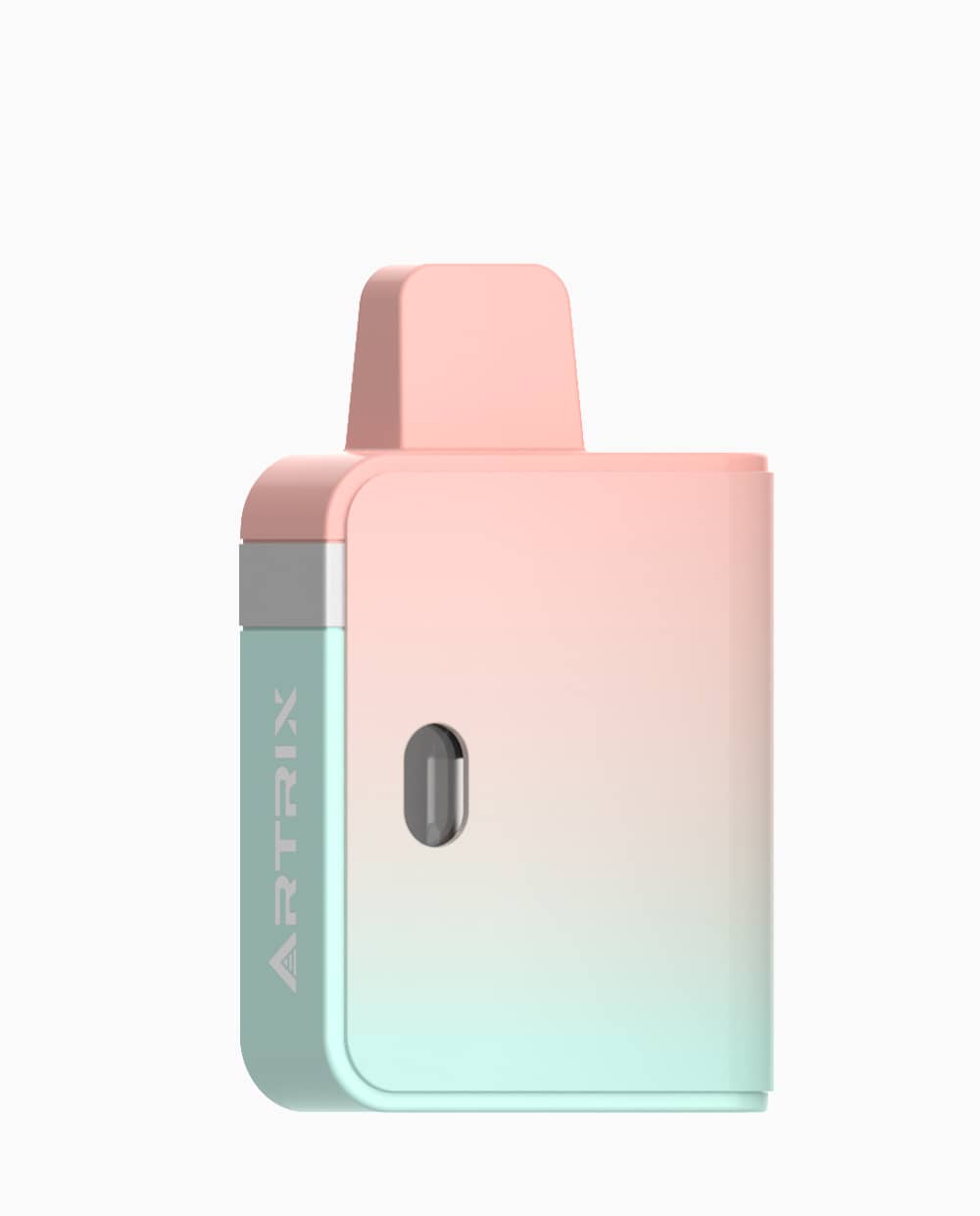
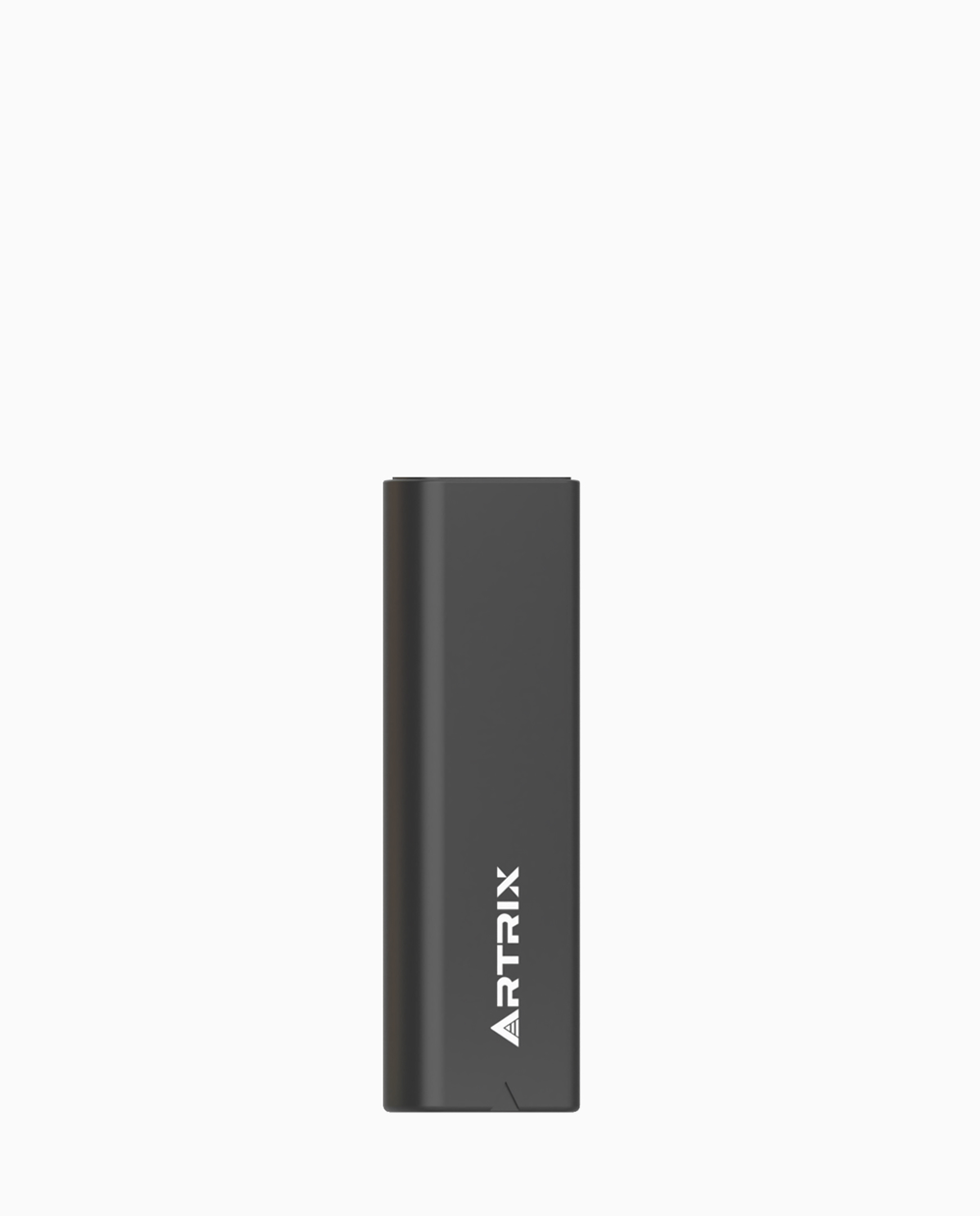
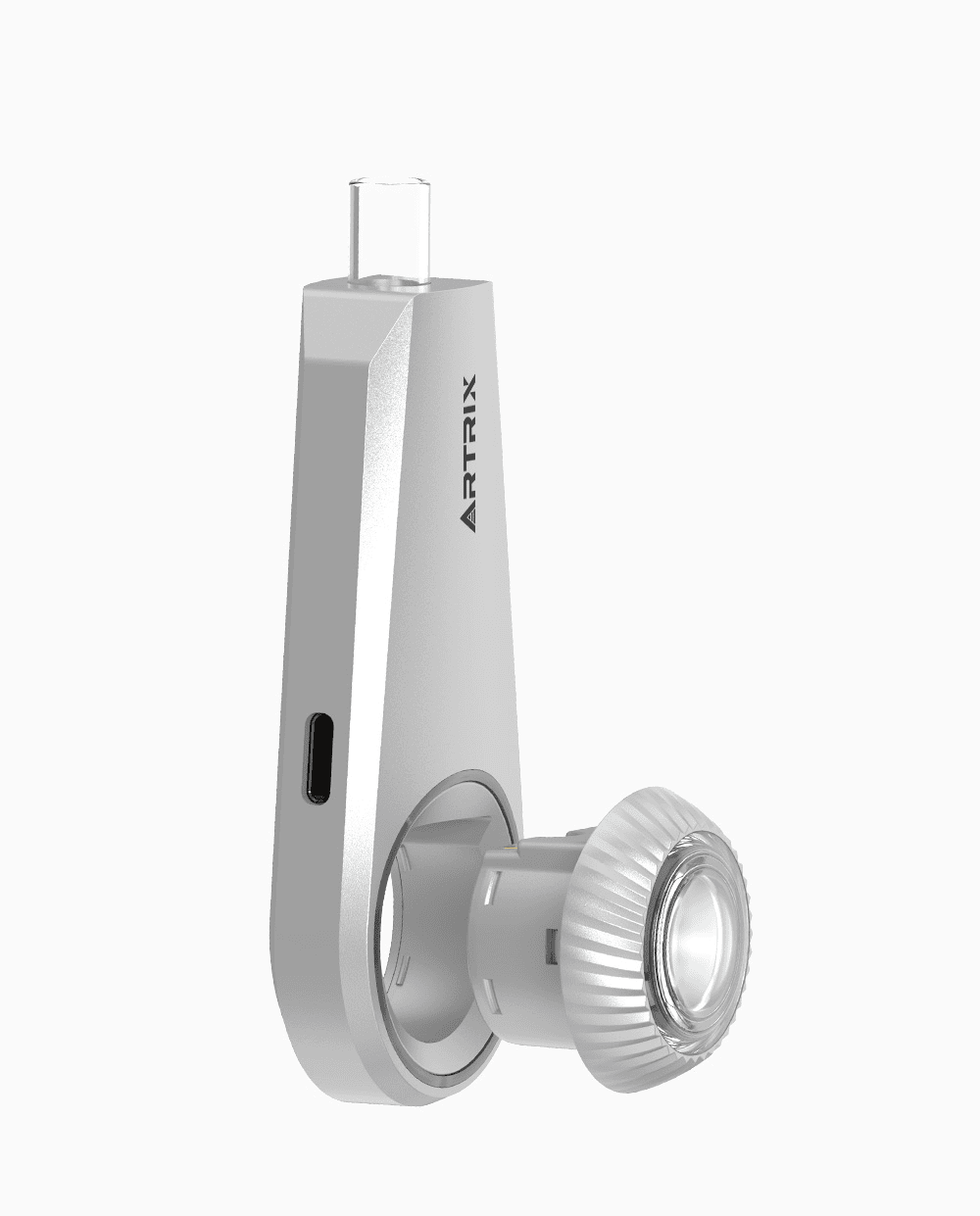
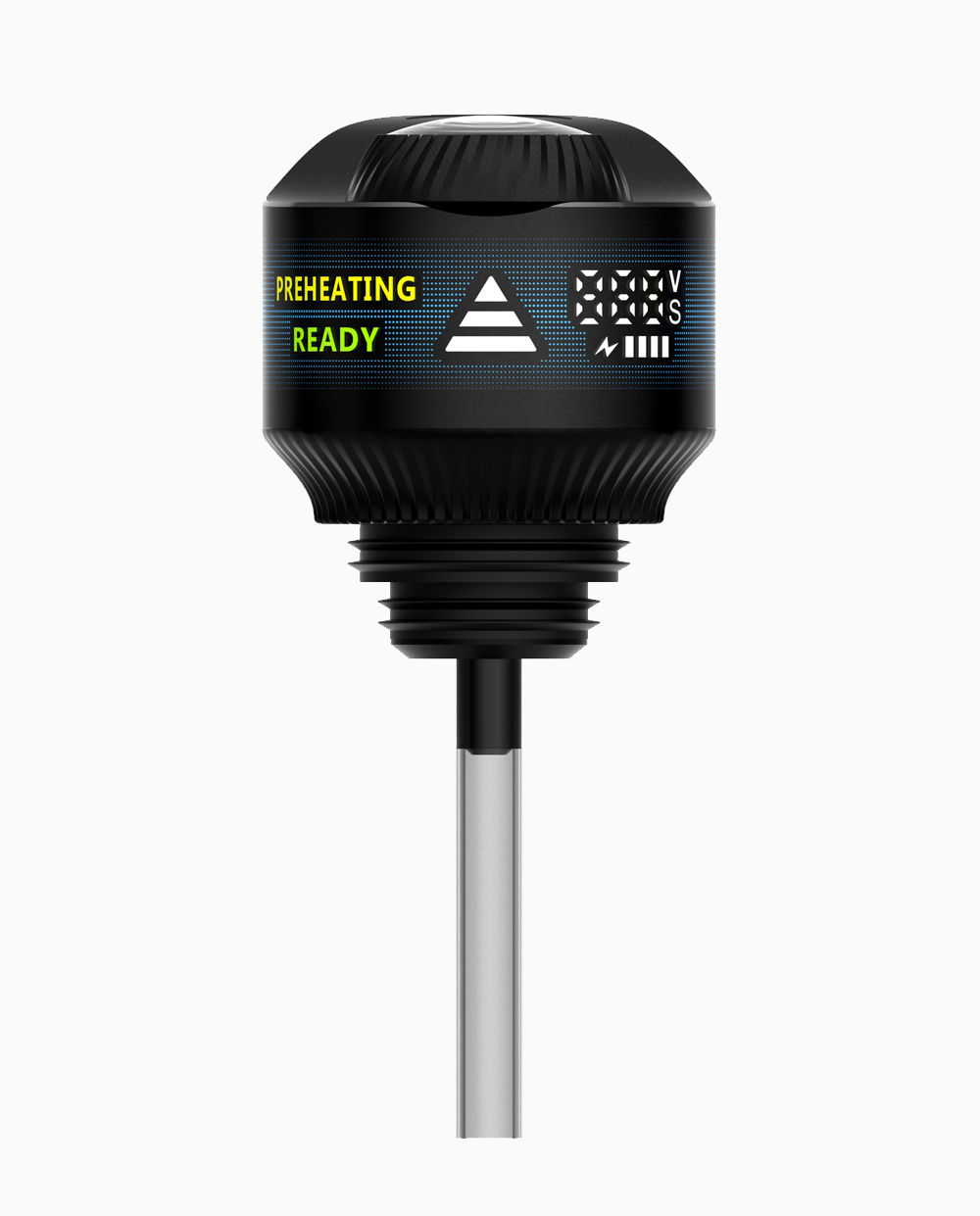
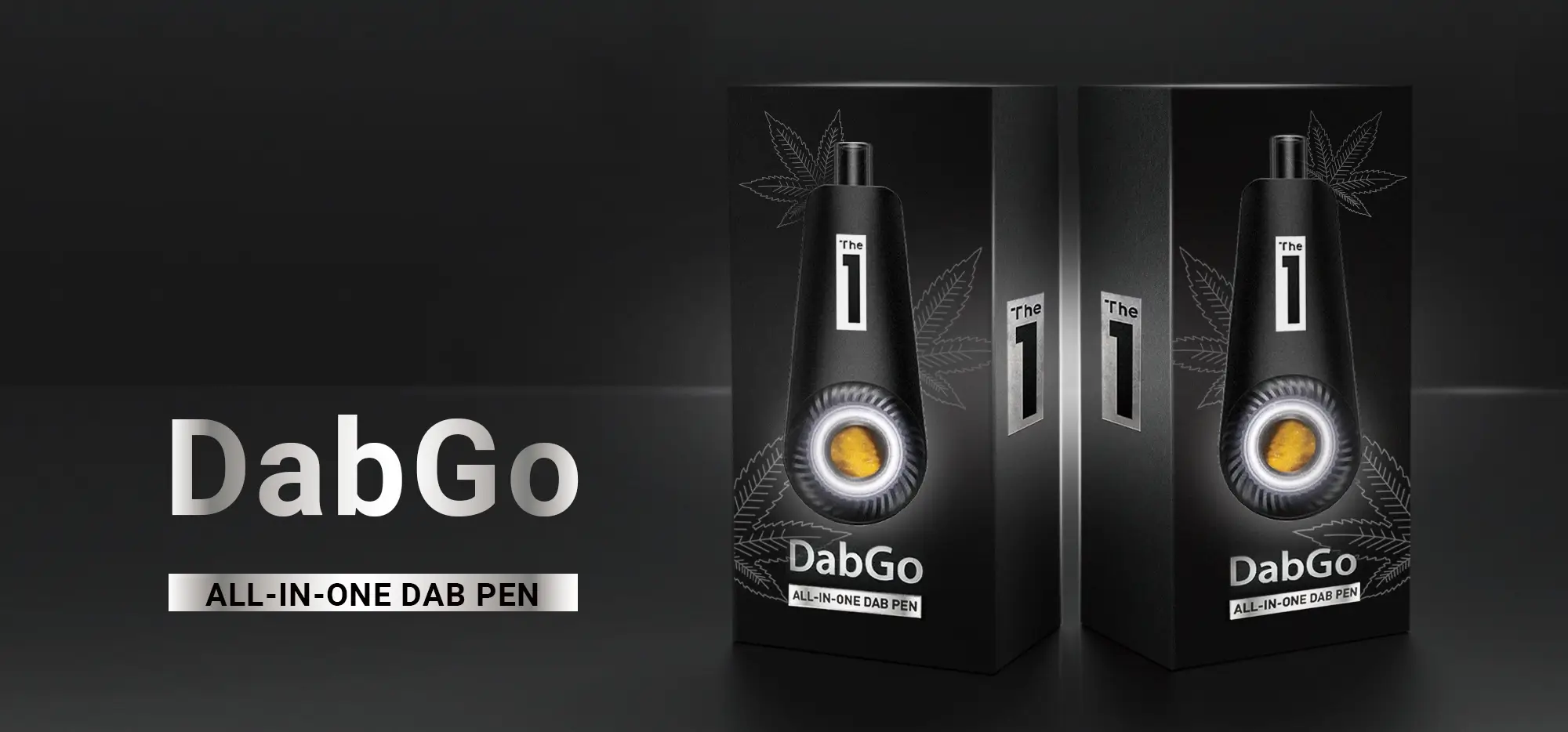
Consumer trust also depends on documented standards. For brands or buyers evaluating cannabis hardware, product transparency can matter as much as the cannabinoid name on a label.
For brands, this is where trust content matters. A buyer may forgive complex law, but they will not forgive vague COAs, missing lab details, unclear sourcing, or casual claims about safety.
What Changes in 2026
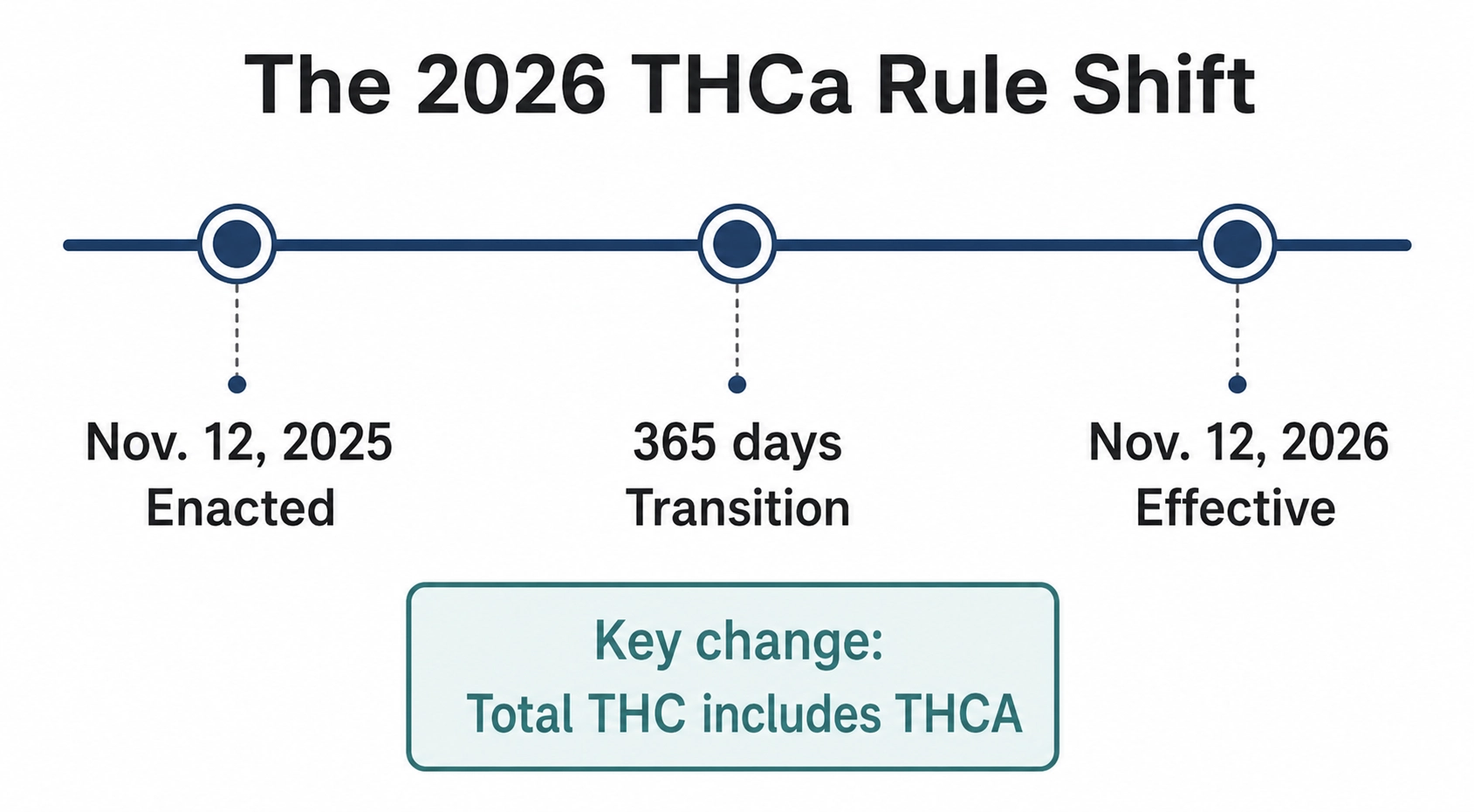
The 2026 federal change should be dated precisely. Public Law 119-37 was enacted on November 12, 2025, and Section 781 states that the hemp-definition amendments become effective 365 days after enactment. The amended definition uses total tetrahydrocannabinols, including THCA, and excludes final hemp-derived cannabinoid products with more than 0.4 milligrams combined total per container of total tetrahydrocannabinols and similar-effect cannabinoids.
This matters for THCa because new rules that focus on total THC, final product limits, or intoxicating effects can narrow the space that online sellers previously relied on. Even if a product was widely shipped in 2024 or 2025, that does not mean the same product will remain shippable or lawful under future rules.
What Buyers Should Check Before Ordering THCa Flower
Before ordering THCa flower, buyers should verify the product, the seller, the destination state, and the route. That may sound excessive, but it is the only way to avoid treating a marketing phrase as legal advice. The higher the THCa percentage and the more restrictive the destination state, the more important this check becomes.
-
- Check the COA for delta-9 THC, THCa, total THC, testing date, and lab name.
-
- Confirm whether the COA matches the exact product batch being sold.
-
- Review the seller’s shipping exclusions and age-gating policies.
-
- Look up the destination state’s rules on smokable hemp and intoxicating hemp products.
-
- Check whether the state uses total THC or another standard that accounts for THCa conversion.
-
- Do not assume possession is protected just because an online sale was accepted.
-
- Avoid medical, safety, or “legal everywhere” claims that are not backed by specific sources.
For retailers and cannabis hardware brands, this checklist can also become a trust module. Buyers are already asking these questions in forums. A brand that answers them clearly, without pretending the law is simpler than it is, will usually sound more credible than one that relies on loophole language alone.
Bottom Line: The Risk Is Not Only in the Flower
The risk is not only in the THCa flower itself. It is in the gap between the product’s online label, the COA, the shipping destination, the state’s hemp rules, and how the product may be interpreted after it is heated or tested. That is why a THCa flower can look legal online and become risky after one state line.